
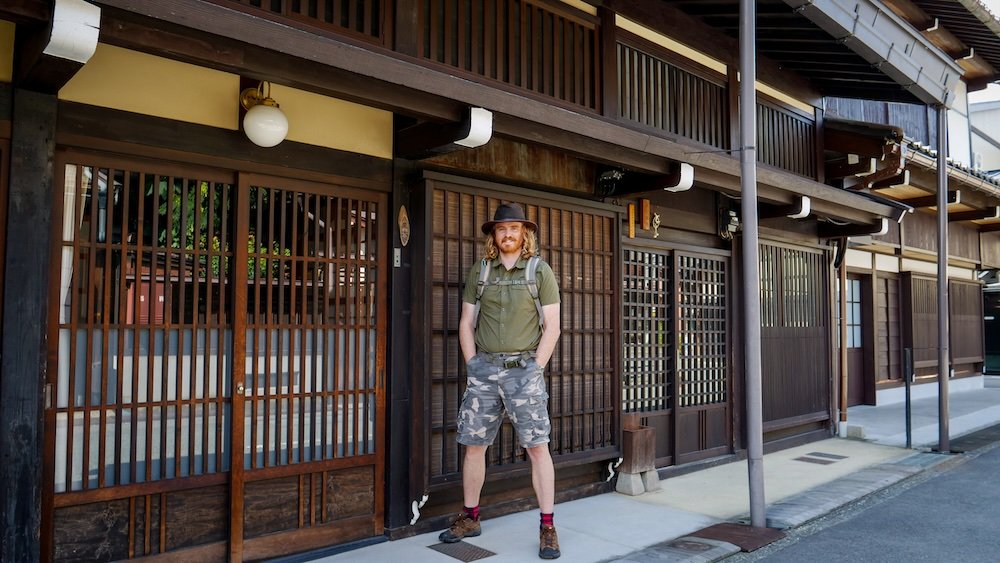
Takayama is a place where time feels like it slows down. Nestled in the Hida region of Gifu Prefecture, it merges the rustic beauty of old Japan with a friendly modern vibe that’s easy to appreciate. Wandering through its preserved streets, you’ll notice wooden merchant houses, small craft shops, and sake breweries. The steady hum of everyday life, from merchants greeting locals to visitors marveling at the intricate wooden carvings, sets a comforting and unhurried tone. Takayama’s timeless allure lies not just in its physical beauty, but in its ability to calm the mind and inspire a deeper connection with Japan’s rural heart.
Embracing Takayama’s Timeless Charm
- Historic atmosphere: Immerse yourself in streets that feel like stepping back in time.
- Local craftsmanship: Discover unique, handcrafted souvenirs and artisanal goods.
- Serene surroundings: Enjoy peaceful moments away from the bustling city scenes.
source: Samuel and Audrey YouTube Channel: Nomadic Samuel + That Backpacker hosting
Tip: Take a leisurely stroll in the early morning, when the streets are quiet and the sunlight gently bathes the old town, to truly appreciate Takayama’s calming ambiance.
Top 12 Things To Do in Takayama, Japan For Visitors
Below are the top 12 things to do in Takayama.
1. Miyagawa River and Nakabashi Bridge
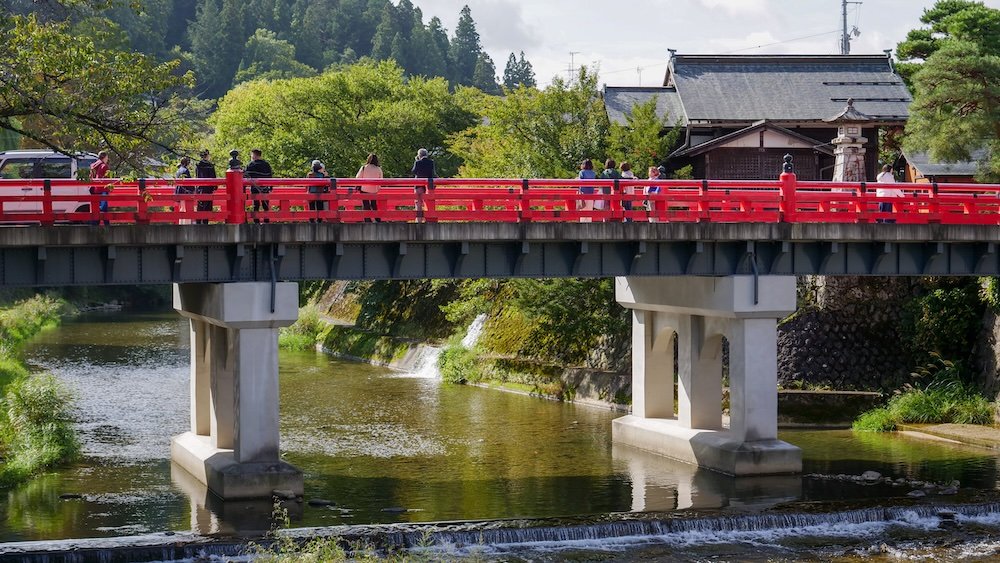
The Miyagawa River and the iconic Nakabashi Bridge create a postcard-perfect scene that instantly defines Takayama’s old-world charm. The vibrant red bridge contrasts beautifully against the serene blue water, making it a favorite spot for photography enthusiasts. In spring, delicate cherry blossoms line the riverbanks, while autumn turns the foliage into rich hues of amber and crimson. Strolling along the river’s edge, you’ll find small cafes, traditional shops, and locals going about their daily routines, offering glimpses of a simpler time. Taking a moment to stand on Nakabashi Bridge, watching the water flow gently beneath, can be a soothing reminder that travel isn’t just about ticking off sights, but truly experiencing a place.
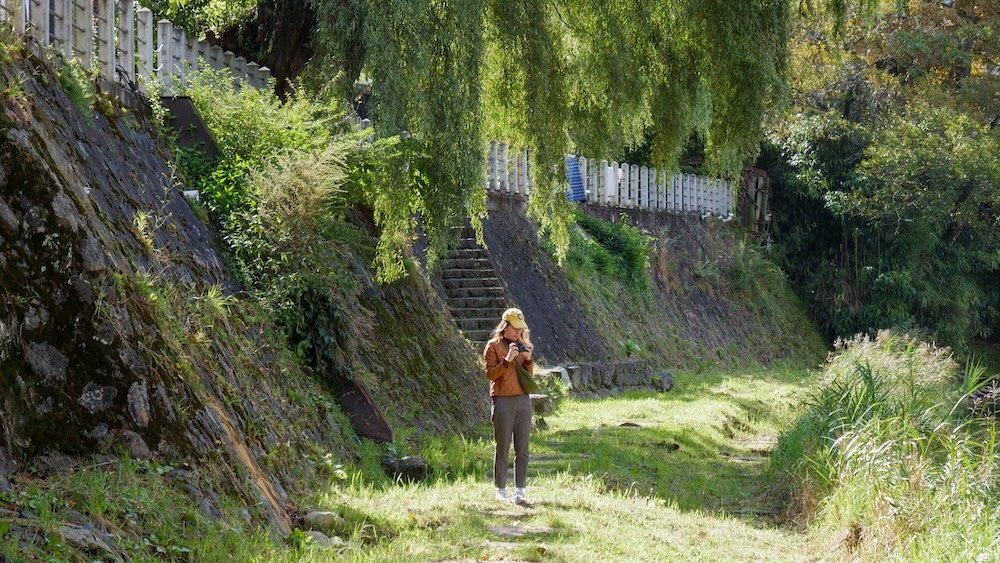
- Scenic vantage point: Perfect for photography and seasonal views.
- Authentic atmosphere: Observe local life unfolding in a serene riverside setting.
- Cultural insight: Enjoy the blend of natural beauty and historic charm.
Tip: Visit early in the morning to enjoy a quieter, more intimate atmosphere before the crowds arrive and capture the best light for photos.
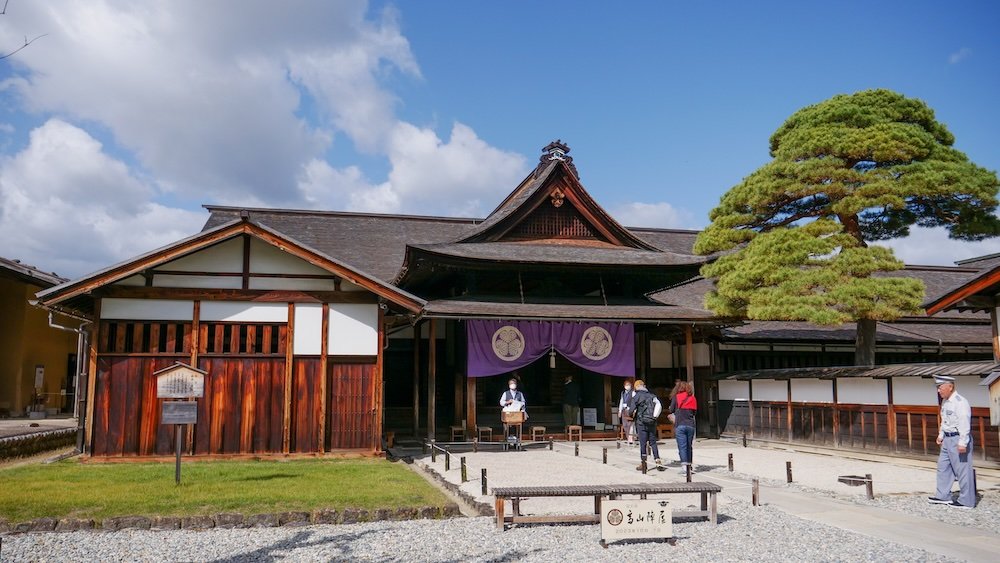
2. Takayama Jinya
The Takayama Jinya offers a rare opportunity to step back into Japan’s feudal past. Here you can explore a former government outpost from the Edo period. The well-preserved building, with its tatami-matted floors, wooden corridors, and traditional architecture, provides a tangible connection to a time when samurai and officials administered local affairs here. Detailed exhibits and original documents bring the history to life, giving you insights into the region’s governance and daily life centuries ago. Wandering through the old offices, storehouses, and interrogation rooms, you’ll feel an intriguing mix of curiosity and awe at how much life has changed while some traditions endure. A visit to Takayama Jinya enriches your understanding of Japan’s historical structure, making the past feel personal and real.
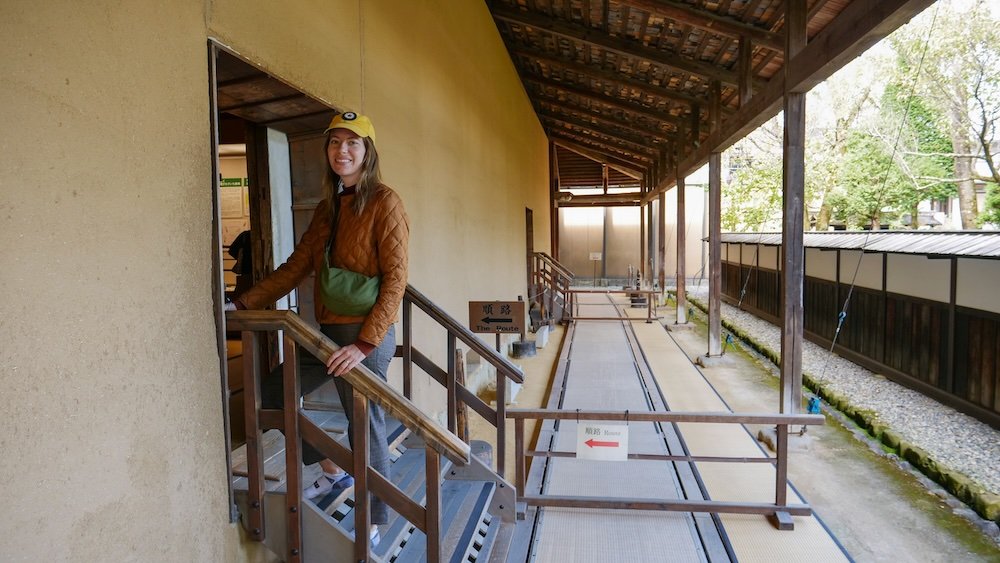
- Historical authenticity: Explore a genuine Edo-period administrative building.
- Cultural insights: Learn about samurai-era governance and local administration.
- Original artifacts: See documents and tools that paint a vivid historical picture.
Tip: Take a guided tour or use an audio guide to gain deeper context and appreciate the finer details of Takayama Jinya’s rich history.
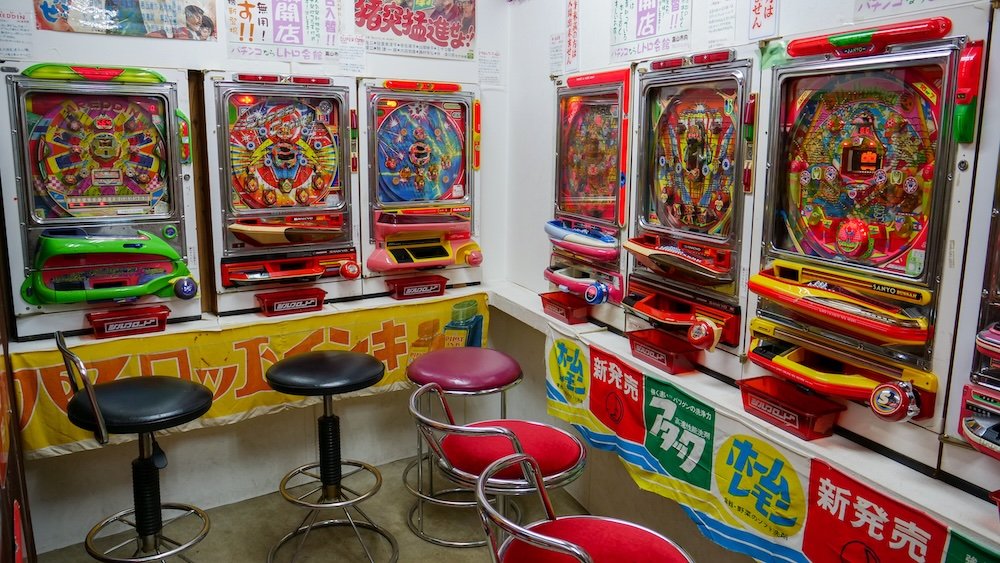
3. Hida Takayama Retro Museum
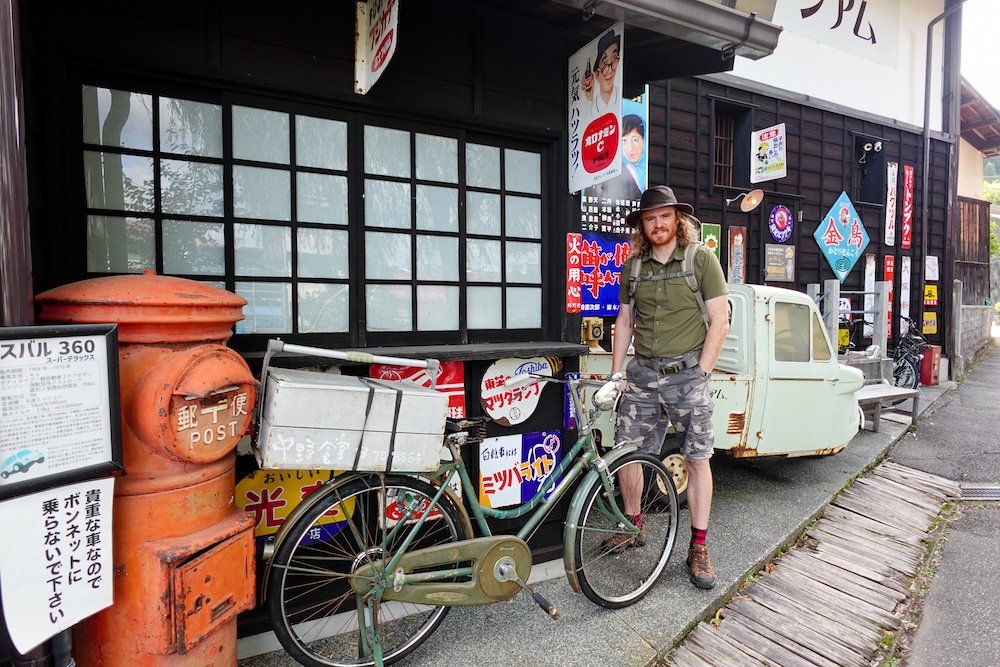
The Hida Takayama Retro Museum is a nostalgic time capsule that transports you to Japan’s Showa era. It offers up a delightful contrast to the city’s historic landmarks. Inside, you’ll find a treasure trove of vintage toys, retro electronics, colorful posters, and everyday household items, each evoking memories and stories from decades past. Exploring these exhibits allows you to see a different side of Japan, one defined by playful aesthetics, evolving technology, and the warmth of simpler times. It’s an immersive experience that encourages interaction, with some items inviting you to touch, play, or pose for photos. Visiting the Retro Museum is both entertaining and insightful, reminding you that history is not only ancient temples, but also the recent past that shaped modern life.

- Nostalgic appeal: Enjoy a fun, hands-on look at mid-20th-century Japanese culture.
- Varied exhibits: Explore toys, electronics, and everyday items from a bygone era.
- Cultural perspective: Gain insights into how Japan evolved socially and technologically.
Tip: Bring a camera—the vibrant displays and quirky artifacts make for fun and memorable photos.
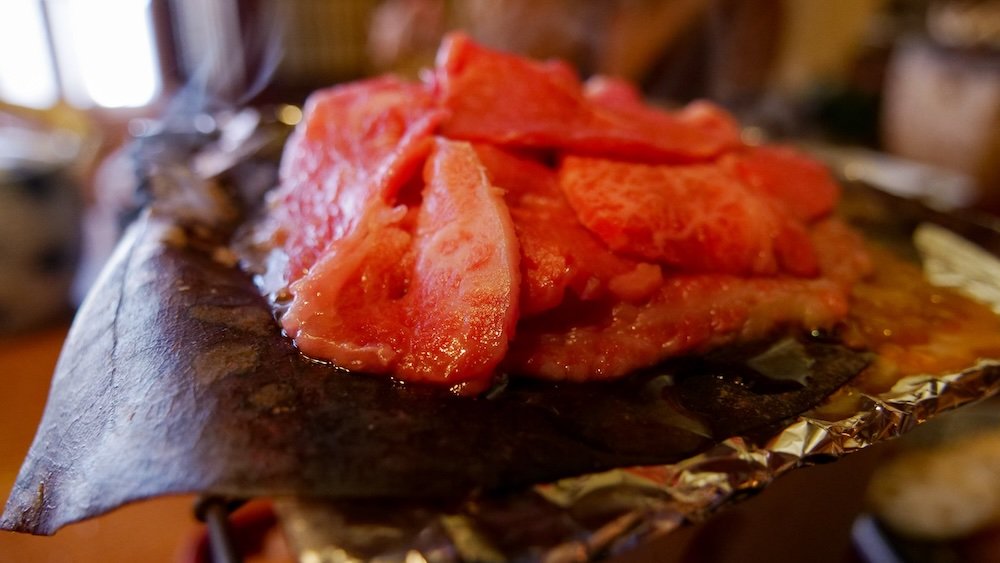
4. Hida Beef and Vegetarian Lunch Set at Local Cuisine Hisadaya
Treat yourself to a hearty meal at Local Cuisine Hisadaya. It’s where both carnivores and vegetarians can indulge in flavorful lunches. The Hida beef, renowned for its tender, marbled perfection, offers a melt-in-your-mouth experience that’s worth savoring slowly. For vegetarian travelers, the carefully crafted vegetable sets highlight seasonal produce and traditional preparation methods, ensuring no one misses out on a satisfying meal. The restaurant’s warm atmosphere and friendly staff create a relaxed dining environment, perfect for enjoying these carefully curated dishes. Sitting down to dine at Hisadaya isn’t just about eating, it’s about connecting with the region’s culinary heritage and appreciating ingredients grown and prepared with care.
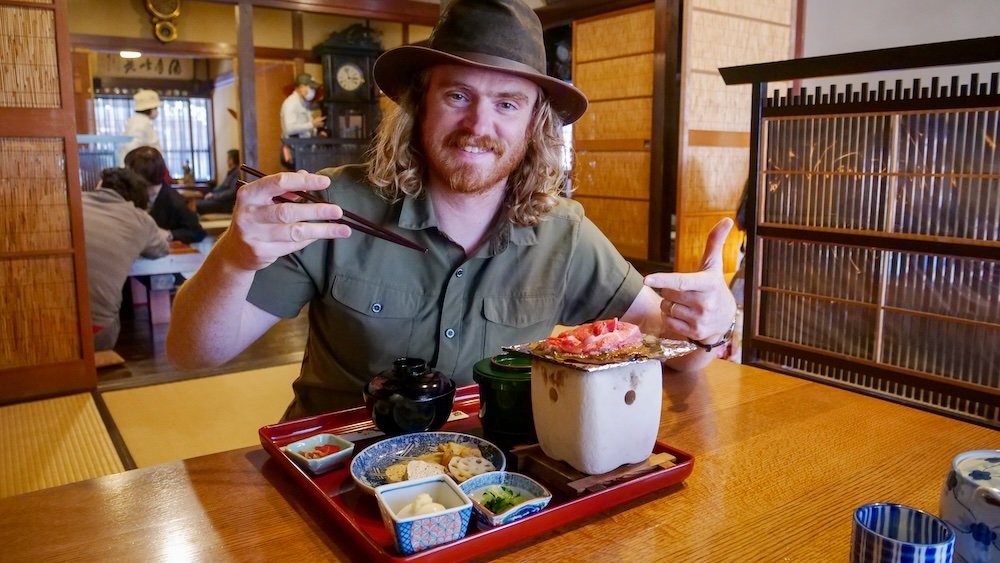
- Hida beef specialties: Experience some of the finest, locally sourced wagyu in Japan.
- Vegetarian options: Seasonal vegetable sets cater to plant-based diets.
- Authentic ambiance: Enjoy a cozy setting and genuine local hospitality.
Tip: Make a reservation during peak seasons to ensure your spot and savor these sought-after specialties without stress.
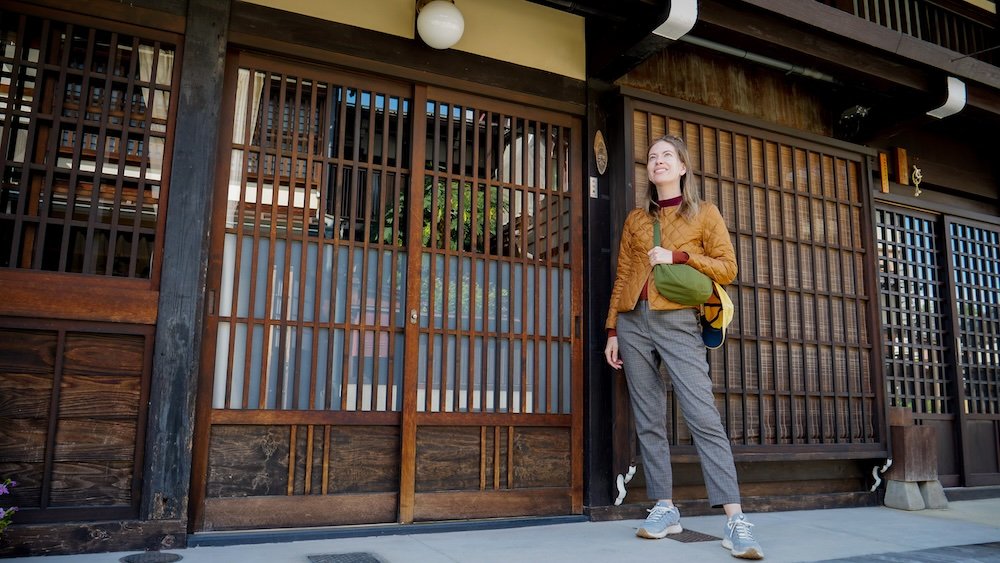
5. Sanmachi Suji
Strolling through Sanmachi Suji, Takayama’s beautifully preserved historic district. It feels like stepping into a timeless Japanese postcard. The narrow streets, lined with wooden merchant houses and sake breweries, exude an old-world charm that encourages slow exploration. Artisan shops display handmade crafts, lacquerware, and intricate souvenirs, inviting you to browse and discover unique finds. Traditional cafes and sweet shops tempt you with wagashi (Japanese sweets) and comforting hot beverages, perfect for a leisurely afternoon break. Immerse yourself in Sanmachi Suji’s authentic ambiance, and you’ll understand why Takayama is celebrated as a cultural treasure where past and present meet gracefully.
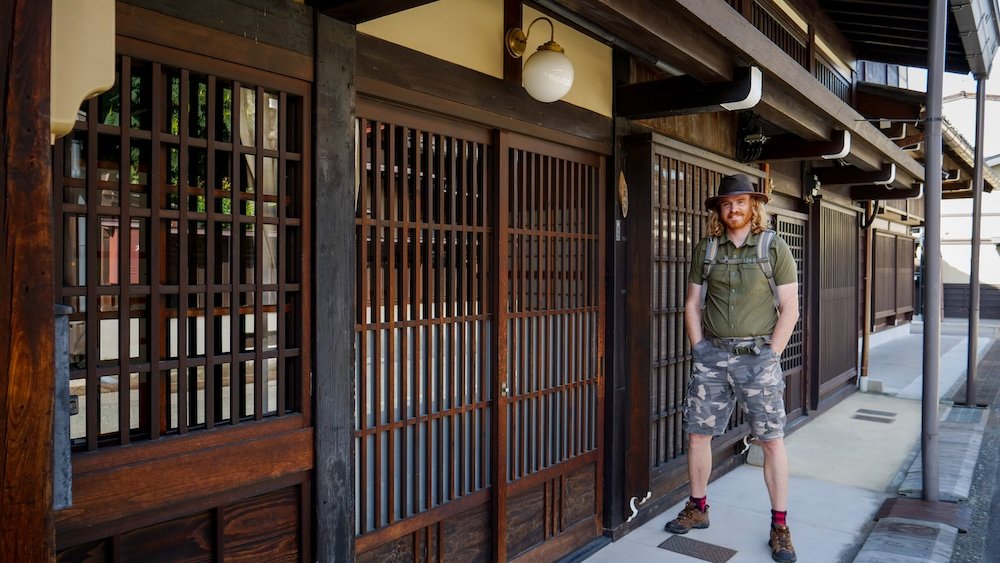
- Historic preservation: Enjoy centuries-old architecture in well-maintained wooden houses.
- Local crafts: Find handmade goods, from textiles to lacquerware.
- Cultural immersion: Experience traditional sweets and sake in authentic settings.
Tip: Visit early morning or late afternoon for fewer crowds and more time to interact with shopkeepers and artisans.
6. Yoshijima Traditional House
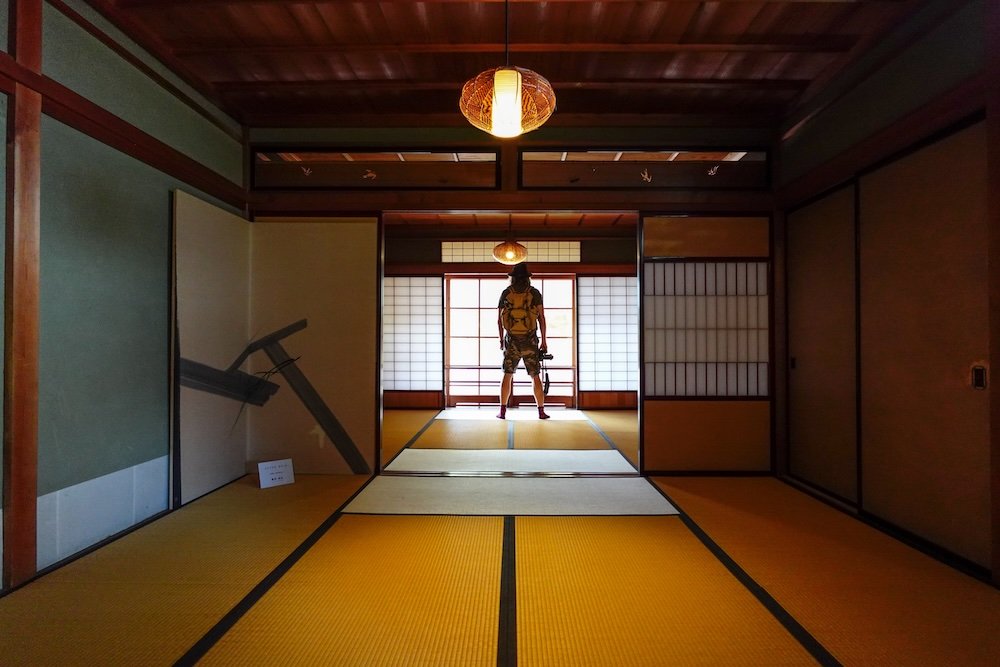
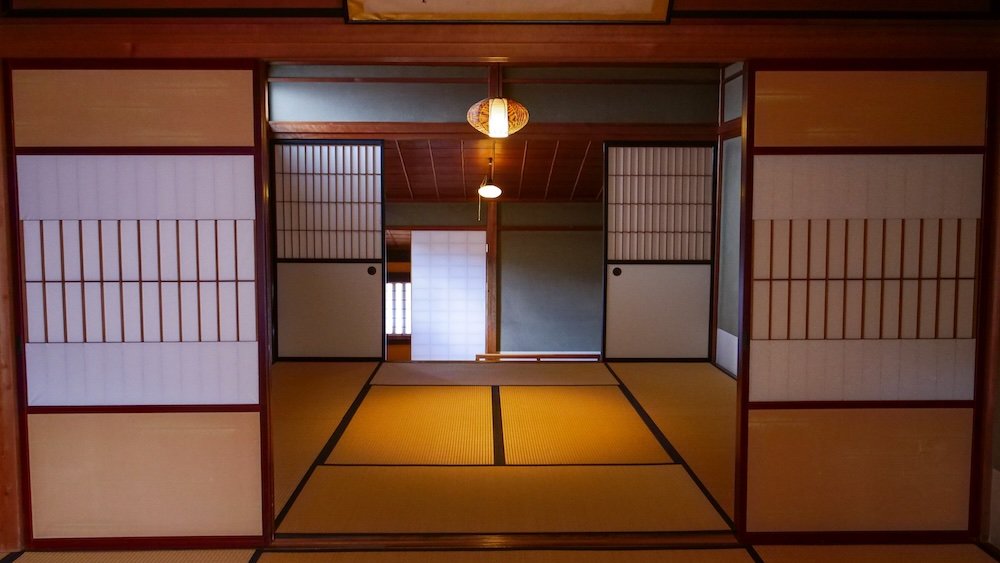
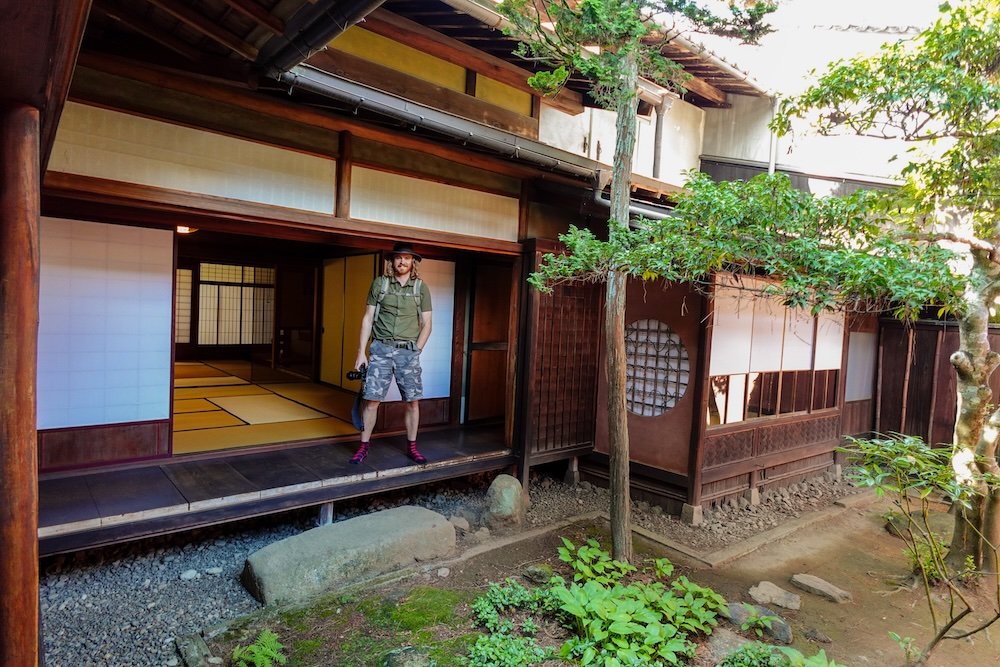
At Yoshijima Traditional House, step into a realm where craftsmanship, architecture, and cultural heritage converge beautifully. Originally owned by a wealthy sake merchant family, this wooden residence showcases traditional Japanese design principles and careful attention to detail. The interplay of natural light, wooden beams, and minimalist interiors creates a tranquil atmosphere, encouraging you to appreciate the subtle art of simplicity. Exploring each room reveals insights into the family’s lifestyle, commerce, and traditions, making your visit feel like peeking through a window into the past. Yoshijima House stands as a quiet testament to Takayama’s rich heritage, inviting you to linger, learn, and respect the customs that shaped this remarkable home.
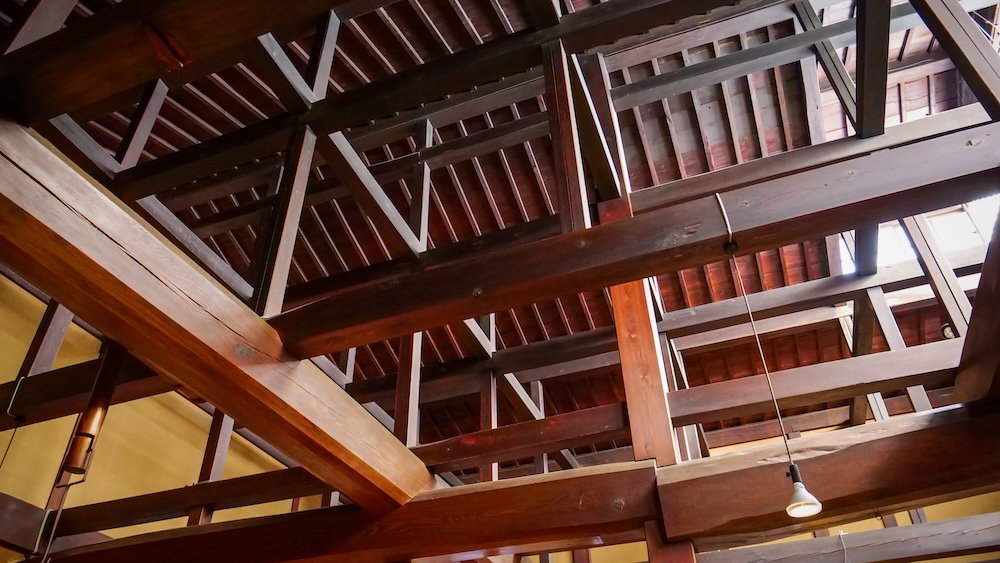
- Traditional architecture: Admire tatami mats, sliding doors, and beautiful wooden beams.
- Cultural context: Understand the lives of wealthy merchants in old Takayama.
- Authentic ambiance: Enjoy the peaceful, understated elegance of historical interiors.
Tip: Take your time in each room, noting details like joinery techniques and room layouts that reveal ancient design wisdom.

7. Cat Cafe and Cat Rescue Centre (猫の月さくらやま)
For animal lovers, a visit to the Cat Cafe and Cat Rescue Centre (猫の月さくらやま). It offers a heartwarming and cozy diversion from traditional sightseeing. Inside, you’ll encounter friendly felines seeking affection, some of whom are rescue cats awaiting their forever homes. This cafe combines relaxation with a meaningful cause, allowing you to support animal welfare as you sip tea or coffee amidst purring companions. Each cat has a story, and the staff are happy to share details about their personalities, backgrounds, and adoption processes. Spending time here not only brings joy and warmth, but also raises awareness about responsible pet ownership and the importance of animal care.
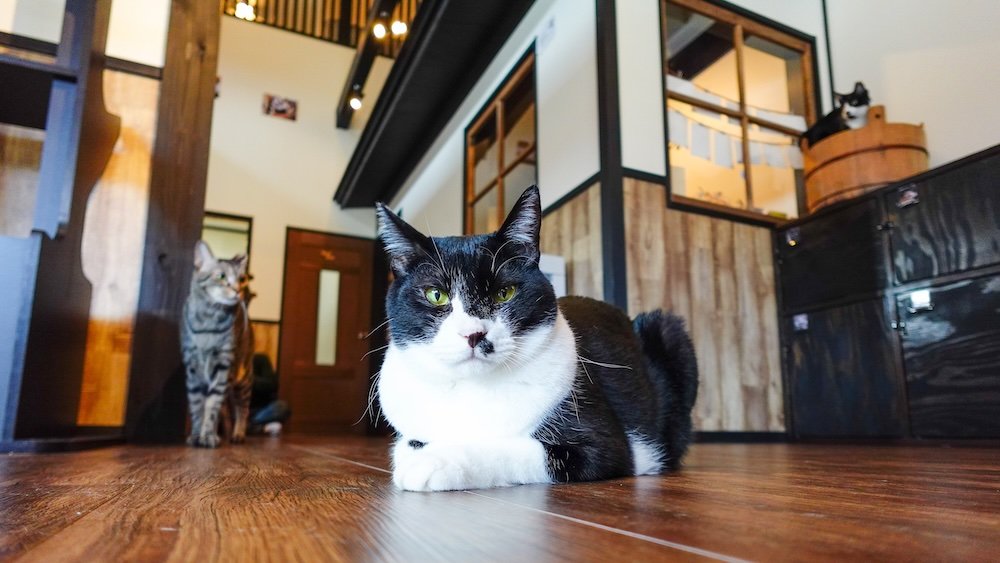
- Feline friends: Interact with rescue cats in a calm, welcoming environment.
- Relaxing atmosphere: Enjoy coffee or tea while bonding with furry companions.
- Meaningful mission: Support animal rescue efforts through your visit.
Tip: Follow the cafe’s guidelines for interacting with cats, ensuring a safe and comfortable environment for both guests and animals.
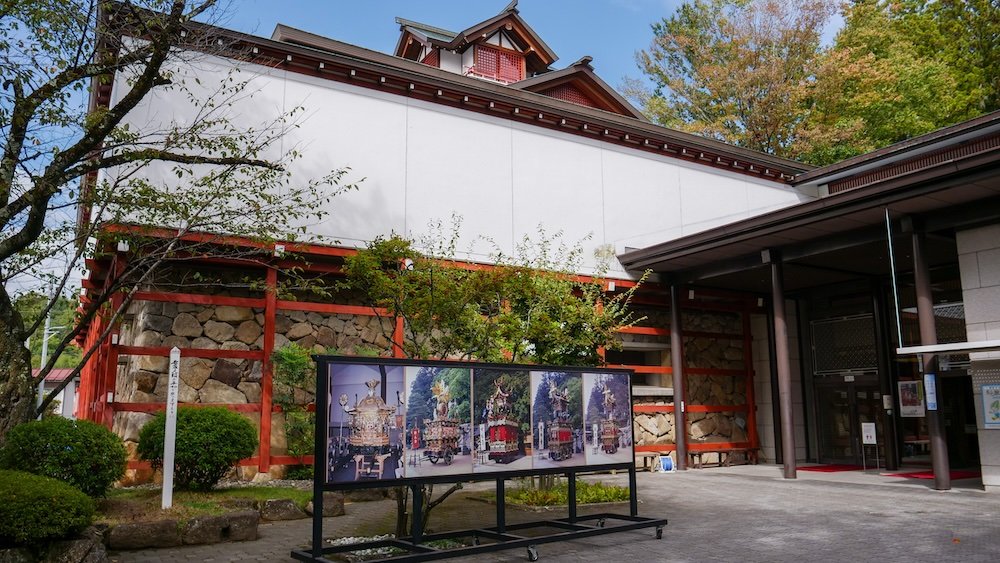
8. Takayama Matsuri Yatai Kaikan
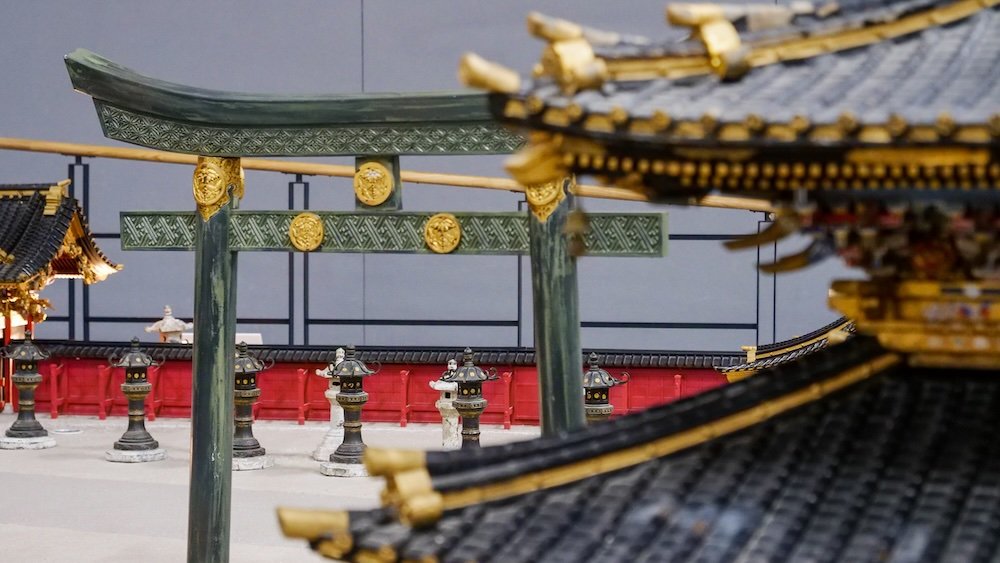
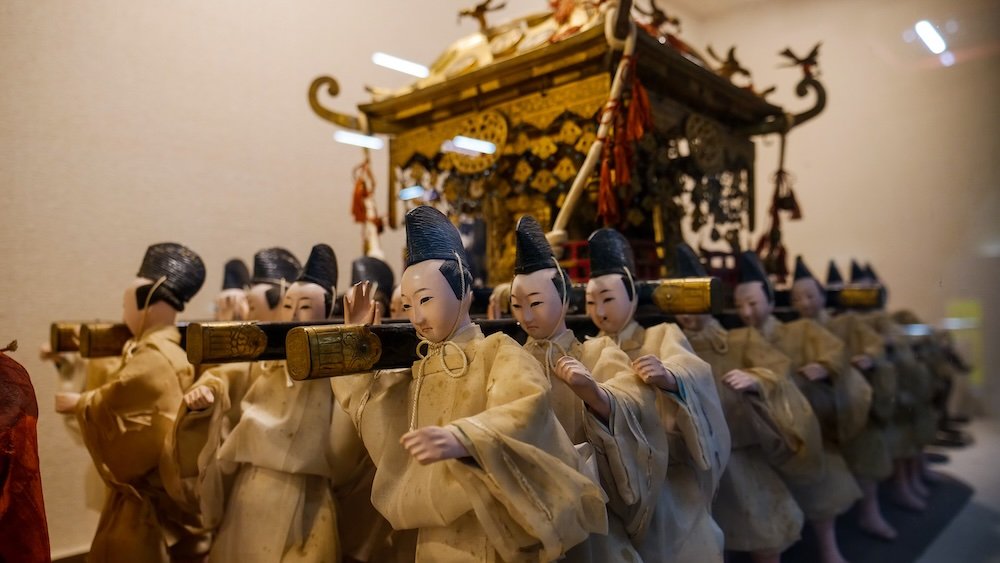
Step into the world of Takayama’s famous festivals at the Takayama Matsuri Yatai Kaikan. It’s a museum dedicated to the city’s beautifully crafted festival floats. These ornately designed yatai (floats) are displayed year-round, allowing you to admire their intricate carvings, vibrant colors, and elaborate decorations without waiting for festival dates. Learning about the history, symbolism, and craftsmanship behind each float offers insights into Takayama’s cultural pride, where local artisans invest time and passion into preserving these traditions. Walking through the exhibits, you’ll gain a deeper appreciation for the skill and creativity that bring Takayama’s festivals to life, making the annual celebrations even more meaningful. The Yatai Kaikan ensures that even if your travel dates don’t align with the festivals, you can still grasp their splendor, understanding why they rank among Japan’s most esteemed seasonal events.
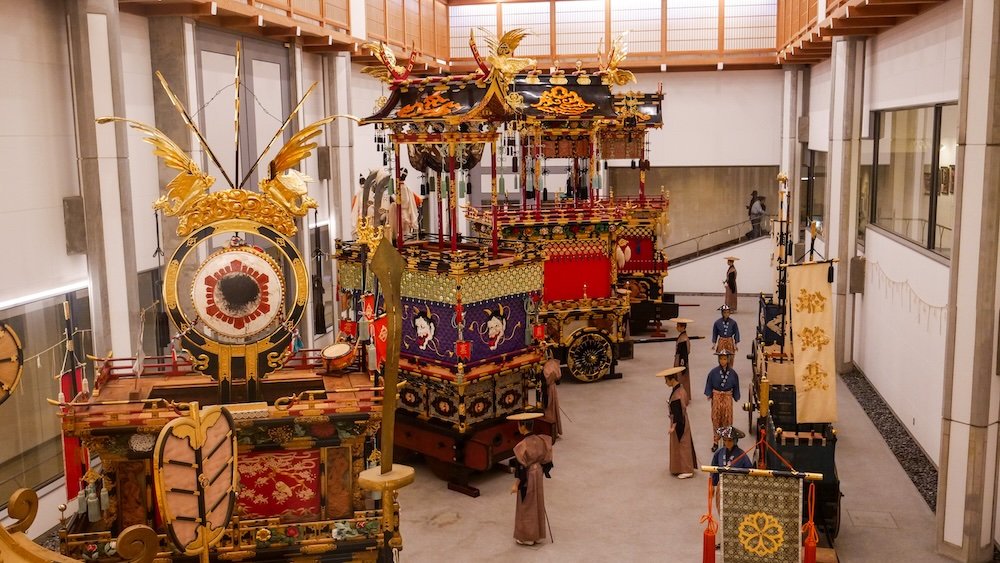
- Artistic mastery: Marvel at exquisitely carved and painted festival floats.
- Cultural education: Learn about the history and symbolism of Takayama’s festivals.
- Year-round access: Enjoy the festival spirit even outside event dates.
Tip: Inquire about audio guides or multilingual information to gain deeper context and enrich your experience at the Yatai Kaikan.
9. Nikkokan
Nikkokan is a hidden gem that showcases Takayama’s legacy of artistry. Inside, you’ll find an array of traditional artifacts, from ceramics to lacquerware, each piece telling a story of regional heritage and skill. The museum’s intimate setting encourages close examination, letting you appreciate the subtle textures, colors, and patterns that define each creation. Occasionally, you may observe artisans at work, offering a rare glimpse into the creation process behind these timeless pieces. Visiting Nikkokan reminds you that beyond festivals and temples, Takayama’s cultural heartbeat thrives in workshops and quiet corners, where creativity and tradition intertwine beautifully.
- Artistic showcase: Admire traditional crafts like ceramics and lacquerware.
- Close examination: Enjoy the museum’s intimate atmosphere, perfect for detailed viewing.
- Live demonstrations: Occasionally witness artisans creating new masterpieces.
Tip: Take notes or snap photos of pieces that inspire you, as you may find related crafts elsewhere in Takayama to further explore your newfound interests.
10. Sakurayama Hachimangu Shrine
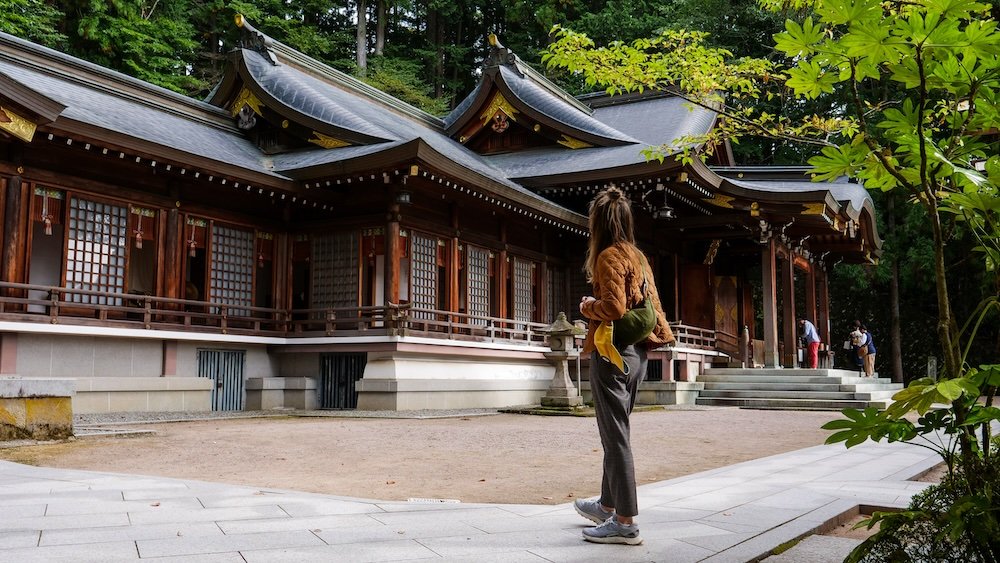
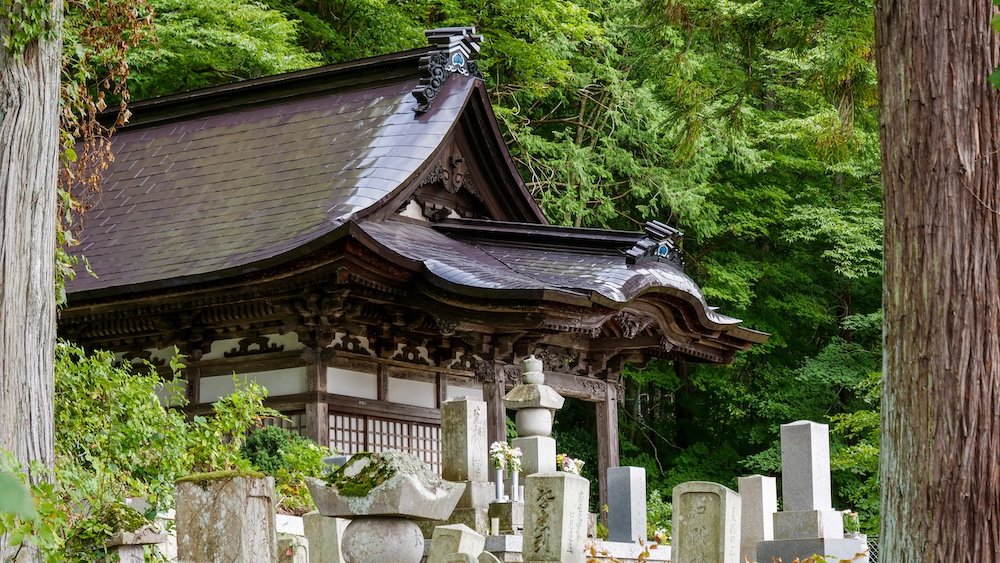
The Sakurayama Hachimangu Shrine introduces a more spiritual facet of Takayama. It offers a peaceful respite from bustling streets and markets. Dedicated to the god of war and protector of the people, this Shinto shrine is surrounded by ancient cedar trees, adding a sense of timelessness and reverence to your visit. Its architecture, adorned with wooden carvings and subtle decorations, invites calm observation and reflection. During the Takayama Autumn Festival, this shrine becomes a focal point, where elaborate floats and parades honor age-old traditions. Visiting Sakurayama Hachimangu Shrine provides a deeper understanding of the spiritual beliefs that shape Takayama’s cultural identity, leaving you with a sense of respect and admiration for its enduring customs.
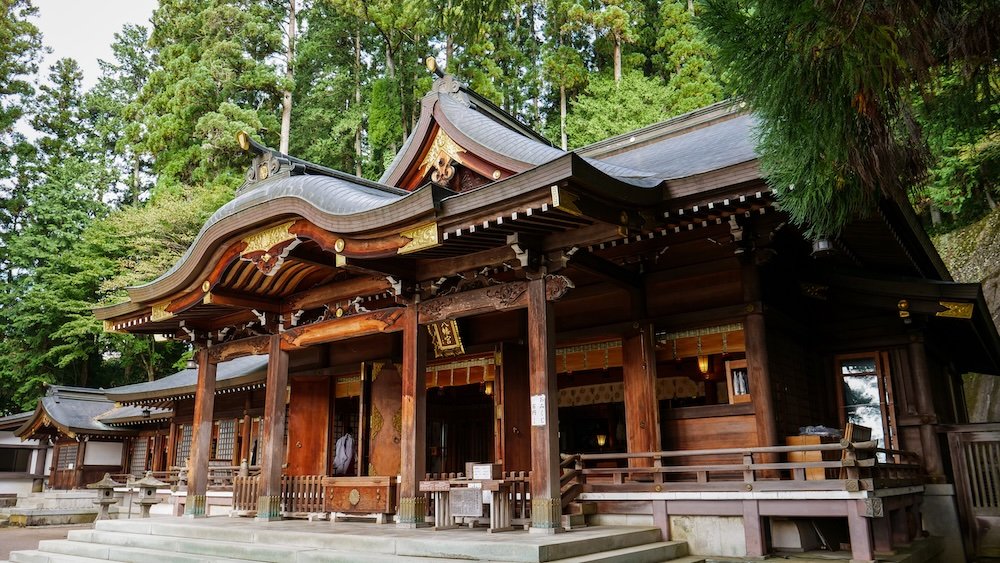
- Spiritual haven: Experience quiet contemplation amid towering cedar trees.
- Historic significance: Learn about Shinto practices and the shrine’s protective deity.
- Festival hub: Witness the shrine’s pivotal role during vibrant autumn celebrations.
Tip: Visit in early morning for a serene atmosphere, allowing you to enjoy the shrine’s tranquility before daily activities begin.
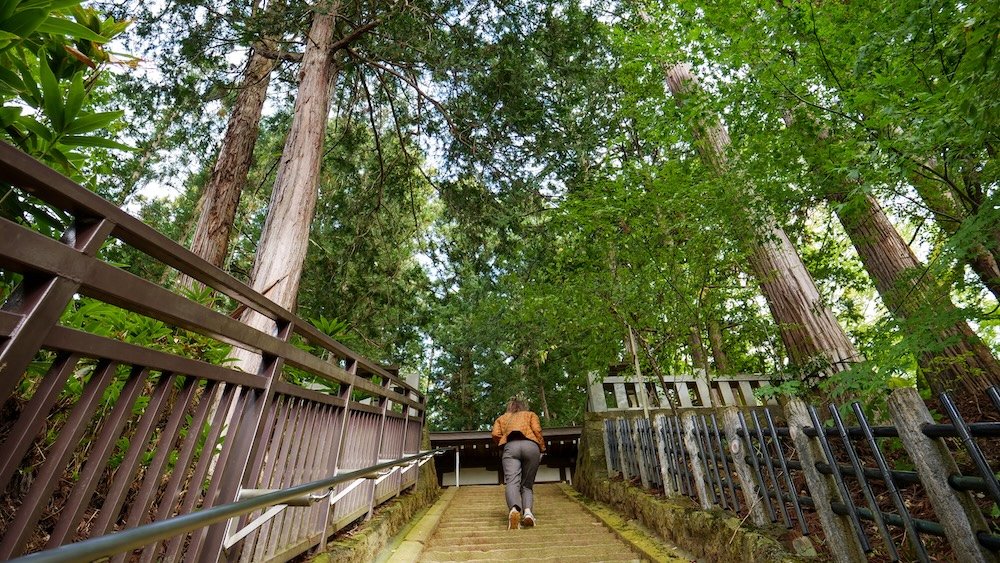
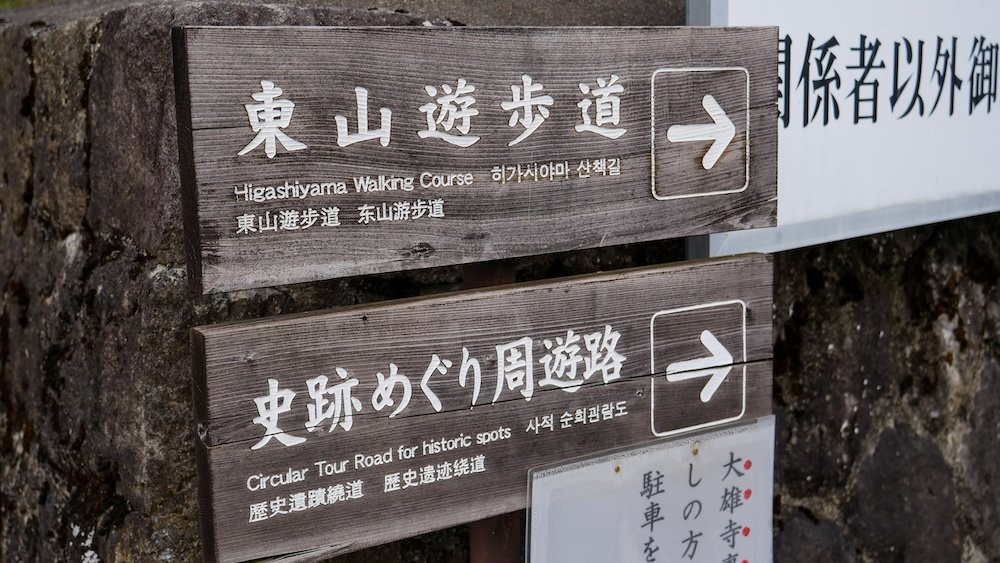
11. Higashiyama Walking Course
The Higashiyama Walking Course offers a leisurely way to explore Takayama’s spiritual heart. It guides you through a series of temples, shrines, and tranquil residential streets. This self-guided route provides an intimate look at everyday life, as well as centuries-old religious sites tucked into the gentle slopes. The changing seasons transform the landscape, offering cherry blossoms in spring, lush greenery in summer, fiery foliage in autumn, and peaceful snowscapes in winter. It’s an immersive experience that encourages slowing down, letting you appreciate subtle details like wooden carvings, garden layouts, and the soft rustle of leaves in the breeze. Completing the Higashiyama course leaves you feeling connected to both Takayama’s cultural essence and the natural rhythms of the region, a quiet reminder that travel isn’t just about seeing, but truly absorbing.
- Seasonal beauty: Enjoy evolving landscapes throughout the year.
- Cultural depth: Explore temples, shrines, and local neighborhoods at a gentle pace.
- Peaceful ambiance: Embrace the calm, reflective atmosphere away from crowded areas.
Tip: Wear comfortable shoes and carry a small bag with water and snacks, as the course can take a few hours to fully appreciate.
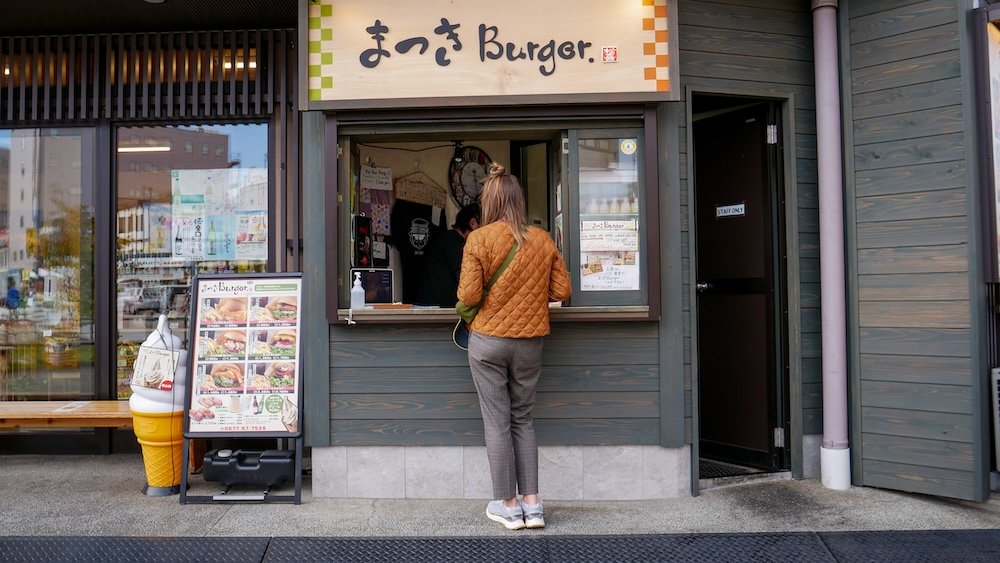
12. Matsuki Burger
Matsuki Burger is a delightful surprise that brings a playful twist to Takayama’s culinary scene. It blends local ingredients with a casual Western influence. Their burgers often incorporate Hida beef or creative toppings, crafting unique flavors that stand out in a city known for traditional cuisine. The cozy interior and friendly staff create a welcoming environment, making it an ideal spot for a quick bite between sightseeing stops. Vegetarians will find options too, ensuring everyone can enjoy a tasty meal in this unexpected culinary haven. Matsuki Burger proves that exploring local flavors doesn’t always mean sticking to classic dishes, as creativity and innovation can lead to delicious discoveries.

- Innovative flavors: Savor burgers infused with local ingredients like Hida beef.
- Casual atmosphere: Relax in a laid-back setting perfect for a quick meal.
- Vegetarian-friendly: Enjoy meat-free options catering to diverse dietary needs.
Tip: Try a specialty burger not usually on your menu, as Matsuki Burger’s inventive combinations may pleasantly surprise your palate.
Tours For Visitors To Takayama, Japan
Here are some interesting tours to consider when visiting Takayaka.
1. Strolling Through Takayama’s Historic Old Town
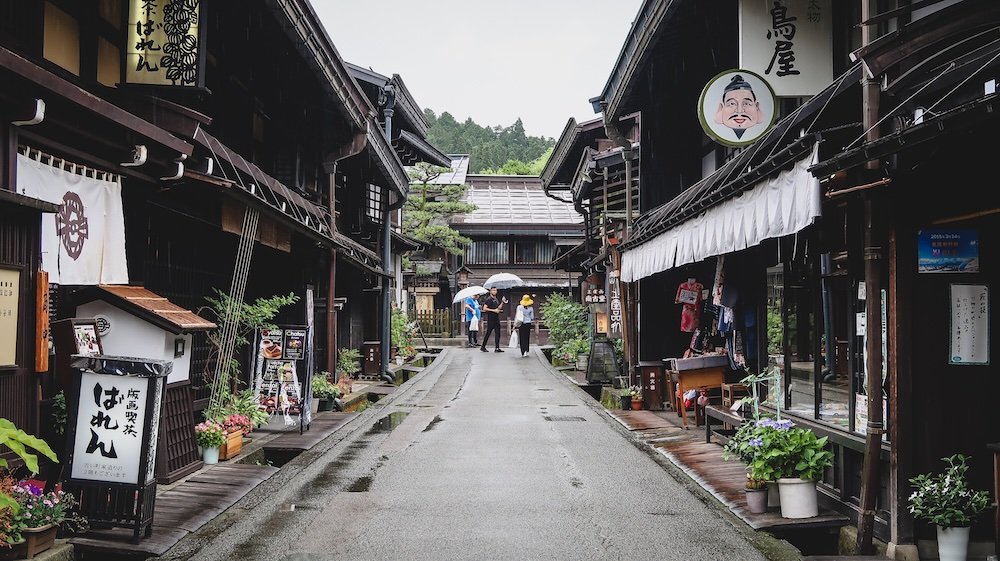
Takayama’s Old Town feels like stepping into a carefully preserved slice of Japan’s rich history. You’ll wander along narrow wooden streets, admire old merchant houses, and sense the quiet hum of daily life that continues much as it did centuries ago. Many guided walking tours provide a deep dive into local traditions, including sake breweries and craft shops hidden within these rustic corridors. Friendly and knowledgeable guides will explain the significance of each ancient building, helping you connect with the stories of the past. By the end of the stroll, you’ll feel a stronger connection to both the people and the place, leaving you eager for more cultural discoveries.
- Highlights include: sampling fresh sake, exploring traditional architecture, and learning about the town’s merchant heritage.
- Don’t miss: early morning visits when the streets are less crowded.
- Perfect for: history buffs, culture lovers, and curious explorers.
Tip: Dress comfortably and wear supportive shoes to enjoy your walk without distractions.
2. Immersing Yourself in Takayama’s Market Tours
A guided market tour offers a unique look into Takayama’s culinary heart and the farmers who bring their best produce each day. As you navigate lively morning markets along the Miyagawa River, you’ll discover fresh vegetables, mouthwatering snacks, and friendly vendors eager to share their stories. The tours often include chances to taste seasonal delicacies, like Hida beef croquettes or sweet persimmon treats. With every bite, you’ll uncover layers of flavor that reflect Takayama’s fertile surroundings and deep-rooted traditions. By journey’s end, you’ll walk away with a revitalized appreciation for simple, honest ingredients and the people who grow them.
- Highlights include: personal interactions with local vendors, sampling seasonal produce, and picking up handy cooking tips.
- Don’t miss: the chance to buy handcrafted souvenirs made by regional artisans.
- Perfect for: food enthusiasts, curious cooks, and anyone who loves a good bite.
Tip: Bring a reusable bag to carry home small treats and gifts.
3. Biking Through Takayama’s Countryside
A bike tour through Takayama’s lush countryside offers an entirely new perspective on the region’s scenic beauty. You’ll pedal past rice fields, picturesque streams, and small villages where life moves at a gentler pace. Knowledgeable guides highlight local landmarks, point out hidden shrines, and share interesting tales from the area’s past. Comfortable, well-maintained bicycles make it easy to cruise through quiet roads and hilly landscapes without feeling overwhelmed. By the time you return, you’ll have a renewed appreciation for nature’s simple wonders and the warm kindness of rural communities.
- Highlights include: scenic vistas, peaceful rural encounters, and off-the-beaten-path discoveries.
- Don’t miss: pausing for photos at quiet temples nestled among tall cedars.
- Perfect for: outdoor enthusiasts, families, and anyone seeking serene adventures.
Tip: Pack a light jacket as weather in the countryside can change quickly.
4. Delving into Takayama’s Craftsmanship Tours
Craftsmanship tours allow you to observe talented artisans carving, weaving, and shaping age-old creations with time-honored techniques. You’ll witness intricate lacquerware, delicate washi paper, and masterfully carved wooden dolls known as sarubobo. Many tours include hands-on workshops so you can try your hand at making something truly unique. The stories told by artisans will help you understand how cultural heritage lives on through each crafted piece. Ultimately, these tours offer a profound appreciation for the skill, patience, and artistry that define Takayama’s traditional crafts.
- Highlights include: learning the stories behind each craft, witnessing skilled artisans at work, and taking home a handmade souvenir.
- Don’t miss: asking the artisans questions—they’re proud to share their knowledge.
- Perfect for: artsy travelers, culture seekers, and anyone who values creativity.
Tip: Reserve in advance, as workshops often have limited spots available.

Takayama Accommodations Guide: Hotels, Guesthouses and Hostels
By weighing factors like budget, ambiance, and amenities, you can ensure your Takayama lodging feels just right for you.
source: Samuel and Audrey on YouTube: Nomadic Samuel + That Backpacker travel videos
Hotels for Comfort and Convenience
Hotels in Takayama come in all shapes and sizes, from sleek Western-style options to more upscale establishments featuring on-site amenities. You’ll enjoy plush bedding, private bathrooms, and reliable Wi-Fi, ensuring a stress-free and familiar stay. Many hotels also boast in-house restaurants, bars, or lounges, giving you easy access to a hearty meal or nightcap. Expect friendly staff who can assist with everything from dinner reservations to arranging local tours, making it simple to explore Takayama’s charming streets. Overall, choosing a hotel provides peace of mind, comfort, and a straightforward experience perfect for those who value convenience.
- Highlights: Modern comforts, convenient locations, and often multilingual staff.
- Don’t Miss: On-site services like spas, laundry facilities, or breakfast buffets.
- Perfect For: Travelers seeking a hassle-free and cozy home base.
Tip: Compare hotel amenities online before booking to find the best match for your needs and budget.
Ryokan for Timeless Tradition
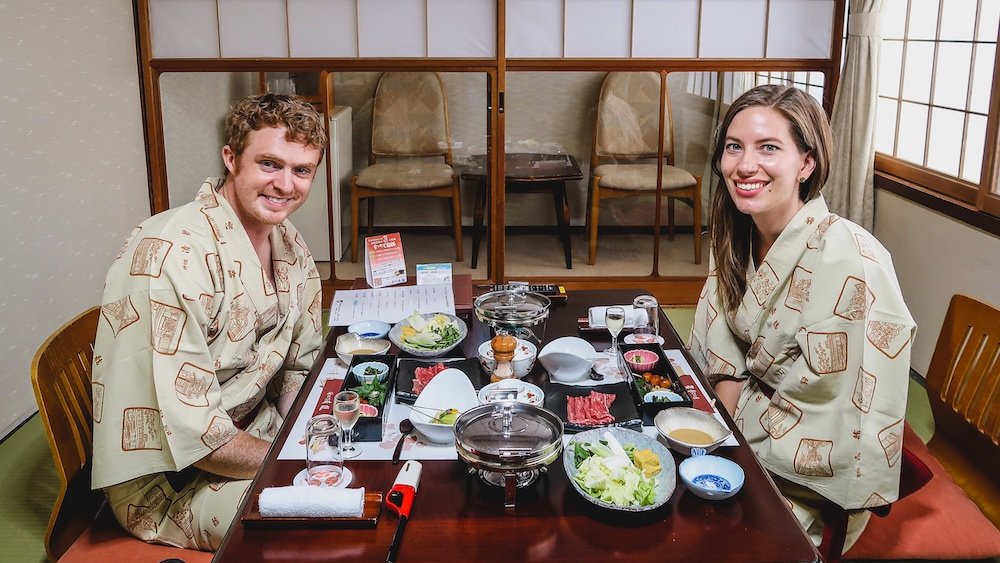
A ryokan stay is an immersive journey into Japan’s cultural heart, featuring tatami-matted floors, wooden sliding doors, and delicate paper screens that instantly transport you to another era. You’ll savor kaiseki-style meals, artfully arranged and rich with local, seasonal ingredients, often served in your room. Many ryokan offer soothing onsen baths where you can soak under the open sky and let all your worries float away. The attentive hosts (okami) and staff will guide you through the customs, ensuring you fully embrace the rhythmic calm of ryokan life. By the end of your stay, you’ll have a deeper appreciation for Japan’s hospitality traditions and a renewed sense of serenity.
- Highlights: Authentic atmosphere, elegant cuisine, and rejuvenating hot springs.
- Don’t Miss: Wearing a yukata robe and enjoying tea in your room after a hot bath.
- Perfect For: Cultural connoisseurs, couples seeking romance, and those craving a step back in time.
Tip: Be open to trying new customs—ask the staff if you’re unsure how to wear a yukata or join in meal traditions.
Guesthouses (Minshuku) for Local Flavor
Guesthouses, or minshuku, provide a warm, personal connection to Takayama’s community, often run by local families who share their homes and traditions. Your room might feature futons, tatami floors, and simple but inviting décor, making you feel part of everyday Japanese life. Home-cooked meals, shared stories, and friendly chats around the dinner table enrich your understanding of the region’s flavors and customs. While not as luxurious as hotels or ryokan, minshuku stays reward you with authenticity, genuine hospitality, and invaluable travel tips straight from the hosts. This intimate style of lodging leaves lasting memories and a fuller appreciation for the people who call Takayama home.
- Highlights: Cozy atmosphere, genuine interactions, and authentic home cooking.
- Don’t Miss: Asking your hosts for their favorite local spots or hidden gems.
- Perfect For: Cultural explorers, budget travelers craving authenticity, and those who value human connection.
Tip: Let your hosts know in advance if you have dietary restrictions or preferences, so they can accommodate you.
Day Trips From Takayama, Japan
Here are a few day trip options from Takayama worth considering.
source: Samuel and Audrey Channel on YouTube: That Backpacker + Nomadic Samuel hosting
1. Exploring the Traditional Charm of Shirakawa-go
Stepping into Shirakawa-go feels like entering a timeless postcard brought to life, with its thatched-roof gassho-zukuri farmhouses and tranquil rice fields. You’ll wander through narrow lanes, admiring wooden homes that have stood for centuries, lovingly preserved by local families. The surrounding mountains create a peaceful backdrop, while small streams provide a gentle soundtrack to your exploration. To truly appreciate this village, consider visiting the open-air museum, where you can learn about traditional crafts and farming techniques. By the time you leave, you’ll carry memories of a living, breathing part of Japan’s rural heritage.
- Highlights: Gassho-zukuri farmhouses, scenic viewpoints, quiet walking paths
- Don’t Miss: Seasonal illuminations that light up the village in winter
- Great For: History enthusiasts, photographers, and those craving serene beauty
Tip: Book transportation in advance, as buses to Shirakawa-go can fill quickly during peak seasons.
2. Strolling Through the Streets of Hida Furukawa
Just a short train ride from Takayama, Hida Furukawa exudes a quieter, more intimate charm. Its meticulously maintained white-walled storehouses and gentle canals remind visitors of a simpler time. You’ll find friendly locals eager to share stories, and cozy cafes perfect for a midday break. Stop by the Hida Furukawa Matsuri Hall to learn about the town’s vibrant festival and see its exquisite wooden floats. After a few hours here, you’ll feel refreshed, with a deeper appreciation for Takayama’s lesser-known neighbor.
- Highlights: Traditional storehouses, serene canals, artisan shops
- Don’t Miss: Sampling locally brewed sake at family-run distilleries
- Great For: Couples seeking a peaceful escape, culture lovers, and slow travelers
Tip: Wear comfortable shoes—the town is best explored on foot at a leisurely pace.
3. Immersing Yourself in the Nature of Kamikochi
A day trip to Kamikochi reveals a mountain paradise known for its crystal-clear streams, alpine forests, and crisp mountain air. You’ll follow well-marked hiking trails, discovering panoramic views at every turn, from lush river valleys to soaring peaks. Encountering local wildlife, like playful monkeys or shy deer, adds an extra layer of magic to this nature retreat. Be sure to pause on the Kappa Bridge, an iconic spot offering sweeping views and photo-worthy moments. By day’s end, the world feels simpler, kinder, and refreshingly pure.
- Highlights: Hiking trails, wildlife sightings, breathtaking mountain vistas
- Don’t Miss: Early morning walks when the valley’s mist hangs low and magical
- Great For: Outdoor enthusiasts, photographers, and anyone craving fresh air
Tip: Bring a light jacket, as temperatures can drop swiftly in the higher elevations.
4. Relaxing in the Healing Waters of Gero Onsen
A trip to Gero Onsen is all about slowing down, letting go, and soaking away your cares in Japan’s famed hot springs. Slip into the warm mineral-rich pools and feel tension melt from your body as you gaze at the surrounding mountains. Wander through the quiet town streets, where small shops and family-run eateries invite you to linger and taste local delicacies. Don’t miss the Gero Onsen Museum, which explains the area’s hot spring heritage and shares intriguing cultural stories. After a tranquil soak and a leisurely stroll, you’ll return to Takayama feeling restored and renewed.
- Highlights: Therapeutic hot springs, quiet streets, local eateries
- Don’t Miss: Public footbaths scattered around town for a quick, soothing dip
- Great For: Wellness seekers, couples, and travelers needing a restorative retreat
Tip: Bring a small towel and a bottle of water to stay hydrated while enjoying the hot springs.
Takayama Transportation Guide
Here is a detailed breakdown of how to get to Takayama and navigate the city upon arrival.
source: Samuel and Audrey on YouTube: Nomadic Samuel teaming up with That Backpacker
Arriving in Takayama by Train
Stepping off the train at JR Takayama Station feels like a smooth transition from bustling city life to the gentle pace of the Japanese Alps. You can reach Takayama from major cities like Nagoya or Tokyo by taking the shinkansen to Nagoya and then a limited express train for a scenic ride. Trains are clean, punctual, and offer a comfortable journey through picturesque valleys and quaint villages. Make sure to reserve a seat in advance during peak travel seasons to secure your spot, especially if you’re keen on catching the best views. Once you arrive, you’ll find station staff helpful and signage clear, ensuring you start your Takayama adventure on the right foot.
- Highlights: Reliable schedules, reserved seating options, scenic countryside views
- Don’t Miss: Grabbing a bento box and coffee before boarding
- Great For: Travelers who value comfort, punctuality, and picturesque routes
Tip: Buy a Japan Rail Pass if you plan on extensive travel throughout the country—it can save you both time and money.

Navigating Takayama by Local and Tour Buses
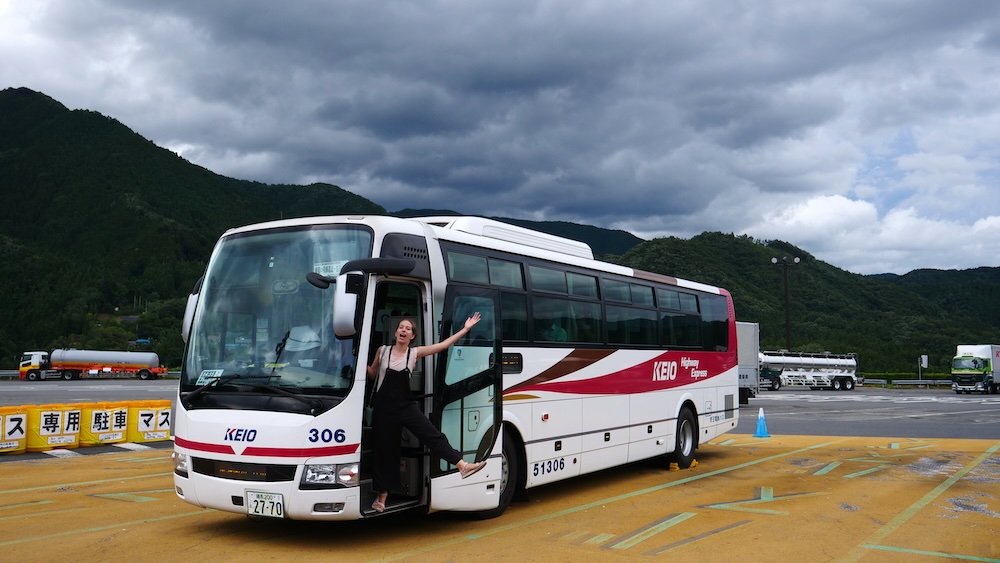
Takayama’s local bus network connects you to major attractions, nearby towns, and even the famed Shirakawa-go village. Many visitors find these buses straightforward, with clear signage and English announcements helping you get off at the right stop. One popular option, the Sarubobo Bus, takes you to key city sights, making it easy to hit multiple spots in a single day. For longer hauls, highway buses run direct routes to and from Tokyo, Osaka, and Kyoto, often cheaper than trains, yet still comfortable. While bus travel might take a bit more time, the cost savings and scenic mountain views along the way make it well worth considering.
- Highlights: Affordable fares, extensive coverage, scenic mountain roads
- Don’t Miss: Pre-purchasing tickets, especially for busy seasons and popular routes
- Great For: Budget-conscious travelers, flexible itineraries, and off-the-beaten-path adventures
Tip: Bring a translation app or pocket phrasebook—some smaller stops may have minimal English signage.
Exploring by Taxi and Rental Car
If you prefer a more direct, on-demand mode of transport, taxis are widely available near the station and major hotels. Though pricier than buses, taxis offer convenience, especially if you have heavy luggage or a tight schedule. For ultimate freedom, consider renting a car—just remember to bring your International Driving Permit if you’re from overseas. Driving lets you discover the hidden corners of the region, stopping at rural shrines, scenic lookouts, and quaint coffee shops off the tourist track. Parking can be found near key attractions, and while local roads are typically quiet, always stay alert in unfamiliar conditions.
- Highlights: Door-to-door service, flexible itineraries, off-the-beaten-path exploration
- Don’t Miss: Checking road conditions in winter, as snow and ice can affect travel
- Great For: Independent travelers, families with kids, and those craving deeper exploration
Tip: Map out your routes in advance and consider using a GPS navigation system to avoid getting lost.
Cycling and Walking for a Slower Pace
Takayama’s compact size makes walking and cycling ideal ways to soak up its charm at a leisurely pace. You can rent bikes from shops near the station, allowing you to glide through historic streets, over gentle bridges, and into peaceful neighborhoods. Walking offers the chance to notice subtle details: an old wooden sign, a hidden shrine, or the aroma of fresh coffee drifting from a café. This slower approach ensures you engage deeply with the local environment and discover places you might have overlooked from a bus window. Plus, strolling or pedaling around town pairs perfectly with Takayama’s relaxing atmosphere, helping you find those memorable moments that aren’t on any map.
- Highlights: Fresh air, flexible routes, and an intimate look at local life
- Don’t Miss: Early morning market runs or a sunset ride along the river
- Great For: Adventurous souls, photographers seeking unique angles, and eco-conscious travelers
Tip: Wear comfortable shoes and dress in layers—weather can shift, and you’ll want to stay cozy.
Takayama Travel Questions Answered: Practical Tips, Local Advice & Trip-Planning FAQs
How many days do I really need in Takayama for a first visit?
Three days. That is the sweet spot for a first trip to Takayama itself. With two full days you can cover the old town, markets, Takayama Jinya, museums, a walking course, and a relaxed food crawl without rushing. A third day lets you slow down, repeat a favourite neighbourhood at a different time of day, or squeeze in one short countryside experience.
If you also want a classic day trip like Shirakawa-go, Kamikochi, or Gero Onsen, I’d aim for three to four nights in total. That gives you time for both town and countryside without feeling like you’re just sprinting between buses and trains.
When is the best time of year to visit Takayama for weather and festivals?
Absolutely. Spring and autumn are the rockstars here. April brings cherry blossoms to Takayama, while late October to early November is prime time for autumn colours in the surrounding hills. Summers can be hot and humid and winters are properly cold with deep snow, so shoulder seasons usually feel the nicest for walking and sightseeing.
If you love festivals, try to time things around the Takayama Spring Festival in mid April or the Autumn Festival in early October, when the famous floats and lanterns come out and the whole town feels like a movie set. Those dates change a little each year but typically fall on April 14–15 and October 9–10.
Is Takayama worth visiting in winter or is everything shut down?
Yes. Takayama in winter is cold, snowy, and really atmospheric. Many sights stay open, and the old town under a fresh layer of snow is ridiculously photogenic. You just need to be ready for icy streets, sub-zero temperatures, and early nightfall.
The upside is fewer crowds, cozy meals (Hida beef, hotpots, hearty noodles), and the chance to pair Takayama with nearby onsen areas like Gero. Pack good boots, warm layers, gloves, and something for your ears, and you’ll be fine wandering around in the cold.
How does Takayama’s weather actually feel across the seasons?
It depends. Spring is short and mild, with blossoms usually a few weeks later than big cities like Nagoya, so don’t expect sakura here at the same time as Tokyo. Summers are hot, humid, and often rainy, especially from June to early August.
Autumn is cool and crisp with clear skies and beautiful foliage in late October and early November. Winter is long, snowy, and icy, with some of the heaviest and most consistent snowfall in Japan, especially in the surrounding Hida region. That mix of seasons is part of what makes Takayama feel so alive and different depending on when you visit.
Should I stay near Takayama Station or in the old town area?
Both work, but for different travel styles. Staying near JR Takayama Station is practical if you’re catching a lot of trains or buses, arriving late, or leaving early. You’ll be close to convenience stores, simple hotels, and the bus terminal for Shirakawa-go and other day trips.
The old town area (Sanmachi Suji and nearby streets) is better if you want ambience. You can step out of your guesthouse or ryokan straight into lantern-lit streets, sake breweries, and cafés. Takayama is compact, so even if you stay near the station you’re still only about a 10–15 minute walk from the historic core.
Do I need to rent a car in Takayama or can I rely on public transport and tours?
Nope. You do not need a car for most classic Takayama trips. The town itself is super walkable, and there is a network of local buses plus frequent highway buses for Shirakawa-go, Kanazawa, Nagoya, and beyond. Guided day tours also pick up from central meeting points, so you can let someone else handle logistics.
A rental car becomes interesting if you want to explore smaller villages, trailheads, and out-of-the-way onsen that aren’t well served by buses. In that case, just remember you’ll need an International Driving Permit, to be comfortable with narrow roads, and to watch winter conditions if you’re visiting in the snowy months.
Is Takayama expensive compared to Tokyo and Kyoto?
Not really. Day-to-day costs in Takayama can actually feel slightly gentler than in the biggest cities, especially for midrange guesthouses and casual meals. Where things creep up is when you add splurges like a ryokan with kaiseki dinners, Hida beef feasts, and multiple paid attractions in a single day.
As a rough guide, a backpacker using hostels or simple guesthouses, local buses, and casual meals can get by on a modest budget. A midrange traveler staying in a comfortable hotel, eating well, and doing one or two paid experiences per day will need a bit more. Throw in a ryokan stay with dinner and breakfast and your “Takayama day” suddenly becomes a treat-yourself occasion.
How long should I stay in Takayama if I also want to visit Shirakawa-go and Kamikochi?
Three to four nights is the sweet spot. Use two full days for Takayama itself (old town, museums, markets, walking courses, food stops) and then tack on one or two big day trips. Shirakawa-go is the easiest and most common, with direct buses from Takayama. Kamikochi works best in the warmer months and needs more hiking time, so give that a full day if you’re going.
If you are tight on time and only have two nights, I’d choose Takayama plus a single big day trip rather than trying to cram in everything and spending most of your trip on buses.
Is Takayama safe, and are there any scams or issues I should watch out for?
Yes. Takayama is generally very safe, with low violent crime and a calm, small-city atmosphere. Solo travelers, including women, typically feel comfortable walking around the old town at night, especially on the main streets near shops and restaurants.
The main things to watch out for are pretty minor: occasional overcharging on “tourist menus,” taxis adding on late-night surcharges, and the usual pickpocket awareness around festivals or packed buses. As always in Japan, be respectful with alcohol, follow rules at shrines and onsen, and you’ll find the vibe very relaxed.
Can I visit Shirakawa-go as a day trip from Takayama, and how does it work?
Absolutely. Takayama is one of the classic bases for a Shirakawa-go day trip. Highway and local buses run between Takayama and Shirakawa-go, and many visitors either book a specific bus time or join a guided tour that includes viewpoints, free time in the village, and background on the gassho-zukuri farmhouses.
Most people spend around three to five hours in the village itself, wandering around, grabbing lunch, and popping into the open-air museum. If you’re traveling in peak seasons (snow season, autumn colours, or around New Year), it’s wise to reserve your bus seats ahead of time because services can sell out.
I’m vegetarian or don’t eat beef or pork – will I still eat well in Takayama?
Yes. You’ll need to be a bit intentional, but it’s doable. Hida beef is everywhere, so many set menus and izakaya skew meat-heavy, but you can find vegetarian-friendly lunches, noodle dishes, tofu specialties, and simple rice-and-veg combinations. Some cafés and burger spots have veggie options, and breakfast at ryokan or guesthouses often includes fish and vegetable-based dishes rather than just meat.
If you are strictly vegetarian or vegan, it helps to learn a few key phrases in Japanese, carry a translation card explaining what you do and don’t eat, and search ahead for specific restaurants that mention vegetarian options. Takayama’s growing popularity with overseas visitors means menus with pictures and basic English are becoming more common.
Is Takayama a good destination for families with kids?
Yes. Takayama is one of those places where kids can run around a bit without you constantly stressing. The old town is compact, traffic is slower than in big cities, and there are plenty of visual “hooks” for kids: retro museums, cats in a rescue café, colourful festival floats, and riverside walks.
Families often enjoy mixing low-key cultural stops (shrines, markets, short walks) with fun food experiences like trying different snacks at stalls or grabbing a not-too-serious Hida beef burger. For younger kids, staying in a ryokan or minshuku can feel like an adventure in itself, sleeping on futons and padding around in slippers.
What should I pack for Takayama in different seasons?
Layers. That is the golden rule in Takayama. In spring and autumn, bring a light jacket, a warm mid-layer, and something windproof or waterproof for sudden showers. Mornings and evenings can be cool even when daytime sun feels mild.
Summer calls for breathable clothing, a hat, sunscreen, and a small umbrella or rain jacket for those classic Japanese downpours. Winter requires serious cold-weather gear: insulated coat, gloves, hat, warm socks, and shoes with decent grip for snow and ice. Regardless of the season, comfy walking shoes are non-negotiable; Takayama is best experienced on foot.
Do I need to book accommodation and restaurants in advance in Takayama?
It depends. Outside of peak times you can sometimes be fairly relaxed and still find decent rooms a few weeks out. But if you’re targeting cherry blossom season, autumn foliage, major Japanese holidays, or the spring and autumn festivals, booking accommodation as far in advance as you reasonably can is smart. Popular ryokan and atmospheric guesthouses do sell out.
For restaurants, you can usually just walk into casual spots on weekdays. For really popular Hida beef restaurants, ryokan dinners, or special-occasion meals, I’d either make a reservation yourself or ask your hotel to help, especially on weekends or festival days.
Is Takayama walkable and manageable for travelers with limited mobility?
Takayama’s core is quite walkable, but there are some caveats if you have mobility challenges. The old town streets are mostly flat, but surfaces can be uneven with cobblestones, narrow sidewalks, and occasional steps into older buildings. Some historic houses and small museums have staircases and no lifts.
On the plus side, the area around the station is modern and relatively accessible, and taxis are easy to grab if you need to cut down walking distances. If accessibility is a big concern, I’d choose accommodation close to the station or the old town, and contact specific attractions or your hotel ahead of time to ask about ramps, elevators, and barrier-free bathrooms.
Is a Japan Rail Pass worth it if my itinerary includes Takayama?
It depends. The Japan Rail Pass can be great value if you’re stringing together several long-distance Shinkansen rides within a short period, for example Tokyo–Takayama–Kanazawa–Kyoto–Hiroshima. In that case, the pass often pays for itself and gives you flexibility on train times.
However, some popular routes around Takayama, like buses to Shirakawa-go, are not covered by JR. If your Japan itinerary is relatively short, or heavy on buses and non-JR lines, a pass might not make financial sense. I usually recommend pricing out your likely point-to-point tickets first and then comparing the total to the cost of the pass.
Will I struggle in Takayama if I don’t speak any Japanese?
Nope. You can get by with zero Japanese, but a little effort goes a long way. In the old town and around the station you’ll find English signs, picture menus, and staff who can manage basic words and gestures. Tour operators are used to international visitors, and hotel front desks are generally comfortable helping with bookings and directions.
That said, Takayama still feels like a Japanese city first, tourist town second, which is part of its charm. Learning a few simple phrases, smiling, pointing politely at menus, and carrying a translation app on your phone will make interactions smoother and more fun. Locals are usually patient and appreciative if you try even a little.
Takayama Travel Guide: Final Thoughts
Reflecting on Your Takayama Experience
Traveling through Takayama feels like peeling back layers of history, culture, and natural beauty until you reach the heart of what makes Japan so special. As you wander its quiet streets, sample local dishes, or chat with friendly artisans, each interaction leaves a lasting impression. Even if you’ve only spent a few days here, the memories will stick, surfacing whenever you think of peaceful mountain towns or the warmth of a genuine smile. It’s in these simple moments—sipping sake by a centuries-old wooden house, or admiring delicate shrine decorations—that you find the true essence of the place. Reflecting on your time in Takayama means cherishing not just the sights you saw, but the feelings they inspired.
- Highlights: Immersive cultural encounters, scenic mountain backdrops, heartfelt personal connections
- Don’t Miss: Revisiting your photos or travel journal entries to relive your favorite moments
- Great For: Anyone seeking more than just a destination, but a meaningful story to carry home
Tip: Save souvenirs, receipts, and brochures—they make wonderful conversation starters and memory triggers long after you’ve returned home.