
There is a very specific type of despair that sets in when you are wandering the dusty, sun-baked streets of a Patagonian outpost at 1:30 PM, starving, only to realize you are locked in the Siesta Void. I survived this cultural time-lock sitting on the curb of a Dolavon gas station—literally the only business with an unlocked door in the entire town—armed with nothing but a plastic bottle of grapefruit Paso de los Toros soda and a triple-layer dulce de leche alfajor.
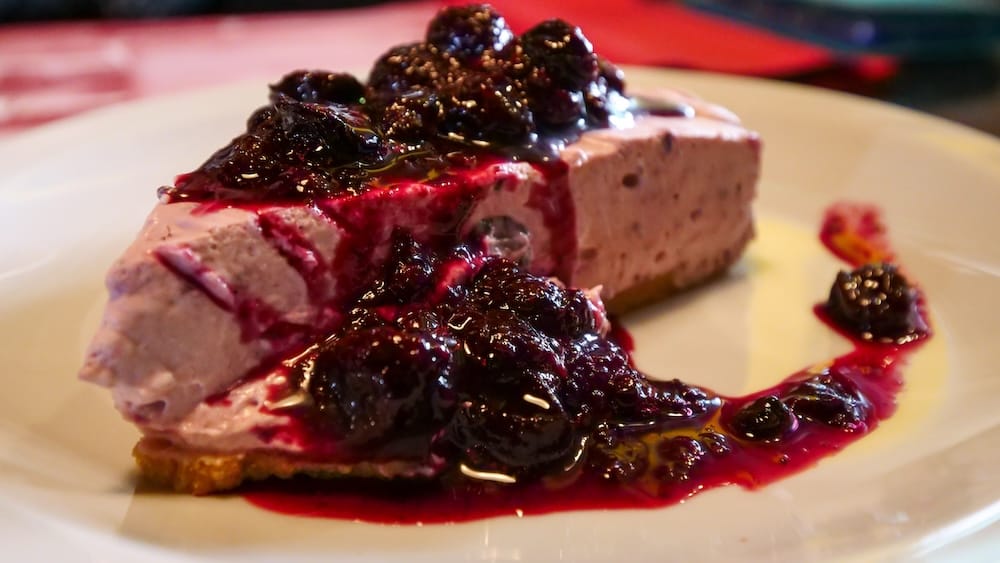
If you picture a trip to Patagonia solely as a montage of strapping on crampons and gazing stoically at electric-blue glaciers, you are missing the most critical element of southern survival: the carbohydrates. Down here, at the bottom of the world, bakery culture isn’t a quaint morning ritual; it is a vital caloric defense mechanism against brutal winds, sub-zero mornings, and the massive, culturally enforced temporal void between lunch and dinner.
As you might have seen on our YouTube channel, Audrey and I came to the Chubut province completely naive to the sheer scale of the food and the rigid local schedules. We expected light afternoon teas and quick morning croissants. Instead, we were violently humbled by twelve-piece cake spreads, forced to walk miles down dusty farm roads following cryptic wooden arrows, and pushed to our physical limits by sponge cake.
This guide is your armor. We are going to bypass the generic travel brochure fluff to give you the exact pricing, the hidden transit routes, the cultural workarounds, and the un-fakeable realities of eating your way through the Patagonian steppe.
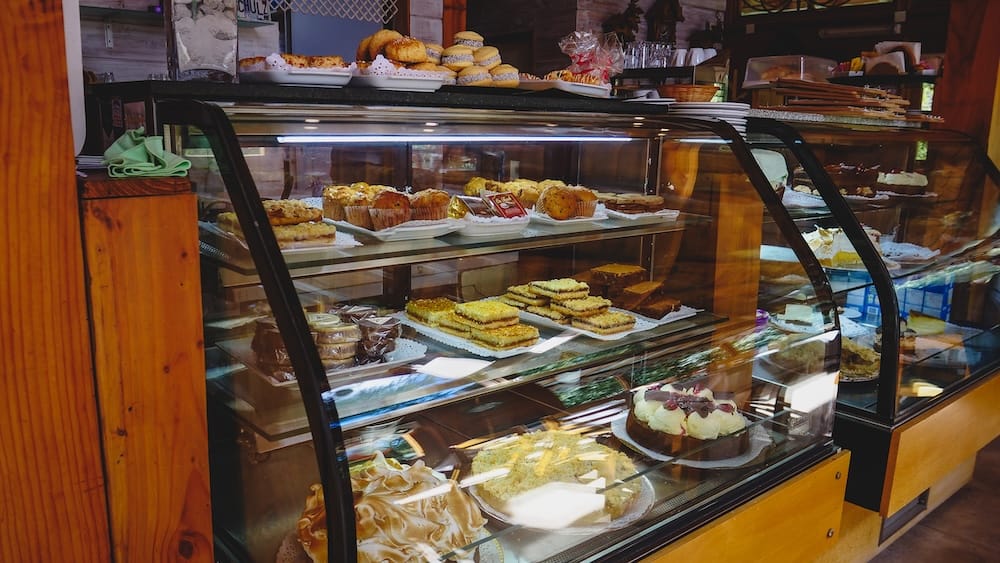
The Patagonian Carbohydrate & Caffeine Master Index
| The Item | Culinary Origin | The Flavor & Texture Profile | The Logistical Reality (2026 Data) | Samuel’s “Moat” Fact & Survival Rating |
| The 12-Cake Welsh Tea Spread | Welsh Settlers (Gaiman & Trevelin) | A caloric artillery shell. Infinite slices of sponge cake, apple pie, cream pie, and bread. | Cost: ~$25–$30 USD per person. Time: 3:00 PM – 8:00 PM (Do NOT arrive during the 1:00 PM – 3:00 PM Siesta Void). | The “All or Nothing” Trap. You cannot order just one slice. You pay per head. Always ask for a cajita (to-go box) for the massive leftovers. Rating: 10/10 (Requires fasting prior). |
| Torta Negra Galesa (Welsh Black Cake) | Patagonian Desert Adaptation | Hyper-dense, dark, rum-soaked fruit cake with brown sugar and walnuts. Tastes like a festive Christmas brick. | Cost: $12 – $38 USD for a whole cake at places like Nain Maggie, or pennies for a mini-slice at local farm stands. | The Wedding Hack. Engineered for desert survival, it literally doesn’t spoil. Local couples still seal the top tier of their wedding cake to eat years later. Rating: 8/10. |
| Tartaleta de Membrillo (Quince Tart) | Universal Argentine Panadería | Looks exactly like strawberry jam, but delivers a dense, deeply tart, slightly floral brick of quince paste. | Cost: ~$8,000–$12,000 ARS per dozen mixed facturas. Time: Buy during the 7:00 AM hiker rush. | The Hanger Cure. I accidentally ordered this after an hour-long walk in Trelew expecting strawberry. It was my initiation into true Patagonian baking. Rating: 9/10. |
| Sandwiches de Miga | Universal (Served before Welsh Tea) | Light-as-air, crustless, wildly fluffy bread with razor-thin ham and cheese. | Cost: Included in the $30 USD High Tea, or bought cheaply in stacks at local bakeries. | The Misheard “Amiga.” I spent half the trip calling them “Sandwiches Amiga” (the friendly sandwich). Eat these first before the sugar fatigue sets in. Rating: 7/10. |
| Facturas de Grasa (Savory/Sweet Pastries) | Universal Argentine Panadería | Heavy, dense, and baked with beef tallow (grasa) instead of butter so they don’t dry out in the wind. | Cost: ~$8,000–$12,000 ARS per docena. Friction: Cash only for foreigners! | The Mercado Pago Wall. Do NOT rely on Apple Pay or credit cards at 7:00 AM before a hike. You must carry physical pesos. Rating: 10/10 (Essential trail fuel). |
| Yerba Mate (The Liquid Lifeline) | South American Indigenous | Intensely bitter, earthy, highly caffeinated herbal infusion drank through a metal straw (bombilla). | Cost: $300 – $500 ARS (pennies) for a hot water token at YPF gas stations along Route 40. | The Agua Caliente Economy. You pair the bitter mate with heavy, sweet pastries to balance the palate. Never use a wide-mouth thermos in a moving car. Rating: 10/10. |
| Calafate & Rosa Mosqueta (Endemic Berries) | Alpine / Deep South (Bariloche to Ushuaia) | Calafate is a tangy wild blueberry; Rosa Mosqueta (Rosehip) is bright and floral. | Cost: ~$10 USD for a tin of berry chocolates at Mamuschka (Bariloche). | The Winter Garden Trap. To eat berry scones in Bariloche, don’t just book a generic tea at Llao Llao. Explicitly request the “Winter Garden” room for the lake views. Rating: 8/10. |
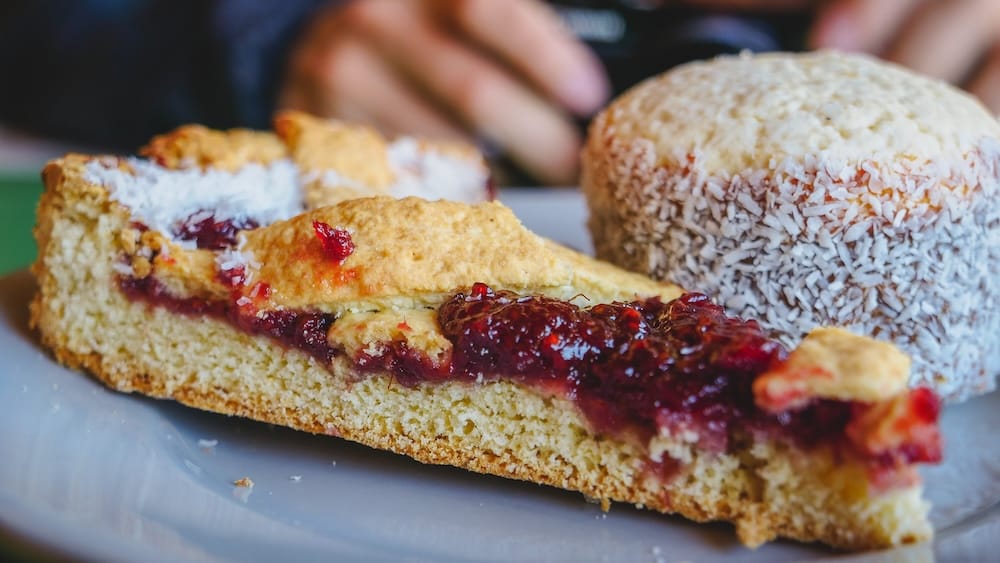
Patagonia Bakery Decision Matrix: What to Eat Based on Your Travel Day
| If Your Day Looks Like… | What You Need | Best Bakery Move | Why It Works | Biggest Mistake |
|---|---|---|---|---|
| Pre-hike morning | Fast calories | Facturas + empanadas | Portable energy | Showing up with only cards |
| Long bus or road trip | Stable fuel | Mate + bizcochitos / palmeritas | Low mess and durable | Buying overly sticky fillings |
| Full merienda afternoon | Social meal | Welsh tea service | Replaces dinner | Eating lunch first |
| Budget traveler in Gaiman | Cheap cultural taste | Mini torta negra from farm stand | Low-cost history hit | Paying full tea service if not hungry |
| Lake district dessert stop | Scenic indulgence | Berry tea / ice cream / chocolate | Strong place-based flavor | Booking generic Llao Llao tea |
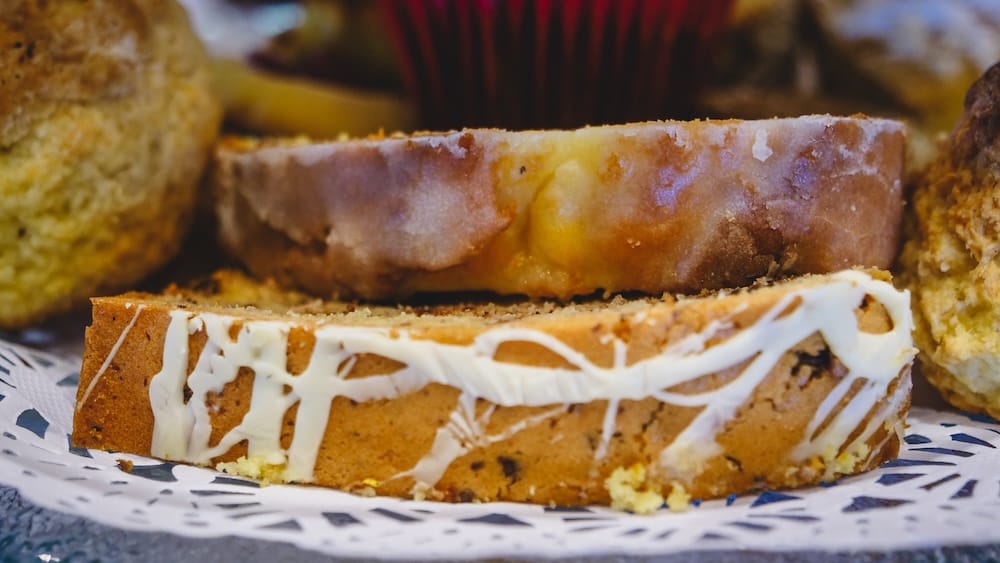
The Biological Clock of the South: Why Merienda Matters
In Buenos Aires, dinner happens at 10:00 PM. In Patagonia, the schedule is the same, but the climate is hostile. That creates a massive biological problem: how do you survive a 40-degree temperature drop between a 1:00 PM lunch and a 10:00 PM dinner?
The answer is merienda.
Merienda is the culturally enforced 5:00 PM tea time. But do not let the word “tea” fool you. In the capital, a merienda might be a delicate cortado (espresso cut with milk) and three small medialunas (croissants). In the harsh Patagonian south, the bitter cold transforms it into a caloric survival meal. When we sat down for merienda in Gaiman, I quickly realized that finishing a full Welsh tea tray at 6:00 PM means you are, practically speaking, skipping dinner entirely. In fact, after our first major tea house experience, I was so “rotund” that I seriously debated skipping breakfast the next day, too.
[The Foodie Reality Check]
Eating Patagonian merienda is practically an athletic event. Halfway through a vanilla sponge cake coated in cream and raspberries, I literally had to put my fork down, lean back, and pant. Taking sugar is tiring. Come very, very hungry.
The Patagonian Daily Time-Lock
To avoid my gas station fate in Dolavon, you must memorize this daily rhythm. You cannot simply walk into a bakery or cafe whenever you feel a craving.
- 7:00 AM – 10:00 AM (The Hiker Rush): Bakeries in mountain towns (El Chaltén, El Calafate) are chaotic. Lines spill onto the freezing sidewalks. This is when you buy your summit fuel.
- 10:00 AM – 1:00 PM (The Quiet Window): Standard business hours.
- 1:00 PM – 4:00 PM (The Siesta Void): Do not attempt to eat a meal. Do not attempt to go to a museum. Towns like Gaiman and Dolavon completely shut down. The tea houses physically do not open their doors until 2:30 PM or 3:00 PM.
- 4:30 PM – 7:30 PM (Peak Merienda): The golden hours of bakery consumption.
- 9:00 PM+ (Dinner): Only for those who didn’t eat twelve pieces of cake at 5:00 PM.
The Welsh Tea Houses of the Desert Steppe
To understand the sweets of the Chubut province, you have to understand the sheer stubbornness of the Welsh. In 1865, a group of Welsh settlers landed on the arid, wind-blasted coast of Patagonia. They wanted to preserve their culture, and their culture required tea and cake. But the ingredients they brought from lush, green Wales would spoil instantly in the desert.
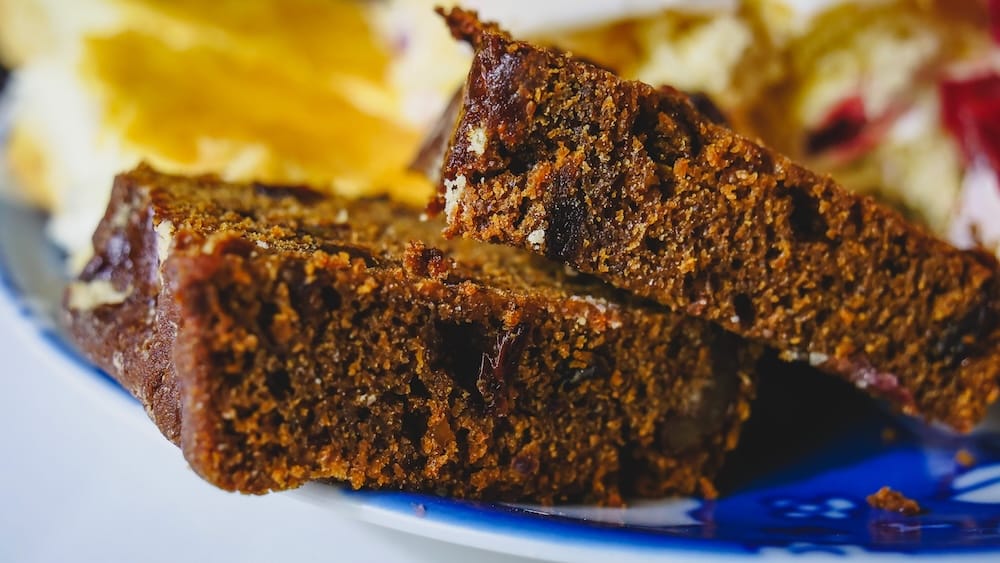
So, they engineered a survival food: The Torta Negra Galesa (The Welsh Black Cake).
It is a hyper-dense, rum-soaked, dark-as-night fruit cake packed with brown sugar, walnuts, and raisins. It has a distinct “Christmas cake” festive flavor, but its true superpower is its shelf life. The preservation power of the Torta Negra is so intense that local Welsh-Argentine couples still practice a mind-blowing wedding tradition: they save the top tier of their wedding Torta Negra in a tin to eat years later, and it doesn’t spoil.
The Great Gaiman Transit Hack (Route 7 vs. Route 25)
The epicenter of this Welsh tea culture is Gaiman, a flat, highly walkable farming town situated about 17 kilometers from the transit hub of Trelew. Almost all tourists take the 28 de Julio local bus from Trelew to Gaiman (costing roughly $6,000 ARS or ~$6 USD in 2026).
However, if you just wander into the Trelew terminal and sit on the first bus to Gaiman, you will be taken down Ruta 25—a bleak, dusty, high-speed industrial highway.
Here is the microscopic fix: You must look at the specific 28 de Julio timetable and wait for the bus explicitly marked “Por Camino de Chacra (Ruta 7)”. This bus bypasses the highway entirely. Instead, it weaves slowly through the Bryn Gwyn valley, passing gorgeous historic farming plots, irrigation canals, and ancient brick chapels. It adds about ten minutes to the 40-minute ride, but it turns a miserable highway commute into a scenic cultural tour.
Surviving the Teahouse Gauntlet: Ty Gwyn vs. Ty Te Caerdydd
Once you arrive in Gaiman, you face a choice. There are dozens of tea houses, but the experience varies wildly.
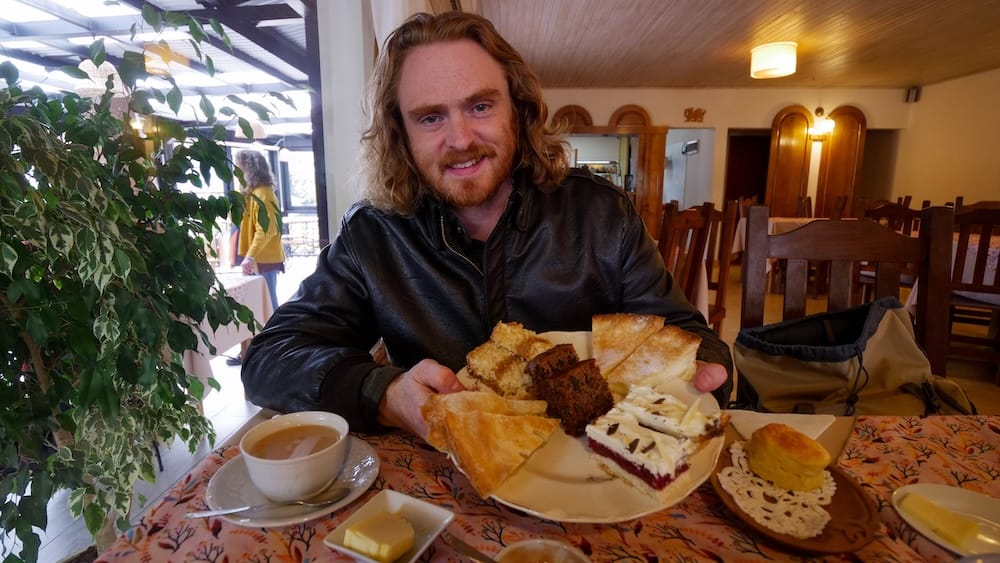
On our trip, we decided to hit Ty Gwyn. We walked in, paid our fixed price (currently hovering around $25,000 to $30,000 ARS per person for 2026), and sat down. What happened next was a caloric artillery shell. The waitress didn’t bring us a menu; she brought us a mountain. On one plate: homemade white bread, whole wheat bread, thick slabs of cheese, and hot scones drowning in butter. But that was just the vanguard.
Suddenly, we were staring at twelve different pieces of whole cake dropped onto our table for two. We had doubles of the cream pie, the apple crumble, the Torta Negra, and the bizcochuelo (a light vanilla sponge cake designed specifically as a counter-punch to the dense Black Cake).
[Samuel’s Teahouse Warning]
This is the “All or Nothing” Welsh Tea Trap. In Gaiman, you generally cannot just walk in and order a single cup of tea and a slice of pie. You pay for the “Full Tea Service” per head. If you are traveling with a small group that doesn’t want to eat their body weight in sugar, politely ask if you can order ONE full service and just pay for extra cups of tea. Be warned: some houses strictly prohibit sharing. Always ask for a ‘cajita’ (a to-go box)—it is completely socially acceptable to haul your massive leftovers home.
If Ty Gwyn is the rustic, bread-heavy comfort option, Ty Te Caerdydd is the royal standard. This is the teahouse Princess Diana famously visited in 1995.
On our second day in Gaiman, we decided to visit Ty Te Caerdydd. The problem? We had spent the morning hiking around a local farm on the outskirts of town. We spent 40 minutes walking down dirt roads in the blazing sun, following a maddening, endless loop of wooden arrow signs. By the time we finally arrived at the ultra-luxurious, manicured rose gardens of Ty Te Caerdydd, I was swathed in hiker flannel, sweating profusely, and feeling like a feral animal crashing a royal wedding.
Princess Diana supposedly looked radiant when she took her tea here. I looked like I needed a hose.
The Patagonian Welsh Teahouse Matrix (2026 Data)
| Venue / Service | Vibe & Atmosphere | 2026 Price Est. | Signature Item / Key Feature | Operating Reality |
| Ty Gwyn (Gaiman) | Rustic, large capacity, home-style decor. Focus on sheer volume. | ~$25,000 – $28,000 ARS per person | Staggering amounts of fresh bread, clotted cream, and 12-cake spreads. | Open Daily: 2:30 PM – 7:00 PM. Highly accessible from town center. |
| Ty Te Caerdydd (Gaiman) | Posh, luxurious, manicured gardens. The “Lady Di” royal standard. | ~$30,000+ ARS per person | Elegance, perfect sandwiches de miga, photo-heavy environment. | Standard Gaiman tea times (3:00 PM – 8:00 PM). Dress slightly better than a sweaty hiker. |
| Plas y Coed (Gaiman) | Low-key, intensely authentic, very central on M. Moreno street. | ~$24,000 ARS per person | Intimate setting, feels like sitting in an actual Welsh grandmother’s dining room. | Open Daily: 3:00 PM – 7:30 PM. |
| Nain Maggie (Trevelin) | Cozy, personal, Andean alpine vibe. Reached via a 30-min mountain drive from Esquel. | ~$25,000 ARS ($25 USD) per person | Chocolate Sponge Cake with Coffee Icing; Whole Black Cakes sold by weight ($12-$38 USD). | 9:00 AM – 11:00 AM & 3:30 PM – 8:00 PM. Peak local rush is 6:00 PM. |
The Narlu Farm Pre-Game Hack
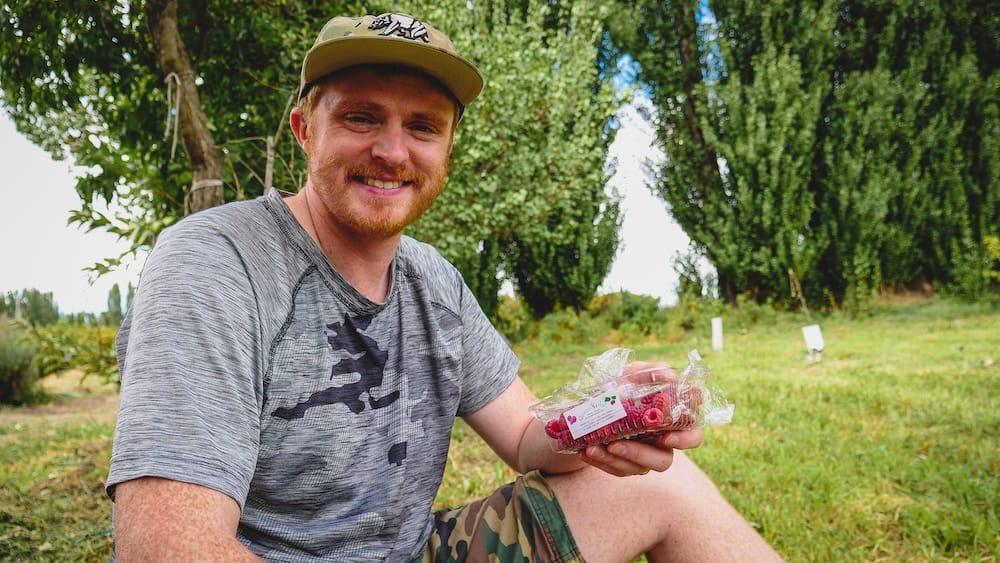
If paying $30 USD per person for a massive tea service breaks your backpacker budget, there is a micro-hack. During our sweaty walk around Gaiman, we stopped at an agricultural plot called Narlu Farm.
Raspberries were in season, so we bought a basket. Sitting right next to the berries was a small basket of mini Tortas Negras. Instead of committing to the formal sit-down tea, we bought a mini Welsh cake for absolute pennies (at the time, 150 ARS), sat in the fields, and had a makeshift picnic. The cake is sold casually all over town outside the formal teahouses. Look for the local farm stands if you just want a quick, cheap taste of the history.
Decoding the Menu: The Tea Rosetta Stone
The menus here are a confusing mix of Spanish, Welsh, and Patagonian slang. Here is exactly what you are eating:
| Argentine Spanish Menu | Original Welsh / English | The Tasting Reality (What it Actually Is) |
| Torta Negra Galesa | Cacen Ddu (Black Cake) | Hyper-dense, dark, rum-soaked fruit cake that lasts for years. Festive brown-sugar flavor. |
| Pan Dulce Galés | Bara Brith | A lighter, speckled fruit bread. |
| Bizcochuelo | Cacen Sbwng (Sponge Cake) | A fluffy vanilla sponge, often layered with cream and raspberries to cut the density of the other cakes. |
| Sandwiches de Miga | Crustless Tea Sandwiches | Light-as-air, fluffy bread with thin ham and cheese. (I authentically misheard these as “Sandwiches Amiga” in my notes—the friendly sandwich). |
| Tartaleta de Membrillo | Quince Tart | A dense, deeply sweet, and slightly tart fruit paste brick. Often mistaken for strawberry jam by naive tourists. |
Speaking of Membrillo…
The Panadería Ritual and the Trelew Membrillo Revelation
While the Welsh teahouses dominate the coastal Chubut valley, the true backbone of daily Patagonian life—especially in the Andean trekking capitals—is the panadería (bakery).
You will likely pass through Trelew on your way to the coast or down south. One afternoon, starving and trying to kill time before a museum opened, we walked almost an hour to a local cafe. I pointed to what looked like a beautiful, lattice-topped strawberry tart.
I took a bite, fully expecting the familiar, sweet hit of strawberry jam. What I got instead was a dense, perfectly tart, almost floral brick of fruit paste. It wasn’t strawberry. It was membrillo (quince).
Quince paste is the undisputed king of Argentine baking. It is native to regional baking, cheaper than fresh berries, and delivers a massive hit of sugary energy. It was my accidental initiation into the true flavor profile of the south, and honestly, it was better than strawberry.
The 7:00 AM Hiker Rush (El Chaltén & El Calafate)
If you head further south into the Santa Cruz province to hike Mount Fitz Roy or see the Perito Moreno Glacier, the bakery ceases to be a leisurely afternoon stop. It becomes a tactical military supply depot.
At 7:00 AM, places like Panadería Que Rika in El Chaltén (San Martín 91) and Panadería La Genovesa in El Calafate (Monseñor Fagnano 1791) are packed with hundreds of hikers in heavy boots carrying massive backpacks. The physical reality of grabbing morning pastries here is chaotic. Space is incredibly tight, lines spill out onto the freezing sidewalks, and the process is fast-paced. You need to know what you want before you reach the counter.
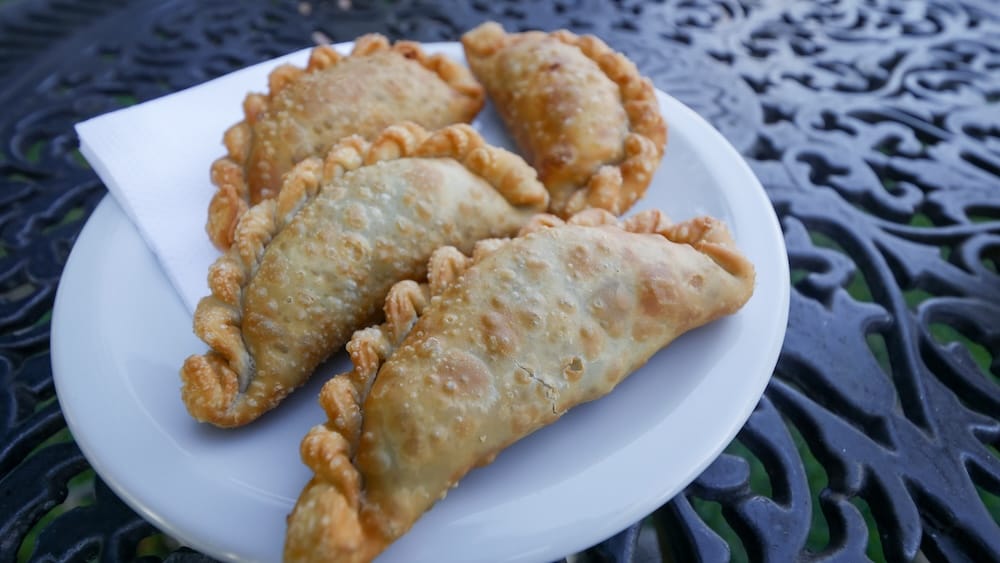
You are here to buy facturas (sweet pastries, usually sold by the docena / dozen for about $8,000 – $12,000 ARS) and savory empanadas for summit fuel. Look for medialunas de manteca (butter croissants) painted with simple syrup, and massive dollops of crema pastelera (rich custard) or dulce de leche.
[Samuel’s Cash-in-Hand Warning]
Here is a major friction point that generic blogs miss: The Mercado Pago Wall. Many bakeries in deep Patagonia do not accept foreign Visa/Mastercard tap-to-pay for small purchases like two morning empanadas. Locals exclusively use the Mercado Pago app via QR code, which foreigners cannot easily set up without an Argentine DNI (ID number). Do NOT show up to Que Rika at 7:00 AM right before your hike relying on Apple Pay. You must carry physical Argentine Pesos for bakery stops.
The Endemic Berries (And the Llao Llao Trap)
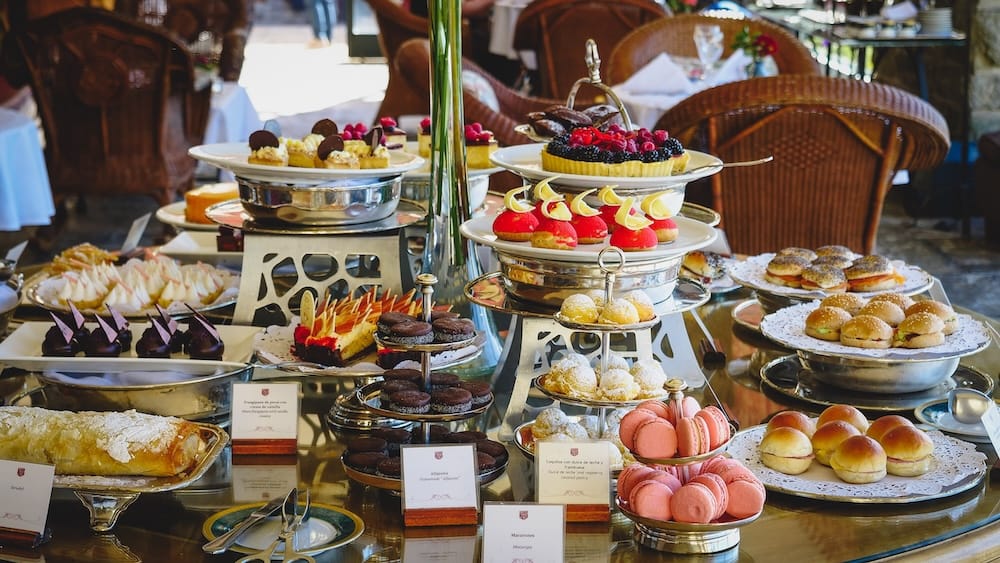
As we cover in our upcoming destination guides for the Lake District, the sweets shift dramatically as you move from the arid steppe into the alpine forests of Bariloche and Tierra del Fuego. Here, the heavy Welsh breads give way to endemic, wild-grown berries.
Every top-ranking travel post parrots the exact same tourist legend: “If you eat the Calafate berry, you are destined to return to Patagonia.” It’s a nice myth, but the culinary reality is much better. The Calafate berry is a small, wild fruit that tastes like a tamer, slightly tangier blueberry. You will find it infused into chocolates and ice creams down south.
Further north in Bariloche, the dominant flavor is Rosa Mosqueta (Rosehip). It grows wild in the Andean regions and delivers a highly distinct floral, slightly tart flavor profile. It is the default mermelada regional (regional jam) slapped onto scones across the Lake District.
The Bariloche Winter Garden Hack
If you want to experience the absolute zenith of Patagonian berry desserts and high tea, you will likely look at the famous Llao Llao Hotel in Bariloche.
But there is a trap.
Tourists frequently book a generic afternoon tea at the Llao Llao and end up seated in a dated, viewless, wood-paneled side room, eating standard scones and wondering why they spent the money.
Here is the exact fix: You must explicitly request “Reserva para la Ceremonia del Té en el Winter Garden” when booking. This guarantees you a seat in the iconic, glass-walled atrium overlooking the glacial lakes. It is the difference between eating a muffin in a closet and having a cinematic culinary experience.
If you strike out at the Llao Llao, head into downtown Bariloche to Mamuschka (Mitre 298). While famous for chocolate, their bakery and ice cream side-hustle is legendary. A small tin of their berry-infused chocolates runs about $11,800 ARS ($10 USD), but the real move is buying a cone of “Mamusch-cream” (their proprietary dulce de leche ice cream) to eat while walking the freezing shores of Nahuel Huapi.
Endemic Patagonian Berry & Flavor Guide
| Ingredient | Regional Source | Flavor Profile | Best Way to Consume |
| Calafate Berry | Santa Cruz / Tierra del Fuego (Deep South) | Like a tangy, wild blueberry. Earthy and sweet. | Artisanal ice cream in El Calafate; Calafate jam smeared on morning medialunas. |
| Rosa Mosqueta | The Lake District (Bariloche / San Martín) | Rosehip. Floral, bright, and slightly acidic/tart. | The default preserve for afternoon scones. Pairs perfectly with clotted cream. |
| Dulce de Leche | Universal (But perfected here) | Deep, caramelized milk and sugar. Much thicker than standard caramel. | Inside a triple-layer alfajor bought at a gas station during Siesta. |
| Membrillo | Universal (Found in local panaderías) | Quince paste. Dense, dark red, intensely sweet and fruity. | Baked into Pasta Frola (lattice tarts) or standard bakery facturas. |
The Panadería Pressure Cooker: Factura Taxonomy and Counter Etiquette
There is a very specific type of adrenaline that spikes when you walk into a Patagonian panadería at 7:15 AM. You are just trying to grab some pre-hike fuel, but you have accidentally stepped into a highly choreographed, fast-paced local ecosystem. The air is thick with the smell of yeast and warm butter, the line is practically out the door, and the locals in front of you are rattling off pastry orders with the speed of an auctioneer.
Most travel blogs will simply tell you to “buy facturas”—the catch-all Argentine word for sweet pastries. What they fail to mention is the intimidating mechanical reality of actually acquiring them without holding up a line of hungry hikers and impatient locals.
When you walk through the door, you must immediately assess the tactical layout of the bakery. Is it self-serve, or is it a glass-case operation?
If you see a stack of large plastic trays and silver tongs near the entrance, grab them immediately. This is a self-serve battlefield. You are expected to navigate the aisles, load your own tray, and bring it to the cashier for counting. If the pastries are guarded behind a sprawling glass display, you are at the mercy of the counter staff.
Here is the golden mathematical rule of the Argentine bakery: facturas are virtually never priced individually. They are priced by the docena (dozen) or media docena (half-dozen). If you try to order two single pastries, the staff will often look at you with a mix of confusion and mild pity before calculating a slightly inflated per-item price. Lean into the carb-loading. Order the half-dozen.
[Samuel’s Point-and-Panic Warning]
When you reach the front of the line at a glass-case panadería, the pressure is immense. The worst thing you can do is freeze and vaguely gesture at a tray of fifty identical-looking pastries. The staff is moving fast. You need to know the exact names of the dough shapes, or you will end up with a bag full of plain croissants when you actually wanted the dulce de leche.
To save you from the panicked point-and-nod, here is your tactical field guide to decoding the factura matrix.
The Patagonian Factura Survival Matrix
| The Factura | Visual Appearance | The Core Payload | Best Use-Case |
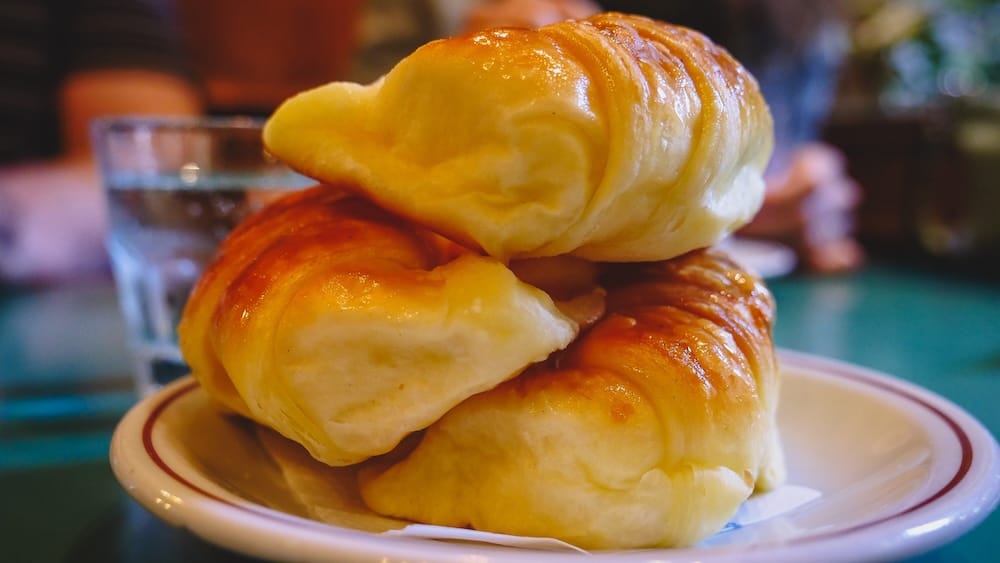
| Medialunas | The classic crescent moon shape. | De Manteca: Sweeter, puffier, brushed with sticky syrup. De Grasa: Thinner, flakier, made with beef tallow. Less sweet. | The absolute baseline. Perfect for dipping into a morning coffee before a long drive. |
| Cañoncitos | Small, tightly rolled pastry tubes (literally “little cannons”). | Completely hollowed out and aggressively stuffed with pure dulce de leche or crema pastelera. Dusting of powdered sugar. | High-density summit fuel. One of these packs enough caloric energy to get you up Mount Fitz Roy. |
| Vigilantes | Long, straight, baton-like strips of dough. | Topped with a hardened strip of vibrant red membrillo (quince paste) or yellow custard. | The classic local choice. Easy to eat one-handed while navigating a tricky trailhead. |
| Bolas de Fraile | Round, deep-fried dough balls (similar to a Berlin-style doughnut). | Rolled in granular sugar. Often sliced open like a clam and heavily piped with dulce de leche. | The ultimate post-hike reward. Incredibly heavy, messy, and totally worth the sticky fingers. |
| Palmeritas | Flat, heart-shaped or butterfly-shaped flaky pastries (elephant ears). | Crispy, deeply caramelized layers of puff pastry coated in hardened sugar. | Great for stashing in a backpack. They don’t crush easily and don’t leak sticky fillings. |
The Route 40 Lifeline: Yerba Mate and the Hot Water Economy
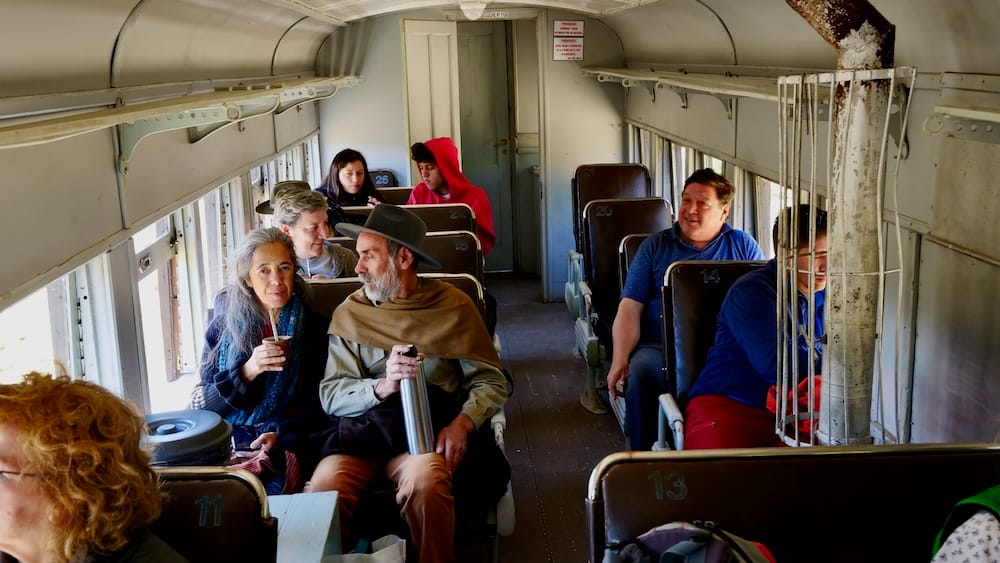
We were three hours deep into the desolate, wind-scoured expanse of Route 40, staring out at a seemingly infinite horizon of scrub brush, when I realized we were doing Patagonia completely wrong. I was shivering in the passenger seat, clutching a dry paper bag of leftover vigilantes, watching local pickup trucks blast past us. Every single driver was seamlessly balancing the steering wheel, a leather-wrapped gourd, and a metal thermos.
We have spent a lot of time in this guide talking about the quaint, sit-down elegance of Welsh tea. But let me be entirely clear: the actual, undisputed lifeblood pumping through the veins of 99% of Patagonians is yerba mate.
Mate is an intensely bitter, highly caffeinated herbal infusion drank through a metal straw (bombilla). And because the flavor profile is so aggressively earthy and bitter, it creates a mandatory culinary symbiosis. You cannot drink mate on an empty stomach, and you certainly don’t drink it without a counter-punch of sugar or fat. The entire Patagonian panadería ecosystem is secretly designed to be the ultimate mate pairing. The cloying, heavy sweetness of a dulce de leche filled pastry that might seem overwhelming with a regular coffee makes perfect, glorious sense when washed down with scalding, bitter mate.
[Samuel’s Co-Pilot Warning]
If you are road-tripping through Patagonia, pouring the mate is the sacred duty of the passenger (the ‘cebador’). It requires tactical precision. You cannot spill boiling water on the driver while navigating a gravel section of the Andean steppe. Buy a thermos with a specialized precision-pour spout (a ‘pico cebador’) before you leave a major city like Bariloche. Your standard wide-mouth camping flask will create a scalding disaster in a moving vehicle.
The “Agua Caliente” Logistics
So, how does an entire region keep millions of gourds full of hot water while driving across a desert roughly the size of Texas? They built a hidden infrastructure.
Welcome to the “Agua Caliente” (Hot Water) economy.
If you walk into any YPF or Puma gas station, bus terminal, or highway-adjacent bakery in the south, you won’t just see coffee machines. You will see towering, heavy-duty metal dispensers dedicated entirely to dispensing water at the exact perfect temperature for mate (usually around 75°C to 80°C—never fully boiling, which burns the leaves).
Here is how you navigate the highway refill:
- The Payment Wall: These machines are rarely free anymore. Historically they took coins, but today, you generally walk up to the gas station cashier and ask for a ficha (a small metal token) or a QR code receipt for “agua caliente.”
- The Current Rate: In 2026, expect to pay a nominal fee—usually around $300 to $500 ARS (mere pennies in USD)—to unlock the machine.
- The Execution: Place your thermos under the spout, insert the token, and hit the green button. Crucial tip: Do not pull the thermos away until the machine completely finishes its cycle, or you will flood the gas station floor and look like an absolute rookie.
The Mate & Factura Symbiosis Matrix
To truly eat like a local on a long transit day, you have to match the specific pastry to the preparation of your mate. Here is your dashboard pairing guide for surviving Route 40:
| The Pastry Pairing | The Mate Style | The Culinary Logic | The Dashboard Mess Factor |
| Bizcochitos de Grasa (Savory, flaky beef-tallow biscuits) | Mate Amargo (Traditional, unsweetened) | The absolute classic. The heavy, salty fat of the biscuit perfectly cuts the harsh, grassy tannins of the raw mate. | Low. They are bite-sized and won’t ruin the rental car upholstery. |
| Bolas de Fraile con Dulce de Leche (Fried dough balls) | Mate Amargo (Traditional, unsweetened) | The extreme contrast. The bitter water washes away the heavy, cloying sugar of the pastry, resetting your palate for the next bite. | Critical Hazard. Sugar crystals and sticky filling will end up on the steering wheel. |
| Medialunas de Manteca (Sweet butter croissants) | Mate Dulce (Mate brewed with a pinch of sugar or sweetener) | For those who can’t handle the pure bitterness. The sweet syrup of the croissant synergizes with the sweetened brew. | Medium. Sticky fingers, but manageable at highway speeds. |
| Empanadas de Carne (Savory meat hand-pies) | Mate Amargo (Traditional, unsweetened) | The trucker’s lunch. When the Siesta Void hits and restaurants are closed, this savory-bitter combo is a full meal replacement. | High. Flaky crust explosions require dedicated napkin management. |
The Geography of Dough: Why Your Cake Weighs Five Pounds
I remember holding a single slice of Bara Brith in a Gaiman teahouse and realizing it weighed roughly the same as my left hiking boot. When you travel from the cosmopolitan cafes of Buenos Aires down into the Chubut province, you notice an immediate, physical shift in the bakeries. The light, airy, shatteringly crisp croissants of the capital suddenly disappear, replaced by dense, heavy, fat-packed doughs.
At first, you might think the bakers down south just lack a delicate touch. You would be completely wrong. This isn’t bad baking; it is culinary survival science.
The Patagonian steppe is one of the most hostile environments on earth for pastry. You are dealing with extreme aridity, fluctuating Andean altitudes, and fierce, unrelenting winds that can hit 100 km/h, instantly stripping moisture out of the air. If you try to bake a delicate, airy Parisian-style baguette or a fluffy sponge cake in El Chaltén, the Patagonian atmosphere will pull the moisture from the crumb, staling the bread and turning it into a calcified weapon within four hours.
To combat this, Patagonian bakers had to completely alter the chemical composition of their recipes. They traded light butter for heavy beef tallow (grasa), which coats the flour proteins and prevents moisture from escaping. They swapped refined white sugar for dense fruit pastes (membrillo) and dark brown sugar, which act as humectants—ingredients that actively pull and trap water molecules from the surrounding air.
[The Culinary Science Check]
This is exactly why the famous Torta Negra Galesa (Welsh Black Cake) exists. When the Welsh landed in 1865, their traditional, damp-climate recipes failed instantly in the desert. They reverse-engineered their cakes for absolute moisture retention by packing them with rum-soaked raisins, molasses, and candied fruit. It’s not just a dessert; it’s a desert-survival ration. Its preservation architecture is so flawless that, as we mentioned earlier, local couples can actually seal the top tier of their wedding cake in a tin and safely eat it years later.
To understand exactly what you are eating, you have to look at how the geography dictates the ingredients. Here is the exact breakdown of why the pastries down south feel so fundamentally different from the rest of the country.
The Patagonian Dough-Adaptation Matrix
| The Baking Variable | Buenos Aires (Humid / Coastal) | Deep Patagonia (Arid / High Wind) | The Scientific Reality |
| Primary Fat Binder | Butter (Manteca) | Beef Tallow (Grasa) or Lard | Tallow creates a heavier, denser crumb that physically blocks moisture evaporation against the dry steppe winds. |
| The Sweetener Base | Refined White Sugar | Dark Brown Sugar, Molasses, Honey | Darker sugars contain trace amounts of water and act as humectants, keeping baked goods soft for days in arid climates. |
| The Fruit Payload | Fresh berries (Highly perishable) | Membrillo (Quince paste) & Rum-soaked dried fruits | Fresh fruit rots or dries out. Boiling fruit into dense, high-sugar pastes guarantees a stable, non-perishable caloric hit. |
| Structural Goal | Aeration (Maximum rise and flakiness) | Density (Maximum caloric storage and shelf-life) | Patagonian doughs are intentionally compressed to reduce the surface area exposed to the dry air, preventing rapid staling. |
The “Rotund” Surrender
There is a moment at the end of every Patagonian bakery experience where the bravado fades. You lean back in your wooden chair—whether you are in a luxurious glass atrium in Bariloche, a rustic farmhouse in Gaiman, or on the curb of a Dolavon gas station—and you surrender.
After my 12-cake endurance test at Ty Gwyn, I remember looking at Audrey, unbuttoning my jacket, and muttering, “I’m rotund-ing. My belly is protruding.” I had been completely defeated by the Welsh carbohydrates.
But that is the magic of the Patagonian sweets culture. It isn’t designed to be delicate, and it isn’t designed for Instagram (though the manicured gardens of Ty Te Caerdydd certainly try). It is a cuisine born of survival. It was built by settlers trying to outlast the desert, and it is sustained today by hikers trying to outlast the mountains.
So when you finally make it down here, remember the rules: carry physical pesos, respect the Siesta Void, ask the bus driver for Route 7, and whatever you do, do not eat lunch before 5:00 PM tea time.
You’re going to need the room.
(For a visual breakdown of our entire Ty Gwyn 12-cake artillery shell experience, make sure to check out the full Chubut province vlog on our YouTube channel, and stay tuned for our upcoming deep-dive hiking guides to El Chaltén.)
The Patagonia Bakery Friction Index: What Makes Each Experience Easy or Hard
| Bakery Experience | Hunger Reward | Cash Risk | Timing Risk | Transit Risk | Overall Friction |
|---|---|---|---|---|---|
| Gaiman full tea service | Extreme | Low | Medium–High | Medium | High |
| Rural farm stand cake stop | Medium | Medium | Medium | Medium | Medium |
| El Chaltén morning bakery | High | High | High | Low | High |
| Route 40 mate refill | Medium | Low | Low | Low | Low |
| Llao Llao Winter Garden tea | High | Low | High | Medium | High |
FAQ: Bakery Culture In Patagonia
Do I need to tip at a panadería or teahouse in Patagonia?
Not at the counter. When you are grabbing a quick dozen facturas or empanadas from a bakery case, you just pay the total. However, if you are sitting down for a full, hours-long Welsh tea service in Gaiman or Trevelin, it is standard practice to leave about 10% in physical cash (pesos) on the table for your server.
Is the Torta Negra Galesa actually good, or just a tourist gimmick?
Absolutely. It sounds like a gimmick when locals start telling you about 150-year-old recipes and wedding cakes saved in tins, but the cake itself is legitimately delicious. It tastes like a dense, rum-soaked, dark-brown-sugar Christmas cake. It is incredibly heavy, so pace yourself, but you cannot leave the Chubut province without trying it.
Can I bring fresh facturas across the border into Chile?
Never. The Chilean SAG (Servicio Agrícola y Ganadero) border agents do not mess around when it comes to agricultural products. Do not attempt to bring fresh empanadas, fruit, or unsealed bakery boxes across the Andes on a bus into Chile. Eat your leftovers before the checkpoint, or watch them get thrown directly into the confiscation bins.
Are there gluten-free (Sin TACC) options in Patagonian bakeries?
Mostly, yes. Argentina has fantastic, highly progressive Celiac laws, meaning you will easily spot the “Sin TACC” (Without Wheat, Oats, Barley, or Rye) logo on packaged goods in every supermarket. However, small, fast-paced panaderías are literal flour-dust warzones. Cross-contamination is practically guaranteed for fresh pastries, so stick to sealed, certified goods if you are highly sensitive.
Can I share a Welsh tea service in Gaiman if I’m not that hungry?
Depends. Many teahouses strictly enforce a fixed per-head charge because they drop a mountain of unlimited cake and bread onto your table. If you want to split one service, politely ask the staff before sitting down, but be prepared for them to say no. If you have to pay the full rate, just embrace it and ask for a ‘cajita’ (to-go box) for your leftovers.
Do these small-town bakeries take Apple Pay or foreign credit cards?
Nope. Do not count on Visa tap-to-pay or Apple Pay working at a rural bakery at 7:00 AM. Locals pay for their morning medialunas using the Mercado Pago app via QR codes, which foreigners generally cannot set up without an Argentine ID. You absolutely must carry physical Argentine pesos for these small, fast transactions.
What happens if I arrive in a Patagonian town at 2:00 PM wanting lunch?
You starve. I am dead serious. Towns like Dolavon and Gaiman completely shut down between 1:00 PM and 4:00 PM for the daily siesta. Your only option will be sitting on the curb of the local gas station eating packaged alfajores. Always plan your transit times around this window.
Do I need to book these Welsh tea houses in advance?
Usually, no. For classic spots like Ty Gwyn or Plas y Coed in Gaiman, you can just walk in right when they open their doors for merienda. The major exception is if you are trying to book the ultra-famous, glass-walled Winter Garden tea room at the Llao Llao Hotel in Bariloche. That requires a hard reservation well in advance.
Project 23 Argentina: This guide is also available in Spanish. [Lea la versión en castellano: Cultura Panadera en la Patagonia: Torta Negra, Facturas, Frutos Rojos y Por Qué Importa la Merienda]