
Fernie is one of those mountain towns that makes you feel like you “get it” within the first hour: big peaks parked on the horizon like they own the place, a walkable historic downtown, and the constant temptation to ditch your plans and just follow whatever trail, river, patio, or bakery smell is calling your name.
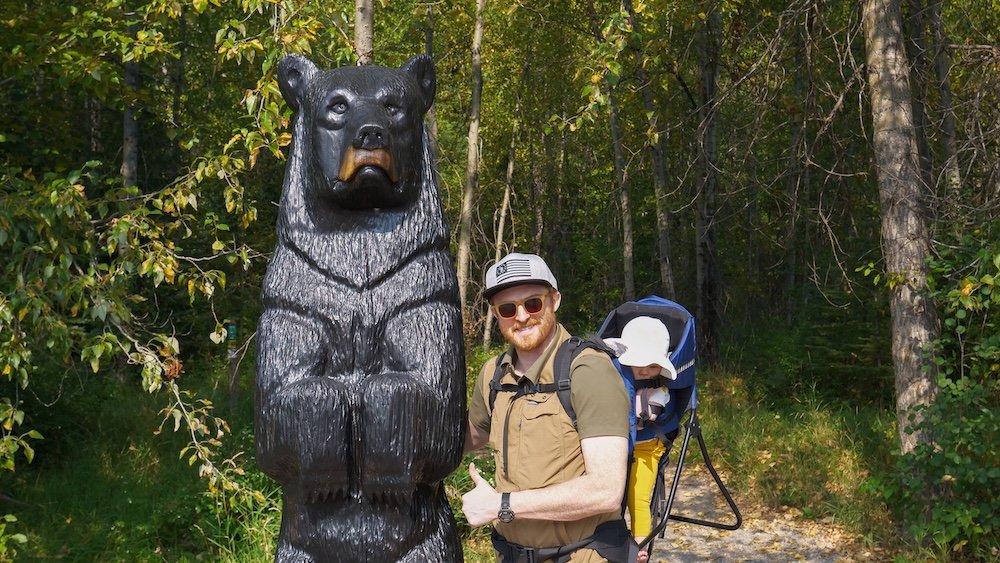
We kicked off our BC road trip here (my home province emotions: fully activated) with our “Chunky Monk” aka baby daughter Aurelia—who, for the record, behaved like she’d been training for a tiny-human travel Olympics. We were doing that classic first-timer thing: day one = town orientation and history, day two = nature mode with baby backpack + “how hard can this hike be?” optimism.
This guide is built for first-timers who want a high-clarity answer. Not a pile of “it depends.” Fernie absolutely does depend—on your weather tolerance, your crowd patience, and whether you’re more “powder chaser” or “waterfall stroller parent” or “I came for one bagel and accidentally stayed for two days.” We’ll make the tradeoffs obvious. So, you can pick the best time to visit Fernie based on your vibe, budget, and comfort level.
Fast decision snapshot
The 30-second answer
For most first-timers, the best overall time to visit Fernie is late June through September: the hiking is easiest, daylight is generous, patios are alive, and your trip doesn’t require a meteorology degree.
If you want the best budget window, aim for late April–May: quieter, often better deals, and still beautiful—just accept that mud season exists and it will try to introduce itself to your shoes.
For the most consistently comfortable weather, July–August is the easiest “set it and forget it” window, with Fernie’s warmest average daily highs sitting around the mid-20s °C in the long-term climate normals.
If you hate unpredictability, be cautious with late October–November. It can be moody and gorgeous, but it’s also one of those in-between stretches where rain, cold snaps, and early snow can tag-team your plans.
🧭 Quick Booking: Your Fernie Travel Essentials ✈️
If you’re planning your trip to the East Kootenays, these are the four bookings that make everything smoother — your base, adventures, transport, and freedom.
🎒 Your Travel Toolkit
| 🔖 What to Book | 💡 Why It’s Worth It | 🔗 Quick Link |
|---|---|---|
| 🎟️ Tours & Experiences | Skip the logistics and explore Fernie + the Elk Valley with local guides (easy wins when weather turns or time is tight) | 👉 Browse Fernie & Elk Valley tours on Viator |
| 🏨 Hotels & Stays | Lock in the right base (walkable town vs. ski hill vs. highway convenience) — especially on weekends + peak season | 👉 Find Fernie hotels on Booking.com |
| 🚗 Car Rentals | The easiest way to do day trips, chase viewpoints, and keep your schedule flexible | 👉 Compare car rentals for Fernie on DiscoverCars (pick in up Cranbrook) |
| 🚌 Bus Tickets | If you’re piecing together regional transport, checking schedules early saves headaches | 👉 Check bus routes to/from Fernie on Busbud |
Best time to visit Fernie by travel style
- Best for outdoor adventure (hiking, biking, lakes): July–September
- Best for families: July–August (easiest “mountain town on friendly mode”)
- Best for winter fun + festival energy: late Feb–early March (Griz Days)
- Best for shoulder-season value: May or late September
- Best for avoiding crowds: October weekdays, or May (if you’re okay with a little mud and a lot of calm)
Destination seasonal snapshot table
| Best Time to Visit Fernie | What it’s like |
|---|---|
| Best Overall Window | Late June–September: trails are mostly “go time,” long days, easy logistics. c |
| Best Weather | July–August: warmest, most consistently comfortable; classic shorts + light layer days. |
| Best Value | Late April–May: quieter, often cheaper, spring shoulder-season energy (with mud-season tradeoffs). |
| Best for Families | July–August: easiest conditions for lake strolls, short hikes, and low-stress planning. |
| Best for Hiking / Nature | July–September: waterfalls, lakes, and bigger trails are typically most accessible. |
| Best for Food / Culture | Year-round: summer gives patios + events; winter gives cozy après + community festivals. |
| Busiest / Most Crowded | Peak summer weekends + winter holiday weeks (ski season + festival periods). |
| Most Risky Weather | Late Oct–Nov: wetter, colder, “what season is it?” vibes; early snow can complicate driving. |
| Our Personal Pick | Late Summer / Early Fall for first-timers: we had that classic Fernie mix—hazy day-one views, then a blue-sky hike day where the mountains finally showed off. |
👉 Check out Fernie hotels, resorts and lodges on Booking.com
Understanding Fernie by season
Fernie is a true four-season town—but it’s also the Rockies, and mountain weather loves a plot twist. One minute you’re feeling smug in a t-shirt, the next you’re rummaging for a jacket you swore you packed “somewhere obvious.”
A few useful anchors from long-term climate normals:
- Coldest months: Jan–Feb (daily mean temps sit below freezing)
- Warmest months: Jul–Aug (warmest average highs in the low-to-mid 20s °C)
- Wettest tendency: late spring into fall—June is notably wet in the normals, and Oct–Nov can stay damp and moody.
Winter (December–March)
Why you might love it
Winter is when Fernie leans fully into its ski-town identity. This is Powder Highway territory, and if you’re the type of person who hears “fresh snow” and immediately starts speaking faster, you’ll understand the obsession. Fernie Alpine Resort publishes the kind of stats that make snow lovers do that slow nod: big terrain, a long season, and an average snowfall number that sounds slightly ridiculous until you’ve been there while it’s dumping.
And even if you’re not skiing every day, winter Fernie has that cozy momentum: warm drinks, après energy, lights glowing in the dark early afternoons, and the general feeling that everyone is either coming from the mountain or talking about the mountain.
- Proper ski-town atmosphere (without feeling like a theme park)
- Deep snow reputation that’s part legend, part math
- Cozy restaurants + pubs + “we earned this” comfort food energy
The tradeoffs
Winter is also the season where Fernie asks for a little respect. It’s cold. Roads can be legit winter driving. And popular weeks can book out faster than you can say “we’ll just wing it.”
- Cold temps and long nights (especially Jan–Feb)
- Holiday periods and weekends are busier and pricier
- Winter driving realities: snow tires, weather windows, buffer time
Best experiences this season
- Fernie Alpine Resort for resort skiing/snowboarding
- Griz Days (typically early March): parades, winter events, full community chaos—in a good way
- Island Lake Lodge catskiing if you want a once-in-a-lifetime powder mission (limited dates, book early)
Quick packing notes
- Footwear: insulated boots with grip
- Layers: base layer + warm mid-layer + shell (wind matters)
- Don’t forget: gloves + neck warmer (tiny items, huge happiness)
Spring (April–May)
Why you might love it
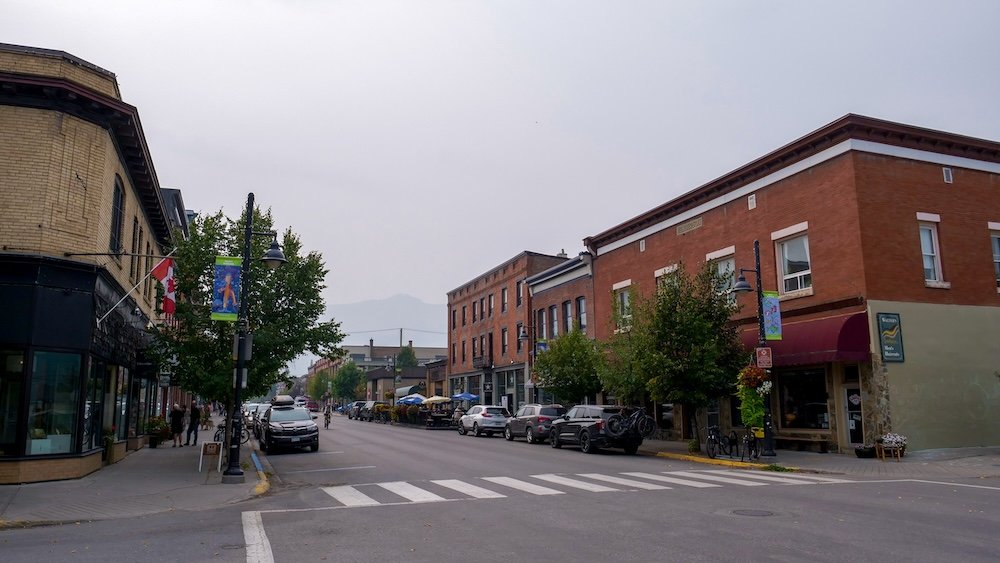
Spring is the “quiet Fernie” season. It’s the time when you can wander downtown without feeling like you need to shoulder-check your way to coffee, and you can do the museum + heritage-building loop with zero stress. If your ideal trip is more “slow mornings + history + cozy lunches” than “I must summit something daily,” spring can feel like a secret—especially on weekdays.
This is also when you’ll still see snow clinging to peaks in the distance, which is honestly peak Fernie aesthetic: winter drama up high, spring vibes down low.
- Better availability and often better deals
- Shoulder-season calm (town feels local and laid-back)
- Snowy peaks + early green = great photos
The tradeoffs
Spring is also when Fernie introduces you to mud season. Trails can be slick, rooty, and soggy, and higher elevation routes may still be snowbound. It’s not a dealbreaker—it’s just a “choose the right trail and don’t wear your fanciest socks” situation.
- Mud season is real (and it does not care about your plans)
- Some higher trails may still be snow-covered
- Weather can swing fast (pack like you’re indecisive on purpose)
Best experiences this season
This is where our actual Fernie rhythm makes sense for first-timers: start with town orientation. We loved doing the Fernie Museum early because it gave us context for everything we saw afterward. You learn about the coal mining roots, the tragedies and fires, the resilience, and the big shift toward tourism—and suddenly the brick buildings downtown feel like more than “cute architecture.” They’re proof the town rebuilt itself again and again.
- Fernie Museum (admission by donation—free if you want, or give what you can)
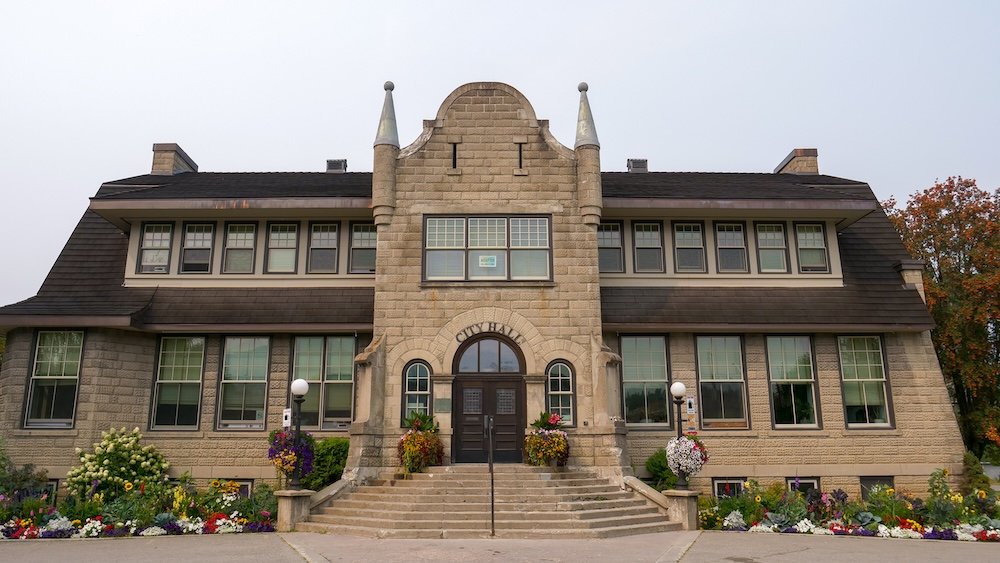
- Historic downtown wandering + heritage buildings for easy wins
- Breweries + cafés for when spring decides it’s raining sideways
Quick packing notes
- Footwear: waterproof hikers or trail runners
- Layers: light puffy + rain shell
- Don’t forget: extra socks (spring Fernie loves puddles)
Summer (June–early September)
Why you might love it
Summer is the easiest season to recommend to a first-timer because it lowers “decision friction.” You wake up, look outside, and it’s basically: choose your adventure. Hike? Lake stroll? Brewery? Another bagel? Heck. Yes.
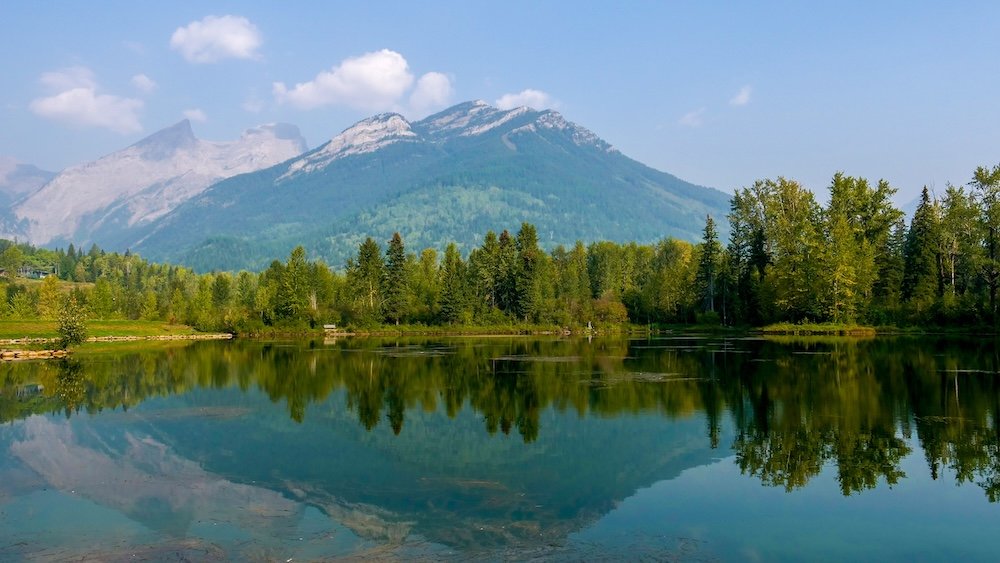
This is the season we experienced Fernie in (early Sept), and it hit that sweet spot: walkable town, nature on tap, and the kind of mountain scenery that makes you keep stopping mid-sentence like, “Sorry—what were we saying? Oh right. Mountains.” The warmest stretch is typically July–August in the climate normals, and it’s the simplest window for families because you can build your day around short hikes and easy nature without battling cold or snow.
And it’s not just hiking. Summer Fernie is patios, trails, rivers, and that “small town BC at its best” feeling—without the same intensity as some of the bigger-name Rockies towns.
- Warmest, easiest conditions for hiking and lake time
- Long days (more time for “one more stop”)
- Town feels lively without necessarily feeling chaotic
The tradeoffs
Two big summer realities: smoke and weekends. In rough wildfire years, haze can steal your views (we had a hazy day-one where the peaks were playing hide-and-seek, then clearer skies the next day—classic mountain unpredictability). And peak summer weekends can be busy, especially around events.
Also: June tends to be wetter in the long-term precipitation normals, so early summer can come with more rain than you’d expect.
- Smoke/haze can reduce visibility in wildfire seasons
- Weekends book up faster in peak summer
- June can be wetter than you’d think
Best experiences this season
This is the Fernie “greatest hits” version we lived:
1) Start with food, because we are who we are.
We rolled into town and immediately committed to lunch at Luchadora. Beef burrito loaded with rice, cabbage, and flavour for me; fried cod + beans for Audrey; and fruit purée for Aurelia—fuel secured, sightseeing unlocked.
2) Museum first, mountains later.
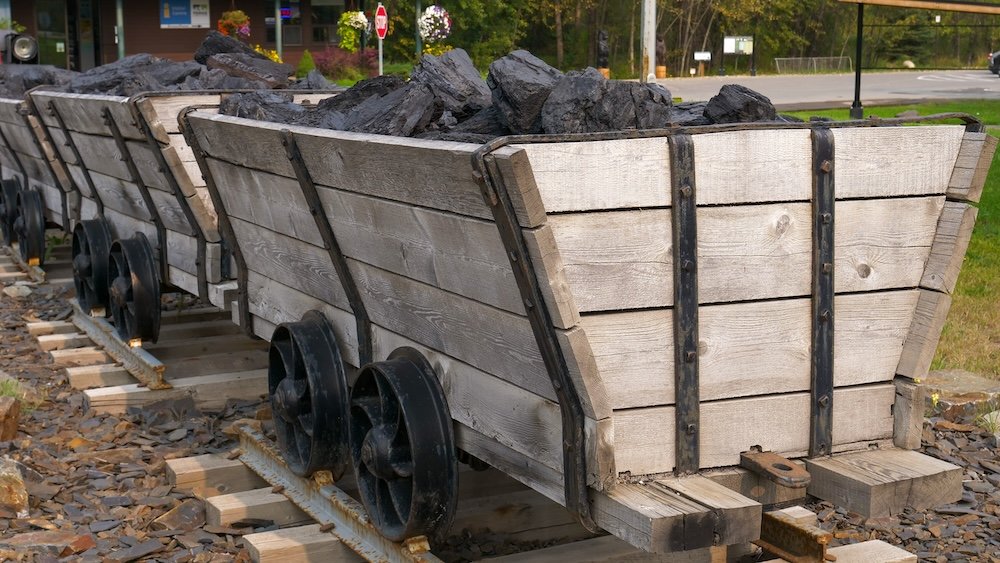
The Fernie Museum is a must, not because you “have to do museums,” but because Fernie’s story is genuinely shocking: coal mining roots, tragedies, catastrophic fires, reinvention, and that stubborn small-town resilience. When you hear about the 1902 coal disaster, the early-1900s fires, and how the town rebuilt, you don’t just see Fernie—you understand it.
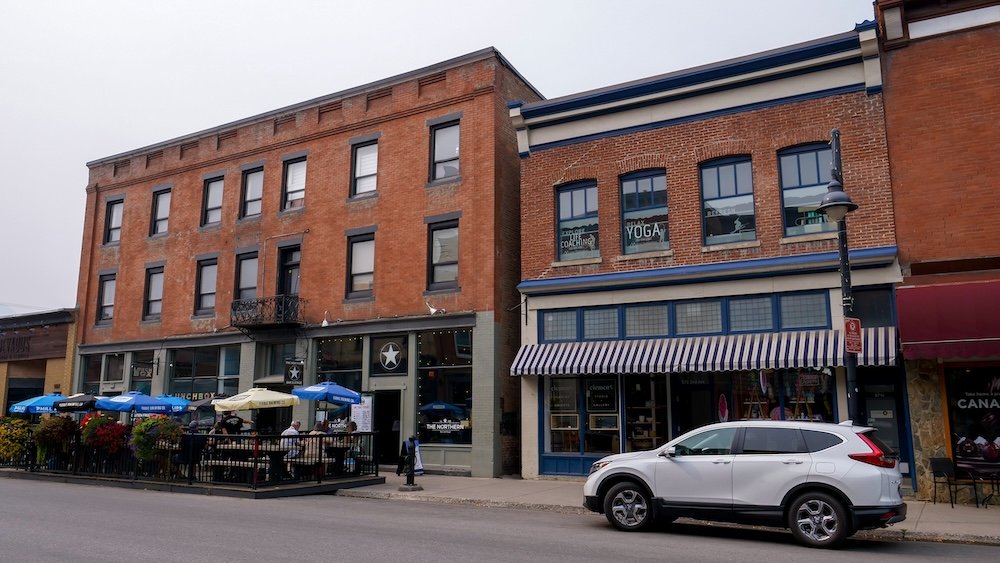
3) Heritage Walk + City Hall gardens.
We grabbed the Fernie Heritage Walk brochure (16 historic buildings) and wandered like happy little architecture fiends. City Hall’s gardens were buzzing with bees and butterflies, and baby Aurelia was living her best life in the stroller like, “Yes… yes…yess…. more flowers, please.”
4) Big Bang Bagels (we got banged).
Next morning: Big Bang Bagels. Local institution energy. We “got banged,” as the locals would say, and honestly… fair point. I went for the Avo Launcher. Audrey went all in on smoked salmon. There’s indoor/outdoor seating, lots of takeaway action, and the general vibe of people fuelling up for trails like it’s a community sport.
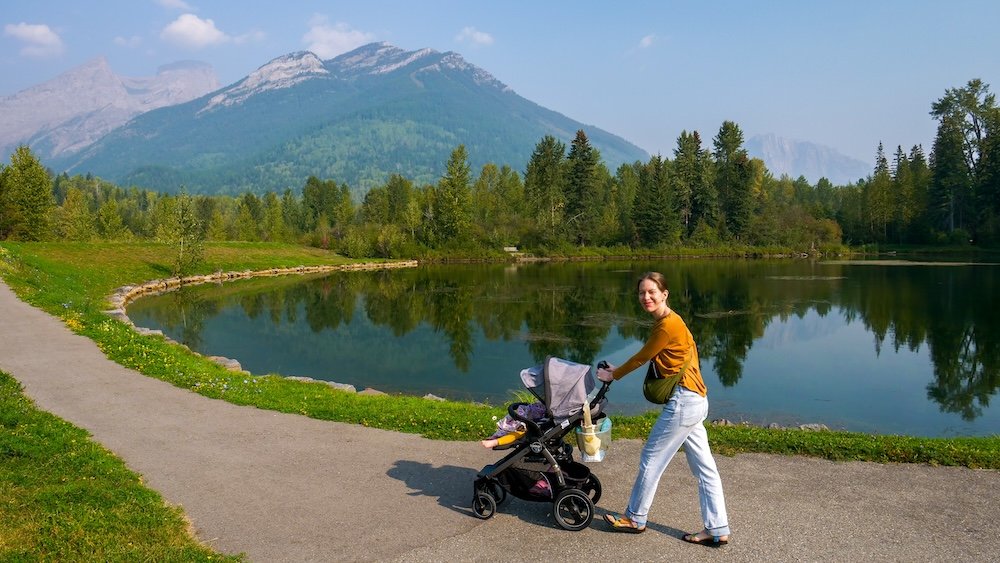
5) Maiden Lake + Fairy Creek Falls (baby backpack workout).
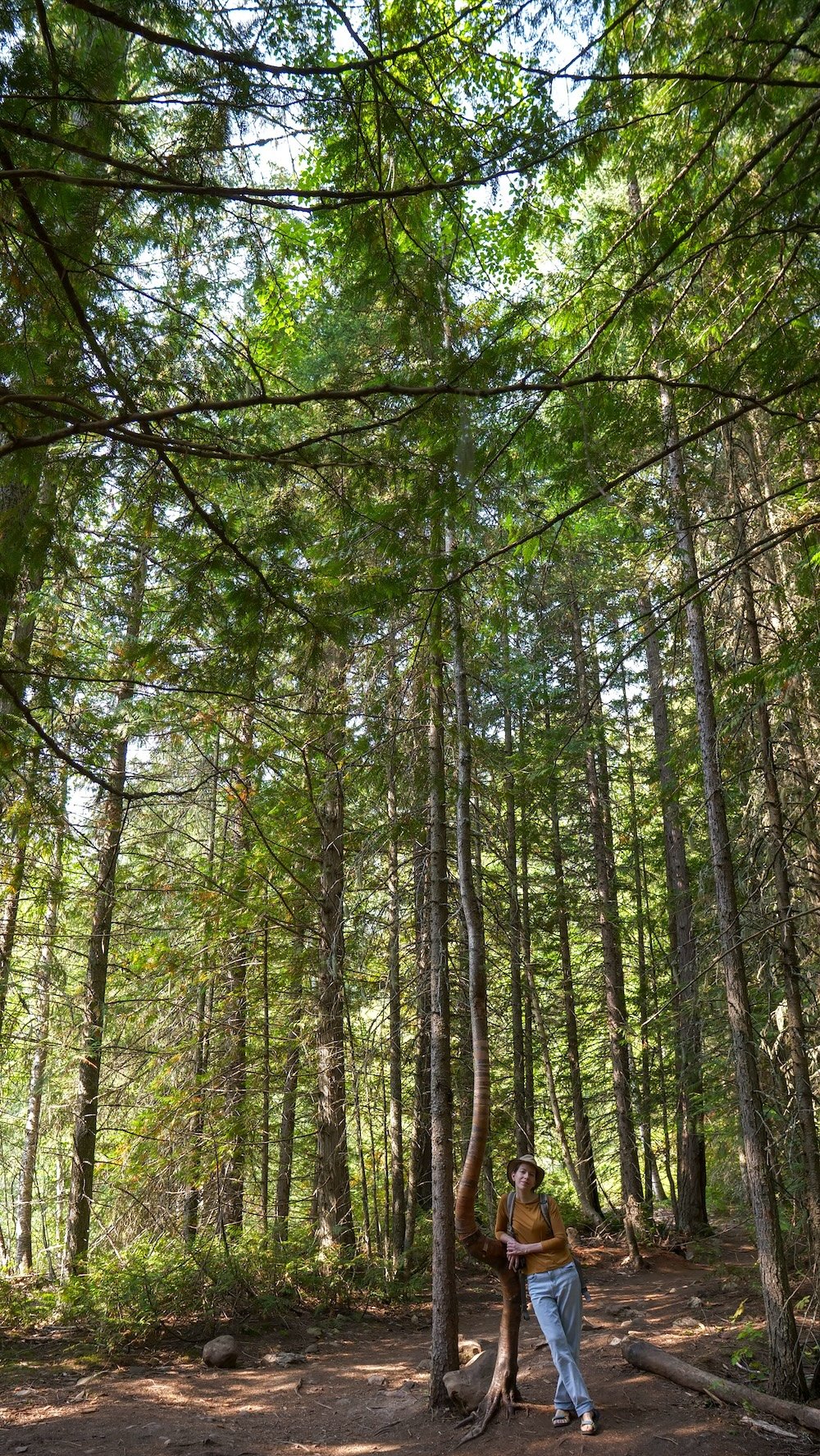
We did a peaceful stroll around Maiden Lake, then set off for Fairy Creek Falls with baby Aurelia in the hiking backpack. We parked at the Visitor Centre first—clean washrooms, interactive displays, friendly staff, great trail maps—truly the best “first stop” if you’re hiking, especially with a kid. Then it was trail time: about 4.6 km return, usually 1.5–2 hours, and not considered stroller-friendly because of roots and uneven terrain. Bring a baby backpack if you’re a young family.
And yes, I was sweating like a disgruntled pack mule while the baby peacefully napped on my back. Then—perfect comedic timing—she woke up right at the waterfall as if she’d scheduled her own reveal.
6) Fernie Brewing Company (earned pint energy).
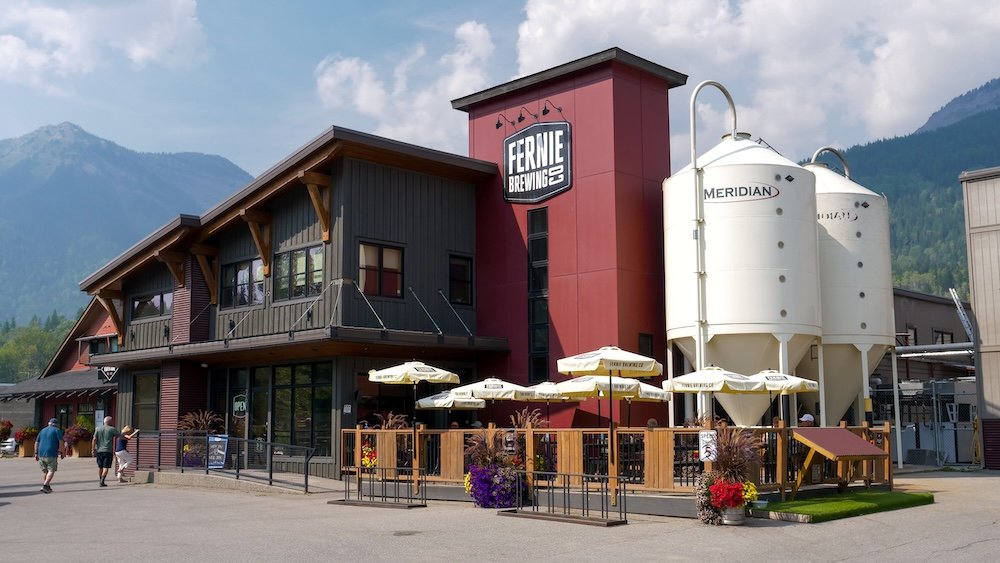
Post-hike: Fernie Brewing Co. I went Ridgewalk Red Ale and felt spiritually validated for my effort. Just note the reality check: it’s very much “pints + snacks” energy, not a full meal stop. Think appetizer mission before lunch, not dinner replacement.
7) Island Lake Lodge (the “look at the views” moment).
Then we drove up to Island Lake Lodge—about 30 minutes on back roads into this alpine world that genuinely made us say variations of “wow” repeatedly. We didn’t even realize you could stay there (you can), and the Bear Bistro lunch was shockingly good for being tucked into the mountains: ramen that made Audrey feel like she’d time-traveled back to Japan, and my smashed-patty burger that gave me Shake Shack vibes. Then dessert: salted caramel ice-cream sandwich and a Jos-Louis-style cake with marshmallow. Baby slept through the meal (absolute legend that she is), woke up for a gentle lakeside stroll, and we all agreed: we have to come back.
Also: the lake up there? It gave us that Banff/Lake Louise “how is this real life?” feeling—without the tour bus vibe. Win. Big time.
Quick packing notes
- Footwear: trail shoes + sandals (for lake/patio recovery)
- Layers: light fleece + rain shell (mountain mornings can be cool)
- Don’t forget: sunscreen + bug spray (the combo you’ll thank yourself for)
Fall (September–November)
Why you might love it
Fernie in fall is a mountain-town glow-up: crisp air, fewer crowds, and that golden light that makes brick buildings and mountain backdrops look seriously photogenic. September is a particularly nice sweet spot—cooler than summer but still comfortable for hiking—and it often feels like you’re getting the best of Fernie without the peak-season intensity.
If you’re the type of person who loves cozy meals, scenic drives, and “walk downtown with a warm drink” energy, fall Fernie makes a strong case for itself.
- Cooler days that are great for hiking
- More space and calm compared to peak summer
- Downtown + heritage buildings look especially good in fall light
The tradeoffs
Fall is also where the weather volatility ramps up. Late October and November, in particular, can slide into that wet, chilly shoulder-season feeling. The climate normals show fall can be damp, and once early snow arrives, certain drives and hikes can become less appealing unless you’re properly prepared.
- Weather can flip faster (rain, cold snaps, early snow)
- Some businesses shift hours as winter approaches
- Trails can get slick and days get shorter
Best experiences this season
- Heritage Walk + downtown photos (brick buildings + fall light = chef’s kiss)
- Brewery season (cool air + red ale just makes sense)
- Quieter hikes if you time it midweek
Quick packing notes
- Footwear: waterproof hiking shoes
- Layers: beanie + light gloves + warm mid-layer
- Don’t forget: a thermos (fall Fernie = hot drink season)
Fernie weather and travel vibe by month
These notes are based on long-term climate normals for Fernie (temperature + precipitation), which is the best “big picture” way to think about your trip.
| Month | Weather vibe | Crowds | Prices | Best for |
|---|---|---|---|---|
| Jan | Cold, snowy winter mode | High | High | Ski trips, cozy getaways |
| Feb | Still winter; brighter days | High | High | Ski + après + winter town energy |
| Mar | Late winter shifting toward spring | High | High | Griz Days + spring skiing energy |
| Apr | Shoulder season begins; mixed conditions | Low | Low–Med | Quiet trips, value hunters |
| May | Greener, milder; mud season tradeoffs | Low–Med | Low–Med | Museums, town wandering, early hikes |
| Jun | Early summer energy, but wetter | Med | Med | Waterfalls, green scenery, early hiking |
| Jul | Peak summer; warmest stretch | High (wknds) | Med–High | Hiking, lakes, patios, family trips |
| Aug | Warm + lively; festival potential | High | High | Events + outdoor everything |
| Sep | Cooler + gorgeous; shoulder sweet spot | Med | Med | Hiking without peak crowds |
| Oct | Crisp + moody; precipitation ramps | Low–Med | Med | Quiet trips, heritage walks, cozy food |
| Nov | Wet + early winter feel; snow returns | Low | Low | Budget trips, calm town, early snow vibes |
| Dec | Winter ramps up; holiday energy begins | High | High | Ski season kickoff + festive town feel |
If you want the “best time to visit Fernie” with minimal stress, July–September is the cleanest answer—especially for first-timers who want hiking, lakes, and easy planning.
If you want value, look hard at May and late September: still rewarding, usually calmer, and easier on the wallet.
If you want true quiet, April and October weekdays can feel like you’ve hacked the system—just pack for mixed weather and keep expectations flexible.
Festivals and seasonal events worth timing your trip around
Fernie has a strong “community festival” rhythm—small town size, big participation, and a vibe that says, “Yes, we live in the mountains… and heck yeah, we will absolutely throw a party about it.”
- Griz Days (typically early March)
A winter festival celebrating Fernie’s legendary Griz with town-wide events and a busier-than-usual vibe. If you want Fernie at its most animated, this is a fun bet—just expect higher demand for lodging. - Wapiti Music Festival (August)
A summer music festival that can turn a regular Fernie weekend into a “book early and embrace the buzz” kind of trip. - Fernie Mountain Film Festival (winter)
A beloved annual festival focused on mountain culture, adventure storytelling, and the kind of films that make you want to buy gear you don’t need.
If you’re a first-timer and you want Fernie to feel relaxed, aim just outside the biggest event weekends. If you want Fernie to feel like a party that accidentally lives in the Rockies, go during them.
🏨 Where to Stay in Fernie (Our Top Hotel Picks)
⭐ Quick Booking Box: Fernie Hotels (Compare Rates)
| Pick | Best for | Vibe | Booking link |
|---|---|---|---|
| 🏆 Top Pick: Best Western Plus Fernie Mountain Lodge | First-timers & families who want a comfy, well-reviewed base with great facilities | Indoor pool, hot tubs, restaurant, solid location near town | 👉 Compare Best Western Plus Fernie Mountain Lodge (Booking.com) |
| ⛷️ Ski-Area Stay: Fernie Slopeside Lodge | Powder days & ski access without long drives | Ski-area convenience plus mountain views | 👉 See Fernie Slopeside Lodge (Booking.com) |
| 🏨 Mid-Range: Lizard Creek Lodge or Fernie Stanford Resort | Walkable town stays with a bit more character & amenities | Classic mountain-town hotels with pools/hot tubs | 👉 Browse mid-range Fernie hotels (Booking.com) |
| 🌲 Cabins / Cozy Stay: Snow Creek Lodge or Pinnacle Ridge Condos | Couples & small groups who want more space + scenic stays | Mountain views, hot tub, private space | 👉 Check Snow Creek Lodge & cabins (Booking.com) |
| 💰 Budget: Canada’s Best Value Inn & Suites Fernie | Practical choice for road-trippers & value seekers | Simple comfort with pool & sauna close to town | 👉 Find Canada’s Best Value Inn & Suites Fernie (Booking.com) |
🔎 Want to browse all options instead?
👉 Compare all Fernie hotels on Booking.com
How prices and crowds change through the year
Here’s the Fernie reality: winter and summer are the headline seasons, so shoulder season is where you can feel clever—as long as you’re flexible and pack smart.
| Travel goal | Best timeframe | Why it works | What to watch for |
|---|---|---|---|
| Cheapest trip | April, November | Deep shoulder season = better availability | Mud (Apr) + wet/cold (Nov) |
| Best value | May, late September | Great experience without peak prices | Weather can flip fast in the mountains |
| Calmest vibe | Weekdays in spring/fall | Easy dining, relaxed downtown | Some seasonal hours may change |
| Best weather | July–August | Warmest highs + easiest planning | Summer weekends book up |
| Best for families | July–August | Predictable trail + lake conditions | Peak crowds/prices on weekends |
If you’re traveling with a baby (or just an adult who behaves like a baby when hungry—no judgment), predictable weather matters. Summer is the easiest because your day doesn’t need as many backup plans. Shoulder season can be amazing, but it rewards travelers who can pivot quickly when the weather decides to do something dramatic.
What to know before you visit Fernie
Weather risks and safety
- Wildfire smoke/haze (summer): it happens some years, and it can steal your mountain views. We had a hazy day with low visibility, then clearer skies the next day—classic “mountain town keeps you humble” behavior.
- Bear awareness (spring–fall): this is real mountain territory. We felt better hiking on a busier trail day (more people, more noise), and we always recommend checking recent trail conditions locally before heading out.
- Avalanche terrain signage: even on summer hikes you’ll see reminders that this landscape has real winter power. It’s not meant to scare you—just to remind you Fernie is the real deal.
- Winter driving: if you’re coming in ski season, plan for winter conditions and give yourself buffers.
What might be closed or limited
- Spring shoulder season: some services and higher-elevation routes may not be fully “online” yet.
- Late fall: shorter hours for some businesses, and weather can make certain roads/hikes less appealing.
Booking strategy
- Winter weekends + holiday weeks: book lodging earlier than you think—Fernie’s ski season demand is real.
- Festival weekends: Griz Days and Wapiti can tighten availability across town.
- Shoulder season: last-minute bookings work more often (and it feels glorious when they do).
What we wish we knew
- Start at the Visitor Centre if you’re hiking. With a baby, the clean washrooms and real trail intel made our Fairy Creek Falls plan feel easy instead of guessy.
- The museum isn’t just “nice,” it’s grounding. Fernie’s story—mining tragedy, massive fires, reinvention—changes how you see the town while you’re walking those brick streets.
- Don’t assume every brewery is a full meal stop. Fernie Brewing was perfect post-hike (Ridgewalk Red Ale earned), but it’s more “pints + snacks” energy—plan your ‘proper’ lunch accordingly.
What to pack for Fernie (season-smart)
| Item | Why it matters | Best season(s) |
|---|---|---|
| Light rain shell | Weather flips fast; summer storms + shoulder drizzle happen | Spring–Fall |
| Warm mid-layer | Cool mornings/evenings even in summer | Year-round |
| Waterproof footwear | Mud season + wet fall days | Spring, Fall |
| Sunscreen + hat | High elevation sun is sneaky | Summer |
| Bug spray | Your future self will thank you | Late spring–summer |
| Microspikes (optional) | Handy for early/late ice on paths | Late fall, early spring |
| Daypack + water | Trails are the point of coming | Spring–Fall |
| Bear spray (consider) | Especially for quieter trails (risk tolerance choice) | Spring–Fall |
| Winter kit (gloves, toque, insulated boots) | Comfort is everything | Winter |
If you’re traveling with kids, Fernie’s superpower is that you can mix short, easy nature with walkable downtown without turning your day into a full-on military operation. We literally did a waterfall hike with the baby in a backpack; she woke up at the exact perfect time for the falls; and I got my workout in the most humbling way possible (sweating like a mule while she snoozed like royalty in a sedan chair).
Final thoughts on the best time to visit Fernie
If you want the cleanest, easiest first-timer answer: visit Fernie in late June through September. You’ll get dependable access to hikes, waterfalls, lake moments, patios, and that classic small-town Rockies vibe—without gambling too hard on conditions.
If you’re budget-minded (or crowd-avoidant), May and late September are the smart compromise months: still gorgeous, still fun, just less intense. And if you’re the kind of traveler who likes things quieter and doesn’t mind packing extra layers “just in case,” shoulder season can make you feel like you’ve discovered Fernie on cheat mode.
And if you’re here for winter? Respectfully: Fernie winter people are a special breed. Between the mountain stats, the snow reputation, and the way the town shows up for festivals, it’s easy to see why people plan entire trips around Fernie’s cold months.
Either way, Fernie rewards the same approach: pick your season based on your comfort level, give yourself a little flexibility, and let the mountains do the rest. And if you end up at Island Lake Lodge staring at the lake thinking, “Wow. Wow. Wow.”—don’t worry. That’s normal. That was us.
✨ Ready to start planning your Fernie route?
- 🎟️ Explore tours & experiences (Viator)
- 🏨 Compare Fernie hotels (Booking.com)
- 🚗 Reserve a rental car (DiscoverCars)
- 🚌 Book bus tickets (Busbud)
Further Reading, Sources & Resources
This post is based on our own Fernie trip and the very real “mountain town = seasonal surprises” learning curve. To help you pick the best time for your style of visit (ski trip, fall colours, summer hikes, shoulder-season quiet), the resources below are the most reliable places to sanity-check what’s open, what conditions are like, and what seasonal rules (like winter tires) apply.
Fernie is extremely seasonal. Trail access, wildfire smoke, shoulder-season closures, lift operations, and winter road conditions can change quickly. For anything time-sensitive, do a same-week double-check using the official links below.
Official seasonal planning overview
Use these as your “big picture” references for what Fernie feels like across the year and what each season is best for.
- Tourism Fernie — Weather & local climate
https://tourismfernie.com/weather - Tourism Fernie — Summer in Fernie
https://tourismfernie.com/summer - Tourism Fernie — Winter in Fernie
https://tourismfernie.com/winter