
On a map, Bariloche, El Calafate, El Chaltén and Ushuaia all fit beneath one tidy word: Patagonia.
On the ground, they can eat a two-week trip alive.
A short flight still involves airports, luggage and hotel changes. A three-hour bus ride takes a bigger bite out of the day once you add checkout, waiting around, getting to the terminal and settling in again. Then there is the weather. Patagonia does not care that you assigned Laguna de los Tres to Tuesday six months ago.
For a first trip, I think fourteen days are enough to combine the lakes around Bariloche, the glaciers near El Calafate and the hiking trails of El Chaltén. The itinerary works because those three bases do different jobs.
It also comes with one important condition: you need a convenient nonstop flight from Bariloche to El Calafate on your travel date. That connection is seasonal. When it does not line up, I would cut Bariloche and spend the full two weeks in southern Patagonia rather than route back through Buenos Aires and sacrifice every useful buffer.
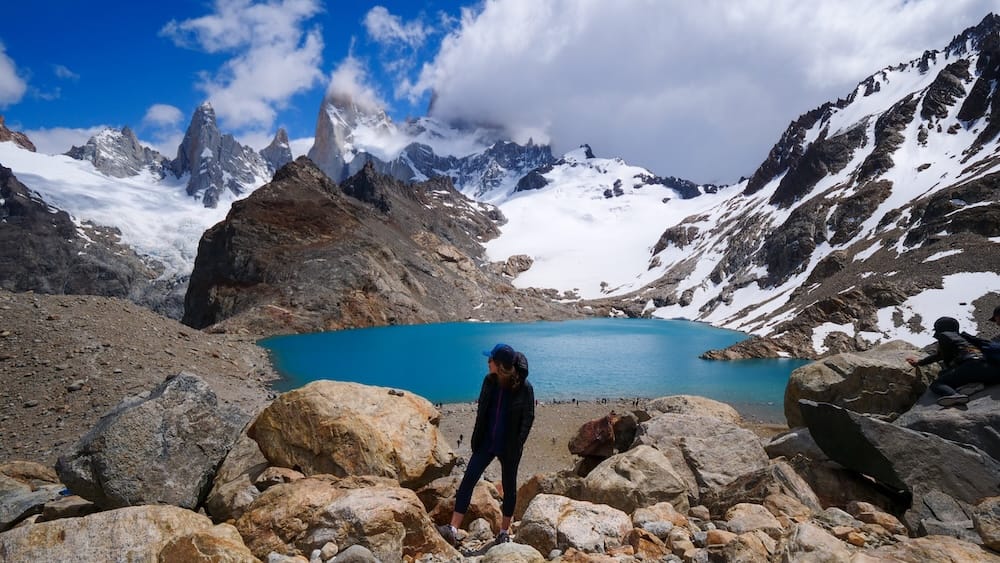
My preferred three-base plan is:
- 4 nights in Bariloche
- 4 nights in El Calafate
- 5 nights in El Chaltén
That is thirteen nights across fourteen calendar days, with arrival and departure included.
I should also be clear that Audrey and I did not travel through these three bases as this exact fourteen-day itinerary. We visited each of them during longer Patagonia journeys. What we did experience were the details that decide whether the route works: long transfers, weather changes, remote accommodation, badly positioned hotels, early tour pickups, exhausting hikes and the need for days that look rather empty on a spreadsheet.
My main rule is simple:
Cut geography before you cut breathing room.
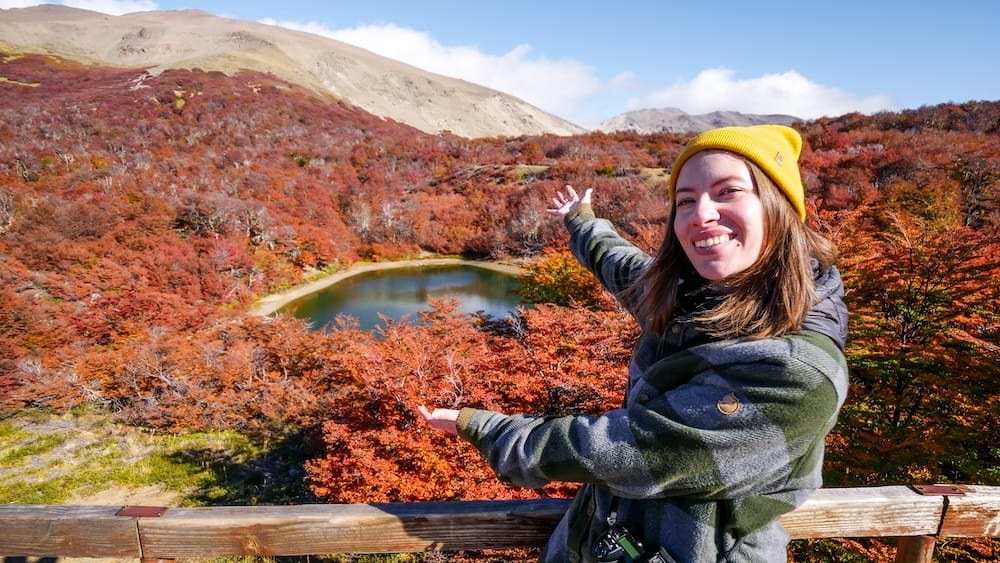
The Two-Week Patagonia Route I Would Use
| Days | Base | Nights | Main purpose | Booking priority | Protected flexibility |
|---|---|---|---|---|---|
| 1–4 | Bariloche | 4 | Lakes, forest and a softer start | One lake navigation | One independent or lighter day |
| 5–8 | El Calafate | 4 | Glaciers and organized access | One major glacier or estancia excursion | One weather or recovery day |
| 9–13 | El Chaltén | 5 | Hiking and mountain scenery | Bus and hotel; guide only when useful | Four movable hiking and recovery windows |
| 14 | Departure | — | El Calafate Airport or onward travel | Protect the connection | Reposition on Day 13 when necessary |
This is not fourteen full sightseeing days.
Day 1 is an arrival day. Day 5 includes the flight from Bariloche to El Calafate. Day 9 includes the bus to El Chaltén. Day 14 is primarily for leaving Patagonia or continuing elsewhere in Argentina.
Once those realities are counted honestly, you have roughly three useful days around Bariloche, three activity or buffer days in El Calafate and four hiking windows in El Chaltén.
That is enough for a very good trip. It is not enough for Bariloche, El Calafate, El Chaltén, Ushuaia, Puerto Natales and Torres del Paine unless your personal definition of relaxation involves staring at luggage carousels.
Check the Bariloche–El Calafate Flight Before Anything Else
Do this before booking the hotels. Start by checking Bariloche–El Calafate flight options on Booking.com for your exact dates.
When the nonstop flight operates at a useful time, the three-base route has a clean shape. You begin in northern Patagonia, make one major move south and then travel overland between El Calafate and El Chaltén.
Without that flight, the route often requires a connection through Buenos Aires. It may still be possible, but “possible” is doing a lot of work there. The connection can consume most of the day and introduce another place for luggage or schedules to go wrong.
I would follow this order:
- Check the nonstop flight on your exact date.
- Make sure its timing fits the overall route.
- Book the three-base itinerary only after that.
- Use the southern-only plan when the connection fails.
Even with a nonstop flight, treat Day 5 as a travel day. Do not land in El Calafate and immediately wedge in a glacier excursion because the flight looked short on the booking screen.
Airport time is still trip time.
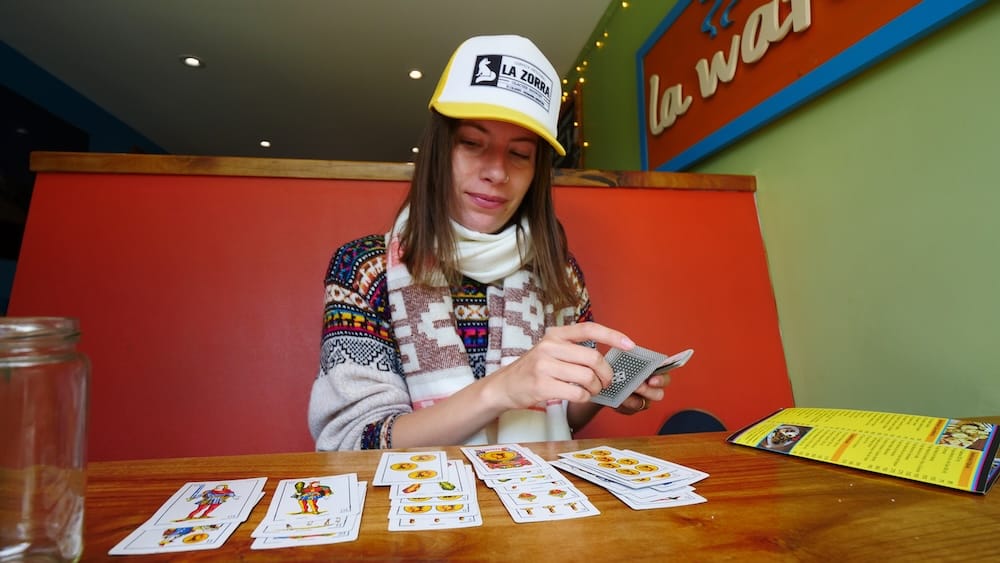
What “Without Rushing” Really Means in Patagonia
The route has three bases because a fourth would push it over the edge.
Ushuaia is usually the next temptation. I understand why. Audrey and I spent meaningful time there, and I would happily return. But reaching Tierra del Fuego carries a real transport cost.
After one long daytime journey involving a bus, ferry and border formalities, we arrived with what I described at the time as a fog over our heads. We had reached the destination, but we had not magically regained the energy used getting there.
This is where many Patagonia itineraries become misleading. They count the hours in motion without counting the consequences.
The same problem appears with hiking. On paper, Laguna de los Tres and Laguna Torre fit neatly on consecutive days. After Laguna de los Tres, my legs had other ideas.
I remember reaching the point where being carried out sounded increasingly reasonable. Audrey and I eventually made it back, ate and then slept for roughly ten to twelve hours. Stiffness and poor weather delayed our next major hike.
A spare day in El Chaltén is not dead space. It may be the reason you enjoy the second half of the stay.
For this itinerary, “without rushing” means:
- No more than three bases.
- Only one major regional flight within Patagonia.
- No difficult hike immediately after another difficult hike.
- No major excursion on a flight or bus-transfer day.
- At least one flexible period in every base.
- A willingness to remove an activity when conditions or energy do not cooperate.
The buffers cannot guarantee good weather. They simply stop the entire itinerary from becoming a hostage to it.
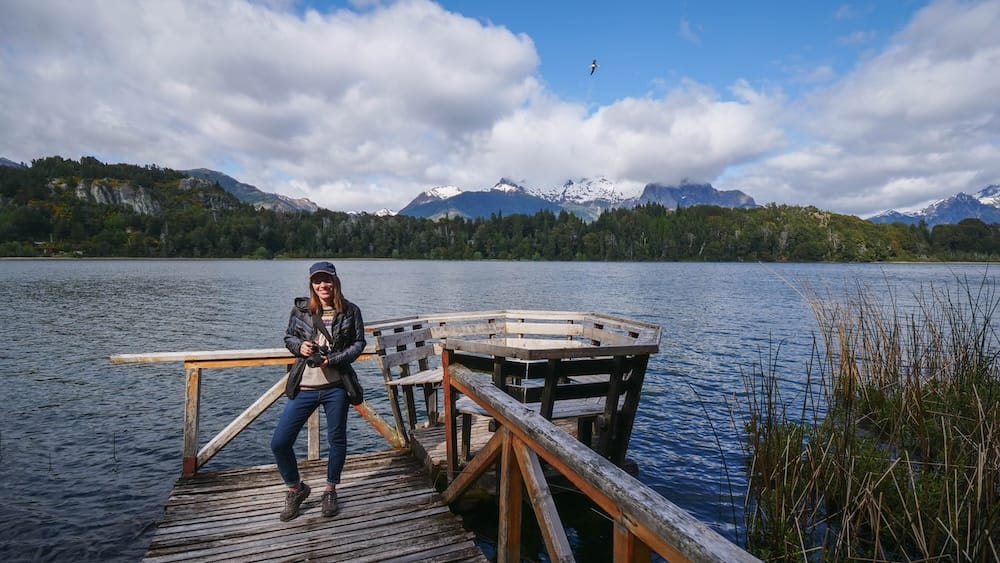
Days 1–4: Bariloche for Lakes and a Softer Start
Bariloche is the most forgiving opening base in this route.
You can hike hard if that is what you came for, but you can also have an excellent day with lake views, short walks, food and a scenic drive. That range is useful after a long journey to Argentina.
Audrey and I once spent ten nights in a cottage outside Bariloche after a busier stretch of travel. We cooked, worked, slowed down and even lost an impressive amount of time to television. It was not our most ambitious sightseeing period, but it was exactly what we needed.
You only have four nights here, so the goal is not to recreate that extended stay. The lesson is to let Bariloche ease you into Patagonia instead of arriving and immediately treating the trip like an endurance test.
Day 1: Arrive, Eat and Get Organized
Keep the first day light.
Check in, walk around the centre and have a proper meal. Buy anything you need for the next day, especially when you are staying outside town.
Our remote cottage was beautiful, but we arrived without groceries. The nearby restaurant required a reservation and was full. Our host came to the rescue with spaghetti, tomato sauce and breakfast supplies.
It turned into a sweet moment. It was also a reminder that scenery does not feed you.
For a four-night stay, I would normally choose central Bariloche or a near-central lakefront hotel. You can reach restaurants, shops and transport without organizing your life around every meal.
Day 2: Explore Circuito Chico at Your Own Pace
Circuito Chico gives you a strong introduction to Bariloche: Lake Nahuel Huapi, forest, mountain viewpoints and access toward the Llao Llao area.
You can explore by rental car, public bus, bicycle or organized excursion. The best method depends on how much independence you want and whether everyone in your group is comfortable with the walking or cycling involved. Travellers who want control over the stops can compare Bariloche car rentals on Booking.com.
This is one day I would be happy to leave unstructured.
The pleasure comes from deciding where to linger. You may spend longer at a viewpoint, stop for lunch or cut the outing short when the journey into Patagonia is still catching up with you.
A guided tour can simplify transport and add context. It is not automatically necessary simply because it is available.
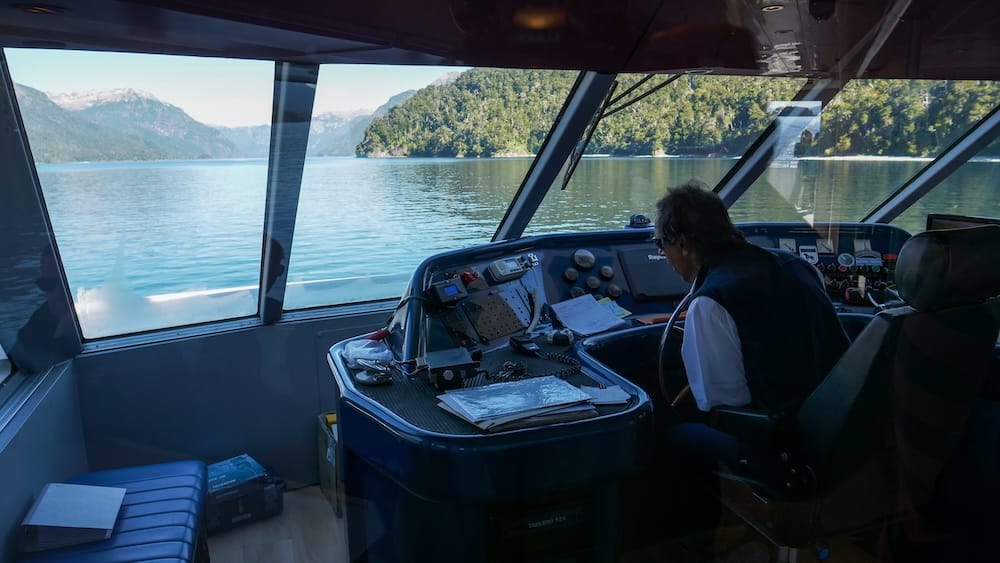
Day 3: Book One Lake Navigation
A boat excursion earns its place because it provides access that a road-based day cannot reproduce.
Trips from the Puerto Pañuelo area may visit Victoria Island and the Arrayanes Forest or continue toward Puerto Blest. The products vary in duration, pickup arrangements and what is included, so choose according to how much of the day you want to commit.
We enjoyed seeing Nahuel Huapi from the water. The boat changed the scale of the landscape and carried us beyond the usual roadside viewpoints.
I would book one navigation rather than fill Bariloche with several organized days. You can compare current Bariloche lake cruises on GetYourGuide according to duration, pickup and the part of Nahuel Huapi you most want to see. You came here partly for the freedom of the lakes and mountains. Leave yourself time to enjoy that.
Day 4: Keep One Bariloche Day Open
Use the final day for whatever the weather and your energy support.
You could return west, take a short hike, spend more time near the lake or enjoy an unhurried day in town. When an earlier plan was disrupted, this is where you move it.
When everything has gone smoothly, do not feel obligated to invent another full-day excursion. You are flying the next day. A relaxed dinner and an organized suitcase are not signs that you failed Patagonia.
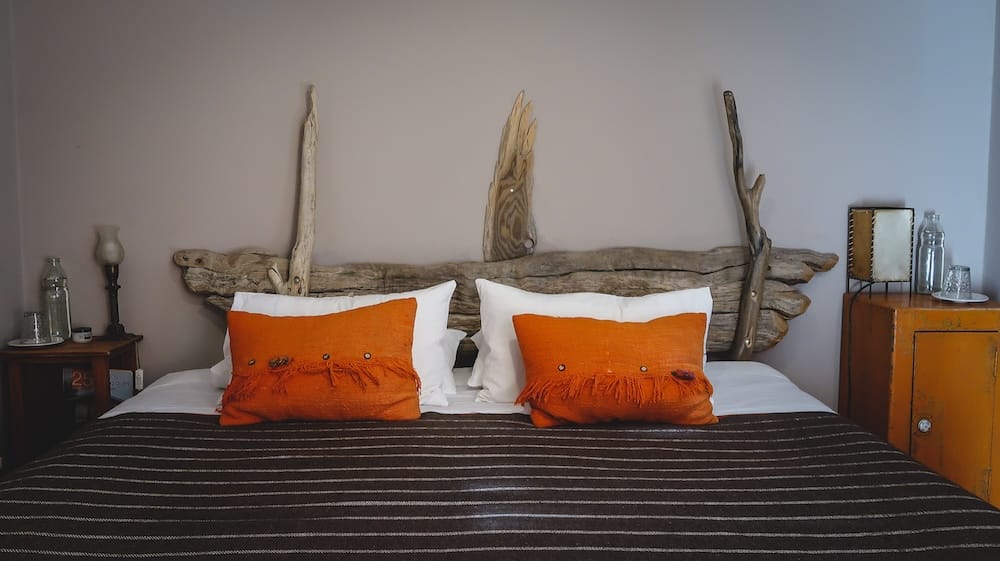
Where to Stay in Bariloche
For this short itinerary, central or near-central Bariloche is the best default. I would begin by comparing current Bariloche hotel availability on Booking.com and then narrow the map to the centre or a practical lakefront position.
You have easier access to restaurants, supermarkets, airport transport and buses running west. You can still choose a property with lake views without committing to a remote stay.
Hotel Tres Reyes is one central option I would compare. It faces Lake Nahuel Huapi while keeping you within walking distance of the centre. Audrey and I have not stayed there, so I would treat it as a location-based suggestion rather than a personal hotel review.
Accommodation farther along Avenida Bustillo can deliver a quieter and more immersive lake experience. That choice works best when you have a rental car, dependable public transport, hotel dining or a clear grocery plan.
With ten nights, the isolation can be part of the pleasure. With four, it can become the thing you spend half the stay managing.
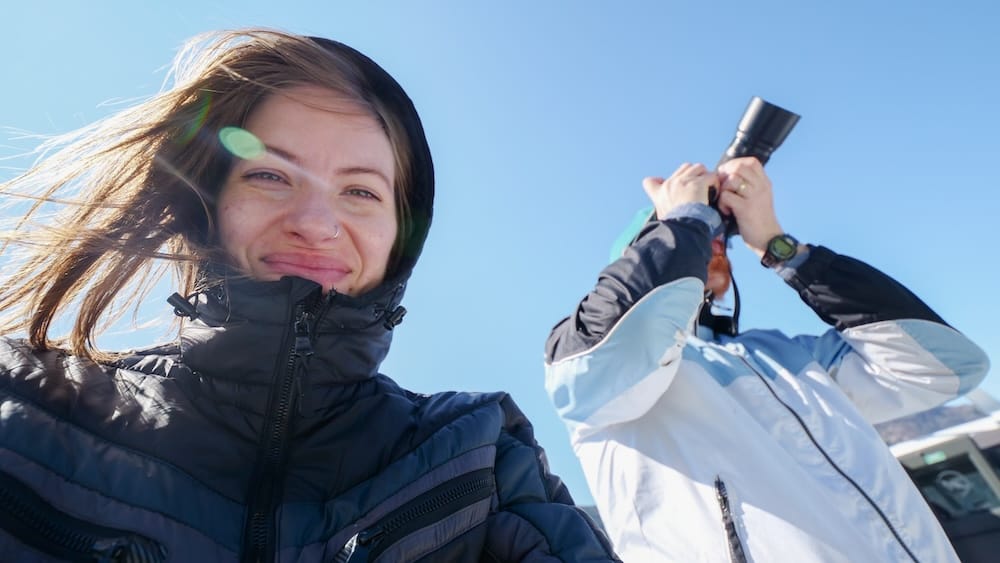
Days 5–8: El Calafate for Glaciers and Organized Access
El Calafate is where this itinerary becomes more structured.
The biggest experiences involve national park access, ports, boats, long road journeys or remote estancias. This is the base where organized excursions often justify their price because they remove genuine logistical problems.
That does not mean booking every day.
The best four-night structure is one Perito Moreno walkway day, one major access-heavy excursion and one flexible period.
Day 5: Fly South and Settle In
Treat the Bariloche–El Calafate flight as the day’s main event.
By the time you leave the hotel, reach the airport, check in, fly, collect your luggage and settle into El Calafate, much of the day may be gone.
Stay in or near the walkable centre unless you have a specific reason to choose the lakefront outskirts.
We once stayed in a little A-frame outside the conventional hotel setup. It looked charming, but the famous Patagonian wind made the upper sleeping area so noisy that we moved downstairs.
Audrey described the place as feeling one step up from camping.
She was not wrong.
A room can photograph beautifully and still be the wrong choice before several early starts. In El Calafate, I care about insulation, breakfast, food access and reliable pickups far more than whether the building looks like an alpine postcard.
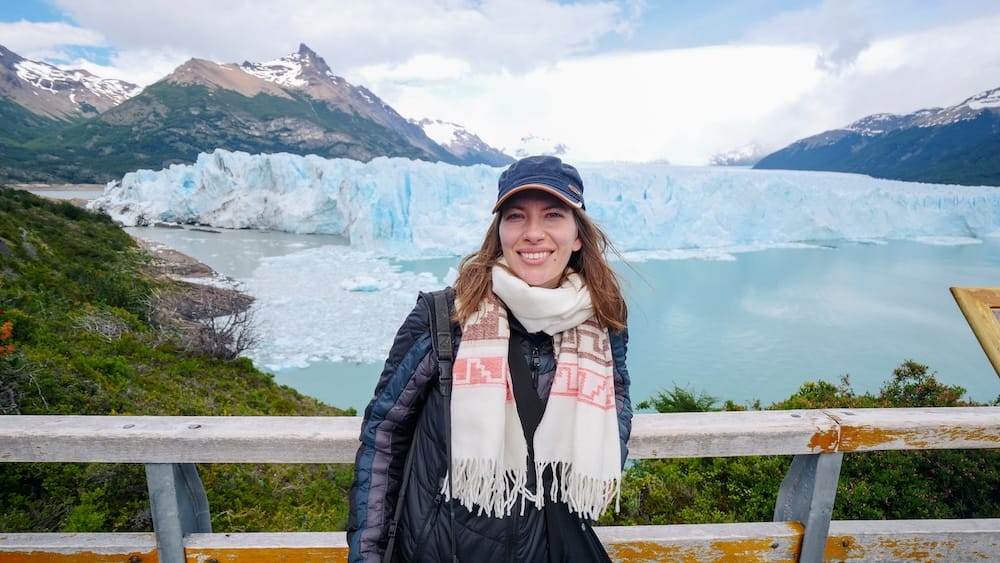
Day 6: Spend Time at the Perito Moreno Walkways
The walkways are not a quick platform stop.
They form an extensive network of routes and viewpoints, allowing you to see Perito Moreno Glacier from different elevations and angles. You can choose how much of the system to cover rather than following one compulsory circuit.
Audrey and I arranged return transport from El Calafate and explored independently once we arrived. We ate early, waited for some of the initial crowd to move through and then took our time.
That slower pace was the best part of the day.
A guide can provide interpretation, and booking transport removes the problem of reaching the park without a car. Once there, however, I liked being free to stop whenever the glacier demanded it.
Bring layers, water and something to eat. Visitor facilities, toilets and food options are available in the main area, but wind and changing conditions can alter how comfortable the day feels.
Current hours and access rules should always be checked on the official Los Glaciares National Park access page before travelling.
Day 7: Choose a Glacier Navigation or an Estancia
This is the major paid excursion I would protect.
For most first-time visitors, my first choice would be a longer glacier navigation on Lago Argentino. These trips reach channels and glacier areas that cannot be experienced from the road or the Perito Moreno walkways.
Our glacier cruise was expensive for us at the time, but I still remember it as one of the best days of that stay. Seeing the ice from the water was not a repeat of the walkway experience. It gave us scale, movement and access to a completely different portion of the landscape.
A remote estancia excursion is the strongest alternative.
The estancia day Audrey and I joined included accommodation pickup, a long drive, a guided visit, demonstrations, food and an evening meal. The transport and bundled access were a major part of its value.
With only four nights, I would choose between a full-day Upsala and Spegazzini glacier navigation and an estancia visit with dinner and transfers rather than treating both as compulsory. These are current bookable examples of the two different experience types, not tours Audrey and I personally used. The walkways are already a substantial day.
Your second booking should add a different experience, not another version of the same photograph.
Day 8: Leave Room for El Calafate to Misbehave
This is the day that keeps the itinerary intact.
When weather affected one of the previous plans, move the displaced activity here. When everything worked, make it lighter.
Audrey and I used one quieter day to walk around Laguna Nimez, eat in town and visit local attractions after several busier excursions. The wind and rain still found us, but we could duck into a shelter and continue without a rigid schedule hanging over us.
That kind of day helps more than it appears to from home.
You are transferring to El Chaltén next. Arriving there rested is more valuable than squeezing one final long excursion into El Calafate simply because a booking button exists.
Where to Stay in El Calafate
For four nights, I would stay in the walkable centre or close to it. Compare current El Calafate hotels on Booking.com with the map open before committing to a lakefront or hillside property.
A central base gives you restaurants, shops, tour offices and easier access to transport. It also reduces the chance that every dinner requires a taxi or hotel shuttle.
Kosten Aike is one central hotel I would compare for this route. It is close to El Calafate’s commercial centre and fits the practical role I want a hotel to perform here.
Travellers who prioritize lake views and a quieter property may prefer an option such as Xelena Hotel & Suites. It sits away from the immediate centre and has operated a central shuttle, but that service and its frequency should be confirmed for your dates.
Before booking a more remote El Calafate hotel, ask:
- Does my chosen excursion pick up here?
- Can I walk to dinner or eat at the property?
- Does breakfast begin before early departures?
- Is there dependable transport into town?
- Is the room likely to be quiet and well insulated?
- Can the hotel store luggage?
These questions are less glamorous than asking which room has the best view. They are also the questions you will care about at 6:30 in the morning.
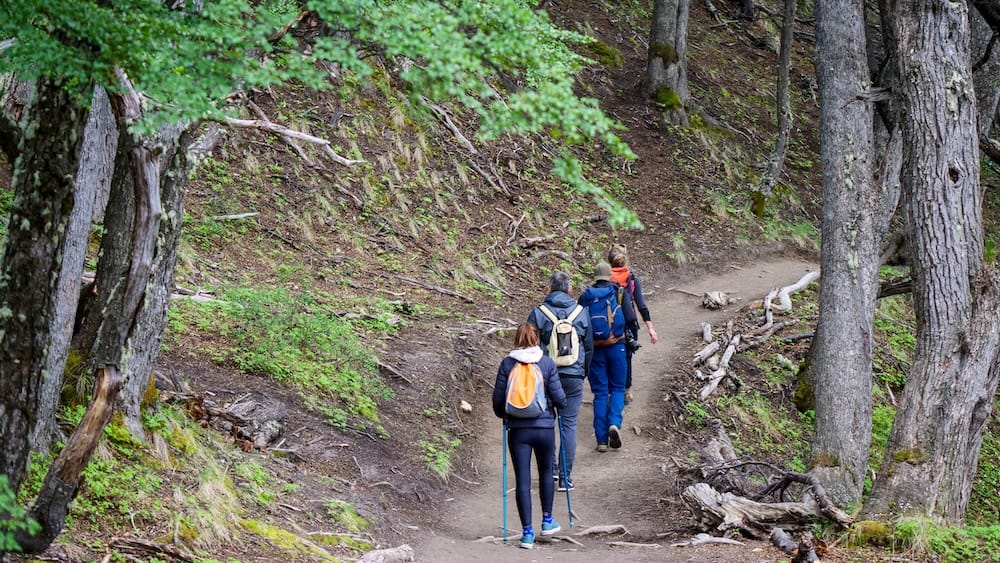
Days 9–13: El Chaltén for Hiking and Weather Flexibility
El Chaltén deserves to be a base, not a punishing day trip from El Calafate.
The road journey between the towns takes several hours. Once you arrive, you are staying beside the trail network rather than spending half the hiking day travelling back and forth.
Five nights give you an arrival afternoon and four activity windows. That is a good amount of time for two major hikes only when you let the order change.
Day 9: Take the Bus and Start Small
The transfer is straightforward compared with many Patagonia journeys, but it still occupies a useful portion of the day.
Check out, reach the terminal, travel to El Chaltén and settle into your accommodation. Then have lunch, organize food for the next day and choose a short walk.
Audrey and I followed a similar rhythm on arrival. We checked in, ate and went out for a manageable sunset hike rather than immediately attempting one of the headline trails.
That gave us a first look at the landscape without leaving our legs in pieces before the trip had properly begun.
Days 10–13: Stop Assigning the Weather a Schedule
Treat the four remaining days as movable windows:
- One Fitz Roy or Laguna de los Tres day.
- One Laguna Torre or second long-hike day.
- One shorter walk or recovery day.
- One weather reserve.
Use the strongest suitable day for the hike that matters most.
Laguna de los Tres is roughly 25 kilometres and normally takes most of the day. The final climb is steep, and mud or snow can complicate it outside the warmest conditions.
It was one of the hardest days of our Patagonia trip.
The hotel’s position added to the difficulty. We were staying near the bus terminal at the opposite end of El Chaltén from the trailhead, so we walked for roughly 45 minutes before the main route had truly started.
By the end of the day, we had covered around 24 kilometres. I was well past the stage of admiring how fit and outdoorsy I looked. I wanted food, a shower and a completely different pair of legs.
Laguna Torre was gentler for us in terms of walking rhythm, though cloud hid much of the famous view when we reached the end. That is another Patagonia reality: you may do everything correctly and still meet a wall of grey.
The hike was not wasted. The trail itself was worthwhile, and after several days of recovery we were in much better shape to enjoy it.
The important planning lesson is not that one trail is universally easy and the other is impossible. It is that both are substantial days, and your body does not care how elegant the itinerary looked in a table.
Where to Stay in El Chaltén
El Chaltén is the one base where I would choose accommodation according to the trails. Compare El Chaltén hotels on Booking.com with both the bus terminal and your priority trailhead visible on the map.
A hotel near the bus terminal is excellent on arrival and departure days. Hostería Senderos, directly opposite the terminal, is one example of that convenience.
When Laguna de los Tres is the priority, I would look toward the northern side of town instead. Hotel Poincenot and Destino Sur are examples closer to the Fitz Roy end of El Chaltén.
For a compromise between restaurants, services and different trail directions, a central option such as Chaltén Suites may make more sense.
Audrey and I have not stayed at those particular properties. I would compare them based on location and current facilities rather than treat them as personal reviews.
What I would look for:
- Early breakfast.
- Packed-lunch availability.
- Kitchen or refrigerator access.
- Luggage storage.
- Space for wet clothing and hiking gear.
- Walking distance to the trailhead you care about most.
Our hotel offered an early breakfast and lunchboxes, which helped because the room had no refrigerator or communal kitchen. Those features mattered more to us than decorative extras.
El Chaltén is small, but an additional walk across town feels much longer after eight or nine hours on a trail.
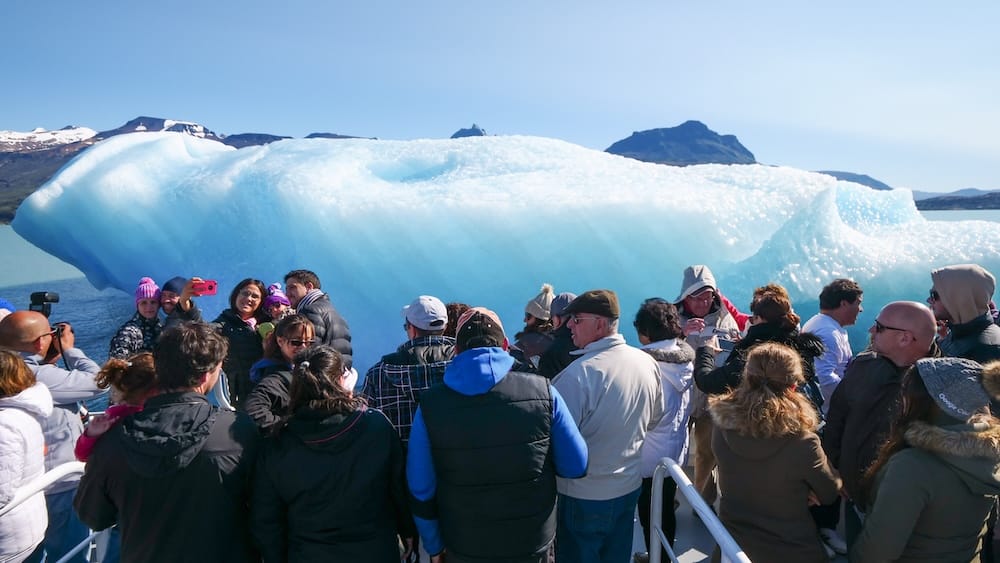
Which Patagonia Tours Are Worth Booking?
This itinerary needs a few strategic bookings, not a tour every morning.
A tour earns its place when it provides one of four things:
- Access you cannot create independently.
- Transport that would otherwise be difficult.
- Specialist support.
- A combination of logistics that saves meaningful time.
Book These First
The route-defining bookings are:
- The Bariloche–El Calafate flight.
- Hotels in the location you actually need.
- One Bariloche lake navigation.
- One major El Calafate glacier navigation or estancia excursion.
- Transport to Perito Moreno when you are not driving.
Those choices shape the trip. Losing one may require changing the itinerary.
Consider a Combined Perito Moreno Excursion
Some organized days combine the walkways with a shorter boat ride near the glacier.
That can suit travellers who want a single, convenient Perito Moreno day rather than an independent walkway visit plus a separate full-lake navigation. One current example is this Perito Moreno walkways and nautical safari excursion.
Use it as an alternative configuration.
Do not book several excursions simply because each uses a slightly different combination of “Perito,” “Moreno,” “glacier,” “boat” and “safari” in the title. Read the actual route and inclusions carefully.
Keep Most El Chaltén Hiking Flexible
The standard town trails are commonly hiked independently by prepared travellers in suitable conditions.
That flexibility is valuable. It lets you choose the day according to weather and how your legs feel rather than committing to a major hike weeks in advance.
When that support would improve the day, you can compare current guided hikes in El Chaltén on GetYourGuide. A guide makes more sense when:
- You have limited mountain experience.
- Conditions are seasonal or more complicated.
- You want interpretation and structured support.
- You are attempting a more remote route.
- You would simply feel safer and enjoy the day more with guidance.
What I would avoid is staying in El Calafate and booking an extremely long day trip to hike near El Chaltén. Such products may exist, but they make little sense in an itinerary designed to reduce rushing.
Move to El Chaltén. Sleep there. Start the trail from town.
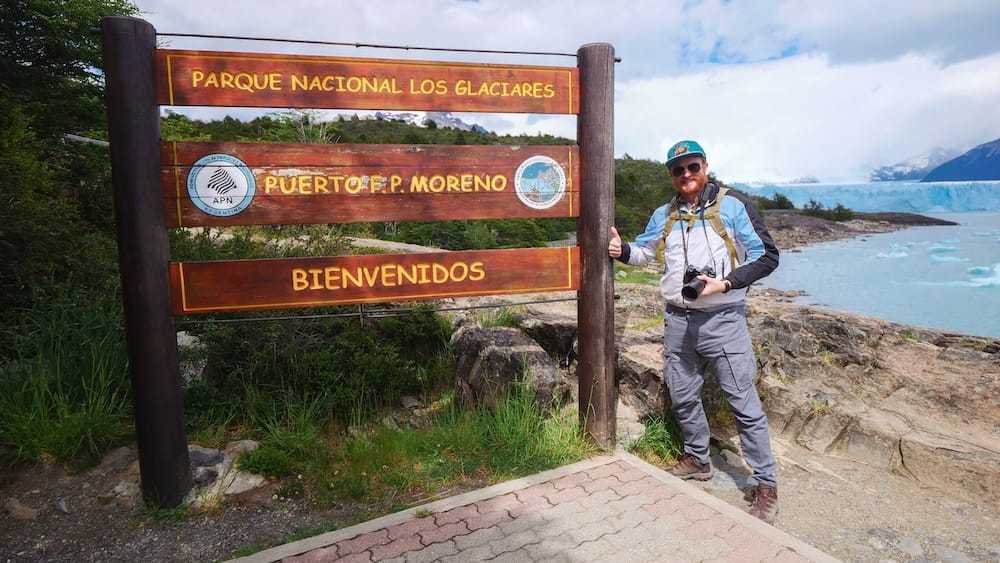
Park Fees, Trail Rules and Other Details That Change
Patagonia is not kind to evergreen price lists.
Park fees, opening hours, registration rules, schedules and tour inclusions can all change. Check the current Los Glaciares National Park activity and trail information before travelling, particularly for:
- Perito Moreno entry hours.
- Current admission fees.
- El Chaltén entrance arrangements.
- Trail registration requirements.
- Temporary closures and trail conditions.
- Colder-season access.
- Whether admission is included in your excursion.
Do not assume a tour includes the national park ticket unless the booking page says so clearly.
The available tariff system may also distinguish between different Los Glaciares entrances and pass types. Confirm exactly what a multi-day ticket covers before purchasing it.
The main El Chaltén trails may be self-guided, but self-guided does not mean suitable for every person in every condition. Daylight, equipment, wind, rain, snow, fitness and current trail status still control the decision.
The Southern-Only Alternative
When the Bariloche–El Calafate flight does not work, spend the two weeks around El Calafate and El Chaltén.
This version loses the Lakes District and gains a much simpler structure.
You can add nights to El Chaltén for hiking and recovery, stay longer in El Calafate for a second major excursion or protect a final night near the airport before leaving.
For travellers whose main priorities are glaciers and hiking, this may be the better itinerary even when the Bariloche flight is available.
I would not automatically use the extra time to bolt on Ushuaia. Tierra del Fuego deserves a proper stay and another meaningful transfer. Include it by replacing a base, not by compressing everything already here.
The southern-only version is not the disappointing fallback.
It is the correct trip when the transport says no.
What to Cut When the Plan Starts Falling Apart
Patagonia plans rarely fail all at once. They become awkward one compromise at a time.
You lose a flight, so you remove a buffer. A tour changes, so you place two difficult days together. The weather looks poor, but the hotel is already booked elsewhere tomorrow.
Knowing what to remove in advance helps.
Cut Bariloche When the Nonstop Flight Fails
Bariloche is the first base to remove because it sits behind the largest logistical barrier.
That is a route judgment, not a verdict on Bariloche itself.
Removing it produces a coherent southern trip. Keeping it through a bad flight connection weakens every base.
Cut a Second El Calafate Tour Before the Flexible Day
The Perito Moreno walkways plus one major glacier or estancia excursion already create a strong El Calafate stay.
When time becomes tight, remove another paid outing before deleting the buffer that protects the central experiences.
Cut a Hike Before Ignoring Your Body
When your legs are finished after Laguna de los Tres, believe them.
Do a shorter route, eat something substantial and wait. A second hike completed under miserable conditions does not become more successful because it was printed on the itinerary.
Return to El Calafate Early When the Flight Is Important
Some bus services connect El Chaltén with El Calafate Airport, but I would not build a high-stakes international connection around the tightest possible same-day transfer.
When the flight is early, expensive or difficult to replace, spend the final night in El Calafate.
You give up a little mountain time and gain a far less stressful departure.
Is This the Right Two-Week Patagonia Itinerary for You?
Choose this route when you want:
- Bariloche’s lakes and forests.
- A major glacier experience.
- Several days of hiking.
- A mixture of organized and independent travel.
- One internal Patagonia flight.
- Enough flexibility to change the order of outdoor plans.
Use the southern-only version when:
- The nonstop Bariloche flight does not fit.
- Hiking and glaciers matter more than the Lakes District.
- Your fourteen days include long-haul travel from home.
- You prefer fewer hotel changes.
- You want more recovery time in El Chaltén.
Choose another route when Ushuaia, Torres del Paine, Península Valdés or coastal wildlife is the main reason for the trip. Those experiences should replace one of these bases rather than be squeezed in around them.
My Final Verdict
Two weeks are enough for an excellent first trip through Argentine Patagonia.
They are not enough for every famous name on the map.
Bariloche, El Calafate and El Chaltén work together because each contributes something different: lakes and forest, organized glacier access, and hiking from a proper mountain base. The seasonal flight between Bariloche and El Calafate is what makes that combination practical. Without it, I would stay south.
I would book the flight first, choose each hotel by the daily friction it removes and reserve only the excursions that deliver meaningful access.
Then I would leave the hiking days loose.
Some of the most useful time Audrey and I had in Patagonia came from plans changing, weather turning and our bodies demanding a quieter day. Those moments did not interrupt the trip.
They kept the trip from becoming something we had to survive.
Frequently Asked Questions
Can you visit Bariloche, El Calafate and El Chaltén in two weeks?
Yes, when a convenient nonstop Bariloche–El Calafate flight works for your dates. I would use four nights in Bariloche, four in El Calafate and five in El Chaltén, while treating the flight and bus-transfer days as travel days rather than full sightseeing days.
How many nights should you spend in each Patagonia base?
My preferred split is four nights in Bariloche, four nights in El Calafate and five nights in El Chaltén. That creates thirteen nights across fourteen calendar days and leaves room for lake scenery, glacier excursions, hiking and weather or recovery periods.
What should you do if the Bariloche–El Calafate flight does not work?
Use a southern-only itinerary focused on El Calafate and El Chaltén. I would rather remove Bariloche than connect through Buenos Aires and weaken every base by sacrificing the flexible time that makes the trip manageable.
Which Patagonia tours are most worth booking on this itinerary?
Prioritize one Bariloche lake navigation and one major El Calafate glacier navigation or estancia excursion. Transport to the Perito Moreno walkways is also useful without a car, while most standard El Chaltén hiking can remain flexible for prepared travellers in suitable conditions.
Can you visit the Perito Moreno walkways without a continuous guided tour?
Yes. Audrey and I arranged return transport from El Calafate and explored the walkways independently once we arrived. That gave us time to move slowly between viewpoints, although current park entry details and transport arrangements should always be checked before travelling.
Should Laguna de los Tres and Laguna Torre be hiked on consecutive days?
I would not plan them back to back. Laguna de los Tres left me exhausted, and Audrey and I needed recovery time before our next major hike. Keep the long-hike days movable so weather, trail conditions and your legs can determine the order.
Where should you stay in Bariloche, El Calafate and El Chaltén?
Choose central or near-central Bariloche for restaurants and transport, a walkable central base in El Calafate for meals and tour logistics, and an El Chaltén location matched to your priority trailhead. In El Chaltén, bus-terminal convenience and Fitz Roy trail access are not the same thing.
Project 23 Argentina: This guide is also available in Spanish. [Leé la versión en castellano: 2 semanas en la Patagonia: mejores bases, hoteles y excursiones sin apurarse]
This article contains affiliate links. If you book through one of these links, I may earn a commission at no extra cost to you.