
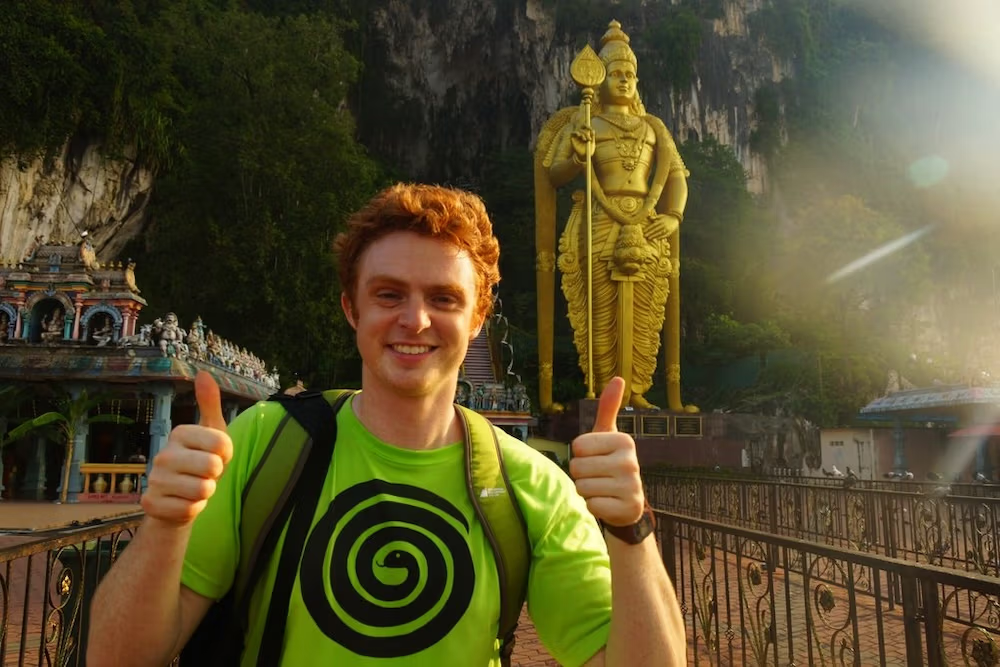
Let’s get the hardest truth out of the way right off the bat: arriving at the Batu Caves past 10:00 AM means you’re going to be climbing in suffocating, absolute tropical misery. After years of bouncing around Southeast Asia, I can confidently tell you that the thick, limestone-scented humidity hits your skin like a wet towel the second you step off the Komuter train. Just a short haul from Kuala Lumpur, this massive rock formation houses cave temples older than 400 million years. Before you even reach the main plaza, your eyes will squint against the blinding sun bouncing off the towering statue of Lord Murugan, a 42.7-meter giant guarding the base. The primary logistical friction hits before you even start walking. If you decide to drive yourself, local sources warn that the official parking lot usually fills completely by 9:00 AM. This forces you into chaotic, unpaved adjacent lots where unofficial attendants will aggressively demand extortionate parking fees in cash. Don’t do it.
- Cultural Heritage: You’ll smell the sharp tang of burning camphor as you walk through these ancient, active Hindu shrines.
- Natural Beauty: The sheer scale of the cavern walls creates a damp, echoing environment completely detached from the chaotic city outside.
- Adventure Opportunities: Feel the rough, chalky bite of raw karst rock if you hook onto the exterior climbing routes.
Tip: Dress properly, folks. The moment you step onto the grounds, you’re in an active religious site. Wear breathable pants and closed-toe shoes; the uneven concrete and occasional slick patches demand real traction, and flip-flops are a terrible idea here.
Top 10 Things To Do at the Batu Caves, Malaysia For Visitors

1) Climb the Iconic 272 Steps to Temple Cave
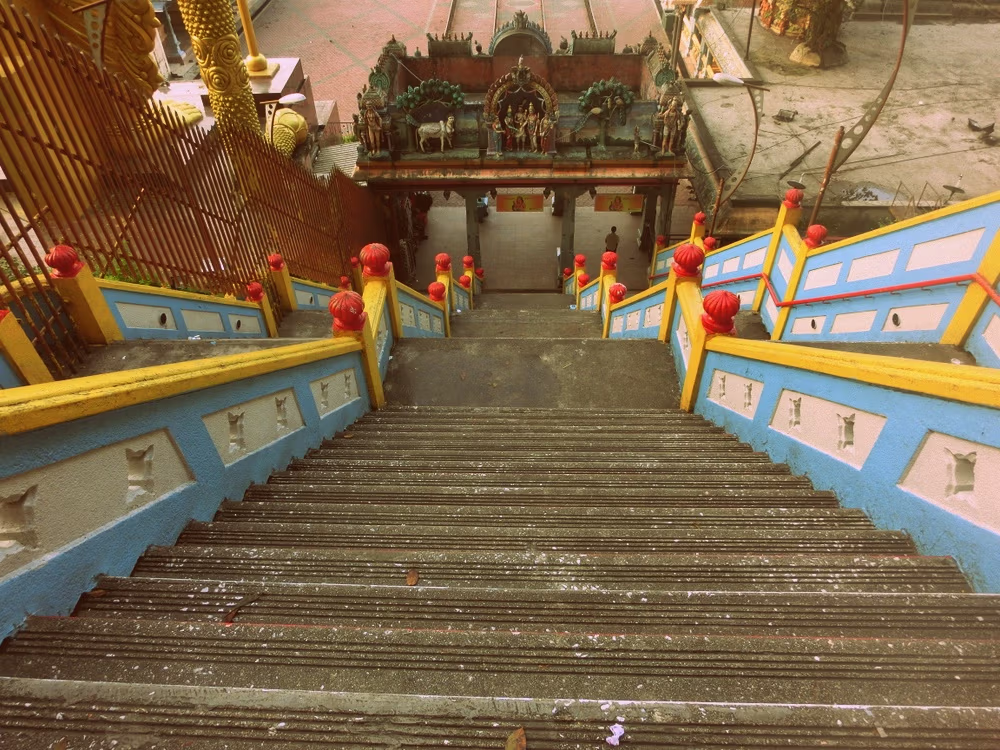
Let’s be real about those painted 272 steps: they are a serious wake-up call for your calves. The paint is laid on thick, which makes it somewhat slick under worn-out sneaker treads, and the incline is steep enough that you’ll feel a dull burn halfway up. A massive mistake first-timers constantly make is dangling plastic water bottles or crinkling grocery bags in their hands. The resident macaque monkeys here are highly aggressive, they smell distinctly musky, and they will absolutely launch themselves at you to snatch anything that even resembles a snack. The stairs are demanding, so just take your time, catch your breath, and look back at the panoramic views of the sprawling KL suburbs. When you finally hit the top landing, the cool draft of air blowing out from the massive cavern provides some immediate, necessary relief.
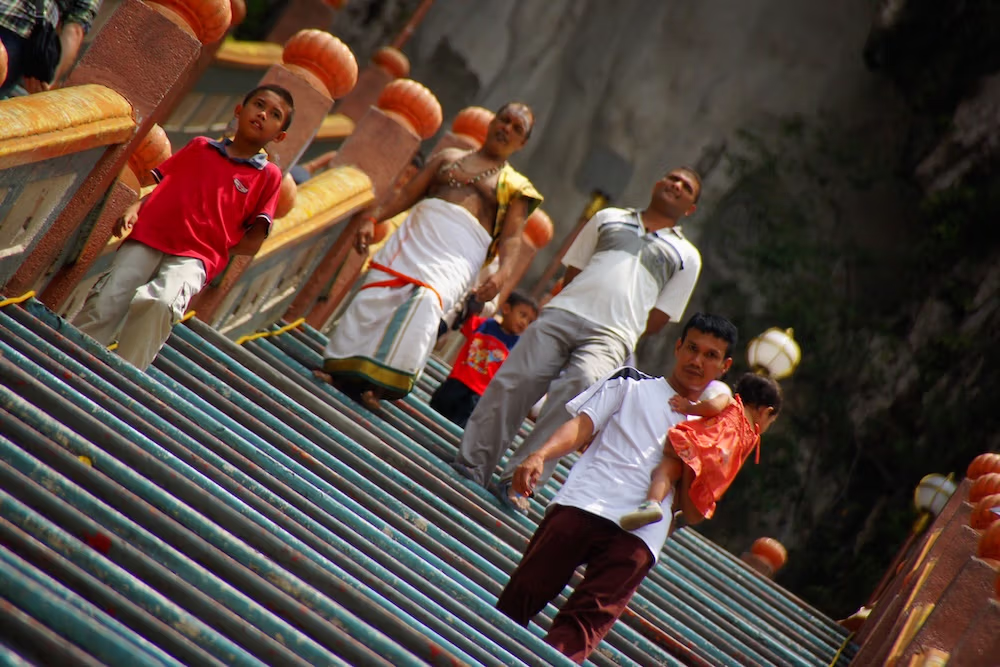
- Physical Challenge: Manage your breathing and carefully watch your footing on the slicker, paint-heavy steps.
- Scenic Views: Turn around midway to catch breathtaking vistas of the surrounding landscape through the hazy, morning humidity.
- Spiritual Journey: Listen for the high-pitched bells ringing from the shrines above as you push through the final dozen steps.
Tip: Start your climb early in the morning. Not only do you dodge the worst of the equatorial heat, but you avoid the shoulder-to-shoulder human gridlock that happens on these stairs by midday. Also, ensure your knees and shoulders are covered. If you violate the dress code, you will be pulled aside and forced to wait in another line to rent a sarong. Local sources suggest that fee currently hovers around RM 5 to RM 15, depending on the day.

2) Marvel at the Statue of Lord Murugan
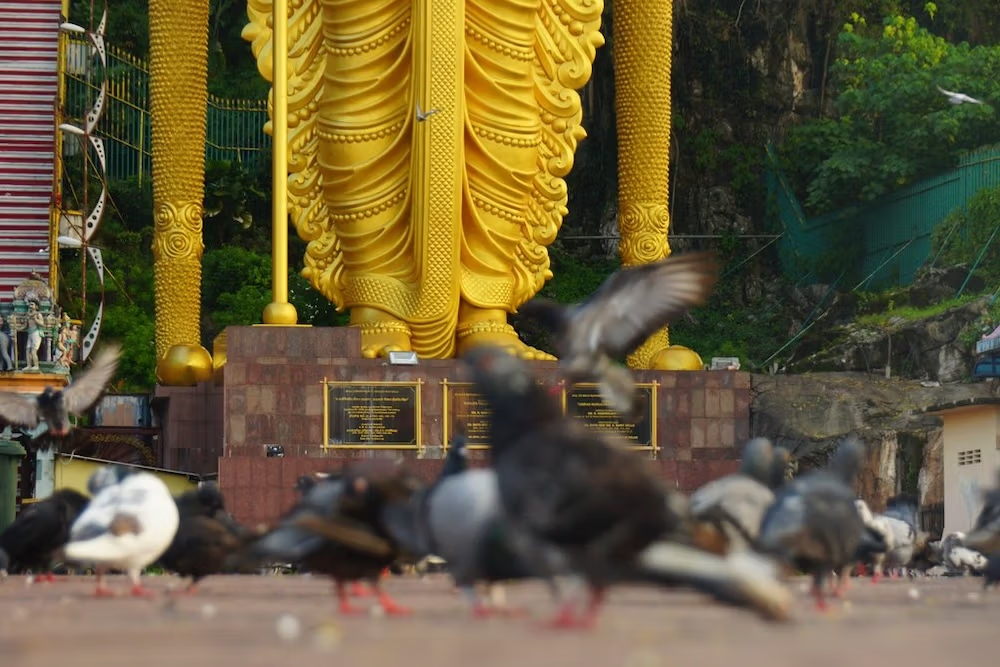
Standing heavily planted on the hot concrete at the base of the stairs is the statue of Lord Murugan. It takes about 250 tons of steel and 300 liters of gold paint to maintain this monolith, and when the midday sun finally hits it, the glare is so intense you literally have to shield your eyes. The sheer mass of the structure dominates the entire plaza, acting as the undisputed visual anchor of the complex. Standing right beneath the pedestal, you can feel the heat radiating off the stone, giving you a deep appreciation for the heavy logistical nightmare required to build something this immense in such a tight space.
- Architectural Wonder: Crane your neck to take in the sheer vertical drop from the spear tip all the way down to the plaza floor.
- Cultural Significance: Watch the steady stream of devotees leaving flower offerings at the base, filling the immediate air with a sweet, heavy floral scent.
- Photo Opportunity: Find the right angle near the pigeon-filled courtyard to get the statue and the brightly colored stairs in one single frame.
Tip: If you’re lucky enough to be here during the annual Thaipusam festival, the ground practically shakes around this statue. It’s an incredible scene, but the crowd density is extreme.
3) Explore the Majestic Temple Cave
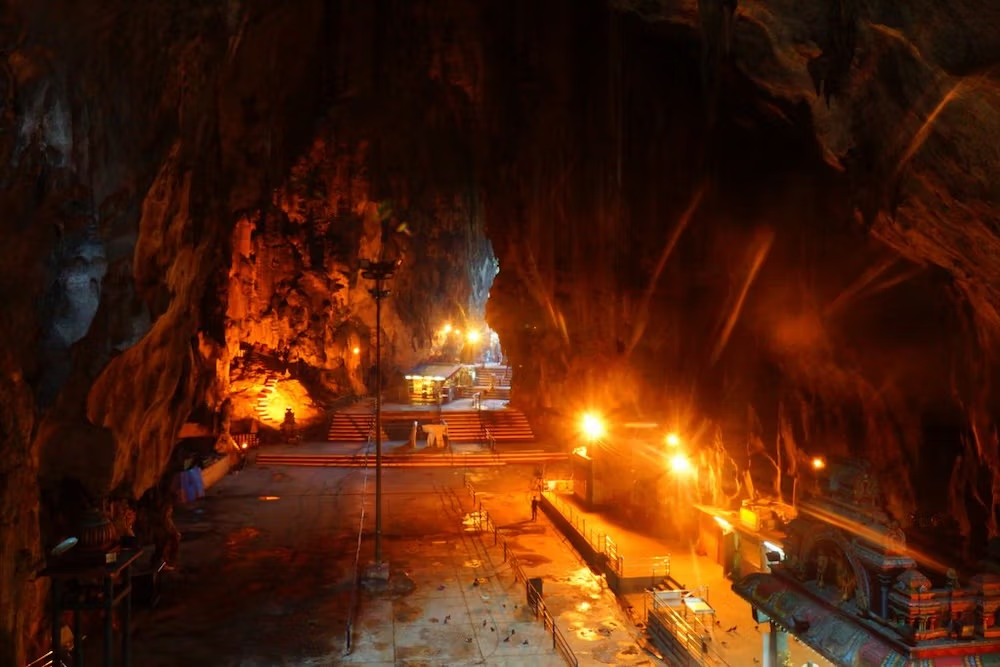
Stepping off the top stair and into the Temple Cave (also known as Cathedral Cave) is a total sensory shift, and better yet, entrance remains completely free. The temperature drops noticeably, and the damp, earthy smell of ancient limestone mixes heavily with the sharp smoke of burning incense. The vaulted ceilings stretch over 100 meters above you, and if you stand still long enough, you’ll feel a cold drop of condensation fall from the stalactites onto your shoulder. Sunlight punches through natural skylights in the rock roof, cutting through the hazy air and illuminating the gritty, uneven floor below. You’ll hear the low, continuous echo of chanting bouncing off the rock walls as you navigate around the active shrines.
- Spiritual Haven: Stand back against the wall and watch the priests conducting rituals, listening to the rhythmic chanting.
- Natural Architecture: Run your hand along the damp, jagged walls near the entrance to feel the sheer density of the raw rock.
- Cultural Insight: Observe the intricate, brightly painted deities carved directly into the natural recesses of the cave walls.
Tip: The floor inside the cavern is highly uneven and often wet from natural drips and routine cleaning. Keep your eyes on the ground just as much as you do on the ceiling.
4) Discover the Dark Cave Conservation Site
The entrance to the Dark Cave sits off to the side of the main staircase. Even just standing near the heavy metal gate, you can feel a profound drop in temperature and smell the dense, pungent odor of bat guano wafting out from the pitch-black interior. Historically, this offered a rugged, educational crawl through unlit chambers filled with rare trapdoor spiders and ancient stalagmites. However, local authorities have locked this section down for indefinite conservation. Do not let outdated blogs convince you otherwise; current reports confirm the heavy gates remain padlocked and regular tourist access is strictly suspended. While you can’t currently slog through the mud and gloom inside, standing at the precipice gives you a stark reminder of the wild, untamed geology that exists just inches away from the paved paths.
- Educational Experience: Read the weathered informational placards outside the gate explaining the fragile underground ecosystem.
- Wildlife Encounter: You can often hear the high-pitched squeaks and the leathery rustle of bat wings echoing from the darkness just beyond the locked gate.
- Geological Wonders: Notice how the rock formations near the unlit entrance are completely free of the soot and paint found in the main temples.
Tip: Skip attempting to book a tour here entirely. The gates are padlocked, and the conservation closure is aggressively enforced. Focus your energy and time on the open sites instead.
5) Immerse Yourself in the Ramayana Cave
Tucked off to the far left of the main plaza, the Ramayana Cave is an entirely different environment. You’re hit with the artificial chill of heavy air-conditioning and the slightly eerie glow of neon lighting the moment you walk past the massive, green statue of Hanuman. Inside, the natural rock is heavily modified with colorful, life-sized dioramas bolted directly into the limestone, narrating the Hindu epic. The floor here is smooth concrete, and the air smells distinctively of fresh paint and damp earth. It’s a highly structured, visually intense space that pulls you out of the natural cave mindset and drops you straight into a theatrical religious exhibit. Honestly, after sweating outside, the AC alone makes it worth walking in.
- Artistic Display: Examine the plaster and wire construction of the vivid murals lit by harsh, colored spotlights.
- Cultural Education: Follow the linear pathway that physically guides you through the sequential chapters of the Ramayana story.
- Peaceful Retreat: Enjoy the sheer lack of crowds; the thick cave walls block out almost all the noise from the komuter train station outside.
Tip: There’s a separate ticket booth for this one. Current entry sits right at RM 5. Have exact change ready, as the attendants rarely have small bills to break a fifty early in the morning.
6) Experience the Thaipusam Festival
Being on the ground during the Thaipusam Festival is a total assault on the senses in the best way possible. The heat radiating from a million bodies packed into the plaza makes the air thick and legitimately hard to breathe. You will physically feel the thumping, rhythmic drum beats vibrating deep in your chest cavity. Devotees carry massive, steel kavadis that dig into their shoulders, and the sharp scent of crushed marigolds, sour sweat, and burning camphor is completely overpowering. Navigating the crowd requires keeping your elbows in and shuffling your feet an inch at a time. It’s an exhausting, incredibly raw display of human endurance that leaves a lasting impression long after the ringing in your ears finally stops.
- Cultural Immersion: Watch the piercing hooks and skewers slide cleanly into the skin of entranced participants.
- Photographic Moments: Protect your camera lens from the swirling dust kicked up by thousands of bare feet.
- Spiritual Energy: Listen to the relentless, hypnotic chanting of “Vel, Vel” echoing off the sheer limestone cliffs.
Tip: Do not bring a rolling suitcase or large backpack if you arrive during this festival. You simply will not be able to push through the human gridlock, and you will be miserable trying.
7) Try Your Hand at Rock Climbing
The backside of the Batu Caves limestone outcrop, specifically around the Gua Damai Extreme Park, is bolted with over 160 climbing routes, turning the sheer rock faces into a serious proving ground for rock climbing enthusiasts. When you grab onto the karst rock here, it’s sharp, chalky, and will absolutely shred your calluses if you slip. The humidity makes your hands sweat profusely, demanding constant chalking, and the ambient noise is an interesting mix of clanking carabiners and the sharp screech of jungle insects from the brush below. Local climbing groups currently require a small permit fee—roughly RM 5 for locals and RM 10 for foreigners—to access the maintained walls. Whether you are leading a difficult overhang or top-roping a beginner slab in Malaysia, the physical reality is grueling, hot, and immensely satisfying when you clip the final anchor.
- Adventure Activity: Feel the burn in your forearms as you pull yourself up the abrasive, vertical sport routes.
- Skill Development: Listen to the shouted instructions from local guides echoing over the noise of the nearby highway.
- Community Vibe: Sit in the dirt at the crag base, swapping beta and sharing warm water with local KL climbers.
Tip: The rock gets greasy by 11:00 AM. Get on the wall by 8:00 AM, or you’ll be peeling off the holds from sheer sweat before lunch.
8) Visit the Cave Villa
Located near the base, the Cave Villa requires a separate ticket and operates a lot more like a localized zoo and art gallery than a wild cavern. The air inside here is completely stagnant, and you’ll immediately notice the damp, slightly murky smell radiating from the large koi ponds. Your shoes will smack against heavily paved concrete pathways as you navigate past enclosures holding peacocks and reptiles. The walls are plastered with brightly painted plaques and glass-encased exhibits showcasing both Hindu and Chinese artifacts, highlighting Malaysia’s multicultural history. It’s a highly managed environment that lacks the raw grit of the main cave, but provides a flat, easy walking surface. We found that currently, many seasoned travelers view this as a hard skip; if you are short on time, bypass this completely and focus your energy on the main steps.
- Cultural Fusion: Read the dense, text-heavy informational boards detailing traditional myths and historical timelines.
- Art Appreciation: Look closely at the brush strokes on the heavily varnished statues lining the walkway.
- Leisurely Exploration: Feel the sudden blast of humidity when you walk out of the enclosed gallery sections and back into the open courtyard.
Tip: The entrance fee is currently tiered, costing around RM 15 for international visitors and roughly half that for locals. This makes it an easy attraction to cut if you are traveling on a strict budget.

9) Shop for Authentic Souvenirs
The walkway leading directly from the train station to the main plaza is an absolute gauntlet of retail stalls. To shop for souvenirs here means navigating narrow, crowded aisles while dodging aggressive macaques looking for loose food wrappers. The air is thick with the sweet, heavy smoke of sandalwood incense, and your ears will be ringing with the clinking sounds of brass bells and the shouts of vendors negotiating prices. You can physically feel the heavy weight of the brass deity statues when you pick them up to inspect the casting. It’s a loud, chaotic, and deeply transactional part of the cultural and natural complex, and most vendors still operate heavily in cash.
- Unique Items: Run your fingers over the rough, embroidered threads of traditional tapestries hanging from the stall roofs.
- Support Local Artisans: Hand over crisp ringgit notes in exchange for heavily wrapped, fragile keepsakes.
- Memorable Keepsakes: Smell the sharp scent of henna paste as it dries tightly against your skin if you opt for a temporary tattoo.
Tip: Check the weight of brass items before buying. Hauling a five-pound statue up 272 steps in the Malaysian heat is a rookie mistake you won’t make twice.

10) Savor Authentic Indian Cuisine
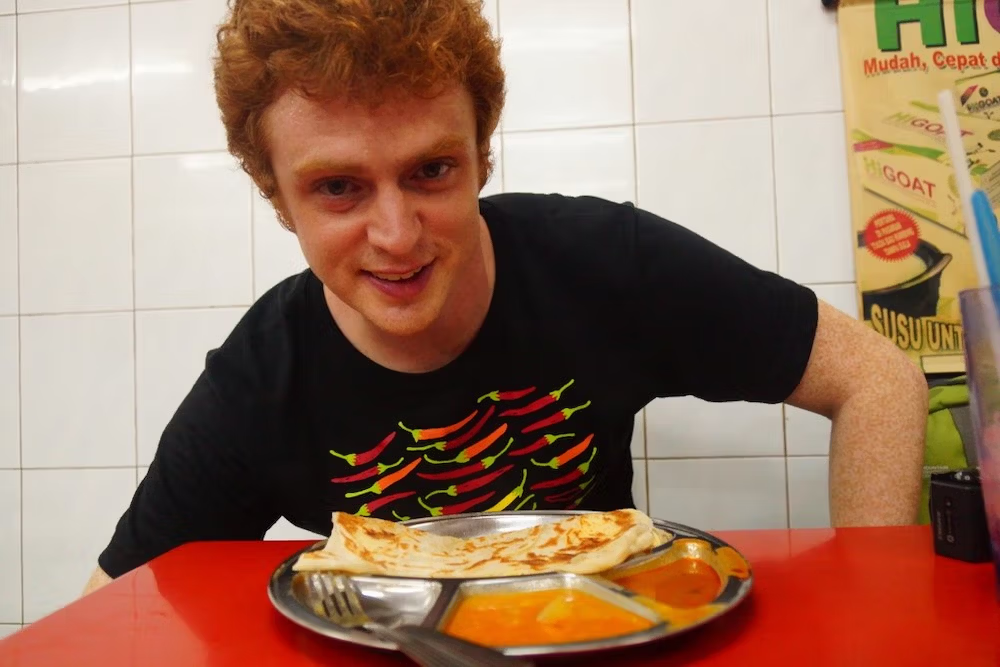
Look, you aren’t actually done here until you sit down in a plastic chair under a humming ceiling fan to eat some authentic Indian cuisine. The heat of the frying oil hits you the second you walk past the open kitchens lining the plaza. Tearing into a freshly made dosa, you’ll feel the crisp, oily shell crack under your fingers before you dip it into a metal tray of scalding hot sambar. The air here smells intensely of toasted cumin, mustard seeds, and fried dough. It’s loud, fast-paced dining where waiters slam metal cups of water onto your table and shout orders back to the cooks over the roar of the crowds. The best part? A massive dosa or a full plate of mixed curries will currently only cost you a few ringgit, making it easily one of the most affordable, high-value meals of your entire trip.
- Culinary Adventure: Feel the sharp burn of raw chili and ginger hit the back of your throat with the first bite of curry.
- Cultural Experience: Scrape the last bits of rice off the slick, waxy surface of a fresh banana leaf using only your right hand.
- Dietary Variety: Bite into dense, starchy idlis that soak up the spicy lentil broths perfectly.
Tip: Wash your hands at the metal sinks provided at the back of the restaurant before and after eating. The soap is usually highly watered down, so it pays to bring your own hand sanitizer.
What To Eat and Drink at the Batu Caves, Malaysia
Savor Delicious Samosas and Pakoras
If you walk past the glass display cases at the street stalls, you’ll see they are stacked high with greasy, golden-brown samosas and pakoras. When the vendor hands you a brown paper bag, the heat of the freshly fried dough immediately burns your fingertips right through the thin paper. Biting into a pakora, the jagged, crispy exterior shatters, revealing a dense, steamy core of spiced lentils and potatoes that smells heavily of turmeric and frying oil. It’s the ultimate high-calorie, quick-burn fuel you need right before hauling yourself up the stairs.
- Flavor Explosion: Crunch through the thick pastry shell to hit the soft, cumin-spiced potato filling.
- Affordable Treats: Dig a few sticky coins out of your pocket to pay for a bag of hot snacks.
- On-the-Go Eating: Wipe the excess oil off your hands with a napkin while navigating through travelers and pigeons.
Tip: Watch your back. If a monkey sees that paper bag, they will jump onto your shoulder to rip it away. Eat these quickly and discreetly, preferably away from the tree lines.
Indulge in Banana Leaf Rice Meals
Sitting down for a proper banana leaf rice meal is a highly tactile, slightly messy experience. The waiter slaps a massive, freshly cut banana leaf onto the table in front of you—you can feel the smooth, waxy surface under your palm. Then comes the rapid-fire plopping of steaming white rice, followed by ladlefuls of thick dhal and fiery vegetable curries that immediately soak into the mound. Mixing the hot rice and wet curries together with your bare fingers is essential; the heat of the food transfers directly into your skin, enhancing the earthy, spicy aromas rising off the leaf. It connects you to the meal in a way a fork never could.
- Variety of Dishes: Hear the satisfying snap of a brittle papadum breaking in your fist.
- Cultural Dining: Feel the sticky residue of tamarind sauce on your fingers long after the meal is over.
- Vegetarian Options: Scoop up mounds of soft, slow-cooked pumpkin and heavily spiced cabbage.
Tip: When you’re finished, fold the top half of the sticky banana leaf toward you. It signals you’re satisfied and traps the mess for the clearing staff. Folding it away from you is traditionally a sign of disrespect.
Refresh with Traditional Indian Beverages
The crushing afternoon heat here demands serious liquid intervention. A plastic cup of iced mango lassi comes out sweating with condensation; when you grab it, the ice-cold plastic is a shock against your overheated hands. The thick, sweet yogurt coats your throat, instantly neutralizing the burn of the chili from lunch. If you decide to go the hot route, ordering a masala chai means wrapping your hands around a small, scalding glass cup. The sharp, peppery bite of ginger and cardamom cuts straight through the thick, sweetened condensed milk, leaving a warm buzz in your chest.
- Cooling Effect: Feel the brain freeze hit when you pull down a cold lassi too fast in the midday sun.
- Digestive Aid: The heavy yogurt sits solidly in your stomach, calming the aggressive spices.
- Cultural Experience: Watch the vendor theatrically “pull” the hot tea, pouring it from a height to create a thick, frothy head.
Tip: Drink the lassi fast. In this ambient temperature, the ice melts rapidly, watering down the heavy yogurt base into a lukewarm soup within ten minutes.
Tours For Visitors To the Batu Caves
Guided Cultural and Historical Tour
Everyone tells you that you need to book a guided cultural and historical tour to truly “understand” the site. Honestly? That is some of the worst advice you can get for Batu Caves. You’ll spend more time trapped in KL traffic inside a freezing van than actually seeing the caves. When you finally arrive, you have to strain to hear the guide’s voice over the background chatter of the crowds and the echoing temple bells. Yes, they point out architectural details on the shrines that you might walk past, but you completely lose the freedom to linger. You are paying a premium just to be rushed up and down the stairs on someone else’s aggressive timeline.
- Educational Insights: Listen to the deep, resonant stories of Hindu deities while standing directly beneath their stone carvings, if you can hear them.
- Convenience: Sink back into the plush van seats while the driver deals with Kuala Lumpur’s notoriously aggressive traffic.
- Enhanced Experience: Let the guide physically part the crowds for you at the busiest shrines.
Tip: If you absolutely must book a tour, verify exactly how much time they allocate for the steps. Some cheaper operators rush you, giving you barely 45 minutes to climb, sweat, and descend. You are much better off taking the cheap train and reading a Wikipedia article on your phone.
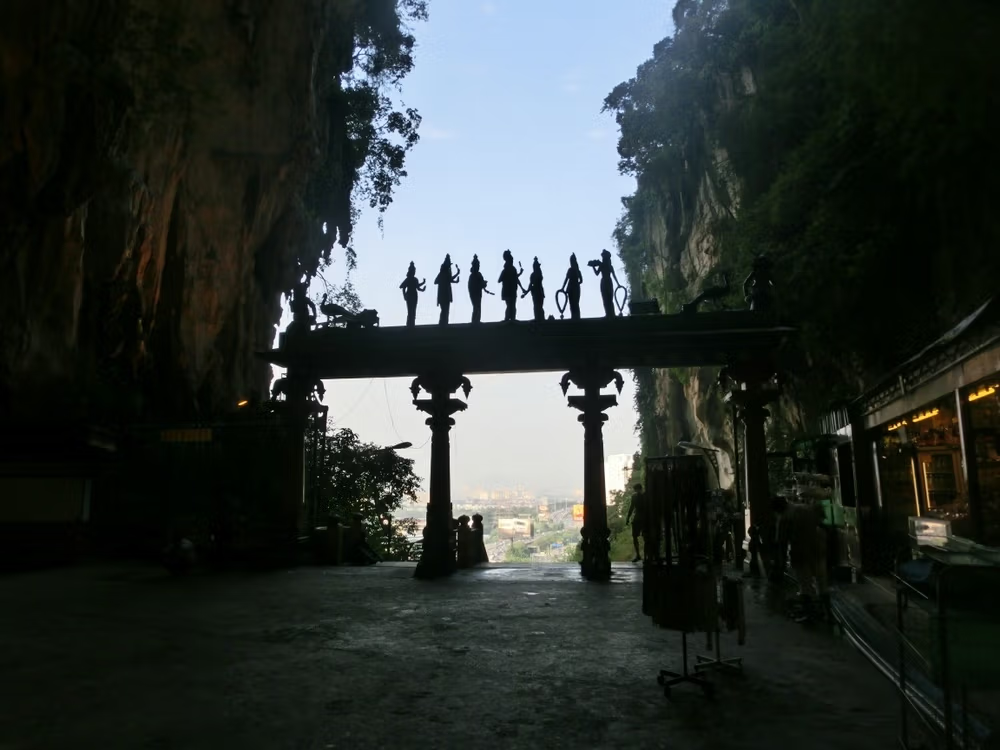
Adventure Caving Expedition
If you manage to secure a spot on a rugged adventure caving expedition in the surrounding karst networks (since the Dark Cave is closed), prepare to get completely filthy. You will feel the heavy plastic of the safety helmet pressing into your forehead and the thick, wet mud sliding under your boots. Crawling on your hands and knees through jagged limestone squeeze-points, you can smell the damp, metallic scent of standing groundwater. It’s claustrophobic, hot, and physically punishing as you scrape your elbows against the unyielding cave walls to reach the larger, silent chambers.
- Adrenaline Rush: Feel your heart hammer against your ribs as you slither through gaps barely wider than your shoulders.
- Exclusive Access: Shine your heavy-duty headlamp into pitch-black voids where the main tourist crowds can’t follow.
- Professional Guidance: Trust the firm grip of the guide pulling you up a slick, muddy incline.
Tip: Do not wear anything you want to keep pristine. The cave mud here stains aggressively, and you will walk out looking like you wrestled in wet cement.
Combined City and Batu Caves Tour
Booking a combined city and Batu Caves tour is a total endurance test. You transition violently from the sweaty, dusty heat of the caves directly into the freezing blast of the tour bus air conditioning. You’ll spend the afternoon feeling the smooth, cold metal at the Royal Selangor Pewter Factory, smelling the hot wax at the Batik Centre, and craning your neck to see the top of the Petronas Twin Towers. It’s a rapid-fire logistical sprint that shoves the entire KL region into an eight-hour window, leaving your feet aching and your camera battery completely drained.
- Time-Efficient: Constantly check your watch as the guide hustles you back onto the idling bus.
- Diverse Experiences: Touch the delicate, hot fabric dyes at the batik workshop right after gripping the grimy handrails of the cave stairs.
- Cost-Effective: Hand over one flat fee and ignore your wallet for the rest of the day.
Tip: These combined tours almost always include forced shopping stops at the pewter or batik factories. It’s an annoying tourist trap, but you have to accept that it’s part of the trade-off for cheap transport.
Batu Caves Accommodations Guide: Hotels, Guesthouses, and Hostels
Luxury Hotels for a Comfortable Stay
Honestly, you won’t find five-star luxury planted next to the limestone cliffs. If you want high-end amenities, you have to base yourself in Kuala Lumpur. Walking into a place like the Hilton, the contrast is jarring: you leave the sticky, exhaust-choked street and are immediately hit with crisp, heavily filtered AC and the scent of expensive lobby perfumes. You sink into thick, soundproofed beds that completely block out the chaotic drone of the city traffic below. It’s the ultimate reset button after a gritty day at the caves.
- Sunway Putra Hotel:
- Features: Walk barefoot across plush carpeting in highly climate-controlled rooms.
- Facilities: Feel the chill of the rooftop pool water against your sunburned shoulders.
- Atmosphere: Hear nothing but soft elevator music and hushed voices.
- Hilton Kuala Lumpur:
- Features: Look out through thick, floor-to-ceiling glass at the sprawling concrete skyline.
- Facilities: Feel the deep pressure of a deep-tissue massage in the spa after destroying your calves on the 272 steps.
- Extras: Listen to the low rumble of trains arriving at the adjacent KL Sentral station.
Tip: Staying near KL Sentral is the smartest logistical move you can make. It puts you a five-minute walk from the direct train line straight to the caves.
Mid-Range Hotels Offering Comfort and Value
Mid-range hotels provide the essential friction reduction you need after a sweaty day of exploring. You trade the massive lobbies for practicality. The AC units here might rattle a bit louder, and you can feel the slight vibration of the road traffic through the floorboards, but the showers run hot, and the sheets are crisp and clean. It’s functional comfort that allows you to wash the cave dust off your skin without emptying your bank account.
- Hotel Richbaliz:
- Features: Run your hand over the heavily varnished, dark wood furniture.
- Facilities: Smell the damp earth and potted plants in the small courtyard.
- Atmosphere: Hear the hum of the small lobby fan pushing air around.
- Crystal Crown Hotel:
- Features: Drop your heavy bag onto a firm, slightly springy mattress.
- Facilities: Smell the sharp scent of chlorine wafting up from the compact swimming pool.
- Extras: Step right out the front door into the heavy exhaust fumes of the nearby shopping district.
Tip: Always check if breakfast is included. Scooping up some hot nasi lemak in the hotel dining room saves you the immense hassle of hunting down food at 7:00 AM before your train ride.
Budget-Friendly Guesthouses and Hostels
Budget guesthouses are where the reality of independent travel hits hard. The walls are thin enough that you can literally hear the zippers on your neighbor’s backpack. The air conditioning is usually a wall-mounted unit that blasts freezing air directly onto your face, and the bathrooms are often wet-rooms where the shower sprays directly over the toilet. You’ll smell stale instant coffee in the common room and feel the gritty texture of the cheap tile floors under your bare feet. It’s rough, but it works.
- Batu Caves Budget Hotel:
- Features: Flip the switch on the loud, buzzing window AC unit.
- Facilities: Stand under lukewarm water from the low-pressure showerhead.
- Atmosphere: Hear the constant thud of heavy boots dropping onto the floor in the hallway.
- My Home Hotel:
- Features: Feel the stiff, highly starched sheets on the narrow bed.
- Extras: Smell the burnt toast from the rudimentary breakfast counter.
- Atmosphere: Squint under the harsh fluorescent lighting of the lobby.
Tip: Bring earplugs. Between the early morning call to prayer echoing from nearby mosques and the thin drywall, sleep requires heavy noise-cancellation.

Day Trips From The Batu Caves
Explore the Genting Highlands
Grinding up the winding mountain roads away from the caves to the Genting Highlands is a drastic climate shock. The humid air of the lowlands gets instantly replaced by a sharp, biting chill as the cable car cuts straight through dense, wet clouds. You can physically feel the temperature drop by 10 degrees, making the hairs on your arms stand up. Inside the massive complex, the air smells of ozone from the slot machines, stale cigarette smoke from the casino floors, and the heavy frying grease from the indoor food courts. It is a wildly jarring shift from a 400-million-year-old temple to a neon casino.
- Amusement Parks: Hear the mechanical clanking and screaming echoing off the low ceilings of the indoor theme park.
- Cable Car Ride: Feel your stomach drop as the glass-bottomed gondola swings over the dark green canopy below.
- Entertainment: Press the heavy plastic buttons on the blinking slot machines.
Tip: Do not wear shorts up here. The ambient temperature, combined with the aggressive indoor AC, means you will be shivering constantly without a jacket.
Discover Kuala Lumpur’s Cultural Sites
Heading back into the concrete grid of Kuala Lumpur means throwing yourself back into the furnace. The heat radiates off the asphalt in visible waves as you walk past the historical sites. At the Central Market, the air shifts to the smell of old paper, leather, and heavily spiced dried fish. Looking straight up at the steel facade of the Petronas Twin Towers, you’ll feel the sharp glare of the sun reflecting off the metal, a stark reminder of how modernity and tradition smash together in this city.
- Petronas Twin Towers: Drag your hands through the cool water of the fountains in KLCC Park.
- Central Market: Feel the rough grain of carved wooden masks stacked in the tight vendor stalls.
- Chinatown (Petaling Street): Choke on the dense, smoky air filled with roasting chestnuts and fake luxury goods in the bustling markets and street food rows.
Tip: Use the LRT and MRT trains. Trying to cross the multi-lane highways on foot in the midday heat is dangerous and exhausting.
Witness the Fireflies at Kuala Selangor
Pushing out to the coastal mangroves of Kuala Selangor as the sun goes down introduces an entirely new environment. You step gingerly onto a small wooden boat that rocks heavily under your weight, smelling the briny, sulfurous odor of low tide mud. The engine cuts out, and the absolute silence of the dark river is only broken by the slap of water against the hull and the loud buzz of mosquitoes near your ears. When the fireflies start flashing, it’s a silent, synchronized strobe effect against the pitch-black silhouette of the trees.
- River Cruise: Feel the humid night air blow across your face as the boat glides blindly through the dark water.
- Bukit Melawati: Hear the aggressive screeching of the silvered leaf monkeys demanding peanuts at the hilltop.
- Seafood Dining: Crack open heavily spiced chili crabs with your bare, sticky hands at a plastic table by the river.
Tip: Bathe yourself in DEET before you get on that boat. The mangrove mosquitoes are relentless, and long sleeves won’t fully save you.
https://www.youtube.com/embed/5jmW3vld-Mw?si=V8un1o2jxMT5cKzV
source: That Backpacker teaming up with Nomadic Samuel on Samuel and Audrey channel
Batu Caves Transportation Guide
Getting to Batu Caves by Train
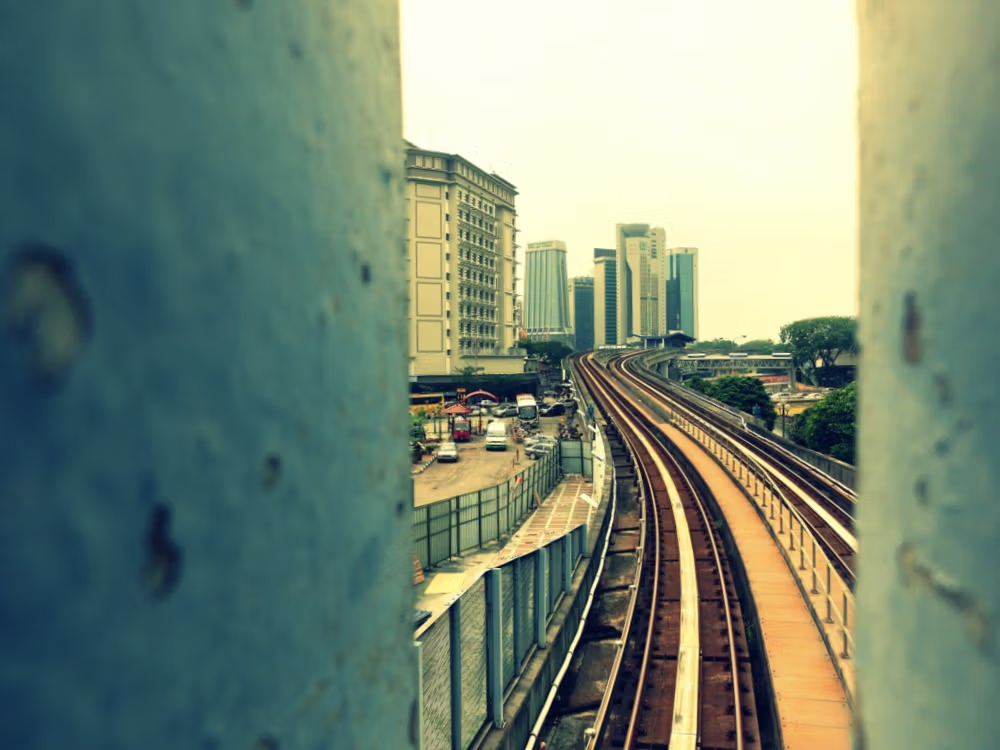
Riding the KTM Komuter train is the absolute easiest, most frictionless way to move. You push through the heavy turnstiles at KL Sentral, step into the carriage, and get blasted by industrial-strength air conditioning that freezes the sweat on your back. The train lurches forward with a heavy metallic clunk. It’s a loud, bumpy 25-minute ride where you watch the dense concrete of the city slowly thin out into industrial suburbs, smelling the faint scent of ozone from the electric lines outside. We found that current fares sit comfortably around RM 2.60 each way from KL Sentral, making it incredibly cheap.
- Frequency: Listen to the automated announcements echoing off the tile walls as you wait the 30 minutes between trains.
- Duration: Brace your hand against the plastic grab handles as the train rocks along the uneven track.
- Cost: Dig into your pocket for a few ringgit coins to feed the ticket machine.
Tip: The primary friction point here is the hardware. The ticket machines at Batu Caves station frequently break or have massive, slow-moving queues filled with confused tourists trying to insert crumpled bills. Buy your return ticket the second you step off the train in the morning to save yourself a massive headache later.
Traveling by Bus
Taking the RapidKL buses is an exercise in extreme patience, and honestly, a massive mistake for most travelers. You’ll stand on the blistering hot pavement at Chow Kit inhaling thick diesel exhaust until the bus finally groans to a halt. Hauling yourself up the high steps, you grab onto sticky metal handrails and slump into worn fabric seats that have absorbed years of humidity. The ride is a series of hard brakes and sharp accelerations as the driver fights through congested, horn-blaring traffic. While the local bus might be roughly a ringgit cheaper than the train, it takes at least 45 minutes longer as it idles helplessly in KL’s notorious traffic gridlock.
- Routes: Squint through the dusty windshield to spot the U6, U1, or U101 placards.
- Duration: Feel the constant lurching of stop-and-go traffic deep in your stomach.
- Cost: Hand over crumpled, low-denomination bills to the driver—they rarely make change.
Tip: Skip the bus entirely. The tiny fraction of money you save is entirely negated by the hours you waste sitting motionless in a humid metal tube. It is not worth it.

Using Taxis and Ride-Sharing Services
Pulling out your phone and calling a Grab removes almost all transit stress, especially if you have a group. You slide into the squeaky leather seats of an air-conditioned sedan, slam the heavy door shut, and instantly block out the roar of the motorcycles outside. The driver navigates the heavy ring roads, and you just sit back, watching the limestone cliffs slowly materialize through the tinted windows. It’s a direct, point-to-point drop-off that leaves you standing right in the gravel parking lot at the base of the caves.
- Convenience: Shove your heavy daypacks into the trunk instead of keeping them pinned to your chest on a crowded train.
- Cost: Watch the digital meter tick up if you opt for a red-and-white city cab stuck in gridlock.
- Availability: Stare at the GPS app on your phone as the car icon weaves toward you through the city grid.
Tip: Do not negotiate with the unmetered taxis waiting aggressively in the parking lot for your return trip. They will fleece you. Book a Grab on your app to guarantee a fair, locked-in price.
Renting a Car
If you’re bold enough to try renting a car, prepare for some high-stress maneuvering. Your hands will grip the steering wheel tightly as swarms of mopeds weave inches from your side mirrors. You’ll smell the burning rubber and clutch plates of the dense city traffic before breaking free onto the faster highways. Pulling into the Batu Caves complex, you’ll hear the crunch of gravel under your tires as you circle the sun-baked parking lot looking for a slot that isn’t completely blocked by a reversing tour bus.
- Freedom: Feel the hard plastic of the steering wheel as you dictate your own departure time.
- Cost: Hand over cash at the toll booths lining the major expressways.
- Parking: Step out of the car into a literal oven; the massive asphalt lot radiates severe heat by noon.
Tip: Driving in Kuala Lumpur is not for hesitant drivers. The lane markings are treated as polite suggestions, and you must merge aggressively if you want to get anywhere.
Batu Caves travel questions answered: practical tips, local-style advice & first-timer FAQs
How long do I really need at Batu Caves, and is it a half-day or full-day trip from Kuala Lumpur?
It really boils down to your pace and heat tolerance. If you’re just muscling up the 272 steps to the main Temple Cave, snapping shots of the massive statue, and grabbing a quick dosa at the bottom, you can execute a clean 2–3 hour strike from central KL. But honestly, if you take the time to navigate the Ramayana Cave, sweat through a proper banana leaf lunch, and stand around watching the macaques rip open water bottles, treat it as a solid half-day. From KL Sentral, the heavy lurch of the KTM Komuter train takes about 25 minutes each way, meaning you spend the bulk of your time physically grinding up the stairs and smelling the incense.
What’s the best time of day and year to visit Batu Caves to beat the crowds and heat?
Hit the pavement early. The brutal reality is that between 7:00 and 9:00 AM, the air is still breathable and the stone steps haven’t fully absorbed the blistering midday sun. By 10:00 AM, you are climbing shoulder-to-shoulder with thousands of sweating tourists, and the humidity sits on your chest like a wet blanket. Year-round, expect heavy heat, but dodge the major rain cycles in April–May and October–November if you hate slipping on wet limestone. Unless you thrive in extreme, crushing crowds, avoid weekends and Malaysian public holidays entirely.
Is there an entrance fee for Batu Caves, and which caves or attractions cost extra?
The main Cathedral Cave won’t cost you a dime, so you can suffer up the steps and feel the cool draft of the cavern entirely for free. The side operations, however, require hard cash. You’ll need to hand over a few ringgit notes at the ticket booth to feel the AC in the Ramayana Cave or to walk past the stagnant koi ponds in the Cave Villa. As of right now, don’t bother asking about the Dark Cave; the heavy metal gates are padlocked, and the conservation tours have been shut down indefinitely. Keep small, sweaty bills in your pocket—nobody wants to break a fifty for a bottle of water.
What should I wear to Batu Caves, and how strict is the dress code?
The dress code is enforced, and they will absolutely stop you at the base of the stairs if you violate it. Your knees and shoulders must be covered. You will feel the heavy, restrictive fabric of a rented sarong tied around your waist if you show up in short-shorts, and trust me, it makes climbing 272 steep steps miserable. Wear light, breathable pants and a t-shirt. More importantly, lace up actual shoes; the concrete steps are slick with spilled water, monkey droppings, and worn paint, and trying to navigate them in cheap flip-flops is a guaranteed way to rip up your toes.
How do I get to Batu Caves from Kuala Lumpur (train, bus, Grab, or tour)?
The KTM Komuter train from KL Sentral is your best logistical move. It’s cheap, heavily air-conditioned, and drops you right onto the gravel path leading to the gates. Buses are a nightmare of diesel fumes and gridlock—skip them completely. If you have four people, split a Grab. You can sink into the leather seats, bypass the train station crowds, and get dropped off literally feet from the giant gold statue. Guided tours work if you want someone else to handle the driving and narrate the history over a microphone, but you lose control over how long you spend staring at the shrines.
Is Batu Caves safe to visit, and what should I watch out for with monkeys and scams?
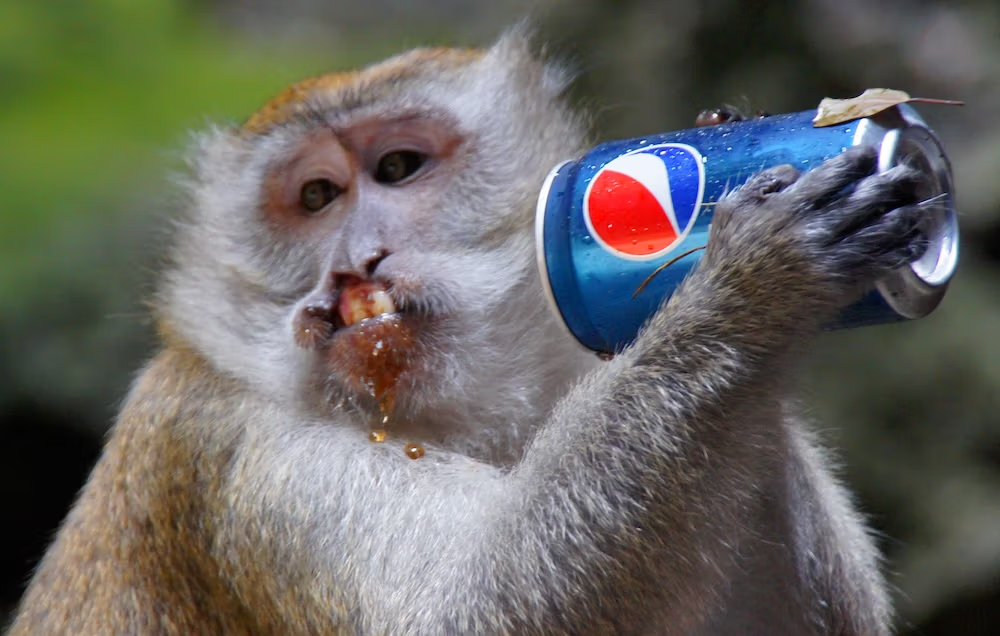
The physical environment is safe, but the macaques are aggressive, opportunistic thieves. If they hear the crinkle of plastic or smell food, they will drop from the cliffs and snatch it directly out of your grip. Keep your water bottles inside a zipped bag, not dangling from a carabiner. You’ll deal with touts trying to shove unsolicited “guide” services or overpriced flower offerings into your hands at the base; a firm “no” and keeping your feet moving solves that instantly. Keep your wallet in your front pocket, as the crush of bodies on the stairs is prime territory for pickpockets.
Are Batu Caves suitable for kids, older travelers, and people who struggle with stairs?
Let’s be honest: those 272 steps are brutal. They are steep, uneven, and there is absolutely zero mechanical assistance to get to the top. If you have bad knees, a heart condition, or you’re pushing a stroller, you will physically hit a wall. For older travelers or young kids, the flat, paved plaza at the bottom still offers the sheer scale of the statue, the smell of the food stalls, and the noise of the temple bells. Don’t force a climb if your legs aren’t up for the burn; the ground-level chaos is an experience in itself.
Can I still visit the Dark Cave, and what are the best alternatives if it’s closed?
No. You will walk right up to a locked steel gate. The Dark Cave has been firmly closed to the public for quite some time, so you won’t be crawling through mud or smelling the heavy bat guano deep in those specific tunnels. If you want a structured alternative, pay the entry fee for the Ramayana Cave to look at the neon-lit dioramas. If you crave actual rock under your fingers, go around to the back of the complex to Gua Damai, chalk up your hands, and jump on the bolted sport climbing routes. Otherwise, you’ll have to travel out to Perak or Sarawak for serious caving.
Is Batu Caves worth visiting in the rain, or should I reschedule for a sunny day?
If it’s a light drizzle, put on a rain jacket and just go. The humidity actually drops, and the overcast sky stops the massive statue from blinding you. However, if a heavy tropical storm rolls in, the physical reality changes rapidly: the painted concrete steps turn into a slick, dangerous waterfall, and you will be soaked to the bone before you hit the halfway point. In a massive downpour, guards will often block the stairs entirely. If the sky turns black and the thunder starts vibrating the pavement, absolutely reschedule for the next morning.
Is it a good idea to visit Batu Caves during Thaipusam, or will it be overwhelming?
It is the very definition of overwhelming. The sheer volume of bodies generates an intense, suffocating heat that you cannot escape. The constant, deafening roar of drums and the sharp smell of incense, sweat, and crushed flowers will completely overload your senses. You will see hooks pulling tightly against skin and heavy metal frames digging into shoulders. If you can handle being physically pressed against thousands of strangers while shuffling inches at a time, it is an incredible, raw thing to witness. If you panic in tight crowds, stay far away.
How much money should I budget for a typical visit to Batu Caves?
You can legitimately do this on loose change. The train token costs next to nothing, and walking into the massive Cathedral Cave doesn’t cost a single ringgit. Your wallet only comes out when you smell the frying oil. You can stand by a hot stall and burn your mouth on cheap, greasy pakoras, or sit down and scrape heavy curries off a banana leaf for the price of a coffee back home. Unless you decide to haul a heavy brass statue back down the steps or pay for the side-cave entries, the logistics and the food are incredibly cheap.
What are the food and water hygiene like around Batu Caves, and what should I avoid?
The hot food is largely safe. If you see a guy pulling a bubbling, boiling dosa off a flat top, eat it. The extreme heat kills everything. What you avoid is anything sitting cold or lukewarm behind dirty glass. Don’t touch pre-cut fruit sitting out in the heavy humidity, and absolutely do not drink from the tap water in the communal metal sinks. Crack open a sealed plastic water bottle, or feel the condensation on a cold can of soda. The hygiene is fine if you stick to high-turnover stalls where the food burns your fingers.
Can I combine Batu Caves with other sights in one day, and what pairs well with it?
Yes, mostly because the caves will realistically exhaust you in three hours. You hit the steps at 8:00 AM, sweat out a liter of water, eat a heavy curry, and get back on the air-conditioned train. By 1:00 PM, you can be walking through the chilled halls of the Petronas Towers or feeling the grit of the pavement in Chinatown. If you have a car, you can push the logistics harder and drive up the winding roads to feel the biting cold of the Genting Highlands, or head out to the muddy mangroves of Kuala Selangor to smell the river water at dusk.
Are there any etiquette or photography rules I should know before visiting the temples?
You are walking into an active, heavy-use religious site, not a theme park. When you see the pile of shoes, take yours off and feel the gritty, dusty concrete under your bare feet. Do not step over people seated on the ground, and do not shove your camera lens into the faces of people deep in prayer. During ceremonies, the air is thick with smoke and chanting; turn off your flash and stop moving. If you act like a silent observer rather than someone demanding a photoshoot, you won’t have any issues.
Can I visit Batu Caves if I’m carrying luggage or coming straight from the airport?
Technically yes, but logistically it’s a nightmare. Try dragging a heavy roller bag across the uneven gravel plaza in 35-degree heat, and you’ll instantly regret it. There are no massive lockers waiting for you at the base. You either dump your bags in a locker at KL Sentral and ride the train out with just the weight of your shirt on your back, or you check into your hotel first. Staring up at 272 steep, slick steps with a 20-kilo pack digging into your shoulders is a fast way to ruin the entire day.
| Activity / Route | Current Cost / Time | The Reality Check | Pro-Tip |
|---|---|---|---|
| KTM Komuter Train (KL Sentral) | ~RM 2.60 / 25 mins | Best for 90% of people. It’s heavily air-conditioned and drops you right at the gates. | Ticket machines at Batu Caves break often. Buy your return ticket the second you arrive. |
| Climbing the 272 Steps | Free / 20-40 mins | Must do, but brutally sweaty. The incline is no joke. | Do not carry plastic bags or water bottles in your hands. Monkeys will attack them. |
| Ramayana Cave | ~RM 5 / 30 mins | Worth it entirely for the blast of cold air conditioning after sweating outside. Kitschy but fun. | Bring exact change. The attendants rarely have small bills early in the morning. |
| Cave Villa | ~RM 15 / 45 mins | Hard skip for most. It’s essentially a stagnant mini-zoo and art gallery. | Save your money and spend it on a massive dosa at the food stalls instead. |
| Dark Cave Tour | N/A | Permanently closed. Ignore outdated blogs telling you to book this. | Don’t waste time looking for the ticket counter; the heavy steel gates are padlocked. |
| RapidKL Bus | ~RM 2 / 1.5+ hours | An absolute mistake. You will be trapped in KL gridlock inhaling diesel fumes. | The pennies you save over the train are destroyed by the hours of your life you lose. |
Batu Caves Travel Guide: Final Thoughts
The Batu Caves force you to earn the experience. It’s a loud, hot, physically demanding site where the smell of burning camphor mixes with the dense humidity of the Malaysian jungle. It is a genuine cultural treasure that simply doesn’t cater to fragile tourists. From hauling yourself up those painted steps to pulling apart a hot dosa with your bare hands, the things to do here require sweat and active participation. Show up early, lace up proper shoes, skip the side-hustle tourist traps, and let the sheer scale of the limestone cliffs put everything into perspective.
- Cultural Enrichment: Stand still and feel the low vibration of the drums during the morning rituals.
- Natural Exploration: Run your hand over the cold, damp cave walls that have survived for 400 million years.
- Memorable Experiences: Wipe the sweat off your forehead at the top of the stairs and look back at the concrete sprawl you just left behind.
Hard Truth: If you try to do this at 2:00 PM on a Saturday, you will spend half your time staring at the back of someone else’s sweaty shirt. Hit the gates by 8:00 AM, period.
This guide is also available in Spanish. [Lea la versión en castellano: Guía de viaje a las Cuevas de Batu: Las 10 mejores cosas que hacer]