
Let’s be brutally honest: Ansan isn’t the first place most people highlight on a South Korean itinerary. But after 15 years on the road, I can tell you that the industrial grit mixed with massive green spaces in Gyeonggi Province makes it a fascinating, highly functional stop. The sea breeze blowing off Sihwa Lake carries the distinct smell of salt and roasted street food. If you’re coming down from Seoul, the most crucial logistical reality is this: skip the main bus terminals. We found that taking the Subway Line 4 directly to Ansan Station costs around 1,500 KRW and completely saves you from navigating the notoriously dense highway traffic. We’re dropping the fluff and digging into the ground-level realities of what actually works here.
I’m not going to bore you with a generic list of tourist traps. We’re breaking down the top 20 things to do based on actual, boots-on-the-ground experience. Expect specific transit quirks, the exact texture of the coastal sand, and where to find the best street food without getting price-gouged. Let’s dig into the reality of Ansan.
- The Coastline: Mudflats that smell intensely of iodine and sea salt, hiding incredible local seafood.
- The Industrial-Green Contrast: Massive urban parks sitting shoulder-to-shoulder with dense commercial grids.
- Transit Efficiency: Subway Line 4 acts as your primary artery, moving you effortlessly between sectors.
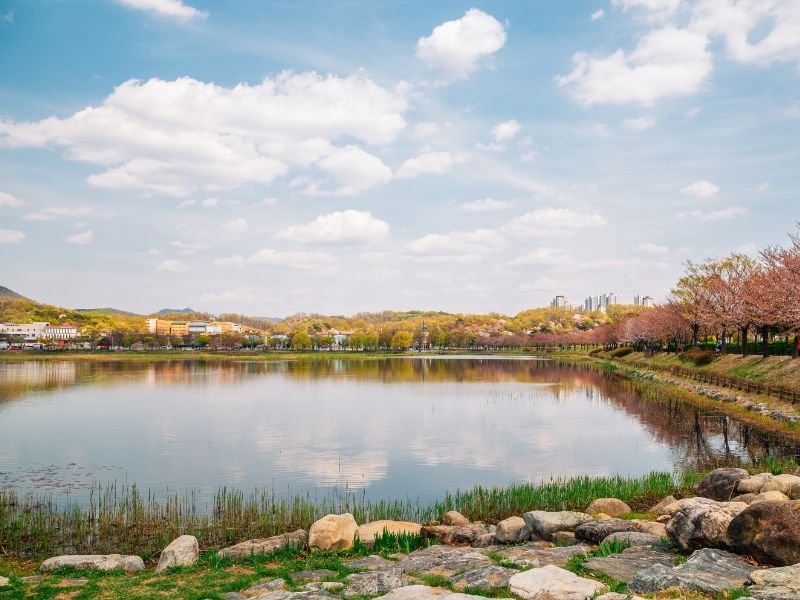
Tip: Ansan in July feels like walking through a damp sauna. Time your trip for late October when the autumn wind bites just enough to necessitate a light jacket, and the foliage in the municipal parks actually looks worth photographing.
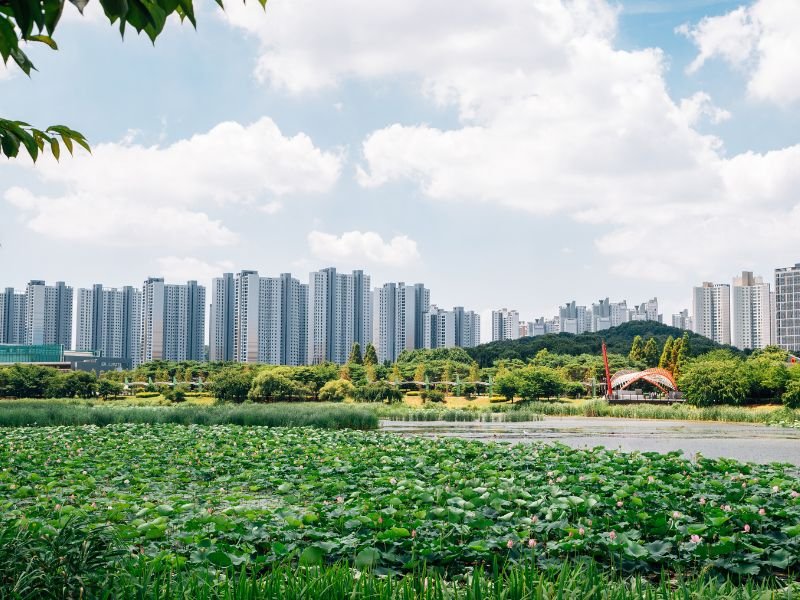
Top 20 Things To Do in Ansan, South Korea For Visitors
1. Explore Ansan Park
Ansan Park isn’t just a patch of grass; it’s a sprawling municipal lung that cuts right through the concrete grid. Walking the paved paths, you can literally feel the humidity drop a few degrees under the thick canopy of old-growth oak trees. It’s highly utilized by locals. You’ll hear the sharp thwack of badminton rackets and the low hum of electric scooters zipping past. The terrain is mostly flat, making it an easy stroll, but watch out for the uneven cobblestones near the central water features. It’s a highly functional green space that acts as a much-needed buffer against the city noise. Local sources suggest checking the municipal boards for weekend festivals, but honestly, it’s best experienced on a quiet Tuesday morning.
- Paved Walkways: Smooth concrete paths ideal for avoiding muddy boots after a heavy rainstorm.
- Local Rhythms: Watch the aggressive, highly competitive badminton matches taking place near the western entrance.
- Acoustic Shift: The traffic noise noticeably dampens the deeper you walk into the heavy treeline.
Tip: The benches near the central pond get claimed early. If you want a seat, grab a coffee from a nearby convenience store and secure your spot before 10 AM.
2. Visit Jeongja Beach & Coastal Hubs
Let’s level set: the beaches around Ansan are not white-sand tropical paradises. They are functional, slightly gritty, and intensely local stretches of shoreline where the tide pulls back to reveal dense, grey mudflats. The smell of raw brine and seaweed is heavy in the air. If you want to go jet skiing, and other exciting activities, you can, but the real draw is grabbing a plastic chair at a makeshift stall and eating grilled clams right off the fire. The sand is coarse and rocky, so bring proper footwear rather than flimsy flip-flops. And here is the major friction point: the single road leading out to these coastal stretches bottlenecks hard. A 30-minute drive easily turns into a two-hour gridlock on a Saturday afternoon.
- Coarse Sand: It crunches heavily under your boots and sticks stubbornly to everything.
- Tidal Shifts: The water retreats significantly across the mud; check the tidal charts before planning a swim.
- Seafood Stalls: The smoke from the charcoal grills hits your eyes the second you walk down the paved promenade.
Tip: The wind coming off the water in the late afternoon carries a sharp chill. Pack a windbreaker even if the city center feels boiling hot.
3. Discover the Ansan Cultural Center
Forget the dusty, silent museums you’re used to. The Ansan Cultural Center is a heavily air-conditioned concrete compound that blasts traditional Korean music and dance performances, alongside modern art exhibitions right into the main lobby. The acoustics in the grand hall echo with the sharp, physical staccato of traditional drums that you can feel in your chest. It’s a great place to dodge the midday heat. Navigation inside is straightforward, but the English signage drops off significantly near the interactive workshop rooms on the second floor.
- Loud Acoustics: The physical vibration of the live performances completely fills the massive concrete atrium.
- Temperature Drop: The industrial air conditioning makes the exhibition halls legitimately cold.
- Second Floor Maze: The workshop corridors are densely packed; keep track of your turns.
Tip: Grab a floor map at the front desk immediately. Relying on your phone to navigate the interior dead zones will leave you walking in circles.
4. Stroll Through Danwon Sculpture Park
Danwon Sculpture Park scatters massive metal and stone installations across a sprawling, grassy hillside. When you touch the bronze sculptures, the metal is usually radiating intense heat from the afternoon sun. It’s an oddly quiet zone compared to the rest of the city, punctuated only by the heavy crunch of gravel underfoot as you move between pieces. There’s zero shade near the main installations, so bring sunglasses and don’t expect a comfortable midday picnic right next to the art. You have to work a bit to see everything on the incline.
- Radiating Heat: The massive metal structures absorb and project the summer sun aggressively.
- Gravel Paths: Wear thick-soled shoes; the sharp stones make walking in thin sneakers miserable.
- Hillside Incline: Navigating the upper tier of the park requires a steady, calf-burning climb.
Tip: The glare off the polished steel sculptures in the early afternoon is blinding. Visit at dawn or dusk for decent visibility and bearable temperatures.
5. Enjoy Shopping at Sihwa Lake Fashion Town
Sihwa Lake Fashion Town is a labyrinth of discount clothing racks, blinding neon signage, and aggressive weekend crowds. You can smell the sweet, oily scent of deep-fried street snacks cutting right through the exhaust fumes of delivery scooters idling at the intersections. It’s loud, chaotic, and visually overwhelming. If you need a cheap winter jacket or want to eat heavy local cuisine between browsing, this is the spot. Bring physical cash for the outer street vendors; card readers are hit or miss outside the main brick-and-mortar stores.
- Sensory Overload: The clash of competing K-pop blasting from storefront speakers is constant.
- Scooter Traffic: Delivery drivers navigate the pedestrian walkways aggressively; keep your head on a swivel.
- Cash Economy: The deepest discounts on the outer racks require hard currency, not plastic.
Tip: Plan your visit on weekends if you want to see the market operating at maximum capacity, but expect shoulder-to-shoulder friction in the narrow alleys.
6. Relax at Sihwa Lake Eco Park
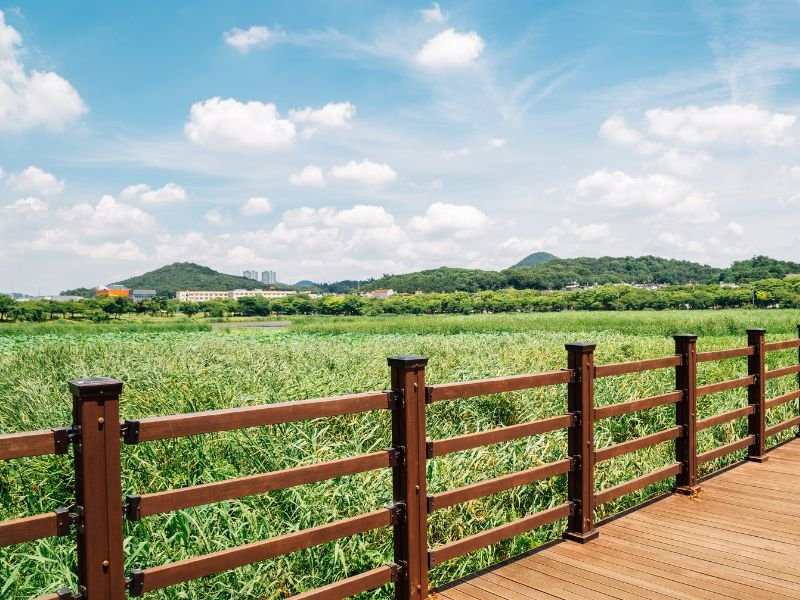
A lot of eco-parks are just glorified lawns, but Sihwa Lake Eco Park is a massive land reclamation project that actually delivers on its promise. The wind coming off the vast lake is often strong enough to rip a loose hat right off your head. The walking trails are lined with tall, dry reeds that rustle constantly against each other. Local sources note the park spans over a million square meters, which means you’ll be walking miles if you want to see the deeper wetland zones. The friction here is the complete lack of shade and supplies. You won’t find a vending machine deep in the park, so bringing your own water is absolutely mandatory. The air here tastes cleaner, stripped of the heavy city smog, but the sun exposure is brutal.
- High Winds: The lack of structural windbreaks means you bear the full brunt of the coastal gusts.
- Massive Scale: You will log serious mileage on your pedometer walking the perimeter.
- Rustling Reeds: The constant sound of the vegetation whipping in the wind drowns out distant traffic.
Tip: Rent a bicycle near the main entrance grid. Attempting to walk the entire lake circuit in a single afternoon will leave you exhausted and stranded miles from a taxi stand.
7. Explore the Ansan Central Park
Not to be confused with the wilder fringe parks, Ansan Central Park is the heavily manicured, highly organized urban square. The central pond smells slightly of warm algae in the late summer, but the surrounding brick walkways are meticulously swept by municipal crews. It’s where office workers go to smoke quickly and eat convenience store kimbap on their lunch breaks. If you want a sanitized, easy-to-navigate green space with immaculate public restrooms and clear sightlines, this is your primary target in the city center.
- Immaculate Brickwork: The paths are perfectly level, making it the easiest walking surface in Ansan.
- Algae Scent: The stagnant water in the decorative ponds gets pungent during July and August.
- Corporate Crowds: Expect a massive influx of local workers flooding the benches precisely at noon.
Tip: The public restrooms here are vastly superior to the facilities at the transit stations. Use them while you’re in the area.
8. Visit Hyeonggwangcheon Stream
Hyeonggwangcheon Stream is a masterclass in functional urban water management. The city poured steep concrete banks along the water, creating a sunken walking path that completely shields you from the street-level wind and exhaust. At night, the fluorescent lights buzz quietly overhead, reflecting off the dark, slow-moving water. It’s an excellent, flat route for a fast-paced evening walk, though you’ll have to frequently dodge the aggressive local cyclists who treat the shared paved path like an Olympic velodrome.
- Sunken Pathway: Dropping below street level cuts the ambient city noise by half.
- Electric Hum: The overhead lighting fixtures emit a constant, low-frequency buzz.
- Cyclist Hazard: Keep strictly to the pedestrian side of the painted line to avoid high-speed collisions.
Tip: The concrete retains the day’s heat well into the evening, making it noticeably warmer down by the water than up on the main road.
9. Discover Mangwol Lake Park
Mangwol Lake Park centers around a massive, heavily regulated body of freshwater. You can rent paddleboats that look a bit weathered with peeling paint, but they function perfectly well on the calm surface. The air here is noticeably cooler, carrying the damp, earthy scent of lake water and wet soil. The grass is thick and heavily watered, making it an actually comfortable spot to sit—a rarity in some urban parks where the ground turns to hardpan in the summer. Skip the crowded weekends if you want any semblance of peace.
- Weathered Boats: The plastic paddleboats show their age but get the job done on the flat water.
- Damp Earth Scent: The irrigation systems keep the surrounding soil smelling rich and muddy.
- Spongy Turf: The grass actually provides a decent cushion compared to the concrete elsewhere.
Tip: The queue for the paddleboats moves agonizingly slow on Saturdays. Arrive right when the rental kiosk opens or be prepared to stand in the sun.
10. Experience Ansan Art Museum
The Ansan Art Museum is a stark, modern building where the industrial climate control is cranked so high you’ll physically shiver in the middle of July. The highly polished concrete floors squeak loudly under your sneakers as you navigate the contemporary Korean exhibits. It’s a visually sterile, hyper-focused environment that forces your attention entirely onto the art. The cafe on the ground floor makes a surprisingly strong, intensely bitter Americano that’s worth grabbing before you head back out into the dense street humidity.
- Freezing AC: The temperature drop from the street to the lobby is jarring; bring a sweater.
- Squeaking Floors: The pristine concrete amplifies every footstep through the quiet galleries.
- Bitter Coffee: The ground-floor espresso pulls no punches and cuts right through jetlag.
Tip: Lockers are available near the entrance. Stuff your heavy daypack in one; the security guards frown upon bulky bags near the delicate installations.
11. Wander Around Woosong Park
Woosong Park is the quintessential neighborhood hangout. It lacks the massive scale of Sihwa Lake, but makes up for it with dense, old-growth trees that provide a thick, cooling canopy of shade. You can smell the distinct, sharp scent of damp pine needles year-round. It’s heavily sloped in sections, so be prepared for a bit of a calf burn if you tackle the northern dirt trails. You’ll see older locals utilizing the outdoor fitness equipment with impressive intensity.
- Pine Scent: The air is heavy with the smell of fallen needles and sap.
- Steep Inclines: The dirt paths require actual exertion compared to the flat city sidewalks.
- Metal Fitness Gear: The clanking of the public exercise machines echoes through the trees.
Tip: The dirt paths turn into slick mud slides after a rainstorm. Stick to the paved lower loop if the weather has been wet.
12. Explore the Ansan Cultural Heritage Complex
The Ansan Cultural Heritage Complex reconstructs the region’s past with striking, heavily funded accuracy. Walking through the traditional hanok courtyards, the thick wooden beams smell faintly of old smoke and dry cedar. The dirt paths are meticulously raked, and the sudden lack of modern engine noise is jarring in a good way. The exhibition halls are deeply informative, though you’ll need a robust translation app on your phone to parse the more detailed historical plaques, as English descriptions are sparse.
- Dry Cedar Scent: The traditional architecture carries the heavy smell of old, preserved wood.
- Raked Dirt: The ground is perfectly leveled, making for a smooth walk between buildings.
- Translation Required: Rely on Google Lens; the intricate details are locked behind Korean text.
Tip: Do not touch the paper walls (hanji) on the traditional houses. They are fragile, and the caretakers watch the crowds closely.
13. Enjoy Shopping at Ansan Port
Ansan Port is a working maritime hub, which means it’s loud, wet, and smells aggressively of diesel exhaust and raw fish. You’ll have to constantly sidestep deep puddles of sea water and dodge forklifts hauling massive crates of the morning catch. It’s not a polished tourist promenade, but taking in the sights and sounds of the bustling port is completely authentic. The dockside restaurants here serve seafood so fresh the tentacles might still be twitching on the plate.
- Diesel and Brine: The air is a thick mix of boat exhaust and raw ocean catch.
- Wet Concrete: The docks are constantly hosed down; wear waterproof boots.
- Forklift Hazards: This is a working industrial zone; stay out of the way of the moving machinery.
Tip: The haggling at the raw fish market is intense. Point to what you want, agree on a price, and they will slice it up for you to eat on the spot.
14. Visit the Gwangin Arboretum
The Gwangin Arboretum is a heavily curated, highly managed botanical zone. Stepping into the main glass greenhouses, you’re immediately hit with a heavy wall of humid air and the overwhelming scent of wet earth and blooming orchids. It’s a highly structured environment; you aren’t hiking here, you’re walking along perfectly paved, gently sloping concrete paths. It’s a solid spot to kill a couple of hours examining rare plants, but the layout is rigid and leaves little room for off-trail exploration.
- Greenhouse Humidity: The glass domes trap the moisture, making you sweat instantly.
- Overwhelming Floral Scent: The concentration of orchids creates a thick, sweet smell in the air.
- Rigid Paths: You must stay on the concrete; stepping on the curated soil is strictly prohibited.
Tip: Bring a microfiber cloth if you wear glasses or carry a camera; the instant condensation in the greenhouses will fog up your lenses immediately.
15. Experience Korean Traditional Tea at Ansan Tea House
The Ansan Tea House is a strict, quiet departure from the city’s chaotic coffee shop scene. You have to remove your shoes at the door, and the polished wooden floors feel smooth and cool under your socks. The air smells intensely of roasted barley and bitter green tea leaves. Sitting on the thin floor cushions requires some joint flexibility, but the heavy, earthy taste of the traditional brews completely resets your palate after days of eating greasy street food.
- Cool Wood Floors: The physical relief of stepping onto the smooth wood after walking hot pavement is immediate.
- Roasted Barley Scent: The brewing process fills the small room with a thick, comforting aroma.
- Floor Seating: Be prepared to cross your legs for an extended period; there are no chairs here.
Tip: Do not rush the tea. The host expects you to sip slowly and observe the quiet atmosphere. Treat it as a rest stop, not a quick caffeine fix.
16. Discover the Ansan Fishery Culture Museum
This museum is incredibly specific and surprisingly engaging. The Ansan Fishery Culture Museum documents the brutal reality of historical coastal life. The exhibits feature massive, salt-stained wooden boats that smell faintly of old varnish and dried brine. You get a stark, unfiltered look at the punishing manual labor required to harvest the mudflats before modern machinery. The interactive displays are a bit dated, but the preserved maritime gear and heavy iron anchors are top-tier historical artifacts.
- Varnish and Brine: The preserved wooden ships still carry the scent of the ocean and chemical sealants.
- Heavy Iron Artifacts: The sheer weight and rust of the historical anchors emphasize the harsh conditions.
- Stark Reality: The museum doesn’t romanticize fishing; it highlights the grueling physical toll.
Tip: Skip the faded video presentations and spend your time reading the placards detailing the mechanics of the old tidal traps.
17. Enjoy a Day at Bucheon World Cup Stadium
Yes, it’s technically located in nearby Bucheon, but it’s a massive concrete colosseum that draws huge, rowdy crowds directly from Ansan. The stadium seats are hard, unforgiving plastic, and the roar of the crowd echoes intensely off the sweeping architectural roof. Whether you’re here to watch sporting events or Concerts and Events: Enjoy live music performances and large-scale events, the logistical nightmare is parking. Take the subway, get off at the designated stop, and follow the massive herd of people to the gates.
- Hard Plastic Seats: You will feel it in your lower back by the end of the second half.
- Deafening Echoes: The concrete structure amplifies the chants and drums of the local supporters to a deafening roar.
- Transit Herd: Leaving the stadium requires shuffling shoulder-to-shoulder with thousands of people back to the train.
Tip: Buy your snacks and drinks from the convenience stores outside the stadium perimeter. The concourse lines are punishingly long.
18. Relax at Seodong Park
Seodong Park is another solid green space, heavily geared towards physical fitness rather than quiet lounging. The spongy, red urethane running tracks have a distinct, warm rubbery smell when the afternoon sun hits them. It’s not the place for quiet contemplation; it’s where you go to sweat, jog, and join locals in outdoor activities or have a picnic with family and friends. The municipal water fountains actually work, the bathrooms are kept reasonably clean, and the shade structures are plentiful.
- Hot Urethane Scent: The rubber tracks off-gas a distinct synthetic smell in the heat.
- Spongy Surface: The track absorbs the impact of your running shoes perfectly.
- High Energy: The park is constantly moving with joggers, bikers, and calisthenics groups.
Tip: The running track is directional. If you run the wrong way, you will get aggressively glared at by the speed walkers.
19. Attend a Performance at Ansan Cultural Theater
The Ansan Cultural Theater is a massive, angular structure of glass and steel dominating its block. Inside, the heavy velvet seats are surprisingly plush, and the acoustics are engineered so sharply that you can hear a pin drop on the wooden stage. They host a wide range of Cultural Events: Participate in special events and cultural festivals. The marble lobby gets fiercely crowded during intermissions, and the line for the restrooms moves incredibly slow.
- Plush Velvet: The seating is a massive upgrade from the hard plastic found in the city’s sports arenas.
- Pin-Drop Acoustics: The sound design carries unamplified voices all the way to the back rows.
- Marble Echoes: The lobby reflects the chatter of hundreds of people during the intermission rush.
Tip: Secure your overpriced bottled water before you sit down. Once the lights dim, navigating the steep aisles in the dark is treacherous.
20. Explore the Ansan Sunrise Park
Ansan Sunrise Park is perched on an elevated, exposed coastal bluff. The wind whips violently off the water, carrying a sharp chill even in the middle of summer, and the grass is always slick with heavy morning dew. You don’t come here for the amenities; you come to stand on the weathered wooden observation decks and watch the sky catch fire over the horizon, creating stunning photo opportunities. Bring a thermos of hot coffee, because absolutely nothing is open up there at dawn.
- Biting Wind: The bluff provides zero protection from the coastal gusts.
- Slick Dew: The wooden decking gets incredibly slippery in the early morning moisture.
- Total Isolation: It’s just you, the tripod, and the sound of the water hitting the rocks below.
Tip: The best light happens 15 minutes before the sun actually crests the horizon. Get there in the dark and set up early.

What To Eat and Drink in Ansan, South Korea
We need to talk about the consensus travel advice. Everyone tells you to go to Itaewon in Seoul if you want an “international” vibe in Korea. I honestly think that’s terrible advice. Itaewon is sanitized and heavily overpriced. If you want the actual, beating heart of Korea’s multicultural working class, you need to go to Wongok-dong right here in Ansan. It’s raw, it’s cheap, and it’s real. Koreans might warn you off it due to old stigmas, but we found it completely safe and incredibly vibrant. We’re skipping the generic chain restaurants and focusing on the heavy, intensely flavored local realities. From street-side fryers to intense tabletop grills, here is the hard signal on what to eat.
1. Ansan Haeundae Dakgalbi (Spicy Stir-Fried Chicken)
The spicy, heavy scent of gochujang sizzling on a massive cast-iron skillet will stick to your clothes for the rest of the day. Dakgalbi is a messy, aggressive, and incredibly satisfying meal. The chunks of raw chicken are seared right in front of you, mixing with melting sweet potatoes and cabbage. The heat radiates off the tabletop burner, warming your face as the server violently stirs the mixture with metal spatulas. It hits you with a blast of spice, sugar, and fat.
- Clinging Scent: Your jacket will smell like roasted chili paste for 24 hours.
- Tabletop Heat: The cast-iron skillet puts out serious thermal energy right in front of you.
- Metal Scrape: The constant sound of spatulas scraping the iron pan defines the dining room.
Tip: Do not eat all the meat. Leave about 15% in the pan and tell the server to fry rice into the remaining spicy grease. It’s the best part.
2. Jjukkumi Sannakji (Live Baby Octopus)
Let’s be real, eating moving tentacles isn’t for everyone. The adventurous foodie will appreciate it, but the reality is physical: the suction cups literally stick to the roof of your mouth and your tongue. It tastes intensely of toasted sesame oil, salt, and raw ocean brine. It’s a sensory battle as much as it is a meal. You have to chew thoroughly and aggressively to break down the dense, rubbery muscle before swallowing.
- Active Suction: You can feel the tentacles gripping the inside of your cheeks.
- Sesame Oil Scent: The rich, nutty smell masks some of the raw seafood odor.
- Jaw Fatigue: The raw muscle is incredibly dense and requires serious chewing.
Tip: Dip it heavily in the provided sesame oil and salt mixture; the oil prevents the suction cups from gripping your throat on the way down.
3. Gopchang Gui (Grilled Beef Intestines)
Gopchang Gui isn’t pretty. It’s grilled beef intestines, and as the fat renders out onto the grill, it creates a thick, greasy, smoky haze in the restaurant that stings your eyes. The texture is notoriously chewy, almost rubbery at first bite, but it bursts with a rich, heavily concentrated beef flavor. You absolutely need a cold beer or sharp soju to cut through the intense, coating layer of fat it leaves on your palate.
- Thick Smoke: The burning fat fills the room, requiring heavy overhead exhaust vents.
- Rubbery Snap: The casing provides a distinct, resistant chew before yielding to the fat inside.
- Greasy Coating: You will feel the rich oils coating your lips and tongue.
Tip: Let it cook longer than you think. You want the outside to get aggressively charred and crispy to balance the chewy interior.
4. Hotteok (Sweet Korean Pancake) & Street Snacks
Hotteok is a beloved Korean street food that requires caution. Walking through the multicultural food street in Wongok-dong, you’ll find these snacks running typically around 1,000 to 3,000 KRW. You grab it from the stall wrapped in a thin piece of paper cup, and the scalding hot brown sugar and cinnamon syrup will absolutely burn your tongue if you bite into it too fast. It’s fried in a heavy layer of oil on a flat griddle, giving the dough a crispy, greasy shell that cracks loudly in your mouth before giving way to the molten, nutty center.
- Scalding Syrup: The inside reaches near-lava temperatures straight off the grill.
- Greasy Fingers: The oil quickly soaks through the thin paper wrapper.
- Crispy Crack: The fried exterior provides a loud, satisfying crunch.
Tip: Cash is king here. Do not try to use your credit card at the outdoor street stalls in Wongok-dong; keep small bills handy.
5. Budae Jjigae (Army Stew)
Born out of post-war necessity, Budae Jjigae is a chaotic, boiling pot of Spam, sliced hot dogs, instant noodles, and pungent aged kimchi. The bubbling red broth frequently splashes onto the metal table as it rapidly boils down. It’s heavy, intensely salty, and smells like processed meat and fermented cabbage. It tastes exactly like the high-sodium, gritty comfort food you desperately need after walking 10 miles across the city grid in the cold.
- Boiling Splatter: The rapid boil shoots tiny drops of red broth everywhere; wear an apron.
- Pungent Scent: The aged kimchi gives the steam a sharp, sour smell.
- Heavy Sodium: You will be reaching for your water glass constantly throughout the meal.
Tip: Don’t add the ramen noodles until the broth has been boiling for at least five minutes, otherwise they turn into a mushy paste.
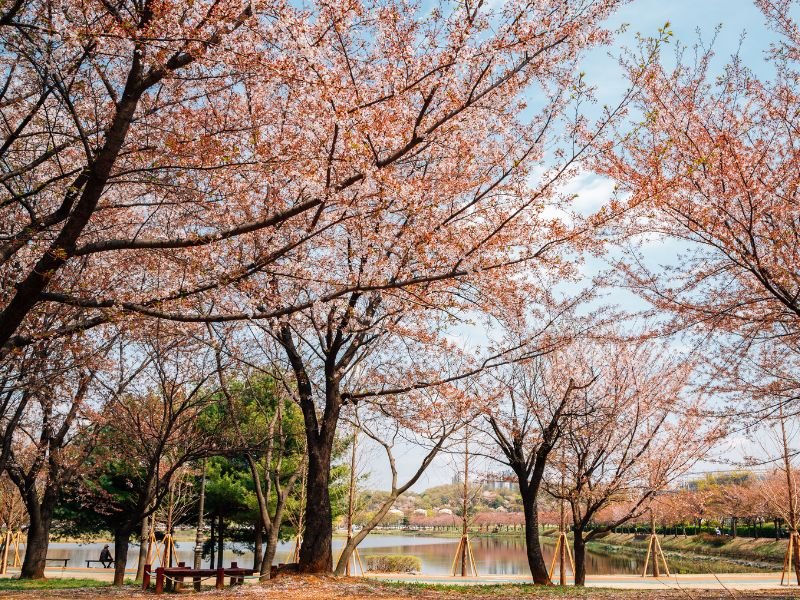
Tours For Visitors To Ansan, Korea
If you prefer a structured approach, here is the reality of the top tours for visitors that you should consider adding to your travel guide. No fluff, just what you’re actually signing up for.
1. Ansan Cultural Heritage Tour
This isn’t a leisurely stroll. The Ansan Cultural Heritage Tour is a guided slog through the historical sites where your guide will likely move at a breakneck pace to keep the schedule. You’ll feel the rough, dry texture of the traditional hanok walls and smell the distinct, sharp incense burning in the temple courtyards. It’s an information-dense half-day where you are constantly moving, boarding and unboarding a small mini-bus.
- Fast Paced: The guides do not linger; if you stop for photos, you will fall behind.
- Incense Smoke: The heavy smell of burning sandalwood hangs thick in the temple zones.
- Bus Cramp: The transit between sites in the crowded mini-van can feel claustrophobic.
Tip: Wear shoes that slip off easily. You will be taking them off repeatedly to enter the historical buildings.
2. Ansan Eco Park Exploration
Be prepared for heavy sun exposure and the distinct squelch of mud if you stray off the paved paths. The Ansan Eco Park Exploration is a massive walking tour covering the wetlands. You’ll be dealing with humidity rising off the lake and the constant buzzing of insects in the tall grass. It’s a physically demanding trek masquerading as a nature walk, so wear boots you don’t mind getting filthy with grey mud.
- Mud Squelch: The ground near the water’s edge is soft and pulls at your boots.
- Insect Buzz: The wetlands are alive; bug spray is absolutely mandatory.
- Sun Exposure: The lack of trees means the sun beats down on your neck relentlessly.
Tip: Bring twice the amount of water you think you need. The humidity drains you faster than the actual walking.
3. Ansan Night Lights Tour
The Ansan Night Lights Tour drops you right into the sensory overload of the city after dark. You’ll visit night markets and popular nightlife venues. The blinding neon signs reflect off the wet pavement, and the air is thick with the smell of fried street food from various night market stalls. It’s loud, crowded, and you will be constantly side-stepping intoxicated businessmen and speeding delivery bikes. It’s gritty, real, and highly energetic.
- Neon Glare: The LED lights are intense and dominate the visual landscape.
- Deep Fryer Grease: The air smells constantly of hot cooking oil and grilling meat.
- Crowded Alleys: You will be bumping shoulders with locals the entire night.
Tip: Keep your wallet in a front pocket. The crowds in the market alleys are dense enough for pickpockets to operate unnoticed.
4. Ansan Beach Adventure Tour
Forget the fantasy of pristine white sand; you’re dealing with coarse, grey grit that gets into everything. The Ansan Beach Adventure Tour puts you on the water. The saltwater burns your eyes, and hauling the heavy plastic kayaks across the mudflats to the water line is an exhausting chore. But once you’re paddling, the chop of the water against the hull and the intense coastal wind provide a legitimate, strenuous workout.
- Salt Sting: The spray from the kayak paddles leaves a crust of salt on your face.
- Heavy Hauling: Dragging the gear to the water through the mud is physically taxing.
- Choppy Water: The coastal waves require aggressive paddling to break through.
Tip: Wrap your phone in a dry bag. The splashing is constant and salt water will instantly kill your electronics.
5. Ansan Art and Craft Tour
The Ansan Art and Craft Tour puts you into the cramped, dusty realities of the local workshops. You’ll smell the sharp, chemical tang of acrylic paint and the dusty, earthy odor of wet clay. The artisan spaces are visually chaotic, packed floor-to-ceiling with materials. You’ll get clay under your fingernails and inevitably smudge charcoal on your clothes. It’s a tactile, messy dive into how the local goods are actually produced.
- Dusty Air: The pottery studios have a permanent haze of dried clay dust in the air.
- Chemical Tang: The smell of glazes and paints is sharp and ever-present.
- Cramped Quarters: You will be navigating tight spaces filled with fragile, unfinished work.
Tip: Do not wear dark clothes. The white clay dust will transfer onto your pants immediately upon sitting down at the wheels.
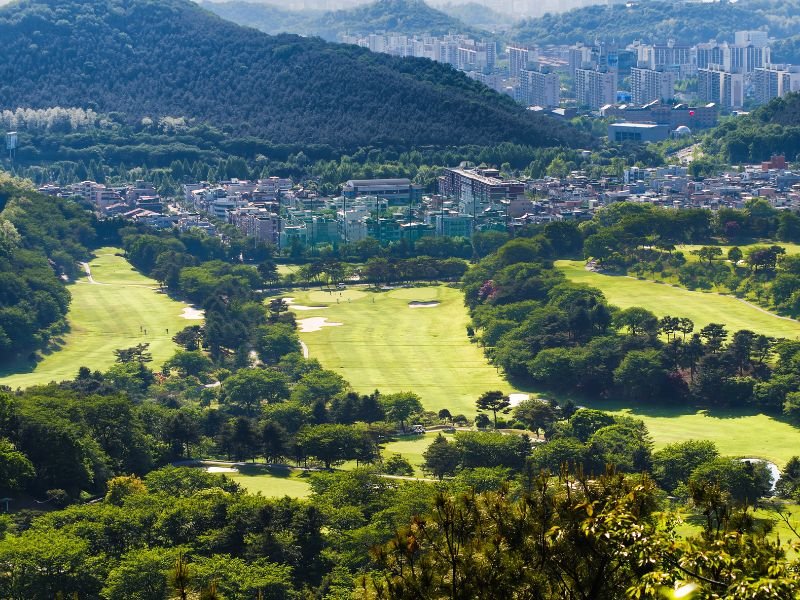
Ansan Accommodations Guide: Hotels, Guesthouses and Hostels
When planning your trip to Ansan, you need to match your tolerance for noise and your budget. Here is the unvarnished reality of where you’ll be sleeping.
1. Grand Ansan Hotel
The Grand Ansan Hotel is a towering glass structure where the central air conditioning hums aggressively in the background. The hallway carpets are thick enough to completely muffle your footsteps, creating an eerie, insulated quiet against the city chaos below. It’s sterile, predictable luxury right in the urban grid. The sheets are stiff with heavy starch, and the elevators are fast enough to make your ears pop on the way to the lobby.
- Deadened Sound: The heavy double-paned glass completely blocks the street noise.
- Stiff Linens: The industrial laundry process leaves the bedsheets crisp and rigid.
- Aggressive AC: The rooms default to a freezing temperature; you have to manually adjust it upon entry.
Tip: Skip the expensive hotel breakfast buffet. Walk two blocks down and hit the local bakeries for a fraction of the cost.
2. Ansan Guesthouse Bluebird
Ansan Guesthouse Bluebird is tight, functional, and gets the job done if you just need a bed near the station. The old wooden floorboards creak loudly underfoot, and the smell of toasted bread and cheap drip coffee lingers permanently in the cramped communal kitchen. The walls are paper-thin, so you will hear your neighbors coughing or watching videos on their phones. It provides shelter, not luxury.
- Creaking Floors: Sneaking in late at night without waking anyone up is impossible.
- Stale Coffee Scent: The communal kitchen always smells faintly of burnt grounds.
- Thin Walls: Bring heavy-duty earplugs if you want an uninterrupted night of sleep.
Tip: The hot water in the shared showers runs out by 9 AM. Wake up early or prepare for a bracingly cold rinse.
3. Hostel Green Tree
Expect the constant thud of heavy backpacks hitting the floor and the distinct, humid smell of damp towels in the shared bathrooms. Hostel Green Tree is loud, intensely social, and perfectly located for transit. The common area couches are worn soft from hundreds of travelers, and the communal fridge is a chaotic mess of half-empty beer cans and labeled takeout boxes. It’s high energy and zero privacy.
- Damp Bathrooms: The ventilation struggles to keep up with the constant shower usage.
- Worn Furniture: The lounge chairs sink deeply the moment you sit in them.
- Constant Chatter: The common room buzzes with conversation well past midnight.
Tip: Claim a bottom bunk immediately upon arrival. Navigating the wobbly metal ladders in the dark after a few drinks is a hazard.
4. Ansan Central Park Hotel
At the Ansan Central Park Hotel, you get massive glass windows overlooking the tree line. The rooms smell faintly of commercial lemon cleaner, but escaping the bustling city noise the second the heavy wooden door clicks shut is worth the premium. You can literally watch the morning fog roll off the park ponds from your bed. The water pressure in the showers is fantastic, blasting away the city grime with serious force.
- Heavy Doors: The solid core doors shut with a heavy, satisfying thud that seals out the hallway noise.
- Lemon Scent: The housekeeping crew uses a heavy-handed citrus cleaner daily.
- High Water Pressure: The showerheads deliver a stinging, highly effective blast of hot water.
Tip: Request a room on the 5th floor or higher. Anything lower still catches the low-frequency rumble of the street traffic.
5. Hanok Stay Ansan
Sleeping on a thin yo (cotton mattress) on a hard ondol floor will absolutely test your back. Hanok Stay Ansan forces you into the historical reality. The heated floors radiate intense, dry warmth that bakes you from below, while the ancient wooden beams smell heavily of old cedar and smoke. You hear the wind rattling the paper doors all night. It’s authentic, slightly uncomfortable, and deeply memorable.
- Hard Floors: The thin mattress offers minimal padding against the solid wood flooring.
- Radiant Heat: The ondol system makes the floor hot to the touch; keep your bags elevated.
- Rattling Paper: The traditional sliding doors offer zero soundproofing against the outside elements.
Tip: If you have knee or back issues, this is not the place for you. Getting up and down from the floor multiple times a day is taxing.
Day Trips From Ansan, South Korea
If you need to break out of the city limits, here are the logistical realities of the top day trips from Ansan that you should consider adding to your travel guide.
1. Sihwa Lake Eco Park
We covered this inside the city guide, but as a dedicated day trip, Sihwa Lake Eco Park demands serious preparation. The sheer vastness means you are committing to a full day of sun exposure. The wind whipping across the massive man-made lake carries a slight smell of stagnant water and salt. The gravel paths crunch loudly, and your legs will feel like lead by the time you hike back to the transit stop.
- Exhausting Distances: The scale of the park is deceptive; landmarks are much further than they appear.
- Crunching Gravel: The unpaved sections of the trail are hard on the feet.
- Stagnant Scent: Certain pockets of the wetlands trap the water, creating a swampy odor.
Tip: Do not rely on finding a vending machine deep in the park. Pack all your calories and water in your daybag before you leave Ansan.
2. Gwangmyeong Cave
The temperature drops 15 degrees the second you step inside. Gwangmyeong Cave is a damp, heavy, and incredibly cool industrial conversion. The air smells intensely of wet rock and old minerals. The neon lights installed inside the cavern reflect off the constant moisture dripping from the ceiling onto your jacket. It’s slightly claustrophobic, loud with echoing voices, and a brilliant escape from the summer heat.
- Chilling Dampness: The subterranean air cuts right through thin t-shirts.
- Dripping Ceilings: You will get hit by stray drops of cold water from the stalactites overhead.
- Echoing Voices: The rock walls amplify the chatter of the tourist groups into a dull roar.
Tip: Wear a fleece even if it’s 90 degrees outside. The prolonged exposure to the cave temperatures will chill you to the bone.
3. Seonamsa Temple
The mountain air up at Seonamsa Temple is incredibly thin and smells sharply of pine sap and burning incense. The hike up leaves your lungs burning and your shirt soaked in sweat. Once there, you’ll hear the rhythmic chanting and the sharp *clack* of the wooden moktak echoing off the ancient stone walls. You can enjoy the surrounding Nature Trails: Enjoy scenic hikes with stunning mountain views, but be prepared for steep, uneven stone steps.
- Burning Lungs: The elevation gain on the approach trail is steep and unforgiving.
- Sharp Incense: The smell of the temple offerings permeates your clothes.
- Uneven Stones: The ancient stairs are worn smooth and incredibly slippery when wet.
Tip: Step over the wooden thresholds of the temple doors, never directly on them. It’s a major sign of disrespect to crush the threshold.
4. Siheung Island
The ferry ride over to Siheung Island pitches heavily in the chop, aggressively spraying cold salt water across the open deck. You will smell the exhaust from the boat’s diesel engine the entire way. Once on the island, the wind is relentless, blowing fine sand directly into your eyes. The seafood markets here are loud, wet, and bloody. It’s a raw, coastal experience that strips away any city polish.
- Salt Spray: The boat ride will leave your hair feeling stiff and coated in salt.
- Blowing Sand: The coastal wind ensures you will be chewing on grit if you eat on the beach.
- Diesel Odor: The ferry terminal reeks of heavy marine fuel.
Tip: Check the ferry schedule meticulously. If you miss the last boat back, you are sleeping on a bench until morning.
5. Hankook University Museum of Art
Located in nearby Anyang, the Hankook University Museum of Art is a fortress of minimalist concrete. The echoes of your hard-soled shoes are the only sounds allowed in the stark, heavily monitored galleries. The air is dust-free, heavily filtered, and smells like absolutely nothing. It’s a clinical, highly intellectual space that demands quiet observation of the contemporary pieces. The sharp angles of the architecture are visually striking but completely uninviting.
- Sterile Air: The climate control system removes all humidity and odor from the galleries.
- Sharp Echoes: The cavernous concrete rooms amplify the slightest cough or footstep.
- Imposing Concrete: The sheer grey walls of the building make you feel incredibly small.
Tip: The campus security is strict about where you can park. Take the bus directly to the university gates to avoid a hefty ticket.
Ansan Transportation Guide
Navigating Ansan isn’t about luxury; it’s about efficiency. Here is exactly how it feels to move through the grid.
1. Public Buses
Taking a public bus in Ansan is a full-body workout. They lurch violently. You really need to lock your grip onto the overhead handles because the drivers accelerate hard and brake even harder. Local sources suggest taking Bus 123 if you want to reach the coastal islands like Daebudo; it costs around 1,400 KRW, but be warned that taking it on a weekend means sitting in paralyzing traffic for hours. The buses are incredibly efficient for inner-city routes, incredibly cheap, and completely devoid of comfort. You swipe your transit card, brace your legs, and watch the digital sign for your stop.
- Violent Braking: Do not stand near the stairs without a firm grip on a metal pole.
- Hissing Air Brakes: The mechanical noise of the bus dominates the ride.
- Sticky Vinyl: The seats trap your body heat immediately.
Tip: Tap your T-money card on the reader when you get ON and again when you get OFF. Forgetting the exit tap will cost you double on your next ride.
2. Taxis
Taxis in Ansan provide a direct route, but the faux-leather seats get incredibly hot and stiff in the summer sun. The cabs usually smell heavily of artificial pine air freshener trying to mask the scent of old cigarette smoke. The drivers navigate the dense traffic with aggressive swerves, leaning heavily on the horn. It’s fast, slightly jarring, and gets you door-to-door when your feet are done for the day.
- Pine Scent: The overwhelming smell of cheap air freshener is a staple of the local cabs.
- Aggressive Swerving: The drivers treat lane markers as mere suggestions.
- Stiff Seats: The upholstery is designed for durability, not your comfort.
Tip: Do not try to flag a cab on a busy intersection. Use the KakaoTaxi app to force them to pull into a designated safe zone to pick you up.
3. Seoul Metropolitan Subway
The underground platforms smell of hot metal and ozone. When the Line 4 train pulls in, the rush of displaced air hits you like a wall. The stainless steel benches on the platform are freezing in the winter and surprisingly cool in the summer. It Links Ansan to Seoul relentlessly. Inside, the fluorescent lights buzz, and the automated voice announcements cut through the silence sharply. It’s the undisputed king of regional travel.
- Hot Ozone: The electrical friction of the trains creates a distinct, metallic smell.
- Wind Rush: Brace yourself for the blast of air pushing ahead of the arriving train.
- Cold Steel: The seating is purely functional and totally unyielding.
Tip: Stand behind the yellow line. The screen doors close with immense force and will not bounce back if they trap your arm.
4. Rental Cars
Getting behind the wheel in Ansan is not for the timid. Navigating the dense traffic requires aggressive merging, and the heavy exhaust fumes from the commercial trucks on the multi-lane roads will force you to keep your windows rolled up. The GPS systems beep constantly, warning you of speed cameras and speed bumps that blend perfectly into the grey asphalt. You get privacy, but the stress of parking in the cramped urban alleys is a severe tradeoff.
- Constant Beeping: The Korean navigation systems are incredibly vocal and alert you to every minor hazard.
- Exhaust Fumes: The heavy commercial traffic makes driving with the windows down unpleasant.
- Invisible Speed Bumps: The traffic calming measures are steep and will wreck your suspension if hit at speed.
Tip: If you rent a car, photograph every single scratch on the bumper before you drive off the lot. The agencies check the exterior with a flashlight upon return.
5. Bicycle Rentals
For the eco-conscious traveler or those looking to bypass the exhausting walking times between the massive parks, Ansan’s public bike system, Pedalro, is a solid option. It typically costs just a few thousand won for a daily pass. The municipal rental bikes are heavy, clunky, and the rubber grips on the handlebars are usually worn completely smooth from thousands of sweaty hands. The chains rattle loudly as you pedal along the waterfront paths. Here is the ground-truth friction: check the tire pressure with your thumb before you unlock a bike from the dock. We found that half of them are running soft, which makes pedaling those heavy commuter frames absolutely miserable.
- Worn Grips: The handlebars offer very little traction if your hands are sweating.
- Rattling Chains: The municipal maintenance is basic; expect a noisy ride.
- Stiff Saddles: The wide plastic seats are completely unforgiving on rough pavement.
Tip: Check the tire pressure by pressing your thumb into the rubber before you unlock it from the dock. A flat tire will ruin your transit strategy quickly.
| Activity / Route | Current Cost / Time | The Reality Check | Pro-Tip |
|---|---|---|---|
| Daebudo Island via Bus 123 | Typically ~1,400 KRW / 1 to 2+ hours | Best for weekdays. Skip this route entirely on weekends unless you enjoy sitting in gridlock. | The single road in and out creates a massive choke point. Traffic barely moves on Saturdays. |
| Wongok-dong Food Street | Street snacks run around 1,000 – 3,000 KRW | Worth it. This is the real international hub of Korea, far more authentic than Itaewon. | Cash is king. Do not rely on credit cards when buying from the outdoor vendor stalls. |
| Sihwa Lake Eco Park | Free entry / Plan for 2-3 hours of walking | Great for serious walkers. Awful if you just want a casual, shaded stroll. | There are no vending machines deep in the wetland trails. You must pack your own water. |
| Pedalro Public Bikes | A few thousand KRW for daily access | The most efficient way to bypass massive walking distances between city zones. | Press your thumb into the tires before undocking. Many bikes are running with soft flats. |
Essential Questions About Visiting Ansan, South Korea: Practical Answers, Day-Trip Ideas & Local Tips
Where is Ansan and why should I add it to my Korea itinerary?
Ansan sits in Gyeonggi Province on the southwest side of the Seoul metro grid. You add it because you want a break from the polished tourist bubbles. It’s an industrial hub surrounded by massive green spaces and coastal mudflats. It’s gritty, highly functional, and shows you how actual working-class Korea operates outside the shadow of the Namsan Tower.
How far is Ansan from Seoul and what’s the easiest way to get there?
It’s about an hour ride, depending on your starting point in Seoul. The easiest, most brain-dead way to get there is hopping on Subway Line 4. The train rumbles directly into Ansan Station. Don’t overcomplicate it with buses unless you enjoy sitting in highway gridlock.
Is Ansan good as a day trip, or should I stay overnight?
Honestly, a day trip is sufficient for 90% of travelers. You can hit a massive park, eat some aggressive spicy chicken, and get back to Seoul before midnight. Only stay overnight if you are using it as a staging ground to push further south down the coast the next morning.
What are the top can’t-miss experiences for first-time visitors?
Get off the concrete and into the reclaimed land. Sihwa Lake Eco Park shows you the sheer scale of Korean civil engineering. Follow that up by walking the grimy, sensory-overloaded stalls of the local street markets in Wongok-dong. Contrast is the name of the game here.
Are Ansan Park and Central Park actually different vibes?
Completely. Ansan Park is a dense, wooded lung where you go to sweat and smell pine needles. Central Park is a flat, manicured brick square where you go to drink an iced Americano and watch office workers power-walk through their lunch breaks.
What’s so special about Sihwa Lake and the eco areas nearby?
It’s the scale. The wind howling off the water and the miles of rustling reeds make you feel totally isolated, which is incredibly rare this close to the Seoul sprawl. It’s a harsh, windy environment that demands serious walking.
Does Ansan have beaches worth visiting?
If you want a sunburn on a white towel, no. If you want to smell raw iodine, crunch across grey gravel, and eat clams grilled over a rusty charcoal drum on the mudflats, yes. Adjust your expectations from “resort” to “working coastline.”
What is the best time of year to visit Ansan?
Late October. The brutal humidity breaks, the wind off the lake actually feels refreshing instead of suffocating, and the mosquitoes in the wetland parks finally die off. Summer here is a damp, sweaty slog.
What should I pack for Ansan?
Thick-soled walking boots to handle the gravel, a windbreaker to block the coastal gusts off the lake, and a high-capacity power bank because navigating the sprawling park grids will drain your phone battery in hours.
What local foods should I prioritize in Ansan?
Find a Dakgalbi spot where the heat of the cast-iron skillet singes your eyebrows, and force yourself to try the grilled beef intestines (Gopchang). The food here is heavy, greasy, spicy, and perfectly suited for cutting through the industrial chill.
Is Ansan family-friendly?
Yes, purely due to the sheer volume of flat, paved park space. You can let kids burn off energy on the spongy urethane tracks at Seodong Park without worrying about the intense vehicle traffic found in the deeper city grids.
How accessible is Ansan for travelers with limited mobility?
The major parks and the subway lines are heavily modernized, flat, and paved. However, if you venture into the older street markets or the coastal mudflats, the uneven gravel, broken asphalt, and lack of curb cuts become a serious logistical friction point.
Is Ansan safe for travelers?
Yes. Like most mid-sized Korean cities, Ansan is generally comfortable for visitors, especially in well-trafficked areas near parks, shopping zones, and transit. Even Wongok-dong, which sometimes gets a bad rap locally, felt incredibly vibrant and safe to us. Basic city awareness is still smart at night, but most travelers find it an easy place to navigate without looking over their shoulders.
What’s the best way to get around inside Ansan?
Public transport and taxis are your main tools. Buses and the Line 4 subway can get you to the major hubs, while taxis are lifesavers when you’re burned out from walking the massive park grids. If your plans include pushing out to the coast like Daebudo, you might think a rental car makes sense—but honestly, sitting in weekend traffic on that single access road is a nightmare. Stick to the trains and local buses when possible.
How much should I budget for a visit?
It’s cheaper than central Seoul. You can get away with a highly economical day if you stick to street food, the massive free municipal parks, and the subway. Your wallet only takes a hit if you start ordering rounds of fresh seafood at the port.
What are the best day trips or add-ons from Ansan?
Gwangmyeong Cave is the undisputed champion for an add-on. Stepping out of the humid Korean summer into a freezing, damp former mine shaft is a jarring, excellent contrast to the flat coastal wetlands of Ansan.
Ansan Travel Guide: Final Thoughts
So, what makes Ansan a destination worth visiting?
- Gritty Reality: It strips away the polished tourist facade and shows you a hard-working, functional city.
- Aggressive Flavors: The heavy, greasy, spicy local food cuts through the fatigue of travel instantly.
- Massive Scale: The parks and wetlands here offer a level of physical isolation hard to find near the capital.
Tip: Stop relying entirely on your phone’s camera. Take a minute to actually feel the stinging wind off the mudflats and smell the exhaust mixing with the roasting street food. That’s the signal that lasts.
This guide is also available in Spanish. [Lea la versión en castellano: Guía de viaje de Ansan: Las 20 mejores cosas para hacer en Ansan, Corea del Sur]