
Welcome to Perast! You’re likely searching for a Perast travel guide that captures the laid-back charm of this small Montenegrin town. You’ve likely heard about things to do around the Bay of Kotor. Everything from historic churches to breezy boat rides. Perast’s postcard-like setting, with stone villas lined up beside deep blue waters, is making you curious. You want tips on quick ways to get there, what not to miss, and how best to enjoy a day or two in this peaceful corner. That’s where we come in.

But planning a trip to Perast can raise questions. Maybe you worry about ferry or bus schedules. Or whether you can pop over from Kotor for just a few hours. You might be unsure about the local currency, parking spots if you drive, or if there’s more than just boat tours and island hopping. Finding the right restaurant for lunch, or deciding if you should spend a night in Perast (or return to Kotor) are decisions that need to be made.
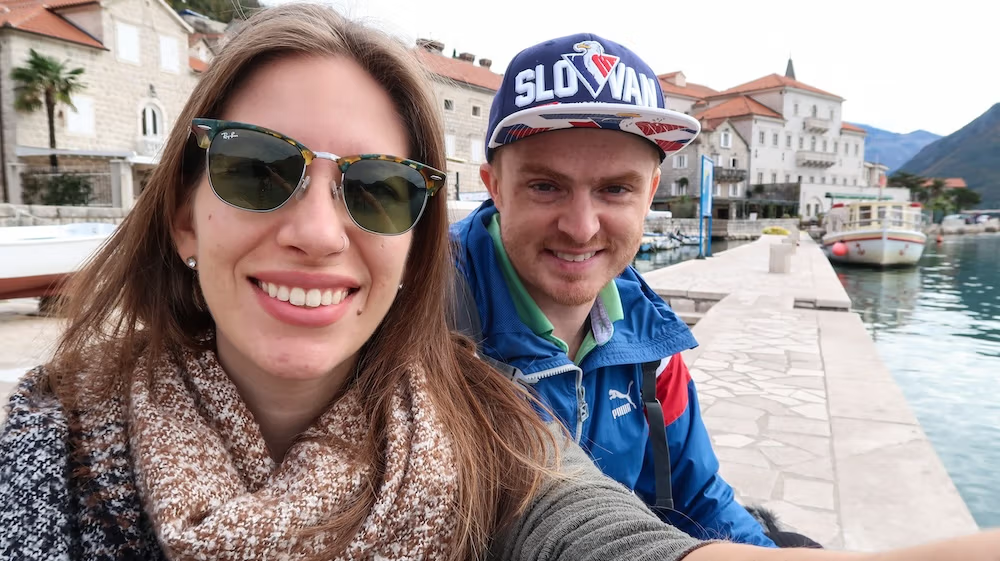
Our Travel Video From Perast, Montenegro on Samuel and Audrey YouTube channel: Nomadic Samuel + That Backpacker hosting
Why Perast?
This guide helps a range of travelers. Day-trippers from Kotor or cruise visitors wanting a quick look at Baroque churches. Couples seeking a romantic vantage of the bay. Families keen to explore an offbeat Montenegrin destination that’s easy to walk. Even backpackers looking for something quieter than Budva’s nightlife. If you crave scenic serenity, old architecture, and some maritime flavor, Perast is for you.
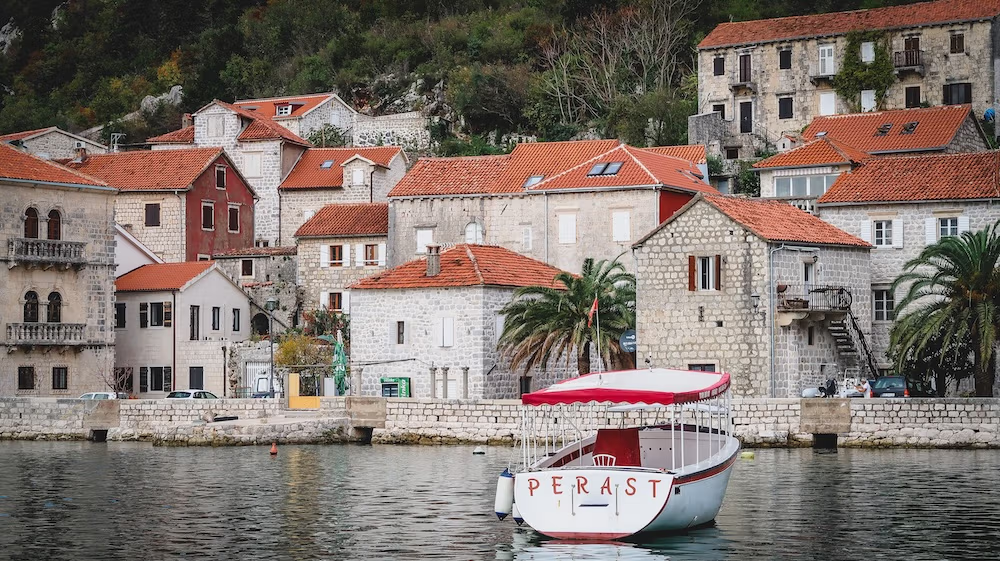
Imagine us chatting at a waterfront café, breezy air carrying the smell of fresh sea salt. We’d point out the stone bell towers across the bay, share quick bus tips, and highlight which island to skip if you’re short on time. We’ll keep it casual but thorough, zeroing in on both essential experiences and hidden corners. By the end, you’ll feel confident stepping off the bus with a plan to make the most of Perast’s tranquil vibe. Ready to discover the best things to do in this quaint town? Let’s dive in.
Perast Top Attractions and Best Places to Visit in Montenegro
Perast, nestled on the shores of the Bay of Kotor in Montenegro, is a captivating destination with a wealth of historical treasures and natural beauty. This enchanting town offers a harmonious blend of coastal charm and cultural heritage, drawing travelers with its allure. Let us guide you through Perast’s top attractions and best places to visit, inviting you to embark on a journey through time and discover the town’s remarkable allure.
One of Perast’s most iconic attractions is Our Lady of the Rocks (Gospa od Škrpjela), an ethereal islet floating on the bay’s turquoise waters. Steeped in legend and religious significance, this artificial island is adorned with a resplendent Baroque church. Step inside to be greeted by magnificent frescoes and a mesmerizing collection of votive silver plates, each a testament to the gratitude of sailors. Immerse yourself in the serene ambiance and let the spiritual aura of this sacred sanctuary envelop you.
Another jewel in the bay is St. George Island (Sveti Đorđe), exuding a tranquil charm and offering an opportunity for exploration. Wander amidst ancient olive groves and soak in the island’s peaceful ambiance. Ascend the steps leading to the 12th-century Benedictine monastery, where echoes of history resonate within its stone walls. From this elevated vantage point, behold the panoramic vistas of the bay and surrender to the captivating beauty of the surrounding landscape.
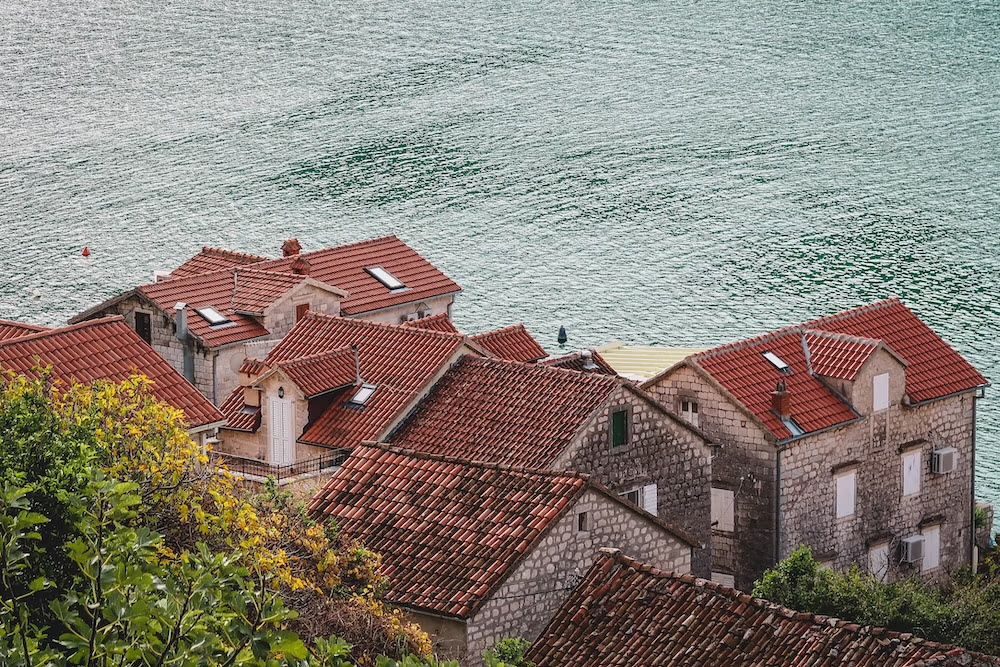
The heart of Perast lies within its Old Town, a maze of narrow cobblestone streets that transport you to a bygone era. Traverse this living postcard and immerse yourself in the town’s rich maritime history. Admire the grandeur of baroque palaces and noble residences, their ornate facades adorned with intricate stone carvings and decorative motifs. Each structure serves as a testament to the opulence and refined taste of Perast’s prosperous past. Discover hidden corners, quaint courtyards, and let the town’s architectural splendor unfold before your eyes.
Other Attractions
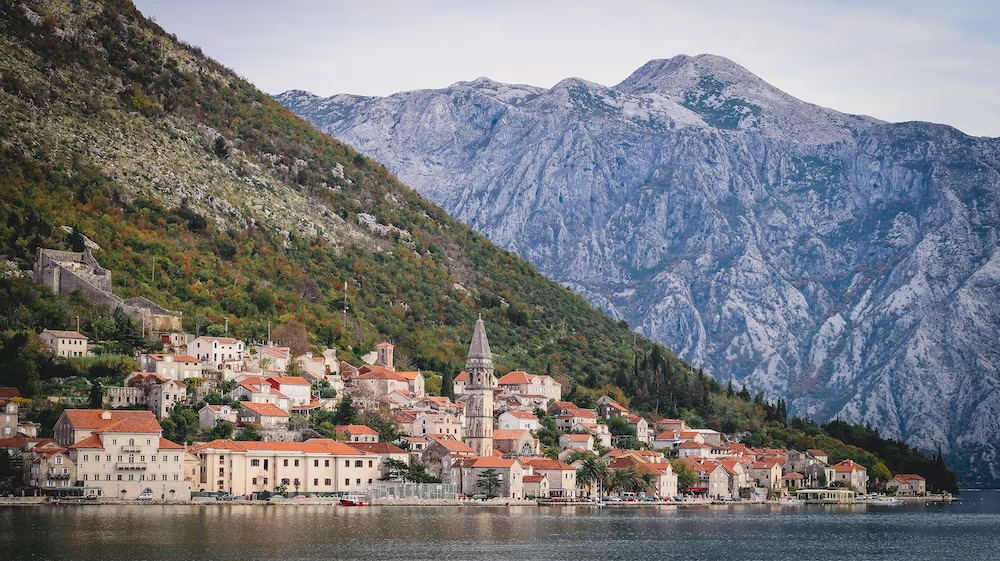
St. Nicholas’ Church (Crkva Svetog Nikole) graces Perast’s skyline, exuding an aura of spiritual devotion. Venture inside this striking Baroque edifice to behold stunning frescoes and an intricately adorned iconostasis. Ascend the bell tower for sweeping views of Perast and the bay, allowing the beauty of the surroundings to captivate your senses and stir your soul.
For a deeper understanding of Perast’s maritime heritage, visit the Maritime Museum. Delve into the town’s seafaring legacy through exhibits showcasing model ships, navigational instruments, and captivating tales of brave sailors who ventured into uncharted waters. Immerse yourself in stories of maritime triumphs and tragedies, gaining a profound appreciation for Perast’s pivotal role in the region’s naval history.
A leisurely stroll along Perast’s promenade is a must, offering idyllic vistas and a tranquil ambiance. Marvel at the breathtaking views of the bay, where the azure waters mirror the majestic mountains that encircle it. Take respite on one of the charming benches or indulge in a meal at a waterfront café, relishing the fresh sea breeze and the captivating scenery that unfolds before you.
Finally, no visit to Perast is complete without beholding its iconic bell towers. These elegant structures punctuate the town’s skyline and beckon you to ascend their steps. From the heights, embrace panoramic views of the bay, the red-roofed buildings, and the sparkling waters, creating a lasting impression of Perast’s enchanting beauty.
Perast invites you to delve into its historical treasures and embrace the timeless allure of the Bay of Kotor.
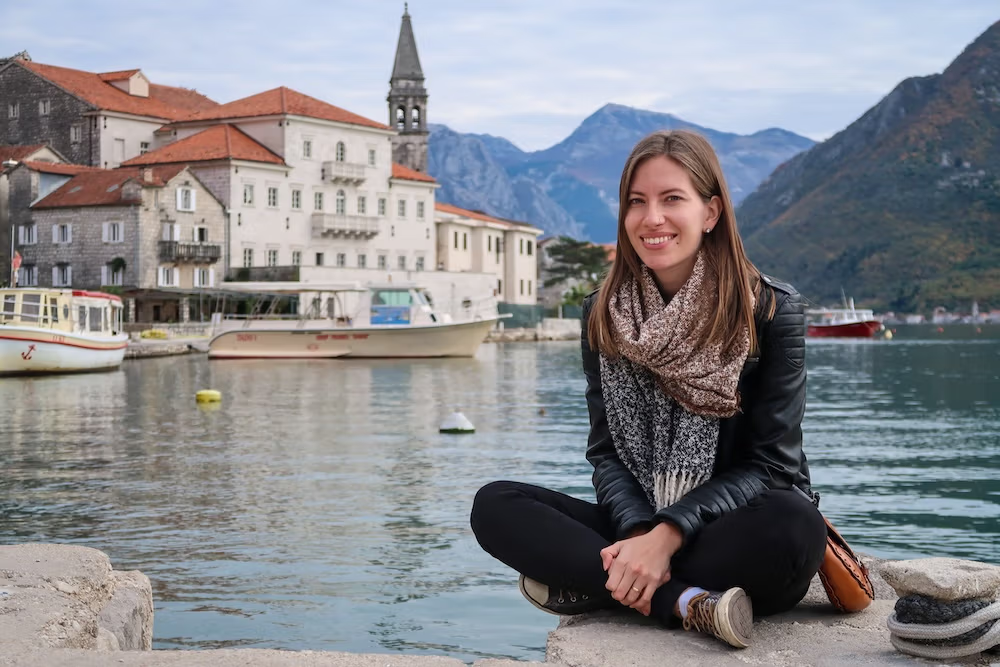
Top 10 Things To Do in Perast, Montenegro For Visitors
Below are 10 experiences you shouldn’t miss while in Perast.

1) Short Bus Ride from Kotor to Perast (1 Euro Each Way per Person)
This short bus ride is often the easiest way to reach Perast if you’re not driving. Hop on from Kotor’s main bus station, pay around 1 Euro, and settle in for a scenic 20-minute journey. The route hugs the Bay of Kotor, so you’ll glimpse endless blue water and dramatic mountains. Locals often use this same bus, giving a casual vibe to the trip. No fuss over timetables—buses run regularly, though double-check the final bus back if you’re day-tripping. Once you arrive, the bus usually stops right by the water, making your first Perast impression instantly picturesque.
- The bus can get crowded in peak season, so boarding early ensures a seat by the window.
- You pay the driver or conductor directly—have small change ready.
- Return schedules are typically posted at the small bus stop in Perast.
Tip: Time your ride to avoid midday scorching sun—morning or late afternoon rides often feel more comfortable and offer softer light for photos.
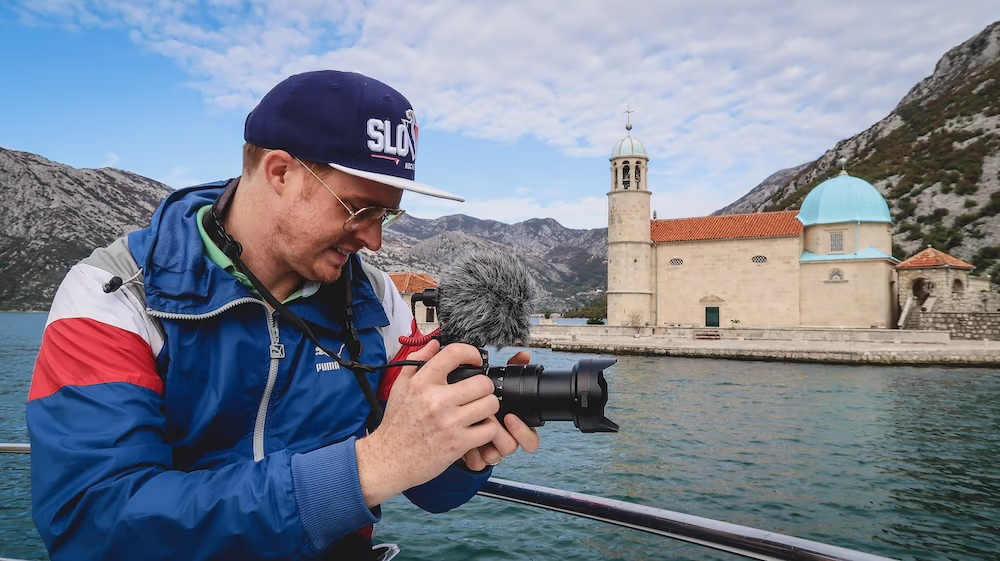
2) Return Boat Trip to the Islands (5 Euros per Person)
From Perast’s waterfront, you can hop on a small boat that ferries visitors to the iconic islets offshore. Our Lady of the Rocks is the main highlight, plus there’s Saint George’s Island (though not currently open to visitors). The boat trip itself is quick, under 10 minutes each way, costing about 5 Euros. The gentle bobbing of the vessel on the turquoise bay sets a serene mood. Many travelers call this one of the simplest yet prettiest boat rides they’ve taken in Montenegro. It’s an excellent break from strolling in the sun, letting you approach Perast’s skyline from the water.
- Boats depart when they fill up, so you might wait a few minutes if you’re early.
- Keep your ticket stub safe—some boat operators check it for the return journey.
- Pack a light jacket if it’s breezy, though summer’s often warm enough to go without.
Tip: Pay attention to return boat times so you don’t get stuck on the island if you’re on a tight schedule.
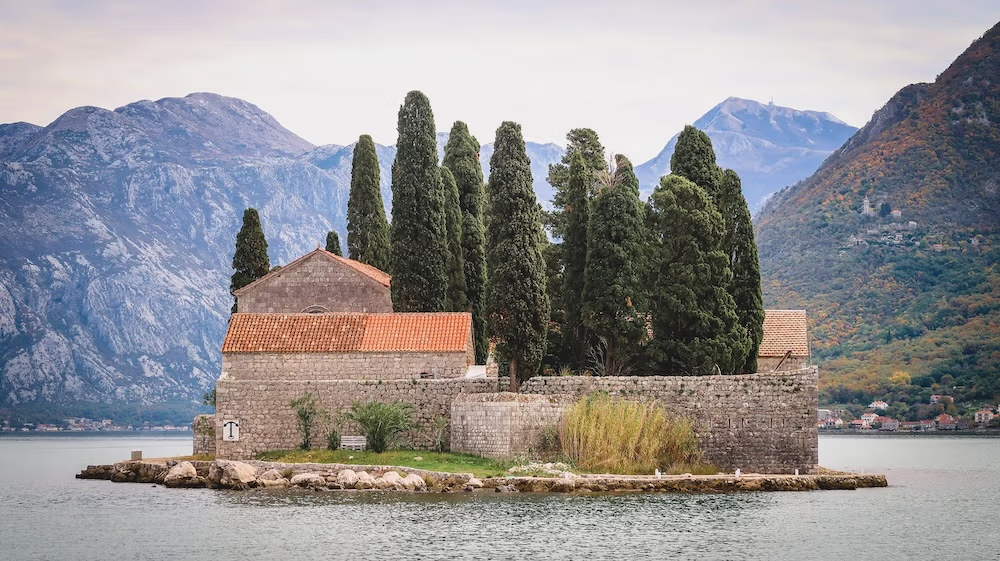
3) Island of Saint George (Ostrvo Sveti Đorđe) Not Available Right Now
Island of Saint George is visible from the shore, sporting tall cypress trees and a Benedictine monastery. Currently, it’s off-limits to public visits due to preservation efforts. Even so, it adds mystique to Perast’s seascape. Locals sometimes refer to it as the “Island of the Dead,” given its small graveyard and solemn aura. Tour boats circle around for a quick vantage, letting you snap photos of its dark green silhouette. The island’s reflective image on calm water is hauntingly beautiful.
- Historically, it was a retreat for monks, also a centuries-old burial site.
- Many postcards of Perast feature both islands side by side.
- You can appreciate it from Our Lady of the Rocks or from Perast’s waterfront.
Tip: Zoom your camera or binoculars to see details of the ancient monastery walls from a distance.
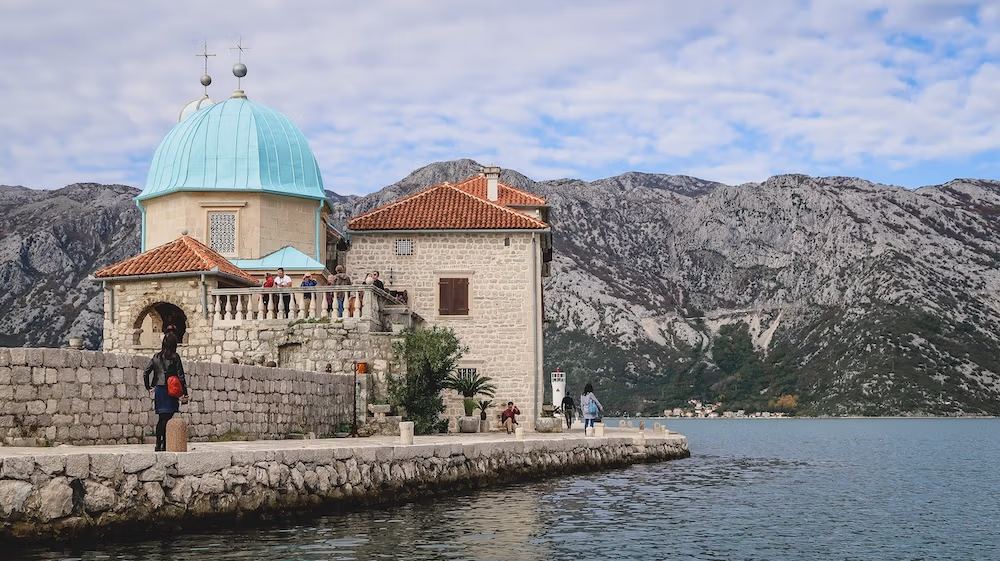
4) Our Lady of the Rocks Island (Gospa od Škrpjela)
This man-made island was created over centuries by local seamen dropping rocks in the bay, eventually building a foundation for the church and museum. Stepping off the boat, you’ll see the striking blue-domed chapel that’s become an icon of the region. Inside, centuries-old art and votive tablets reflect maritime faith and legends. A small museum houses various religious artifacts, historical paintings, and personal items donated by grateful sailors. The entire site carries a solemn atmosphere, showcasing local devotion and communal effort. Strolling around the perimeter walkway delivers mesmerizing views back toward Perast and the mountains.
- Entrance to the church is free, though the museum charges a small fee (usually a couple of Euros).
- Modest clothing is recommended inside—cover shoulders, avoid overly short skirts or shorts.
- Souvenir stands sell postcards, religious medals, and small local crafts.
Tip: Listen to a guide or read posted info in the museum—learning the island’s backstory elevates the experience beyond just pretty photos.
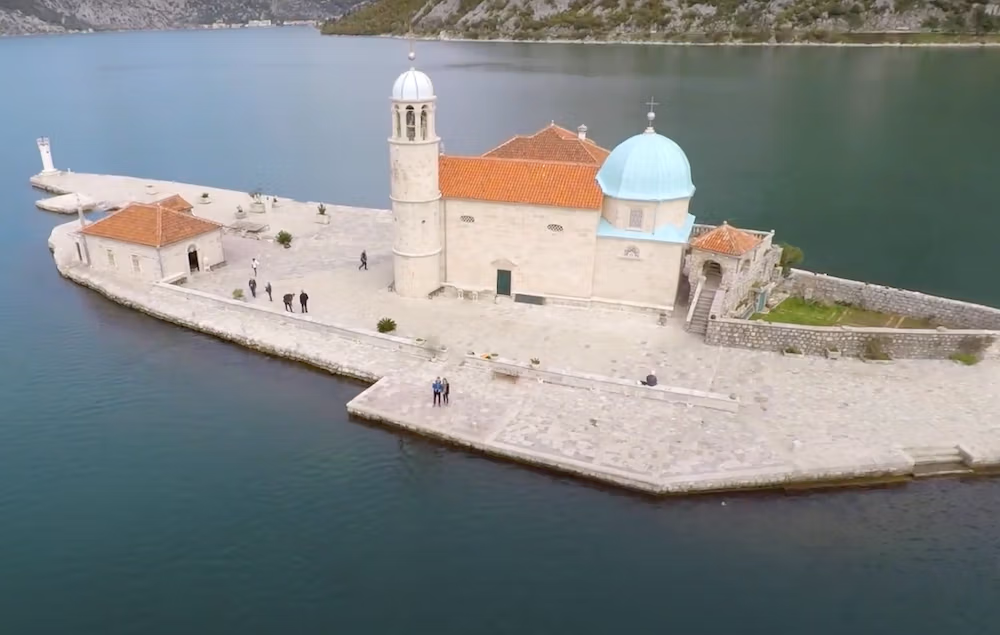
5) Church of Our Lady of the Rocks (Chiesa della Madonna dello Scarpello)
Though some treat it interchangeably with the island, the Church of Our Lady of the Rocks deserves its own mention. Inside, you’ll find Baroque detail, golden altars, and intricate paintings by Balkan and Italian masters. The main altarpiece, by Lovro Dobričević, depicts the iconic Virgin and Child scene. Soft light filters through narrow windows, highlighting old wooden pews and the faint scent of incense. A side chapel holds silver plates that seamen offered as thanks for safe returns. It’s a tiny but richly decorated space that surprises many first-time visitors with its artistic depth.
- Morning hours see fewer tourists, allowing a quieter appreciation.
- Photographs inside might be restricted—ask permission if you’re uncertain.
- Donations help maintain the church’s upkeep and historical artwork.
Tip: Take a moment of silence to absorb the centuries of maritime faith and gratitude embedded in those walls.
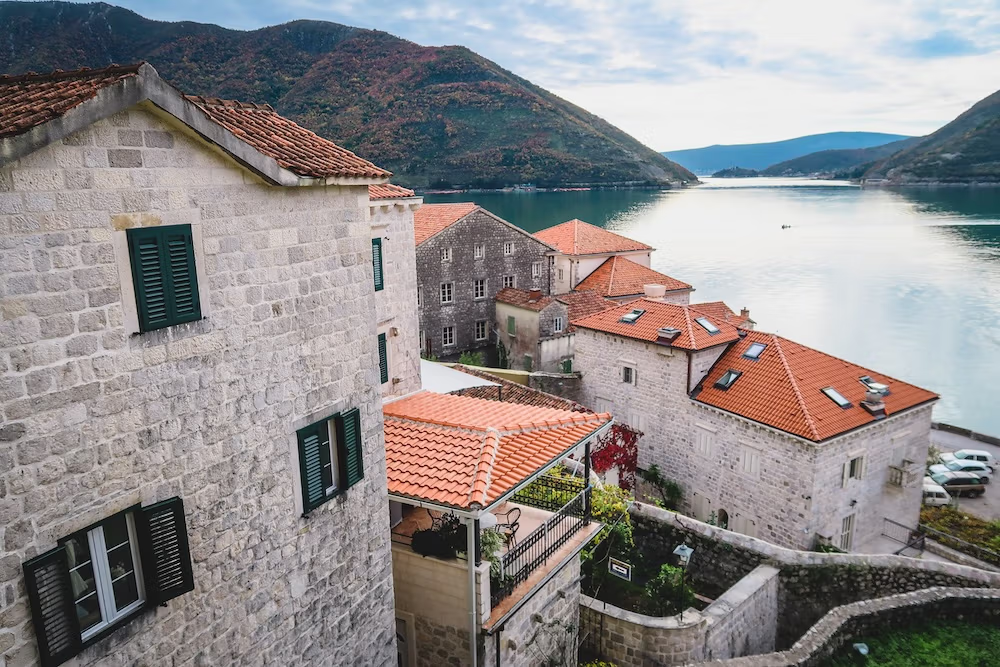
6) Wandering Around Perast & Eating at Armonia Perast Restaurant
Perast’s main street runs along the waterfront, dotted with stone palaces, small churches, and inviting cafes. Wandering here feels like stepping back in time—a single narrow lane with heritage buildings on one side, the shimmering bay on the other. Fishing boats drift, while seagulls circle overhead. Every few steps, you might spot a centuries-old emblem or carved inscription hinting at the town’s Venetian ties. Armonia Perast is a cozy place to pause for lunch or dinner, offering pasta, seafood, cake, and coffees. The terrace overlooks the bay, letting you dine on fresh catch while the sea breeze cools your face.
- Armonia’s menu includes classic Montenegrin-inspired seafood plus Italian pasta influences.
- For dessert, their cake selection changes but often features local fruits or creamy European-style sweets.
- Prices can be slightly elevated—it’s a prime waterfront location.
Tip: Ask for a table outside—the panoramic bay and mountain backdrop turn a simple meal into a scenic feast.
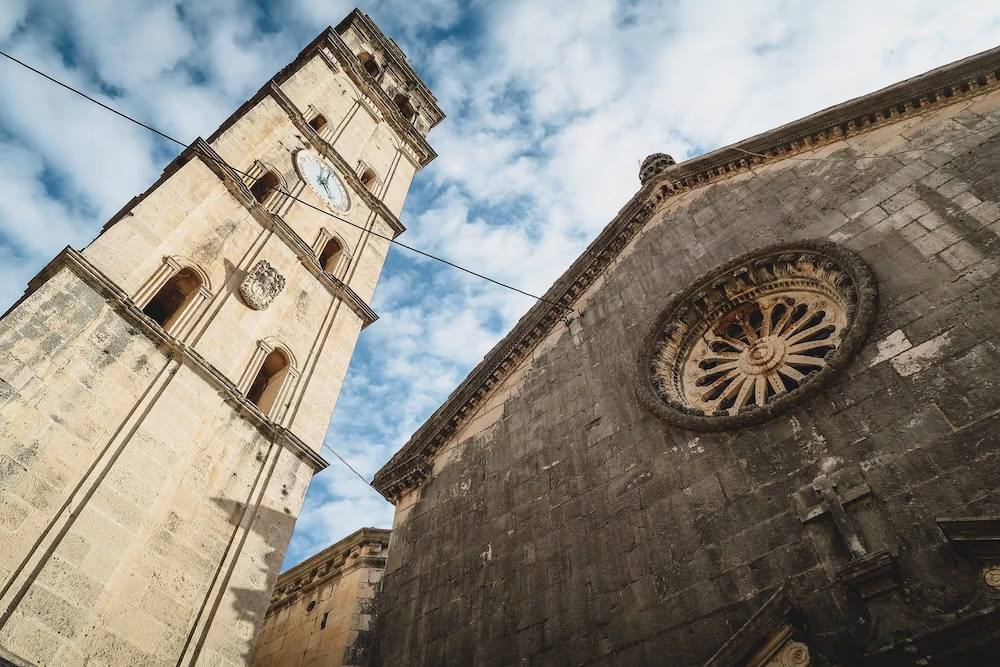
7) Climb the Bell Tower at St. Nikola Church
Another gem in Perast is St. Nikola Church, standing tall with its imposing bell tower. Climbing the steep steps leads to a vantage that sweeps across the red-tiled roofs and shimmering Adriatic. The bells themselves are massive, historically rung to warn or celebrate maritime events. Down below, the church’s interior is modest but offers pockets of artistry and quiet reflection. Locals claim the tower is one of the tallest in the Bay of Kotor region. The slight workout to ascend is worth every huff once you see the panoramic reward.
- Entry fees might apply—usually a couple of Euros.
- The tower staircase can be narrow, so yield if others are descending.
- Best lighting for photos is late afternoon, capturing golden hues over the bay.
Tip: Hold onto the railing—heights can feel dizzying, especially near the top where the wind picks up.
8) Explore the Museum of Perast (Located in the Bujovic Palace)
Museum of Perast sits in an elegant Baroque building known as Bujovic Palace. Inside, artifacts detail Perast’s seafaring legacy: old uniforms, maps, model ships, and family portraits from noble lineages. Each room reveals how Perast thrived under Venetian rule, forging a maritime tradition that shaped local identity. A small courtyard offers glimpses of the structure’s refined architecture. It’s not huge, but the curation and sense of history are strong. Spending an hour here fleshes out the stories behind the quiet streets outside.
- Audio guides or English explanations might be limited—read signboards carefully.
- Exhibits include old navigational instruments and maritime relics.
- The palace’s balcony view is another photo-worthy angle of the bay.
Tip: Check opening hours—they can be shorter in low season, so confirm times before heading over.
9) Swim or Sunbathe on the Small Stone Beaches
Though Perast doesn’t boast large sandy stretches, a few small stone beaches let you dip in the clear waters. They’re often nestled behind stone walls or near jetties, so keep an eye out. Swimming here is refreshing, especially after exploring in the summer heat. The water is typically calm, with minimal waves—perfect for floating or a mild snorkel. Smooth pebbles may require water shoes if you’re sensitive. Sunbathing on a towel, you’ll have a front-row seat to passing boats and the dramatic mountains.
- Bring footwear to avoid sharp stones or sea urchins.
- Some areas are near private palaces—ensure public access is allowed.
- Early mornings offer solitude; afternoons might see day-trippers from Kotor.
Tip: Carry a small bag with a cover-up, sunscreen, and water since amenities are limited on these tiny beaches.
10) Try Local Pastries & Gelato
Though Montenegrin sweets aren’t as famed as Italian or French, Perast has a few spots selling fresh pastries and gelato. Walk along the waterfront, and you’ll spot glass counters brimming with pastel-hued scoops: flavors from classic vanilla to inventive local fruit fusions. Pastries might include Balkan burek with sweet fillings or croissants with jam. Pair them with a chilled drink or coffee for a mid-afternoon treat. Savoring these treats while gazing at bobbing boats is a simple joy. Let each bite remind you that sometimes, small indulgences make the best memories.
- Gelato stands usually open midday until late evening.
- Prices can be a bit higher given the tourist footfall—still worth it for the taste.
- Some shops experiment with local honey or dried figs, so ask about seasonal specialties.
Tip: Explore side streets—occasional bakeries or small convenience stores might have unique sweet surprises.
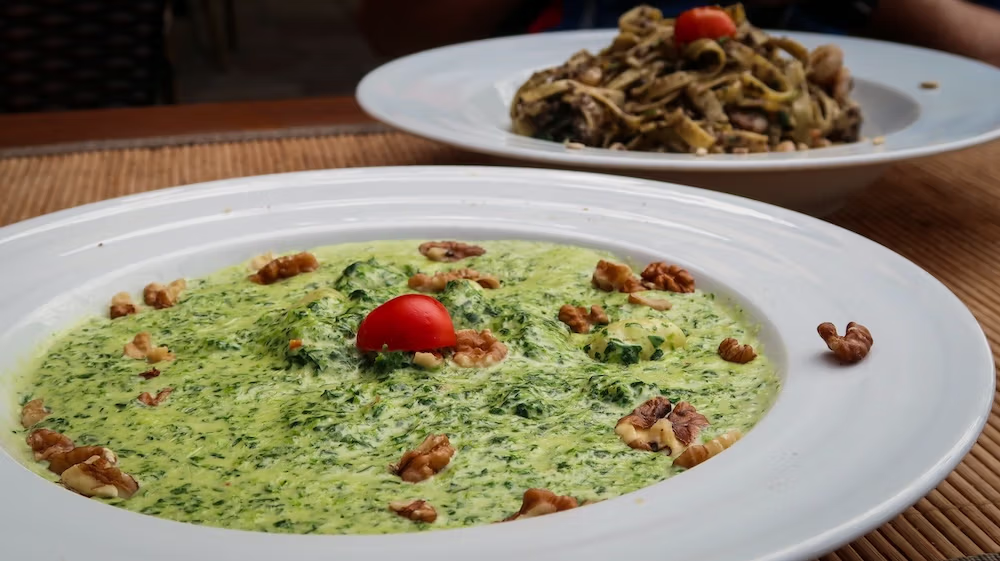
What To Eat and Drink in Perast, Montenegro
Perast’s cuisine straddles Mediterranean influences with a Montenegrin twist. You’ll find things to do revolve around fresh seafood, local produce, and a dash of Italian flair. Here’s a quick gastronomic breakdown:
Seafood by the Bay
Being a coastal town, seafood is king in Perast. Catch-of-the-day fish often arrives straight from local fishermen. Grilled sea bream or sea bass with olive oil, lemon, and herbs is a staple. Squid, mussels, and octopus also appear on many menus, sometimes in rich tomato-based broths. The taste is fresh, lacking complicated sauces, focusing on the natural briny flavor. Pair a fish dish with local white wine for that perfect maritime meal.
- Some restaurants charge by weight for fish—ask the price first.
- Try black risotto (cuttlefish ink) if you want something distinct.
- Seafood stew or “buzara” (mussels in wine sauce) can be a hearty lunch portion.
Balkan Grills & Meat Dishes
Though overshadowed by seafood, Montenegrin meat dishes shine, too. Ćevapi (minced meat sausages) appear on some menus, served with onions and bread. Lamb or pork roasts are common in the region, though perhaps less typical in Perast’s smaller restaurants. If you’re craving something robust, ask for a Balkan grill platter—a mix of sausages, grilled peppers, and salads. Look out for local cheese or kajmak (creamy dairy spread) to accompany the meats. Such dishes reflect Montenegrin heritage beyond the coastal influence.
- Meat portions can be generous—share if your appetite is smaller.
- Ajvar, a roasted pepper spread, often pairs well with grilled meats.
- Grilled vegetables, like eggplant or zucchini, lighten a meaty plate.
Italian Fusion
Due to historical Venetian ties, Italian elements pop up in Perast’s kitchens. Pastas with seafood, risotto, and pizzas might appear on menus. Chefs integrate local olive oil, Montenegrin herbs, or Adriatic-sourced shrimp into these Italian staples. For a comforting bite, you can’t go wrong with a tomato-based spaghetti di mare or a creamy seafood risotto. The cross-pollination of Mediterranean flavors means you get high-quality versions of these classics. Great for those who want variety beyond fish fillets.
- Some restaurants label dishes in Italian or English—don’t be shy to ask for clarification.
- Pizza might be thinner, neapolitan style, or a local variant with Balkan cheese.
- White wines like Vranac (though red) or Krstač pair nicely with these fusion items.
Local Drinks & Wines
Montenegro has a growing wine scene. Whites like Krstač or reds like Vranac show the region’s potential. A glass of local rakija (fruit brandy) might appear as a welcome or digestif. For lighter options, enjoy local beers—Nikšićko is a classic brand. Montenegrin coffee is typically strong, espresso-based, though you’ll find cappuccinos too. If you enjoy sweet liquors, some shops sell honey rakija or walnut-infused spirits.
- Wine lists vary: some high-end restaurants carry premium Montenegrin bottles.
- Pair white fish with crisp white or rosé for a refreshing match.
- Rakija can be potent—sip, don’t gulp.
Sweet Treats
Dessert seekers find simpler fare: gelato, fruit tarts, or crepes drizzled with chocolate. Local pastries might include sweet baklava-like layers or honey-laden cookies. Occasionally, restaurants do a decadent chocolate cake with espresso on the side. The vibe is more European café than a distinctly Balkan sweet tradition. Nonetheless, a sugar fix with a scenic bay view hits the spot.
- Some places serve local honey with bread—taste the difference from mass-produced honey.
- If you see “priganice,” they’re fried dough balls often dipped in jam or honey.
- Fresh fruit is widely available in summer—peaches, apricots, grapes.
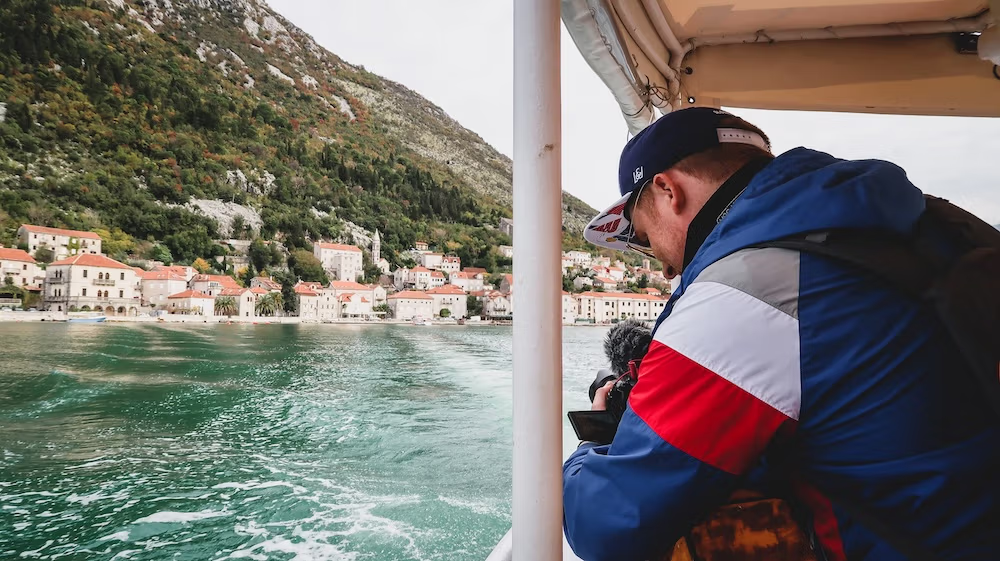
Tours For Visitors To Perast, Montenegro
Exploring things to do in Perast often means short visits from Kotor or self-guided strolls. But a handful of tours can spotlight hidden angles or simplify logistics. Check these options:
1) Combined Kotor Bay Boat Tour
One popular route is a Kotor Bay boat tour that includes Perast. Operators pick you up from Kotor’s main pier, stopping at Perast for an hour or two. Then, they might circle the bay to see other towns or the Blue Cave further down the coast. It’s a relaxed way to see multiple highlights in a single outing. You’ll get historical commentary from guides, plus the chance to jump into crystal waters when the boat halts. Perfect if you want a wide lens on the entire bay.
- Some tours provide free drinks or basic snacks onboard.
- Check if they dock at Our Lady of the Rocks for direct island access.
- Group sizes vary—smaller boats might offer a more intimate vibe.
Tip: Bring swim gear—these trips often pause for a quick dip in turquoise spots.
2) Perast & Our Lady of the Rocks Half-Day Excursion
If you only want to focus on Perast and its islands, half-day tours from Kotor or Tivat exist. They shuttle you by mini-van or boat directly to Perast. A guide leads a walking tour around the narrow waterfront, highlighting the Venetian palaces and local legends. Then you hop onto a short boat ride to Our Lady of the Rocks, exploring the church and museum. By lunchtime, you’re typically free to grab a meal or wander before returning. Simple, efficient, no fuss about scheduling boats or waiting for buses.
- Some tours incorporate an optional stop at a quaint local winery or scenic overlook.
- Schedules often revolve around morning or late afternoon to avoid midday heat.
- Guides typically speak English, but confirm if you need another language.
Tip: Book ahead in peak summer—these half-day tours can fill with day-trippers from cruise ships.
3) Private Walking Tour in Perast
For a deeper historical angle, hire a private walking guide in Perast. They’ll show you hidden architectural details—like coats of arms on old captains’ mansions or subtle inscriptions on church walls. You can ask as many questions as you like, from local traditions to personal anecdotes. The pace is flexible: linger over museum exhibits or climb a bell tower without rushing. This suits history buffs or travelers who crave one-on-one depth. The cost can be worth it if you’re a detail-oriented wanderer.
- Negotiating a rate is possible—some guides are freelance, others tied to agencies.
- If you have specific interests, mention them so they tailor the route.
- Be mindful if you want to include island visits—arrange boat tickets as well.
Tip: Start early—cool morning hours make walking tours more pleasant under the Mediterranean sun.
4) DIY Self-Guided Audio Tours
If you dislike group tours or time constraints, DIY audio tours can be downloaded onto your phone. Some might be free, while others cost a small fee. You play each segment as you stand before a palace, church, or vantage point. It’s an on-demand approach: skip parts that bore you, replay sections you enjoy. Great for traveling at your own speed without missing key facts. Minimal personal interaction, though.
- Earphones are handy to hear details clearly near street traffic or boat engines.
- Double-check your phone battery—nobody wants a mid-tour shutdown.
- Some audio guides integrate maps, so watch for geolocation instructions.
Tip: Combine with a local snack—pause your audio at intervals to sample pastries or coffee along the waterfront.
5) Sunset or Evening Photowalk
Photo enthusiasts may find specialized sunset photowalk tours around Perast. A local photographer helps you pick vantage points for optimum golden-hour lighting. They share tips on composition, camera settings, or capturing silhouettes of stone buildings against a flaming sky. Strolling from one corner to the next, you’ll gather an album’s worth of dreamy images. If your phone or DSLR is ready, you’ll appreciate insider tips on perfect boat reflection angles. The magic of dusk in this setting can’t be overstated.
- Some tours last 2 hours, finishing once night fully settles.
- Tripods can help, though casual shooters might manage with a steady hand.
- Participants range from novices to advanced shooters—everyone’s welcome.
Tip: Check weather forecasts—overcast or rainy evenings might dull the effect, though moody clouds can add drama.
Practical Tour Tips
- Booking: Many tours can be arranged in Kotor or online. Some walk-ins are possible, but better to confirm.
- Language: English is standard; ask if you need Italian or another language.
- Group Size: Smaller groups often mean deeper engagement and less waiting around.
- Refunds: Weather can cancel boat tours—understand your operator’s policy.
- Budget: Compare prices. Some tours overcharge, so do a quick second opinion if it feels high.
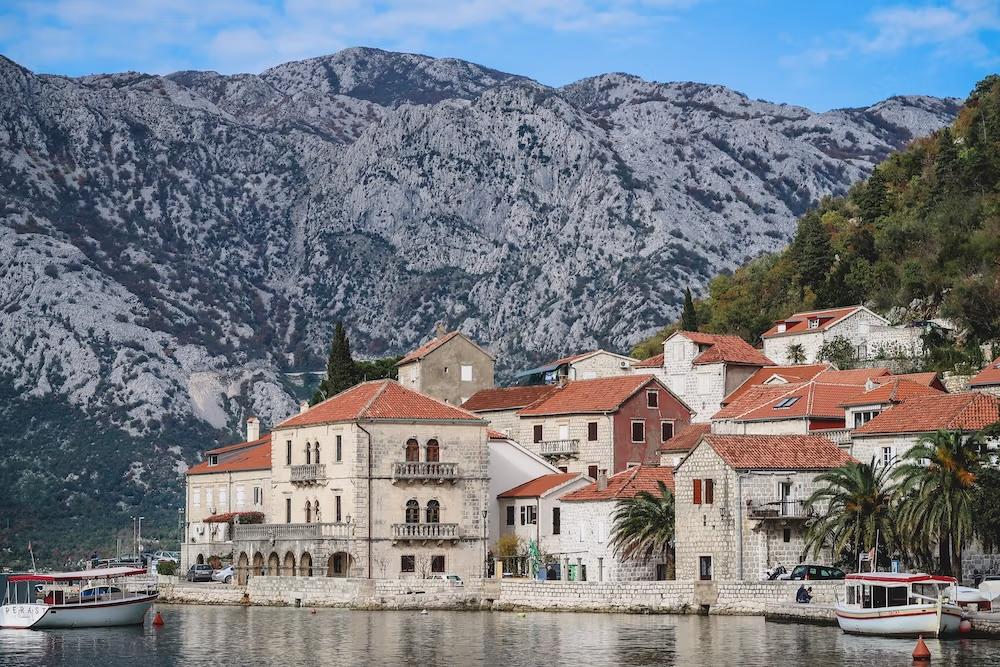
Perast Accommodations Guide: Hotels, Guesthouses and Hostels
Though compact, Perast offers a few things to do for overnight stays—cozy waterside inns, renovated heritage homes, or small guesthouses. Here’s a breakdown:
Boutique Waterfront Hotels
Perast’s prime real estate lines the shore, so boutique hotels with sea-facing balconies feature heavily. Housed in centuries-old stone villas, they radiate charm: original stone walls, wooden beams, and modern touches. Waking up to bay views from your window is magical. Hotel staff often provide personalized tips or help arrange boat transfers. Rates can be higher, but the location and ambiance compensate. Ideal for couples wanting scenic romance or travelers valuing convenience.
- Breakfast might include fresh pastries, local cheese, and Montenegro’s cured meats.
- Some hotels operate a private pier for direct boat pickups.
- Check if they have an on-site restaurant for dinner with bay panoramas.
Tip: Book early—there aren’t many such properties, and peak season sees them filled quickly.
Stone Guesthouses & BnBs
If you prefer a homier vibe, guesthouses inside stone houses line Perast’s back lanes. Rooms might be simpler than a boutique hotel but still carry that old Venetian charm. Warm hosts could greet you with local rakija or tips on hidden churches. You’ll likely share a courtyard or small garden with other guests. The cost is moderate, bridging comfort and authenticity. Great if you want a restful sleep and personal interactions with Montenegrin families.
- Some owners speak limited English but communicate warmly through gestures.
- Ask about shared kitchens or private bathrooms before booking.
- Potential street noise if near the main promenade, but nights are usually calm.
Tip: Consider emailing your host in advance for easy arrival instructions—some places lack big signage.
Rentals & Apartments
Though not as abundant as in bigger towns, you might find apartment rentals in Perast. This suits families or groups wanting space to cook, lounge, or do laundry. Interiors vary—some newly renovated with modern kitchens, others keep a rustic stone aesthetic. You’ll have freedom to set your own schedule. Perfect for longer stays or travelers who love local markets to cook dinners. The flip side is you might be a short walk uphill from the waterfront.
- Clarify if parking is included—Perast restricts car access near the promenade.
- Some rentals provide a private terrace with lovely bay vantage points.
- Check if they supply basics like cooking utensils, dish soap, etc.
Tip: Browse well-known rental platforms for reviews—this helps avoid surprises on location or cleanliness.
Budget & Hostel Options
Perast doesn’t offer the typical “backpacker hostel” scene like bigger coastal towns. If you’re on a tight budget, consider day-tripping from Kotor’s cheaper hostels or snagging a lower-cost guesthouse room. A few local places might label themselves as “hostels,” but they’re more akin to modest BnBs with shared dorms. Perfect if you’re flexible and want to stay within Perast to enjoy evening calm after day crowds leave. Just confirm you won’t be left isolated at night with no staff around.
- Check if any 1-star or 2-star hotels run seasonal dorm rates.
- Investigate if the property is well-located; walking uphill in dark can be tricky.
- Some travelers find Perast more a day trip than a budget overnight hub.
Tip: Combine a Kotor stay with a full day in Perast if minimal lodging in Perast meets your budget or style.
Parking & Access
Note, Perast’s main promenade is mostly pedestrian, with strict parking rules. If driving, you may need to park in designated areas outside the town center. Some hotels hold special passes or have private spots. Double-check to avoid fines or towing. If you plan to come and go often by car, consider the location carefully.
- The main paid parking lot sits at the entrance to Perast.
- Hotels might reimburse your parking fees or provide a day pass.
- Luggage can be walked in—few minutes from parking to most accommodations.
Our Travel Video From Kotor, Montenegro on Samuel and Audrey YouTube channel: Nomadic Samuel + That Backpacker hosting
Day Trips From Perast, Montenegro
Though Perast enchants as a quiet base, day trips reveal broader Montenegrin treasures. If you have extra time, here are prime things to do beyond the immediate town:
1) Kotor Old Town & Bay Cruise
Only 20 minutes by bus, Kotor is a historical gem walled by steep mountains. Spending a day wandering its narrow lanes, exploring cathedrals, and climbing the fortress feels essential. You can also hop a Bay of Kotor cruise, gliding past Perast from another angle. The synergy of medieval architecture, bustling squares, and coastline is mesmerizing. If you crave city energy after Perast’s stillness, Kotor offers shops, restaurants, and cultural events in a lively package.
- The fortress climb (over 1,300 steps) yields epic bay panoramas.
- Kotor’s maritime museum reveals centuries of seafaring stories.
- The old town brims with cafes—sample local pastries or gelato.
Tip: Check cruise timings—some last a few hours, hitting Our Lady of the Rocks again if you missed it.
Our Travel Video From Budva, Montenegro on Samuel and Audrey YouTube channel: That Backpacker + Nomadic Samuel as hosts
2) Budva for Beaches & Nightlife
Budva, about an hour’s drive from Perast, boasts lively beaches, a medieval old town, and a party vibe. The Riviera’s golden sands attract sun worshippers, while the walled town draws history buffs. By evening, bars and clubs rev up, making it a nightlife hotspot. A day trip might involve midday beach relaxation, a quick old town stroll, then an early dinner. It’s a striking contrast to Perast’s hush—come if you want to switch up your day’s energy. Return to Perast for quiet nights once you’ve had your fill of the bustle.
- Mogren Beach or Jaz Beach stand out for scenic coastal stretches.
- Budva’s old town is smaller than Kotor’s but still photogenic.
- Traffic can be heavy in peak summer—go early to find parking.
Tip: Carry flip-flops—Budva’s beaches might have small pebbles or very hot sand.
3) Lovćen National Park & Mausoleum
For mountain lovers, Lovćen National Park beckons beyond the bay’s rim. Twisty roads ascend to high altitudes, culminating at the Njegoš Mausoleum. The final steps require a short tunnel climb, but the panoramic vantage is epic—bay glimpses on one side, inland Montenegro on the other. The mausoleum itself honors a revered Montenegrin ruler and poet, Petar II Petrović-Njegoš. A day trip here tests your driving nerves if you rent a car, but views are worth every curve. Enjoy crisp air and the striking sense of Montenegro’s wild interior.
- Bring a jacket—mountain winds can be brisk, even in summer.
- Entry fees apply to the park and mausoleum, so keep small change.
- Lovćen has hiking trails if you want more than just a quick peek.
Tip: Combine with a stop at scenic viewpoint roads like the Serpentine Road for iconic photos of Kotor Bay.
4) Herceg Novi & Blue Grotto
Herceg Novi, near the bay’s entrance, offers a Mediterranean flair with fortresses and palm-lined promenades. You can catch a boat to the Blue Grotto, a sea cave famed for its glowing azure waters. Swimming inside is a highlight—sunlight refracts through the opening, painting the cave walls an electric blue. Herceg Novi’s old town has stairways connecting squares, a mild workout but scenic. This route is more of a full-day excursion, especially if you add boat time.
- Some boat tours from Kotor pass by Herceg Novi, but direct bus connections exist.
- The Blue Grotto is best visited midday for maximum light effect.
- Bring snorkel gear if you love peering under water.
Tip: Check wave conditions—if the sea is rough, entering the grotto might be canceled.
5) Ostrog Monastery Pilgrimage
Though 2+ hours away, many travelers consider Ostrog Monastery a spiritual anchor in Montenegro. Carved into a vertical cliff, it’s a significant Orthodox pilgrimage site. White walls blend with jagged rock, radiating a mystical vibe. Visitors can pay respects, see relics of Saint Basil, or quietly reflect. The drive from Perast or Kotor is longer, so an early start is key. If you seek cultural depth and don’t mind some winding roads, Ostrog stirs awe.
- Dress modestly—long pants, covered shoulders.
- The upper monastery requires climbing, but a lower segment is easier for mobility-limited visitors.
- Expect crowds on weekends or religious holidays.
Tip: Combine with a scenic route—some tours pass through Podgorica or other towns for a fuller day experience.
Day Trip Logistics
- Transport: Buses link some nearby towns; for distant spots, rent a car or join organized tours.
- Time: Start early to beat crowds. Montenegrin roads can be slow or congested in high season.
- Packing: Water, snacks, hat, camera—these are basics for all day trips.
- Entrance Fees: Always carry some Euros in small bills; many sites prefer cash.
- Weather: Summer heat can be intense—sunscreen is non-negotiable, plus layering for cooler mountain spots.
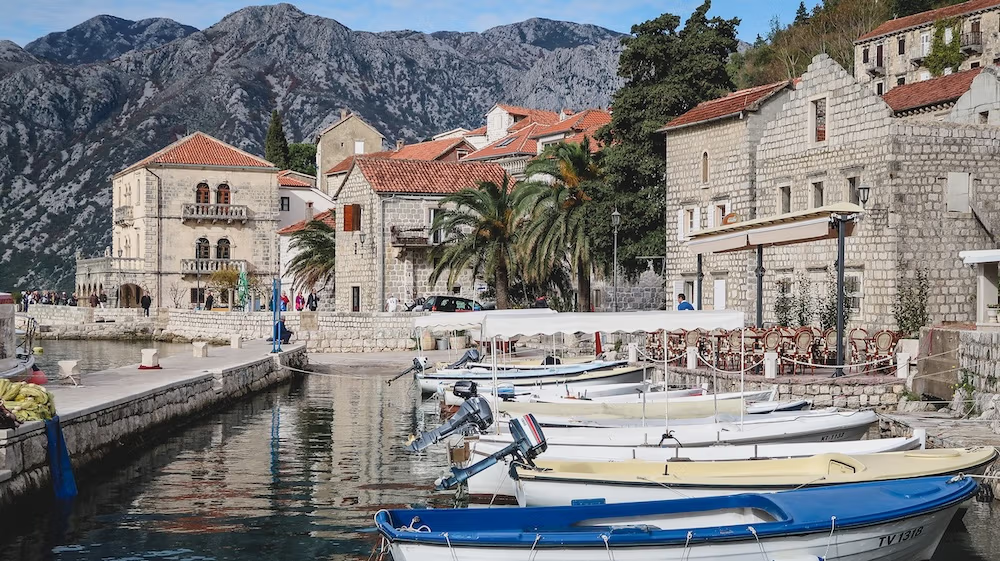
Perast Transportation Guide
Navigating Perast’s things to do is straightforward due to its small scale. But you may have questions about arriving, parking, or local transit. Here’s how to move around:
Arriving by Bus
Public buses from Kotor or Risan pass through Perast daily, making short stops along the main road. The fare from Kotor is roughly 1 Euro each way, and the ride lasts about 20 minutes. This route hugs the bay, offering scenic glimpses. Pay the driver on board, but keep small change on hand. Once you hop off near Perast, the waterfront is just steps away. An easy, budget-friendly method if you’re not renting a car.
- Bus schedules can be approximate—arrive early at Kotor’s bus station.
- Buses get busy in peak season; consider mid-morning or mid-afternoon to avoid crowds.
- The return bus to Kotor also picks up at the same Perast stop across the street.
Tip: Check the final bus time to avoid missing the last ride, especially if you stay late for sunset.
Arriving by Car
If you have a rental car, be aware that Perast’s waterfront is mainly pedestrian-only. You’ll find a large parking area at the town’s entrance for a small fee, typically a few Euros for a day. You can’t drive through the main promenade—only residents and supply vehicles are allowed. Once parked, you walk or shuttle by golf cart (if available) to your hotel or the waterfront. Plan to keep your car in that lot, especially during peak hours.
- The parking lot can fill up fast in summer—arrive early or late to secure a spot.
- Double-check your parking ticket expiry to avoid fines.
- Some boutique hotels might have a guest pass for certain spaces—ask in advance.
Taxis & Private Drivers
Taxis are rarer in Perast. If you hail one from Kotor, it might cost more than a simple bus ride. Private drivers can be arranged for day trips or to connect you from the airport. This option is pricier but offers door-to-door convenience. Ideal if you have heavy luggage or want a direct route without bus schedules. Negotiate or confirm a fixed rate before starting the journey.
- Taxis might not linger in Perast, so pre-book if you need a return.
- Some drivers speak limited English, so have addresses or hotel names written.
- Payment in Euros is standard, but confirm if card payments are accepted.
Boats to Islands
For quick hops to Our Lady of the Rocks or sightseeing around the bay, you’ll find small boat operators at Perast’s pier. They run on demand, typically waiting until a few passengers gather. A round trip to the island is around 5 Euros per person. The crossing is short and scenic. In peak times, lines can form, but multiple operators exist, so you rarely wait long.
- Keep your ticket for the return leg.
- If you want a private ride or extended bay tour, negotiate a separate fare.
- Mornings see calmer waters—less rocking if you’re prone to seasickness.
Getting Around Perast Itself
Walking is the main mode within Perast. The waterfront lane is entirely walkable, with stone buildings, cafes, and churches close together. All major sights—museums, churches, small beaches—can be reached on foot. If you’re staying on a hillside lodging, you might have steps or a short incline. That said, the entire town is compact, so you’ll rarely need motorized transport. Perfect for leisurely strolls under the Mediterranean sun.
- Wear comfy shoes—some stones can be slippery or uneven.
- Bring water in hot months, as you may be more exposed to direct sun.
- The main promenade has benches for rest or admiring boat traffic.
Practical Tips
- Schedule: Buses run roughly hourly between Kotor and Perast—verify timetables at the bus station.
- Car: If driving from other parts of Montenegro, factor in winding bay roads—travel might take longer than distances suggest.
- Eco-friendly: Perast’s small scale encourages minimal car use—walk or boat whenever possible.
- Season: In high season, buses or parking can overflow with tourists. Start early or visit off-peak.
- Language: Drivers and boat operators might speak limited English, but “Perast” is a universal name—they’ll understand your route.
Perast Trip Planning Questions Answered: Practical Visitor Tips, Local Advice & First-Timer FAQs
How many days do you really need in Perast, and should you stay overnight or just do a day trip from Kotor?
It depends. If you’re tight on time, you can absolutely see Perast’s highlights (waterfront, islands, a bell tower climb, a leisurely meal) in half a day from Kotor. With a full day, you can slow the pace, swim, linger over lunch, and enjoy golden hour along the bay. An overnight stay is a different vibe altogether: the town empties after day-trippers leave, and you get quiet mornings and starry evenings almost to yourself. My usual suggestion is: half a day if you’re racing through Montenegro, a full day if you like to wander and photograph, and one night if “slow bay life” sounds dreamy rather than boring.
What is the best time of year to visit Perast and the Bay of Kotor?
Sweet spot: late spring and early autumn. May–June and September–early October usually bring warm but not scorching temperatures, clearer skies, and fewer cruise crowds. Summer highs in Perast hover around the high 20s °C (around 28°C / 82°F in August), which can feel intense on the stone promenade. Winters are much cooler (around 9–14°C / 48–57°F), with some businesses on reduced hours and more unsettled weather, but you gain moody bay views and near-empty streets. Shoulder seasons strike the best balance between comfort, open services, and atmosphere.
Is Perast too small to justify more than a few hours?
Nope. Perast is small, but it’s layered. Yes, you can blitz through in two or three hours and tick off “Our Lady of the Rocks + quick stroll,” but you’ll miss the simple pleasures: sitting at a café watching the light move across the bay, poking around side alleys, swimming off a little stone beach, or visiting the museum without rushing. If you’re the kind of traveler who likes to keep moving constantly, a half-day might be enough. If you enjoy slow travel and photography, you’ll be surprised how easily a full day (or even a night) fills itself.
How do you actually get from Kotor to Perast, and which option is the most convenient?
Honestly, the bus is the no-brainer for most people. Public buses and regional coaches run along the bay between Kotor and Perast in about 20–25 minutes, with tickets from roughly 1–2 EUR each way depending on the operator and season. You can also take a taxi (faster and door-to-door but much pricier), or drive yourself and park in the paid lot at the entrance to town. The waterfront is essentially pedestrian, so even with a car you’ll park and walk the last stretch. Some boat tours from Kotor include a Perast stop, which is fun if you want a mini-cruise and don’t mind following a set schedule. If it’s your first visit, I’d go in by bus and maybe return to Kotor by boat tour for variety.
Do you need to book boat trips to Our Lady of the Rocks in advance, and how long do you need there?
Usually, no. From Perast’s waterfront, small boats shuttle back and forth to Our Lady of the Rocks on a rolling basis in high season, and you just pay on the spot—around 5 EUR per person for a quick return trip. Plan roughly 45–60 minutes on the island itself: enough time to circle the edge, step into the church, and browse the small museum, which charges a modest entrance fee of just a few euros that’s often not included in bigger bay tours. If you’re visiting in shoulder or off-season or you prefer a private boat, it’s worth arranging something in advance, but on a typical summer day you can simply walk up and hop on.
Can you visit St. George Island, and is it still worth including on your boat tour?
Not really. At the moment St. George Island is generally closed to casual visitors due to preservation and its role as a monastery and cemetery, so you shouldn’t expect to land and wander around. Boats will usually circle or at least pass close enough for photos, and the island’s cypress trees and stone buildings add a slightly mysterious touch to the bay. It’s still very much “worth it” as part of your island circuit visually, but you should think of it as a photogenic extra rather than a place you’ll explore on foot.
Is Perast expensive compared to Kotor or Budva, and what kind of daily budget should you expect?
Moderately. Perast sits in that sweet spot where it isn’t ultra-luxury, but waterfront dining and boutique hotels reflect the view you’re paying for. Expect coffee prices to be slightly above inland Montenegro, and main dishes at waterfront restaurants to lean touristy in cost. A comfortable mid-range day with a boat trip, a sit-down lunch, gelato, a drink or two, and bus fares will likely fall in the 50–90 EUR per person range, depending on how fancy you go. Budget travelers can keep costs lower by day-tripping from Kotor, grabbing snacks instead of full meals, and sticking to buses and simple boat rides.
Is Perast a good base with kids or for older travelers who don’t want to walk too much?
Absolutely. Perast is compact, mostly flat along the waterfront, and its car-free feel near the promenade keeps things calmer than in bigger coastal towns. Families with younger kids will appreciate that you’re never far from shade, snacks, or a quick swim, and older travelers can enjoy short, gentle strolls with frequent café breaks. The only real challenge is if your accommodation is up a hillside with steps; in that case, carrying luggage or dealing with daily climbs can be tiring. If mobility is a concern, try to book something as close to the waterfront as possible and double-check access details with your hotel or guesthouse.
What should you wear and pack for a typical day in Perast, including church visits and swimming stops?
Layers and modesty. For most of the year, light breathable clothes, a hat, sunglasses, and sunscreen are essential—the stone reflects heat back at you. If you plan to duck into churches, bring something that covers shoulders and thighs (a light scarf or shawl over a tank top, or longer shorts/skirts). For swimming, pack a swimsuit, quick-dry towel, and water shoes if you have sensitive feet, since access is usually from stone platforms or small pebble beaches. A small daypack with a reusable water bottle, portable fan (in summer), and a light layer for breezy boat rides will make the day much more comfortable.
Can you actually swim in Perast, and where are the best spots to get in the water?
Yes. One of the joys of Perast is how easy it is to jump into the bay between sightseeing stops. You won’t find huge sandy beaches, but there are several tiny stone or pebble “mini-beaches” and ladders off the jetties where locals and visitors swim. Just keep an eye out for clearly public areas and avoid private hotel platforms unless you’re a guest. Mornings and late afternoons are wonderful for a dip—the light is soft, the water calm, and you can often share the bay with just a handful of swimmers and small boats.
Is Perast safe, and are there any common scams or annoyances to watch out for?
Generally, yes—Perast feels very safe. It’s a small town where serious crime is rare, and typical “big city” scams are not a major feature here. The main things to watch are more practical: agreeing boat prices clearly before boarding, double-checking what’s included on any bay tour (for example, entrance fees to Our Lady of the Rocks are often extra), and keeping an eye on your belongings at busy viewpoints or during peak cruise-ship hours. Sun and dehydration are probably bigger risks than anything else—carry water, take shade breaks, and don’t underestimate the summer heat.
Do you need cash in Perast, or are cards widely accepted?
Mostly cards, but bring some cash. Many restaurants, hotels, and tour operators accept cards, especially in high season. Still, small expenses like bus tickets, quick gelato, basic snacks, or tips for boat drivers are often easier with a few smaller Euro notes and coins. ATMs are available in the wider Bay of Kotor area, but I wouldn’t rely on finding one at the exact moment you step off the bus in Perast. A modest stash of cash (say 30–60 EUR per person for the day) keeps things simple.
Should you base yourself in Perast or Kotor to explore the Bay of Kotor?
It depends on your travel style. Kotor is the better “hub”: more accommodation options, restaurants, nightlife, and public transport connections, plus you can easily pop over to Perast as a 20-minute bus ride or include it on a bay cruise. Perast, on the other hand, is ideal if you want quiet evenings, fewer bar crowds, and a more village-like feel right on the water. My usual compromise is to base in Kotor if it’s your first time in Montenegro and you want options, then spend a full day or one night in Perast once you’ve got a feel for the bay.
Do restaurants and cafes in Perast close early, and what’s the tipping etiquette like?
Generally, things wind down earlier than in big nightlife towns. In high season, waterfront restaurants can stay open until around 22:00–23:00, especially on warm nights; in shoulder seasons, kitchens may close earlier, so it’s smart to eat on the earlier side. As for tipping, Montenegro operates on a relaxed European system: service charges usually aren’t included, and locals commonly round up or leave around 10% in restaurants if the service was good. Dropping a bit of change for café staff or boat crews is always appreciated but not aggressively expected.
Can you see Perast properly on a cruise-ship stop or a short half-day visit?
Yes. If your time is limited—say, a few hours from a cruise stop in Kotor—Perast is one of the easiest and most rewarding side trips. With smart timing you can bus or boat over, stroll the waterfront, take a quick boat out to Our Lady of the Rocks, grab a drink or gelato, and still be back in Kotor in time to wander its old town before sailing away. What you’ll miss is the slow, quiet magic of mornings and evenings, but for a snapshot of bay life and some very photogenic views, a half-day visit is more than worthwhile.
Perast Travel Guide: Final Thoughts
Perast may be small, but it’s undeniably big on charm. The stone facades, mirrored reflections on the bay, and age-old churches create a things to do paradise for travelers craving a momentary escape from busy city rhythms. Whether you come for a half-day trip or linger longer, Perast’s graceful silence and maritime history linger in your memory.
A Concentrated Experience
This tiny town has no shortage of architectural gems, from baroque palaces to iconic bell towers. It packs centuries of Venetian influence into one slim shoreline, so you can absorb a lot simply by wandering. Island visits provide that extra maritime flair, letting you glide over calm waters and explore tiny chapels seemingly floating in the Adriatic. If you’re tight on time, a well-planned half-day sees the main highlights, but an overnight stay reveals Perast’s magic once day trippers depart.
Connected to the Bay’s Essence
Perast stands as a tranquil side note to Kotor’s bustle, yet intimately tied to the same bay waters. The locals still keep that old seafaring spirit alive, preserving traditions that echo across the shimmering waves. Each archway, each stone step, whispers tales of centuries past—of captains, traders, and worshippers forging an identity built around maritime trade. You feel it in the architecture, taste it in the seafood, and glimpse it in museum relics.
Balancing Touristy Spots and Authentic Corners
Yes, the main promenade can fill with visitors snapping selfies or haggling for boat tickets. But slip into a side alley or climb a small hill, and hush returns. The town’s scale fosters quick escapes into quiet vantage points. Even an unplanned coffee stop along the water yields a moment of near solitude, the bay’s stillness your backdrop. This dual nature—slightly touristy yet still deeply authentic—defines Perast’s charm.
Wrap-Up
If you’re lodging here, mornings greet you with a reflective bay, evenings cradle you under star-sprinkled skies. Day trips to Kotor, Budva, or Lovćen expand your Montenegrin panorama. Getting around is easy: the bus from Kotor or a rented car (parked outside the center) does the trick. Seafood, local wines, or straightforward Balkan dishes fill your plate, while boat rides keep you close to the shimmering waters that define Perast’s lifeblood. In the end, Perast is about savoring life at a slower rhythm whilst letting the Adriatic lull you into serenity.