
Most guides to Hakodate’s historic sites treat them as an unrelated checklist: a fort here, a church there, an old ferry down by the water, each one getting a date and a sentence before moving to the next attraction. What that misses is how often these places intersect. A fire that gutted a church in 1907 is the same fire that gutted the building down the street. A ship museum sitting quietly in the harbour exists because a disaster at sea, decades earlier, made a tunnel worth building. Audrey and I visited most of these sites across one trip, and once I started digging into what actually happened at each one, three overlapping stories emerged: a breakaway republic and its fort, a foreign quarter that kept rebuilding after fire, and a maritime transport era that ended in a very specific way. Here’s what each site actually represents, not just what it looks like.
A Fort Built for a Republic That Lasted Five Months
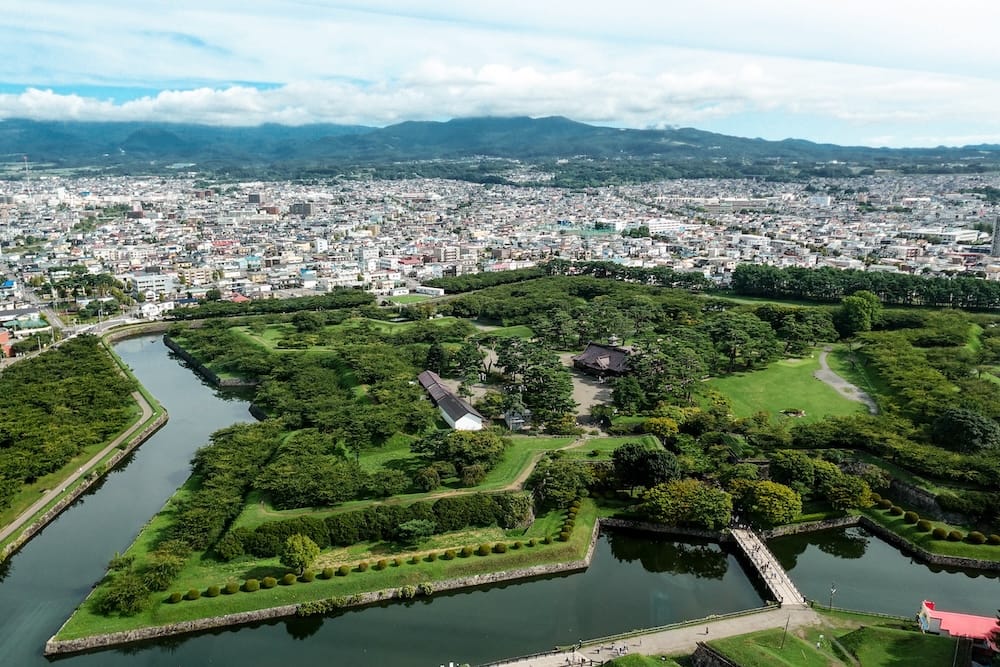
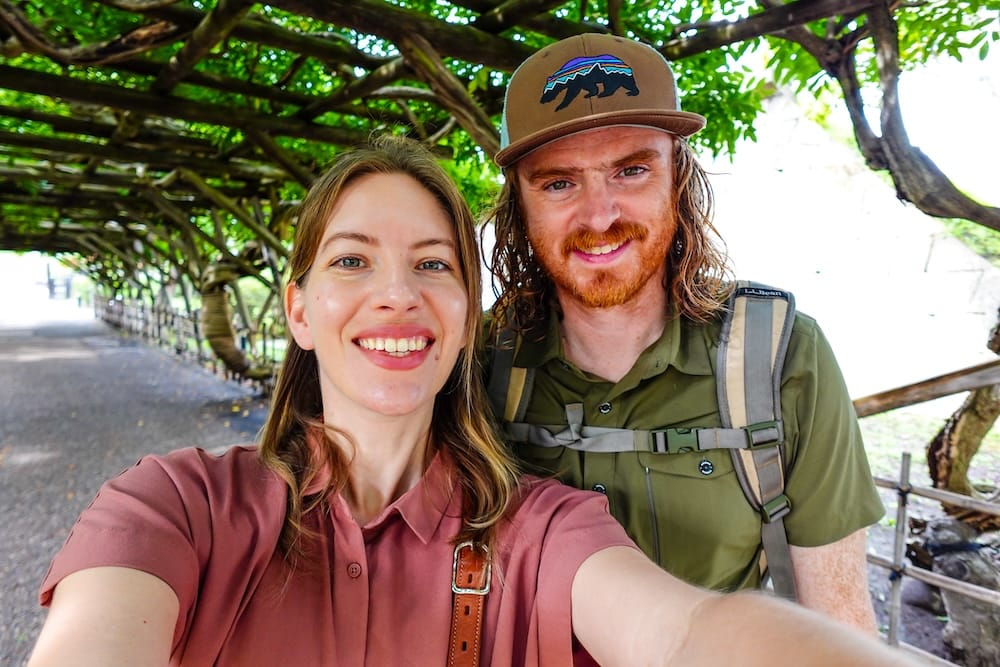
Goryokaku doesn’t look like a battlefield. When Audrey and I arrived before the tower opened, we spent our time wandering the park itself, walking the fortified walls with a real drop to the moat below and no guard rail to stop you, watching school kids cycle past on their way to class and locals out for a morning jog. It felt less like a monument and more like a well-loved neighbourhood park that happened to be shaped like a five-pointed star.
The star shape wasn’t decorative. A scholar named Takeda Ayasaburō designed the fort in 1855 after studying European fortification techniques, and it took seven years to build, finishing in 1866, two years before the Tokugawa shogunate itself collapsed. The design let defenders cover more ground with fewer blind spots than a traditional Japanese fortress, and it was built specifically to guard the Tsugaru Strait, the water separating Hokkaido from the rest of Japan.
The shape only explains how the fort was built, not why it matters. When the shogunate fell, a former Tokugawa naval officer named Enomoto Takeaki fled north with his fleet rather than surrender. In January 1869, at this fort, his forces declared the Republic of Ezo and elected Enomoto as its president in what’s recorded as the first election ever held in Japan. Only samurai could vote, so calling it a democracy stretches the word. But it was a genuine election, held at a genuine breakaway government, on the ground where I was standing. Imperial forces retook the fort five months later, in June 1869, ending the Battle of Hakodate, the last engagement of the Boshin War, and the republic with it.
The fort’s other historic building sits at the centre of the star: the reconstructed Hakodate Magistrate’s Office, originally moved here in 1864 as the shogunate’s administrative base for the region, then dismantled once the war ended. What stands today is a careful 2006–2010 reconstruction reviving roughly a third of the original structure, including a 72-tatami grand hall you can walk through. I stood in front of it trying to picture the missing two-thirds, outlined only in the ground where those rooms and hallways once stood. Between the fort, the battle, and the rebuilt office, there’s more genuine history packed into this park than its cherry-blossom reputation suggests. If you’d rather have someone walk you through that history on the ground than piece it together from a placard, a currently listed option is a guided history tour of Goryokaku fort and tower, which covers the park, the Magistrate’s Office and the fort’s role in the Boshin War together.
The Foreign Quarter’s Churches
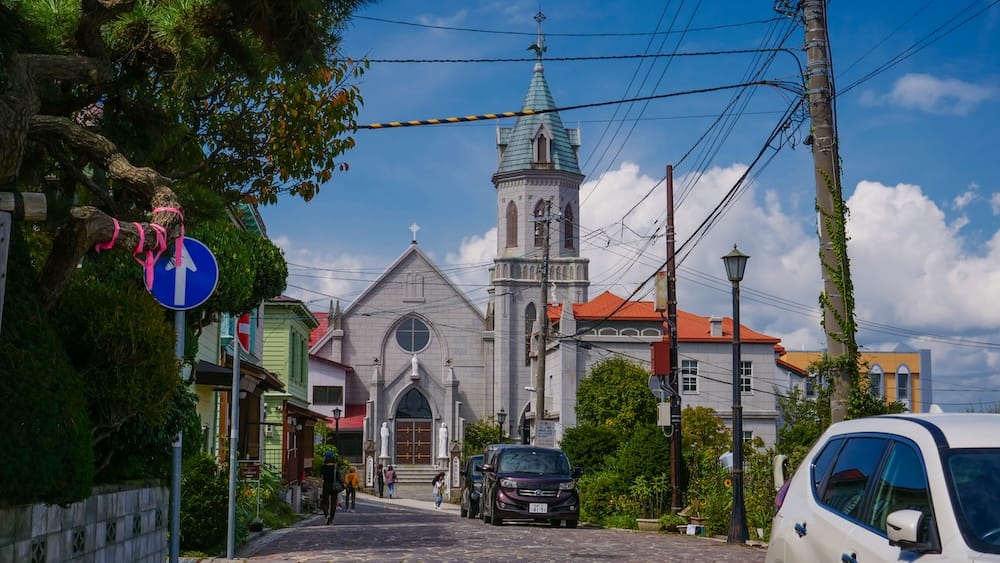
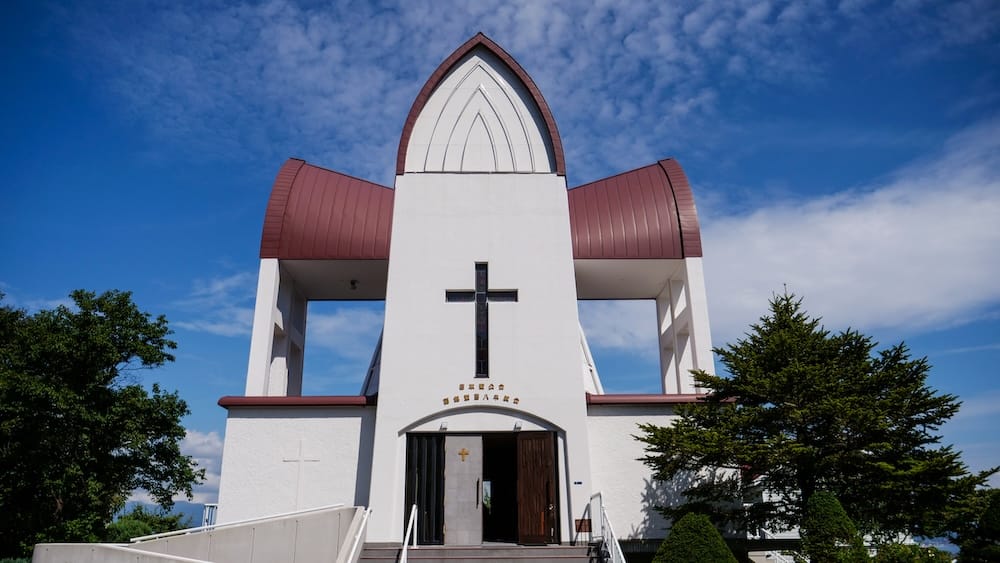
Motomachi puts three churches from three different Christian traditions within a short walk of each other, and the reason is straightforward once you know it. Hakodate opened to foreign trade in 1854, one of the first Japanese ports to do so, and within a decade Russian, French and British residents had settled into this hillside district and built accordingly.
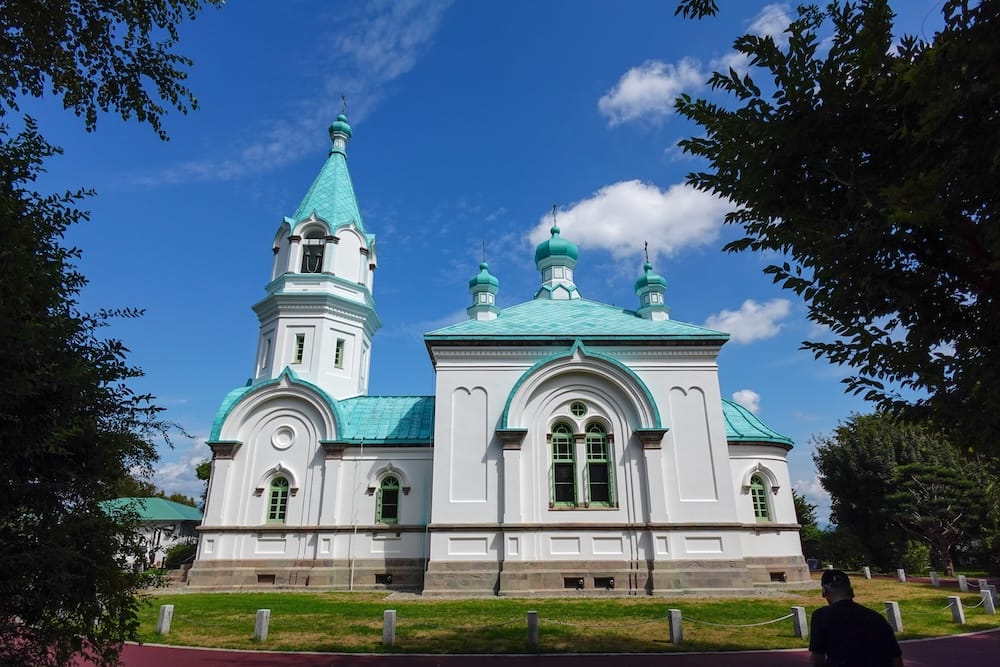
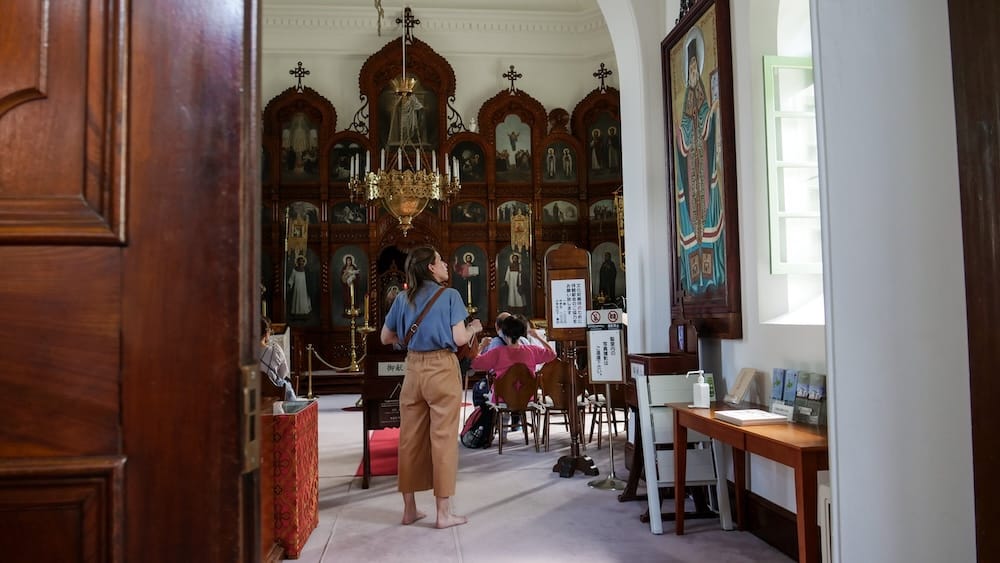
Audrey and I visited them in this order: the Hakodate Orthodox Church first, founded in 1859 by the Russian consulate and the first Orthodox church in Japan. Then the Motomachi Roman Catholic Church, founded the same year by a French missionary. And finally Hakodate St. John Church, an Anglican church founded in 1874 by an English priest, making it Hokkaido’s first Anglican congregation.
What connects two of these three buildings is something most guides to the area skip entirely. Neither the Orthodox church nor the Catholic church you see today is the original. Both burned in 1907, in the same wave of fire that swept through the city that year. The Orthodox church was rebuilt in 1916 and later designated an Important Cultural Property. The Catholic church went through a second fire in the early 1920s before its current Gothic building was finished, and it holds something few other churches in Japan can claim: a central altar given by Pope Benedict XV as a gesture of sympathy after the fire, one of the only papal gifts of its kind anywhere in the country. Walking between these buildings, what struck me wasn’t just the architectural variety, Russian Byzantine, French Gothic, English Anglican, side by side on the same hillside. It was that most of what’s standing now is a second attempt.
A Town Hall Rebuilt After the City Burned
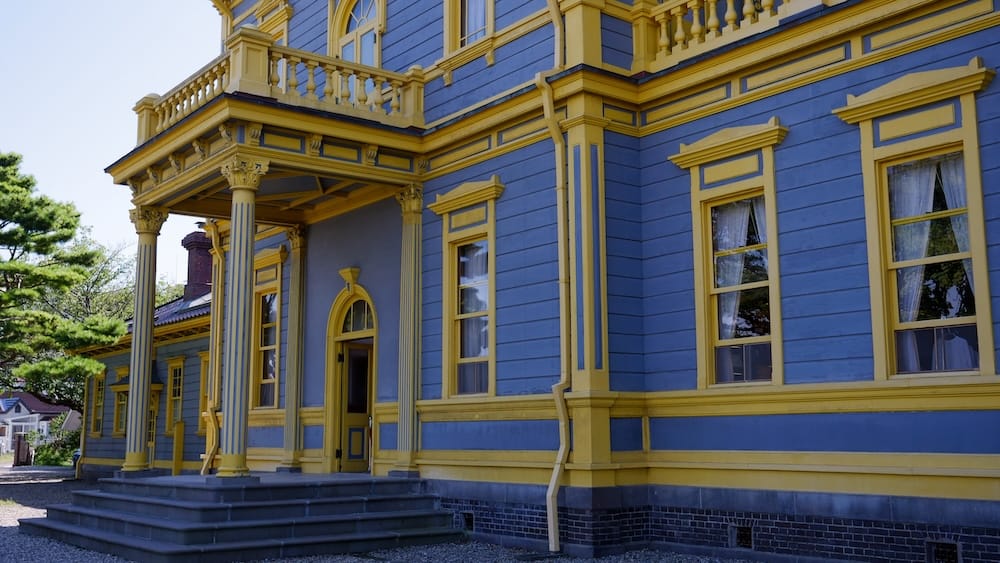
That same fire is what made the Old Public Hall necessary in the first place. The original town hall was lost in the Great Fire of Hakodate in 1907, the same fire that took the churches down the hill, and the city rebuilt it as a proper showpiece: a National Important Cultural Property in a distinctive blue-grey and yellow, completed in 1910. It wasn’t just a civic building either. Imperial visitors used its guest rooms, including during a 1911 visit by the Crown Prince, and the main hall still hosts concerts and events today.
Audrey and I bought tickets, took our shoes off for the slippers handed out at the door, and wandered through a building that felt properly grand, even without the costume rental we skipped on our way in. Put the three buildings together, though, and the pattern no single site’s own history page tells you starts to show. One fire, one year, at least three major buildings lost, and each rebuilt in its own idiom over the following two decades. The Old Public Hall’s grandeur isn’t just decoration. It’s what a city builds when it’s determined not to look like it lost anything.
The Ship That Made the Tunnel Necessary
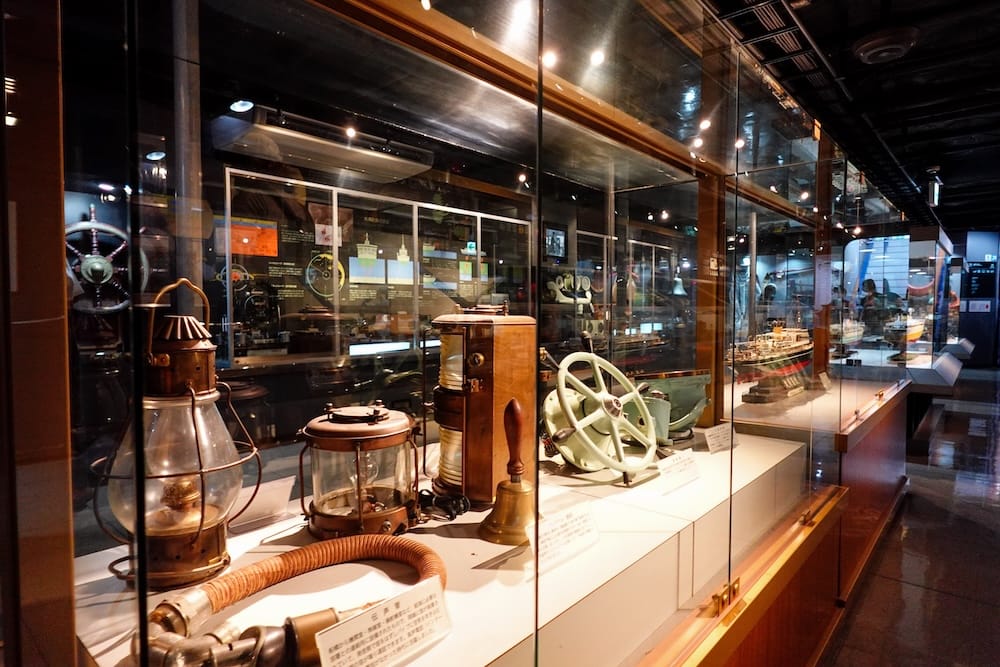
Audrey and I found Mashu-maru entirely by accident, wandering the port with no particular plan when an enormous ship moored in the harbour caught our attention. We decided to go aboard and only realized once we were inside what it actually was.
The vessel you walk through is technically the second ship to carry the name, built in 1964 and in service from 1965 until the same day in March 1988 that the Seikan Tunnel opened, having crossed the Tsugaru Strait between Aomori and Hakodate something like 35,000 times. That crossing was part of a much longer story. Train ferries had been running this route since 1908, eighty years of service carrying an estimated 160 million passengers and 250 million tons of freight before the tunnel finally made the ships obsolete.
The push to build that tunnel gained real urgency after a specific disaster. In 1954, the ferry Toya Maru sank in a typhoon on this same route, killing over 1,100 people, one of the deadliest maritime disasters in Japanese history. The tunnel wasn’t only about speed or convenience. It was, in part, a direct response to a tragedy that made an eighty-year-old system feel like a risk worth eliminating. Mashu-maru itself sat unused for years afterward before reopening as a museum ship in 2003 and later moving to its current mooring in 2020. What got me, wandering through it, wasn’t the ship so much as the arithmetic behind it: eight decades of crossings, ended by a single disaster’s aftermath and a tunnel that finished the job.
One More Building Worth Knowing
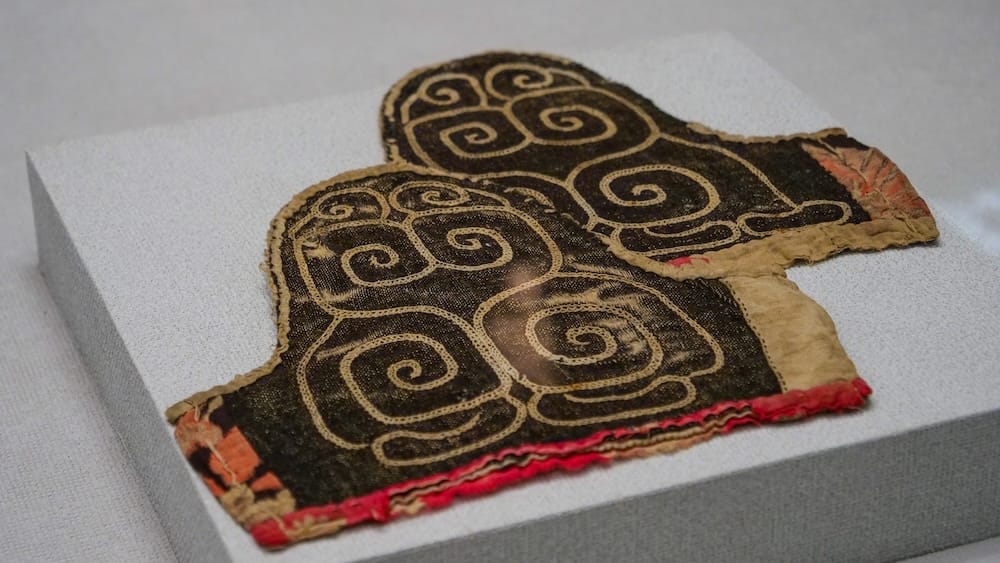
Not every historic building in Hakodate made it onto our itinerary, and one worth mentioning sits right next to the sites above. The Museum of Northern Peoples, which Audrey and I did visit, occupies a former Bank of Japan branch built in 1926, from an era when Hakodate was Hokkaido’s leading financial centre, before the city of Otaru took over that role later in the same decade. A short walk away, the Former British Consulate, which we didn’t get to, served in that role for several decades before closing in the 1930s and is now open with a restored interior. Between the banks and the consulates, this neighbourhood holds more history in its walls than any one visit covers, and a guided walk that specifically pairs the Motomachi churches with the Old British Consulate is a way to close that gap in an afternoon; a currently listed option is a historic port walk covering Motomachi and the Old British Consulate, which also folds in the Mt. Hakodate Ropeway at the end.
How the Sites Line Up
| Site | Story | Key Dates | What Happened | Did We Visit? |
|---|---|---|---|---|
| Goryokaku & Magistrate’s Office | The Republic of Ezo | 1866 built; 1869 republic and battle; 2006–2010 reconstruction | Site of Japan’s first election and the Boshin War’s last battle | Yes |
| Hakodate Orthodox Church | The foreign quarter | 1859 founded; 1907 fire; 1916 rebuilt | First Orthodox church in Japan, lost to fire and rebuilt | Yes |
| Motomachi Catholic Church | The foreign quarter | 1859 founded; 1907 and early-1920s fires; rebuilt | Holds one of Japan’s only papal-gifted altars | Yes |
| St. John Church | The foreign quarter | 1874 founded | Hokkaido’s first Anglican church | Yes |
| Old Public Hall | The rebuilding | 1907 fire; 1910 rebuilt | Replaced the town hall lost in the same fire that hit the churches | Yes |
| Mashu-maru | The maritime era | 1965–1988 in service; 2003 reopened as a museum | Ended an 80-year ferry era, hastened by the 1954 Toya Maru disaster | Yes |
| Museum of Northern Peoples building | Hakodate’s banking era | Built 1926 | Former Bank of Japan branch, from when Hakodate led Hokkaido’s finance | Yes (building only) |
| Former British Consulate | Hakodate’s banking era | Consulate until the 1930s | One of the district’s other historic foreign buildings | No |
What Hakodate’s History Actually Adds Up To
Walk through Goryokaku, the three churches, the Old Public Hall and Mashu-maru in a single trip, the way Audrey and I did, and you’re really walking through three separate endings. A republic that lasted five months and ended in battle. A foreign quarter that burned and rebuilt itself in three different architectural languages. And an eighty-year transport system that a disaster, and then a tunnel, finally closed for good. None of these stories explain each other, but they all happened on the same small peninsula, close enough that you could visit the site of each one before lunch. Most of them also sit within walking distance of Motomachi’s hillside streets, which makes the neighbourhood itself worth building a night or two around rather than treating as a single afternoon detour; if that appeals, you can compare hotels close to Motomachi’s historic quarter and filter for the area once you’re browsing. That’s what makes Hakodate’s history worth more than a checklist: not any single building, but how much of a country’s turning points ended up concentrated in one small city.
Frequently Asked Questions
What are the best historic things to do in Hakodate?
Goryokaku and its reconstructed Magistrate’s Office, the three Motomachi churches, the Old Public Hall and the Mashu-maru museum ship are the core of it, and Audrey and I visited all of them on one trip. I’d treat them as three stories rather than a checklist: a breakaway republic and its fort, a foreign quarter that kept rebuilding after fire, and a ferry era that ended with a tunnel.
What happened at Goryokaku?
It was the headquarters of the short-lived Republic of Ezo. The fort was designed in 1855 and finished in 1866, and in January 1869 the republic was declared there, with Enomoto Takeaki elected president in what’s recorded as the first election ever held in Japan, though only samurai could vote. Imperial forces retook the fort five months later, in June 1869, ending the Battle of Hakodate, the last engagement of the Boshin War.
Why are there three churches so close together in Motomachi?
Hakodate opened to foreign trade in 1854, and within a decade Russian, French and British residents had settled into the Motomachi hillside and built accordingly. The Orthodox church was founded in 1859 by the Russian consulate, the Catholic church the same year by a French missionary, and St. John’s, Hokkaido’s first Anglican congregation, in 1874 by an English priest.
How did the 1907 fire shape Hakodate’s historic buildings?
The Orthodox and Catholic churches both burned in 1907, in the same wave of fire that swept through the city, and the original town hall was lost in the Great Fire of Hakodate that year. The Orthodox church was rebuilt in 1916, the Catholic church burned again in the early 1920s before its current Gothic building was finished, and the Old Public Hall was completed in 1910.
Is the Hakodate Magistrate’s Office original?
No. The original was moved to the centre of the fort in 1864 as the shogunate’s administrative base for the region and dismantled once the war ended. What stands today is a 2006–2010 reconstruction of roughly a third of the original structure, including a 72-tatami grand hall you can walk through.
What is Mashu-maru and why does it matter?
It’s a retired railway ferry, technically the second ship to carry the name, in service from 1965 until the day the Seikan Tunnel opened in March 1988. Train ferries had run the Aomori–Hakodate route since 1908, and the push for a tunnel gained urgency after the 1954 sinking of the ferry Toya Maru in a typhoon, which killed over 1,100 people. Mashu-maru reopened as a museum ship in 2003.
Did you visit every historic site in the article?
Not quite. Audrey and I visited Goryokaku, the three churches, the Old Public Hall, Mashu-maru and the Museum of Northern Peoples, though for the museum I only cover its building here, a former Bank of Japan branch built in 1926. We didn’t get to the Former British Consulate, so I’ve mentioned it only as a nearby historic building.
This guide is also available in Spanish. [Leé la versión en castellano: Las mejores cosas históricas para hacer en Hakodate]
This article contains affiliate links. If you book through one of these links, I may earn a commission at no extra cost to you.