
Audrey and I can spend an alarming amount of time discussing where to eat sushi. In Japan, naturally, but also pretty much anywhere else we find ourselves. So if we were back in Sapporo and had an afternoon to devote to a cooking class, the negotiations wouldn’t last long. Sushi would get both our votes. I’d have ramen breathing down its neck, followed by Japanese sweets and soba.
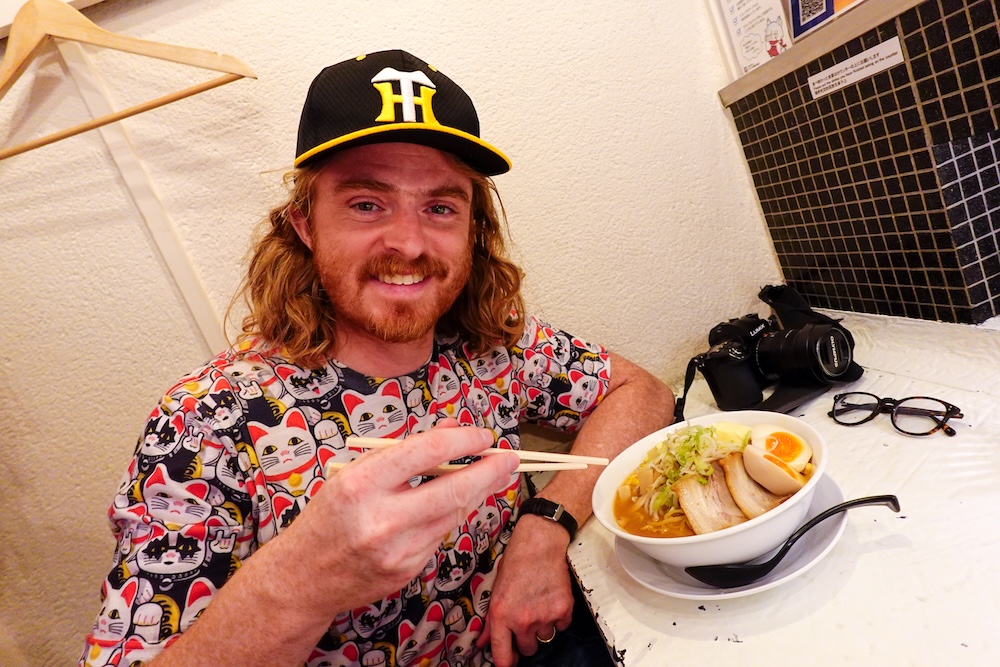
Now, there’s an important distinction. We’ve eaten our way around Sapporo, but we haven’t taken a cooking class there. I can’t tell you that a local instructor is hilarious, patient or wonderful at explaining knife skills when I haven’t met them. What we have done is take Korean, Khmer, Lao and Vietnamese cooking courses during our travels through those countries, and I loved the lot. Going out to find fresh ingredients, getting stuck into the preparation, learning why a dish comes together a certain way and eventually eating something we helped make—that’s my idea of a good afternoon. Preferably with a lively group and an instructor who doesn’t mind a beginner asking questions.
Sapporo has classes devoted to sushi, ramen noodles, soba and Japanese confectionery. The interesting part is that two experiences with similar-sounding names can involve completely different work. One teaches you to shape nigiri; another concentrates on patterned sushi rolls. Making ramen noodles doesn’t necessarily mean making the broth. And a long advertised session may involve less time at the workbench than you’d expect. Here’s how I’d separate the options before parting with any yen. If you’re already choosing dates, you can compare available Sapporo cooking classes while deciding which skill you actually want to learn.

First, make sure you’re paying for the cooking you want to do
When I think back to our classes elsewhere in Asia, the ingredient shopping sometimes stayed with me as much as the meal. We got to ask questions, learn about the produce and see what went into a dish before anyone turned on a stove. I wouldn’t exchange that for an extra thirty minutes of chopping simply to claim I’d done more cooking. Equally, if I’m booking a noodle-making class, I want my hands in the dough.
This distinction matters with the Sapporo options. Wado Studio’s ramen workshop involves mixing flour and water, kneading, rolling and cutting noodles. You’ll put together a bowl afterwards, but the advertised lesson doesn’t establish that you’re cooking a broth from scratch. Teuchi-Soba Mondo teaches guests to make soba; the tempura served alongside it is prepared by a chef. There’s nothing wrong with either arrangement. The problems start when a traveller assumes they’ll be making every part of the meal.
Then there’s the clock. Some Sapporo home-cooking experiences run for several hours but allocate approximately an hour, or an hour and a half, to hands-on preparation. The rest may be spent visiting a market or eating with your host. I’d happily sign up for a longer social day, provided that’s what I intended to buy. With a short stay in Sapporo, the difference between a ninety-minute workshop near your hotel and a half-day outing involving transport across town deserves some thought.

Sushi classes: where Audrey and I would start
Neither of us needs much persuading to eat sushi, and we’ve had plenty during our travels around Japan. Our Sapporo seafood breakfast was a different feast: I ordered salmon sashimi and crab soup while Audrey went for a rice bowl loaded with several varieties of crab. Delicious, but eating sashimi doesn’t give you the first clue about how to shape a decent piece of nigiri. That’s what makes an actual lesson appealing.
Wado Studio: learn nigiri and hosomaki
Wado Studio is in central Sapporo, around Minami 3-jo Nishi 9, and its sushi class is fairly specific about what happens in the kitchen. You’ll prepare seasoned sushi rice, work with fresh wasabi using different graters, form nigiri and make hosomaki, the thin seaweed-wrapped rolls. Then you get to eat your handiwork. Aprons and headwear are provided.
The session is advertised at about 90 minutes, with two to eight participants, for ¥15,000 per person including tax. The studio normally sets a minimum age of ten. That’s a fair bit of money for a relatively short class, so I’d want the techniques to be the attraction rather than simply the prospect of lunch. On paper, they are. Making a neat little mound of sushi rice and rolling a cylinder that doesn’t fall apart when sliced are two different skills, and I’d like to try both.
Vegetarian alternatives are advertised, which is encouraging if someone in your group doesn’t eat fish. I’d still clarify the actual ingredients and handling arrangements before booking, especially for allergies. Also check the conditions on whichever booking page you use: marketplace restrictions don’t always match a studio’s own general policy.
For me, Wado is the clearest choice if the goal is to learn traditional nigiri and thin-roll techniques. If that sounds like your kind of afternoon, check the Wado sushi class and its booking dates. That’s a conclusion about the curriculum, not a claim that we’ve personally tested the instruction.
Sushi Roll DESIGN Workshop: patterned rolls and longer meals
Sushi Roll DESIGN Workshop offers a rather different sort of satisfaction. Its specialty is decorative rolls, where arranging the ingredients correctly creates a pattern in each slice. I can picture the instructor producing an immaculate design, then me cutting into mine to discover something resembling a confused vegetable. Still, I’d have a good time trying.
Its shortest decorative-roll workshop runs roughly 90 minutes, with prices listed around ¥6,200–6,800, depending on the instructor. More involved packages add actual dishes to the meal. The 2.5-hour option at ¥8,300 includes another dish, sushi rice and miso soup; versions of three hours at ¥9,800 and 3.5 hours at ¥11,500 broaden the menu again. Depending on the package, that might mean a rolled egg omelette, sesame-dressed spinach or glazed chicken. English instruction, an apron and recipes are advertised. Confirm the final total and tax treatment for the selected instructor and booking. You can also review the workshop’s current package descriptions before deciding how many dishes you want to tackle.
If you enjoyed the multi-dish cooking courses we’ve done elsewhere in Asia, I can see the appeal of the longer format. You’re not spending three and a half hours making the same sushi roll; you’re preparing more of a meal. On the other hand, someone specifically determined to learn nigiri shouldn’t book a decorative-roll lesson simply because the price looks attractive. You might get an excellent afternoon and still not learn the skill you came for.
There’s a third sushi possibility, but access is restricted. InterContinental Sapporo advertises an approximately 80-minute lesson in which hotel guests make ten pieces of nigiri with a chef associated with Oguma Shoten. Ingredients, soup and traditional attire are included. It’s for hotel guests, generally runs on weekdays, requires booking at least seven days ahead, and is normally in Japanese unless alternative language arrangements are made. The minimum age is seven. If you’re staying there, it’s worth investigating; if you’re not, it isn’t a general-purpose Sapporo option.

Ramen classes: the noodles are where the work happens
Of all the food we ate in Sapporo, our butter-corn-miso ramen at Ganso Sapporo Ramen Yokocho remains one of my strongest memories. Audrey and I ended up in a small restaurant, navigated the ticket machine with rather more enthusiasm than skill and ordered extra toppings. My bowl arrived with four egg halves and enough richness to keep me quiet for a while. The butter gradually melted into that broth, and I was very happy to have made the trip.
We’ve watched ramen cooks at work in small Japanese kitchens plenty of times. There’s so much happening in a bowl that arrives looking deceptively simple: the noodles, broth, seasonings, toppings and the timing of getting everything together. I have enormous respect for it. Learning even one piece of that process would be worthwhile, although I wouldn’t confuse a beginner’s workshop with the experience of running a ramen shop.
Wado Studio’s ramen class focuses on a substantial piece of the puzzle. Participants mix flour and water, knead the dough, roll it and cut noodles with a specialist knife before adding toppings and eating the result. It’s advertised at ¥10,000 per person including tax, for approximately 90 minutes, with two to eight guests.
That sounds much more appealing to me than a session involving nothing but arranging pre-prepared toppings. At the same time, if you’ve got your heart set on making an authentic Sapporo miso broth over several hours, this description doesn’t promise that. It also doesn’t promise the butter-corn combination we ate at Ramen Alley. I’d ask those questions before booking rather than arrive armed with expectations the workshop never advertised. For the noodle-making version, see Wado’s ramen workshop and current sessions.
The studio’s age policy deserves a closer look if you’re travelling with children. Its own ramen information generally welcomes ages ten and up, with children six to nine able to take part with adult assistance, but some booking platforms impose tighter limits. Check the policy attached to the actual reservation. The published allergen information is extensive, including wheat, egg, dairy, sesame, soy and fish- or meat-related ingredients. Removing a topping may not make the broth or noodles suitable for somebody with a dietary restriction.
A less specialised alternative is a home-cooking experience with a local host such as Kanae, where ramen may be requested among possible dishes. That could suit someone who’d rather have a wider cultural and social afternoon, especially with the option of ingredient shopping. But the menu varies. Requesting ramen isn’t the same as booking a guaranteed ramen-noodle lesson, and I wouldn’t rely on a possible menu choice if noodles were my main reason for going.

Soba classes: from buckwheat dough to your own noodles
Soba comes last in my personal ranking, mostly because sushi and ramen have such a strong hold on us. We’ve eaten soba during our wider travels in Japan, and I’d still enjoy learning the technique. A class where you start with flour and finish with noodles you’ve cut yourself has a pleasingly clear beginning and end. Whether mine would all end up the same width is another matter.
Teuchi-Soba Mondo, in the Hassamu area near Miyanosawa Station in western Sapporo, specialises in that process. Guests work the buckwheat dough, roll it out and cut their own soba. The standard experience pairs the finished noodles with tempura made by a professional chef. You’ll enjoy the tempura, but you aren’t necessarily learning to fry it yourself.
If that flour-to-noodle process is the reason you’re going, check Mondo’s private soba-making and tempura experience. The cooking portion is described as approximately 30 minutes, which is refreshingly specific. The published total duration is less tidy: a headline suggests about an hour while fuller descriptions allow nearer 90 minutes including the meal. Before scheduling a train or another activity afterwards, I’d use the timing shown for the particular package and confirm it if the details remain inconsistent.
Thirty minutes of noodle-making might sound brief compared with a three-hour sushi-and-side-dishes workshop. But it is thirty minutes devoted to a defined technique, followed by a meal. For someone keen to try soba without losing most of their day, that could be just right. Other Mondo packages add different accompaniments or experiences; these are options from one operator, rather than a collection of unrelated schools.
Dietary adaptations need a closer look here
Mondo also offers a private dietary-adapted version using juwari soba made from 100% buckwheat, rice-flour batter for tempura and adjustments such as vegetable tempura or kombu-based broth. Halal-compatible ingredients are described as well. The special package is advertised at around 80 minutes and has its own pricing, which needs to be checked for the group booking.
There is a crucial catch for anyone with strict requirements. Mondo says its kitchen and equipment are also used for regular dishes, it cannot guarantee against allergen cross-contact, and the establishment is not halal-certified. The operator asks people with coeliac disease or severe wheat allergies to make contact in advance. Buckwheat can itself be an allergen, too. A label saying “100% buckwheat” doesn’t make the workshop suitable for everyone.
Mondo also cautions that its staff aren’t fluent in English and may use translation tools. If you mainly want to follow along while rolling dough, that might be fine. If you need detailed explanations about ingredients or allergies, I’d discuss those needs before paying. The operator’s dietary-adapted soba information is a useful place to check the conditions rather than relying on a broad dietary label in a booking headline.

Japanese sweets: little edible sculptures rather than a baking lesson
Near Hokkaido Jingu, Audrey and I had one of those snack stops that turned into more sampling than we’d intended. We tried several Japanese sweets with green tea, enjoying the different textures and the fact that the flavours weren’t overwhelmingly sweet. I also watched a sweet being made using a heated press. The outside had some crunch while the middle stayed soft and chewy, and I’d love to have a go at that preparation someday.
I haven’t found that particular pressed-sweet technique established as part of the Sapporo classes here, and I’m not going to pretend that all Japanese confectionery works the same way. The researched option is a nerikiri wagashi workshop associated with instructor Yuki and the Sushi Roll DESIGN Workshop network. Instead of using a press, participants shape and decorate four pieces of nerikiri, practising smooth surfaces, lines and decorative forms. A welcome drink such as sencha and a printed recipe are included, and you take the finished sweets away.
The booking-platform version runs approximately two hours. A direct workshop page lists ¥7,000, although the final price and tax for the particular session need checking. You can check Yuki’s nerikiri workshop options on GetYourGuide rather than assuming the direct and marketplace prices or conditions match. That’s a different proposition from spending half a day preparing a meal. You’re learning to shape confections, and the four finished pieces are part of what you take from the experience—possibly looking a good deal more presentable than my first attempts would.
I’d pay attention to the venue before choosing a time. The Yuki listing places the workshop near the Ishiyama Higashi 7-chome bus stop in southern Sapporo, not within a quick stroll of Odori Park. Other teachers in the same network use different locations, so the actual meeting point depends on the instructor or product booked. English and Japanese instruction and a private-group option are advertised for this session; age, accessibility and ingredient restrictions should be checked on the exact listing. In particular, don’t infer dietary suitability from how small and delicate the sweets look.
For someone who enjoys artistic, detailed work, this could be the most interesting of the four categories. For someone expecting to knead dough, operate a batter press or eat a full meal, it would be the wrong choice, regardless of how attractive the finished nerikiri look.

The Sapporo cooking-class comparison at a glance
It’s tempting to sort these by price and call the cheaper one better value. That ignores what you’re paying to learn. Wado’s nigiri class and Sushi Roll DESIGN’s decorative-roll session aren’t interchangeable just because both involve rice and seaweed, any more than making soba and making ramen noodles are the same lesson.
| Experience | What you prepare | Duration advertised | Price when checked | Group / practical fit |
|---|---|---|---|---|
| Wado Studio sushi | Seasoned rice, nigiri, hosomaki; fresh wasabi | ~90 min | ¥15,000/person, tax included | 2–8; generally ages 10+; traditional sushi technique |
| Sushi Roll DESIGN Workshop | Decorative rolls; more dishes in longer packages | 1.5–3.5 hours | ¥6,200–11,500 across packages; final taxes to confirm | Instructor/package dependent; creative rolls or multi-dish meal |
| Wado Studio ramen | Knead, roll and cut noodles; assemble bowl | ~90 min | ¥10,000/person, tax included | 2–8; booking-channel age rules; noodle-making |
| Teuchi-Soba Mondo | Make soba; eat chef-prepared tempura | Approximately 60–90 min, published times vary | Depends on package and group | Specialist technique; western Sapporo |
| Mondo adapted soba | Make 100% buckwheat soba with selected adaptations | ~80 min | Separate private-package quote | Private; shared kitchen; dietary restrictions require confirmation |
| Yuki nerikiri workshop | Shape four Japanese sweets | ~2 hours | Direct price around ¥7,000, final total to confirm | Private option; southern Sapporo; creative confectionery |
Those are indicative published figures, not live quotes for your chosen date. A private group rate can look wildly expensive beside an individual class price until you account for the number of people covered. And if a longer session includes a market excursion and a relaxed meal, its value isn’t captured by counting minutes at a cutting board.
I’d narrow my choices by food and technique first, then compare the full cost, booking conditions and amount of travel involved. After that, I’m much more interested in finding an instructor who makes the day enjoyable than shaving a few yen off the cheapest listing. Teaching quality is the part I can’t responsibly rank from a description alone.

The practical questions I’d settle before booking
Language, group size and teaching style
We’ve taken classes in places where communication wasn’t always perfect, and sometimes a good demonstration tells you more than a lengthy explanation. But I still want to be able to ask why the dough feels wrong or what makes sushi rice behave the way it does. Wado and Sushi Roll DESIGN advertise English instruction for the relevant lessons; Mondo’s adapted soba offering may depend on translation tools. InterContinental’s hotel-only sushi lesson is normally Japanese-language unless arrangements are made.
Group sizes vary, too. Wado publishes a two-to-eight-person format. A private option elsewhere may mean your own group, not one-on-one instruction, while some workshops require a minimum booking. If you’re after a sociable class with other travellers, ask how the session is organised. If you’d prefer quieter individual help, make sure “private” means what you expect it to mean.
Ingredient shopping and whether a whole meal is included
The market visits we enjoyed on previous Asian cooking courses were part of the experience, not a chore we rushed through before getting back to the kitchen. Kanae’s home-cooking experience in Sapporo has an optional market component involving the Sapporo Morning Market and Jogai Market, followed by preparing and eating a meal at the host’s home. The host’s vehicle carries up to four guests plus the driver, so larger groups need another arrangement. The cooking component is around one to one and a half hours, rather than the entire duration of the longer package.
That might suit me beautifully on a return visit, especially if we had enough room in the day to chat and eat afterwards. Compare Sapporo class and market-tour options if that ingredient-shopping element matters most to you. But if your personal goal is specifically rolling sushi or cutting soba, I’d book a class that promises those techniques. A variable home-cooking menu won’t necessarily give you the dish you were hoping for unless the host confirms it in advance.
Children and dietary needs
This is where vague “family-friendly” descriptions fall apart. Wado’s sushi class generally starts at age ten, while its own ramen policy allows ages six to nine with adult assistance, subject to different marketplace restrictions. Yuki’s nerikiri booking excludes children under four; the hotel sushi experience starts at seven. Those aren’t small differences for a family planning around a child. Ask what the youngsters actually handle, too—hot equipment, dough and knives offer very different kinds of involvement.
Dietary restrictions need even more precision. A vegetarian sushi variation doesn’t automatically address fish-contact concerns. Ramen may contain animal-based broth even when the toppings are changed. Standard soba can include wheat, and 100% buckwheat noodles may still be prepared on shared equipment. Japanese sweets vary in their fillings and other ingredients. For a serious allergy or an exact religious or medical requirement, I would contact the operator with the specific details and avoid treating marketing labels as a guarantee.
Location, return plans and cancellation terms
Wado’s central location makes it easier to fit around other Sapporo sightseeing. Mondo is near Miyanosawa in the west, and the Yuki workshop listing sends you south towards Ishiyama Higashi. I’ve never minded travelling for a good food experience, but two hours in a kitchen can quietly become half a day once you’ve worked out the subway, bus, meeting point and journey back. Home-based classes may also change location with the instructor, so check the address attached to your booking.
The cancellation conditions aren’t uniform, either. Sushi Roll DESIGN Workshop’s direct policy lists free cancellation at least eight days ahead, a 50% charge five to seven days ahead and 100% within four days. A related nerikiri booking on GetYourGuide advertises free cancellation up to 24 hours beforehand. Different products and channels, different terms. The conditions that matter are the ones presented at your actual checkout, not the terms you remember seeing on a different site.

Which cooking class would I choose in Sapporo?
Audrey and I would start with sushi. I’d lean toward Wado if we wanted to tackle nigiri and hosomaki, while Sushi Roll DESIGN would be my alternative for decorative rolls and perhaps a longer, multi-dish afternoon. Those aren’t personal endorsements of instructors we’ve never met; they’re the two formats that best match the things we would want to learn.
Ramen would be right behind. After our Sapporo butter-corn-miso feast, making a batch of noodles from flour sounds genuinely satisfying. I can also see the appeal of Mondo’s focused soba lesson if time were tight, or spending a quieter couple of hours shaping nerikiri sweets. I’d choose between them on the strength of the technique, not the promise of a pretty lunch photo.
What I remember most about the cooking courses we’ve already taken around Asia isn’t somebody handing us a finished meal. It’s the ingredients, the little bit of effort we put in, the instructor helping us get it right and everyone eventually sitting down to eat. That’s the version of a Sapporo cooking class I’d happily make room for. Give me an enthusiastic teacher, enough time to get my hands dirty and a proper chance to enjoy what I’ve made, and I’ll call that a very good use of an afternoon.
Frequently Asked Questions
What are the best cooking classes to try in Sapporo?
Sapporo has hands-on classes covering sushi, ramen noodles, soba and Japanese sweets. Wado Studio offers nigiri and hosomaki sushi-making as well as ramen noodle preparation. Sushi Roll DESIGN Workshop specialises in decorative rolls, Teuchi-Soba Mondo teaches soba-making, and Yuki’s nerikiri workshop focuses on shaping Japanese sweets. I’d choose according to what you actually want to learn rather than assuming every cooking class teaches an entire dish from scratch.
How much do cooking classes in Sapporo cost?
Published prices vary by instructor, group size and package. Wado Studio lists its sushi class at ¥15,000 per person and ramen at ¥10,000, both including tax. Sushi Roll DESIGN Workshop advertises packages around ¥6,200–11,500, while the nerikiri workshop has a direct price around ¥7,000. Mondo’s soba prices depend on the selected package and group. Check the final price for your date before booking, especially when comparing private-group rates with per-person tickets.
Can I learn to make ramen noodles from scratch in Sapporo?
Yes. Wado Studio advertises a roughly 90-minute ramen-making class where participants mix flour and water, knead and roll the dough, cut their own noodles and assemble a finished bowl. However, the published lesson doesn’t establish that you’ll make ramen broth from scratch. I’d confirm that distinction if learning the complete preparation of Sapporo-style miso ramen is your main goal.
What’s the difference between sushi-making classes in Sapporo?
The main difference is the technique. Wado Studio teaches seasoned sushi rice, nigiri and hosomaki, while Sushi Roll DESIGN Workshop concentrates on patterned decorative rolls. Its longer packages can also include additional dishes such as rolled omelette or sesame-dressed spinach. Audrey and I would choose sushi first, but I’d pick the workshop based on whether I wanted traditional sushi-forming techniques or a broader cooking experience.
Are Sapporo cooking classes suitable for vegetarians or people with food allergies?
Some classes offer ingredient substitutions, but suitability depends on the exact recipe and kitchen arrangements. Wado advertises vegetarian sushi alternatives, while Mondo has a separate soba package using 100% buckwheat noodles and selected dietary adaptations. Mondo also states that its kitchen is shared and cannot guarantee against allergen cross-contact. For serious allergies or strict dietary requirements, I’d contact the operator directly before booking rather than rely on a general dietary label.
Can children participate in cooking classes in Sapporo?
Age restrictions vary considerably. Wado’s sushi class generally starts at age ten, while its official ramen policy permits children aged six to nine with adult assistance, subject to different booking-channel rules. Yuki’s nerikiri workshop listing excludes children under four, and InterContinental Sapporo’s hotel-guest sushi experience starts at age seven. I’d check the exact reservation terms and what equipment children will handle before choosing a class for the family.
How long do Sapporo cooking classes last?
The researched experiences range from approximately 90-minute sushi and ramen lessons to decorative-roll workshops lasting as long as three and a half hours. Mondo’s soba-making component takes around 30 minutes, although the advertised total duration varies and includes the meal. Some home-cooking experiences spend additional time visiting markets or eating with the host. I would compare actual hands-on preparation time separately from the total advertised duration.
Have Audrey and I taken any of these Sapporo cooking classes?
Not yet. We’ve enjoyed ramen, seafood and Japanese sweets in Sapporo, and we’ve taken cooking courses during our travels through South Korea, Cambodia, Laos and Vietnam. Those earlier classes taught us how much we enjoy local ingredients, patient instruction and eating something we’ve prepared ourselves. The Sapporo workshop comparisons here are based on their advertised curricula and booking details, not classes we’ve personally attended.
This article is also available in Spanish. [Leé la versión en castellano: Las mejores clases de cocina en Sapporo: ramen, sushi, soba y dulces japoneses]
This article contains affiliate links. If you book through one of these links, I may earn a commission at no extra cost to you.