
Look, let’s cut the standard travel blogger fluff right out of the gate. Everyone tells you that you absolutely must base yourself in central Seoul for the “authentic” Korean experience. Honestly? That’s a rookie move that guarantees you’ll spend two hours a day jammed into a subway car breathing recycled air. Goyang is the satellite city you didn’t know you needed. Located just northwest of the capital, the minute you step off the train here, the air feels noticeably lighter and less choked with exhaust. You trade elbow-to-elbow sidewalk shuffling for massive, sprawling green spaces, heavy-duty cultural venues, and seriously good local food that isn’t priced exclusively for tourists. Whether you’re hauling heavy camera gear for nature shots, looking for a culture vulture detour, or just want to eat well without waiting an hour for a table, we found that Goyang delivers hard.
Out here, you get direct access to deep-rooted history, cavernous convention halls, and intense, smoky culinary spots—all without the relentless friction of the typical tourist gridlock. Goyang operates on a highly functional, breathable layout that gives you Seoul-level convenience with suburban breathing room. Your feet are still going to ache at the end of the day, but your stress levels will be significantly lower. It’s the ultimate low-effort, high-reward detour.
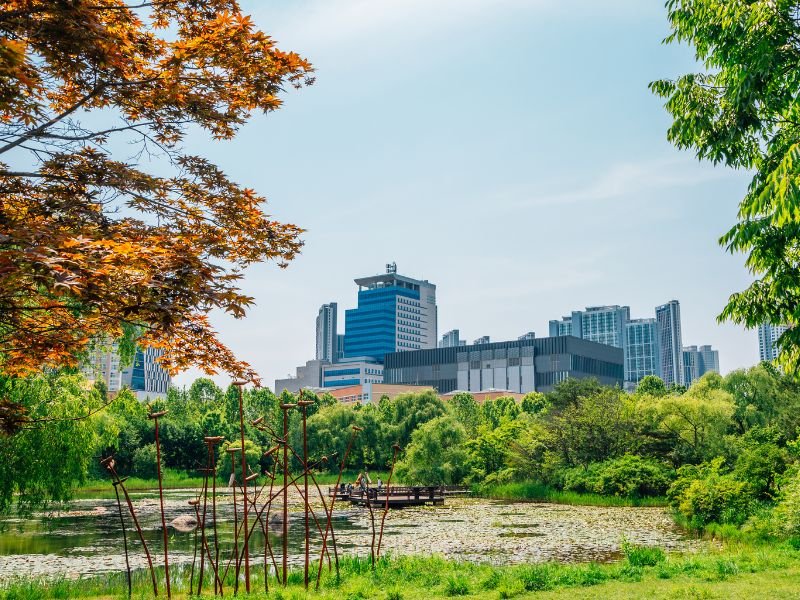
Why Visit Goyang?
- Natural Beauty: Think less “manicured city park” and more “bring your heavy walking boots.” The green spaces here require actual stamina to explore.
- Cultural Experiences: You get raw, unfiltered access to history and art without feeling like you’re being herded through a heavily regulated queue.
- Modern Amenities: The shopping and transit infrastructure is dialed in perfectly. You will never struggle to find an air-conditioned mall or a hot meal when you need to bail out of the weather.
Tip: If you’re lugging a heavy DSLR, target the spring (April to June) or autumn (September to November) windows. The biting chill in the autumn air means crisp, glare-free lighting, and you’ll capture some serious seasonal color without fighting a wall of selfie sticks for an angle on these stunning seasonal landscapes!
Top 10 Things To Do in Goyang, Korea For Visitors
1. Explore Ilsan Lake Park
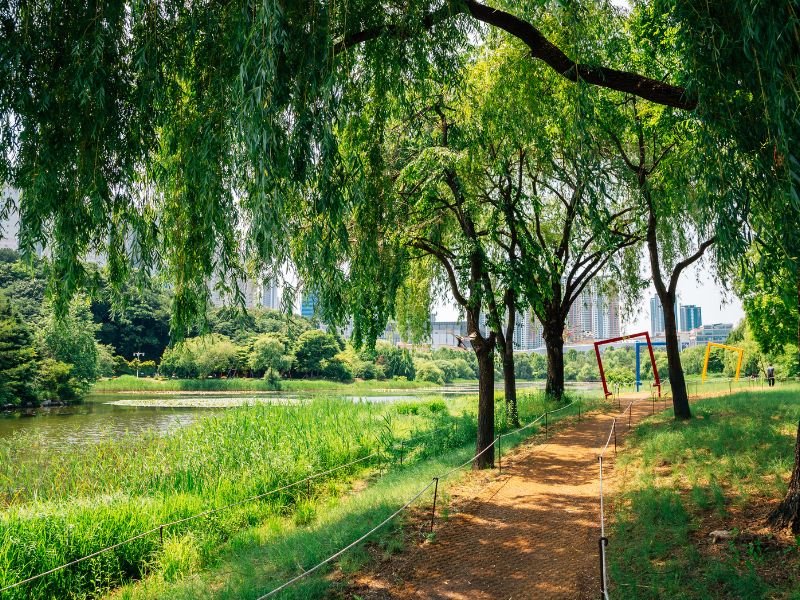
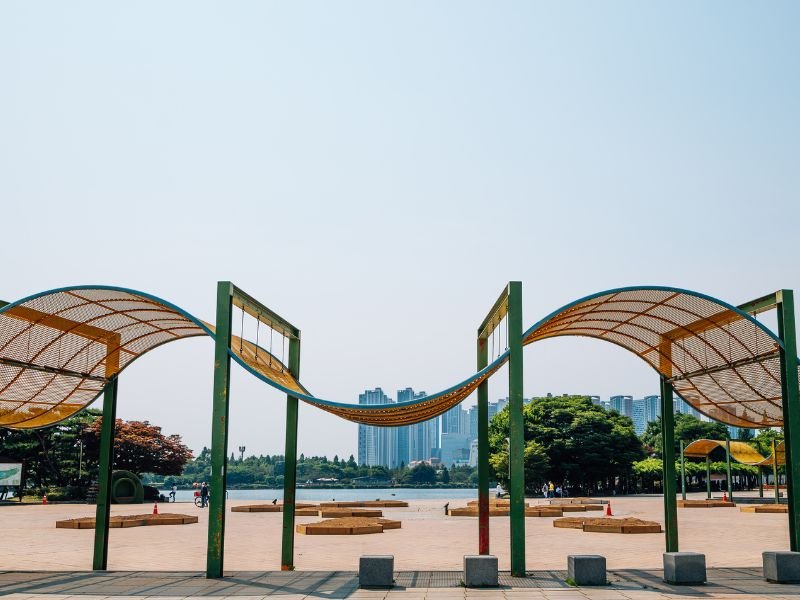
Ilsan Lake Park isn’t just a casual patch of grass; it’s one of the largest artificial lake parks in Asia, and frankly, it commands respect. I see travelers make the mistake of trying to walk the entire 4.7km perimeter in sandals during the midday heat, and it never ends well. The humidity baking off the pavement will drain you. Do yourself a favor and grab a tandem or standard bike near the main entrance. We found that current rental prices sit right around 10,000 KRW for a two-hour block, which is an incredible return on investment for saving your leg muscles for the night markets later.
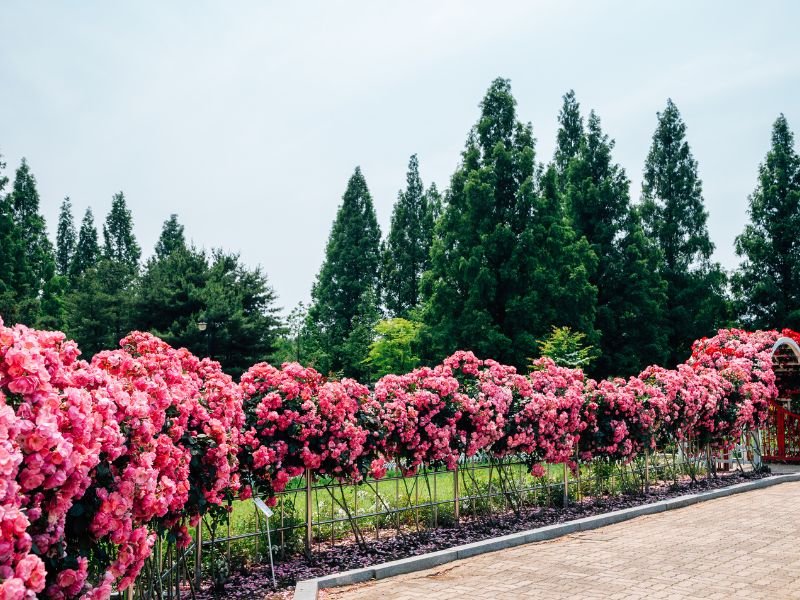
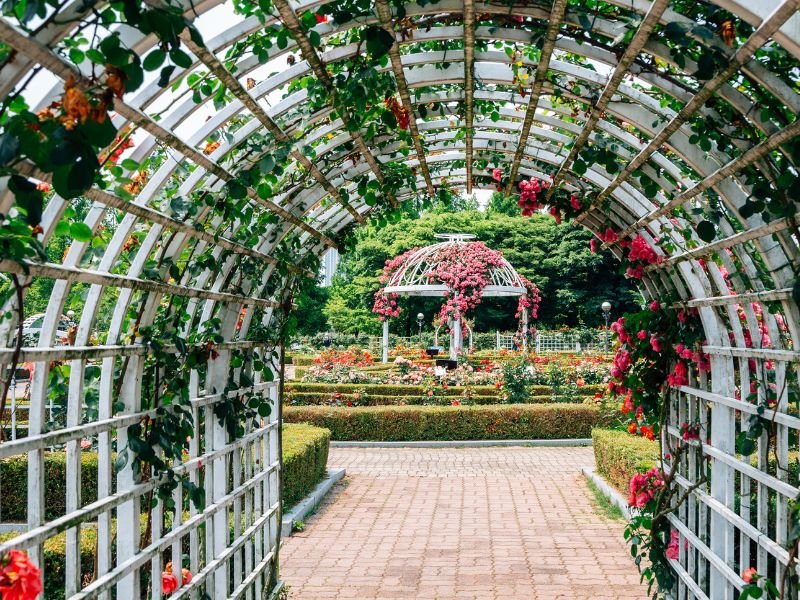
Once you’re moving past the main concrete plaza, you hit the dedicated themed zones. The rose garden is visually impressive, sure, but it’s the heavy, almost intoxicating scent hitting your nose on a warm afternoon that actually makes you hit the brakes. Further down, there’s a cactus greenhouse that triggers a sudden micro-climate shift the second you walk through the doors—the air goes instantly dry and sharp. It’s this kind of bizarre variety that keeps the sightlines interesting instead of just staring at flat water.
- Outdoor Activities: Seriously, rent the bicycle. The rental kiosks are intuitive, and feeling the breeze off the water beats sweating through your shirt on the footpaths.
- Family-Friendly: The massive playgrounds are heavily padded, and there’s enough open lawn space that you won’t be intruding on a local family’s picnic setup.
- Seasonal Events: If you happen to visit during the Goyang International Flower Festival, expect aggressive crowds and a sensory overload of pollen.
Tip: We highly recommend pacing your day to hit the eastern edge of the lake about an hour before sunset. The golden hour light bouncing off the water acts like a giant natural softbox for photography, and the sudden drop in temperature makes the walk back to the transit hub completely painless.
2. Visit the Goyang One Mount Snow Park & Water Park
If you want a jarring but brilliant temperature contrast, point your compass toward One Mount. It’s a massive, concrete complex that mashes a Snow Park and a Water Park under a single roof. Combo tickets for both parks currently hover around 35,000 to 45,000 KRW, depending on the season and the day of the week. Let me tell you, transitioning from the heavy, sticky summer heat on the street into a sub-zero indoor ice rink is a total shock to the nervous system in the best way possible.
The Snow Park is a bizarrely fun, freezer-chilled environment. You will absolutely want real gloves in here, not just cheap pocket warmers, because gripping the metal handrails will numb your fingers fast. While basic sleds and helmets are included in your entry, be aware of the internal upcharges: renting actual ice skates costs an extra 5,000 KRW, and the dog sled rides will run you another 7,000 KRW. On the flip side, the Water Park is a high-decibel maze of wave pools. Here is my completely honest take: if you are a solo traveler or a couple who hates chaotic, high-energy crowds of screaming kids, skip the water park entirely on the weekends. It becomes an echoing chamber of chlorine and chaos.
- All-Season Fun: It’s the ultimate weather-proof backup plan. If a typhoon blows in, you just go ice skating instead.
- Shopping and Dining: The adjoining commercial mall means you can transition straight from a wet swimsuit to eating a hot, salty bowl of noodles in under thirty minutes.
- Entertainment: The complex runs on incredibly high energy, so expect loud K-pop and aggressive neon lighting at all times.
Tip: If you’re a glutton for punishment and decide to do both parks in one day, pack two distinct, waterproof gear bags. Renting damp, used winter gear from the kiosk is a miserable experience, so bring your own dry mid-layers for the snow side!
3. Discover the Korean International Exhibition Center (KINTEX)
If you have any interest in global industry, the Korean International Exhibition Center (KINTEX) is an absolute must-visit. It’s a sprawling, cavernous exhibition center that feels like an empty airplane hangar on a Tuesday, but transforms into a chaotic, high-energy metropolis when a major show drops. The sheer scale of the place is intimidating; you will be putting in serious mileage, and your heels will ache from the hard, polished concrete by the time you leave.
Even if you aren’t holding a badge for a specific trade show, the architectural footprint is worth navigating. The immediate perimeter is built entirely for mass crowd control, packed with quick-service cafes where you can grab a bitter, over-roasted Americano and people-watch the massive influx of stressed-out international attendees dragging their roller bags.
- Variety of Events: The schedule is incredibly dense, covering everything from heavy automotive reveals to hyper-niche tech expos.
- Business Opportunities: It’s prime ground for Networking events and conferences, assuming you have the stamina for all-day handshaking.
- Cultural Exposure: You get a raw, unfiltered look at what’s currently driving the Asian and global consumer markets.
Tip: The biggest mistake you can make is trying to navigate the maze-like KINTEX parking structure with a rental car. Local sources suggest abandoning the surface roads entirely and taking the newly opened GTX-A high-speed rail. It rockets you from Seoul Station directly to KINTEX Station in just 14 to 20 minutes, bypassing the notorious highway traffic completely!
4. Stroll Through the Goyang Flower Exhibition Center
Right on the edge of the lake, the Goyang Flower Exhibition Center is a heavy hitter for serious horticulture. During the Goyang International Flower Festival, the sheer volume of festivals attendees bottlenecking the entrances can be overwhelming, but the visual payoff inside is immense. The air inside the main pavilions is noticeably thick and humid, smelling intensely of damp, churned earth and crushed petals.
When the big crowds aren’t in town, the center is a highly regulated, climate-controlled environment that showcases incredibly intricate floral engineering. The precision of the indoor gardens is borderline obsessive. If you have any interest in macro photography, this is your proving ground; the variety of textures and colors is staggering.
- Floral Displays: The transition from outdoor beds to the indoor greenhouses is seamless, showing off plants that require serious temperature management.
- Workshops and Seminars: You can actually get dirt under your fingernails in the hands-on gardening sessions instead of just looking behind glass.
- Photography Opportunities: The diffused lighting inside the main greenhouses acts like a giant softbox for your camera sensor.
Tip: Do not forget to bring a circular polarizer for your camera lens. The curved glass inside the greenhouses creates heavy, blown-out glare, and you’ll need the filter to cut through the reflections for clean shots!
5. Experience the Goyang Aram Nuri Arts Center
To tap into the local cultural current without dealing with the chaos of a street fair, the Goyang Aram Nuri Arts Center is a heavy-duty, acoustically tuned facility that doesn’t mess around. When you walk into the main lobby, the sudden quiet and the sharp echo of your shoes on the marble floors instantly signal that this is a premium venue. They run everything from high-end classical orchestras to visceral, chest-thumping traditional percussion shows.
The complex is split into distinct, specialized zones like the Aram Opera House, Saeum Music Hall, and Aram Theater. The seating is steep and comfortable, and the acoustics are designed so you can physically feel the bass from a cello all the way in the back row. They also maintain dedicated gallery spaces that are heavily curated and quiet enough to hear a pin drop.
- Diverse Performances: The booking is aggressive, pulling in international ballet troupes and loud, brass-heavy musicals.
- Art Exhibitions: The gallery lighting is stark, cold, and calculated, putting maximum visual focus strictly on the canvas.
- Educational Programs: The lectures are dense and usually require a decent attention span, but they deliver real value if you care about the subject.
Tip: The acoustics here are entirely unforgiving, meaning every cough or rustling nylon jacket is amplified. Settle in early, and if you want to see a traditional Korean performance for a unique cultural experience, aim specifically for the center-middle tier seating for the absolute best sound balance!
6. Visit the Haengju Fortress
Haengju Fortress isn’t just a casual stroll; it’s a historical defensive position that commands serious elevation. The good news? Admission is currently free, though you will have to eat a small parking fee at the exit gates. The major friction point here is the physical climb. I’ll be honest: if you have bad knees or you’re hauling a heavy backpack full of camera gear, skip the punishing dirt stairs entirely and jump on the local shuttle bus to reach the summit.
Once you are up top, breathing hard, you can immediately understand why General Gwon Yul chose to hold the line against Japanese forces here in 1593. The cold wind whipping off the Han River is intense, and the elevation gives you a massive, unobstructed line of sight over the water and the city grids below. The museum on site isn’t huge, but it’s packed with cold, heavy iron weaponry that gives you a stark reality check on brutal 16th-century warfare.
- Historical Significance: It’s a hard lesson in the grim, logistical realities of Korea’s past conflicts.
- Scenic Views: The sightlines from the top are wide open, making the steep elevation gain totally justifiable.
- Cultural Insight: The stone memorials are solemn, cold reminders of the local casualty rates.
Tip: Keep a very close eye on your watch. The fortress is aggressively managed; the heavy iron gates lock firmly at 5 PM in the winter and 6 PM in the summer, and don’t even bother showing up on a Monday, because the entire site is strictly closed!
7. Explore the Korea Aerospace University Aviation Museum
If you’re a gearhead, or just appreciate massive feats of engineering, the Korea Aerospace University Aviation Museum is a fascinating, metal-heavy detour. Located right on the university grounds, the museum smells distinctly of old machine oil and industrial floor wax. It’s a deep dive into the mechanical evolution of Korean flight, heavily packed with blueprints, scale models, and actual turbine components.
The indoor interactive displays are surprisingly complex, requiring actual thought rather than just pushing buttons. But the real draw is the outdoor tarmac. Standing underneath the massive aluminum underbelly of a retired presidential jet gives you a real sense of scale. The metal is sun-baked, and you can touch the wear and tear on the landing gear up close.
- Educational Experience: It’s heavily technical, focusing on the hard physics of lift and propulsion.
- Interactive Displays: The flight simulators aren’t just arcade games; they require a bit of a learning curve to keep the digital plane level.
- Unique Exhibits: The static outdoor displays let you inspect the rivets and structural engineering of real choppers.
Tip: The campus security can be notoriously strict about where you park your vehicle. Only use the designated visitor lots, and absolutely verify their weekend operating hours online before you make the trek out there, as university schedules fluctuate wildly!
8. Shop at the Western Dom and Lafesta Shopping Complexes
For heavy-duty, unapologetic consumerism, Western Dom and Lafesta are massive, interconnected commercial zones that hit you with a wall of sound and neon the second you step off the curb. These complexes pull huge crowds, and by 8 PM, the air is thick with the smell of frying oil from street vendors and loud pop music bleeding out of cosmetic stores. It’s a loud, relentless hub that simply doesn’t slow down.
Western Dom leans heavily into modern architecture, with massive dome structures and polished tile floors that echo with foot traffic. Lafesta is grittier, featuring open-air street fashion stalls where you have to physically dodge enthusiastic promoters. Navigating between the two is a constant exercise in crowd management and fighting the temptation to buy everything in sight.
- Shopping Variety: You’ll transition from heavily air-conditioned luxury boutiques to chaotic, open-air sock vendors in seconds.
- Dining Options: The food courts are loud, fast, and intensely competitive. You will not leave hungry.
- Entertainment: The central plazas are constant staging grounds for loud buskers and aggressive arcade sounds.
Tip: Keep your head on a swivel in the transition zones between the malls, as scooter delivery drivers weave through the pedestrian crowds at high speeds. And seriously, bring a durable canvas tote bag; those thin plastic shop bags will tear after an hour of walking!
9. Relax at the Baedari Korean Traditional Wine Museum
To really understand the local drinking culture beyond just knocking back green bottles at a BBQ joint, the Baedari Korean Traditional Wine Museum is a mandatory stop. The moment you walk in, you’re hit with the sharp, yeast-heavy smell of fermentation. It’s a dedicated space that breaks down the granular chemistry and history of brewing makgeolli (rice wine) and soju, moving far past what you’ll ever learn sitting at a typical bar.
You aren’t just looking at dusty vats behind velvet ropes here. The interactive workshops let you plunge your hands into wet, sticky rice mash to understand the fermentation process tactilely. The staff are seasoned pros who know their yeast strains intimately, and the tasting flights pack a serious, unfiltered punch that will warm your chest instantly.
- Cultural Experience: You get a raw look at the labor-intensive reality of historic brewing methods.
- Wine Tasting: The unpasteurized makgeolli here is thick, chalky, and radically different from the watered-down stuff in convenience store plastic bottles.
- Interactive Workshops: Expect your hands to smell like fermented grains for the rest of the afternoon.
Tip: Pace yourself on the tasting flights. Traditional makgeolli goes down like sweet milk but has a delayed, incredibly heavy kick. Map out your transportation options back to the hotel before you take that first sip!
10. Enjoy Nature at the Seooreung Royal Tombs
Seooreung Royal Tombs offers a massive, quiet footprint of protected forest and Joseon Dynasty history. The entry fee is shockingly cheap, currently sitting at just 1,000 KRW for adults, and it’s completely free on the last Wednesday of the month for Culture Day. The drop in ambient noise when you pass through the gates is immediate; the city traffic simply fades out, replaced entirely by the crunch of gravel under your boots and the wind in the pine canopy.
The burial mounds themselves are huge, engineered earthworks surrounded by heavy, weathered granite statues. The sheer scale of the stonework, covered in centuries of pale green lichen, demands respect. It’s a solemn, heavily shaded area that naturally forces you to slow your walking pace and actually take in the environment.
- Historical Exploration: It’s a sobering look at how aggressively the Joseon elite secured their legacies.
- Architectural Beauty: The stone guardians are imposing, rough to the touch, and perfect for wide-angle photography.
- Peaceful Surroundings: The air here is noticeably cooler and feels significantly cleaner than the main city grid.
Tip: The walking distances between the five distinct tombs are much longer than they look on the map. Bring a full water bottle, as vending machines are basically non-existent once you pass the main gate, and remember to adjust your itinerary because the tombs are firmly closed on Mondays!
What To Eat and Drink in Goyang, South Korea
Savor Goyang’s Specialty, Jangtteok
Jangtteok is the local heavyweight when it comes to savory pancakes. Instead of the usual light, airy batter, this is a dense, heavily fermented soybean paste (doenjang) mixture that hits the hot oil with a loud hiss. The edges fry up to a dark, crispy crunch, while the center stays chewy and intensely earthy. It is a completely different texture profile than standard pajeon.
- Local Flavor: It’s a punchy, aggressive flavor profile that you won’t easily find in central Seoul.
- Nutritious: It sits heavy in the stomach and provides serious caloric fuel for a day of walking.
- Versatile: We found it works best as a shared side dish to cut through lighter, broth-based soups.
Tip: The pungent smell of fermented soybean isn’t for everyone, but trust us, the taste mellows out perfectly on the hot griddle. Wash it down with a chilled bowl of local makgeolli to cut through the heavy oil!
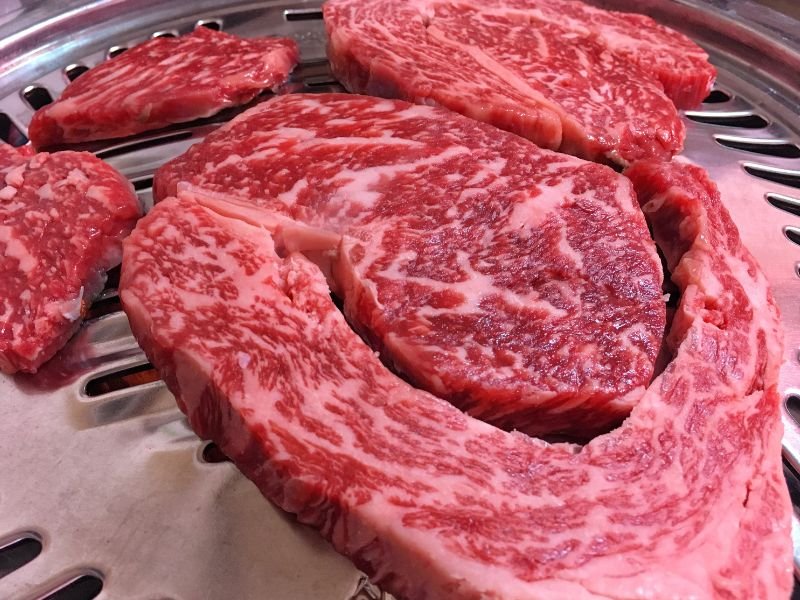
Indulge in Korean Barbecue at Ilsan’s Meat Street
Located near Ilsan Lake Park, Meat Street is a high-volume, smoke-filled corridor of serious barbecue joints. Walking down the block, your clothes will instantly absorb the smell of seared pork fat and hot charcoal. You’re given heavy metal tongs to manage thick slabs of meat over aggressive heat, making it a very hands-on, fast-paced meal. The energy here is frantic, and the grill masters do not mess around.
- Interactive Dining: You control the char. Keep the meat moving or the sweet marinades will burn to the grill grates.
- Variety: The pork belly here is cut thick, requiring heavy-duty scissors to chop it down to bite-size.
- Social Atmosphere: It’s loud, crowded, and you’ll likely be bumping elbows with the table next to you.
Tip: If you’re dropping serious cash on hanwoo (premium Korean beef), do not overcook it. Keep it medium-rare, and skip the heavy ssamjang paste—just a quick dip in coarse salt and sesame oil is all it needs!
Explore Street Food at Goyang Night Markets
Goyang’s night markets are a haven for street food lovers, but be prepared to navigate tight, chaotic alleys. The heat radiating off the flat-top grills and boiling broth vats makes the air incredibly dense. It’s fast, cheap, and you eat standing up while actively dodging heavy foot traffic and scooter couriers.
- Tteokbokki: The rice cakes here are dense and chewy, drowning in a fiercely spicy, neon-red sauce that will clear your sinuses instantly.
- Hotteok: Watch your mouth—the brown sugar and peanut syrup inside these fried dough pockets is scalding hot.
- Eomuk: The fish cake skewers are mild, but the boiling, salty broth they sit in is the ultimate late-night stomach settler.
Tip: Forget plastic entirely. Bring a thick wad of small bills (1,000 and 5,000 KRW notes), as rapid-fire cash transactions keep the lines moving. Grab extra napkins; this is messy eating!
Visit a Traditional Tea House
To reset your palate after the grease of the night market, a traditional tea house is your best tactical move. These places are hushed, wood-lined sanctuaries where you sit on heated floor cushions (ondol) that radiate warmth straight into your bones. The ceramic cups are thick, heavy, and hold the heat of the boiling water for a very long time.
- Variety of Teas: Try omija-cha for a sharp, tart kick, or the thick, pulpy yujacha to heavily coat your throat.
- Relaxing Ambiance: The low lighting and smell of dried herbs naturally force your heart rate down.
- Cultural Insight: The brewing process is slow and methodical; do not expect to be in and out in ten minutes.
Tip: Your legs will likely fall asleep if you aren’t used to sitting cross-legged on the floor. Shift your weight frequently, and definitely order the sticky, sweet yakgwa cookies to balance the bitter teas!
Sample Craft Beers at Local Breweries
Goyang’s craft beer scene is expanding fast, aggressively moving away from watery mass-market lagers into heavy, hop-dense IPAs and dark stouts. The taprooms usually have an industrial, bare-concrete aesthetic, and the air is heavily chilled to keep the kegs at optimal temperature. You can feel the condensation on the heavy glass pint glasses as soon as they slide them across the metal bar.
- Variety: The brewers are experimenting heavily, often throwing local fruits or aggressive hop profiles into the mash.
- Brewery Tours: Some spots let you walk the production floor, which smells intensely of boiled malt and cleaning chemicals.
- Live Entertainment: The acoustics in these concrete rooms mean the live bands are usually deafening.
Tip: Skip the full pints initially and order a tasting flight. The ABV on some of these local double IPAs is deceptively high, and you want to find your flavor profile before committing to a headache!
Tours For Visitors To Goyang, Korea
Join a Guided Bike Tour Around Ilsan Lake Park
Navigating Ilsan Lake Park on a guided bike tour is the most efficient way to map the area without burning out your calves on day one. You’ll feel the vibration of the paved trails through the handlebars as you cruise past the heavy foot traffic. The guides keep a brisk, no-nonsense pace, so you’re actually covering ground rather than just meandering aimlessly.
- Expert Guidance: They know exactly how to bypass the congested choke points near the main plazas.
- Scenic Routes: You’ll get routed through the dense, tree-lined back paths that most walkers simply give up before reaching.
- Healthy Activity: It requires a moderate physical output, but the flat terrain keeps your heart rate manageable.
Tip: Physically check the tire pressure on your rental bike before you roll out with the group. Riding on soft tires for two hours is a miserable, exhausting experience!
Participate in a Traditional Korean Cooking Class
If you want to actually understand the food, get into a cooking class where you’re chopping, boiling, and frying. The kitchens get hot and humid quickly, and your eyes will likely water when you start crushing raw garlic and chili powder for the kimchi paste. It’s a fast-paced, highly tactile environment that feels more like a working kitchen than a classroom.
- Hands-On Experience: You’re wielding heavy, sharp cleavers and managing aggressive gas burners.
- Cultural Insight: You learn exactly why certain ingredients are fermented for months in dark, cold clay pots.
- Enjoy Your Creation: Eating a bowl of bibimbap that you aggressively seasoned yourself is highly rewarding.
Tip: Wear closed-toe shoes. Kitchen floors get incredibly slick with spilled oil and water, and dropping a hot pan in sandals is a fast way to ruin a trip!
Explore Haengju Fortress with a Historical Tour
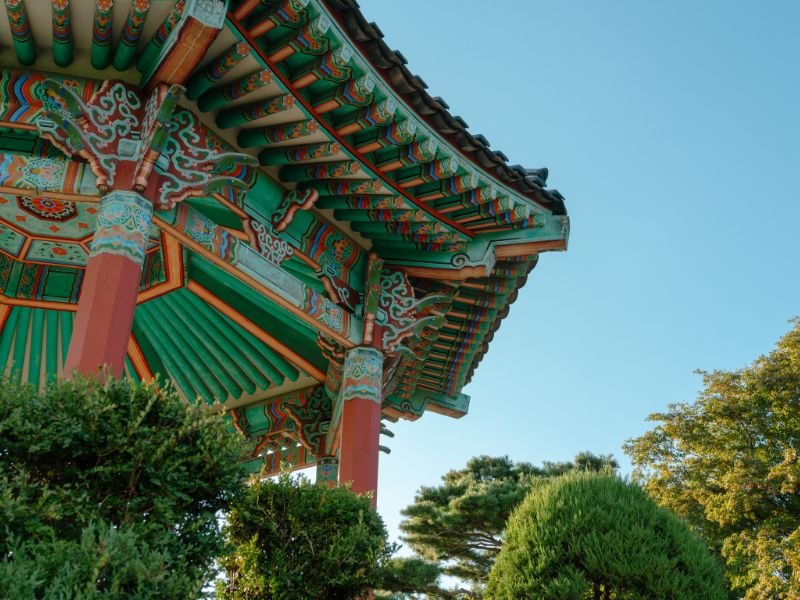
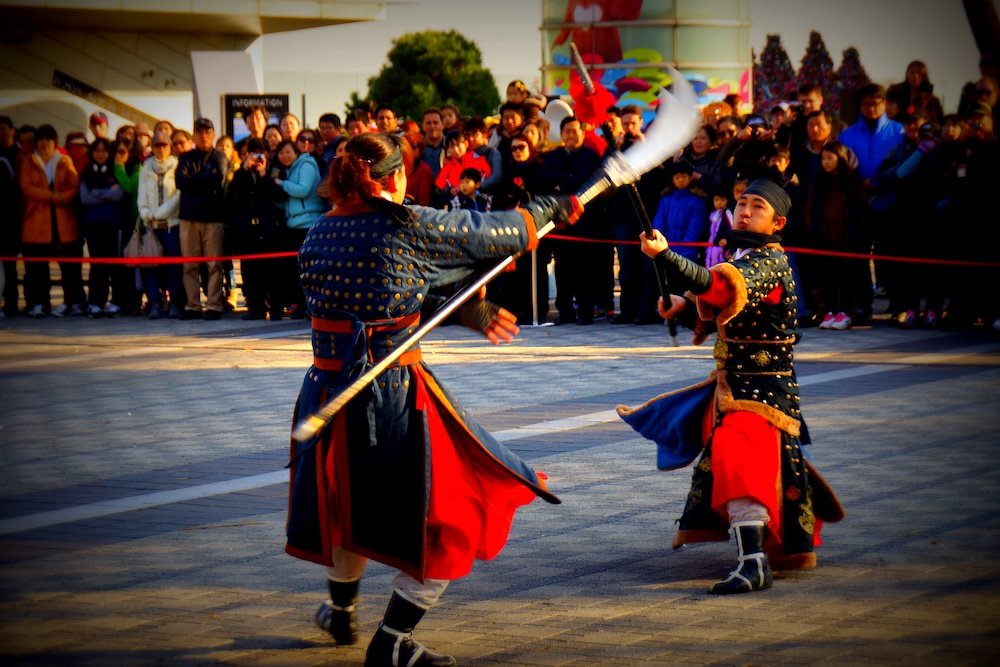
Hitting Haengju Fortress with a guided historical tour changes the experience from a sweaty hike into a detailed tactical briefing. As you stand on the steep, dirt embankments, the guide breaks down the brutal logistics of the 1593 siege. The cold wind hitting you at the summit makes the stories of winter warfare feel very real and very grim.
- In-Depth Knowledge: They map out exactly how the defending forces utilized the elevation to rain arrows on the riverbanks below.
- Interactive Experience: You get to handle replica weaponry, which is shockingly heavy and completely unbalanced.
- Panoramic Views: They know the exact dirt ledges that offer the cleanest sightlines for your camera.
Tip: The guides walk fast and the inclines are steep. Bring a microfiber towel to wipe the sweat off your face, and carry your own water because there are no stops!
Take a Day Trip to the DMZ (Demilitarized Zone)
Using Goyang as a launchpad for the DMZ is a smart logistical move. The tension in the air as you approach the heavily fortified border is palpable, and the military checkpoints are strict and unsmiling. Walking down into the damp, claustrophobic rock of the Third Infiltration Tunnel, the air gets noticeably cooler and smells intensely of wet stone and old iron.
- Educational Experience: It’s a stark, heavy reality check on the frozen conflict of the peninsula.
- Visit Key Sites: Peering through the heavy binoculars at the Dora Observatory gives you a surreal look into South Korean and North Korean terrain.
- Cultural Understanding: The briefings are rigid and factual, stripping away any Hollywood dramatization.
Tip: Do exactly what the military escorts tell you to do. Do not point, do not wave, and do not take photos unless explicitly cleared. Your passport must be physically on your person at all times, not left on the bus!
Enjoy a Han River Cruise
Dropping down to Seoul for a Han River river cruise is a low-friction way to end a day. As the boat pulls away from the concrete docks, the rumble of the massive diesel engines vibrates through the deck plates. The wind off the dark water is usually brisk, cutting right through the humidity of the city and giving you a much-needed break from the heat.
- Scenic Views: The scale of the bridges you pass under is massive, casting heavy, geometric shadows over the water.
- Entertainment: The onboard music can be loud, but you can usually escape it by heading to the upper, open-air decks.
- Relaxation: It’s one of the few times you can sit completely still and watch the sprawling metropolis move past you.
Tip: The temperature drops sharply on the water after sunset. Bring a heavy windbreaker, even if you were sweating on the subway an hour earlier!
Goyang Accommodations Guide: Hotels, Guesthouses, and Hostels
Luxury Hotels for a Comfortable Stay
If you have the budget, Goyang’s high-end hotels offer serious, insulated comfort from the noise and grit of the street.
- The MVL Hotel Kintex:
- Features: The rooms are heavily soundproofed, blocking out the traffic completely. The mattress quality is top-tier.
- Dining: The breakfast buffet is an expansive, chaotic affair, but the coffee is strong and the plating is precise.
- Location: It’s aggressively close to KINTEX, meaning you can walk to the exhibition halls in under ten minutes.
- Sono Calm Goyang:
- Features: The lobby smells faintly of expensive cedar, and the water pressure in the showers is strong enough to massage sore muscles.
- Extras: The Wi-Fi is blazing fast and doesn’t drop out when you get in the elevators.
- Atmosphere: It’s heavily staffed, meaning you rarely have to open your own doors.
Tip: Don’t rely on third-party booking apps. Call the front desk or check their direct site; they often throw in access to the executive lounge or free parking to secure a direct booking!
Experience Local Hospitality in Guesthouses
If you want a ground-level view of daily life, guesthouses trade pristine lobbies for character and close, communal quarters.
- Goyang Guesthouse:
- Accommodations: The rooms are tight, and you’ll likely hear the floorboards creak when your neighbor walks down the hall.
- Amenities: The communal kitchen smells like a mix of toasted sesame oil and coffee, making it a great place to swap travel intel.
- Host Interaction: The owners are usually blunt, efficient, and possess a wealth of hyper-local neighborhood data.
- Ilsan Hanok Stay:
- Features: Sleeping on a thin futon over an ondol-heated wood floor takes a night to get used to, but it does wonders for a sore back.
- Cultural Experience: The paper walls offer zero soundproofing, so you live exactly how the locals do.
- Extras: The central courtyard is usually damp with morning dew and perfect for an early tea.
Tip: Earplugs are mandatory gear. Wood and paper structures transmit every cough and footstep, so protect your sleep schedule!
Budget-Friendly Hostels for Travelers
For purely utilitarian sleeping arrangements, the hostels here do the job without draining your wallet.
- Abata Hotel:
- Accommodations: The rooms are sparse, featuring harsh fluorescent lighting and firm, springy mattresses.
- Facilities: The showers get hot fast, but the water pressure can be a gamble during morning rush hours.
- Location: You are right on top of the shopping districts, meaning you step out the door into immediate foot traffic.
- YMCA Hostel Goyang:
- Features: The metal bunk beds have a distinct rattle if you toss and turn in your sleep.
- Services: The locker metal is thin; bring your own heavy-duty padlock for your gear.
- Atmosphere: It smells like a mix of damp towels and industrial cleaner, but it’s packed with energetic backpackers.
Tip: In dorm settings, always claim the bottom bunk if possible to avoid the shaky midnight ladder climb. And pack a microfiber towel, as the provided ones are often thin and scratchy!
Day Trips From Goyang, South Korea
Visit Seoul
Seoul is the obvious heavyweight right next door. The sheer density of the capital hits you like a wall of humidity and noise the moment you exit the subway. It is intense, relentless, and demands a lot of physical energy.
- Historical Sites: The gravel courtyards of Gyeongbokgung Palace crunch loudly underfoot, and the scale of the wooden gates is massive.
- Shopping: Visit Myeongdong and Insadong, where the neon signs are blinding and the street promoters are aggressively loud.
- Culinary Delights: You’ll smell roasting meat, bus exhaust, and sweet batter all occupying the exact same block.
Tip: The Seoul subway during rush hour is a full-contact sport. Keep your elbows in, hold your bag tight to your chest, and aggressively swipe your T-money card to keep moving!
Explore Paju’s Heyri Art Village
Pushing north to Paju gets you to Heyri Art Village, a sprawling, eccentric zone that feels completely detached from normal Korean city planning. The architecture is sharp, concrete, and angular, surrounded by rough, unkempt nature.
- Art Galleries: The spaces echo with minimal sound, smelling faintly of wet clay and oil paint.
- Unique Architecture: Navigating the uneven stone pathways between the bizarrely shaped buildings requires you to look down frequently.
- Cafes and Shops: The espresso here is pulled tight and strong, cutting right through the fatigue of walking all day.
Tip: Do not trust digital maps out here; the winding dirt paths between galleries rarely line up with GPS. Grab a physical paper map at the main entrance!
Discover Imjingak Park and the DMZ
Imjingak Park is a heavy, somber expanse of pavement and monuments near the border. The rusted iron of the old train cars feels rough and blistered under your hands, serving as a brutal reminder of the divided peninsula.
- Freedom Bridge: The wooden planks of the bridge look fragile, lined with thousands of sun-bleached, fluttering prayer ribbons.
- War Memorials: The stone monuments are cold, massive, and demand absolute silence from the crowds.
- Observation Decks: Looking through the scratched glass of the viewing scopes, the North Korean tree line looks eerily quiet and static.
Tip: The wind cuts across this open park viciously. Bring a heavy jacket, and ensure your camera batteries are fully charged, as the cold drains them rapidly!
Goyang Transportation Guide
Getting to Goyang
The transit landscape here has recently leveled up in a massive way. The GTX-A (High-Speed Rail) is the new undisputed champion, completely cutting the long 60-minute commute from Seoul Station down to a blazing 14 to 20 minutes straight to KINTEX Station for just a few thousand won. Most old guides will tell you to take the bus, but they are wrong—get underground. If you are based in Myeongdong, Subway Line 3 is still your direct, albeit slower and rattier, route to Daehwa Station. Meanwhile, if you are starting from Hongdae, the M7731 Red Express Bus is your fastest direct surface option.
- Express Buses: The suspension on these coaches is tight, meaning you’ll feel every single pothole as they barrel down the highway.
- Airport Limousine Buses: The heavy diesel engines hum dependably, moving you straight from Incheon to Goyang with massive luggage bays so you aren’t wrestling bags on a train.
Tip: Do not fumble for loose coins. Pick up a T-money card at literally any convenience store to tap-and-go seamlessly. And let me be clear: the KakaoMap app is non-negotiable. Google Maps is effectively blind when it comes to Korean walking directions!
Navigating Within Goyang
Public Transportation:
- Subway: The stations are deep underground, requiring long rides on steep, fast-moving escalators.
- Buses: Local buses brake hard and accelerate aggressively. Grab a handrail immediately or you will end up on the floor.
Taxis:
- Availability: The orange and silver cabs are everywhere, and the vinyl seats are usually spotless.
- Apps: Use Kakao Taxi to eliminate the language barrier completely; the driver’s GPS will route them perfectly to your pin without you saying a word.
Bicycle Sharing:
- Goyang Bike: The heavy, thick-framed public bikes rattle a bit, but the thick tires handle curb drops easily.
- Cost: You swipe, unlock the heavy metal clasp, and pedal off for absolute pennies.
Tip: Taxis shift shifts around midnight, making them nearly impossible to flag down on the street. Use the app, or make sure you catch the final subway train!
Transportation Tips for Tourists
- Language: Bus drivers bark instructions quickly. Knowing a quick “kamsahamnida” (thank you) goes a long way.
- Rush Hours: Being crushed against the subway doors at 8:30 AM is a sweaty, breathless experience. Avoid it if you value your sanity.
- Etiquette: Do not talk loudly on your phone on the train; the aggressive side-eyes from the locals will be palpable.
Tip: Always have your hotel’s business card in your pocket. Showing a taxi driver a printed Korean address is infinitely faster than butchering the pronunciation from your phone screen. Grab a portable Wi-Fi egg; you need constant mapping data!
Essential Questions About Visiting Goyang, South Korea: Practical Answers, Local Tips & Easy Seoul Side-Trip Wins
Is Goyang worth visiting if I’m already staying in Seoul?
Absolutely. Goyang is a massive reward for minimal logistical effort. You get the lakeside miles and the heavy cultural venues without the suffocating foot traffic of Myeongdong. It’s close, but the air literally feels lighter. If you’re the type who likes mixing city time with a slower, local rhythm, Goyang scratches that itch perfectly.
How many days should I budget for Goyang?
One solid, blister-inducing day is usually enough if you hit the pavement early for the lake and KINTEX. If you want to dig into the heavy acoustics at Aram Nuri or the quiet dirt trails of Seooreung without rushing, book a room and make it a comfortable two-day itinerary.
What’s the best area to base yourself in Goyang?
The Ilsan area is your smartest logistical move. It drops you right next to the concrete expanse of KINTEX and the deep greens of the lake park. You can walk to the night markets, meaning your evening commute smells like roasting pork instead of subway exhaust.
What’s the best time of year to visit Goyang?
The crisp, biting chill of autumn (September to November) is unbeatable for walking. Spring brings the massive Goyang International Flower Festival, which means visually stunning walks but air thick with pollen. Summer is a sweaty, humid slog, while winter pushes you into the heated indoor complexes.
When does the Goyang International Flower Festival usually happen?
In most years, you’ll see it scheduled in late April to May. The sheer volume of people means you’ll be dodging elbows, but the visual payload is huge. Check the official schedule before you lock in dates. goyang.go.kr
Is Goyang easy to reach from Seoul and the airports?
Yes. The heavy rail lines plug straight into Seoul’s grid. If you’re coming off a long flight into Incheon or Gimpo, the airport bus drops you here fast, sparing you the jarring transition into Seoul’s frantic core on night one.
What’s the easiest way to get around Goyang without a car?
The subway and bus network is aggressively efficient. Grab a T-money card and you’re set. For the lake, the heavy rubber tires of a rental bike are your best bet to cover the miles without destroying your feet.
Is KINTEX only for business travelers?
Not at all. It’s a massive, echoing cavern of a building that hosts everything from loud pop-culture conventions to sprawling food expos. The polished concrete floors will test your shoes, but the scale is impressive. en.hdec.kr
Are the Seooreung Royal Tombs worth it for non-history buffs?
Yes. The sudden drop in ambient noise when you step into the heavy pine forest is worth the trip alone. The massive, rough-hewn stone statues guarding the dirt mounds are a stark reality check on history. VISITKOREA – Imagine Your Korea
What should I eat in Goyang besides standard Korean barbecue?
Start with the heavy, oily crunch of jangtteok. Then lean into the Ilsan dining zones for variety. A simple game plan: grab a street snack lunch, hit the smoke-filled BBQ joints for dinner, and finish with a quiet tea house to settle your stomach.
Is Goyang family-friendly?
Extremely. The paved paths at Ilsan Lake Park are smooth for strollers, and the deafening wave pools at One Mount will exhaust your kids completely by 6 PM. It’s an easy environment to manage.
Is Goyang a good base for the DMZ or Paju day trips?
Yes. It cuts down your transit time to the heavily fortified border. The tension at the checkpoints is real, and starting closer means less time sleeping on a bouncing tour bus.
Is Goyang safe for solo travelers at night?
Very. The neon-lit commercial zones are loud and packed. Normal urban awareness applies—don’t leave your phone unattended on a cafe table—but the vibe is generally relaxed and highly secure.
What should I pack for a day trip to Goyang?
Heavy-duty walking shoes with real arch support are non-negotiable; the concrete and gravel will wreck your feet otherwise. Pack a light windbreaker, as the wind off the Han River drops the temperature fast when the sun sets.
| Activity / Route | Current Cost / Time | The Reality Check | Pro-Tip |
|---|---|---|---|
| Ilsan Lake Park Bike Rental | ~10,000 KRW (2 hours) | Worth It. Walking 4.7km in the heat is a mistake. Biking saves your legs. | Check your tire pressure before you ride off; riding on flats here is miserable. |
| One Mount (Snow & Water) | 35,000 – 45,000 KRW | Skip the Water Park on weekends. Unless you love chaotic crowds of kids. Stick to the Snow Park. | Pack two separate bags so you don’t have to rent damp winter gear. |
| Seoul to KINTEX via GTX-A | 14 – 20 minutes | Absolute Game Changer. Ditch the surface buses and traffic entirely. Get underground. | This train is fast. Hold onto the rails if you don’t have a seat. |
| Haengju Fortress Climb | Free (small parking fee) | Best for views, bad for knees. It’s a steep, grueling dirt climb. | Take the local shuttle bus to the summit if you’re carrying heavy camera gear. |
| Seooreung Royal Tombs | 1,000 KRW (Free last Wed) | Highly Recommended. The drop in ambient city noise is worth the walk alone. | Do not show up on a Monday. The gates will be padlocked. |
| Meat Street BBQ | Varies by cut | Worth the grease. It’s loud, fast-paced, and intense. | If you order premium Hanwoo beef, do not overcook it. Medium-rare is all it needs. |
Goyang Travel Guide: Final Thoughts
Let’s wrap this up. From the heavy tree cover and paved miles of Ilsan Lake Park to the echoing, massive halls of KINTEX, Goyang packs serious value. It’s the perfect counter-punch to Seoul’s relentless pace, giving you the space to actually breathe without sacrificing the convenience of modern transit.
Whether you’re freezing your hands off at the indoor snow parks, taking a deep dive into history on the steep dirt trails of ancient fortresses, or just eating street food until you physically can’t move, Goyang delivers. The local infrastructure is bulletproof, and the city’s unique charm is rooted in its highly functional, breathable layout.
This guide is also available in Spanish. [Lea la versión en castellano: Guía de viaje de Goyang: Las 10 mejores cosas que hacer en Goyang, Corea del Sur]