
Audrey and I arrived at the exact table where Princess Diana once sipped her tea covered in a thick layer of Patagonian road dust, sweating through black flannel in a summer heatwave, and feeling woefully underdressed for the pristine rose gardens. Locals will highly recommend walking the 1914 Federal Grand Central Chubut railway tunnel before you sit down for your afternoon reservations. What they won’t tell you is that it currently functions as a 300-meter wind tunnel that will blast clouds of dirt straight into your retinas right before you attempt to look civilized holding a porcelain teacup.
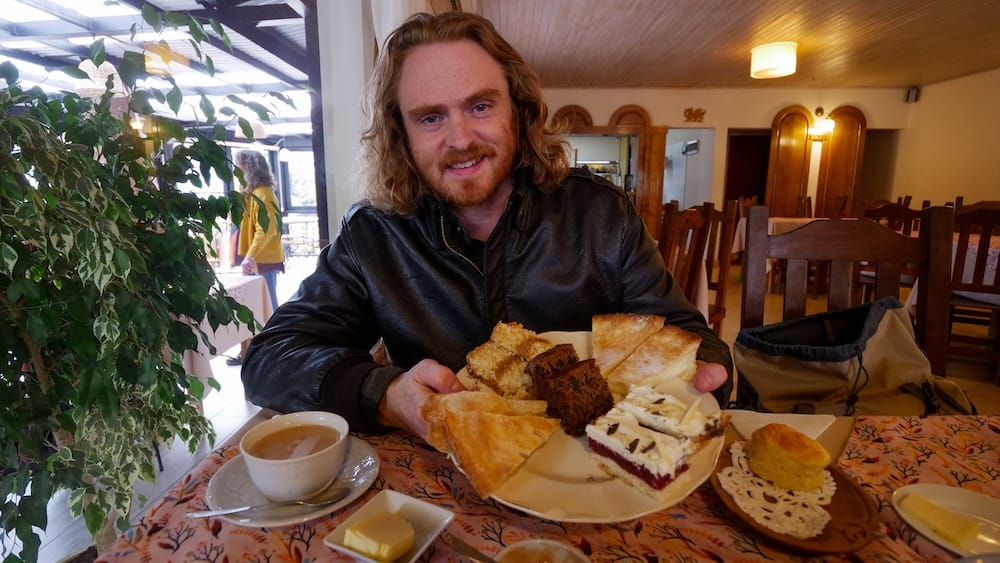
This is the raw reality of the Patagonian Welsh tea circuit. It is not a delicate, breezy stroll through the British countryside; it is a rugged, dusty, heavily caffeinated endurance sport. If you are heading deep into southern Argentina, you are likely targeting the two epicenters of this bizarre, historical Welsh-Argentine fusion: the desert valley oasis of Gaiman (near the Atlantic coast) and the alpine mountain village of Trevelin (tucked into the Andes).
You aren’t just here to eat; you are here to navigate an entirely unique micro-culture that requires specific logistical planning to avoid food waste, blown budgets, and afternoon transit strandings. We learned these lessons the hard way—usually while slipping into a sugar coma—so you don’t have to.
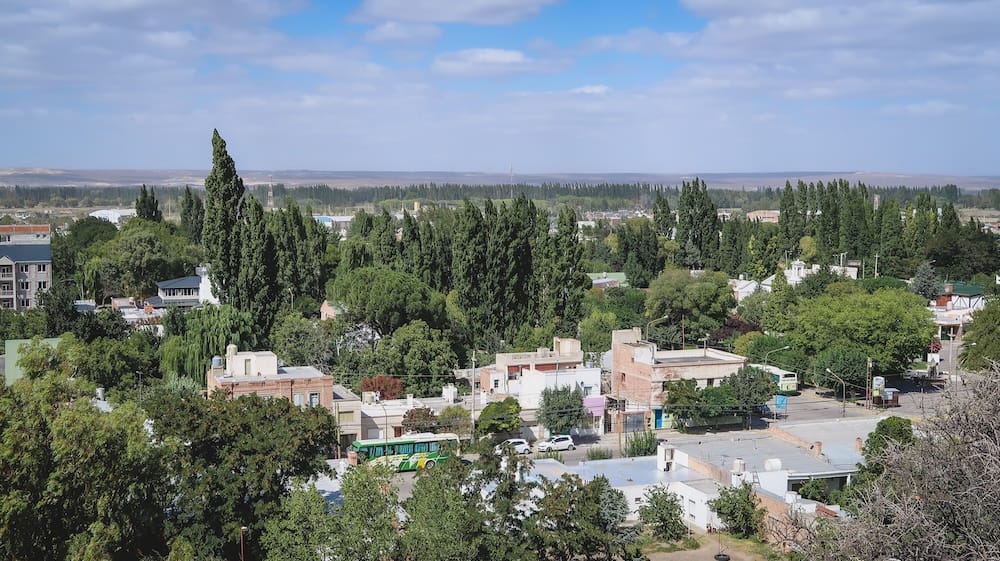
The Patagonian Tea House Ecosystem: Coast vs. Mountain
Before we dissect the menus and the transit maps, you need to understand that Gaiman and Trevelin offer two drastically different experiences. You are not choosing between two identical villages; you are choosing between two entirely different climatic and cultural interpretations of the 1865 Welsh settlement.
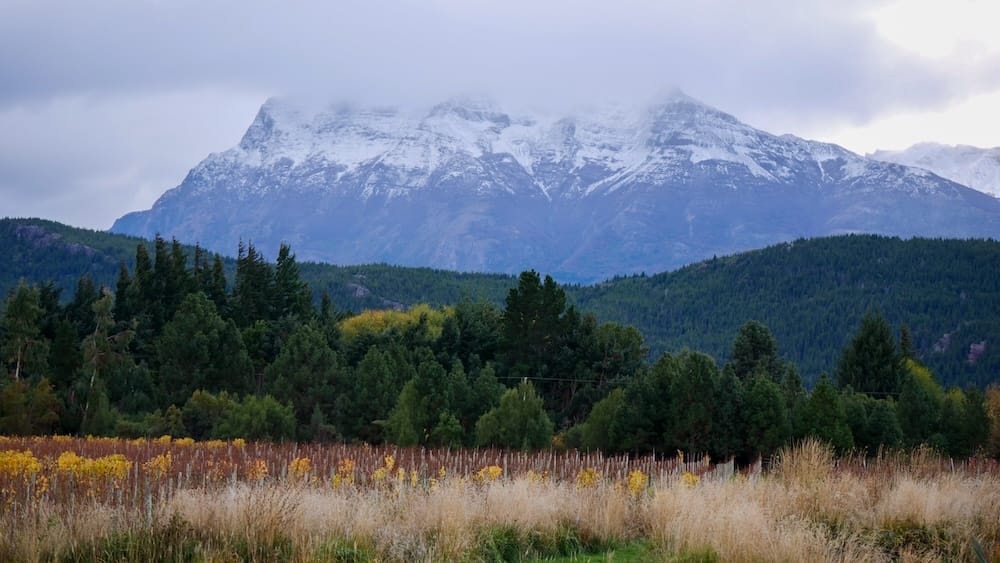
| Ecosystem Factor | Gaiman (The Lower Chubut Valley) | Trevelin (The Andean Frontier) |
| The Visual Vibe | Arid desert oasis, red-brick chapels, historically “frozen” in the early 1900s. | Alpine mountain retreat, lush floral gardens, towering pine trees, “Swiss-Welsh.” |
| Signature Landscape | The winding Chubut River cutting through dusty, dry steppe terrain. | The Cwm Hyfryd dragon statue backed by snow-capped Andean peaks and tulip fields. |
| Tea Service Style | Strict, formal “High Tea” ceremonies leaning heavily on British colonial history. | Relaxed, “family-style” service deeply integrated with local mountain berry agriculture. |
| Logistical Basecamp | Best accessed as a day trip from Puerto Madryn (80km) or Trelew (17km). | Best accessed as a multi-day trip or basecamp from Esquel (25km) or Los Alerces. |
| The Hidden Reality | The town completely shutters during the 12:30 PM to 4:00 PM siesta. Time your arrival. | The mountain cold hits instantly at 7:00 PM when the sun dips behind the Andes. Bring a down jacket. |
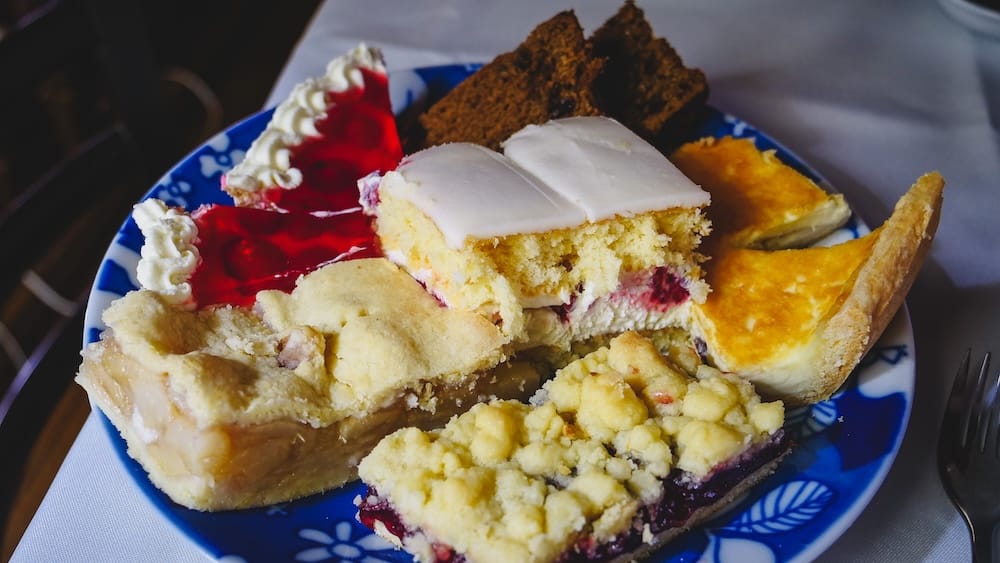
The Patagonian Tea Rosetta Stone: What Are You Actually Eating?
When the tiered tower hits your table, you are looking at a collision of 19th-century Welsh tradition, Argentine ingredients, and indigenous Patagonian history. Here is your linguistic and culinary cheat sheet to surviving the carbohydrate avalanche.
| Original Welsh Name | Argentine Spanish Name | English Name | The “Foodie Reality” Description |
| Cacen Ddu | Torta Negra | Black Welsh Cake | The 100-year-old frontier survival fruitcake. Completely eggless, dense as a brick, and soaked in liquor for 24+ hours. Eat exactly one slice and ask for a doggy bag for the rest. |
| Pice ar y Maen | Tortitas Galesas | Welsh Griddle Cakes | The glorious hybrid of a pancake and a shortbread cookie, historically baked on a cast-iron bakestone over an open fire. Spiced heavily with nutmeg and currants. |
| Sgons | Scones | Scones | Your primary butter-delivery vehicle. These are not dry, crumbly café scones; they are dense, warm, and act as the crucial savory bridge before you hit the sugar tier. |
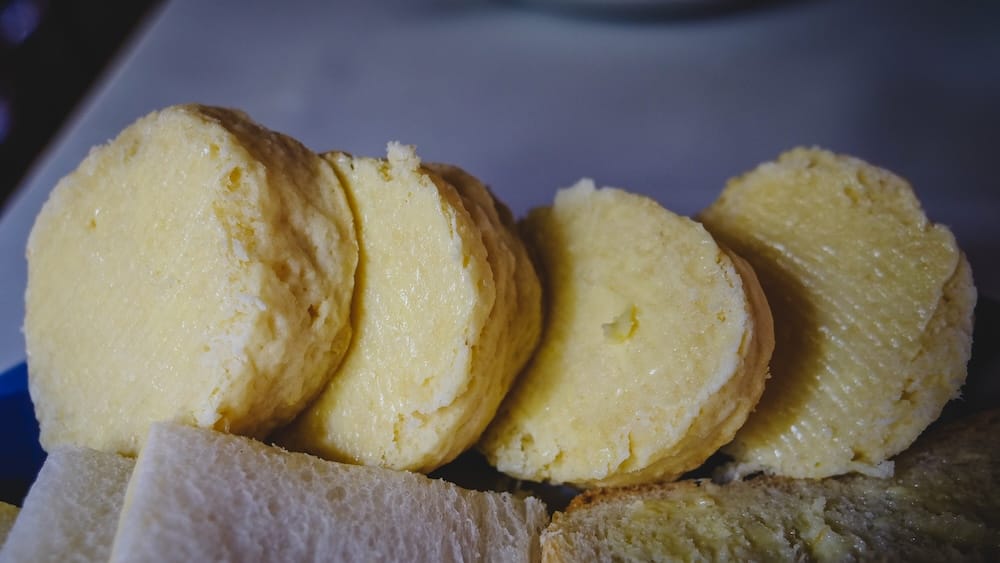
| Bara Menyn | Pan Casero con Mantequilla | Crusty Bread & Butter | The ultimate pacing tool. Thick-cut, homemade wheat and white loaves slathered in salted butter. Historically, this was the exact bread traded with the Tehuelche for guanaco meat. |
| Cyffaith | Mermelada Regional | Local Preserves | This is the true Welsh-Argentine fusion. You aren’t getting strawberry jam. Look for Citrón (a dense, watermelon-like fruit from the Gaiman valley) or Calafate/Maqui berries in Trevelin. |
| Bara Brith | Pan Dulce Galés | Speckled Bread | A sweet, yeast-leavened bread speckled with dried fruits and candied peels, traditionally soaked in cold tea overnight before baking. Lighter than the Black Cake, but equally dangerous to your waistline. |
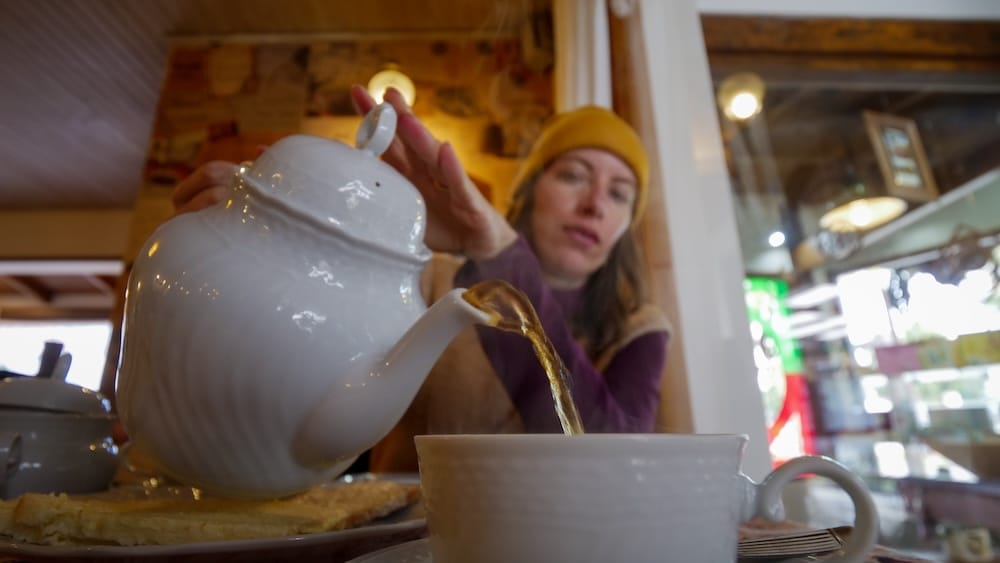
| Te | Té en Hebras | Loose-Leaf Black Tea | The bottomless pot. Usually a fiercely strong Indian or Ceylon blend. You will need at least four cups of this to cut through the massive amounts of butter and sugar you are about to consume. |

The Friction of the Valleys: Surviving Patagonian Transit
If you think public transit in Patagonia operates on a tight, predictable European schedule, try catching a bus to the mountains on a Sunday morning. Transport down here requires a blend of hard cash, specific digital cards, and a willingness to aggressively pivot when the schedule simply ceases to exist.
Navigating the Route to Gaiman: The SUBE Card Dead Zone
Hopping on the bus from the gritty terminal in Trelew to the quaint streets of Gaiman sounds like a quick 15-minute hop. We bounded onto the 28 de Julio bus line expecting a rapid transfer, only to realize the journey takes a winding 45 minutes through rural farmland. But the actual friction happens before you even board.
You cannot simply hand the driver a crumpled 10,000 Peso note. The Trelew-Gaiman corridor is a strict “SUBE Card” zone. If you arrive at the bus stop without this pre-loaded digital transit card, you will not ride.
- The Logistical Fix: Purchase and load your SUBE card at the Puerto Madryn or Trelew main terminals before attempting the transfer. In Gaiman itself, the only reliable top-up point is a small “Telecentro” near the main square, which ruthlessly closes during the afternoon siesta.
- The Scenic Hack: When you board the 28 de Julio bus in Trelew, do not just sit down. Explicitly ask the driver if they are taking “Route 7.” This bypasses the bleak industrial highway and weaves you through the gorgeous, historic farming plots of the lower valley. The ticket currently hovers around $6,000 ARS.
The Esquel to Trevelin Sunday Blackout
Fast forward to the Andes. While filming the Trevelin leg for our Samuel and Audrey YouTube channel, we confidently marched out to the Esquel bus stop on a Sunday morning, only to find an empty road. The “Transporte Jacobsen” buses that reliably run the 25km route during the week practically disintegrate on the weekends.
- The Logistical Fix: Do not let a Sunday schedule ruin your tea reservations. We immediately pivoted and haggled a local taxi for the 20km ride. At roughly $12 to $13 USD for the trip, splitting a cab actually gave us an extra hour and a half of exploration time before the tea houses opened.
[Samuel’s Cruise Ship Warning: The Gaiman Buy-Out] Here is a detail generic brochures completely ignore: Puerto Madryn is a major deep-water port. On days when mega-cruise ships dock, thousands of passengers are immediately bussed 80km inland to Gaiman. The most famous tea houses—specifically Ty Te Caerdydd and Ty Gwyn—are often entirely bought out by private excursions. Before you travel to Gaiman, check the Puerto Madryn Port Authority website. If a ship is in port, abandon the famous spots and head to Plas y Coed or Ty Cymraeg, which quietly refuse large tour groups to maintain their authentic atmosphere.
The Gaiman Tea House Roster: Surviving the Sugar Coma
Gaiman is flat, but it is deceptively spread out. To get from the central plaza to the premier tea houses, you are looking at a dusty 20 to 30-minute walk. Do not wear heels. The “Welsh charm” includes plenty of gravel, relentless sun, and unshaded dirt paths.

Ty Te Caerdydd: The Royal Standard
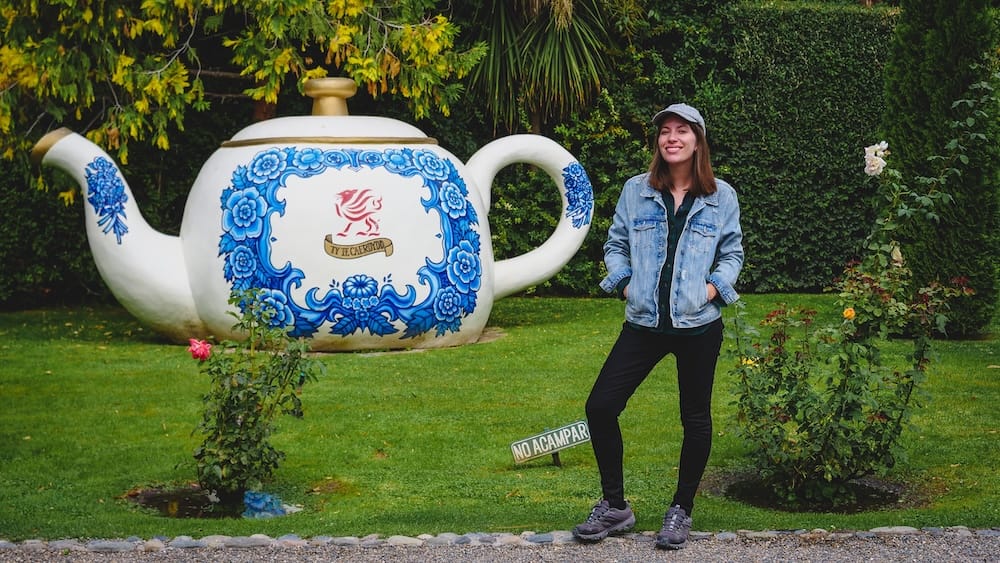
This is the house that built the modern Gaiman tourism industry, cemented by Princess Diana’s visit in 1995. The walk out to Ty Te Caerdydd (Finca 202) involves blindly following a relentless series of painted wooden arrow signs out of town for about 2.2 kilometers.
When we finally arrived, sweating profusely and caked in dust from the railway tunnel, the sheer luxury of the estate was a massive shock. You are seated amidst immaculate rose gardens and manicured lawns. They maintain a shrine-like preservation of the exact table and porcelain teacup Diana used.
- The Cost: Between $25,000 and $30,000 ARS (~$25-$30 USD).
- The Hours: Daily from 2:00 PM to 8:00 PM (Peak rush hits right at 4:30 PM).
- The Reality: You are paying a premium for the history and the grounds. The tea is excellent, but the atmosphere is heavily structured and deeply formal.
Ty Gwyn: The Six-Cake Endurance Test
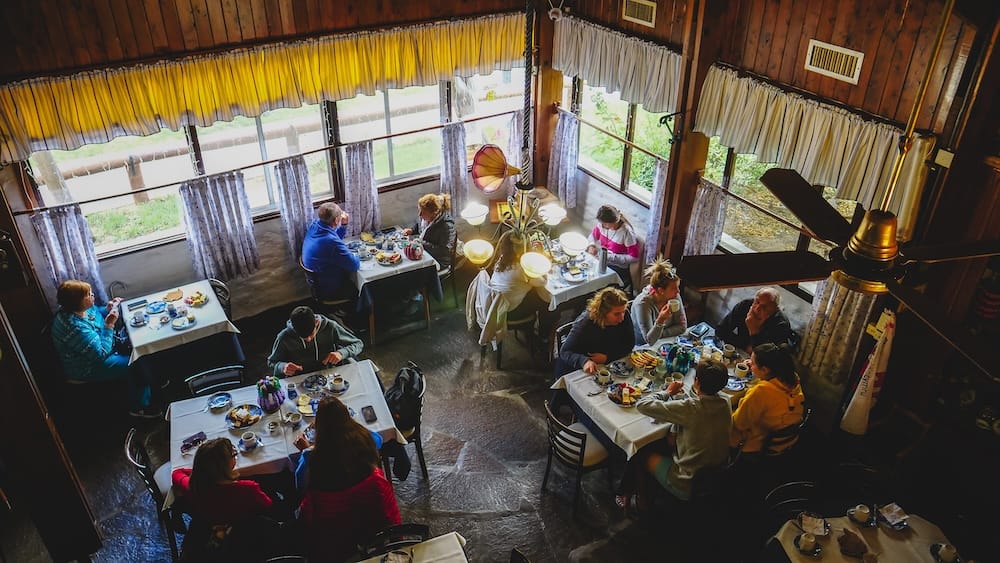
Located closer to the town center on 9 de Julio, Ty Gwyn is the oldest operating tea house in Gaiman. This is where we experienced the true physical toll of the Welsh Tea Service.
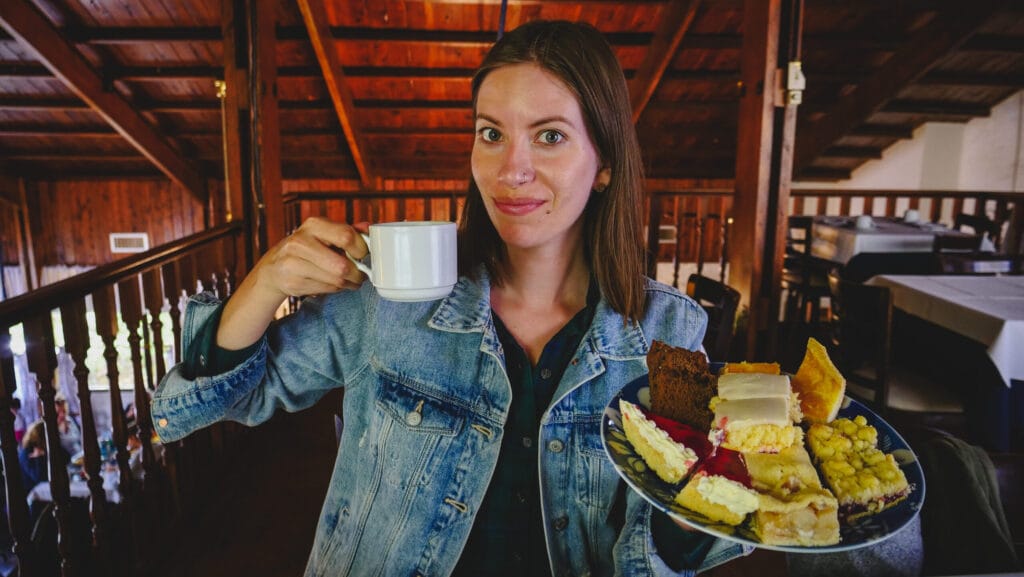
At some point during our sixth slice of cake, staring at a mountain of fresh whole wheat bread, cheese sandwiches, scones, and heavy butter, I realized I was literally out of breath. Eating your way through a traditional Patagonian tea service is exhausting. They do not bring you a polite slice of cake; they drop six entirely different whole cakes onto your table alongside the savory towers.
- The Standout Flavor: Do not ignore the preserves. While generic guides mention the jams, the un-fakeable star at Ty Gwyn is the Citrón Jam—a rare, hyper-local preserve made from a dense melon that thrives in the Chubut valley.
- The Cost: $25,000 ARS base.
The Gaiman Matrix: Essential Operations
| Venue | The Vibe & Geography | Signature Offering | 2026 Operating Hours |
| Ty Te Caerdydd | Posh, historical, 2.2km out of town. Strict garden aesthetics. | The “Lady Di” historical connection and massive private estate. | Daily: 2:00 PM – 8:00 PM |
| Ty Gwyn | Traditional, cozy, central location near the river. | Citrón Jam and the oldest operating historical interior. | Daily: 2:30 PM – 8:30 PM |
| Ty Cymraeg | Riverside views, quiet, avoids the heavy tour bus traffic. | Serene Chubut riverfront seating, less chaotic atmosphere. | 9:00 AM – 12:30 PM / 2:30 PM – 8:00 PM |
| Plas y Coed | Low-key, intensely authentic, central (M. Moreno street). | Rejects large cruise groups, ensuring a quiet, intimate service. | Daily: 3:00 PM – 7:30 PM |
From Desert Rations to a $30 Feast: The Brutal Origins of Patagonian Tea
When I first sat down at Ty Gwyn and stared at a towering plate of crusty bread and pitch-black fruitcake, I assumed I was participating in a cute, imported Victorian pastime. The reality is far more hardcore. The history of the Patagonian Welsh tea service isn’t about dainty British aristocracy; it is a story of sheer, desperate frontier survival.
When the clipper ship Mimosa dropped 153 Welsh settlers onto the shores of Puerto Madryn in July 1865, they were not greeted by the lush, green valleys they had been promised. They stepped into an arid, wind-blasted desert steppe. The elaborate spread of food you are paying $30 USD to eat today was originally engineered to keep those pioneers from starving while they hand-dug irrigation canals in 100km/h winds.
The Desert Survival Origins: Engineering the Torta Negra
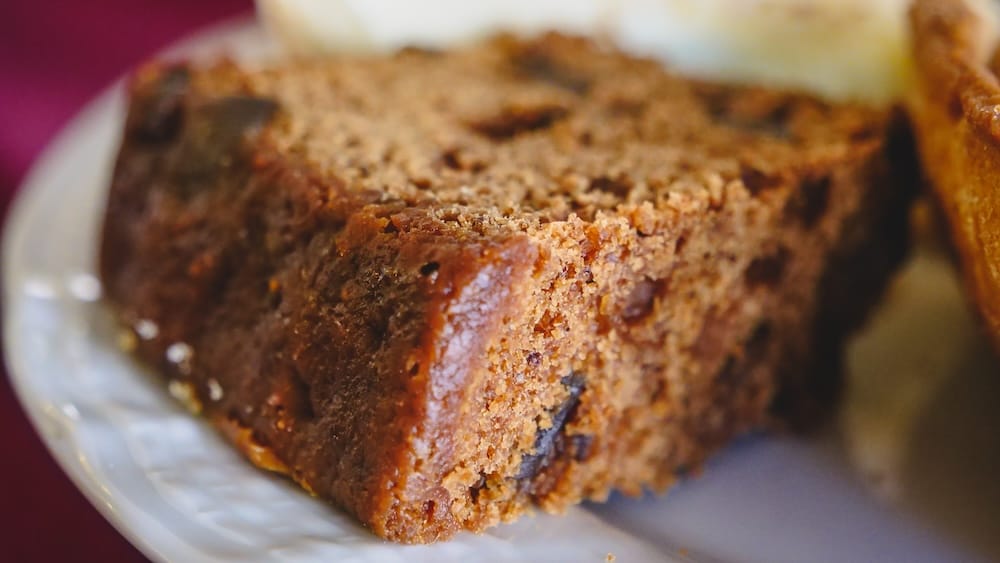
If you try to eat the legendary Torta Negra (Black Cake) like a standard sponge cake, it will destroy you. It is incredibly dense, and that density is a historical feature, not a bug.
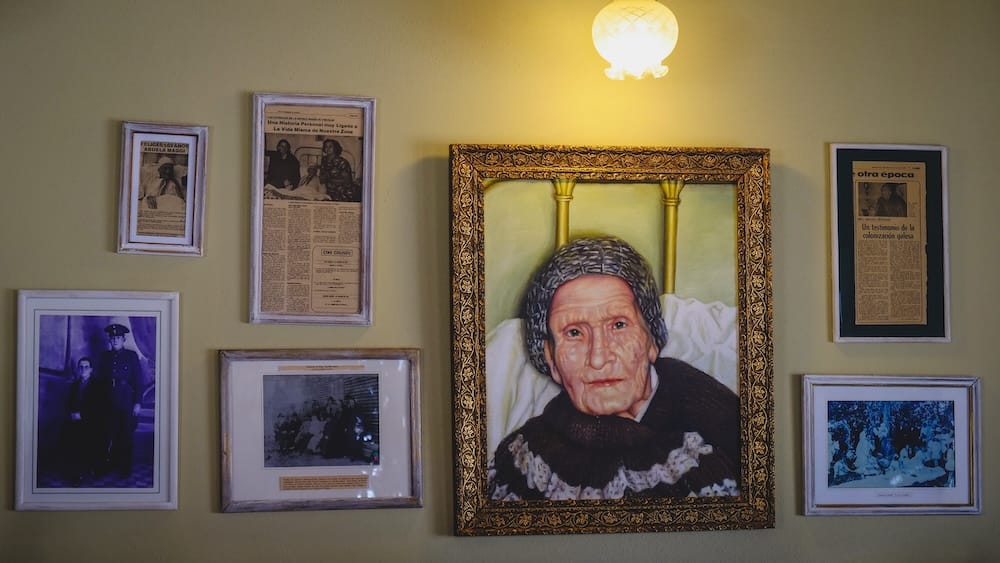
During those brutal early years, the settlers had to create a high-calorie food source that could survive for months in a harsh climate without spoiling. The original recipe was engineered out of necessity: it completely eliminated highly perishable eggs and instead relied on massive amounts of brown sugar, dried fruits, nuts, and heavy liquors. It wasn’t a teatime treat; it was field fuel. Today, traditional houses like Nain Maggie still utilize those 100-year-old recipes, requiring a strict 24 to 45-hour soak in French oak casks to get the exact, unyielding texture that kept the colony alive.
- The Wedding Tradition: The preservation power of this cake is so intense that local Welsh-Argentine couples traditionally save the top tier of their wedding Torta Negra in a tin. They eat one slice every month for the first year of their marriage as a symbol of surviving hard times.
- The Caloric Density: A single slice is heavier than most modern bakery loaves. Treat it with respect, and do not feel bad asking for a doggy bag.
The Tehuelche Trade and the Chapel Vestry
The Welsh did not survive the desert alone. In fact, without the indigenous Tehuelche people, the entire Y Wladfa (The Colony) experiment would have collapsed during its first winter.
The Tehuelche approached the struggling settlers and taught them how to hunt guanaco (a local llama relative), track wild ostriches, and locate fresh water. In exchange, the Welsh traded the one thing they had mastered: their baking. The simple scones and bread that now form the savory base of your afternoon tea were the primary currency used to secure indigenous meat and survival skills. It was a rare, peaceful cultural integration on a frontier that was otherwise defined by conflict.
So how did survival rations and trade bread evolve into a massive, multi-tiered afternoon feast? It all started in the chapels.
Because the settlers were so isolated, the only time they could gather to speak their native language, share news, and find comfort was after the marathon Sunday church services. Families would crowd into the “vestry” (the side room of the chapel) for a massive communal potluck. Every family brought whatever specific jam, bread, or cake they had managed to produce that week. That is exactly why the modern Patagonian tea service features twenty different items crammed onto a tiered tower—it is the literal ghost of a 19th-century survival potluck.
[Samuel’s Authentic Reality Check: The Tourist Trap Debate] You will inevitably hear backpackers or internet critics claim that the modern Gaiman tea house circuit is “fake” or just a fabricated tourist trap. Here is the truth: The commercialization of the tea houses was heavily ramped up in the 1970s as an economic lifeline to save the fading towns. But the food on the table is fiercely authentic. It is a living tradition that was purposefully weaponized to save the local economy. When Princess Diana drank tea here in 1995, it wasn’t the invention of a tradition; it was the ultimate marketing triumph of a community that refused to let their grandparents’ survival story disappear.
The Patagonian Tea Artifacts: Then vs. Now
To truly appreciate what you are consuming, you have to look past the floral teacups and see the grit underneath the pastry.
| The Artifact | 1865 Survival Function | 2026 Tourist Reality | Samuel’s Verdict |
| Torta Negra (Black Cake) | High-calorie pioneer fuel. Engineered without eggs and packed with liquor to survive months in the desert without spoiling. | The $30 centerpiece of the table. Sold in souvenir tins at every bus terminal in Chubut. | Respect the density. Eat one slice, take the rest in a box. It will realistically outlive you. |
| The Tiered Tower | A chapel “vestry” potluck necessity. Families pooled their scarce resources after Sunday service. | A highly formalized, all-you-can-eat Instagram flex that requires serious pacing. | A glorious physical endurance test. Do not attempt without skipping lunch. |
| Scones & Crusty Bread | The primary currency used to trade with the indigenous Tehuelche for guanaco meat and crucial survival skills. | Served warm alongside an absurd mountain of regional preserves and heavy butter. | Slathering them in local Trevelin berry jam or Gaiman Citrón is the ultimate Patagonian fusion. |
The Unspoken Rules of Patagonian Tea (How to Not Look Like a Tourist)
You cannot approach these establishments like a standard modern cafe. There are deeply ingrained, unwritten rules to how the service is consumed, paid for, and managed.
The “Double Service” Trap and the Sharing Hack
A common tourist trap frustration is arriving at a tea house wanting “just a coffee” or “one slice of cake.” In the traditional houses, this is strictly forbidden. You pay for the full service, or you do not sit down.
For a couple, ordering two full services results in roughly 1.5 kilograms of cake hitting the table, leading to massive waste and a $60+ bill. We learned from our sugar-coma mistake at Ty Gwyn and evolved our strategy.
- The Workaround: When you sit down, specifically ask for “Un servicio para compartir” (One service to share). Most houses have adapted to this and will charge a small “surcharge” or “share fee” (usually around $5,000 ARS). This fee covers an extra pot of endless tea, but you share the same massive tower of food. It is the ultimate budget and waistline savior.
The Doggy-Bag Etiquette
Travelers often feel incredibly awkward asking to take leftovers from a formal “High Tea” environment. Do not hesitate.
- The Reality: It is 100% culturally expected. Roughly 70% of the food usually remains on the table. Simply ask, “¿Me lo podés envolver para llevar?” They will happily box it up. Our leftover stash from Gaiman provided an elite, free breakfast in our hotel room the next morning.
[The Foodie Reality Check: The Siesta Ghost Town] If you arrive in Gaiman at 1:00 PM expecting a bustling “Welsh Village” vibe, you will be met with locked doors and empty streets. Everything—museums, bakeries, and shops—shutters from roughly 12:30 PM to 3:30 PM. The Strategy: Arrive at 10:30 AM. Visit the Museum of Anthropology, grab a light savory empanada for lunch, and walk the historical tunnels during the quiet siesta hours. Be standing at the door of your chosen tea house exactly when they turn the open sign at 2:30 PM.
Trevelin: The Andean Tea Experience
Moving 600 kilometers west into the Andes, the culture shifts from the arid colonial history of Gaiman to the lush, mountainous integration of Trevelin. The Welsh influence here is distinctly blended with local Mapuche traditions and the rugged realities of the Patagonian frontier.
Nain Maggie: The Gold Standard of the Mountains
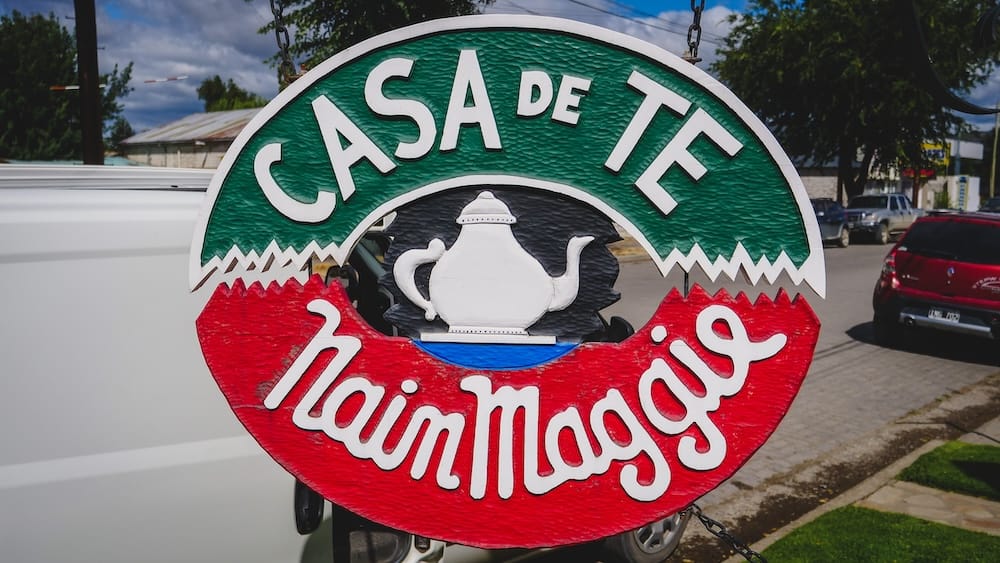
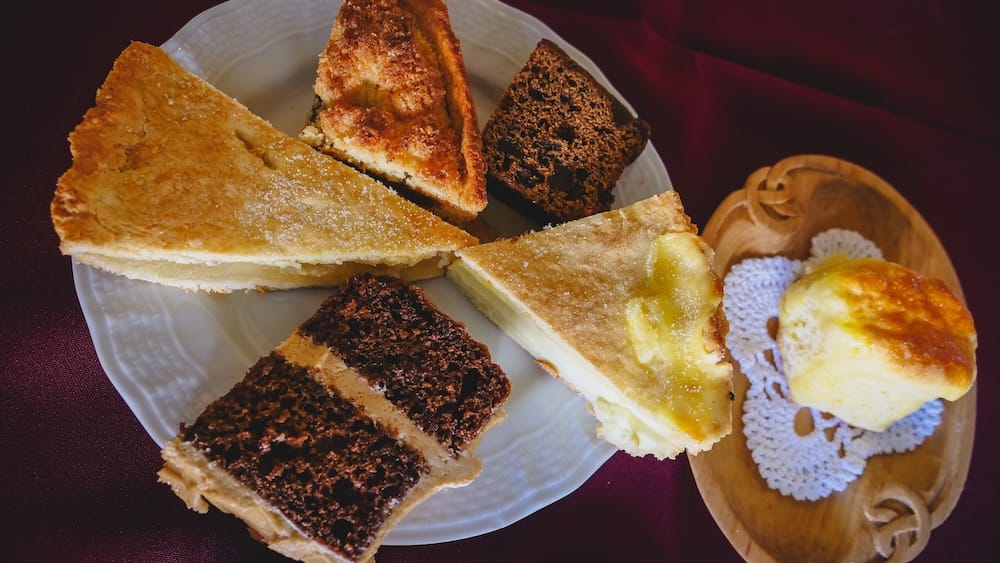
Located right on Perito Moreno street, Casa de Té Nain Maggie (Grandmother Margaret’s) is the undisputed culinary anchor of Trevelin. Having learned our lesson on the coast, Audrey and I confidently walked in and ordered exactly one tea set to share. We walked away perfectly full, deeply satisfied, and spent just under $13 USD total.
This house feels less like a formal British ceremony and more like you have walked into a busy, warm pioneer kitchen.
- The Black Cake (Torta Negra): Every guide mentions the Black Cake. It is a dense, heavily spiced fruitcake originally engineered by the 1865 settlers to survive the harsh desert conditions without spoiling. Nain Maggie uses a 100-year-old family recipe that requires a strict 24-hour soak.
- The Standout Flavor: While the Black Cake gets the press, the un-fakeable star of Nain Maggie’s tiered tray is their intensely rich Chocolate Sponge Cake with Coffee Icing.
- The Cost: $28,000 – $32,000 ARS (~$28-$32 USD for a full single service).
- The Hours: 4:30 PM to 8:30 PM. (Note: This is a very strict, narrow operating window).
The October Tulip Festival Chaos
Trevelin is generally sleepier than Gaiman, with one massive, chaotic exception: October.
When the Campo de Tulipanes (Tulip Fields) bloom along Route 259, the town’s population explodes. The fields themselves charge a $15,000 to $20,000 ARS entrance fee and are located 14km outside of town on a rough gravel road (requiring another expensive Remis ride).
- The Tea Reality: During October, waiting for a table at Nain Maggie can easily exceed two hours, with no indoor waiting area to escape the biting mountain wind.
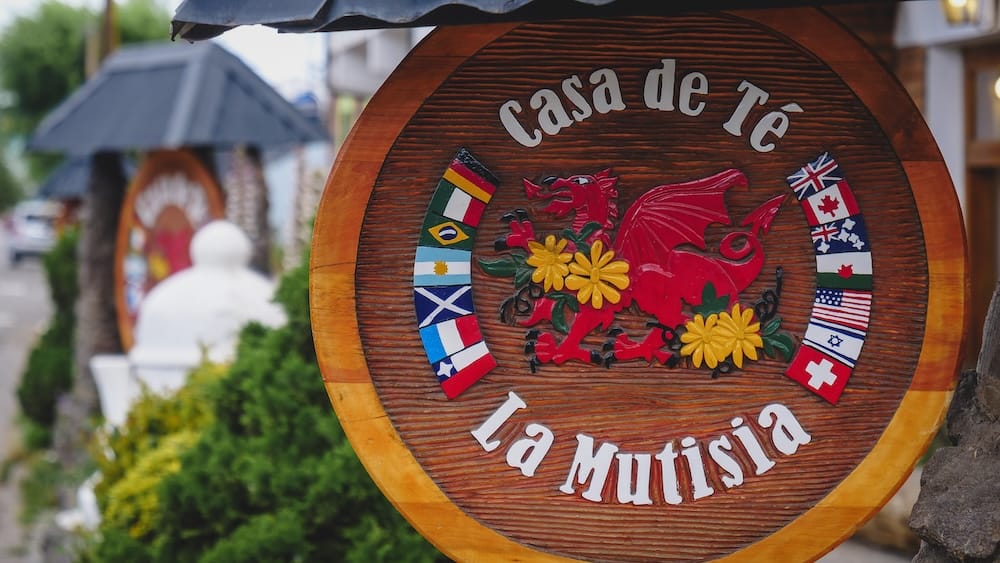
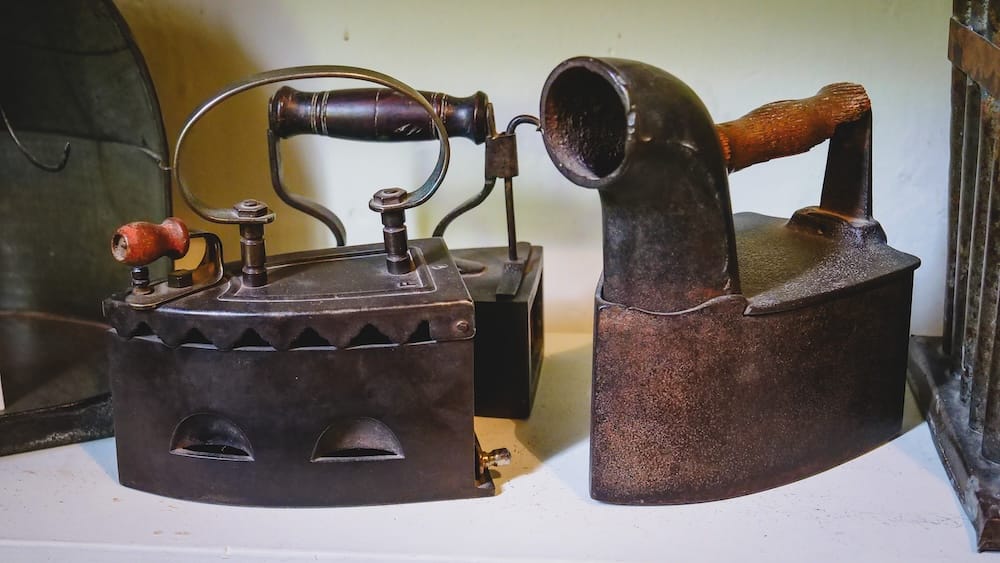
- The Fix: If you are visiting during the bloom, abandon the 5:00 PM tea rush entirely. Pivot to La Mutisia (which features a brilliant mini-museum of 1885 pioneer artifacts) or Casa de Té Galés Te y Glace for an “Early Tea” right when their doors open at 3:30 PM.
The Trevelin Matrix: Mountain Logistics
| Venue / Landmark | The Effort vs. Reward | Signature Highlight | Logistical Reality Check |
| Nain Maggie | High Reward / Medium Effort (Central) | The legendary 100-year-old Torta Negra recipe. | Extremely strict hours (4:30 PM opening). Expect lines in peak season. |
| La Mutisia | High Reward / Low Effort | “Early Tea” option and integrated pioneer museum. | Opens earlier (3:30 PM), making it the perfect escape from the Nain Maggie crowds. |
| Andean Mill Museum | High Reward / Low Effort ($2 USD entry) | Showcases the daily farming and musical life of the settlers. | Located right in town, a perfect pre-tea historical primer. |
| Campo de Tulipanes | Massive Effort / High Reward | The dragon statue backed by blooming tulips and the Andes. | 14km out of town on rough gravel. No public buses. You must hire a Remis or tour. |

Post-Tea Triage: The “Walk-Off” Routes
We need to talk about the physical toll of a Patagonian Welsh Tea. Staring down a tiered tower of dense butter, cream, and simple carbohydrates is terrifying, especially when you are actively trying to cut your weight down from 212 to 160 pounds. Eating your way through the traditional menu is a guaranteed ticket to a massive sugar crash.
If you immediately get onto a bus or into a taxi after paying your bill, you will feel miserable. You must plan a “walk-off” route to manage the sheer caloric density of what you just consumed.
[Samuel’s Dietitian Warning: The Protein Void] Let’s be brutally honest: there is zero dietary fiber or lean protein on that tiered tower. It is a masterpiece of pioneer winter-survival carbohydrates. Do not attempt to eat a heavy steak or a massive plate of pasta for dinner after doing a 4:30 PM Welsh tea. Your body will physically reject it. Treat the tea service as an early, incredibly heavy dinner, and plan on fasting or eating a very light salad for the rest of the night.
Here are the two mandatory 3km to 5km recovery loops you should execute the second you step out of the tea house:
- The Gaiman River-Walk Loop: Once you leave Ty Gwyn or Ty Te Caerdydd, do not head straight back to the bus terminal. Walk down to the banks of the Chubut River and follow the shaded dirt paths that line the water. It is flat, quiet, and provides a much-needed breezy 4km loop under the weeping willows to settle your stomach before braving the 28 de Julio bus back to Trelew.
- The Trevelin Dragon March: After rolling out of Nain Maggie, button up your down jacket to block the biting evening mountain wind, and force yourself to walk to the Plaza Coronel Fontana. Your target is the massive metal Welsh Dragon statue. Doing laps around the plaza and the surrounding alpine streets will give you a solid 3km of movement while the sun dips behind the Andes.
Beyond the Scones: Earning Your Calories
You cannot just eat. To truly understand the gravity of these settlements, you have to engage with the dirt, the history, and the geography that shaped them. If you want a deep dive into our on-the-ground reactions to these historical sites, you can check out the full visual breakdowns on the Samuel and Audrey YouTube channel, but here is the raw data you need to plan your route.
In Gaiman, before you even look at a menu, you need to visit the Regional Museum and the Anthropology Museum. These spaces do not just glorify the Welsh; they provide critical context on the complex, vital relationship between the European settlers and the Indigenous Mapuche and Tehuelche communities. Without the indigenous trade networks and survival knowledge, the Welsh experiment in the desert would have completely collapsed in its first winter.
In Trevelin, time your visit to align with the Artisanal Fair in the main plaza. Usually setting up around 3:00 PM or 4:00 PM on weekends, it is an incredible showcase of local knitwear, leather goods, and independent bakers selling heavy slices of Dulce de Leche cakes loaded with local walnuts for a fraction of the tea house prices. Pair that with a $2 USD entry to the Andean Mill Museum (which reconstructs the first house of town founder John Daniel Evans), and you have built a perfect, low-cost afternoon itinerary leading right up to your 4:30 PM tea reservation.
The Final Pour
Traveling through the Welsh settlements of Patagonia is a masterclass in managing expectations. If you arrive expecting pristine, frictionless luxury, the dust, the wind, and the transit dead-zones will break you.
But if you embrace the grit—if you hack the bus routes, haggle the Sunday taxis, confidently ask to share your mountain of scones, and proudly walk out with a doggy bag full of 100-year-old Black Cake recipe leftovers—you will unlock one of the most uniquely authentic, calorically dense, and historically fascinating culinary ecosystems on the planet.
Just remember to pack a down jacket for the mountains, keep your SUBE card loaded for the coast, and whatever you do, do not wear your best black flannel into the 1914 railway wind tunnel.
FAQ: Best Welsh Tea Houses in Patagonia (Gaiman & Trevelin Tea Guide)
Do I need to book Welsh tea houses in advance?
Depends. In Gaiman, you can usually walk in unless there’s a massive cruise ship docked in Puerto Madryn (always check the port authority schedule). In Trevelin, if you are visiting during the October Tulip Festival, booking ahead is absolutely mandatory unless you enjoy shivering in the Patagonian wind for two hours waiting for a table.
Can I just order a coffee or one slice of cake?
Nope. The traditional houses do not operate like modern cafes. You are paying for the full, multi-tiered “High Tea” experience. If you try to order a single scone or a quick espresso, they will politely refuse to seat you. You either commit to the carbohydrate mountain or you don’t.
Is Gaiman or Trevelin better for Welsh tea?
Neither. They are completely different ecosystems. Gaiman is a dusty, historical desert oasis offering a formal, British-colonial high tea. Trevelin is an alpine mountain village with a relaxed, family-style service featuring local Patagonian berries. Do both if you can, but choose based on whether you prefer the arid coast or the snowy Andes.
How much does a Welsh tea service cost in Patagonia?
$25 to $35 USD. That price is per person and covers the bottomless pot of tea, sandwiches, scones, and typically about six different whole cakes. Given the wild inflation in Argentina, always calculate your budget using the current “Blue Dollar” exchange rate.
Are the tea houses open all year round?
Not exactly. While the major spots try to stay open year-round, Patagonian winters are brutal. Many houses in both Gaiman and Trevelin drastically reduce their hours or close completely for maintenance during June and July. Always double-check their local business pages before making the trek down south.
Can I share a single tea service with my partner?
100%. We highly recommend it. Ordering two full services for a couple usually results in massive food waste. Ask for “un servicio para compartir.” Most places will charge a small $5 to $8 USD share fee, give you an extra pot of tea, and you can both tackle the same tower of food without slipping into a sugar coma.
Do people still speak Welsh in Patagonia?
Absolutely. It isn’t just a gimmick for tourists. You will hear a distinct Patagonian dialect of Welsh spoken by the older generations, taught in bilingual schools, and used during the annual Eisteddfod festival. It is a living, breathing part of the Chubut province.
Can I pay with a credit card at the tea houses?
Rarely. Cash is king in Patagonia. While a few of the highly commercialized spots might have a card reader, the Wi-Fi in these remote towns drops constantly, turning card machines into useless bricks. Bring a thick stack of Argentine Pesos to cover your meals, museum entries, and taxi rides.
Project 23 Argentina: This guide is also available in Spanish. [Lea la versión en castellano: Mejores Casas de Té Galés en la Patagonia (Guía de Gaiman y Trevelin)]