
El Chaltén is the kind of place that thrusts foodies into “hikers.” We rolled into town in full-on gourmand mode, wide-eyed and wildly optimistic, convinced we could casually collect famous trails like Pokémon cards. Patagonia responded the way Patagonia responds to this unbridled confidence: with wind, hills, and a quiet invitation to rethink our life choices.
Audrey and I still had an incredible trip. We also made a bunch of small mistakes that stacked into a few big ones—mostly around timing, recovery, food logistics, and assuming the mountains would cooperate because we asked nicely. If we went back tomorrow (and we absolutely would), we’d keep the magic… and upgrade the strategy.
What follows is our “hard-way” playbook: the funny bits, the facepalms, the practical fixes, and the decision tables that will save you from becoming a hungry, windblasted human question mark on the side of a trail.
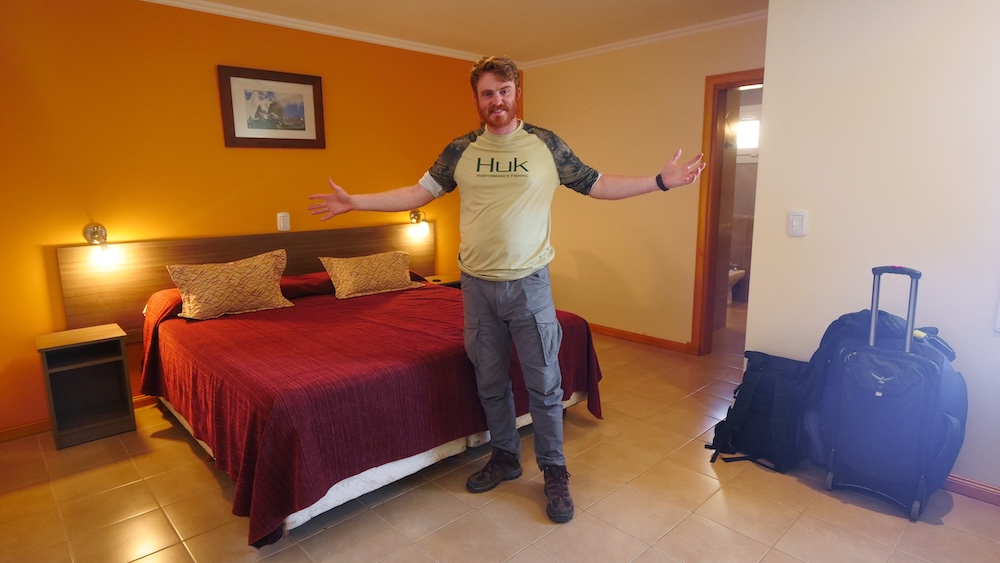
The 90-second version: biggest lessons we learned
- We’d build more “float days” and stop scheduling our legs like they’re machines.
- We’d pick our biggest hike by weather window, not by calendar day.
- We’d start earlier for the classics (and treat the “last kilometre” like the real hike).
- We’d take food more seriously: more snacks, better lunch strategy, less optimism.
- We’d plan to be offline and assume spotty Wi-Fi is part of the Patagonia aesthetic.
- We’d bring trekking poles. Not negotiable.
- We’d stop trying to do “big day, big day, big day” like we’re training for a montage.
Our trip, honestly
Audrey and I stayed in town and did El Chaltén in that classic first-timer rhythm: arrival day excitement, one huge hike to test the spirit, a recovery day where walking becomes performance art, a weather day where the wind tells you “no,” then another big hike that feels smoother because your body has accepted the terms and conditions.
We showed up to El Chaltén in December with the confidence of people who had been “training” for Patagonia… by eating our way across Patagonia. Audrey’s jeans had already tapped out, so leggings entered the equation, and we officially declared that this trip was about “moving our skeletons” (inside joke from a previous trip, but also a cry for help).
That trip shape is important, because it explains almost every lesson in this article. El Chaltén isn’t just a list of hikes. It’s a negotiation between you, your legs, and whatever mood the sky wakes up in.
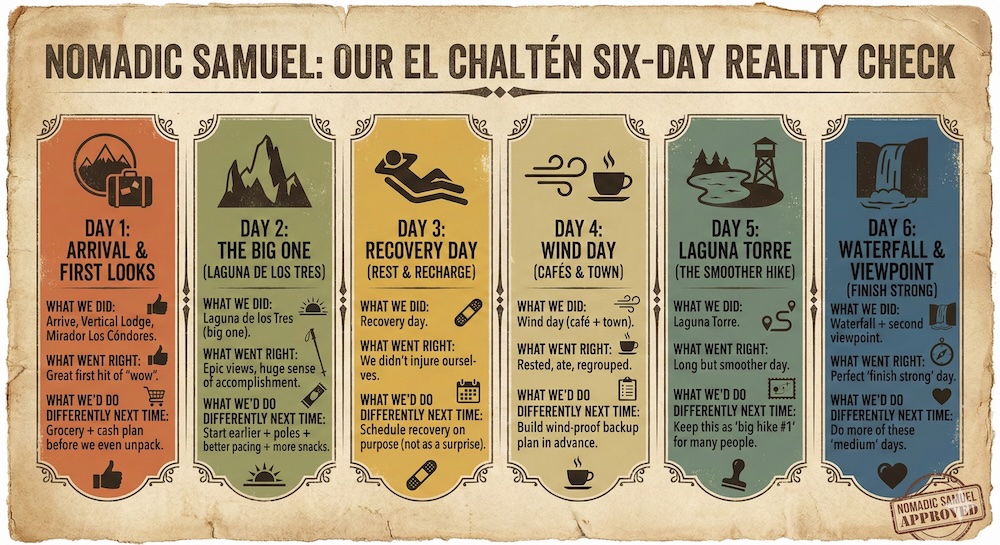
Nomadic Samuel: Our El Chaltén six-day reality check
| Day | What we did | What went right | What we’d do differently next time |
|---|---|---|---|
| 1 | Arrive, Vertical Lodge, Mirador Los Cóndores | Great first hit of “wow” | Grocery + cash plan before we even unpack |
| 2 | Laguna de los Tres (big one) | Epic views, huge sense of accomplishment | Start earlier + poles + better pacing + more snacks |
| 3 | Recovery day | We didn’t injure ourselves | Schedule recovery on purpose (not as a surprise) |
| 4 | Wind day (café + town) | Rested, ate, regrouped | Build wind-proof backup plan in advance |
| 5 | Laguna Torre | Long but smoother day | Keep this as “big hike #1” for many people |
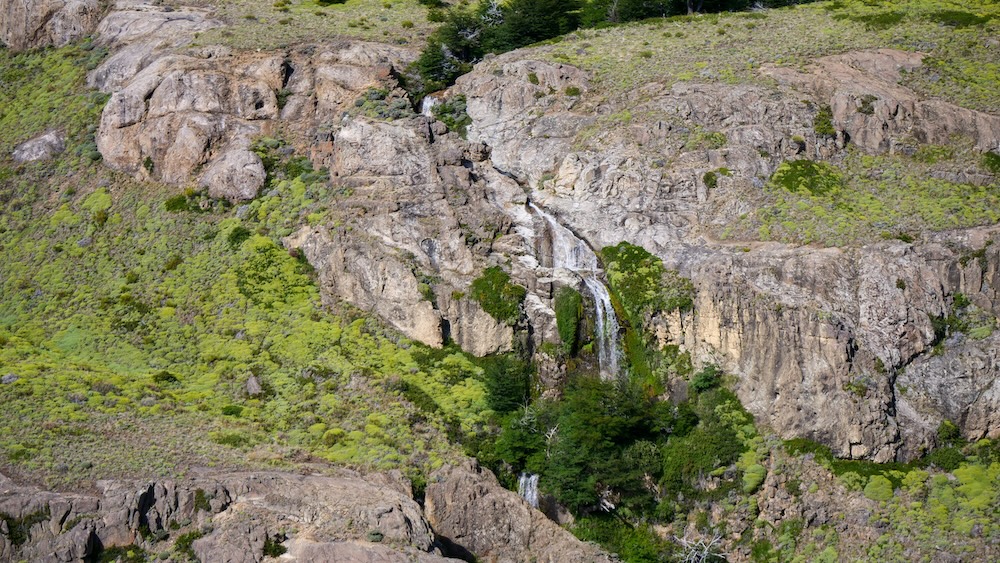
| 6 | Waterfall + second viewpoint | Perfect “finish strong” day | Do more of these “medium” days |
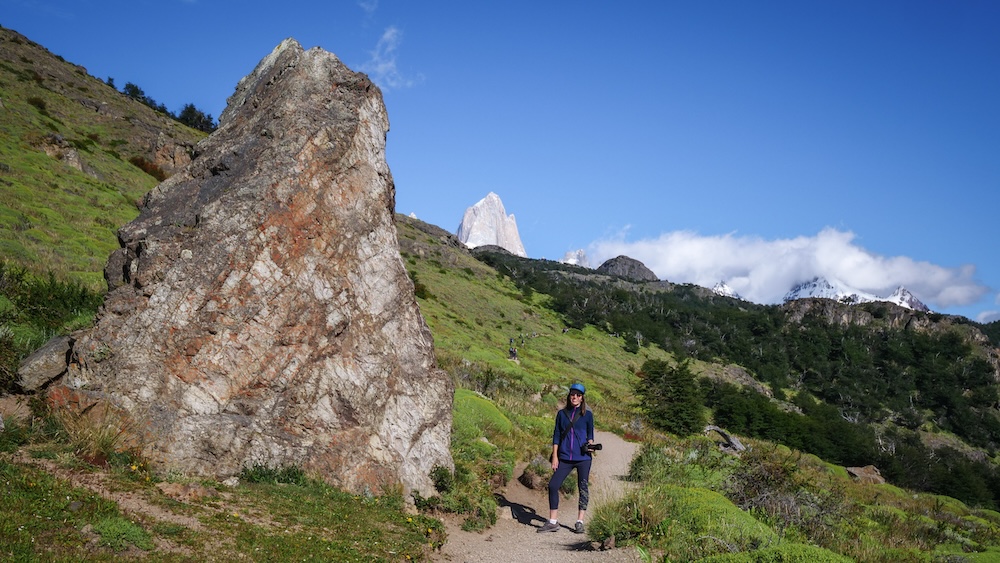
The new game plan: how we’d plan El Chaltén now
If we went back, we’d stop trying to win El Chaltén like it’s a checklist, and we’d start treating it like a flexible menu. You don’t order the spiciest dish on the first night and then act surprised when you spend the next day rebuilding your spirit. Same principle.
The sneaky part is that the long summer daylight makes you feel invincible. When sunset is flirting with 10:00–10:30 p.m., your brain starts negotiating like, “We can do everything… and also maybe add a side quest.” That’s exactly how you end up attempting a boss-fight hike on day two while your body is still loading the Patagonia firmware update.
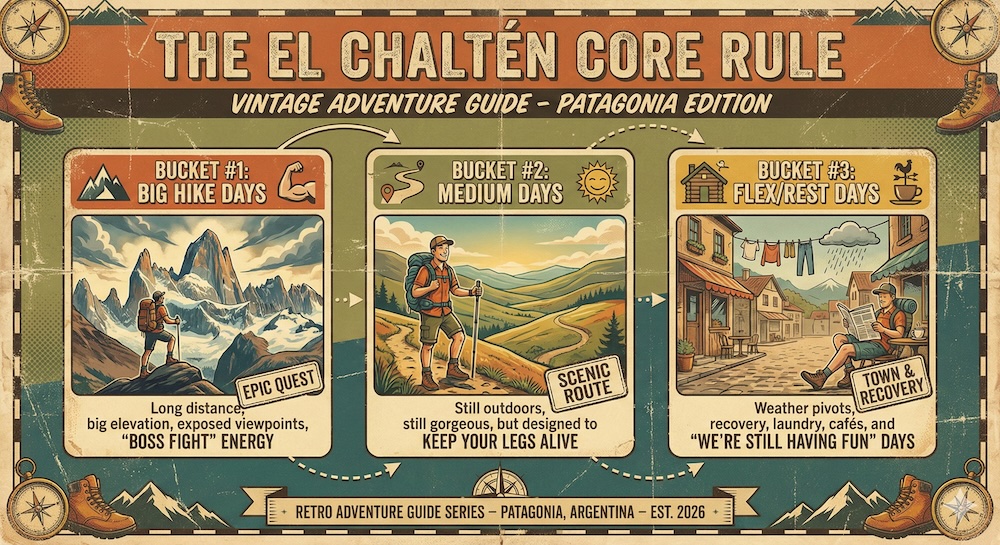
The core rule
We’d plan our trip around three buckets:
- Big hike days: long distance, big elevation, exposed viewpoints, “boss fight” energy
- Medium days: still outdoors, still gorgeous, but designed to keep your legs alive
- Flex/rest days: weather pivots, recovery, laundry, cafés, and “we’re still having fun” days
A better 6–7 day itinerary template
| Trip length | Day 1 | Day 2 | Day 3 | Day 4 | Day 5 | Day 6 | Day 7 |
|---|---|---|---|---|---|---|---|
| 5 days | Arrive + viewpoint | Big hike | Medium | Big hike | Waterfall + viewpoints | — | — |
| 6 days | Arrive + viewpoint | Big hike | Recovery | Medium/wind | Big hike | Waterfall + town | — |
| 7 days | Arrive + viewpoint | Medium | Big hike | Flex | Medium | Big hike | Bonus day |
Notice the trick: you’re not locking in which hike is “big” until you see the forecast. The schedule is a container. The weather decides the contents.
Patagonia weather: how we’d stop losing days to the wildcard
Let’s be gentle: we treated the wind like an annoying background character. Then the wind got a speaking role. Then the wind became the main villain. It kept getting upgraded. One day we basically looked outside and realized we could either hike or remain upright, but not both.
The key shift for next time is this: we would stop planning activities and start planning options. El Chaltén rewards people who can pivot without emotionally melting.
The forecast decision matrix
| Forecast vibe | What it usually feels like | Best move | Hikes that tend to work better | What we’d skip |
|---|---|---|---|---|
| Calm-ish window | Rare Patagonia blessing | Go big | Exposed viewpoints, big classics | Nothing—this is the day |
| Windy + clear | Sun with sandblaster DLC | Choose shelter + early start | Forested sections, lower valleys | Ridgey, exposed routes |
| Cloudy/iffy | “Maybe” all day | Medium day + flexible timing | Shorter hikes, waterfalls | Far objectives with one “iconic” viewpoint |
| Stormy/unsafe | The sky has opinions | Rest/town day | Museums, cafés, gear shops | Anything remote or exposed |
What we’d do on a wind day (so it still feels like a good day)
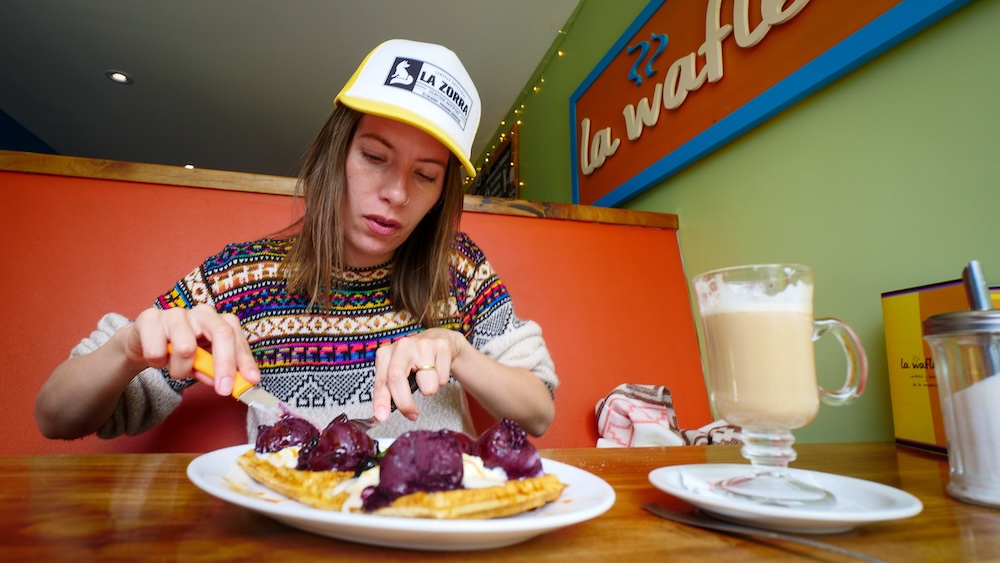
We used our wind day to regroup, eat, and laugh about how we were “definitely hikers now” while holding onto our chairs at La Waflería like they were trying to leave.
Next time we’d plan wind-day activities before we even arrive:
- Café crawl with a purpose (hot drinks + pastry + journal + photo edit)
- Visitor center / local info check-in (trail conditions, closures, safety)
- Gear reset: snacks, blister care, layers, fuel for the next big push
- A short, low-commitment walk if conditions allow (the goal is “fresh air,” not “achievement”)
Food + groceries: the hangry truth
We learned a very humbling lesson: El Chaltén is not the place to rely on “we’ll figure it out later.” Groceries can be limited, prices can feel jacked, and your appetite after a long hike reaches new levels.
Also: the “foodies cosplaying as hikers” thing? Real. We arrived thinking mostly about restaurants (Curcuma, La Waflería, all the things). Then we did a huge hike. Then we realized our entire trip depended on snacks.
What we’d do differently with groceries
We’d treat groceries like gear. We’d buy our core stash early, and we’d stop assuming we’ll find exactly what we want the moment hunger strikes.
Our “base stash” list (town-stay hikers)
- Breakfast backups: oats, yogurt, fruit, nuts
- Trail fuel: chocolate, cookies, dried fruit, salty snacks
- “Emergency calories”: peanut butter, instant noodles, protein bars
- Hydration: electrolytes (or at least salty snacks), tea bags
- Sandwich kit: bread/wraps, cheese, something salty, something sweet
Lunchboxes: the underrated hero
Lunchboxes were one of the smartest things we did. Having a ready-to-go trail lunch takes pressure off your morning and keeps you from trying to assemble a gourmet masterpiece at 7:00 a.m. while half awake.
Next time we’d be even more intentional:
- Order the night before for big hikes
- Add extra snacks on top of the lunchbox (because you’ll still want more)
- Treat lunch as “fuel” and dinner as “celebration”
The “how much food do I need?” matrix
| Hike intensity | You think you need | You actually need | Our hard-way note |
|---|---|---|---|
| Short viewpoint | A snack | Snack + water | Wind can still drain you |
| Medium hike | Lunch | Lunch + 2–3 snacks | You’ll eat earlier than expected |
| Big classic | Lunchbox | Lunchbox + 4–6 snacks | The summit hunger is real |
| Full-day epic | “We’re fine” | “Bring a small grocery store” | You will become a snack poet |
Connectivity + cash: operating in offline mode
El Chaltén taught us the ancient art of patience: the Wi-Fi might work, it might not, and your phone may become an expensive camera with vibes. We came from modern life. Patagonia handed us a dial-up mood.
Case in point: I had one of those moments where you’re trying to pay for your hotel and the internet just… leaves the room. We tried multiple times, the card terminal did the little loading dance, and eventually it worked—after Patagonia made us practice patience as a spiritual discipline. Also: yes, there was free Wi-Fi in the central plaza, but it still took a few attempts to connect, so you don’t want your whole trip running on “maybe the signal is feeling generous today.”
Next time we’d plan for “offline first” so nothing becomes stressful.
The offline survival kit
- Download offline maps for all hikes you plan to do
- Screenshot your bookings, bus tickets, and key confirmations
- Keep a note with addresses, phone numbers, and opening hours
- Bring a power bank (and treat it like gold)
- Carry some cash as a backup, even if you mostly pay by card
On travel day, we basically treated decent internet like a rare Pokémon—when we found it, we camped there and did everything: confirmations, tickets, backups, the whole deal. If we did it again, we’d assume El Chaltén will be patchy by default and do the “high-bandwidth life admin” in El Calafate before rollin’ in.
The “what could go wrong?” matrix (and the fix)
| Potential failure | What it feels like | Fix |
|---|---|---|
| Wi-Fi drops | “The internet has left the chat” | Offline maps + screenshots |
| Card terminal fails | “Do you have another card?” | Cash backup + patience |
| Phone battery dies | “We live here now” | Power bank + airplane mode |
| No signal on trail | “I’ll just Google it—oh” | Navigation plan before leaving town |
Recovery: the missing piece we didn’t plan (but our bodies demanded)
Audrey and I didn’t arrive with an intentional recovery strategy. We arrived with enthusiasm and the belief that our legs would simply “rise to the occasion.” They did—briefly—then they got destroyed.
Next time, we’d treat recovery like part of the itinerary, not a consequence of the itinerary. That means choosing smarter alternations, doing a little maintenance, and protecting our ability to enjoy the whole trip instead of peaking on day two and wobbling through the rest like exhausted baby deer.
The soreness-to-plan table
| How you feel in the morning | What it means | Best move today |
|---|---|---|
| Fresh-ish | You’re adapting | Medium or big hike (forecast permitting) |
| Stiff but functional | Normal after a long day | Medium day + longer breaks |
| “My knees are negotiating” | You overreached | Rest day, short walk, food, hydration |
| “I am a question mark” | You need recovery now | Full rest + town day with dignity |
The simple recovery routine we’d actually do
- A slow 10–15 minute walk later in the day (yes, even on rest days)
- Gentle stretching when we get back to the room (nothing heroic)
- Hydration and salty snacks (wind + effort can dehydrate you fast)
- Early dinner on big-hike days, because tomorrow-you deserves kindness
It’s not glamorous. It just works. And it keeps your “Patagonia trip” from turning into a “Patagonia limping festival.”
Town logistics we’d be smarter about
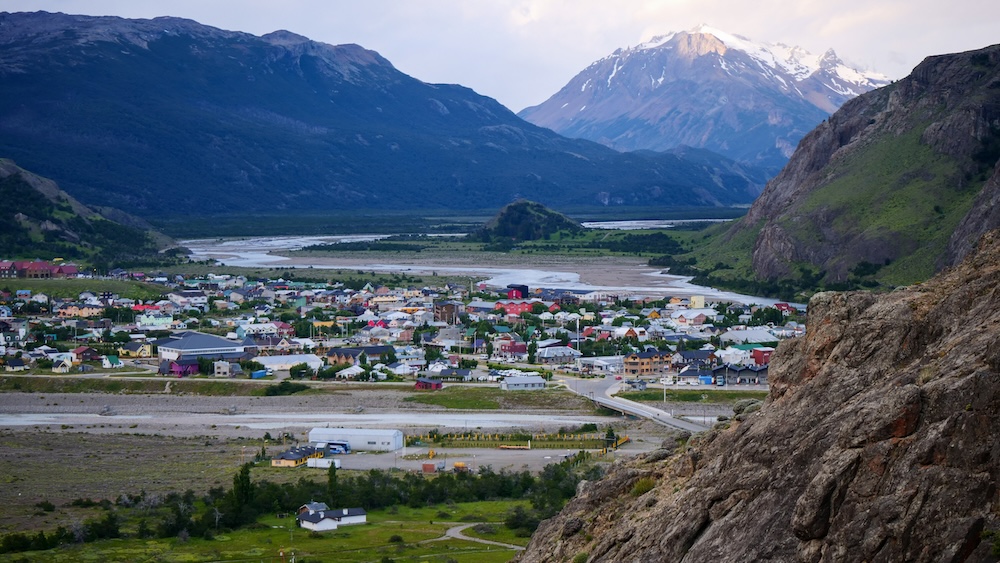
El Chaltén is small, but “small” doesn’t mean friction-free. Trailheads still take time to reach on foot, weather can turn town walks into a wind tunnel, and simple errands (ATM, groceries, printing, gear rental) can eat a chunk of your morning if you don’t plan them.
Location strategy: where you sleep matters more than you think
If we went back, we’d think about lodging location in relation to our daily rhythm:
- Closer to trail access is great if you’re starting early and want fewer steps before the hike even begins.
- Closer to food and cafés is great if you’re building in rest days and want convenience when you’re tired.
- Quieter edges of town can be lovely for sleep—just assume you’ll walk more (and walk into more wind).
The “don’t waste your best weather window” checklist
We’d handle these tasks on arrival day or a wind day, not on a calm forecast morning:
Confession: on our big Fitz Roy day, we literally forgot our trail map on the nightstand. Whoops. Our bad. It didn’t ruin the day, but it did add that early-morning friction where you’re burning mental energy on basics—exactly what you don’t want when your “calm-ish forecast window” is limited and your legs are about to be negotiated with.
- Grocery run for the base stash
- Confirming any reservations that require internet
- Picking up/adjusting gear (poles, layers, headlamp)
- Packing snacks for the next day
- Asking the visitor center about current conditions
The goal is simple: when the forecast finally gives you a calm window, you’re not stuck chasing apples and Wi-Fi.
Because yes, we genuinely did the “chase apples” part. The “supermarket” felt more like a general store with vibes, the selection was… spartan at best, and we remember staring at fruit like it was a luxury item (about a dollar per apple). If we could redo it, we’d bring a base stash from El Calafate and treat El Chaltén groceries like a top-up, not a full resupply.
Season and crowd reality: choosing the vibe you actually want
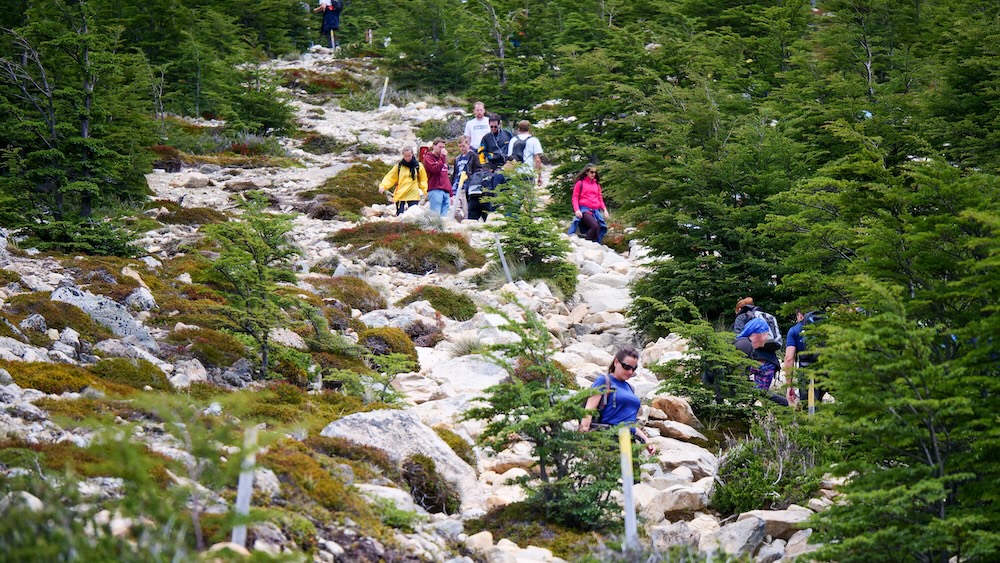
El Chaltén changes a lot depending on when you visit. The days, the crowds, the trail conditions, and the wind personality all shift. We would plan timing less like “when can we go?” and more like “what experience do we want?”
Season decision matrix
| When you visit | What you get | Best for | Biggest trade-off |
|---|---|---|---|
| Peak summer | Long days, busiest trails | First-timers, max options | Crowds + higher demand |
| Shoulder season | Fewer people, moodier light | Photographers, calmer vibe | More variable conditions |
| Cooler months | Quiet, dramatic landscapes | Experienced planners | Less margin, more cold |
Whatever season you choose, the main move is the same: give yourself extra flexibility. Patagonia is not a clock. It’s a mood.
Picking hikes smarter: what we’d choose differently
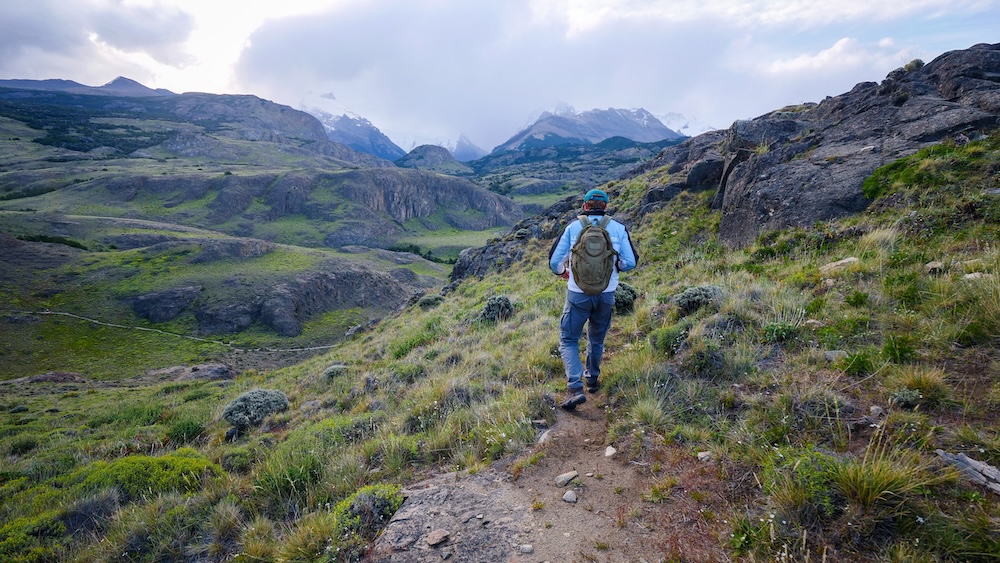
The first time, we went straight for the legendary big one. We wanted Fitz Roy views. We wanted the postcard. We wanted the “we did the thing” high.
We got it… and we also got humbled by the final kilometre, the steep climb, and the reality that a long day can leave you walking like a zombie the next morning.
So next time, we’d choose our “big hike order” more strategically.
One thing we loved: the trail signage and kilometer markers made the day feel manageable. It let us do honest math—how far in, how far to go, and whether we had the time for side viewpoints. That kind of clarity is a small safety feature, because it reduces “we’re fine, we’ll figure it out” decision-making when you’re tired.
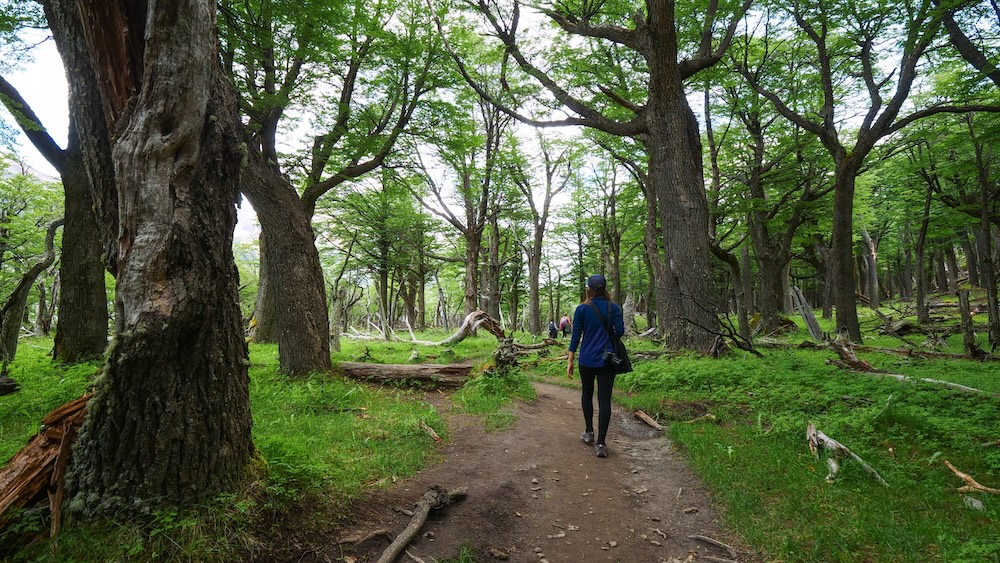
Our lived experience of Laguna de los Tres is basically this: the first stretch feels intermediate-to-manageable, and then the final kilometer flips the difficulty switch. We hit that last section and suddenly it was steep, rocky, gravelly, and required full attention—less “scenic stroll” and more “please don’t roll an ankle while the wind insults you.” Trekking poles would’ve been a huge help there, and next time we’d treat them as non-negotiable.
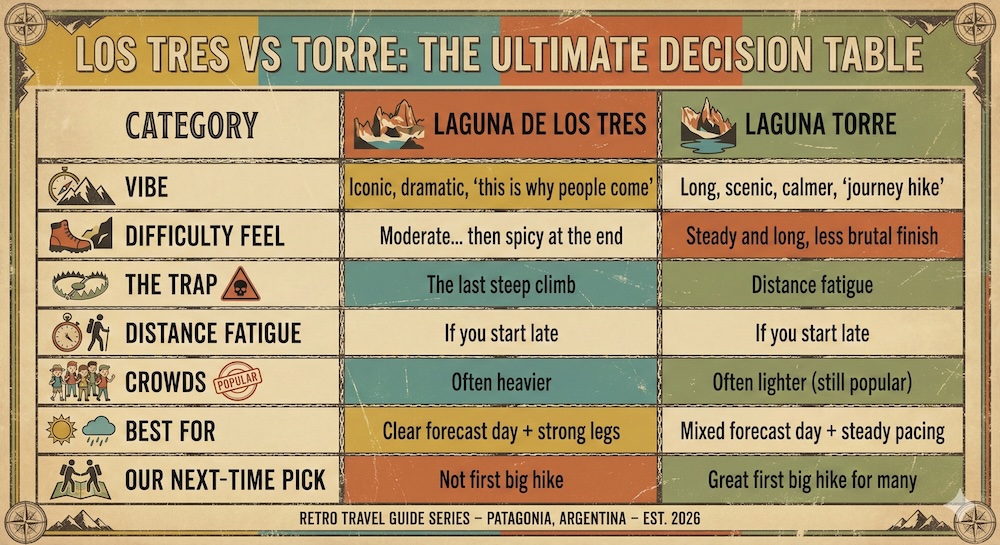
Los Tres vs Torre: the ultimate decision table
| Category | Laguna de los Tres | Laguna Torre |
|---|---|---|
| Vibe | Iconic, dramatic, “this is why people come” | Long, scenic, calmer, “journey hike” |
| Difficulty feel | Moderate… then spicy at the end | Steady and long, less brutal finish |
| The trap | The last steep climb | Distance fatigue if you start late |
| Crowds | Often heavier | Often lighter (still popular) |
| Best for | Clear forecast day + strong legs | Mixed forecast day + steady pacing |
| Our next-time pick | Not first big hike | Great first big hike for many |
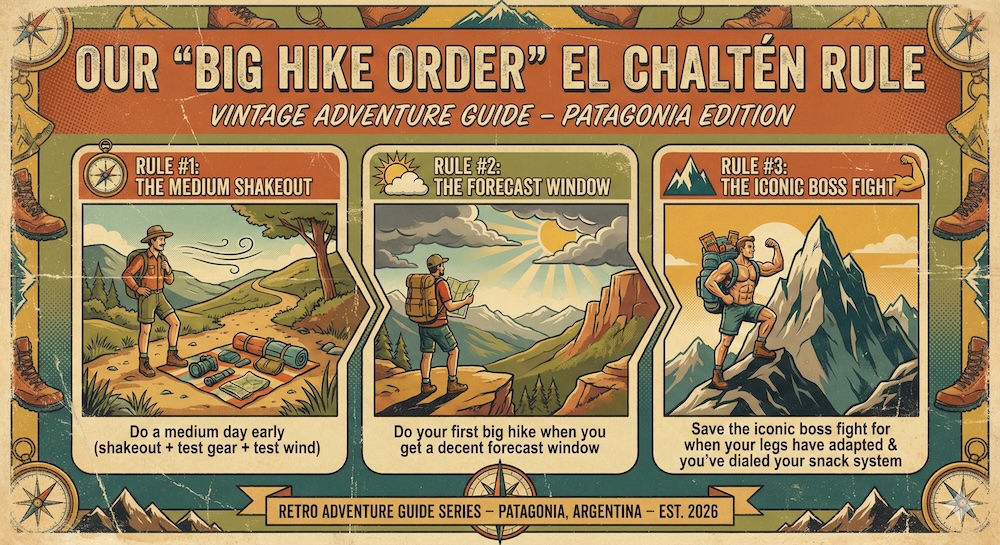
Our “big hike order” rule
If you’re not already a mountain person who casually does long elevation days for fun, we’d recommend this logic:
- Do a medium day early (shakeout + test gear + test wind)
- Do your first big hike when you get a decent forecast window
- Save the iconic boss fight for when your legs have adapted and you’ve dialed your snack system
The funniest part is how much community energy matters on that final push. We remember hikers coming down telling us to keep going—little bursts of encouragement that genuinely helped when we were cooked and questioning our life choices. El Chaltén is a trekking town, and you feel that camaraderie most when you’re suffering politely in single file.
Because yes, your legs can adapt fast. The first big hike is the “welcome ceremony.” The second big hike is where you feel like you actually belong.
Starting earlier: the simplest upgrade with the biggest payoff
If we could choose only one change, it might be this: start earlier for the big classics. Not because you need to be hardcore. Because you want margin.
Margin means:
- more stable conditions earlier in the day
- less crowd pressure
- less “racing daylight” energy
- more time for breaks, photos, snack rituals, and “wow” moments
Start-time decision matrix
| Season + conditions | Ideal start for big hikes | Why |
|---|---|---|
| Peak summer, decent forecast | Early morning | Beat crowds, beat wind ramps |
| Shoulder season | Earlier | Less margin for conditions |
| Windy forecast | First light | Use the calmest window |
| You’re slow (we respect it) | Earlier | You deserve breaks and stillness |
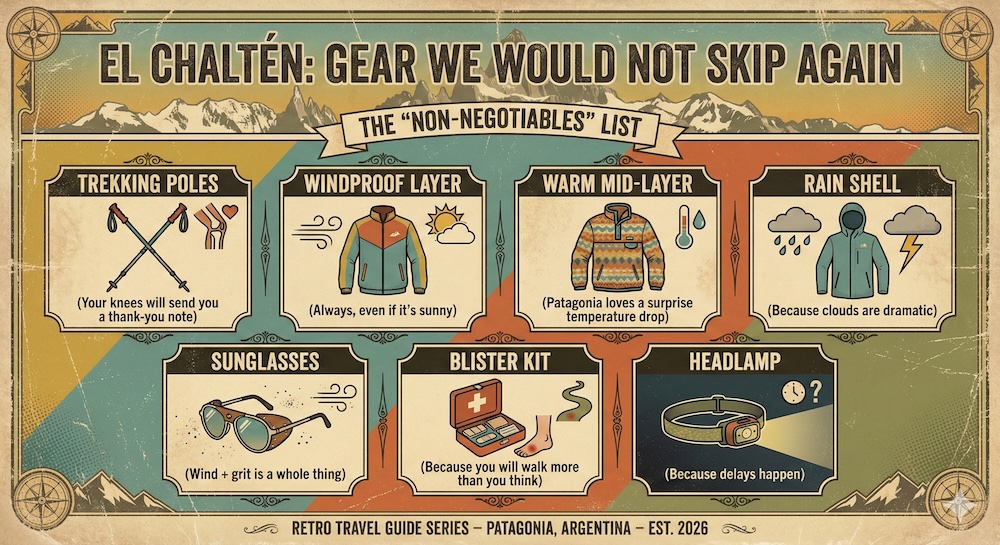
Gear we would not skip again
Patagonia is not impressed by minimalist packing. It’s impressed by people who can adapt. We still like traveling light, but El Chaltén convinced us to be light and prepared.
The “non-negotiables” list
- Trekking poles (your knees will send you a thank-you note)
- Windproof layer (always, even if it’s sunny)
- Warm mid-layer (Patagonia loves a surprise temperature drop)
- Rain shell (because clouds are dramatic)
- Sunglasses (wind + grit is a whole thing)
- Blister kit (because you will walk more than you think)
- Headlamp (because delays happen)
Gear matrix: what matters most by trip style
| Trip style | Biggest risk | Gear priority |
|---|---|---|
| Town-based day hikes | Underpacking for wind | Windproof + warm layer + snacks |
| Big classics focus | Late-day fatigue | Poles + headlamp + extra food |
| Shoulder season | Ice/snow surprises | Traction + extra warmth |
| Camping in park | Cold + exposure | Strong tent + warm sleep system |
Camping vs town base: what we’d choose (and how to choose yours)
We stayed in town. It was comfortable, flexible, and extremely compatible with our “we love hiking but also love being warm and eating well” lifestyle.
Camping inside the park is a totally different trip. It can be magical. It can also be brutally cold, windy, and logistically demanding. The big lesson is simple: choose the trip style that matches who you are, not who you want to cosplay as on Instagram.
Decision table: town base vs camping
| Question | Town base is better if… | Camping is better if… |
|---|---|---|
| Comfort | You want a warm reset nightly | You’re happy being rugged |
| Weather pivots | You want maximum flexibility | You can commit to a plan |
| Food | You want real meals easily | You’re fine with stove cuisine |
| Packing | You want daypack simplicity | You’re carrying a full setup |
| Sleep | You value recovery | You can sleep through wind |
Our hard-way moments (a few scenes from the trip)
Scene 1: “We’re definitely hikers now” (arrival optimism)
We arrived with that first-day sparkle: mountains everywhere, crisp air, and the glow of thinking you’re about to become a more athletic version of yourself. We did a sunset viewpoint hike and felt unstoppable, like we could simply keep walking toward the horizon until we achieved enlightenment.
Scene 2: The Los Tres endgame (a.k.a. the last kilometre)
Most of the hike felt like a steady buildup. We hit kilometre markers. We found a rhythm. We told ourselves inspiring lies. Then the final climb showed up like a boss fight with gravel, steepness, and the energy of “hope you’ve been doing stairs since birth.”
We made it. We also spent a good chunk of that final section fantasizing about a sedan chair and a personal rescue helicopter. Not because we were in danger—because we were tired and suffering a bit.
Scene 3: Recovery day (walking becomes interpretive dance)
The next morning we woke up and discovered our legs were spent. We slept long. We moved slowly. We ate like people who had been stranded at sea. It wasn’t a failure day—it was a necessary day. Next time we’d schedule it on purpose and call it “strategic recovery” instead of “what happened to our bodies.”
Scene 4: Wind day (Patagonia says no)
Audrey and I had a day where the wind was so aggressive it felt personal. Hiking wasn’t the move. We leaned into waffles, hot drinks, and a cards break, because the alternative was being flung into the next province like a motivational leaf.
The lesson: El Chaltén is still great when you’re not hiking. Build a plan for that.
Scene 5: Laguna Torre (confidence returns)
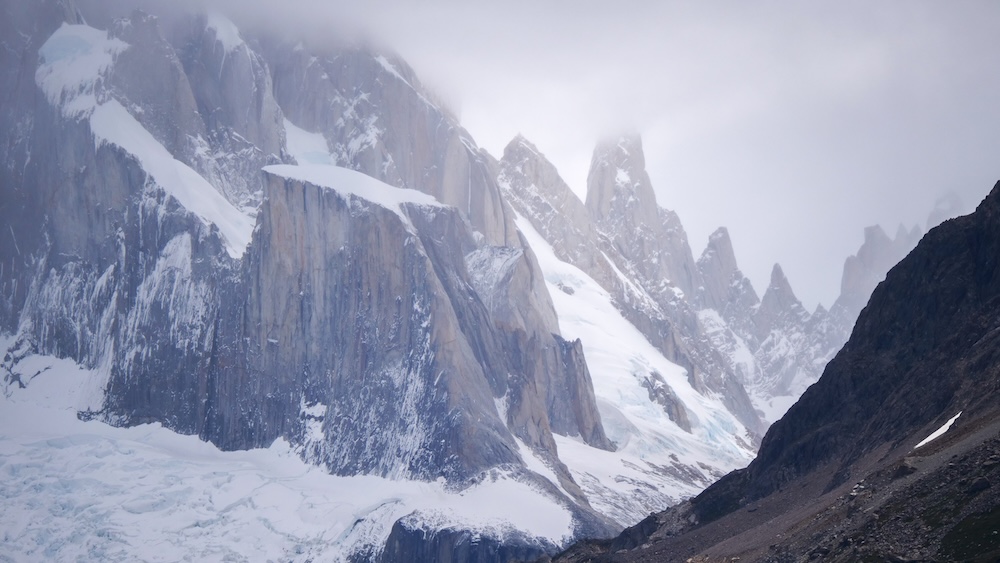
Laguna Torre was long, but it felt smoother. The trail gave us a rhythm and a sense of progress without that same “final kilometre doom.” We finished the day tired but functional, which is a beautiful feeling in Patagonia. We rewarded ourselves like true foodies: dinner at Senderos (yes, the chocolate mousse), pints at La Cervecería / La Zorra Taproom, and ice cream with flavours that felt emotionally necessary.
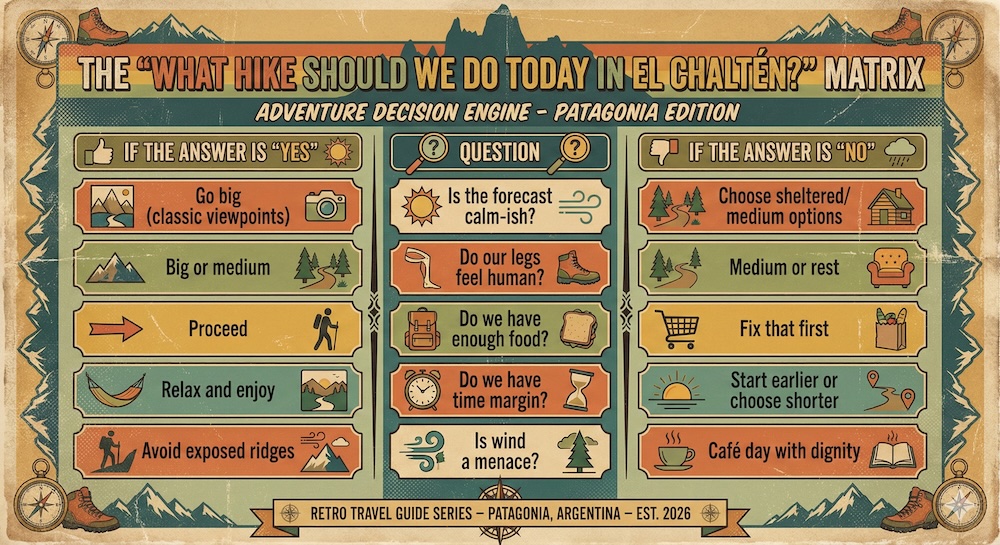
The “what hike should we do today?” matrix
| Question | If the answer is “yes” | If the answer is “no” |
|---|---|---|
| Is the forecast calm-ish? | Go big (classic viewpoints) | Choose sheltered/medium options |
| Do our legs feel human? | Big or medium | Medium or rest |
| Do we have enough food? | Proceed | Fix that first |
| Do we have time margin? | Relax and enjoy | Start earlier or choose shorter |
| Is wind a menace? | Avoid exposed ridges | Café day with dignity |
Up-to-date logistics worth checking before you go
This is the part we would re-check right before a future trip, because policies and conditions can change.
- Park access fees and passes: There are daily fees and multi-day passes (Flexipass) for Los Glaciares / “Portada El Chaltén,” with categories and current values published by the national parks system.
- Camping reservations in the North Zone: Key camps (including Poincenot, De Agostini, and Laguna Capri) are described as administered and requiring reservation through the managing association/park system.
- Fire rules: The North Zone has a standing prohibition on making fires; portable stoves are the usual allowed cooking method, and restrictions can tighten during high-risk periods.
- Trekking registration: Official activity guidance notes that registration can be obligatory for trails/remote areas in certain periods, with an online registration option referenced by the park.
FAQ: El Chaltén lessons learned, planning, and “what we’d do differently” questions
Should we plan extra days in El Chaltén?
Yes. El Chaltén looks small on a map, but the hikes are big, the weather is moody, and your legs will have opinions. If you can, plan enough days to include at least one flex day and one recovery day—you’ll enjoy the big classics more when you’re not squeezing them into a panic schedule.
Is Laguna de los Tres really that hard?
Kinda. Most of it is very doable if you pace yourself, but the final climb is the part that turns confidence into bargaining. If you’re a steady walker with snacks and patience, you can absolutely do it—just treat the last stretch like the real effort and don’t burn your matchbook too early.
Would we do Laguna Torre before Laguna de los Tres next time?
Yes. For many first-timers, Torre is a better “first big hike” because it’s long but doesn’t have the same brutal endgame. Then, once your legs have calibrated and you’ve mastered the snack arts, you can tackle Los Tres with more joy and less suffering theater.
What’s the single biggest mistake first-time visitors make?
Starting too late. Late starts compress your day, increase stress, and make you more likely to hike in worse conditions. Early starts buy you margin, calm, and the ability to take breaks without feeling like you’re racing the sun.
Do we need trekking poles?
Absolutely. Trekking poles are like knee insurance. They help on steep climbs, they help on steep descents, and they help on loose rock when your legs start negotiating. If you only want to buy/rent one “serious hiker” item, make it poles.
How do we handle Patagonia wind without losing our minds?
Nope. You don’t “handle” it. You respect it. Build your plan with wind in mind: pick sheltered hikes on windy days, go early when the forecast gives you a calm window, and give yourself permission to have a town day when conditions feel unsafe or miserable.
Is it worth staying in town instead of camping?
Yes—if you like comfort, food options, and maximum flexibility. Town-based trips are fantastic for first-timers because you can pivot daily based on weather and how your body feels. Camping is amazing too, but it’s a bigger commitment and requires better gear, more planning, and a higher tolerance for cold wind comedy.
What should we do on a “wind day” when hiking is a bad idea?
Eat. Rest. Wander town. Visit information centers. Do a café crawl. Organize gear. Edit photos. Patagonia is not a failure just because you’re indoors—sometimes the best trip move is letting the weather pass while you recover like a civilized person.
Is El Chaltén expensive?
It sure can be, especially for groceries and restaurant meals compared to other parts of Argentina. The easiest way to manage it is simple: plan snacks and lunches so you’re not buying impulse trail food daily, and balance restaurant dinners with a few low-effort meals.
Do we need to worry about phone signal on hikes?
Yes. Assume you won’t have reliable signal once you’re out on the trails. Download offline maps, carry a power bank, and don’t make “I’ll just look it up” your safety plan. The mountains don’t accept excuses written in 4G.
What’s the best way to structure a 6–7 day first trip?
Plan one medium day early, two big hike slots that you assign based on the best forecast windows, one recovery day, and one flex day that can become either another hike or a town day. The goal is a trip that still feels fun even if the weather deletes a day.
Should we book anything in advance?
It depends on season and travel style, but for peace of mind: book accommodation, consider booking buses if you’re traveling at peak times, and if you plan to camp in managed sites, don’t assume you can wing it. The “we’ll figure it out” approach is how you end up bargaining with fate at a trailhead.
What’s the “foodie” strategy for El Chaltén?
Two-tier system: trail fuel is non-negotiable, and reward meals are sacred. Pack snacks like you mean it, make lunches easy (lunchbox or simple sandwiches), and then enjoy the restaurants guilt-free because you earned it—possibly by climbing a gravel staircase to a lake.
How do we avoid overtraining our legs on day two?
Start with a medium hike and let your body adapt. If you go straight into your biggest day, be ready to schedule a recovery day after it. Your trip will be better if you treat your legs like teammates, not disposable parts.
Any quick “we wish we knew this” tip?
Yup. Patagonia is a choose-your-own-adventure book written by wind. Bring flexibility, bring snacks, start early, and treat every big hike like a small expedition. You’ll have more fun—and you’ll spend less time fantasizing about a sedan chair.
Notes on accuracy (and how we’d keep this guide honest)
El Chaltén logistics change. Fees, camping rules, fire restrictions, and trail status can shift season to season—or week to week in extreme conditions. When we publish this, we’d re-check the official park pages and any current notices for the specific dates of travel.
Project 23 Argentina: This guide is also available in Spanish. [Lea la versión en castellano: ¡Qué haríamos distinto si volviéramos a El Chaltén, Patagonia! (Lecciones aprendidas a los golpes)]
I loved how you turned your lessons learned into practical tips specially the part about planning around weather windows instead of a fixed schedule.