
Toyama Prefecture sits quietly along the coast of the Sea of Japan. It offers a rich blend of natural beauty and cultural depth. It’s a place where snow-capped alpine peaks frame pristine bays, and modern city life coexists effortlessly with centuries-old traditions. Slow down as you wander through charming streets, savoring local specialties and soaking up the region’s gentle pace. Even the simple act of strolling beside rivers and canals here can feel like stepping back to a simpler time. Toyama doesn’t rush to impress; it invites you to explore at your own speed. Thus, uncovering layer after layer of hospitality.
Discovering the Essence of Toyama
- Highlights: Enjoy seaside views along the coast, marvel at the Tateyama Mountain Range, and stroll through the historic districts.
- Cultural Finds: Taste Toyama Bay sushi, visit traditional craft shops, and glimpse ancient temples tucked within the cityscape.
- Local Charm: Meet friendly locals, learn a few Japanese phrases, and accept small acts of kindness with a grateful smile.
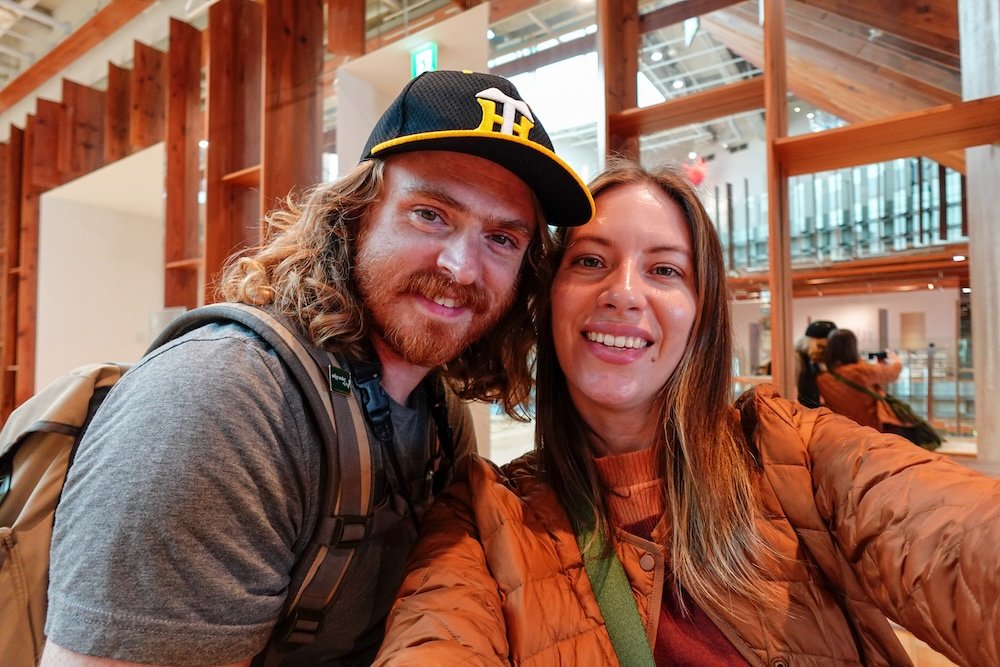
source: Samuel and Audrey YouTube Channel: Nomadic Samuel + That Backpacker
Tip: Start your journey early in the day to watch the morning light dance across the mountains and sea, setting the tone for an inspiring adventure.
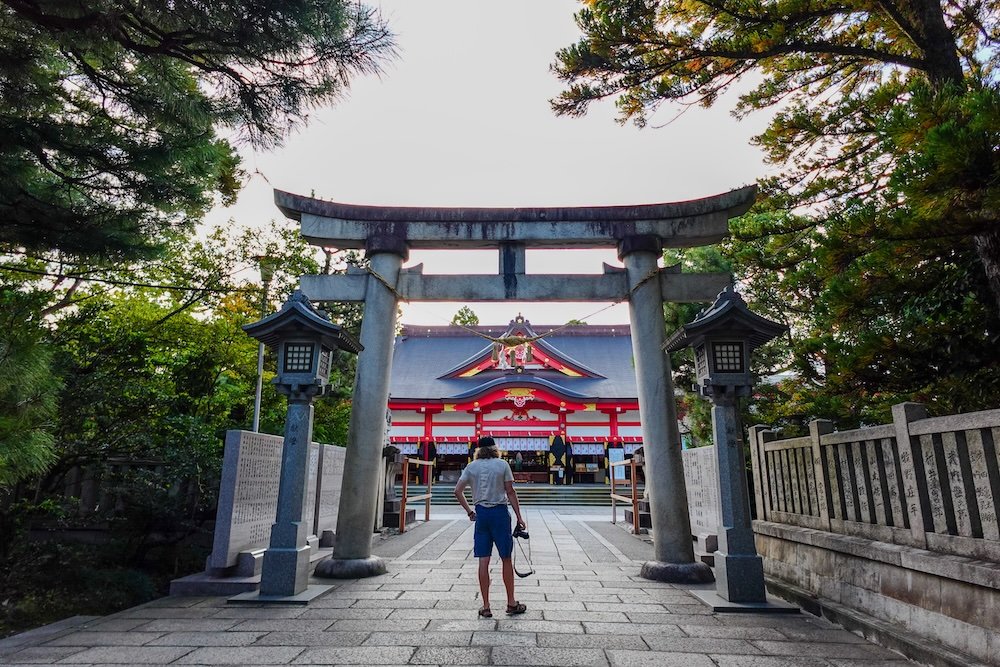
Top 17 Things To Do in Toyama, Japan For Visitors
Let’s dive in and discover the top 17 things to do in Toyama, Japan.
1) Toyama Castle
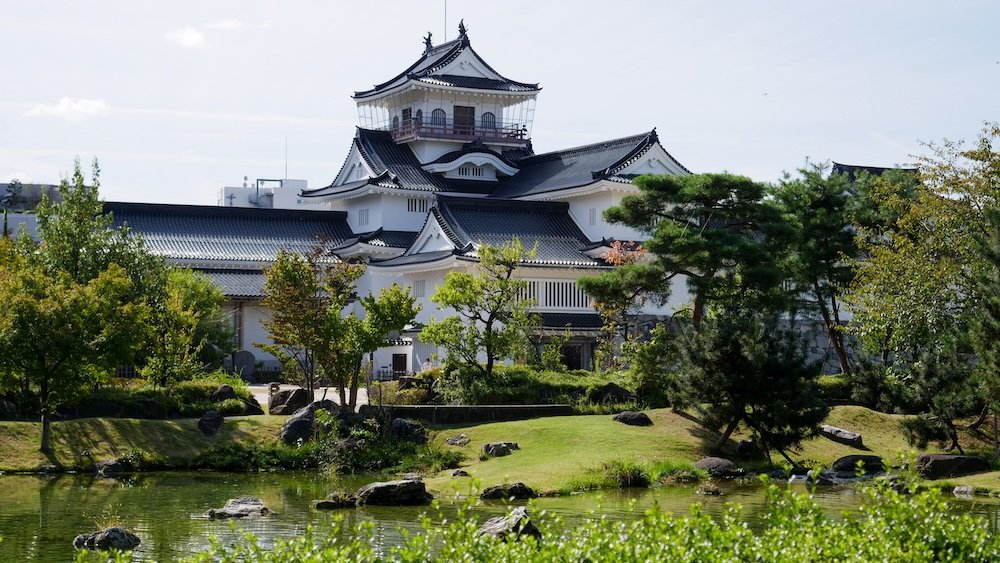
This Toyama Castle stands as a proud symbol of the city’s rich history, blending past and present within its sturdy walls. Step inside and you’ll find exhibits detailing the fortress’s samurai heritage, offering a glimpse of feudal Japan’s intrigues and battles. The restored interiors and carefully maintained grounds make it easy to imagine warriors patrolling the ramparts centuries ago. Take a moment to climb the castle tower and gaze out over the modern skyline, where old and new coexist in harmony. Even if you’re not a history buff, the castle’s serene setting and elegant design are sure to leave an impression. Don’t rush—linger in the garden, feed the koi fish, and soak up the tranquil atmosphere. By the time you leave, you’ll have a deeper appreciation for Toyama’s lineage and its confident stride into the future.
- Highlights: Climb the castle tower, admire samurai armor exhibits, and explore the moat-side garden paths.
- Best Time to Visit: Sunny mornings or late afternoons, when soft light enhances photography.
- Nearby Cafés: Enjoy tea at a nearby teahouse after exploring the castle grounds.
Tip: Wear comfortable shoes for climbing the castle’s steep steps and strolling through the expansive garden.
2) Toyama Castle Ruin Park
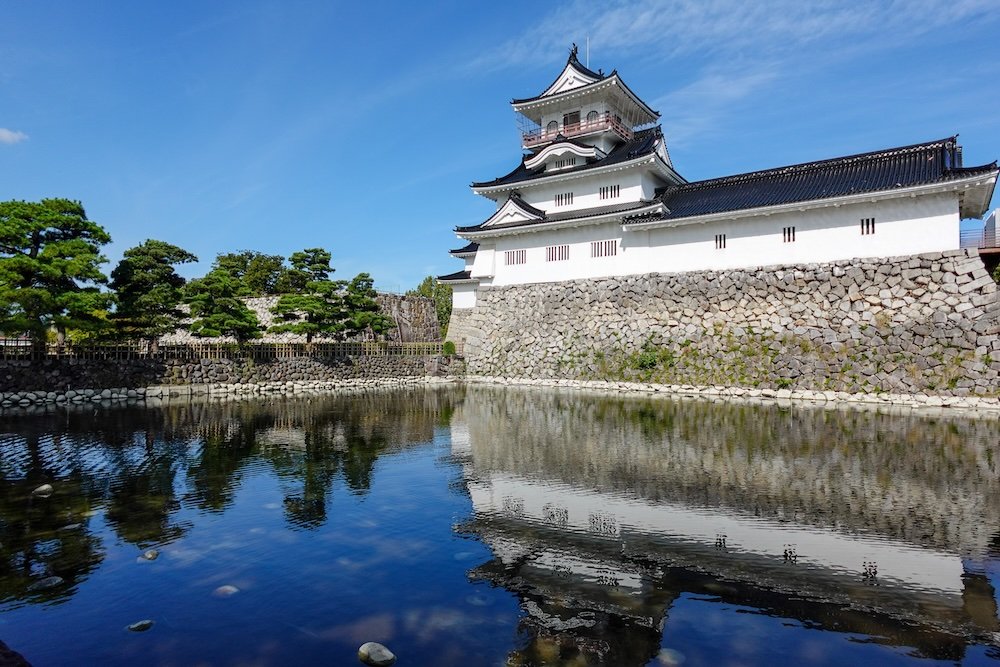
Toyama Castle Ruin Park surrounds the castle, providing a lush green space where locals relax, jog, and picnic. The broad lawns, shady trees, and gentle pathways invite you to slow down and savor the moment. Seasonal blooms, from cherry blossoms in spring to fiery foliage in autumn, add a dynamic backdrop of natural color. A small pond, dotted with graceful bridges, offers a peaceful spot to watch ducks glide across the water. It’s an ideal place to take a break between sightseeing stops, refuel with a snack, or simply breathe in the fresh air. Young families, couples, and solo travelers alike find comfort in this verdant urban oasis. Whether you’re lingering over a bento box lunch or capturing the perfect Instagram shot, this park ensures your Toyama journey remains balanced and refreshing.
- What to Bring: Picnic blanket, camera, and a light jacket if visiting in cooler months.
- Activities: Enjoy a leisurely stroll, watch local families and joggers, or find a quiet bench to read.
- Atmosphere: Calm, family-friendly, and great for people-watching.
Tip: Arrive early during cherry blossom season for fewer crowds and pristine morning light.
3) Matsukawa River Pleasure Boat
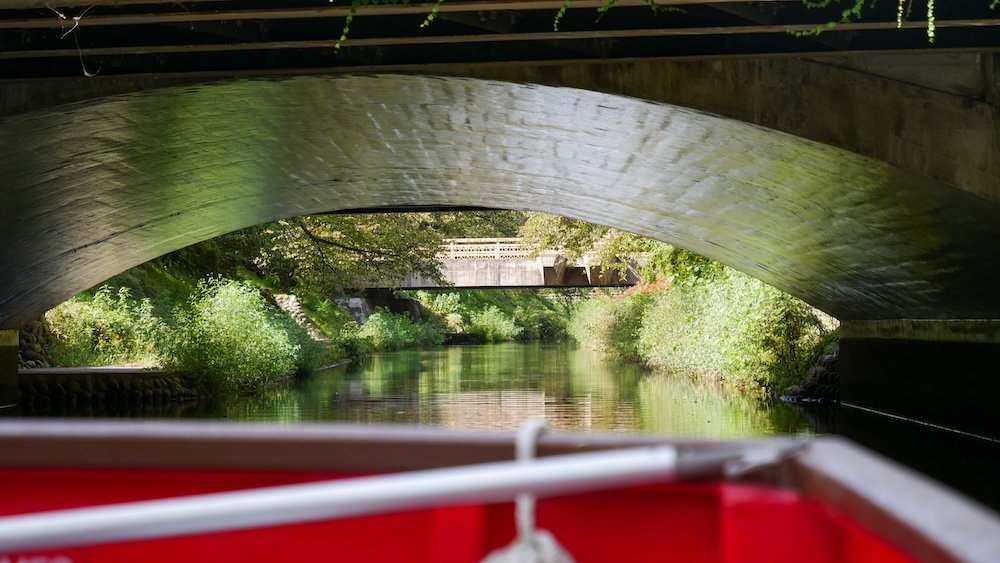
Gliding down the Matsukawa River aboard a pleasure boat is one of Toyama’s most tranquil experiences. As you drift along gentle currents, admire the city’s blend of modern architecture and old-world charm slipping by. In spring, pink cherry blossoms frame your view, while autumn cloaks the riverbanks in deep reds and oranges. The boat’s slow pace encourages relaxation—let your mind wander and soak up the serenity. Take note of the detail in the bridges and embankments, which reflect Toyama’s commitment to beauty and utility. Local guides often share insights into the city’s history, making the ride both scenic and educational. By journey’s end, you’ll have a newfound appreciation for Toyama’s careful balance between nature and urban life.
- What to Expect: Slow-paced cruise, seasonal foliage views, and a chance to photograph riverside attractions.
- Duration: Typically 30-60 minutes, depending on the chosen route.
- Ideal For: Couples, families, and anyone seeking a peaceful sightseeing option.
Tip: Bring a light scarf or jacket since the breeze can feel cooler out on the water.
4) Matsukawa Park and Kei-un Bridge
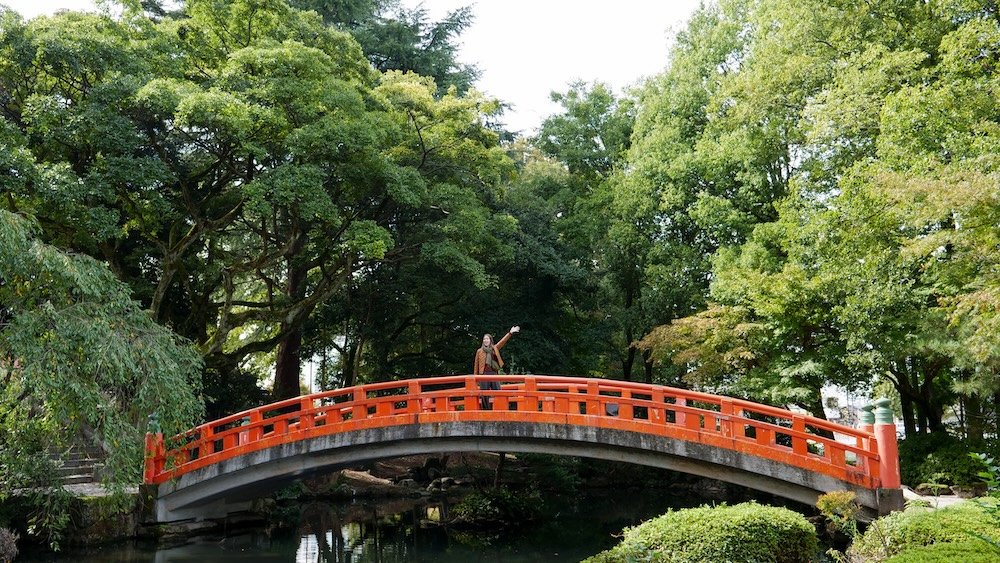
Matsukawa Park offers a quiet retreat, where pathways flanked by manicured lawns lead you to scenic viewpoints of the Matsukawa River. Stroll beneath ancient trees and across quaint wooden bridges that reflect beautifully in the water’s surface. Nearby, the Kei-un Bridge provides a photogenic vantage point, especially during early morning or sunset. You’ll spot joggers, photographers, and artists capturing the shifting light and seasonal colors. Take time to enjoy the subtle sounds—rustling leaves, distant laughter, and gentle river currents. It’s a lovely spot to pause, refresh your mind, and appreciate a slower rhythm. When you’re ready, continue your journey feeling a bit more centered.
- Photo Opportunities: The bridge at sunset, reflections on the river, and cherry blossoms in spring.
- Activities: Relax on a bench, sketch in a notebook, or try a mindful walking meditation.
- Local Feel: Expect to see locals enjoying daily exercise and friends chatting quietly in the shade.
Tip: Visit in the late afternoon for softer light and fewer crowds, perfect for photographers.
5) Medicinal Meal at Ikedaya Yasubei Shoten – 池田屋安兵衛商店
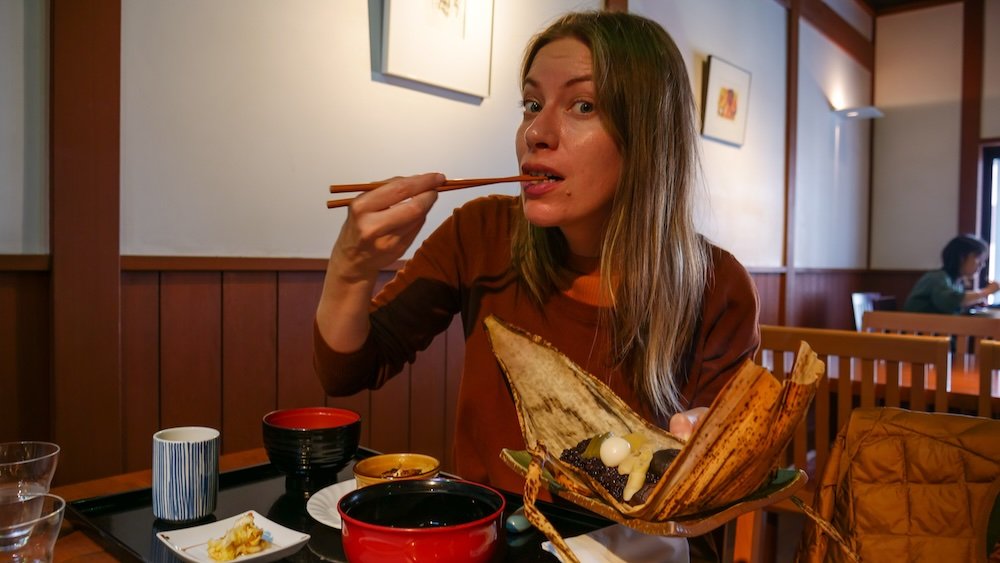
Dining at Ikedaya Yasubei Shoten isn’t just about eating—it’s an immersive cultural experience. This centuries-old shop specializes in traditional medicinal meals that draw on the healing properties of herbs and roots. Settle into a cozy corner and enjoy dishes infused with subtle, earthy flavors that soothe both body and soul. Each course tells a story of Japanese culinary heritage, passed down through generations of dedicated practitioners. From aromatic teas to gently simmered stews, every bite feels like part of a holistic healing ritual. Surrounded by old wooden beams and shelves lined with ancient remedies, you’ll feel transported to another time. When you leave, you’ll carry not just a full stomach, but a sense of nourishment and well-being.
- Menu Highlights: Sample herbal teas, savor seasonal vegetable soups, and try miso-based stews.
- Atmosphere: Traditional, quiet, and steeped in history and healing traditions.
- Cultural Insight: Learn about kampo medicine, discover local ingredients, and appreciate age-old cooking techniques.
Tip: Reserve ahead to ensure availability, as seating is often limited in this intimate setting.

6) Toyama Glass Art Museum
The Toyama Glass Art Museum is a contemporary gem, showcasing the region’s renowned glass craftsmanship in a stunning architectural space. Step inside and you’re greeted by natural light pouring through sculptural windows, illuminating intricate glass creations. Exhibits rotate frequently, offering fresh perspectives from local and international artists. Take your time to admire the delicate details—how light refracts through each piece, how colors shift and shimmer as you move. Beyond the galleries, a quiet reading room and café invite reflection and conversation. Even if you’ve never considered yourself an art lover, this museum may change your mind with its accessible, thought-provoking displays. By the end, you’ll see how glass can transcend function, becoming art that surprises and inspires.
- Don’t Miss: The Dale Chihuly exhibit, rotating special installations, and the museum shop for unique souvenirs.
- Café Stop: Enjoy a coffee break to reflect on the art you’ve seen.
- Ideal Timing: Visit on a weekday morning to avoid crowds and enjoy peaceful viewing.
Tip: Check the museum’s event calendar; workshops or artist talks often add depth to your experience.
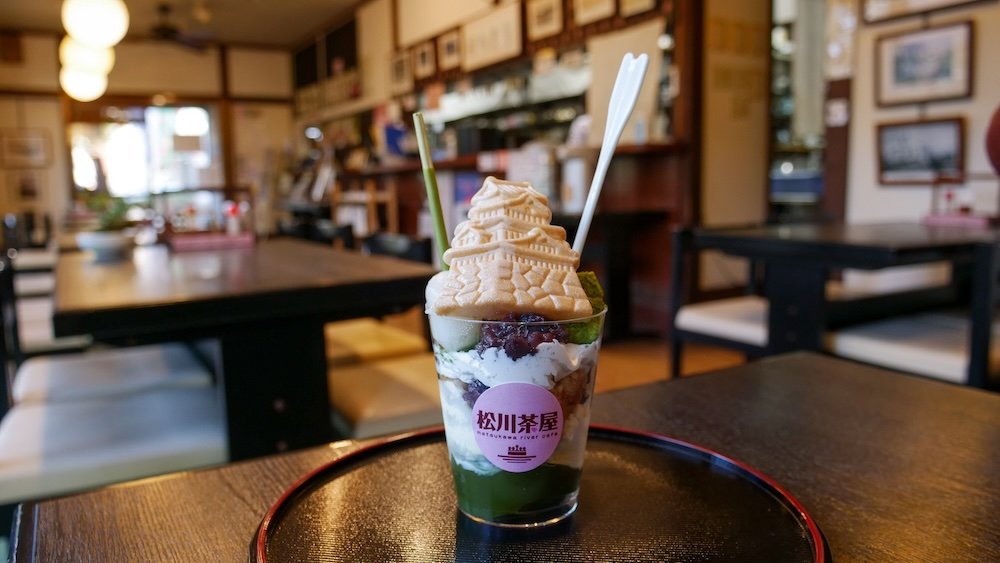
7) Matsukawa Chaya Tea House – 松川茶屋
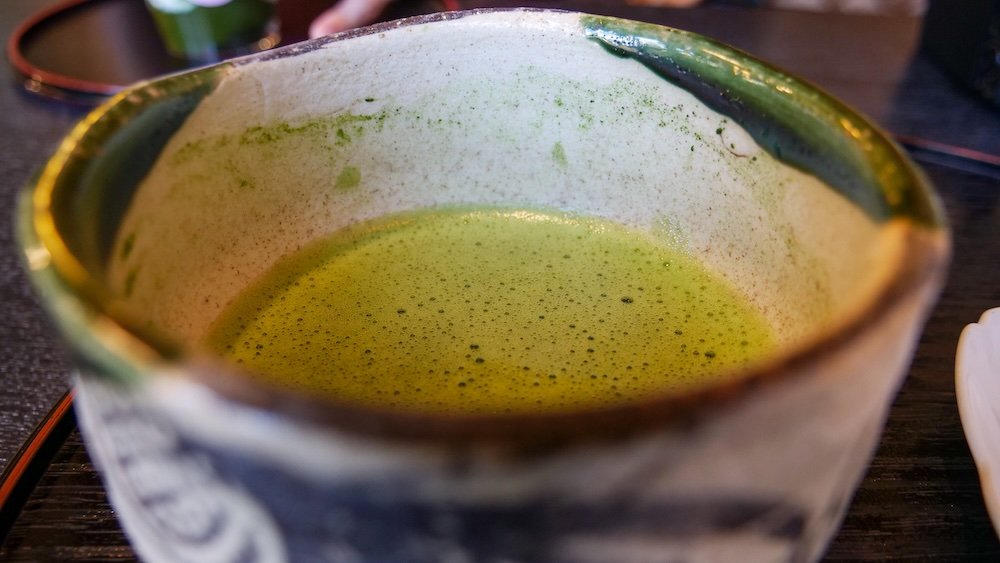
A visit to Matsukawa Chaya Tea House provides a taste of traditional Japanese hospitality in a serene riverside setting. Step inside and feel time slow down as you settle onto tatami mats, savoring matcha tea prepared with practiced grace. Nibble on delicate wagashi sweets, each crafted to complement the tea’s slightly bitter notes. The tea house’s proximity to the river means you can gaze out at rippling waters or seasonal blossoms while sipping your brew. Soft conversation and the quiet hum of nature create a peaceful mood, ideal for reflection. Even if it’s your first tea ceremony, you’ll feel welcomed and respected. When you depart, you’ll carry the essence of this timeless ritual in your heart.
- Menu Highlights: Matcha tea, seasonal wagashi sweets, and maybe a light snack.
- Ambiance: Quiet, intimate, with views of the Matsukawa River.
- Cultural Nuance: Observe the tea preparation ritual, appreciate the bow of the hostess, and learn about proper tea etiquette.
Tip: Remove your shoes and follow the host’s lead to fully honor the tea ceremony traditions.
8) Matsukawa River Sculpture Walk
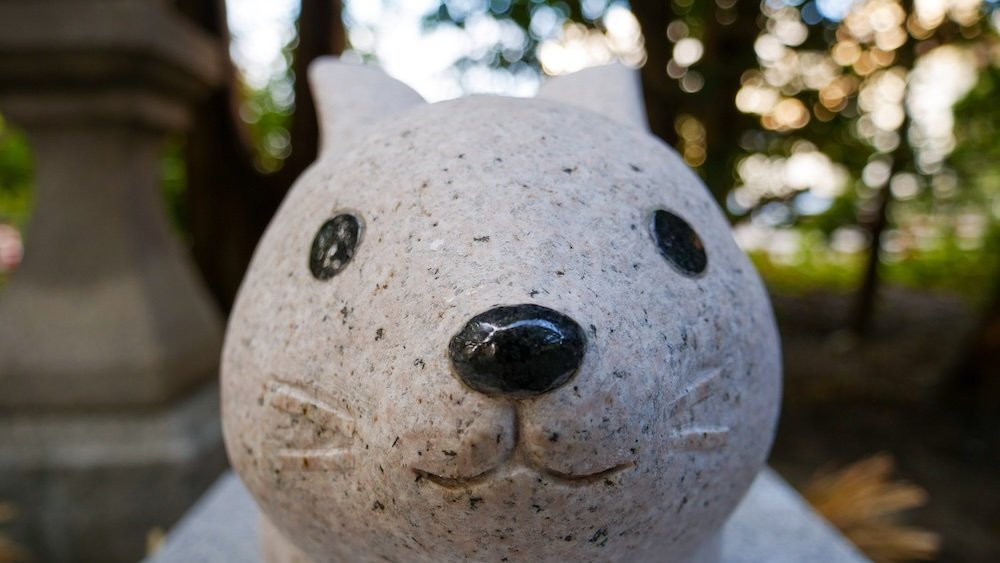
Wander along the Matsukawa River Sculpture Walk, where art and landscape blend into a riverside gallery. Sculptures dot the path, each telling a unique story or provoking thought. Take your time to admire them from different angles, noticing how sunlight and shadows alter their appearance. You’ll likely cross paths with local joggers, cyclists, and families, making it a lively yet tranquil environment. Don’t be shy about pausing to snap photos or simply ponder a piece’s meaning. As you stroll, the gentle murmur of flowing water and rustling leaves becomes a soothing soundtrack. By journey’s end, you’ll realize that Toyama’s creativity extends well beyond museum walls.
- Artistic Highlights: Seek out abstract pieces, stone carvings, and sculptures inspired by nature and local history.
- Route Tips: Wear comfortable walking shoes, pack water, and choose a sunny day for the best experience.
- Extended Exploration: Combine the sculpture walk with a riverboat ride or a stop at a nearby café.
Tip: Start at one end of the river and walk the full route to appreciate how the art and scenery evolve along the way.
9) Toyama City Hall Observation Tower
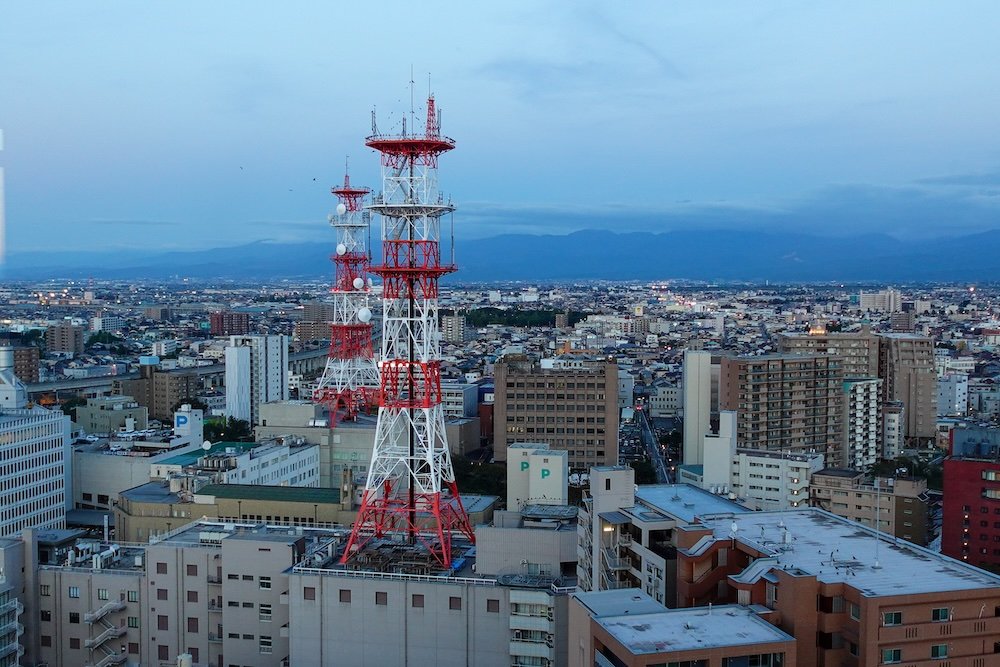
Ascend the Toyama City Hall Observation Tower for a panoramic view that ties all the city’s elements together. From this vantage point, you’ll see mountain peaks rising in the distance, a reminder of Toyama’s alpine connection. The city sprawls below, a blend of traditional rooftops and contemporary buildings. Use the telescopes to identify landmarks you’ve visited, or scout new ones to add to your itinerary. Sunsets here can be particularly enchanting, painting the horizon with pinks and oranges. Even brief cloud breaks can dramatically shift the scenery, making every visit unique. Leave with a clearer sense of Toyama’s layout and its harmonious balance between nature and urban life.
- What to Bring: Camera, binoculars, and a city map to pinpoint attractions.
- Best Timing: Late afternoon or sunset for soft light and dramatic skies.
- Weather Note: On clear days, you might spot Tateyama Mountain Range in the distance.
Tip: Check weather forecasts before heading up; clear skies guarantee the best possible views.

10) Iwasehama Day Trip
A short trip to Iwasehama offers a coastal escape from Toyama’s urban core. Stroll along the sandy shoreline, breathing in the salty air and watching fishing boats bob in the distance. The sound of waves gently lapping the beach can lull you into a peaceful mood. Local seafood restaurants serve up fresh catches, letting you feast while gazing at the shimmering sea. Bring a book, a camera, or simply your curiosity—this is the place to unwind and reconnect with nature. Seasonal changes bring different charms, from warm summer swims to scenic winter walks. By the time you return to Toyama, you’ll feel refreshed, recharged, and more in tune with the region’s marine heritage.
- Essentials: Pack sunscreen, a light jacket, and comfortable sandals.
- Local Flavors: Try seafood tempura, sample local shellfish, or sip cold barley tea at a beach café.
- Activities: Beachcombing, shell collecting, and watching sunsets over the water.
Tip: Check local tide charts if you want to enjoy the beach at its most accessible and scenic.
11) Glass Shrimp Restaurant – Shokudou Tenpo
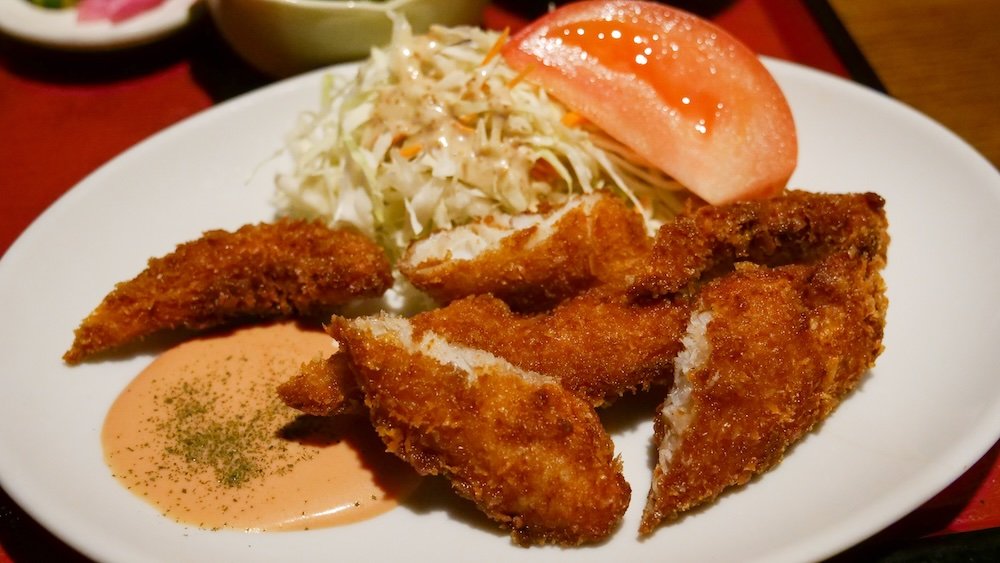
At Shokudou Tenpo, savoring glass shrimp is a culinary adventure unique to Toyama Bay. These tiny, translucent shrimp shimmer like jewels, their delicate flavor a testament to local waters. Enjoy them raw for a sweet, subtle taste or fried for a crispy, savory bite. The restaurant’s casual vibe and fresh ingredients ensure a satisfying, authentic meal. Pair your shrimp with local sake or a light beer, and feel yourself becoming part of Toyama’s gastronomic traditions. Friendly staff and handwritten menus add a personal touch to your dining experience. Leave with a happy belly and a deeper appreciation for what the sea provides.
- Menu Highlights: Raw glass shrimp, fried shrimp tempura, and seasonal side dishes.
- Atmosphere: Cozy, no-frills, with an emphasis on freshness and flavor.
- Local Tip: Ask the staff about sourcing and learn how seasonality affects shrimp availability.
Tip: Arrive early or reserve; popular spots can fill up quickly, especially during peak dining hours.
12) Toyama Port Observation Deck
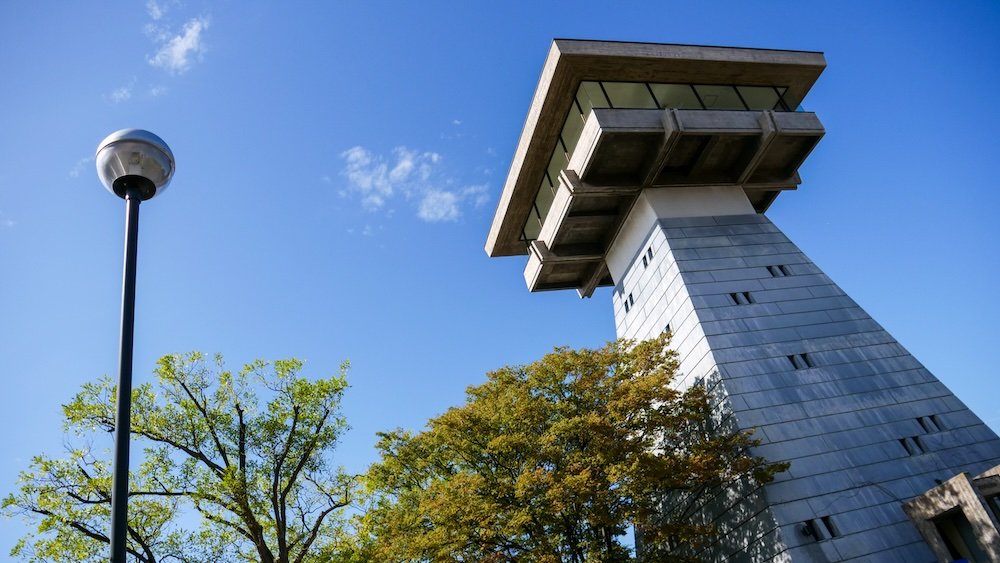
Head to the Toyama Port Observation Deck for a maritime perspective on the city and its surroundings. Watch as cargo ships, fishing vessels, and ferries come and go, each playing a role in Toyama’s dynamic economy. The deck provides sweeping views of the harbor, nearby piers, and distant horizons where sea meets sky. Early mornings bring a sense of calm and opportunity to see fishermen preparing their boats. Later in the day, the bustle picks up, offering a glimpse into the city’s trade and industry. Don’t forget your camera, as shifting light can produce dramatic scenes. Standing here, you’ll appreciate Toyama’s coastal identity and the stories unfolding with each passing vessel.
- What to Watch For: Fishing boats returning at dawn, cargo ships unloading, and colorful harbor sunsets.
- Facilities: Some decks offer binocular rentals, information panels, and occasional guided tours.
- Best Season: Any time of year, though clear summer days and crisp autumn afternoons often yield the best visibility.
Tip: Bring a light jacket; sea breezes can be cooler than in the city center.
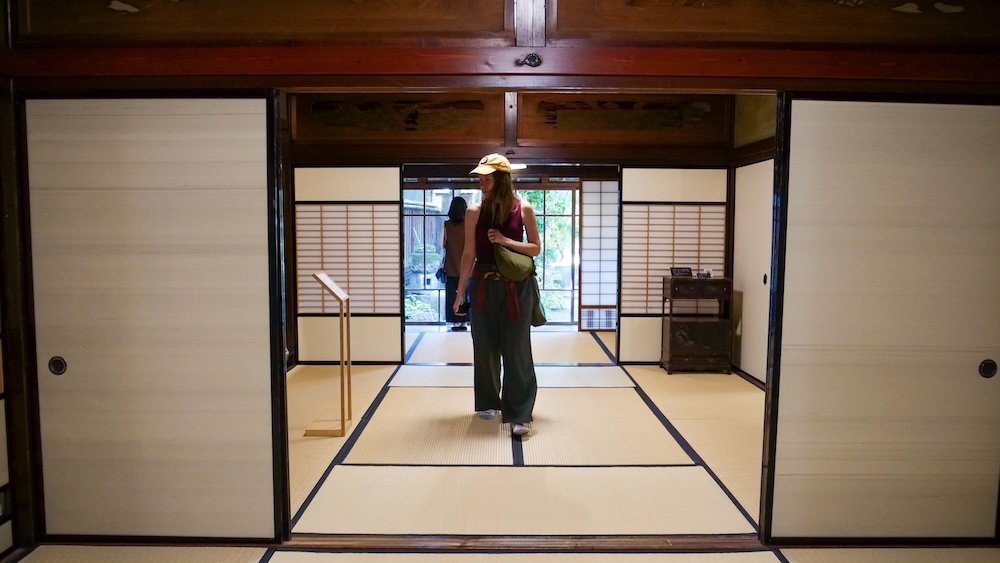
13) Baba Family House
The Baba Family House invites you to peek into a piece of Toyama’s domestic past. This well-preserved merchant’s home offers a glimpse of daily life centuries ago, where tatami floors, sliding doors, and wooden beams set the scene. Wander through rooms that once bustled with family members carrying out their routines. The house’s layout and furnishing reflect the values and social structures of another era. Even small details, like the grain of wooden pillars or the creak of old floorboards, paint a vivid picture of long-gone generations. History here isn’t distant; it’s tangible, personal, and full of quiet revelations. As you leave, you’ll carry a deeper understanding of the people who built Toyama’s legacy.
- Highlights: Note the traditional architecture, observe everyday tools and utensils, and appreciate the garden views.
- Cultural Insight: Learn about merchant life, understand the role of family hierarchy, and picture domestic rituals.
- Photographer’s Tip: Focus on architectural details, natural lighting, and contrasts of old wood and paper screens.
Tip: Speak with staff or docents to gain context and stories that enrich your visit.
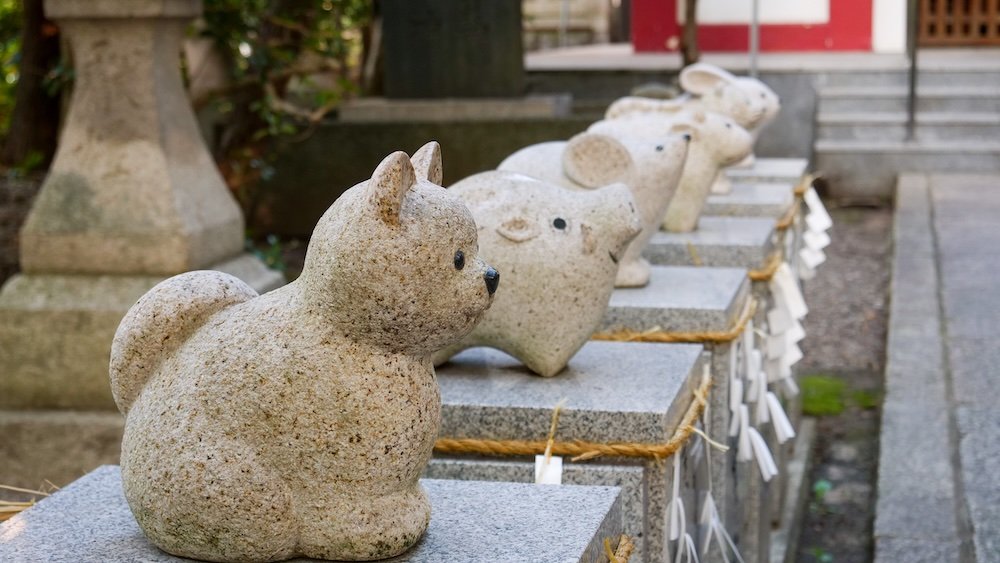
14) Hie Shrine
Hie Shrine offers a serene spiritual haven amid Toyama’s urban landscape. Step through the torii gate and immerse yourself in a world where mossy stones and towering trees whisper ancient secrets. Light incense, offer a silent prayer, or simply stand still and feel the gentle presence of something greater. The shrine’s carvings, lanterns, and subtle details invite curiosity—look closely and discover symbols that connect generations. Seasonal festivals occasionally bring lively crowds, but on quieter days, the hush enhances reflection. This sacred space encourages visitors to leave behind everyday worries, even if only for a moment. You’ll depart feeling grounded, centered, and touched by Toyama’s spiritual heart.
- What to Do: Wash hands at the purification fountain, ring the shrine bell, and leave a written wish on an ema board.
- Atmosphere: Peaceful, contemplative, and perfect for a mindful pause.
- Local Beliefs: Learn about Shinto traditions, respect shrine etiquette, and embrace the calm energy here.
Tip: Visit during a weekday morning for maximum tranquility and fewer visitors.
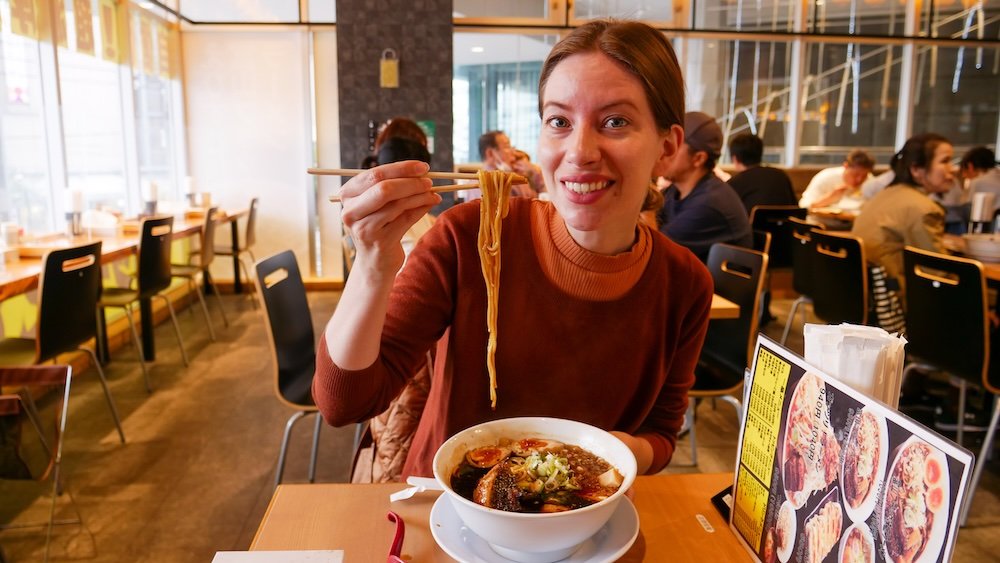
15) Toyama Black Ramen
Sampling Toyama Black Ramen is a must for any food lover. Its distinctive, dark broth—a blend of soy sauce, chicken, and fish stock—packs a savory punch that warms your core. Chewy noodles, sliced pork, bamboo shoots, and green onions complete the bowl, offering balance and texture. Unlike lighter ramens, this hearty dish leaves a lingering umami depth that keeps you coming back for more. Many local shops put their spin on the recipe, so don’t hesitate to try several variations. Pair it with a cold beer or a side of pickles to enhance the flavors. By the end of your meal, you’ll have a taste of Toyama’s culinary soul.
- Flavor Profile: Rich soy sauce base, umami-packed broth, and tender pork slices.
- Where to Try: Seek out specialty ramen shops, ask locals for their favorite spot, and try multiple bowls to compare.
- Pairings: Add pickled bamboo shoots, sip local sake, or order a side of gyoza.
Tip: Slurp your noodles—it’s polite in Japan and enhances the flavor experience.
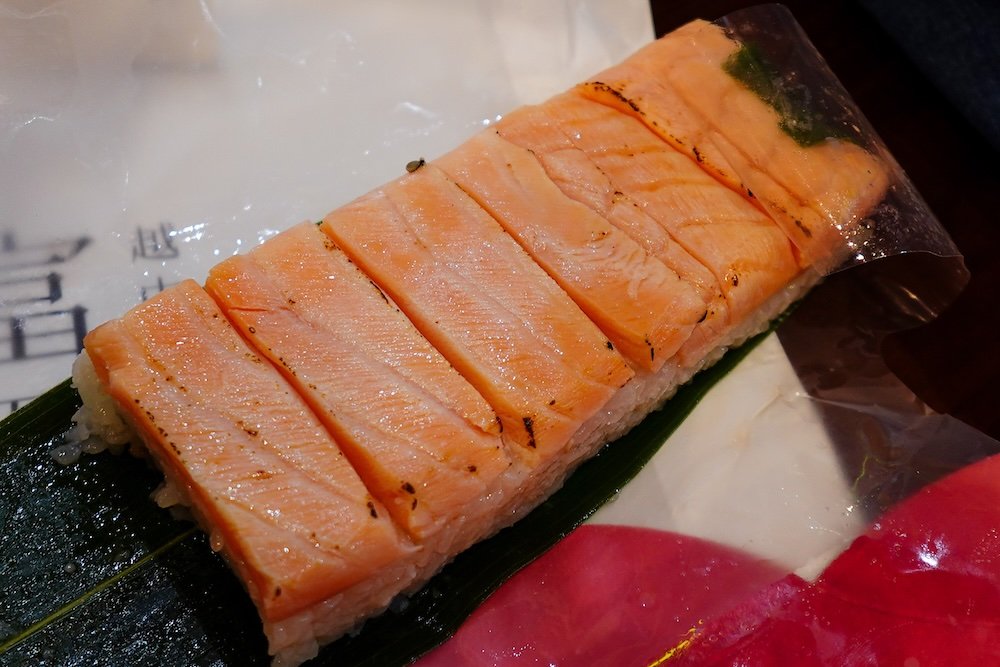
16) Masu Zushi Toyama Trout Sushi
Masu Zushi is a culinary icon of Toyama, reflecting the region’s ties to mountain streams and pristine rivers. This pressed sushi features trout marinated in vinegar and gently packed atop rice, wrapped in bamboo leaves for a subtle aroma. Each slice reveals a perfect marriage of acidity, sweetness, and delicate fish flavor. Travelers often purchase masu zushi as a souvenir or a quick picnic treat, making it both portable and memorable. Its beautiful presentation, often in circular wooden boxes, adds to its charm. Don’t be surprised if you develop a fondness for its refreshing taste. You’ll understand why locals treasure this dish as part of their cultural identity.
- How to Enjoy: Slice it into wedge-shaped pieces, pair with green tea, and appreciate the bamboo leaf fragrance.
- Where to Buy: Train station shops, local department stores, or traditional markets in Toyama.
- Storage: Keep it cool, enjoy it same-day, and don’t refrigerate too long to preserve flavor.
Tip: Try it on a day trip; it’s perfect for nibbling during a train ride while admiring passing landscapes.
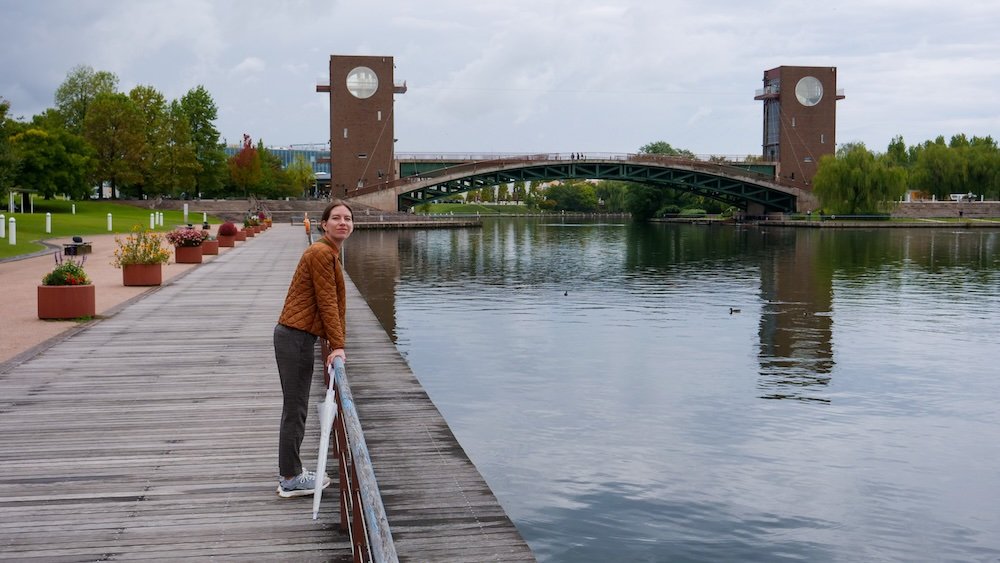
17) Kansui Park
Kansui Park serves as a peaceful urban retreat, cherished by locals and visitors alike. A scenic canal runs through the park, flanked by walking paths and grassy lawns ideal for picnics. Sunrise and sunset cast a gentle glow over the water, creating a dreamy atmosphere perfect for couples and photographers. Explore the park’s modern facilities, including a stylish Starbucks with floor-to-ceiling windows offering panoramic views. Seasonal events, like light-ups and music performances, add a touch of festivity throughout the year. This isn’t just a park—it’s a place where nature, community, and leisure coexist gracefully. By the time you leave, you’ll feel refreshed, relaxed, and more connected to Toyama’s quiet charm.
- Activities: Stroll the canal path, enjoy a coffee break, and watch for seasonal festivals or concerts.
- Photo Spots: Capture the bridge reflections, water birds, and colorful flowerbeds.
- Timeless Appeal: Perfect for families, solo travelers, or romantic evenings under the stars.
Tip: Bring a light jacket in cooler months to stay comfortable while enjoying long walks and evening views.
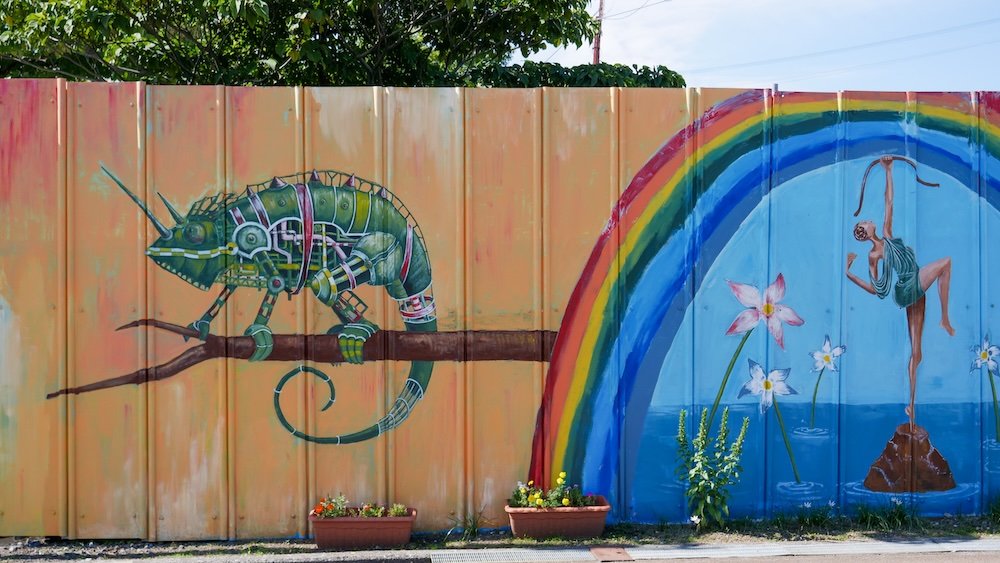
Tours For Visitors To Toyama, Japan
Step aboard a boat, hop on a bike, or join a walking group—there’s a tour for everyone in Toyama.
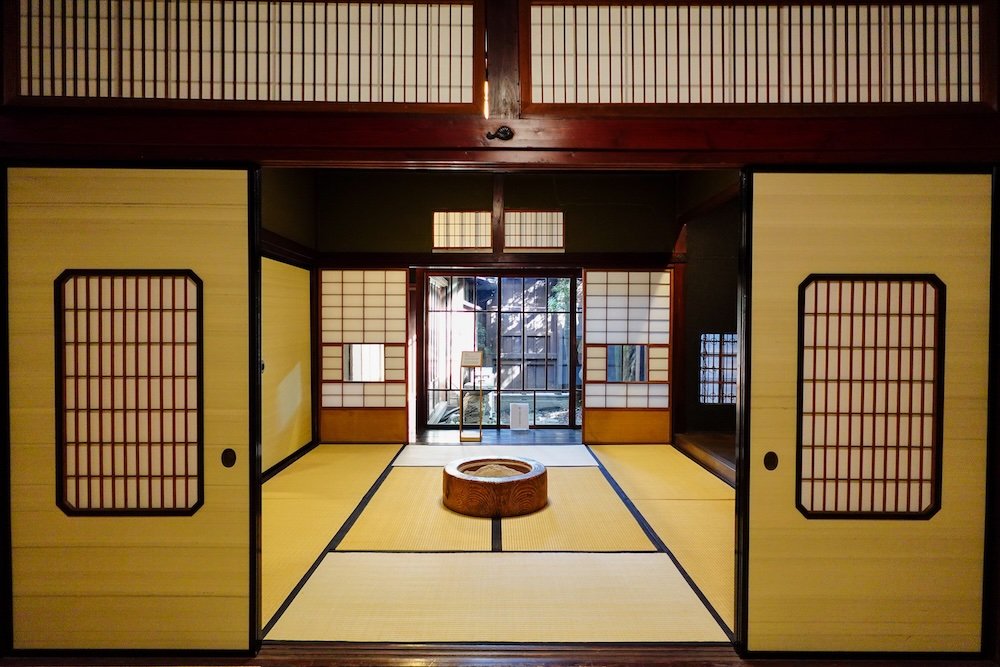
1) Historic Walking Tour Through Toyama’s Old Town
This Historic Walking Tour invites you to roam the city’s older districts, where wooden storefronts and narrow alleys whisper tales of bygone eras. A local guide paints vivid pictures of merchant life, samurai intrigue, and how Toyama rose from humble beginnings. You’ll pass traditional workshops, peek into artisan studios, and maybe even chat with a master who still follows ancient methods. As you stroll, fresh scents from nearby teahouses and subtle incense from shrines blend into a soothing sensory experience. By the end, you’ll have woven your own narrative, connecting past and present through each step taken.
- Highlights: Stroll through traditional neighborhoods, witness artisan crafts in action, learn about historic architecture.
- Best Time: Early mornings for quiet streets, evening walks for soft, golden light, and weekends for lively markets.
- Souvenir Idea: Pick up handmade paper or local sweets along the route.
Tip: Wear comfortable shoes; centuries-old cobblestones add charm but can be uneven underfoot.
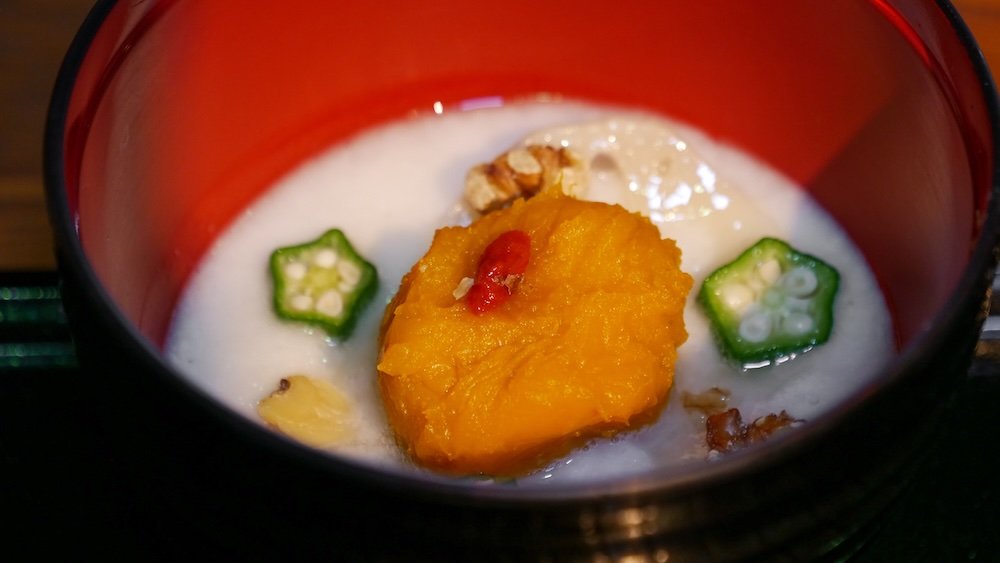
2) Culinary and Market Tour
On this Culinary and Market Tour, you’ll taste Toyama’s best flavors with each bite revealing a unique story. Start by exploring bustling markets, piled high with fresh seafood, seasonal produce, and fragrant spices. A friendly guide explains what makes Toyama Bay shrimp so special, or why local masuzushi is pressed just so. Then comes the eating—small plates to sample as you wander, letting your taste buds lead the way. By the time you finish, you’ll feel full not just in stomach but in spirit, carrying new appreciation for the region’s gastronomic heritage.
- Must-Try Foods: Toyama Bay sushi, Black Ramen, and masuzushi.
- Local Drinks: Sip on sake, savor green tea, or cool off with a barley tea.
- Cultural Insight: Learn how seasonality, harvest traditions, and family recipes shape local cuisine.
Tip: Arrive hungry; the more you taste, the richer your culinary adventure becomes.
3) Nature and Coastal Exploration Tour
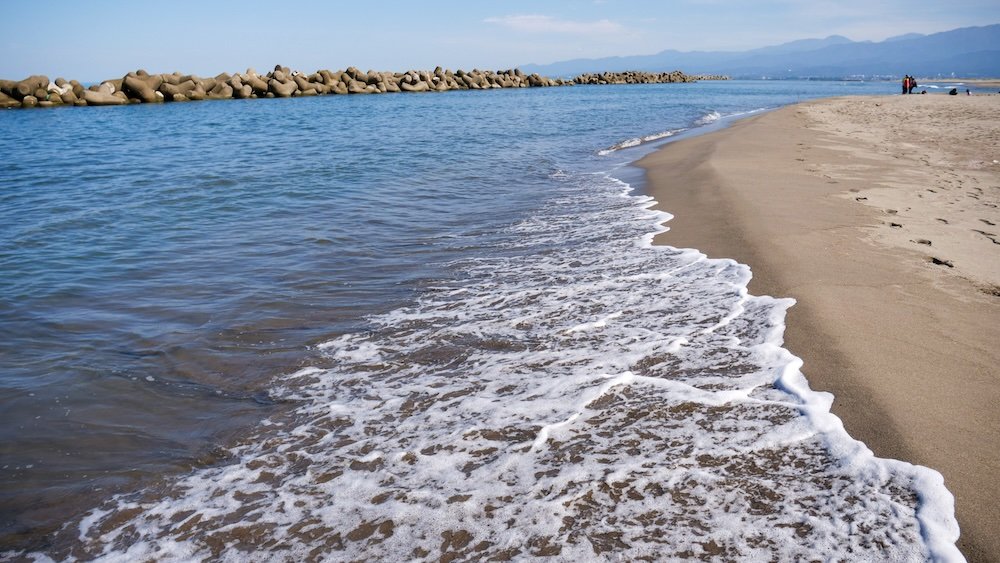
This Nature and Coastal Exploration Tour takes you beyond city limits into Toyama’s stunning natural landscapes. Climb aboard a boat to glide along the coast, marveling at mountain silhouettes meeting the sea. Hop off to wander through quiet fishing villages, where nets dry in the sun and seagulls call overhead. A knowledgeable guide points out hidden coves, explains the local marine life, and maybe even shares a favorite secret swimming spot. By tour’s end, you’ll feel the gentle rhythm of Toyama’s coastal life thrumming in your heart.
- Activities: Enjoy a boat cruise, explore a fishing village, and relax on a quiet beach.
- Packing List: Bring sunscreen, a light jacket, and comfortable walking shoes for shoreline strolls.
- Seasonal Bonus: Visit in summer for warm swims, autumn for golden sunsets, and spring for gentle breezes.
Tip: Check the weather forecast; clear skies ensure those unforgettable mountain-sea panoramas.
Toyama Accommodations Guide: Hotels, Guesthouses and Hostels
Let’s explore some different accommodation options for Toyama.
Hotels
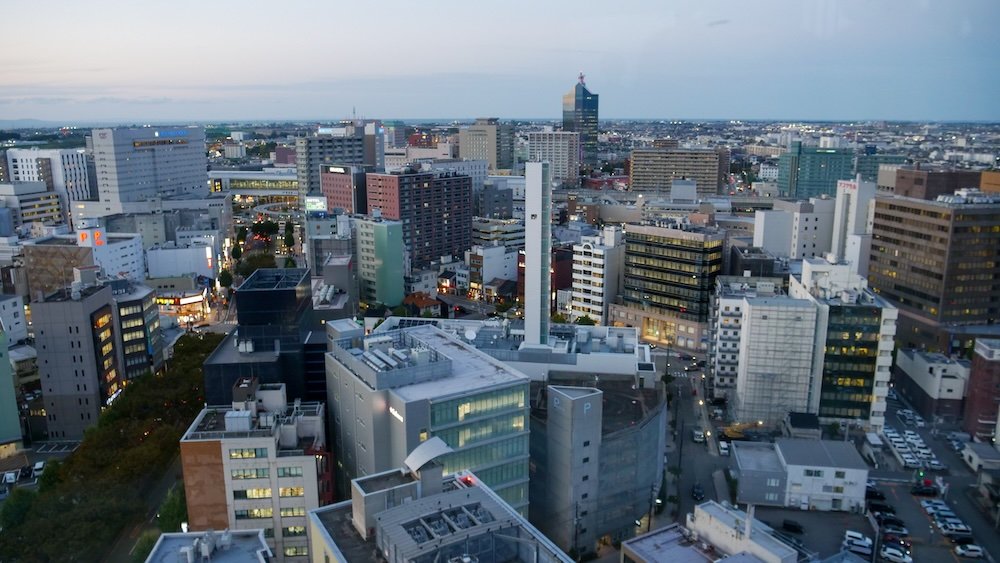
Hotels in Toyama combine modern amenities with a dash of local character, offering travelers both comfort and convenience. Many are located near transportation hubs, simplifying early departures or late-night arrivals. Expect staff who not only assist with luggage and directions, but might also recommend hidden gems in the city. Some hotels feature panoramic views of the Tateyama Mountain Range, turning each morning into a scenic wake-up call. From sleek business hotels to boutique properties infused with regional flair, there’s an option here to suit every taste and budget.
- Amenities: In-room Wi-Fi, on-site dining, and 24-hour front desk support.
- Location Perks: Close to Toyama Station, nearby shopping areas, and central tourist spots.
- Extra Comforts: Access to onsen baths, gym facilities, or spa treatments for relaxation.
Tip: Book early during peak seasons (cherry blossom or autumn foliage) to secure your preferred room and view.
Guesthouses
Guesthouses in Toyama deliver a homey, laid-back vibe that invites easy conversation and cultural exchange. You’ll often find traditional elements like tatami floors and futon bedding, offering a taste of everyday Japanese living. Hosts tend to be enthusiastic about sharing their city’s hidden corners, from family-run restaurants to quiet temple gardens. This cozy setting encourages interaction with other guests, creating a small community of travelers who trade stories and tips. If you’re seeking authenticity and warmth, a guesthouse stay can feel like returning to an old friend’s home.
- Atmosphere: Casual, welcoming, and perfect for meeting new friends.
- Budget-Friendly: Often affordable rates, sometimes with light breakfasts included.
- Local Insight: Ask owners for recommendations on seasonal festivals, craft workshops, or neighborhood strolls.
Tip: Learn a few Japanese greetings; simple phrases can spark meaningful exchanges and local guidance.
Ryokans
Ryokans, traditional Japanese inns, immerse you in cultural heritage through serene spaces and attentive hospitality. Slide open shoji doors to tatami-floored rooms, where minimalist décor and subtle lighting encourage deep relaxation. Evening meals often feature kaiseki-style feasts made from fresh, regional ingredients, turning dinner into an artful culinary journey. Many ryokans also provide communal onsen baths, letting you soak away travel fatigue while enjoying garden views or the sound of a distant stream. Staying at a ryokan isn’t just about lodging—it’s a chance to connect with time-honored traditions and step into Japan’s past.
- Atmosphere: Tranquil, elegant, and immersed in Japanese aesthetics.
- Culinary Experience: Enjoy multi-course kaiseki dinners, sample seasonal vegetables, and sip locally brewed sake.
- Relaxation: Unwind in onsen baths, wear a yukata robe, and drift off to the gentle crackle of tatami mats.
Tip: Arrive before dinner to fully appreciate the meal and pre-meal rituals, enhancing your overall ryokan experience.
Other Traditional Options (Minshuku & Farmstays)
For a deeper connection to local life, consider minshuku (family-run guesthouses) or farmstays in Toyama’s rural areas. Here, you might wake to roosters crowing or step into a kitchen filled with the aroma of miso soup prepared by your hosts. Get hands-on by helping with simple farm tasks or learning to cook homestyle dishes. Without the polish of luxury hotels, these stays emphasize sincerity, personal stories, and the daily rhythms of countryside living. You’ll leave not just with memories, but with a richer understanding of Toyama’s roots.
- Authenticity: Engage in farm chores, learn traditional cooking, and experience rural hospitality.
- Scenic Setting: Enjoy mountain backdrops, rice paddies, or fruit orchards as your surroundings.
- Slow Pace: Embrace a gentle daily routine, savor simple meals, and relish quiet nights under starry skies.
Tip: Coordinate with hosts in advance; discussing dietary needs or interests ensures a more personalized and fulfilling stay.
source: Samuel and Audrey YT Channel: Nomadic Samuel + That Backpacker presenting
Day Trips From Toyama, Japan
Escaping Toyama’s city center to explore nearby regions is as easy as hopping on a train or bus. Each destination offers its own flavor—ranging from majestic alpine views to quaint historic villages frozen in time. Whether you’re seeking cultural immersion, natural wonders, or a bit of both, these day trips present a refreshing change of scenery. Take a deep breath, pack a light bag, and let your sense of adventure guide you into Toyama’s picturesque surroundings. Embrace the unknown, savor the journey, and collect stories you’ll remember long after you return.
1) Tateyama Kurobe Alpine Route
The Tateyama Kurobe Alpine Route is famous for its dramatic mountain landscapes, shifting from emerald forests to snowy peaks in a matter of hours. Traveling along this route, you’ll switch between cable cars, trolley buses, ropeways, and even do a bit of walking, making the journey itself feel like an adventure. At Kurobe Dam, marvel at Japan’s tallest dam and the breathtaking panorama of lakes and alpine ridges. Depending on the season, you might experience vivid autumn foliage or carve through massive snow walls in spring. Every turn seems to offer a postcard-perfect view, enticing you to linger just a bit longer.
- What to Bring: Warm layers (even in summer), a camera for those epic views, and snacks to refuel along the way.
- Timing Tip: Start early to beat crowds, especially during peak seasons like autumn and cherry blossom times.
- Must-See Spot: Don’t miss Kurobe Dam; the sweeping vista from the observation deck is unforgettable.
Tip: Check the weather forecast before heading out; clear skies guarantee the best mountain panoramas.
source: Samuel and Audrey Travel Channel: Nomadic Samuel & That Backpacker
2) Shirakawa-go and Gokayama Villages
A day trip to the Shirakawa-go and Gokayama villages transports you back in time, showcasing traditional gassho-zukuri farmhouses with steep, thatched roofs. These UNESCO World Heritage Sites feel like living museums, where centuries-old structures blend seamlessly with surrounding fields and rivers. Wander through narrow lanes, visit local workshops, and savor humble yet hearty regional dishes. In winter, heavy snow drapes the rooftops, turning the landscape into a fairy-tale scene, while in summer, lush greenery adds vibrant life to every corner. No matter when you visit, the quiet charm and rustic authenticity of these villages leave a lasting impression.
- Essentials: Wear comfortable walking shoes, bring cash for small souvenirs, and carry an extra layer for cooler evenings.
- Cultural Insight: Explore Folk Museums, learn about silkworm farming, and chat with locals who maintain these ancient homes.
- Photo Ops: Capture seasonal contrasts, traditional bridges, and the nighttime illuminations if you stay late.
Tip: Book a guided tour if you want deeper insights into the region’s history and architectural techniques.
3) Kurobe Gorge Railway
Riding the Kurobe Gorge Railway is like stepping into a lush, natural paradise carved out over millennia. Bright red bridges span deep ravines, and dense forests hug the mountainsides, offering passengers a constantly shifting kaleidoscope of color. The open-air train cars immerse you in the sounds and scents of nature—rushing water, rustling leaves, and the occasional bird call. At stopping points, hot springs and footbaths invite you to pause, relax, and soak in the scenery. Spring’s fresh greens, summer’s dense foliage, autumn’s fiery hues, or winter’s snow-blanketed silence—each season paints the gorge with its own magic.
- What to Expect: Enjoy scenic overlooks, footbaths at key stations, and refreshing mountain air along the journey.
- Ticket Tip: Reserve train tickets in advance, especially during peak foliage season.
- Add-On: Combine the railway trip with a short hike or onsen visit for a full day in nature.
Tip: Dress in layers; temperatures can vary greatly as you move through the gorge and gain elevation.
source: Samuel and Audrey Travel and Food Videos: Nomadic Samuel & That Backpacker hosting
4) Kanazawa City
A quick ride from Toyama transports you to Kanazawa, a city renowned for its preserved samurai and geisha districts, vibrant arts scene, and impeccable gardens. Stroll through Kenrokuen Garden, one of Japan’s top three gardens, where meticulously designed landscapes reveal themselves like scenes from a painter’s dream. Visit historical tea houses, wander through Nagamachi’s samurai quarters, and pop into artisan shops that highlight the city’s celebrated gold leaf craft. Don’t miss the 21st Century Museum of Contemporary Art, blending old and new aesthetics into a single day’s itinerary. By day’s end, you’ll feel you’ve traversed centuries—sipping matcha in a centuries-old teahouse and later marveling at cutting-edge art installations.
- Must-Do Activities: Explore Kenrokuen Garden, sample fresh seafood at Omicho Market, and admire traditional tea houses in Higashi Chaya District.
- Cultural Insights: Learn about Kaga Yuzen silk dyeing, understand samurai traditions, and seek out hidden wooden alleys for glimpses of old Japan.
- Culinary Delights: Try local wagashi sweets, enjoy a bowl of Kanazawa curry, or sip a cup of hot matcha as you soak in the atmosphere.
Tip: Arrive early to Kenrokuen Garden for a quieter experience, and consider a guided tour to learn about its unique landscaping philosophy.
Toyama Transportation Guide
When it comes to exploring Toyama, having a solid understanding of the city’s transportation options can make your journey smoother and more enjoyable.

Shinkansen and Local Trains
Riding the Shinkansen to Toyama is a swift, comfortable way to arrive, whisking you through the countryside at remarkable speeds. Once you reach Toyama Station, a hub of connectivity, catching local trains to outlying areas or nearby towns becomes easy. Many local lines offer pleasant, scenic routes, showcasing passing fields, mountain silhouettes, and glimpses of everyday life outside the city center. Seating is generally comfortable, schedules are punctual, and English signage helps even first-timers find their way. By opting for trains, you embrace a form of travel that balances efficiency, affordability, and a gentle introduction to the region’s landscapes.
- Must-Haves: Purchase a JR Pass if traveling extensively, arrive early for reserved seats, and pack a light snack for longer rides.
- Peak Times: Avoid rush hours for a quieter experience, and consider mid-day travel to enjoy panoramic views out the window.
- Convenient Add-On: Store larger luggage in station coin lockers if you plan a quick day trip without hauling your bags.
Tip: Check train timetables in advance so you can align your sightseeing schedule with departure times and minimize waiting.
City Buses
Toyama’s city buses connect key attractions, shopping districts, and residential neighborhoods at a leisurely pace. While not the fastest option, they’re budget-friendly and provide an intimate look at daily city life—think schoolkids chatting, local shoppers hauling groceries, and seniors heading to afternoon tea. English route maps and digital displays help you track progress, ensuring you step off at the right stop. Payments are simple, often made by cash or IC cards, with a friendly driver willing to guide you if language barriers arise. Riding the bus invites you to slow down, take in the scenery, and appreciate the city’s gentle rhythms.
- Payment Methods: Carry small change, consider an IC card, and check if day passes suit your itinerary.
- Route Planning: Scan tourist maps, use online bus trackers, and confirm stops with station staff before boarding.
- Comfort Items: Bring headphones, a light jacket, and a foldable umbrella—you never know what weather or vibe you’ll encounter.
Tip: Avoid peak commute hours if you prefer more elbow room and a less crowded ride.
Toyama Light Rail and Rental Bicycles
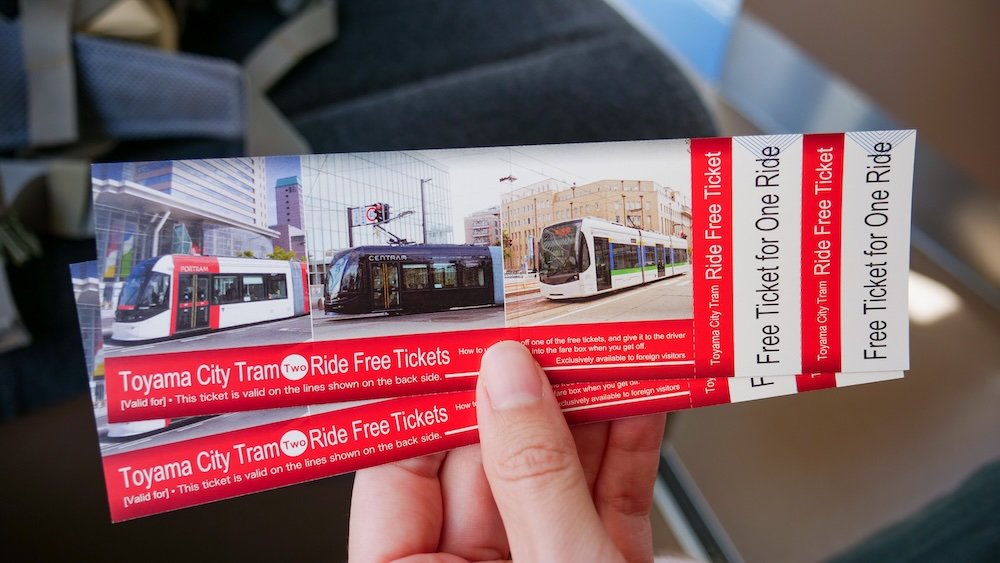
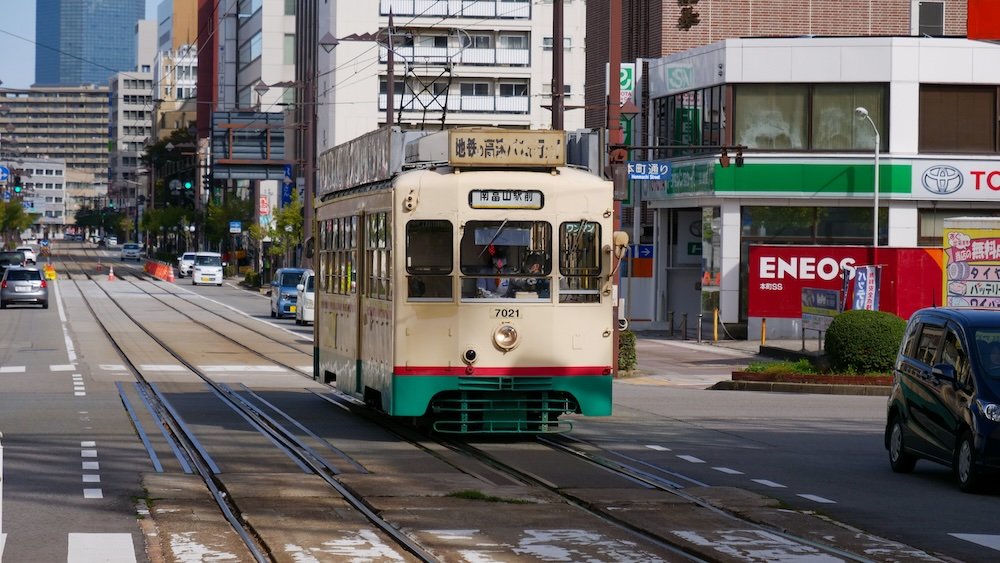
The Toyama Light Rail system adds a touch of modernity to the city’s transit scene, offering smooth rides and easy-to-understand routes. Trams glide quietly through streets, passing offices, cafes, and riverside paths, making it a pleasant way to hop between central spots. For an even more active approach, consider renting a bicycle—Toyama’s relatively flat terrain and designated bike lanes ensure a fun, scenic adventure. Pedaling along canal paths or quiet backstreets, you’ll stumble upon hidden shrines, local boutiques, and perhaps a serene park bench to rest your legs. Combining trams and bikes lets you tailor each journey to your mood, whether you’re in a hurry or just happy to wander.
- Tram Tips: Check departure times, use IC cards for quicker boarding, and sit by the window for the best views.
- Bike Rentals: Find bikes at rental stations, ask hotels for bike-lending services, or try local shops for daily rates.
- Safety First: Wear a helmet, follow traffic rules, and keep an eye out for pedestrian zones.
Tip: Map out a loose route before biking, noting points of interest or cafes you want to hit along the way.
Taxis and Ride-Sharing
Taxis in Toyama are clean, reliable, and staffed by professional drivers who know the city inside and out. Although pricier than trains or buses, they’re perfect if you’re short on time, carrying heavy luggage, or seeking door-to-door convenience. Most drivers understand basic English or use translation devices, ensuring you reach your destination smoothly. You can hail them on the street, find them near stations, or have your hotel call one for you. For tech-savvy travelers, ride-sharing apps provide an alternative, sometimes offering fare estimates, cashless payments, and real-time tracking.
- Payment Options: Carry cash, ask about credit card acceptance, and see if any IC cards are supported.
- Language Helps: Show written addresses, rely on a translation app, or point to a map on your phone.
- Timing Considerations: Use taxis for late nights, early mornings, or tight transfer schedules.
Tip: Ask your hotel’s concierge for recommended taxi companies or estimate costs before starting your journey.
Car Rentals and Expressways
For independent explorers, renting a car opens the door to remote villages, hidden hiking trails, and scenic coastal drives. Japan’s highways are well-maintained, and Toyama’s expressways connect smoothly to neighboring prefectures, perfect for day trips or multi-day road adventures. While signage is often bilingual, having a basic GPS or offline map helps navigate country roads. Fuel stations, rest stops, and roadside eateries provide comfort breaks—don’t miss sampling local snacks along the way. With a car, you control the pace, itinerary, and soundtrack, transforming travel from a simple commute into a personal, scenic journey.
- Must-Have Documents: Carry an International Driving Permit, your passport, and insurance details if renting.
- Preparation: Check weather forecasts, map out key stops beforehand, and consider ETC cards for toll efficiency.
- Local Advice: Ask your rental agent about parking regulations, road conditions, or recommended scenic detours.
Tip: Practice basic Japanese driving phrases or learn symbols for “stop” and “no entry,” ensuring a smoother ride off the beaten path.
Toyama Travel Questions Answered: Practical Tips, Local Food & Alpine Route Advice
How many days do you really need in Toyama for a first visit?
Honestly, 2–3 full days in Toyama feels like the sweet spot for a first visit. With two days you can cover the core city sights like Toyama Castle, Matsukawa River, Kansui Park, the Glass Art Museum, and squeeze in a food-focused evening. With three days, you can add a half-day coastal escape to Iwasehama or a more relaxed castle-and-river combo day without racing between stops. If you’re also using Toyama as a base for a big day trip like the Tateyama Kurobe Alpine Route or Shirakawa-go, I’d lean toward 3–4 nights so you’re not exhausted by the time you leave.
When is the best time of year to visit Toyama for weather, views, and day trips?
It depends. If you want comfortable temperatures and clear views of the Tateyama range, aim for late April to June and September to early November, when humidity is lower and skies tend to be clearer. Spring brings cherry blossoms along the Matsukawa River and in the castle park, while autumn paints the mountains and parks in reds and golds. Winter can be magical with heavy snow and moody Sea of Japan skies, but you’ll need proper cold-weather gear and occasional weather flexibility. Summer is lush and green but can be hot and humid in the city, with Japan’s rainy season usually hitting around June–July, so I treat that as a backup-plan period or focus more on museums and food.
Is Toyama a good base for the Tateyama Kurobe Alpine Route and other nearby day trips?
Absolutely. Toyama is one of the classic gateways to the Tateyama Kurobe Alpine Route, with easy access by train and bus from Toyama Station to the starting point at Tateyama. The full Alpine Route typically runs from around mid-April to late November, with the famous snow corridor near Murodo usually visible from mid-April to June, so Toyama makes a logical base in that window. From the city you can also day trip to Kanazawa, Shirakawa-go, Gokayama, and the Kurobe Gorge Railway without constantly changing hotels, which keeps your trip logistics simple while still seeing a lot.
How do I get to Toyama from Tokyo, Kyoto, or Kanazawa?
Easy. From Tokyo, the Hokuriku Shinkansen gets you to Toyama in just over two hours, with frequent departures from Tokyo and Ueno Stations; it’s usually covered by nationwide JR passes and most regional Hokuriku passes. From Kyoto or Osaka, you typically ride the Thunderbird limited express to Kanazawa, then switch to the Hokuriku Shinkansen or a local train for the short hop to Toyama. Kanazawa itself is only about 20–25 minutes away by Shinkansen, so it’s very realistic to bounce between the two cities for day trips. Booking a reserved seat during busy seasons (Golden Week, Obon, autumn foliage) is a nice stress reducer, but outside those peaks I’m often fine with non-reserved cars.
Do I need to rent a car in Toyama, or is public transport enough?
Most visitors don’t need a car. Within Toyama city, the light rail, trams, buses, and easy walking cover the main sights without much hassle, and the Shinkansen plus local trains connect you to nearby hubs like Kanazawa and Takaoka. For the Tateyama Kurobe Alpine Route, private cars aren’t allowed on the core section anyway; you switch between cable cars, buses, and ropeways as part of the experience. A rental car only really starts to shine if you want to explore more remote rural areas, small fishing villages, or farmstays on your own schedule. If it’s your first Japan trip or you’re nervous about driving on the left, I’d lean on trains, buses, and a couple of guided tours instead.
Where is the best area to stay in Toyama: near the station, by the river, or somewhere more rural?
Convenience-wise, staying near Toyama Station is hard to beat: you’re close to the Shinkansen, local trains, buses, trams, and plenty of shops and restaurants, which makes day trips and early departures super easy. If you prefer scenery and slower vibes, a riverside stay near the Matsukawa area or Kansui Park is lovely, especially if you like evening walks and easy access to the castle and park network. For a deeper cultural experience, a ryokan or minshuku on the outskirts or in nearby mountain or coastal areas gives you that “Japan countryside” feeling, but you’ll rely more on buses, taxis, or a rental car. I like to mix it up: a couple of nights by the station to tick off city sights and day trips, then one night somewhere more traditional or rural if your schedule allows.
How expensive is Toyama compared to Tokyo or Kyoto, and what sort of daily budget should I plan?
Good news: Toyama usually feels cheaper than Tokyo or Kyoto. Hotel rates tend to be friendlier, especially around the station where business hotels and mid-range properties are common, and many meals (like ramen, set lunches, and izakaya dinners) are comfortably in the budget to mid-range bracket. Roughly speaking, a backpacker might get by on 8,000–10,000 yen per day if they’re careful, mid-range travelers are more in the 12,000–18,000 yen range including accommodation, food, local transport, and a paid attraction or two, and a “treat yourself” day with ryokan dining can go above that. The Alpine Route day, if you do it, will be one of your pricier days thanks to the transport tickets, so I budget extra for that and balance it out with cheaper city days.
Is Toyama safe for solo travelers, including solo female travelers, at night?
Yes. Toyama, like most regional Japanese cities, has a very low violent crime rate, and Japan overall is rated as a place where visitors can generally exercise normal precautions rather than worry about serious security issues. You’ll see students, office workers, and families out in the evenings, and walking between central areas like the station, castle park, and riverfront usually feels calm and orderly. That said, I still follow the usual common-sense habits: avoid very dark backstreets late at night, keep an eye on your belongings, and go easy on solo late-night drinking. For solo female travelers, Toyama is one of those places where you can focus more on your itinerary than on safety worries, which is a huge relief.
Can I visit Toyama with kids, and what are the most family-friendly things to do?
Absolutely. Kids tend to love the castle park lawns, riverboat rides on the Matsukawa, Kansui Park’s open spaces, and the novelty of trams and Shinkansen trains. The Toyama Glass Art Museum can be surprisingly kid-friendly if you frame it as a treasure hunt for shapes and colors, and food-wise, ramen, tempura, and simple rice dishes are usually easy wins with younger travelers. If your kids are up for it, the Tateyama Kurobe Alpine Route is a huge hit thanks to the cable cars, buses, snow walls (in spring), and dramatic mountain views; just watch the weather, temperatures, and walking distances for smaller children. I’d also build in downtime at parks and cafés so the trip doesn’t become an attraction marathon.
What Toyama foods should I prioritize if I only have one or two meals in the city?
If you only have room for a couple of meals, I’d make a beeline for Toyama Black Ramen and Toyama Bay seafood. Black Ramen’s inky soy-based broth, thick with umami, is an iconic local dish and easy to fit into a quick lunch or casual dinner. For seafood, aim for glass shrimp (shiro-ebi), Toyama Bay sushi, or masu zushi if you want something uniquely regional and easy to take away. Between those three you get a nice snapshot of the region: salty, hearty comfort food; pristine seafood from the bay; and a portable, beautifully presented local specialty that works well as train-trip fuel or a picnic in the park.
Do I need Japanese language skills in Toyama, or can I get by with basic English?
Nope. You don’t need fluent Japanese to enjoy Toyama, but having a few phrases in your pocket helps a lot. Around Toyama Station, in larger hotels, and at major attractions, you’ll usually find some English signage and staff who can manage basic communication, especially for tickets and check-in. Once you step into small eateries, traditional shops, or rural areas, English drops off quickly, so I rely on a mix of simple Japanese phrases, Google Translate, pointing at menus, and a smile. People in Toyama are generally patient and kind with visitors, so even clumsy phrasebook Japanese tends to be welcomed and often leads to unexpectedly warm interactions.
What should I pack for Toyama, especially if I’m combining coastal sights with the Alpine Route?
Layers. Toyama’s coastal weather can be cool and breezy even when the city feels mild, and the Alpine Route can be dramatically colder and windier than the lowlands, especially in spring and autumn. I like to pack a light down or fleece layer, a windproof shell, comfortable walking shoes, and a warm hat and gloves if I’m heading up into the mountains early or late in the season. For the city and coastal walks, a compact umbrella, sunscreen, and sunglasses all come in handy, plus a small daypack for snacks and an extra layer. If you’re planning on onsens, toss in a modest swimsuit if needed (for mixed facilities or pools) and a small towel, though many places provide or rent towels on site.
Do I need to book Toyama attractions and restaurants in advance, like glass shrimp spots or the Glass Art Museum?
Not always, but sometimes it really helps. The Toyama Glass Art Museum usually doesn’t require a far-in-advance booking for general admission, though special exhibitions or workshop events can sell out, so I always check the calendar ahead of time. For popular restaurants specializing in glass shrimp or limited counter seating, reservations are a smart move, especially on weekends or during domestic holiday periods when locals are out celebrating. The Alpine Route is the big one where advance planning matters most: you don’t “reserve” the route itself in the same way as a theme park, but tickets, transport timings, and accommodation along the way can all book out in peak seasons. For most city sights outside of major holidays, same-day flexibility is fine, but I lock in anything that’s on my “must-eat” or “must-see at a specific time” list.
How can I combine Toyama with Kanazawa, Shirakawa-go, and other Hokuriku highlights in one itinerary?
A classic loop looks like this: base yourself first in Kanazawa for 2–3 nights to enjoy Kenrokuen, the geisha districts, markets, and museums, then shift to Toyama for another 2–3 nights to focus on the castle, riverside parks, local food, and the Alpine Route. From either Toyama or Kanazawa you can day trip to Shirakawa-go and Gokayama (often sold as combined tours), giving you that gassho-zukuri village experience without changing hotels. If you have more time, you can add in the Kurobe Gorge Railway from Toyama on another day and maybe finish your trip with a night in Takayama or back in Tokyo. The Hokuriku Shinkansen and highway buses make these connections surprisingly easy, so the real challenge is resisting the urge to add “just one more” mountain or onsen stop.
Is Toyama still worth visiting if I only have one full day?
Yes. With one full day you can still get a really solid feel for the city by focusing on a tight, walkable loop: Toyama Castle and Ruin Park, Matsukawa River (boat ride and park), the Glass Art Museum, and a food-focused evening built around Toyama Black Ramen and local seafood. If you’re on an even tighter schedule, you can still squeeze in Kansui Park for sunrise or sunset, since it’s so close to the station and works beautifully as a “welcome to Toyama” or “goodbye Toyama” stop. I’d treat that one day as a taster: get a mix of views, culture, and food, and then mentally bookmark Toyama as a place you’ll come back to when you have time for the Alpine Route and more in-depth exploring.
Toyama Travel Guide: Final Thoughts
Planning a Return Journey
No matter how thoroughly you explore Toyama, it always feels like there’s more awaiting your next visit. Maybe you didn’t catch the snow monkeys at Kurobe Gorge, or there’s a hidden café you heard whispers about but never found. Perhaps you want to see the mountains dusted in fresh snow or experience a harvest festival you just missed this time around. The city’s character changes with each season, each festival, each shift in cultural currents, ensuring that every return trip offers fresh discoveries. Leaving Toyama, you know it’s not really goodbye—it’s just a pause before the next chapter in your ongoing travel story.
- Future Goals: Try a different season, explore a new neighborhood, and seek out a local guide for insider tips.
- Stay Informed: Follow regional travel blogs, subscribe to local tourism sites, and track weather updates to plan better next time.
- Souvenir Strategy: Leave space in your luggage for new tastes, handcrafted goods, and maybe a hardcover photo book capturing Toyama’s essence.