
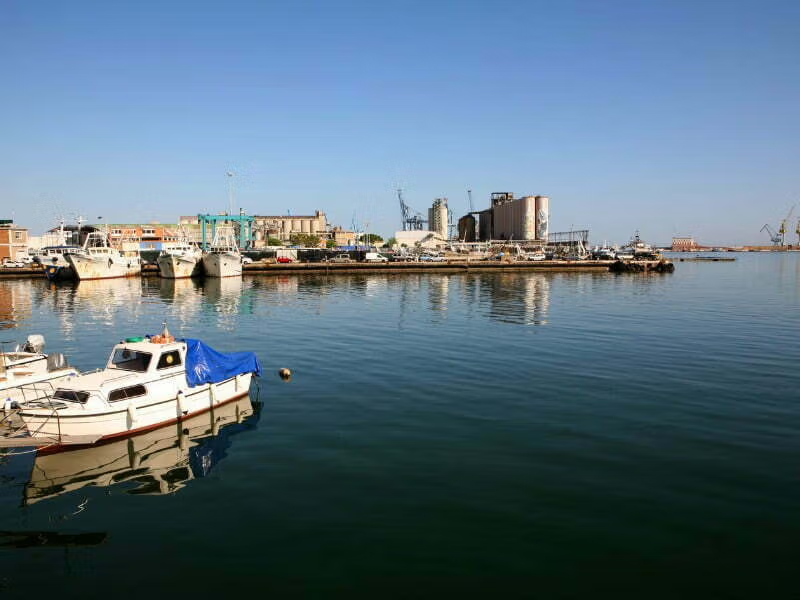
Nestled on Italy’s eastern coast, Ancona is more than a mere dot on the map. It’s a city where history’s echo is a loud whisper, and the Adriatic Sea’s blue hues blend seamlessly with the sky.
Where History Meets the Horizon
An Ancient Tapestry
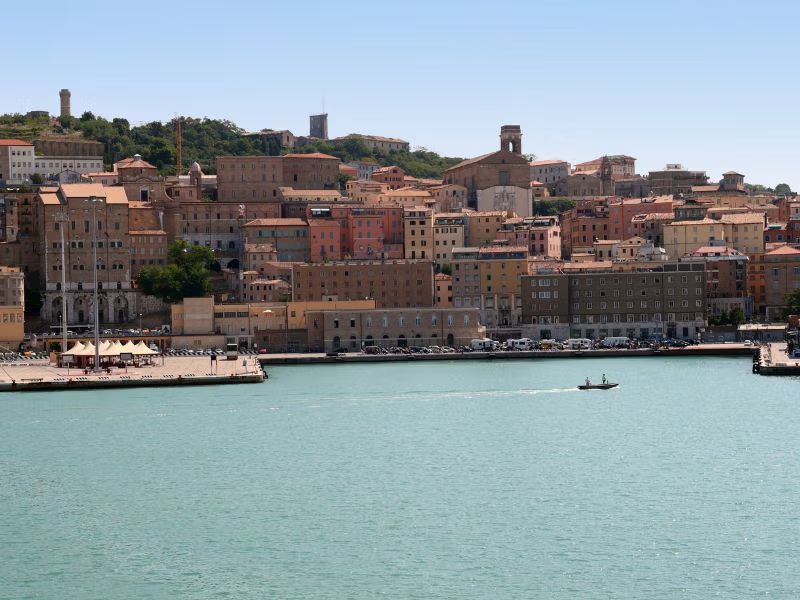
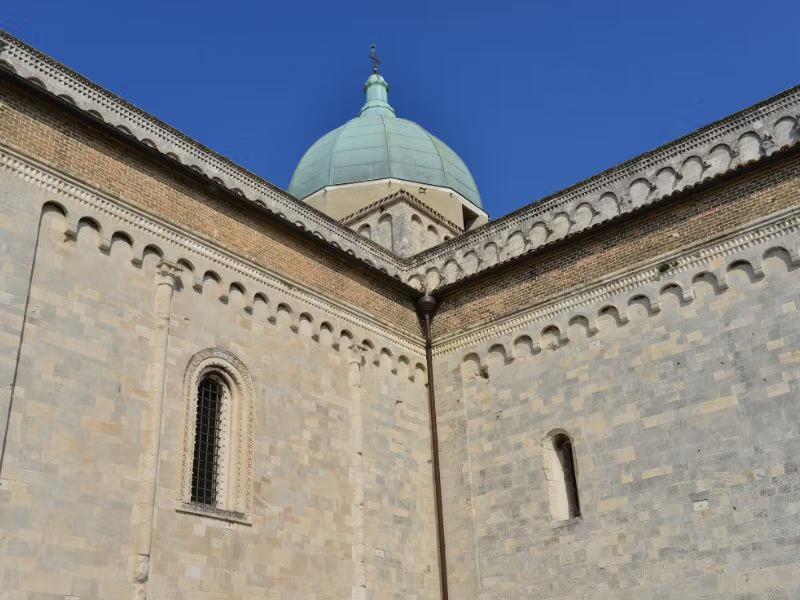
Founded by Greeks, refined by Romans. Ancona’s past is a mosaic. The Arch of Trajan stands tall, a doorway through time. Then there’s the Cathedral of San Ciriaco, reaching skyward from Guasco Hill – a mix of Byzantine whispers and Romanesque solidity.
A Feast for the Senses
Flavors of the Sea
Seafood here? Exquisite. Imagine dining by the sea, where the day’s catch meets age-old recipes, and every bite tells a story. It’s not just eating; it’s an experience. Picture this: a glass of Verdicchio in hand, as the sunset paints the sky.
Nature’s Embrace
The Call of the Wild
Just a stone’s throw away, the Conero Peninsula awaits. Cliffs dive into azure waters. Beaches hide away, treasures waiting for footprints. Trails weave through greenery, promising adventure. It’s where peace finds you, amidst the rustling leaves and the rhythmic waves.
Why Ancona?
In Italy’s heart, Ancona beats quietly, overshadowed yet vibrant. It’s a city for the curious, the explorers seeking stories untold. Here, the pace slows, the senses heighten, and the beauty of Italy unfolds in its most authentic form. It’s a journey back in time, a dive into culinary excellence, and an embrace of nature’s untouched beauty.
In Ancona, every step is a discovery, every meal a celebration, and every view a memory in the making. It beckons quietly, promising the essence of Italy, undisturbed.
Ancona City Guide: A Brief History Of Ancona, Italy
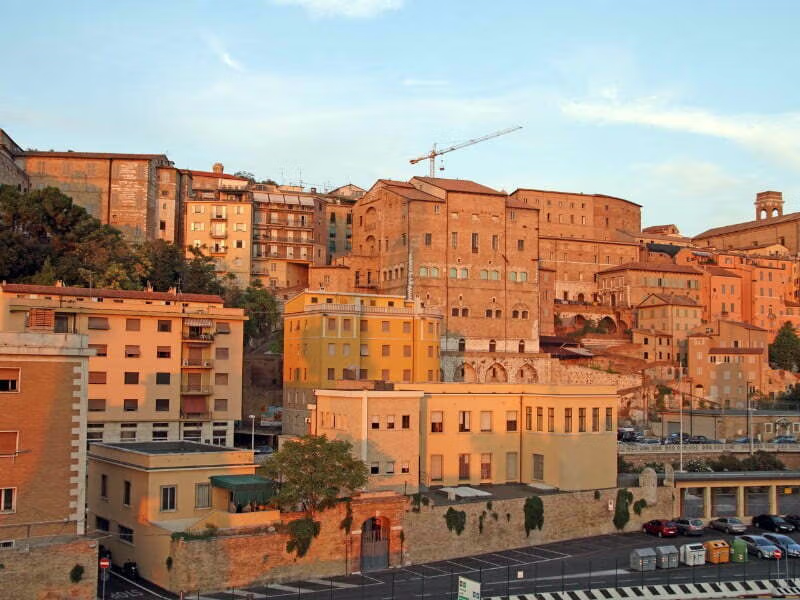
As we peel back the layers of time, we discover a city that has been a silent witness to the rise and fall of empires, a hub of maritime trade, and a melting pot of cultures. Let’s dive deep into the rich history of Ancona, Italy, exploring the epochs that have shaped this enchanting port city.
Origins and Antiquity
A Greek Beginning
Imagine, centuries ago, Greek settlers founding Ancona, attracted by its natural harbor. It’s said the name “Ancona” derives from the Greek word “ankon,” meaning “elbow,” aptly describing the city’s curved harbor. This strategic location made Ancona a vital player in ancient trade routes.
Roman Influence
As Rome expanded, Ancona became a crucial Adriatic port. The Romans built its iconic arch, the Arch of Trajan, celebrating the harbor’s expansion. This magnificent structure still stands today, a testament to Roman engineering and Ancona’s significance in ancient times.
Medieval Majesty
A City Rises
The fall of the Roman Empire plunged many cities into darkness, but Ancona, resilient, found new life in the Middle Ages. It became a free city-state, flourishing through trade. The city’s maritime laws, the “Statuti Marittimi,” set standards across the Adriatic. It was during this era that Ancona’s cathedral, San Ciriaco, began to watch over the city from Guasco Hill, blending Byzantine and Romanesque styles in a symbol of enduring faith.
Renaissance and Beyond
A Haven in Turmoil
During the Renaissance, Ancona, like much of Italy, was caught in the crossfire of warring states and invading armies. Yet, it emerged as a sanctuary, offering refuge to those fleeing persecution. Its role as a haven during this tumultuous time added layers of cultural and religious diversity to its fabric.
Modern Times
A Fight for Freedom
In more recent history, Ancona has faced challenges, including destruction during World War II. However, its spirit remained unbroken. The city was rebuilt, preserving its historical heritage while embracing modernity. Today, Ancona stands proud, a city that has weathered the storms of history, yet remains a vibrant, welcoming community.
Every corner of Ancona, from its ancient arch to the serene cathedral, tells a story of resilience, diversity, and beauty. The city doesn’t just belong to the past; it’s a living museum, where history and modern life meld seamlessly. Walking through Ancona is like traversing through time, with each step revealing a new chapter of its storied past.
Ancona Top Attractions and Best Places to Visit in Italy
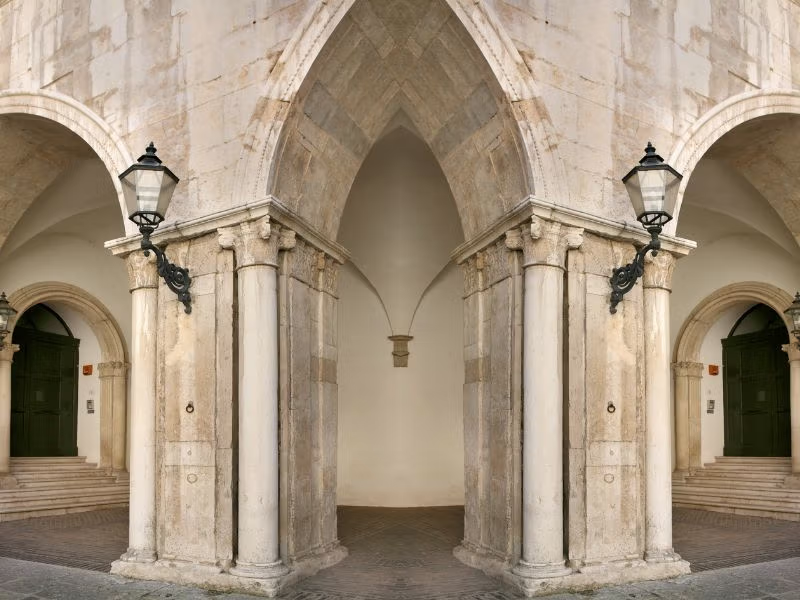
Begin your sightseeing in Ancona by taking in Cattedrale di San Ciriaco. The builders of this basilica laid its foundation in the 11th century, but this place has been here for longer than that. According to archaeologists, a Greek temple honouring Aphrodite existed as far back as the 3rd century BC.
Thanks to countless restorations, this cathedral boasts numerous architectural styles. It was initially built as a Romanesque church but now features Byzantine and Gothic elements. Note that this church sits atop a steep hill – however, you can take a train to the summit for 5 EUR.
San Ciriaco isn’t the only Romanesque church in Ancona, though – Santa Maria della Piazza is another excellent specimen. Its builders raised it between the 11th and the 12th centuries, and unlike San Ciriaco, it mostly retains its Romanesque appearance.
More Atractions
However, like its cousin, this church sits atop older sites of worship. Before Santa Maria’s building, an older Christian church sat there until the 6th century. So in the basement, you’ll find old mosaics that used to reside on the former church’s floor.
Learn about the history of the Ancona area by spending some time in Museo Archeologico Nazionale delle Marche. Within its halls, you’ll find exhibits that show off artifacts from the prehistoric era through to the times of the Romans.
In these displays, there is everything from tools to jewellery to yarn. However, be aware that not all captions are in English – be sure to have Google Translate handy.
Lastly, be sure to check out Museo Tattile Statale Omero. This museum’s curators designed the place to allow those with visual disabilities to experience art. All displays are designed to be touched, making this place a unique attraction.
Other Cultural Attractions: Trip to Ancona, Italy
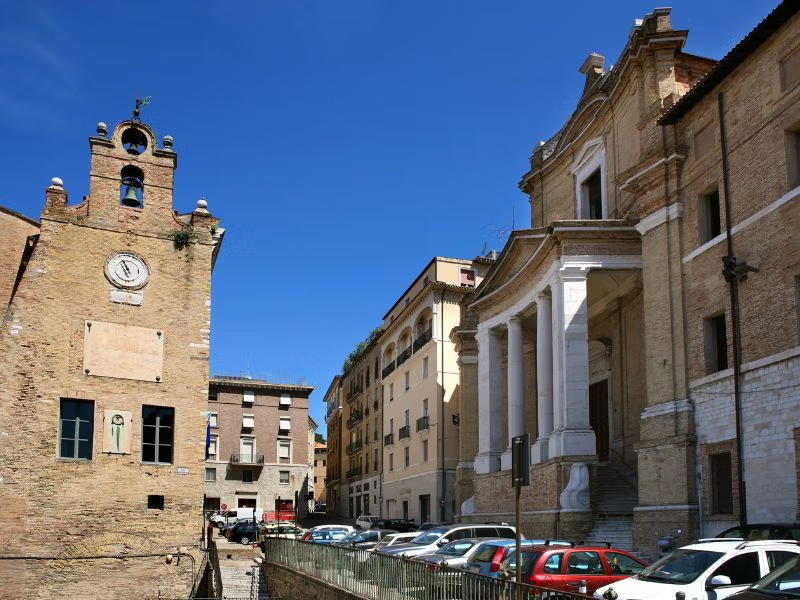
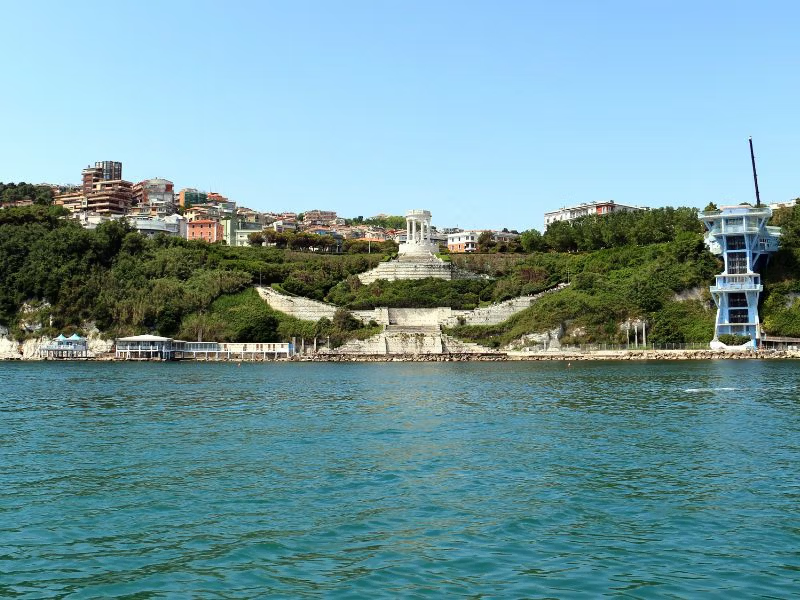
Pay your respects to the Italian war dead of WWI by visiting the Monumento ai Caduti. Located near the seashore, it is a beautiful monument that honours those who fell in the First World War. In addition to the striking columns, it also contains inscriptions from Roman-era poets.
At night, this monument is also lit-up. So if you’re into photography, this place offers a great venue to practice your night shots.
Next, descend a set of steps from the war memorial to Grotte del Passetto. Located along the seashore at the base of a cliff, they are tunnels burrowed into the bedrock by local fishers. From the early 20th century to the present day, they’ve served as sheds for their equipment.
More Cultural Attractions
These fishers painted the gates of these tunnels a series of brilliant colours. Because of this, they are excellent photo subjects. But even if you aren’t big into photography, this spot is a great place to enjoy the seashore with locals, as they often hang out here.
However, as fun as this area can be, it isn’t the best place to swim. For that, you’ll want to head out to Baia di Portonovo. Out here, you’ll find pebble beaches and crystal clear waters. To be clear, this isn’t Rimini – you’ll want to pack some Aqua shoes.
However, locals love this place, and we think you will too. After enjoying a swim on a hot day, try some local seafood from one of the hole-in-the-restaurants nearby.
End your time in Ancona by spending an evening in Piazza del Plebiscito di Ancona. Along its perimeter, you’ll find numerous churches, palaces, and museums. After discovering them, take a seat in a sidewalk cafe and watch Ancona locals go about their lives.
source: Top Tourist Places on YouTube
Top 20 Things To Do in Ancona, Italy For Visitors
Let’s dive into the top 20 things that make Ancona an unforgettable destination for any traveler.
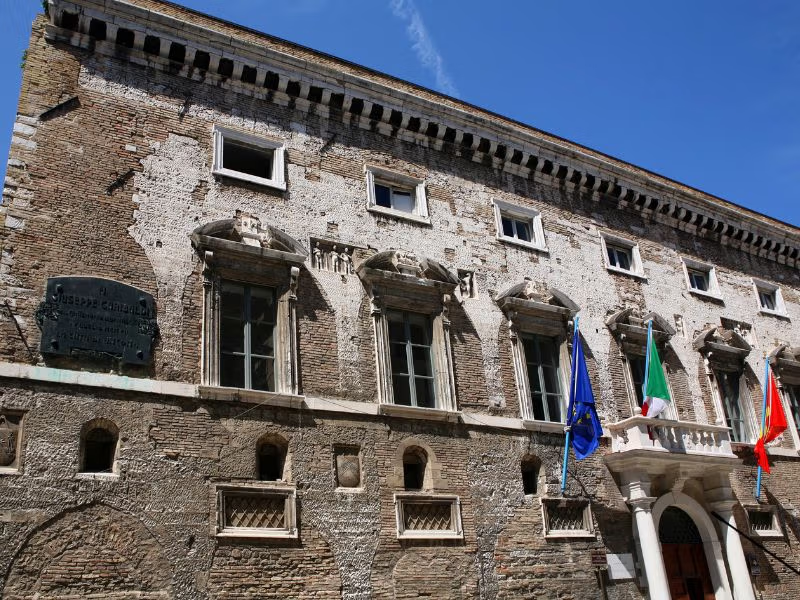
1. Visit the Cathedral of San Ciriaco
Perched atop Guasco Hill, the Cathedral of San Ciriaco offers breathtaking views of Ancona and the Adriatic Sea. This Byzantine-Romanesque marvel, built on the ruins of a Greek acropolis, boasts impressive architecture and art, including an 11th-century crypt. The cathedral’s elevated position also makes it a prime spot for catching a stunning sunrise or sunset over the sea.
- Best for: History buffs and sunset lovers.
- Tip: Visit early for fewer crowds.
- Highlight: Panoramic views of Ancona and the Adriatic.
2. Explore the Arch of Trajan
At the entrance to Ancona’s port stands the Arch of Trajan, one of the best-preserved Roman triumphal arches, built in 115 AD. This monument celebrates Emperor Trajan’s expansion of the port, with intricate carvings showcasing Roman engineering. It’s a powerful symbol of Ancona’s strategic role in ancient Rome.
- Best for: Roman history enthusiasts.
- Tip: Visit at dusk when the arch is beautifully illuminated.
- Highlight: Impressive ancient carvings and inscriptions.
3. Stroll Through Parco del Cardeto
Escape into nature at Parco del Cardeto, a serene park offering walking paths, picnic spots, and sea views. The park’s highlight is its historic Jewish cemetery, blending cultural history with nature. Birdwatchers will appreciate the park’s biodiversity, making it a peaceful retreat in the city.
- Best for: Nature walks and birdwatching.
- Tip: Bring a picnic for a relaxing day in the park.
- Highlight: Breathtaking coastal views and historical landmarks.
4. Discover the Ancona Lighthouse (Faro di Ancona)
A walk along Ancona’s pier leads to the Faro di Ancona, a striking lighthouse and symbol of the city. While the lighthouse itself isn’t open to visitors, the journey offers fresh sea breezes and a calming view of boats coming into the port. The sunset views from the pier are especially romantic.
- Best for: Scenic strolls and photography.
- Tip: Visit at sunset for a picturesque scene.
- Highlight: The silhouette of the lighthouse against the horizon.
5. Visit the Museo Archeologico Nazionale delle Marche
Housed in Palazzo Ferretti, this museum features artifacts from the Marche region’s prehistoric, Roman, and medieval eras. Explore Roman mosaics, Etruscan bronzes, and medieval relics that offer a window into Italy’s rich past. It’s a captivating journey through time for history enthusiasts.
- Best for: History buffs and archaeology lovers.
- Tip: Allocate extra time for the detailed Etruscan exhibits.
- Highlight: Roman mosaics and Etruscan bronzes.
6. Enjoy a Day at Portonovo Beach
Portonovo Beach, nestled in Conero Regional Park, is known for its crystal-clear waters and white pebbles. Whether you’re swimming, sunbathing, or enjoying a meal at a nearby seafood restaurant, Portonovo offers a perfect mix of relaxation and natural beauty. The contrast of lush greenery and the blue Adriatic is breathtaking.
- Best for: Beach lovers and water sports.
- Tip: Arrive early to claim a good spot on the beach.
- Highlight: Fresh seafood at beachfront restaurants.
7. Take a Boat Tour of the Riviera del Conero
Experience the stunning coastline of the Riviera del Conero on a boat tour. The rugged cliffs, turquoise waters, and hidden coves make this stretch of coast a must-see. Many tours offer snorkeling stops, allowing you to fully immerse yourself in the beauty of the Adriatic Sea.
- Best for: Adventure seekers and nature lovers.
- Tip: Book a tour that includes snorkeling for added fun.
- Highlight: Secluded beaches and crystal-clear waters.
8. Explore the Roman Amphitheatre
Built in the 1st century AD, Ancona’s Roman Amphitheatre once hosted gladiatorial games and public spectacles. While partially in ruins, its remains still convey the grandeur of ancient Roman entertainment venues. The amphitheatre is easily accessible, making it a convenient stop on a city tour.
- Best for: Roman history enthusiasts.
- Tip: Visit in the morning to avoid the heat.
- Highlight: Ancient ruins set against the city skyline.
9. Relax in Piazza del Plebiscito
Known as Piazza del Papa, this square is the social heart of Ancona. Lined with cafes and historical buildings, it’s a vibrant spot to enjoy an espresso and people-watch. Dominating the square is the statue of Pope Clement XII, adding a touch of history to the lively atmosphere.
- Best for: Relaxing and people-watching.
- Tip: Visit in the evening for a lively, social scene.
- Highlight: Historic architecture and local charm.
10. Hike Monte Conero
For nature lovers, a hike up Monte Conero offers incredible views of the Adriatic Sea and surrounding landscapes. The mountain’s trails range in difficulty, making it accessible for all hikers. Along the way, you’ll encounter lush vegetation, wildflowers, and perhaps even spot a few secluded beaches.
- Best for: Hikers and outdoor enthusiasts.
- Tip: Bring plenty of water and a camera for the views.
- Highlight: Stunning coastal views and secluded beaches.
11. Taste the Local Wines
The Marche region is known for its outstanding wines, particularly Verdicchio and Rosso Conero. Take a vineyard tour to learn about the winemaking process and enjoy a tasting of local varieties. Many wineries offer scenic views, making the experience both delicious and picturesque.
- Best for: Wine lovers and foodies.
- Tip: Buy a bottle of Verdicchio as a souvenir.
- Highlight: Wine tasting with views of rolling vineyards.
12. Visit the Church of Santa Maria della Piazza
The Church of Santa Maria della Piazza is a prime example of Romanesque architecture, with an intricately carved facade and ancient mosaics inside. The church’s peaceful atmosphere and historical significance make it a wonderful spot for quiet reflection.
- Best for: Art and architecture enthusiasts.
- Tip: Don’t miss the excavated mosaics inside.
- Highlight: The beautifully carved stone facade.
13. Walk Along the Mole Vanvitelliana
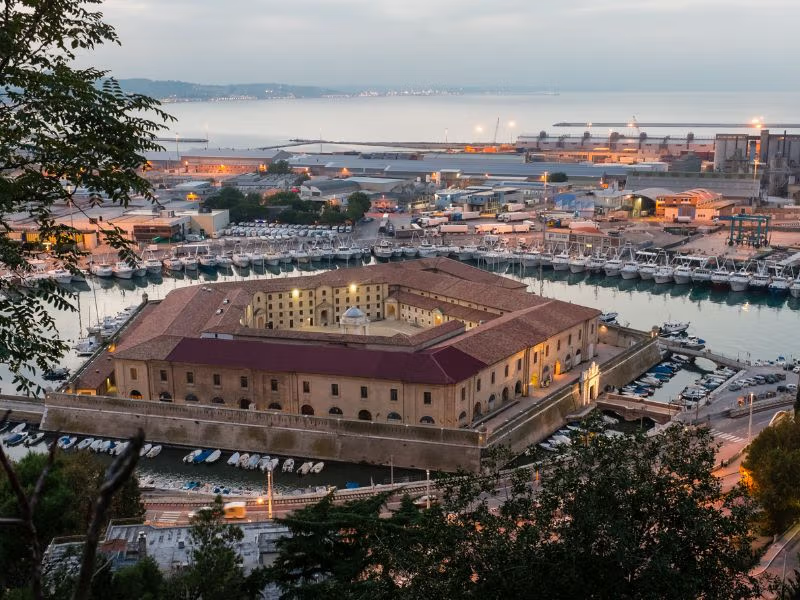
The Mole Vanvitelliana is an impressive 18th-century artificial island in Ancona’s port, originally built as a quarantine station. Today, it hosts exhibitions and cultural events, with stunning views of the sea and city. Its unique pentagonal shape makes it a fascinating place to explore.
- Best for: History buffs and photographers.
- Tip: Visit during sunset for dramatic views.
- Highlight: The unique pentagonal architecture and sea views.
14. Enjoy the Nightlife in the Historic Center
Ancona’s historic center comes alive after dark, with its bars, pubs, and clubs offering a lively nightlife scene. Piazza del Plebiscito is particularly vibrant, where locals gather to enjoy the evening with live music and cocktails. The area’s cozy wine bars and bustling pubs cater to all tastes.
- Best for: Nightlife and socializing.
- Tip: Head to Piazza del Papa for the liveliest spots.
- Highlight: Lively atmosphere with music and drinks.
15. Discover the Pinacoteca Comunale
The Pinacoteca Comunale showcases a collection of Italian Renaissance and Baroque art, with notable works by Titian and Carlo Crivelli. Set in the Palazzo Bosdari, the gallery is a peaceful retreat for art lovers. Its diverse collection spans centuries of Italian artistic heritage.
- Best for: Art enthusiasts.
- Tip: Check for temporary exhibits to see contemporary works.
- Highlight: Masterpieces by Renaissance artists.
16. Sample the Local Cuisine
Ancona’s cuisine is deeply rooted in the sea, with seafood dishes like brodetto (fish stew) and stoccafisso all’anconetana (dried cod) taking center stage. Dining by the harbor offers the freshest catch with a stunning view. Pair your meal with a local wine for the full Marchigiana experience.
- Best for: Seafood lovers and foodies.
- Tip: Try brodetto for a true taste of Ancona.
- Highlight: Fresh seafood with regional wine.
17. Explore the Forte Altavilla
Overlooking the city from its hilltop position, Forte Altavilla offers panoramic views of Ancona and the sea. While the fortress itself isn’t fully accessible, its surrounding park is a peaceful spot for walks and photos. The views from the bastions are particularly stunning at sunset.
- Best for: History enthusiasts and photographers.
- Tip: Visit in the late afternoon for golden hour photos.
- Highlight: Views from the hilltop over Ancona.
18. Shop at the Local Markets
Ancona’s markets are vibrant hubs of activity, with the **### 18. Shop at the Local Markets
Ancona’s markets offer a glimpse into the region’s local flavors and craftsmanship. The Mercato delle Erbe is a covered market where you can find fresh produce, cheeses, and meats from local farmers. For antiques and unique finds, visit the monthly market in Piazza Cavour. These bustling markets are perfect for tasting local delicacies and discovering handcrafted goods while supporting the community.
- Best for: Local produce and artisanal crafts.
- Tip: Visit early for the freshest produce.
- Highlight: Savor fresh cheeses and traditional snacks.
19. Take a Day Trip to the Frasassi Caves
A short drive from Ancona, the Frasassi Caves are an awe-inspiring underground network of stalactites and stalagmites. Guided tours reveal the grandeur of Grotta Grande del Vento, Europe’s largest single cavern. The illuminated formations make it a magical experience for visitors of all ages, offering a glimpse into Italy’s geological wonders.
- Best for: Nature lovers and adventure seekers.
- Tip: Wear comfortable shoes for the cave tour.
- Highlight: The massive Grotta Grande del Vento.
20. Relax at the Parco della Cittadella
Parco della Cittadella is a peaceful retreat in Ancona, perfect for a relaxing stroll or a picnic with stunning views of the city. This green space offers playgrounds, walking paths, and open lawns, making it a favorite spot for families. The park also hosts events during the summer, including outdoor performances.
- Best for: Families and those seeking a quiet escape.
- Tip: Bring a picnic for a leisurely afternoon.
- Highlight: Outdoor events and panoramic views.
What To Eat and Drink in Ancona, Italy
At some point in your Ancona wanderings, you’ll develop an appetite. But if you don’t feel like having a full lunch, stop somewhere that serves Salame di Fabriano as a snack. Butchers make this salami from pork shoulder or thigh meat, seasoning it with salt, pepper and sometimes garlic. After that, it gets stuffed in a wine-soaked casing and dried over a fire.
But you’ll need something to wash down this treat, so why not go with some local wine? In Ancona, you should get some Lacrima di Morro d’Alba. These wines are mostly dry, but some are sweet. Offering elements of cinnamon and blueberry, it is a fun varietal to try.
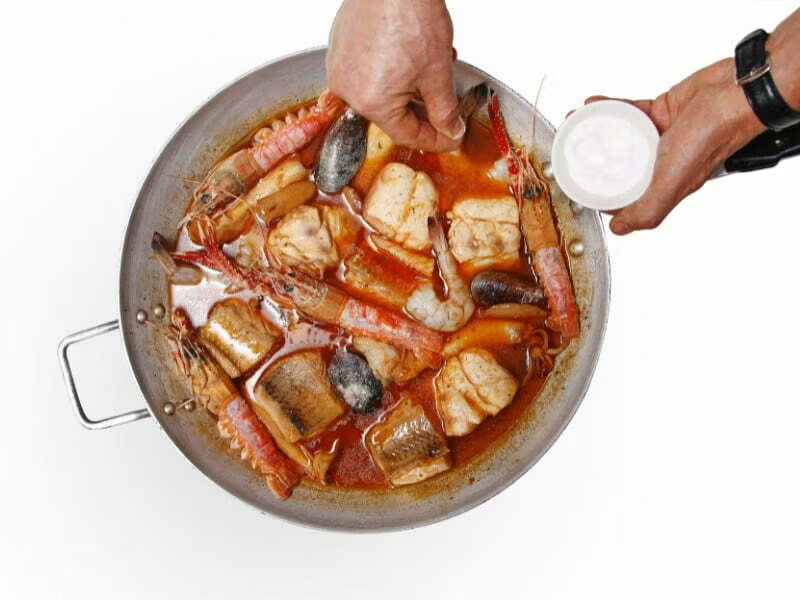
Lastly, at dinner time, find a restaurant that serves Brodetto. This meal is a tomato-based seafood stew that features an assortment of ingredients. This is because fishers prepared it with parts of their catch that they couldn’t sell. In addition to seafood, onions, garlic, and polenta/bread also accompany this dish.
Here’s a detailed guide to the culinary delights you should indulge in when visiting Ancona:
1. Brodetto all’Anconetana
This traditional fish stew is Ancona’s culinary hallmark. Prepared with a variety of locally caught fish and shellfish, it’s simmered in a savory tomato sauce with a hint of vinegar, giving it a distinctive tangy flavor. Each restaurant has its own take on this classic dish, making it a must-try for seafood lovers.
2. Stoccafisso all’Anconetana
Another iconic dish of the region, stoccafisso all’Anconetana, features stockfish (air-dried cod) prepared with a rich tomato sauce, potatoes, and olives. This hearty dish is a testament to Ancona’s love for seafood and its ability to transform simple ingredients into something extraordinary.
3. Olive all’Ascolana
Though originating from nearby Ascoli Piceno, olive all’ascolana is a beloved appetizer throughout the Marche region, including Ancona. These fried olives are stuffed with a mixture of meats, coated in breadcrumbs, and then deep-fried to perfection, offering a crispy treat with a succulent filling.
4. Vincisgrassi
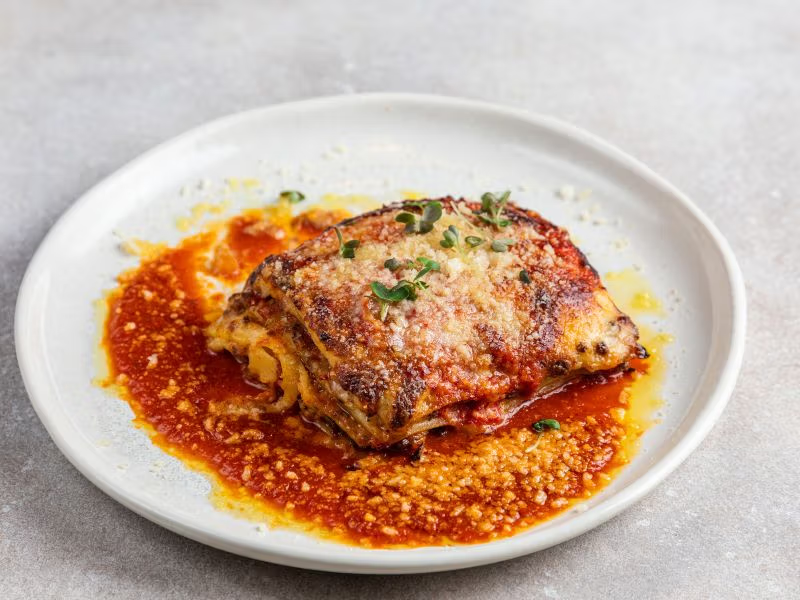
This lasagna variant from the Marche region is a luxurious take on the classic, featuring layers of pasta with a rich ragù, béchamel sauce, and a generous amount of truffles or mushrooms. It’s a celebration of local flavors and a testament to the region’s culinary ingenuity.
5. Moscioli
Unique to the Conero Riviera, moscioli are wild mussels harvested from the rocks along the coast. They can be enjoyed in various ways – steamed, in pasta, or as part of a brodetto. Their fresh, briny flavor is a tribute to the pristine waters of the Adriatic.
6. Crescia Sfogliata
This flaky, layered flatbread is a common accompaniment to meals in Ancona. Made with flour, water, and lard, it’s typically cooked on a terracotta tile, giving it a distinctive texture and taste. Enjoy it with local cheeses, cold cuts, or just a drizzle of olive oil.
7. Anconetano Rosso Conero
No meal in Ancona is complete without a glass of Rosso Conero. This robust red wine, made primarily from the Montepulciano grape, is perfect for accompanying the region’s hearty dishes. Its deep flavors and aroma capture the essence of the Conero terroir.
8. Passerina and Verdicchio
For white wine enthusiasts, the Marche region offers exquisite varieties like Passerina and Verdicchio. These wines are known for their crisp acidity and floral notes, making them excellent partners for seafood dishes and lighter fare.
9. Anisetta Meletti
Originating from the Marche region, this sweet anise-flavored liqueur is a delightful way to conclude your meal. Enjoy it neat or in coffee for a traditional Italian digestive experience.
10. Fritto Misto
For those who can’t decide on one type of seafood, fritto misto offers the perfect solution. This mixed fry of seafood and vegetables is a popular street food in Ancona, showcasing the freshness and diversity of the Adriatic’s bounty.
Top Restaurants In Ancona, Italy
Here is a list of some of the top restaurants to consider while visiting Ancona, Italy:
1. Ristorante Giardino
Nestled in the heart of Ancona, Ristorante Giardino is celebrated for its sophisticated take on traditional Italian and Marche cuisine. Diners can expect beautifully presented dishes, made with locally sourced ingredients, in an elegant setting. The outdoor seating area, surrounded by lush greenery, offers a serene dining experience.
2. Osteria Teatro Strabacco
Osteria Teatro Strabacco brings a touch of theatrical flair to its dining experience. Known for its creative dishes that tell a story of the Marche region’s culinary heritage, this restaurant offers a warm, inviting atmosphere. Its menu changes seasonally, ensuring fresh flavors all year round.
3. Trattoria Dal Moro
A staple in Ancona’s dining scene, Trattoria Dal Moro is famed for its seafood specialties. Offering a casual yet intimate dining experience, this family-run trattoria prides itself on serving the freshest catch of the day, prepared with simplicity to highlight the natural flavors.
4. La DegOsteria
La DegOsteria combines modern culinary techniques with traditional recipes, resulting in a menu that’s both innovative and deeply rooted in the local food culture. With a focus on high-quality, seasonal ingredients, this restaurant also boasts an extensive wine list that features the best of Italian and local Marche wines.
5. Passetto Ristorante
Situated near the iconic Passetto beach, Passetto Ristorante offers stunning sea views that complement its exquisite seafood offerings. The elegant decor and sophisticated menu make it an ideal choice for special occasions or romantic dinners.
6. Agrodolce
Specializing in contemporary Italian cuisine, Agrodolce has quickly established itself as a must-visit for food enthusiasts. The restaurant’s chef creatively plays with textures and flavors, offering a unique dining experience that is both visually and gastronomically pleasing.
7. Mascalzone Chalet
For those looking for a more relaxed atmosphere without compromising on quality, Mascalzone Chalet is the perfect spot. Located on the beach, it’s known for its laid-back vibe and exceptional seafood dishes, making it a favorite among locals and tourists alike.
8. Il Clandestino Susci Bar
Owned by the renowned chef Moreno Cedroni, Il Clandestino Susci Bar offers an innovative fusion of Italian and Japanese cuisine, right on the shores of Portonovo Bay. This unique dining concept, combined with breathtaking views, makes for an unforgettable culinary adventure.
9. Enoteca Azzurra
Perfect for wine aficionados, Enoteca Azzurra not only serves excellent local and international wines but also offers a menu of refined dishes designed to complement the wine selections. The knowledgeable staff are always on hand to recommend perfect pairings.
10. Rosso Conero
Located at the foot of the Conero Mountain, Rosso Conero merges rustic charm with a menu that pays homage to the region’s agricultural bounty. The restaurant is especially known for its use of truffles, mushrooms, and meats, all sourced locally.
Tours For Visitors To Ancona, Italy
Ancona has a variety of tours for visitors to choose from. Here are some recommended tours:
1. Historical City Walking Tours
Discover the heart of Ancona through a guided walking tour that takes you through its ancient streets and landmarks. Learn about the city’s Greek origins, explore Roman ruins like the Arch of Trajan, and visit medieval structures. These tours often culminate at the Cathedral of San Ciriaco, offering panoramic views of the city and the sea.
2. Wine Tasting Tours in the Marche Countryside
Embark on a journey through the rolling hills of the Marche region, renowned for its vineyards. Wine tasting tours offer visitors a chance to sample local wines like Verdicchio, Rosso Conero, and Pecorino. Learn about the winemaking process from local producers and enjoy the scenic beauty of the countryside.
3. Culinary Experiences and Cooking Classes
Italian cuisine is celebrated worldwide, and Ancona is no exception. Join a culinary tour to explore local markets, learn the secrets of Italian cooking from local chefs, and enjoy a hands-on experience preparing traditional dishes. These tours often end with a delightful meal you’ve helped create.
4. Boat Tours Along the Riviera del Conero
Experience Ancona from a different perspective with a boat tour along the Riviera del Conero. Marvel at the stunning white cliffs, explore secluded beaches accessible only by sea, and enjoy a refreshing swim in the crystal-clear waters of the Adriatic.
5. Hiking and Nature Tours in the Conero Park
For nature enthusiasts, guided hikes through the Parco del Conero offer an opportunity to discover the area’s natural beauty. These tours take you through lush forests to breathtaking viewpoints overlooking the sea. It’s a great way to appreciate the region’s biodiversity and pristine landscapes.
6. Cycling Tours
Explore the countryside and coastal roads of Ancona and its surroundings on a cycling tour. These guided excursions cater to all levels of cyclists and offer a unique way to visit off-the-beaten-path locations, from small hilltop towns to picturesque vineyards.
7. Ancona Port and City Highlights Tour
Ideal for cruise ship passengers or those short on time, this tour focuses on Ancona’s main attractions. Visit the city’s most iconic landmarks, learn about its rich history, and enjoy some free time to wander through its lively squares and markets.
8. Art and Architecture Tours
Dive into Ancona’s artistic heritage with a tour focused on its architecture and art. Visit galleries, churches adorned with beautiful artworks, and buildings showcasing the city’s unique Liberty (Italian Art Nouveau) style. An expert guide will illuminate the stories behind the art and artists that have shaped Ancona.
9. Truffle Hunting Experience
Experience the thrill of hunting for truffles in the forests around Ancona. Accompanied by a local truffle hunter and their trained dogs, you’ll learn about this prized ingredient. The tour typically ends with a tasting of truffle-based dishes, offering a true taste of the Marche region’s culinary treasures.
10. Night Tours and Ghost Walks
Discover a different side of Ancona with a guided night tour or ghost walk. These tours combine historical facts with local legends, taking you through dimly lit alleys and ancient buildings to uncover the city’s mysteries and tales that come alive after dark.
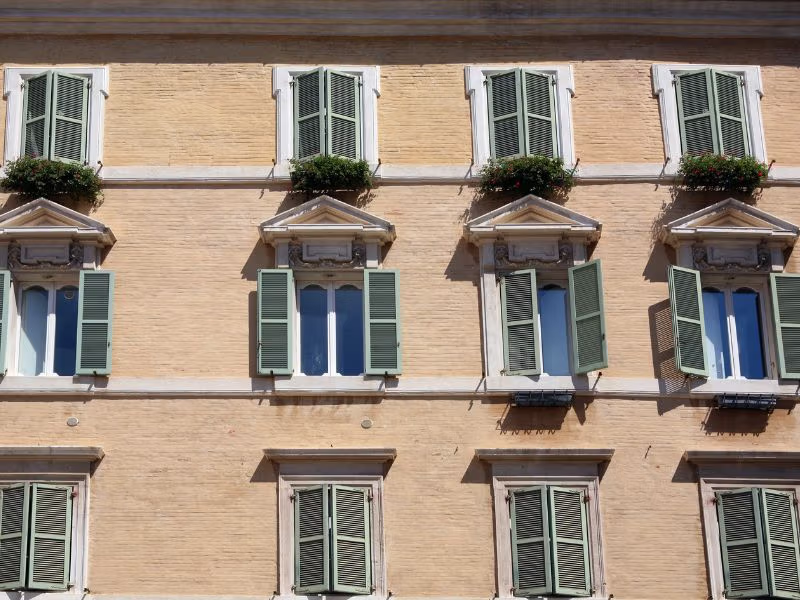
Ancona Accommodations Guide: Hotels, Guesthouses and Hostels
From luxurious hotels that pamper you with opulence to cozy guesthouses brimming with local charm and hostels that welcome backpackers with open arms, Ancona has it all. Here’s a comprehensive guide to help you find the perfect place to stay during your visit to this captivating Italian city.
Luxury Hotels
Grand Hotel Palace
Nestled in the heart of Ancona, the Grand Hotel Palace combines historical elegance with modern luxury. Guests can enjoy breathtaking views of the port, exquisite dining experiences, and rooms furnished with sophistication and comfort in mind.
SeePort Hotel
Overlooking the Adriatic Sea, SeePort Hotel offers a blend of contemporary design and premium amenities. With its rooftop terrace, guests can sip on cocktails while watching the sunset over the harbor, making it an ideal spot for those seeking relaxation and luxury.
Mid-Range Hotels
Hotel Fortuna
Situated near the Ancona train station, Hotel Fortuna is known for its convenience and welcoming atmosphere. It provides comfortable accommodations and easy access to the city’s main attractions, making it a great option for travelers looking to explore Ancona on foot.
EGO Hotel
A modern hotel that stands out for its innovative design and personalized services, EGO Hotel offers a unique stay experience. With a wellness center and on-site dining options, it caters to guests looking for comfort and style.
Budget-Friendly Hotels
Hotel della Vittoria
Located close to the city center, Hotel della Vittoria offers simple yet comfortable rooms at an affordable price. It’s an excellent choice for travelers on a tight budget who don’t want to compromise on location and quality.
Albergo Italia
Albergo Italia is a budget hotel that provides basic amenities and a friendly environment. It’s perfect for visitors looking for a no-frills place to rest after a day of exploring.
Guesthouses and B&Bs
Villa Ngiolo Bed & Breakfast
Offering a homey and intimate setting, Villa Ngiolo Bed & Breakfast is nestled in a tranquil area just outside the city center. It’s renowned for its warm hospitality, homemade breakfasts, and rooms that boast character and comfort.
La Mansarda di Lorenzo
La Mansarda di Lorenzo features beautifully decorated rooms with attention to detail, located in a charming part of Ancona. It’s the ideal choice for those seeking a quiet retreat with a personal touch.
Hostels
Ostello Per La Gioventù Ancona
Catering to backpackers and young travelers, Ostello Per La Gioventù in Ancona is a vibrant and friendly hostel. It offers shared dormitories, communal spaces for socializing, and plenty of information on exploring the city and surrounding areas.
Ancona Hostel
Ancona Hostel provides budget-friendly accommodations with both private rooms and shared dorms. It’s a great base for travelers looking to meet fellow wanderers and discover Ancona’s hidden gems together.
Alternative Stays
Airbnb and Vacation Rentals
For those seeking a more personalized stay, Ancona offers a variety of Airbnb and vacation rental options. From quaint apartments in the historic center to seaside villas offering stunning views, these accommodations provide a home away from home experience.
No matter where you choose to stay, Ancona’s accommodations are as diverse and inviting as the city itself. Whether you’re indulging in the luxury of a seaside hotel, cozying up in a charming B&B, or making new friends in a lively hostel, Ancona promises a welcoming and memorable stay.
Day Trips From Ancona, Italy
Embarking on day trips from Ancona opens up a world of diverse experiences, from exploring ancient caves to lounging on pristine beaches, and wandering through historic towns. Here’s a curated list of day trips that showcase the rich tapestry of landscapes, history, and culture surrounding Ancona.
1. Riviera del Conero
Just south of Ancona, the Riviera del Conero dazzles with its white pebble beaches, crystal-clear waters, and rugged cliffs. The area is a haven for nature lovers, offering hiking trails with breathtaking views of the Adriatic Sea. Don’t miss out on visiting the picturesque towns of Sirolo and Numana, where you can enjoy fresh seafood and local wines.
2. Frasassi Caves
The Frasassi Caves are one of Europe’s most complex cave systems, located about an hour’s drive from Ancona. Embark on a guided tour to marvel at the stunning formations of stalactites and stalagmites illuminated in dramatic lighting. The caves’ interior beauty is a testament to nature’s artistry over millions of years.
3. Urbino
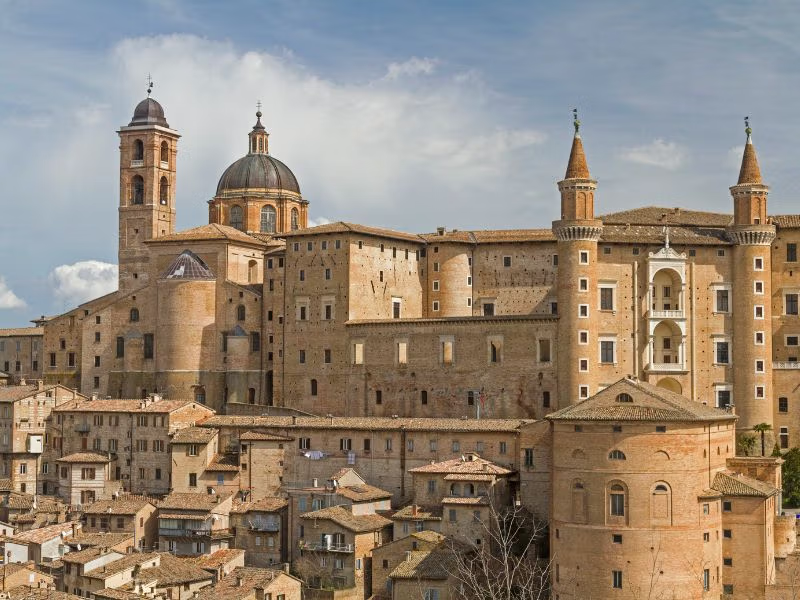
A UNESCO World Heritage site, Urbino is a Renaissance jewel nestled in the hills of the Marche region. The birthplace of Raphael, Urbino boasts a stunning Ducal Palace, housing one of Italy’s most important collections of Renaissance art. The town’s historic center, with its ancient buildings and panoramic views, offers a glimpse into the past.
4. Loreto
Famous for the Basilica della Santa Casa, Loreto is a significant pilgrimage site where the house of the Virgin Mary is believed to have been transported by angels. The basilica’s stunning architecture and art, including works by Melozzo da Forlì and Luca Signorelli, make it a must-visit for history buffs and art enthusiasts alike.
5. Gubbio
Gubbio is one of Umbria’s oldest towns, known for its medieval streets and Gothic architecture. Highlights include the Palazzo dei Consoli, the Roman Theater, and the funivia, a unique cable car that offers stunning views of the town and surrounding countryside. Gubbio’s rich history and vibrant cultural scene provide a fascinating day out.
6. Gradara
Gradara’s castle, the scene of the legendary love story between Paolo and Francesca, recounted by Dante in his Divine Comedy, is a beautifully preserved medieval structure. The town, surrounded by fortified walls, offers a journey back in time, with its picturesque streets and panoramic views of the Marche countryside.
7. Monte Conero
For those seeking outdoor adventure, Monte Conero offers a variety of hiking trails that lead to secluded beaches and offer spectacular views of the Adriatic coast. The area is also home to diverse flora and fauna, making it a perfect spot for nature enthusiasts.
8. Recanati
The hometown of the famous poet Giacomo Leopardi, Recanati boasts a rich literary heritage. Visitors can explore Leopardi’s house, now a museum, and the hill of Infinity, immortalized in one of his most famous poems. The town’s quaint streets and historic buildings offer a peaceful retreat.
9. San Marino
Though a bit further afield, the Republic of San Marino is an independent microstate perched atop a mountain, offering stunning views, historic architecture, and unique shopping opportunities. Its three towers, ancient walls, and narrow streets are steeped in history, making it a fascinating day trip destination.
Each of these destinations offers a unique experience, from the serene beauty of the Adriatic coast to the profound depths of ancient caves and the rich tapestry of Renaissance and medieval towns. Venturing out from Ancona not only enriches your travel experience but also deepens your appreciation for Italy’s diverse landscapes and cultural heritage.
Ancona Transportation Guide
Here’s a comprehensive travel guide to help you smoothly traverse Ancona, from arrival to exploring its picturesque locales.
Arriving in Ancona
By Air
Ancona Falconara Airport (AOI), also known as Marche Airport, is the main gateway for air travelers. Located about 12 kilometers west of Ancona, it connects the region with Italian and European cities. Regular bus services and taxis link the airport to Ancona’s city center and the main train station, Ancona Stazione.
By Train
Ancona Railway Station is a crucial node on the Adriatic railway line, offering connections to major Italian cities like Rome, Bologna, Milan, and beyond. The station is conveniently situated in the city center, making it a practical choice for travelers looking to explore Ancona or venture further into the Marche region.
By Sea
Ancona’s port is one of the Adriatic Sea’s most important, offering ferry services to destinations like Greece, Croatia, and Turkey. The ferry terminal is well-equipped and located near the city center, providing easy access to public transportation and accommodations.
Getting Around Ancona
On Foot
Exploring Ancona’s historic center on foot is not only feasible but also highly recommended. Many of the city’s attractions, including the Cathedral of San Ciriaco, the Arch of Trajan, and Piazza del Plebiscito, are within walking distance of each other.
By Bus
Ancona’s public bus system, operated by Conerobus, offers extensive coverage of the city and its outskirts, including routes to the airport, railway station, and popular beaches. Tickets can be purchased at tobacconists, newsstands, or directly on the bus.
By Car
Renting a car can be a great option for those looking to explore the countryside and coastal areas surrounding Ancona. Several rental agencies operate at the airport and in the city. Remember, driving in the city center can be challenging due to narrow streets and limited parking.
By Scooter
Renting a scooter gives you the flexibility to navigate Ancona’s streets and scenic routes along the Riviera del Conero. It’s an ideal choice for short distances and for experiencing the city like a local.
By Bike
With dedicated bike paths and scenic routes, cycling is a pleasant way to see Ancona and the surrounding areas. Bike rental shops are available in the city, offering daily rentals.
By Taxi
Taxis offer a convenient, though more expensive, way to get around, especially late at night when public transportation options are limited. Taxi stands are located at key points in the city, including the railway station, or they can be hailed by phone.
Where To Visit After Your Trip To Ancona?
After exploring the coastal charm and historical richness of Ancona, Italy beckons with a plethora of destinations each offering its unique allure. Here’s a travel guide to 20 must-visit destinations post-Ancona, perfect for extending your Italian adventure.
1. Florence
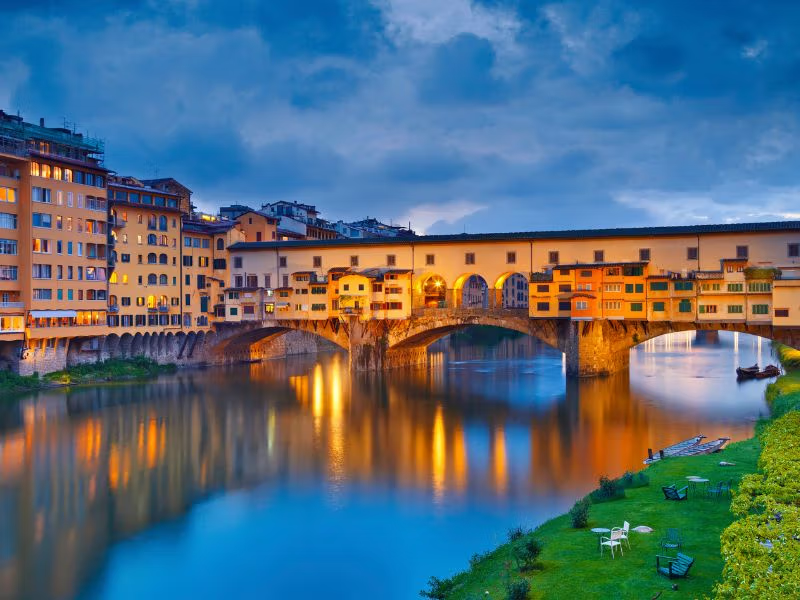
The cradle of the Renaissance, Florence, is a living museum of art and architecture. Wander the Uffizi Gallery to witness Botticelli’s masterpieces or marvel at Michelangelo’s David at the Accademia. The city’s narrow streets lead to the majestic Duomo, a marvel of marble. Every corner of Florence tells a story of creativity, power, and beauty.
2. Rome
The Eternal City, where ancient ruins meet vibrant street life. Stand in the Colosseum’s shadow, where gladiators once battled, or toss a coin into the Trevi Fountain to ensure your return. The Vatican City, a country within a city, houses the awe-inspiring St. Peter’s Basilica and the Sistine Chapel. Rome is a feast for the senses, steeped in history and bursting with life.
3. Venice
A city of canals and serenades, where gondolas glide past centuries-old palazzos. St. Mark’s Square, with its soaring basilica, is a testament to Venice’s former maritime power. The Rialto Bridge and its bustling market capture the city’s soul. Venice is a dreamlike experience, floating timelessly on its lagoon.
4. Milan
Italy’s fashion capital, where modern skyscrapers stand alongside Gothic cathedrals. The Duomo di Milano is an architectural masterpiece, while Leonardo da Vinci’s “The Last Supper” calls Santa Maria delle Grazie its home. Milan is a city of contrasts, blending high fashion with historic charm. Its vibrant nightlife and culinary scene make it a city that never sleeps.
5. Siena
In the heart of Tuscany, Siena is famed for its medieval cityscape and the historic Palio horse race. The Piazza del Campo, the main square, is a marvel of medieval architecture. The Duomo di Siena is a gothic masterpiece, filled with treasures. Siena is a journey back in time, embodying the spirit of the Middle Ages.
6. Naples
The soulful city of Naples offers a gritty yet beautiful chaos. It’s the birthplace of pizza, with culinary traditions that are a point of local pride. The historic center, a UNESCO World Heritage site, is a labyrinth of history. Nearby, the ruins of Pompeii and the menacing Mount Vesuvius offer a glimpse into ancient life and nature’s power.
7. Bologna
Known as “La Dotta, La Rossa, La Grassa” (The Learned, The Red, The Fat), Bologna is renowned for its university, terracotta buildings, and rich cuisine. The city’s porticos stretch for miles, offering sheltered walks through history. The Piazza Maggiore is a lively hub, framed by grand medieval and Renaissance buildings. Bologna is a delight for the mind and the palate.
8. Turin
Turin, the first capital of Italy, is an elegant city known for its baroque architecture, lush parks, and the iconic Mole Antonelliana. It’s a cultural hub, with museums dedicated to cinema, Egyptian antiquities, and, of course, the famous Shroud of Turin. The city’s cafes and aperitivo culture make it a socialite’s paradise. Turin is a blend of royalty and modernity, steeped in history and innovation.
9. Cinque Terre
Five picturesque villages perched on rugged cliffs overlooking the Ligurian Sea, Cinque Terre is a colorful marvel. Connected by walking trails, such as the famous Sentiero Azzurro, it’s a hiker’s dream. The villages boast charming houses, vineyards, and breathtaking sea views. Cinque Terre is a testament to picturesque Italy, offering postcard views at every turn.
10. Perugia
Perugia, the capital of Umbria, sits atop a hill offering expansive views of the green heart of Italy. It’s known for its defensive walls, historic center, and the annual Umbria Jazz Festival. The city is a blend of art, culture, and chocolate, home to the famous Perugina factory. Perugia invites exploration, from its Etruscan roots to its vibrant modern life.
11. Verona
The setting for Shakespeare’s “Romeo and Juliet,” Verona is a city of romance. Its Roman amphitheater hosts world-class operas, while Juliet’s balcony draws lovers from around the globe. The city’s medieval charm is complemented by its vibrant piazzas and local cuisine. Verona is a celebration of love, art, and history.
12. Lucca
Encircled by well-preserved Renaissance walls, Lucca is a peaceful retreat into Tuscany’s historic and cultural richness. Its cobblestone streets, elegant palaces, and quaint shops embody the Italian dolce vita. The city’s numerous churches and towers, including the unique Torre Guinigi, offer insights into its past. Lucca is a tranquil haven, perfect for leisurely exploration.
13. Pisa
Beyond the leaning tower, Pisa offers a wealth of architectural and artistic treasures. The Piazza dei Miracoli is a UNESCO World Heritage site, home to the tower, the cathedral, and the baptistery. The city’s university contributes to its lively atmosphere, blending students with history. Pisa is a gateway to Tuscany, showcasing more than its famous tilt.
14. Genoa
Genoa, a maritime powerhouse in medieval times, boasts a rich history and a vibrant port. The city’s caruggi (narrow lanes) open into majestic piazzas and reveal hidden gems. The Aquarium of Genoa is one of Europe’s largest, offering a deep dive into marine life. Genoa is a mix of the grandiose and the humble, with stories lurking around every corner.
15. Capri
An island of mythical charm, Capri has enchanted visitors from Roman emperors to modern-day celebrities. Its blue grotto, dramatic cliffs, and designer boutiques make it a luxury escape. The Piazzetta is the heart of island life, a perfect spot for people-watching. Capri is an island dream, blending natural beauty with a touch of glamour.
16. Assisi
The spiritual town of Assisi, birthplace of St. Francis, is a pilgrimage site set against the backdrop of the Umbrian hills. Its Basilica of San Francesco is a masterpiece of medieval art and architecture. The town’s serene atmosphere is punctuated by religious festivals and stunning views. Assisi is a journey of faith and history, offering peace and reflection.
17. Padua
Padua is one of Veneto’s oldest cities, where arcaded streets and historic cafes tell tales of a rich past. The Scrovegni Chapel, with Giotto’s frescoes, is an art lover’s paradise. The city’s university, one of Europe’s oldest, injects vibrancy and youth. Padua is a blend of scholarly tradition and artistic beauty.
18. Sorrento
Perched above the Bay of Naples, Sorrento dazzles with its cliffside gardens, deep valleys, and cultural vivacity. It’s a gateway to the Amalfi Coast, Pompeii, and Capri. The city’s limoncello, inlaid woodwork, and marquetry are reflections of its artisanal heritage. Sorrento is a sensory delight, offering breathtaking views and culinary wonders.
19. Ravenna
Known for its stunning Byzantine mosaics, Ravenna is a city where art and history converge. Its basilicas and baptisteries, adorned with ancient mosaics, are UNESCO World Heritage sites. The city’s quiet charm is complemented by its literary significance, once home to Dante Alighieri. Ravenna is a mosaic of cultural and artistic treasures.
20. Taormina
Sicily’s Taormina enchants with its medieval streets, Greek theater, and views of Mount Etna. The town’s mix of cultures is reflected in its architecture and cuisine. Its beaches and islands offer a seaside retreat, while the Teatro Antico hosts modern performances. Taormina is a celebration of Sicilian beauty, history, and hospitality.
Essential questions about visiting Ancona, Italy: practical answers, local-style tips & planning advice
How many days do you really need in Ancona for a first-time visit?
It depends. If you’re just passing through on a ferry or train, you can get a good “headline” feel for Ancona in a single full day: San Ciriaco, the Arch of Trajan, a wander through the historic centre, and sunset by the port. For a proper first trip, I’d aim for 2–3 nights so you can mix city sights with at least one beach or hiking day around Monte Conero and Portonovo. If you’re keen on day trips to places like the Frasassi Caves or Urbino, stretching to 4–5 nights gives you time to slow down, linger over long seafood lunches, and not feel like you’re sprinting from one viewpoint to the next.
When is the best time of year to visit Ancona?
Generally, late spring and early autumn are the sweet spots. From roughly May–June and again in September, you get warm but not scorching temperatures, more stable weather, and fewer crowds on the Riviera del Conero beaches. Summers (July–August) can be hot and humid, with average daytime highs close to 28–30°C, plus busy beaches and higher prices. Winters are usually mild rather than freezing, but can be cool, damp, and windy, with daytime highs around 8–10°C, so it’s more of a city-and-food trip than a beach holiday.
Is Ancona worth visiting compared to more famous Italian cities?
Absolutely. Ancona doesn’t compete with Rome or Florence on blockbuster museums, but that’s also its charm. You get a real working port city with layers of Greek, Roman, medieval, and modern history, plus easy access to wild-ish beaches and coastal hikes that would be mobbed if they were on the Amalfi Coast. It’s an excellent choice if you’ve already done Italy’s “greatest hits” and now want something more local, less polished, and a lot more affordable, while still having great food, wine, and architecture.
Is Ancona safe for solo travelers, including at night?
Mostly, yes. Like much of Italy, Ancona is generally safe, with low levels of violent crime; the main issues are petty theft, pickpocketing, and the occasional sketchy feel around busy transport hubs. Around the train station and port, I treat my bag like I would in any mid-sized European city: zipped, in front of me, and I avoid wandering down deserted side streets late at night when I don’t need to. In the historic centre and along the seafront, evenings are usually relaxed and social. As a solo traveller, normal big-city habits—keeping valuables tucked away, watching your drink, and using official taxis or registered rides—go a long way.
Do you need a car in Ancona, or is public transport enough?
Nope. You don’t strictly need a car, especially if you’re mostly sticking to Ancona itself and the main beaches on the Riviera del Conero. The city has an urban and regional bus network (Conerobus) that links the centre with suburbs, the port, and nearby coastal towns, plus trains for longer hops up and down the Adriatic coast. A car becomes more interesting if you want to string together hill towns, wineries, and remote viewpoints on your own schedule. Just remember parking can be tight and ZTL (restricted traffic zones) are a thing in historic areas, so double-check where you’re allowed to drive before heading in.
How do you get from Ancona Falconara Airport to the city centre and port?
Easy enough. Ancona Falconara Airport (AOI) sits about 12 km from the city, and you’ve got three main options: train, bus, or taxi. There’s a dedicated train stop called Castelferretti–Falconara Aeroporto with direct trains to Ancona’s main station, which is simple and inexpensive if the timetable lines up with your flight. There are also shuttle-style buses (often branded Aerobus / Raffaello) that connect the airport with the station and city, plus classic taxis and pre-booked transfers, which are the most convenient if you’re arriving late, carrying lots of luggage, or going straight to the port for a ferry.
Is Ancona a good base for exploring the Riviera del Conero and nearby beaches?
Yes. If you want one base and lots of variety, Ancona works really well. You can hop on regional buses south along the coast to reach Sirolo, Numana, and the main Riviera del Conero beaches without needing a car, and there are also organised boat tours from nearby ports that show off the cliffs, coves, and sea caves from the water. The trade-off is that some of the smaller, more secluded beaches require a bit more walking or boat access, so if you’re all about beach-hopping and don’t care about city life, staying in Sirolo or Numana themselves might be even better. But as a hybrid city-and-beach base, Ancona is great.
What are the absolute must-try foods and drinks in Ancona?
Absolutely. If you only have room for a few things, I’d prioritise brodetto all’Anconetana (the local fish stew), stoccafisso all’anconetana (slow-cooked stockfish with tomatoes and potatoes), and moscioli (wild mussels from the Conero coast) when they’re in season. For snacks and aperitivo, olive all’ascolana, salame di Fabriano, and a basket of crescia sfogliata with local cheeses are perfect. To drink, go white with Verdicchio or Passerina when you’re eating seafood, and switch to Rosso Conero with richer or meatier dishes. If you like a digestive after dinner, look for regional anisette or herbal liqueurs to finish the night.
Which area of Ancona is best to stay in for first-time visitors?
For a first trip, I usually recommend staying in or near the historic centre around Piazza del Plebiscito and the streets above the port. From there you can walk to most major sights, cafés, wine bars, and viewpoints without relying on buses. If views are your priority, look at places up near the San Ciriaco / Guasco Hill area or towards Passetto for sea-facing hotels and apartments. Close to the train station works well if you’re doing lots of rail-based day trips, but it feels more “practical” than pretty. For a beachy vibe with easy city access, you can also split your time—do a couple of nights in Ancona proper, then move down the coast to Sirolo or Numana.
Is Ancona a good destination for families travelling with kids?
Yes. Ancona is pretty family-friendly, especially if your kids are into boats, castles, and beach days. In town, you’ve got wide piazzas to run around, parks like Parco della Cittadella, and easy half-day outings to spots like the lighthouse, the Mole Vanvitelliana, or the tactile Omero Museum where touching the art is part of the experience. Add in calm beaches along the Riviera del Conero, easy pasta-and-pizza food options, and low-key evenings in the squares and you’ve got a nice balance for kids and adults. Just keep in mind that some of the hillier sections and staircases (like up to San Ciriaco) can be a bit of a push with strollers.
How expensive is Ancona, and what daily budget should I plan for?
Compared to Italy’s superstar cities, Ancona is usually kinder on the wallet. As a rough guide, a budget traveller staying in a hostel or basic guesthouse, eating at simple trattorie and grabbing picnic supplies, can often get by on around €70–€90 per day. A comfortable mid-range trip with a decent hotel, restaurant meals, a couple of paid attractions, and some bus or boat rides might land in the €120–€180 per day range for most people. If you’re going top-end—sea-view hotels, plenty of seafood feasts, private tours, and lots of taxis—you can easily spend more, but you’ll likely still find it cheaper than the big-name coastal darlings elsewhere in Italy.
What is Ancona’s weather really like, and what should I pack?
In short, Mediterranean with some seasonal quirks. Summers are hot, very sunny, and dry, with daytime highs hovering in the high 20s°C and warm evenings—think light clothing, a hat, and lots of sunscreen. Spring and autumn are milder, with more changeable weather: pack layers, a light jacket, and something for the odd shower. Winters are cool and can feel damp and windy by the sea, so you’ll want a warm layer, waterproof jacket, and closed shoes. Year-round, I’d pack comfortable walking shoes for hills and cobblestones, a small daypack, and something slightly smarter if you plan on dining at nicer restaurants or going out for an evening aperitivo.
How accessible is Ancona for travellers with limited mobility?
It’s a mixed bag. The historic centre and port area have relatively flat sections and some accessible pavements, but you will encounter cobblestones, narrow sidewalks, and the odd step into older shops and cafés. The climb up to San Ciriaco is steep and not ideal for anyone with mobility issues, though you can sometimes mitigate that by using local transport or taxis to get closer to the top. On the plus side, newer museums, shopping centres, and the airport/train station tend to have ramps, lifts, and accessible facilities. If accessibility is a big concern, I’d choose centrally located accommodation with lift access, double-check hotel room details in advance, and use taxis or buses for the steeper parts of town.
Will I get by with English in Ancona, or do I need Italian?
Relax. You can absolutely get by with English, especially in hotels, some restaurants, and places that see cruise passengers or international visitors. That said, Ancona is much less touristy than the “big three” cities, so you’re more likely to encounter shopkeepers, bus drivers, and older locals who are more comfortable in Italian only. A few basic phrases—buongiorno, per favore, grazie, il conto per favore, and so on—go a long way in terms of friendliness and smoothing over little hiccups. Menus may not always be translated, but that’s half the fun; worst case, you point, smile, and end up discovering a new favourite dish.
Is Ancona a good place for digital nomads or longer slow-travel stays?
Quietly, yes. If you prefer a smaller, more “normal” Italian city over a hyper-touristy hub, Ancona can be a pleasant base for a few weeks or months. You’ve got good train connections up and down the Adriatic, ferries across to Croatia and Greece, beaches and hikes close by, and enough cafés, bars, and neighbourhood trattorie to keep life interesting. Internet in Italy is generally reliable, with 4G/5G coverage and fibre in many urban areas, though you won’t find a co-working space on every corner like in Lisbon or Barcelona. It’s better suited to self-directed remote workers who enjoy a slower rhythm, less nightlife, and the feeling of actually living in a real Italian port city rather than a curated postcard.
Ancona Travel Guide: Final Thoughts
As our journey through Ancona comes to an end, it’s clear this city is Italy’s hidden jewel, a place where history and modernity dance in harmony against the backdrop of the Adriatic Sea. This guide aimed to peel back the layers of Ancona’s rich tapestry, from its ancient roots to its vibrant present. Here are some final reflections on why this enchanting city deserves a place on every traveler’s itinerary.
A City That Lives Its History
Timeless Ancona
Walking through Ancona is like stepping into a living history book. Each corner of the city, from the ancient Arch of Trajan to the serene vistas from the Cathedral of San Ciriaco, tells a tale of millennia. But it’s not just about the past; it’s how the past intertwines with the daily lives of those who call Ancona home. This city doesn’t just showcase history; it lives it, breathes it, and invites you to become a part of it.
Culinary Delights Await
Savor the Flavor
Ancona’s culinary scene is a testament to its cultural richness and seaside location. Here, the freshness of the Adriatic meets the rustic charm of Italian cuisine, creating dishes that are both simple and profoundly satisfying. Whether it’s enjoying seafood by the harbor or discovering the local wines, Ancona offers a feast for the senses that remains long in memory.
Nature’s Embrace
The Great Outdoors
Beyond the urban charm, Ancona opens the door to the natural wonders of the Marche region. The Conero Peninsula, with its breathtaking cliffs and hidden beaches, offers an escape where the beauty of Italy’s landscape is on full display. It’s a reminder that Ancona is not just a city but a gateway to exploring the broader beauty of the Italian Adriatic.
An Unforgettable Journey
An Invitation to Explore
Ancona invites travelers to explore, discover, and immerse themselves in a city that epitomizes the beauty of Italy. It’s a place for those who seek the road less traveled, offering experiences that are unique, authentic, and deeply personal. Ancona is a city where every visit leaves a lasting impression, encouraging you to see Italy through a different lens.
In concluding this travel guide, it’s hoped that Ancona sparks curiosity, urging you to wander its streets, engage with its history, and indulge in its culinary treasures. Let Ancona be more than a destination on your journey; let it be an experience that enriches, educates, and inspires. Whether you’re drawn by the call of history, the allure of the sea, or the simple joy of Italian life, Ancona awaits with open arms and endless possibilities.
Ode To Ancona
In Ancona’s hills and by its shore, The Adriatic’s beauty is in store. Stroll through ancient streets so quaint, And savor local wines without restraint.
Visit the Cathedral, so grand and tall, Or climb the hill to the castle’s wall. Take in the views of the sea and land, And let yourself be charmed by its hand.
Let the fresh seafood tempt your taste, And the sweet Conero wine go to waste. Let the waves lull you into a trance, As you take in Ancona’s romance.
For travelers who seek both old and new, Ancona has much to offer for you. From history to art, and sun and sea, Ancona awaits, for you to come and see.