
Listen, if you’re dragging your gear up to Nagano Prefecture, you want the real alpine deal. Everyone tells you Kamikochi is the ultimate, must-see alpine destination in Japan. Honestly? I think they’re wrong. Kamikochi has turned into a crowded, over-engineered tourist trap where you’re elbow-to-elbow with tour groups until you hike three kilometers past the main bridge. Norikura Kogen, on the other hand, is where you go to actually hear yourself think. We’ve been hauling our packs through these Japanese mountains for years, and as a massive proponent of the Slow Travel movement, I can tell you this place is built for it. The moment you step off the bus here, it hits you—the sharp, 10-degree drop in temperature and the faint, unmistakable sulfur scent venting from the earth. This high-altitude plateau isn’t about ticking off endless tourist traps; it’s a high-signal basecamp for serious hikers, powder chasers, and anyone who appreciates a scalding hot spring after an eight-hour trail day. You need to dial in your logistics here, though. Whether you’re dealing with the summer heat to check out the highland trails or packing heavy layers for the winter freeze, getting your timing and transport right is everything. The rich natural beauty of this place is absolute, but you have to work for it. Let’s break down exactly how to navigate the terrain, what things actually cost right now, what to pack, and where to spend your time so you aren’t stuck at a bus stop wondering where the trail starts.
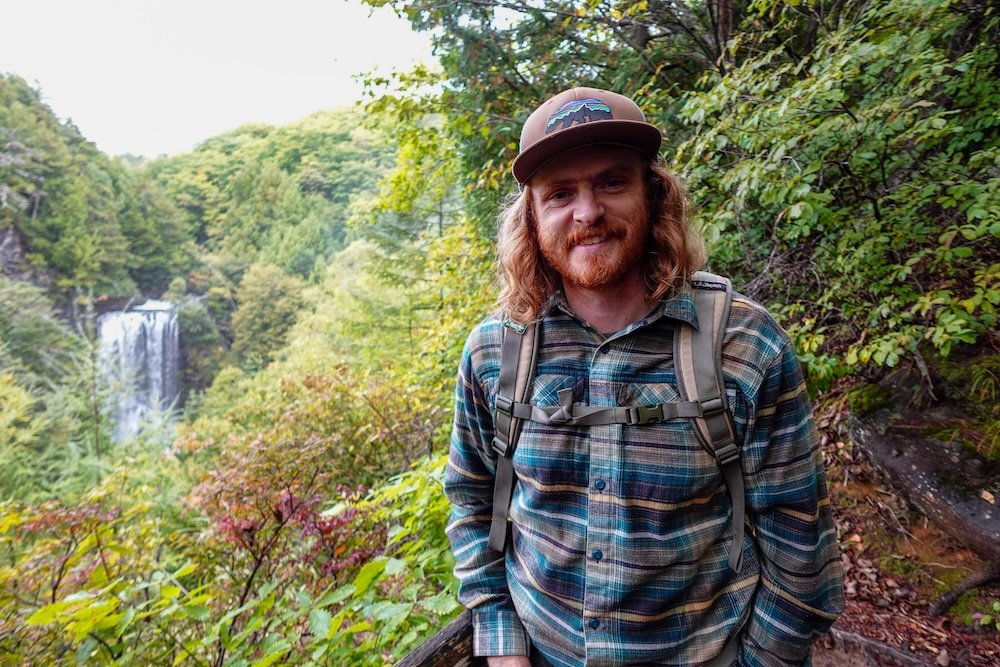
Welcome to Norikura Kogen
- The Hard Facts:
- Situated high up in the rugged Nagano Prefecture Alps.
- Requires deliberate packing: steep temperature drops at night, regardless of the season.
- A high-yield zone for raw natural beauty that demands decent footwear and offline maps.
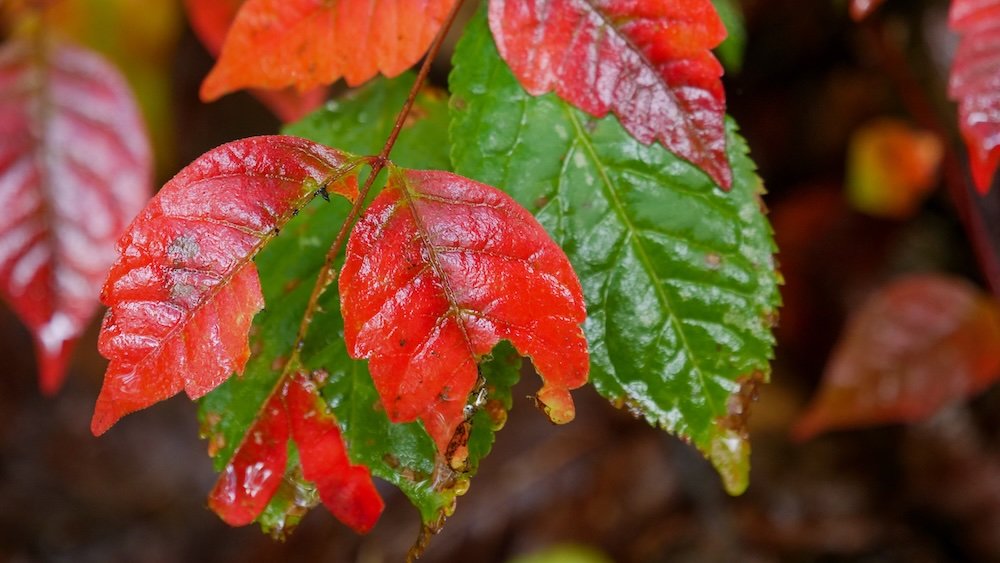
- When to Push Hard: Mid-October is the golden window. The air bites your cheeks, but the fall foliage against the picturesque landscapes is unmatched.
Tip: Don’t wing your transit schedule. If you miss the last bus up from Matsumoto, you are paying a massive taxi fare or sleeping in a train station. Lock down your Alpico bus timetable the night before.
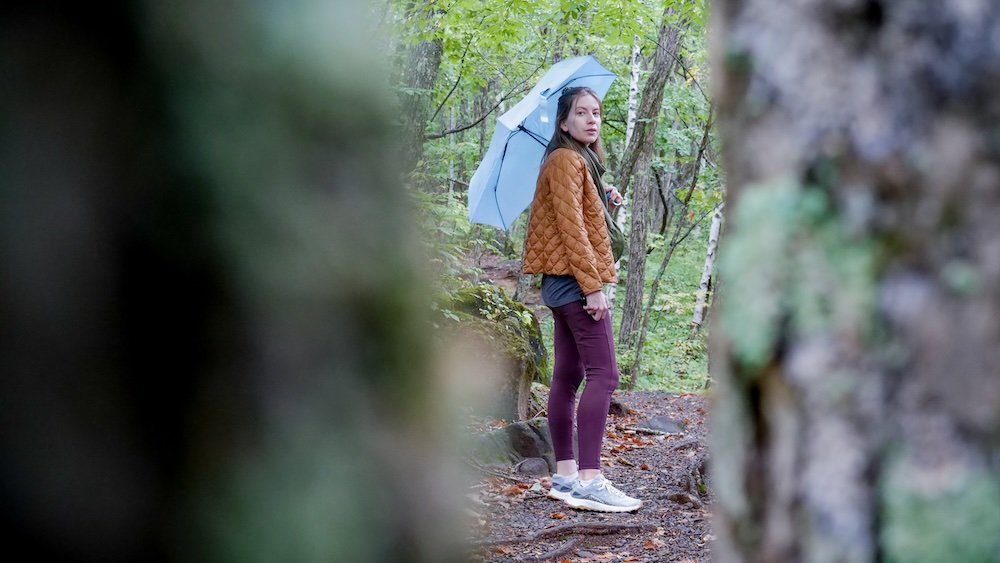
Top 9 Things To Do in Norikura Kogen, Japan For Visitors
Let’s strip away the fluff and look at the actual things to do in Norikura Kogen that are worth the burn in your calves.
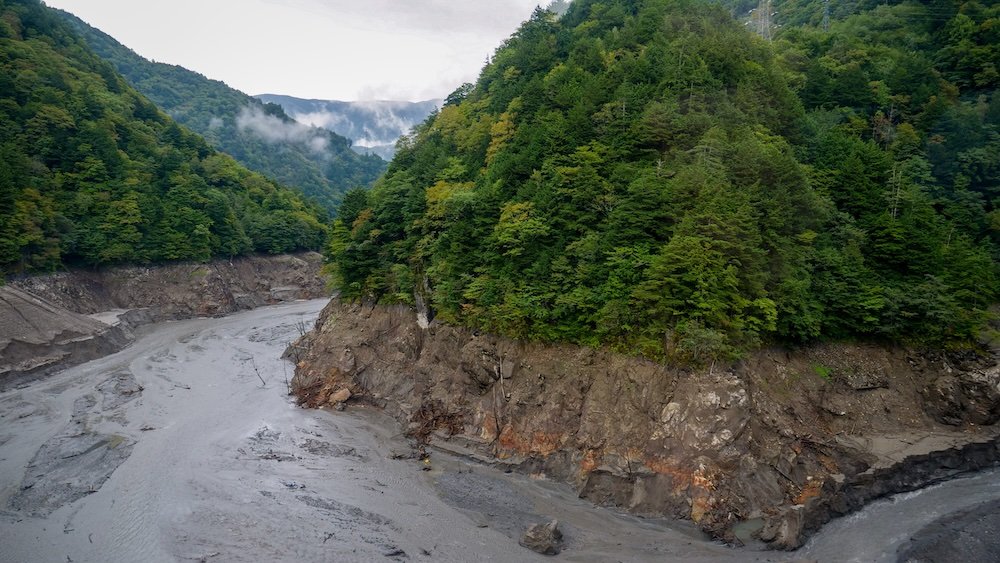
1) Getting to Norikura Kogen
The transit into Norikura Kogen isn’t just a scenic ride; it’s a required logistics hurdle. You start by catching the Matsumoto Electric Railway out to Shin-Shimashima station. From there, you transfer to the Alpico local bus. This isn’t a smooth highway cruise. The bus grinds its gears up steep, winding switchbacks, and you can literally feel the heavy rumble of the diesel engine vibrating through the soles of your boots. The local bus is slower than a private car, taking around an hour and a half, but at roughly 2,000 yen one-way, it’s significantly cheaper than any private transfer. Local sources routinely suggest that the ticket machines at the Shin-Shimashima transfer point can be incredibly temperamental with foreign credit cards. Bring a stack of 1,000-yen notes to avoid the friction of missing your connection because a machine rejected your Visa. By the time the bus hisses to a halt at the highland terminal, the air pressure has changed enough to pop your ears, and the grit of city travel immediately washes off you.
- Travel Tips: Check seasonal schedules since some bus routes shut down entirely in winter. Buy tickets in advance via ticket machines, and if you have massive roller bags, utilize the coin lockers in Matsumoto.
- The Grind: Keep an eye on the steep drop-offs on the left side of the bus. It gives you a real perspective of the elevation you are gaining.
- Arrival Friction: The tourist information center at the main bus stop has physical maps. Grab one. Cell service drops off on the deeper trails, and you need hard-copy navigation.
Tip: Take the 8:00 AM transport out of Matsumoto. Getting here before 10:00 AM means you can dump your bags and secure a solid half-day of hiking before the afternoon clouds roll in.
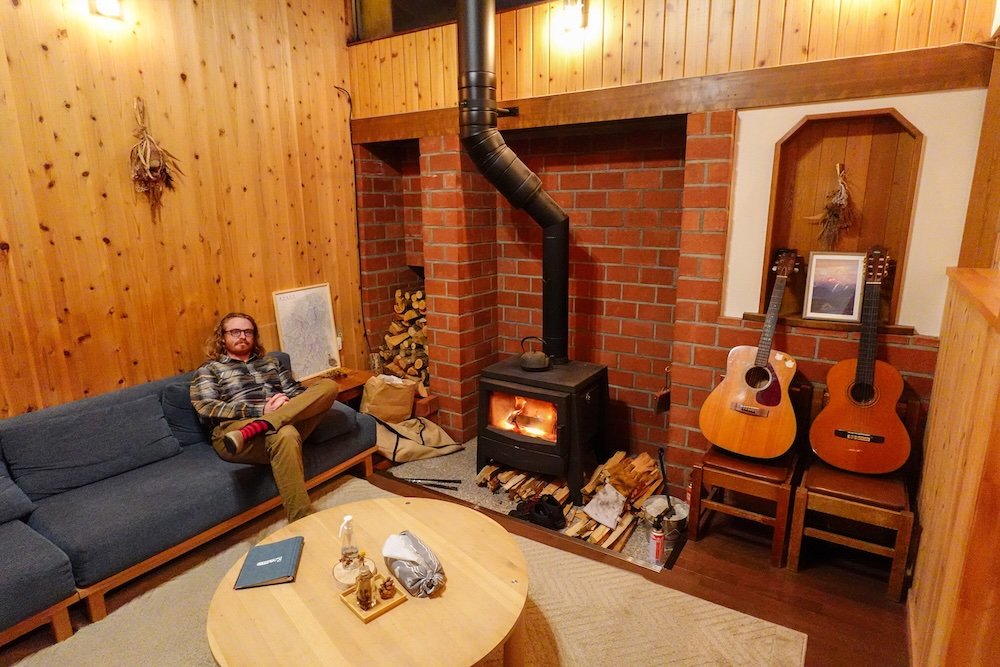
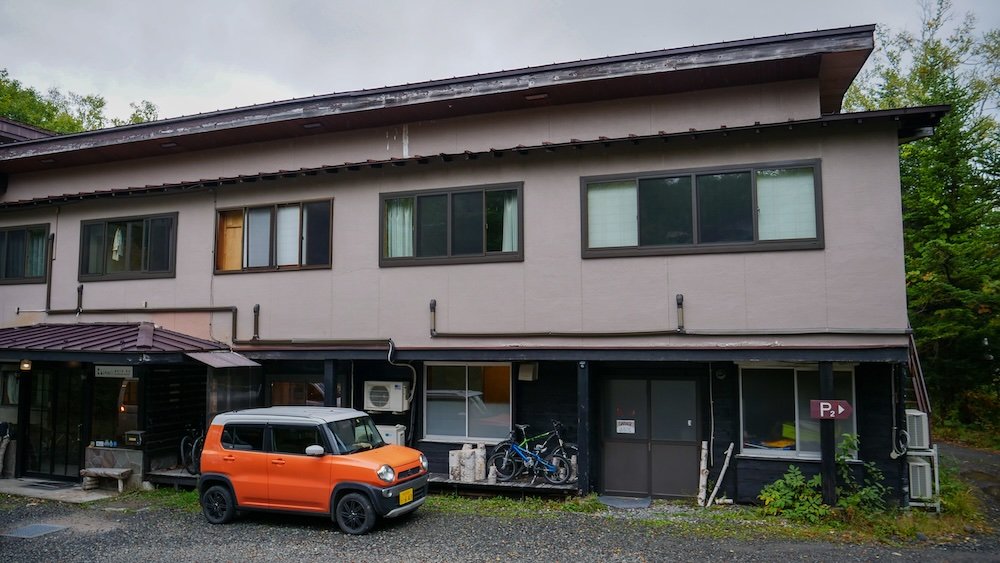
2) Checking in at Raicho Guesthouse
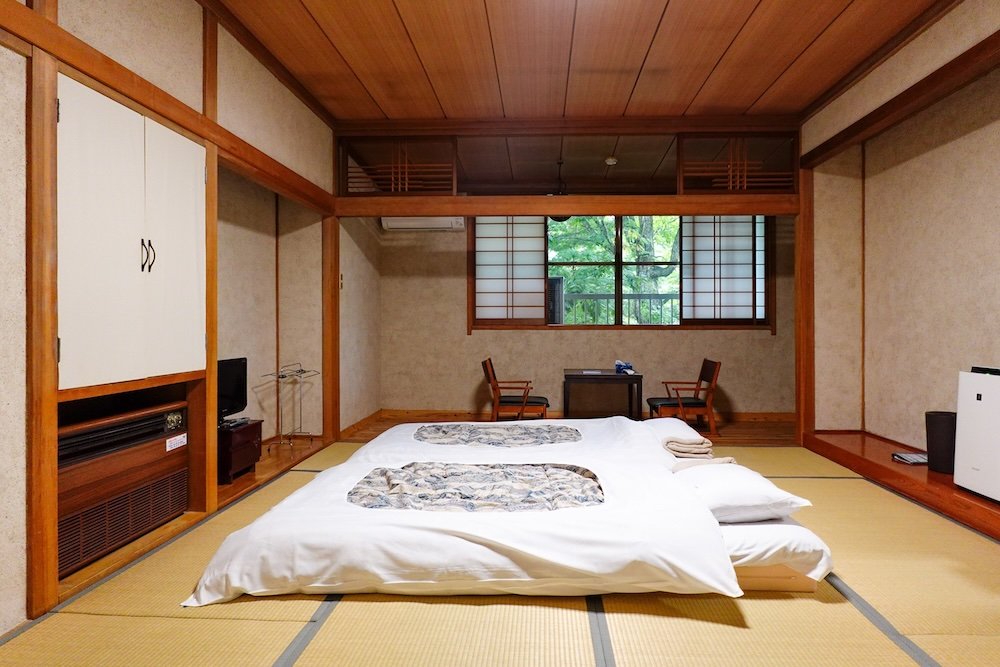
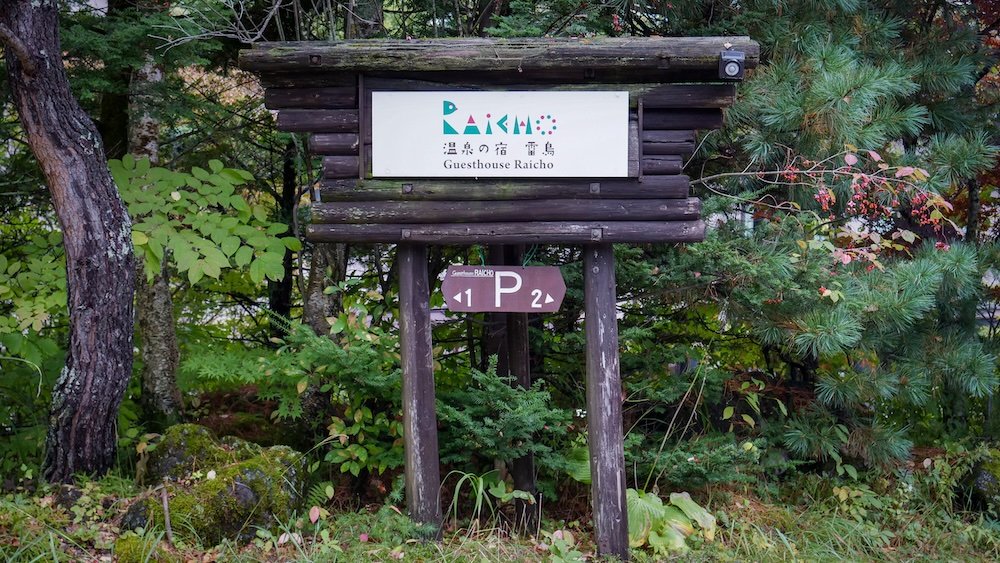
Raicho Guesthouse operates exactly how a solid mountain basecamp should. It’s practical, clean, and run by people who actually know the trail conditions. When you slide the heavy front door open, you’re immediately hit by the dry, comforting heat of the kerosene space heaters working overtime in the hallway. You’ll swap your muddy boots for communal slippers right at the entryway—standard Japanese guesthouse protocol. The rooms are traditional tatami, meaning you’re sleeping on futons on the floor. In our experience, it takes a night to get used to the firmness, but after a 15-kilometer hike, you’ll sleep like a rock. Here’s the friction point nobody mentions: the walls are literally paper-thin, and the floorboards creak loudly. You will hear the guy in the room next to you packing his dry-bags at 5:00 AM, so pack serious earplugs. But the communal kitchen, the deep onsen baths, and the shared maps on the wall make this the perfect staging ground for your daily routes.
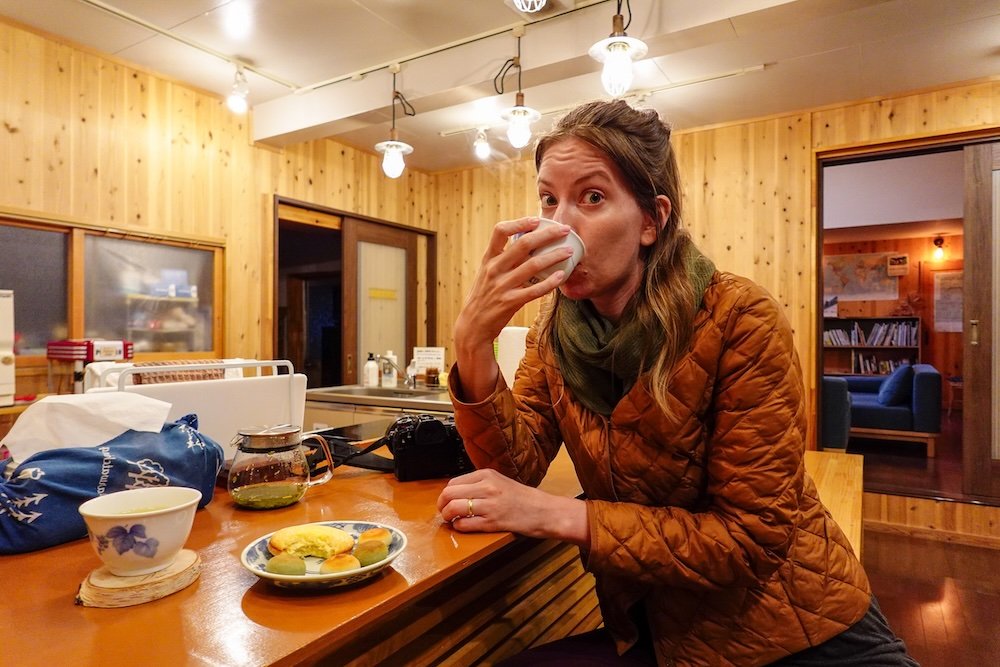
- The Setup: Reliable Wi-Fi in the main lounge, shared but immaculate bathrooms, and a dry room for your wet gear.
- House Rules: Strict shoe policy at the door. Keep your voice down after 9:00 PM. These are hikers recovering, not a hostel party crowd.
- On-Site Intel: Pin the staff down for trail updates. They know exactly which sections of the Ichinose route are washed out from recent rains.
Tip: Stock up on snacks before arriving. There isn’t a 24-hour convenience store glowing around the corner here. If you want late-night calories, you need to pack them in yourself.
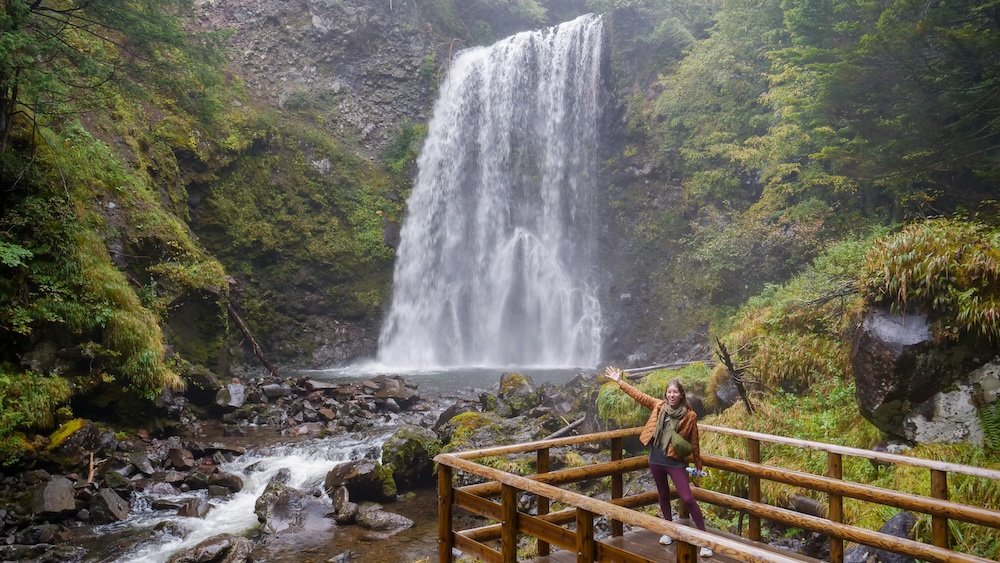
3) Hiking to Zengoronotaki Falls
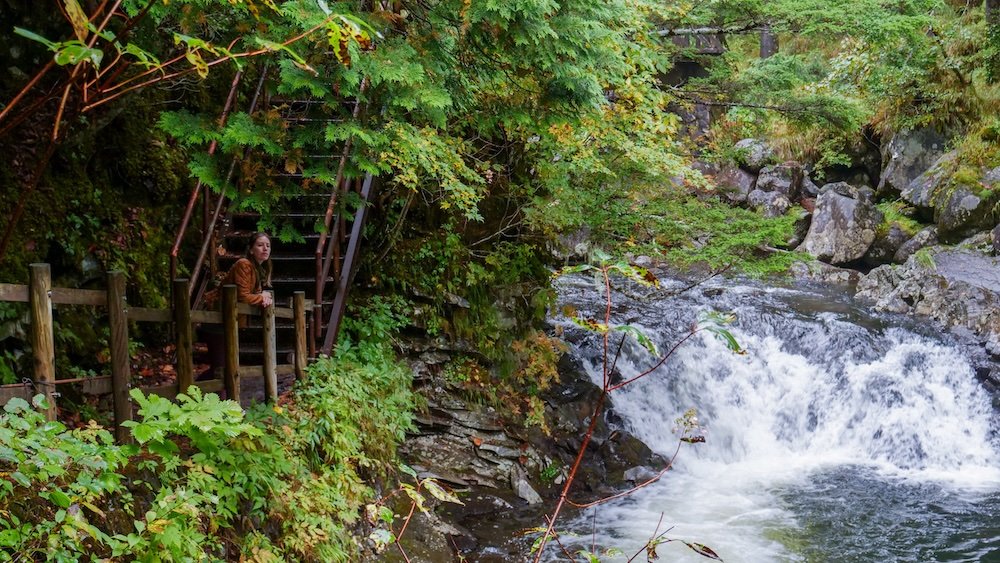
Zengoronotaki Falls isn’t a massive multi-day expedition, but it requires solid footing and respect for the elements. The trail cuts through dense, old-growth forest, and the path is a mix of compacted dirt and wooden boardwalks that get incredibly slick after a morning drizzle. You’ll hear the heavy, concussive roar of the water long before you break through the tree line. When you finally step out onto the viewing platform, the updraft from the falls blasts you with freezing, micro-fine mist. As a travel photographer, I’m used to dealing with moisture, but this mist will coat your camera lens in about ten seconds flat—keep a dry microfiber cloth in your pocket. It’s loud, it’s raw, and it’s one of the best high-reward, low-friction hikes in the immediate area. Just be aware: the Google Maps pin for this specific trailhead is historically about 200 meters off. Stop staring at your phone and trust the physical wooden signposts along the road, or you’ll end up wandering up a private driveway.

- Gear Check: Ditch the street sneakers. You need waterproof hiking boots with aggressive tread and a microfiber cloth to constantly wipe your lenses.
- Bear Protocol: This is active bear country. You’ll see metal bells attached to posts along the trail—ring them loudly as you pass to announce your presence.
- Time Cost: Allocate about 60 to 90 minutes round trip, depending on how long you stand on the viewing deck getting sprayed.
Tip: Hit this trail around 3:00 PM. The tour bus crowds have usually cleared out, and the late afternoon light cuts through the mist perfectly for photography.

4) Dinner at Primavera
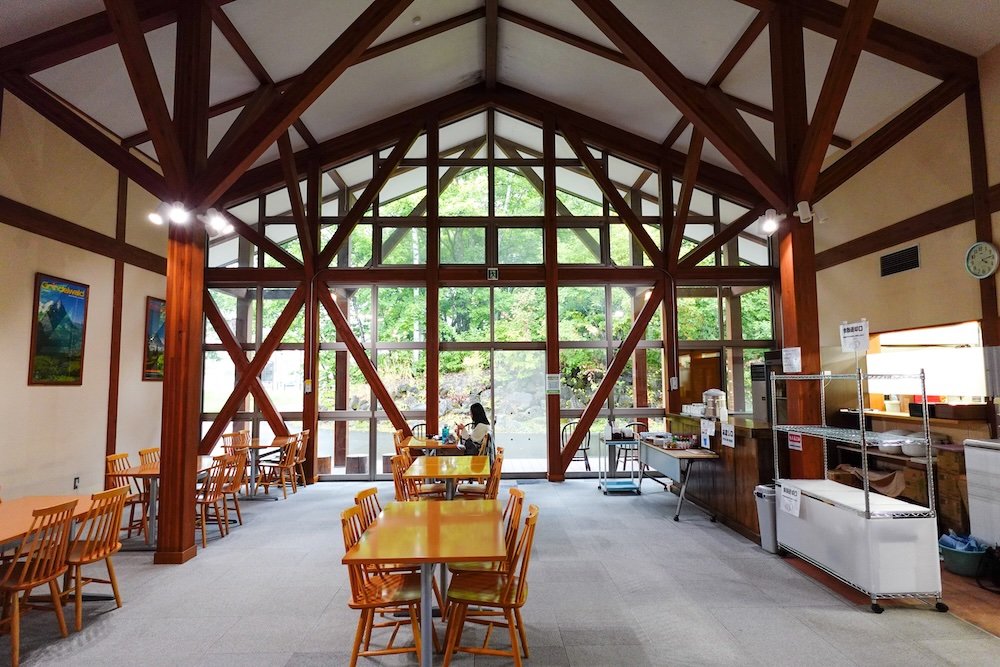
You wouldn’t normally expect to find legitimately good wood-fired pizza at this altitude in rural Japan, but Primavera actually delivers. After eating rice and grilled fish for five straight days, this place is a highly necessary carb-loading checkpoint. You walk in, and the blistering, dry heat radiating off the brick oven immediately thaws out your cold hands. The crust here is properly blistered, with that distinct, slightly charred chew you only get from a wood fire. They rely heavily on local Nagano cheeses and mountain vegetables, creating a Japanese-Italian hybrid that just works. Currently, a solid pie will set you back around 1,800 to 2,500 yen. Be prepared for a bit of a wait during peak dinner hours, though. This isn’t fast food, and the dining room fills up fast with hungry hikers who had the exact same idea you did. Don’t show up starving with zero patience.
- The Order: Go for the mushroom and local cheese pizza. The fungi up here are robust and deeply flavorful.
- The Space: It’s heavy timber and low ceilings. It gets loud, hot, and steamy inside when the restaurant is full of wet rain jackets.
- Drinks: Wash it down with a cold Nagano craft beer. You earned it.
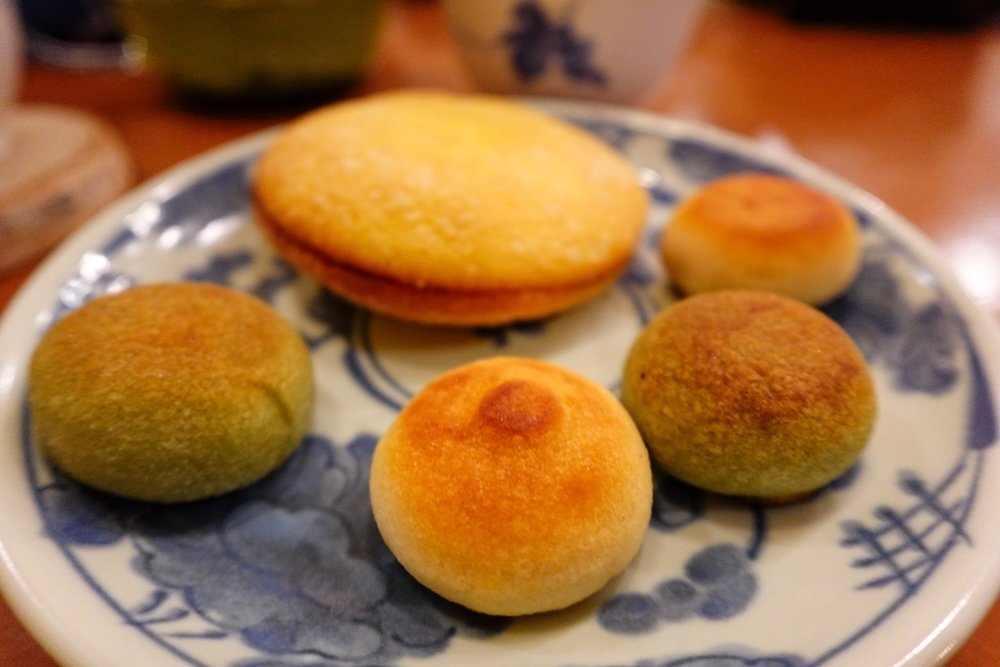
5) Japanese Tea and Desserts
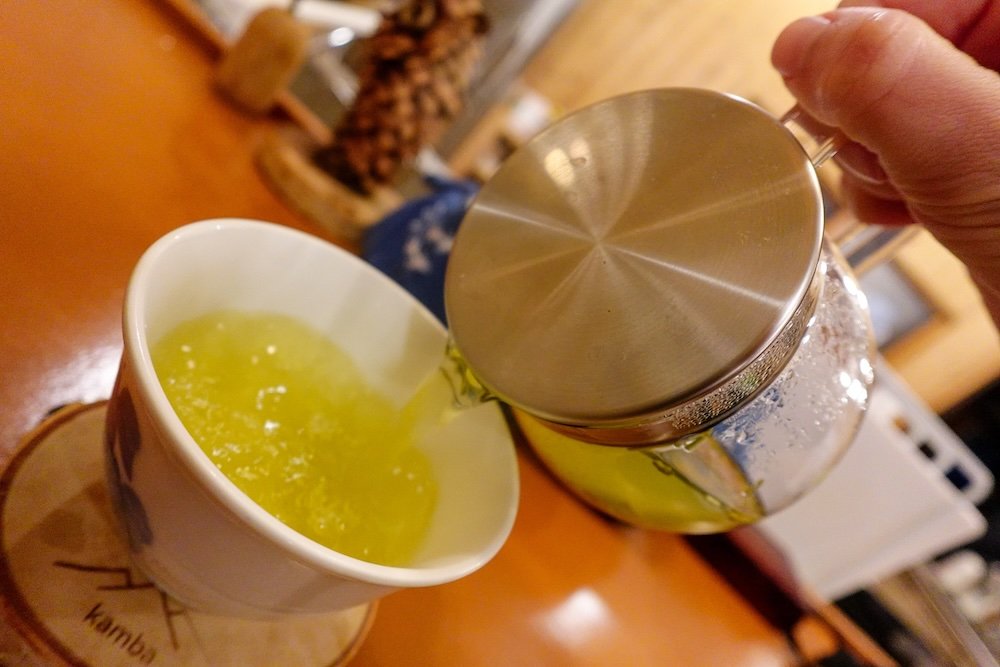
Skip the lukewarm canned coffee from the vending machines and take a forced rest stop at one of the local tearooms. This is a tactical pause to get your core temperature up, and it typically costs around 800 to 1,200 yen for a proper set. You sit down on the tatami, and they serve you matcha that is thick, frothy, and so intensely grassy you can feel the slightly bitter, powdery grit of it against the roof of your mouth. It’s a sharp contrast to the accompanying wagashi—dense, sweet confections made from red bean paste that look like delicate leaves but hit your stomach like a much-needed brick of energy. You don’t rush this. You sit, you drink the hot tea, and you let the throbbing in your calves subside before you push on to the next trailhead.
- Fuel Sources: Grab mochi stuffed with sweet red bean. It’s dense, sticky, and provides immediate carbohydrate recovery.
- The Brew: If matcha is too intense, order hojicha (roasted green tea). It has a smoky, toasted flavor that pairs perfectly with the cold mountain air.
- The Etiquette: Drink with two hands on the bowl. Don’t gulp it down like a sports drink.
Tip: Pay in cash. Most of these small, family-run tearooms do not want to deal with your foreign credit card. Keep a stack of 1,000 yen notes handy.
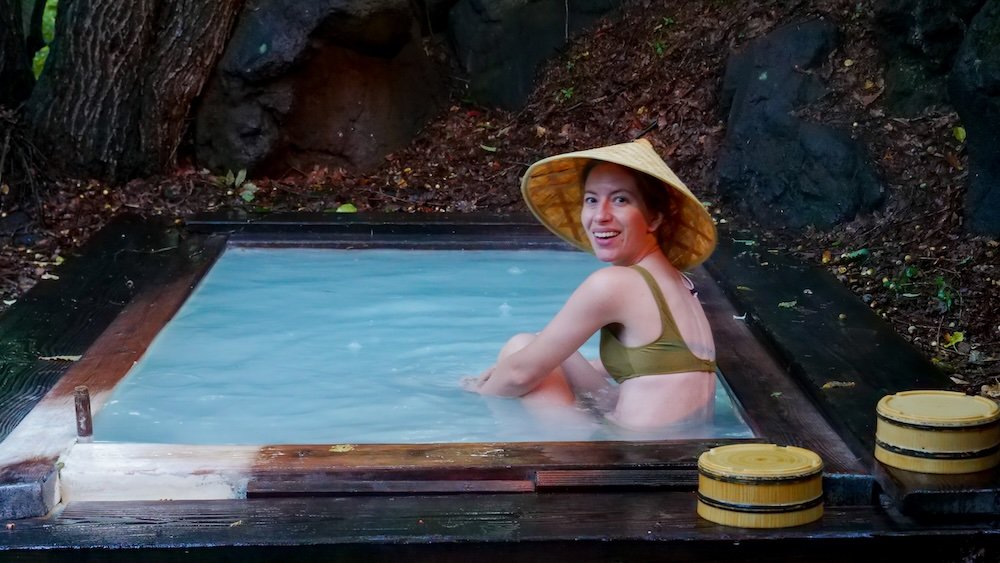
6) Private Outdoor Onsen Experience
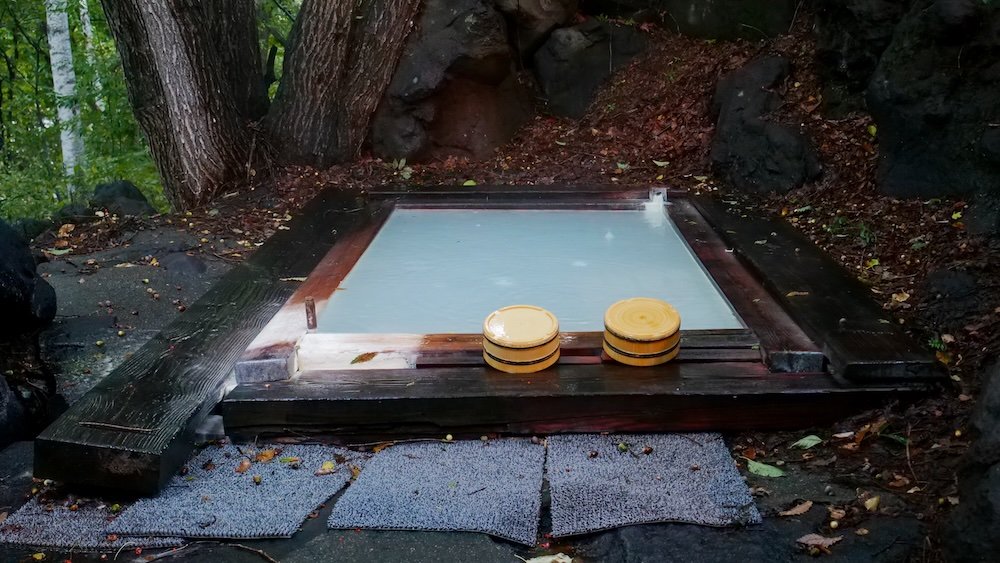
If you hike all day and skip the onsen, you are doing Japan entirely wrong. A private outdoor bath (kashikiri rotenburo) is the ultimate physical reset, and many local guesthouses include a 45-minute slot in your nightly rate, or charge a nominal fee of around 1,000 yen for day-trippers. Stripping down in the changing room is a shock to the system—the 5-degree mountain air bites hard at your bare shoulders before you finally submerge yourself in the scalding 40-degree, mineral-heavy water. The smell of sulfur here is thick, clinging to your hair and skin for days afterward like a badge of honor. Booking a private slot means you don’t have to worry about public bath etiquette or covering up tattoos if you have them. The friction here? The reservation board fills up immediately. If you wait until after dinner to try and book your evening slot, you’ll be stuck taking a lukewarm shower in your room. You just sit in the steaming water, watch your breath turn to vapor in the cold air, and feel the lactic acid literally baking out of your legs.
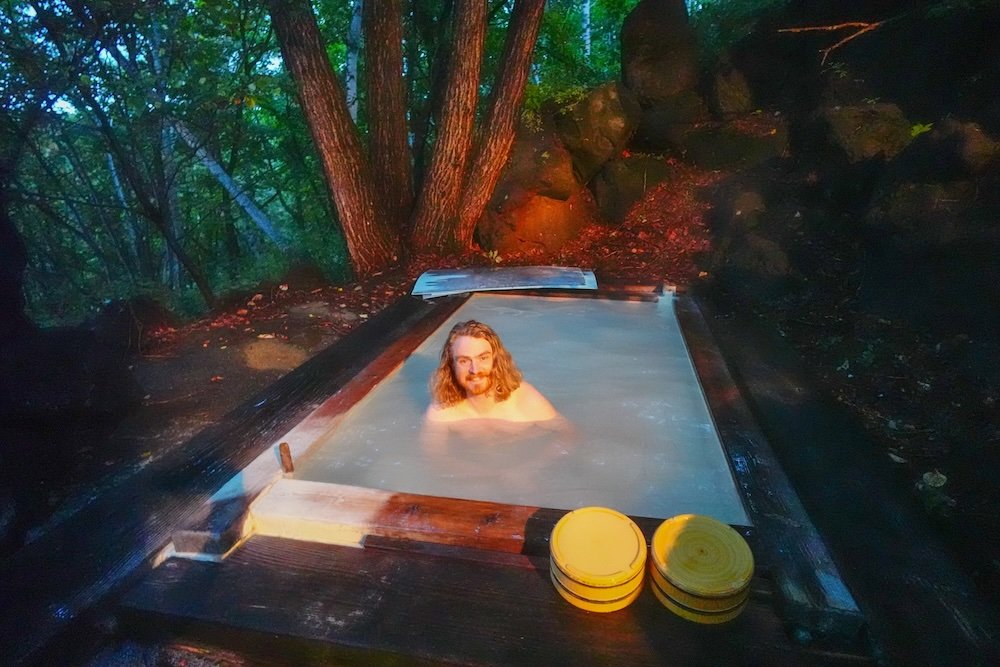
- The Drill: You must scrub yourself completely clean at the shower station before you even think about stepping into the shared bath water.
- Logistics: You usually reserve a 45-minute time slot at the front desk of your guesthouse. Don’t overstay your window.
- Hydration: The water is dangerously hot. Drink a massive bottle of water before you go in, or you will get dizzy when you stand up.
Tip: Bring your own small modesty towel from your room, but remember to keep it on your head or the rocks—do not let it touch the bathwater.
7) Lunch at Okamisan Dining
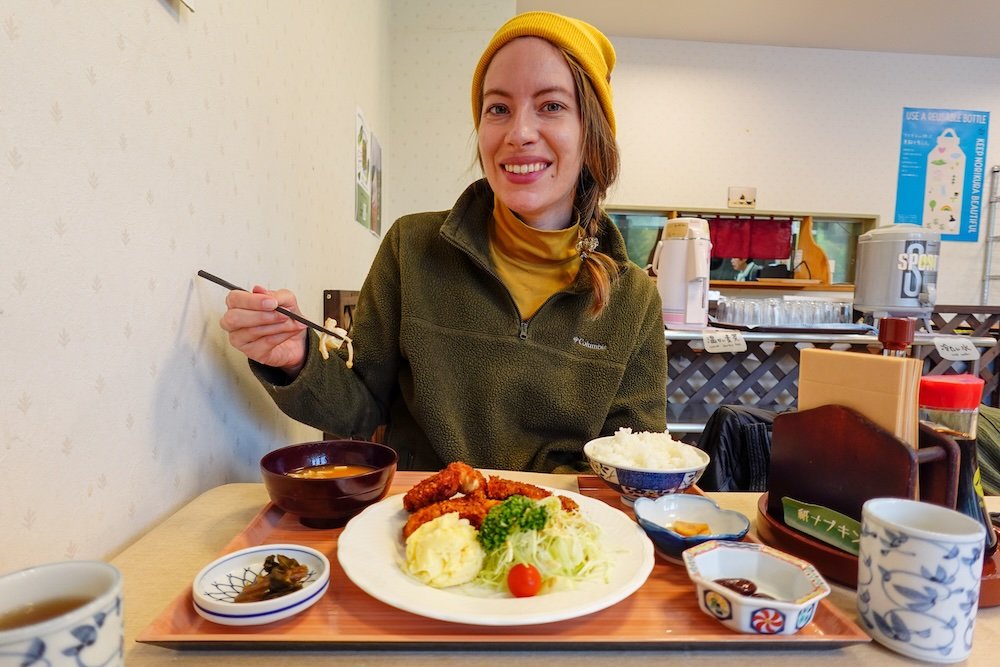
Okamisan Dining is where you refill the tank midday. It’s utilitarian, locally sourced, and incredibly efficient. You sit shoulder-to-shoulder at wooden tables with other hikers, pouring over trail maps while you wait for your food. When the meal drops, it’s all business. You get the heavy, satisfying crunch of thick tonkatsu (fried pork cutlet) breading giving way, paired with the sharp, salty bite of a mountain-vegetable miso soup that warms your throat on the way down. A massive lunch set here currently hovers around a very reasonable 1,500 yen. The portions are engineered to replace the calories you just burned climbing up from the lower falls. It’s honest, deeply satisfying food that doesn’t try to be fancy, because out here, function beats presentation every single time. Just know they often sell out of the heavy cutlets by 1:30 PM, so don’t bank on a late lunch.
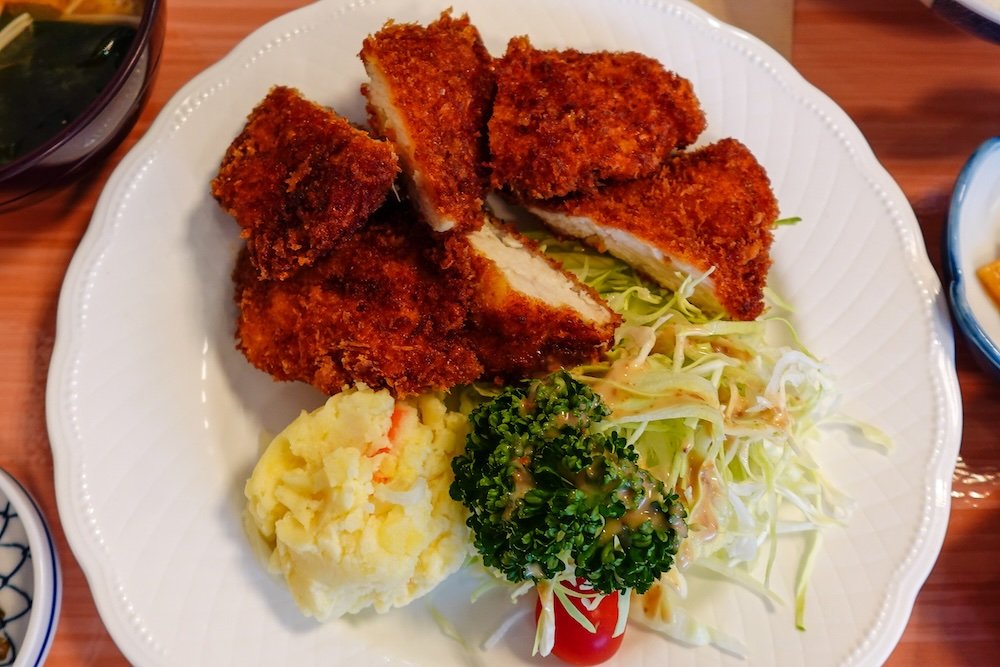
- The Heavy Hitter: Order the tonkatsu set meal. The thick-cut pork cutlet over rice is the exact fuel you need to finish the day’s mileage.
- The Vibe: It’s fast-paced. Eat your food, wipe your bowl clean, and clear the table for the next freezing hiker waiting by the door.
- Sides: Don’t skip the pickled mountain vegetables. They provide a sharp, acidic crunch that cuts right through the heavy fried pork.
Tip: Get in by 11:45 AM. If you roll up at 12:30 PM, you will be standing in a line outside in the wind.
8) Hiking Ichinose Meadow Trail
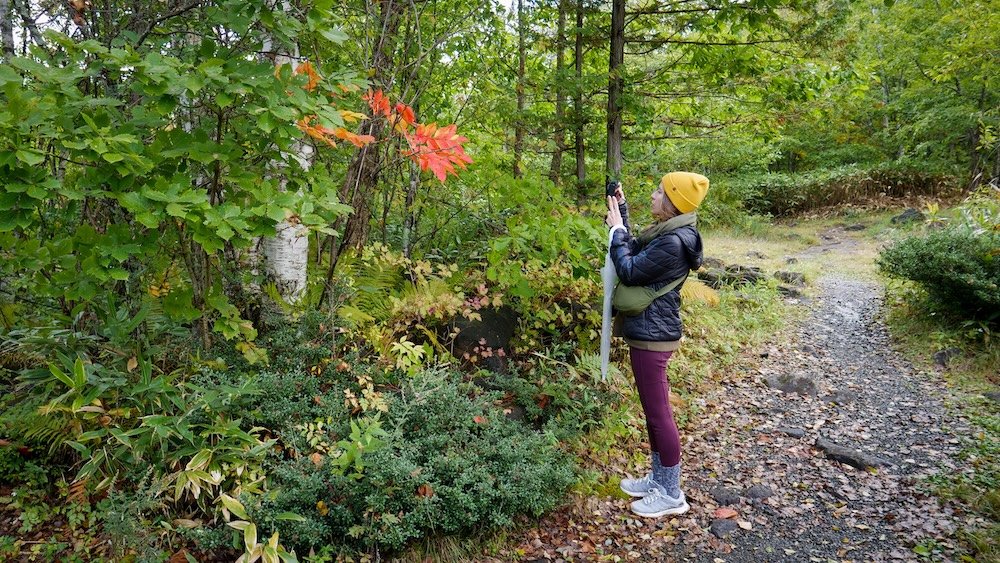
The Ichinose Meadow Trail is your low-intensity recovery day, and it’s completely free to access. It’s a massive, sprawling wetland circuit that requires zero technical scrambling. You are walking primarily on raised, wooden boardwalks that sink and give slightly under your boots with a hollow thud as you navigate the marshland. In late summer, the loud, rhythmic buzzing of cicadas is almost deafening here. The route loops past massive, dark-water ponds reflecting the jagged peaks of Mt. Norikura in the distance. The biggest logistical friction here is the layout itself: there are zero bathroom facilities on the back half of the 5-kilometer loop. You need to use the visitor center restrooms before you commit. It’s flat, it’s sprawling, and it exposes you to the harsh midday sun, so don’t let the lack of elevation gain trick you into leaving your water bottle and hat back at the guesthouse. It’s an easy walk, but it is long.
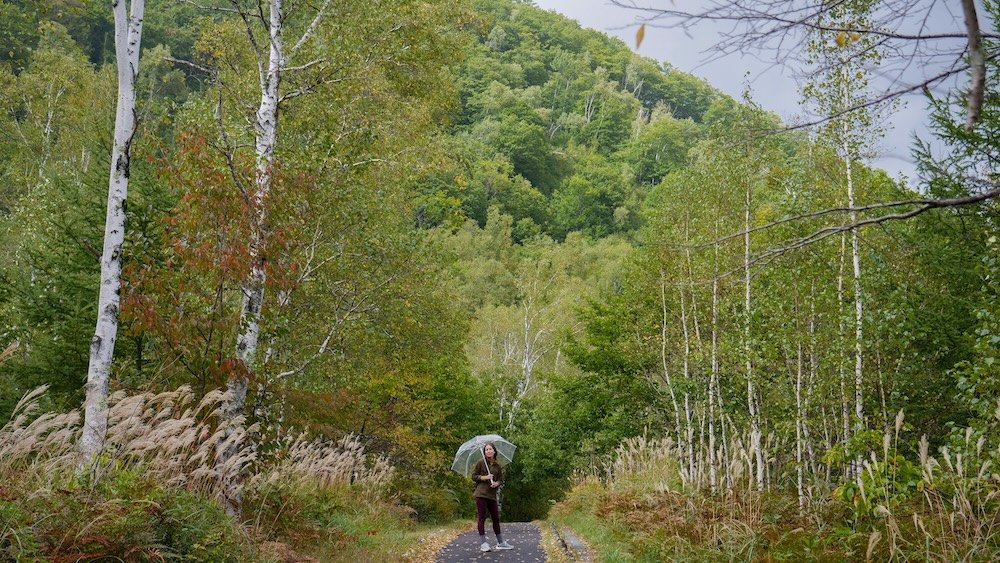
- The Gear: You can get away with trail runners here instead of heavy boots, but make sure they have decent traction for the damp wooden planks.
- The Route: Study the trail junctions. There are dozens of intersecting paths here, and it’s very easy to accidentally commit to an extra 5km loop if you miss a signpost.
- The Elements: There is almost zero tree cover in the center of the meadow. Pack sunscreen and a wide-brim hat.
Tip: Bring a physical map. Google Maps is utterly useless for navigating the micro-trails inside the meadow complex.
9) Guesthouse Tour and Final Thoughts
Before you zip your pack and haul your gear back down the mountain, take a minute to actually look around the guesthouse you’ve been crashing in. These places are built like fortresses to withstand the massive winter snow loads. Run your hand along the thick, hand-hewn wooden support beams in the hallway; you can smell the lingering scent of decades of woodsmoke baked right into the timber. Ask the owners about the road conditions for your exit route. They usually have real-time intel that the official bus websites won’t update for hours. Packing out of Norikura Kogen means going back to the heavy concrete and neon of the cities, so take a final breath of the thin, sharp mountain air before you board the bus back to reality.
- The Exit: Strip your futon and fold your blankets neatly. It’s a basic sign of respect for the staff who are turning the room over fast.
- The Bill: Settle your tab the night before if you are catching the 7:00 AM bus. The front desk might not be staffed at dawn.
- Final Check: Check the drying room twice. I can’t count the number of times I’ve almost left a pair of expensive Gore-Tex socks hanging on a radiator.
Tip: Take your trash with you. Mountain waste management is difficult. If you bought plastic bottles in town, haul them back down with you.
Tours For Visitors To Norikura Kogen, Japan
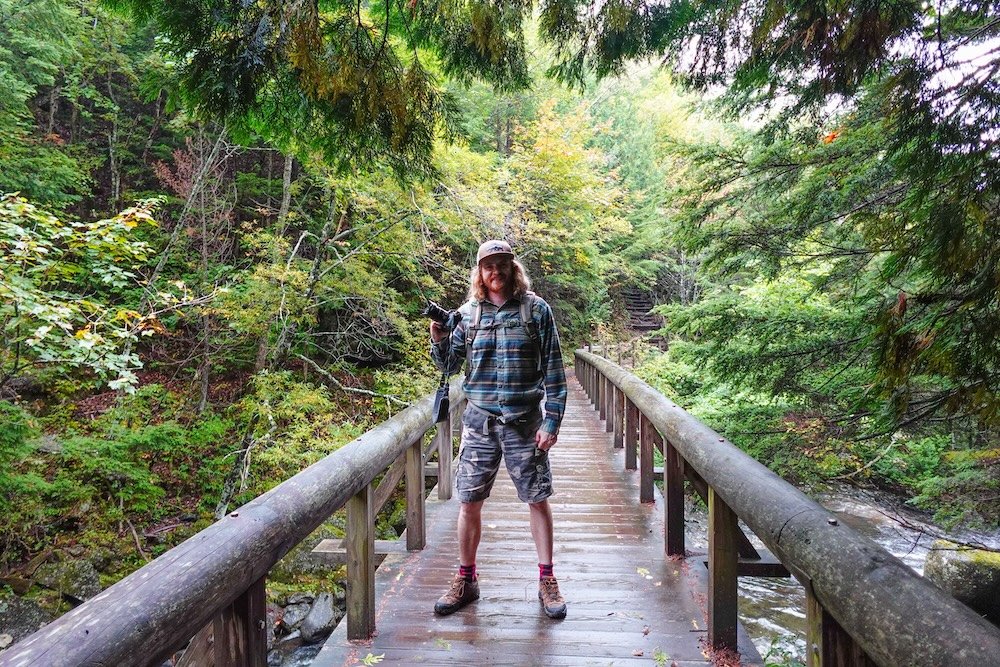
If you don’t want to blindly wander the trail systems, hooking up with a local guide is the fastest way to get your bearings. Let’s look at the actual tours worth your cash.
1) Guided Forest Herbal Walk
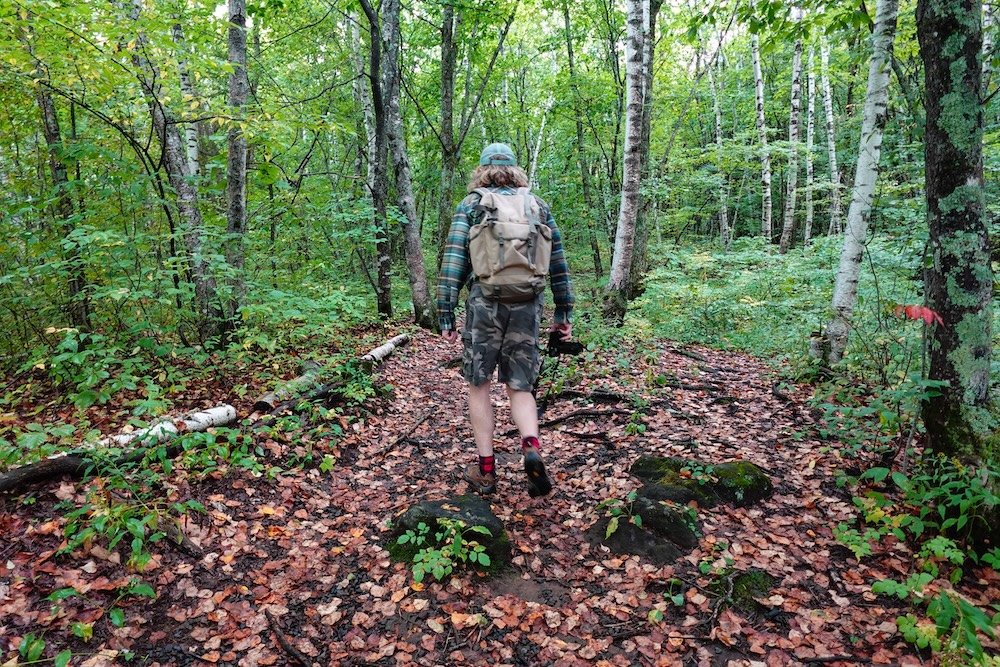
This isn’t a heart-rate-spiking summit hike; the Guided Forest Herbal Walk is a slow, methodical crawl through the underbrush. A local guide will take you off the main gravel paths to show you the exact roots and shoots the villagers have been surviving on for generations. We found that booking this typically runs around 3,000 yen for a half-day, which is incredibly reasonable for the local knowledge you extract. You’ll stop constantly. The guide will crush kuromoji (spicebush) leaves between your fingers, and the sharp, menthol-like snap of the sap hits your nose instantly. It’s an education in terrain reading. You learn how to identify wild mountain vegetables (sansai) that you’ll likely eat in your tempura at dinner later that night. It’s low-mileage, but highly educational if you care about the local ecosystem.
- The Focus: You’re stopping to analyze bark, moss, and root structures. This is botany, not cardio.
- The Gear: Wear long pants tucked into your socks. The brush is thick, and mountain leeches or ticks are a reality here.
- The Rule: Look, touch, but don’t pull plants out of the ground yourself unless the guide specifically hands you a knife to harvest.
Tip: Bring bug spray. Standing completely still in a damp forest while listening to a lecture is an open invitation for local horseflies.
2) Nighttime Onsen & Stargazing Tour
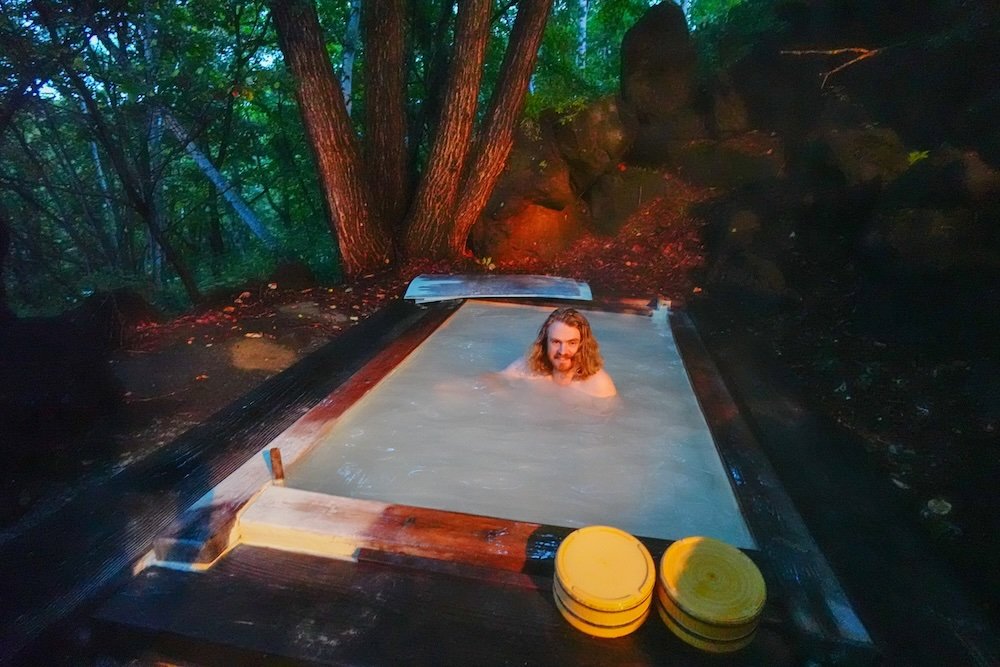
The Nighttime Onsen & Stargazing Tour takes advantage of Norikura’s absolute lack of light pollution, usually costing somewhere around 4,000 yen if booked through a local outfitter. You start by freezing on a wooden observation deck while a guide points out the high-altitude constellations. The air here at night is razor-thin and drops below freezing easily in the shoulder seasons. You’ll feel the sharp bite of frost creeping through the soles of your shoes. But the payoff is the immediate transition into a thermal bath directly afterward. Going from shivering in the pitch black to chest-deep in heavy, hot mineral water is an extreme temperature swing that shocks your nervous system in the best way possible. It’s an incredibly quiet, isolating experience.
- The Prep: Pack a heavy down jacket for the stargazing portion. Standing still in the dark up here gets brutally cold fast.
- The Timing: Check the lunar calendar. You want a new moon phase to actually see the Milky Way clearly.
- The Setup: Bring slip-on sandals. Fumbling with frozen shoelaces in the dark when you just want to get into the hot water is miserable.
Tip: Turn your phone screen brightness all the way down. If you pull your phone out and blind everyone, you ruin the night vision the group just spent 20 minutes acquiring.
3) Cycling Tour of Meadows and Streams
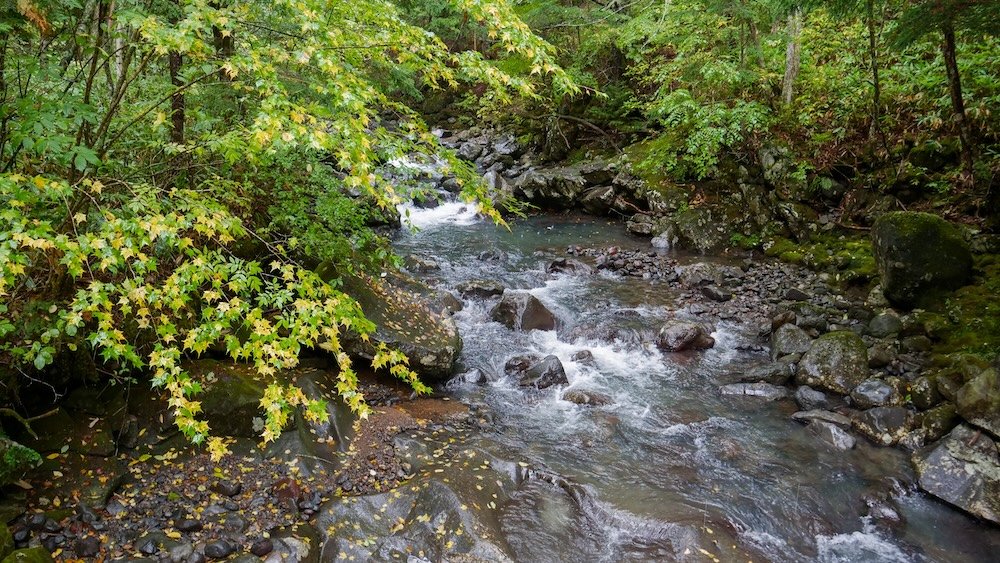
If you need to cover ground faster than walking but don’t want to be trapped in a bus, the Cycling Tour is your best bet. You are given a heavy-duty rental bike and let loose on the paved and packed-dirt access roads cutting through the valley. Currently, an e-bike rental for a half-day runs about 4,000 yen, and honestly, don’t try to save a few bucks by renting a standard pedal bike. The inclines are long, and you will feel a deep burn in your quads grinding up the switchbacks if you don’t have that battery assist. But the descents are worth it—the rush of cold valley wind blasting against your face as you pick up speed alongside the river is incredible. You’ll weave between small local farms and dense timberlines, dodging the occasional pothole and stopping at small, unnamed waterfalls the tour buses can’t reach.
- The Hardware: Check your brake pads and tire pressure before you leave the rental lot. The downhill sections here are steep and unforgiving.
- The Apparel: Wear windproof layers. Sweating on the way up means you will freeze on the high-speed descent if you only have a t-shirt on.
- The Route: Stick to the designated paths. Mountain biking off-trail here will destroy the local flora and piss off the locals.
Tip: Rent an e-bike. Unless you are actively training for a triathlon, the motorized pedal-assist will save your legs for the hiking trails.
Norikura Kogen Accommodations Guide: Hotels, Guesthouses and Hostels
You need a roof over your head that dries your gear and feeds you well. Here is how the accommodation options in Norikura actually break down right now.
1) Pensions and Guesthouses
Pensions are the backbone of Norikura’s lodging scene. These are essentially oversized mountain cabins run by husband-and-wife teams. They are practical, no-nonsense shelters that typically charge around 8,000 to 12,000 yen per night. You walk in, and the distinct smell of damp wool socks drying near the communal stove hits you. The rooms are sparse—usually just futons and a small heater. The walls are thin, meaning you will hear the guy next door packing his bag at 5:00 AM. But the value is unbeatable. You get access to a shared kitchen, localized trail intel straight from the owners, and a dry, warm place to collapse. It’s shared living, so if you demand high-end privacy and room service, book elsewhere. If you just need a functional basecamp, this is it.
- The Reality: Expect shared bathrooms and shower times. You have to be okay with communal living and a laid-back vibe.
- The Cost: Highly budget-friendly, leaving you more yen to drop on big dinners or gear rentals.
- The Knowledge: The owners are the ultimate resource. They know which trails are muddy and which bus routes are delayed today.
Tip: Bring your own large towel. Many budget guesthouses only provide tiny face towels that are useless after a shower.
2) Ryokans for Cultural Immersion
If you have the budget, dropping cash on a ryokan stay in the mountains is a completely different tier of recovery. For somewhere between 20,000 and 35,000 yen per night, you trade the muddy boots for slippers at the door, and immediately put on a yukata. The crisp, stiff cotton fabric of the freshly starched yukata against your skin forces you to physically slow down. You will be fed massive, intricate kaiseki dinners in your room or a private dining hall, sitting on tatami mats while staff bring out endless plates of grilled river fish and mountain vegetables. It’s highly structured relaxation. The ryokan usually has the best, oldest onsen plumbing in town. It’s expensive, but after three days of eating trail mix in the rain, having someone hand you a hot towel and pour your tea is worth the markup.
- The Schedule: Dinner is served at a strict time. Do not show up late for a kaiseki meal; the kitchen runs like a military watch.
- The Etiquette: You must learn the basics of sliding doors, tatami respect, and yukata tying. Don’t cross the right side of the robe over the left (that’s for funerals).
- The Facilities: You are paying for premium reservable hot spring baths built directly over the thermal vents.
Tip: Book half-board (breakfast and dinner included). Trying to leave a comfortable ryokan at 7:00 PM to hunt for an open restaurant in the dark is a terrible strategy.
3) Mountain Lodges and Alpine Hideaways
Mountain lodges are positioned further up the elevation lines, right at the critical trailheads. These places are built for utility. The wind howls against the wooden siding up here, and you can hear the creak of the framing at night. The accommodations are tight—often bunk rooms with narrow mattresses, generally running around 10,000 yen if meals are included. You are here for the location, plain and simple. Waking up here means you are stepping directly onto the trail at dawn, beating the bus crowds by hours. The dining room is a mess of topographical maps, heavily taped hiking boots, and thermoses being filled with boiling water. You will eat hearty, heavy curries for dinner alongside serious climbers who go to bed at 8:00 PM.
- The Function: Features massive drying rooms for wet boots and jackets, and early breakfast service.
- The Crowd: Serious winter sports enthusiasts and multi-day trekkers. It’s an early-to-bed, early-to-rise culture.
- The Logistics: Access is tough. You usually have to take the last bus up and walk a bit to reach the front door.
Tip: Bring earplugs and an eye mask. Sleeping in a room with eight other hikers who are constantly rustling plastic bags at 4:00 AM requires defense mechanisms.
https://www.youtube.com/embed/ROfGJxOKYbE?si=27xr_Te4EXxsnCQw
source: Samuel and Audrey on YouTube: Nomadic Samuel & That Backpacker as the hosts
Day Trips From Norikura Kogen, Japan
If you’re burning out on the local trails, use Norikura as a staging area to strike out to these unique day trips.
1) Matsumoto Castle & Surrounding Streets
You have to pass through Matsumoto anyway, so you might as well execute a hard stop to see the castle. For an entry fee hovering around 700 yen, the “Crow Castle” is a stark, black-wood fortress. Climbing the interior is a genuine physical challenge—the wooden stairs are so steep you almost have to climb them on your hands and knees, and the centuries-old, polished wood is dangerously slick under your socks. You can smell the old timber and dust as you squeeze through the narrow defensive corridors. Once you survive the climb, exit the castle grounds and hit the Nakamachi district. It’s a dense grid of old merchant houses where you can finally get a decent espresso and hunt for specialized outdoor gear before heading back up the mountain.
- The Objective: Climb the steep wooden keep, grab heavy soba noodles for lunch, and buy any missing gear.
- The Friction: It gets incredibly crowded inside the castle. You will be moving at a shuffle pace on the narrow stairs.
- The Logistics: Use the massive coin lockers at Matsumoto Station to dump your pack while you explore the nearby cultural sites.
Tip: Hit the castle exactly when it opens. By 11:00 AM, the tour buses arrive and the wait time just to walk up the stairs can hit 45 minutes.
2) Kamikochi’s Alpine Paradise
Kamikochi is the crown jewel of the Northern Alps, and it requires strict bus logistics because private cars are banned. You take the bus from Norikura, transfer at the Sawando terminal, and ride up the narrow river valley (expect to pay around 2,500 to 3,000 yen for the round-trip bus connections). When you step off at the Kapabashi bridge, the sheer vertical walls of the Hotaka range dominate your vision. The hike along the Azusa River is completely flat, but if you step off the trail and dip your hand into the rushing, turquoise water, the biting, glacial cold will numb your fingers in seconds. It’s highly developed, meaning you will share the wide gravel paths with hundreds of other people, but the sheer scale of the geology here makes the crowds tolerable if you keep walking.
- The Loadout: You don’t need heavy boots for the valley floor. Light trail shoes and a windbreaker are enough.
- The Route: Push past the main bridge and hike out to Myojin Pond. The crowds thin out massively after the first two kilometers.
- The Warning: Do not miss the last bus out at 5:00 PM. Taxis are scarce, and you will be stranded.
Tip: Buy your return bus ticket the second you arrive. The lines for the ticket machines at 4:00 PM are chaotic.
3) Shirahone Onsen’s Healing Waters
Shirahone Onsen is tucked deep into a steep, narrow ravine. The roads down to it are so winding and tight that large buses have to inch around the corners. The draw here is the milky-white, highly acidic water, and a day-use pass typically costs around 800 to 1,000 yen. When you get out of the bath, you can literally feel a fine, chalky residue drying on your skin—it smells intensely of sulfur and minerals. The outdoor baths are built right into the rocky riverbanks. You strip down in a freezing wooden hut and scramble down wet, mossy stones into the opaque, searing hot water while the freezing river rushes past just feet away. It’s raw, old-school Japanese bathing culture at its finest.
- The Gear: Bring a large plastic bag for your wet towel and clothes. The changing rooms are damp.
- The Protocol: The opaque water means some baths are mixed-gender. Know what you are walking into before you pull the door open.
- The Transit: The bus schedule here is incredibly thin. You might only have two options to get back to Norikura all day.
Tip: Remove all silver jewelry. The high sulfur content in the Shirahone water will turn your silver rings black instantly.
4) Kiso Valley’s Historic Villages
Pushing out to the Kiso Valley is a long haul from Norikura, but executing the Nakasendo trail hike between Magome and Tsumago is worth the transit friction. You are walking an ancient samurai highway. The trail is a mix of steep cobblestones and hard-packed dirt winding through heavy cedar forests. As you drop into the post town of Magome, the heavy, sweet scent of roasted chestnuts wafts from the wooden storefronts, cutting through the damp forest air. The steep inclines of the village streets will test your knees, but the architecture is meticulously preserved—no neon, no power lines, just dark timber and stone. You’re covering about 8 kilometers of rolling terrain, so treat it like a proper hike, not a casual museum stroll.
- The Mission: Complete the hike between Magome and Tsumago. Have your transport back arranged at the far end.
- The Pace: The stone paths are brutal on flat-soled shoes. Wear proper hiking footwear.
- The Fuel: Buy gohei mochi (grilled rice cakes with sweet walnut paste) from the street vendors. Massive calorie spike.
Tip: Use the baggage forwarding service. For a few yen, the tourist office in Magome will truck your heavy bags to Tsumago so you can hike the 8km pass unburdened.
Norikura Kogen Transportation Guide
Logistics win the day in the Japanese Alps. Norikura Kogen is highly accessible if you respect the timetables, but if you miss a transfer, you are walking or paying heavily. Here is the breakdown.
Getting There by Bus and Train
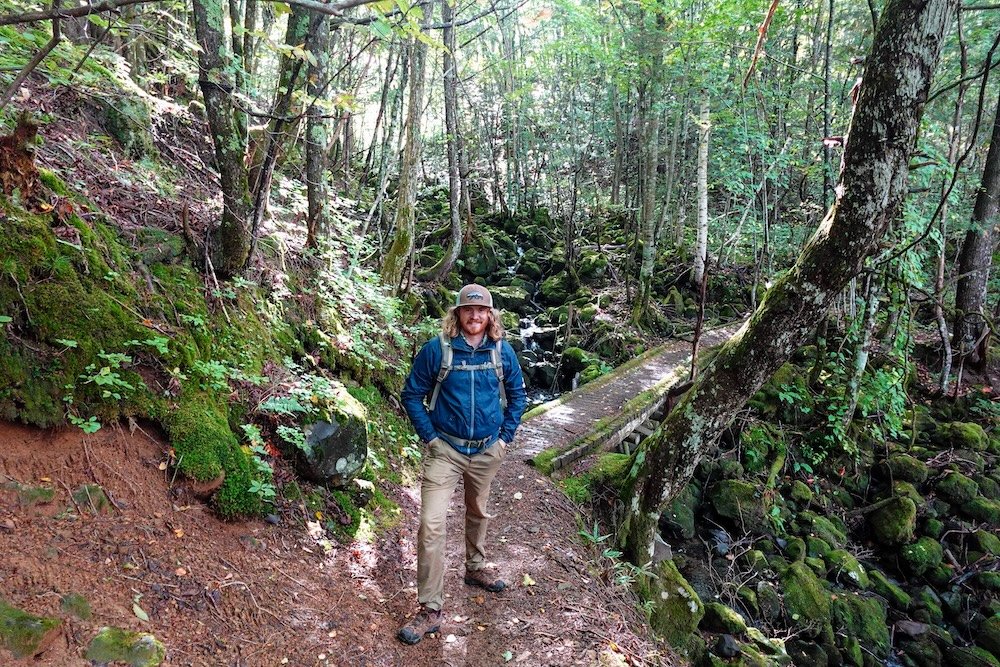
The train from Tokyo or Nagoya dumps you at Matsumoto. From there, you switch to the local rail line to Shin-Shimashima. The platform transition is fast—you have about 4 minutes to drag your bags from the JR line to the local track. Once at Shin-Shimashima, the Alpico bus is waiting. You pile on with dozens of other hikers with oversized packs, and the bus begins the long, agonizingly slow grind up the mountain. You can smell the hot brake pads of the vehicles coming down the hill as your driver navigates the hairpin turns through lush forests. It’s an hour of constant side-to-side swaying. Pin your bags between your knees and hold on.
- The Hack: Buy a combination ticket at Matsumoto station. It covers both the local train and the bus ride up.
- The Load: Pack everything tight. There is very little overhead room on the Alpico buses for massive frame packs.
- The Views: Sit on the left side going up. The right side is mostly staring at retaining walls and natural rock faces.
Tip: Keep your ticket accessible. You have to show it to the driver as you exit the bus, and digging through your deep pockets while a line of angry hikers waits behind you is bad form.
Local Buses & Shuttle Services
Once you are in Norikura Kogen, the local shuttle loop is your lifeline. The roads up to the highest trailheads are closed to private vehicles to protect the environment and prevent massive traffic jams. You line up at the main tourist center, and the shuttles run a continuous loop. It’s highly efficient. The suspension on these buses takes a beating, and you will feel every pothole and frost-heave in the pavement rattling your teeth. The drivers are machines, threading these large buses past each other on narrow mountain ledges with inches to spare.
- The Routes: Identify the Tatamidaira shuttle line for the high-altitude trails, and the local loop for getting between guesthouses.
- The Payment: Load an IC card (Suica/Pasmo) before you get to the mountains. Just note that local sources say some rural bus scanners misread international Apple Pay setups, so carry coins as a backup.
- The Squeeze: On busy weekends, you will be standing in the aisle, gripping the overhead handles for dear life.
Tip: Photograph the bus schedule at your specific stop. The times shift by a few minutes depending on where you are in the loop.
Taxis and Private Transfers
If you miss the bus, you are hailing a taxi. Be warned: the meter climbs fast out here. Taxis are essential if you are trying to execute a pre-dawn alpine start and the shuttles aren’t running yet. The local drivers use heavy, four-wheel-drive vans outfitted with snow tires that crunch aggressively on the gravel shoulders. The heaters in these cabs are usually blasting so hot you’ll be sweating through your base layers within three minutes. Show the driver your destination on Google Maps in Japanese; relying on English pronunciation of local trailheads is a fast way to get dropped off at the wrong mountain.
- The Call: Have your guesthouse owner call the taxi for you the night before. Don’t expect to just flag one down on the mountain road.
- The Haul: They can easily swallow bulky ski gear or multiple massive backpacks in the trunk.
- The Cost: Splitting a cab with three other hikers makes the premium price tag entirely manageable.
Tip: Carry enough cash to cover a 10,000 yen fare. Signal is weak, and the driver’s credit card machine might fail to connect.
Biking and Walking
If you want total control over your pacing, rely on your legs. Walking the paved roads between the lower villages is safe, but there are no sidewalks. You are walking on the shoulder, and you’ll feel the rush of wind and the spray of gravel against your calves every time a delivery truck blows past you. Biking is excellent for covering the sprawling valley floor, but the humidity in the summer will have your shirt sticking to your back after the first kilometer. Navigating under your own power means you can pull over instantly when you spot a trail marker that isn’t on the main tourist map, shifts in scenery dictating your route.
- The Rental: Ensure your rental bike has functioning gears. A single-speed cruiser is useless on these gradients.
- The Friction: Wear bright clothing. The roads are winding, heavily shaded by trees, and visibility for drivers is poor.
- The Payoff: You can access narrow fire roads and access paths that the buses are physically too wide to enter.
Tip: Walk facing traffic. You want to see the bus coming around the blind corner before it gets to you.
Norikura Kogen Travel FAQ: Essential Questions, Practical Answers & Local-Style Tips
How many days should I spend in Norikura Kogen to really enjoy it?
Three days is the absolute minimum if you actually want to log serious miles. Day one is burned on transit and checking in; you’ll have just enough time to drop your bags, smell the heavy woodsmoke in your guesthouse, and knock out a quick 5km loop around the lower waterfalls. Day two is your heavy lift—pushing up the higher elevation trails or grinding out a massive cycling loop. Day three is for recovery, a final scorching hot onsen soak, and navigating the bus system out. If you try to compress this into a single night, you spend 60% of your time sitting on a bus looking at your watch.
When is the best time of year to visit Norikura Kogen?
Mid-October is prime time for the alpine foliage, but be prepared for the cold. The wind cuts right through a standard fleece at this altitude. Summer (late June to early September) is critical for escaping the suffocating humidity of Tokyo, but you’ll be swatting horseflies in the marsh sections. If you come in late May, you can hike the high road flanked by massive snow walls—the glare off the ice is blinding, so polarized sunglasses are mandatory. Winter transforms the region into a powder zone. The summer hiking paths are buried, and you need snowshoes or skins to get anywhere off the main road.
Is Norikura Kogen worth visiting if I’m not a hardcore hiker?
Yes, because the infrastructure supports easy movement. You don’t have to strap on crampons to see the big views. The Ichinose Meadow circuit is essentially a massive, flat wooden boardwalk that hovers over the wetlands. You can walk it in sneakers. Many of the ryokans cater specifically to people who just want to sit on a tatami mat, drink bitter matcha, and stare at the tree line. If your idea of a good day is a two-hour flat walk followed by four hours of eating high-end mountain vegetables and sweating in a mineral bath, you will thrive here.
How do I get from Matsumoto to Norikura Kogen using public transport?
It’s a two-stage burn. First, jump on the Matsumoto Electric Railway from Matsumoto Station to Shin-Shimashima. It takes about 30 minutes, and the train cars rattle heavily over the old tracks. At Shin-Shimashima, you exit the gate and immediately board the Alpico bus waiting outside. The bus ride takes roughly 50 minutes of aggressive switchback climbing. You’ll feel the air pressure pop your ears halfway up. Total cost is roughly around 2,000 yen each way. You do not need to pre-book a specific seat, but if you hit the 8:00 AM bus on a Saturday in October, you will be standing in the aisle gripping the hand-strap.
Do I need a car in Norikura Kogen, or can I rely on buses and walking?
Skip the rental car. The highest and best roads (Echo Line / Skyline) are gated off and strictly ban private vehicles anyway. You would just be paying for a rental car to sit in a dirt lot outside your guesthouse. The local shuttle system connects all the major trailheads, and the drivers are ruthlessly punctual. If you want to move between the lower villages, just walk the shoulder or rent a bike. Driving narrow Japanese mountain roads in a rented compact car while navigating blind corners and aggressive local delivery trucks is unnecessary stress.
What’s the deal with buses to Mt. Norikura’s summit area (Tatamidaira)?
You cannot drive your own car up there. From roughly July to October, a dedicated shuttle fleet ferries hikers up the winding alpine road to Tatamidaira (2,700 meters). The road is a masterpiece of engineering, cut directly into the scree fields. You will smell the burning brakes of the shuttles passing you on their way down. Outside of that summer/fall window, the road is locked down under meters of snow. Always check the Alpico website the morning of your hike; high winds or sudden ice storms will ground the buses instantly, killing your summit plans.
Are there any useful transport passes that cover Norikura Kogen and Kamikochi?
Buy the 2-Day Kamikochi/Norikura/Matsumoto Pass. If you are paying out of pocket for every single leg of the bus network, you are burning through yen rapidly. The pass allows unlimited hop-on, hop-off access. This is critical because it gives you the flexibility to bail out of a hike if the rain rolls in, jump on a passing bus, and head to a lower-elevation onsen without worrying about the meter. You buy the pass at the Matsumoto bus terminal before you deploy up the mountain. Keep the paper ticket in a dry-bag; if you sweat through it in your pocket, the drivers won’t accept it.
How much should I budget per day in Norikura Kogen?
Run the numbers realistically. A basic pension will run you 8,000 to 12,000 yen a night, and you will hear the guy snoring through the wall. If you upgrade to a ryokan with a heavy kaiseki dinner and private bath, expect 20,000 to 35,000 yen minimum. A solid lunch of tonkatsu at a local diner like Okamisan is around 1,500 yen. Bus fares will drain about 2,000 to 4,000 yen a day if you don’t have the pass. Factor in another 1,000 yen for trail snacks and vending machine hydration. You are looking at a hard baseline of 15,000 yen a day on the absolute cheap end, scaling rapidly if you want comfort.
Is Norikura Kogen safe to visit, and are there any wildlife or safety concerns?
The crime rate is zero, but the environment is hostile if you are stupid. Asian Black Bears are heavily active here. Every trailhead has a metal bell—strike it hard with the metal pipe provided to send a concussive ring through the woods. Wear a bear bell on your pack. Weather is your actual enemy. A sunny 20-degree Celsius afternoon can plunge to near-freezing rain in twenty minutes on the upper plateau. Hypothermia is a real threat if you are caught on the exposed ridge in a cotton t-shirt. The trails are muddy, heavily rooted, and require you to watch your foot placement constantly to avoid rolling an ankle.
Is Norikura Kogen a good base for visiting Kamikochi, Matsumoto, or the Kiso Valley?
It’s an excellent staging point for Kamikochi. You catch the bus down to the Sawando transit hub, swap lines, and push right into Kamikochi valley within an hour. Matsumoto is easy to hit on your way in or out of the mountains. However, Kiso Valley is a logistical stretch. Pushing from Norikura down to Magome requires multiple train transfers and a massive time burn. If you want to hike the post towns, pack out of Norikura completely, move your base down south, and tackle Kiso Valley as a separate operational phase.
What should I pack for a trip to Norikura Kogen in different seasons?
Ditch the heavy cotton. You need a modular layering system. In the summer, you hike in a synthetic base layer, but you must have a hard-shell rain jacket packed—the afternoon thunderstorms are violent and dump sheets of cold rain. In October, bring a packable down jacket, a merino wool beanie, and gloves; you will lose feeling in your fingers waiting at the high-altitude bus stops. Your boots need aggressive lugs for the mud and wet boardwalks. Always pack a headlamp; the sun drops behind the peaks fast, and the valley floor goes pitch black by 5:30 PM.
Are Norikura Kogen’s trails and onsens suitable for kids and less confident walkers?
Yes, if you manage your route selection. Stick to the Ichinose Meadow boardwalks and the paved paths near the lower visitor centers. The footing is stable and the elevation gain is minimal. Avoid the steep, root-choked ascents to the upper waterfalls. For the baths, the water temperature in the public onsens is often cranked up to 41 or 42 degrees Celsius—this will scald small children. Rent a private family bath (kashikiri) at your guesthouse so you can control the environment and mix in cold water if needed without offending the local veterans.
How much of Norikura Kogen can I enjoy in winter?
In winter, this is a heavy snow operations zone. The hiking trails disappear completely under meters of pack. If you don’t have skis, a snowboard, or snowshoes, your mobility drops to zero. The local Mt. Norikura Snow Resort operates, offering solid, uncrowded runs, and the sheer volume of dry powder is incredible. But don’t come here in January expecting to hike to a waterfall in boots. You are here to ride the lifts, smash powder all day, and then sit in a freezing outdoor bath while snow literally falls on your head.
Do I need to worry about altitude sickness in Norikura Kogen and on Mt. Norikura?
In the lower village (1,500m), you’ll just notice that climbing a flight of stairs winds you slightly faster. But if you take the bus straight from sea level up to Tatamidaira (2,700m) and immediately try to sprint up the summit ridge, you will get hammered. The air is visibly thinner. You will get a dull, throbbing headache right behind your eyes, and your heart rate will spike. Hydrate heavily on the bus ride up. Walk at a deliberate, slow pace. If the nausea hits, do not try to tough it out—get back on the bus and drop elevation.
What’s onsen etiquette like in Norikura Kogen, especially at ryokan and public baths?
It is rigid. You do not wear a swimsuit. You sit on the small plastic stool in the shower area and scrub yourself violently clean with soap before you ever touch the bathwater. The local men in the public baths will watch you to ensure you don’t taint the water. Do not let your modesty towel touch the bath; balance it on your head. The water is often cloudy with sulfur, which masks your body underwater anyway. If you have large tattoos, you will be turned away from the public municipal baths, so secure a guesthouse with a private reservable bath.
Is Norikura Kogen okay for travelers who don’t speak Japanese?
It requires effort. This isn’t downtown Tokyo where everything has an English sub-menu. The bus terminal has basic English signage, but out on the trails and in the smaller pensions, you are communicating via pointing and Google Translate. Download the offline Japanese language pack on your phone, because your cell signal will die in the valleys. Have your guesthouse name written in Japanese kanji on a piece of paper; if you get lost and show a taxi driver English letters, they won’t know where to take you. Smile, be polite, and use “Sumimasen” (Excuse me) constantly.
| Activity / Route | Current Cost / Time | The Reality Check | Pro-Tip |
|---|---|---|---|
| Matsumoto to Norikura Bus | ~2,000+ Yen / 1.5 Hours | Mandatory transport. It’s a slow, winding grind, but the views are solid. | Local sources confirm ticket machines often reject foreign cards. Bring physical yen. |
| Zengoronotaki Falls Hike | Free / 1-1.5 Hours | High reward, low effort. Do it in the afternoon when the light hits best. | The Google Maps pin is notoriously wonky; trust the physical wooden signposts instead. |
| Private Outdoor Onsen | Often incl. in Guesthouse fee | Absolute necessity. Perfect if you have tattoos since public baths will turn you away. | Book your time slot the literal second you check in, or you’ll miss out entirely. |
| Ichinose Meadow Loop | Free / 2-3 Hours | Great for slow travel recovery, but it is a long walk completely exposed to the sun. | Zero bathrooms on the back half of the loop. Use the visitor center first. |
| Kamikochi Day Trip | ~2,500+ Yen (Bus) / Full Day | Beautiful but crowded like a theme park. Only go if you hike past Kapabashi bridge. | Buy your return bus ticket immediately upon arrival. Lines get chaotic later. |
Norikura Kogen Travel Guide: Final Thoughts
Norikura Kogen strips away the noise. You aren’t fighting through turnstiles or waiting in line to take a photo of a neon sign. Out here, you are dealing with the sharp grit of trail dust on your boots and the heavy burn in your lungs on an alpine ascent. This region rewards the prepared. If you lock down your bus schedules, pack the right layers, and commit to the early morning starts, you get access to some of the most formidable terrain in Japan. We’d recommend skipping the frantic multi-city sprint. Put your boots on the ground here, deal with the elements, eat the heavy mountain food, and let the sheer scale of the Alps humble you.
Embracing the Simplicity
- High-Signal Execution: Push out early to catch the frost melting off the timberline. Maximize your daylight hours on the trail.
- Logistical Discipline: Force yourself to endure the cold transitions for the sake of unfiltered hot spring access.
- The Payoff: Accept the muscle fatigue. The physical toll of the trails is exactly what makes the heavy Japanese dinners and tatami mats feel earned.
Tip: Double-check your pack before you leave. You do not want to realize you left your hard-shell jacket hanging in the drying room when you are already two hours down the mountain.
This guide is also available in Spanish. [Lea la versión en castellano: Guía de viaje de Norikura: 9 cosas para hacer en Norikura Kogen, Japón]