
Allergic to rain and gray days? If this sounds like you, then Split is the cure, as its 2,800 hours of sunshine per year mean that you will likely not be deprived of your dose of Vitamin D on holiday. The Roman Emperor Diocletian made certain that the remainder of his days would be spent in the bright Croatian sun; despite the passage of time, you’ll find the largely intact remains of his retirement palace here, setting the table for what might just be your favorite destination in this country.
Cultural Experiences in Split
If you only have time to focus on one attraction during your time in Split, be sure to lavish it on Diocletian’s Palace. Being the former retirement home of the Roman emperor of the same name in the early 4th century AD, its sweeping grandeur may make you wonder any person could justify having that much space for themselves.
However, half of this complex was also home to a Roman military regiment, which explains its massive size. After it was abandoned by the Romans after the fall of the Roman Empire in the 5th century, local Slavs slowly took up residence in the buildings within the bounds of the walls, a development that prevented further deterioration of much of the original stonework within.
While many columns and pillars that existed back in Diocletian’s day have decayed to how they appear elsewhere in the former Roman Empire today, much of the stone pavement laid down by the Romans remains today as it was when it was laid down 1,700 years ago.
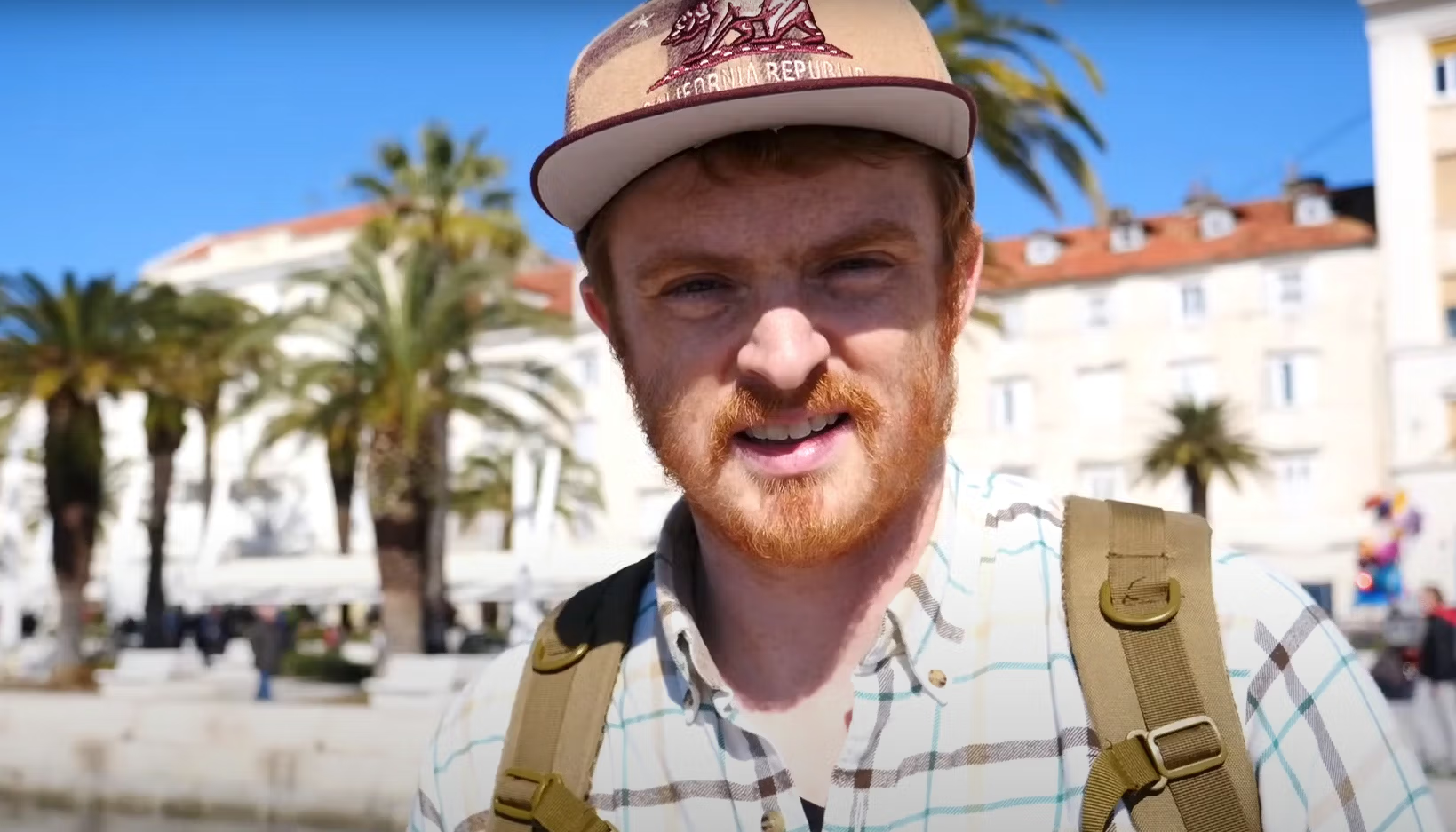
source: Samuel and Audrey YouTube Channel: Hosted by Nomadic Samuel + That Backpacker
If you have a bit more time before hopping on a ferry to one of the islands offshore, drop in on the Cathedral and Bell Tower of St. Domnius, which is the oldest Catholic Church in the world in terms of continuous use.
Blessed and christened well back in the 7th century AD, 1,400 years worth of sermons have been delivered and hymns have been sung within its tony walls, making it a highlight for devout Christians of all stripes.
Those that have a great deal of appreciation for a well-sculpted statue will be pleased by what they find at the Ivan Mestrovic Gallery, which is the home to the life’s work of one of Croatia‘s (and Europe’s) best sculptors. Almost all the pieces on display are by this eminently talented artist, which also includes drawings, furniture and architecture pieces and plans.
Even the building that his works are housed in is quite extravagant, so those that have an appreciation for the fine things in life should make doubly sure that this spot is firmly engraved on their Split itinerary.
Other Attractions in Split
Does nature appeal to you more than high art? If so, be sure to bring a beach towel and a good book to Brela Beach, a striking pebble beach that ranks among the best in all of Europe. This popularity can lead to a less than ideal experience for some at the peak of high season, so if crowds turn you off, consider coming from May to mid-June, and then from September to the end of October to ensure that you have the space you require to have a good experience at Brela Beach. Braving the crowds is well worth it, as the sparkling clear water is among the best in the world.
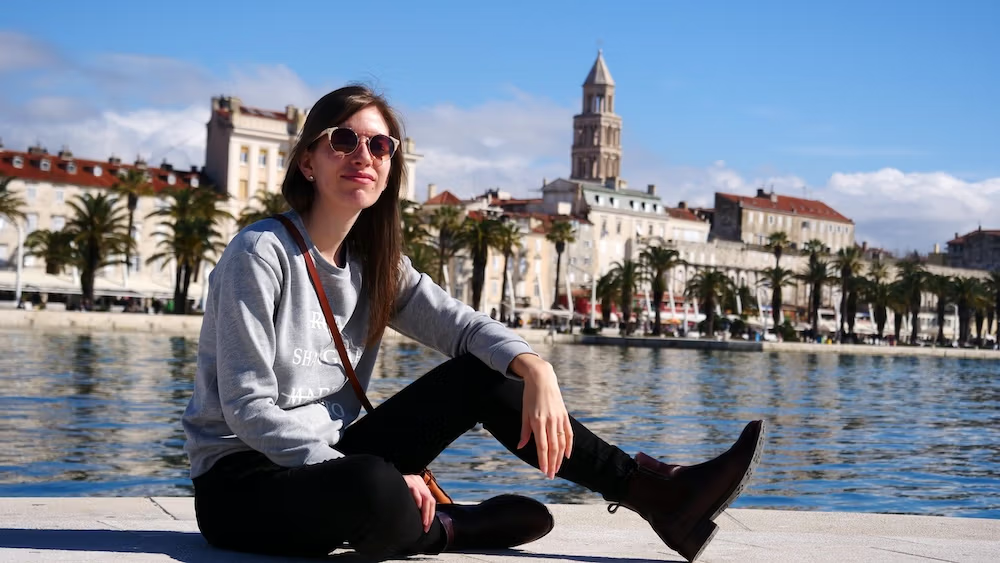
After a productive day of alternately sunning and cooling yourself off at Brela Beach, head down to Riva Harbor, as this is the place where your average Splitian heads to socialize on evenings and weekends.
Being a seaside promenade lined with cafes and bars with outdoor patios, it is the ideal place to watch the sun sink into the horizon with a tall pint of beer, or with a cup of coffee and a side of cake.
If you are on a quick trip to Croatia and you don’t have time to spend a few days on one of the Croatian islands, there are sailing day tours to popular spots like Brac and Hvar, which lie within easy reach of Split.
The latter is home to a town that started as a Roman settlement and later became a key port in the marine-oriented Venetian Empire, while the former is home to the Blaca Monastery and the world famous Zlatni Rat Beach, which is famous for jutting out into the Adriatic Sea like a white spear jutting out into its depths.

Top 20 Things To Do in Split, Croatia For Visitors
Split offers a plethora of experiences that cater to every kind of traveler. Below are the top things you shouldn’t miss when you’re in this enchanting city.
1. Diocletian’s Palace (Dioklecijanova palača)
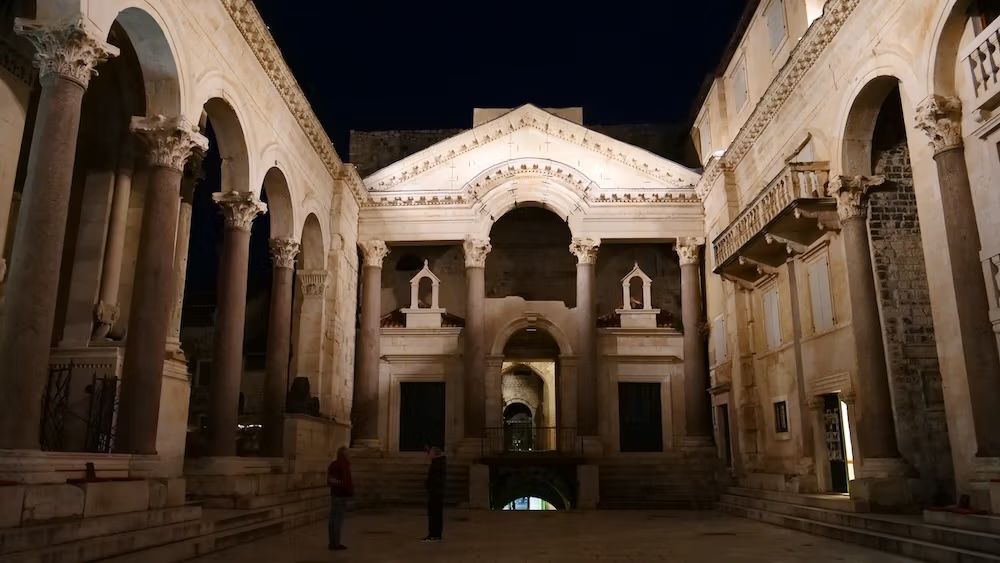
Step into the heart of Split’s history at Diocletian’s Palace, a sprawling fortress that dates back to the 4th century AD. This UNESCO World Heritage site isn’t just ruins; it’s a vibrant part of the city where people live, work, and play. As you wander through its labyrinthine streets, you’ll find ancient Roman architecture blending seamlessly with bustling cafes and shops. The palace’s Peristyle Square is a must-visit, where you can sit on the steps and soak in the atmosphere. Don’t miss the nightly live music performances that add a magical touch to the ancient setting.
- UNESCO World Heritage site that’s the living heart of Split.
- Peristyle Square offers a unique blend of history and modern life.
- Nightly performances make the palace come alive after dark.
Tip: Visit early in the morning to avoid crowds and capture stunning photos in soft light.
2. Bell Tower of the Cathedral of Saint Domnius (Katedrala Svetog Duje)
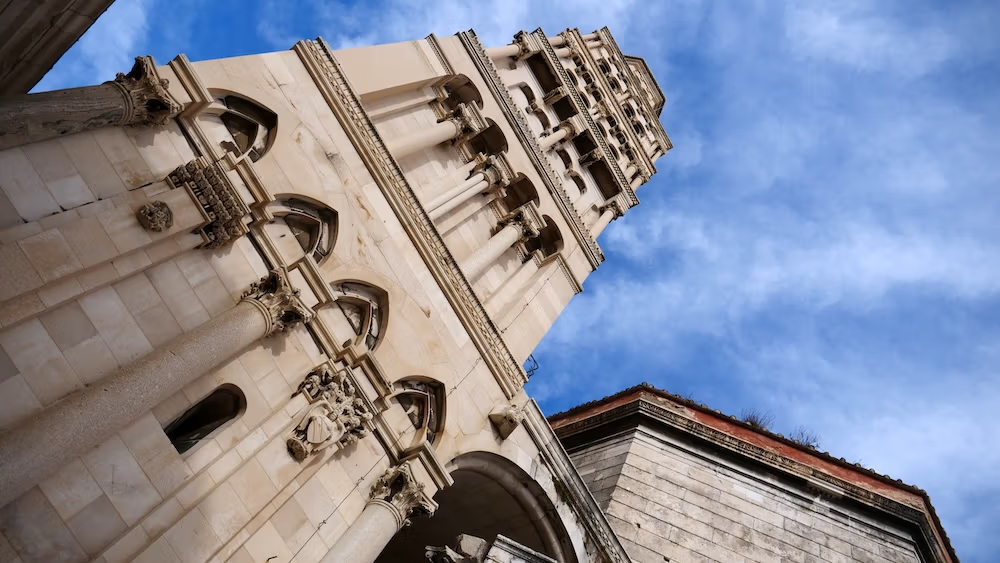
For panoramic views of Split and the Adriatic Sea, climb the Bell Tower of the Cathedral of Saint Domnius. Standing at 57 meters tall, this iconic structure is one of the oldest Catholic cathedrals in the world that’s still in use in its original structure. The ascent is an adventure in itself, with narrow stairways and ancient stone steps. Once at the top, the breathtaking vistas make every step worth it. It’s a photographer’s dream come true.
- Panoramic views of the city and sea from the top.
- Historical significance as one of the oldest cathedrals.
- Adventurous climb adds excitement to your visit.
Tip: Wear comfortable shoes and be prepared for tight spaces during the climb.
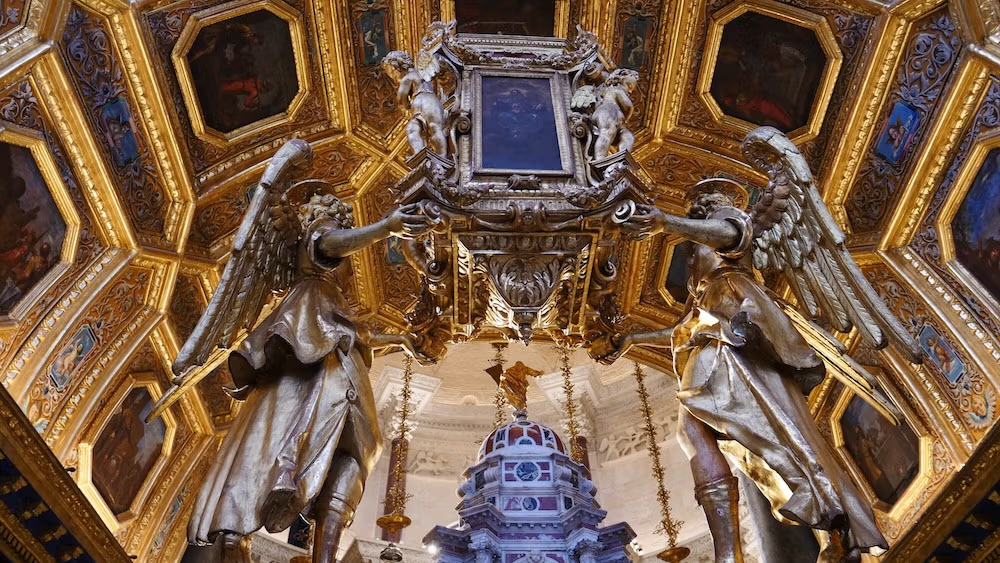
3. Mausoleum of Diocletian
Explore the Mausoleum of Diocletian, which intriguingly now serves as the Cathedral of Saint Domnius. Originally built as the final resting place for Emperor Diocletian, this structure is a masterpiece of ancient architecture. The interior boasts intricate carvings, ornate altars, and stunning artworks. It’s fascinating to see how a mausoleum was transformed into a place of worship. The blend of pagan and Christian symbols tells a story of the city’s evolving religious landscape.
- Architectural marvel with rich historical layers.
- Intricate interior designs that captivate the eye.
- Symbol of cultural transformation from paganism to Christianity.
Tip: Hire a local guide to delve deeper into the mausoleum’s fascinating history.
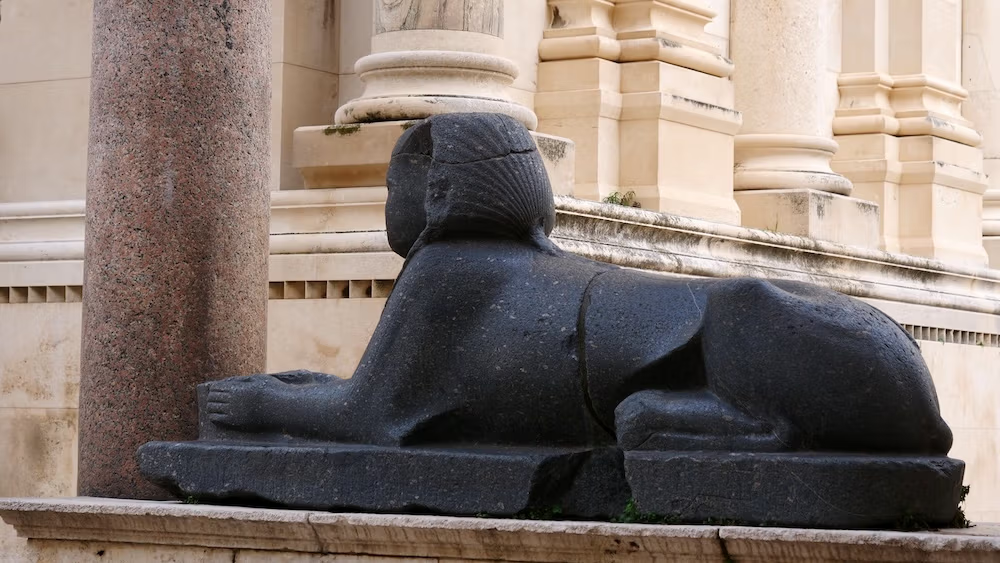
4. Temple of Jupiter (Jupiterov hram)
Tucked away in a narrow alley, the Temple of Jupiter is a small yet significant relic of Roman times. Dedicated to the king of the gods, this temple showcases remarkable Roman masonry. The entrance is guarded by a headless black sphinx imported from Egypt, adding an exotic touch. Inside, the vaulted ceiling features intricate stone carvings that have stood the test of time. It’s a quiet spot that offers a glimpse into ancient religious practices.
- Well-preserved Roman temple in the heart of the city.
- Egyptian sphinx statue adds historical intrigue.
- Intricate carvings adorn the interior ceiling.
Tip: Combine your visit with the nearby baptistery to enrich your historical experience.
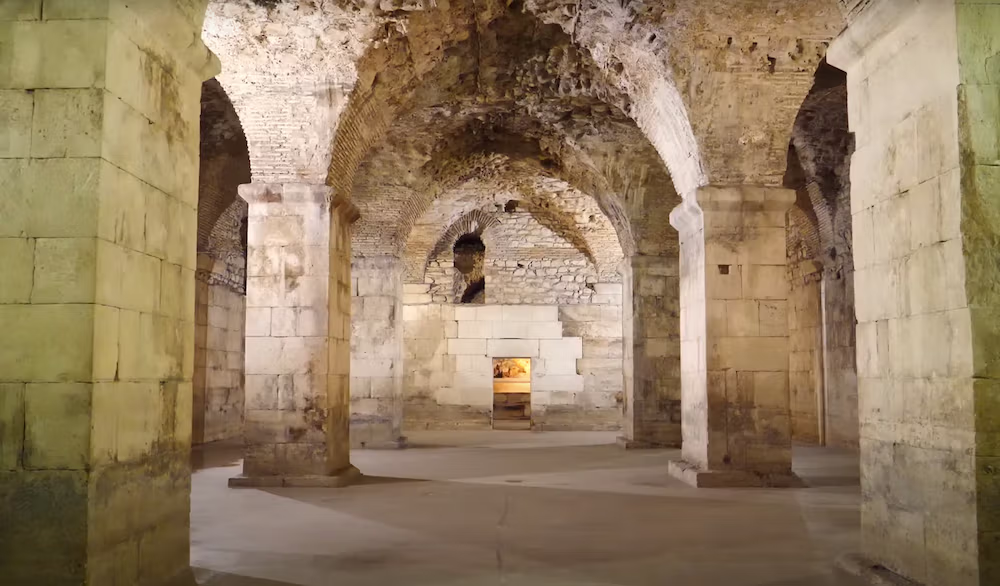
5. The Crypt
Beneath the Cathedral of Saint Domnius lies the Crypt, a hidden gem often overlooked by tourists. This subterranean chamber exudes a mystical atmosphere, with dim lighting and ancient stone walls. Historically used for religious purposes, it now offers a peaceful retreat from the bustling city above. The acoustics are remarkable, making it a unique venue for occasional concerts. It’s a short but memorable detour during your cathedral visit.
- Subterranean chamber with a mystical vibe.
- Historical significance adds depth to your cathedral tour.
- Remarkable acoustics enhance the serene atmosphere.
Tip: Bring a light jacket—the crypt can be surprisingly cool even on hot days.
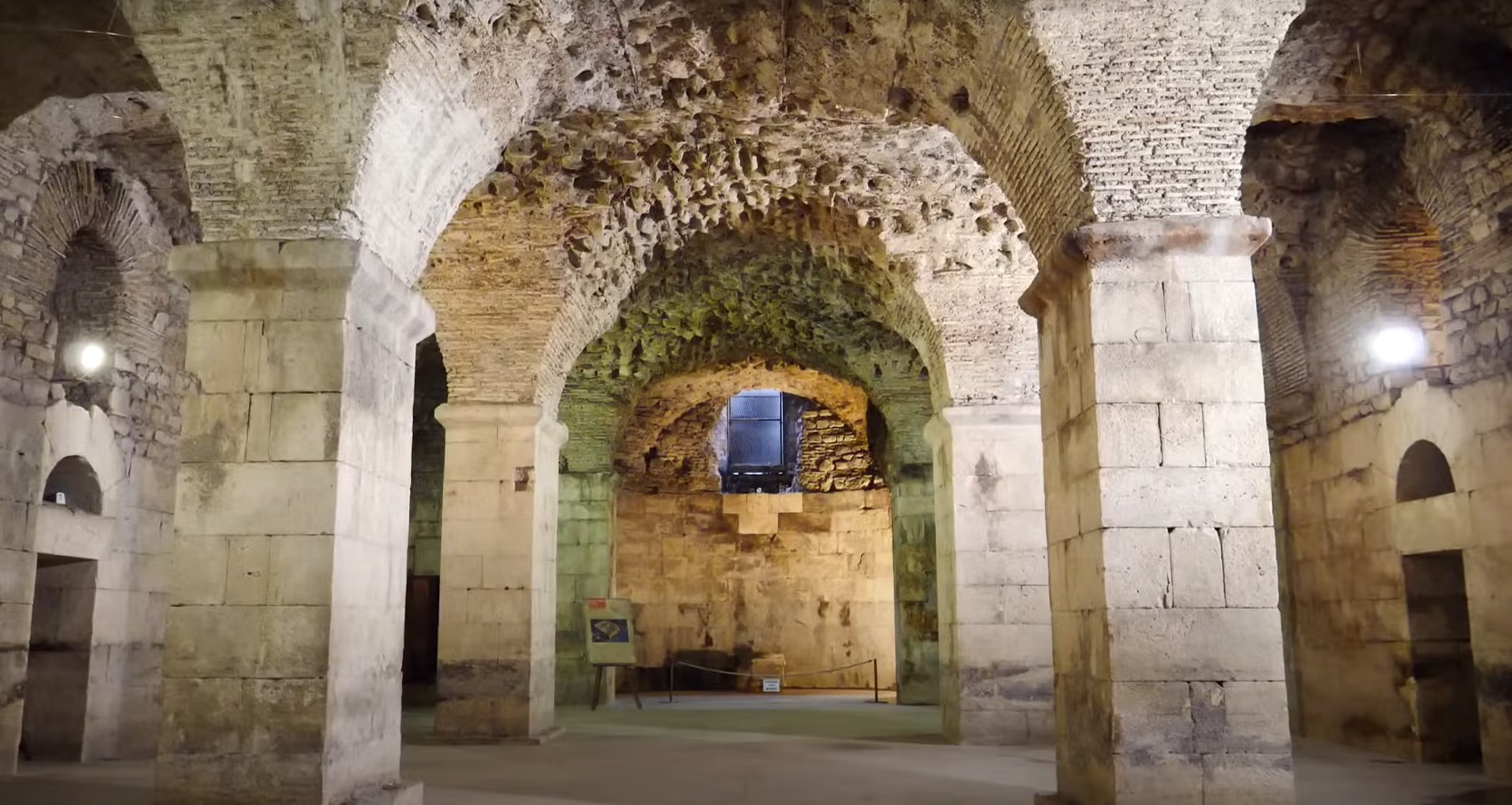
6. Basements of Diocletian’s Palace
Dive into the underground world of the Basements of Diocletian’s Palace, a maze of chambers that once supported the palace above. These well-preserved spaces offer insights into Roman engineering and daily life. The basements have been featured in popular TV shows like “Game of Thrones,” adding a touch of modern pop culture. As you explore, you’ll find exhibits showcasing artifacts and historical information. It’s a fascinating journey beneath the city’s surface.
- Well-preserved underground chambers rich in history.
- “Game of Thrones” filming location for fans of the series.
- Educational exhibits enhance your understanding of Roman life.
Tip: Purchase a combined ticket for the basements and other palace attractions to save money.
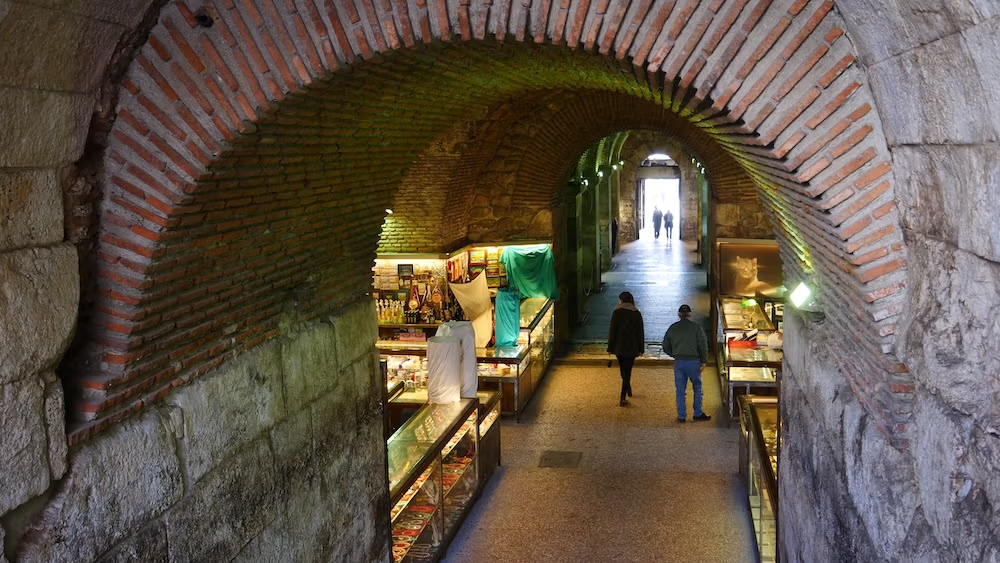
7. Underground Market
Located within the palace’s basements, the Underground Market is a shopper’s paradise. Here, you can find a variety of souvenirs, local crafts, and unique gifts. The vendors are friendly and often willing to share stories about their products. The market’s setting adds an ancient ambiance to your shopping experience. It’s the perfect place to pick up a memento of your trip.
- Wide range of souvenirs including jewelry and artwork.
- Authentic local crafts that support Croatian artisans.
- Historical atmosphere enhances the shopping experience.
Tip: Don’t hesitate to haggle politely; it’s part of the shopping culture here.
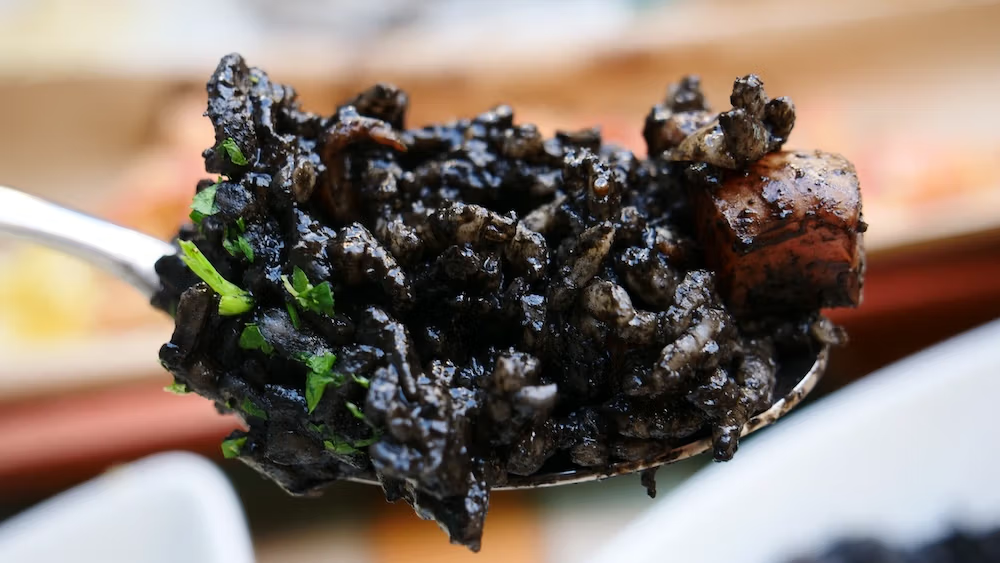
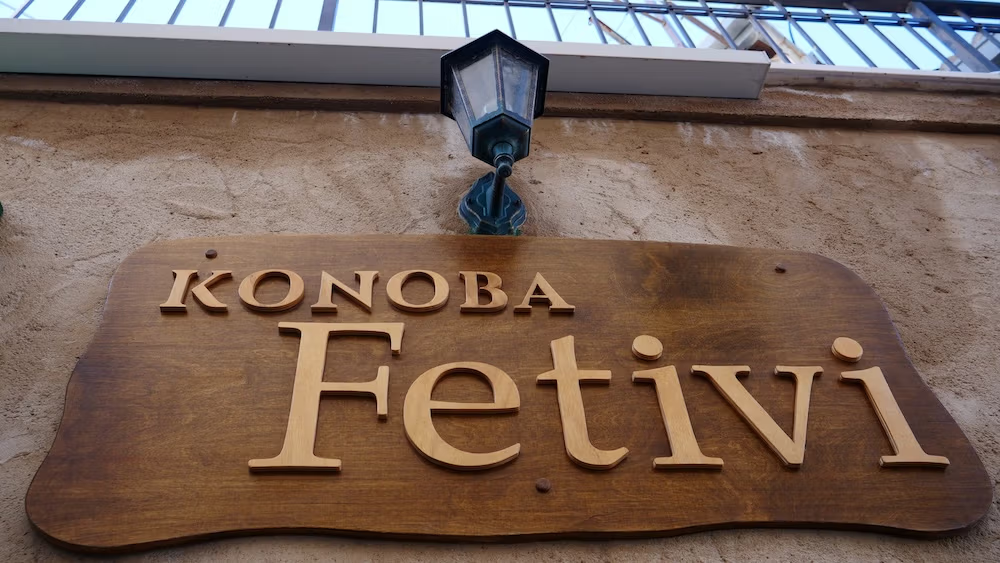
8. Dine at Konoba Fetivi for Seafood
Indulge in the freshest seafood at Konoba Fetivi, a beloved local restaurant. Tucked away in a quaint street, this eatery offers a cozy atmosphere and authentic Dalmatian cuisine. The menu features a variety of seafood dishes, from grilled fish to octopus salad. The chefs use traditional recipes passed down through generations. Pair your meal with a glass of local wine for the ultimate dining experience.
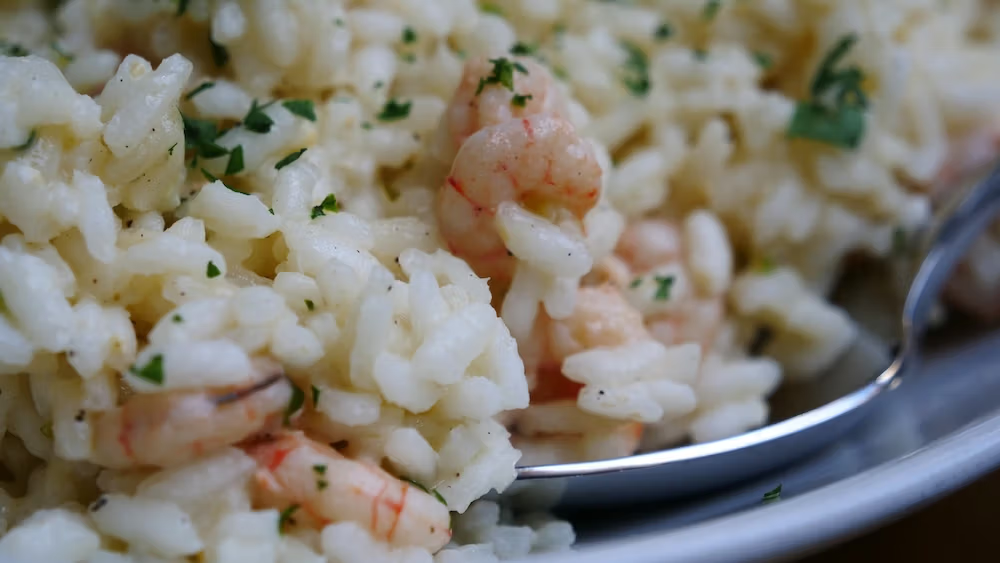
- Authentic Dalmatian seafood prepared traditionally.
- Cozy atmosphere that makes you feel at home.
- Friendly staff eager to recommend dishes and wines.
Tip: Make a reservation in advance—this popular spot fills up quickly, especially during peak season.
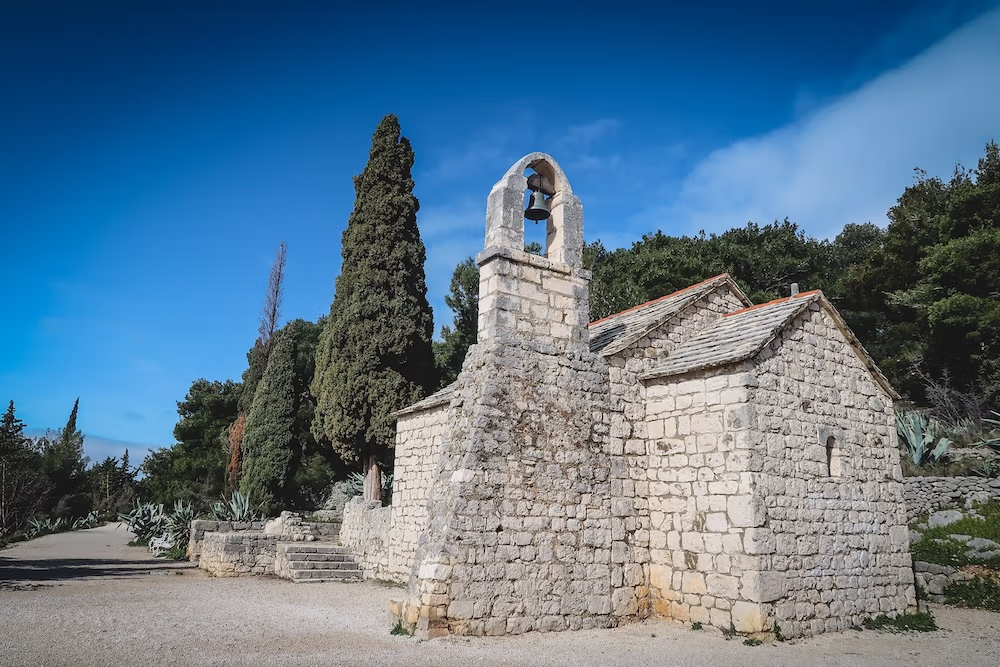
9. Marjan Hill
For nature lovers, a hike up Marjan Hill is a must. This lush green park offers trails that wind through pine forests, leading to breathtaking viewpoints over Split and the surrounding islands. Along the way, you’ll encounter small chapels and hermitages hidden among the trees. The hill is also a favorite spot for locals to jog, cycle, and relax. It’s the perfect escape from the city’s hustle and bustle.
- Scenic hiking trails suitable for all fitness levels.
- Panoramic viewpoints offer stunning photo opportunities.
- Historical sites like chapels add cultural interest.
Tip: Bring water and snacks, as amenities are limited once you’re on the trails.
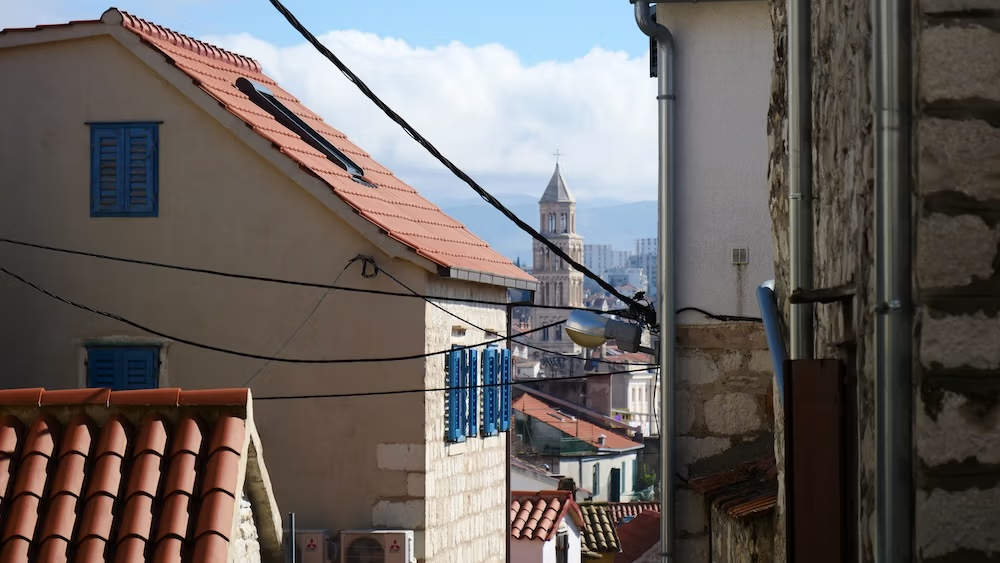
10. Explore Varoš Neighbourhood
Wander through the charming streets of the Varoš Neighbourhood, one of Split’s oldest districts. Known for its narrow lanes and stone houses with red-tiled roofs, Varoš exudes old-world charm. The area is rich in history, originally inhabited by farmers and fishermen. Today, it’s a peaceful residential area with hidden cafes and artisan shops. Exploring Varoš feels like stepping back in time.
- Historic architecture showcasing traditional Dalmatian style.
- Quiet streets perfect for leisurely walks.
- Local cafes and shops offer authentic experiences.
Tip: Visit in the late afternoon to catch the golden hour light on the stone buildings.
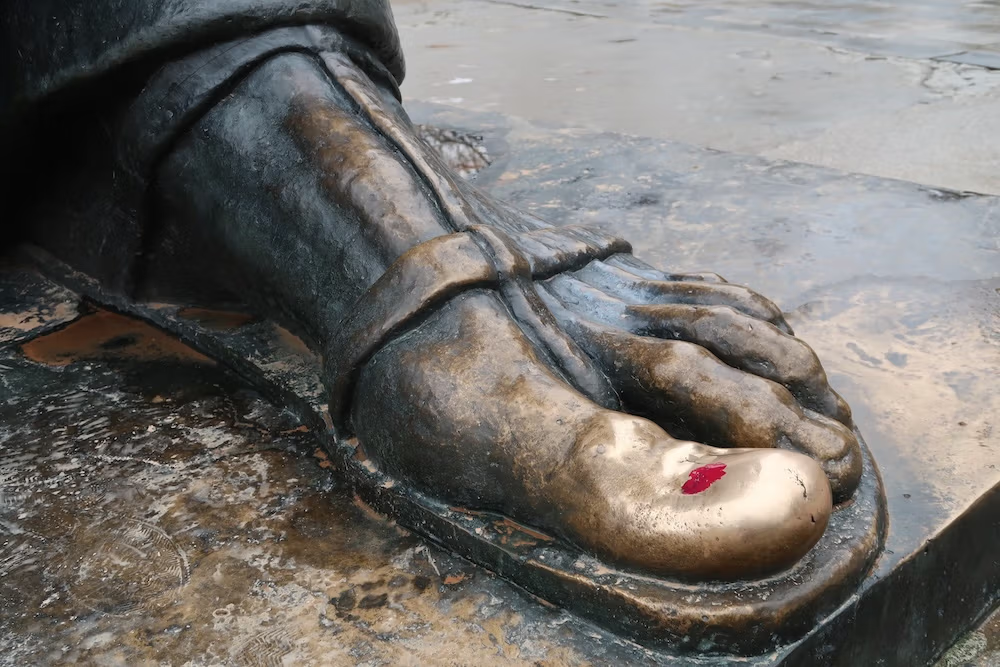
11. Grgur Ninski Statue
Located near the Golden Gate of Diocletian’s Palace, the towering statue of Grgur Ninski is hard to miss. Created by renowned Croatian sculptor Ivan Meštrović, it depicts Bishop Gregory of Nin, a medieval Croatian bishop who opposed the Pope and introduced the Croatian language in religious services. Rubbing the statue’s big toe is said to bring good luck. It’s a fun tradition that both locals and tourists enjoy.
- Impressive sculpture by a famous Croatian artist.
- Historical significance in promoting the Croatian language.
- Good luck tradition of rubbing the statue’s toe.
Tip: Bring hand sanitizer if you’re superstitious and plan to partake in the toe-rubbing ritual!
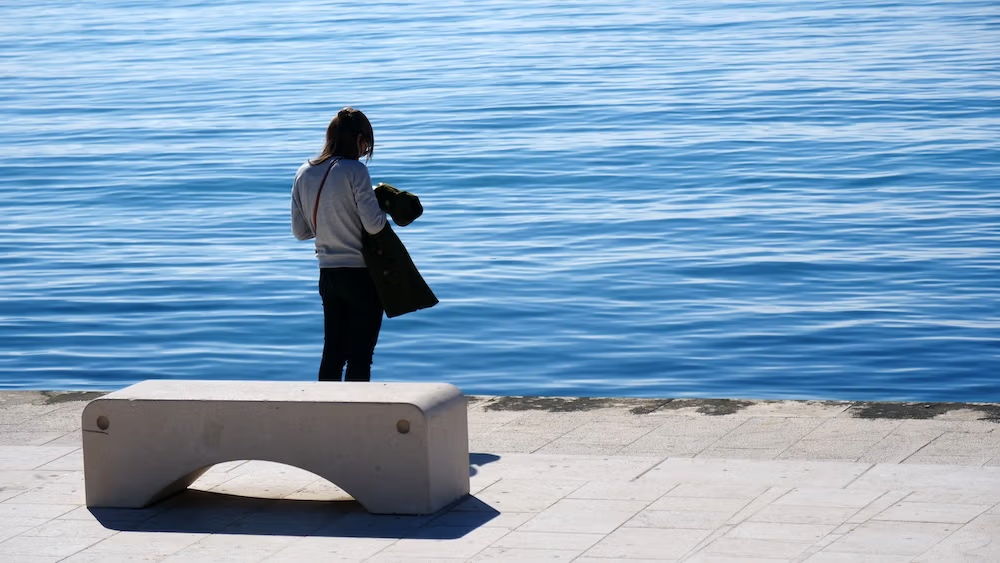
12. Stroll Along the Riva Promenade
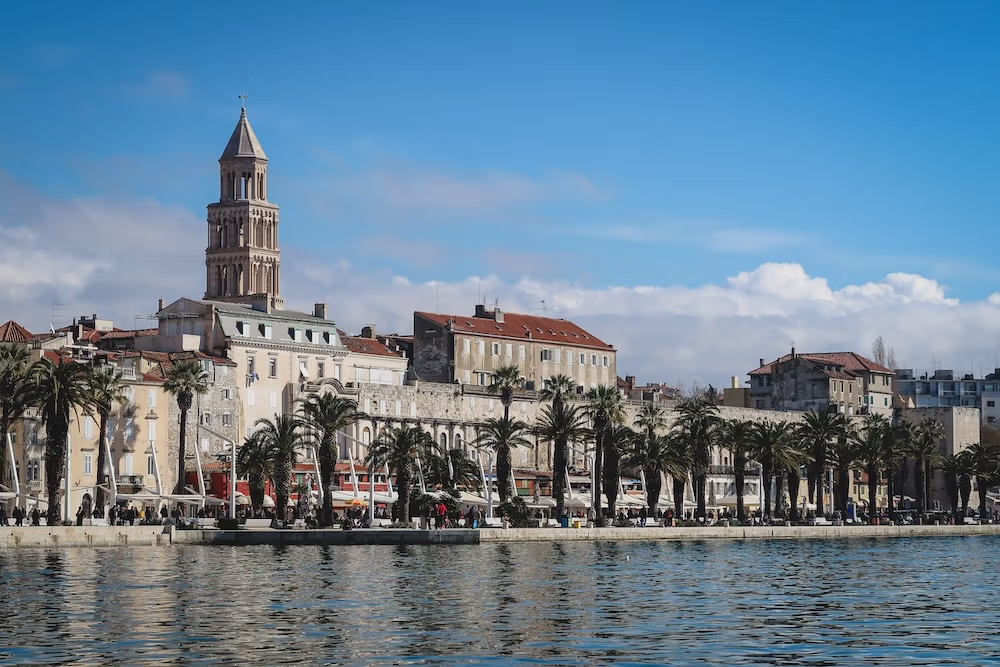
Experience the vibrant life of Split on the Riva Promenade, the city’s bustling waterfront walkway. Lined with palm trees, cafes, and benches, it’s the perfect place to relax and people-watch. The promenade offers stunning views of the harbor and is especially lively in the evenings. Street performers and local vendors add to the festive atmosphere. It’s the beating heart of the city’s social scene.
- Scenic waterfront views perfect for photography.
- Numerous cafes and bars to enjoy local drinks.
- Lively atmosphere with entertainment and events.
Tip: Try a scoop of gelato from a local vendor while you stroll—it’s a local favorite.
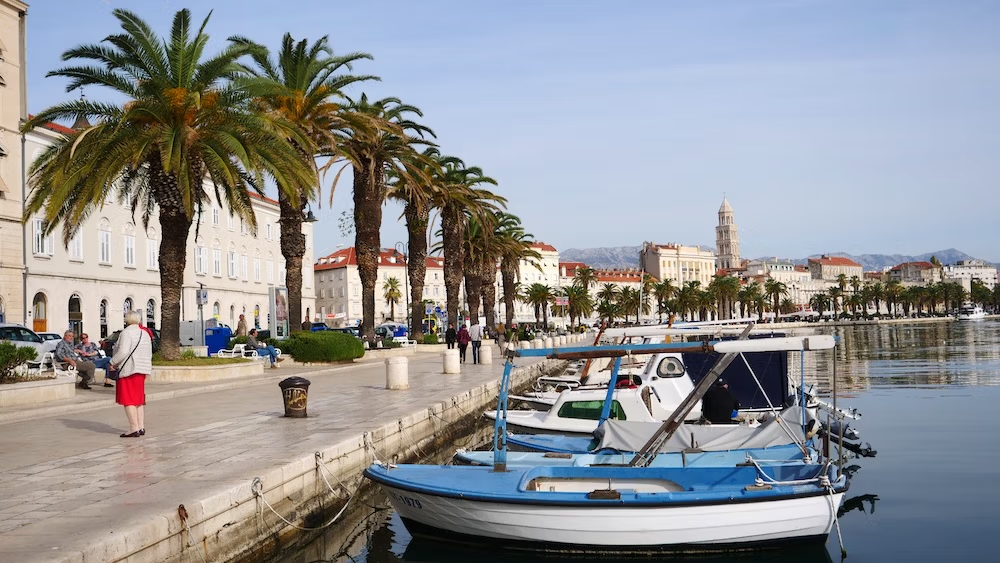
13. Visit the Harbour
The Harbour of Split is more than just a transportation hub; it’s a picturesque area that offers beautiful views of the sea and anchored boats. Stroll along the docks to admire luxury yachts and traditional fishing boats. The harbor is also the departure point for ferries to nearby islands, making it a gateway to further adventures. Sunsets here are particularly breathtaking.
- Watch boats and ferries come and go in a bustling setting.
- Scenic backdrop for photos, especially at sunset.
- Gateway to island excursions like Hvar and Brač.
Tip: Check the ferry schedules in advance if you’re planning a day trip to the islands.
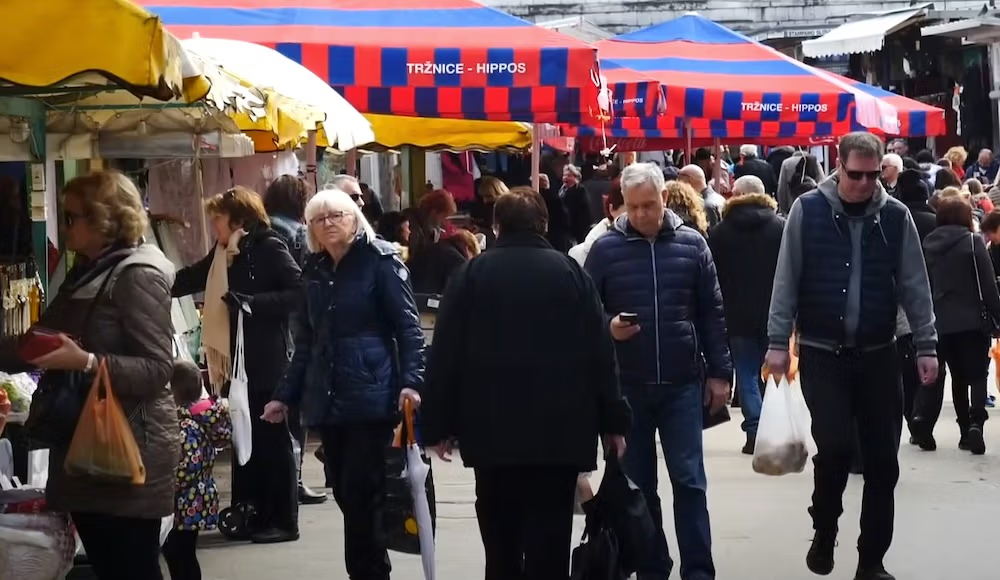
14. Explore the Green Market
Immerse yourself in local culture at the Green Market, known locally as Pazar. Located just outside the Silver Gate of Diocletian’s Palace, this open-air market is brimming with fresh produce, cheeses, meats, and flowers. Vendors enthusiastically display their goods, creating a lively atmosphere. It’s the perfect place to pick up fresh ingredients or simply enjoy the hustle and bustle.
- Fresh local produce offering a taste of Dalmatian flavors.
- Vibrant atmosphere that engages all your senses.
- Opportunity to interact with friendly local vendors.
Tip: Bring cash, as most vendors do not accept credit cards, and early mornings offer the best selection.
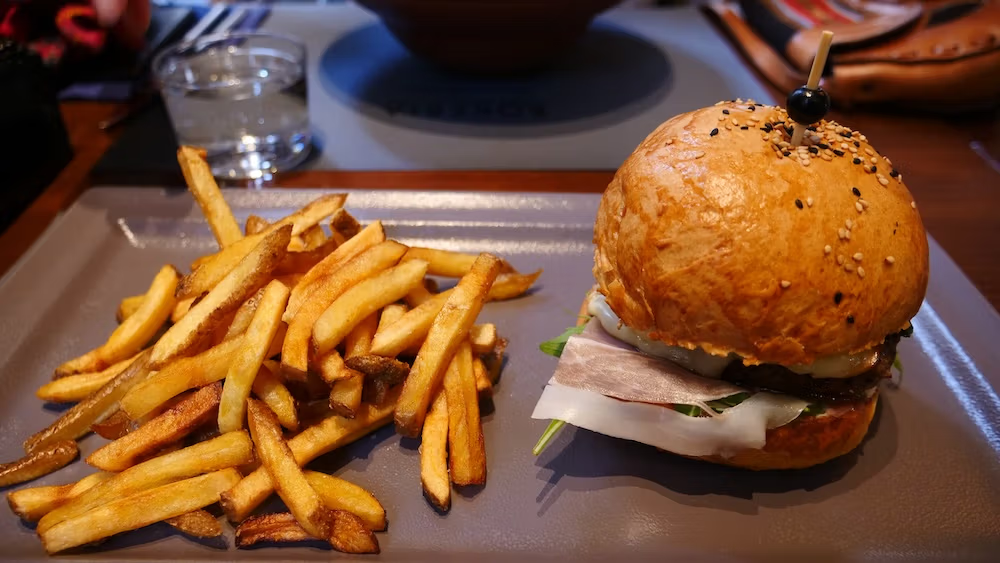
15. Savor Truffle Mayo Burgers at Bokeria Kitchen & Wine Bar
Treat your taste buds at Bokeria Kitchen & Wine Bar, a modern restaurant inspired by Barcelona’s famous La Boqueria market. One of their standout dishes is the truffle mayo burger—a gourmet twist on a classic favorite. The stylish interior and extensive wine list make it a great spot for both lunch and dinner. It’s a culinary experience that combines international flair with local ingredients.
- Delicious gourmet burgers featuring truffle mayo.
- Chic ambiance perfect for a relaxed meal.
- Wide selection of local wines to complement your food.
Tip: Make sure to book a table in advance, especially on weekends, to avoid disappointment.
source: That Backpacker & Nomadic Samuel on Samuel and Audrey YT channel
What To Eat and Drink in Split, Croatia
When in Split, your taste buds are in for a treat. Croatian cuisine is a delightful blend of Mediterranean flavors and local traditions. From fresh seafood caught daily to robust wines produced in nearby vineyards, there’s something to satisfy every palate. The city’s culinary scene is vibrant and diverse, reflecting its rich history and coastal location. Let’s dive into some must-try dishes and drinks that capture the essence of Split.
source: That Backpacker teaming up with Nomadic Samuel on Samuel and Audrey channel on YouTube
1. Seafood Delights: Fresh from the Adriatic
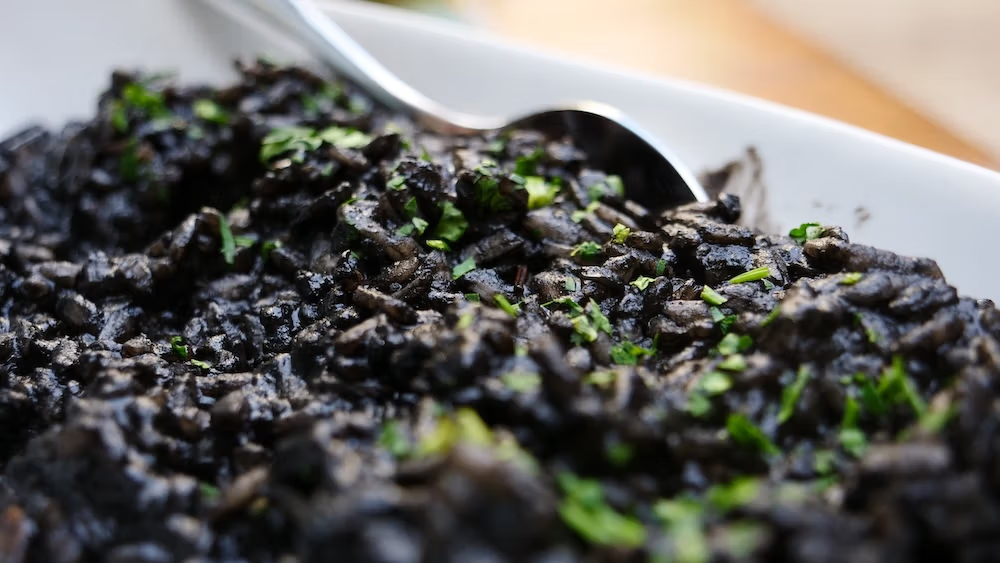
Seafood in Split is as fresh as it gets, often going from the fishing boats to your plate within hours. Grilled fish, octopus salad, and black risotto (made with cuttlefish ink) are local favorites. The simplicity of the preparations lets the natural flavors shine, usually seasoned with olive oil, garlic, and herbs. Dining by the sea enhances the experience, with many restaurants offering stunning waterfront views. Don’t miss trying “Gradele,” a traditional method of grilling fish over an open flame.
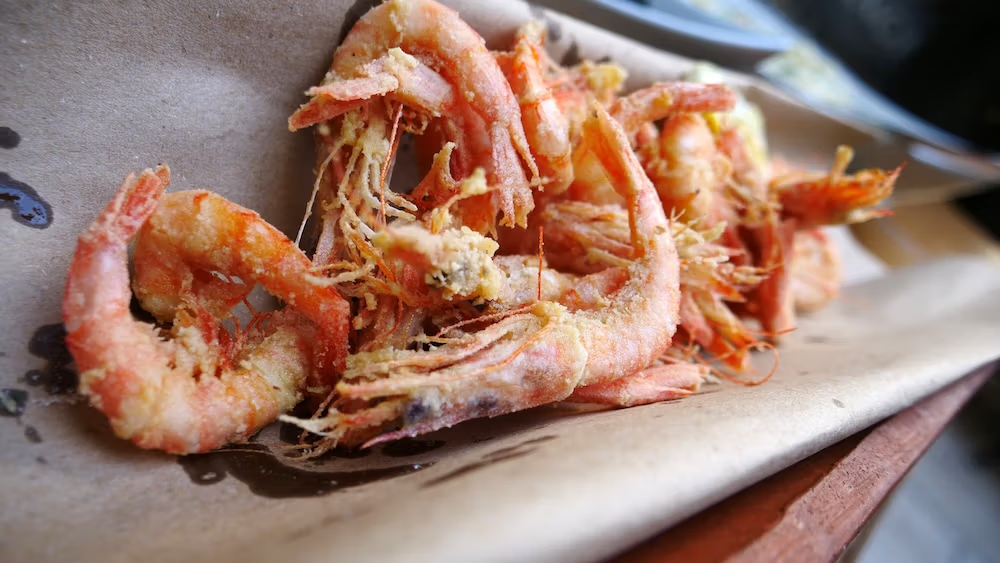
- Grilled fish seasoned with local herbs and olive oil.
- Octopus salad mixed with potatoes, onions, and parsley.
- Black risotto rich in flavor and unique in appearance.
Tip: Visit the local fish market early in the morning to see the day’s fresh catch before it hits the restaurants.
2. Pašticada: The Dalmatian Beef Stew
Pašticada is a slow-cooked beef dish that’s a staple of Dalmatian cuisine. The meat is marinated overnight in vinegar and spices, then cooked with prunes, wine, and vegetables. This results in tender beef drenched in a rich, sweet-and-sour sauce. Usually served with homemade gnocchi or pasta, it’s a hearty meal that warms the soul. It’s considered a celebratory dish, often served at weddings and festivals.
- Marinated beef that’s tender and flavorful.
- Rich sauce combining sweet and savory elements.
- Served with gnocchi to soak up the delicious sauce.
Tip: For an authentic experience, dine at family-run konobas (traditional taverns) where recipes have been passed down through generations.

3. Sip on Croatian Wines and Rakija
Croatia boasts a wine-making tradition that dates back centuries. Try local varieties like Plavac Mali (red) and Pošip (white), which are indigenous to the Dalmatian region. These wines pair perfectly with the local cuisine, enhancing the flavors of each dish. Additionally, Rakija—a strong fruit brandy—is a popular spirit often offered as a welcome drink. Flavors range from plum (šljivovica) to herbal blends, each with its unique kick. Sampling these beverages is a delightful way to immerse yourself in local culture.
- Plavac Mali wine with robust, full-bodied notes.
- Pošip wine offering crisp and refreshing flavors.
- Rakija brandy available in various fruit and herbal infusions.
Tip: Join a wine-tasting tour to explore vineyards around Split and learn about Croatian winemaking traditions.
4. Indulge in Fritule: Sweet Croatian Donuts
For those with a sweet tooth, Fritule are small, deep-fried pastries similar to donuts. They’re made from a simple dough flavored with rum and citrus zest, then dusted with powdered sugar. Sometimes raisins or apple pieces are added for extra flavor. These bite-sized treats are especially popular during holidays but are available year-round. Perfect for a quick snack while exploring the city.
- Light and fluffy pastries that melt in your mouth.
- Flavored with rum and hints of lemon or orange zest.
- Topped with sugar or drizzled with chocolate.
Tip: Enjoy Fritule with a cup of Croatian coffee for a true local snack experience.
5. Sample Local Cheeses and Olive Oil
Dalmatian cheeses, like Paški sir made from sheep’s milk, are renowned for their distinct flavors. Pair these with freshly baked bread and local olive oil for a simple yet satisfying meal. The region’s olive oil is high-quality, often produced by small, family-owned groves. Tasting these local products offers insight into the area’s agricultural traditions. It’s a must-try for any food enthusiast.
- Paški sir cheese with a rich, tangy taste.
- Artisanal olive oils boasting fruity and peppery notes.
- Freshly baked bread from local bakeries.
Tip: Visit a local farmers’ market to purchase cheeses and oils directly from producers for the freshest quality.
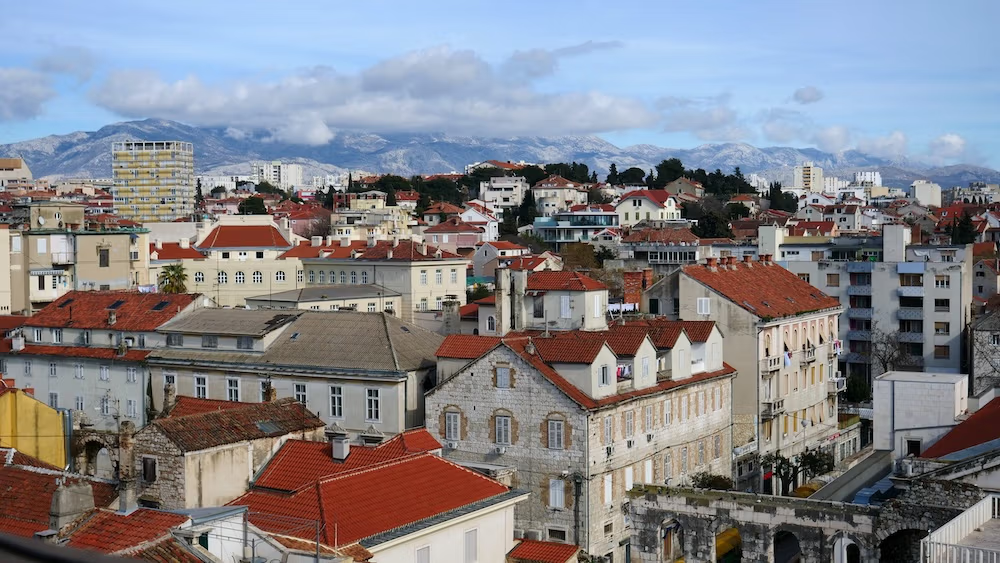
Tours For Visitors To Split, Croatia
Exploring Split is a journey through time and nature. From ancient palaces to crystal-clear waters, there’s a tour for every kind of traveler. Whether you’re a history buff, an adrenaline junkie, or someone who loves to soak up the sun, Split has got you covered. Organized tours make it easy to experience the best of what this coastal city and its surroundings have to offer. Let’s dive into some of the top tours that will make your visit unforgettable.
1. Historical Walking Tour of Diocletian’s Palace
Step back in time with a guided walking tour of Diocletian’s Palace, the heart of Split’s old town. Expert guides bring history to life, sharing fascinating stories about the Roman emperor Diocletian and the palace’s transformation over centuries. You’ll wander through narrow streets, hidden courtyards, and ancient cellars. The tour often includes visits to the Cathedral of Saint Domnius and the Temple of Jupiter. It’s a must-do for anyone interested in history and architecture.
- Expert guides provide in-depth historical context.
- Explore hidden gems within the palace complex.
- Learn about the blend of Roman and medieval architecture.
Tip: Book a tour in the early morning or late afternoon to avoid the midday crowds and heat.
2. Island Hopping Tour: Hvar, Brač, and the Blue Cave
Experience the magic of the Adriatic Sea with an island-hopping tour. These full-day excursions take you to some of the most stunning islands near Split. You’ll visit Hvar, known for its vibrant nightlife and historic sites, and Brač, famous for the Golden Horn beach. A highlight is the Blue Cave on Biševo Island, where sunlight creates mesmerizing blue hues inside the cave. It’s an adventure that combines natural beauty with cultural exploration.
- Visit multiple islands in one day without the hassle of planning.
- Swim and snorkel in crystal-clear waters.
- Enjoy free time to explore each island at your own pace.
Tip: Don’t forget your swimsuit, sunscreen, and a camera to capture the breathtaking scenery.
3. Marjan Hill Bike Tour
For those who love the outdoors, a bike tour of Marjan Hill offers both exercise and panoramic views. The tour guides you through pine forests and along coastal paths, with stops at historical sites like medieval churches and ancient quarries. Suitable for various fitness levels, it’s a fun way to see parts of Split that are off the typical tourist trail. You’ll get to breathe fresh air and enjoy stunning vistas of the city and sea.
- Bike and helmet provided, so no need to bring your own.
- Learn about local flora and fauna from knowledgeable guides.
- Multiple photo stops to capture the beauty of Split from above.
Tip: Wear comfortable clothing and closed-toe shoes for a safe and enjoyable ride.
4. Culinary Tour: Taste of Dalmatia
Indulge in the flavors of Split with a culinary walking tour. You’ll visit local markets, family-owned eateries, and traditional taverns. Taste Dalmatian prosciutto, artisan cheeses, olive oils, and, of course, Croatian wines. Guides share insights into the region’s food culture and traditions. It’s a delicious way to immerse yourself in the local lifestyle.
- Sample a variety of local dishes and ingredients.
- Meet local producers and learn about their crafts.
- Discover hidden gastronomic spots favored by residents.
Tip: Come hungry and be prepared to try new flavors—you won’t leave this tour on an empty stomach!
5. Zipline Adventure in the Cetina Canyon
For an adrenaline rush, take a zipline tour over the breathtaking Cetina Canyon. Located just outside Split, the canyon offers a stunning backdrop for this thrilling experience. You’ll glide over the canyon on multiple ziplines, some stretching over 700 meters. Safety is a top priority, with professional instructors guiding you every step of the way. It’s an exhilarating way to see Croatia’s natural beauty from a unique perspective.
- Eight ziplines offering different speeds and lengths.
- Professional equipment and instruction provided.
- Opportunity to hike and explore the canyon floor after zipping.
Tip: Wear athletic clothing and secure shoes, and don’t forget a small backpack for personal items.
Split Accommodations Guide: Hotels, Guesthouses and Hostels
From waking up to stunning sea views to immersing yourself in the heart of the old town, your choice of stay can be as exciting as the city itself. Let’s explore some of the best accommodation types Split has to offer.
Hotels: Luxury and Comfort by the Sea
Split boasts a range of hotels that combine modern amenities with the charm of the Mediterranean. Many are located along the coastline, offering breathtaking views of the Adriatic Sea. These establishments often feature rooftop terraces, spas, and fine dining restaurants that highlight local cuisine. Staying in a hotel provides a hassle-free experience with services like room service, concierge assistance, and daily housekeeping. It’s an excellent choice if you’re looking to relax in comfort after a day of exploring.
- Prime locations near major attractions and the beach.
- Full-service amenities including pools, spas, and fitness centers.
- On-site dining options featuring Dalmatian and international cuisine.
Tip: Book a room with a balcony to enjoy sunset views over the Adriatic right from your room.
Guesthouses: A Home Away From Home
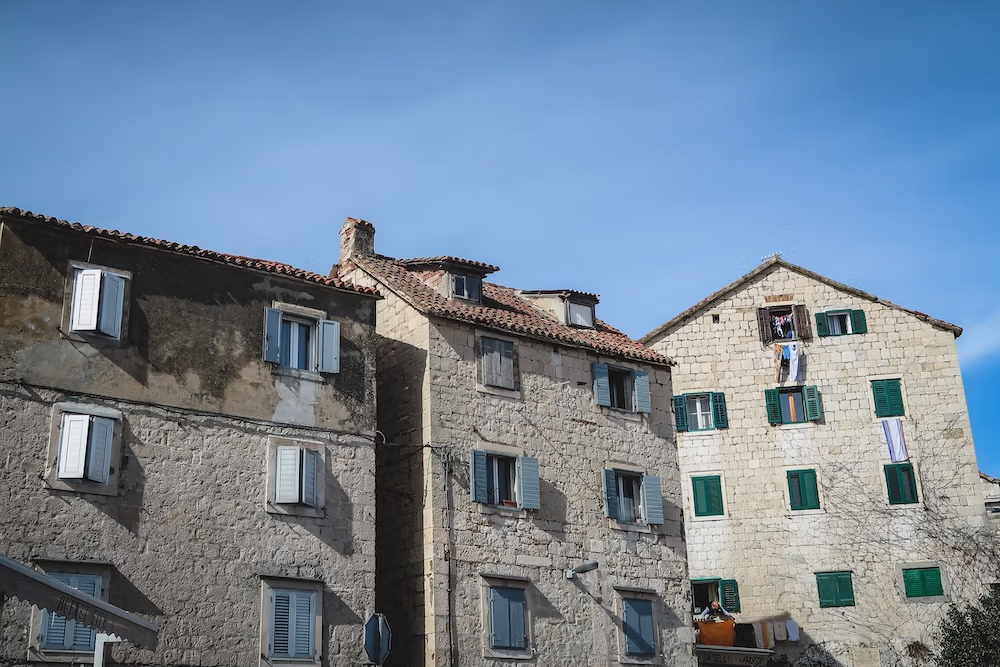
For a more intimate experience, consider staying in one of Split’s charming guesthouses. Often family-run, these accommodations offer a personal touch and a glimpse into local life. Guesthouses are typically situated in historic buildings, some even within Diocletian’s Palace walls. The rooms are cozy and uniquely decorated, reflecting the character of the city. You’ll often find the hosts eager to share insider tips and stories, making your stay even more memorable.
- Personalized service with hosts who offer local insights.
- Unique rooms that blend traditional and modern elements.
- Centrally located in quaint neighborhoods with easy access to attractions.
Tip: Engage with your hosts—they can recommend hidden gems that aren’t in the guidebooks.
Hostels: Budget-Friendly and Social
Travelers on a budget will find Split’s hostels both affordable and vibrant. Hostels provide a social atmosphere, perfect for meeting fellow travelers. Many offer communal spaces like kitchens, lounges, and even organized activities or tours. Despite the lower cost, you’ll still find clean accommodations and helpful staff. It’s an ideal option if you’re looking to save money and make new friends along the way.
- Wallet-friendly rates that free up your budget for activities.
- Social environment with common areas to interact with other guests.
- Convenient locations often in the heart of the city or near public transport.
Tip: Check if the hostel offers secure lockers for your belongings to ensure peace of mind during your stay.
source: Samuel and Audrey YouTube channel: Nomadic Samuel + Audrey Bergner of That Backpacker
Day Trips From Split, Croatia
Let’s delve into some of the best day trips you can take from Split.
1. Explore the Beauty of Krka National Park
Just a short drive from Split lies Krka National Park, famous for its cascading waterfalls and lush greenery. The park offers a network of wooden walkways that meander over crystal-clear waters, giving you an up-close look at the natural beauty. One of the highlights is Skradinski Buk, a massive natural pool with high waterfalls at one end and cascades at the other. You can even take a refreshing swim in designated areas, making it a perfect spot to cool off. Don’t forget to visit the small island of Visovac, home to a Franciscan monastery nestled amidst the lake.
- Stunning waterfalls like Skradinski Buk and Roški Slap.
- Swim in natural pools surrounded by untouched nature.
- Boat tours that offer unique perspectives of the park.
Tip: Arrive early to beat the crowds and enjoy the park’s tranquility.
2. Island Hopping to Hvar and Pakleni Islands
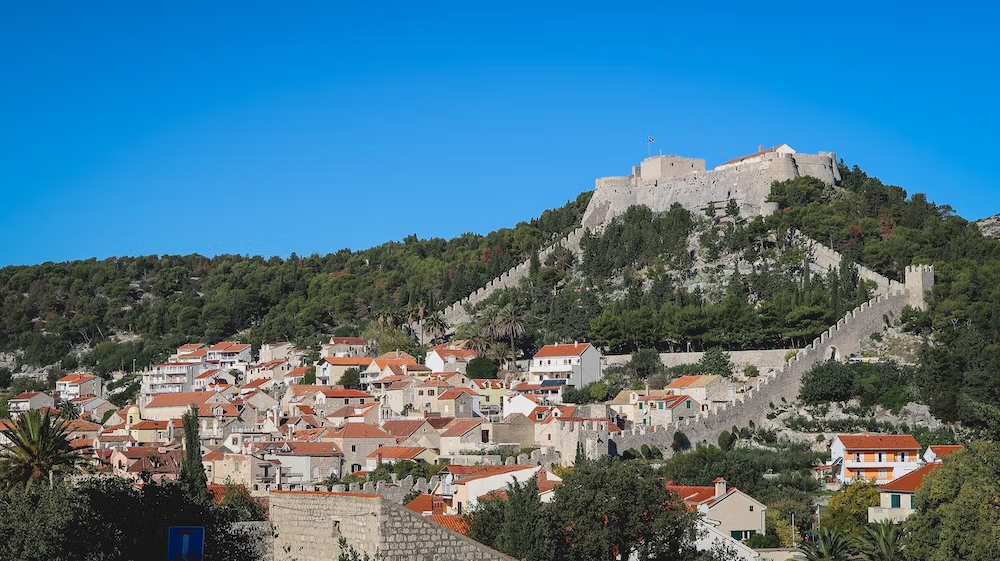
Set sail from Split to the sun-soaked island of Hvar, known for its lavender fields, historic forts, and vibrant nightlife. Stroll through the charming streets of Hvar Town, visit the Fortica Fortress for panoramic views, and enjoy lunch at one of the seaside restaurants. From Hvar, hop over to the nearby Pakleni Islands, a chain of wooded isles surrounded by crystal-clear waters ideal for swimming and snorkeling. It’s a day filled with relaxation and exploration on the Adriatic Sea.
- Historic sites like Fortica Fortress and St. Stephen’s Cathedral.
- Beautiful beaches and secluded coves on Pakleni Islands.
- Water activities including snorkeling and paddleboarding.
Tip: Pack sunscreen and a hat—the sun can be intense out on the water.
3. Discover the Charm of Trogir
Just 30 minutes from Split, Trogir is a UNESCO World Heritage site that’s brimming with medieval charm. The town is situated on a small island connected to the mainland by bridges, making it easily accessible. Wander through narrow cobblestone streets, explore the Cathedral of St. Lawrence with its magnificent portal, and enjoy the relaxed atmosphere of this historic gem. The waterfront promenade is lined with cafes and restaurants, perfect for a leisurely meal while watching boats drift by.
- Rich history evident in well-preserved architecture.
- Art and culture with numerous galleries and museums.
- Scenic views from the Kamerlengo Fortress.
Tip: Visit in the late afternoon to catch the sunset and enjoy dinner by the sea.
4. Adventure to the Blue Cave and Vis Island
Embark on a speedboat tour to witness the ethereal beauty of the Blue Cave on Biševo Island. The cave glows with an otherworldly blue light, created by sunlight reflecting through the water and illuminating the interior. After the Blue Cave, head to Vis Island, one of the most remote and intriguing Croatian islands. Here, you can explore hidden beaches, enjoy authentic local cuisine, and even visit the quaint fishing village of Komiža. It’s a day filled with natural wonders and island charm.
- Spectacular Blue Cave experience that’s truly unique.
- Authentic island life on Vis with less tourist traffic.
- Opportunities for swimming and snorkeling in pristine waters.
Tip: The Blue Cave visit depends on weather conditions; check ahead to ensure tours are running.
source: Samuel and Audrey channel on YouTube: Nomadic Samuel and That Backpacker present
Split Transportation Guide
This guide will help you understand the various modes of transportation available in Split, so you can make the most of your visit. From walking the charming streets to hopping on a ferry, let’s explore how to get around this beautiful Croatian city.
Getting Around on Foot
One of the best ways to experience Split is on foot. The city’s historic center, including Diocletian’s Palace and the Riva Promenade, is compact and pedestrian-friendly. Walking allows you to soak in the atmosphere, discover hidden alleys, and stumble upon local cafes and shops. The old town’s narrow streets are filled with history, and many areas are inaccessible by car. You’ll find that many of Split’s main attractions are within walking distance of each other, making it easy to explore at your own pace.
- Pedestrian-friendly zones make walking safe and enjoyable.
- Discover hidden gems that aren’t accessible by vehicle.
- Enjoy the Mediterranean climate while you stroll through the city.
Tip: Wear comfortable shoes, as some streets are cobblestoned and can be uneven.
source: Samuel and Audrey YouTube Travel Channel: Nomadic Samuel + That Backpacker present
Public Buses: Exploring the City and Beyond
Split’s public bus system is efficient and covers a wide range of destinations within the city and its outskirts. Operated by Promet Split, the buses are reliable and run frequently throughout the day. You can reach popular spots like Marjan Hill, local beaches, and suburban areas easily. Tickets can be purchased from the driver or at kiosks, and multiple-trip passes are available if you plan to use the bus often. It’s an affordable way to navigate the city like a local.
- Extensive network connecting major attractions and neighborhoods.
- Affordable fares make it budget-friendly.
- Frequent schedules ensure minimal waiting times.
Tip: Keep small change handy for purchasing tickets directly from the driver.
Taxis and Ride-Sharing Services
When convenience is key, taxis and ride-sharing services like Uber are readily available in Split. Taxis can be found at designated stands around the city, including near the ferry port and bus stations. While more expensive than public transport, they offer direct routes and comfort, especially if you’re carrying luggage. Ride-sharing apps provide the added benefit of upfront pricing and cashless transactions. This option is great for late-night returns or when you’re short on time.
- Convenient and direct transportation to your destination.
- Available 24/7, providing flexibility.
- Ride-sharing apps offer transparent pricing.
Tip: Confirm the fare with the driver before starting your trip to avoid misunderstandings.
Renting a Bike or Scooter
For a fun and flexible way to get around, consider renting a bike or scooter. Numerous rental shops offer hourly or daily rates, and it’s a popular choice for both locals and tourists. Cycling along the waterfront or through Marjan Park is a delightful experience. Scooters provide the freedom to explore farther destinations like nearby beaches or villages. It’s an eco-friendly and enjoyable way to see more of Split.
- Explore at your own pace without being tied to schedules.
- Access areas that might be too far to walk.
- Enjoy scenic routes and off-the-beaten-path locations.
Tip: Always wear a helmet and follow local traffic laws for a safe journey.
source: Nomadic Samuel + That Backpacker via Samuel and Audrey YouTube channel
Ferries and Boats: Gateway to the Islands
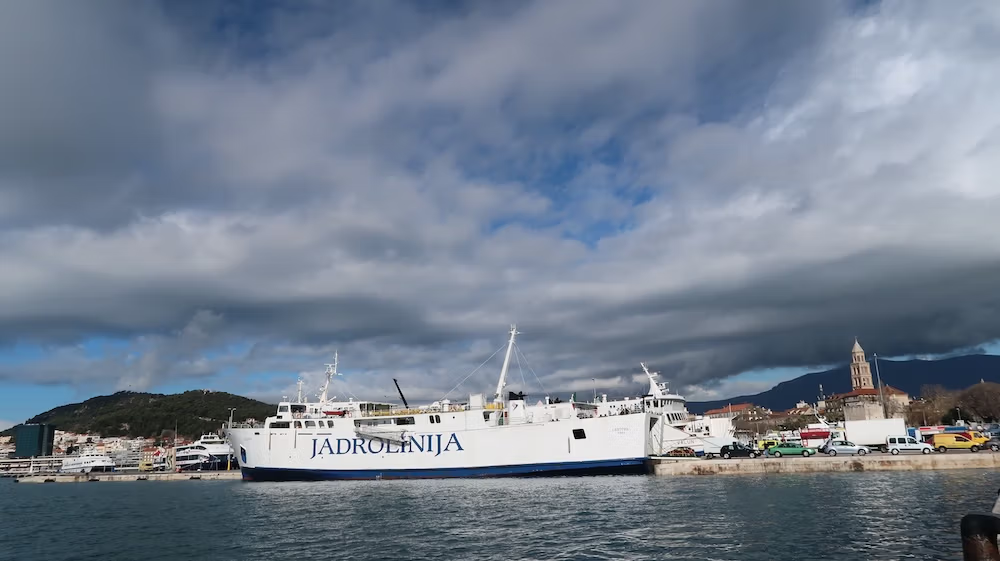
Split’s ferry port is a bustling hub for trips to the surrounding islands. Operators like Jadrolinija offer regular services to popular destinations such as Hvar, Brač, and Vis. Whether you’re planning a day trip or an overnight stay, ferries provide a scenic and practical mode of transport. Speedboats and catamarans are also available for quicker journeys. Island hopping is a quintessential part of the Split experience.
- Regular ferry schedules make planning easy.
- Variety of destinations to suit your travel plans.
- Enjoy panoramic sea views during your voyage.
Tip: Purchase tickets in advance during peak season to secure your spot and avoid long queues.
Renting a Car: Flexibility for Longer Trips
If you’re planning to explore beyond Split, renting a car offers the greatest flexibility. With your own vehicle, you can visit national parks, countryside villages, and coastal towns at your leisure. Car rental agencies are plentiful in Split, including international and local companies. Driving gives you the freedom to create your own itinerary and venture off the typical tourist paths. Just be prepared for narrow roads and local driving customs.
- Ultimate flexibility to go where and when you want.
- Access remote locations not served by public transport.
- Comfortable for group travel with family or friends.
Tip: Check if your accommodation offers parking, as spaces in the city center can be limited.
Using the Train: A Scenic Route
While not as extensive as other modes, the train offers a scenic journey along certain routes. Split’s main train station is conveniently located near the ferry port. Trains connect Split to cities like Zagreb and Šibenik, providing a comfortable ride with picturesque views of the Croatian landscape. It’s a relaxed way to travel longer distances without the stress of driving.
- Comfortable seating and amenities on board.
- Scenic countryside views during your journey.
- Direct connections to major Croatian cities.
Tip: Book your tickets in advance, especially for long-distance travel, to secure the best seats.
Airport Transfers: Getting To and From Split Airport
Split Airport is located about 24 kilometers (15 miles) from the city center, and there are several ways to make this journey. Airport buses operated by Pleso Prijevoz coordinate with flight arrivals and departures, providing a cost-effective option. Taxis and ride-sharing services offer door-to-door convenience but at a higher price. Some hotels may also provide shuttle services for their guests. Planning your airport transfer in advance ensures a smooth start or end to your trip.
- Airport shuttle buses align with flight schedules.
- Direct taxi services for quick and convenient transfers.
- Hotel shuttles may be available for added convenience.
Tip: Allow extra travel time during peak season due to increased traffic on the roads.
Split Travel Guide FAQ: Real-World Questions, Honest Answers & Local-Style Tips
How many days do I really need in Split for a first-time visit?
Honestly, three full days in Split is a really nice sweet spot for a first visit. That gives you time to wander Diocletian’s Palace, climb the bell tower, stroll the Riva, hike Marjan Hill, and squeeze in at least one beach afternoon without feeling rushed.
With just two days, you can still see the highlights, but you’ll be moving at a quicker pace and probably skipping a proper day trip. Four or five days lets you slow down, enjoy lazy coffees, add a day trip like Trogir or Krka, and actually feel the rhythm of the city instead of just ticking off sights.
When is the best time of year to visit Split and avoid the worst crowds?
Generally, late May, June, September and early October are the goldilocks months for Split. The weather is usually warm enough for swimming, cafés spill out on the Riva, and most tours and ferries are running, but you’re not shoulder-to-shoulder in every alley the way you can be in late July and August.
July and August bring peak crowds, peak prices, and some serious heat. If you love a buzzy holiday vibe and don’t mind queues, that can be fun, but it’s not for everyone. From November through March, you’ll get cheaper accommodation and a more local feel, but the sea is cold, some island services wind down, and there’s a higher chance of wind and rain.
Is Split expensive and what kind of daily budget should I plan for?
Roughly, Split sits in the “midrange Mediterranean” camp. It’s not as pricey as places like Venice or Copenhagen, but it’s definitely more expensive than many inland Balkan cities. A frugal backpacker cooking some meals, staying in hostels, and mostly walking or using buses can get by on something like €60–€80 per day.
If you prefer guesthouses or midrange hotels, eating out once or twice a day, doing a couple of paid attractions or tours, and having a few drinks, think more in the €100–€150 per day range. Add more if you want private boat trips, high-end hotels, or lots of restaurant splurges. The big budget killers are island-hopping tours, fancy seafood dinners, and travelling in peak season when prices creep up.
Is Split safe to visit, including at night and for solo travellers?
Yes. Split generally feels very safe, even if you’re walking around the old town in the evening or travelling solo. Violent crime against visitors is rare, and most issues are the usual tourist-city stuff: pickpockets in busy areas, bag snatching if you’re careless, and the occasional over-priced taxi or tour.
The basics go a long way: keep valuables zipped up and in front of you in crowded markets and buses, don’t leave your phone on the table at the very edge of a terrace, and be cautious if anyone is being overly pushy about “great deals”. Around the Riva and Diocletian’s Palace, there are people out late, so it doesn’t feel deserted, but quiet backstreets can feel a bit eerie after midnight—stick to lit, busy routes and you’ll be fine.
What is the best area of Split to stay in for first-time visitors?
For sure, if it’s your first time, staying in or just outside Diocletian’s Palace and the old town makes life very easy. You’ll step out your door into tiny stone alleys, be a short walk from the Riva, and have cafés, bakeries, and restaurants all around you. It’s atmospheric, walkable, and great if you want to nip back to your room for a quick rest between sightseeing.
Varoš, just uphill from the center, is another lovely option if you like traditional stone houses and quieter streets but still want to be close to everything. If beach time is your priority, look at areas like Bačvice or Firule, which put you closer to sandy, shallow water but still within reach of the old town by foot or bus.
Do I need to rent a car in Split or can I rely on public transport and tours?
Usually, no—you don’t need a car for a classic Split trip. The old town is completely walkable, and most of what you’ll do inside Split itself is better on foot anyway. For nearby beaches and suburbs, local buses and taxis cover the gaps, and for the islands or Krka you have boat tours and day trips that take care of the logistics.
Where a car becomes handy is if you want to roam beyond the usual circuit: small inland villages, lesser-known coves, vineyards and viewpoints that aren’t on tour routes. Just remember that driving and parking around the center can be stressful; if your plan is mostly old town + well-known day trips, spend that money on a good tour instead of a rental car.
How do I get from Split Airport to the old town or Riva promenade?
Thankfully, Split Airport is close enough that getting into town is straightforward. The most popular option is the dedicated airport bus, which runs between the terminal and the main bus station near the ferry port; from there it’s a short walk to the Riva and Diocletian’s Palace.
There’s also a regular local bus route that stops on the main road near the airport and continues into Split, which can be a bit slower but cheaper. Taxis and ride-share apps are widely used too and are worth it if you’re arriving late at night, travelling as a small group, or have heavy luggage—just confirm the rough price before you go. In normal traffic you’re looking at roughly 30–40 minutes into town, a bit more in summer rush hours.
Can I find good beaches close to Split without taking a ferry to the islands?
Absolutely. You don’t have to hop on a ferry to feel sand (or pebbles) between your toes. Bačvice Beach is the closest and most famous, a shallow sandy bay where locals play the traditional game of picigin in the water. It’s very social and great for kids, but also very busy in summer.
If you’re happy to go a bit farther, you’ve got smaller spots like Firule, Ovčice, Kašjuni and Bene, each with its own personality—some more family-oriented, some with beach bars and a chill “music and cocktails” vibe, some tucked under Marjan’s pine trees. The water along this stretch of coast is usually very clear; just note that many beaches are pebbly, so water shoes are nice to have.
Is Split a good base for day trips to places like Krka, Hvar and the Blue Cave?
Definitely. One of Split’s biggest strengths is how easy it is to use as a hub. Krka National Park is an easy day trip by bus or organised tour, Trogir is a quick hop up the coast, and the ferry network connects you to islands like Hvar and Brač. Many companies also run speedboat trips to the Blue Cave and surrounding islands straight from Split’s harbour.
The trade-off is time: day trips can be long, especially the Blue Cave ones, and you’ll be sharing the experience with plenty of other visitors in high season. If you’re doing several island visits, consider a night or two based on one of the islands to cut down on back-and-forth ferry time. But for most travellers, using Split as a base and choosing two or three key excursions works beautifully.
Is Split a good destination for families travelling with kids?
Yes. Split works surprisingly well for families. The old town is compact and mostly car-free, there are lots of easy food options (pasta, pizza, ice cream on every corner), and beaches like Bačvice have shallow water where kids can splash safely under supervision. Marjan Hill also gives you shaded walking paths and viewpoints when everyone needs a change from city streets.
The main challenges are the heat in peak summer and all those stone steps and cobblestones, which can be tough with strollers. Aim for shoulder season if you can, plan siesta-style breaks in the hottest part of the day, and look for accommodation with a bit of space so everyone can decompress after long outings.
What should I pack for Split in summer versus the shoulder seasons?
It depends. For summer (roughly June to early September), think light and breathable: T-shirts, shorts, airy dresses, a wide-brimmed hat or cap, sunglasses, and plenty of sunscreen. Add a swimsuit, a quick-dry towel, and sandals or water shoes for the pebbly beaches. A light shirt or scarf is handy when you duck into churches where you might want to cover shoulders a bit.
For spring and autumn, keep the same base but add layers: a light sweater or fleece, a packable waterproof jacket, and maybe long trousers for evenings when the sea breeze picks up. Year-round, I’d bring comfy walking shoes, a small daypack for water and snacks, and a reusable bottle—you’ll be glad you have it when you’re climbing to viewpoints or wandering Marjan Hill.
Do I need to book tours, ferries and restaurants in advance in high season?
In peak season, yes. July and August can be very busy, and the most popular island-hopping tours, Blue Cave trips, and time-specific walking tours often sell out in advance. It’s smart to pre-book anything that’s a “must-do” for you—especially if you only have a couple of days in town and don’t have flexibility to shuffle things around.
For ferries, the faster catamarans and some popular routes can get crowded on certain days, so locking in tickets ahead is wise. Outside of high season, you can usually be more relaxed and grab things closer to the date. Restaurants are similar: for well-known spots in the old town or harbour with limited seating, make a reservation for dinner; for casual konobas and daytime meals, walking in is usually fine.
How accessible is Split for travellers with limited mobility?
Partly. Split is a mix of very accessible areas and very old infrastructure. The Riva promenade and the modern parts of town are flat and easy to navigate, and newer hotels often have lifts and step-free entries. But the historic core inside and around Diocletian’s Palace is full of uneven stone, steps, and narrow alleys where ramps are rare.
If you use a wheelchair or have limited mobility, it’s worth choosing accommodation with good access close to the Riva, then selectively exploring the old town in small chunks. Many major sights can be at least admired from the outside or from nearby squares, even if going inside requires stairs. Before booking tours, ask clearly about steps, gradients and vehicle access—some guides are excellent at adapting routes if they know your needs in advance.
What local etiquette or cultural quirks should I know before visiting Split?
Not really anything intimidating, but a few small things help you blend in. A simple “Dobar dan” (good day) or “Hvala” (thank you) goes a long way with locals. Dress is relaxed in general, but do cover shoulders and avoid beachwear inside churches and religious sites. In residential areas, loud balcony chats or music very late at night won’t make you popular with neighbours.
Tipping isn’t mandatory in the same way it can be in North America, but rounding up the bill or leaving around 10% in restaurants and cafés for good service is appreciated. On the Riva and beaches, keep an eye on your stuff but don’t stress too much—most people are there to relax, have a drink, and watch the world go by, just like you.
Can I see the main sights of Split in one day if I’m visiting on a cruise?
Yes, you can hit the highlights in a single well-planned day. The nice thing is that cruise passengers dock very close to town, so you can walk off the ship and be on the Riva in minutes. A classic “greatest hits” day is: wander Diocletian’s Palace and the Peristyle, climb the bell tower if you’re up for it, admire the cathedral, pop by the Temple of Jupiter, and then stroll the Riva with a coffee or gelato.
If you still have energy, add a quick taxi or bus up towards Marjan Hill for a viewpoint, or head to Bačvice for a seaside walk and a dip. What you won’t fit comfortably in is a full Blue Cave trip or long national park excursion—that’s better left for a dedicated land-based stay. But for a taste of Split’s atmosphere and architecture, a cruise-day stop absolutely works.
Split Croatia Travel Questions Answered: Practical Advice, Local Tips & On-the-Ground Insights
Is Split or Dubrovnik a better base if I only have time for one city in Croatia?
It depends. If you want dramatic city walls, sweeping views, and a slightly more polished, resort-like feel, Dubrovnik usually wins. It is compact, incredibly pretty, and very focused on sightseeing and cruise visitors, but also more expensive and more intense in peak season.
Split, on the other hand, works better as a lived-in base. It is a proper working city wrapped around a Roman palace, with more local neighborhoods, easier access to supermarkets and markets, and a big ferry and bus hub. For island-hopping, day trips to Krka, and a mix of old town plus real local life, I would lean toward Split. If this is your first time in Croatia and you enjoy using one city as a hub for side trips, Split is hard to beat.
Is Split still worth visiting outside of summer, like in April, October or even winter?
Absolutely. Spring and autumn are actually my favorite times in Split. In April, May, late September and October you still get plenty of sun, mild daytime temperatures, and a lot fewer people pressed into the alleys of Diocletian’s Palace. Average summer highs in July and August sit around 30 degrees, so shoulder season feels noticeably more comfortable for walking around.
Winter is quieter and more local. Daytime highs often hover in the low teens, and you may get wind and rain, but you gain cheaper rooms, emptier streets, and a completely different vibe. You probably will not be swimming, and some island services scale back, but for slow travel, cafe time and day trips by bus, it can be surprisingly pleasant.
How hot does it really get in Split in July and August, and how can I cope with the heat?
Hot. On paper, average highs are around 30 to 31 degrees in July and August, but when a heatwave rolls through it can feel hotter, especially in the stone alleys where the sun bounces around. Nights are warm as well, so it is not the kind of place where you throw on a sweater after sunset.
To cope, lean into an early-morning and late-afternoon rhythm. Do your palace wandering, Marjan Hill hikes, and market visits before 11 a.m., then retreat for lunch, a siesta, or a swim in the middle of the day. Prioritize accommodation with air-con, carry a refillable bottle, and do not underestimate a hat and sunscreen. If you are sensitive to heat, consider visiting in June or September instead.
Can I actually swim in Split in May or October, or is the Adriatic too chilly then?
Kind of. It depends on your cold tolerance. Sea temperatures off the Dalmatian coast usually creep up toward the high teens to low twenties by late May, peak around the mid-twenties in August, and slide back down again through October. That means May and October swims are perfectly doable for hardy types, but they will feel brisk compared to July and August. Holiday Weather+1
If you love proper warm water, aim for late June through early September. If you are happy with a refreshing dip rather than a long soak, late May and the first half of October can still work, and you get the bonus of quieter beaches and cooler air temperatures on shore.
Do I need euros in cash in Split now, or can I just tap my card for everything?
Both. Croatia switched to the euro in 2023, and in cities like Split cards are widely accepted in hotels, bigger restaurants, supermarkets and many ticket offices. You can absolutely get through most days tapping your card or phone. Navi Croatia yacht charter+1
That said, cash has not disappeared. It is still handy for small bakeries, local markets, bus tickets bought on board, ice creams, tips, and the odd konoba that prefers notes over plastic. I usually keep a small stash of tens and twenties in my pocket and lean on cards for the bigger bills. As a rough rule, assume you will pay accommodation and most sit-down meals by card, and everything else is a mix.
Is the tap water in Split safe to drink, or should I stick to bottled water?
Yes. Tap water in Split is safe to drink and locals use it every day. Croatia in general has good quality drinking water, and Split is no exception, so you can happily fill your bottle at the tap in your apartment or hotel and avoid lugging plastic around. dhiefa.com
The only time I would consider bottled water is if you have a very sensitive stomach and are changing water sources quickly on a long trip. Even then, most travellers do fine with tap water here, and it is one easy way to keep your trip a bit more sustainable.
What’s the best way to avoid the big cruise-ship crowds around Diocletian’s Palace?
Timing. Cruise days are when the palace and the Riva feel most rammed, but the crowds are not constant from dawn to dusk. The easiest win is to explore early: be out wandering the alleys by 7:30 or 8 a.m. and you will have a completely different experience from someone starting at 11 a.m.
Late afternoons and evenings also calm down as ship excursions wrap up and day-trippers head back. You can check cruise schedules online if you want to get nerdy about it, but even without that, a simple pattern works well: old town early or late, beaches and hill walks in the middle of the day, and duck down side streets rather than sticking to the main palace arteries when it feels too packed.
If I’m staying inside Diocletian’s Palace, what should I know about noise, stairs and luggage?
Charming as it is, the old core is not exactly built with modern convenience in mind. Many apartments inside and immediately around Diocletian’s Palace are in centuries-old buildings with no lift, narrow staircases and worn stone steps. If you have heavy luggage or mobility issues, look carefully at listing photos and do not be shy about asking the host which floor you are on and how many stairs there are.
Noise-wise, you are right in the thick of things. In high season, there can be late-night bar chatter, music drifting up from the Riva, and early-morning delivery trolleys bouncing over cobblestones. Earplugs help, and choosing a place that faces an inner courtyard rather than a main alley can make a big difference. For luggage, pack as light as you can and remember that big hard-shell suitcases and uneven stones are not best friends.
Is Split a good choice for digital nomads or longer stays, or is it better just for holidays?
Very. Split has quietly become a popular base for longer stays, especially outside peak summer. There is decent internet, lots of cafes to work from, and a growing number of apartments set up with proper desks, kitchens, and washing machines. The cost of living is not dirt cheap, but if you avoid July and August and stay a bit away from the palace, monthly rentals can be reasonable for Europe.
The main downsides are the crowds and high prices in mid-summer, plus the Schengen visa rules if you are not an EU citizen. It is a great place to settle in for a month in spring or autumn, mix laptop time with sea views and hill walks, and then perhaps move on when the peak-season wave hits.
How early should I book ferries and island tours from Split in high season?
Earlier than you think. For regular car ferries to big islands, you can sometimes wing it by turning up early on the day, especially as a foot passenger, but the faster catamarans, Blue Cave speedboat trips, and popular full-day island tours can and do sell out in July and August.
If something is a must-do for you, I would be comfortable booking one to two weeks ahead in peak season, a few days ahead in June and September, and fairly last-minute outside of that. Leave yourself at least one flexible day in your itinerary in case weather cancels boat trips; the Adriatic looks calm in photos, but wind can still shut things down.
Are there any common tourist scams or annoyances in Split I should watch out for?
Not many. Split is generally relaxed, but there are a few things to keep an eye on. The first is prices that are not clearly marked, especially for fresh fish and seafood sold by weight. Always ask for a rough total before you commit, so you do not get surprise numbers when the bill lands.
Second, be cautious with currency exchange booths that advertise zero commission but give you a poor rate. Now that everything is in euros, this is less of a headache than it used to be, but it still exists. Finally, as in any busy city, pickpockets like crowds around markets and the Riva, so keep your phone and wallet somewhere that is not an open back pocket or loose tote.
Can vegetarians and vegans eat well in Split, or is it all seafood and meat-heavy dishes?
You will be fine. Traditional Dalmatian food leans heavily on fish, meat and cheese, but the modern restaurant scene has caught up with plant-based diets. In and around the old town you will find pizzerias, pasta places, salad bars, and several spots that clearly mark vegetarian and vegan options on the menu.
Your best friends as a vegetarian are risottos, grilled vegetable plates, margherita or veggie pizzas, pasta with tomato or truffle sauces, and simple combinations of bread, olive oil, and local cheese if you eat dairy. Vegans need to be a bit more proactive, but you can still put together good meals with salads, veggies, fries, and the increasing number of explicitly vegan mains on offer. I like to learn a couple of Croatian words for meat and dairy so I can double-check dishes with the staff.
What’s nightlife in Split like, and are there quieter areas if I don’t want to party?
Lively. In summer especially, the Riva, Bačvice area, and parts of the old town hum with bars, live music, and people sipping drinks late into the night. You will find everything from mellow wine bars and craft beer spots to louder beach clubs and pub crawls aimed at backpackers.
If that is not your scene, focus your accommodation search on slightly more residential pockets like Varoš or neighborhoods a short walk or quick bus ride from the palace. When you read reviews, pay close attention to mentions of noise and nearby bars. Even within the old town, choosing a small guesthouse on a side lane rather than on the main pedestrian routes can mean the difference between earplugs every night and a surprisingly peaceful sleep.
If I have 7–10 days in Croatia, does it make sense to base in Split the whole time or split my stay?
It depends on your style. If you like unpacking once and doing lots of day trips, you can happily base in Split for a full week, mix in Krka, Trogir and one or two islands, and still have downtime for beach walks and lazy coffees. It is logistically simple and less tiring than changing beds every couple of nights.
If you enjoy variety and do not mind moving around, a split itinerary works really well. For example, you could do four nights in Split, three on an island like Hvar or Brač, and finish with a couple of nights in Dubrovnik before flying home. That gives you a taste of city, island and another coastal gem in one trip. There is no wrong answer here; I would just avoid trying to cram too many bases into a short holiday, because ferry schedules and check-in times can chew up more time than you expect.
Split Travel Guide: Final Thoughts
Until We Meet Again
Split is a place that becomes a part of you. The city’s vibrant blend of old and new, sea and stone, has a way of leaving a lasting impression. You may find yourself daydreaming about the sound of the Adriatic waves or the lively buzz of the Riva Promenade on a warm evening. These are signs that Split has woven itself into your heart’s geography.
- Allow yourself to reminisce—it’s a testament to a journey well enjoyed.
- Stay curious and open, letting the lessons from your travels inform your everyday life.
- Look forward to future adventures, perhaps even a return to Split to uncover new layers of the city.
Tip: Keep an eye on local events and festivals—timing your next visit with one can offer a whole new experience.
In closing, may the memories you’ve made in Split continue to inspire your travels. The city awaits your return, with new stories to tell and experiences to offer. Until then, carry a piece of Split with you, and let its magic remind you of the joys of exploration and the connections that bind us all.