
Welcome to Suncheon! This is a city that blends the tranquility of nature with deep cultural roots. Located in the southern region of South Korea, Suncheon is renowned for its picturesque wetlands, historic temples, and vibrant local culture. If you’re seeking an off-the-beaten-path experience that offers both serenity and adventure, Suncheon is a must-visit destination.
source: One Pack Wanderers on YouTube
In this Suncheon Travel Guide, we’ll highlight the top 20 things to do, share insights into local food and drink, recommend accommodation, and provide transportation tips. Whether you’re exploring the Suncheon Bay Wetland Reserve, visiting historical temples, or diving into Korean cuisine, this guide will help you make the most of your trip.
Why Visit Suncheon?
- Ecological Wonders: Explore the world-famous Suncheon Bay Wetland Reserve.
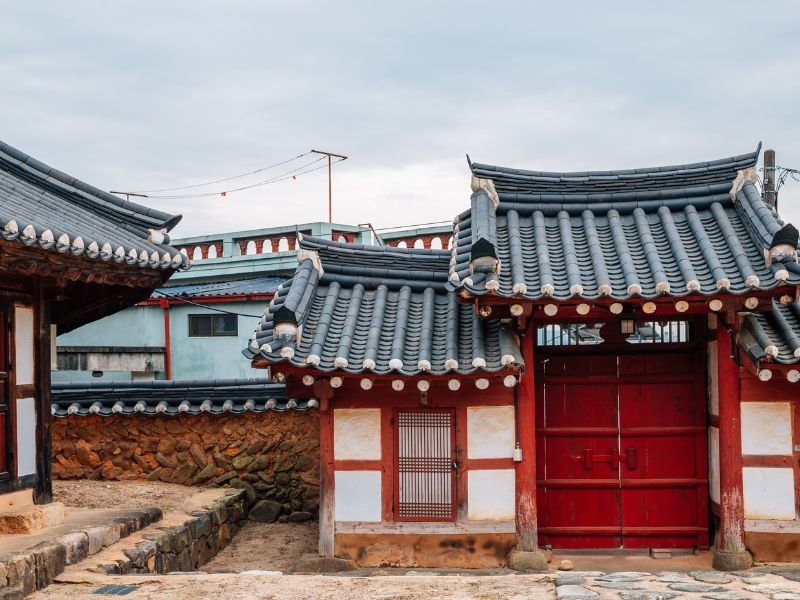
- Cultural Depth: Visit landmarks such as Seonamsa Temple and Naganeupseong Folk Village.
- Unique Local Experience: Experience authentic Korean culture away from the major tourist hotspots.
Tip: Visit Suncheon in autumn to witness the breathtaking sight of golden reed fields swaying in the wetlands under a crisp blue sky!
What to Eat and Drink in Suncheon, South Korea
When visiting Suncheon, a true culinary adventure awaits you. Let’s explore some must-try dishes and drinks that capture the flavors of the region.
1. Suncheon Dolsot Bibimbap (Stone Pot Bibimbap)
Suncheon is known for its special version of bibimbap, served in a sizzling hot stone pot called dolsot. This hearty dish consists of rice topped with a colorful array of fresh vegetables, kimchi, and an egg, all mixed together with spicy gochujang sauce. As the hot pot cooks, the rice at the bottom becomes crispy, adding a delightful texture to every bite.
- Fresh Ingredients: Locally sourced vegetables and herbs make this dish stand out.
- Spicy and Satisfying: The gochujang adds a spicy kick that balances well with the other flavors.
- Stone Pot Cooking: The crispy layer of rice at the bottom gives this dish an extra level of flavor.
Tip: Let the rice sit in the stone pot for a few minutes to get that perfect crispy bottom.
2. Namdo Jeongsik
Namdo Jeongsik is a traditional full-course Korean meal featuring an impressive spread of small dishes (banchan). Suncheon’s proximity to fertile farming land and the sea means the banchan includes fresh seafood, local greens, and regional delicacies. It’s the perfect way to sample a variety of flavors in one sitting.
- Variety of Flavors: A broad selection of side dishes, from seafood to fermented vegetables.
- Regional Specialties: Taste Suncheon’s local seafood and fresh vegetables in every bite.
- Cultural Experience: Namdo Jeongsik is a way to experience traditional Korean dining culture.
Tip: Don’t rush! Take the time to savor each dish, as every bite offers something unique.
3. Pajeon (Korean Pancake)
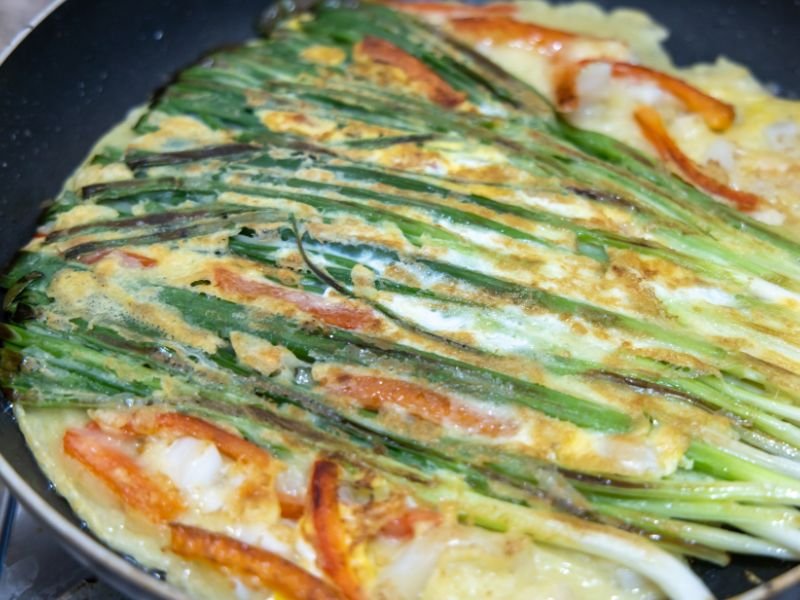
Pajeon is a savory pancake made with green onions, seafood, or vegetables, mixed in a light batter and fried until crispy. Suncheon’s markets and street vendors often sell this popular snack, which is perfect for sharing or enjoying as a light meal.
- Crispy and Savory: Perfectly golden and crisp, with a chewy texture inside.
- Great for Sharing: A popular choice for groups or as a snack with drinks.
- Street Food Staple: Widely available in Suncheon’s bustling street markets.
Tip: Pair your pajeon with a glass of makgeolli (Korean rice wine) for a perfect combination of flavors.
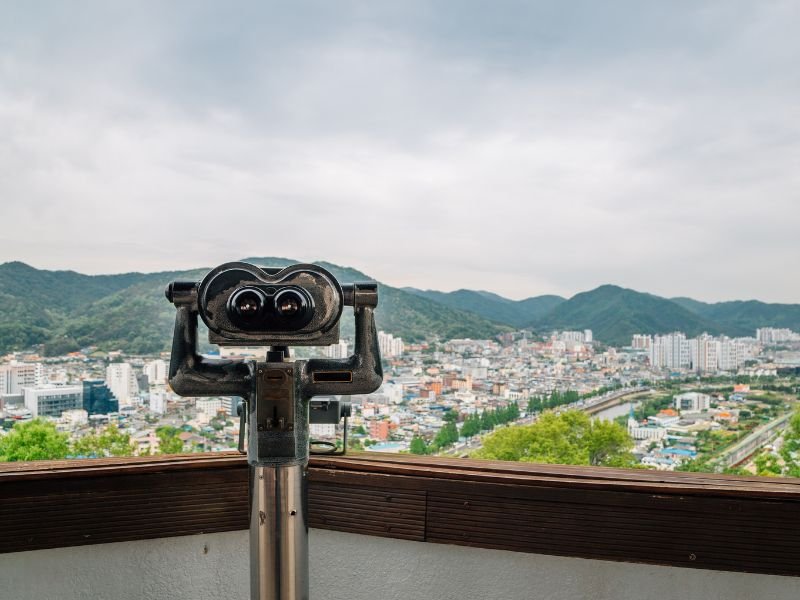
Tours for Visitors to Suncheon, Korea
Suncheon offers a variety of guided tours that provide insight into the city’s rich cultural heritage, natural beauty, and environmental initiatives. These tours are designed to give you a deeper understanding of Suncheon while offering unique experiences for all types of travelers.
1. Suncheon Bay Eco Tour
Suncheon Bay is famous for its stunning wetlands and rich biodiversity. The Eco Tour takes you on a guided walk through the area’s vast reed fields, mudflats, and tidal zones, where you can spot a variety of bird species and learn about the area’s ecological significance. This tour also includes a visit to the Suncheon Bay National Garden.
- Wildlife Watching: Spot rare birds, including migratory species.
- Environmental Education: Learn about the importance of preserving wetlands.
- Scenic Beauty: The views of endless reeds and mudflats make for excellent photography.
Tip: Bring binoculars for birdwatching, as Suncheon Bay is home to many rare species.
2. Suncheon Open Film Set Tour
Step back in time with the Suncheon Open Film Set tour. This guided tour allows visitors to explore Korea’s largest film set, which recreates streets and neighborhoods from the 1950s to the 1980s. Learn about the history of Korean cinema and enjoy interactive experiences like dressing up in retro clothing.
- Film Set Exploration: Walk through streets and homes from different eras of Korean history.
- Korean Cinema History: Gain insights into famous films and TV dramas shot here.
- Interactive Fun: Try on traditional clothing and take nostalgic photos.
Tip: Make sure to charge your camera or phone, as there are plenty of photogenic spots on this tour!
3. Traditional Market Food Tour
If you’re a foodie, this tour is perfect for you. Suncheon’s markets are packed with stalls selling everything from fresh seafood to savory snacks. A local guide will take you through the bustling aisles, where you can sample dishes like tteokbokki (spicy rice cakes), jeon (Korean pancakes), and other local delicacies.
- Culinary Exploration: Sample a variety of Korean street food.
- Cultural Insight: Learn about the history of the market and the local food culture.
- Engage with Locals: Interact with market vendors and learn about their specialties.
Tip: Wear comfortable shoes as you’ll be walking through busy market streets and standing in line at food stalls.

Suncheon Accommodations Guide: Hotels, Guesthouses, and Hostels
Suncheon offers a wide variety of accommodations that cater to different budgets and preferences, from luxury hotels to cozy guesthouses. Whether you’re looking for modern amenities or a traditional experience, Suncheon has something to offer.
1. Hotel Mudeung Park
For travelers seeking luxury and comfort, Hotel Mudeung Park offers spacious rooms with modern amenities and stunning views of Suncheon Bay. The hotel features a rooftop garden, a restaurant serving local cuisine, and a fitness center, making it a top choice for those looking for a high-end stay.
- Modern Comfort: Spacious, well-equipped rooms with stunning views.
- On-Site Dining: A restaurant that specializes in local Suncheon dishes.
- Rooftop Garden: Enjoy panoramic views of Suncheon Bay from the rooftop.
Tip: Book early, especially during peak tourist season, to secure a room with a view of the bay.
2. Suncheon Guesthouse Namu
For a more intimate and affordable stay, Guesthouse Namu is a charming option. Located near Suncheon’s major attractions, this guesthouse offers comfortable rooms and a welcoming, home-like atmosphere. It’s a great place to meet fellow travelers and exchange stories over a cup of tea in the common area.
- Friendly Atmosphere: A cozy, social environment ideal for solo travelers.
- Great Location: Close to Suncheon Bay and other key attractions.
- Affordable Rates: A budget-friendly option without compromising comfort.
Tip: Ask the staff for local recommendations—they are often happy to share hidden gems and local favorites.
3. Suncheon Hostel Soo
Suncheon Hostel Soo is a favorite among backpackers and budget-conscious travelers. This clean and modern hostel offers dormitory-style rooms, as well as private options. The common areas are lively and the hostel frequently organizes activities like local tours and cooking classes for guests.
- Social Vibe: Great for meeting other travelers.
- Well-Equipped Facilities: Modern bathrooms, kitchens, and communal spaces.
- Activities for Guests: Participate in cooking classes or join a local tour.
Tip: Hostel Soo is a great place to stay if you want to save money but still enjoy comfortable and clean accommodations.
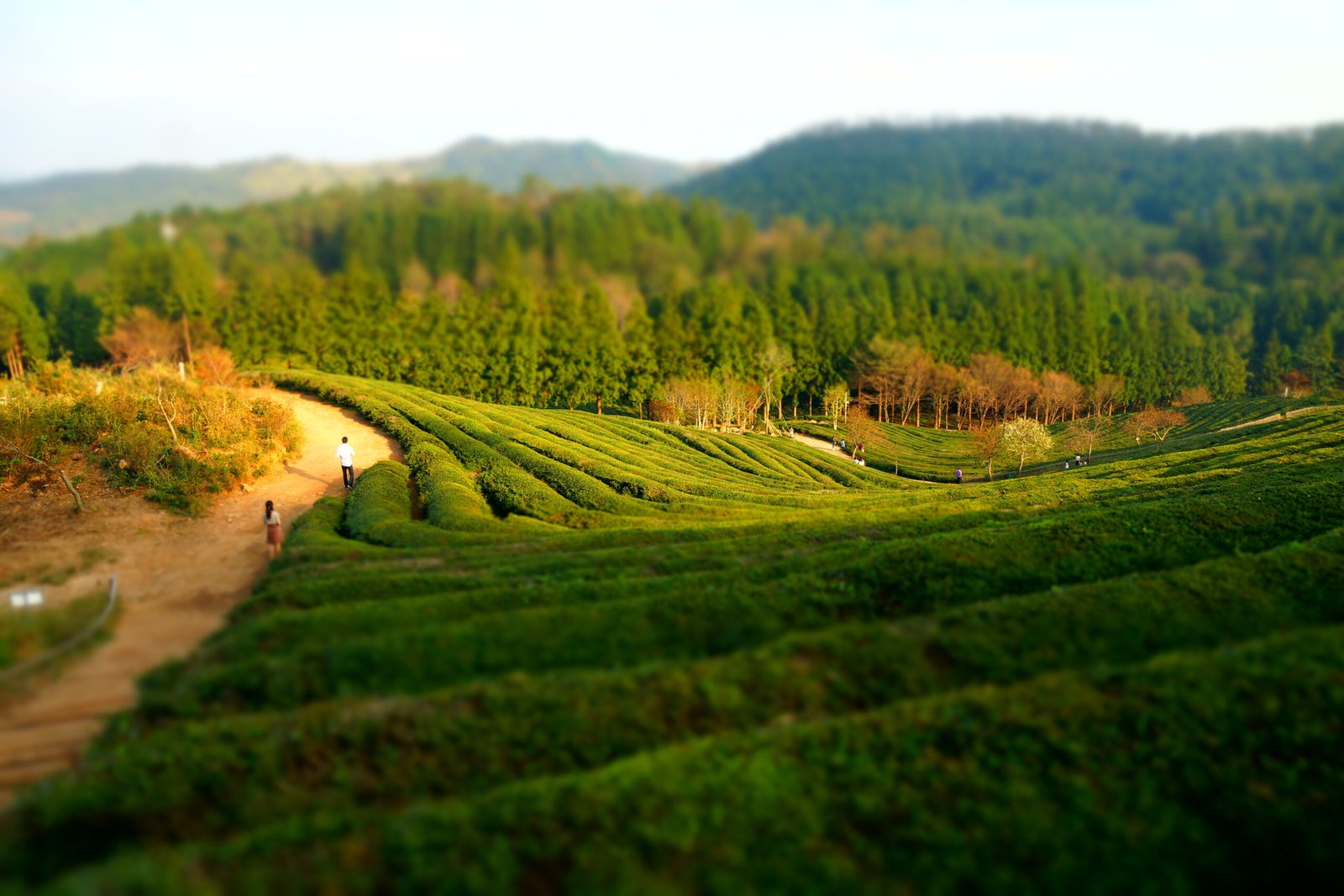
Day Trips from Suncheon, South Korea
Suncheon’s central location makes it a perfect base for exploring nearby attractions. There are plenty of fantastic day trips that allow visitors to experience more of Korea’s rich culture and natural beauty.
1. Nagan Eupseong Folk Village
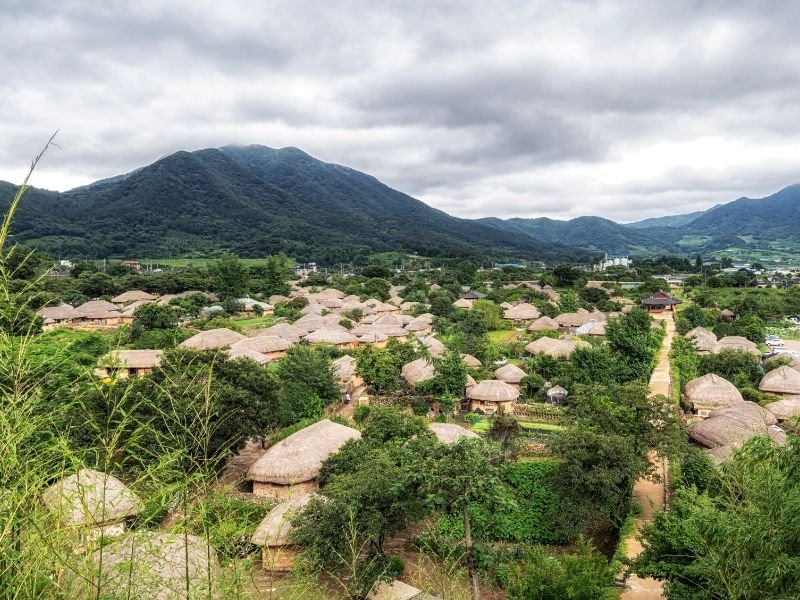
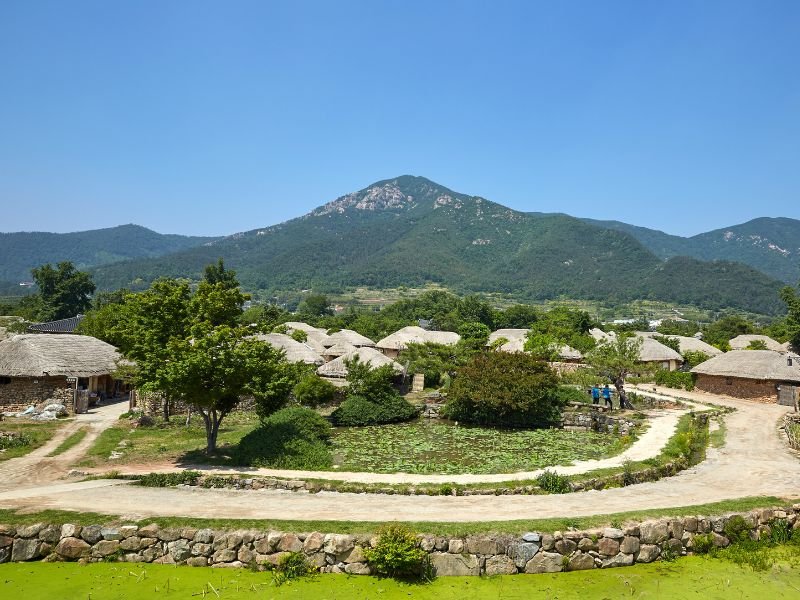
Located just a short drive from Suncheon, Nagan Eupseong is a well-preserved Joseon-era folk village where you can explore traditional homes, walk along ancient fortress walls, and experience the lifestyle of Korea’s past. The village often hosts cultural performances and hands-on activities like pottery making and traditional cooking.
- Historical Significance: Step back in time and experience life in the Joseon era.
- Cultural Experiences: Participate in pottery workshops and traditional performances.
- Scenic Views: The surrounding landscape offers beautiful views of the village and fortress.
Tip: Wear comfortable walking shoes, as there is plenty of ground to cover, including a walk along the fortress walls.
2. Songgwangsa Temple
A serene and spiritually significant destination, Songgwangsa Temple is one of Korea’s Three Jewel Temples, representing the Buddhist community. Located in the tranquil mountains, the temple complex is a peaceful retreat where visitors can explore the beautiful architecture, meditation halls, and ancient pagodas.
- Spiritual Experience: Learn about Korean Buddhism and meditate in the peaceful surroundings.
- Architectural Beauty: Admire the intricate designs of the temple buildings.
- Cultural Insight: Songgwangsa is one of the most important temples in Korea’s Buddhist history.
Tip: If you want a deeper experience, join one of the temple’s meditation or temple stay programs.
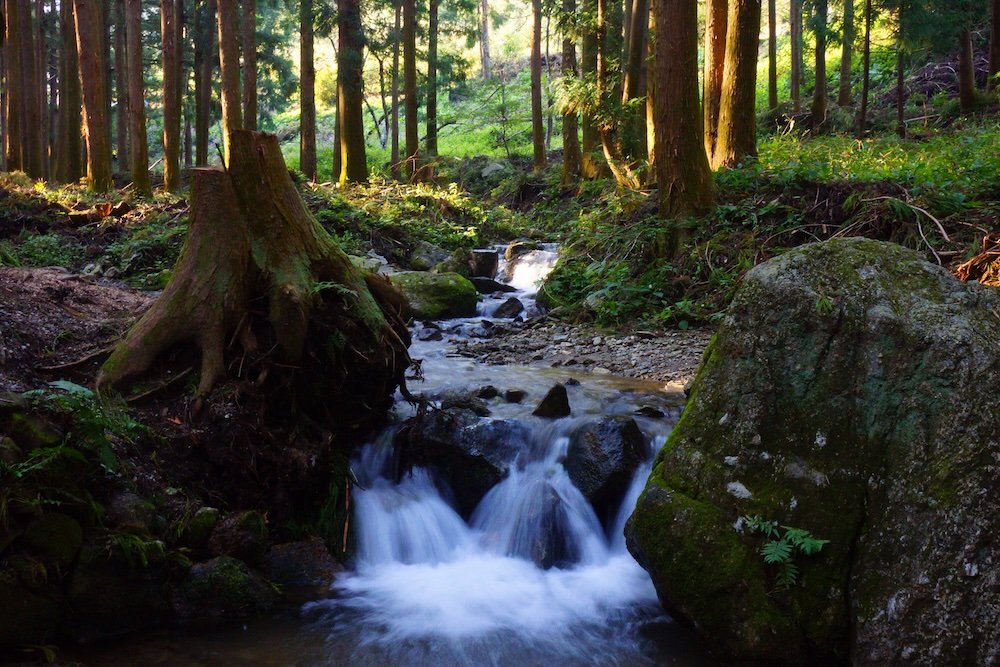
3. Boseong Green Tea Fields
Just an hour from Suncheon, the Boseong Green Tea Fields are a breathtaking destination known for their rolling hills covered in neatly lined green tea bushes. Visitors can take a scenic walk through the tea fields, visit the tea museum, and even enjoy a refreshing cup of locally grown green tea.
- Scenic Landscapes: Beautifully terraced green tea fields as far as the eye can see.
- Tea Culture: Learn about the history of green tea in Korea and enjoy a tasting.
- Photography Hotspot: The fields are one of the most photogenic spots in South Korea.
Tip: Visit during spring or early summer when the fields are at their greenest and the weather is perfect for a leisurely stroll.
Suncheon Transportation Guide
Getting around Suncheon is easy thanks to its efficient transportation system. From buses to taxis, here’s a breakdown of how to navigate Suncheon and nearby areas.
1. Public Buses
Suncheon’s public bus system is extensive and connects most major attractions. Buses are frequent, and routes are clearly marked in both Korean and English. You can pay with cash or a transportation card, making it a convenient and affordable way to get around the city.
- Comprehensive Routes: Buses go to all major attractions, including Suncheon Bay and the Open Film Set.
- Affordable Fares: An inexpensive way to travel around the city.
- Transportation Cards: Use a rechargeable card like the T-Money card for easy fare payments.
Tip: Download a bus route app to check real-time bus schedules and plan your trips efficiently.
2. Taxis
Taxis are a convenient option for getting around Suncheon, especially if you’re traveling in a group or heading to a destination off the beaten path. Most taxis are metered, and drivers are usually polite and professional. You can flag down taxis on the street or book one through a mobile app.
- Convenience: Great for reaching places that are not on the bus route.
- Metered Fares: Ensure fair pricing based on distance traveled.
- Easily Accessible: Taxis are readily available in busy areas like the train station.
Tip: Have your destination written in Korean, as not all drivers speak English.
3. Suncheon Train Station
Suncheon is well connected to other major cities in Korea via its train station. From here, you can catch trains to Seoul, Busan, and other parts of the country. The station itself has various amenities, including shops and eateries, making your travel experience comfortable.
- Fast and Efficient: Trains are the fastest way to travel to and from Suncheon.
- Connected to Major Cities: Direct routes to Seoul, Busan, and beyond.
- Modern Facilities: The station offers various conveniences for travelers.
Tip: Book your train tickets in advance during weekends and holidays, as seats can fill up quickly.
Essential Questions About Visiting Suncheon, Korea: Practical Answers, Nature Highlights & Smart Trip-Planning Tips
What is Suncheon best known for, and is it worth adding to my Korea itinerary?
Absolutely. Suncheon is one of those cities that quietly flexes. You get world-class wetlands, beautifully designed gardens, and a slower, greener pace than the big-name stops.
If your Korea plan is feeling a little city-heavy, Suncheon is a great reset button. It’s especially rewarding if you love nature walks, birdwatching, gentle hikes, and cultural sites that don’t feel overrun.
When is the best time of year to visit Suncheon?
It depends. If you want the iconic reed-field scenes at Suncheon Bay, autumn is the money season. The city even runs the Suncheon Bay Reed Festival, which in 2025 was scheduled for October 23 to November 9.
Spring is another strong contender for gardens and comfortable walking weather. Summer can be hot and humid, and winter is quieter but still pretty if you don’t mind crisp coastal air.
How many days should I spend in Suncheon?
For most travelers, 2 days is the sweet spot. That gives you time for the Suncheon Bay Wetland Reserve, the National Garden, and one cultural highlight like Naganeupseong or a temple area.
If you’re using Suncheon as a base for Boseong or other nearby spots, 3 days feels even better and keeps your pace relaxed.
How do I get to Suncheon from Seoul or Busan?
Suncheon is well connected by rail, and the city’s station functions as a key regional hub. The current station building was rebuilt in 2009, tied to major regional development around the early 2010s expo era.
From Seoul, you’re typically looking at a few hours by train depending on the service. From Busan, it’s usually a shorter hop. Booking ahead on weekends is smart if you’re traveling during peak seasons.
Is it easy to get around Suncheon without a car?
Yes. For the main sights, you can rely on local buses and taxis. The wetland and garden areas are on established tourist routes, and the city is used to visitors doing this loop without driving.
If you’re heading to more rural trailheads or doing a multi-stop countryside day, that’s when a rental car can save time. But for a straightforward first visit, you’ll be fine without one.
Should I visit Suncheon Bay Wetland Reserve and the National Garden on the same day?
Yes. They pair beautifully. A classic plan is gardens earlier in the day, then wetlands later for softer light and sunset vibes.
If you like photography or slow nature time, splitting them across two days also works. But most travelers can comfortably do both in one long, well-paced day.
Are there combo tickets or good-value passes for Suncheon’s main attractions?
Yes. The official Suncheon site lists an integrated admission option that covers multiple major attractions for a 1-night/2-day window. As listed, adult pricing is 12,000 KRW, with discounted rates for teens and children.
This can be great value if you plan to hit the National Garden, Wetland Reserve, Naganeupseong, and the drama/film set within a tight timeframe.
Roughly how much are the main entrance fees in Suncheon?
Not bad by Korea standards. The official listings show adult admission for the Suncheon Bay National Garden at 10,000 KRW, and the Wetland Reserve at 8,000 KRW, with lower rates for teens and kids.
Prices can change over time, but this gives you a realistic planning baseline for your daily budget.
What’s the Suncheon Bay Reed Festival like?
Short answer: autumn magic. The festival celebrates the golden reed fields at their peak, usually with cultural programming, local food, and a lively-but-still-nature-forward atmosphere.
Even if you miss the official event window, late October into early November is often when you’ll still get those dreamy, photogenic landscapes.
Is Naganeupseong Folk Village a half-day trip or a full day?
For most people, it’s a half-day. You can explore the fortress walls, wander the historic lanes, and soak in the Joseon-era atmosphere without feeling rushed.
If you love living-history experiences or arrive during a cultural event, it can easily stretch into a fuller, slower day.
What should I know before visiting Naganeupseong about hours and fees?
Not really complicated, but it helps to plan. The village typically has an admission fee in the low-thousands of won for adults, and hours that shift seasonally.
Arriving earlier in the day is a good move if you want fewer crowds and softer light for photos.
Can I do a temple stay near Suncheon?
Absolutely. The Jogyesan area is known for its temple culture, and places like Seonamsa and Songgwangsa are often associated with the broader spiritual landscape you can explore from Suncheon.
Even if you don’t commit to a full overnight program, visiting for a quiet walk, a gentle hike, and a slower, reflective afternoon is one of the most rewarding counterbalances to the wetlands and gardens.
What local foods should I prioritize in Suncheon?
Yes—come hungry. The article already points you toward dolsot bibimbap, Namdo-style set meals, and pajeon. I’d add this mindset: Suncheon is a great place to lean into southern Korean flavors that feel hearty, seasonal, and banchan-rich.
If you’re the kind of traveler who loves markets, this is a city where a wandering lunch can turn into a full-blown tasting session.
Is Suncheon a good destination for families with kids?
Yes. The National Garden is an easy win for open space, themed areas, and low-stress walking. The eco-focused sites also lend themselves nicely to kid-friendly learning without feeling like a classroom.
If you plan short walking loops with snack breaks, Suncheon can be one of the calmer and more enjoyable family stops in southern Korea.
What should I pack for Suncheon?
Bring layers and comfortable walking shoes. The wetlands can feel breezy, especially toward evening, and you’ll likely spend long stretches on boardwalks and garden paths.
In warmer months, add sun protection and bug repellent. In autumn, a light jacket for sunset at the bay will make you very happy you planned ahead.
Suncheon Travel Guide: Final Thoughts
Suncheon is a city that perfectly blends natural beauty with rich cultural history. From the tranquil wetlands of Suncheon Bay to the bustling traditional markets, there’s something here for every type of traveler. Whether you’re seeking an eco-friendly adventure, a spiritual retreat, or a taste of authentic Korean culture, Suncheon will not disappoint.
- Nature Lovers’ Paradise: Suncheon’s stunning natural landscapes make it an ideal destination for outdoor enthusiasts.
- Rich Cultural Heritage: Immerse yourself in Korea’s history with visits to traditional temples and folk villages.
- Culinary Delights: Don’t miss the chance to sample Suncheon’s local dishes, made with fresh, regional ingredients.
Tip: Plan your visit around Suncheon’s seasonal events, like the Suncheonman Bay Reed Festival, to experience the city at its best.