
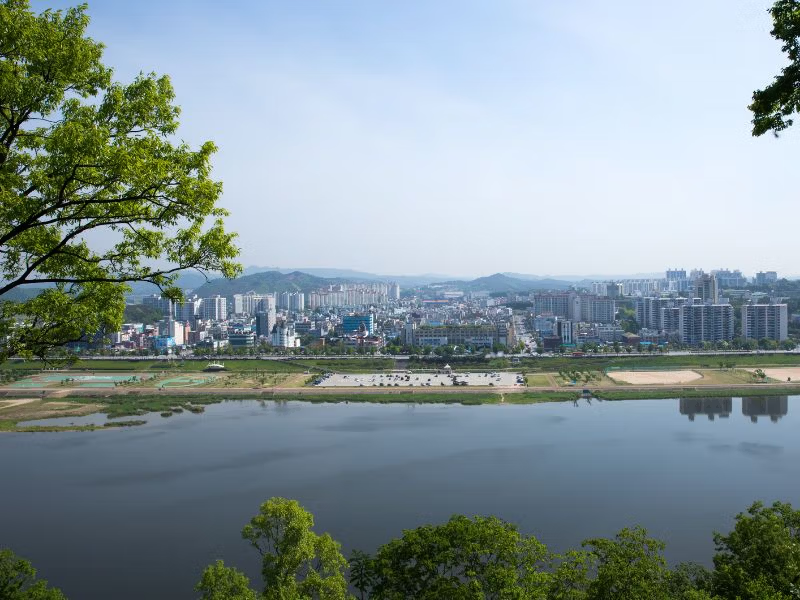
Look, if you’re hitting South Korea and deliberately skipping Gongju, you’re missing the most straightforward, rewarding deep-dive into the ancient Baekje Kingdom. We realized pretty quickly that instead of battling shoulder-to-shoulder crowds and selfie sticks in Seoul, Gongju offers a grounded, logistical pace where you can actually breathe and take in the city without feeling rushed. The second you step off the intercity bus, the distinct scent of damp pine needles mixed with street-roasted chestnuts hits your nose, signaling you’ve arrived somewhere real. Audrey and I found that while pushing a stroller over uneven ancient cobblestones requires some serious torque, navigating these historical sites is highly manageable. There’s a serious density of things to do in Gongju that deliver hard, factual intelligence and physical history over generic tourist traps.
Forget the heavily sanitized tourist routes; this city requires comfortable walking boots and a willingness to cover serious ground. We spent days dragging our camera gear across the bumpy, unpredictable markets and scaling the wide-open dirt paths along the fortress walls. The locals here don’t deal in fluff. You get warm, highly efficient service and massive portions of regional food that actually stick to your ribs. Whether you’re a heavy-packing photographer trying to catch the golden hour light cutting through the river valley or just someone hungry for a proper bowl of stew, Gongju forces you to be present in the moment.
Why We Actually Recommend Gongju:
- Unaltered History: You can stand feet away from ancient relics and 6th-century royal burial mounds without a sheet of thick acrylic ruining your sightline.
- Hands-On Friction: Get your hands dirty pulling bark in a traditional papermaking shop instead of just watching a sterile video about it.
- Physical Geography: Feel the sharp burn in your calves walking the lush parks and steep mountain ridges that define the city’s borders.
Tip: The reality of Gongju is that summer humidity will absolutely wreck your pacing. Target late April or late October. The air is crisp, your camera won’t overheat, and the hiking trails aren’t slick with summer monsoon mud.
Top 10 Things To Do in Gongju, Korea For Visitors
1. Explore the Tomb of King Muryeong
The Tomb of King Muryeong is the heavyweight champion of Gongju’s historical sites. Forget the vague historical reconstructions you see elsewhere; this is a massive, concrete link to the 6th century. Discovered purely by accident in 1971 when a drainage pipe burst, it’s one of the few royal resting places that tomb raiders missed. You walk inside the replica exhibition, and the sudden drop in temperature—a cool, damp 15 degrees Celsius—immediately hits your skin, a sharp contrast to the afternoon sun outside.
Current adult entry sits at a highly reasonable 1,500 KRW, and while parking is technically free, the reality is the lot bottlenecks severely by 11:00 AM. You need to look closely at the masonry. The vaulted ceilings and brickwork represent a massive technological transfer from China during that era. The 2,900 artifacts pulled from the dirt aren’t just generic gold; they are heavy, meticulously forged pieces of statecraft. Walking the exhibition allows you to physically measure the claustrophobic dimensions of the original burial chamber.
- Heavy Metal: Examine the physical weight and intricate welding of the solid gold royal diadems and heavy stone guardian beasts.
- Structural Reality: Understand the exact dimensions, brick layout, and engineering requirements needed to keep a dirt mound stable for 1,500 years.
- Grounds Layout: The gravel path surrounding the mounds crunches loudly underfoot, giving you a clear auditory sense of the scale of the complex.
Tip: Don’t just show up at noon. The parking lot becomes a chaotic mess of idling tour buses by mid-morning. Arrive at 9:00 AM sharp, park near the north exit, and knock this out before the crowds ruin your sightlines.
2. Visit Gongsanseong Fortress
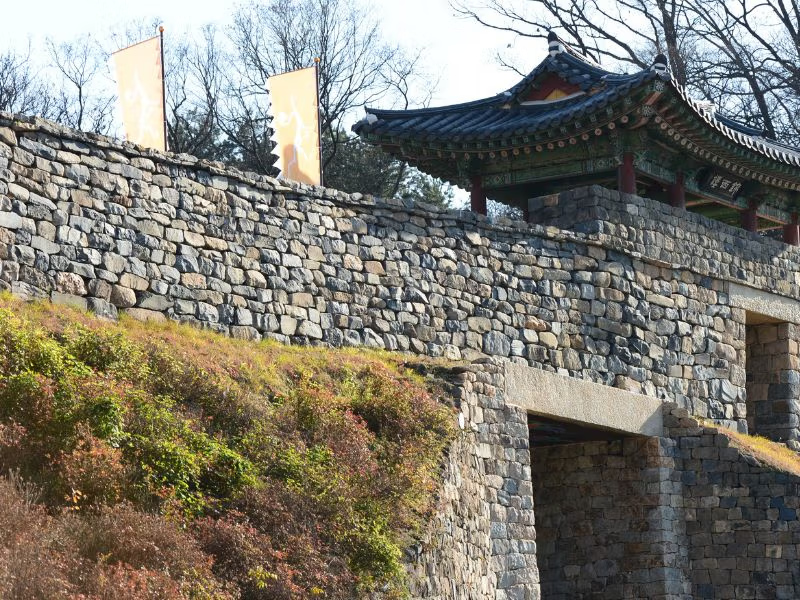
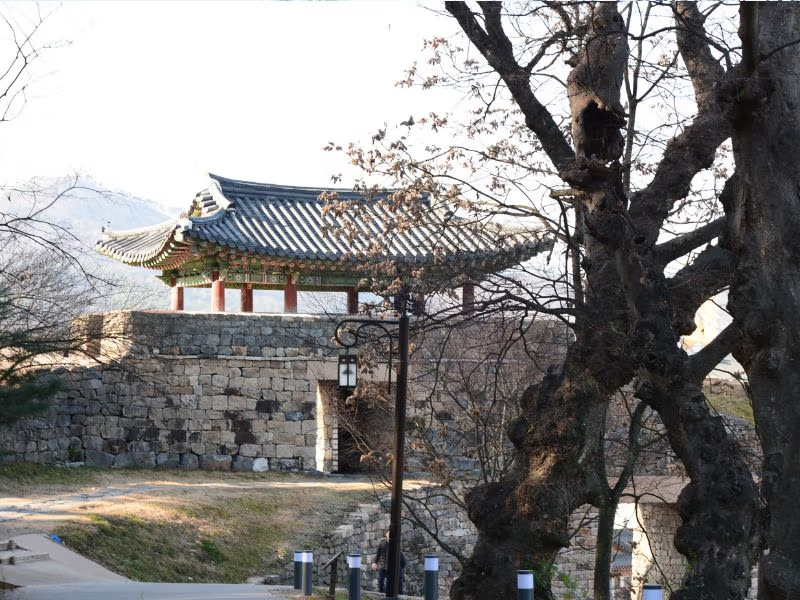
Gongsanseong Fortress is going to test your stamina. Built into the jagged spine of a defensive hill, this 2.6-kilometer perimeter wall is not a casual afternoon stroll. Current admission is 3,000 KRW for adults, which remains a fair price for the sheer scale of the grounds. You will feel the burn in your hamstrings within the first ten minutes. When you crest the Geumseoru Pavilion archway, the sharp, cold wind whipping off the Geum River hits you directly in the face, instantly explaining why this was chosen as an impenetrable stronghold in the 4th century.
We highly recommend watching your footing. The stone steps are notoriously uneven and slick if it rained the night before. You’ll pass through dense, shadowed forest patches and emerge onto exposed ramparts that drop vertically toward the water. It’s a raw, highly physical hike. Parking here is a major friction point; the main lot is tiny, and if you arrive after midday on a weekend, local sources confirm you will be forced to park across the river and walk back.
- Elevation Gain: Navigate steep, uneven stone steps that demand proper footwear with an aggressive grip.
- Defensive Architecture: Inspect the narrow arrow slits and thick timber gates designed specifically to bottleneck invading forces.
- River Sightlines: Use the high-angle vantage points to map out the river traffic and city grid below.
Tip: Carry a minimum of a liter of water. There are zero vending machines once you commit to the upper perimeter loop, and the humidity trapped in the tree canopy will sweat it right out of you.
3. Stroll Through Magoksa Temple
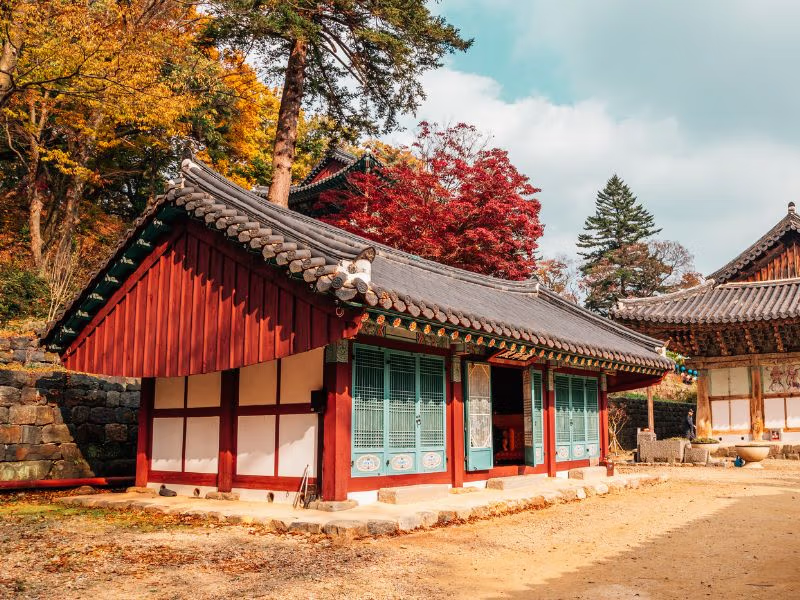
Located deep in a pine-choked valley, Magoksa Temple forces a complete mental reset. You have to park your car and walk a fair distance, the sound of your boots crunching loudly on the packed dirt road. The air here smells intensely of burning incense and damp cedar wood, a scent that sticks to your clothes for hours afterward. Founded in 640 AD, this compound survived centuries of conflict largely because of its isolated, difficult-to-reach terrain.
Following a massive institutional shift by the Jogye Order recently, the temple admission fee has been completely abolished. It is 100% free to enter the grounds, though the remote mountain parking area still requires a small cash toll. When you cross the stone bridge over the rushing stream, note the temperature drop. The thick forest canopy blocks the sun, keeping the temple grounds perpetually cool. The wooden pillars of the Daegwangbojeon hall are massive—run your hand along the raw, unpainted timber to feel the deep cracks and weathering of centuries of brutal Korean winters.
- Acoustic Isolation: Experience the distinct lack of city noise, replaced entirely by rushing water and the deep thud of the temple drum.
- Timber Construction: Examine the complex, interlocking wooden brackets supporting the heavy tile roofs without a single iron nail.
- Monastic Routine: Observe the strict, physical discipline required to maintain the sprawling grounds and gardens year-round.
Tip: The access road has a toll gate that requires physical cash. Keep a few 1,000 KRW notes in your pocket, as international credit cards often fail at these remote mountain kiosks.
4. Discover the Gongju National Museum
Museums can often feel sterile, but the Gongju National Museum is a heavy, brutalist structure designed specifically to house the staggering haul from King Muryeong’s tomb. You don’t just look at history here; you are confronted by it. General admission is currently completely free, making it an absolute must-do. The stark, focused halogen lighting hitting the gold artifacts forces you to squint, highlighting the microscopic hammer marks left by Baekje metalsmiths.
You can spend hours analyzing the ceramics and weaponry. The heft of the iron swords behind the glass tells a story of close-quarters combat. They also run extensive workshops, and guided tours led by experts that break down exactly how these items were excavated without destroying them in the process. It’s a massive download of data that connects the dots of the city.
- Metallurgy Display: See the actual oxidation and rust on 1,500-year-old iron tools, proving the raw capability of ancient forges.
- Excavation Reality: Review the photographic timelines showing the muddy, chaotic conditions of the 1971 tomb dig.
- Temperature Control: Feel the intensely conditioned, dry air required to keep the ancient wooden and silk fragments from disintegrating.
Tip: Skip the main floor initially and head straight to the basement storage exhibits. You get a raw look at how a museum physically catalogs and shelves thousands of un-displayed ceramic shards.
5. Walk Along the Geumgang Suspension Bridge
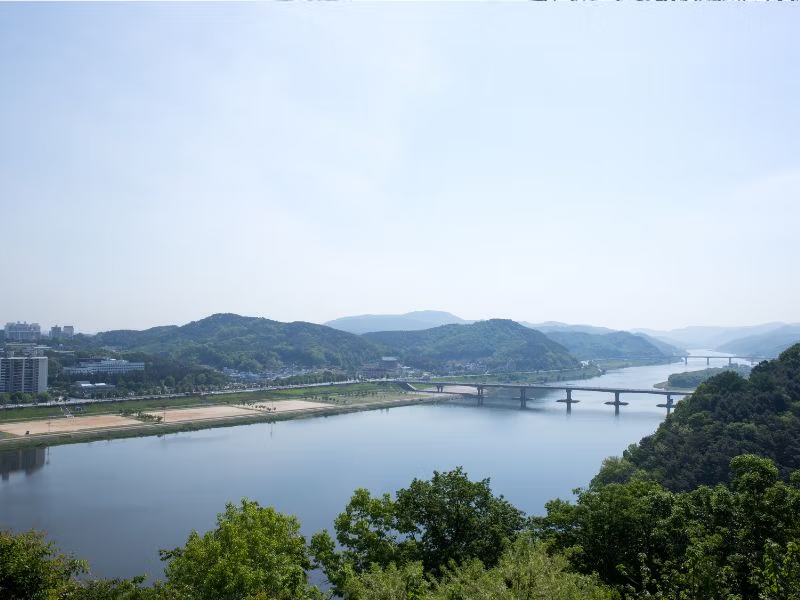
This isn’t a bridge for people with vertigo. The Geumgang Suspension Bridge stretches across the water and features a very distinct, unsettling lateral sway when the wind picks up. You can feel the vibration of other people walking transferred directly through the steel deck into your shoes. It connects the fortress directly to the opposing riverbank, cutting out a massive detour.
Wind closures are a serious logistical factor; municipal workers will aggressively chain the gates shut if gusts exceed safety limits. Looking down through the grating, the dark, fast-moving water of the Geum River rushing beneath your boots provides a solid hit of adrenaline. It’s a highly functional piece of infrastructure that just happens to provide the best unobstructed sightlines of the city grid and the natural surroundings.
- Structural Sway: Experience the physical flex and tension of the suspension cables working against the wind and foot traffic.
- Wind Exposure: Brace yourself against the sudden gusts that funnel down the river valley without any windbreaks.
- Unobstructed Sightlines: Utilize the 360-degree clearance to map out exactly where the old city meets the modern expansion.
Tip: Always check a local weather app before you commit to the hike down to the riverbank. If the wind exceeds 15 knots or there’s a heavy rainstorm, you will absolutely find a padlock on the gate.
6. Explore Seokjangni Museum and Archaeological Site
You’re trading royal gold for raw Paleolithic survival here. The Seokjangni Museum sits right on top of an active dig site. When you walk the outdoor perimeter, the smell of freshly turned earth and wet clay is unavoidable. Discovered in 1964, this site single-handedly proved that early humans camped along these riverbanks hundreds of thousands of years ago.
The outdoor park provides zero shade, creating serious friction in the summer months when the heat radiating off the gravel paths is punishing. The exhibits inside don’t pull punches. You can pick up replica hand axes and feel the heavy, unbalanced weight of a rock chipped into a crude blade. The outdoor reconstructions of hide tents show exactly how miserable and drafty a Paleolithic winter would have been on this exposed river plain.
- Flint Knapping: Observe the sharp, precise fractures on the stone tools and understand the force required to shape them.
- Stratigraphy Pits: Look down into the open excavation trenches to see the distinct, color-coded layers of soil marking different geological eras.
- Survival Mechanics: See the physical evidence of fire pits and understand the brutal calorie math required to survive the Ice Age.
Tip: Bring a wide-brimmed hat and apply heavy sunscreen before leaving the car. The outdoor walking routes offer almost no cover from the midday sun.
7. Visit the Gongju Hanok Village
Unlike some traditional Korean houses that feel like sterile movie sets, the Gongju Hanok Village is highly functional. The moment you enter the alleys, you are hit with the sharp, smoky aroma of burning wood. That’s the active ondol system—the sub-floor heating that funnels smoke under the floorboards to keep the rooms warm.
Actually booking an overnight stay here involves serious friction; local reservation portals frequently reject foreign credit cards, so relying on a Korean-speaking friend or an aggregate booking site is practically mandatory. But if you manage it, the architecture here is dictated by the weather. Feel the thick, heavy paper glued to the wooden lattice windows; it’s incredibly rigid and designed to stop the biting winter wind while still letting in a diffuse, milky light. You can clearly see the heavy timber joinery required to support those massive, sweeping tiled roofs.
- Thermal Mass: Stand barefoot on the ondol floor to feel the intense, radiating heat generated by the wood fires outside.
- Material Texture: Run your fingers over the coarse, fibrous texture of the hanji paper used for doors and lanterns.
- Roof Load: Analyze the sheer weight of the clay tiles pressing down on the curved wooden beams overhead.
Tip: If you plan to actually sleep here, understand that traditional yo mattresses are extremely thin. You will be sleeping on a hard, heated wooden floor. It’s fantastic for your back, but it takes a night to adapt.
8. Hike Mount Gyeryongsan National Park
This is where you earn your dinner. Mount Gyeryongsan National Park is infamous for its sharp, punishing inclines. The air thins out slightly near the peaks, and your lungs will burn as you pull yourself up the iron handrails bolted into the granite face. As you pass ancient temples on the lower slopes, the terrain quickly transitions from paved pathways to aggressive, root-tangled dirt trails.
Weekend parking at the primary trailheads is an absolute nightmare, often requiring you to park a kilometer away and hike uphill just to reach the start of the trail. You need to constantly watch the ground. The slick, moss-covered rocks near the waterfalls are treacherous, and enjoying the Natural Beauty from the Gwaneumbong peak requires a grueling scramble. The sweat stinging your eyes is a small price to pay for the massive, unobstructed view of the surrounding province.
- Granite Scrambles: Grip the cold steel cables and chains installed to help you haul your body weight over vertical rock faces.
- Microclimates: Feel the sudden, chilling temperature drops when you walk from an exposed ridge back into the dense, shaded pine forest.
- Trail Friction: Navigate the heavily eroded, root-exposed trails that demand high-ankle hiking boots for stability.
Tip: Do not attempt the upper ridges in running shoes. The sheer amount of loose scree and wet granite demands proper hiking boots with a deep lug pattern. Bring salt tablets if you are hiking in August.
9. Experience the Gongju Folk Flea Market
This market is loud, chaotic, and unapologetically raw. The Gongju Sanseong Market forces you to navigate tight, crowded aisles where vendors aggressively hawk their goods. The true “flea market” atmosphere only erupts on dates ending in 1 and 6, when the traditional 5-day market cycle brings farmers down from the hills. The air is thick with the greasy, savory smoke of frying foods and street food stalls. You will constantly be bumping shoulders with locals pulling heavy shopping carts.
This is the place to test your bargaining skills. The market also features live performances, but the real show is watching the butcher break down massive cuts of pork or the Culinary Delights being deep-fried in giant vats of bubbling oil just inches from the walkway.
- Crowd Dynamics: Lean into the physical push and pull of navigating a dense, fast-moving crowd in a narrow alley.
- Oil and Smoke: Wipe the fine mist of cooking grease off your glasses after standing too close to the bindaetteok griddles.
- Raw Ingredients: Smell the sharp, pungent odor of fermented garlic and fresh seafood piled high on ice.
Tip: Plastic is useless here. Hit an ATM before you arrive and break your large bills down into 1,000 and 5,000 KRW notes so vendors don’t have to scramble for change.
10. Visit the Limlip Art Museum
Set far away from the noisy city center, the Limlip Art Museum provides a hard, necessary pivot from ancient history. As you walk up the driveway, the dry, hollow knocking sound of bamboo stalks hitting each other in the wind creates an immediate sense of isolation. The architecture is deliberately minimalist, designed not to compete with the canvases.
This site remains blissfully off the main tourist radar, meaning you won’t be fighting for parking space or dodging tour groups. Inside, the silence is heavy. You can hear the squeak of your rubber soles on the polished concrete floors as you inspect the aggressive brushstrokes of contemporary Korean painters. The galleries are heavily climate-controlled, keeping the air dry and static to preserve the delicate inks.
- Auditory Isolation: Notice how the thick concrete walls completely kill all exterior traffic noise.
- Canvas Texture: Get close enough to see the thick, raised ridges of oil paint and aggressive palette knife scraping on the modern pieces.
- Grounds Layout: Walk the uneven flagstone paths of the sculpture garden and feel the temperature drop under the heavy tree cover.
Tip: The café here isn’t just an afterthought. Grab a bitter, over-extracted espresso and sit on the terrace; the caffeine hit pairs perfectly with the dead-quiet surroundings.
What To Eat and Drink in Gongju, South Korea
Savor Gongju’s Famous Chestnut Dishes
You cannot escape chestnuts in this city, and honestly, you won’t want to. The soil here produces a massive yield, and the locals inject them into everything. The physical weight of a warm paper bag filled with roasted chestnuts fresh off a street vendor’s drum is the ultimate hand-warmer in November.
- Chestnut Rice (Bam Bap): The starch from the steamed chestnuts breaks down, making the rice incredibly dense and heavy on the spoon.
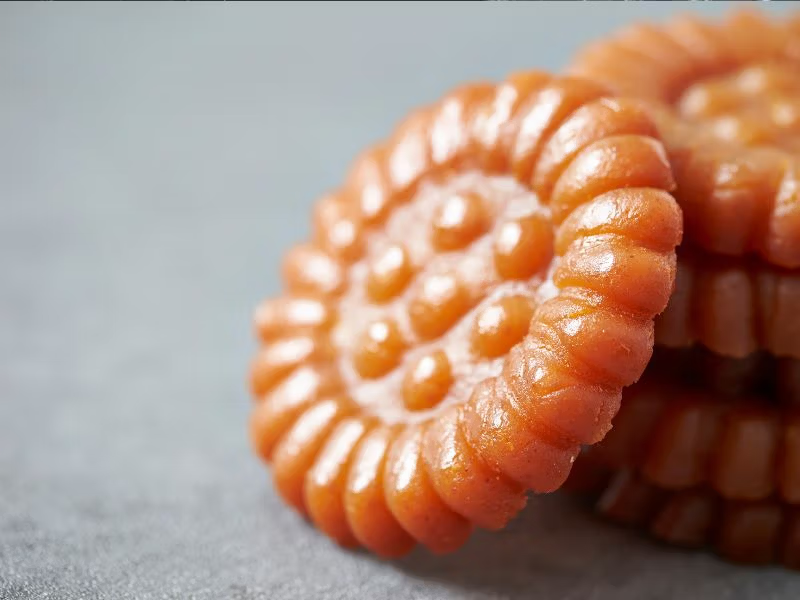
- Chestnut Desserts: Bite into a bam hangwa and feel the crumbly, dry texture immediately melt on your tongue.
- Chestnut Makgeolli: The thick, milky viscosity of this fermented rice wine coats the glass and leaves a sweet, earthy film in your mouth.
Tip: The chestnut makgeolli has a deceptively low alcohol taste but hits hard when you stand up. Pace yourself, especially if you plan to hike the fortress afterward.
Indulge in Traditional Korean Barbecue
Korean barbecue here is a high-heat, hands-on event. You will leave the restaurant smelling entirely of smoke and seared pork fat. The intense, searing heat radiating from the sunken charcoal pit in the center of your table will make you sweat before you even take a bite.
- Samgyeopsal: Listen to the loud, aggressive hiss of thick pork belly slices hitting the cast-iron grill dome.
- Galbi: Feel the sticky, caramelized sugar from the marinade charring against the metal grates.
- Banchan: The sharp, acidic crunch of fermented radish instantly cuts through the heavy grease coating your palate.
Tip: Do not wear your best jacket to a barbecue joint. Your clothes will absorb the smoke entirely. Use the large plastic bags provided by the staff to seal your coats away before the meat hits the fire.
Try Gongju’s Specialty, Hobakjuk (Pumpkin Porridge)
If you’ve spent the morning freezing on a mountain trail, hobakjuk is your lifeline. This thick, viscous pumpkin porridge holds heat incredibly well. The heavy, starchy warmth of the bowl physically warms your hands through the ceramic.
- Smooth Texture: The porridge is so dense it almost feels like pureed velvet dragging against the roof of your mouth.
- Subtle Sweetness: It relies on the natural, earthy sugars of the squash rather than cloying artificial syrups.
- Chewy Contrast: The sudden, gummy resistance of the hidden glutinous rice balls gives your jaw something to work on.
Tip: This isn’t a quick street snack. It is extremely filling. Order one bowl to split between two people if you’re planning on eating anything else in the next three hours.
Enjoy Street Food at Gongju Market
The Korean street foods in Gongju are built for eating while walking. You will constantly be wiping sticky sauces off your fingers and dodging elbows. The searing, fiery burn of red pepper paste from a paper cup of tteokbokki will reliably make your nose run.
- Hotteok: Bite into the crispy, oil-soaked dough and risk third-degree burns from the molten brown sugar syrup bursting out.
- Gimbap: Feel the tight, sticky grip of the sesame-oil brushed seaweed holding the dense rice roll together.
- Tteokbokki: The heavy, chewy resistance of the rice cakes requires serious jaw work while the gochujang sauce scorches your tongue.
Tip: Bring a pack of wet wipes. Napkins at street stalls are usually flimsy, single-ply squares that dissolve the second they touch hotteok syrup.
Sip on Traditional Teas
A traditional tea house in Gongju is an exercise in slowing your heart rate. Sitting on a hard wooden floor cushion, you wrap your cold hands around a heavy, unglazed ceramic mug. The steam rising off the boiling water carries a sharp, herbal astringency that clears your sinuses instantly.
- Omija-cha: The sudden, puckering tartness of the five-flavor berry hits the sides of your tongue like an electric shock.
- Yuja-cha: Scrape your spoon against the bottom of the cup to catch the thick, marmalade-like rind of the yuzu fruit.
- Maesil-cha: The sour, acidic punch of fermented plum cuts right through the fatigue of a long travel day.
Tip: Do not ask for milk or sugar. These teas are highly specific, medicinal brews. Drink them as served to actually get the digestion benefits after a heavy pork belly dinner.
Tours For Visitors To Gongju, Korea
Join a Historical Walking Tour
If you hate staring blankly at informational plaques, hire a guide. Three hours of pounding the pavement on a historical walking tour will leave your arches aching, but the volume of hard data you absorb is unmatched. The guides here are relentless, dragging you up steep stone embankments to point out minute architectural details you would absolutely miss on your own.
- Data Density: Process a massive download of dates, dynasty lineages, and military strategies while standing on the actual battlegrounds.
- Physical Pacing: Keep up with a brisk, relentless walking pace designed to cover the maximum number of tomb sites before lunch.
- Tactile Learning: Run your hands along the specific stonework patterns the guide points out to understand the Baekje masonry techniques.
Tip: Wear aggressive walking shoes. You will be transitioning from smooth museum floors to jagged fortress rocks constantly. The guides do not slow down for bad footwear.
Participate in a Temple Stay at Magoksa Temple
A Temple Stay is an assault on your modern comfort zone. Waking up at 4:00 AM, the deep, resonant vibration of the massive morning bell hits you right in the chest. You will spend hours sitting cross-legged on a rigid wooden floor, feeling the blood slowly drain from your knees as you attempt to hold a meditative posture.
- Sleep Deprivation: Fight through the physical exhaustion of the pre-dawn wake-up calls and strict schedule.
- Dietary Reset: Scrape your bowl completely clean of the simple, heavily salted, meat-free monastic food; zero waste is permitted.
- Physical Labor: Grip the heavy straw brooms and sweep the gravel courtyards as part of your required chores.
Tip: Pack slip-on shoes. You will be taking your footwear on and off constantly to enter the various halls. Fiddling with tight boot laces in the dark at 4 AM gets old very fast.
Explore Mount Gyeryongsan with a Guided Hike
A guided hiking tour to explore the natural beauty of Gyeryongsan means you offload the navigation and focus entirely on not slipping. Your guide will force a brutal, efficient pace up the granite slabs. The sweat stinging your eyes and the heavy panting of the group become the only soundtrack for the next four hours.
- Pacing Control: Let the guide set a rhythmic, agonizingly steady pace that prevents you from burning out your leg muscles on the first ascent.
- Terrain Reading: Watch exactly where the guide places their boots on the slick, wet rock and mirror their footfalls to avoid twisting an ankle.
- Altitude Adjustment: Feel the distinct pressure change in your ears and the sudden chill of the wind as you clear the tree line.
Tip: Do not lie about your fitness level when booking. These guides are serious mountain athletes, and holding up a group on a narrow cliff face because you skipped cardio for a year is embarrassing.
Take a Traditional Craft Workshop
These workshops are highly tactile. You are going to get wet, sticky, and covered in dust. Making traditional crafts forces you to use muscles in your hands you didn’t know existed. The smell of wet clay and raw paper pulp completely dominates the small workshop rooms.
- Hanji Making: Plunge your bare arms into a vat of freezing water to catch the slimy, fibrous mulberry pulp on a bamboo screen.
- Pottery Classes: Feel the aggressive centrifugal pull of the heavy, wet clay spinning on the kick-wheel beneath your muddy fingers.
- Calligraphy Lessons: Grip the bamboo brush tightly and smell the sharp, carbon-heavy scent of the black ink as it bleeds into the porous paper.
Tip: Roll your sleeves up high and take off your watch. The clay and paper pulp will get absolutely everywhere, and it dries into a concrete-like crust incredibly fast.
Gongju Accommodations Guide: Hotels, Guesthouses, and Hostels
Luxury Hotels for a Comfortable Stay
If you want heavy blackout curtains and high water pressure, book a hotel. After a brutal day of mountain hiking, sinking into a western-style mattress is a serious relief. The crisp, heavily starched sheets and the hum of industrial air conditioning provide a sterile, quiet retreat from the chaotic markets outside.
- Best Western Plus Hotel:
- Features: Feel the deep sink of the thick, plush mattresses and the absolute silence provided by the double-paned glass windows.
- Amenities: Blast your sore muscles under the scalding hot water of a high-pressure rain shower head.
- Location: Step out of the heavily air-conditioned lobby directly into the muggy heat near the Gongsanseong Fortress perimeter.
- Geumgang Hotel:
- Features: Walk barefoot across the thick carpet and lean against the cold glass windows to check the river traffic.
- Amenities: Hear the clatter of silverware in the dining room while chewing on heavily marbled, premium Korean beef cuts.
- Extras: Hand over your muddy hiking gear to the laundry service and get it back smelling aggressively of industrial detergent.
Tip: Ask for a room facing the river. The street-side rooms pick up the low-frequency rumble of heavy transport trucks braking at the intersections throughout the night.
Experience Local Hospitality in Guesthouses
Staying in a hanok guesthouse is a highly intimate and cultural experience that forces you to abandon western comforts. The rigid firmness of a thin ‘yo’ mattress on a baking hot ondol floor will realign your spine. You will hear every footstep of your neighbors through the thin paper walls.
- Gongju Hanok Village Guesthouse:
- Accommodations: Feel the intense, radiating heat coming directly up through the oiled paper floor into your back as you try to sleep.
- Experience: Smell the sharp scent of brewing herbal tea seeping under the doorframes early in the morning.
- Atmosphere: Listen to the loud, rhythmic chirping of cicadas that completely dominates the courtyard at night.
- Guesthouse Soi:
- Features: Navigate the tight, narrow wooden hallways and dodge the low ceiling beams to reach your room.
- Host Interaction: Sit at a cramped kitchen table and chew through a dense, homemade rice and soup breakfast with the owners.
- Location: Step out the front door and immediately hit the hard concrete of the central city grid.
Tip: Pack earplugs. Traditional hanok architecture offers zero soundproofing. You will hear your neighbors snoring, coughing, and unzipping their suitcases.
Budget-Friendly Hostels for Travelers
Hostels here are purely functional basecamps. You get a cheap bunk, an iron locker, and a shared bathroom. The metallic clank of someone dropping their keys in the hallway and the hum of the communal fridge are your lullabies. It’s tight, efficient, and gets you out the door fast.
- Gongju Guesthouse:
- Accommodations: Climb the squeaky metal ladder to the top bunk and feel the thin, scratchy blanket against your skin.
- Amenities: Smell the burnt toast and stale coffee lingering in the cramped communal kitchen.
- Social Atmosphere: Squeeze onto a worn-out couch and swap hard route data with backpackers coming off the mountain.
- Traveler’s Hostel:
- Features: Shove your heavy pack into the dented steel lockers and lock it down with a heavy padlock.
- Services: Haul a heavy, rented bicycle down the front steps and hit the pavement.
- Extras: Stand on the exposed rooftop terrace and feel the night wind while drinking a cheap convenience-store beer.
Tip: Claim a bottom bunk immediately if available. The ceiling clearance in these older buildings is notoriously low, and hitting your head on the plaster at 2 AM is a harsh wake-up.
Day Trips From Gongju, South Korea
Visit Buyeo
Buyeo is Gongju’s sister city in Baekje history, and it requires a full day of heavy footwork. The blistering sun beating down on the massive, open expanses of the Baekje Cultural Land will drain your energy quickly. It’s a massive logistical undertaking to see it all.
- Baekje Cultural Land: Feel the sheer scale of the palace reconstructions by walking the miles of flat, unshaded gravel paths.
- Busosanseong Fortress: Push through the steep, muddy forest trails to reach the sheer drop-off at Nakhwaam Rock.
- Gungnamji Pond: Navigate the humid, mosquito-heavy air near the water for a leisurely walk or boat ride through the massive lotus pads.
Tip: Do not attempt the Busosanseong hike in flip-flops. The trail near the cliff edge is a network of slick roots and loose dirt that will absolutely drop you if you lack tread.
Explore Daejeon
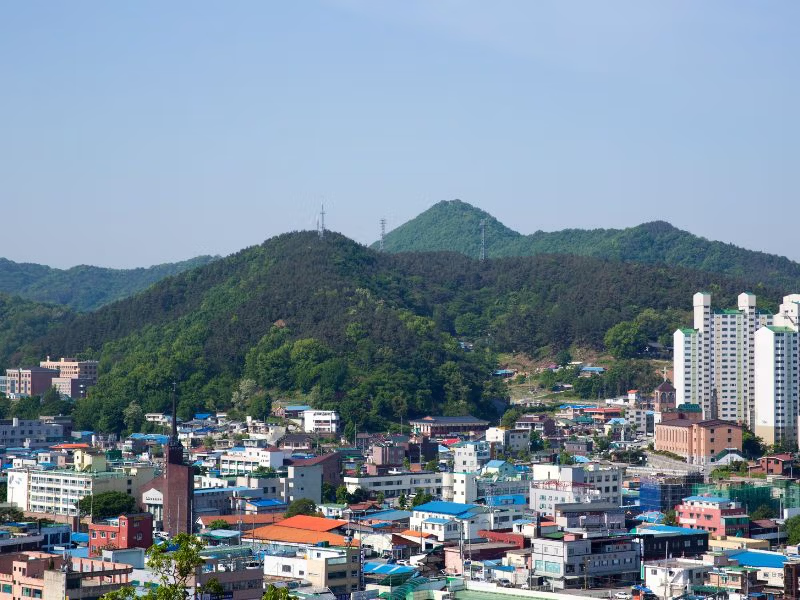
Daejeon is a massive, concrete urban grid known as a city known for its science and technology attractions. You are trading ancient dirt for asphalt and neon. The sheer noise of the traffic and subway systems here is a shock after the quietness of Gongju.
- National Science Museum: Stand under the massive, echoing dome of the planetarium and let the freezing A/C hit the sweat on your neck.
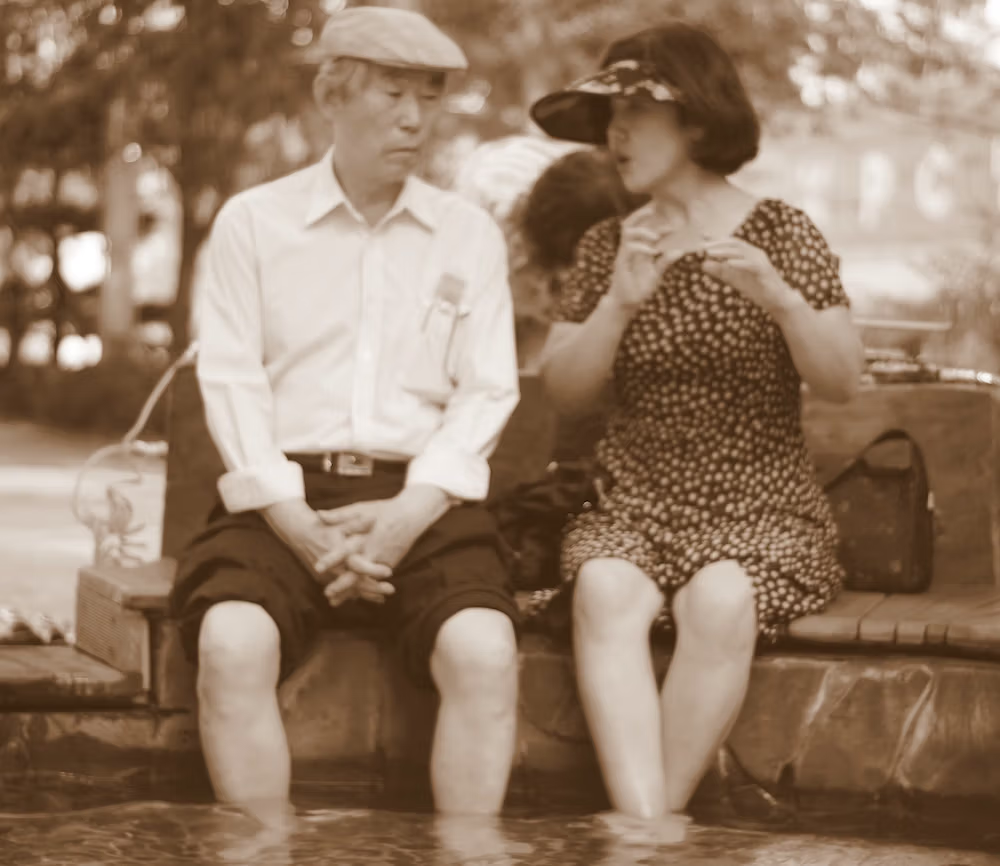
- Yuseong Hot Springs: Relax in natural hot spring baths believed to have healing properties, smelling the faint, sulfurous steam rising off the scalding public foot baths.
- Daejeon O-World: Endure the deafening roar of rollercoasters and the chaotic swarms of school groups navigating the sprawling asphalt paths.
Tip: The subway system here is highly efficient. Buy a rechargeable transit card immediately so you aren’t fumbling with coins at the ticketing machines during rush hour.
Discover Jeonju Hanok Village
Look, consensus travel advice treats Jeonju as the holy grail of traditional Korean culture, but I’m going to be honest with you: it is a relentlessly crowded tourist trap. While Gongju’s Hanok village has booking friction, Jeonju has you dodging hundreds of people taking selfies in rented hanboks. The smell of frying street food and sweet rice wine hangs thick in the air from dawn until midnight.
- Traditional Houses: Squeeze your way through the packed, narrow alleyways flanked by hundreds of slate-roofed hanoks.
- Jeonju Bibimbap: Listen to the aggressive sizzle and feel the heat radiating off the heavy, scorched iron bowl as you aggressively mix your rice.
- Cultural Activities: Hit the wooden drum with the heavy mallet and feel the sharp, percussive shock travel straight up your arm.
Tip: The main streets are a zoo by 11:00 AM. Get up at 7:00 AM, hit the streets while they are empty, and secure your lunch reservation before the tour buses arrive.
Gongju Transportation Guide
Getting to Gongju
By Train:
- KTX (Korea Train Express):
- Route: The subtle, high-speed sway of the KTX carriage violently decelerates as you pull into the massive concrete structure of Gongju Station.
- The Big Mistake: Taking the KTX directly to Gongju Station is a massive rookie error. The station was built nearly 15 kilometers south of the historic core. You will be stranded in a rural area and forced to pay for a 30-minute taxi ride just to see the fortress. Skip it entirely.
- Mugunghwa and Saemaeul Trains:
- Duration: Brace for a much slower, 2.5-hour grind that stops at every minor concrete platform along the way.
By Bus:
- Express Buses:
- Terminals: Breathe in the thick smell of diesel exhaust as you board at Seoul’s chaotic Central City Bus Terminal and arrive at the Gongju Bus Terminal.
- The Smart Decision: The express bus is the superior logistical choice here. It takes about 1 hour and 40 minutes, costs significantly less than the KTX, and drops you directly into the urban center where you can immediately start walking to the sites.
- Frequency: Buses idle at the terminal constantly; if you miss one, the next heavy engine fires up in 30 minutes.
- Intercity Buses:
- Connectivity: Throw your heavy pack into the dark, dusty undercarriage storage before boarding buses from Busan or Gwangju.
Tip: Do not blindly trust booking sites that tell you the KTX is faster. The train ride itself is shorter, but the transfer friction from Gongju Station negates all time saved. Take the bus.
Navigating Within Gongju
Public Transportation:
- Buses:
- Coverage: Hang onto the greasy metal overhead handles as the local buses aggressively corner through the tight residential streets.
- Payment: Slap your T-money card against the scanner and listen for the sharp electronic beep before taking your seat.
- Information: Squint at the dense Korean script on the plexiglass bus shelter maps while trying to cross-reference your phone.
- Announcements: Strain to hear the crackling, muffled Korean audio announcements over the roar of the diesel engine.
Taxis:
- Availability: Wave down a silver or black sedan and feel the blast of the heavy A/C the second you open the door.
- Fares: Watch the glowing red numbers on the dashboard meter tick up as the driver expertly weaves through traffic.
- Communication: Shove your phone with the destination written in Korean through the plexiglass divider to avoid any verbal confusion.
Rental Services:
- Bikes:
- Availability: Grip the worn rubber handlebars of a heavy, single-speed rental bike outside your guesthouse.
- Ideal For: Feel the bone-rattling vibration of riding over the brick-paved riverside paths.
- Cost: Hand over a crumpled 10,000 KRW bill to secure the bike for the afternoon.
- Cars:
- Requirements: Slap your rigid International Driving Permit down on the rental counter to prove you can legally drive here.
- Providers: Grip the plastic steering wheel of a tiny, underpowered Korean compact car in a tight parking garage.
- Navigation: Listen to the relentless, high-pitched dinging of the GPS warning you about speed cameras every two kilometers.
Tip: Google Maps is severely hobbled in South Korea due to national security laws. If you try to use it for walking directions, you will end up staring at a blank grid. Download Naver Map or KakaoMap immediately.
Transportation Tips for Tourists
- Use Apps:
- Translation Apps: Hover your phone’s camera over a greasy, laminated diner menu and watch Papago struggle to translate the text in real-time.
- Transportation Apps: Stare at the glowing dots on KakaoBus to see exactly how many stops away your ride is.
- Carry Cash:
- Small Bills and Coins: Feel the heavy weight of 500 KRW coins jingling in your pocket for rural areas where the card machines drop the signal.
- ATMs: Push the stiff plastic buttons on a convenience store ATM and wait for the mechanical whir of cash dispensing.
- Learn Basic Korean Phrases:
- Greetings: Force out a clumsy “Annyeonghaseyo” and receive a crisp, efficient nod from the convenience store clerk.
- Directions: Point frantically down the street while asking “Eodi-eyo?” to a local.
- Numbers and Prices: Scrutinize the digital display on the taxi meter so you know exactly how many bills to pull out.
Tip: Do not trust public Wi-Fi on moving buses; it drops constantly. Rent a heavy, brick-like portable Wi-Fi egg at Incheon Airport and keep it charging in your daypack.
Essential Questions About Visiting Gongju, South Korea: Practical Answers, Baekje History Tips & Easy Trip-Planning Help
Is Gongju worth visiting if I’m already traveling around South Korea?
Absolutely. Gongju feels like a grounded, logistical counterpoint to the massive concrete sprawl of Seoul. If you like history that requires actual boots on the dirt rather than battling huge crowds behind velvet ropes, this is your place.
We’d highly recommend it if you want to physically walk the perimeter of the Baekje Kingdom. It’s a scenic riverside city where major sites are dense enough that you aren’t burning half your day sitting in traffic.
How many days should I plan for Gongju?
It depends entirely on your stamina. A high-tempo one-night, two-day sprint lets you hit the fortress, the Tomb of King Muryeong, and the National Museum before your legs give out.
If you want to drag your boots up a mountain or chew through a massive barbecue dinner at a slower pace, book two nights. Gongju punishes travelers who try to rush its steep hills.
What’s the easiest way to get to Gongju from Seoul?
For most travelers, the brutal efficiency of the express bus from Seoul to the Gongju terminal is unmatched. You sit in a heavy leather recliner, smell the diesel, and arrive right in the city center.
If you take the fast train, you’re going to be dumped at Gongju Station in the middle of nowhere and forced to negotiate a taxi ride into town. Stick to the bus.
Can I visit Gongju as a day trip?
Yes, but you will be exhausted. You need to pick one geographical cluster—like the fortress plus museum and royal tomb area—and accept you won’t see the rest.
You’ll get a heavy dose of history, but staying overnight allows you to feel the cold air roll off the river at dusk without constantly checking your watch for the last bus out.
What are the true “must-see” Baekje sites in Gongju?
The Tomb of King Muryeong and Gongsanseong Fortress are the anchors. The heavy brickwork and the jagged perimeter walls are undeniable physical proof of Gongju’s royal past.
Lock those in with the Gongju National Museum. Staring at the massive iron swords behind the glass connects the artifacts directly to the dirt you just walked on.
Is Magoksa Temple worth the extra effort?
Absolutely. Magoksa forces you out of the city grid. The sharp smell of pine needles and the physical isolation of the valley make it feel raw and lived-in rather than purely touristic.
The crushing silence, broken only by the wooden temple drum, is a severe contrast to the noisy markets in town.
Is a temple stay in Gongju a good idea for first-timers?
Yes, if you can handle the friction. A temple stay strips away your comfort. Waking up in the freezing dark at 4 AM to kneel on a hard floor is a serious reset.
You don’t need to be spiritual to survive it. Accept the bland food, the rigid schedule, and the muscle cramps as a pure, unfiltered cultural experience.
What’s the best time of year to visit Gongju?
Late spring and autumn. The city is a physical undertaking, and the brutal humidity of a Korean July will leave you drenched in sweat before you clear the first fortress gate.
Winter is dead quiet, but the wind cutting across the river will numb your face. Stick to the shoulder seasons to save your lungs and your camera battery.
How do I get around Gongju without renting a car?
It’s pretty straightforward. Local buses cover the major arteries, and slamming the door of a cheap taxi is the easiest way to cross the city quickly.
Keep your phone charged and Naver Map open. The historical core will burn through your shoe rubber, but it is highly navigable if you don’t mind the mileage.
How much money should I budget per day in Gongju?
It depends. Gongju doesn’t bleed your wallet like Seoul. You can walk the ancient sites and eat heavy market food without hitting premium prices.
A mid-range budget handles a solid hotel and massive barbecue dinners, while budget travelers can survive easily on thick bowls of stew and basic hostel bunks.
What food should I try besides chestnut snacks?
The chestnut gimmick is fine, but you need real calories. The intense heat of a charcoal grill searing thick cuts of pork belly is mandatory.
Focus on the heavy, bubbling iron pots of stew at the local joints. You want the kind of food that leaves a film of spice on your lips and aggressively cuts through the cold.
Is Gongju good for families traveling with kids?
Absolutely. We found that while pushing Aurelia’s stroller over cobblestones required some torque, the wide-open spaces of the museum grounds are perfect to let kids burn off energy.
The tactile nature of the archaeological sites—literally touching replica flint tools—keeps kids engaged way better than reading text on a wall. Just carry heavy snacks.
Any etiquette tips for temples and historical sites?
Yes. Silence is an action here. The hollow wooden clap of a monk’s shoes shouldn’t be drowned out by your conversation. Take off your boots when required and don’t complain about the cold floors.
Treat the dirt you are walking on with respect. These aren’t plaster replicas; this is highly preserved earth. Keep your hands off the ancient masonry.
Is Gongju accessible for travelers with limited mobility?
It depends. The brutalist concrete floors of the museums are perfectly smooth, but the fortress walls are a jagged, uneven nightmare of steep stone steps.
Focus your logistics on the tomb complex and the flat river paths. You can still absorb massive amounts of history without forcing your knees to handle a vertical incline.
What’s a simple two-day Gongju itinerary that doesn’t feel rushed?
Day one: Suffer through the steep inclines of Gongsanseong Fortress early, then cool off in the hyper-conditioned air of the Gongju National Museum.
Day two: Walk the dirt paths of the Tomb of King Muryeong, dodge the elbows at the folk market, and let the grease of a barbecue dinner settle before catching the bus out.
| Activity / Route | Current Cost / Time | The Reality Check | Pro-Tip |
|---|---|---|---|
| Seoul to Gongju Transit | ~1 hr 40 min | The Express Bus absolutely destroys the KTX here. Bullet trains drop you in a rural field far from town. | Just take the bus from Central City Terminal directly into the urban core to save a massive taxi fare. |
| Tomb of King Muryeong | 1,500 KRW | Essential, but do it early before the tour buses arrive and ruin the quiet atmosphere. | Park near the north exit before 10 AM to avoid the midday parking lot bottleneck. |
| Gongsanseong Fortress | 3,000 KRW | A serious physical workout. Worth the sweat for the unobstructed river views, but expect your calves to burn. | The main lot is tiny. Accept that on weekends, you might have to park across the river and walk. |
| Magoksa Temple | Free (small road toll) | Skip if you’re in a frantic rush. Best for a slow, quiet morning deep in the pine forests. | Bring physical 1,000 KRW bills for the mountain access road toll; cards fail out there. |
| Geumgang Suspension Bridge | Free | Only fun if you don’t have vertigo. You will literally feel the steel vibrating under your feet. | It gets padlocked shut by the city during high winds over 15 knots. Check the weather first. |
Gongju Travel Guide: Final Thoughts
From gripping the cold iron rails of Gongsanseong Fortress to chewing through dense, earthy chestnut cakes, the sheer density of things to do in Gongju demands your full physical attention. This city doesn’t coddle you; it rewards you with hard, unfiltered history.
Whether you are staring down the dark, vaulted ceiling of a 6th-century tomb or wiping the sweat off your forehead in a crowded market alley, Gongju forces you to actively participate. You don’t just passively look at this city; you feel it in your legs at the end of the day.
This guide is also available in Spanish. [Lea la versión en castellano: Guía de viaje de Gongju: las 10 mejores cosas que hacer en Gongju, Corea del Sur]