
Honestly, if you’re looking for the gritty realities of Chuncheon, you won’t find them in the glossy brochures. As a travel writer who has logged 15 years on the road it has forced me to look closely at what actually holds up on the ground. I can tell you this city is the ultimate antidote to Seoul’s concrete exhaustion. The minute you step off the ITX train, which currently runs around 9,800 KRW, the sharp smell of damp pine and cold lake water hits your lungs, forcing an immediate downshift in your pacing. We’re stripping away the generic fluff in this guide to give you the hard logistical intelligence needed to navigate the city without falling into tourist traps. From the leg-burning trails of Samaksan to the chaotic, smoke-filled dakgalbi alleys, here is what it actually takes to conquer Chuncheon.
The Logistical Reality of the Lakes
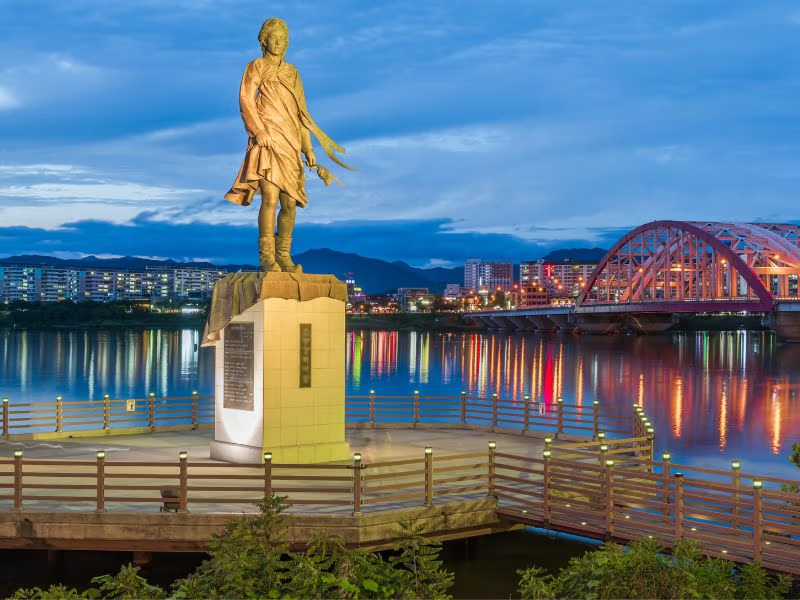
Forget the sanctuary clichés; the reality of Chuncheon’s geography is water, and negotiating it requires proper planning. Uiamho Lake dominates the layout, and when you cycle its perimeter, the biting wind coming off the surface will instantly chill your sweat. Nami Island gets the heavy foot traffic, but the root-mangled trails of Samaksan Mountain offer the real physical toll. Local sources suggest the mountain trailheads are often mislabeled on foreign map apps, so double-check your coordinates before setting out. Pack proper trail shoes; we found the loose scree on these inclines highly unforgiving. The physical friction of earning these views is exactly what makes them worthwhile.
Dakgalbi: The Non-Negotiable Meal
Let’s be blunt: you are here for the dakgalbi. Walking down Myeongdong Dakgalbi Street, the smoke stings your eyes, and the heavy, undeniable scent of searing chicken fat and gochujang permanently attaches to your jacket. Expect to pay around 14,000 KRW per portion for this spicy tabletop inferno. It’s an aggressive, loud dining experience that food lovers worldwide cross oceans for. In our experience, pairing this heavy meal with an icy, throat-cooling bowl of makguksu (buckwheat noodles) is a mandatory tactical move to put out the fire.
Puppets and Pavement Culture
There’s a raw, artsy pulse here, far removed from the sterile quiet of traditional galleries. The Chuncheon Puppet Festival and International Mime Festival turn the asphalt into chaotic, interactive stages. You can literally hear the sharp clack of wooden marionettes and the heavy thud of performers’ boots echoing down the alleys. It’s eccentric, slightly bizarre, and provides a massive return on your time investment if you prefer your culture loud and in the streets.
Pacing and Transit Realities
Chuncheon operates on a delay. The frantic urgency of Seoul dissolves entirely, replaced by the crunch of gravel under your boots as you navigate toward Soyangho Lake. We found that booking a slow boat ride isn’t a passive activity; the low hum of the engine vibrating through the wooden deck is a necessary physical reset. As this travel guide maps out, pacing yourself is the only way to tackle the steep urban hills and sprawling traditional markets without burning out your legs before dinner.

Chuncheon City Guide: A Hard Look At The History Of Chuncheon, South Korea
Chuncheon is a city built on strategic high ground. The historical narrative here isn’t just about ancient poetry; it’s about control of the waterways and mountain passes that dictated survival for centuries.
Goguryeo Outposts
The foundation of this city relies heavily on the Goguryeo dynasty, a dominant military force that required impenetrable topography. As the crew over at Almost Fearless often points out, the physical friction of the journey is where the actual memory is made. Touching the rough, freezing granite of the remaining ancient outposts reminds you that this valley was a heavily fortified choke point long before it was a weekend getaway. The physical isolation of these ruins speaks volumes about the brutal realities of ancient border defense.
The Timber of the Goryeo and Joseon Dynasties
When the Goryeo and Joseon dynasties took hold, the infrastructure shifted from stone to wood. You can still smell the aged, heavily varnished timber in the preserved pavilions scattered across the province. It was during these eras that Chuncheon transitioned into an educational and administrative center, though the damp, bone-chilling winters meant life here was never entirely comfortable, regardless of royal decree.
The Artillery Scars of the Korean War
The 1950s completely fractured this region. Chuncheon was dead center in the ideological crossfire of the Korean War. Standing near the memorial sites today, the eerie silence of the mountains serves as a heavy, sobering contrast to the artillery that once tore through these valleys. The rusted metal of decommissioned tanks left in the area is cold to the touch, grounding the history in absolute, undeniable reality.
Paving Over the Craters
Decades of aggressive reconstruction followed the armistice. The city literally paved over the craters with university campuses, transit hubs, and commercial zones. Today, the hiss of espresso machines and the roar of the ITX trains mask the deep historical bedrock. The modern integration is seamless, but the scars are still there if you know where to dig.

Chuncheon Ground Intelligence: Top Attractions and Best Places to Visit in South Korea
Positioned in the mountainous terrain of Gangwon, roughly an hour northeast of Seoul via the express train, Chuncheon requires deliberate pacing to navigate effectively.
Let’s get one contrarian signal straight right out of the gate: everyone tells you Namiseom Island is the absolute must-do crown jewel of Chuncheon. Honestly? We found it to be a heavily manicured theme park designed purely for drama fans to snap identical photos. If you want the actual soul of this region, skip the massive ferry queues and the ~16,000 KRW entry fee. Instead, take a local bus to the backside of Soyangho Lake where there is zero queue and you get the raw wind off the water. But, if you insist on playing the hits, your immediate priority should be the island.
Getting there requires boarding a packed ferry on the Han River, where the sudden drop in temperature over the open water will make you zip up your jacket. It gained massive traction from the drama Winter Sonata, pulling heavy crowds not just domestically, but from across much of Asia including Japan.
The friction of the crowds is undeniable, but once you push past the main thoroughfares, the dirt paths quiet down. The towering trees block out the sun, dropping the ambient temperature significantly, creating a stark, physical contrast to the concrete heat of the capital.
Beyond the endless photo stops, the island houses the burial mound of General Nami. Standing near the stonework in the dead quiet of the morning gives you a tangible sense of the 15th-century military history that kept King Sejo’s court intact.
For a brutal but rewarding physical challenge, redirect toward the Cheongpyeongsa Temple.
Earning the Mountain Views
Accessing the temple requires a ten-minute ferry across Soyang Lake (currently running about 7,000 KRW round trip), followed by a lung-busting hike up the steep inclines of Obongsan Mountain. A quick warning: the ferry ticket machines here have a terrible user interface and are mostly in Korean, so have cash ready as a backup. Your calves will absolutely burn by the time you reach the temple gates.
The isolation of the 10th-century compound makes sense once you feel how difficult it is to reach. The scent of burning incense cuts sharply through the damp mountain air, magnifying the intense quiet that Lee Ja-hyun sought during his Goryeo Dynasty exile.
If you hit the ground here between late May and early June, brace for the Chuncheon International Mime Festival. The sheer volume of street performers effectively shuts down vehicular traffic in the center.
We found ourselves dodging fire jugglers and aggressive street acts; you can literally feel the heat radiating off the torches as they pass. It is a high-energy, chaotic environment that requires a high tolerance for crowds and noise.
To ground yourself in the modern geopolitical reality of the region, visit the Memorial Hall for Ethiopian Veterans in the Korean War. The UN forces, including South Korean and Ethiopian troops, took heavy casualties in this sector.
The polished brass plaques are freezing to the touch, and the exhibits meticulously document the sheer logistical nightmare and human cost of the mountain warfare fought in these exact valleys.
Other Cultural Checkpoints: Trip to Chuncheon, South Korea
If your legs aren’t completely burned out from the temple hike, hit the Gangchon Rail Park. You are physically pedaling heavy iron carts down decommissioned train tracks. Running around 35,000 KRW for a two-seater, it’s an actual workout. The metallic screech of the wheels against the rails is deafening inside the tunnels.
It requires genuine quad strength to keep the momentum going, but the biting wind in your face and the unobstructed river views make the sweat equity worth it. A massive mistake travelers make here is trying to buy walk-up tickets on a weekend; it constantly sells out, leaving you stranded in the parking lot.
For television historians, Junsang’s House from Winter Sonata is preserved down to the floorboards. You can smell the musty, aged wood of the interior the moment you cross the threshold, giving it the eerie feeling of a set that was abandoned mid-shoot.
Pacing the Final Miles
To drop your heart rate, navigate to the Jade Garden Natural Arboretum. The humidity shifts noticeably when you enter the dense canopy of the 3,000 plant species. The crunch of the meticulously raked gravel paths under your boots forces you to slow down.
This massive botanical layout requires at least two hours to clear properly, and it’s heavily utilized by location scouts for its pristine, manicured European aesthetics.
End your route on Myeongdong Dakgalbi Street. The chaotic energy here peaks after dark. The grease slicks the pavement, and the radiant heat from the cast-iron skillets hits your face the second you sit down. It is the perfect, heavy caloric intake required to offset a day of freezing lake winds, but be warned: navigating a rental car into this sector is a ruthless tow-zone trap. Ditch the car and take a cheap taxi instead.
Top 20 Logistical Stops in Chuncheon, South Korea For Visitors
Here are the top 20 hard targets to clear in Chuncheon:

1. Tolerate the Crosswinds on Soyanggang Lake
Soyanggang Lake requires a time investment, but the payoff is massive. When you step onto the cruise deck, the heavy vibration of the diesel engine rumbles straight through your boots, signaling your departure into Korea’s largest artificial reservoir. The biting crosswinds out on the open water demand a solid windbreaker, especially if you plan on standing at the rail for photography. Watching the sunset cast a harsh, blinding glare across the chop is an absolute requirement.
- Massive scale artificial reservoir.
- Heavy crosswinds on the open deck.
- High-glare sunset visibility.
2. Walk the Glass at Soyanggang Skywalk
The Soyanggang Skywalk forces you to trust the engineering. Stepping onto the thick, transparent glass floors instantly triggers a drop in your stomach as you look at the churning water directly beneath your shoes. They force you to wear mandatory fabric shoe covers to protect the glass, which can be frustrating to wrestle on if you’re in a rush. The structure is heavily reinforced, but the slight sway of the pylons in the wind is definitely noticeable. Arriving at night means navigating the intense LED lighting that reflects harshly off the glass panels.
- Vertigo-inducing glass flooring.
- Slight structural sway in the wind.
- Intense nighttime LED illumination.
3. Navigate the Foot Traffic at Nami Island (Namiseom)
Nami Island requires a strategic approach to avoid the worst of the crowds. The cold spray from the ferry ride wakes you up instantly. Once on land, renting a bicycle is the fastest way to break away from the heavy foot traffic clustered near the entrance. The dirt paths compress hard under your tires, and dodging the roaming ostriches adds a weird, unpredictable friction to the ferry ride to the island.
- Heavy ferry crowding at peak hours.
- Bicycles are the fastest extraction method.
- Hard-packed dirt paths and sudden temperature drops.
4. Sweat it Out at Gangchon Rail Park
Operating a pedal-powered rail bike through the Gangchon Rail Park is an actual workout. The resistance on the heavy iron pedals requires sustained quad strength, and the metal-on-metal screeching inside the tunnels is incredibly loud. You’ll feel the burn in your legs after the first kilometer, but the physical exertion is the only way to earn the sweeping, high-altitude river views.
- Requires sustained physical pedaling.
- Deafening echoes inside the rail tunnels.
- High-altitude river exposure.
5. Absorb the Smoke at Dakgalbi Street
Dakgalbi Street is a sensory overload. The immediate hit of spicy, searing chicken fat and burning gochujang stings your eyes the second you walk through the doors. The cast-iron skillets radiate intense heat right at your chest as the staff aggressively chops cabbage and chicken in front of you. If the capsaicin hits too hard, deploying the cheese dakgalbi option coats the spice and saves your stomach lining.
- Intense cast-iron radiant heat.
- Aggressive table-side cooking.
- Heavy smoke that sticks to clothing.
6. Clock Miles at Uiamho Lake
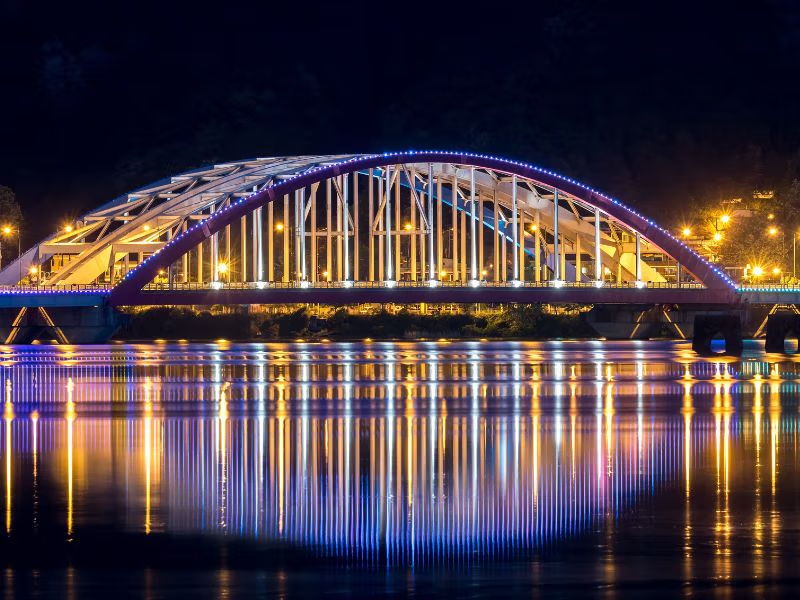
Uiamho Lake is where you go to burn off the heavy meals. The paved promenade is hard on the knees after a few miles, but it allows for high-speed cycling. Standing on the Uiamho Sky Bridge, the wind aggressively whips your hair, and you can feel the structural vibration every time a cyclist blows past you. The panoramic views of the surrounding beauty are best captured before the glare of the midday sun hits.
- High-speed paved cycling routes.
- Harsh wind exposure on the Sky Bridge.
- Vibrating suspension engineering.
7. Navigate the Chaos of Chuncheon Myeongdong Street
Chuncheon’s Myeongdong Street is a bottleneck of human traffic and aggressive neon signage. The narrow alleys funnel the noise of shouting vendors and sizzling street food directly into your ears. You have to actively shoulder your way through the crowds to secure hot, grease-stained paper bags of fried snacks. At night, the baseline hum of the crowd forces you to shout to be heard over the street performers.
- High-density pedestrian bottlenecking.
- Aggressive neon and loud vendor shouting.
- Greasy, high-heat street food.
8. Burn Calves at Gubongsan Mountain Observatory
The hike up to Gubongsan Mountain Observatory is a short but steep vertical push that will leave you gasping if you take it too fast. The dirt trail gives way to slick wooden stairs near the top, requiring careful foot placement. Once you breach the summit, the dropping temperature and the bitter coffee at the café provide a fast jolt to your system as you look down over the sprawling urban grid. Keep in mind, the coffee prices here are heavily inflated for the view, but you are paying for the altitude, not the roast.
- Steep, fast vertical elevation gain.
- Slick wooden stair sections.
- Noticeable temperature drop at the summit.
9. Inspect the Tech at the Animation Museum & Robot Studio
The Animation Museum and adjacent Robot Studio smell distinctively of ozone and hot electronics. You can hear the whir of servo motors and the clatter of plastic gears as the interactive exhibits run through their cycles. Operating the heavy joysticks to control the interactive robot displays provides immediate, tactile feedback on the mechanics of Korean robotics.
- Smell of ozone and hot circuitry.
- Tactile, heavy joystick controls.
- Loud mechanical servo whirring.
10. Walk the Dirt at Kim Yu-jeong Literature Village
The Kim Yu-jeong Literature Village is grounded in the harsh rural realities of the author’s era. Stepping onto the dry, dusty courtyard of the restored home, you can feel the absolute lack of insulation in the traditional architecture. The rough texture of the hanji (mulberry paper) doors and the smell of old, dry thatch perfectly frame the austere conditions that fueled his writing.
- Dry, dusty rural courtyards.
- Drafty, uninsulated traditional architecture.
- Smell of old thatch and mulberry paper.
11. Analyze the Steel at Gongjicheon Sculpture Park
Gongjicheon Sculpture Park lines the Gongjicheon River with massive, heavy installations of welded steel and carved stone. When you run your hand over the freezing metal structures in the morning, the condensation wets your fingers. The park requires extensive walking on unforgiving concrete paths, but the sharp contrast of brutalist art against the soft, muddy riverbanks is visually striking.
- Cold, heavy steel and stone installations.
- Unforgiving concrete walking paths.
- Damp, muddy riverbank conditions.
12. Process the Relics at Chuncheon National Museum
The climate-controlled air inside the Chuncheon National Museum is deliberately dry to protect the archaeological treasures. The sharp silence of the exhibit halls allows you to focus on the chipped flint and heavy bronze tools excavated from the region. Sitting in the museum garden and tea house afterward, the hot ceramic cup of green tea cuts through the sterile chill of the museum air perfectly.
- Aggressively dry, climate-controlled air.
- Sterile, silent exhibit halls.
- Hot ceramic tea cups for thermal recovery.
13. Clear the Paths at Jade Garden Natural Arboretum
The Jade Garden Natural Arboretum requires solid footwear, as the sprawling walking paths transition rapidly from crushed gravel to slick, mossy brick. The heavy scent of wet soil and blooming flora hits you like a wall in the greenhouses. The manicured hedges create tight, maze-like corridors that force you to navigate carefully, especially when the morning dew makes the descents treacherous.
- Transitioning terrain from gravel to slick brick.
- Heavy, humid greenhouse air.
- Treacherous morning dew on descents.
14. Absorb the Impact at Soyangho Lake
Soyangho Lake is where the throttle opens up. If you rent a jet ski, the violent slapping of the fiberglass hull against the choppy water jars your spine with every wave. The grip tape on the wakeboards tears at your bare feet, and the smell of exhaust mixed with fresh lake water is potent. It’s a high-impact environment that requires physical stamina to handle the equipment.
- Violent hull impacts on choppy water.
- Abrasive grip tape on rental equipment.
- Strong smell of marine exhaust.
15. Dodge the Crowds at Chuncheon Puppet Festival
Navigating the Chuncheon Puppet Festival means constantly elbowing through dense, unpredictable crowds. The street parades feature massive, heavy paper-mache constructs that look like they could collapse at any second, requiring the operators to shout frantically to clear the path. The smell of hot asphalt and sweat dominates the air as you stand shoulder-to-shoulder watching the aggressive, high-energy performances.
- Dense, unpredictable human foot traffic.
- Heavy, swaying parade constructs.
- Smell of hot asphalt and crowd sweat.
16. Haggle Hard at Chuncheon Romantic Market
The Chuncheon Romantic Market is tight, claustrophobic, and highly efficient. You have to physically duck under low-hanging tarps and strings of cheap plastic wares. The ground is often slick with spilled water from the fish mongers, requiring careful steps. Purchasing unique souvenirs here involves loud, rapid-fire negotiations over the deafening hiss of deep-fryers turning out scalding hot street food.
- Claustrophobic, tarp-covered alleys.
- Slick, wet pavement near the fish stalls.
- Deafening hiss of boiling fry oil.
17. Paddle the Current on Chuncheon Mulle-gil
Taking a canoe or kayak down the Chuncheon Mulle-gil requires serious upper body endurance. The wooden paddles dig heavily into the thick, dark water, and fighting the subtle undercurrents will quickly strip the skin off your thumbs if you aren’t gripping properly. Guided tours are available, but even then, the sun beats down mercilessly on the aluminum hulls, radiating heat upward into your face.
- Heavy resistance against river currents.
- Friction blisters from wooden paddles.
- Radiant heat from aluminum boat hulls.
18. Ground Yourself at Samaksan Healing Forest
The Samaksan Healing Forest is steep and heavily wooded. The walking paths are carpeted in thick, rotting pine needles that silence your footsteps but create a slick surface on the downward slopes. The air is noticeably thinner and colder up here, and the intense scent of raw sap and damp earth forces you to inhale deeply, effectively slowing your heart rate after the aggressive climb.
- Slick footing on rotting pine needles.
- Noticeably thinner, colder mountain air.
- Heavy olfactory hit of raw sap and damp earth.
19. Command the Skillet in a Cooking Class
Taking a hands-on cooking class to master dakgalbi means dealing with raw ingredients and high heat. The sting of chopping raw garlic and onions will leave you teary-eyed, and wielding the heavy metal spatulas over the roaring gas burners requires constant motion to prevent the marinade from scorching. Earning your meal by sweating over the hot iron makes the final product taste significantly better.
- Eye-stinging raw garlic and onion prep.
- Heavy metal spatulas and roaring gas burners.
- Constant physical motion to prevent scorching.
20. Grind the Grain at Chuncheon Makguksu Museum
The Chuncheon Makguksu Museum isn’t just visual; the air is thick with the dry, powdery dust of milled buckwheat. During the noodle-making workshops, leaning your body weight into the wooden press to extrude the thick, grey noodles will make your shoulders ache. Plunging the fresh dough into boiling water and immediately shocking it in ice baths requires fast hands and high pain tolerance for sudden temperature shifts.
- Dry, powdery air filled with buckwheat dust.
- Heavy physical leverage required for noodle presses.
- Extreme temperature shifts from boiling to ice baths.

What To Eat and Drink At Restaurants in Chuncheon, Korea
Here is the hard intelligence on the caloric intake required to survive the mountain winds of this city.
Dakgalbi: Chuncheon’s Signature Heat
Dakgalbi isn’t a delicate meal; it’s a combat zone of splashing grease and intense heat. This spicy stir-fried chicken is heavily marinated in gochujang and cooked down with sweet potatoes and thick slabs of cabbage directly in front of you. The heavy cast-iron plate radiates heat, forcing you to lean back as the server aggressively chops the meat with heavy metal shears. The spicy oil will stain your shirt, so wear dark colors. It’s totally worth the laundry bill.
Makguksu: The Cold Countermeasure
When the dakgalbi burns your palate, makguksu is the mandatory coolant. The cold, earthy buckwheat noodles are served in an icy, tangy broth that physically numbs the burn. Mixing in the sharp, sinus-clearing mustard requires violent stirring to integrate the dense block of noodles. The icy temperature of the stainless steel bowl will leave condensation dripping onto the table.
Soyanggang Maeuntang: The Heavy Boiler
If you need to thaw out after a winter hike, Soyanggang Maeuntang is the heavy artillery. This violently boiling fish stew arrives at the table still bubbling over the rim of the pot. The chili flakes catch in the back of your throat, and picking the tiny, sharp bones out of the river fish requires intense focus. It leaves you sweating heavily, completely erasing the cold of the Soyang River winds.
Chuncheon-style Fried Chicken
This isn’t fast food; the crust on Chuncheon-style fried chicken is jagged and shatters loudly when you bite into it. The heavy, sticky soy-glaze coats your fingers completely, requiring a stack of wet wipes to dismantle. The audible crunch and the scalding hot steam that escapes from the dark meat confirm that it was pulled straight from the fryer to your plate.
Grilled Fish
The fish pulled from the local lakes are thrown directly over open coals. The skin chars black and blisters, releasing a heavy, oily smoke that fills the open-air tents. Squeezing lemon over the charred skin results in a loud hiss. The flesh pulls away in thick, dense flakes, heavily salted and requiring a cold beer to wash down.
Bungeoppang: The Iron-Pressed Snack
You’ll smell the burnt sugar of bungeoppang long before you see the street cart. The vendor slams the heavy iron molds shut, searing the batter around the molten red bean paste. Handed to you in a thin paper bag, the pastry is initially too hot to hold, forcing you to juggle it between your hands in the freezing street air before risking a bite.
Korean Traditional Liquors
You do not sip makgeolli from a glass; you scoop it from a dented brass bowl. The milky, unfiltered rice wine is served ice-cold, leaving a chalky, sweet residue on your tongue. The heavy aluminum kettles it is poured from clank loudly against the tables, acting as the perfect, low-alcohol solvent to cut through the heavy grease of the regional pork dishes.
Local Craft Beers
The emerging brewery scene here relies heavily on cold, pressurized stainless steel tanks. The IPAs pour with a thick, frothy head that leaves heavy lacing down the side of the freezing pint glass. The bitter, piney hops bite at the back of your throat, providing a sharp contrast to the sweet marinades of the local street food.

Guided Incursions: Tours For Visitors To Chuncheon, Korea
Here is the unvarnished breakdown of what these guided operations actually require from your stamina.
1. Nami Island Extraction Tour
This tour requires extensive walking. You are locked into a herd mentality from the moment you hit the ferry dock. The guide keeps a ruthless pace along the dirt paths to ensure you hit the iconic tree lines before the massive tour buses arrive. Your feet will ache from the hard-packed soil, but the logistical heavy lifting of transit is handled for you.
2. Dakgalbi Street Culinary Gauntlet
This isn’t a passive tasting menu; you are put to work. The guide throws you onto a hot skillet, and you have to physically battle the searing heat of the iron while learning to rapidly fold the cabbage into the gochujang. Expect grease burns on your wrists and clothes that smell like a campfire for the next two days.
3. Soyang Lake & Dam Infrastructure Excursion
This tour leans heavy into concrete engineering. Walking the massive span of the Soyang Dam subjects you to extreme, unbroken wind exposure. You can feel the deep, low-frequency hum of the hydroelectric turbines vibrating through the pavement beneath your boots. It’s an imposing, brutalist piece of architecture that makes you feel incredibly small.
4. Chuncheon Cultural Relic Tour
Prepare to remove your shoes repeatedly. Entering the traditional hanoks and ancient temples means walking on freezing wooden floorboards in your socks. The deep bowing and steep, uneven stone steps at Cheongpyeongsa Temple will tax your knees. The scent of ancient dust and burning incense is thick and inescapable.
5. Uiamho Lake Endurance Cycling
You will earn every mile on this tour. The aluminum rental bikes are heavy, and fighting the headwinds off the lake requires serious lung capacity. The guided pack moves fast, and the relentless vibration of the wooden boardwalk sections will leave your hands numb. The burn in your thighs is guaranteed, but the ground covered is massive.
6. Night Market & Deep Fryer Tour
This is a chaotic sprint through tight, claustrophobic alleys. You are constantly dodging rogue scooters and the spitting oil of open deep-fryers. The guide aggressively pushes you to eat scalding hot skewers of meat while standing in the freezing night air. It’s a loud, abrasive, and highly caloric mission.
7. Animation & Puppetry Workshop
Your hands will end up covered in glue, sawdust, and coarse paint. Carving the wooden marionettes requires physical force, and the sharp scent of lacquer in the unventilated workshops is intense. It’s a surprisingly labor-intensive process that leaves your fingers cramped by the end of the session.
8. Mountain Ridge Trekking Tours
These guides do not mess around. Hitting the trails of Samaksan or Bonguisan means scrambling over jagged boulders and pulling yourself up steep inclines using anchored ropes. The abrasive granite will tear up your hands, and the thin air at the summit violently chills the sweat on your back. Mandatory thick-soled boots are required.
9. High-Proof Liquor Tasting
The smell of fermented rice and pure ethanol hits you the second you enter the distillery. Knocking back high-proof, unaged soju burns a hot path straight down your esophagus. The heavy clay fermentation vats are cold and damp to the touch, and the fumes alone are enough to make your eyes water.
10. Pavement Art and Gallery Tour
This requires heavy urban walking on hard concrete. Tracing the street art routes means navigating steep, uneven alleyways littered with broken glass and debris. The scent of fresh aerosol paint is sharp, and standing on the cold pavement for extended periods while analyzing the murals will eventually numb your toes.
Chuncheon Billeting Guide: Hotels, Guesthouses and Hostels
Here’s the travel guide to where you should actually drop your bags, graded on actual comfort rather than lobby aesthetics.
High-End Billeting
The Grand Chuncheon Hotel
If you need to recover from a brutal hike, the heavy, thick mattresses here actually support your lumbar. The water pressure in the showers is aggressive enough to strip the mountain dust off your skin, and the thick glass windows successfully kill the harsh street noise from the avenues below. It’s an isolated, quiet vault.
Mid-Range Billeting
Chuncheon Bears Hotel
This is a purely tactical location. You are dumping your gear here to strike out into the city. The carpets are thin, and you can hear the hum of the hallway ice machines, but the proximity to Myeongdong Street means you can drag yourself back from a heavy dakgalbi dinner on foot in under ten minutes. The HVAC systems pump out freezing air, which is a massive relief in August.
KT&G Sangsang Madang Chuncheon Stay
You’ll smell the sharp tang of exposed brick and fresh coffee the minute you enter. It’s a converted space, meaning the acoustics are slightly echoey, and the heavy iron doors slam loudly down the hall. However, the mattresses are firm, and the minimalist concrete design removes the claustrophobia of standard box-hotels.

Regional Excursions From Chuncheon, Korea
Here’s the reality of extending your perimeter outside the city limits.
1. Nami Island
Executing this trip requires dealing with massive, slow-moving crowds. The cold metal railing of the ferry bites through your gloves in autumn. Once you hit the dirt, the endless rows of towering pine trees act as a massive windbreak, dropping the volume of the crowds to a dull roar. The crunch of dry, fallen leaves under your boots is constant.
2. Gangchon Rail Park
You will sweat through your shirt on this excursion. Pushing the heavy iron rail cars down the rusted tracks requires sustained physical torque. The violent rattling of the wheels sends vibrations straight up your spine, and the dark, freezing tunnels offer sudden, shocking relief from the burning sun.
3. Sokcho and Seoraksan National Park
Getting here requires a long, winding bus ride that will test your motion sickness limits. Once on the ground, Seoraksan demands brutal vertical climbing over jagged, abrasive granite boulders. In Sokcho, the coastal wind is aggressive, whipping salt spray into your eyes as you navigate the slick, wet concrete of the fish markets.
4. Petite France and The Garden of Morning Calm
This route requires navigating steep, winding mountain roads. The blindingly bright pastel paint of Petite France glares in the sun, and the steep cobblestone paths are treacherous when wet. The Garden of Morning Calm smells intensely of crushed pine needles and damp soil, but the endless manicured stairs will heavily tax your knees.
5. Hwacheon Sancheoneo Ice Festival
This is a test of thermal endurance. Standing on the frozen river, the ice radiates an intense, bone-deep cold straight through the soles of your boots. Your hands will go completely numb while gripping the small plastic fishing rods. The smell of burning charcoal and roasting trout is the only thing keeping the crowds from retreating indoors.
6. Chuncheon Mulle-gil Canoe Experience
The aluminum canoes heat up like ovens under the midday sun. Sitting low in the water, every shift in weight causes the hull to rock violently. The heavy wooden paddles will quickly raise blisters on your palms, and the murky, cold river water splashes over the gunwales, instantly chilling your legs.
7. Pocheon Art Valley and Herb Island
The hike into the Pocheon quarry is a brutal, vertical march on hard asphalt. The sheer, sheer granite cliffs echo every footstep loudly. Later, at Herb Island, the overwhelming, concentrated scent of lavender and eucalyptus borders on medicinal, clearing your sinuses instantly the moment you step into the greenhouse.
8. The DMZ Tour
This trip is heavily restricted and highly tense. You will be marched down into the Third Infiltration Tunnel, where the low, jagged rock ceiling forces you to hunch over, and the damp, freezing air smells faintly of stagnant water. The heavy presence of concertina wire and armed guards creates a suffocating, physical tension.
9. Yongpyong or Alpensia Ski Resorts
The altitude here means the air is razor-thin and painfully cold in your lungs. Clicking into heavy, rigid ski boots instantly restricts your movement. The violent wind chill on the open chairlifts bites through anything less than a heavy down jacket. The Pyeongchang 2018 Winter Olympics infrastructure here is massive, concrete, and unyielding.
10. Incheon’s Chinatown and Fairytale Village
The transit out here is a grinding, multi-hour train ride. The streets of Chinatown are steep, forcing you to lean heavily forward while climbing. The thick, greasy smell of frying black bean noodles (jjajangmyeon) clings to the humid air. The neon paint of the Fairytale Village is harsh on the eyes, contrasting sharply with the crumbling brick alleys just a block away.
Essential Chuncheon Travel Questions Answered: Practical Planning Tips, Seasonal Advice, Food Picks & Day-Trip Ideas
How many days do you really need in Chuncheon?
It depends entirely on your tolerance for exhaustion. If you want to burn through Nami Island, snap a lake view, and inhale a dakgalbi pan, you can force it into a brutal 14-hour round trip from Seoul.
We think 2 days / 1 night is the actual sweet spot. You need the first day to grind through the heavy walking and hiking, and the second morning to deal with the muscle soreness while eating makguksu before the ITX train drags you back to the capital.
Is Chuncheon worth visiting as a day trip from Seoul?
Yes, but you will pay for it in fatigue. The transition from Seoul’s concrete grid to Chuncheon’s mountain valleys is rapid, but cramming it into one day means you are constantly looking at your watch.
Staying the night drops your heart rate. You avoid the desperate rush for the last train, and you get to experience the sharp drop in temperature when the sun dips behind the mountains, clearing the streets of day-trippers.
What is the best time of year to visit Chuncheon?
Spring and autumn are the only logical choices. The air is crisp, and you won’t sweat through your layers while hiking.
Summer is a suffocating, humid swamp, and the monsoon rains turn the dirt trails to thick, impassable mud. Winter is punishingly cold; the wind off the lakes will numb your face in minutes unless you are specifically equipped for sub-zero wind chills.
What are the must-do nature experiences besides Nami Island?
Nami Island is the crowded baseline. The real physical effort is found elsewhere.
Hit the lake circuits. Soyanggang Lake delivers heavy, aggressive winds and massive scale. Uiamho Lake requires high-speed cycling to clear the perimeter. If you want vertical punishment, the craggy, root-choked ascents of Samaksan will push your cardiovascular limits far more than the flat, paved paths of the arboretums.
Is Nami Island still worth it if I’m not a K-drama fan?
Yes, provided you can handle the bottleneck at the ferry. The drama fame is just a marketing magnet.
The actual physical reality of standing under massive, ancient trees while the freezing wind whips off the river is impressive, regardless of your television viewing habits. Rent a bike, push past the selfie-stick crowds, and hit the dirt paths on the perimeter.
Where should I stay in Chuncheon for a first visit?
Lock down a room near the downtown/Myeongdong-area. You want to be within limping distance of the dakgalbi street after a heavy day of hiking.
Lakeside billeting offers better morning views and silence, but you will bleed cash and time relying on taxis to move you back and forth from the actual urban infrastructure.
What’s the easiest way to get to Chuncheon from Seoul?
The ITX train. It’s a heavy, high-speed piece of machinery that cuts through the mountains in roughly 75 minutes. The vibration of the tracks is steady, and it bypasses the massive highway traffic jams.
Do not attempt to drive this on a weekend morning unless you enjoy sitting idle in gridlock while staring at the brake lights of tour buses.
Do I need a car in Chuncheon?
Absolutely not. You will spend half your time fighting for microscopic parking spaces on steep hills.
The local bus network is dense, and taxis are cheap and aggressive enough to get you anywhere fast. Only rent a vehicle if you are pushing deep into the Gangwon interior where the bus lines fracture.
How easy is it to get around Chuncheon if I don’t speak Korean?
It requires preparation. The map apps are your primary navigation tool, and you will spend a lot of time staring at your screen.
We mandate screenshotting the Korean hangul for your hotel and major transit hubs. Shoving a phone screen with English text into a taxi driver’s face while traffic blares behind you is a fast way to get stranded.
What should I budget per day in Chuncheon?
It burns less cash than Seoul, but the transport adds up.
If you stick to heavy street food, local buses, and free hiking trails, you can operate on a tight margin. If you start factoring in ferry tickets, rail bike rentals, and premium cast-iron dakgalbi meals, the daily burn rate climbs rapidly.
What are the top foods to try besides dakgalbi?
You have to process a bowl of makguksu. The icy broth and dense buckwheat noodles are heavy in the stomach but necessary to cool down your core temperature.
Walk the markets and grab the heavily fried, grease-soaked snacks. Your body will burn the calories off immediately when you hit the mountain stairs.
Any tips for ordering and enjoying dakgalbi like a local?
Protect your gear. The grease splatters violently from the cast iron. Put your jacket in the provided plastic bags or it will smell like burnt chili for a week.
Deploy the cheese dakgalbi if your heat tolerance is low, and never leave the table without ordering the 볶음밥 (fried rice) at the end. The server will forcefully scrape the burnt crust off the pan to mix it, and the sound of the metal spatula scraping iron is deafening.
Is Chuncheon a good destination for families with kids?
Yes, but you have to manage their stamina. The lake walks are flat and paved, but the distances are massive.
The rail bikes and ferries are solid distractions, but dragging exhausted kids up the mountain temple stairs will result in a rapid breakdown of unit cohesion. Keep the daily targets low.
Is Chuncheon accessible for travelers with mobility concerns?
It is a mixed bag. The lakeside promenades and modern museums feature smooth, flat concrete.
However, the historical sites, temples, and older market alleys are brutal. You will face steep, cracked pavement, aggressive curbs, and massive sets of uneven stone stairs that are completely unforgiving.
Is Chuncheon safe, and are there any common tourist pitfalls?
The physical threat level is zero. The main friction comes from bad logistics.
The biggest failure point is underestimating transit times. Missing the last ferry off Nami Island or getting stranded at a remote trailhead after the buses stop running drops you into a freezing, expensive taxi ride back to base. Lock down your exfil times.
What are the best places to visit after Chuncheon?
Push further east into Gangwon. The bus ride to Sokcho is winding and nausea-inducing, but the jagged granite peaks of Seoraksan are the ultimate payout.
If your legs are dead, take the coastal route to Gangneung, where the smell of dark roasted coffee cuts through the heavy salt air of the East Sea. If you need a hard reset, the ITX train will rocket you straight back into the concrete jungle of Seoul.
Chuncheon Logistics: The Decision Matrix
| Activity / Route | Current Cost / Time | The Reality Check | Pro-Tip |
|---|---|---|---|
| ITX Train (Seoul to Chuncheon) | Around 9,800 KRW / ~75 mins | Worth it. The weekend highway traffic out of Seoul is soul-crushing. Stick to the rails. | Book at least 48 hours out. Buy a ticket on a Saturday morning, and you’ll be standing in the freezing vestibule for an hour. |
| Nami Island (Namiseom) | Around 16,000 KRW (Entry + Ferry) | Skip if you have zero tolerance for massive crowds and manufactured photo-ops. | The zip-line entry looks cool on video, but the unpredictable wait time will entirely destroy your morning schedule. Just take the standard ferry. |
| Gangchon Rail Park | ~35,000 KRW (2-seater bike) | Best for active travelers. It’s an actual quad workout, not a passive theme park ride. | Walk-up tickets on weekends are basically a myth. Pre-book online or you’ll be staring at a “Sold Out” sign at the kiosk. |
| Myeongdong Dakgalbi Street | ~14,000 KRW per portion | Mandatory. Yes, it’s a tourist hub, but the volume ensures the chicken turnover is incredibly fresh. | Parking in this sector is a ruthless tow-zone trap. Leave the rental at your billeting and take a 4,000 KRW taxi instead. |
Chuncheon Intelligence Report: Final Thoughts
Chuncheon is not a passive destination. It demands physical effort, whether you are pedaling iron rail carts, choking on gochujang smoke, or freezing on the deck of a ferry. It’s a city that forces you to engage with the elements.
The Topography Dictates the Experience
You cannot ignore the terrain here. The biting wind off Uiamho Lake and the burning calves from climbing Samaksan Mountain are the actual metrics of your visit. It’s a harsh, beautiful environment that completely strips away the sterile comfort of the capital. The dirt under your nails and the sweat on your collar prove you were actually here.
Heavy Caloric Requirements
The food here is survival fuel. The heavy, greasy impact of dakgalbi and the icy shock of makguksu are engineered to counteract the extreme temperature shifts of the mountain valleys. Sitting in a loud, smoke-filled tent while searing chicken fat splatters your forearms is the definitive Chuncheon experience. It is loud, messy, and absolutely necessary.
Abrasive Street Culture
The culture here happens on the pavement. Dodging fire-breathing mime performers or haggling over the deafening hiss of deep-fryers in the Romantic Market requires thick skin and fast reflexes. The history isn’t just behind glass; it’s in the freezing stone of the Goguryeo ruins and the rusted iron of the war memorials.
Earning the Extraction
By the time you board the train out, your boots should be covered in dust, your jacket should smell like smoke, and your legs should be dead. Chuncheon requires you to put in the work, but the return on investment is massive. This is the hard reality of the mountain interior.
Pack heavy layers, lace up your boots, and prepare to cover some serious ground.
This guide is also available in Spanish. [Lea la versión en castellano: Guía de viaje de Chuncheon: 20 cosas para hacer en Chuncheon, Corea del Sur]