
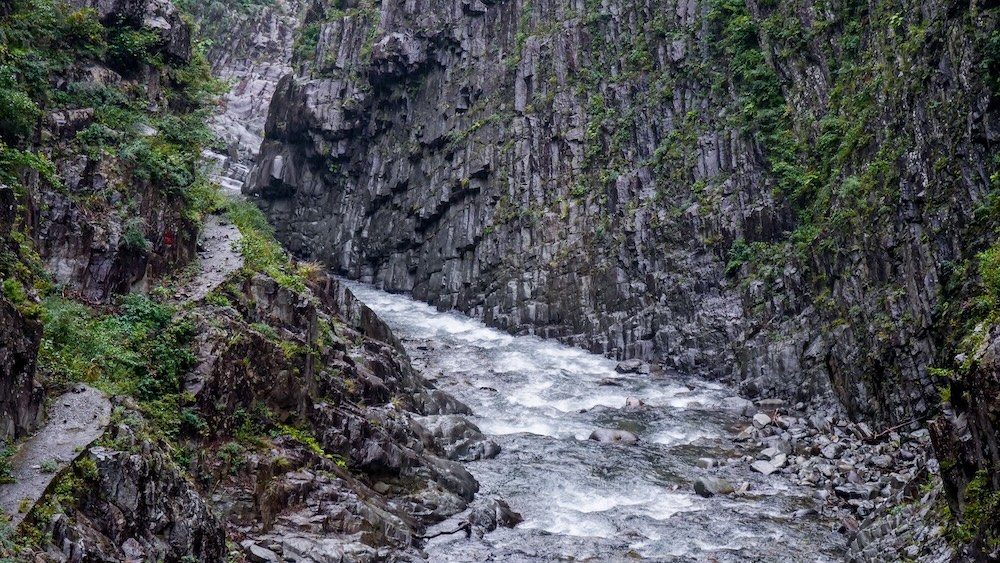
Nestled in the heart of Niigata Prefecture, Kiyotsu Gorge is a stunning natural wonder that captivates visitors with its breathtaking beauty and serene atmosphere. This picturesque gorge is renowned for its crystal-clear waters, dramatic cliffs, and lush greenery, making it a must-visit destination for nature enthusiasts and adventure seekers alike. The gorge has a rich historical significance, having been a vital route for trade and travel in ancient times, which adds a layer of cultural depth to its natural splendor. As you explore Kiyotsu Gorge, you’ll be mesmerized by the harmonious blend of rugged landscapes and tranquil water features that create a perfect backdrop for relaxation and exploration. Whether you’re hiking along the scenic trails, photographing the stunning vistas, or simply soaking in the peaceful environment, Kiyotsu Gorge offers a memorable escape into nature’s embrace.
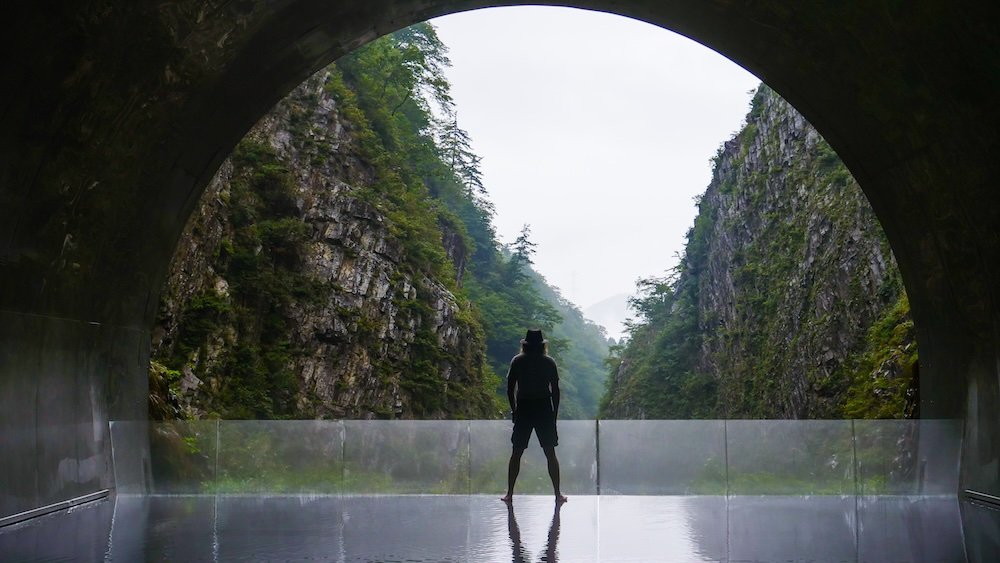
Overview of Kiyotsu Gorge
- Highlights:
- Crystal-clear waters and dramatic cliff formations
- Rich historical significance as an ancient trade route
- Lush greenery and diverse flora surrounding the gorge
- Don’t Miss: Taking a leisurely stroll along the well-maintained trails to fully appreciate the gorge’s natural beauty
Tip: Wear comfortable footwear and bring a camera to capture the stunning landscapes and unique geological features of Kiyotsu Gorge.
source: Samuel and Audrey YouTube Channel: Nomadic Samuel & That Backpacker as the hosts
Why Kiyotsu Gorge is a Popular Day Trip
Kiyotsu Gorge has become one of Niigata’s most popular day trip destinations, and for good reason. The gorge boasts unique geological formations that create a visually striking landscape, attracting photographers and nature lovers from all over. Its stunning scenery includes towering rock faces, cascading waterfalls, and serene pools, offering countless opportunities for exploration and relaxation. Accessibility is another key factor in its popularity; Kiyotsu Gorge is conveniently located just a short distance from major cities like Niigata, making it an ideal choice for a day trip without the need for extensive travel. Whether you’re seeking adventure through hiking and kayaking or looking to unwind amidst nature’s tranquility, Kiyotsu Gorge provides a versatile and fulfilling experience for all types of travelers.
- Highlights:
- Unique and visually striking geological formations
- Easily accessible from major cities like Niigata
- Versatile activities ranging from hiking to relaxation
- Don’t Miss: Experiencing the sunrise or sunset at the gorge for truly magical views
Tip: Plan your visit during weekdays or outside of peak tourist seasons to enjoy a more peaceful and less crowded experience at Kiyotsu Gorge.
What to See and Do at Kiyotsu Gorge
Scenic Walking Trails
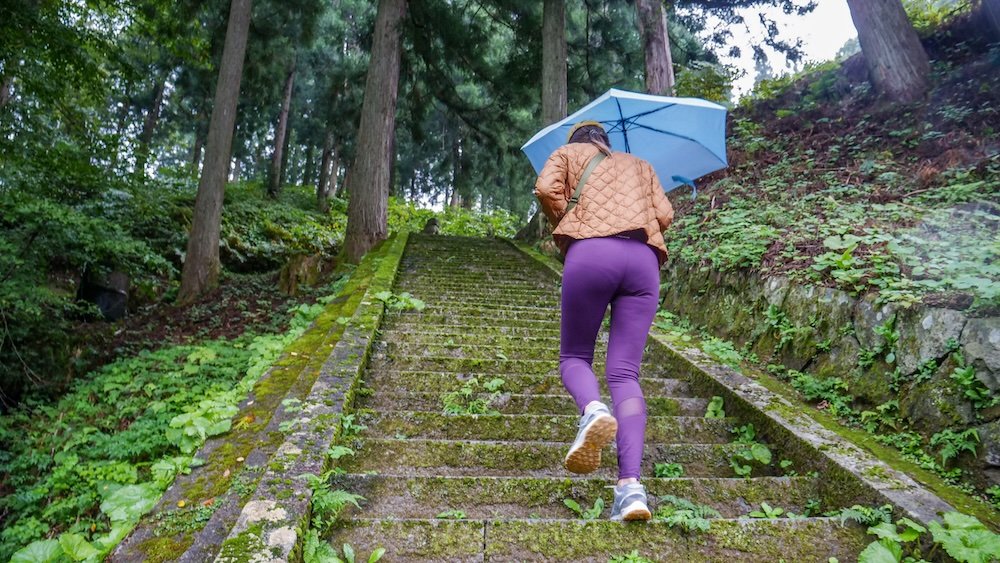
Kiyotsu Gorge is a hiker’s paradise, offering a variety of scenic walking trails that cater to all levels of experience. The main trail, Kiyotsu Nature Walk, is relatively easy, making it perfect for families and casual walkers. This trail winds along the river, providing stunning views of the surrounding cliffs and lush vegetation. For those seeking a bit more challenge, the Mount Kiyotsu Trail offers a moderately difficult hike that rewards you with panoramic vistas from the summit. Along the way, you’ll encounter several key viewpoints, including the Kiyotsu Bridge, where you can pause to admire the gorge’s breathtaking beauty. Each trail is well-marked and maintained, ensuring a safe and enjoyable journey through this natural wonder.
- Highlights:
- Kiyotsu Nature Walk: Easy trail with river and cliff views
- Mount Kiyotsu Trail: Moderate hike with summit panoramas
- Key viewpoints like Kiyotsu Bridge for stunning photo ops
- Don’t Miss: Taking breaks at the designated rest areas to soak in the serene atmosphere and capture the moment.
Tip: Wear sturdy hiking shoes and bring plenty of water to stay comfortable and hydrated during your trek through Kiyotsu Gorge.
Waterfalls and Natural Features
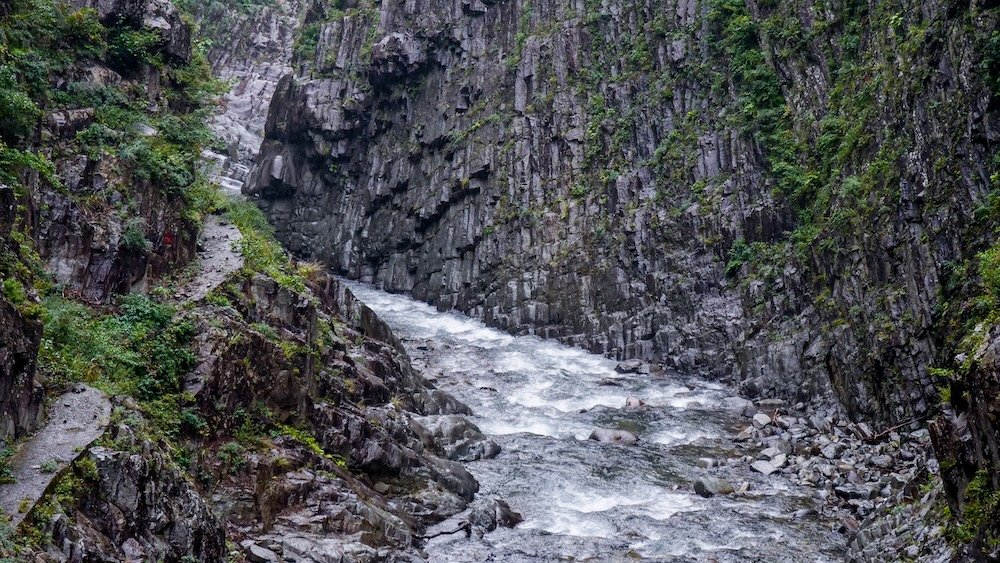
Kiyotsu Gorge is home to several prominent waterfalls and unique geological formations that add to its allure. The Kiyotsu Falls are the most famous, cascading gracefully over multi-tiered rocks into clear pools below. These falls are particularly impressive in the spring when snowmelt boosts the water flow, creating a mesmerizing display. Another must-see is the Mizuguchi Rock Formation, where ancient volcanic activity has sculpted intricate rock patterns that are both fascinating and beautiful. The Suirin Waterfall offers a more secluded experience, surrounded by dense foliage and providing a peaceful retreat for nature lovers. Exploring these natural features gives you a deeper appreciation for the gorge’s geological history and the forces that shaped its stunning landscape.
- Highlights:
- Kiyotsu Falls: Multi-tiered waterfalls with impressive spring flow
- Mizuguchi Rock Formation: Intricate volcanic rock patterns
- Suirin Waterfall: Secluded spot for peaceful nature immersion
- Don’t Miss: Visiting during different seasons to witness the waterfalls’ varying beauty, from lush greenery in summer to snow-covered landscapes in winter.
Tip: Check the weather forecast before your visit to ensure the waterfalls are at their most spectacular and safe to explore.
Photography Opportunities
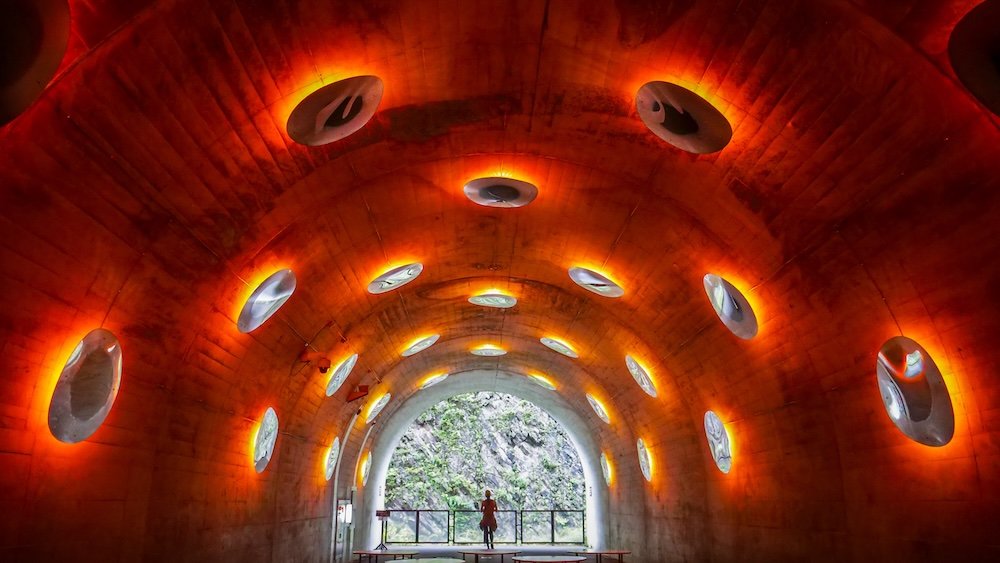
Kiyotsu Gorge is a photographer’s dream, offering countless photography opportunities that capture its natural splendor. One of the top spots is the Kiyotsu Bridge, where the interplay of water, rock, and sky creates a perfect composition for both sunrise and sunset shots. The Mizuguchi Rock Formation provides a dramatic backdrop for creative photography, especially with the unique textures and shadows cast by the rock structures. For those who love landscape photography, the Panoramic Viewpoint near Mount Kiyotsu offers sweeping views of the entire gorge, ideal for capturing the grandeur of the area. Additionally, the vibrant colors of autumn foliage and the serene beauty of winter snow add diverse elements to your photo portfolio. To make the most of your visit, consider bringing a wide-angle lens to capture the expansive views and a tripod for stable, long-exposure shots during low light conditions.
- Highlights:
- Kiyotsu Bridge: Perfect for sunrise and sunset photography
- Mizuguchi Rock Formation: Dramatic and textured rock backdrops
- Panoramic Viewpoint: Sweeping views ideal for landscape photography
- Don’t Miss: Experimenting with different angles and perspectives to highlight the gorge’s unique features and dynamic lighting.
Tip: Bring extra batteries and memory cards to ensure you don’t miss any photo opportunities, especially during extended shooting sessions.
Wildlife and Nature Observation
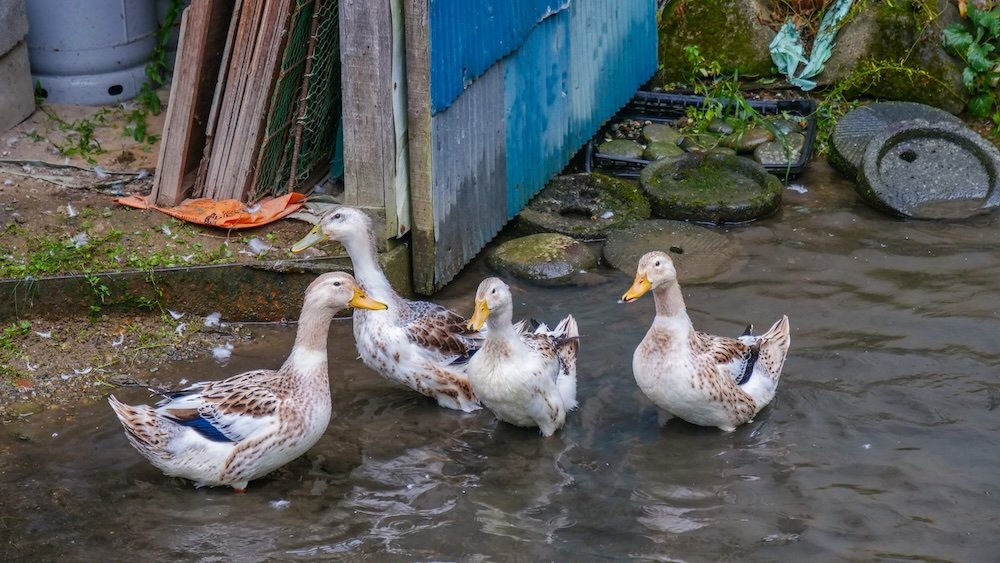
Kiyotsu Gorge is teeming with diverse flora and fauna, making it an excellent spot for wildlife observation. The lush vegetation supports a variety of plant species, including vibrant wildflowers in spring and rich greenery throughout the summer months. Birdwatchers will delight in spotting species such as the Japanese kingfisher and the cormorant, which are commonly seen along the riverbanks. Mammals like the Japanese serow and various small rodents also inhabit the area, adding to the gorge’s lively ecosystem. To enhance your wildlife viewing experience, it’s important to follow best practices: maintain a respectful distance from animals, avoid making loud noises, and stick to designated paths to minimize your impact on their natural habitat. Bringing binoculars and a field guide can also help you identify and appreciate the diverse wildlife that calls Kiyotsu Gorge home.
- Highlights:
- Diverse plant species with vibrant wildflowers and lush greenery
- Birdwatching opportunities with species like the Japanese kingfisher
- Sightings of mammals such as the Japanese serow and small rodents
- Don’t Miss: Early morning or late afternoon, when wildlife is most active and the lighting is ideal for observation.
Tip: Use binoculars and a camera with a zoom lens to observe wildlife without disturbing their natural behavior, allowing for a more fulfilling and respectful experience.
Getting There: Kiyotsu Gorge Transportation Guide
Transportation Options
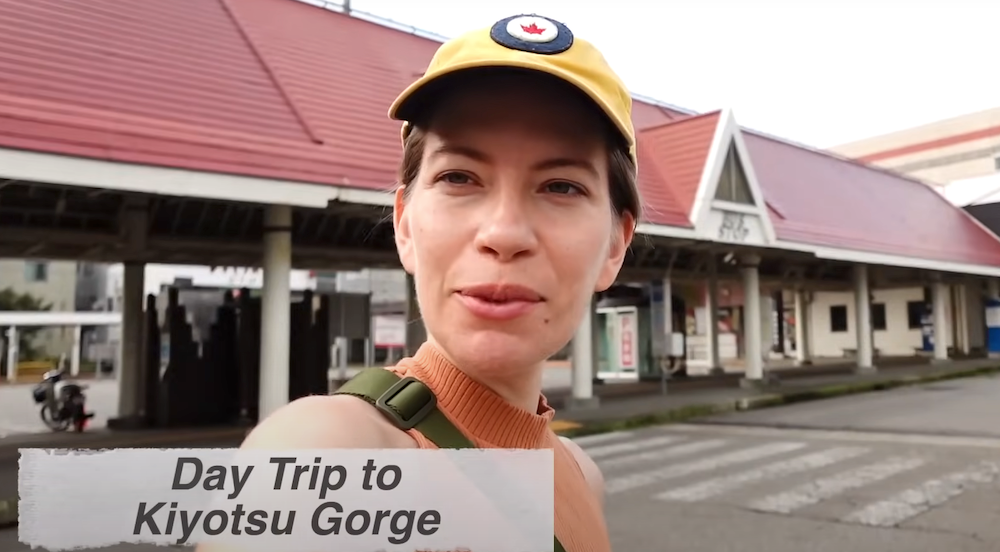
Getting to Kiyotsu Gorge is easier than you might think, thanks to a variety of transportation options tailored to different preferences and budgets. Whether you prefer the speed and convenience of trains, the flexibility of buses, or the freedom of driving, there’s a way to suit your travel style.
By Train: Nearest Stations and Connecting Lines
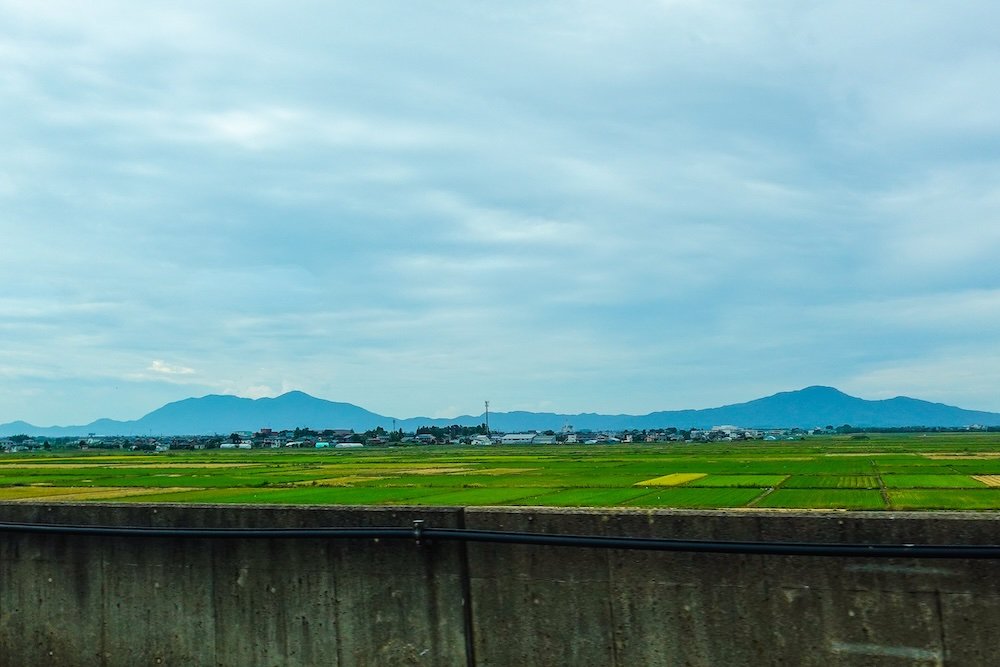
Traveling by train to Kiyotsu Gorge is a popular choice due to its efficiency and comfort. The Niigata Station is the closest major hub, with frequent services from various parts of Japan. From Niigata Station, you can take the JR Echigo Line towards Sado Island, which stops at the nearest station to Kiyotsu Gorge. The train ride itself is scenic, offering glimpses of the picturesque countryside and coastal views as you approach the gorge. For those coming from Tokyo or other major cities, the Shinkansen provides a fast and reliable way to reach Niigata, making the overall journey smooth and stress-free. Once you arrive at the nearest station, a short taxi or bus ride will get you directly to Kiyotsu Gorge, ensuring a seamless transition from rail to nature.
- Highlights:
- Efficient and comfortable train services via JR Echigo Line
- Scenic train routes offering beautiful countryside views
- Convenient connections from major cities like Tokyo via Shinkansen
- Don’t Miss: Enjoying the window seat on the train for the best views of Niigata’s stunning landscapes.
Tip: Purchase a JR Pass if you’re traveling extensively by train in Japan, as it can save you money on multiple journeys to and from Kiyotsu Gorge.

By Bus: Available Routes and Schedules from Niigata City
If you prefer a more direct route, taking a bus from Niigata City is a fantastic option. The Niigata City Bus Terminal offers several daily routes that head straight to Kiyotsu Gorge, with buses departing regularly throughout the day. The bus journey is comfortable and relatively short, typically taking around 1 to 1.5 hours depending on traffic conditions. Buses are equipped with ample luggage space, making it easy to bring your hiking gear or picnic supplies. Additionally, some buses offer guided commentary, providing interesting insights about the region as you travel. This mode of transportation is ideal for those who want to avoid transfers and enjoy a straightforward trip to the gorge.
- Highlights:
- Direct bus routes from Niigata City Bus Terminal
- Comfortable and spacious buses with luggage storage
- Regular departures ensuring flexibility in planning
- Don’t Miss: Riding the bus early in the morning to maximize your day exploring Kiyotsu Gorge.
Tip: Check the bus schedule online or at the bus terminal beforehand to plan your departure and return times efficiently.
By Car: Driving Directions, Parking Information, and Road Conditions
For those who enjoy the flexibility of driving, renting a car is a great way to reach Kiyotsu Gorge and explore the surrounding areas at your own pace. From Niigata City, take the Joetsu Expressway towards Niigata Prefecture, following the signs for Kiyotsu Gorge. The drive is scenic, with well-maintained roads that wind through lush landscapes and offer stunning views along the way. Upon arrival, there are several parking areas available near the gorge entrance, providing ample space for visitors. It’s important to check road conditions before you go, especially during winter months when snow can affect travel. Driving allows you to stop at various viewpoints and take detours to discover hidden gems, making your trip to Kiyotsu Gorge even more memorable.
- Highlights:
- Flexible and scenic drive via Joetsu Expressway
- Ample parking spaces near Kiyotsu Gorge entrance
- Freedom to explore surrounding areas and hidden spots
- Don’t Miss: Taking short breaks along the drive to soak in the beautiful scenery and snap some photos.
Tip: Ensure your rental car is equipped for winter conditions if you’re traveling during colder months, as roads can be icy and challenging.

Directions from Major Cities
From Niigata: Detailed Route and Travel Time
Starting your journey from Niigata City to Kiyotsu Gorge is straightforward, whether you’re taking a train, bus, or driving. By train, you’ll board the JR Echigo Line at Niigata Station and travel approximately 45 minutes to reach the nearest station. From there, a short taxi or bus ride will take you to the gorge. If you prefer the bus, simply head to the Niigata City Bus Terminal and catch a direct route, which usually takes about 1 to 1.5 hours. For those driving, the route via Joetsu Expressway is clear and well-signposted, with an estimated travel time of around 1 hour. Each transportation method offers its own advantages, so choose the one that best fits your schedule and preferences for a smooth and enjoyable trip.
- Highlights:
- Quick and easy train journey from Niigata Station
- Direct and comfortable bus routes available
- Convenient driving route with clear signage
- Don’t Miss: Planning your return trip in advance to ensure you have ample time to explore Kiyotsu Gorge without feeling rushed.
Tip: Use a navigation app to monitor real-time traffic and train schedules, ensuring you stay on track and make the most of your day trip.
From Tokyo: Best Ways to Travel, Including Shinkansen and Local Connections
Traveling from Tokyo to Kiyotsu Gorge is efficient and relatively easy, thanks to Japan’s robust transportation infrastructure. The most popular option is to take the Shinkansen from Tokyo Station to Niigata Station, which takes approximately 2 hours. From Niigata Station, you can transfer to the JR Echigo Line or a direct bus to reach Kiyotsu Gorge, adding another hour to your journey. Alternatively, you can fly from Tokyo’s Haneda or Narita airports to Niigata Airport, followed by a bus or taxi ride to the gorge, which totals around 3 hours. For those who prefer a more flexible schedule, renting a car and driving from Tokyo is also an option, though it takes longer, around 4 to 5 hours, depending on traffic and road conditions. Each travel method offers a different balance of speed, convenience, and cost, allowing you to choose the best option for your day trip to Kiyotsu Gorge.
- Highlights:
- Fast Shinkansen option with a total travel time of about 3 hours
- Convenient flight connections to Niigata Airport
- Flexible driving option for those who enjoy road trips
- Don’t Miss: Arriving early in Niigata to maximize your time exploring Kiyotsu Gorge and its surroundings.
Tip: Book your Shinkansen tickets in advance, especially during peak travel seasons, to secure the best fares and ensure availability.
Estimated Travel Time
Understanding the travel time for each transportation method can help you plan your day trip to Kiyotsu Gorge efficiently. By train, the journey from Niigata Station to the nearest station takes about 45 minutes, followed by a short taxi or bus ride, totaling around 1.5 hours. Bus travel from Niigata City generally takes between 1 to 1.5 hours, depending on traffic and the specific route taken. If you choose to drive, the trip typically takes about 1 hour via Joetsu Expressway, offering the most flexibility and control over your schedule. From Tokyo, the Shinkansen takes roughly 2 hours to Niigata, plus an additional hour to reach Kiyotsu Gorge by train or bus, making the total travel time approximately 3 hours. For those flying, the combined travel time is around 3 hours, including flight duration and ground transportation. Each method varies in speed and convenience, so consider your priorities when selecting the best option for your day trip.
- Highlights:
- Train: Total travel time of approximately 1.5 hours from Niigata
- Bus: Travel time ranging from 1 to 1.5 hours from Niigata City
- Car: About 1 hour driving time from Niigata to Kiyotsu Gorge
- Don’t Miss: Allocating extra time for unexpected delays or to fully enjoy the scenic views during your journey.
Tip: Factor in buffer time when planning your trip, allowing for any unforeseen delays and ensuring you have ample time to explore Kiyotsu Gorge without feeling rushed.
Best Time to Visit Kiyotsu Gorge
Seasonal Highlights
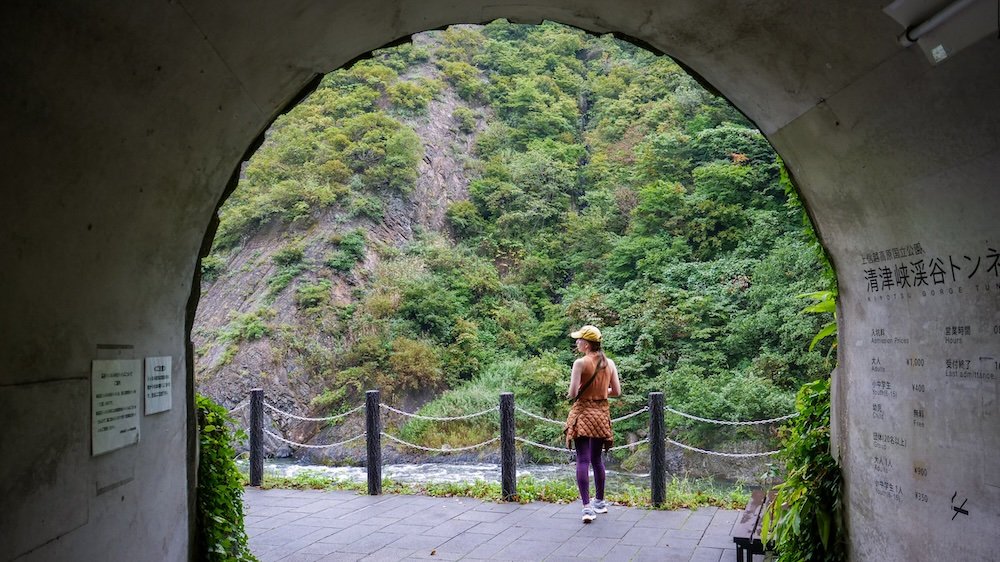
Kiyotsu Gorge transforms with each season, offering unique and breathtaking experiences no matter when you visit. Spring is a magical time when cherry blossoms (sakura) blanket the landscape, creating picturesque scenes perfect for leisurely walks and photography. The fresh greenery that emerges alongside blooming flowers brings the gorge to life, making it an ideal season for nature lovers. Summer unveils lush, vibrant landscapes with dense foliage and colorful wildflowers, providing a refreshing escape from the heat. The longer daylight hours allow for extended hikes and outdoor activities, letting you fully immerse yourself in the gorge’s natural beauty. Autumn is perhaps the most stunning season, as the gorge is enveloped in fiery hues of red, orange, and yellow from the falling leaves. The cooler temperatures make hiking comfortable, and the crisp air enhances the vibrant colors, offering a perfect backdrop for stunning photographs. Winter brings a serene and peaceful atmosphere, with snow-covered scenery that transforms Kiyotsu Gorge into a winter wonderland. The quiet trails and frosted landscapes create a tranquil environment, ideal for those seeking solitude and reflection amidst nature’s winter embrace.
- Highlights:
- Spring: Cherry blossoms and fresh greenery
- Summer: Lush landscapes and vibrant colors
- Autumn: Stunning fall foliage and cooler temperatures
- Winter: Snow-covered scenery and peaceful landscapes
Don’t Miss: Visiting during autumn to witness the gorge’s dramatic fall colors, which are unparalleled and offer some of the best photo opportunities.
Tip: Check local festival calendars as spring and autumn often coincide with traditional events that enhance your visit with cultural experiences and additional scenic beauty.
Weather Considerations
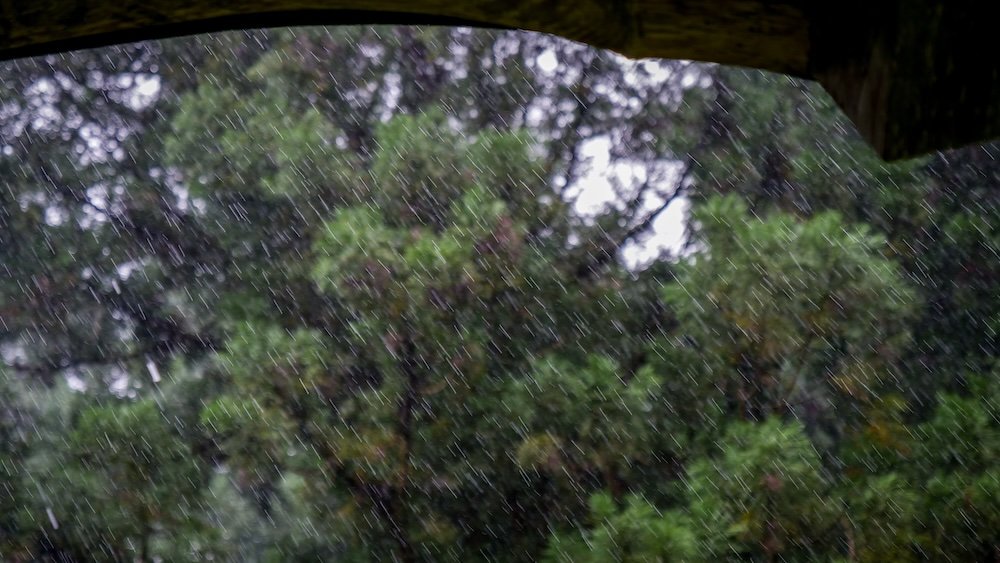
Understanding the weather patterns of each season can help you prepare effectively for your trip to Kiyotsu Gorge. Spring typically brings mild temperatures, ranging from 10°C to 20°C (50°F to 68°F), with occasional rain showers that refresh the landscape. It’s a comfortable time for hiking, but packing a light rain jacket is advisable. Summer can be warm, with temperatures averaging between 20°C and 30°C (68°F to 86°F). The humidity levels are higher, so lightweight, breathable clothing and plenty of water are essential to stay cool and hydrated during outdoor activities. Autumn enjoys cooler weather, with temperatures ranging from 10°C to 20°C (50°F to 68°F), and lower humidity, making it perfect for extended hikes and exploration. Winter can be quite cold, with temperatures often dropping below freezing, especially in the early mornings and evenings. Snow can make trails slippery, so appropriate winter gear, including insulated jackets, gloves, and sturdy footwear, is crucial for a safe and enjoyable visit.
- Highlights:
- Spring: Mild temperatures with occasional rain
- Summer: Warm and humid, ideal for vibrant outdoor activities
- Autumn: Cool and comfortable, perfect for fall hikes
- Winter: Cold and snowy, requiring warm and protective clothing
Don’t Miss: Monitoring the weather forecast before your trip to ensure you’re prepared for any sudden changes, especially if you plan to hike or engage in outdoor activities.
Tip: Layer your clothing to easily adjust to temperature fluctuations throughout the day, ensuring comfort regardless of the weather conditions.
Avoiding Peak Times
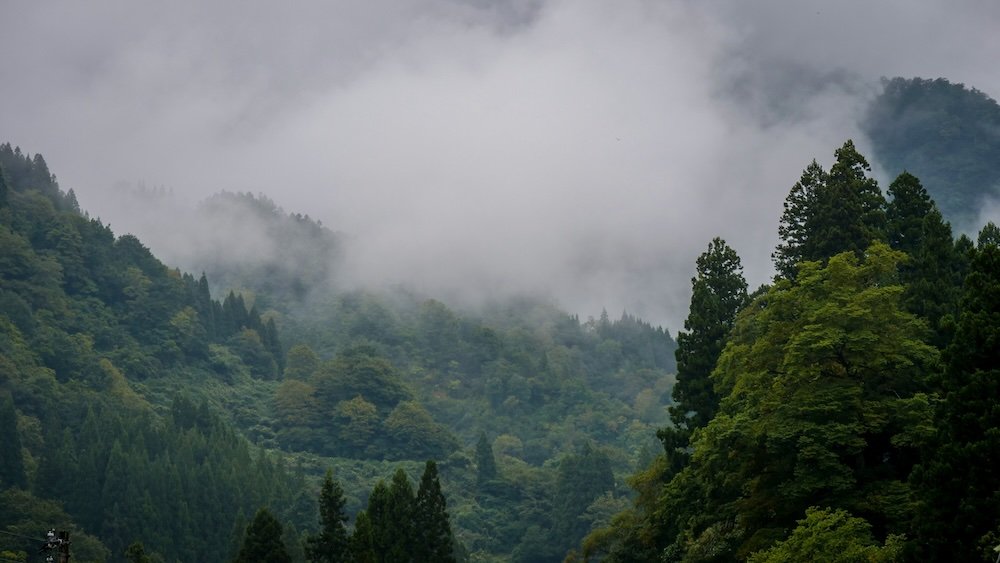
To fully enjoy the tranquility and beauty of Kiyotsu Gorge, it’s wise to avoid peak times when the area can become crowded. The gorge is most popular during spring and autumn, particularly on weekends and public holidays, when both local and international tourists flock to experience the stunning seasonal changes. To escape the crowds, consider visiting on weekdays or during the early morning hours when fewer people are around, allowing you to explore the trails and viewpoints at your own pace. Early mornings not only offer a more peaceful environment but also provide the best lighting for photography, especially during sunrise. Additionally, traveling during the shoulder seasons—early spring before cherry blossoms bloom or late autumn after the peak foliage—can offer a quieter and equally beautiful experience without the bustling crowds.
- Highlights:
- Visiting on weekdays to avoid weekend crowds
- Exploring early in the morning for a peaceful experience
- Traveling during shoulder seasons for a quieter visit
Don’t Miss: Arriving at Kiyotsu Gorge as soon as it opens in the morning to secure the best spots on popular trails and viewpoints without the wait.
Tip: Plan your visit in advance by checking local tourism websites for peak times and any special events that might attract larger crowds, allowing you to choose the best time for a serene experience.
What to Bring On Your Day Trip To Kiyotsu Gorge
Essential Gear
When preparing for your adventure to Kiyotsu Gorge, having the right gear is crucial for a comfortable and enjoyable experience. Start with comfortable hiking shoes that provide good support and grip, essential for navigating the gorge’s varied terrain. Dress in weather-appropriate clothing, layering up for cooler mornings and evenings or wearing breathable fabrics for warmer days. A reliable backpack is a must, carrying essentials like water, snacks, and a detailed map of the trails. Additionally, don’t forget a hat and sunglasses to protect yourself from the sun during your hikes. Having the right gear ensures you’re prepared for any conditions, allowing you to fully immerse yourself in the natural beauty of Kiyotsu Gorge without any discomfort.
- Highlights:
- Comfortable hiking shoes for support and traction
- Weather-appropriate, layered clothing for temperature changes
- Reliable backpack with essentials like water, snacks, and a map
- Don’t Miss: Ensuring your hiking shoes are broken in before your trip to prevent blisters and discomfort.
Tip: Pack light but smart by choosing versatile clothing items that can be layered, and only bring essential gear to keep your backpack manageable.
Food and Beverages
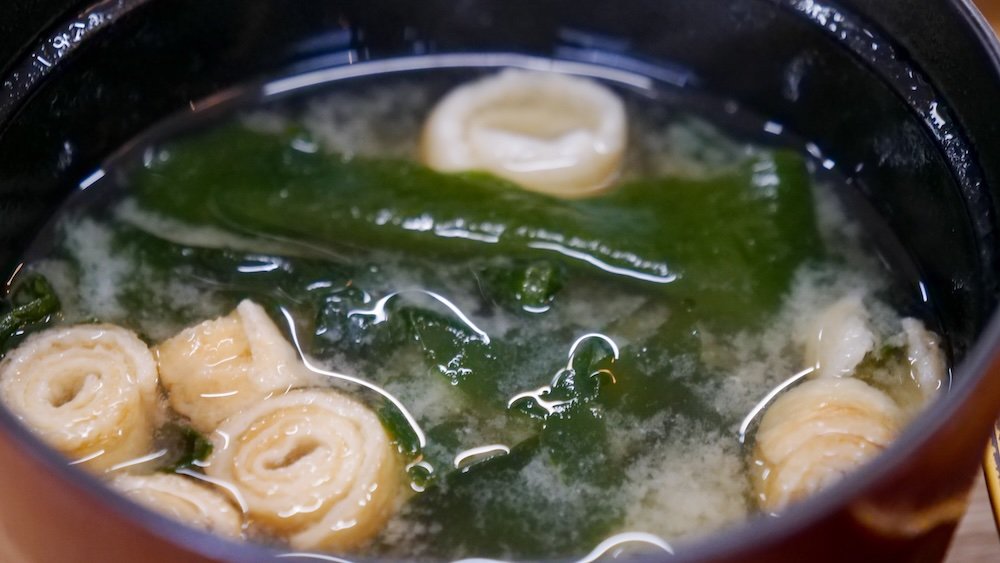
Staying fueled and hydrated is key to enjoying your day trip to Kiyotsu Gorge. Packing snacks like energy bars, nuts, and fruit can keep your energy levels up as you explore the trails. Alternatively, you can take advantage of the local eateries nearby, offering delicious meals that showcase Niigata’s culinary delights. Remember to stay hydrated by bringing enough water for the entire hike, especially on warmer days. A reusable water bottle is not only eco-friendly but also convenient for refills along the way. Whether you choose to bring your own snacks or savor local flavors, having access to nutritious food and beverages will keep you energized and ready to tackle the gorge’s scenic trails.
- Highlights:
- Energy-boosting snacks like bars, nuts, and fruit
- Access to local eateries offering delicious, regional cuisine
- Reusable water bottle for staying hydrated throughout the hike
- Don’t Miss: Trying local specialties at nearby eateries to experience authentic Niigata flavors.
Tip: Pack a mix of high-energy snacks and hydrating beverages to sustain your energy and keep you refreshed during your hike.
Tips for a Successful Day Trip To Kiyotsu Gorge
Start Early
Starting your day early when visiting Kiyotsu Gorge can make a world of difference in your overall experience. An early start allows you to maximize your day, giving you ample time to explore the gorge’s stunning landscapes without feeling rushed. Additionally, arriving early helps you avoid the crowds, ensuring a more peaceful and serene hike through the trails. Morning light is perfect for photography, capturing the gorge’s beauty in the soft, golden hues of sunrise. Moreover, starting early means you have more flexibility to adjust your plans if you decide to extend your hike or explore additional spots along the way.
- Highlights:
- More time to explore without rushing
- Fewer crowds for a tranquil experience
- Ideal lighting for stunning sunrise photos
- Don’t Miss: Catching the sunrise from one of the key viewpoints for an unforgettable start to your day
Tip: Set your alarm early and prepare your gear the night before to ensure a smooth and timely departure, allowing you to make the most of your day at Kiyotsu Gorge.
Guided Tours vs. Self-Exploration
When planning your visit to Kiyotsu Gorge, you have the option to join a guided tour or explore on your own. Guided tours offer the advantage of having an expert lead you through the gorge, providing valuable insights into its history, geology, and natural features. This can enhance your understanding and appreciation of the area, especially if you’re interested in learning more about the local culture and environment. On the flip side, self-exploration grants you the freedom to set your own pace, linger at spots that interest you, and discover hidden gems that might be missed on a structured tour. It also allows for a more personalized experience, catering to your specific interests and schedule.
- Highlights:
- Guided tours offer expert knowledge and structured itineraries
- Self-exploration provides flexibility and personalized experiences
- Opportunity to discover hidden gems on your own
- Don’t Miss: Comparing a guided tour with solo exploration to see which suits your travel style best
Tip: Consider your interests and comfort level when choosing between a guided tour and self-exploration. If you prefer structured learning, opt for a tour; if you enjoy freedom and spontaneity, go solo.
Respecting Nature and Local Regulations
Ensuring you respect nature and adhere to local regulations is essential for preserving the beauty and integrity of Kiyotsu Gorge. Follow the Leave No Trace principles by disposing of trash properly, staying on marked trails, and minimizing your environmental impact. Avoid disturbing the wildlife by keeping a safe distance and refraining from feeding animals. Follow trail rules and guidelines to ensure your safety and the safety of others, such as not littering, not picking plants, and respecting any restricted areas. By being mindful of these practices, you help maintain the gorge’s pristine condition for future visitors and protect its delicate ecosystem.
- Highlights:
- Adhering to Leave No Trace principles
- Respecting wildlife and natural habitats
- Following trail rules for safety and preservation
- Don’t Miss: Taking a moment to appreciate and protect the natural beauty around you, leaving the gorge as pristine as you found it
Tip: Carry a reusable water bottle and eco-friendly utensils to reduce waste and minimize your environmental footprint while exploring Kiyotsu Gorge.

Nearby Attractions and Dining
After a fulfilling hike through Kiyotsu Gorge, take advantage of the nearby attractions and dining options to round out your day. Consider visiting the Sado Gold Mine for a dive into the region’s historical significance or exploring the charming local villages that offer a glimpse into traditional Japanese life. For a relaxing end to your adventure, stop by one of the recommended restaurants and cafes in the vicinity, where you can enjoy delicious local cuisine such as fresh seafood, Hegi Soba, or sweet mochi. These dining spots not only provide a satisfying meal but also allow you to unwind and reflect on your day amidst the beautiful surroundings.
- Highlights:
- Explore historical sites like Sado Gold Mine
- Discover charming local villages with traditional architecture
- Enjoy delicious meals at nearby restaurants and cafes
- Don’t Miss: Trying regional specialties at a local eatery to fully experience Niigata’s culinary delights
Tip: Plan a visit to a nearby attraction or dining spot after your hike to make the most of your day trip and enjoy a well-rounded experience at Kiyotsu Gorge.
Local Insights and Hidden Gems
To truly experience Kiyotsu Gorge, take advantage of local insights and hidden gems that offer unique and memorable experiences. Engage with locals to gain insider tips on the best trails, secret viewpoints, and lesser-known spots that aren’t typically highlighted in guidebooks. These hidden gems can provide a more intimate and exclusive perspective of the gorge, allowing you to explore areas that are off the beaten path. Additionally, locals may share stories and historical anecdotes that enrich your understanding of the region’s cultural and natural heritage. Embracing these insider tips can lead to unexpected discoveries and a deeper connection with the beauty of Kiyotsu Gorge.
- Highlights:
- Insider tips from locals for unique experiences
- Discovering lesser-known spots within the gorge
- Gaining a deeper understanding of the gorge’s history and culture
- Don’t Miss: Exploring a hidden waterfall or secluded trail that offers a peaceful retreat away from the main paths
Tip: Interact with locals and fellow travelers to uncover hidden gems and receive personalized recommendations that enhance your visit to Kiyotsu Gorge.
Kiyotsu Gorge Day Trip Questions Answered: Practical Tips, Logistics & Local-Style Advice
How many hours do I really need at Kiyotsu Gorge on a day trip?
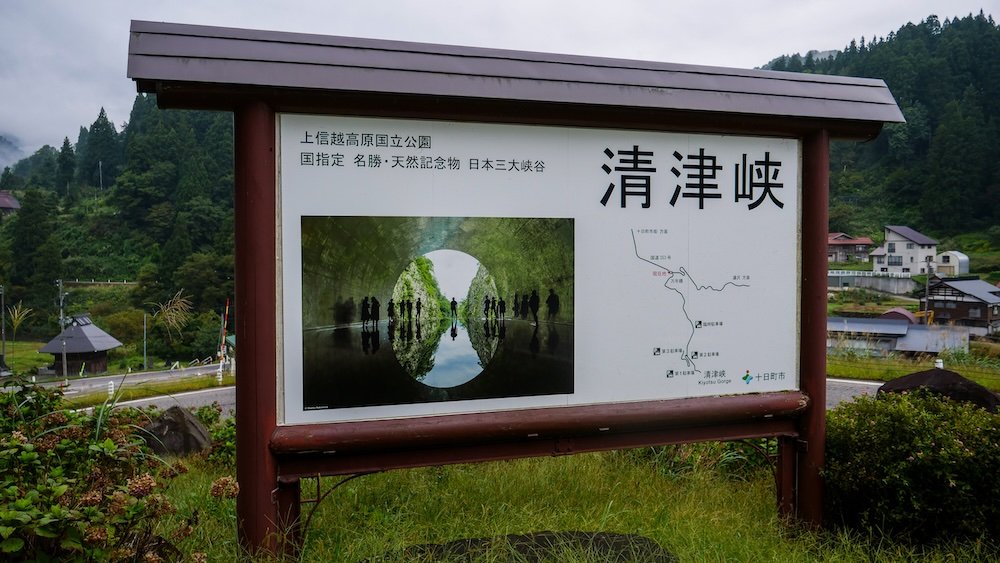
It depends. For most travellers, 2–3 hours at Kiyotsu Gorge itself is the sweet spot. That gives you time to walk the tunnel slowly, enjoy each of the art installations, linger at the Mirror Pond viewpoint, and maybe grab a snack or dip your feet in the foot onsen when it’s running.
If you’re coming from Tokyo or Echigo-Yuzawa on a day trip, factor in the transport on either side and build a full-day window. With train, bus, and walking time, a Tokyo round-trip usually turns into a 9–11 hour day, while from Echigo-Yuzawa you can comfortably do it in half a day and still squeeze in another nearby stop.
Is Kiyotsu Gorge actually doable as a day trip from Tokyo?
Absolutely. The classic route is Tokyo → Echigo-Yuzawa by Joetsu Shinkansen, then a local bus to Kiyotsukyo Iriguchi and a 20–30 minute walk to the tunnel. The shinkansen leg takes roughly 1 hour 15–30 minutes depending on the service, and the bus is about 25–30 minutes, so you’re looking at around 3 hours each way once you include transfers and the walk.
To make it feel relaxed rather than rushed, go up on a morning train, hit the gorge late morning or just after lunch, and plan a late-afternoon train back to Tokyo. If you’re a slow traveller, spending a night in Echigo-Yuzawa or Tokamachi and making it a 2-day countryside escape is even nicer.
What’s the easiest way to get to Kiyotsu Gorge on public transport?
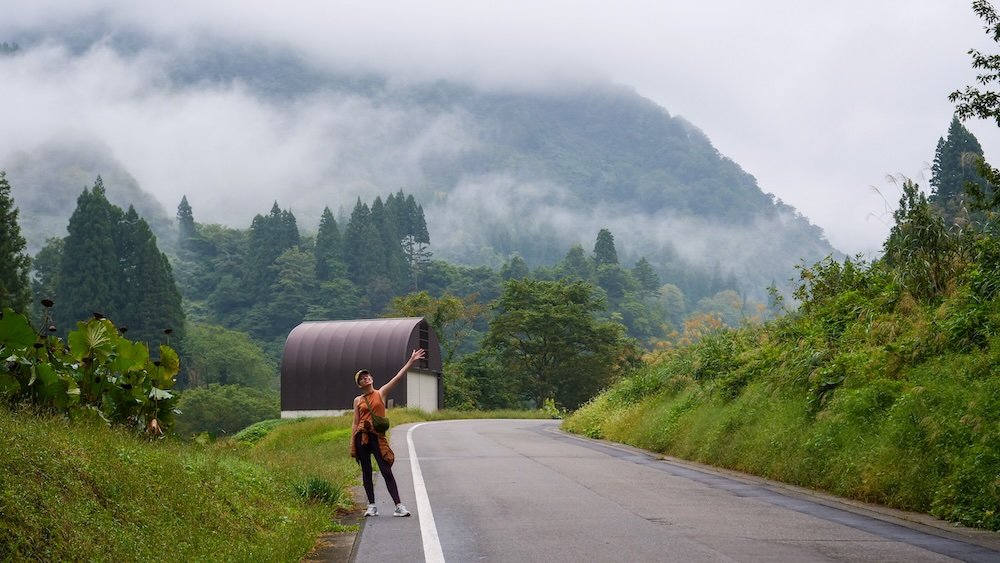
The simplest combo is shinkansen + bus. From Tokyo, ride the Joetsu Shinkansen to Echigo-Yuzawa Station, then follow signs to the bus terminal outside the station and board the express bus bound for Morimiyanohara. Get off at “Kiyotsukyo Iriguchi”, then walk about 2 km (roughly 20–30 minutes) along a quiet road to the tunnel entrance.
Bus frequency can be limited outside peak periods, so I like to screenshot the latest timetable before travelling and aim for a specific departure. If you miss a bus, taxis from Echigo-Yuzawa can be a good backup if there are a couple of you to share the fare.
Do I need to book tickets for the Tunnel of Light in advance?
Nope. At the moment, most travellers simply buy their ticket on arrival at the entrance building. You pay your admission at the counter or machine and then walk the 750-metre tunnel at your own pace. As of recent info, adult tickets are around ¥1,000 and children pay less, but prices can creep up over time so I always recommend checking the latest official listing before you go.
The main time you’d want to plan ahead is during long weekends or the peak of autumn foliage, when tour groups and day-trippers descend on the area. Even then, it’s more about arriving early than pre-booking.
When is the best time of year to visit Kiyotsu Gorge for scenery?
Autumn wins. The gorge is famous for fiery red, orange, and yellow foliage reflected in the river below, and the contrast with the grey columnar rock and mirrored tunnel floor is wild. Typically this peaks from mid-October to early November, give or take a week depending on the year.
Spring is beautiful too, with fresh greens, snow still clinging to distant peaks, and milder temperatures. Summer is lush and vibrant, and a nice escape from the heat in Tokyo, while winter turns the whole valley into a monochrome snowscape. The “best” really depends on whether you’re chasing blossoms, greenery, koyo, or snow.
Is Kiyotsu Gorge open in winter, and what should I expect if I go?
Yes, but with caveats. The tunnel generally operates in winter with shorter opening hours and occasional closures when conditions are dangerous or during heavy snow. In winter, you can expect limited daylight, icy sections on the walk in from the bus stop, and bitterly cold temperatures in the tunnel itself, since it’s unheated.
The upside is that the snow-covered gorge looks spectacular, crowds are thinner, and you get a very different mood compared to other seasons. Just bring proper winter boots, warm layers, gloves, and accept that public-transport options may be fewer on some days.
Is Kiyotsu Gorge suitable for kids, older travellers, or people who don’t hike much?
Mostly, yes. The beauty of the Tunnel of Light is that you’re walking on a flat, paved tunnel rather than scrambling along a cliffside trail. The walk from the bus stop is a bit of a stretch for very young kids or older travellers (20–30 minutes each way), but a taxi from Echigo-Yuzawa or the use of seasonal shuttle services can remove most of that effort.
Once inside, you can take it at your own pace, stop at benches, and turn back early if anyone gets tired. Families often combine the visit with an easy onsen soak or a relaxed lunch nearby to break up the day.
How physically demanding is the visit, and is it accessible if I have limited mobility?
It depends. The tunnel itself is flat and easy, but the approach can be the main challenge. There’s that roughly 2 km walk from Kiyotsukyo Iriguchi bus stop, and in winter it may be snowy or icy. For travellers with limited mobility, arranging a taxi directly to the parking area near the entrance is the most comfortable option.
Inside the tunnel, there are some gentle ramps and a few spots where the floor can be damp or slippery, especially near the Mirror Pond, so a companion and a good non-slip shoe are helpful. If you use a wheelchair or walking aid, I’d call ahead to confirm current accessibility details, as facilities can change between seasons and after upgrades.
What should I wear and pack for a Kiyotsu Gorge day trip?
Layers. Even in summer, the tunnel feels cooler than outside, and if there’s wind in the gorge it can chill you quickly. I usually go with breathable base layers, a light jacket I can zip on and off, and comfortable walking shoes with decent grip. In winter, you’ll want proper boots, hat, gloves, and a warm coat.
Beyond clothing, pack a small daypack with water, a couple of snacks, a power bank for your phone (you will take a ridiculous number of photos), and maybe a compact umbrella or rain jacket. If you’re visiting in shoulder seasons, temperature swings between morning and afternoon can be big, so layering really pays off.
How much should I budget for a Kiyotsu Gorge day trip?
Roughly, think in ballparks. From Tokyo with a non-discounted shinkansen, your transport will be the biggest chunk – several thousand yen each way unless you’re using a rail pass. Add the local bus or taxi, the Kiyotsu Gorge entrance fee (around ¥1,000 for adults), a simple meal, snacks, and maybe an onsen stop, and you’re probably in the ¥10,000–¥18,000 range per person for the day depending on how you travel and eat.
If you’re already based in Echigo-Yuzawa or Tokamachi, your costs will drop dramatically: think local bus or shuttle, admission, and food. Rail passes and combo bus + ticket packages can also shave the cost if you’re doing more around the region.
Is Kiyotsu Gorge safe to visit, and are there any common issues to watch for?
Generally, yes. This is Japan, so infrastructure is well maintained, signage is clear, and staff are used to handling a steady stream of visitors. The main things to watch out for are slippery surfaces (especially near water features and in winter), the road section between bus stop and tunnel entrance, and the risk of missing the last bus back if you’re on public transport.
I like to keep an eye on the time, especially in winter when the light fades quickly. If you’re visiting during or after heavy rain or snow, check the official site or local tourism pages in advance in case of temporary closures or restricted access.
Can I combine Kiyotsu Gorge with other nearby attractions in one day?
Absolutely. Kiyotsu Gorge sits within the Echigo-Tsumari Art Field area, and it pairs nicely with other countryside stops like Tokamachi’s rice terraces, local onsen towns, or additional outdoor art installations. From Echigo-Yuzawa, some seasonal shuttle buses connect Kiyotsu Gorge with Matsunoyama Onsen and other points of interest, so you can stitch together a mini road trip without a car.
If you’re driving, you’ve got even more flexibility: you can hit the gorge in the morning, soak in an onsen in the afternoon, and roll back into Yuzawa for dinner and sake.
Where’s the best place to base myself: Echigo-Yuzawa, Tokamachi, or Niigata City?
For a first visit, Echigo-Yuzawa is usually the easiest base. It’s right on the Joetsu Shinkansen line, has plenty of ryokan and hotels, good food options, and direct buses or shuttles to the gorge in season. Tokamachi is great if you’re exploring more of the Echigo-Tsumari Art Field over a few days and want a quieter, more rural vibe.
Niigata City works if you’re already in the region or on a wider coastal itinerary, but it’s further away, so your day trip will be longer and more transport-heavy. In short: shinkansen convenience → Echigo-Yuzawa; art-field deep dive → Tokamachi; city base → Niigata.
Are there food, toilets, and places to warm up near the gorge?
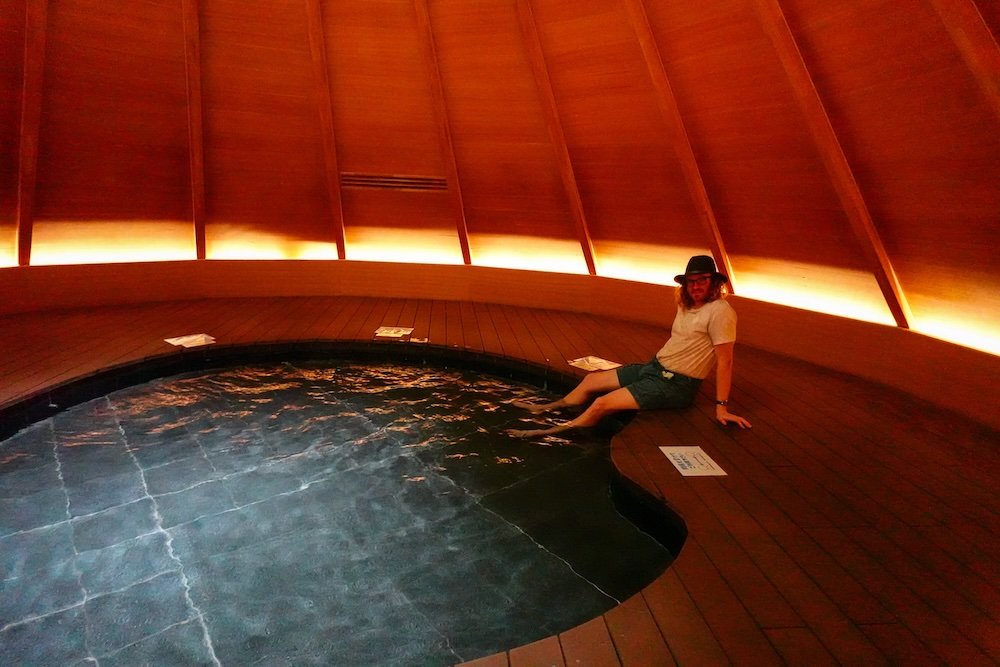
Yes. At the entrance complex you’ll usually find toilets, a small café or shop selling drinks, light meals, and souvenirs, and in season there’s a lovely foot bath where you can soak your feet while looking at the mountains. In winter, that hot water feels heavenly after walking the tunnel.
Around Echigo-Yuzawa and Tokamachi, you’ll have far more choice: local rice dishes, soba, curry rice, izakaya fare, and plenty of places to grab coffee or something sweet before or after your visit.
Do I need a guided tour, or is it easy enough to visit Kiyotsu Gorge independently?
Most people go independently and are totally fine. The logistics are straightforward once you know the shinkansen + bus + walk combo, and once you’re at the entrance you simply follow the tunnel from one installation to the next. The experience is very visual, so you’re not missing critical commentary by going on your own.
That said, guided day tours from Tokyo or Echigo-Yuzawa can be nice if you’re nervous about rural transport, short on time, or want someone else to handle transfers and timing. Some tours combine Kiyotsu Gorge with ski resorts or other local highlights, which can be efficient if you’re packing a lot into one day.
Is Kiyotsu Gorge still worth it if the forecast is cloudy or rainy?
Usually, yes. Overcast conditions can actually be a plus because the light is softer and you don’t get harsh glare in your photos. The tunnel is covered, so you’re protected from most of the elements, and the reflections at the Mirror Pond can look moody and dramatic under grey skies.
The only time I’d consider postponing is during intense rain, strong winds, or storms when transport might be disrupted or parts of the area could close temporarily. If you’ve built some flexibility into your Niigata itinerary, keep an eye on the local forecast and swap days around when needed.