
Kamakura is one of the most popular day trip destinations from Tokyo. Once the political center of medieval Japan, this charming city now serves as a peaceful retreat from the hustle and bustle of Tokyo. Imagine strolling through ancient temples, hearing the distant chant of monks, and feeling the ocean breeze on your face. With its Zen gardens, shrines, and the iconic Great Buddha, Kamakura offers a serene escape that invites you to slow down.
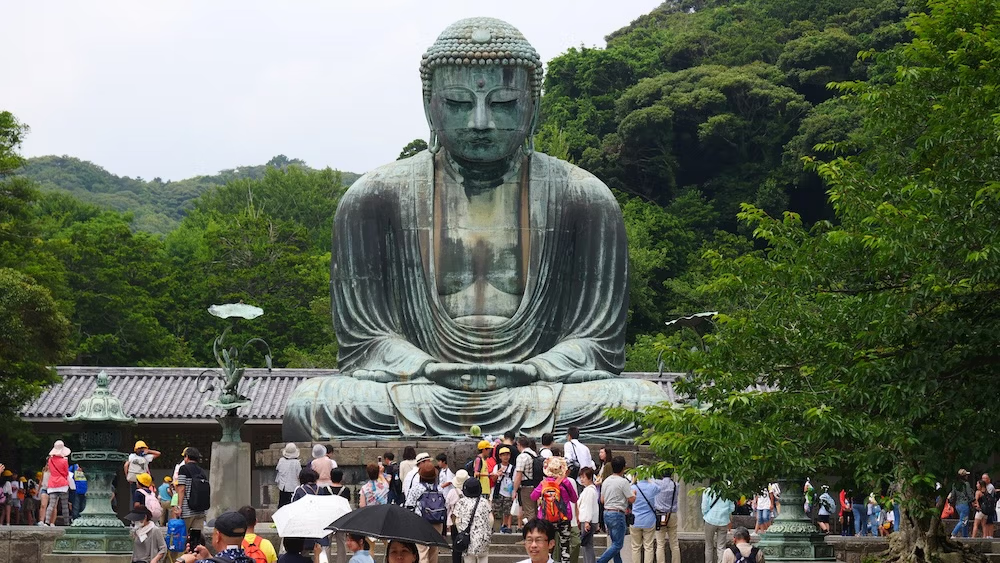
- Historical landmarks that transport you back to the Samurai era.
- Breathtaking coastal views perfect for leisurely walks and photography.
- Authentic cultural experiences that deepen your appreciation of Japan.
Tip: Visit during weekdays to avoid crowds and get the most tranquil experience possible.
source: Samuel and Audrey YouTube channel: Nomadic Samuel + That Backpacker hosted
Why Kamakura Should Be on Your Must-Visit List
Kamakura isn’t just another city—it’s a living museum brimming with heritage and spirituality. Home to over 65 Buddhist temples and 19 Shinto shrines, the city offers a profound glimpse into Japan’s religious practices. You’ll find yourself enchanted by the towering bamboo groves of Hokokuji Temple and mesmerized by the ocean vistas from Inamuragasaki Park. The fusion of cultural depth and natural splendor makes Kamakura a unique destination that’s hard to replicate. Plus, its proximity to Tokyo means you can enjoy a fulfilling day trip without the hassle of long travel times.
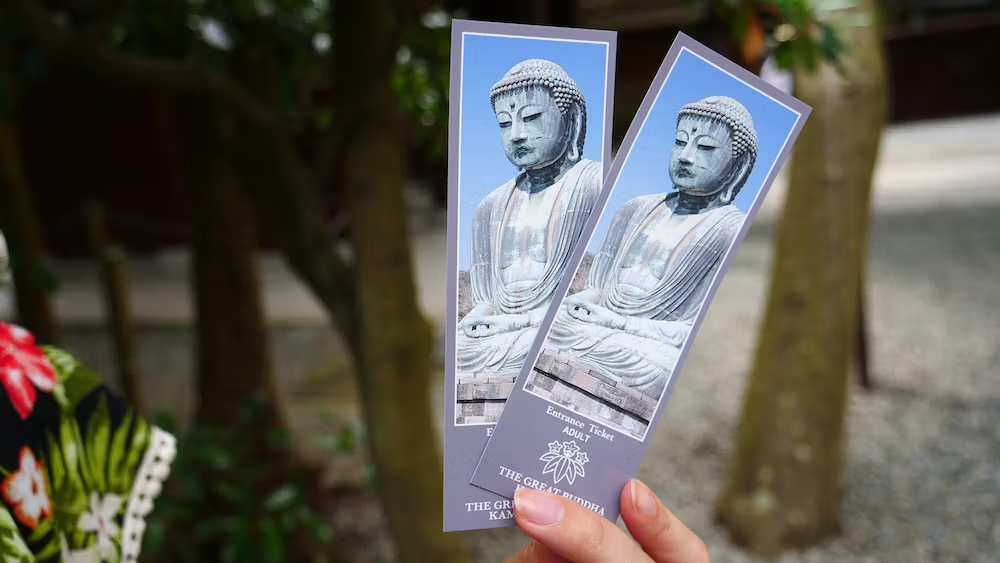
- Easily accessible from Tokyo, perfect for day trips.
- Diverse attractions ranging from spiritual sites to beachside cafes.
- Seasonal beauty with cherry blossoms in spring and colorful foliage in autumn.
Tip: Purchase an Enoshima-Kamakura Free Pass for unlimited rides on local trains and trams—it’ll save you time and money!
Top 10 Things To Do in Kamakura, Japan For Visitors
Let’s dive into the top 10 things you shouldn’t miss when visiting Kamakura.
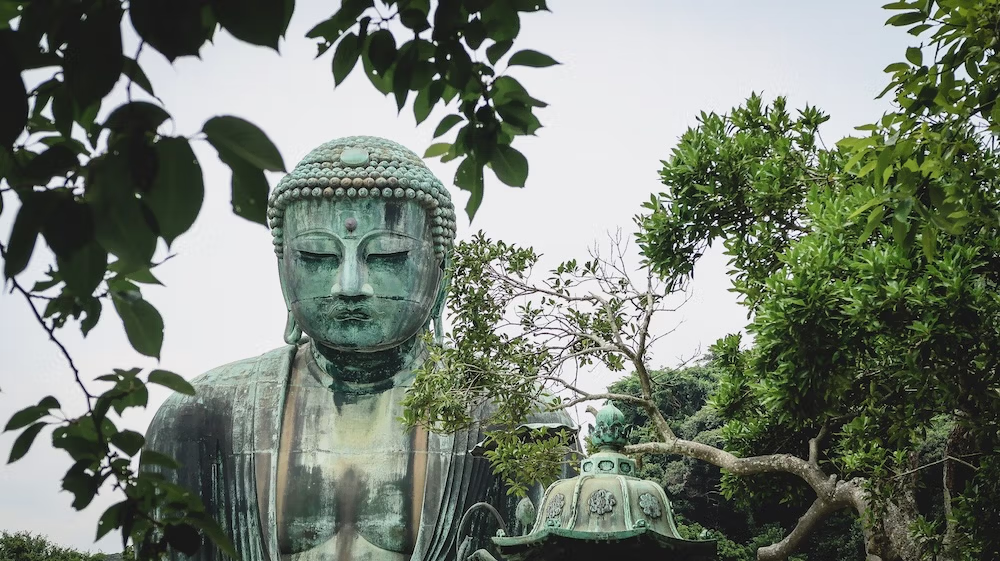
1. Marvel at The Great Buddha of Kamakura (鎌倉大仏, Kamakura Daibutsu)
Standing at an impressive 13.35 meters tall, the Great Buddha of Kamakura is an awe-inspiring sight to behold. This monumental bronze statue of Amida Buddha sits peacefully in the open air at Kotoku-in Temple. Originally cast in 1252, it has survived earthquakes, typhoons, and even a tsunami. The statue was once housed in a grand temple hall, but after it was destroyed by a storm in the 15th century, the Buddha has remained outdoors, weathering the elements gracefully. Visitors can even enter the hollow interior of the statue to observe its construction. The serene expression on the Buddha’s face radiates a sense of calm that envelops all who visit.
- Historical significance: A national treasure and an iconic symbol of Kamakura.
- Unique experience: Step inside the statue to see its internal structure.
- Photographer’s delight: The open-air setting provides excellent lighting for photos.
Tip: Visit early in the morning to avoid crowds and enjoy a more peaceful atmosphere.
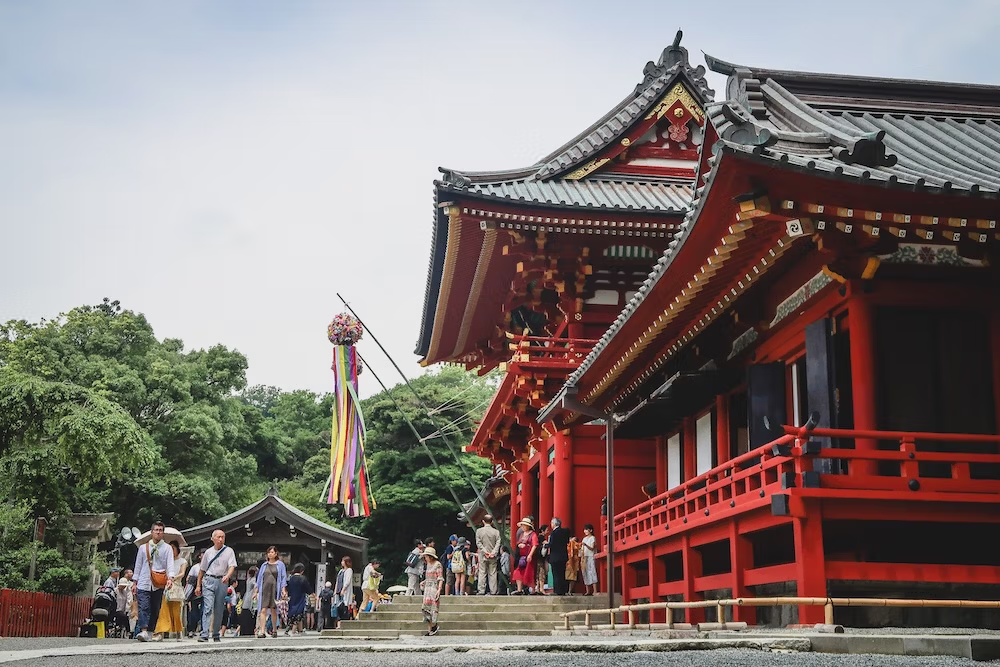
2. Explore the Beauty of Hasedera Temple (長谷寺)
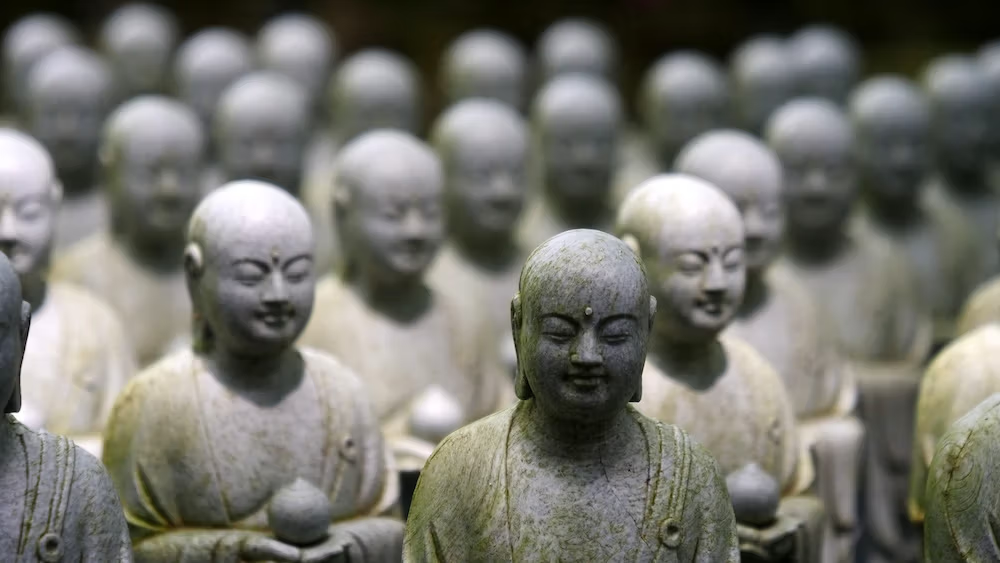
Hasedera Temple is renowned for its stunning architecture and beautiful gardens that change with the seasons. The temple is home to an impressive wooden statue of Kannon, the goddess of mercy, which stands 9.18 meters tall. As you wander through the grounds, you’ll encounter countless Jizo statues, dedicated to the souls of deceased children. The temple also offers panoramic views of Kamakura’s coastline from its observation deck. During the hydrangea season in June, the temple’s gardens burst into a riot of colors, making it one of the most popular times to visit. The tranquil ponds, winding pathways, and serene atmosphere make Hasedera a must-see destination.
- Seasonal beauty: Famous for cherry blossoms in spring and hydrangeas in early summer.
- Cultural richness: Houses one of the largest wooden statues in Japan.
- Scenic views: Offers breathtaking vistas of the city and the sea.
Tip: Don’t miss the Benten-kutsu Cave, where you can see carved statues illuminated by candlelight.
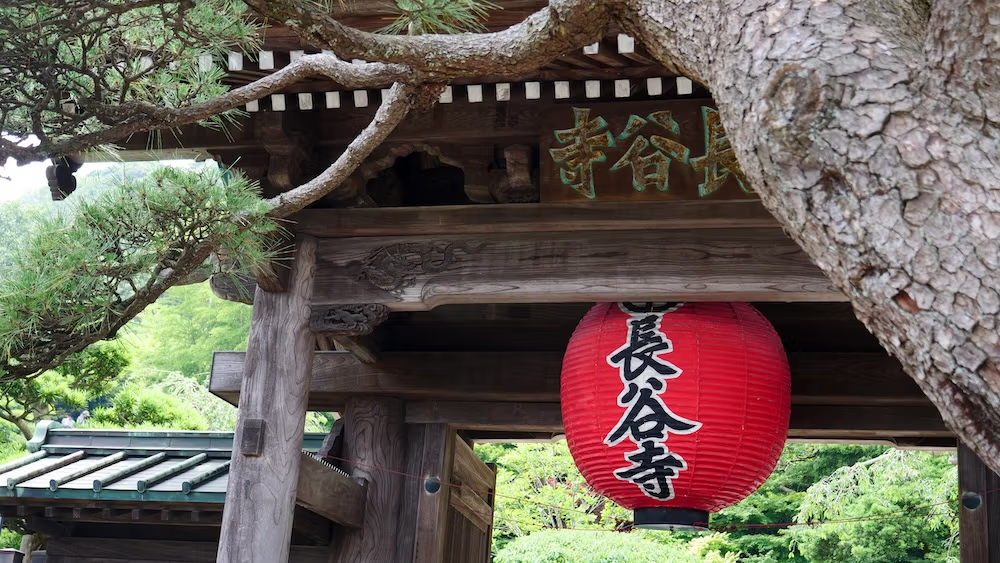
3. Visit the Historic Tsurugaoka Hachimangu Shrine (鶴岡八幡宮)
Tsurugaoka Hachimangu Shrine is the most important Shinto shrine in Kamakura, founded by Minamoto no Yoritomo in 1063. Dedicated to Hachiman, the god of samurai and warriors, the shrine played a pivotal role in the city’s history. A grand walkway leads up to the main hall, flanked by vibrant torii gates and lotus ponds. The shrine is a cultural hub, hosting numerous festivals and events throughout the year. Don’t miss the iconic Maiden, a stage for dance and music performances. The Peony Garden is a hidden gem, especially beautiful during the blooming seasons.
- Historical landmark: Central to Kamakura’s political and cultural development.
- Festive atmosphere: Experience traditional ceremonies and festivals.
- Architectural beauty: Classic Shinto design with intricate details.
Tip: Climb the stone steps to the main hall for a panoramic view of the city and surrounding nature.
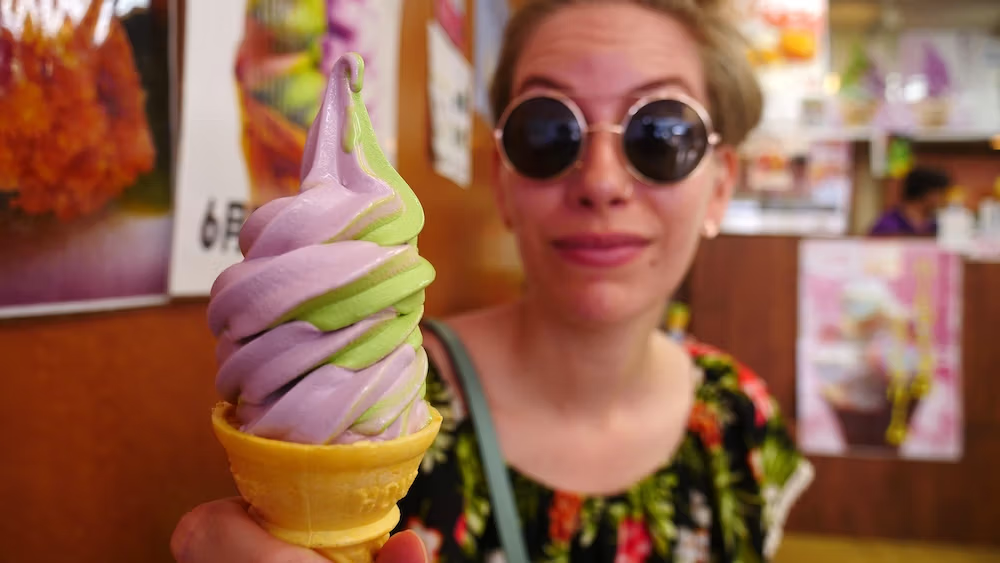
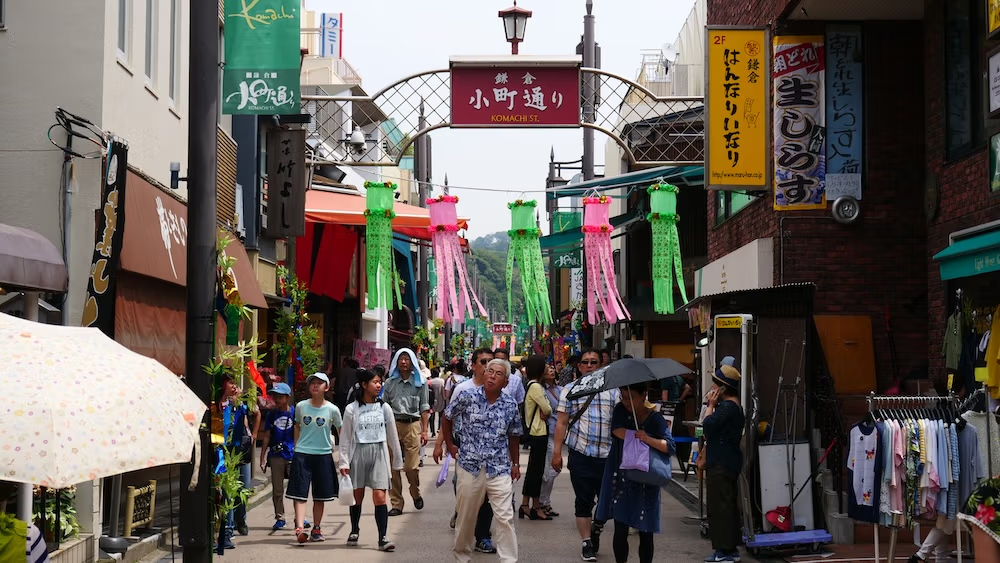
4. Indulge in Komachi Street Food Delights
Komachi Street is a food lover’s paradise, lined with an array of stalls offering mouth-watering Japanese snacks. As you stroll down this bustling street, the enticing aromas will tempt you to try everything. From sweet to savory, there’s a snack to satisfy every craving. Here are some must-try treats:
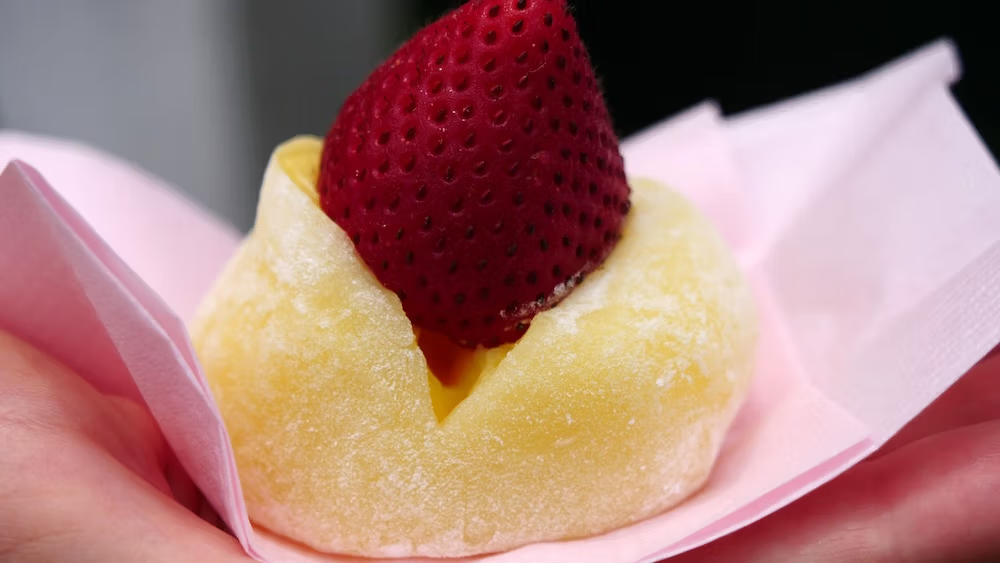
Strawberry Custard Mochi (Daifuku いちご大福) – 300 Yen
These delightful mochi are filled with creamy custard and a fresh strawberry. The combination of the soft rice cake, sweet custard, and juicy fruit is simply heavenly. It’s a perfect bite-sized dessert that’s both satisfying and not overly sweet.
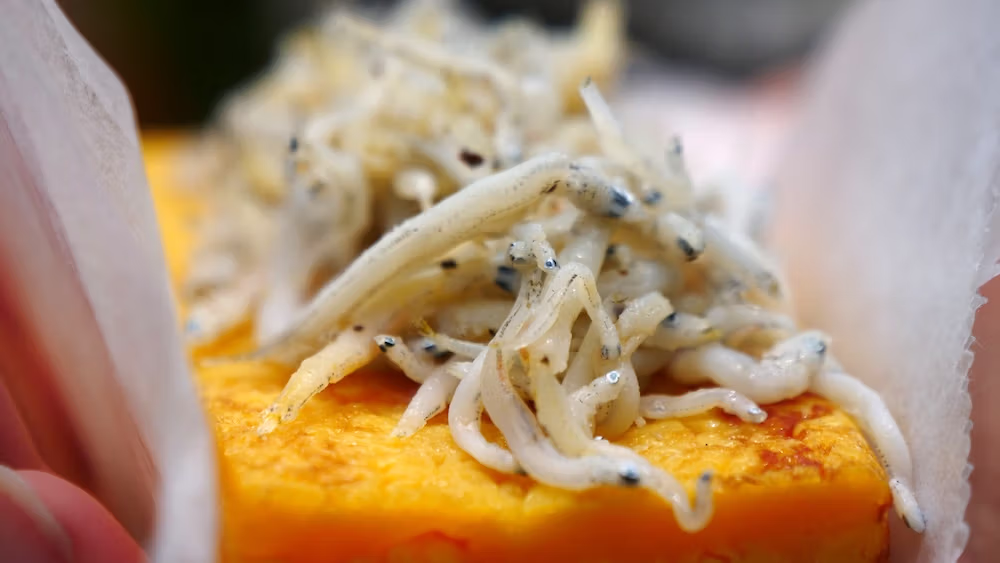
Omelette with Whitebait (釜揚げしらす) – 250 Yen
This savory snack features a fluffy omelette generously stuffed with fresh whitebait. The delicate flavor of the fish complements the rich egg, creating a harmonious blend. It’s a local specialty you shouldn’t miss.
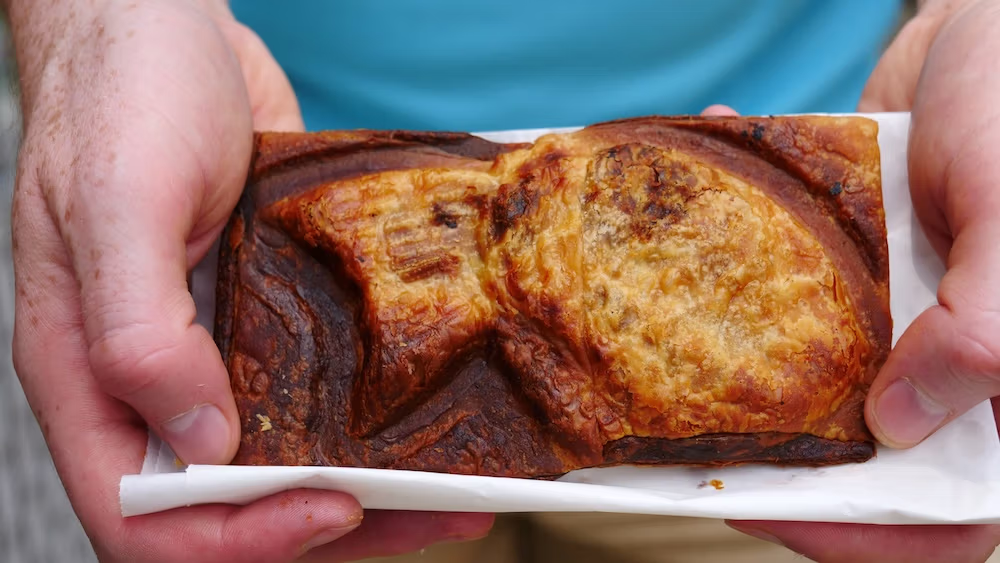
Apple Cinnamon Taiyaki (鯛焼き) – 350 Yen
A modern twist on a classic Japanese treat, this taiyaki is filled with warm apple and cinnamon. The crispy exterior and sweet, spiced filling make it a comforting snack, especially on cooler days.
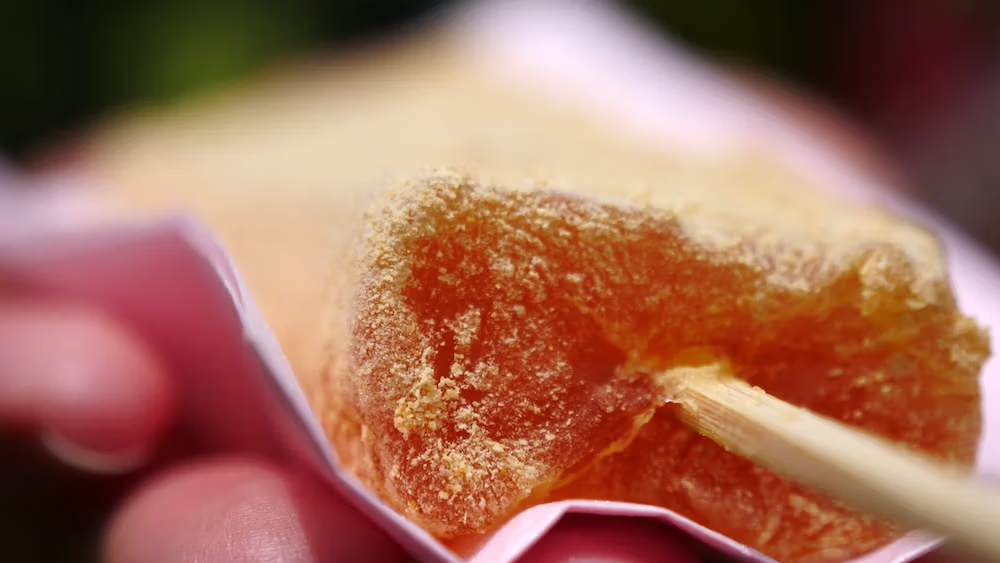
Warabimochi (蕨餅) – 250 Yen
Warabimochi is a jelly-like confection made from bracken starch and covered in kinako (roasted soybean flour). Its soft, chewy texture and nutty flavor make it a refreshing treat. Often served chilled, it’s particularly enjoyable during warm weather.
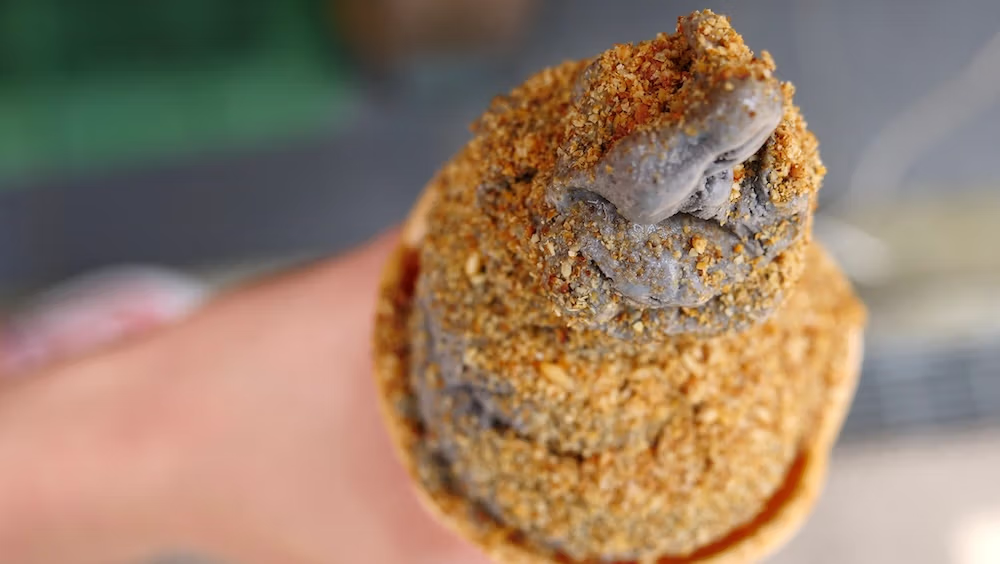
Black Sesame Soy Milk Ice Cream (黒ゴマのアイスクリーム) – 380 Yen
This creamy ice cream combines the rich, nutty taste of black sesame with the smoothness of soy milk. It’s a delightful dairy-free option that’s both healthy and delicious. The deep, earthy flavors are a pleasant change from typical sweet ice creams.

Cheese Korokke (コロッケ) – 180 Yen
A Japanese croquette that’s crispy on the outside and filled with gooey cheese inside. This savory snack is perfect for cheese lovers. It’s warm, satisfying, and easy to eat on the go.
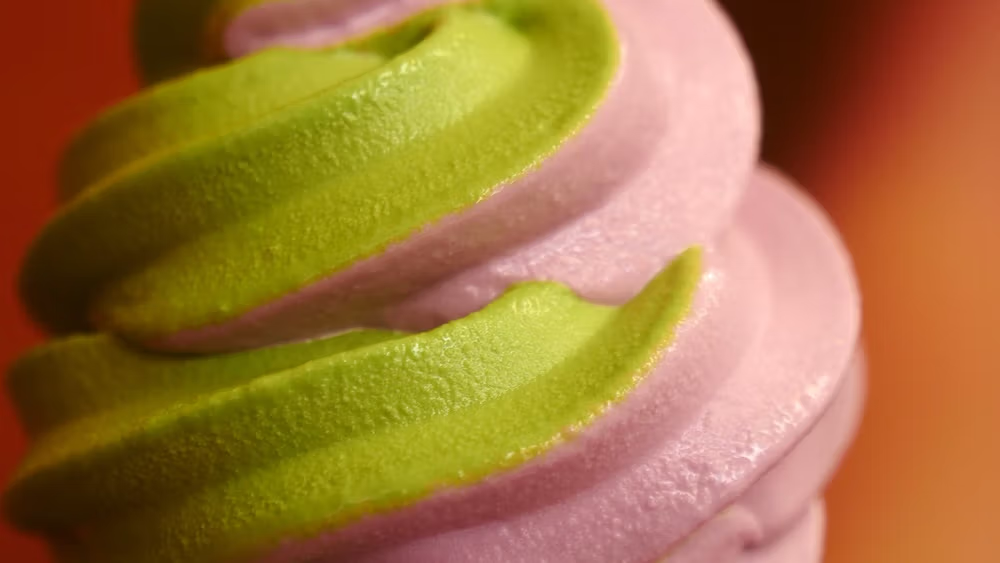
Matcha and Sweet Potato Soft Serve Ice Cream (抹茶アイスクリーム) – 350 Yen
This unique soft serve combines the earthy bitterness of matcha with the natural sweetness of sweet potato. The contrasting flavors create a balanced and refreshing dessert. Served in a crisp cone, it’s a delightful way to cool down on a warm day.
5. Wander Through the Bamboo Grove at Hokokuji Temple (報国寺)
Hokokuji Temple, often called the Bamboo Temple, is a hidden gem known for its tranquil bamboo grove. Walking through the towering bamboo stalks, you’ll feel transported to another world, enveloped by the soothing rustle of leaves. The temple also offers a traditional tea house where you can sip matcha while gazing into the grove. The interplay of light and shadow creates a serene atmosphere perfect for reflection and meditation. The temple’s gardens are meticulously maintained, showcasing seasonal flowers and stone lanterns. It’s a peaceful retreat away from the more crowded tourist spots.
- Zen experience: Ideal for meditation and relaxation.
- Cultural immersion: Enjoy a tea ceremony in a traditional setting.
- Photographer’s paradise: Capture stunning images of the bamboo forest.
Tip: Visit on a weekday morning for a quieter experience and better photo opportunities.
6. Hike the Daibutsu Trail for Nature and History
For those who love the outdoors, the Daibutsu Hiking Trail offers a refreshing blend of nature and history. This trail connects several of Kamakura’s famous sites, including the Great Buddha and Jochiji Temple. As you trek through lush forests and over gentle hills, you’ll encounter small shrines and statues tucked away in the greenery. The trail is well-marked and suitable for beginners, making it a great way to explore off-the-beaten-path areas. Along the way, you’ll enjoy panoramic views of the city and the sea. It’s an excellent opportunity to breathe in fresh air and stretch your legs.
- Scenic beauty: Experience Kamakura’s natural landscapes up close.
- Historical sites: Discover lesser-known temples and shrines along the route.
- Exercise: A fun way to stay active while sightseeing.
Tip: Wear sturdy shoes and bring water—the trail can be uneven and there’s minimal shade in some areas.
7. Relax at Yuigahama Beach
Yuigahama Beach is the perfect spot to unwind after a day of temple hopping. With its wide stretch of sand and gentle waves, it’s a popular destination for both locals and tourists. In the summer months, beach huts pop up offering food, drinks, and rental equipment. You can try your hand at surfing, take a leisurely swim, or simply lounge on the sand. The beach offers stunning sunset views, with the sky painted in hues of pink and orange. It’s a family-friendly location that’s great for picnics and leisurely walks.
- Water activities: Opportunities for surfing, paddleboarding, and swimming.
- Seasonal events: Summer festivals and fireworks displays.
- Convenient location: Close to Kamakura Station and other attractions.
Tip: Bring a beach mat or towel, as facilities can be limited during peak times.
8. Visit Engakuji Temple (円覚寺)
Engakuji Temple is one of Kamakura’s five great Zen temples, offering a deep dive into Zen Buddhism. Founded in 1282, the temple was built to honor those who died in the Mongol invasions. The expansive grounds house multiple sub-temples, gates, and a large bell considered a national treasure. The temple is especially beautiful during autumn when the leaves turn vibrant shades of red and gold. Engakuji provides a serene environment ideal for quiet contemplation and exploration. The temple also conducts zazen (seated meditation) sessions open to the public.
- Cultural insight: Learn about Zen practices and philosophy.
- Architectural beauty: Traditional structures set amidst natural surroundings.
- Seasonal charm: Spectacular foliage in autumn and blooming flowers in spring.
Tip: Check the temple’s schedule if you’re interested in participating in a meditation session.
9. Discover Zeniarai Benten Shrine (銭洗弁天)
Zeniarai Benten Shrine is a unique and mystical spot where visitors come to wash their money in sacred waters. Legend has it that money washed here will double, attracting wealth and prosperity. To reach the shrine, you pass through a tunnel carved into the rock, adding to the mysterious atmosphere. The shrine is dedicated to Benzaiten, the goddess of music, wisdom, and wealth. The sound of flowing water and the scent of incense create a serene ambiance. It’s a fascinating blend of Shinto and Buddhist elements, reflecting Japan’s religious syncretism.
- Cultural ritual: Participate in the money-washing tradition.
- Unique setting: A shrine built within natural rock formations.
- Peaceful environment: Less crowded, offering a tranquil experience.
Tip: Bring some coins or small bills to wash, and don’t forget to let them dry naturally for the full effect!
10. Shop and Dine at Enoshima Island
Just a short train ride from Kamakura, Enoshima Island is a small offshore island packed with attractions. Connected by a bridge, the island features shrines, observation towers, and caves to explore. The streets are lined with shops selling souvenirs and local snacks like grilled shellfish and octopus crackers. Climb to the top of the Sea Candle lighthouse for panoramic views of Sagami Bay and Mount Fuji on clear days. The island also boasts beautiful gardens and a popular spa with natural hot springs. It’s a perfect day trip that combines culture, nature, and leisure.
- Variety of attractions: Something for history buffs, nature lovers, and shoppers.
- Scenic beauty: Stunning ocean views and sunsets.
- Culinary delights: Fresh seafood and unique local treats.
Tip: Wear comfortable shoes—the island has many stairs and slopes, but the views are worth the climb!
Kamakura Accommodations Guide: Hotels, Guesthouses and Hostels
Let’s explore some of the best options for places to stay in Kamakura.
Hotels: Comfort and Convenience in the Heart of Kamakura
If you’re looking for modern amenities and prime locations, Kamakura’s hotels won’t disappoint. Many are situated close to major attractions like the Great Buddha and Hasedera Temple, making it easy to explore the city. These hotels often feature spacious rooms, on-site restaurants, and concierge services to help you plan your itinerary. Some even offer stunning views of the coastline or surrounding hills. Staying in a hotel provides the comfort of home with the convenience of being steps away from Kamakura’s must-see sights.
- Central locations near train stations and tourist spots.
- Full-service amenities, including Wi-Fi, room service, and dining options.
- Ideal for families and business travelers seeking comfort and convenience.
Tip: Book early during peak seasons like cherry blossom or autumn foliage to secure the best rates and availability.
Guesthouses: Embrace Local Charm and Hospitality
For a more intimate and authentic experience, consider staying in one of Kamakura’s charming guesthouses. These accommodations often reflect traditional Japanese architecture, complete with tatami mats and sliding shoji doors. You’ll have the chance to interact with local hosts who can provide insider tips on hidden gems and cultural practices. Guesthouses are perfect for travelers who appreciate a cozy atmosphere and personal touch. It’s like staying in a home away from home, allowing you to fully immerse yourself in Kamakura’s laid-back lifestyle.
- Cultural immersion with traditional decor and customs.
- Personalized service from friendly and knowledgeable hosts.
- Smaller capacity, offering a quiet and relaxed environment.
Tip: Don’t hesitate to ask your host about local events or recommendations—they’re often eager to share their love for the city.
Hostels: Budget-Friendly Options Without Sacrificing Comfort
Traveling on a budget doesn’t mean you have to compromise on quality. Kamakura’s hostels provide affordable accommodations with clean facilities and a friendly atmosphere. Many hostels offer both dormitory-style rooms and private rooms, catering to solo travelers and groups alike. You’ll find communal spaces where you can meet fellow travelers, share stories, and perhaps even plan activities together. Staying in a hostel is a great way to save money while still enjoying a comfortable and social environment.
- Affordable rates, perfect for backpackers and students.
- Opportunities to meet other travelers from around the world.
- Convenient locations near public transportation and attractions.
Tip: Bring a pair of earplugs and an eye mask for a better night’s sleep in shared dormitories.
Ryokans: Experience Traditional Japanese Hospitality
For an unforgettable cultural experience, consider staying in a ryokan—a traditional Japanese inn. Ryokans offer a glimpse into Japan’s rich heritage, complete with futon beds, communal baths, and kaiseki meals (multi-course dinners). The attentive service and serene atmosphere make it a unique way to unwind after a day of sightseeing. Many ryokans in Kamakura are located near temples and nature spots, enhancing the tranquil vibe. It’s more than just accommodation; it’s an immersive journey into Japanese tradition.
- Authentic experience of Japanese culture and customs.
- Delicious traditional meals often included in your stay.
- Relaxing amenities like onsen (hot spring baths) and tea ceremonies.
Tip: Familiarize yourself with ryokan etiquette, such as removing shoes at the entrance and wearing provided yukata robes, to fully appreciate the experience.
Kamakura Transportation Guide
Whether you’re arriving from Tokyo or exploring within the city, there are plenty of transportation options to suit your style and itinerary. Let’s delve into the best ways to travel in and around Kamakura.
Getting to Kamakura: Your Journey Begins
By Train: The JR Yokosuka Line
The most convenient way to reach Kamakura from Tokyo is via the JR Yokosuka Line. Departing from Tokyo Station, the train whisks you away to Kamakura Station in just under an hour. The journey is comfortable and straightforward, with trains departing frequently throughout the day. As you ride, you’ll pass through suburban landscapes, gradually giving way to coastal views. The train is equipped with comfortable seating and ample space for luggage, making it ideal for travelers. Best of all, the JR Pass covers this line, so you can save some yen if you have one.
- Direct route from major Tokyo stations to Kamakura.
- JR Pass compatible, offering cost savings.
- Frequent departures, reducing wait times.
Tip: Avoid rush hours (7-9 am and 5-7 pm) to enjoy a more relaxed journey with fewer commuters.
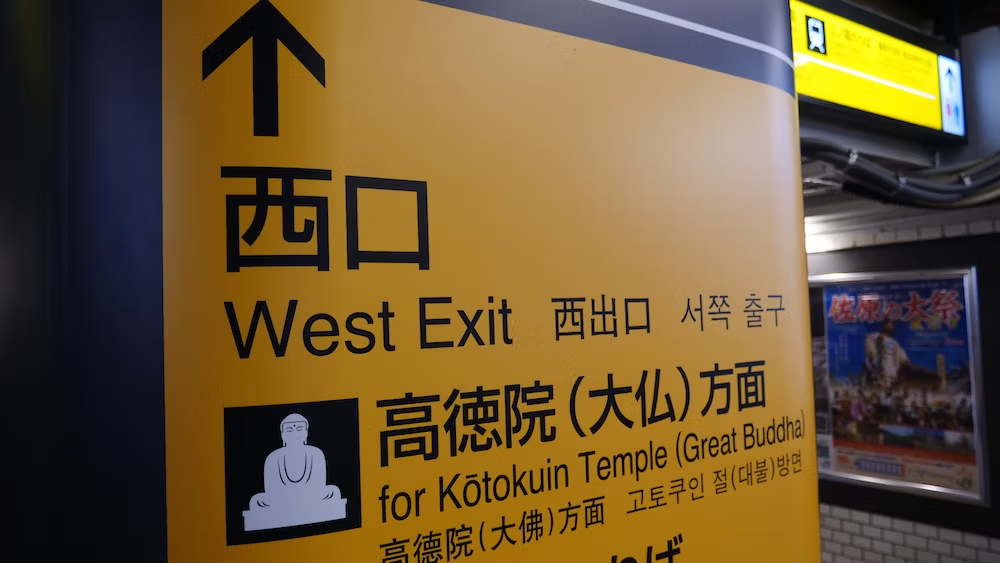
By Train: The Enoshima Electric Railway (Enoden)
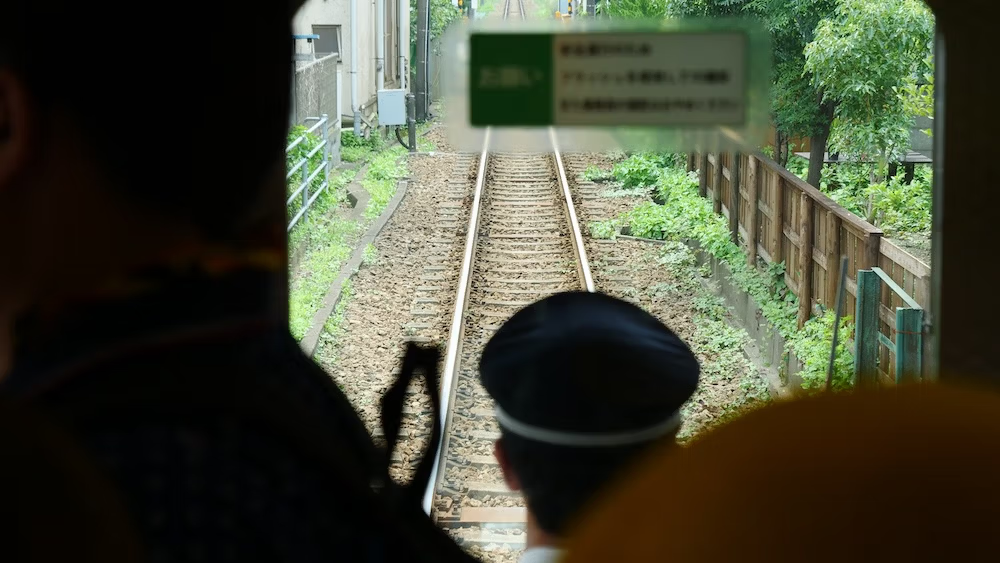
For a more scenic route, consider taking the Enoshima Electric Railway, affectionately known as the Enoden. This charming train line connects Fujisawa to Kamakura, hugging the coastline and offering stunning ocean views. The vintage cars and quaint stations give you a nostalgic taste of old Japan. The ride takes a bit longer, but the beautiful scenery and unique experience make it well worth it. You can hop on and off at various stops to explore beaches, temples, and local neighborhoods.
- Scenic coastal views that are perfect for photography.
- Access to smaller attractions along the route.
- Charming, old-fashioned trains enhance the experience.
Tip: Purchase a one-day Enoden pass if you plan to explore multiple stops—it offers unlimited rides for the day.
By Bus: An Alternative Option
Buses offer another way to reach Kamakura, though they’re less direct than trains. Several highway buses depart from Tokyo and Yokohama, heading towards Kamakura and its surrounding areas. While the journey may take a bit longer due to traffic, buses can be a comfortable option with reclining seats and onboard amenities. They also provide a chance to see different parts of the city and countryside. However, schedules may be less frequent, so planning ahead is essential.
- Comfortable seating with amenities like Wi-Fi on some buses.
- Different drop-off points, which may be closer to your accommodation.
- Affordable fares compared to some train options.
Tip: Check the bus schedule in advance and book tickets online to secure your seat, especially during peak travel seasons.
By Car: Driving to Kamakura
Renting a car provides the most flexibility, allowing you to travel at your own pace. The drive from Tokyo to Kamakura takes about an hour via the Shuto Expressway and Yokohama-Yokosuka Road. Along the way, you can stop at various points of interest or scenic spots. However, be prepared for tolls and potential traffic congestion, especially on weekends and holidays. Parking in Kamakura can be limited and expensive, so factor that into your plans.
- Ultimate flexibility to create your own itinerary.
- Opportunity to explore off-the-beaten-path locations.
- Comfortable for groups or families traveling together.
Tip: Use a GPS or navigation app that accounts for real-time traffic to avoid delays and find the best routes.
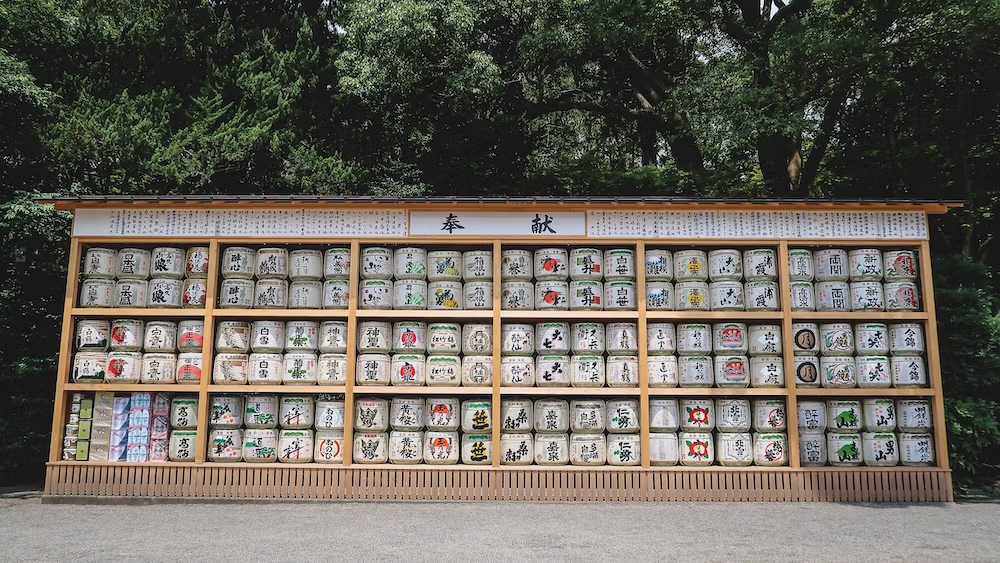
Getting Around Kamakura: Exploring the City
On Foot: Embrace the Walkability
One of the best ways to experience Kamakura is on foot. The city’s compact size and pedestrian-friendly streets make walking a delightful option. You’ll find hidden gems like small shrines, local shops, and cozy cafes that you might miss using other transportation. Walking also allows you to appreciate the natural beauty and historical architecture up close. It’s an opportunity to set your own pace, take spontaneous detours, and truly immerse yourself in the atmosphere.
- Cost-effective—no transportation fees.
- Healthy and eco-friendly, adding physical activity to your day.
- Flexibility to stop wherever and whenever something catches your eye.
Tip: Wear comfortable shoes and carry a small bottle of water, especially during warmer months to stay hydrated.
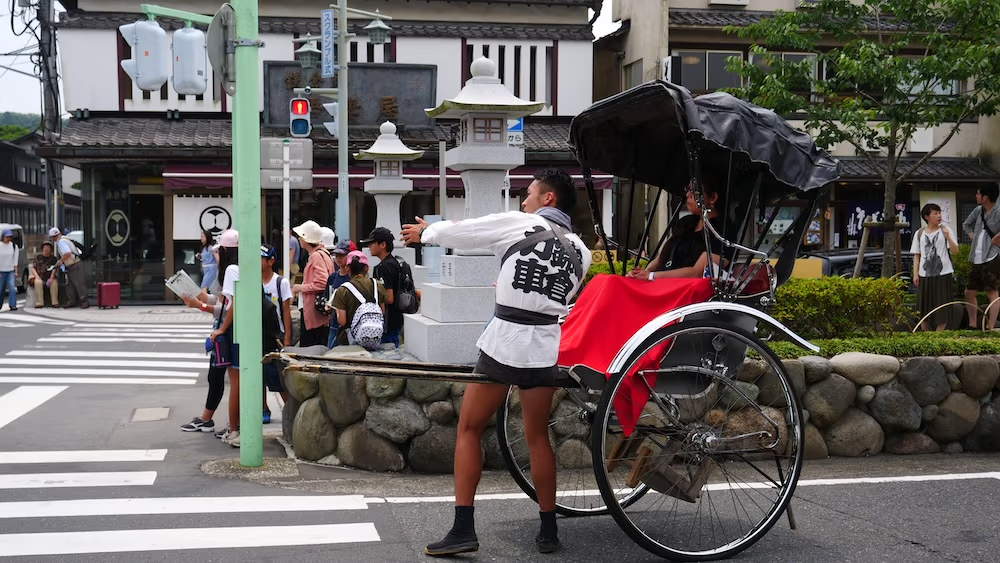
Renting a Bicycle: Pedal Through History
Cycling is a popular way to get around Kamakura, combining convenience with the joy of exploration. Bike rental shops are plentiful near Kamakura Station, offering both standard and electric bicycles. Riding a bike allows you to cover more ground than walking while still enjoying the fresh air and scenery. You can easily visit attractions like the Great Buddha, Hasedera Temple, and even venture to nearby beaches. Plus, it’s an eco-friendly option that aligns with the city’s peaceful vibe.
- Affordable rental rates, often around 1,000 yen per day.
- Flexibility to explore at your own pace without relying on schedules.
- Access to bike-friendly paths and less crowded routes.
Tip: Always lock your bike when parked and be mindful of traffic rules—wearing a helmet is recommended for safety.
Using the Enoden Line: Hop-On Hop-Off Convenience
Within Kamakura, the Enoden Line isn’t just for getting there—it’s also a handy way to move between attractions. The line connects key sites along the coast, making it easy to visit multiple spots in one day. Trains run every 12 minutes, so you won’t have to wait long between stops. The Enoden adds a touch of nostalgia to your journey with its retro feel. It’s especially convenient if you’re short on time but want to see as much as possible.
- Frequent service keeps your itinerary flexible.
- Scenic rides between destinations enhance the experience.
- Affordable fares, with options for day passes.
Tip: Stand on the left side of the train for the best ocean views when traveling from Kamakura to Fujisawa.
Local Buses: Reaching the Outskirts
For destinations not easily accessible by train or foot, local buses are a reliable option. Buses connect Kamakura Station with more remote temples, hiking trails, and residential areas. They are equipped with clear signage and announcements, often in English, to help you navigate. While buses can be subject to traffic delays, they offer a comfortable ride and the chance to see different parts of the city. It’s a practical choice when visiting places like Hokokuji Temple or Zeniarai Benten Shrine.
- Extensive network covers areas beyond train lines.
- Affordable fares, usually around 200 yen per ride.
- Air-conditioned comfort, a plus during hot or humid days.
Tip: Have exact change or a rechargeable IC card like Suica or Pasmo to make boarding and alighting smoother.
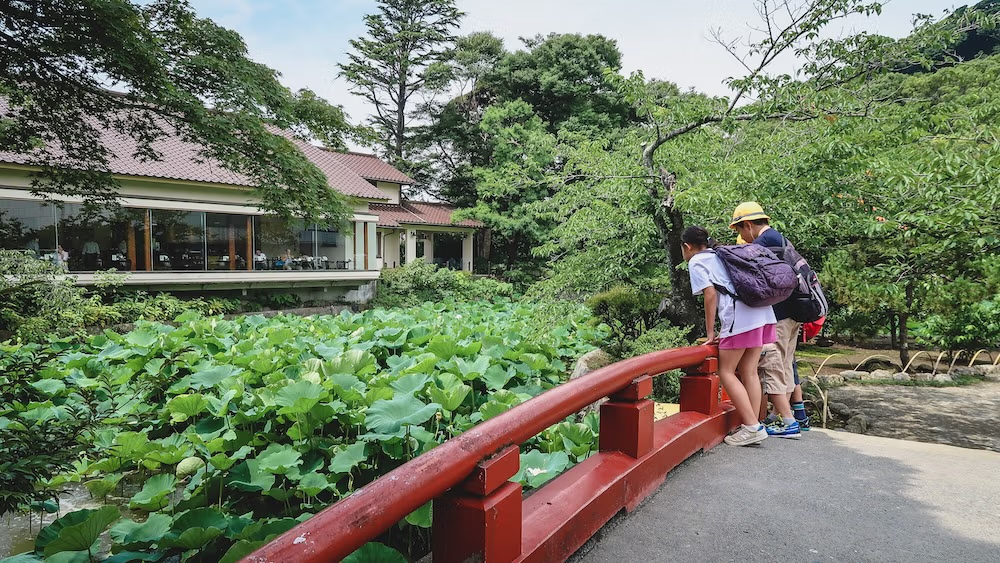
Kamakura travel questions answered: day trips, temples, beaches, passes & local tips
How many days do you actually need in Kamakura – is one day enough?
It depends. If you only have one day, you can absolutely hit the big hitters like the Great Buddha, Hasedera, Tsurugaoka Hachimangu and Komachi Street. It will be a busy but very doable day trip from Tokyo. With two days, you can slow things down, add Hokokuji’s bamboo grove, hike the Daibutsu Trail, and spend proper time at Yuigahama Beach or Enoshima. If you’re into photography, temple-hopping and coastal walks, I’d happily stretch Kamakura to two nights so you’re not racing the clock.
Is Kamakura really worth visiting as a day trip from Tokyo, or should I stay overnight?
Absolutely. Kamakura is one of the easiest and most rewarding day trips from Tokyo because it combines temples, hikes and beaches in a compact area. A day is perfect if your Japan itinerary is tight. That said, staying overnight changes the vibe completely: mornings and evenings are far quieter, you can wander shrine approaches without the crowds, and you can enjoy sunset on the coast without stressing about the last train back. If you have the time, one night in Kamakura or nearby Enoshima is a treat.
What is the best time of year to visit Kamakura for weather and scenery?
Spring and autumn are the sweet spot. Late March to early April brings cherry blossoms, comfortable temperatures, and a festive feel around temples and parks. Late October to early December is gorgeous for autumn foliage at places like Engakuji and Hasedera, with cooler but still pleasant weather. Summer is hot and humid but great if you’re prioritizing the beach scene around Yuigahama and Enoshima. Winter is quieter and colder, but still very visitable with clear skies and fewer crowds.
How do I get from Tokyo to Kamakura in the simplest way possible?
The easiest option is the JR Yokosuka Line from Tokyo or Shinagawa Station directly to Kamakura Station, taking roughly one hour with no transfers. Another popular route is the JR Shonan-Shinjuku Line from Shinjuku, which also runs through to Kamakura in about an hour. Both lines accept IC cards and are covered by the Japan Rail Pass. If you’re heading to the coastal side first (like Enoshima), you can also take the Odakyu Line from Shinjuku to Fujisawa and then switch to the Enoden train into Kamakura, which is slower but more scenic.
What is the Enoshima–Kamakura Free Pass and when does it make sense to buy it?
The Enoshima–Kamakura Free Pass is a 1-day ticket sold by Odakyu that includes a round-trip from Shinjuku to the Enoshima area plus unlimited rides on the Enoden line between Fujisawa and Kamakura for that day. It makes sense if you’re planning to bounce between Enoshima, the coastal stops, and Kamakura’s main sights in one big loop, especially if you’re starting from Shinjuku. If you’re already based near Tokyo Station and only doing a straightforward there-and-back to Kamakura, normal JR tickets may be simpler.
Is Kamakura walkable, or do I really need trains and buses to get around?
Mostly walkable. The core area around Kamakura Station, Tsurugaoka Hachimangu, Komachi Street and Yuigahama Beach is easy to explore on foot. However, some sights are quite spread out: Hasedera, the Great Buddha, Hokokuji and Zeniarai Benten are not all clustered together. In practice I like to mix and match: walk between nearby temples, hop on the Enoden when I want to jump along the coast, and use an occasional bus for more out-of-the-way places like Hokokuji. If you’re comfortable with bikes, renting a bicycle is a fun way to connect the dots too.
Is Kamakura safe to visit, and are there any scams or things to watch out for?
Yes. Kamakura is generally very safe, even if you’re walking around in the evening. The biggest “risks” are more practical than criminal: watch for heat and sun exposure in summer, slippery paths after rain on the hiking trails, and the occasional pushy crow eyeing your snacks at the beach or around food stalls. Pickpocketing is rare, but I still keep my valuables zipped away in crowded spots like Komachi Street and busy trains. You’re far more likely to leave with too many snack purchases than to run into any serious problems.
Is Kamakura a good destination if I’m traveling with kids?
Absolutely. Kids tend to love Kamakura because it isn’t just temples all day. You can mix giant Buddha statues, short hikes, street food, and beach time into one kid-friendly itinerary. The Enoden train is a hit with children, and Yuigahama Beach or Enoshima’s lighthouse and caves break up the cultural sightseeing nicely. Just be mindful of steps and slopes at some temples if you’re using a stroller, and keep an eye on little ones near the water and on busy shopping streets.
How accessible is Kamakura for travelers with limited mobility?
Kamakura is a mixed bag for accessibility. The area around Kamakura Station, Komachi Street and parts of Tsurugaoka Hachimangu is relatively flat and manageable, and some temples have ramps or elevators. On the other hand, many shrines and temples involve stairs, uneven stone paths and hilly approaches, and the Daibutsu Trail is not wheelchair-friendly. If mobility is a concern, I would focus on a smaller set of easier-access sights, use taxis or buses to cut down walking, and double-check in advance which temples have barrier-free routes into their main halls.
What should I wear and pack for a full day exploring Kamakura?
Comfort first. Wear supportive walking shoes or trainers, as you’ll be on your feet a lot over mixed surfaces. In warmer months, lightweight breathable clothing, a hat, sunscreen and a refillable water bottle are essential, especially if you’re hiking or spending time at the beach. In cooler seasons, a warm layer and windproof jacket are handy near the coast. I also like carrying a compact umbrella for passing showers and a small coin purse for temple donations, lockers and local buses. If you’re planning beach time, throw in a small towel and something you don’t mind getting sandy.
Can I see both Kamakura and Enoshima in one day, or is that too rushed?
You can, but it’ll be a fast-paced day. A typical combo day looks like temples in Kamakura in the morning (Great Buddha, Hasedera, Tsurugaoka Hachimangu), then Enoden to Enoshima for late afternoon views, lighthouse, snacks and sunset. It works best if you start early, prioritize just a few key stops in each place, and don’t mind a bit of hustle. If you’re into photography, cafes, and slow wandering, I’d personally split it into two days or at least give Enoshima its own slow afternoon and evening.
How expensive is a typical day trip to Kamakura from Tokyo?
A ballpark budget for a day trip from Tokyo might look like this: round-trip train fare in the ¥1,500–¥2,500 range depending on route and passes, temple and shrine entry fees adding up to around ¥1,000–¥2,000 if you visit several sites, plus food and snacks that can easily fall anywhere between ¥1,500 and ¥3,000+ depending on your tastes. If you add bike rental, a special cafe stop, or a visit to Enoshima attractions, plan a bit more. It’s not the cheapest day trip in Japan, but it’s very manageable, and you can keep costs under control by focusing on a few key paid sights.
Is there a good way to avoid the worst of the crowds in Kamakura?
Yes. The two biggest tricks are timing and routing. Try to avoid weekends and holidays if you can, and aim for early-morning train arrivals so you reach the Great Buddha or Hasedera right after opening. Many tour groups move in predictable loops, so you can flip the order of sights or head straight for quieter spots like Hokokuji or Engakuji while everyone else is on Komachi Street. Having lunch slightly off-peak, wandering side streets instead of the main drag, and staying into the evening all help you experience a calmer side of Kamakura.
What kind of food specialties should I look out for in Kamakura besides the Komachi Street snacks?
Kamakura has two big food themes: coastal seafood and traditional sweets. Shirasu (whitebait) dishes are everywhere, from rice bowls to omelettes, and they’re a very local taste of the region. You’ll also find soba and udon shops, cute cafes tucked into old houses, and dessert spots serving matcha treats, dorayaki and seasonal wagashi. Near the coast, look for grilled seafood, clams and squid, especially around Enoshima. My ideal day here usually mixes a simple noodle lunch, street snacks on Komachi Street and a late-afternoon coffee with a view.
Is it realistic to combine Kamakura with Yokohama or another side trip in the same day?
Not really, unless you’re just “collecting” places. You technically can do a quick spin through Yokohama and Kamakura in one long day because the train connection is straightforward, but each destination deserves attention. Kamakura alone can easily fill a full day with temples, hikes, street food and beach time. If you try to cram Yokohama’s waterfront, Chinatown or Minato Mirai on top, you’ll spend more time on trains than actually enjoying either spot. I’d rather give each its own day if your schedule allows.
Kamakura Travel Guide: Final Thoughts
Envisioning Your Journey to Kamakura
As you plan your next adventure, Kamakura emerges as a great day trip option from Tokyo. Imagine wandering through ancient temples, feeling the serenity of Zen gardens, and gazing upon the majestic Great Buddha. The thought of strolling along coastal beaches with the ocean breeze brushing past you is nothing short of enchanting. This city offers a peaceful retreat from the hustle and bustle of Tokyo.
- Historical landmarks that transport you back to Japan’s samurai era.
- Natural beauty with lush forests, bamboo groves, and pristine beaches.
- Cultural immersion through temples, shrines, and local traditions.
Tip: Allocate at least a full day to explore Kamakura thoroughly—there’s so much to see and do!