
Visiting Yuzawa in autumn feels like stepping into a quiet painting—fiery maple leaves, crisp air, and a cozy warmth lingering in every corner. As you arrive, the mountains are ablaze with orange, red, and gold, creating a vibrant mosaic that stretches toward the horizon. Even a casual stroll down a side street reveals seasonal touches: handpicked apples in market stalls, pumpkin-flavored treats, and the scent of fallen leaves drifting on the breeze. Beneath this colorful canvas, life unfolds at a gentle pace, encouraging you to slow down and appreciate small moments. Whether you’re here for a scenic gondola ride, a tranquil onsen soak, or simply to wander among swirling leaves, Yuzawa in autumn invites you to embrace nature’s artwork.
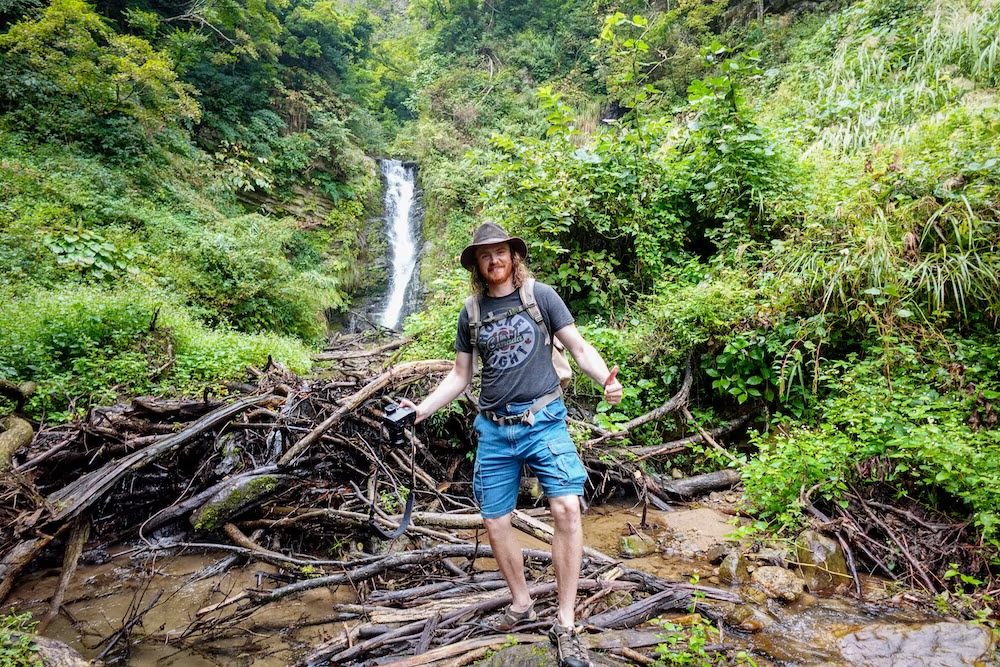
Getting to Know Yuzawa
- Highlights: Brilliant foliage, crisp mountain air, mellow rural charm
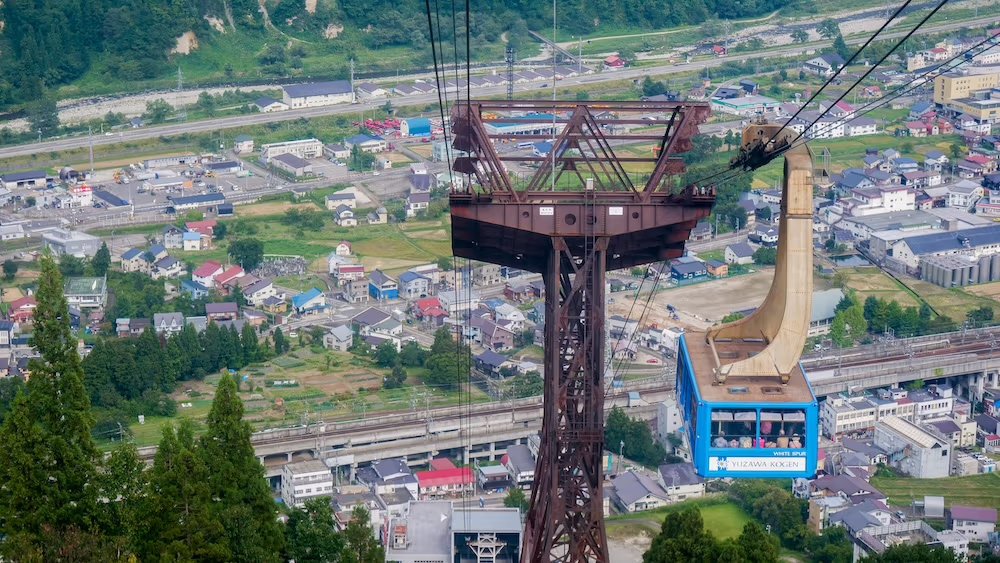
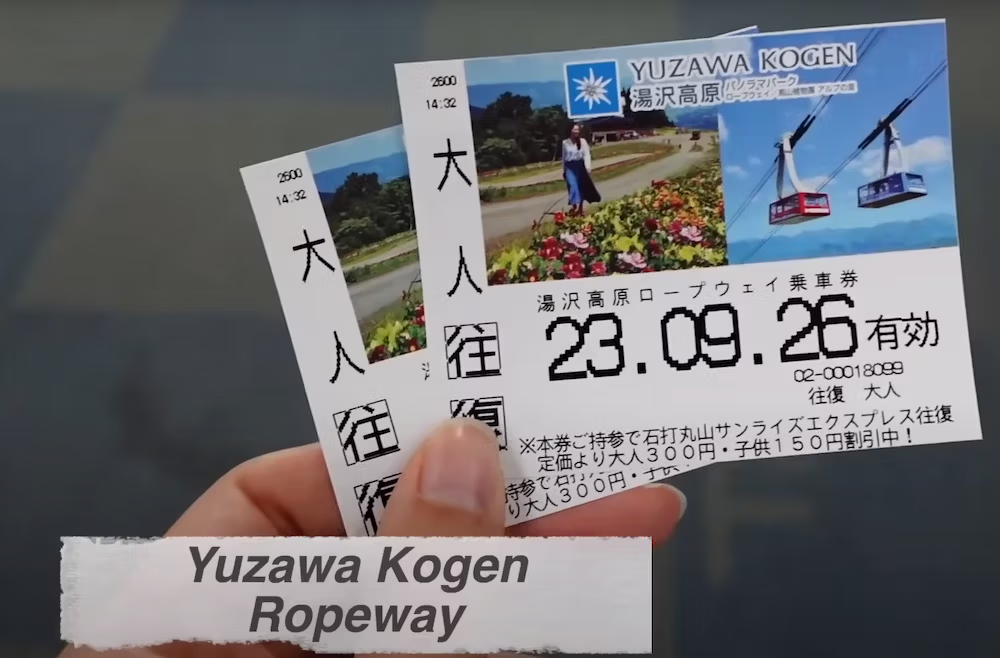
- Don’t Miss: Riding the ropeway for a breathtaking aerial view of autumn’s full tapestry
- Great For: Leaf-peepers, photographers, travelers seeking seasonal serenity
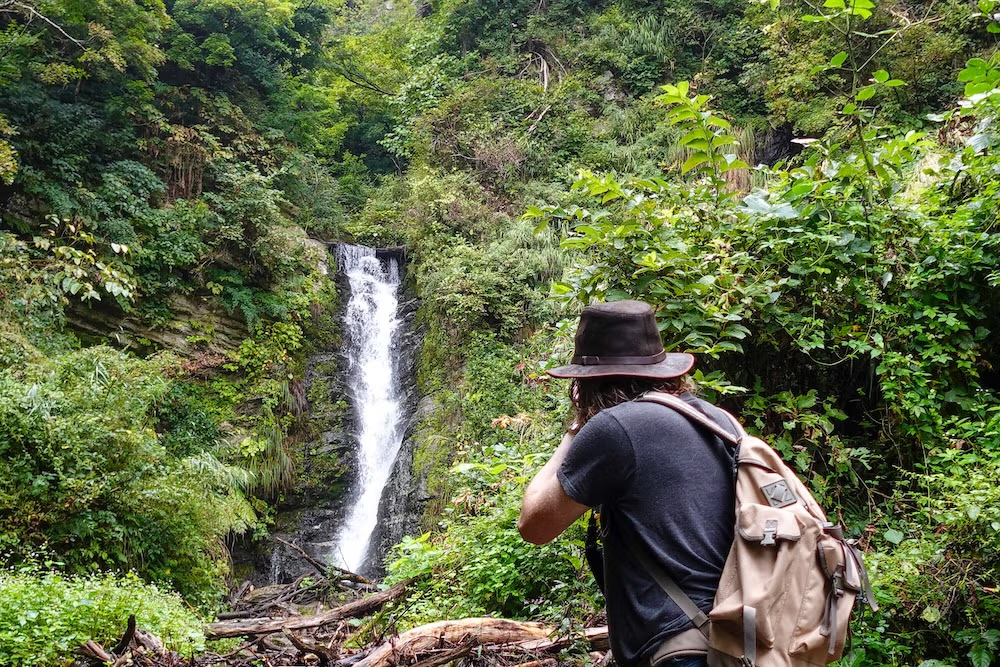
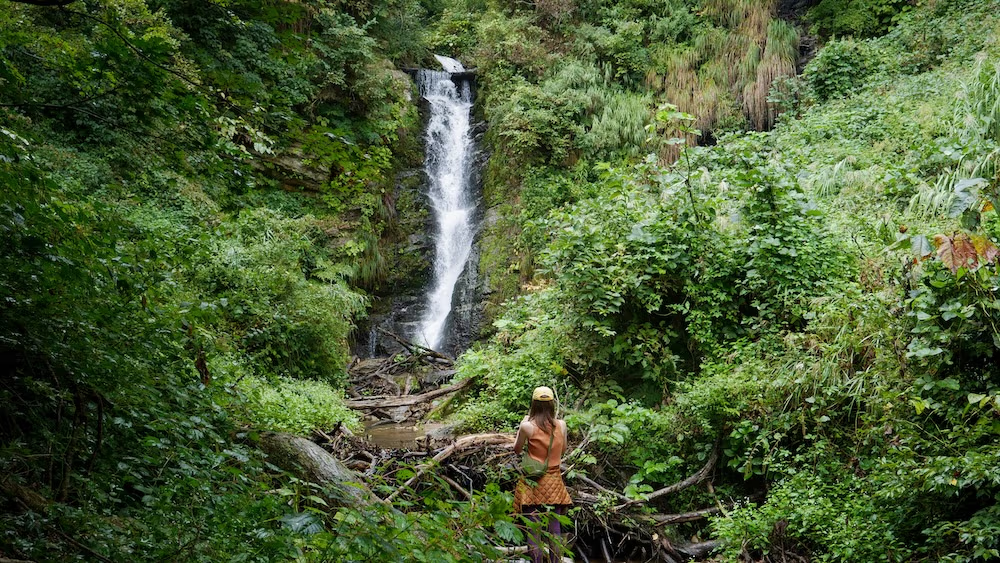
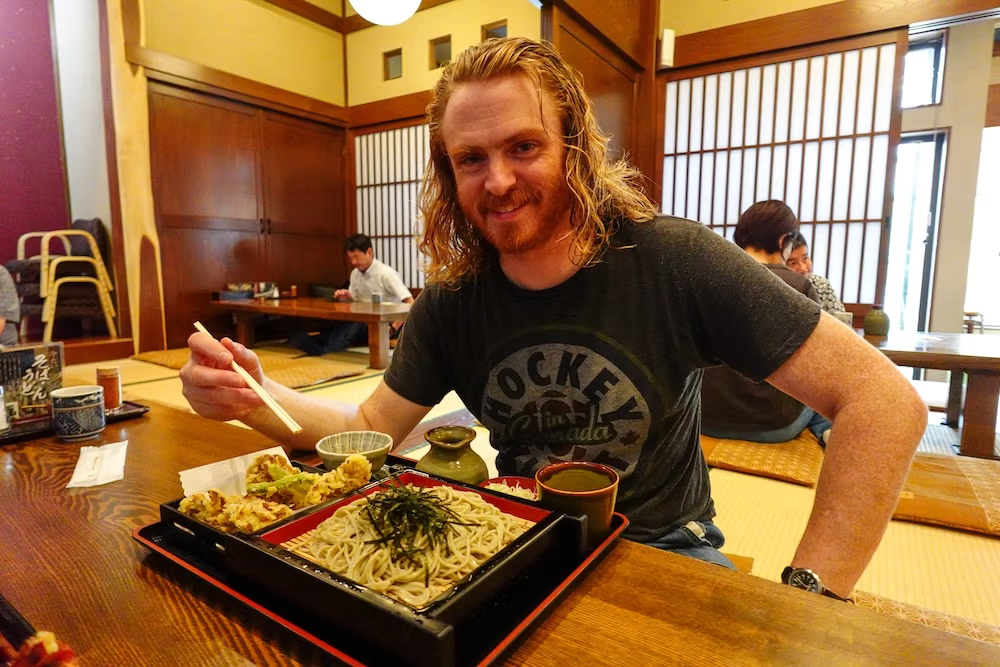
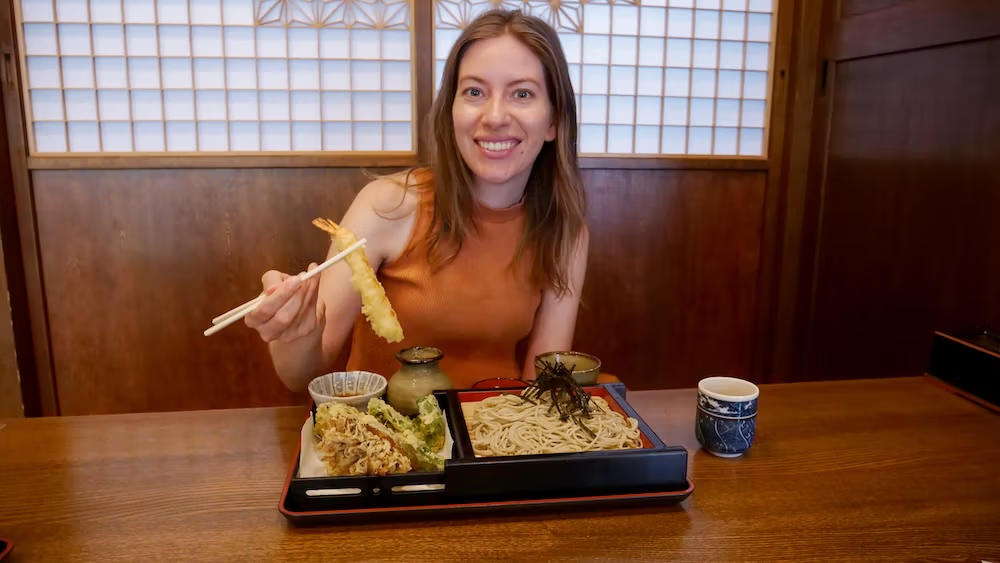
source: Samuel and Audrey YouTube Channel: Nomadic Samuel + That Backpacker hosting
Tip: Pack layers—autumn days can be warm in the afternoon but dip into chilly nights.
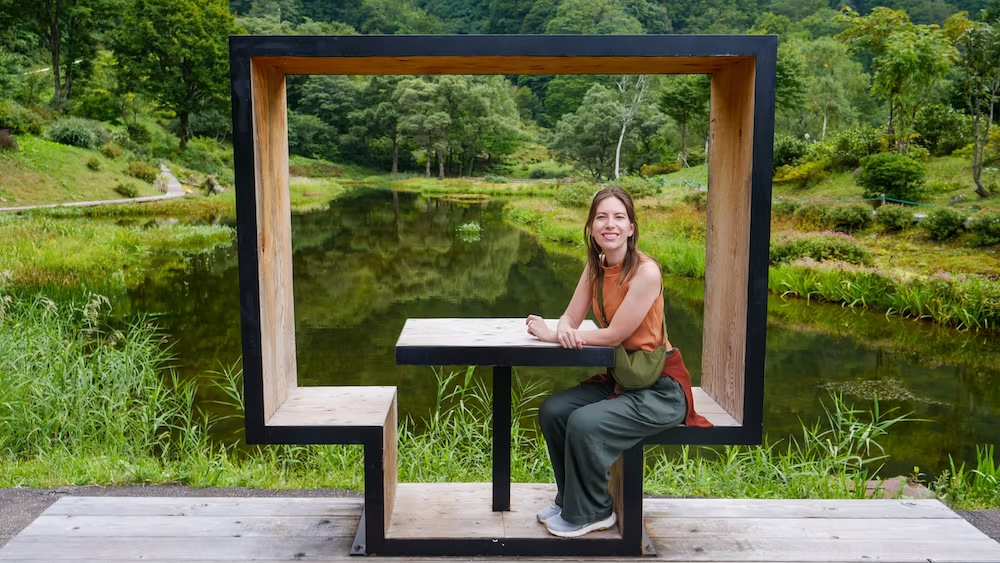
Top 13 Things To Do in Yuzawa, Japan For Visitors
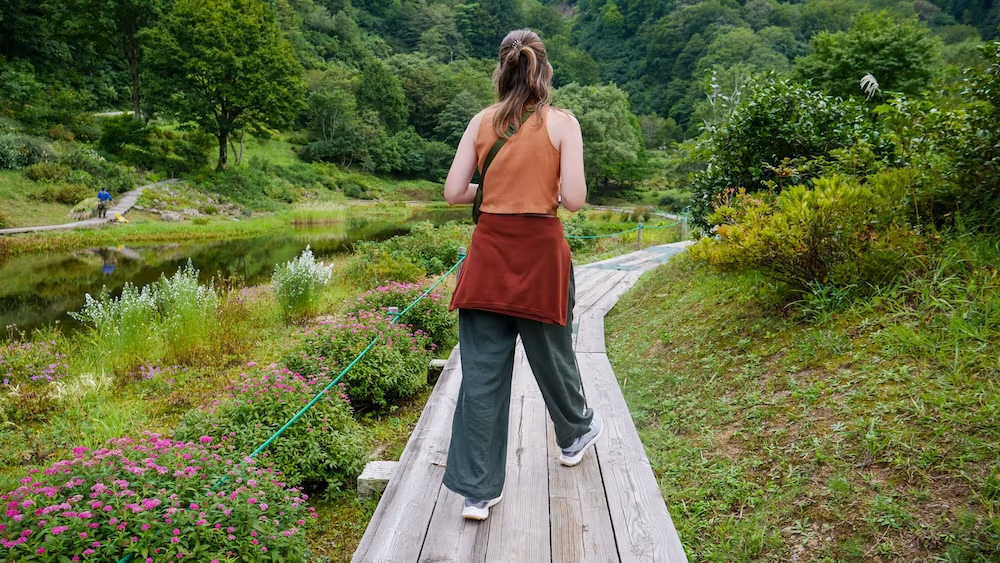
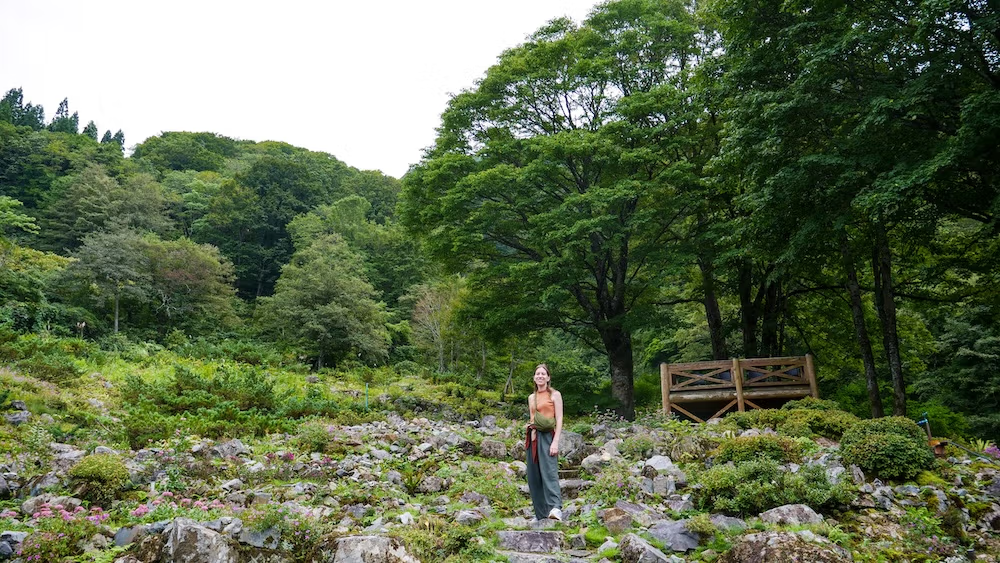
He are some interesting things to do in Yuzawa.
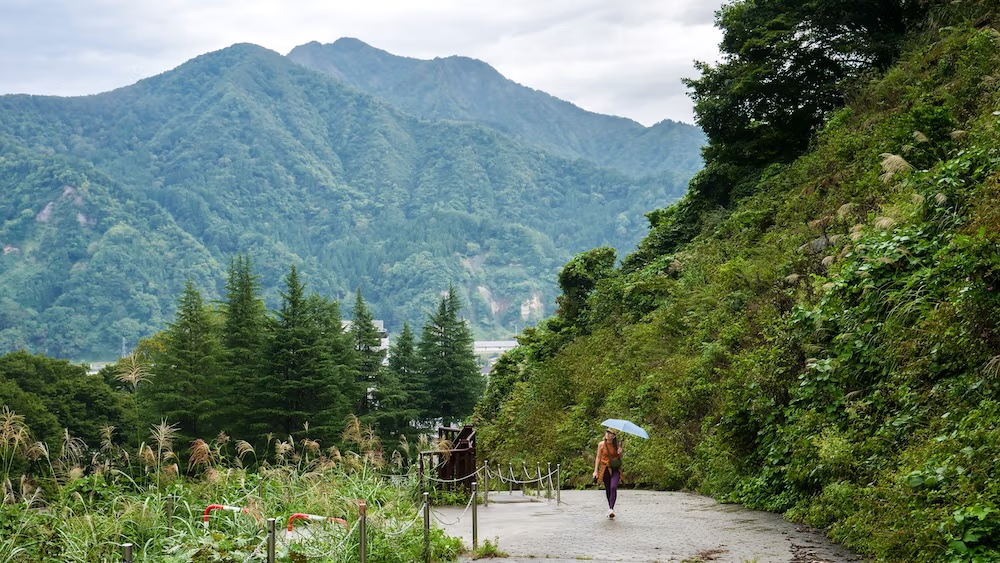
Tours For Visitors To Yuzawa, Japan
Here are some unique tours to consider in Yuzawa.
1. Guided Onsen and Wellness Tours
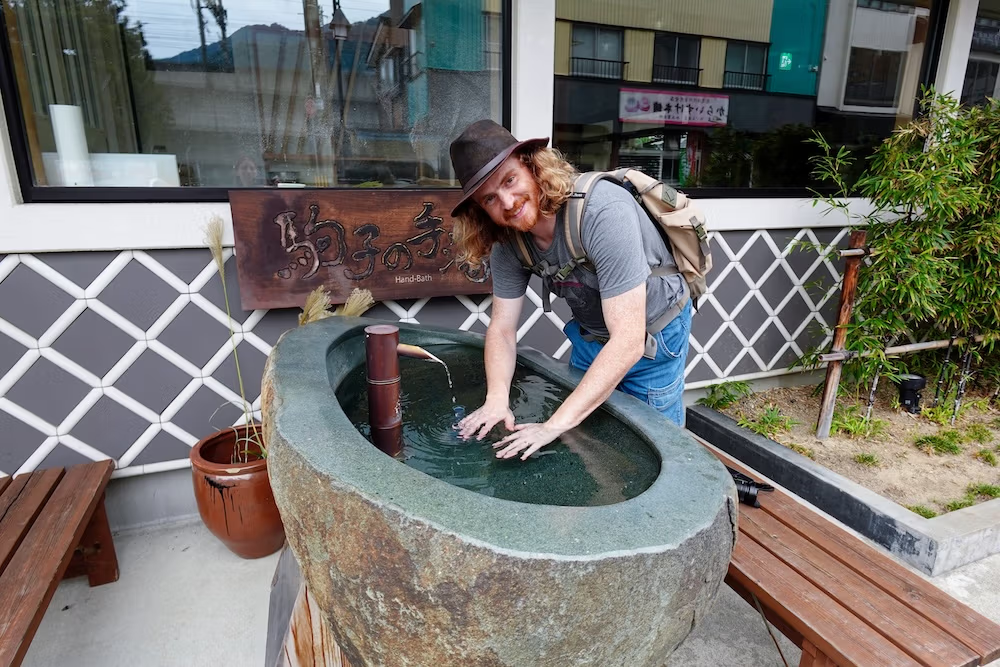
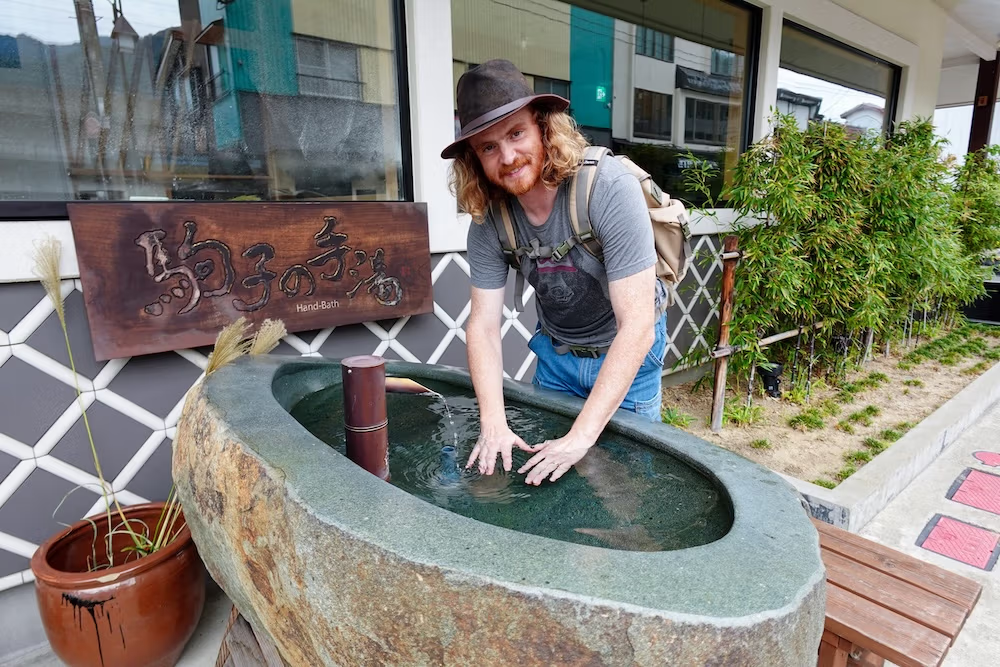
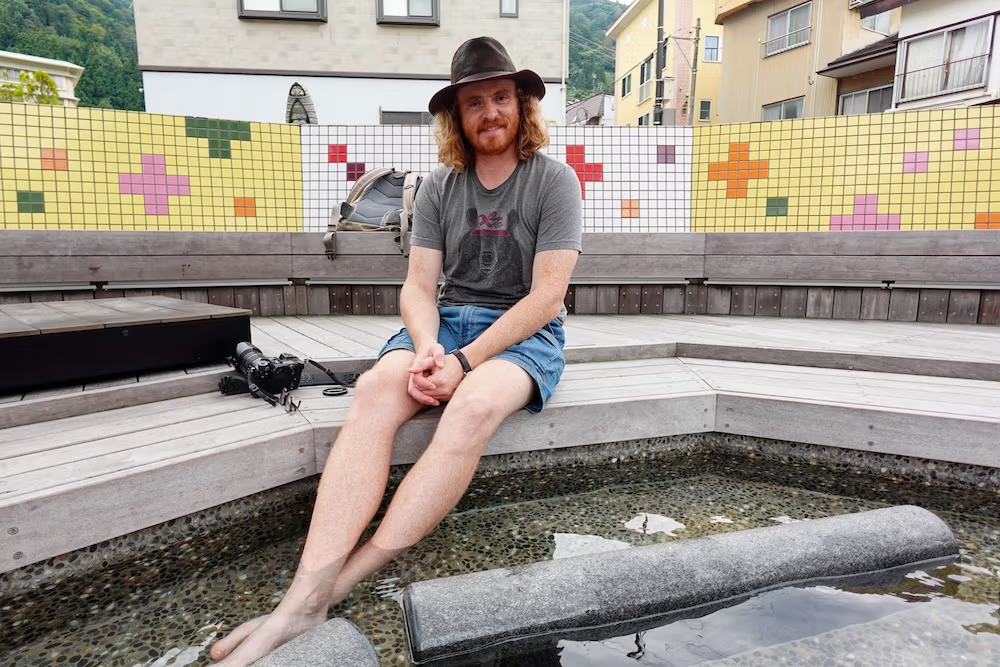
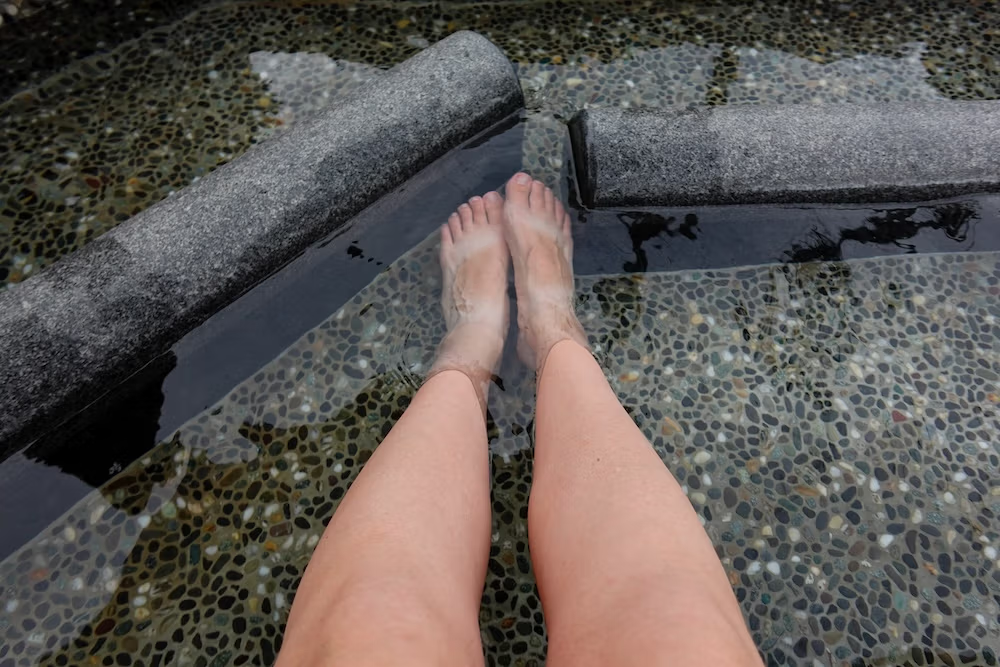
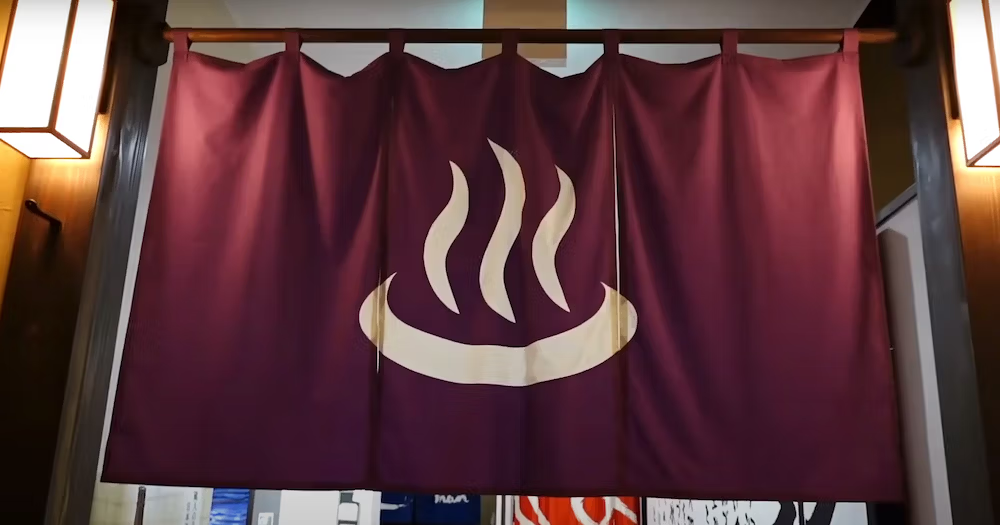
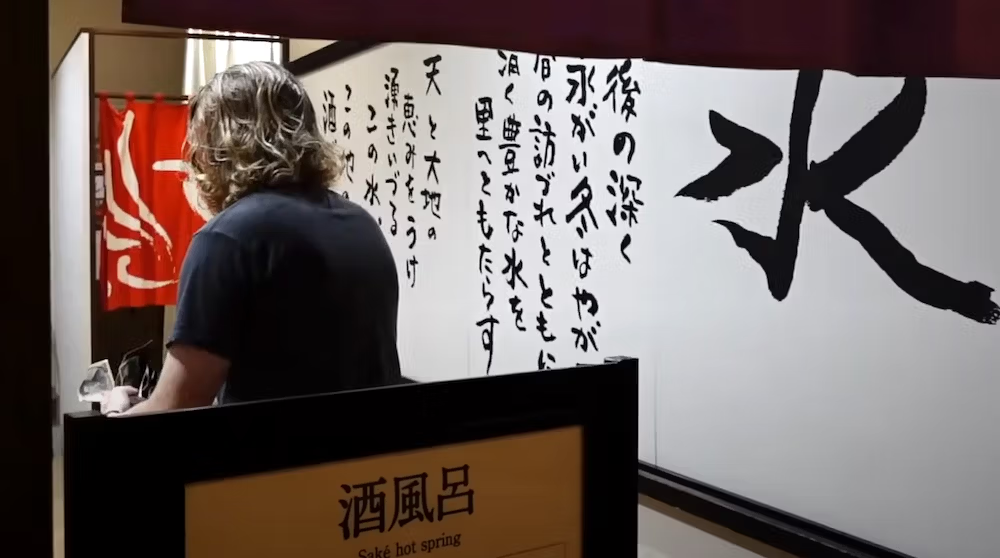
Stepping into a guided onsen tour means experiencing Yuzawa’s spa culture with expert insight and gentle guidance. These tours often include explanations of local bathing etiquette, helpful tips for adjusting to the mineral-rich waters, and recommendations for the best onsens to match individual preferences. Along the way, soak in indoor and outdoor baths, sampling different temperature pools that soothe tired muscles and clear the mind. Many tours also incorporate relaxing foot baths or hand baths, letting visitors dip into the ritual at their own pace. By the end, participants emerge feeling refreshed, understanding that these hot springs aren’t just a tradition—they’re a lifestyle deeply woven into Yuzawa’s identity.
- Highlights: Mineral-rich onsen waters, customized relaxation, local bathing etiquette
- Don’t Miss: Trying multiple onsens to appreciate unique mineral compositions
- Great For: Wellness enthusiasts, spa novices, travelers seeking deep relaxation
Tip: Bring a small towel—onsens often provide them, but having your own ensures extra comfort and modesty.
2. Seasonal Nature and Hiking Tours
For outdoor lovers, a seasonal nature tour reveals Yuzawa’s shifting landscapes in vivid detail. Guides lead small groups along scenic trails, explaining the region’s flora, fauna, and geological history as the scenery transforms through spring blooms, summer greens, autumn hues, or winter snows. From gentle walks to more challenging hikes, these tours cater to every fitness level, ensuring that everyone savors the crisp mountain air and dazzling panoramas. Participants often pause at hidden lookouts, waterfalls, or fields dotted with wildflowers, gaining a richer understanding of Yuzawa’s natural tapestry. Afterward, the memory of birdsong, rustling leaves, and panoramic views lingers, reminding visitors that nature here is dynamic, ever-changing, and utterly captivating.
- Highlights: Varied trails, seasonal color changes, knowledgeable local guides
- Don’t Miss: Taking photos at scenic viewpoints for lasting keepsakes
- Great For: Nature enthusiasts, active travelers, families seeking gentle adventure
Tip: Wear sturdy shoes—uneven terrain and varying weather require dependable footwear.
3. Cultural and Culinary Tours
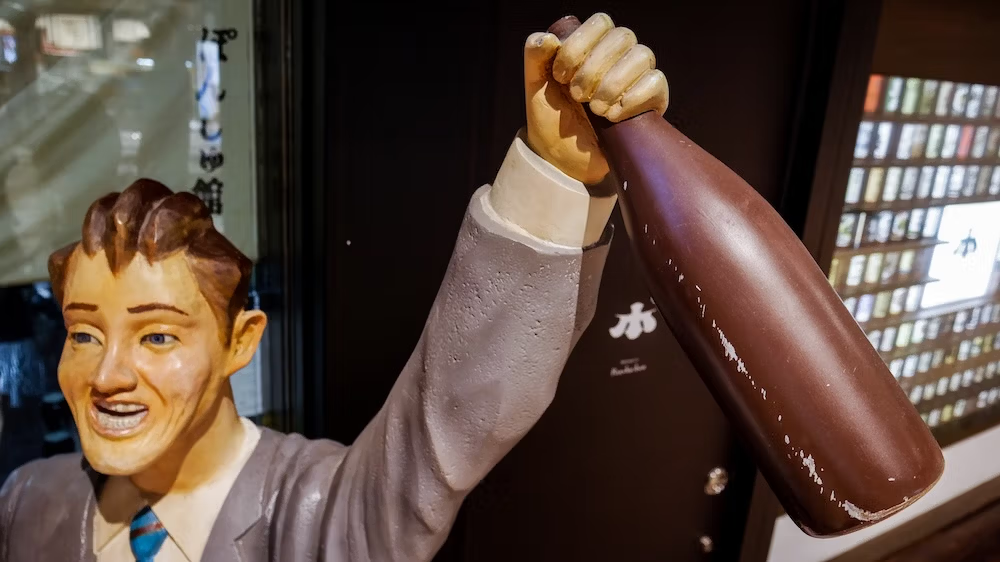
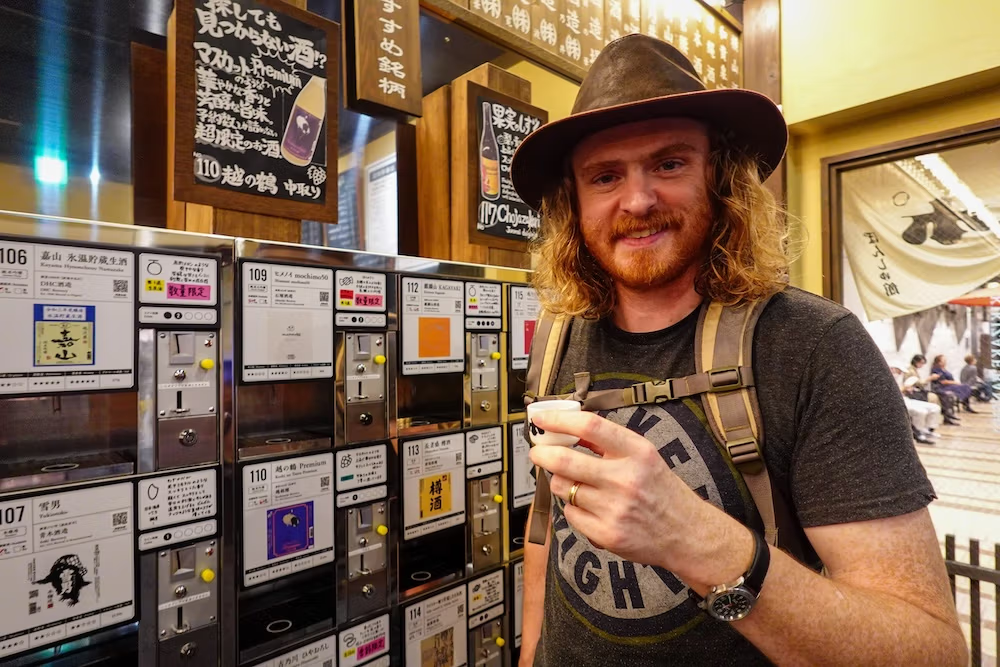
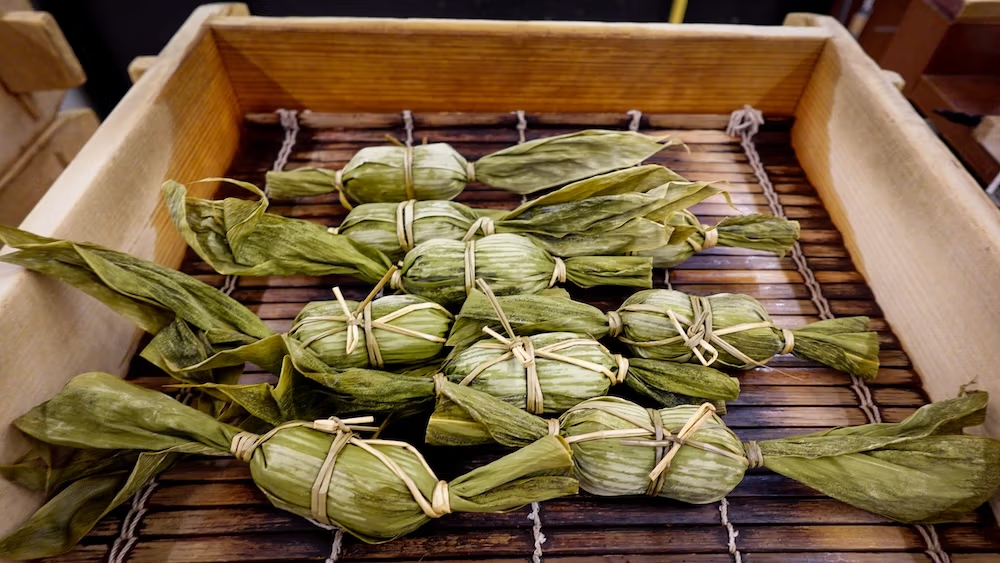
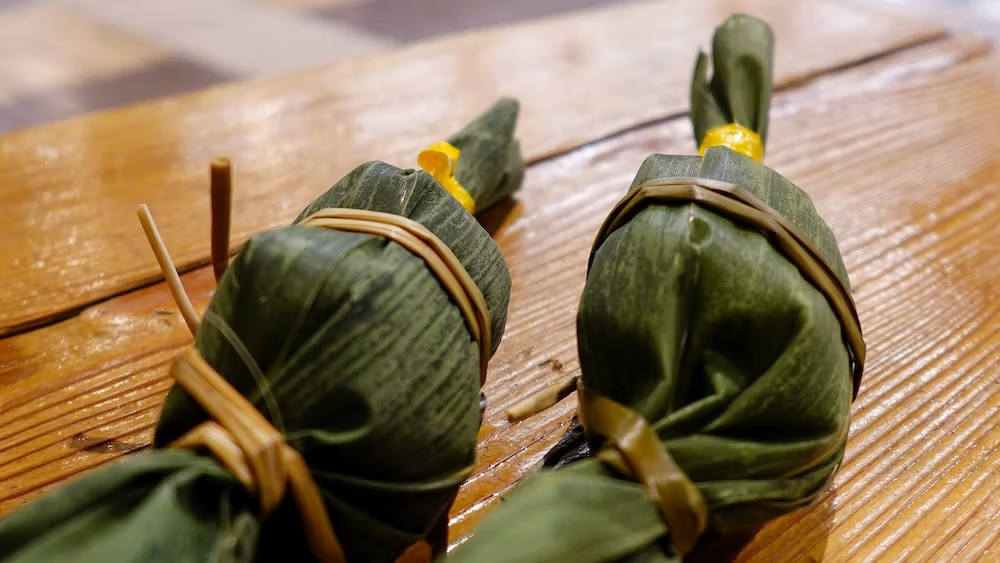
A cultural and culinary tour in Yuzawa blends flavor and tradition, guiding visitors through marketplaces, sake breweries, and family-run eateries. Knowledgeable hosts provide context for each taste, explaining how local ingredients, harvest seasons, and culinary techniques shape the region’s distinct palate. Stopping at shops and food stalls, participants discover specialties like fresh soba noodles, seasonal sweets, and locally brewed sake that reflects centuries-old craftsmanship. Engaging with artisans, brewers, and vendors adds depth, creating personal connections that elevate each bite and sip beyond mere consumption. By the tour’s end, travelers depart feeling like insiders, richer in understanding and grateful for Yuzawa’s culinary generosity.
- Highlights: Local treats, sake tastings, personal interactions with artisans
- Don’t Miss: Trying something outside your comfort zone for a new favorite flavor
- Great For: Foodies, cultural explorers, travelers who enjoy meeting local producers
Tip: Bring cash—small vendors may not accept credit cards, ensuring smooth, authentic transactions.
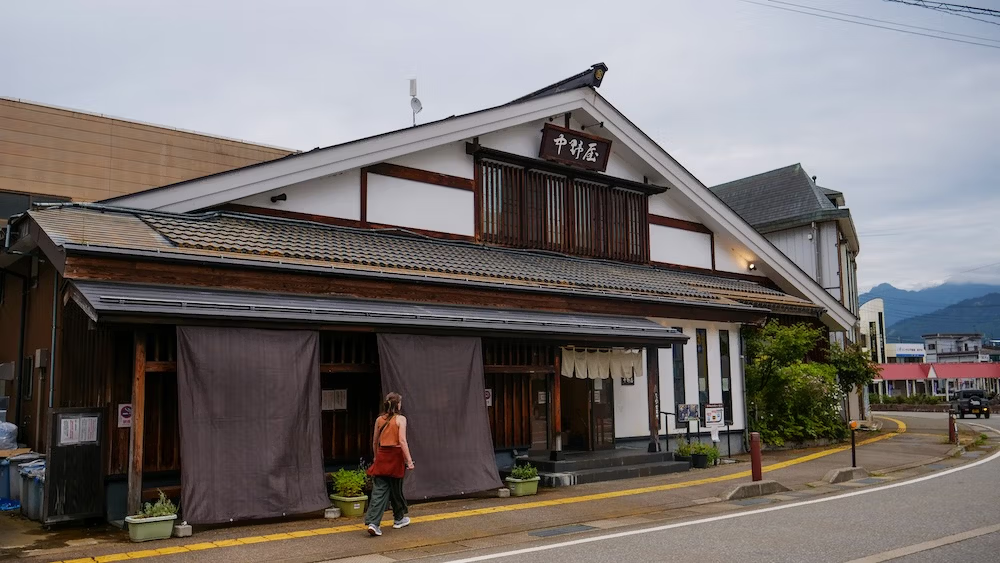
Yuzawa Accommodations Guide: Hotels, Guesthouses and Hostels
Yuzawa offers unique accommodations for visitors.
Introduction to Yuzawa Lodging
Yuzawa’s accommodation scene combines modern comforts with the quiet charm of a mountain town known for its hot springs and ski slopes. Finding the right place to stay can shape your entire experience, whether you’re here to carve powdery runs or soak in soothing onsen baths. Options vary widely, from polished hotels offering panoramic views to cozy guesthouses with owners eager to share local stories. Budget travelers can rest easy in hostels where warm communal lounges encourage friendly chats over steaming cups of tea. No matter your choice, a comfortable bed and inviting atmosphere await, welcoming you home after each day’s adventures.
- Highlights: Diverse lodging options, scenic surroundings, warm hospitality
- Don’t Miss: Exploring off-peak seasons for better deals and calmer ambiance
- Great For: Skiers, onsen lovers, cultural explorers
Tip: Book early during peak ski months to secure your top choice and preferred price.
Hotels: Comfort and Convenience
Staying in a hotel ensures a seamless experience, where soft bedding, on-site dining, and attentive staff handle the details. Many Yuzawa hotels stand close to train stations or ski lifts, minimizing travel time and maximizing enjoyment. Modern amenities like Wi-Fi, breakfast buffets, and sometimes even private onsen baths help tailor your stay to your exact preferences. Larger hotels often offer shuttle services, gear rentals, and multilingual front desks ready to assist with booking tours or recommending hidden eateries. After a day spent exploring the mountains, it’s a relief to return to a familiar space that anticipates your needs before you even ask.
- Highlights: Convenient locations, modern comforts, hassle-free services
- Don’t Miss: Dining at in-house restaurants featuring seasonal, locally sourced dishes
- Great For: Families, business travelers, guests seeking straightforward luxury
Tip: Compare room rates online—sometimes direct booking with the hotel yields better deals or perks.
Guesthouses (Minshuku) for Authentic Warmth
A guesthouse (minshuku) stay immerses you in local life, where simple, tatami-floored rooms and home-cooked meals reflect daily rhythms. Owners often act as gracious hosts, sharing cultural insights and genuine smiles that make you feel part of the community. The intimate setting encourages conversations with fellow travelers, swapping stories over breakfast miso soup or evening plum wine. Embracing this style of lodging rewards the curious: learning family recipes, hearing local legends, and discovering secret viewpoints few tourists know. Stays here tend to linger in memory, making you appreciate Yuzawa’s gentle soul and authentic hospitality more deeply.
- Highlights: Personal connections, home-style meals, cultural immersion
- Don’t Miss: Asking hosts for recommendations on lesser-known trails or neighborhood eateries
- Great For: Cultural explorers, solo travelers, those craving authentic local experiences
Tip: Learn a few basic Japanese phrases to break the ice and show respect.
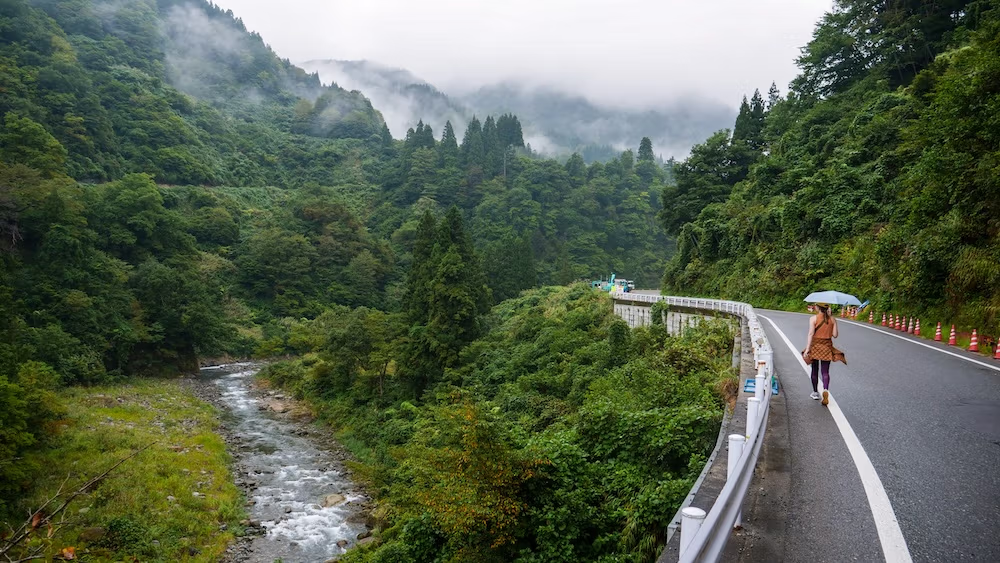
Day Trips From Yuzawa, Japan
Let’s explore some interesting day trip options from Yuzawa.
Exploring Kiyotsu Gorge
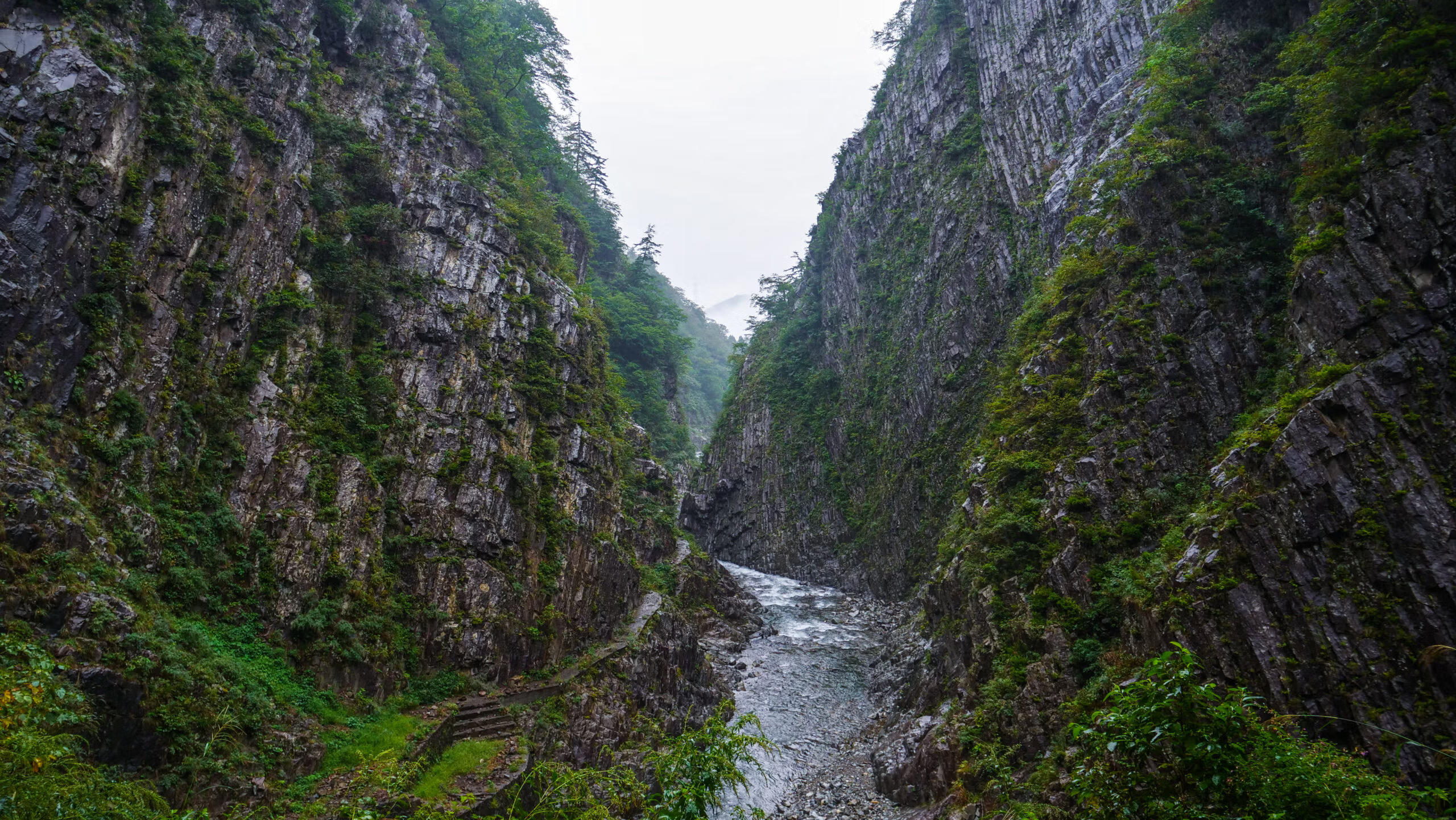
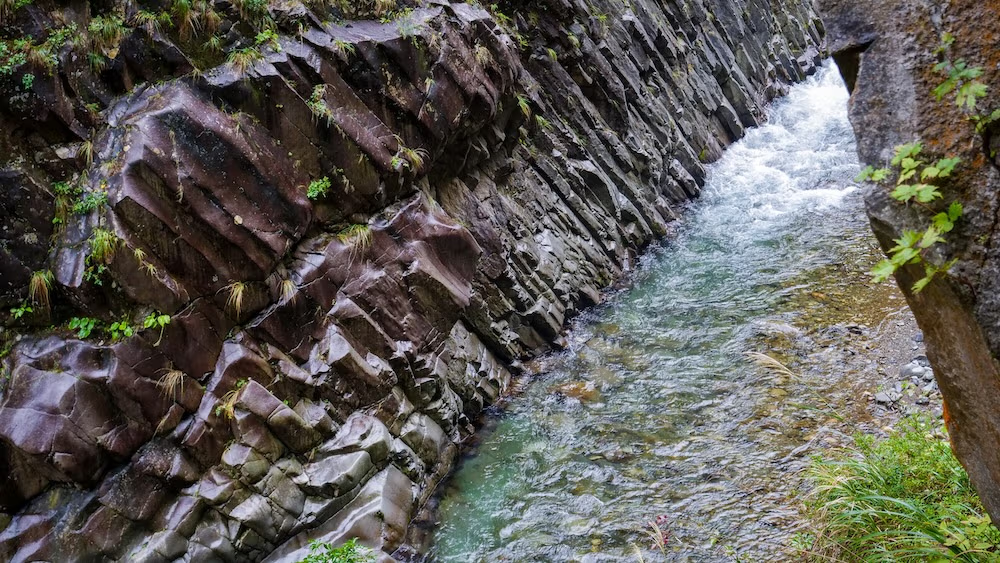
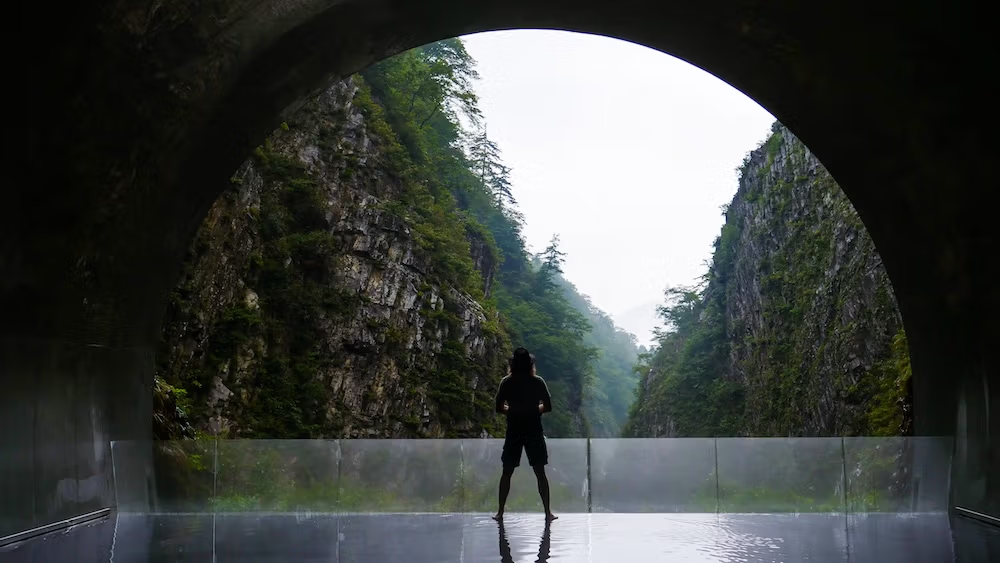
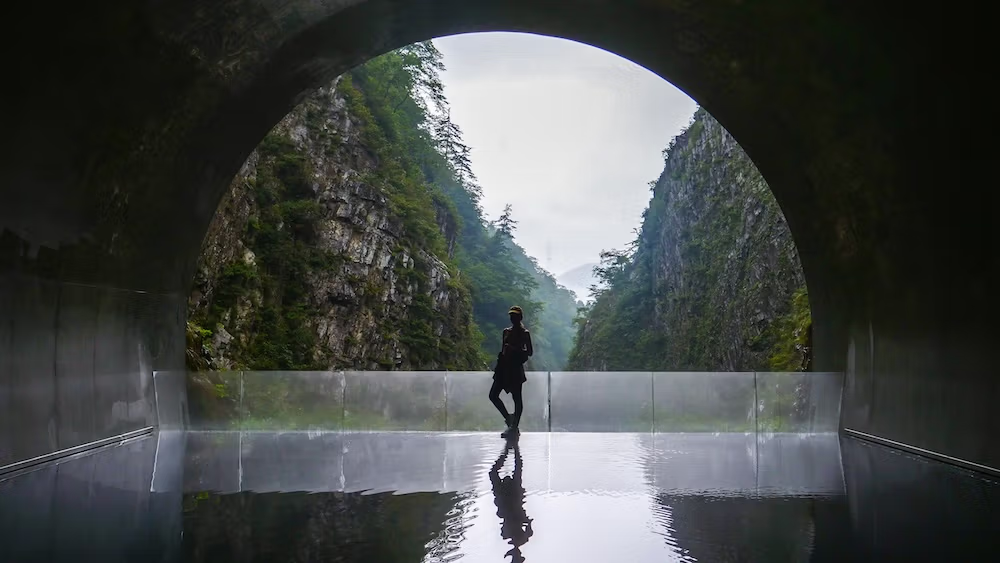
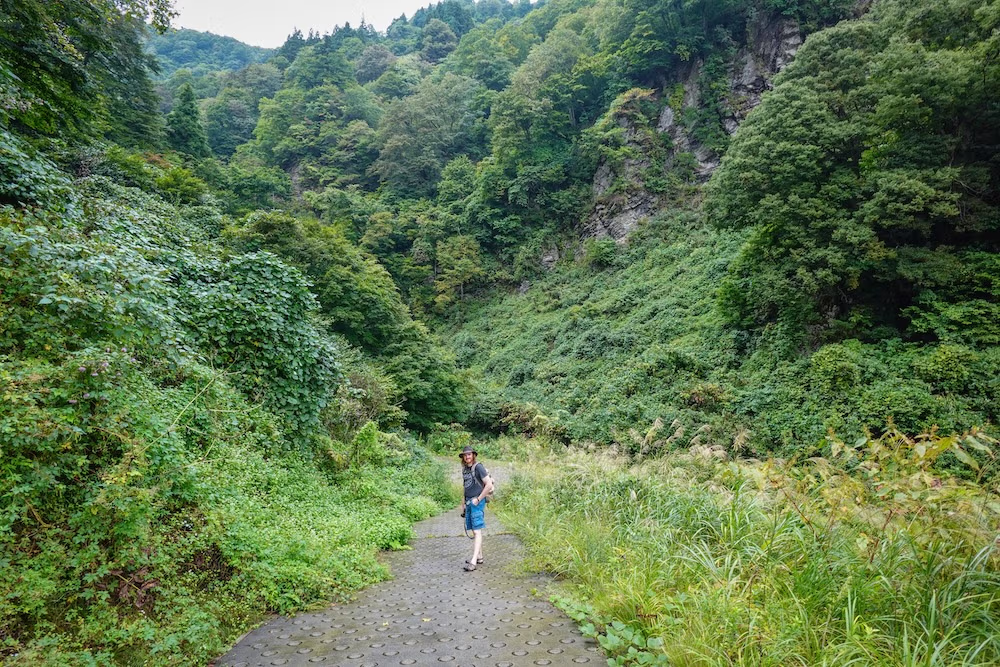
Visiting Kiyotsu Gorge is like stepping into a natural painting where sheer canyon walls meet tranquil waters below. The short hike through the tunnel leads to mesmerizing viewpoints, each framing the scenery as if nature were an artist at work. In autumn, fiery foliage reflects in the calm surface, creating a mirror-like scene that begs for photographs. The gentle hum of flowing water, combined with the quiet hush of onlookers, crafts a serene atmosphere that’s both grounding and enchanting. Even in other seasons, the blend of mossy rocks, cascading streams, and shifting light ensures every visit feels unique.
- Highlights: Dramatic canyon landscapes, reflective waters, seasonal color changes
- Don’t Miss: Taking a moment in the viewing tunnel to appreciate the artful framing of each vista
- Great For: Photographers, nature lovers, anyone seeking a peaceful retreat
Tip: Wear sturdy shoes—even easy paths can be slippery near the water’s edge.
Strolling Through Shiozawa Town
A trip to Shiozawa Town introduces visitors to a quieter side of Niigata Prefecture, rich in history and local artistry. Wander old streets lined with traditional shops and soak up the leisurely pace absent in busier tourist hubs. Discover artisanal fabrics, pottery, and handmade sweets, each crafted with care and reflecting local heritage. Seasonal festivals and cultural exhibits pop up throughout the year, offering unexpected delights to those who linger. Shiozawa is the place to slow down, sip a cup of tea, and feel the rhythm of a community shaped by craftsmanship and tradition.
- Highlights: Traditional workshops, charming cafés, seasonal cultural events
- Don’t Miss: Picking up a locally made textile souvenir—Shiozawa is famed for its quality fabrics
- Great For: Culture enthusiasts, foodies, travelers who enjoy off-the-beaten-path exploration
Tip: Bring extra cash—many small shops prefer it over cards, ensuring a smoother buying experience.
Venturing Into Niigata City
A day trip to Niigata City presents a dynamic blend of seaside charm, urban convenience, and culinary excellence. Stroll along the Shinano River, stop at waterfront cafés, and watch fishing boats bob gently against the dock. Visit local markets brimming with fresh seafood, crisp vegetables, and regional specialties that capture the essence of Niigata’s fertile lands. Museums and galleries highlight a modern, creative spirit, offering contemporary art exhibits and cultural insights that broaden any traveler’s perspective. The balance of city energy and coastal relaxation ensures that Niigata City always feels both vibrant and unhurried.
- Highlights: Riverside walks, fresh seafood markets, urban cultural spots
- Don’t Miss: Sampling koshihikari rice—Niigata’s most famous grain—at local eateries
- Great For: Urban explorers, gourmands, travelers seeking variety in a single day
Tip: Check train schedules—timing your return journey ensures a stress-free trip back to Yuzawa.
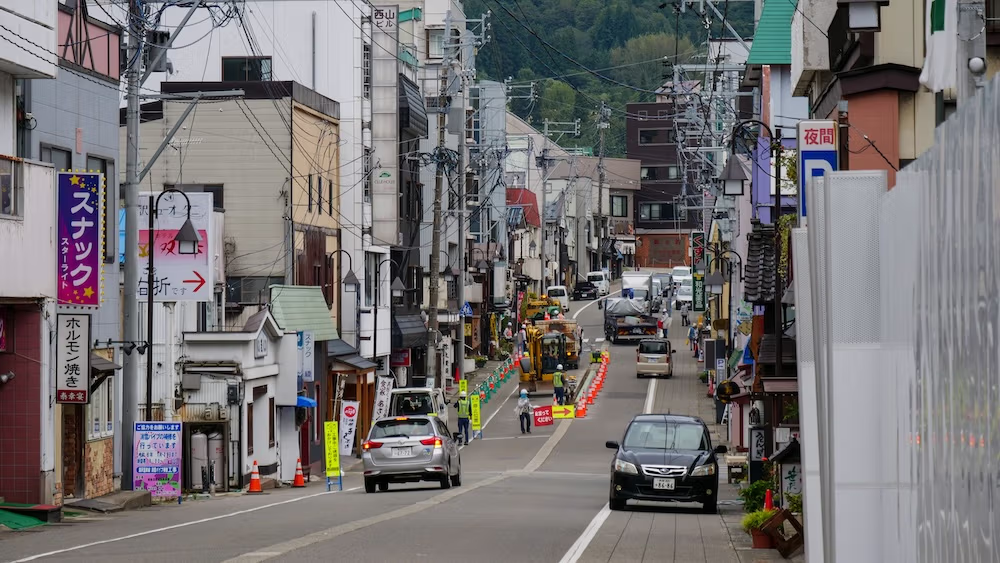
Yuzawa Transportation Guide
Introduction to Getting Around Yuzawa
Navigating Yuzawa’s transportation options can feel refreshingly straightforward, blending small-town ease with convenient connections. There’s a gentle rhythm to movement here—trains arrive on time, buses follow predictable routes, and signage often appears in both Japanese and English. From the moment travelers step off the train at Echigo-Yuzawa Station, a welcoming sense of organization greets them, hinting that exploring won’t be a challenge. Beyond train platforms, local buses, taxis, and even rental cars stand ready, each mode suited to a different kind of adventure. Whether planning a day trip to a neighboring gorge or an evening exploring hot springs, Yuzawa’s transport network supports smooth journeys and serendipitous detours.
- Highlights: Efficient trains, straightforward bus routes, multi-lingual signage
- Don’t Miss: Checking posted schedules at the station or tourist center for real-time updates
- Great For: First-time visitors, families seeking hassle-free travel, anyone who values simple navigation
Tip: Arrive early at stations—a few spare minutes can ensure no rushing between connections.
Arriving by Shinkansen and Local Trains
For many travelers, Echigo-Yuzawa Station serves as the gateway to this mountainous region, reached quickly from Tokyo on the Joetsu Shinkansen. The sleek bullet train glides through scenery that shifts from urban sprawl to gentle hills, arriving in under 90 minutes. Once at the station, clear signs direct visitors to bus stops, taxi stands, and luggage storage facilities. Beyond bullet trains, local JR lines connect to smaller towns, offering deeper exploration without the need for a car. The combination of speed, comfort, and scenic views makes train travel an appealing choice for both swift arrivals and leisurely excursions.
- Highlights: Rapid shinkansen access, scenic journeys, integrated ticketing systems
- Don’t Miss: Enjoying a bento box on the train—savory snacks make the ride even more enjoyable
- Great For: Rail enthusiasts, solo travelers, anyone who likes blending comfort with convenience
Tip: Reserve train seats in advance—peak seasons fill up, and a guaranteed seat ensures a stress-free ride.
Local Buses for Easy Exploration
Within Yuzawa, local buses connect key spots, from ski resorts and onsen neighborhoods to shopping areas and historical sites. They run frequently during peak seasons, though schedules may slim down in quieter months, so it’s wise to check timetables before setting out. The boarding process is simple: enter through the front door, take a numbered ticket if required, and pay upon exiting, usually in exact change. Many drivers patiently assist with directions, and some buses include English announcements or route maps near the driver’s seat. Riding the bus encourages a slower pace, ideal for those who enjoy watching everyday life unfold as the landscape shifts from village streets to rustic mountain roads.
- Highlights: Affordable fares, easy-to-understand routes, regular stops at popular attractions
- Don’t Miss: Taking an early morning ride for a peaceful journey—fewer crowds mean more relaxed sightseeing
- Great For: Budget travelers, those without a car, visitors preferring low-key adventures
Tip: Carry small coins—bus drivers may not provide change, making exact fare essential.
Taxis, Rental Cars, and Driving in Yuzawa
For travelers craving flexibility, taxis and rental cars offer a more customized approach to exploration. Taxis wait outside stations and hotels, ready to whisk visitors to remote onsens, quiet shrines, or scenic lookout points without fixed schedules. Renting a car expands the horizon further: one can chase autumn foliage, detour to lesser-known temples, or linger at a hidden café without watching the clock. Before hitting the road, remember that local driving conditions can vary with weather, and mountain roads may be narrow or winding. Still, the freedom to craft a personal itinerary can outweigh challenges, transforming a Yuzawa visit into a choose-your-own-adventure story.
- Highlights: Door-to-door convenience, off-the-beaten-path exploration, no waiting for buses
- Don’t Miss: Checking road conditions before departure—winter can bring icy stretches requiring caution
- Great For: Independent spirits, families needing easy transport, travelers keen on private itineraries
Tip: Bring an International Driving Permit—necessary for most foreign visitors renting cars in Japan.
Cycling and Walking for a Slower Pace
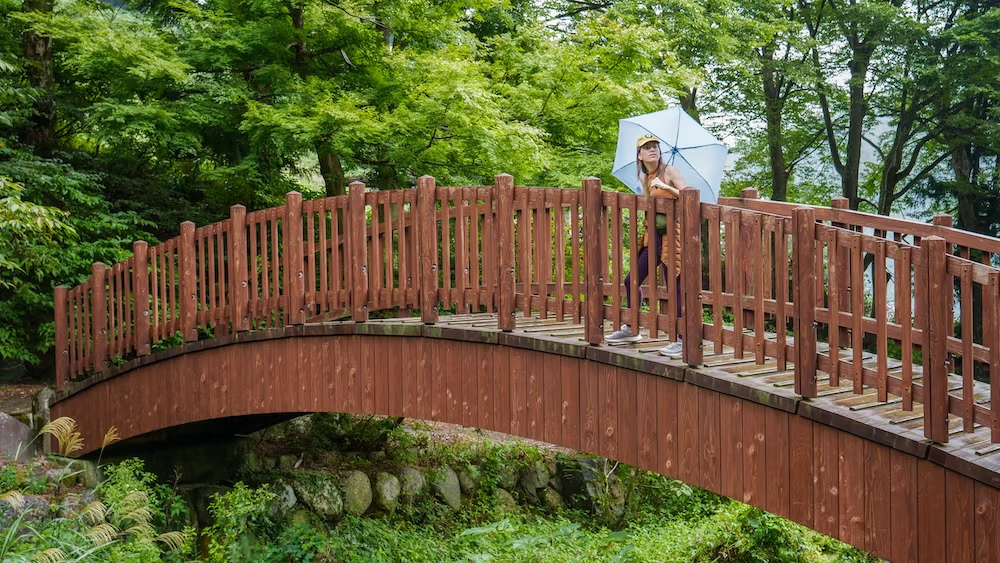
Sometimes the best way to soak up Yuzawa’s atmosphere is by cycling or walking through its streets. Bike rentals let visitors pedal between ryokan, local eateries, and scenic spots, enjoying gentle breezes and mountain views at their own pace. Walking is equally rewarding—stroll along quiet lanes, discover small shrines tucked behind foliage, or chat with local shopkeepers as time drifts slowly. Both options encourage mindful travel, where every step or turn of the pedal reveals subtle details missed by zooming past in a car or bus. It’s an approach that invites travelers to tune into Yuzawa’s rhythms, finding beauty not just in grand vistas but in everyday corners.
- Highlights: Quiet exploration, flexible routes, personal connection with the surroundings
- Don’t Miss: Pausing at neighborhood bakeries or small art galleries—unexpected delights often lie just off the main road
- Great For: Slow travelers, photographers, visitors seeking authentic local encounters
Tip: Wear comfortable shoes—blisters and sore feet can quickly spoil a leisurely outing.
Yuzawa Japan Travel FAQ: Practical Questions, Honest Answers & Local-Style Tips
Is Yuzawa worth visiting if I’m not into skiing or snowboarding?
Absolutely. Yuzawa is famous for its winter powder, but it’s a really rewarding destination outside ski season too. In autumn you get fiery foliage, crisp air, easy hiking, waterfalls, and that cozy onsen-town atmosphere without the big ski crowds. Spring and summer bring green mountains, quieter trails, and more of a rural, slow-travel feel.
Think of Yuzawa as a classic Japanese onsen town set in the mountains, not just a ski base. If you enjoy hot springs, easy nature walks, good food, and a slower pace than Tokyo, it’s worth the detour even if you never set foot on a slope.
When is the best time of year to visit Yuzawa?
It depends. Yuzawa really has two “headline” seasons plus a mellow green season in between.
- Autumn (late October to mid-November): This is peak foliage season around Yuzawa, with average October temps around 10°C and November around 3°C, so you get crisp air and intense leaf colour without it feeling brutally cold.
- Winter (late December to early March): Deep snow, active ski resorts, and that classic snowy onsen-town vibe. Expect sub-zero temperatures in mid-winter; January averages around –6 °C.
- Late spring to early autumn (May–September): Greener, warmer, and quieter. Great for hiking and river scenery, but it can be humid in the peak of summer.
If your main goals are foliage, ropeways, and day trips like Kiyotsu Gorge, I’d aim for late October or very early November. If you want snow sports and steaming outdoor baths with snow piled around you, January and February are prime.
How many days should I spend in Yuzawa on my first trip?
Realistically, 2–3 full days is a sweet spot. One day lets you ride the ropeway, wander town, and soak in an onsen, but it’ll feel rushed. With two days you can add Fudo Falls, a sake tasting, and a proper slow evening in the hot springs. Three days gives you room for a dedicated day trip to Kiyotsu Gorge or Shiozawa without sacrificing downtime.
If you’re combining Yuzawa with a longer Japan itinerary, I like this as a structure: arrive from Tokyo around midday, spend two nights, squeeze in one big “out of town” excursion, and then move on feeling rested rather than wiped.
Can I visit Yuzawa as a day trip from Tokyo, or should I stay overnight?
Both work, but they feel very different. The Joetsu Shinkansen from Tokyo to Echigo-Yuzawa usually takes about 75–90 minutes each way, so day trips are totally realistic if you leave early and head back after dinner. You can ride the ropeway, enjoy a long soak, have a good meal, and still make it back to the city.
Overnight, though, is where Yuzawa really shines. Staying in a ryokan or onsen hotel means slow breakfasts, night soaks, and time to just wander. If you can spare it, I’d book at least one night so you’re not watching the clock all day.
How do I get from Tokyo to Yuzawa and do I need to reserve the shinkansen?
Easy. From Tokyo Station, you take the Joetsu Shinkansen and get off at Echigo-Yuzawa Station. Trains are frequent, and the ride is fast and comfortable with assigned seats, overhead luggage space, and food options at the station. Typical travel time is around an hour and a half depending on the exact service.
For reservations, I highly recommend booking a seat in advance if you’re traveling on weekends, holidays, or during ski and foliage seasons. You can do this at JR ticket counters or online via JR East. Some regional JR passes and the nationwide Japan Rail Pass may cover this route, so if you’re doing several shinkansen journeys in a short period, compare pass options vs individual tickets on the official JR East site.
If you’re visiting on a random weekday in low season, you can often get away with buying on the day, but having a reserved seat just makes life smoother.
Do I need a rental car in Yuzawa, or can I rely on buses and walking?
Nope. You don’t need a car for a classic first visit. Echigo-Yuzawa is compact around the station, and you can walk to plenty of onsens, shops, and restaurants. Local buses connect the station with ropeways, ski areas, and key viewpoints. For places like Kiyotsu Gorge, there are buses from the Echigo-Yuzawa area that take roughly 25 minutes, making it very doable without driving.
Where a rental car helps is if you want total freedom to chase viewpoints, hop between small villages, or travel in a group with lots of luggage. In winter, you’ll need to be comfortable driving on snow and ice, so that’s something to weigh carefully. For most first-timers, public transport plus walking (and the occasional taxi) is more than enough.
Is Yuzawa a good base for exploring other parts of Niigata Prefecture?
Yes. Yuzawa sits on a major shinkansen line and is well-placed for short hops deeper into Niigata. From Echigo-Yuzawa you can get to:
- Kiyotsu Gorge and the Tunnel of Light (by bus) for dramatic canyon landscapes and art-meets-nature views.
- Shiozawa for old streets, textiles, and a slower, small-town feel.
- Niigata City (by train) for markets, coastal walks, and more urban comforts.
If you like the idea of one comfy base with several day trips, Yuzawa works well. Just keep an eye on bus and train timetables, especially if you’re visiting outside peak seasons when frequencies can drop.
Roughly how much should I budget per day in Yuzawa?
Ballpark numbers: for a mid-range traveler, I’d plan on about ¥12,000–¥18,000 per person per day excluding your shinkansen tickets from Tokyo. That usually covers:
- A basic but comfortable hotel or guesthouse
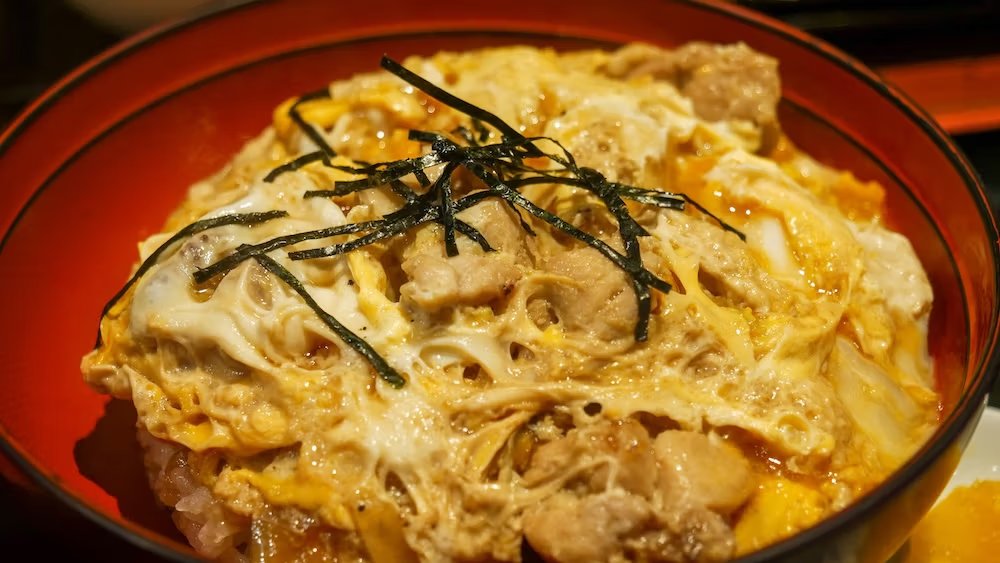
- Two or three casual meals (think soba, katsudon, or set meals)
- Local transport and a paid activity or two (ropeway, onsen, small entrance fees)
If you stay in a traditional ryokan with half-board (dinner and breakfast) and a nice onsen, your lodging could easily be ¥15,000–¥25,000+ per person per night, but you’ll spend less out in restaurants. On a tighter budget, mixing business hotels, convenience-store meals, and free walks can bring your daily spend down into the ¥8,000–¥10,000 range.
Is Yuzawa safe for solo travelers, including solo female travelers?
Generally, yes. Yuzawa is a small Japanese town, and Japan as a whole has a reputation for being very safe with low violent crime rates compared to many countries. Train stations, main streets, and onsen areas feel calm and orderly, even at night.
That said, I’d still follow the usual common-sense guidelines: keep valuables tucked away, avoid very isolated walks late at night, and moderate alcohol if you’re drinking alone. In busy seasons you’ll see plenty of solo visitors heading to the slopes or onsens, including solo women, and most locals are polite but reserved.
Is Yuzawa a good destination for families with kids?
Absolutely. Kids tend to love the ropeways, tunnels, waterfalls, and the novelty of soaking feet or hands in warm baths while the air is chilly. In winter, snow play, sledding, and beginner slopes are a big hit, and many resorts have family-friendly facilities.
Food is also relatively kid-friendly—simple rice bowls, noodles, and fried dishes are easy wins. The main thing to watch is nap and downtime: some onsens have rules about young children in hot baths, and certain hikes or day trips may be too long for small legs. But overall, it’s a relaxed, manageable destination where multi-generational trips work well.
What should I pack for Yuzawa in autumn and in winter?
Layers. Autumn around Yuzawa means days that can still feel mild and evenings that drop quickly toward single digits in Celsius, so I’d bring:
- A light down or insulated jacket
- A warm sweater or fleece
- Long trousers, plus one base layer for cooler days
- A compact umbrella or light rain jacket
Winter is a different beast. You’ll want a proper winter coat, thermal base layers, gloves, a warm hat, and waterproof footwear with decent grip because snow and slush are part of daily life. Average January temperatures sit well below freezing, so packing as if you’re going on a proper winter holiday is the smart move.
What is onsen etiquette like in Yuzawa, and what about tattoos?
Gently traditional. The basics are the same as elsewhere in Japan: you wash thoroughly at the shower stations before entering the baths, soak naked (no swimsuits), keep your small towel out of the water, and stay quiet and respectful. If you’re new to onsens, it’s worth watching locals for a minute or two and following their lead.
Tattoos are where it gets a bit tricky. Some onsens are fine with small or discreet tattoos, while others still have rules against visible ink because of old associations with organized crime. Across Japan there’s a gradual shift toward being more relaxed, especially in touristy areas, but policies vary by property. If you have visible tattoos, I’d either email ahead, look for explicitly tattoo-friendly facilities, or be prepared to use private or family baths where available.
Where is the best area to stay in Yuzawa for first-time visitors?
If it’s your first time, I’d base yourself near Echigo-Yuzawa Station. From there you’ve got easy access to shinkansen trains, local buses, convenience stores, and plenty of dining options, plus several onsens either inside hotels or a short walk away. It keeps logistics super simple and cuts down on taxi costs.
If you’re visiting mainly for skiing and snowboarding, staying right by a specific resort (like Naeba or one of the Gala Yuzawa–area slopes) can make more sense in deep winter. But even then, many people still choose Echigo-Yuzawa as a base and shuttle out to the slopes during the day for a bit more variety at night.
Do I need to speak Japanese to get by in Yuzawa?
Nope. You can absolutely get by with minimal Japanese, especially if you’re comfortable using a translation app and pointing to menus and maps. Around Echigo-Yuzawa Station and the more touristy spots, you’ll find some English signage, and hotel staff are often used to international visitors.
That said, learning a few simple phrases—hello, thank you, excuse me—goes a long way in a smaller town. It softens interactions, makes people more relaxed around you, and can sometimes lead to bonus recommendations or little acts of kindness.
How accessible is Yuzawa for travelers with limited mobility?
Moderately good, but with caveats. On the plus side, Echigo-Yuzawa Station has elevators and ramps, and many modern hotels and bigger onsens now include at least some accessible facilities. The shinkansen itself is also generally wheelchair-friendly with reserved spaces on certain cars.
The challenges tend to be older ryokan with lots of stairs and no lifts, narrow sidewalks, and natural attractions that involve uneven paths, steps, or slopes. If mobility is a concern, I’d prioritize newer hotels close to the station, check ahead about accessible rooms and baths, and choose a small number of manageable excursions rather than trying to tackle every shrine, trail, and gorge in one go.
Yuzawa Travel Guide: Final Thoughts
It’s hard not to imagine that Yuzawa will feel like more than just a destination. Even before arriving, pictures and stories suggest quiet moments: steam rising from natural hot springs, bowls of fresh soba savored in mountain air, gentle walks beside streams or through forests. There’s a sense that the people encountered and meals tasted will blend into a tapestry of meaningful, personal connections. Anticipating that kind of depth makes traveling feel less like ticking boxes and more like opening yourself to new flavors, sounds, and faces. Simply thinking about Yuzawa hints that beyond its landscapes and local dishes, lies an opportunity to step into a story where authenticity and warmth guide every chapter.
- Highlights: Natural hot springs, seasonal delicacies, a welcoming small-town atmosphere
- Don’t Miss: Researching quiet corners and authentic eateries beforehand—personal recommendations add depth to any trip
- Great For: Thoughtful travelers, culture seekers, anyone longing for a more meaningful travel experience