
The Shinkansen is more than just a train. It’s a symbol of Japanese engineering prowess. And its the country’s unwavering commitment to efficiency. For decades, these sleek bullet trains have connected major cities, carving through mountains, crossing vast plains, and linking diverse regions with remarkable speed and comfort. They represent a reliable backbone of the nation’s transportation system, evolving over time to become quieter, safer, and increasingly eco-friendly. Travelers from around the world admire the Shinkansen for its punctuality, with delays measured in mere seconds rather than minutes. This iconic mode of travel encapsulates the spirit of modern Japan: forward-looking, accessible, and impeccably organized.
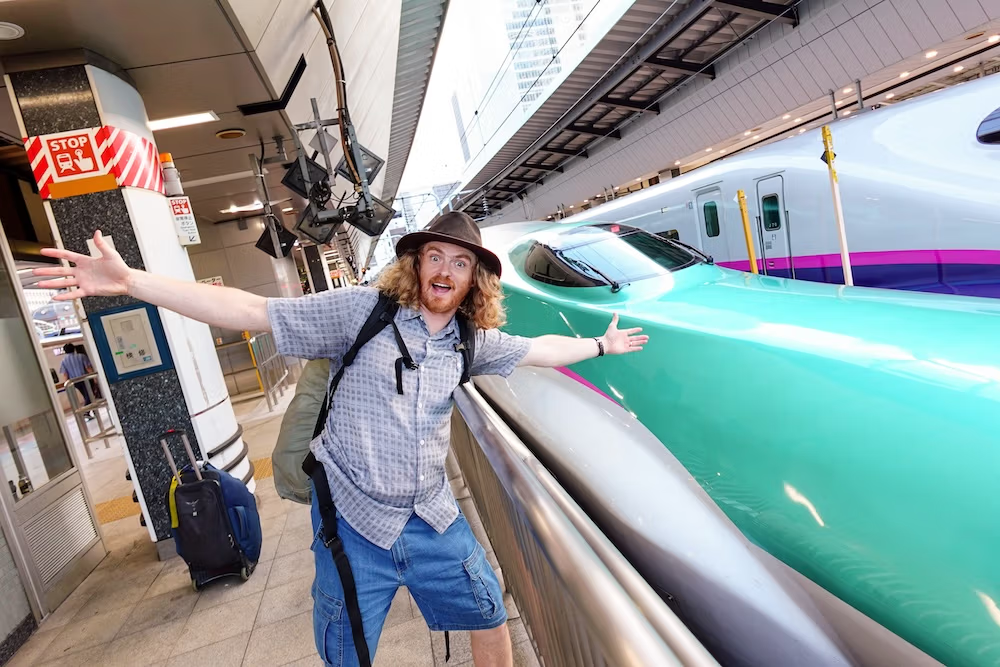
Convenience and Speed of Traveling from Tokyo to Hokkaido by Train
Imagine waking up early in Tokyo, sipping a hot green tea as you prepare to board a train that whisks you hundreds of kilometers north in just a few hours. The Shinkansen to Hokkaido makes this daydream a reality, blending the convenience of city-to-city connectivity with the excitement of a high-speed journey. Instead of enduring the complexities of airports, security checks, and lengthy transfers, you’ll step directly onto a comfortable train and glide seamlessly along advanced rail lines. The ride unfolds like a gentle symphony—smooth, steady, and designed to maximize your travel time, so you arrive refreshed rather than frazzled. In essence, the Shinkansen ensures that distance becomes a mild inconvenience rather than a travel hurdle.
source: Samuel and Audrey YouTube Channel: Nomadic Samuel + That Backpacker hosting
Why the Shinkansen Is an Attractive Option
Choosing the Shinkansen over other transport options isn’t just about getting from point A to point B—it’s about embracing a more immersive travel experience. From large windows, you’ll witness scenes that shift from Tokyo’s urban sprawl into rolling countryside, past quiet villages, and onward to the snowy peaks and lush forests of northern Japan. Onboard, you’ll enjoy comfortable seating, clean restrooms, and a calm atmosphere that encourages relaxation, reading, or even napping. There’s a sense of reliability in knowing you’ll arrive on time, without unexpected delays or last-minute cancellations. Combine this with the train’s legendary reputation for safety, and you have a travel method that effortlessly balances practical benefits with sensory pleasures.
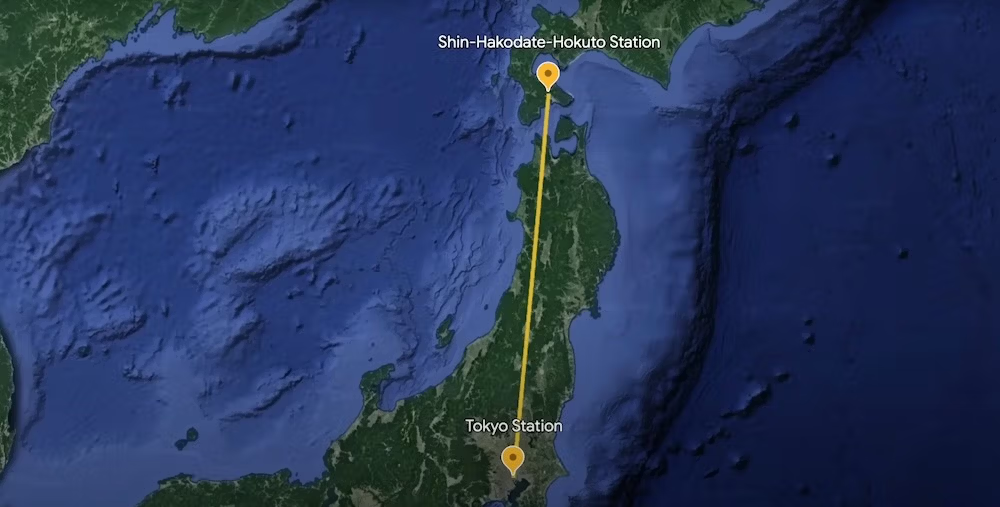
Comparing Air Travel and Other Transportation Modes
While flying might seem faster in theory, the overall experience of taking a plane can often be more cumbersome. Time spent commuting to the airport, navigating long security lines, and waiting at the gate all add up, sometimes making a domestic flight more stressful than you’d anticipated. Meanwhile, taking a bus or driving can expose you to unpredictable traffic, roadwork, or weather-related slowdowns. In contrast, the Shinkansen’s efficient stations, streamlined boarding processes, and congestion-free tracks mean you know exactly what to expect. It’s a subtle yet significant advantage that often makes train travel more enjoyable, even if the pure travel time might be slightly longer than a short flight.
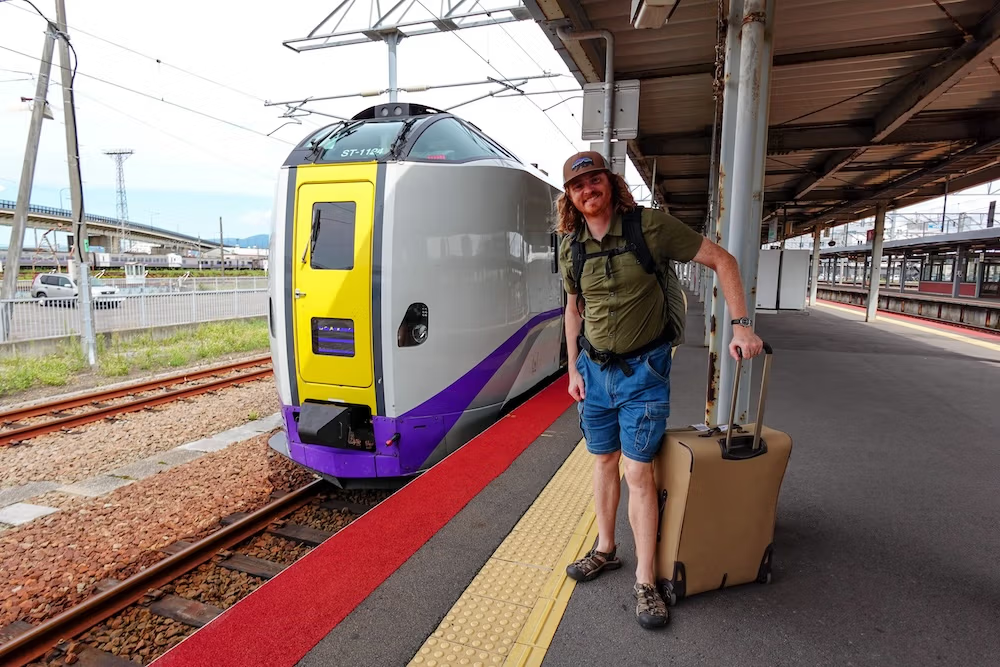
Setting Expectations for the Overall Journey Experience
Before you embark, it’s wise to set your travel expectations and understand the nuances of a Shinkansen trip from Tokyo to Hokkaido. You’re not just booking transportation; you’re investing in a journey that can feel both luxurious and laid-back, all while maintaining an edge in efficiency. Consider how you might spend your onboard time—perhaps sampling a freshly prepared bento box or catching up on that novel you’ve been meaning to finish. Think about the transitions, too: the moment you arrive in Hokkaido, stepping off the train into fresh northern air, feeling that subtle shift in atmosphere and culture. This is a trip that blends convenience with enrichment, ensuring that the path you take to get there is as meaningful as the destination itself.
Key Takeaways:
- Scenic Transitions: The shift from Tokyo’s urban energy to Hokkaido’s natural splendor creates a journey that’s visually rewarding.
- Stress-Free Boarding: Quick, efficient platforms and intuitive signage streamline every step.
- Quality Onboard Time: Comfortable seats, clean amenities, and smooth rides allow you to truly enjoy your travel hours.
Tip: When planning your trip, book your Shinkansen tickets in advance to secure preferred seating and travel times. This ensures a smooth start to your adventure and helps you relax, knowing that every detail is in place before you board.
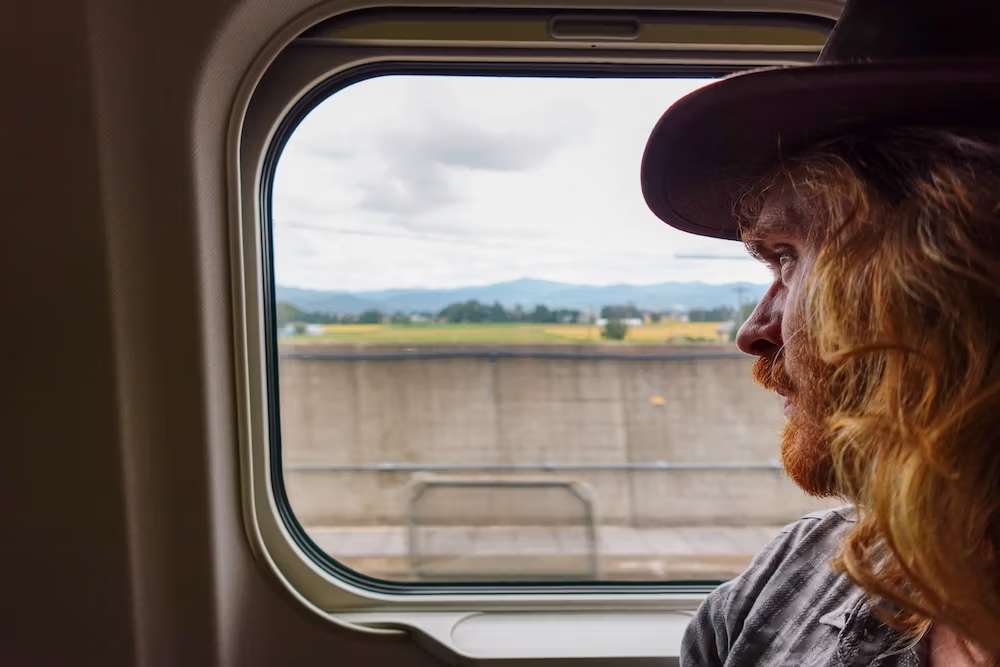
Understanding the Route and Shinkansen Lines to Hokkaido
The Tohoku Shinkansen and Its Connection to Hokkaido
The Tohoku Shinkansen forms the vital backbone of your journey from Tokyo to Japan’s northern frontiers. It seamlessly links the capital to the Hokkaido Shinkansen line. Originally, the Tohoku line carried travelers only as far north as Shin-Aomori, but with technological advancements and infrastructure developments, trains now glide effortlessly through the undersea Seikan Tunnel into Hokkaido. This engineering marvel connects Honshu and Hokkaido islands, making it possible to reach the region’s pristine landscapes and cultural riches without ever leaving the train’s cozy comfort. Riding the Tohoku Shinkansen before transferring onto the Hokkaido portion is a journey in itself, revealing subtle changes in scenery, climate, and local atmosphere as you progress northward. Ultimately, this integrated network makes discovering the far-flung corners of Japan smoother, faster, and more exciting than ever before.
- Highlights: Seamless connections, cutting-edge engineering, scenic progression
- Don’t Miss: Appreciating the transition as you pass from Honshu into Hokkaido via the Seikan Tunnel
- Great For: Travelers who value convenience, innovation, and the romance of rail journeys
Tip: Consider booking a combined ticket that covers both Tohoku and Hokkaido segments to simplify your trip planning.
Key Stations Along the Way
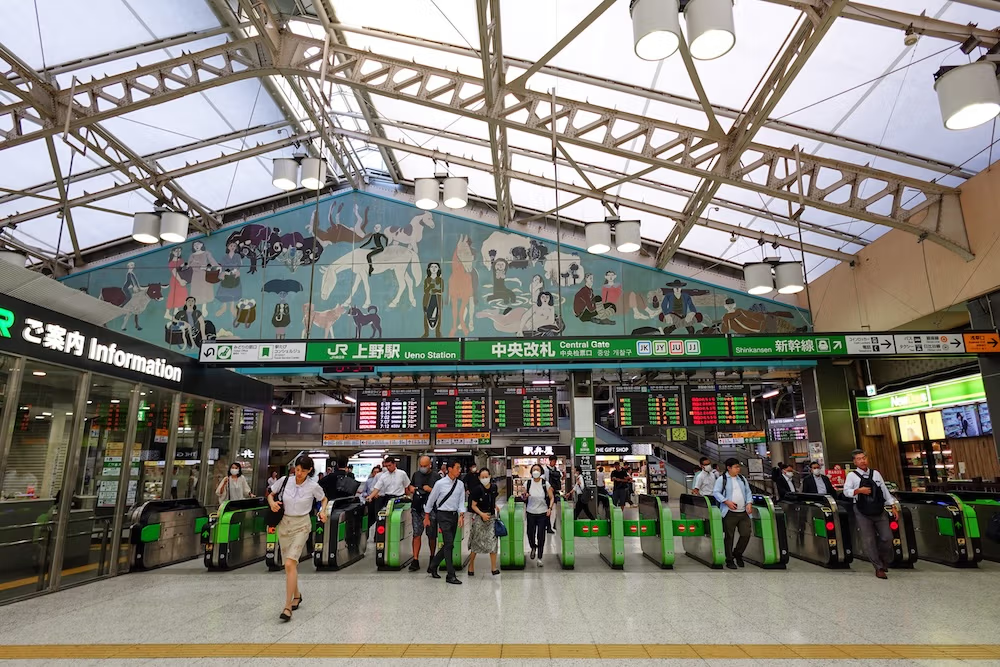
Your route starts at Tokyo Station. Here is a bustling transport hub with century-old architecture hidden behind modern renovations, offering countless shops, restaurants, and even a character-themed souvenir center. As the train speeds north, you’ll pass through iconic stops like Sendai and Morioka, each city revealing its own flavors—Sendai’s gyutan (grilled beef tongue) and Morioka’s wanko soba are culinary highlights. Approaching Shin-Aomori, you may feel a subtle shift as the landscape grows quieter, greener, and more rugged. Then, the journey continues into Hokkaido, arriving at Shin-Hakodate-Hokuto, the gateway to the northern island’s wonders. Every station along the line has its own character and specialties, inviting you to consider a brief stopover on future trips.
- Highlights: Diverse station experiences, local culinary gems, evolving scenery
- Don’t Miss: Trying regional snacks sold on the platforms for a taste of local flavors
- Great For: Curious foodies, cultural explorers, and travelers who enjoy discovering hidden gems
Tip: Carry a light jacket—as you head north, the temperature can drop, and station platforms might be cooler than Tokyo’s.
Travel Times and Frequency of Departures
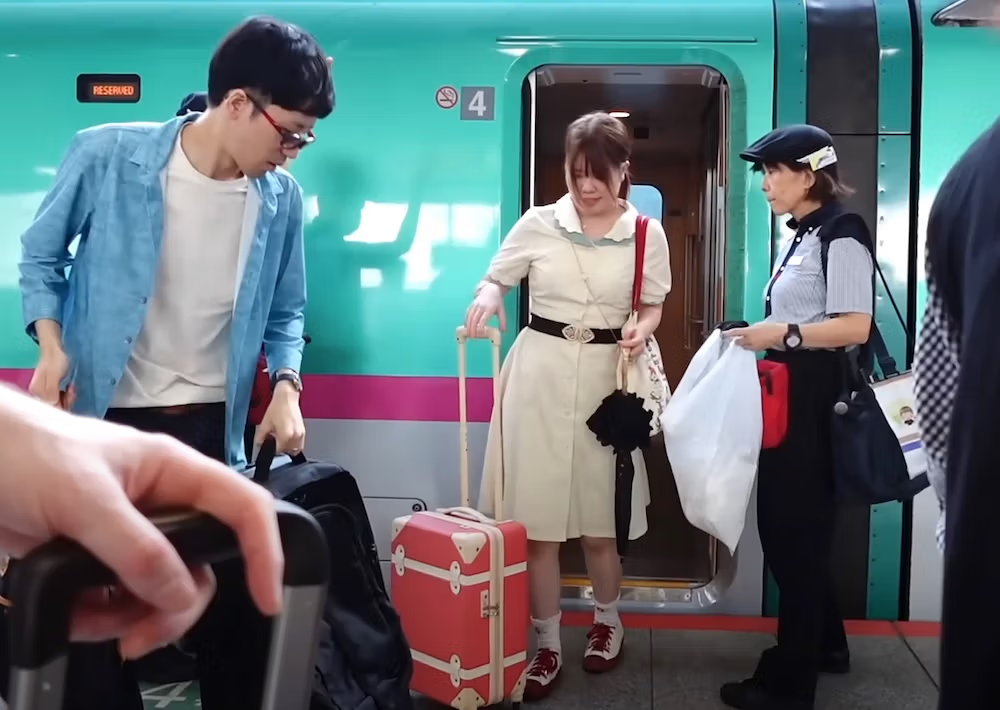
The convenience of the Shinkansen shines in its frequent departures throughout the day. Thus, ensuring flexibility for early birds or late risers alike. The journey from Tokyo to Shin-Hakodate-Hokuto typically takes around four hours, give or take depending on train type and connections. Compared to flying—where airport transfers and security checks add complexity—hopping on a train can feel refreshingly straightforward. Even during off-peak times, trains run regularly, so you’re rarely stuck waiting long for the next available departure. This steady rhythm allows you to structure your itinerary with ease, whether you’re fitting Hokkaido into a tight schedule or savoring the freedom of a more leisurely trip.
- Highlights: Regular service, predictable timetables, stress-free scheduling
- Don’t Miss: Checking the official timetable online to pick a departure that suits your personal pace
- Great For: Planners, families with children, and those who appreciate consistent reliability
Tip: Download a train schedule app or keep a printout of departure times to stay organized and relaxed while traveling.

Peak Seasons and Off-Peak Travel Considerations
If you’re traveling during peak seasons, such as Cherry Blossom viewing in spring or the busy summer holidays, expect more crowds and a festive atmosphere on board. Conversely, off-peak seasons bring quieter trains, potentially better seat availability, and a more tranquil onboard environment. Consider what you value most: a lively journey surrounded by fellow travelers excited about the season’s charms, or a peaceful ride with ample elbow room. Ticket prices generally remain consistent year-round, though accommodation and local tour costs may fluctuate. Knowing these patterns helps you plan your trip so that you experience the journey that best suits your mood and priorities.
- Highlights: Seasonal variety, changing passenger dynamics, flexible trip planning
- Don’t Miss: Booking seats in advance during peak seasons to secure your preferred spot
- Great For: Adventurers who tailor their experiences to match personal comfort and crowd levels
Tip: Aim for shoulder seasons (early spring or late autumn) for a pleasant balance of weather, scenery, and fewer tourists.
Notable Landmarks and Scenery Along the Route
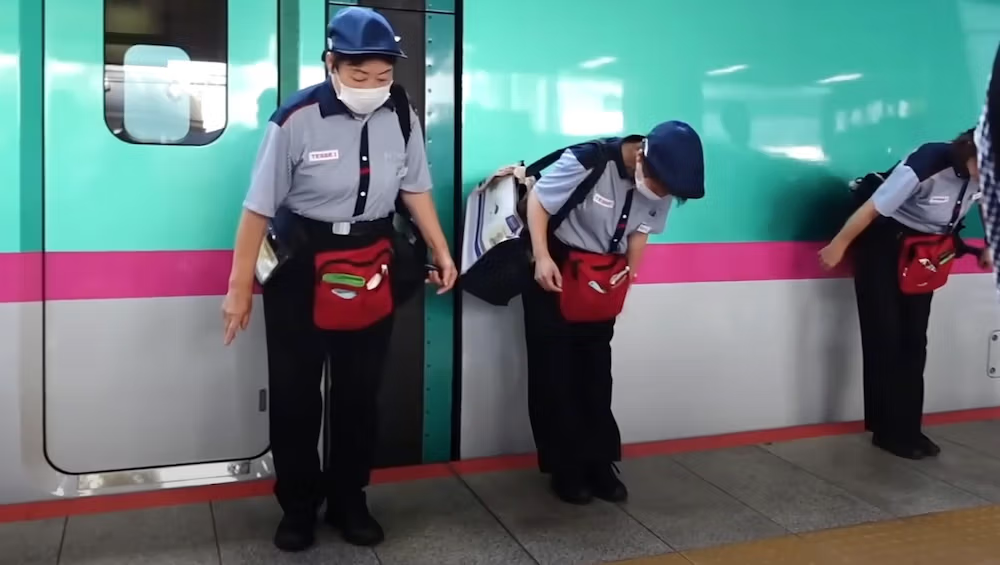
As your train speeds north, keep an eye on the ever-changing panorama outside your window. From the bustling urban sprawl of Tokyo, the landscape gradually transitions into verdant rice fields, foothills dotted with traditional farmhouses, and then to more dramatic, mountainous backdrops as you approach the northern regions. In winter, you might see blankets of snow covering the terrain, while in summer, lush greenery dominates the vista. During certain stretches, the train passes near charming coastal areas, hinting at the maritime heritage that has shaped local life for centuries. This evolving scenery not only makes the journey feel shorter but also provides subtle snapshots of Japanese culture and geography beyond the major cities.
- Highlights: Seasonal landscapes, coastal glimpses, tranquil countryside views
- Don’t Miss: Spotting traditional architecture and agricultural fields that reveal local livelihoods
- Great For: Photography enthusiasts, nature lovers, and anyone seeking deeper cultural connections
Tip: Bring a camera or a fully charged phone—the scenery can surprise you at any moment, making it worth capturing along the way.
Purchasing Tickets and Making Reservations
Methods for Buying Shinkansen Tickets
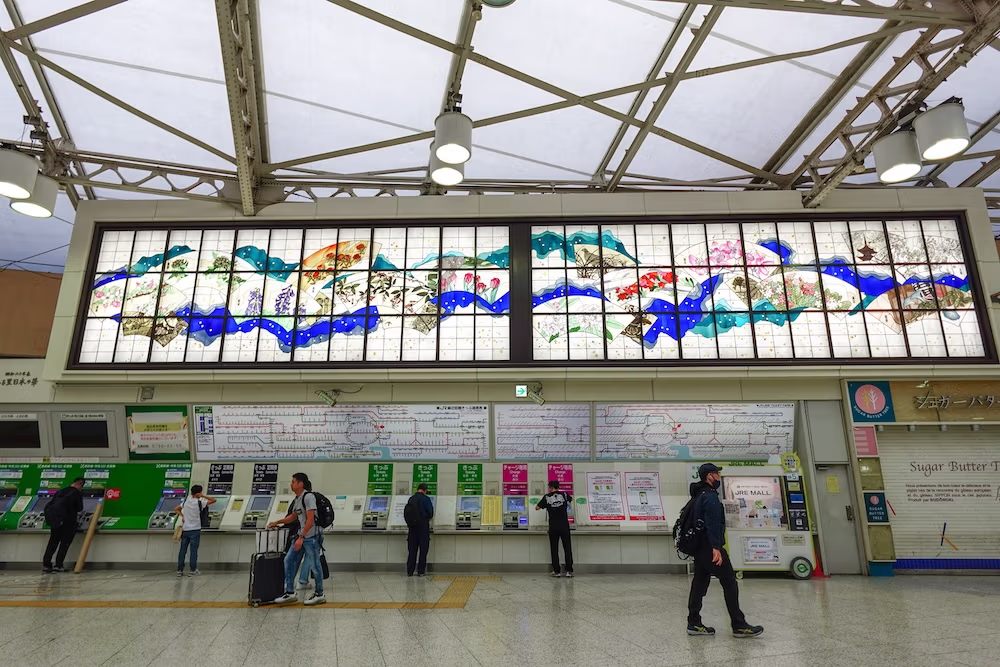
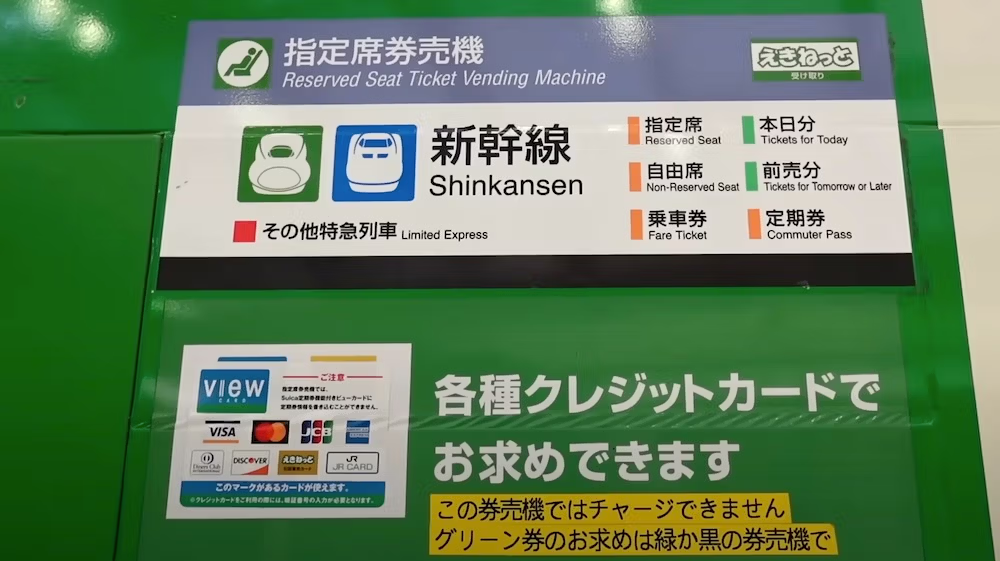
Securing Shinkansen tickets is easier than you might think, with multiple options available to suit different travel styles. You can purchase them directly at JR ticket counters, where English-speaking staff often assist in selecting the right route and seat. For added convenience, automated ticket machines located in major stations guide you through the process step-by-step, usually offering English-language menus. If you prefer planning from the comfort of home, consider using official JR online platforms, or even reputable third-party booking sites, especially if you have a rough itinerary already in mind. Ultimately, this flexibility ensures you can grab tickets in a way that feels most natural, whether you’re a spontaneous traveler or a meticulous planner.
- Highlights: Multiple purchase options, user-friendly ticket machines, helpful station staff
- Don’t Miss: Checking JR’s official website for the latest promotions or seat availability
- Great For: First-time visitors, tech-savvy travelers, and those who value personalized assistance
Tip: Keep an eye on JR East and JR Hokkaido’s official websites—they often provide detailed instructions and updated fare information in English.
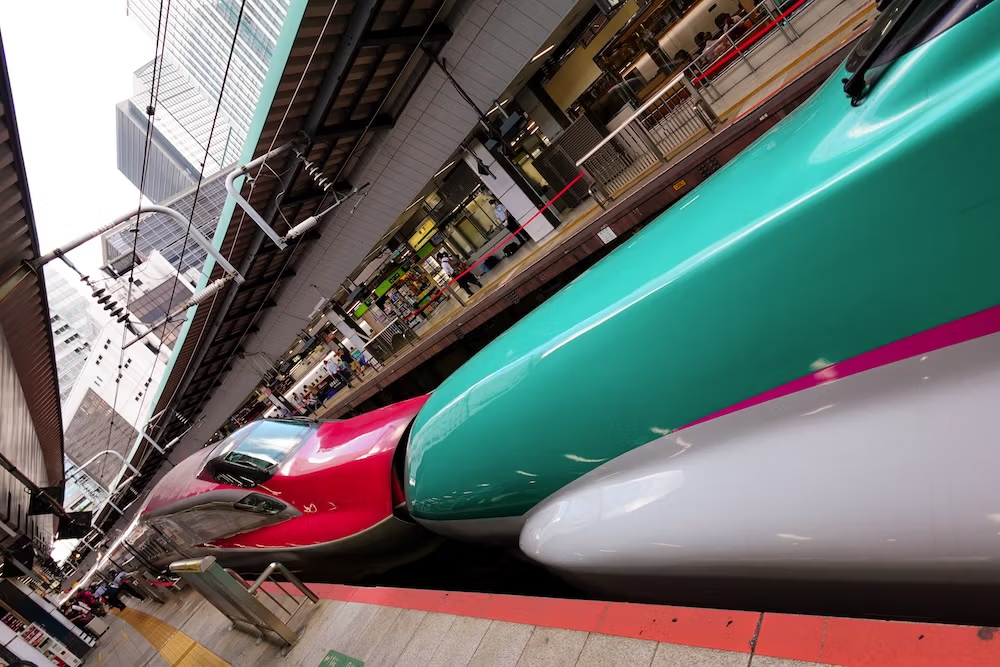
Understanding Seat Types and Costs
Before finalizing your purchase, it’s important to understand the three main seat categories on the Shinkansen: non-reserved, reserved, and Green Car. Non-reserved seats are the most flexible and budget-friendly, allowing you to hop on any unoccupied spot in designated cars. Reserved seats, on the other hand, guarantee you a specific seat and car, ideal for peak seasons or when traveling in a group. If you crave extra comfort, the Green Car provides plush seating, more legroom, and a quieter atmosphere—perfect for those who see the journey itself as part of the experience. While prices vary depending on seat type and distance, rest assured there’s an option that meets both your comfort level and financial considerations.
- Highlights: Different seating classes, customizable comfort levels, budget flexibility
- Don’t Miss: Green Car for a more luxurious, serene ride
- Great For: Families wanting guaranteed seats, solo travelers who crave personal space, or anyone with specific seating preferences
Tip: If you’re uncertain about which class suits you best, compare costs online or ask a JR staff member for guidance—they’re usually happy to help.
Utilizing the JR Pass and Regional Passes
If you’re planning extensive rail travel throughout Japan, consider the JR Pass, which grants unlimited rides on most JR trains, including many Shinkansen lines. For those focusing on a particular region, there are also regional passes that narrow the scope but offer excellent value if you stick to one area. The passes streamline your travel process, eliminating the need to buy separate tickets for each leg of your journey and often saving you a substantial amount in the long run. Simply show your pass at the ticket gate and hop aboard, no extra fuss required. By planning ahead and selecting the right pass, you not only save money, but also minimize hassles, leaving you free to enjoy the scenery passing by your window.
- Highlights: Cost-effective travel, simplified logistics, coverage across multiple lines
- Don’t Miss: Researching which pass fits your travel plans best—nationwide vs. regional
- Great For: Long-term visitors, adventurous travelers hitting multiple destinations, and those who love a good bargain
Tip: Carry your passport at all times if using a JR Pass—staff will often ask to see it alongside your pass for verification.
Reservation Tips and Busy Season Strategies
While spontaneity can be thrilling, reserving in advance pays off during peak travel seasons, such as Golden Week, New Year’s, or cherry blossom season. A reserved seat guarantees peace of mind, ensuring you won’t be left standing in non-reserved cars during high-demand periods. Consider making your reservations as soon as you know your schedule, especially if you’re eyeing the Green Car or a particular departure time. Keep in mind that popular trains can book up quickly, so a little planning goes a long way toward making your journey smooth and relaxed. Even if you don’t know your exact itinerary, securing at least the main legs of your trip in advance can be a game-changer.
- Highlights: Stress-free travel, secure seating, less worry during busy periods
- Don’t Miss: Using online tools or apps to check seat availability and travel updates
- Great For: Travelers with tight itineraries, families who need to sit together, and those who dislike last-minute scrambling
Tip: If you miss out on your preferred departure, consider traveling slightly earlier or later—off-peak times offer more seats and a calmer atmosphere.
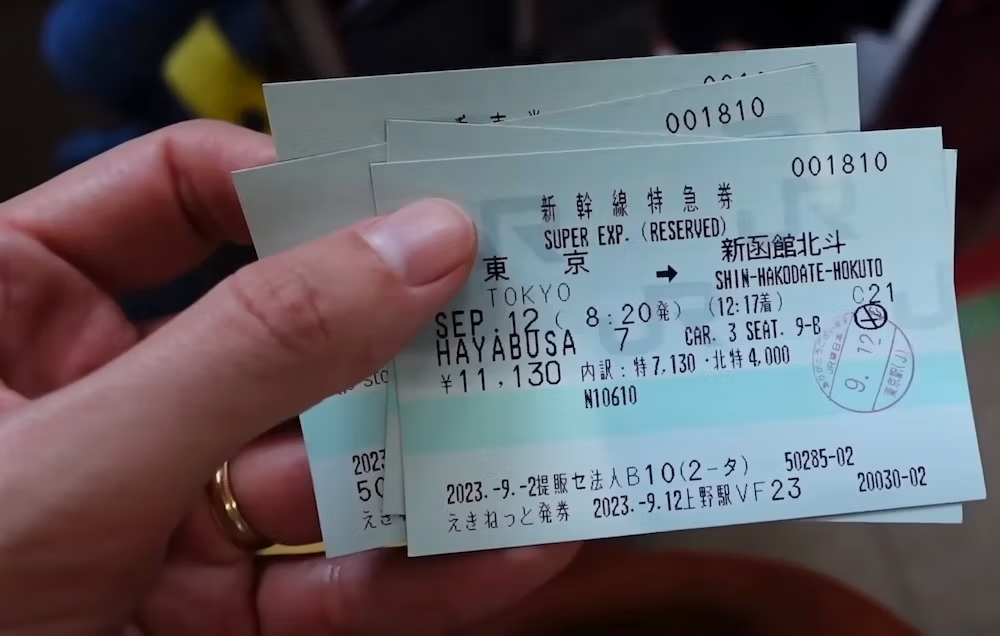
Ensuring Proper Documentation
When using a JR Pass, always remember to have your passport ready to confirm eligibility, as the pass is generally reserved for foreign tourists on a temporary visitor visa. Even if you’re not using a pass, carrying valid identification and your credit card is wise, especially if you booked online or need to make any last-minute changes. Keep printed or digital confirmations of your reservations handy—this ensures a quick check-in process at the station. On top of that, having multiple forms of payment can be useful if, for some reason, a particular card doesn’t work. Being prepared with the right documents helps prevent delays and ensures a smooth start to your journey.
- Highlights: Seamless validation, no last-minute panics, hassle-free boarding
- Don’t Miss: Double-checking visa requirements and pass conditions before departure
- Great For: Peace of mind, efficient travelers, and anyone who prefers avoiding awkward delays
Tip: Store all essential documents—passport, passes, reservation slips—in a dedicated travel wallet or folder so you can access them quickly and confidently at ticket gates.
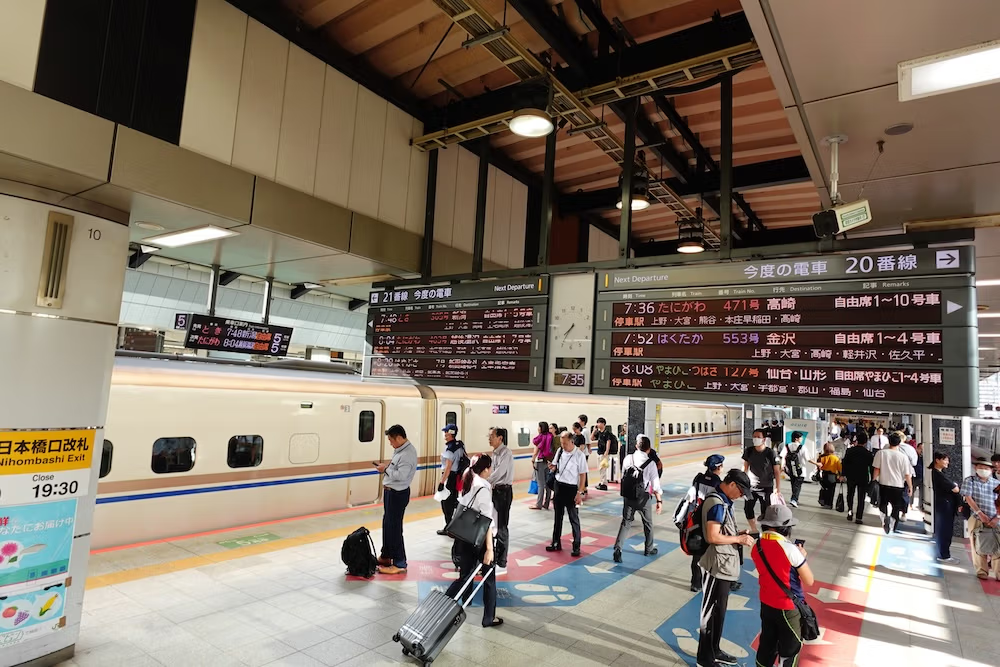
Preparing for Departure: Navigating Tokyo Station
Finding the Shinkansen Gates Within Tokyo Station
Locating the Shinkansen gates in Tokyo Station might feel overwhelming at first, given the station’s sprawling size and constant flow of people. Start by looking for clearly marked signs in English, pointing you toward the Shinkansen tracks—these are often indicated by symbols and color-coded directions. Once you’ve spotted the Shinkansen area, follow the arrows and overhead signs until you reach the dedicated turnstiles, where station staff can assist if you’re unsure. Keep an eye out for electronic departure boards displaying train numbers, destinations, and departure times, making it easier to confirm you’re heading to the right platform. With a bit of patience and attention, you’ll find that navigating Tokyo Station is more manageable than you’d expect.
- Highlights: Clear signage, helpful staff, straightforward platforms
- Don’t Miss: Taking a photo of the overhead signs to guide you back if you get turned around
- Great For: First-time visitors, families needing extra guidance, and those with limited Japanese language skills
Tip: Arrive with a printed or saved screenshot of your train details, so you can quickly verify you’re on the right track.
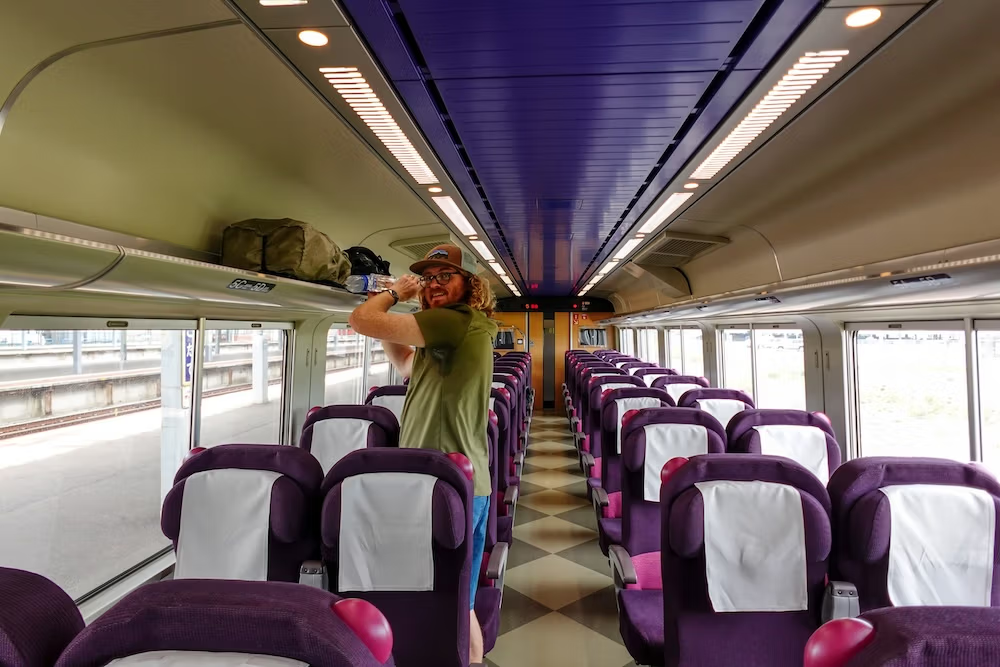
Storing Luggage and Size Restrictions
Before you board the Shinkansen, consider storing larger bags in coin lockers or luggage storage facilities, which are conveniently scattered throughout Tokyo Station. Most lockers accommodate medium-sized suitcases, but if your luggage is oversized, staff at dedicated storage counters can help you find a suitable space. This not only frees up your hands but also gives you peace of mind, knowing your belongings are safe while you explore the station’s shops or grab a meal. Keep in mind that the Shinkansen has luggage size guidelines, so check these beforehand to avoid any surprises at the platform. Traveling light on the train makes navigating both Tokyo Station and your destination station far less stressful.
- Highlights: Accessible coin lockers, dedicated storage counters, convenient drop-off points
- Don’t Miss: Measuring your luggage beforehand to ensure it meets Shinkansen guidelines
- Great For: Travelers with bulky cases, those looking to shop before departure, and anyone wanting a hassle-free boarding experience
Tip: Pack a small daypack with essentials so you can leave heavier bags behind without feeling unprepared.
Amenities at Tokyo Station Before Boarding
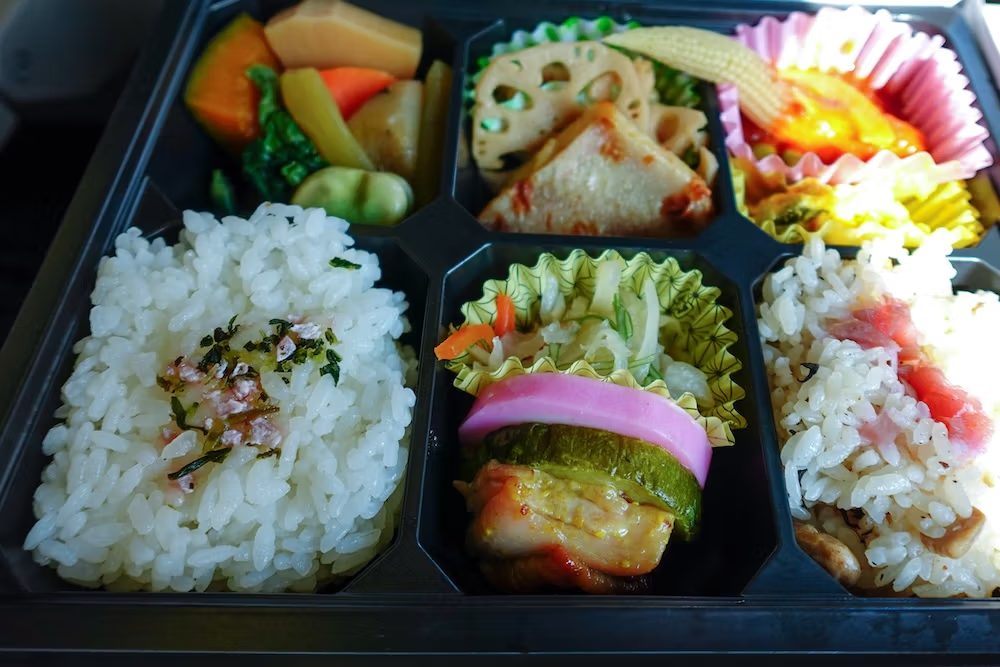
One of the best parts about departing from Tokyo Station is the wide range of amenities available to keep you entertained and well-fed before boarding. You’ll find endless options: from quick grab-and-go bento stands, bakeries selling fluffy pastries, to sit-down restaurants serving ramen, sushi, and more. Beyond food, the station houses a variety of gift shops, bookstores, and specialty stores offering souvenirs you might’ve forgotten to pick up earlier in your trip. There are also comfortable rest areas where you can take a breather, charge your devices, or review your travel plans in peace. By taking advantage of these amenities, you can turn waiting for your train into an enjoyable part of your journey.
- Highlights: Diverse dining options, specialty shops, cozy rest areas
- Don’t Miss: Bento boxes crafted especially for Shinkansen journeys—they’re portable and delicious
- Great For: Food lovers, souvenir hunters, and travelers who appreciate a pre-trip recharge
Tip: Bring a reusable water bottle—many shops sell drinks, but having your own bottle helps keep you hydrated and saves money in the long run.
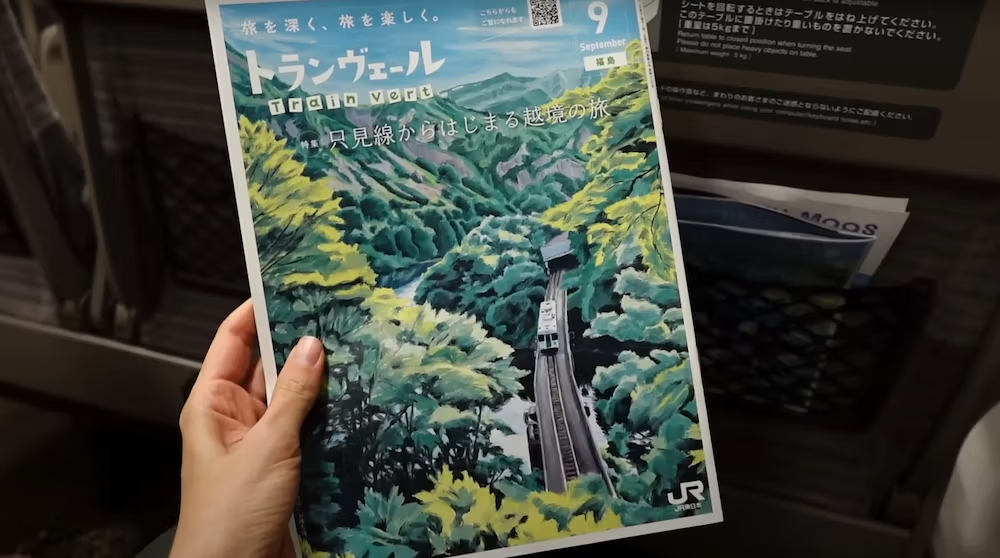
Boarding Procedures and Understanding Platform Signage
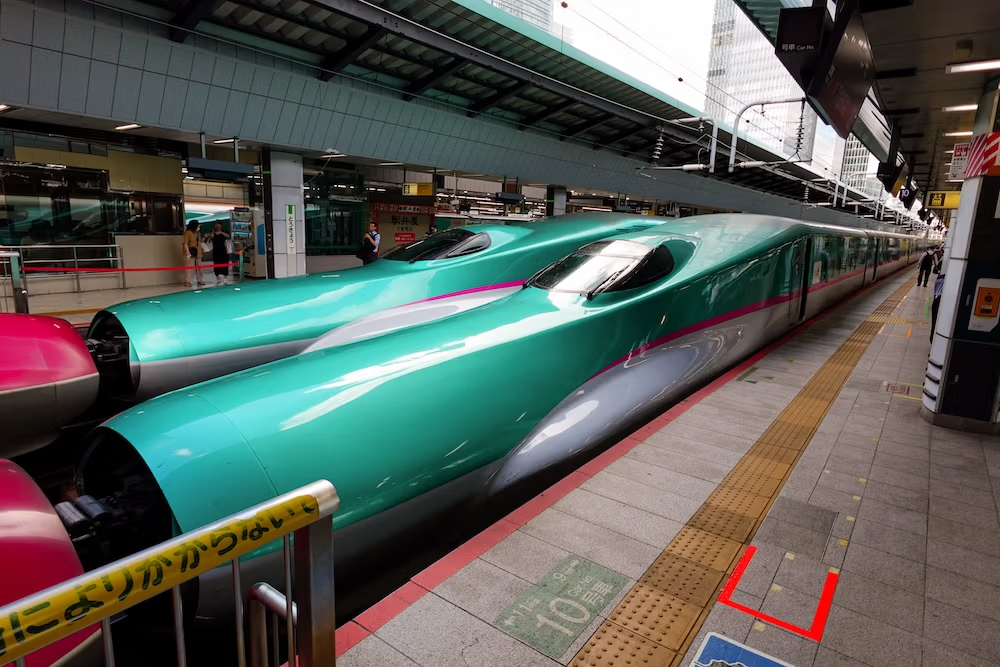
As your departure time nears, make your way to the platform indicated on your ticket, paying attention to overhead signs and digital screens that align car numbers with specific waiting areas. Many Shinkansen platforms feature painted lines on the floor to show you exactly where to stand, ensuring an orderly boarding process. When the train arrives, passengers typically disembark first, so wait patiently for everyone to get off before stepping onboard. Inside the train, you’ll find your seat number on the overhead racks or near the windows—simply match it to your ticket for a seamless boarding experience. The system may seem intricate at first, but once you understand the signage and flow, it’s impressively straightforward.
- Highlights: Organized boarding lines, clear car markers, well-labeled seats
- Don’t Miss: Double-checking your car and seat numbers to avoid confusion once inside
- Great For: First-time Shinkansen riders, nervous travelers, and those who appreciate structured procedures
Tip: If you’re uncertain, ask a uniformed station attendant—they’re usually happy to help and can clarify any signage you don’t understand.
Time Management: Arriving Early to Avoid Rush and Confusion
Arriving at Tokyo Station well ahead of your departure time gives you breathing room to handle unexpected delays, find the right platform, and settle in. Plan on reaching the station at least 30 minutes before your train leaves, especially if it’s your first time navigating the area. This extra buffer lets you grab snacks, use the restroom, or simply observe the flow of people so you feel more comfortable and less rushed. By the time you head to the platform, you’ll feel calm, collected, and ready for a smooth departure. Remember, it’s better to have a few spare minutes to relax than to sprint through a crowded station at the last minute.
- Highlights: Reduced stress, smoother navigation, a calmer travel atmosphere
- Don’t Miss: Taking advantage of early arrival to scout out platform entrances and confirm directions
- Great For: Nervous travelers, families with children, and anyone who likes to keep things mellow
Tip: Set a reminder on your phone to leave your accommodation early, ensuring you hit your timing goals effortlessly.
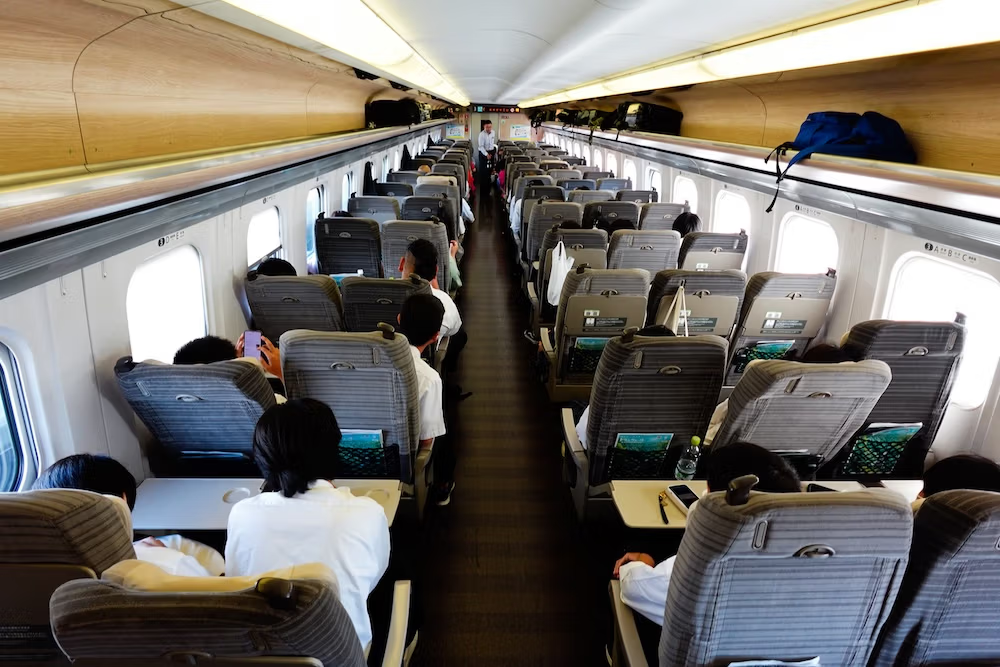
Onboard Experience and Travel Tips
Layout of the Shinkansen Cars and Seating Arrangements
Stepping into a Shinkansen car feels a bit like entering a sleek airplane cabin, only with much more legroom. Most standard cars have rows of seats arranged in a 3-2 or 2-2 configuration, depending on the train model, ensuring everyone gets a comfortable spot. Overhead racks provide generous storage for carry-on bags, while larger luggage can often be stowed behind the last row of seats. Some trains feature dedicated baggage areas, making it easy to keep your belongings secure and out of the way. As you settle in, you’ll appreciate how the thoughtful layout encourages relaxation, whether you’re traveling solo or with a group of friends.
- Highlights: Spacious legroom, overhead racks, dedicated baggage areas
- Don’t Miss: Checking seat maps online before booking if you have a preference for window or aisle seats
- Great For: Travelers seeking comfort, families with gear, and anyone who appreciates a tidy, well-organized environment
Tip: Reserve seats in advance during peak travel seasons to secure your preferred seating arrangement.
Amenities Onboard: Restrooms, Snack Carts, Power Outlets, and Wi-Fi
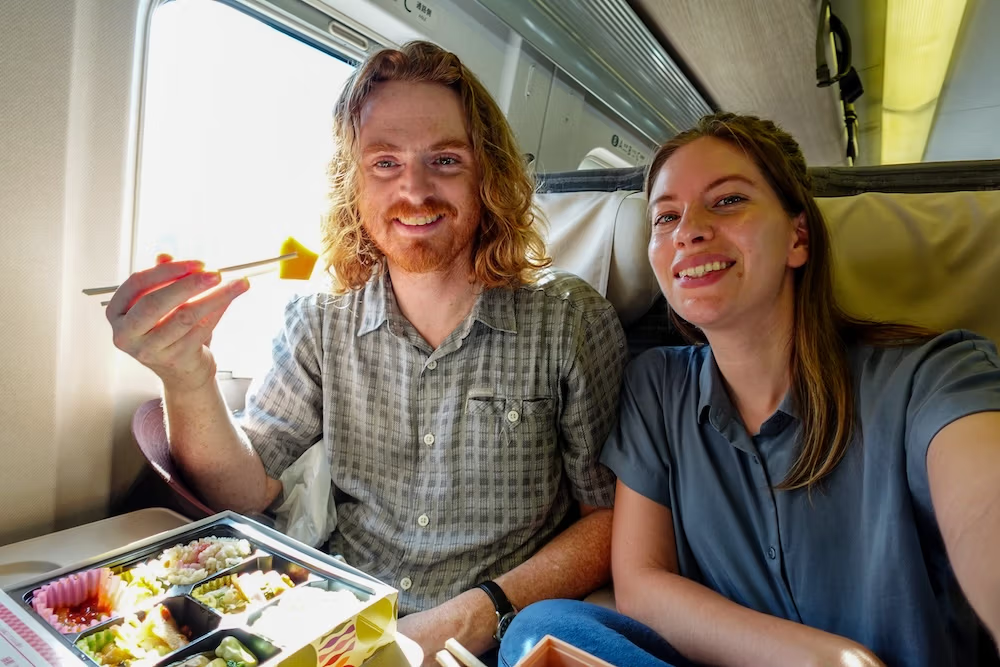
When it comes to amenities, the Shinkansen knows how to spoil its passengers with creature comforts that enhance every journey. Clean and well-maintained restrooms are conveniently located at either end of the car, ensuring a fuss-free experience. Snack carts appear periodically, rolling through with beverages, bento boxes, and sweet treats that tempt your taste buds. Power outlets near your seat make it easy to recharge devices, while some lines even offer Wi-Fi access, allowing you to stay connected or catch up on that series you’ve been meaning to watch. These thoughtful touches transform a simple train ride into a cozy, enjoyable retreat on rails.
- Highlights: Onboard snacks, accessible restrooms, power outlets for charging
- Don’t Miss: Grabbing a bento box for a mini culinary adventure during your trip
- Great For: Long-haul travelers, digital nomads, and snack enthusiasts
Tip: Bring a reusable bottle to fill up along the way, staying hydrated without relying solely on purchased drinks.
Etiquette: Quiet Zones, Cell Phone Usage, and Eating Onboard
Traveling by Shinkansen also means embracing Japanese travel etiquette, where respect and consideration define the onboard atmosphere. Generally, passengers speak softly, keeping phone calls to a minimum and using headphones when listening to music or watching videos. Eating is perfectly acceptable—many locals enjoy tasty bentos in their seats—but try not to bring overly pungent foods that might bother others. When using your phone, switch it to silent mode and if you must take a call, head to the vestibule area between cars. By following these unspoken rules, you’ll ensure a peaceful and pleasant environment for everyone sharing the journey.
- Highlights: Polite atmosphere, considerate phone usage, mealtime serenity
- Don’t Miss: Sampling local sweets quietly and discreetly while observing fellow travelers’ calm demeanor
- Great For: Passengers who appreciate calm surroundings, courteous commuters, and cultural immersion
Tip: Carry earphones and a travel-friendly snack to blend seamlessly with the relaxed onboard ambiance.
Taking Advantage of Scenic Views
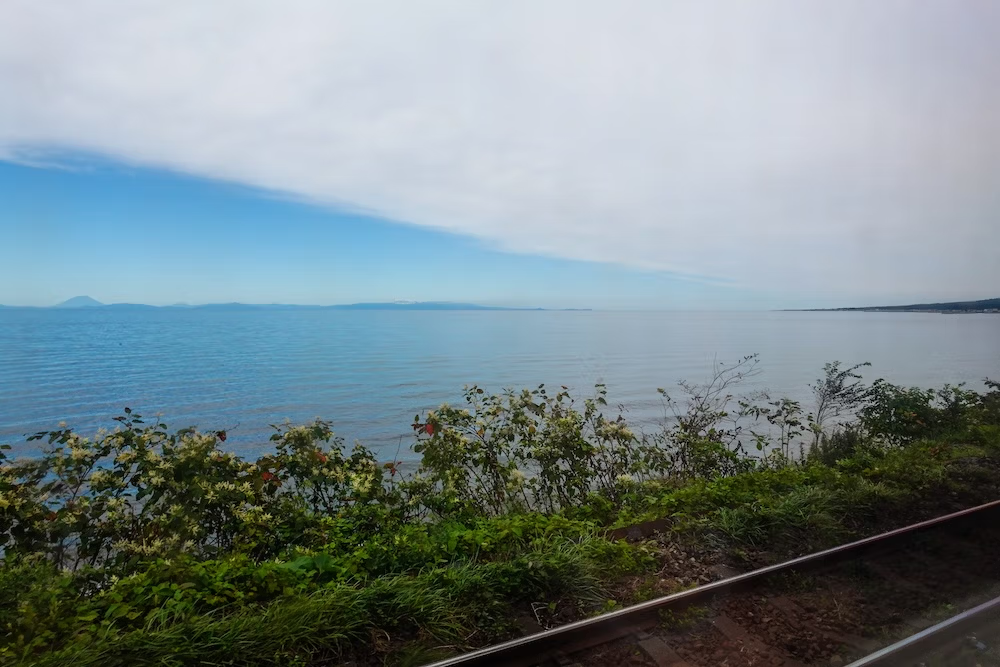
One of the joys of traveling by Shinkansen is the ever-changing panorama unfolding outside your window. From urban skylines gradually giving way to lush countryside, to glimpses of rivers and distant mountains, the scenery can be surprisingly diverse. During certain seasons, you might catch sight of cherry blossoms, snow-capped peaks, or fiery autumn foliage. Keep your camera or smartphone handy—you never know when a breathtaking vista will appear and vanish in a blink. Embrace these fleeting moments, allowing each frame outside your window to serve as a living postcard of your journey.
- Highlights: Seasonal landscapes, mountain ranges, picturesque rural scenes
- Don’t Miss: Standing up occasionally to peek out both sides of the car for a fuller view
- Great For: Photographers, nature lovers, and travelers who find beauty in small details
Tip: If you want the best vantage point, choose a window seat when making your reservation.
Managing Comfort During Longer Rides
Long Shinkansen journeys can be surprisingly soothing if you come prepared with a few comfort essentials. A neck pillow and a light blanket can help you settle in for a relaxing ride, especially if you’re prone to dozing off. Consider downloading podcasts, playlists, or movies to keep boredom at bay, and take brief walks through the car to stretch your legs. Some travelers even bring face masks or eye masks for a spa-like feel at 300 km/h. With the right tools, you’ll find the journey feels shorter, leaving you refreshed and ready to explore once you arrive.
- Highlights: Neck pillows, blankets, entertainment on-the-go
- Don’t Miss: Brief walks between cars to maintain circulation and alertness
- Great For: Sleepy travelers, long-distance commuters, and anyone savoring a restful trip
Tip: Pack a small comfort kit with earplugs, an eye mask, and portable entertainment to ensure a truly serene experience.
Arriving in Hokkaido: Next Steps and Local Transportation
Disembarking at Shin-Hakodate-Hokuto Station
Stepping off the Shinkansen at Shin-Hakodate-Hokuto Station feels like entering a different chapter of your journey. The air is crisper, the pace a touch slower, and the surrounding landscapes hint at the northern charm waiting ahead. As you collect your belongings, follow the clear signs toward the station exits, where you’ll find helpful staff and information desks ready to guide you. For those who prefer a structured plan, consider grabbing a timetable or map so you’ll know exactly where to head next. Whether you’re connecting to local trains, buses, or even rental cars, this station is your launchpad into Hokkaido’s wonders.
- Highlights: Clear signage, helpful station attendants, easy transitions
- Don’t Miss: Picking up a station map or brochure to streamline your onward journey
- Great For: Organized travelers, first-time visitors, and those eager to hit the ground running
Tip: If you’re unsure, ask a station attendant—they’re accustomed to helping newcomers find their way efficiently.
Reaching Popular Destinations: Hakodate and Beyond
From Shin-Hakodate-Hokuto, getting to Hakodate is a breeze. Just hop on a local train, and in less than 20 minutes you’ll be strolling through historic streets, tasting fresh seafood, and admiring the city’s famed night views from Mount Hakodate. If Sapporo is on your radar, board a limited express train for a scenic ride that might take a few hours but offers glimpses of Hokkaido’s rural charm along the way. Keep an eye out for seasonal events and check train schedules in advance to ensure a smooth connection. The beauty of Hokkaido lies in its diversity, so consider mixing big-city excitement with peaceful countryside stops.
- Highlights: Quick access to Hakodate, scenic routes to Sapporo, diverse travel experiences
- Don’t Miss: Planning a side trip to nearby Onuma Quasi-National Park for nature-filled exploration
- Great For: Urban adventurers, nature lovers, and travelers who enjoy a balanced itinerary
Tip: Check train timetables online or on station monitors to secure the best departure times for your plans.
Using IC Cards and Local Passes for Convenient Travel
Just like in Tokyo, IC cards (like Suica or ICOCA) are your best friends for hopping on local trains and buses throughout Hokkaido. Tap your card at the turnstile, and off you go—no fumbling with coins or queuing for paper tickets. For those planning more extensive travel, regional passes can save you time, money, and hassle, especially if you’re covering large distances. By simplifying fare payments, these tools let you focus on exploring rather than sorting out transportation logistics. Embrace this convenience and watch your stress melt away as you zip from one destination to the next with minimal effort.
- Highlights: Effortless fare payments, reduced ticket lines, multiple regional pass options
- Don’t Miss: Checking if your JR Pass covers certain segments before purchasing additional passes
- Great For: Independent travelers, multi-stop explorers, and those who value streamlined travel
Tip: Load your IC card with extra credit upfront—nothing beats breezing through stations without pausing for top-ups.
Accommodation Options Near the Station and Tourist Hubs
Whether you crave a comfortable hotel suite, a cozy inn, or a modern hostel, the areas around major stations and popular tourist hubs offer plenty of lodging choices. Staying close to the station can simplify early morning departures, late-night arrivals, and quick access to convenience stores or eateries. Meanwhile, settling near tourist attractions like Hakodate’s bay area or Sapporo’s lively downtown scene lets you immerse yourself in local culture from the moment you wake up. Consider researching guest reviews, comparing prices, and weighing location versus amenities before making a final decision. Ultimately, your choice of accommodations can shape your experience, so pick a place that aligns with your travel style.
- Highlights: Wide range of lodging options, strategic station locations, vibrant tourist areas
- Don’t Miss: Booking in advance during peak seasons to secure your preferred room
- Great For: Early risers, night owls, and travelers wanting maximum convenience
Tip: Check for accommodation packages that include breakfast or tourist discounts—small perks add great value to your stay.
Preparing for Hokkaido’s Climate and Cultural Differences
Hokkaido’s northern latitude means cooler temperatures, pristine natural beauty, and seasonal variations that can surprise the unprepared traveler. Dress in layers to handle sudden weather shifts, especially if you’re visiting in winter or exploring higher elevations. Beyond the climate, remember that Hokkaido’s culture can differ slightly from the mainland’s, with unique local dishes, dialects, and traditions. Embrace these differences—taste new foods, learn a few local phrases, and appreciate how these cultural nuances enrich your journey. As you roam this northern island, a flexible mindset and open heart will ensure you make the most of its distinct charms.
- Highlights: Cooler weather, unique culinary traditions, subtle cultural variations
- Don’t Miss: Trying regional specialties like Genghis Khan (grilled mutton) or fresh dairy treats
- Great For: Adventurous eaters, culture enthusiasts, and travelers seeking authentic experiences
Tip: Keep a light jacket and a small umbrella handy—unpredictable weather can strike at any time, adding a dash of adventure to your day.
Essential questions about riding the Shinkansen from Tokyo to Hokkaido: practical answers, money talk & local-style tips
How long does the Shinkansen from Tokyo to Hokkaido take and is it realistic as a day trip?
It depends. On the fastest Hayabusa services, the ride from Tokyo Station to Shin-Hakodate-Hokuto is roughly around four hours one way, give or take a few minutes depending on the train and stops. Once you factor in getting to Tokyo Station, transferring at the Hokkaido end, and actually seeing something once you arrive, a true day trip from Tokyo to Hokkaido is pretty brutal and not something I recommend. It makes far more sense to treat this as the start of at least a one- or two-night stay in Hokkaido so you can actually enjoy Hakodate, Onuma Park, or onward journeys toward Sapporo without spending almost your entire day in transit.
Do I have to change trains on the way to Hokkaido or is there a direct Shinkansen all the way to Sapporo?
Short answer: you have to change. Right now the Hokkaido Shinkansen only runs as far as Shin-Hakodate-Hokuto, where you change to a conventional limited express train to reach Hakodate city or continue on toward Sapporo and other cities. There is a long-term plan to extend the Shinkansen all the way to Sapporo, but that opening is currently targeted for around 2030, so for the foreseeable future you should assume you will transfer at Shin-Hakodate-Hokuto. The good news is that the transfer itself is well signposted and fairly painless.
Is it cheaper to fly or take the Shinkansen from Tokyo to Hokkaido?
Often, flying wins on price. Discount airlines and advance-purchase fares out of Tokyo airports can undercut the regular Shinkansen ticket, especially if you are flexible with your timings and do not have checked luggage. The Shinkansen tends to shine when you value city-centre to city-centre convenience, predictable schedules, and a more relaxed experience without airport security and potential flight delays. If you are already planning to use a rail pass that covers this route, the equation changes completely and the Shinkansen can become the far better value because that long ride is suddenly “prepaid” inside your pass days.
Which Shinkansen trains run to Hokkaido and do I need a seat reservation?
Absolutely. The main train you will be looking at is the Hayabusa service, which runs along the Tohoku Shinkansen and then continues as the Hokkaido Shinkansen to Shin-Hakodate-Hokuto. On Hayabusa services all seats are reserved, meaning there are no non-reserved cars you can just hop into. You will choose between an ordinary reserved seat and the more spacious Green Car options, and in busy seasons it is very wise to book your seat as early as you reasonably can, especially if you want to sit together as a couple, family, or group.
What is the best rail pass for a Tokyo and Hokkaido itinerary?
It depends on how much train travel you are actually planning. The nationwide Japan Rail Pass became significantly more expensive in late 2023, with a 7-day ordinary pass now around ¥50,000, so it only makes sense if you are stacking several long-distance rides into a tight window. For a Tokyo plus northern Japan trip, the JR East–South Hokkaido Rail Pass is often a better fit: it gives you six flexible days of unlimited travel within a 14-day period, and crucially it covers the Shinkansen between Tokyo and Shin-Hakodate-Hokuto. If you will mainly be in Hokkaido itself, the various JR Hokkaido Rail Passes (for example 5-day or 7-day options) can be extremely good value once you are up north. I like to sketch my full route on a map, price out a couple of sample tickets, and then see which pass actually saves money rather than assuming the national one is the default.
How far in advance should I book Shinkansen tickets and can I do it online?
Relax, you usually do not need to book months in advance. For most of the year, booking your Shinkansen a few days ahead is more than enough, and outside of holidays you can sometimes get away with same-day reservations. That said, for peak periods like Golden Week, New Year, Obon, and big holiday weekends, I would treat seats to Hokkaido as “hot tickets” and lock them in as soon as you know your dates. You can reserve at JR ticket counters and machines in Japan, and many travelers now use official JR online booking systems or reputable booking partners to reserve seats before they land in Japan. Having that Tokyo–Hokkaido leg nailed down early takes a lot of pressure off the rest of your itinerary.
Can I use IC cards like Suica on the Hokkaido Shinkansen?
Nope. IC cards such as Suica, PASMO, or ICOCA are fantastic for local JR lines, subways, and buses, but they are not how you pay for long-distance Shinkansen rides like Tokyo to Shin-Hakodate-Hokuto. For the bullet train you either need a valid rail pass that covers the route or a proper Shinkansen ticket and seat reservation. Where IC cards do help is with all of the little connecting journeys around Tokyo and across Hokkaido once you have stepped off the Shinkansen, so they are still very much worth having in your pocket.
What are the luggage rules on the Shinkansen to Hokkaido and how strict are they?
Moderate. In ordinary practice, a regular suitcase and a carry-on are absolutely fine and you will see plenty of people traveling like this. Overhead racks handle small and medium bags, and there are often spaces behind the last row of seats for larger pieces. Where you need to pay attention is with truly oversized or multiple giant suitcases, because JR has been tightening rules on big luggage on several Shinkansen lines and may require reservations for very large items in specific baggage areas. As a rule of thumb, if your suitcase is in the normal checked-luggage size range and you can lift it yourself, you are unlikely to have an issue, but I always suggest packing lighter and using station coin lockers or forwarding services if you are dragging half your apartment around.
Is the Tokyo to Hokkaido Shinkansen route good for families with kids?
Yes. From a parent’s perspective, the Shinkansen is one of the easiest ways to cover serious distance with children in Japan. You have room to move, clean toilets, the ability to walk them up and down the aisle when they get fidgety, and big windows full of changing scenery to keep them distracted. The four-ish hour ride is long enough that you will want snacks, offline entertainment, and maybe a small blanket or hoodie for naps, but it is still doable in a single stretch without changing trains until Hokkaido. The key family decision is usually which departure time fits your kids’ natural rhythm best: some people swear by first thing in the morning; others prefer a post-lunch train that lines up with siesta time.
When is the best season to ride the Shinkansen up to Hokkaido for scenery and fewer crowds?
Personally, I love shoulder seasons. Spring and autumn are the sweet spots if you want a balance of interesting scenery, tolerable temperatures, and somewhat fewer crowds on the trains. Cherry blossom season looks incredible from the window but can be packed and requires earlier reservations. Summer in Hokkaido is gorgeous, especially if you are escaping Tokyo’s humidity, but school holidays make the trains busier. Winter brings a completely different mood with snow-covered landscapes and the possibility of icy weather once you arrive, but that can also be incredibly atmospheric if you are prepared for cold. For a first-timer who wants scenery plus a bit of breathing room, I would aim for late April to early June or late September to early November.
How early should I arrive at Tokyo Station before my Shinkansen to Hokkaido?
Earlier than you think. Tokyo Station is big, busy, and slightly disorienting the first time you meet it, so I like to arrive about 30 to 45 minutes before departure. That gives you enough time to find the Shinkansen gates, navigate to the right platform, maybe grab a bento box and drinks, and still board in a relaxed way without sprinting up the stairs. If you are traveling in a group, dealing with luggage, or visiting during a major holiday period, err on the side of more time. Once you know the station layout, you can shave that buffer down in future, but for a first run to Hokkaido, extra minutes are your friend.
Is there Wi Fi and power outlets on the Shinkansen between Tokyo and Hokkaido?
Mostly yes. Newer Shinkansen sets running as Hayabusa services typically offer power outlets at or near the seats, at least in certain rows, and many trains on this corridor now provide free on-board Wi-Fi as well. The Wi-Fi is good enough for messaging, light browsing, and downloading a few bits and pieces, but I would not plan on streaming in 4K or uploading giant video files. I always assume that the signal might drop in tunnels and in more remote stretches, so I like to download podcasts, playlists, or offline Netflix episodes in advance and then treat any working Wi-Fi as a pleasant bonus rather than a guarantee.
Is it safe to ride the Shinkansen to Hokkaido at night as a solo traveler?
Yes. One of the big perks of traveling Japan by train is how safe it feels, including for solo travelers and at odd hours. The Shinkansen cars are generally calm, well lit, and monitored by staff walking through. Stations themselves are busy hubs with clear signage and security cameras. Of course, the usual common-sense advice still applies: keep an eye on your belongings, avoid leaving valuables unattended, and follow your instincts about personal space. But compared to many other countries, late-evening train travel in Japan tends to feel remarkably low-stress.
What should I pack or prepare specifically for a long Shinkansen ride to Hokkaido?
Think mini long-haul flight, but with more legroom and better scenery. I like to pack a small onboard kit: reusable water bottle, snacks or a bento, a lightweight layer in case the air-con feels cool, earphones, a power bank, and something to read or watch offline. If you are heading into Hokkaido in winter or shoulder season, keep your warm layers somewhere accessible rather than buried deep in your suitcase so you are not freezing on the platform when you step off. A printed or downloaded copy of your reservations, plus the Japanese names of your destination stations, also makes life easier if you need to ask staff for help en route.