
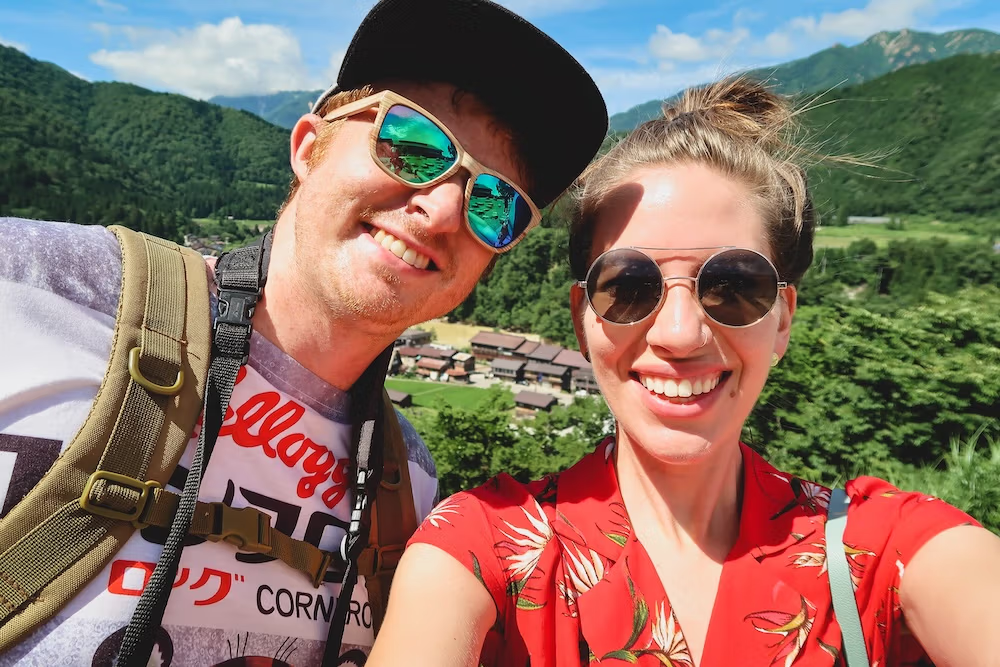
Situated in the remote mountains of Gifu Prefecture, Shirakawago is a village that seems untouched by the hands of time. Famous for its traditional gassho-zukuri farmhouses, some of which are over 250 years old, this UNESCO World Heritage Site offers a glimpse into Japan’s rural past. Imagine walking through a village where thatched roofs touch the sky, surrounded by rolling hills and tranquil rivers. Shirakawago isn’t just a destination. It’s an experience that immerses you in the simplicity and beauty of countryside life.
- Authentic cultural experience: Immerse yourself in traditional Japanese village life.
- Scenic beauty: Enjoy breathtaking landscapes in every season.
- Historical significance: Explore a UNESCO World Heritage Site with centuries-old architecture.
source: Samuel and Audrey YouTube channel: Nomadic Samuel + That Backpacker hosting
The Allure of Gassho-Zukuri Architecture
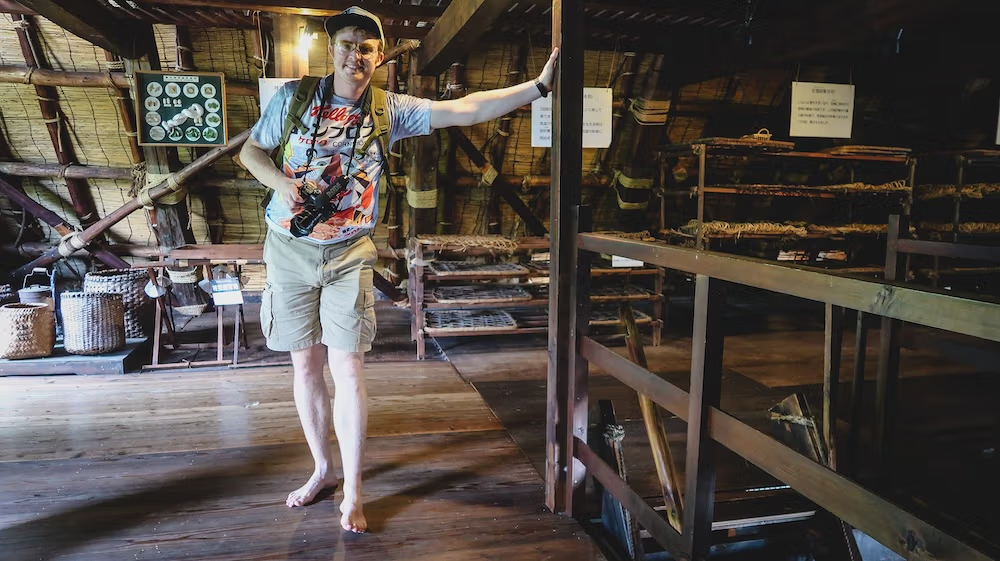
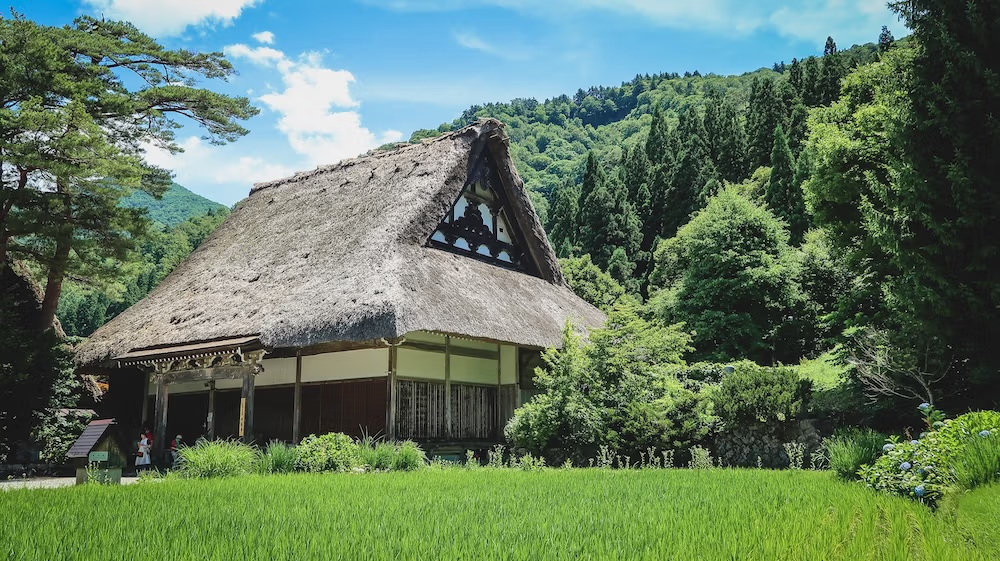
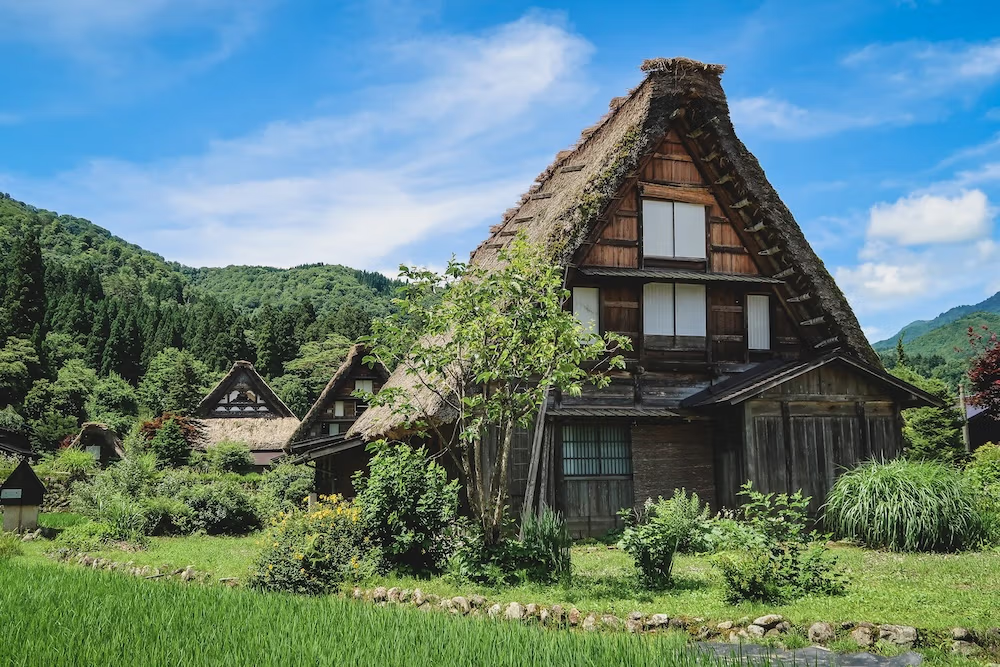
The term “gassho-zukuri” translates to “praying hands,” reflecting the steep thatched roofs resembling hands pressed together in prayer. These architectural marvels were designed to withstand heavy snowfall, a testament to the ingenuity of the villagers. Walking among these structures, you’ll appreciate the craftsmanship and practicality that have allowed them to endure for generations. Many of these farmhouses are open to the public as museums, offering an inside look at traditional Japanese living. The unique design not only adds to the village’s picturesque quality but also tells a story of adaptation and survival.
- Ingenious design: Learn how architecture adapted to harsh winters.
- Cultural insight: Explore interiors preserved with original tools and furnishings.
- Photographer’s paradise: Capture the iconic thatched roofs against stunning backdrops.
Top 10 Things To Do in Shirakawago, Japan For Visitors
Here are the top 10 things you absolutely shouldn’t miss when visiting Shirakawgo.
1. Take a Scenic Day Trip from Takayama
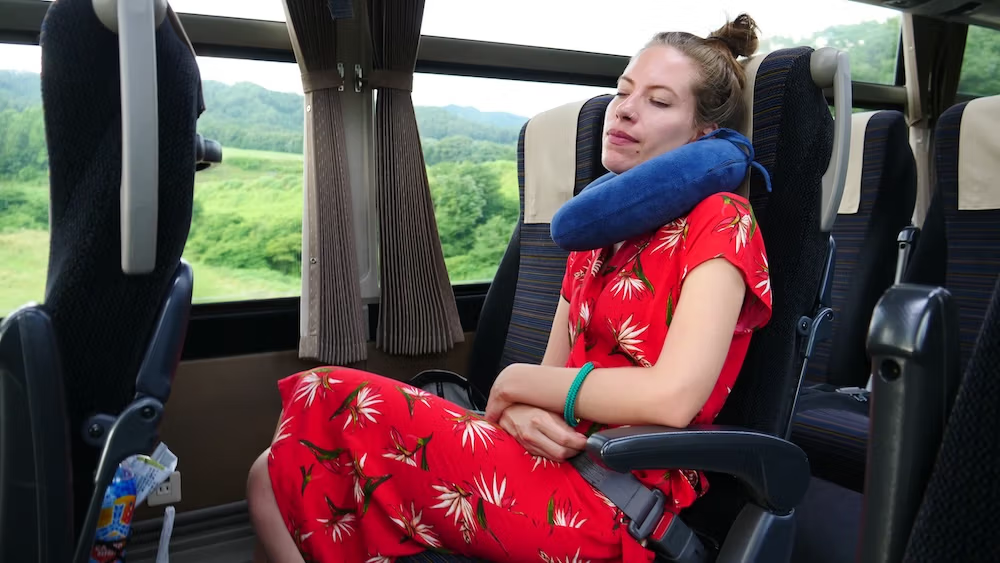
Start your adventure with a picturesque journey from Takayama to Shirakawago, a trip that takes approximately 50 minutes by bus. For roughly $20 USD per person, you’ll traverse winding mountain roads with breathtaking views at every turn. The comfortable ride sets the tone for the day, allowing you to relax and soak in the natural beauty. Upon arrival, you’re greeted by the village’s iconic thatched roofs nestled against a backdrop of lush mountains. It’s an effortless way to add an unforgettable experience to your Japan itinerary.
- Convenient access: Frequent bus services make planning easy.
- Affordable journey: Great value for a rich cultural experience.
- Stunning landscapes: Enjoy scenic views en route to the village.
Tip: Purchase your bus tickets in advance to secure the best seats and avoid last-minute hassles.
2. Visit the Shiroyama Observatory for Panoramic Views
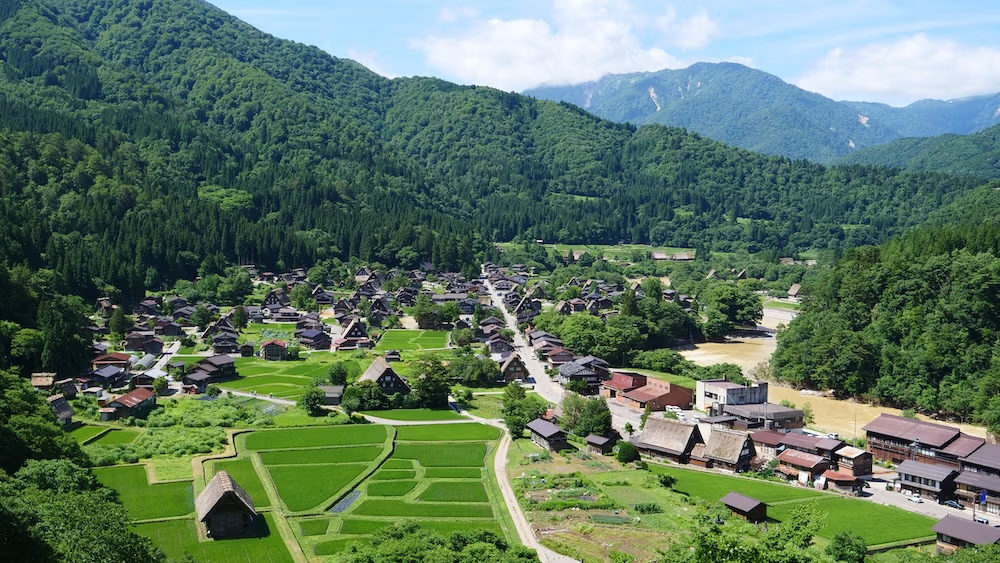
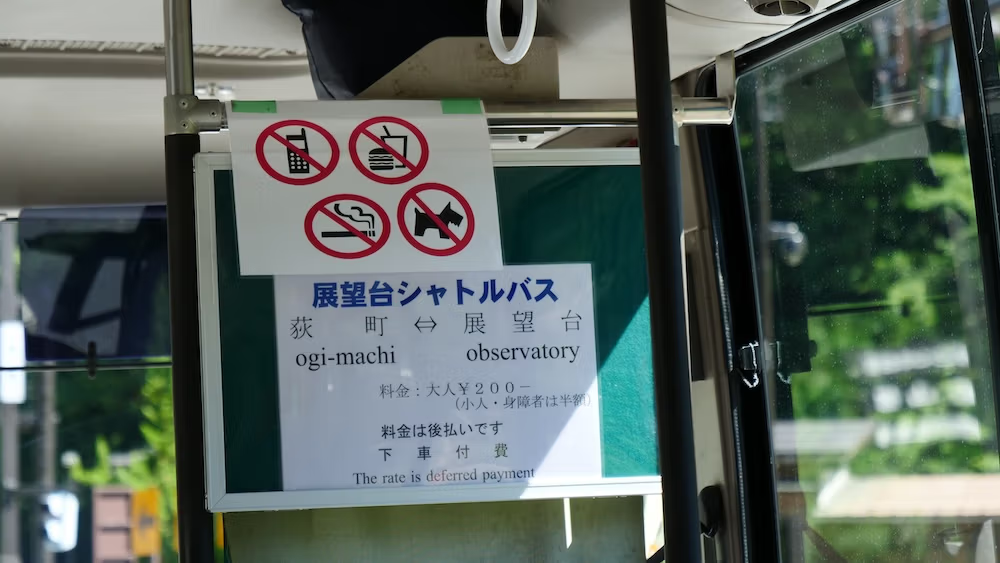
Your first stop should be the Shiroyama Observatory, where you can take in sweeping panoramic views of Shirakawago. For just 200 Yen per person, a local bus transports you to this high vantage point. From here, the village unfolds like a postcard—gassho-zukuri farmhouses dotting the landscape amidst rolling hills. It’s the perfect spot to capture stunning photos and appreciate the scale and beauty of the area. The observatory offers a unique perspective that you won’t get from ground level.
- Breathtaking vistas: Ideal for photography enthusiasts.
- Affordable access: A small fee for an unforgettable view.
- Easy transportation: Quick bus ride from the village center.
Tip: Consider walking back down to the village—the trail offers additional viewpoints and a peaceful forest setting.
3. Stroll Through Shirakawago Village
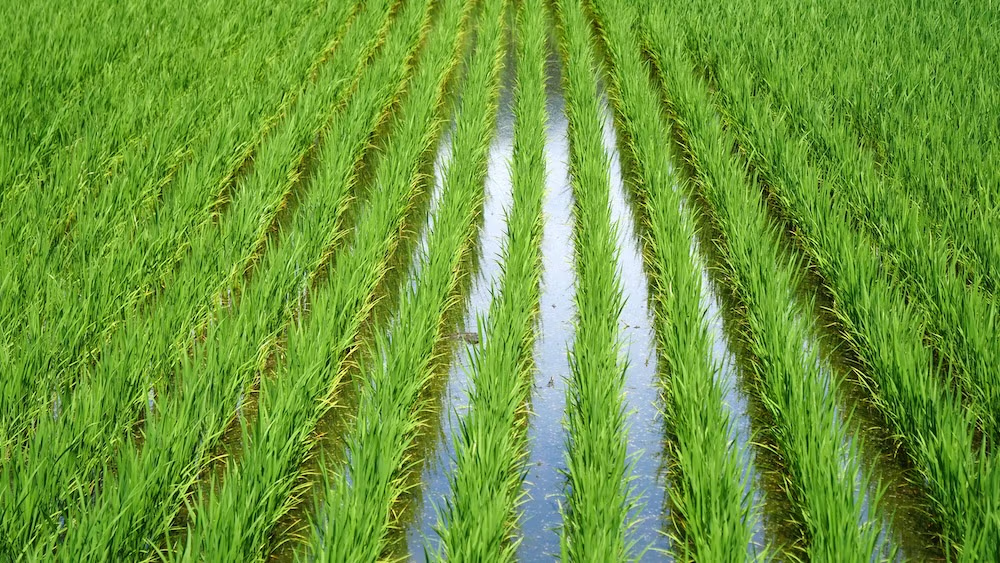
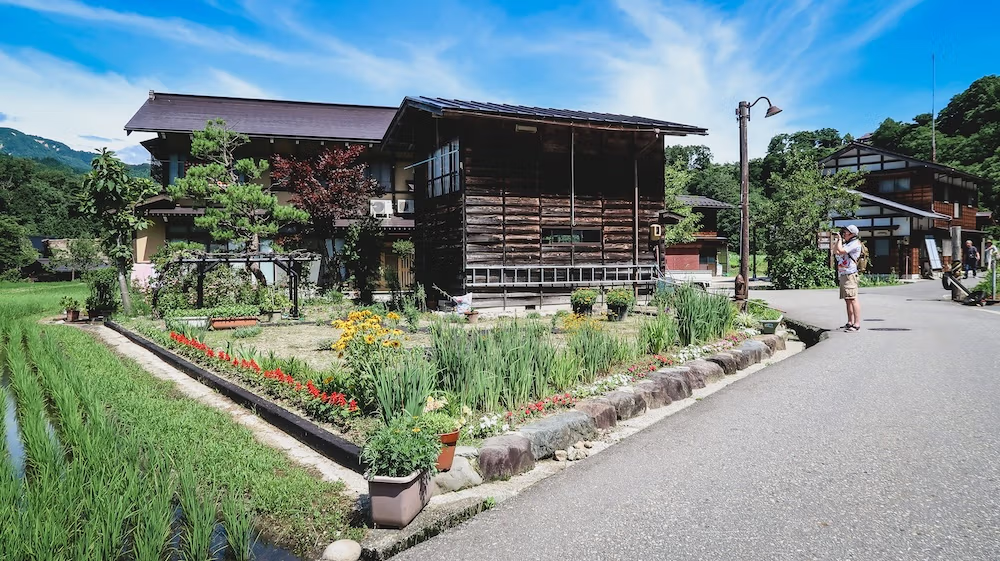
Walking around Shirakawago Village immerses you in the charm of rural Japan. As you wander the narrow lanes, you’ll notice traditional houses, quaint shops, rice paddies, and locals going about their daily routines. The sound of running water from nearby streams adds to the serene atmosphere. Visiting in summer means lush greenery, but each season brings its own unique beauty to the village. This leisurely exploration allows you to connect with the simple pleasures of life away from the hustle and bustle.
- Authentic experience: Observe daily life in a traditional setting.
- Seasonal beauty: Village offers a different charm each season.
- Free to explore: No admission fees to walk around.
Tip: Be respectful of private properties—some houses are residences, so observe from a distance unless signs indicate visitors are welcome.
4. Enjoy a Matcha Green Tea Ice Cream
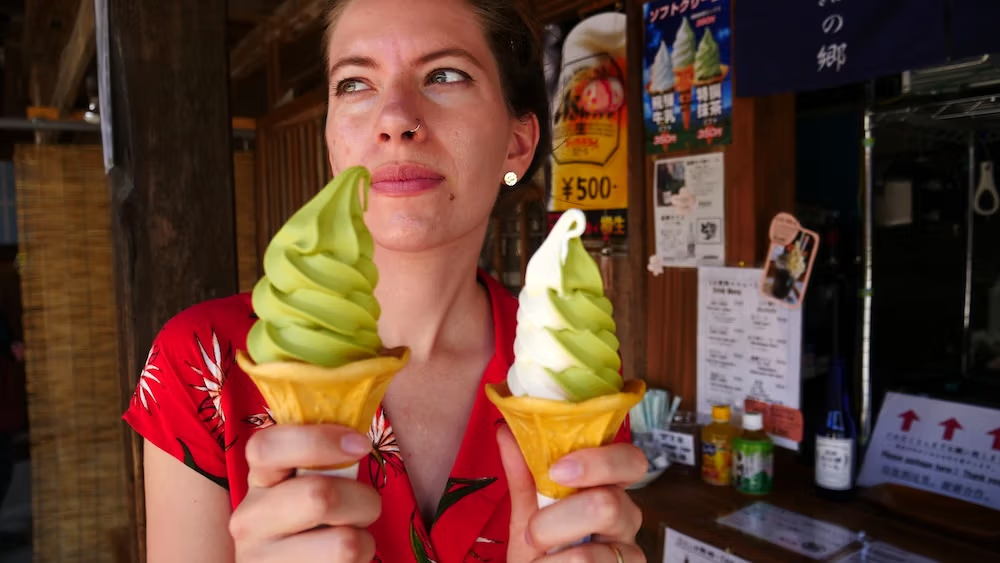
Cool down with a refreshing matcha green tea ice cream, available at local stalls for about 350 Yen per person. The rich, earthy flavor of the matcha perfectly complements the sweetness of the ice cream. It’s a delightful treat, especially on a warm summer day. As you savor your ice cream, you can continue strolling through the village, making the experience even more enjoyable. This simple pleasure adds a tasty layer to your cultural exploration.
- Local flavors: Taste authentic Japanese matcha.
- Sweet refreshment: Perfect for a midday break.
- On-the-go treat: Easy to eat while exploring.
Tip: Dispose of any trash properly—Shirakawago encourages visitors to carry out their waste to keep the village pristine.
5. Visit the Open-Air Museum (Gasshozukuri Minkaen)
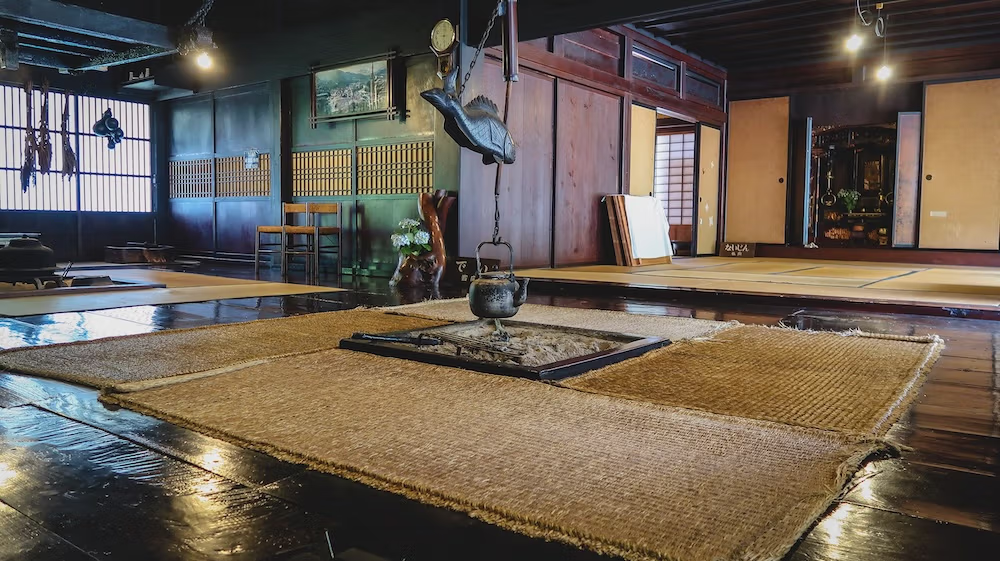
Dive deeper into the history of Shirakawago at the Gasshozukuri Minkaen Open-Air Museum, with an entrance fee of 600 Yen per person. The museum features over 25 traditional gassho-zukuri farmhouses relocated from different parts of the region. You can enter these houses to see artifacts, tools, and exhibits that showcase rural life from centuries past. The museum also includes temples, water mills, and rice fields, all set against a stunning natural backdrop. It’s an educational experience that brings the village’s heritage to life.
- Interactive learning: Explore interiors of historical homes.
- Cultural insight: Understand the lifestyle of past generations.
- Scenic setting: Beautiful surroundings enhance the visit.
Tip: Allow at least a couple of hours to fully explore the museum—there’s a lot to see and learn.
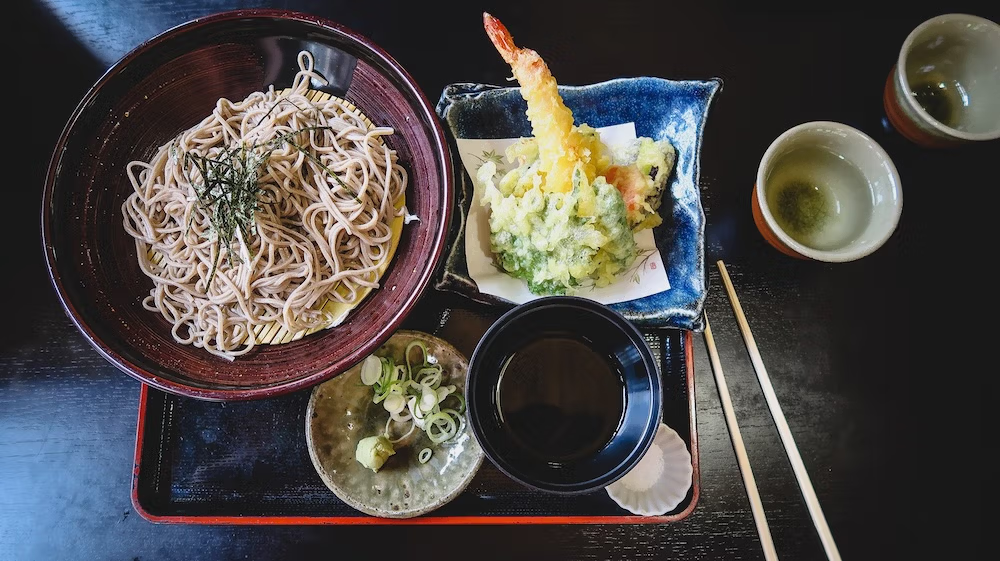
6. Savor Traditional Soba and Tempura for Lunch
When hunger strikes, indulge in a meal of traditional soba noodles and tempura at one of the local eateries. Made from buckwheat flour, soba noodles are a regional specialty and offer a hearty, satisfying taste. Paired with crispy tempura vegetables or shrimp, it’s a meal that delights the palate. Dining in Shirakawago allows you to enjoy authentic Japanese cuisine in a rustic setting, often with views of the village or surrounding nature. It’s not just a meal but a cultural experience.
- Local cuisine: Taste regional dishes prepared traditionally.
- Scenic dining: Many restaurants offer picturesque views.
- Cultural immersion: Experience Japanese dining customs.
Tip: Check if the restaurant accepts cash only, as some smaller establishments may not take credit cards.
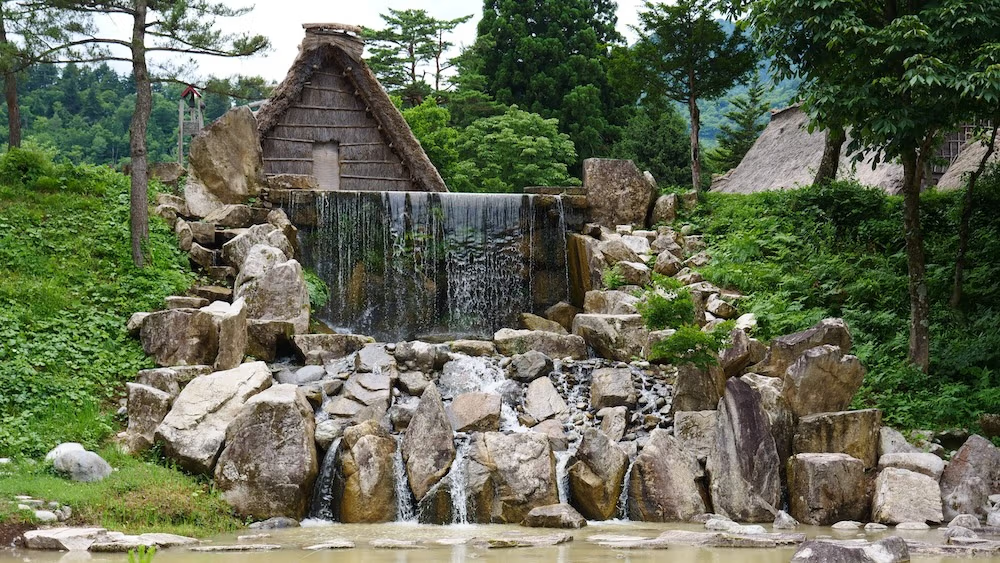
7. Explore Waterfalls and Streams Within the Village
Shirakawago is not just about historic houses; it’s also rich in natural beauty. Take the time to explore the waterfalls and streams that weave through the village, adding to its tranquil ambiance. The sound of cascading water and the sight of clear streams enhance the peaceful atmosphere. These natural features provide perfect spots for relaxation and contemplation. They also offer excellent photo opportunities, capturing the harmony between the village and its environment.
- Natural serenity: Enjoy the calming effects of water features.
- Picturesque spots: Ideal for nature photography.
- Refreshing ambiance: Cool off near the water on warm days.
Tip: Wear comfortable walking shoes, as paths near water can be slippery or uneven.
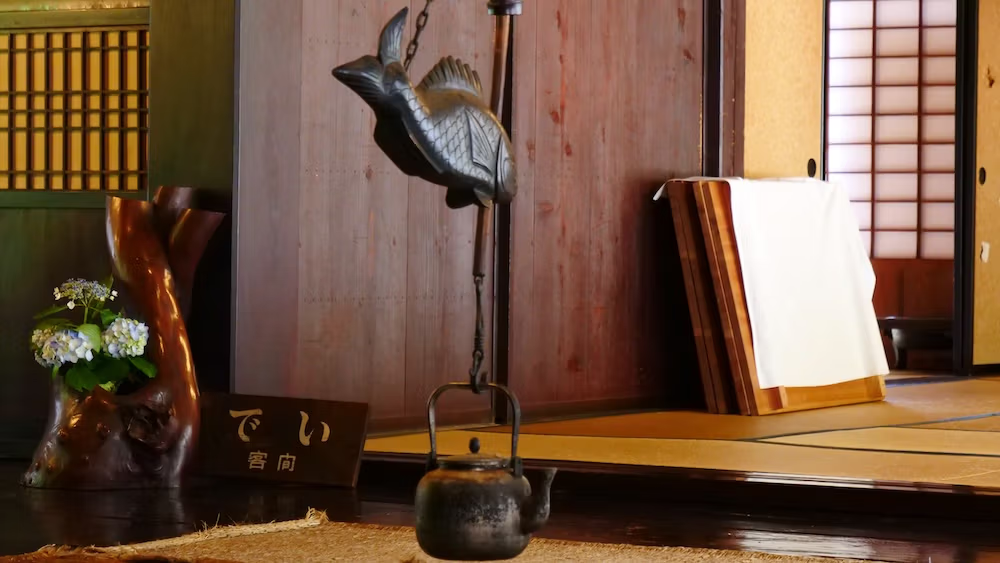
8. Visit the Old Fujisaki House for a Free Cultural Experience
Step inside the Old Fujisaki House, one of the gassho-zukuri farmhouses open to the public free of charge. This historic home offers an authentic glimpse into the architectural style and living conditions of the past. Inside, you’ll find traditional furnishings, tools, and sometimes even demonstrations of local crafts. The cool interior provides a pleasant respite from the heat, especially in summer. It’s a cost-effective way to enrich your understanding of Shirakawago’s heritage.
- Cost-free entry: Ideal for budget-conscious travelers.
- Historical insight: Learn about traditional Japanese living.
- Comfortable environment: A cool place to rest and explore.
Tip: Be respectful inside the house—follow any guidelines provided to preserve the site’s integrity.
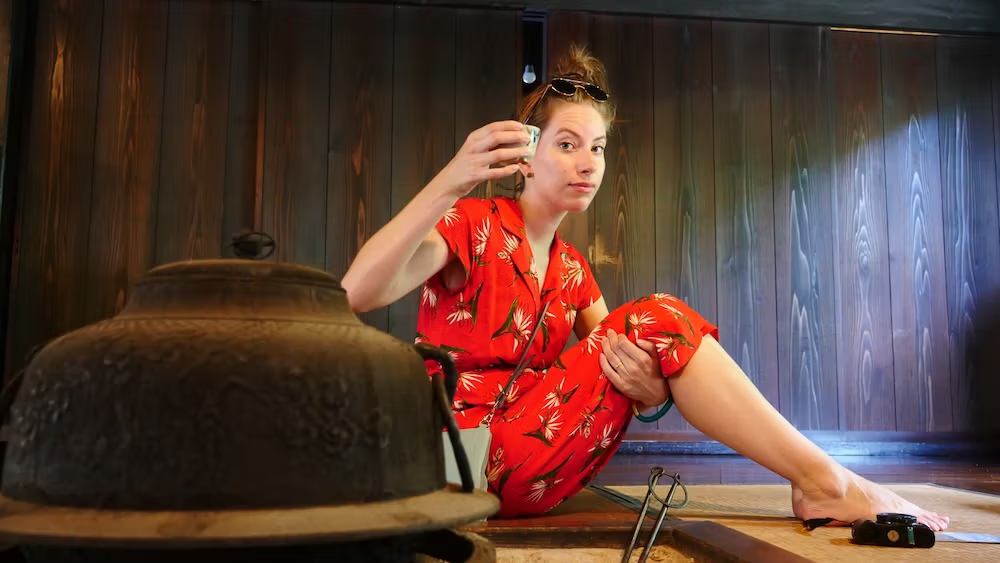
9. Hop from Farmhouse to Farmhouse, Enjoying Free Tea
Many of the gassho-zukuri farmhouses welcome visitors to step inside, and some even offer free tea. Hopping from farmhouse to farmhouse allows you to appreciate the subtle differences in design and function. As you sip on complimentary tea, you can chat with locals or other travelers, making the experience both relaxing and social. It’s a charming way to cool down and immerse yourself in the village’s hospitality.
- Warm welcome: Experience the friendliness of local hosts.
- Cultural exchange: Learn from those who maintain these historic homes.
- Relaxing breaks: Enjoy rest stops with a cup of tea.
Tip: Small donations are appreciated when offered free refreshments—it’s a kind gesture to support the upkeep of these historic sites.
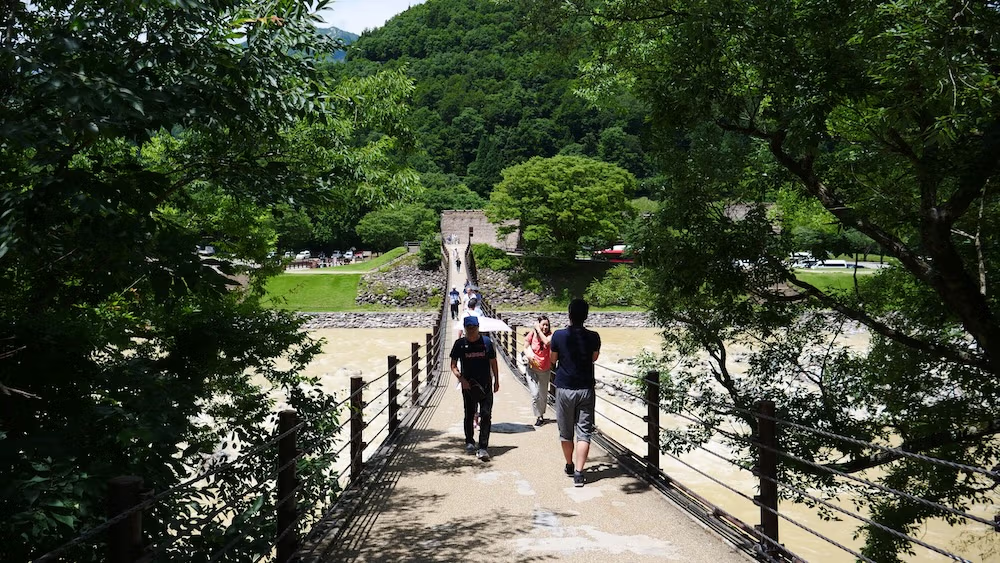
10. Cross Traditional Bridges Connecting the Village
Connecting different parts of Shirakawago are traditional suspension bridges that span over the Shogawa River. Crossing these bridges is both practical and thrilling, offering unique vantage points of the village and surrounding landscape. The gentle sway of the bridge adds a touch of adventure, while the views are simply breathtaking. It’s an experience that combines functionality with scenic beauty, enhancing your overall visit. Don’t miss the famous Deai Bridge, one of the most picturesque spots in the village.
- Scenic crossings: Enjoy panoramic views from the bridges.
- Sense of adventure: Experience the slight sway as you walk.
- Accessibility: Bridges connect you to various attractions.
Tip: Hold onto your belongings securely, especially on windy days, to prevent anything from falling into the river below.
Tours For Visitors To Shirakawago, Japan
Let’s delve into some top tours that will make your visit to Shirakawago unforgettable.
1. Shirakawago Full-Day Bus Tour from Takayama
This comprehensive tour departs from Takayama and whisks you directly into the heart of Shirakawago. Along the way, a professional guide shares fascinating stories about the region’s history and culture. Upon arrival, you’ll visit the famous Shiroyama Observatory for panoramic views of the village. The tour includes a guided walk through the village, highlighting key attractions and gassho-zukuri houses. You’ll also have free time to explore on your own or enjoy a meal at a local eatery.
- Convenient transportation: Round-trip bus service makes travel hassle-free.
- Expert guidance: Gain deeper insights from a knowledgeable local.
- Flexible itinerary: Combination of guided activities and personal exploration.
Tip: Book in advance during peak seasons, as these tours are popular and tend to fill up quickly.
2. Cultural Immersion Tour with Farmhouse Stay
Immerse yourself in local life by staying overnight in a traditional gassho-zukuri farmhouse. This tour offers an authentic experience where you can participate in daily activities and enjoy home-cooked meals. During the day, a guide will take you through the village, visiting lesser-known sites and explaining local customs. In the evening, relax by the irori (sunken hearth) and perhaps try your hand at traditional crafts. It’s a unique opportunity to live like a local and create lasting memories.
- Authentic accommodations: Sleep in a historic farmhouse for a genuine experience.
- Hands-on activities: Engage in crafting, cooking, or farming tasks.
- Personalized attention: Small group sizes ensure an intimate experience.
Tip: Pack light and bring comfortable clothing, as traditional homes may have limited space and involve sleeping on futons.
3. Seasonal Light-Up Event Tour
Experience the magical winter light-up event with a specialized evening tour. These tours provide exclusive access to the village when the gassho-zukuri houses are illuminated against the snowy backdrop. A guide will lead you to the best viewing spots and help you navigate the event efficiently. Some packages include a traditional dinner, adding warmth to the chilly night. This tour is a photographer’s dream and offers a truly unforgettable experience.
- Exclusive access: Secure entry during limited-time events.
- Optimal viewpoints: Guided to the best spots for breathtaking photos.
- Comfort and convenience: Includes transportation and meal options.
Tip: Dress warmly in layers and wear waterproof boots, as temperatures drop and snow can make paths slippery.
4. Private Guided Walking Tour
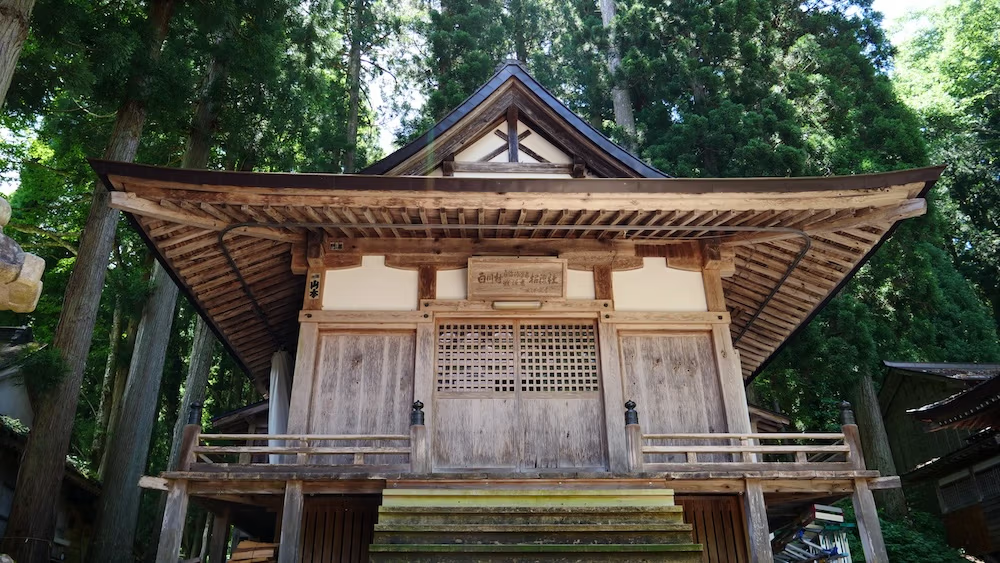
For a more personalized experience, opt for a private guided walking tour. Tailored to your interests, the guide can focus on architecture, history, photography, or even local folklore. You’ll have the flexibility to spend more time at places that intrigue you and skip those that don’t. This tour allows for in-depth conversations and a deeper understanding of Shirakawago. It’s perfect for travelers who prefer a customized itinerary.
- Customized itinerary: Focus on what matters most to you.
- Flexible pacing: Move at your own speed without group constraints.
- In-depth exploration: Opportunity for detailed discussions with your guide.
Tip: Communicate your interests to the guide beforehand to ensure the tour meets your expectations.
Shirakawago Accommodations Guide: Hotels, Guesthouses and Hostels
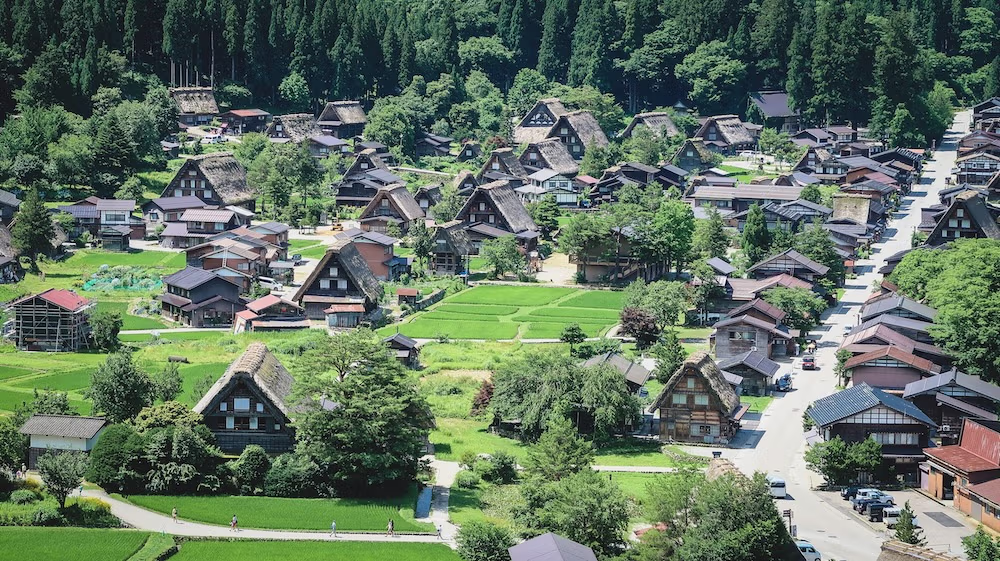
Let’s explore some of the best options in Shirakawago to ensure your stay is as delightful as the village itself.
Guesthouses: Embrace Authentic Japanese Hospitality
For a more intimate and culturally immersive experience, consider staying in a traditional guesthouse. These accommodations, often family-run, offer a glimpse into Shirakawago’s rich heritage. You’ll sleep on futons laid out on tatami mats and enjoy the serene ambiance of a traditional setting. Many guesthouses include home-cooked meals, allowing you to savor authentic local cuisine and connect with the hosts. Staying in a guesthouse not only provides a cozy atmosphere but also fosters meaningful interactions with the local community.
- Traditional decor: Experience authentic Japanese interiors with tatami flooring and sliding doors.
- Personalized service: Hosts are eager to share stories and tips about the village.
- Cultural activities: Participate in activities like tea ceremonies or craft workshops offered by some guesthouses.
Tip: Communicate any dietary preferences or requirements with your host in advance to ensure a comfortable and enjoyable stay.
Ryokan: Experience Traditional Japanese Inns
For those seeking an authentic and luxurious stay, a ryokan is the perfect choice in Shirakawago. These traditional Japanese inns offer a unique blend of comfort and cultural immersion. You’ll be greeted with yukata robes, enjoy multi-course kaiseki dinners, and relax in communal baths (onsen). Many ryokans are housed in historic buildings, allowing you to fully appreciate the architectural beauty of gassho-zukuri farmhouses. Staying in a ryokan provides a serene and memorable experience, deeply rooted in Japanese traditions.
- Authentic experience: Live like a local with traditional furnishings and customs.
- Gourmet dining: Savor meticulously prepared kaiseki meals featuring seasonal ingredients.
- Relaxing amenities: Enjoy onsen baths and peaceful gardens within the ryokan premises.
Tip: Make a reservation well in advance, as ryokans are highly sought after and tend to fill up quickly, especially during peak travel seasons.
Shirakawago Transportation Guide
Let’s delve into the best transportation methods to make your Shirakawago adventure seamless and enjoyable.
Getting to Shirakawago: The Journey Begins
By Bus: From Takayama to Shirakawago
One of the most popular ways to reach Shirakawago is by taking a direct bus from Takayama. The journey takes approximately 50 minutes and costs around $20 USD per person, offering a comfortable and scenic ride through Japan’s mountainous landscapes. Buses are frequent, especially during peak tourist seasons, ensuring you can plan your trip with ease. Upon arrival, you’ll be greeted by the village’s iconic thatched-roof houses nestled in the valley. This hassle-free option is perfect for travelers looking to maximize their time exploring Shirakawago without worrying about transfers or complicated routes.
- Direct and convenient: No need for multiple transfers; a straightforward journey.
- Scenic views: Enjoy picturesque landscapes en route to the village.
- Frequent services: Multiple departures daily to fit your schedule.
Tip: Purchase your bus tickets in advance, especially during peak seasons like cherry blossom and autumn foliage, to ensure availability and secure the best seats.
By Train: From Kanazawa to Shirakawago
If you’re traveling from Kanazawa, taking a train followed by a bus is a great option. Start your trip by boarding the JR Hokuriku Shinkansen from Kanazawa Station to Toyama, then transfer to the JR Takayama Line to reach Takayama. From Takayama, you can catch a direct bus to Shirakawago, similar to the route from Osaka. This combination offers a blend of high-speed rail and scenic bus travel, providing a comfortable and efficient way to reach the village. The total journey might take around 3 to 4 hours, depending on your connections, but the stunning views along the way make it worthwhile.
- High-speed rail: Enjoy the efficiency and comfort of the Shinkansen.
- Seamless transfers: Easy connections from train to bus in Takayama.
- Scenic journey: Witness diverse landscapes from urban to rural settings.
Tip: Check the train and bus schedules in advance to ensure smooth transfers and minimize waiting times.
By Car: Flexibility and Freedom
Renting a car offers the ultimate flexibility for exploring Shirakawago and its surrounding areas. The drive from Takayama takes about 50 minutes, and having your own vehicle allows you to stop at scenic viewpoints and smaller attractions along the way. While the roads are well-maintained, be prepared for narrow lanes and potential winter snow if you’re traveling during colder months. Parking in Shirakawago is generally available but can be limited during peak times, so plan accordingly. This option is ideal for families or groups who prefer to explore at their own pace without adhering to bus schedules.
- Complete control: Travel at your own pace and explore off-the-beaten-path locations.
- Comfort: Enjoy the privacy and convenience of your own vehicle.
- Extended exploration: Easily visit nearby villages and natural sites.
Tip: Ensure your rental car is equipped for mountain driving, especially in winter, and familiarize yourself with local traffic laws to navigate safely.
Getting Around Shirakawago: Exploring the Village
On Foot: Embrace the Walkability
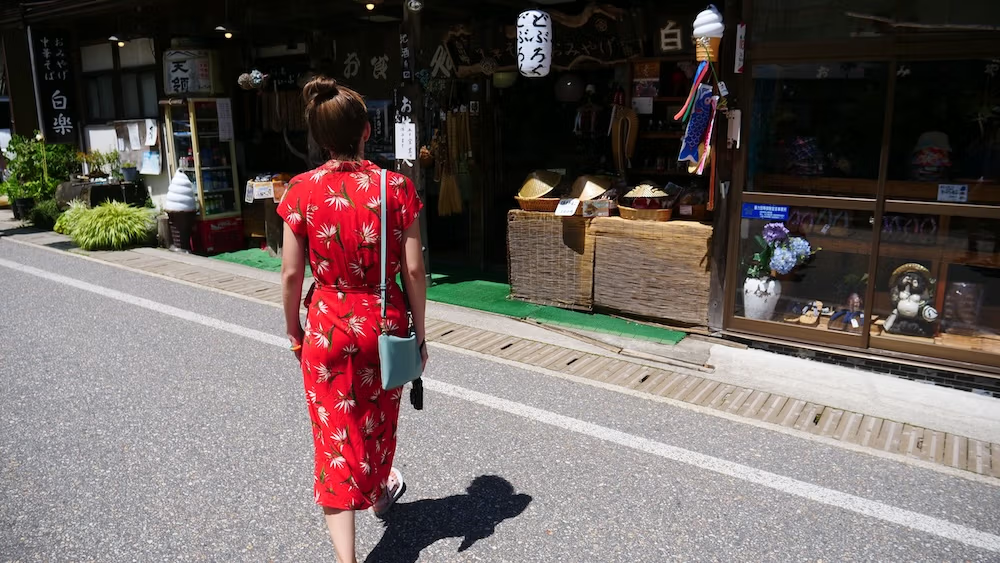
Shirakawago is a compact village, making walking the best way to explore its narrow streets and hidden corners. Strolling allows you to fully immerse yourself in the village’s serene atmosphere, where every step reveals a new scene of traditional architecture and natural beauty. You’ll easily navigate between attractions like the Shiroyama Observatory, the Open-Air Museum, and various gassho-zukuri farmhouses. Walking also offers the flexibility to stop and admire the intricate details of each site at your own pace. Plus, the village’s flat terrain makes it accessible for most travelers, ensuring a pleasant and leisurely exploration.
- Cost-effective: No transportation fees—just your walking shoes.
- Flexibility: Explore spontaneously without sticking to a schedule.
- Health benefits: Enjoy fresh air and gentle exercise while sightseeing.
Tip: Wear comfortable shoes and carry a small backpack with water and snacks, especially if you plan to spend the whole day walking around the village.
By Bicycle: Pedal Through Tradition
Cycling is another enjoyable way to navigate Shirakawago, offering both convenience and a touch of adventure. Bike rental shops are available near major bus stops and the village entrance, providing a range of bicycles to suit different preferences, including electric bikes for easier pedaling. Riding a bike allows you to cover more ground than walking while still enjoying the fresh air and scenic views. You can easily visit multiple attractions in a shorter time, such as hopping between farmhouses, temples, and viewpoints. Cycling is also an eco-friendly option, aligning with Shirakawago’s emphasis on sustainability and preservation.
- Efficient: Cover more attractions in less time compared to walking.
- Enjoyable: Experience the village from a different perspective.
- Eco-friendly: Reduce your carbon footprint while exploring.
Tip: Always lock your bike securely when parking, and be mindful of pedestrian areas to ensure safety for everyone.
Using Local Buses: Convenient Connectivity
While Shirakawago is small, there are local buses that connect key points within the village and nearby areas. These buses are useful if you prefer not to walk or cycle long distances. They run on a scheduled basis, typically hourly, providing reliable transportation between major attractions. Fares are reasonable, usually around 200 Yen per ride, making it an affordable option for getting around. The buses are clean and well-maintained, ensuring a comfortable ride for all passengers.
- Scheduled services: Reliable timings to plan your day effectively.
- Affordable fares: Cost-effective transportation option within the village.
- Comfortable rides: Enjoy a smooth and clean journey between sites.
Tip: Check the bus schedules ahead of time and plan your route to minimize waiting periods and maximize your sightseeing time.
Shirakawago trip-planning questions answered: practical tips, local-style advice & first-timer answers
How many days do you really need in Shirakawago for a first visit?
It depends. If you’re mainly interested in seeing the classic viewpoints, wandering the village, and popping into one or two farmhouses, you can technically do Shirakawago as a half-day or full-day trip. That’s what most visitors do, especially those basing in Takayama or Kanazawa.
If you want to slow down, photograph the village at different times of day, visit the open-air museum, try a few local restaurants, and maybe walk some of the surrounding trails, one night is ideal. Staying over also lets you enjoy the village after the day-trippers leave and before they arrive, which is when Shirakawago feels genuinely peaceful.
Is Shirakawago better as a day trip or should I stay overnight in the village?
Both. A day trip is easier to plan and works really well if your base is Takayama, Kanazawa, or even Nagoya. Buses are frequent from Takayama and Kanazawa, and you can comfortably fit the observatory, a relaxed village wander, and a simple meal into one day.
Staying overnight in a farmhouse or guesthouse is a totally different experience. You get quiet streets, night views of the gassho-zukuri houses, and early-morning light when it’s just locals sweeping their doorsteps and smoke rising from the hearths. If your schedule allows, I’d do at least one night in Shirakawago itself and then base in Takayama or Kanazawa for the rest of your Gifu/Hokuriku exploring.
What is the best time of year to visit Shirakawago?
Honestly, there’s no bad season here, but each one has a very different personality. Winter is the most famous: heavy snow transforms the thatched roofs into something straight out of a fairytale, and on clear days the contrast between white snow and dark wood is spectacular. The trade-off is freezing temperatures, short days, and sometimes tricky road conditions.
Spring brings melting snow, new greenery, and late cherry blossoms in the region, while summer is lush, hot, and humid, with rice paddies at their greenest. Autumn is probably the best all-rounder: comfortable temperatures, colourful foliage in the surrounding hills, and fewer weather-related disruptions than winter. If you’re flexible, I’d aim for late October–November or late January–February for peak scenery.
How do I actually get to Shirakawago from Takayama, Kanazawa, Nagoya or Tokyo?
From Takayama, it’s very straightforward: highway buses run between Takayama and Shirakawago in about 50 minutes, operated mainly by Nohi Bus. From Kanazawa, buses run via the expressway and usually take around 1 hour 15–25 minutes. You’ll be dropped at the Shirakawago bus terminal right by the village.
From Nagoya or Tokyo, it’s usually easiest to combine train and bus. Typical routes are: Tokyo → Nagoya or Toyama by Shinkansen → Takayama by limited express or local train → bus to Shirakawago, or Tokyo → Kanazawa by Hokuriku Shinkansen → bus to Shirakawago. None of the main highway buses to Shirakawago are covered by the standard nationwide JR Pass because they’re private operators, so budget separately for those legs.
Do I need to book buses or tours to Shirakawago in advance?
Usually, yes. In low season you can sometimes walk up and buy a same-day ticket, but Shirakawago has become popular enough that buses from Takayama and Kanazawa often sell out on weekends, holidays, and foliage/snow periods. Many routes now use reserved seating, and companies like Nohi Bus recommend advance booking for both directions so you’re not stranded.
If you’re visiting during winter, Golden Week, New Year, or the light-up events, treat reservations as mandatory. Tours that include guides, farmhouse visits, or light-up access also need to be booked ahead; they’re capped and can disappear weeks or months before the date.
How does the Shirakawago winter light-up event work and how do I get tickets?
Magical. In winter, Shirakawago hosts a series of evening “light-up” events where the gassho-zukuri houses are illuminated against snow-covered fields. Because crowds used to get out of control, the village shifted to a strict reservation system. These days, you generally need one of the following to attend: a farmhouse or local hotel booking that includes light-up access, a special parking reservation if you’re driving, or a spot on an approved bus tour or package.
Dates, rules, and booking methods change slightly each year, so the key is to check the official Shirakawago tourism website or your bus/tour provider several months in advance. Expect lottery systems, limited numbers, and higher prices than a normal visit—but also one of the most memorable winter nights you’ll have in Japan.
Is it worth staying in a gassho-zukuri farmhouse, and what should I expect?
Absolutely. Staying in a farmhouse is the most “Shirakawago” thing you can do. Expect tatami rooms, futons, shared toilets and wash areas, and in some places a central irori hearth where everyone gathers in the evening. Dinner and breakfast are usually home-cooked Japanese meals with local vegetables, river fish, pickles, and rice—simple but delicious.
It’s not a luxury hotel experience: soundproofing is thin, baths may be shared and timed, and rooms are cozy rather than spacious. But that’s the charm. If you’re okay with traditional sleeping and don’t mind a bit of rustic comfort, one farmhouse night will stick with you long after the trip.
Roughly how much should I budget for a day in Shirakawago?
Ballpark, I’d think in ranges. A return bus from Takayama or Kanazawa will usually run you the equivalent of about 4,000–5,000 yen per person depending on route and date. Add 600 yen for the open-air museum, 200 yen if you take the shuttle up to the observatory instead of walking, and maybe 1,500–2,500 yen for a soba or set lunch and a snack or two like matcha ice cream.
That puts a basic day trip at around 7,000–9,000 yen per person before souvenirs. An overnight stay in a farmhouse with two meals can easily add 10,000–20,000 yen per person depending on the property and season. You can keep costs reasonable by picnicking, skipping some paid attractions, and visiting outside peak winter weekends.
Is Shirakawago very crowded, and how can I avoid the worst of the crowds?
Yes. On a weekend in October or a snowy Saturday in January, it can feel like the entire country has shown up. Most day-trippers arrive late morning and leave mid-afternoon, so the “crush hours” are roughly 10:30–15:00 around the main viewpoint path, the suspension bridge, and the big farmhouse museums.
To dodge the worst of it, catch one of the first buses in from Takayama or Kanazawa, head straight to the observatory before the tour buses line up, and then wander the back lanes while everyone else is doing the obvious circuit. Alternatively, stay overnight and enjoy early morning and evening when the village suddenly feels small and quiet again. Weekdays outside major holidays are noticeably calmer.
Is Shirakawago a good destination for kids and families?
Yes. Kids tend to love the “storybook” houses, snowy fields, suspension bridges, and streams. In winter they can play in the snow; in summer they can look for frogs or fish in the irrigation channels. Just be mindful that some farmhouses have steep stairs, low beams, and open hearths, so you’ll want to keep an eye on younger children.
Facilities are generally simple but adequate: public toilets, a few restaurants with kid-friendly dishes like noodles and tempura, and small shops for snacks. If you have a stroller, you’ll probably end up carrying it in a few spots due to steps or snow, so a baby carrier is usually easier for very small kids.
How accessible is Shirakawago for travelers with limited mobility?
Not really ideal, but possible with planning. The central part of the village is relatively flat, but you’re dealing with gravel paths, uneven ground, occasional steps, and—in winter—ice and snow that can make surfaces slippery. Some attractions, especially upper floors of farmhouses and the walk up to the observatory, involve stairs or steeper slopes.
That said, wheelchair users or travelers who walk slowly can still enjoy views from near the bus terminal, some of the main streets, and selected buildings with ground-floor access. It’s worth contacting individual accommodations or the local tourism office ahead of time to ask which farmhouses and viewpoints are most accessible in the season you’re visiting.
Are there lockers or luggage storage facilities in Shirakawago?
Yes. There are coin lockers and baggage storage at the Shirakawago bus terminal right by the village entrance, and they see a lot of use from people coming in between stays in Takayama and Kanazawa. Sizes and numbers are limited, but they usually cover day-pack to medium suitcase range, with an attended counter service sometimes available for larger luggage.
If you’re traveling in peak season or with oversize bags, I’d still try to travel as light as possible and, if needed, ask your hotel in Takayama or Kanazawa to hold big suitcases while you just bring an overnight bag into the village.
Is it safe to drive to Shirakawago in winter, or should I avoid renting a car?
Cautious. The expressways and main roads to Shirakawago are well maintained, but this is a heavy-snow area and winter driving is not for everyone. Snow, ice, and reduced visibility are normal from roughly December through March, and you’ll need a rental car with proper winter tires and ideally some experience driving in snow.
If you’re not confident in those conditions, I’d strongly recommend taking the bus instead. Local bus drivers are used to the roads and weather, and you can just sit back and enjoy the views. Outside winter, self-driving is much more relaxed and a great way to link Shirakawago with small villages and trailheads nearby.
What etiquette should I know for visiting the farmhouses and photographing the village?
Respect is the big one. Many gassho-zukuri houses are still lived in, so treat the village as a neighborhood, not a theme park. Don’t walk into private yards, don’t lean gear against houses, and keep noise down, especially early and late. When entering open farmhouses, follow any posted instructions, remove shoes where requested, and avoid touching artifacts unless you’re clearly allowed.
For photography, shooting houses from public paths is fine, but be mindful of zooming into people’s windows or hanging laundry, especially at night. Tripods can be banned or restricted at busy viewpoints, particularly during light-up events, so always follow staff directions. Drones are generally not allowed without special permission.
What should I pack for a trip to Shirakawago in different seasons?
Layers. In winter you’ll want proper cold-weather gear: insulated boots with good grip, warm socks, thermal base layers, a fleece or down mid-layer, a waterproof outer shell, hat, and gloves. Temperatures in the region can drop well below freezing, and you’ll spend a lot of time standing still while taking photos.
Spring and autumn call for a light jacket, a warm layer you can pull on at night, and shoes that can handle occasional mud or rain. Summer is warm and humid; think breathable clothing, a sun hat, and a light rain jacket or umbrella for sudden showers. Year-round, I like carrying a small backpack with water, snacks, and a reusable bag for any trash, since bins can be limited in rural Japan.
Shirakawago Travel Guide: Final Thoughts
The Timeless Beauty of Shirakawago
Shirakawago’s enduring charm lies in its harmonious blend of nature and tradition. The gassho-zukuri farmhouses, with their steeply pitched roofs, are not only architectural marvels but also a testament to the ingenuity of traditional Japanese design. Surrounded by lush mountains and flowing rivers, the village offers breathtaking views in every season. Whether blanketed in snow during winter or bursting with vibrant colors in autumn, Shirakawago transforms beautifully throughout the year. This timeless beauty makes it a photographer’s paradise and a haven for those seeking peace and inspiration.
- Architectural wonders: Explore the unique gassho-zukuri farmhouses.
- Seasonal splendor: Experience the village’s transformation with each season.
- Natural harmony: Enjoy the seamless integration of buildings with the surrounding landscape.
Tip: Plan your visit during different seasons to experience Shirakawago’s unique beauty year-round, whether it’s the cherry blossoms in spring or the snow-covered roofs in winter.