
Every version of this trip’s marketing says the same thing: no experience necessary. That’s true, as far as it goes. What none of that copy tells you is what actually determines whether six days on a horse goes well for someone who isn’t a confident, current rider. That’s the question I actually want to answer.
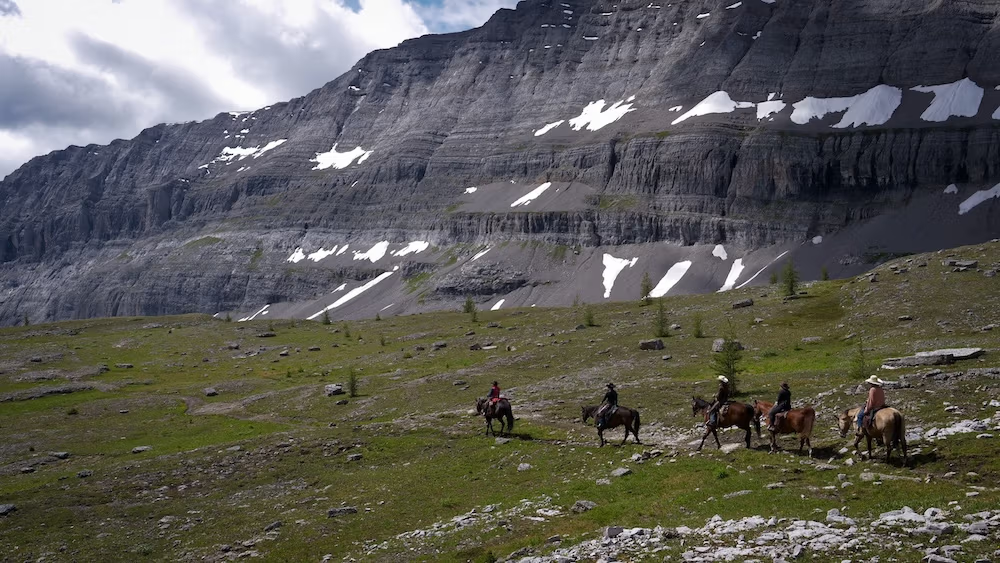
I should be precise about what kind of beginner I mean, because I’m not describing someone who’s never touched a horse. I’ve done a fair number of horse trips over the years, just spaced out unevenly, sometimes with a year or two between them. That’s not the same as being a total novice, but it’s also nowhere close to being a confident, current rider. Six days in a row was new territory for me either way. My previous experience topped out at a three-day trek, and that was a while back.
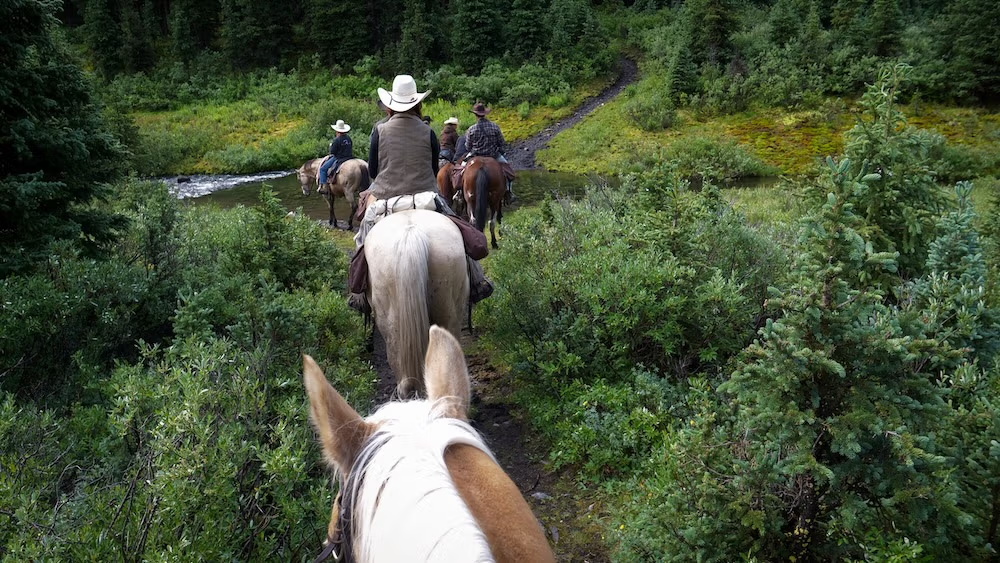
What Riding Skill Actually Has to Do With It
The operator’s line is that no previous riding is required and that you’ll be matched with a suitable horse, and in my experience that held up. What it leaves out is the part that actually mattered day to day: skill wasn’t really being tested. Attention was.
My horse, Hollywood, had opinions. Not dangerous ones, just persistent ones. He’d try to take his own little shortcuts on the trail, cutting corners in ways that would either pull him off the group’s path or let him drift back until he wasn’t keeping pace anymore. None of that required expert riding to fix. It required me to notice it happening and correct it, over and over, for hours at a time. That’s a different skill than knowing how to handle a spooked horse or ride at speed, and it’s not something “no experience necessary” really prepares you for.
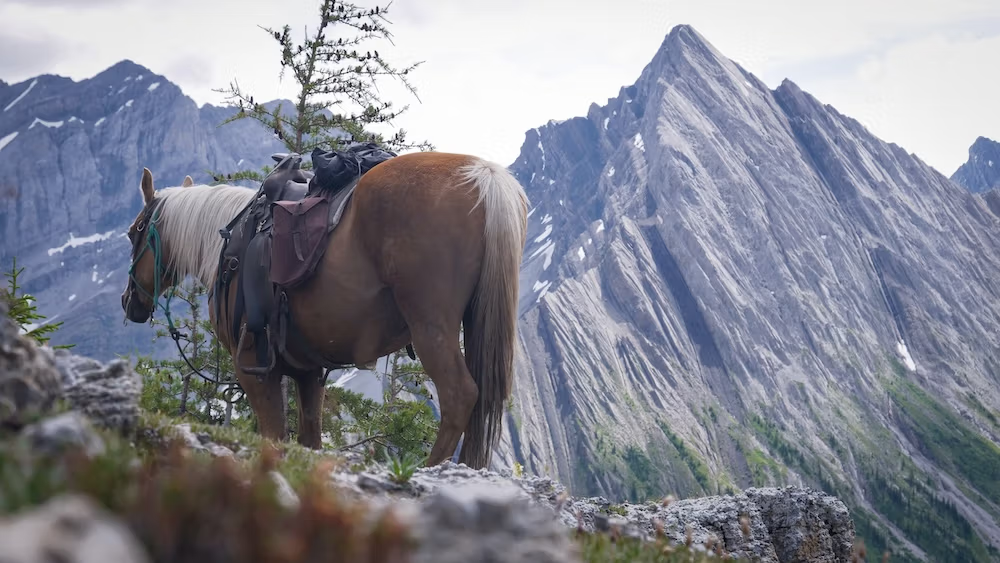
A Horse With a Mind of His Own
Hollywood was sixteen to eighteen years old by the time I rode him, and the guide told me there wasn’t a trail on the route he hadn’t safely brought someone back from. Reliable, in other words, but reliable the way an experienced coworker is reliable — he’ll get the job done, just his own way, if you let him. I figured out fast that respecting his personality worked better than fighting it.
That personality showed up in less charming ways too. On day two, three of our horses got stung by hornets along the trail, mine included. Hollywood started swinging his head like a pendulum, and for a few minutes it was genuinely hard to keep him focused and moving with the group. We got through it, but it was a clear reminder that even a horse this experienced can react to something completely outside anyone’s control, and a rider needs to stay present enough to handle that when it happens, not just when everything’s calm.
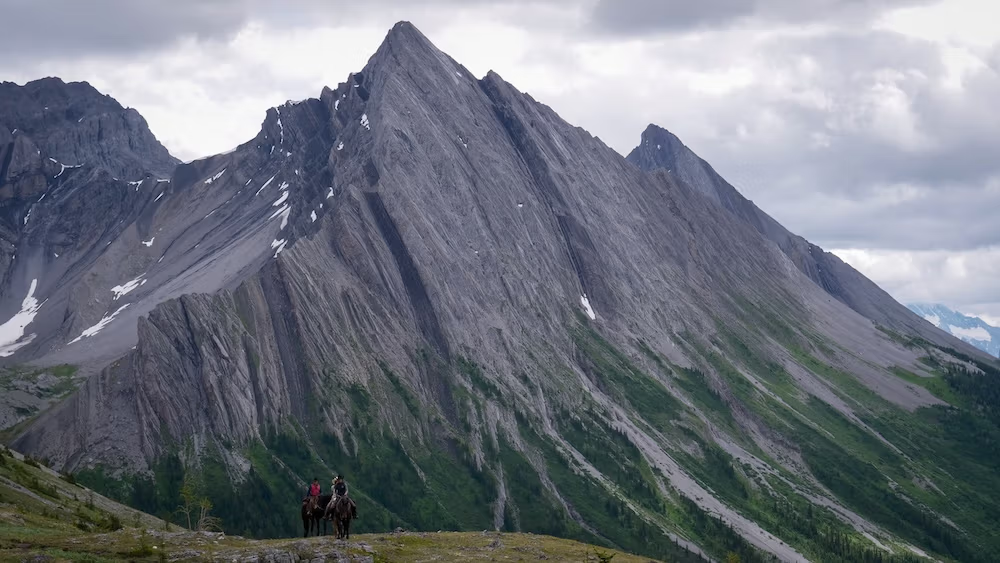
By the back half of the trip, my relationship with all of this had shifted. I stopped treating Hollywood’s shortcuts as a problem to manage and started expecting them as just part of who he was. That change did something useful to my own head: instead of feeling anxious about staying in control, I found myself more present and more focused, simply because I had to keep paying attention. Vigilance turned into a kind of engagement rather than a source of stress, and I think that shift is closer to the real skill this trip asks for than anything you’d practice in a riding lesson.
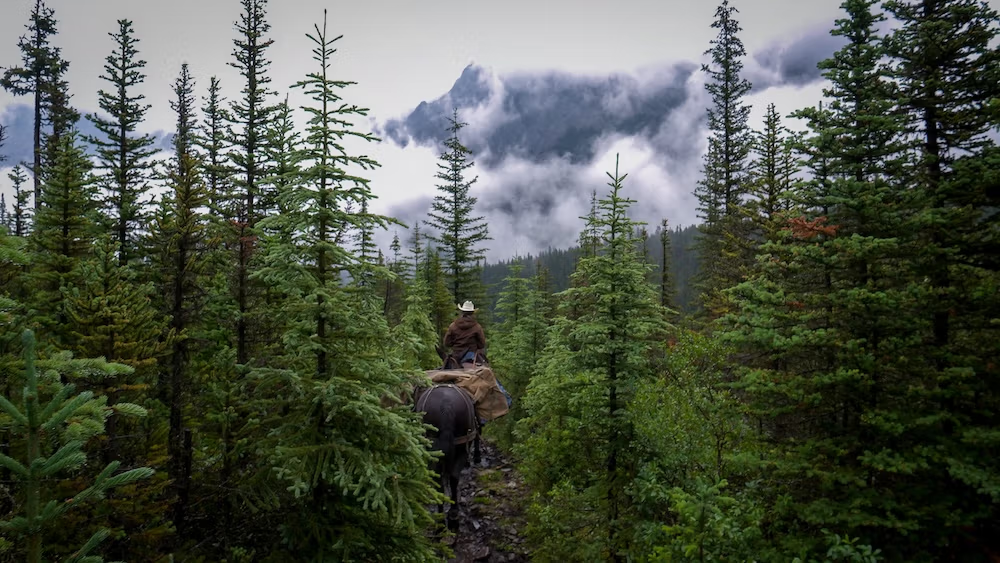
The Terrain: Gentle Pace, Real Exposure
Every description I’ve come across of this trip leans hard on how gentle it is — a slow pace, no trotting or cantering, sure-footed horses who know the trail by heart. All of that’s accurate, and it matches what I experienced. It’s just not the complete picture. By my own account afterward, it’s a long day of riding, and the terrain can be genuinely difficult in places. Other Banff backcountry lodge trips are upfront that a good head for heights matters on routes that climb well above 8,000 feet — different operator, similar terrain — and that tracks with the steeper stretches I rode through on this one. Gentle horses don’t make exposed terrain feel less exposed.
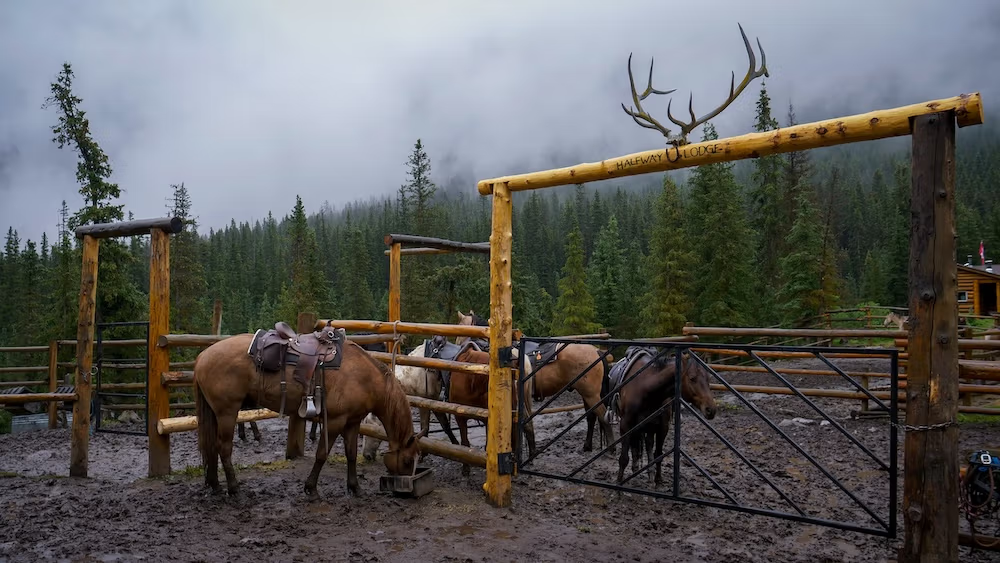
Who Should Actually Think Twice
This is the part I’d actually want to know before booking. If you have a real fear of heights, a fear of being remote and far from help, or a fear of falling, some of the steeper terrain on this trip could be genuinely hard for you — not just uncomfortable in a way you can push through with a good attitude. Add in that you’re on a horse for hours at a stretch, day after day, and I think it’s fair to call parts of this trip gruelling for someone already carrying that kind of anxiety, no matter how many years they’ve spent in a saddle.
That’s a meaningfully different caution than “you need experience.” Plenty of experienced riders would still struggle here if heights or exposure genuinely rattle them, and plenty of inconsistent riders like me would do fine if none of that applies. The dividing line isn’t your résumé. It’s your temperament. If any of that gives you pause, it’s worth reading through the current details for the 6-Day Halfway Lodge trek before deciding, rather than guessing from a promotional photo how exposed the terrain actually feels.
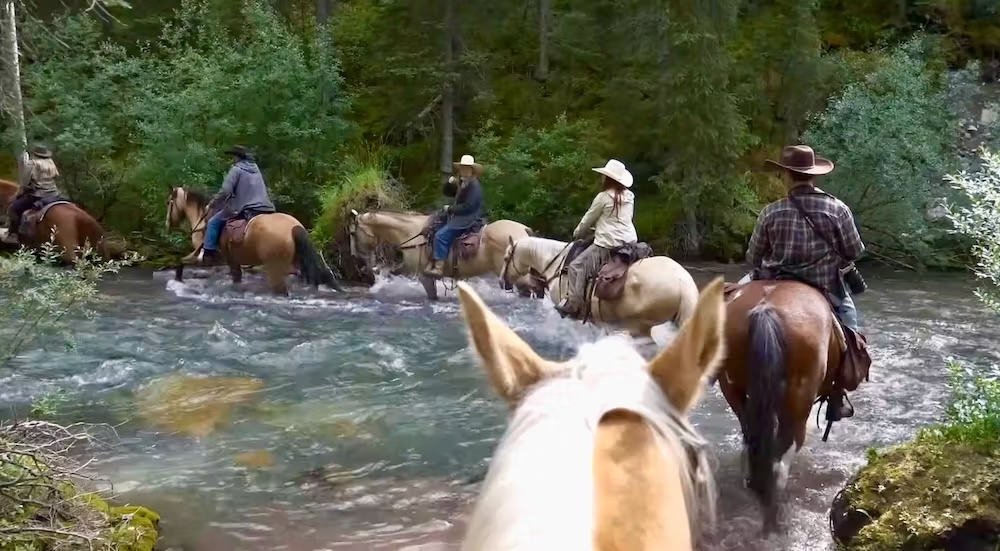
What Actually Made the Difference for Me
If I had to boil it down: showing up without much recent riding experience wasn’t the obstacle. What mattered was being willing to actually listen when a guide gave an instruction, staying alert enough to notice when my horse was drifting off course, and not carrying any deep fear of the exposure that comes with backcountry mountain terrain. Riding skill would have made parts of it more comfortable, sure, but it wouldn’t have replaced any of that.
So, can a beginner do this trip? If by beginner you mean someone like I was — inconsistent, a little rusty, but game to pay attention and take direction — yes, without much hesitation. If by beginner you mean someone who’s never handled an animal and also happens to be afraid of heights, remoteness, or falling, I’d think harder before booking six days of it. The trip will meet you wherever your riding skill happens to be. It won’t do much to talk you out of a fear that’s already there.
If you’ve read all that and still feel good about it, you can check current dates for the 6-Day Halfway Lodge Backcountry Trip and take it from there.
Frequently Asked Questions
Do you need riding experience for the 6-day Banff horse trek?
Not really. The operator matches you with a suitable horse regardless of experience, and in my case that worked fine even though I hadn’t ridden consistently in years.
What actually matters more than riding skill on this trip?
Attention and willingness to follow instructions. My horse would try to take his own shortcuts on the trail, and staying alert enough to correct that mattered far more than any technical riding ability.
Is the terrain as easy as the marketing suggests?
Not entirely. Most descriptions emphasize how gentle and slow-paced the ride is, which is accurate, but the terrain itself can genuinely be difficult and exposed in places.
Who should think twice before booking this trip as a beginner?
Anyone with a real fear of heights, remoteness, or falling. Some of the steeper, more exposed sections could be genuinely hard to handle regardless of riding experience.
Does a horse’s individual personality make a difference for beginners?
Yes. My horse had a mind of his own and needed regular correction, which taught me that managing a horse’s quirks matters more than raw riding skill.
What would you tell someone deciding whether they’re ready for this trip?
Ask yourself about temperament, not your résumé. If you can follow instructions and aren’t afraid of heights or remoteness, inconsistent riding experience like mine shouldn’t hold you back.
This article is also available in Spanish. [Leé la versión en castellano: ¿Puede un principiante hacer el trekking a caballo de 6 días en Banff?]
This article contains affiliate links. If you book through one of these links, I may earn a commission at no extra cost to you.