
Four nights in Sapporo felt just about right for Audrey and me. We had a hotel overlooking Nakajima Park, a subway station within walking distance, and enough restaurants and things to do that I could have happily tacked on a few more days. Then again, we also spent a couple of nights in Noboribetsu, where a hot spring bath was as much a part of the visit as Hell Valley, and a night in Otaru before catching an overnight ferry to Niigata. I’m glad we didn’t try to do the lot from one hotel.
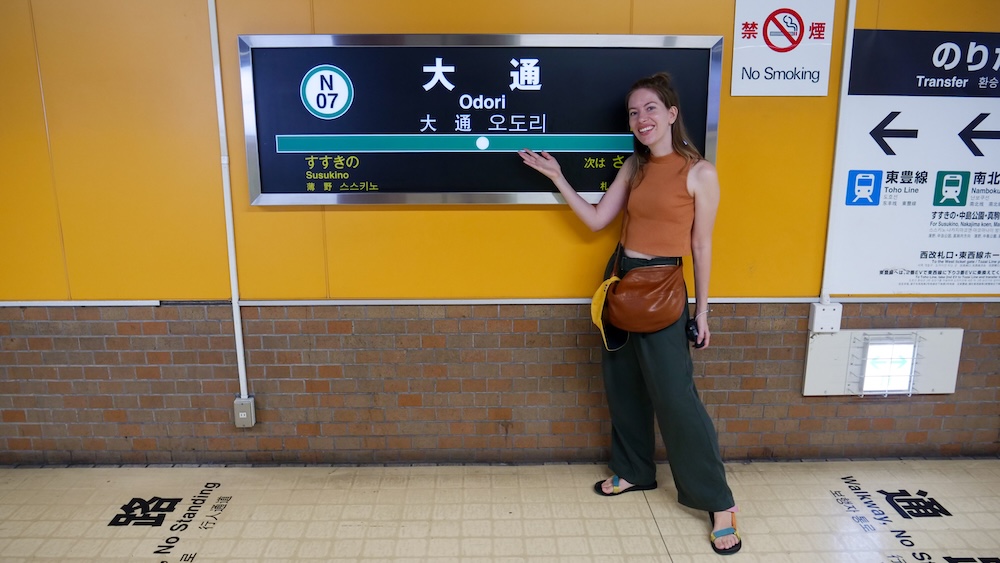
That’s the dilemma when you’re planning Hokkaido. On paper, Sapporo looks like the obvious place to unpack once and make excursions in every direction. And for certain trips, it is. But there’s a limit to how much time I’d willingly spend travelling back to the same bed when I could be using those hours to enjoy somewhere else. I like a convenient hotel as much as anyone; I just don’t want convenience to become the reason I spend half my holiday on trains.
If you’re wondering whether to book all your accommodation in Sapporo or split the journey between several bases, here’s how I’d make that decision. It depends on how many nights you have, which places matter most, and whether spending the night is part of what you want to experience.
Is Sapporo Actually a Good Base for Exploring Hokkaido?
Yes. For a shorter visit, I’d happily stay in Sapporo and explore outward. It’s a city worth having time for in its own right, with good public transport, lots of restaurants, large parks and enough variety to fill days when you don’t feel like making an early start. That last part mattered to us. We deliberately gave Sapporo four nights because it seemed spread out and we didn’t want to rush through the whole place with our noses pressed against a timetable.
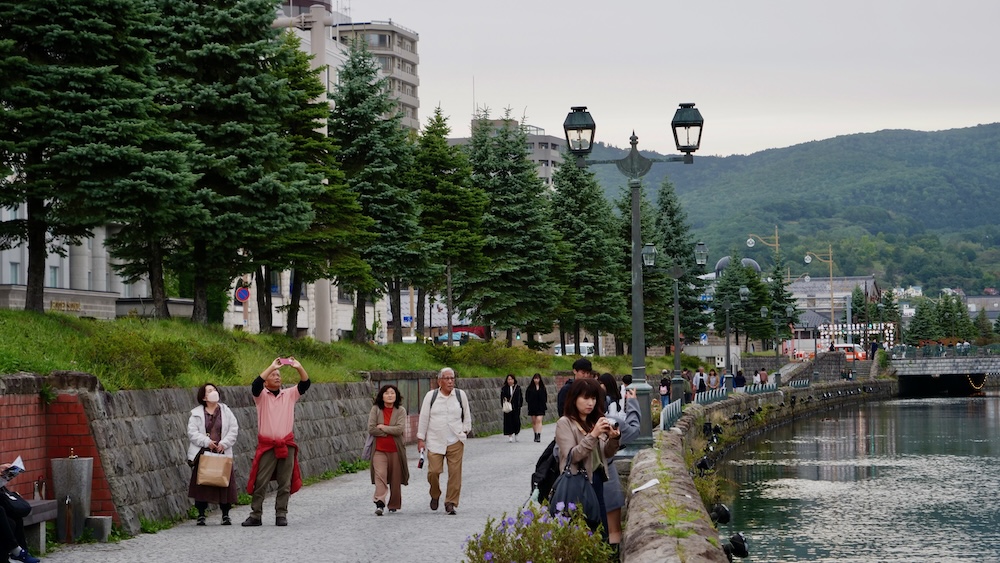
But Hokkaido isn’t the sort of island where every famous attraction sits an easy hour from its capital. Otaru is close enough to be a relaxed return trip. Trains take roughly 33–46 minutes from Sapporo, and the centre is walkable. I would keep my Sapporo room for that one without much hesitation.
Noboribetsu asks more of you. A limited express takes around 70–75 minutes to JR Noboribetsu Station, followed by a local bus up to the onsen district, which can add another 27 minutes before you even start sightseeing. Hakodate is farther still: roughly three hours and forty minutes to four hours each way by train. That’s a lot of railway carriage for one day’s exploring, especially when the time to reach the station and get around at the other end isn’t included.
This is where the hotel calculation changes. Returning to Sapporo every night saves you from packing and checking in elsewhere, but you may pay for that simplicity in repeated journeys. The best base is the one that leaves you enough time to enjoy Hokkaido. If Sapporo fits that plan, start by comparing Sapporo hotel locations.
What Makes Sapporo Such a Convenient Place to Stay?
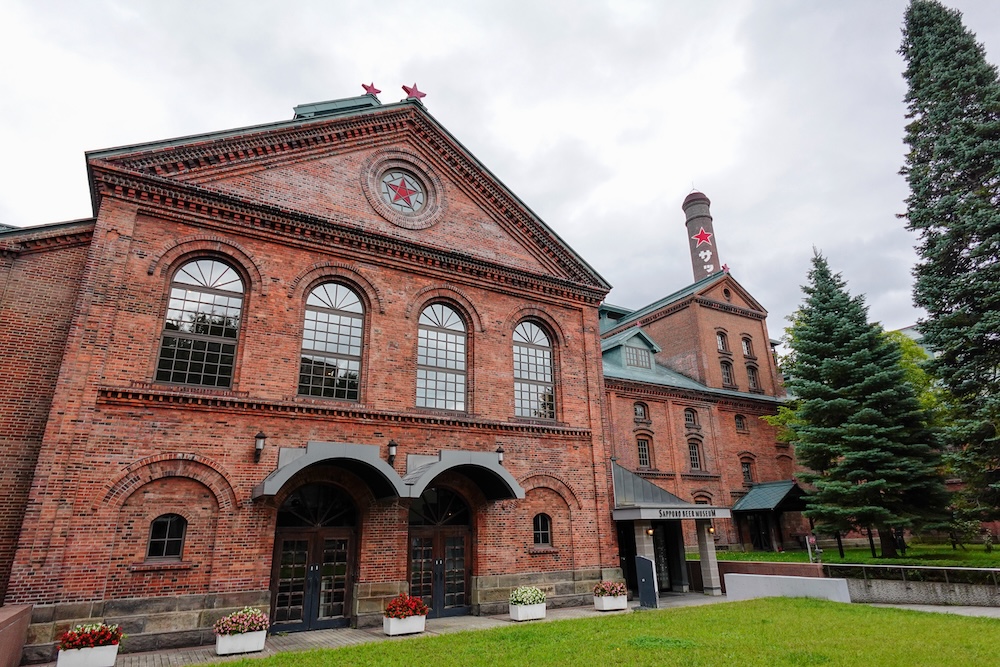
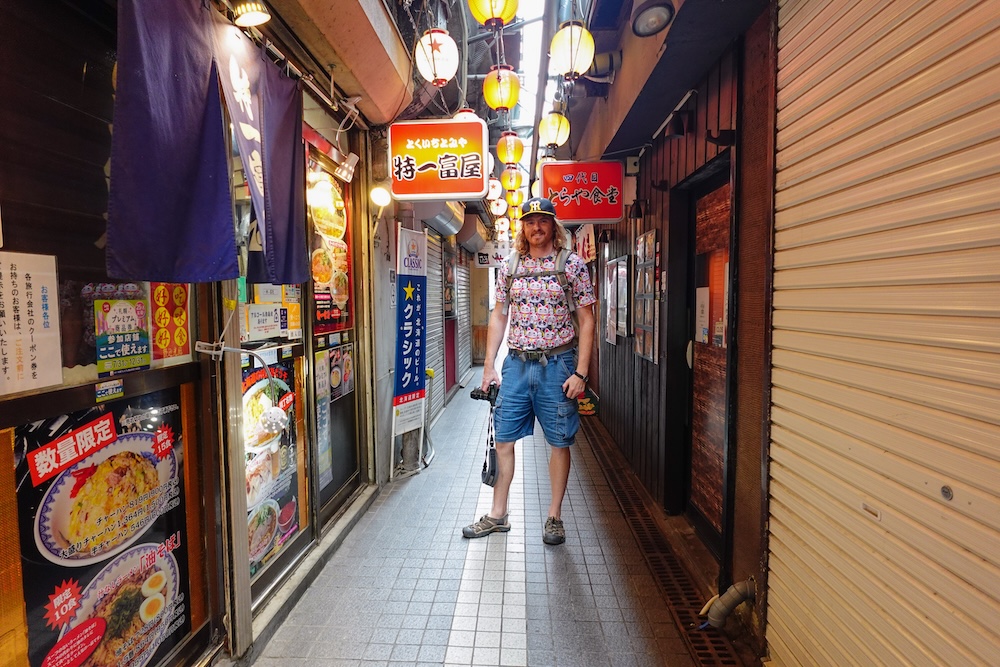
I came away from Sapporo thinking it might be one of the most livable big cities I’d visited in Japan. Not because it overwhelmed me with blockbuster sights around every corner, but because daily life seemed so comfortable. We walked through parks, explored shopping streets, ate exceptionally well and got around without needing a car. I liked having so much variety at our fingertips.
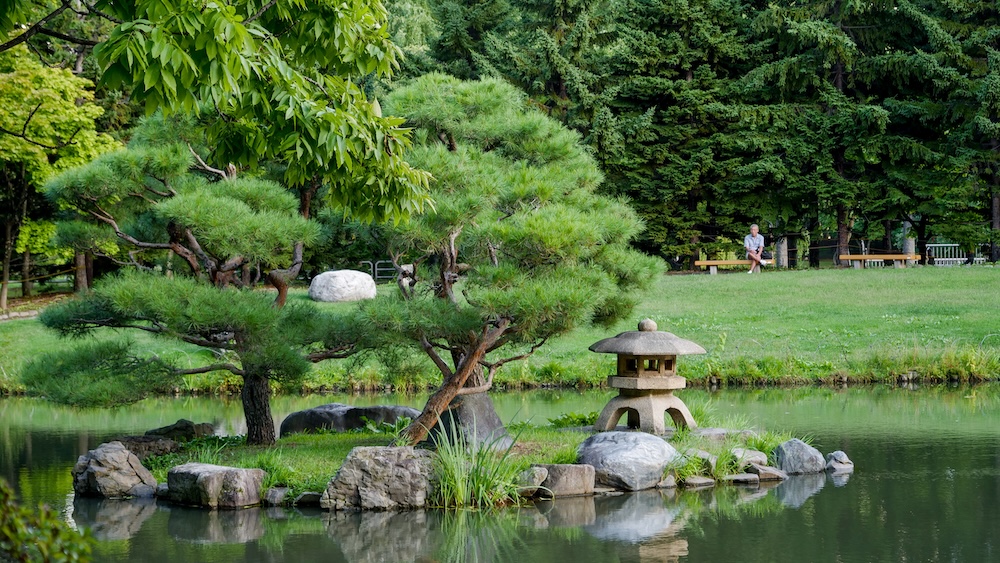
Audrey liked it more than I think either of us expected. She’s generally not a big-city enthusiast, yet Sapporo didn’t feel like the sort of hectic metropolis she usually finds exhausting. She loved the tree-lined avenues, green spaces and feeling of room to breathe. I was right there with her. If we wanted to go out for dinner or spend an afternoon in a park, we didn’t have to turn it into an expedition.
Our hotel overlooked Nakajima Park, and I really liked that arrangement. We could step outside and almost immediately be among the trees and walking paths, with more locals going about their day than the big tourist crowds you might expect around a major attraction. Compared with the bustle of Odori, it was a quieter place to come back to. I can’t tell you how every hotel in Sapporo compares, but that particular area worked brilliantly for us.
The subway was the special sauce. Being near a station meant we could cover a surprising amount of Sapporo without hiring a car. We even made the longer subway-and-bus journey toward Makomanai Takino Cemetery, where the surroundings become wooded and feel far removed from the shopping streets downtown. Sapporo covers a lot of ground, and a reliable connection near your hotel helps.
For regional travel, though, there’s an extra wrinkle. Nakajima Koen sits three stops south of subway Sapporo Station on the Namboku Line. If you’re catching a JR train to another city, you still have to reach the subway, ride north, make your way to the JR platforms and allow enough time to board. Perfectly manageable now and then. Do it before breakfast three mornings in a row and you may start wishing your hotel were nearer the main railway station.
We also try to allow a little flexibility for bad weather. Our four nights weren’t a reaction to any particular disaster; a buffer is simply how we like to plan. If bad weather rolls in, I’d rather enjoy Sapporo than chase a countryside view swallowed by clouds.
Where Should You Stay in Sapporo If You’re Planning Day Trips?
I’d choose the area around your actual departures before becoming attached to a hotel photograph. There isn’t one universally best neighbourhood. A traveller who plans three early JR journeys has a different priority from someone who wants relaxed evenings in Sapporo and one train trip to Otaru.
Near Sapporo Station: for frequent regional trains
If I were leaving Sapporo by train repeatedly, I’d begin around JR Sapporo Station. You’re closer to the regional platforms and the airport rail connection, and you have less distance to cover with luggage when you’re arriving or moving on. JR Tower Hotel Nikko Sapporo is an example of a property right by the station’s east side. We didn’t stay there; I’m mentioning it for the location, not pretending I can review its rooms or breakfast.
One trap is assuming every regional bus or guided tour leaves from the same convenient station entrance. Sapporo’s old station bus terminal has been closed during redevelopment, with replacement boarding points spread across the surrounding streets. Some excursions also meet nearer Odori or the TV Tower. If a particular coach or tour is central to your plans, check the current temporary bus boarding points or your operator’s meeting instructions before deciding that your hotel is “only five minutes away.” Five minutes to the station building and five minutes to the correct bus stop aren’t necessarily the same thing.
Odori and Susukino: for a mix of city days and excursions
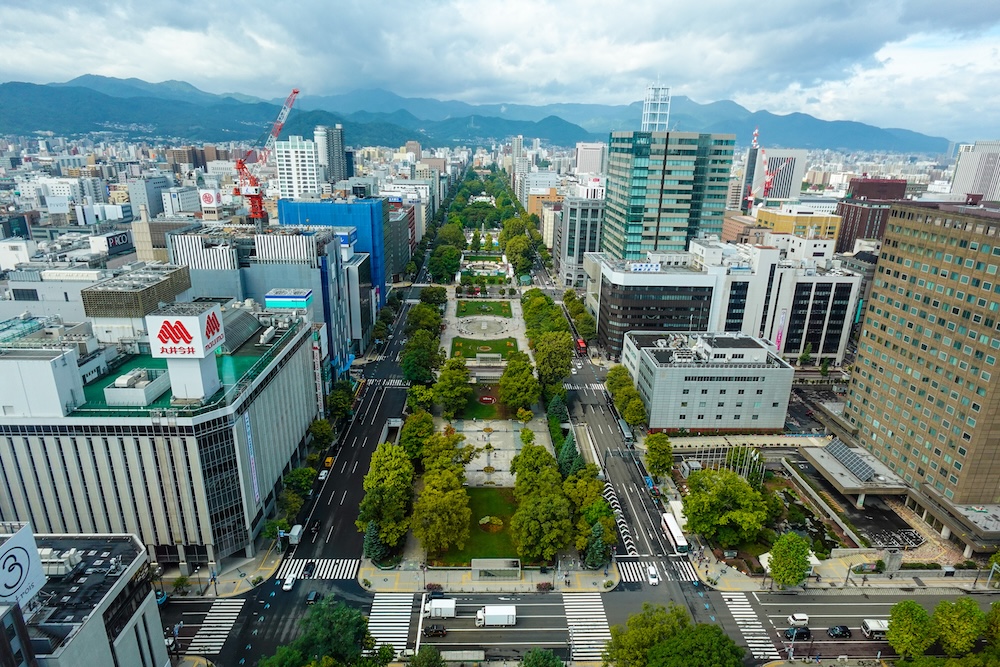
Odori would be my compromise if I expected to divide the trip fairly evenly between Sapporo and nearby destinations. It gives you a central subway interchange, plenty of places to eat and convenient access to the main sightseeing areas. Sapporo Grand Hotel, for instance, is positioned within walking reach of both Odori and JR Sapporo Station. Another option to investigate is Tokyu Stay Sapporo Odori, particularly if a room with laundry facilities would make a longer stay easier; check the amenities of the specific room type rather than assuming they’re identical across the property.
Susukino shifts the balance toward eating out and evening life. I can understand wanting to be there if you’re planning to spend your nights working through Sapporo’s restaurants. Mercure Sapporo is one centrally positioned example, although it’s a researched option rather than somewhere Audrey and I have stayed. The price you pay for being closer to the evening action is generally another journey north when you need an early intercity train. That can be a fair trade for one or two outings.
Nakajima Park: the quieter area we enjoyed
Nakajima Park is where I have actual hotel-area experience, and I wouldn’t hesitate to consider it again. I loved the combination of easy subway access and being able to escape into a peaceful park without making a special trip. It gave us the pleasures of Sapporo without making every evening feel like we were living in the middle of a busy sightseeing district.
There are other hotels near Nakajima Koen station, including Sapporo Excel Hotel Tokyu and Vessel Inn Sapporo Nakajima Koen. Neither is established as the hotel we used, so I’d compare current rooms, rates and walking distances on their own merits.
Nakajima Park isn’t for everybody. If I were doing one Otaru excursion and spending the rest of the time in Sapporo, I’d love the calmer base again. With several early intercity departures, I’d probably put more weight on the JR station. Make the hotel serve the trip you’re actually planning. You can also compare other Nakajima Park hotels if that quieter base appeals.

Which Hokkaido Destinations Work as Day Trips—and Which Deserve an Overnight Stay?
Ask what sleeping there would add: time, an experience, or relief from an impractically long return journey. I cover the attractions and transport options in more detail in my guide to day trips from Sapporo; here, the question is where you should sleep.
Otaru: I’d usually keep the Sapporo hotel
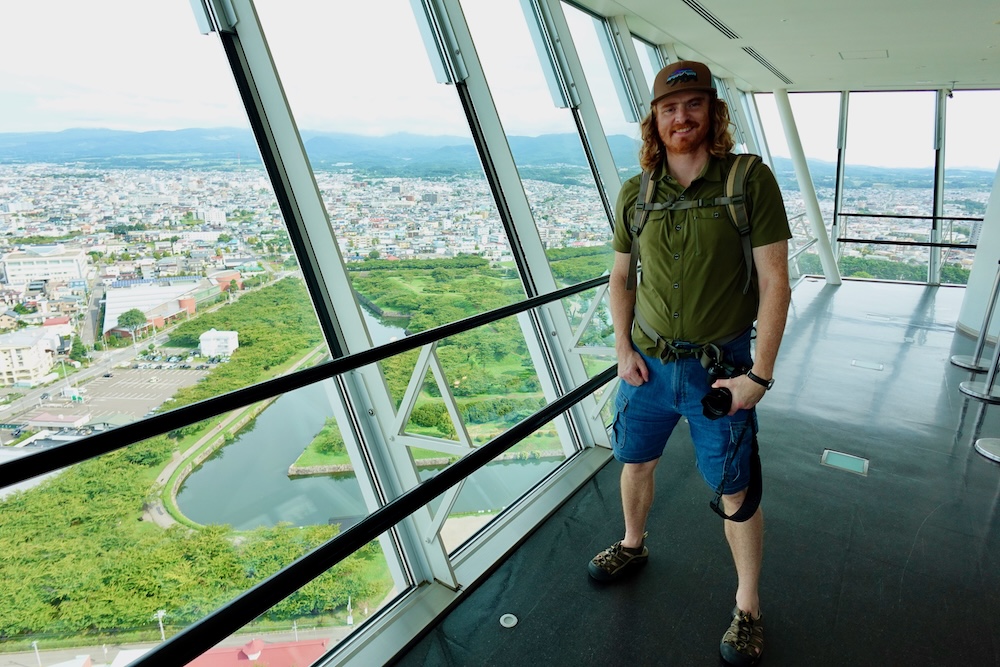
I loved Otaru. Audrey and I spent about 24 hours wandering its canal area, old warehouse streets and shops, with a night at Plumhouse Guesthouse (now listed as Plum House Otaru) before our ferry departure. We could browse without rushing and take the canal cruise when the opportunity came up. I appreciated that relaxed rhythm.
Still, if I had one spare day while sleeping in Sapporo, Otaru would be my first choice. The basic train fare is currently ¥800 each way, and the canal is roughly a ten-minute walk from Otaru Station. For the main central sights, there isn’t much reason to change hotels just to avoid that railway journey. You can devote the day to Otaru and be back in Sapporo for the night without turning transport into the day’s main activity.
An overnight stay makes more sense if you want to explore beyond the compact centre, enjoy a slower visit or continue travelling rather than retrace your steps. That last reason applied to us. We were heading out of Hokkaido by ferry, so sleeping in Otaru fitted our route. It’s an overnight stop worth considering, not a necessity for most visitors coming from Sapporo. If staying on, compare Otaru hotels near the station and canal.
Noboribetsu: I’d give the hot springs a night
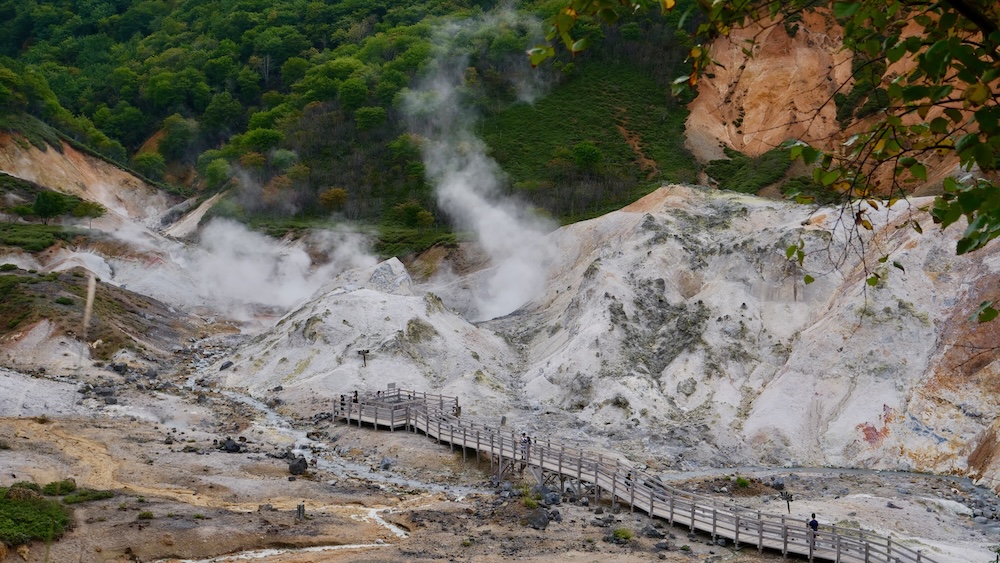
Noboribetsu is a different story. The geothermal landscape around Hell Valley is spectacular, and you can travel from Sapporo to see it in one day. But I’d feel I’d missed something if I came all that way, walked to the main viewpoint and immediately turned around for the train home.
We reached Noboribetsu from Hakodate, then took the bus from the railway station up to Noboribetsu Onsen. We spent a couple of nights at Park Hotel Miyabitei, which gave us room for the volcanic walks, the natural Oyunuma River footbath and plenty of time in the hotel baths. Wearing yukata, having our meals there and soaking after a day outside were part of what made the place memorable. We weren’t checking our watches every few minutes to make sure we wouldn’t miss the last connection.
I’ve been drawn to that sort of bathing culture for years. When I lived in South Korea, I used to visit a jjimjilbang almost every week, so the chance to settle into a Japanese onsen stay was hardly a difficult sell. Not everybody feels the same way. Some people primarily want Hell Valley, and a day trip may be enough. If bathing is central to your plans, compare Noboribetsu Onsen accommodation and check which rates include meals.
There is a financial decision, too. At the published regular fares, the limited express from Sapporo to JR Noboribetsu is ¥4,890 each way for a reserved adult seat, and the local bus to the onsen district is ¥450 each way. That’s approximately ¥10,680 for a return rail-and-bus journey before meals, bathing or any other activities. It also means at least about three and a quarter hours of movement, plus the connection waits and the journey from your Sapporo hotel. If you’re weighing that against a hotel stay, don’t compare the room price with nothing; compare it with the full travel pattern you would otherwise be paying for.
An organized excursion can take the connections off your hands. One Noboribetsu and Lake Toya tour from Sapporo currently lists just 35 minutes at Hell Valley. Read the time at each attraction carefully. A tour that shows you three places isn’t the same experience as wandering through the geothermal trails and lingering in a hot-spring hotel. For me, Noboribetsu earns its overnight stay.
Furano and Biei: sleeping closer isn’t the whole solution
Audrey and I haven’t explored Furano and Biei ourselves, so I won’t pretend to know which accommodation or scenic stop I’d personally choose. But the transport problem is clear enough: the lavender fields, rolling countryside and Blue Pond aren’t all lined up beside a single railway platform.
You can reach the region by rail, and a seasonal Furano Lavender Express operates on selected dates. Local buses can reach some attractions, but you have to make the schedules work together. Don’t build a future trip around an old mention of the Furano–Biei Norokko train, either; its final scheduled run was in September 2026. A Furano and Biei flower-fields and Blue Pond tour connects several stops from Sapporo; check seasonal operation, actual meeting point and how long each stop lasts.
Staying overnight gives you more time and avoids another long journey to Sapporo. You can compare hotels in Furano before choosing a new base. What it doesn’t magically do is connect all those rural attractions. You may still benefit from a rental car picked up in Sapporo, a local tour or carefully planned buses; check insurance, parking and driving conditions. I’d look at the places I most wanted to see, the season and how I’d reach them before deciding whether to move hotels.
Hakodate and the farther corners of Hokkaido
For Hakodate, I’d stop trying to make Sapporo do a job it wasn’t designed to do. A journey of roughly three hours and forty minutes to four hours in each direction leaves a great deal of your day devoted to the railway. You could technically arrange some sort of return visit, but I’d much rather find a hotel in Hakodate and give it proper attention.
That’s broadly how our route worked: we travelled through Hakodate, moved on to Noboribetsu and then continued to Sapporo. The route suited us, though it won’t suit every traveller.
Jozankei is a useful counterexample if the main thing you’re after is a soak. It’s much closer to Sapporo, roughly an hour by the reserved Kappa Liner, and can make a sensible day outing if you find a day-use bath that matches the bus schedule. Lake Shikotsu can also work as an excursion, though public transport requires more careful connections. Lake Toya is more demanding: if the lakeside atmosphere and onsen accommodation are your main reasons for going, compare onsen properties around Lake Toya rather than automatically commit to a long return journey. Those are planning options I’d weigh against your interests, not places I’m claiming we’ve stayed.
How Many Nights Should You Base Yourself in Sapporo?
For three nights in Sapporo, I wouldn’t complicate things. I’d spend roughly two days exploring the city and use one for Otaru. It gives you a taste of another part of Hokkaido without adding a hotel move to an already short visit. I’d also resist packing every hour with attractions, particularly if your arrival or departure day is only a partial day.
With five to seven nights, you’ve got room to make a different decision. You could spend most of the time in Sapporo and take a couple of sensible excursions, or put one night toward somewhere that offers a genuinely different experience. Noboribetsu would appeal to me for the onsen stay; Otaru might suit somebody wanting a slower pace or an onward connection. You don’t need to move hotels just because the calendar allows it, but you’re no longer forced to treat every destination as a quick return trip.
For ten nights or more in Hokkaido, I’d be much more comfortable dividing the trip between bases. Spend enough time in Sapporo to enjoy the city, then give the other destinations their own time where it makes sense. Once Hakodate or several rural areas enter the plan, a string of long returns to Sapporo begins to look less appealing than progressing through the island. The exact number of nights in each place depends on what you want to do; I wouldn’t manufacture a universal formula.

The Hidden Costs of Changing Hotels—or Not Changing Them
People often talk about moving hotels as though it means sacrificing half a day to the suitcase gods. It can be irritating, especially with big bags, children or awkward check-in times. But our experience travelling around Japan was generally positive. When we checked out and still had time to enjoy a place, we’d store our luggage and go for another walk or a decent meal before moving on. That small bit of flexibility made travel days feel much less wasted.
It’s worth checking the practical arrangements rather than assuming they’ll look after themselves. JR Hokkaido lists luggage lockers at stations including Sapporo, Otaru, Noboribetsu, Furano and Hakodate, but having lockers doesn’t guarantee an empty one large enough for your bags. Some hotels hold luggage before check-in or after checkout; ask yours rather than assuming it’s included. Hotel-to-hotel forwarding is another possibility when both properties can handle it, although you need to allow for delivery time instead of expecting your suitcase to arrive a few hours later.
The real comparison is time. With one Sapporo hotel, you travel out, visit a destination and retrace the same route. When you change bases, you spend time packing, travelling one way and checking in or storing your bags, but you’re already positioned for an evening, a relaxed morning or the next leg of the journey. Neither arrangement wins automatically. I’d rather make one purposeful hotel change than repeat an exhausting journey twice, but I also wouldn’t pack up just to save a thirty-minute train ride to Otaru.
There’s the cost side as well. Sapporo now charges an accommodation tax calculated per person per night, with the amount varying by accommodation-price bracket. Other accommodation costs, meals, transfers and booking conditions differ by property, so comparing one headline room rate with another tells only part of the story. And if you’re picking a Sapporo hotel specifically for tours, remember that the actual meeting point may matter more than the distance to JR Sapporo Station.

Would I Stay in Sapporo or Split My Hokkaido Trip?
I’d make Sapporo the home base for a short visit without hesitation. Four nights there suited Audrey and me, and the combination of Nakajima Park, subway access, good food and plenty to explore made it somewhere we looked forward to spending time. If I only had three nights, I’d keep the hotel and take the train to Otaru for my excursion.
Give me a longer Hokkaido trip, though, and I’ll start moving. Noboribetsu is the sort of destination where the onsen hotel adds to the holiday instead of simply supplying a bed. Hakodate is far enough away that I’d want to stay rather than waste a day travelling back. And in a region like Furano and Biei, I’d work out the actual transport between sights before choosing whether Sapporo or a closer base makes sense.
I don’t regret a single one of our hotel changes. We got four nights in a city we enjoyed, time to unwind in Noboribetsu and a relaxed visit to Otaru before sailing onward. That’s what I’d aim for again: enough convenience to enjoy travelling, and enough freedom to stop returning to the same place when somewhere else deserves the night.
Frequently Asked Questions
Is Sapporo a good base for exploring all of Hokkaido?
Sapporo is an excellent base for exploring the city and making selected day trips, particularly to Otaru. For a longer journey involving Hakodate, Noboribetsu or several rural areas, I would consider moving hotels rather than returning to Sapporo every night.
Can you visit Otaru from Sapporo without staying overnight?
Yes. The train takes roughly 33–46 minutes, and Otaru Canal is within walking distance of Otaru Station. Audrey and I stayed overnight because we wanted an unhurried visit before continuing by ferry, but I would usually keep my Sapporo hotel for a straightforward Otaru day trip.
Should I stay overnight in Noboribetsu or take a day trip?
I would stay overnight if soaking in the hot springs is an important part of your trip. We spent a couple of nights at Park Hotel Miyabitei and enjoyed the baths, meals and time around Hell Valley. A day trip can work if your main goal is a shorter geothermal sightseeing visit.
Which Sapporo area is best for frequent train day trips?
For several early regional train departures, I would start with hotels around JR Sapporo Station. Odori offers a balance between city sightseeing and transport, while Susukino suits evening dining. We stayed near Nakajima Park and loved its quieter atmosphere, though getting to JR trains involved an extra subway connection.
How many nights should I spend in Sapporo before changing hotels?
With three nights, I would usually keep one Sapporo base and make Otaru the excursion. With five to seven nights, an overnight stop elsewhere becomes more appealing if it adds an experience you want. For ten nights or more across Hokkaido, I would generally divide the trip between destinations.
Do you need a rental car to explore Hokkaido from Sapporo?
Not for Sapporo itself or a straightforward Otaru visit. Audrey and I explored Sapporo by public transport. A rental car or organized tour may be more useful for scattered attractions around Furano and Biei, but I would check the season and actual routes before choosing how to travel.
Is it difficult to change hotels while travelling around Hokkaido?
Changing hotels adds packing and luggage handling, but it can also eliminate repeated return journeys. We generally found changing accommodation in Japan manageable, partly because we could often store bags after checkout. Confirm luggage storage or forwarding arrangements with each hotel rather than assuming they are included.
This article is also available in Spanish. [Leé la versión en castellano: ¿Conviene usar Sapporo como base para recorrer Hokkaido? Excursiones, hoteles y cuándo cambiar de alojamiento]
This article contains affiliate links. If you book through one of these links, I may earn a commission at no extra cost to you.