
Our first trip to Sapporo ended with a feeling I didn’t expect: we’d barely scratched the surface. Audrey and I had four days in late September, and by the end we were both surprised by how much there was to see and do, and by how quickly the time had gone. We haven’t been back to Japan since, so this isn’t a report from a second visit. It’s the plan we’d follow if we went back, built on what worked, what didn’t, and what we never got to. If you’re returning to Sapporo, or you’d simply like the benefit of our hindsight before a first trip, here’s what we’d change.
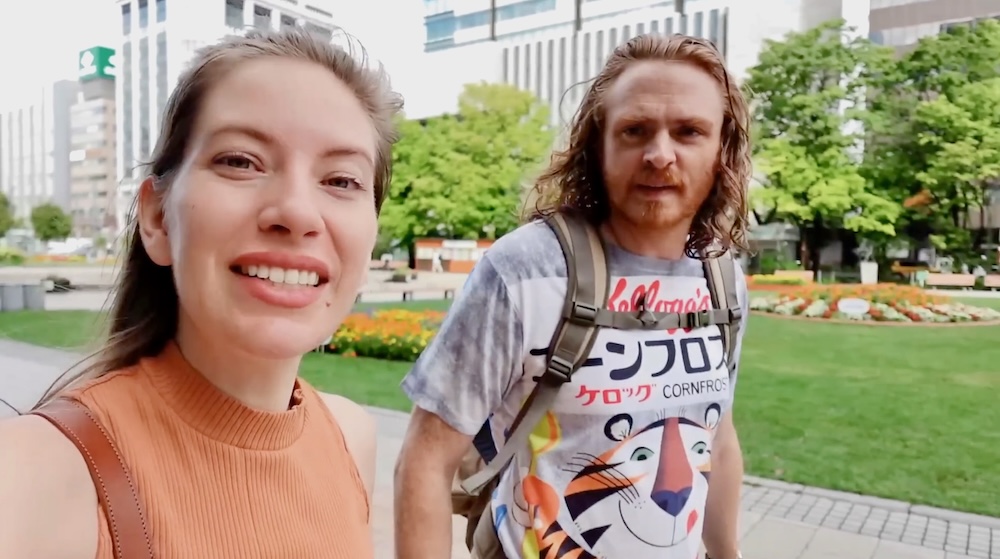
We’d Go in Spring or Autumn
The biggest change has nothing to do with sights. It’s timing. We headed north partly because we assumed Hokkaido would be Japan’s air-conditioning after the heat we’d found further south. It wasn’t. Late September in Sapporo felt like a Canadian summer, and at times more humid. I’ve written about that heat separately, so I’ll keep this short: next time we’d aim for April and May, or October and November, and stay away from June to September.
The averages back that up. Sapporo’s typical highs sit around 12°C in April and 18°C in May, and around 16°C in October, against about 23°C in September and 26°C in August. September is also the city’s wettest month on average, with roughly two and a half times the rain of April or May.
Spring comes with a catch worth knowing about. The Mount Moiwa ropeway, which is at the top of our wish list below, usually closes for several weeks of maintenance in April; in 2026 it was shut from April 1 to April 23. Maruyama Park’s cherry blossoms typically peak from late April into early May. So for a spring trip, we’d aim for the end of April through May rather than the start of April. In autumn, the colours on Mount Moiwa usually peak from mid to late October, which makes October our other favourite window.
And winter? The Sapporo Snow Festival sounds fun, and plenty of people build an entire trip around it. But we get enough winter at home in Canada to last a lifetime, so it isn’t what’s pulling us back. Spring or autumn it is.

What We’d Skip
On the first trip we did what most first-timers do and worked through the central landmarks. A few of those I wouldn’t repeat.
The Sapporo TV Tower tops that list, at least in daylight. We went up first thing one morning, and once was plenty. The only reason I’d go back is to see the city lit up at night, and even then I’d rather spend that evening on Mount Moiwa, for reasons I’ll get to.
I also wouldn’t revisit the shopping arcades. They earned their keep on a hot afternoon, when air-conditioning mattered more than anything for sale, but that’s not a reason to go back.
At Nakajima Park, I’d skip the inside of Hoheikan. The building is interesting from the outside, but we found the interior a bit bare and kept that visit brief. The park’s Japanese Garden was the part we enjoyed, so that’s where the time would go instead.
What We’d Do Again
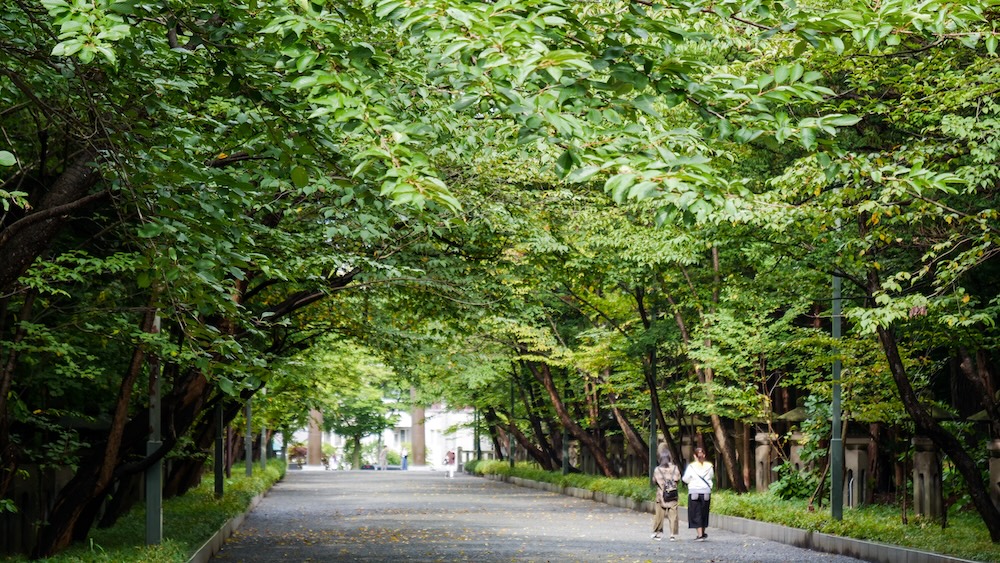
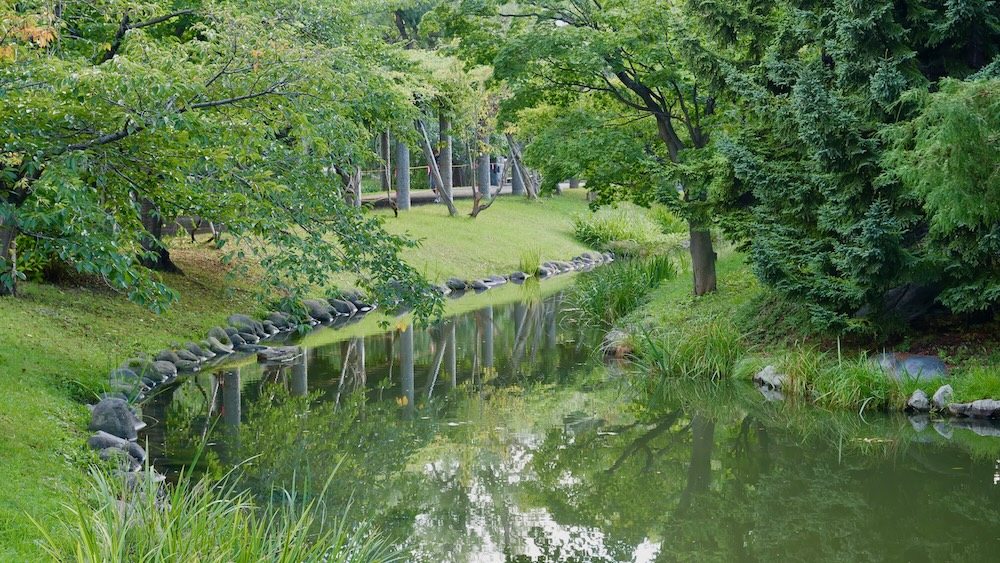
The parks and green spaces, without question. Walking into Maruyama Park just after the rain, with hardly anyone else around, and finally seeing Nakajima Park in sunshine were two of my favourite moments of the trip. The southern outskirts, out at the cemetery with its Moai and the Hill of the Buddha, were well worth the long ride, and I’d happily make it again.
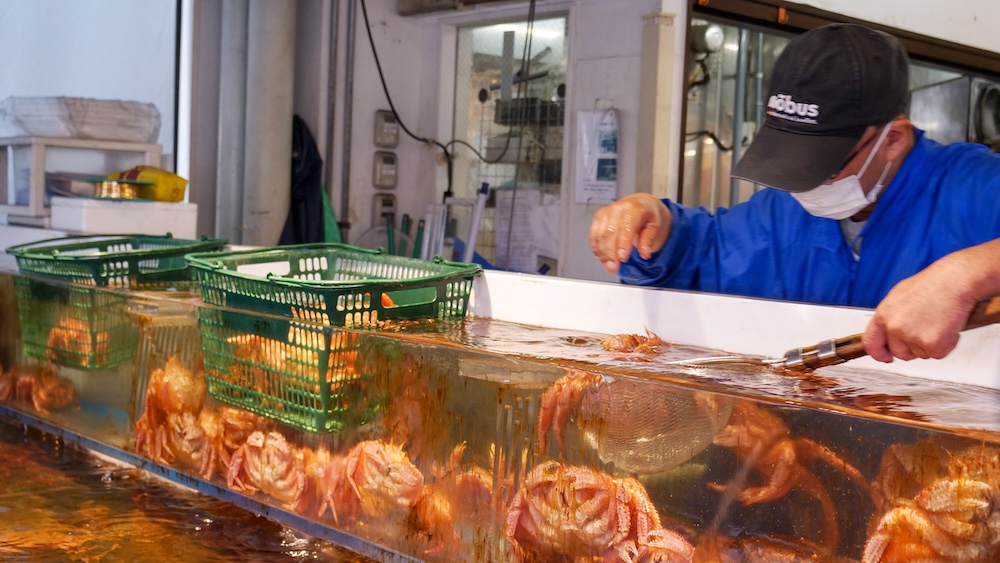
The food stays on the list as well. The seafood breakfast at the outer market and the ramen were highlights. On a return trip, food would still be at the centre of things, just with new dishes.
What We’d Add
Mount Moiwa
This is the one I most want to do. Mount Moiwa rises on the city’s western edge, and a ropeway followed by a small cable car takes you to the summit at 531 metres in about 15 minutes. The night view from the top has been chosen three times as one of Japan’s “New Three Great Night Views,” and it’s exactly the view of Sapporo I’d trade the TV Tower for.
The practical side is straightforward. The ropeway currently runs from 10:30 a.m. to 10 p.m. between April and November, with the last ride up at 9:30 p.m., and a round trip costs ¥2,100 for adults and ¥1,050 for children. You get there by streetcar to the Ropeway-iriguchi stop, then walk about eight minutes or take the free shuttle bus. It can close in bad weather as well as during that April maintenance period, so it’s worth checking before you head out.
Nijo Market
This is the market we missed, and for me it’s a must next time. Nijo Market sits beside the Sosei River in central Sapporo, about a seven-minute walk from Odori Station, and is said to have started in the early Meiji era when fishermen from Ishikari sold their catch there. Today it’s around 25 seafood shops plus small restaurants. Don’t confuse it with the market where we had our crab breakfast; that was the outer market of the Central Wholesale Market, out in the suburbs. Nijo is right in the middle of town, which makes an early start easy. The market generally runs from about 7 a.m. to 6 p.m., with the restaurants opening at 6 a.m., though hours vary by shop.
We’d happily wander Nijo on our own, but if you’d like the backstory with your seafood, some guided walks finish with lunch there, combining Sapporo’s early history around the Sosei River with a sushi or donburi lunch at the market. You can compare current Sapporo food tours, including Nijo Market lunch walks. We haven’t taken one ourselves.
All of Maruyama Park
On our first visit, we’d only just set off down the trail into Maruyama’s primeval forest when we realised we hadn’t even reached the main part of it. Next time I’d like to see the whole park if possible, from the forest walks to the hill behind it.
There’s an important caveat. In November 2025, bear tracks found in the woods at Maruyama Zoo led the city to close the zoo, the nature trail up the hill and part of the park, and shortly afterwards the whole park closed because of bears for the first time. The city has since decided to put electric fencing around the zoo. I can’t tell you what’s open on any given day, so before heading in, check the City of Sapporo’s bear sightings page for Chuo Ward (in Japanese). The city’s general advice for walking into the hills is to check for recent sightings, make some noise as you go and avoid setting out at dusk.
The Food We Missed
Two Sapporo staples never made it onto our plates: jingisukan, lamb grilled on a domed skillet, and soup curry, a thin, spiced curry broth loaded with vegetables. Both are on the list. One thing to know: Maruyama Park used to be famous for “hanami jingisukan,” grilling lamb under the cherry blossoms. In recent years the city has banned open fires there during blossom season because of complaints about smoke and smell, so this is one for a restaurant rather than a picnic.
Finding the right jingisukan or soup curry spot is half the fun, and we’d mostly wing it. If you’d rather have a local steer you, a private, personalized eat-like-a-local tour of Sapporo pairs you with a host based on what you like to eat, so you can tell them those two dishes are the priority.
The Rest of the List
We also missed Shiroi Koibito Park, Moerenuma Park, the Historical Village of Hokkaido and Hokkaido University, and I’d gladly see all of them. None of them outranks Moiwa or Nijo for me, but any one would fill an afternoon or a day on a longer trip. Day trips out of the city are a bigger subject, and I’ve covered those separately.

Where We’d Stay Next Time
The first time, our hotel overlooked Nakajima Park, which put one of the city’s big green spaces right outside the door. Next time I’d stay somewhere different, just to get a new feel for the city. My one rule would be staying near a subway station. Sapporo is spread out, and if you’re close to the subway, you’re gold. Odori, where all three of the city’s subway lines meet, is the most central option if you want to get anywhere quickly, and it puts Nijo Market within a short walk. If that’s the base you’re after, you can compare hotels around Odori.
Two Versions of the Same Trip
Our next visit could take one of two shapes. Audrey agrees with most things above, but if she came back, it would be as a family trip, so she’d be seeking out family-friendly things to do. I could come with the family, or on my own as a solo trip to make new content.
If it’s the family version, a couple of things on our list already work well. The Moiwa ropeway has children’s fares. Maruyama Zoo currently charges ¥800 for adults and is free for children of junior-high age and younger, with the same bear caveat as the rest of the park. If it’s a solo trip, the list above is the starting point, and the rest of the city is fair game. Either way, if you’d like a local to shape a day around your group, Sapporo’s neighbourhood walking tours include a private walk built around history, food and everyday local life.
Our Next-Trip Plan at a Glance
| What | Our first trip | Next time | When |
|---|---|---|---|
| Sapporo TV Tower | Went up one morning | Skip it, or go only at night | Evenings |
| Shopping arcades | An escape from the heat | Skip | — |
| Hoheikan | Interior felt bare | Skip the inside, keep the Japanese Garden | When the garden is open |
| Parks and green spaces | A highlight | Repeat | Spring or autumn |
| Food | A highlight | Repeat, with new dishes | Any time |
| Mount Moiwa | Didn’t go | Top priority, at night | Avoid April maintenance |
| Nijo Market | Didn’t go | A must | Early morning |
| Maruyama Park | Only started the forest walk | See the whole park | Check bear updates first |
| Jingisukan and soup curry | Didn’t try | Try both | Any time, at a restaurant |
| Where to stay | Overlooking Nakajima Park | A new area near a subway station | — |
If you’re heading back to Sapporo, the lessons from our first trip come down to a few things. Go in late spring or in October. Skip the daytime landmarks you’ve already seen. Save an evening for Mount Moiwa and an early morning for Nijo Market. And check the bear updates before you set out for Maruyama. That’s the trip we’d take next time.

Frequently Asked Questions
When is the best time for a second visit to Sapporo?
Late April through May, or October. We’d avoid June to September, because late September in Sapporo felt like a Canadian summer, and at times more humid. On average, Sapporo’s highs sit around 12°C in April, 18°C in May and 16°C in October, against about 23°C in September. Maruyama Park’s cherry blossoms typically peak from late April into early May, and the colours on Mount Moiwa usually peak from mid to late October.
What would you skip on a second visit to Sapporo?
The Sapporo TV Tower in daylight, the shopping arcades and the inside of Hoheikan. We went up the TV Tower first thing one morning and once was plenty, though I’d go back after dark. The arcades were a welcome escape from the heat but aren’t a reason to return, and Hoheikan’s interior felt a bit bare, so I’d spend that time in Nakajima Park’s Japanese Garden instead.
What would you add on a second visit?
Mount Moiwa at night and Nijo Market are our priorities, followed by seeing more of Maruyama Park and trying the jingisukan and soup curry we missed. Shiroi Koibito Park, Moerenuma Park, the Historical Village of Hokkaido and Hokkaido University are on the list too, but none outranks Moiwa or Nijo for me.
Is Nijo Market the same as the crab market you visited?
No. Nijo Market is in the middle of town, beside the Sosei River and about a seven-minute walk from Odori Station, with around 25 seafood shops. Our crab breakfast was at the outer market of the Central Wholesale Market, out in the suburbs. Nijo is the one we missed, and it’s a must next time.
When can you visit Mount Moiwa, and when might it be closed?
The ropeway currently runs from 10:30 a.m. to 10 p.m. between April and November, with the last ride up at 9:30 p.m., and a round trip costs ¥2,100 for adults and ¥1,050 for children. It can close in bad weather, and it usually closes for several weeks of maintenance in April; in 2026 it was shut from April 1 to April 23. We haven’t been up yet, so check before you go.
Is Maruyama Park open for walking now?
I can’t say, and you’ll want to check before you go. In November 2025, bear tracks found at Maruyama Zoo led the city to close the zoo, the nature trail up the hill and part of the park, and shortly afterwards the whole park closed because of bears for the first time. The City of Sapporo’s bear sightings page for Chuo Ward has current information, and the city advises checking for recent sightings, making noise as you walk and avoiding setting out at dusk.
Where would you stay in Sapporo next time?
Somewhere near a subway station. Our hotel overlooked Nakajima Park the first time, and next time I’d try a different area for a new feel. Odori, where all three of the city’s subway lines meet, is the most central option and puts Nijo Market within a short walk.
What changes if you travel to Sapporo as a family?
Audrey agrees with most of our list, but if she came back it would be as a family trip, so she’d be looking for family-friendly things to do. The Moiwa ropeway has children’s fares, and Maruyama Zoo currently charges ¥800 for adults and is free for children of junior-high age and younger, with the same bear caveat as the rest of the park. I could come with the family or on my own for a solo trip to make new content.
This guide is also available in Spanish. [Leé la versión en castellano: Sapporo en una segunda visita: qué haríamos la próxima vez]
This article contains affiliate links. If you book through one of these links, I may earn a commission at no extra cost to you.