
This was our first trip to Poland and we dove into the capital headfirst. While our travels may have started in the charming Old Town, it wasn’t long before we discovered that Warsaw has a cool artsy side. We visited bright neon museums in the art district, shopped in boutiques selling soviet-chic apparel. Join us in our Warsaw Travel Guide!
We also got to experience the capital’s legendary nightlife. In many ways it was a whirlwind visit. But it was also a fun introduction that made us curious to discover more of Poland in our future travels.
The following Warsaw travel guide, video and photo essay highlighting 25 things to do in the biggest city of Poland. It gives you a glimpse into this up and coming capital.
25 Things to Do in Warsaw, Poland
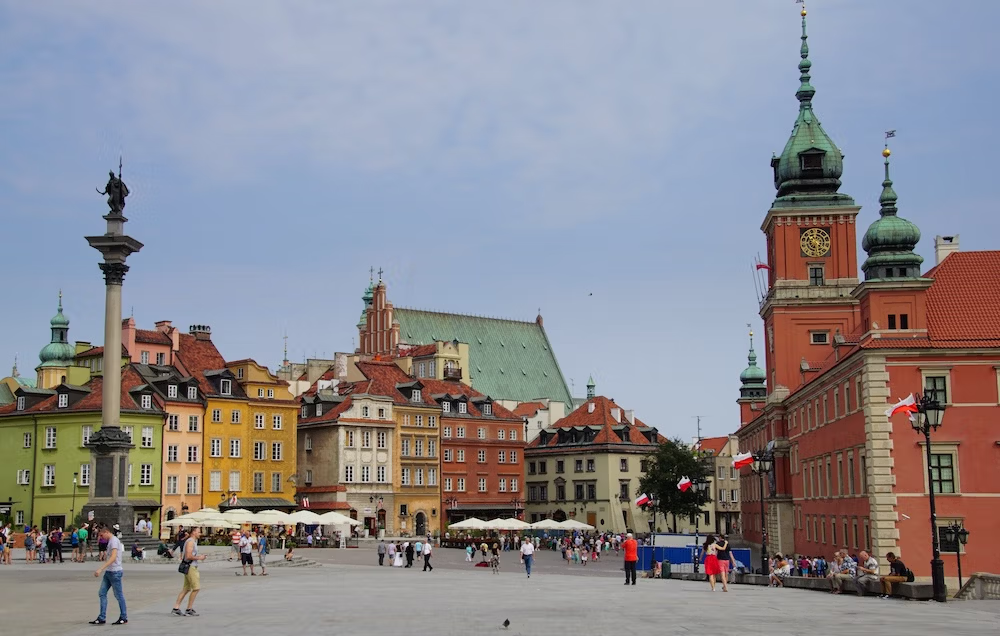
1) Castle Square Walking Tour
(Polish: plac Zamkowy w Warszawie)
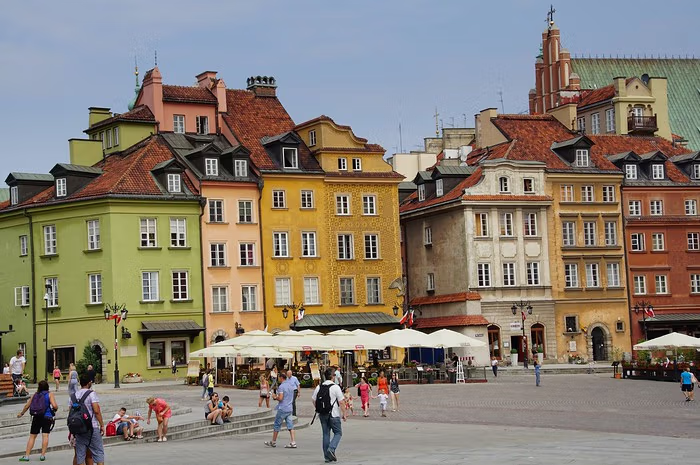
Walking around the Old Town – especially Castle Square – is a fascinating experience because almost all of what you see is new even if it looks authentic.
Most of the city was razed to the ground after the Second World War, and that makes for a rather surreal visit.
Come during the day and at night for a completely different experience.
Historical Richness
The area is steeped in history, having witnessed royal processions, wartime devastation, and remarkable reconstruction. With its Baroque and Neoclassical design, is a masterpiece of architecture. The square itself is surrounded by beautiful townhouses, each with its own unique character. The impressive Sigismund’s Column, dedicated to King Sigismund III Vasa, stands tall in the center, offering a perfect backdrop for photos and a focal point for the tour.
One of the most epic aspects of Castle Square is its story of resilience and rebirth. The area was almost completely destroyed during World War II, but has since been meticulously rebuilt, brick by brick, to its former glory. This incredible reconstruction effort is a testament to the spirit and determination of the Polish people. Witnessing this firsthand is truly inspiring.
The Royal Castle now serves as a museum, housing an impressive collection of art and historical artifacts. The square itself is often buzzing with street performers, artists, and local vendors, creating a lively atmosphere that blends the old with the new.
2) Royal Castle – Iconic Landmark
(Polish: Zamek Królewski w Warszawie)
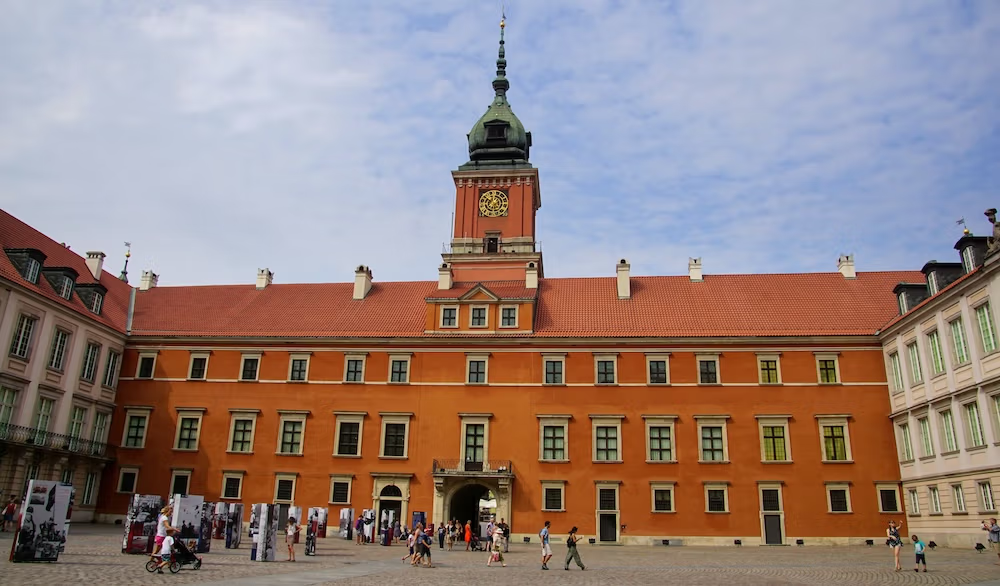
One of the most recognizable landmarks is Warszawa’s Royal Castle which used to be home to the Polish Monarchy.
Of course Poland hasn’t had a monarchy for a really long time but this still remains an historical building.
Located in Castle Square it is a UNESCO heritage site and national monument.
Architectural Grandeur
Imagine stepping into a world of opulence and history, where grand halls echo with the footsteps of kings and queens. Welcome to the Royal Castle in Warsaw, a landmark that stands as a testament to Poland’s rich and tumultuous history. Located at the entrance to the Old Town, this iconic castle is a must-visit for anyone exploring the Polish capital.
Originally built in the 14th century, it has been the residence of Polish monarchs, the seat of the Parliament, and a witness to key historical events. Visiting the castle allows you to walk through centuries of Polish history, understanding its pivotal role in shaping the nation.
The castle’s architecture is a stunning blend of Gothic, Renaissance, and Baroque styles. The meticulously restored interiors boast lavish decorations, intricate frescoes, and beautiful tapestries.
Highlights include the Canaletto Room, featuring detailed paintings of 18th-century Warsaw, and the Throne Room, with its opulent decorations and royal insignia. The castle also showcases works by renowned artists like Rembrandt and Bernardo Bellotto, making it a treasure trove for art lovers.
Tips for Visitors
- Arrive Early: To make the most of your visit, arrive early to avoid the crowds and enjoy a more peaceful exploration.
- Take Your Time: The castle is vast, with many rooms and exhibits to explore. Take your time to fully appreciate the details and history.
- Check for Events: Look out for special events and exhibitions that might coincide with your visit. These can offer unique insights and additional enjoyment.
3) Pierogi – Authentic Polish Food
(Polish: Perogi)
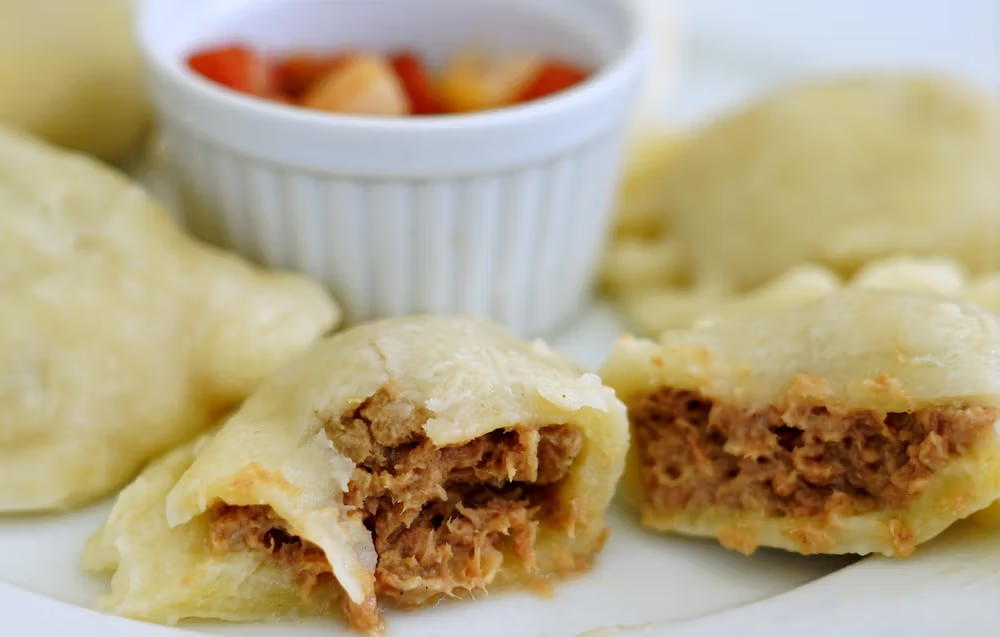
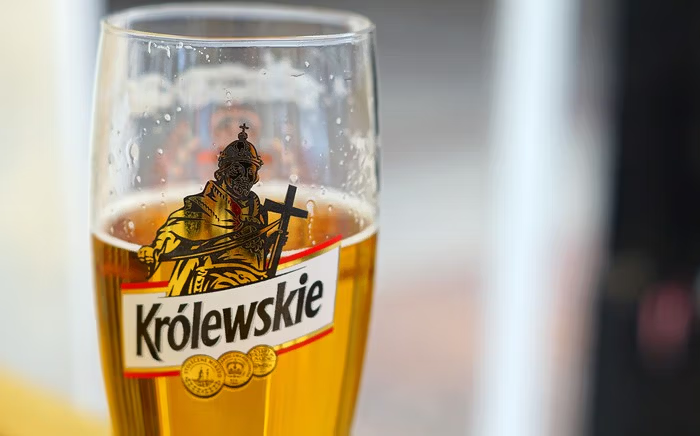
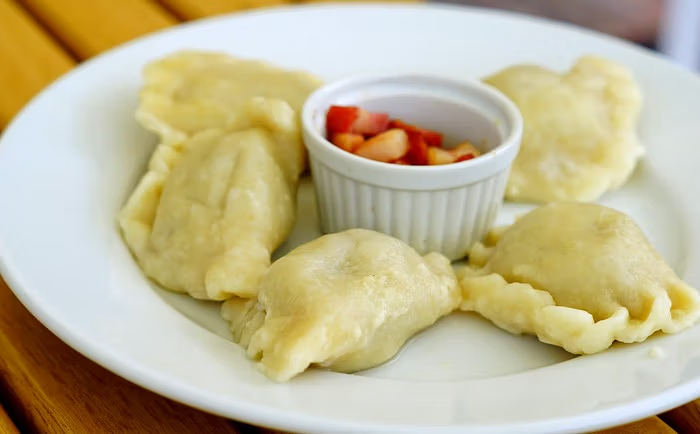
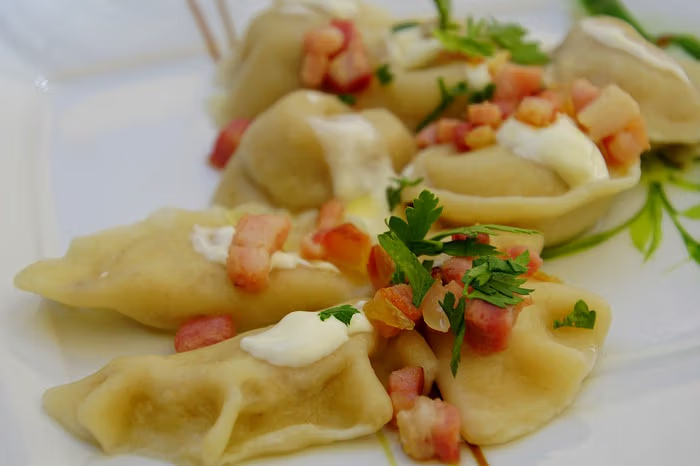
On our first day in Poland we decided what better way to get acquainted with the local cuisine than to sample Pierogi. Considered by many to be ‘the’ National Dish we ordered a plate full of them along with beer.
If you’ve never tried Perogies before they’re a stuffed dumpling. Typically, they are steamed and then they’re fried and they come in a variety of different flavors.
Hence, we ended up ordering meat and cheese ones. But you can also get dessert pierogi (often fruit flavored) as well.
When we first ordered our pierogi we were surprised that restaurants only served 5 or 6 a plate. It seemed like a small meal at first glance. But we soon learned that looks can be deceiving and that pierogi are incredibly filling!
Cultural Icon
Imagine biting into a soft, doughy pillow filled with a savory or sweet surprise that bursts with flavor. Poland’s beloved dumplings. In Warsaw, tasting pierogi is not just a culinary delight but an essential cultural experience. Whether you prefer them boiled, fried, or baked, these little parcels of goodness are a must-try for anyone visiting the Polish capital.
One of the most exciting aspects of pierogi is the incredible variety of fillings. From classic potato and cheese (pierogi ruskie) to hearty meat, sauerkraut, and mushroom, or even sweet options like fruit or cottage cheese, there’s a pieróg for every palate.
Pierogi are the epitome of comfort food. Their warm, hearty fillings and tender dough make them the perfect dish to enjoy, especially during the colder months. Pair them with a dollop of sour cream or a sprinkle of crispy onions, and you’ve got a meal that warms both the body and soul.
How to Eat Them?
Finding the Best Pierogi Spots: Start by exploring some of Warsaw’s top-rated pierogi restaurants. Zapiecek, with its charming rustic decor and extensive menu, is a great place to begin. For a more casual setting, head to Bar Prasowy, a beloved milk bar serving traditional Polish fare at affordable prices.
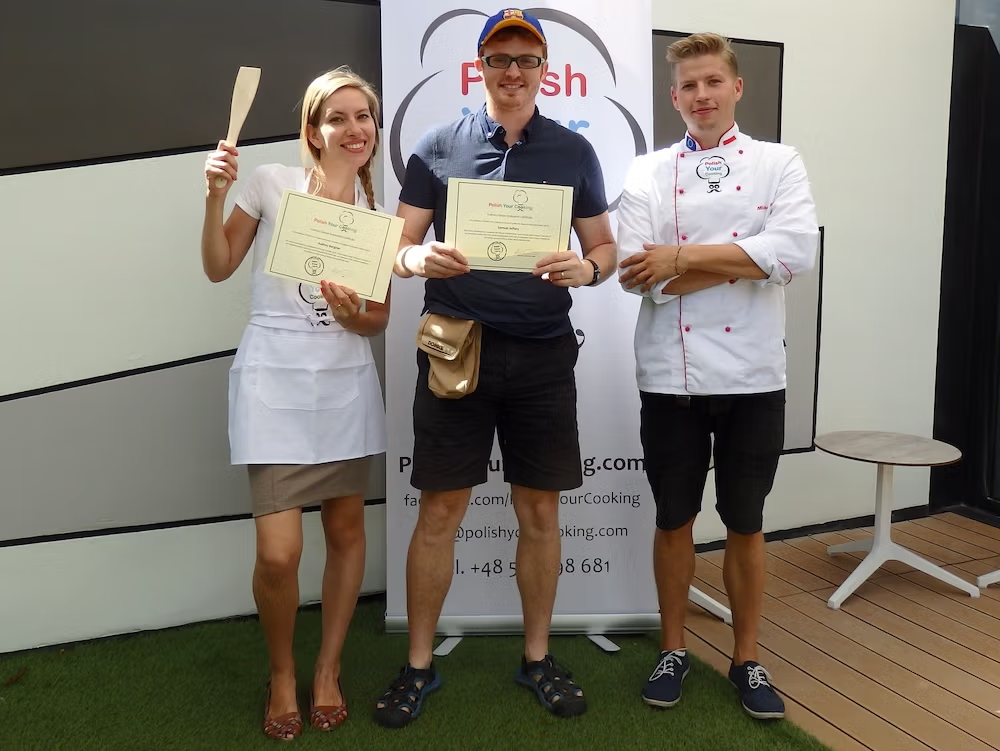
Joining a Pierogi Class: To take your pierogi experience to the next level, consider booking a cooking class. Companies like Polish Your Cooking offer classes where you can learn to make pierogi from scratch. These sessions usually include a market tour to pick out fresh ingredients, followed by a hands-on cooking lesson.
Tips for Visitors
- Come Hungry: Pierogi are filling, so make sure to come with a hearty appetite.
- Try a Variety: Don’t stick to just one type of filling. Exploring different flavors is part of the fun.
- Ask for Recommendations: Locals often have their favorite spots and flavors. Don’t hesitate to ask for their recommendations.
- Take Your Time: Enjoy the experience at a leisurely pace. Pierogi are best savored slowly, with good company and perhaps a glass of Polish vodka or beer.
4) The Neon Muzeum – Quirky Attraction
(Polish: Muzeum Neonów)
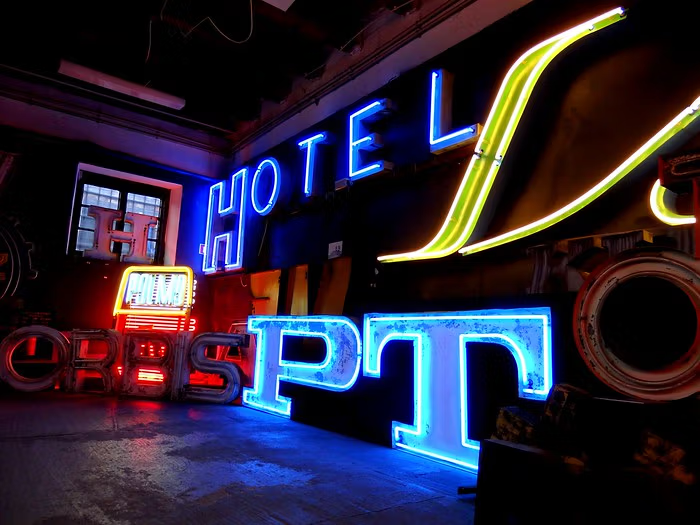
The Neon Museum is located in Soho Factory Praga. And it is ‘the place’ to learn about Cold War Neon.
Hence, it’s definitely one of the most interesting museums we’ve ever set foot in.
A Glimpse into the Past
Imagine stepping into a world where vibrant lights and retro designs tell stories of a bygone era. The Neon Muzeum in Warsaw is a unique attraction dedicated to the preservation and documentation of Poland’s cold war era neon signs. Located in the Praga district, this museum is a must-see for anyone interested in art, history, or urban culture.
The Neon Muzeum offers a fascinating look into Poland’s history during the mid-20th century. Neon signs, once a common sight on the streets of Warsaw and other cities, symbolized modernity and progress.
These neon signs are not just historical artifacts; they are also works of art. The museum showcases an impressive collection of intricately designed signs, each with its own unique charm and style. From bold typography to playful graphics, the artistry behind these signs is truly captivating.
It’s a neon wonderland. The dimly lit space allows the vibrant colors and intricate designs of the signs to pop, creating a mesmerizing visual experience. It’s a photographer’s dream, with endless opportunities to capture the glowing beauty of these vintage masterpieces.
Tips for Visitors
- Take Your Time: There’s a lot to see, so take your time to fully appreciate the intricate details and history behind each sign.
- Engage with Exhibits: Make use of the interactive displays to learn more about the context and significance of the neon signs.
- Explore the Area: After visiting the museum, take a stroll around the Praga district. It’s known for its vibrant street art, trendy cafes, and historic architecture.
5) Nysa Van tour with Adventure Warsaw
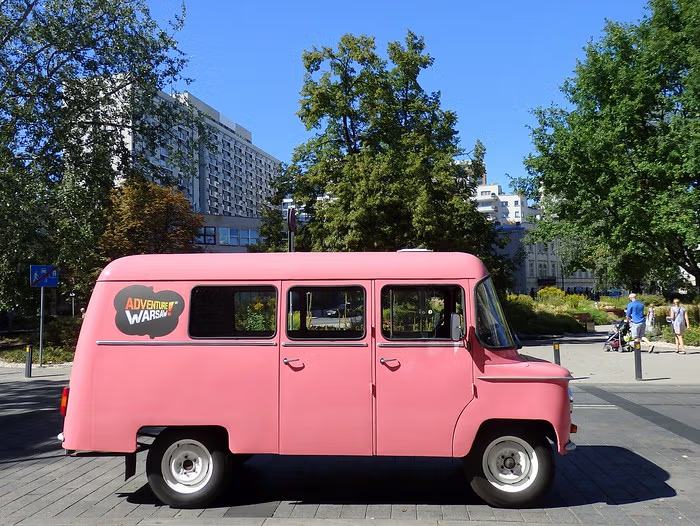
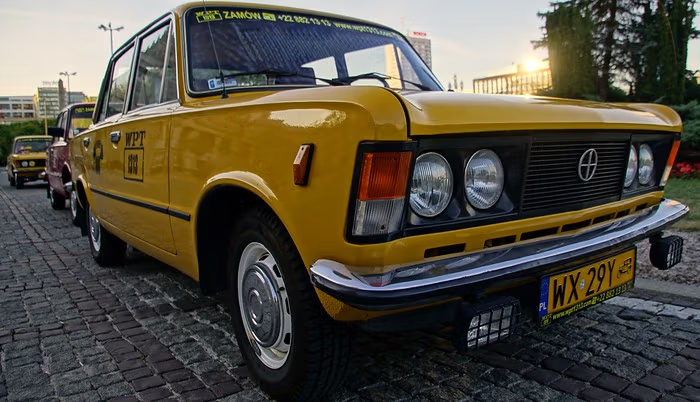
During our trip we joined Adventure Warsaw for a historical tour of the city. Our ride was a bubblegum pink Nysa van from the Soviet days.
And together with our guide we cruised the city in style while uncovering a bit of the past. And learning how it has shaped the present day city.
Imagine cruising through the streets of Warsaw in a vintage Nysa van, the quintessential Polish vehicle of the 1970s and 80s. The guides are passionate historians who bring the city’s history to life with compelling stories and fascinating facts. You’ll learn about Warsaw’s destruction during World War II, its post-war reconstruction, and its pivotal role in the fall of communism.
Riding in a classic Nysa van is an experience in itself. These vintage vehicles, once a common sight on Polish streets, add a nostalgic charm to the tour. The van’s cozy, retro interior sets the perfect atmosphere for a journey back in time, making the experience both fun and memorable.
The Nysa Van Tour takes you beyond the typical tourist spots, revealing hidden gems and lesser-known areas of Warsaw. From the remnants of communist-era architecture to vibrant street art in Praga, you’ll see sides of the city that many visitors miss.
How to Arrange the Experience?
The tour typically lasts around several hours, providing ample time to explore various parts of the city without feeling rushed. Check the website for tour timings and choose a slot that fits your schedule. Morning tours are ideal for a fresh start to your day, while afternoon tours offer a leisurely pace with the possibility of beautiful evening light for photography.
Tips for Visitors
- Be Open-Minded: The tour covers a wide range of topics and locations, some of which may be off the usual tourist track. Embrace the adventure and enjoy discovering new aspects of Warsaw.
- Ask Questions: Don’t hesitate to ask your guide questions. Their insights can provide a deeper understanding of the places you visit.
- Enjoy the Ride: The Nysa van is a key part of the experience. Relish the quirky charm of this vintage vehicle and the unique perspective it offers on the city.
6) Milk bar – Local Food Experience
(Polish: bar mleczny)
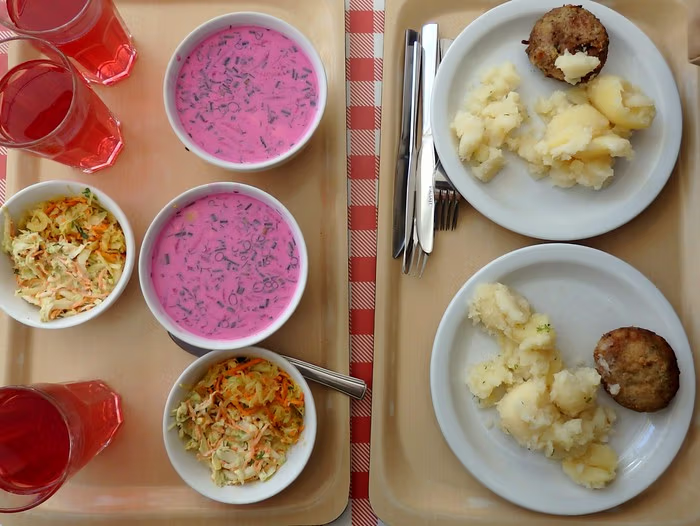
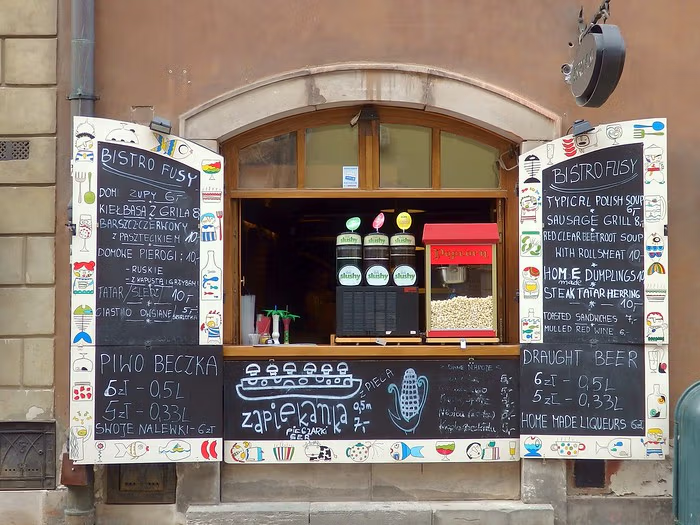
Milk bars are a bit of misnomer because you don’t go there to drink milk, nor do you go there to drink alcohol.
You can however try dairy based Polish dishes in a cafeteria-like setting. This includes pink beetroot soup.
Imagine stepping into a no-frills eatery where time seems to have stood still, and the comforting aroma of home-cooked Polish food fills the air. These humble canteens offer a taste of Poland’s past, serving up hearty, affordable meals in a nostalgic setting. Whether you’re a foodie on a budget, a history enthusiast, or simply looking for an authentic dining experience, visiting a Milk Bar is a must when in Warsaw.
Milk Bars originated in the early 20th century and gained prominence during the communist era, providing affordable, wholesome meals to the masses. Today, they offer a unique glimpse into Poland’s culinary and social history. Dining at a Milk Bar is like stepping back in time, where you can savor traditional dishes that have been passed down through generations.
At a Milk Bar, you can enjoy classic Polish dishes made from simple, fresh ingredients. From pierogi (dumplings) and kotlet schabowy (breaded pork cutlet) to bigos (hunter’s stew) and barszcz (beet soup), the menu is a showcase of hearty, flavorful food that has nourished Poles for decades.
What Makes It So Epic?
One of the most epic aspects of Milk Bars is their affordability. These eateries were designed to be budget-friendly, and that tradition continues today. You can enjoy a satisfying meal for just a few złoty.
These establishments are frequented by locals, from students and workers to retirees. Sharing a table with Warsaw’s residents, you get a taste of everyday life in Poland. It’s an authentic and unpretentious experience.
Milk Bars are often characterized by their simple, utilitarian decor, which adds to their charm. The interiors, with their minimalist furnishings and old-fashioned menus. It’s nostalgia galore.
Milk Bars are scattered throughout Warsaw, and finding one is part of the adventure. Popular spots include Bar Prasowy, Bar Bambino, and Bar Mleczny Rusałka.
Menus at Milk Bars are typically displayed on boards behind the counter and are often in Polish. If you’re not familiar with the language, don’t worry. Pointing at dishes or using a translation app can help. Many of the staff are accustomed to tourists and are patient with language barriers.
Tips for Visitors
- Go Early: Milk Bars can get busy during peak meal times. Arriving early ensures you get a seat and the best selection of dishes.
- Try the Specials: Many Milk Bars have daily specials that highlight seasonal ingredients and traditional recipes. These are often the best dishes on the menu.
- Embrace the Experience: Don’t expect luxury. Embrace the simplicity and authenticity of the Milk Bar experience. It’s all part of the charm.
7) Vistula River Cruise Trip
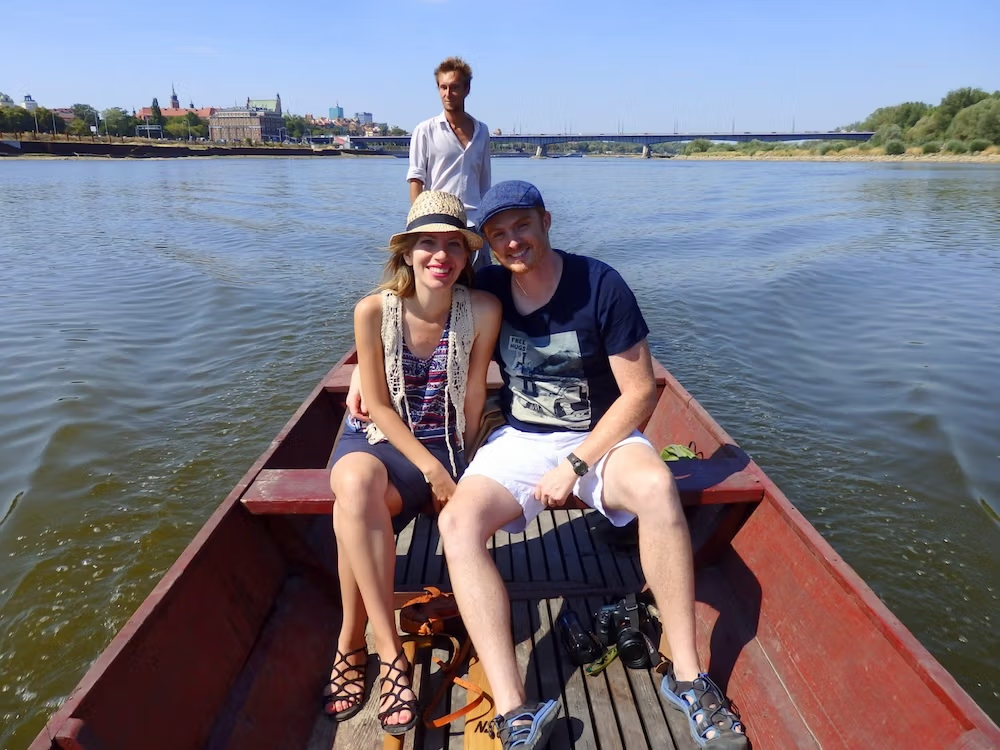
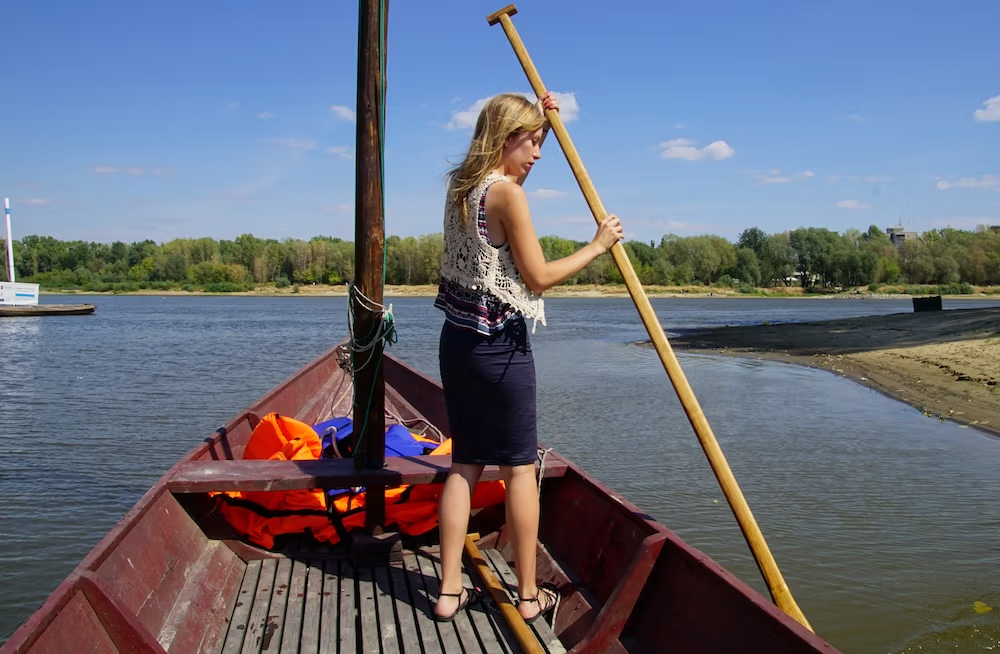
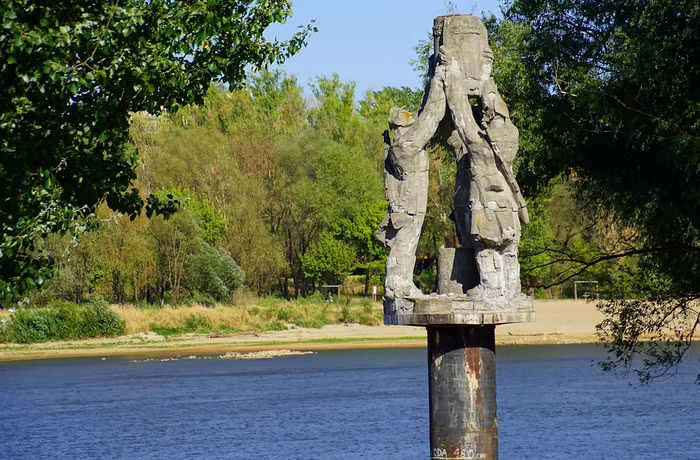
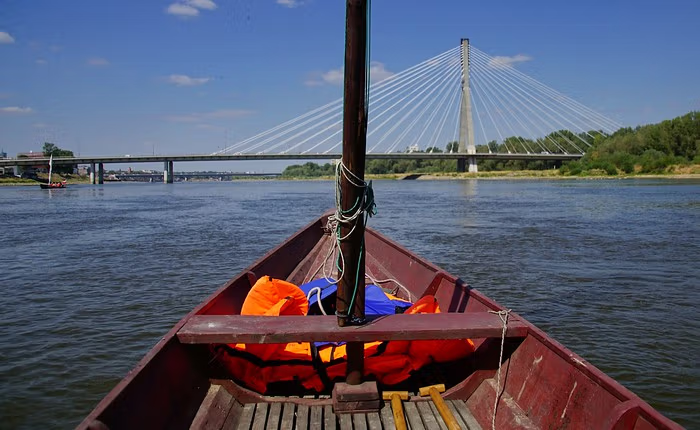
On a nice summer day consider hiring a boat to cruise down the Vistula River.
The water levels were particularly low when we visited during the summer months. So our leisurely boat ride required a little bit of punting.
The boat trip was a fun way to see Warsaw’s riverside beaches. And gaze at the Old Town off in the distance.
Unique Scenic Views
The Vistula River has been the lifeblood of Warsaw for centuries, playing a crucial role in the city’s development. A cruise along its waters allows you to see historic landmarks and learn about their significance from a unique vantage point.
From the Royal Castle to the modern architecture, the Vistula River Cruise offers unparalleled views of Warsaw’s most iconic sights. The juxtaposition of old and new is striking. It showcases the city’s rich heritage alongside its dynamic growth.
The Vistula River is home to a variety of wildlife, including beavers, herons, and swans. A cruise offers the chance to see these animals in their natural habitat. Moreover, a river cruise is the perfect way to unwind and take in the sights at a leisurely pace. It’s an ideal activity for families, couples, or solo travelers looking to enjoy some tranquility.
There’s a cruise for every preference, from short, hour-long trips to longer excursions that include meals and entertainment. You can choose a daytime cruise for clear views of the city’s architecture or an evening cruise for a more romantic setting. The variety ensures that there’s a perfect option for everyone.
How to Arrange the Experience?
Booking a Vistula River Cruise is straightforward. Many operators offer online reservations, allowing you to secure your spot in advance. Popular companies like StatekWars and River Cafe offer a range of cruise options. These including themed cruises and private charters.
Consider the timing and duration that best fits your schedule. Most cruises last between one to two hours, providing ample time to enjoy the experience without feeling rushed.
Tips for Visitors
- Arrive Early: Arrive at the departure point a little early to secure the best seats and avoid any last-minute stress.
- Check the Weather: Keep an eye on the weather forecast and dress accordingly. Even if it’s sunny when you leave, it can cool down on the river, especially in the evening.
- Be Open to Exploration: Use the cruise as a starting point for further exploration. The Vistula Riverbanks are lined with parks, cafes, and walking trails worth visiting.
8) Pub Crawl – Legendary Nightlife
Warsaw has legendary nightlife. I would rank it in the same stratosphere as what you can find in Berlin.
To maximize your time and meet new friends consider taking a pub crawl and canceling sightseeing plans for the next morning 😉
It’s an adventure that combines great drinks, lively music, and unforgettable memories.
You’ll meet fellow travelers and locals, all out to enjoy a fun night. The camaraderie and shared excitement make it easy to strike up conversations and form new friendships. It’s a fantastic way to connect with people and make the most of Warsaw’s nightlife.
Variety of Venues
Warsaw’s bar scene is incredibly diverse, and a pub crawl offers a curated tour of its highlights. From cozy, hidden gems to bustling, trendy clubs, you’ll get a taste of everything. Each venue has its own unique vibe. This ensurews the night is filled with new experiences and surprises.
One of the most epic aspects of a pub crawl is the guided experience. Knowledgeable guides lead the way, taking you to the best spots and ensuring you have a great time. They know the city’s nightlife inside out, which means you’ll skip the tourist traps and head straight to the coolest bars and clubs. Plus, they often share interesting tidbits about each venue and the local drinking culture.
Pub crawls often come with exclusive perks like free shots, drink specials, and VIP entry to clubs. These extras add to the excitement and value of the experience.
How to Arrange the Experience?
Booking a pub crawl in Warsaw is easy. Many companies offer nightly pub crawls. You can reserve your spot online through their websites or via travel platforms like Viator and TripAdvisor. Popular options include Warsaw Pub Crawl and PubCrawl Warsaw.
Tips for Visitors
- Stay Hydrated: Drink water throughout the night to stay hydrated and pace yourself with alcoholic beverages.
- Stay Together: Stick with the group to ensure you don’t get lost and to maximize the fun.
- Have an Open Mind: Be open to meeting new people and trying new things. The more you engage, the more fun you’ll have.
9) Palace of Culture and Science
(Polish: Pałac Kultury i Nauki)
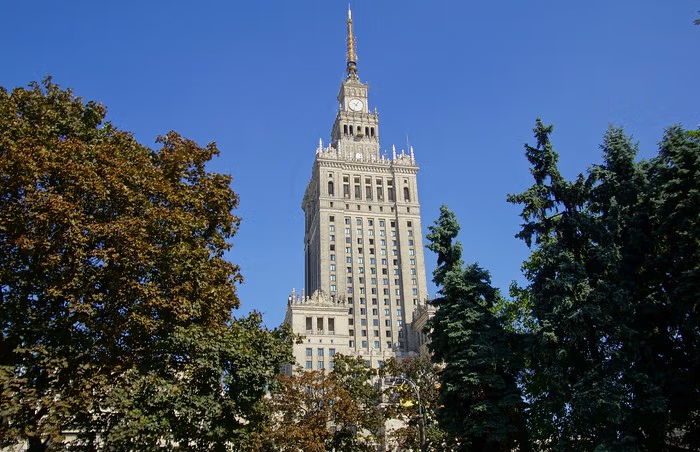
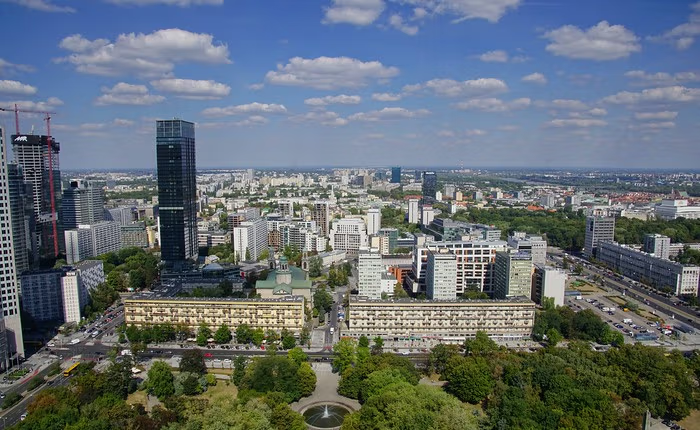
Much to the chagrin of locals the one building that really dominates the skyline here in Warszawa it is the Palace of Culture and Science. It was built in the 1950’s as a so-called gift from the Soviet Union.
The sentiment towards the Palace of Culture and Science is very mixed. There are those who see beauty in this historical landmark. Whereas others who despise the Soviet regime that it once stood for.
If you are interested in visiting this structure, there are tours that take you behind closed doors, before going up to observation deck – on the 30th floor – for views of the city below.
Fascinating History
The Palace of Culture and Science is the tallest building in Poland, standing at 237 meters. Designed by Soviet architect Lev Rudnev, it’s a striking example of Socialist Realism combined with Polish historicism. The building’s intricate facade, adorned with sculptures and reliefs, reflects a blend of styles that reflects its era.
Inside, the Palace houses theaters, cinemas, museums, and a variety of other cultural institutions. From art exhibitions and film screenings to theatrical performances and scientific lectures, there’s always something happening.
One of the most epic experiences at the Palace of Culture and Science is the observation deck on the 30th floor. The panoramic views of Warsaw are legendary.
The Palace’s history is steeped in controversy and intrigue. Originally a gift from Stalin, it was intended to symbolize Soviet-Polish friendship. Today, it stands as a reminder of Poland’s complex past and its resilience.
How to Arrange the Experience?
The Palace of Culture and Science is located in the heart of Warsaw. Thus, making it easily accessible by public transport. Trams, buses, and the metro all stop nearby. It’s also within walking distance of many other central attractions, so you can easily incorporate it into your day’s itinerary.
Check the official website for up-to-date information on opening hours, ticket prices, and current events or exhibitions. The observation deck is open year-round. But it’s a good idea to book tickets in advance, especially during peak tourist seasons.
Tips for Visitors
- Arrive Early: To avoid crowds, especially for the observation deck, it’s best to visit early in the day.
- Explore Beyond the Main Attractions: Don’t just stick to the well-known spots. There are many hidden gems within the Palace, including lesser-known exhibitions and quiet corners.
- Take Your Time: The Palace is vast, with plenty to see and do. Plan to spend at least a few hours exploring to make the most of your visit.
10) Fryderyk Chopin Museum
(Polish: Muzeum Fryderyka Chopina)
The Chopin Museum is another museum to consider visiting. It holds an extensive collection of manuscripts, letters and paintings that document the composer’s life.
Imagine immersing yourself in the life and legacy of one of the world’s greatest composers. The Fryderyk Chopin Museum in Warsaw offers this unique experience. It’s an essential stop for music lovers and cultural enthusiasts alike. The Fryderyk Chopin Museum is housed in the stunning Ostrogski Palace, a beautiful Baroque-style building overlooking the Vistula River.
Fryderyk Chopin is a national icon in Poland. His music has left an indelible mark on the world. The museum offers an in-depth look at his life, from his early years in Poland to his later successes in Paris. Exploring the museum provides a deep appreciation for Chopin’s contributions to music and his enduring influence.
The Fryderyk Chopin Museum stands out for its innovative and interactive exhibits. Touchscreens, multimedia displays, and immersive soundscapes allow visitors to interact with Chopin’s music and personal artifacts.
Tips for Visitors
- Take Your Time: The museum is packed with information and interactive displays. Plan to spend at least a couple of hours to fully appreciate everything.
- Engage with the Exhibits: Don’t hesitate to interact with the multimedia displays and touchscreens. They’re designed to enhance your understanding and enjoyment.
- Explore the Surroundings: After your visit, take a stroll around the beautiful grounds of Ostrogski Palace or enjoy a walk along the nearby Vistula River.
11) Making Pierogi with Polish Your Cooking
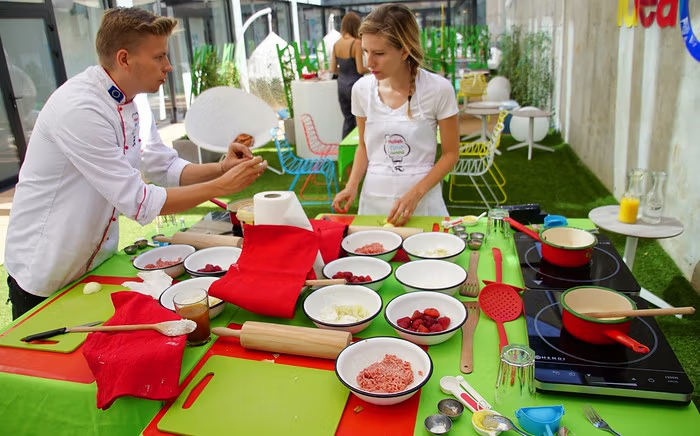
When we weren’t sampling Polish food in restaurants, we were learning to make Pierogi by hand.
We ended up taking a cooking class with ‘Polish Your Cooking’ where we learned to make pierogi with various fillings including: ground beef and onions, cheese and potatoes, and strawberries for dessert.
It took us about 3 hours to prepare all the food. And then we devoured it in a matter of minutes.
Pierogi are a staple of Polish cuisine and a symbol of the country’s culinary heritage. By learning to make them you’re participating in a cherished tradition that has been passed down through generations.
There’s something incredibly satisfying about making food with your own hands. In this class, you’ll roll out dough, mix fillings, and shape each pieróg yourself. It’s a tactile, engaging experience. Plus, you get to eat your delicious creations at the end!
One of the best parts of the class is experimenting with different fillings. From traditional potato and cheese (pierogi ruskie) to meat, mushrooms, and even sweet options like fruit or chocolate. You’ll learn to create a variety of pierogi. This diversity keeps the class exciting and allows you to explore a range of flavors.
Tips for Visitors
- Arrive Early: Arriving a few minutes early allows you to settle in and meet your fellow participants before the class begins.
- Ask Questions: Don’t hesitate to ask your instructor questions. They’re there to help and are happy to share their knowledge.
- Enjoy the Process: Relax and have fun with the experience. Making pierogi is as much about the process as it is about the final product.
12) Łazienki Park Royal Route
(Polish: Park Łazienkowski – Łazienki Królewskie)
Lazienki Park is the largest park in Warsaw. And the name means baths thanks to the bathing pavilion that was located on these very grounds.
The park is also part of the Royal Route. Which was a communication route that ran southward from the Old Town back in the days when snail mail was the only way to get urgent messages across.
Originally designed in the 17th century for King Stanisław August Poniatowski, the last king of Poland, the park is steeped in history. The park spans over 76 hectares. Thus, offering an oasis of greenery in the heart of Warsaw. Its meticulously landscaped gardens, tranquil lakes, and winding paths make it a haven for nature enthusiasts. The park is especially beautiful in spring and autumn. You’ll notice flowers are in full bloom and the leaves turn vibrant shades of red and gold.
The park is home to several historic buildings, including the exquisite Palace on the Isle, a neoclassical masterpiece that appears to float on water. Other notable structures include the Amphitheater, modeled after ancient Roman theaters, and the Myślewicki Palace, known for its charming 18th-century decor.
Tips for Visitors
- Arrive Early: To avoid the crowds and enjoy the park in peace, especially during weekends and holidays.
- Explore Beyond the Main Path: The park is vast, and some of the most beautiful spots are off the beaten path. Take your time to wander and discover hidden corners.
- Check the Event Schedule: Plan your visit around one of the many cultural events for a richer experience.
13) POLIN Museum of the History of Polish Jews
(Polish: Muzeum Historii Żydów Polskich)
The POLIN museum sits on the site of the former Warsaw Ghetto and it documents the history of Polish Jews in a chronological timeline. The exhibit starts out with the traveling merchants that came to Poland during the medieval period. And it spans several hundred years through to the Holocaust and the Post War Years.
Imagine stepping into a place where history and culture intertwine to tell a profound story of resilience, tragedy, and triumph. The museum is known for its cutting-edge, interactive exhibits. Using multimedia, reconstructed settings, and personal narratives, POLIN brings history to life.
The building itself is a work of art. Designed by Finnish architect Rainer Mahlamäki, its modern, glass-fronted structure symbolizes transparency and openness. The striking central hall, with its undulating walls, represents the parted Red Sea.
Tips for Visitors
- Take Your Time: The museum is extensive, and each gallery deserves time and attention. Plan to spend at least a few hours to fully explore and absorb the exhibits.
- Use the Multimedia Guides: These guides offer a rich layer of information and can help you navigate the museum more effectively.
- Explore the Surroundings: After your visit, take a walk around the area. The museum is situated in Muranów, a district with its own historical significance and interesting sites.
14) Bigos – Polish Hunter’s Stew
While visiting Warsaw’s Old Town be sure to sit down at a restaurant to try Bigos – also known as Polish hunter’s stew. Consisting of an assortment of different meats and cabbage. Typically it is served in a bread bowl. No two Bigos recipes are the same.
It is basically just a mix of different cuts of meat where you can have beef, veal, pork, venison or rabbit. This is the type of dish you’d eat during the winter months.
But if you look hard enough you’ll be able to find it on some restaurant menus year round.
Dating back to medieval times, it has been a staple of Polish cuisine for centuries. Originally a hunter’s dish, it was designed to make the most of game meats and preserved ingredients. Today, it remains a beloved comfort food
The magic of Bigos lies in its layers of flavor. It combines various meats (such as pork, beef, and sausage) with sauerkraut, fresh cabbage, mushrooms, and a medley of spices. It is then slow-cooked to perfection. The ingredients meld together to create a rich, tangy, and slightly smoky stew that’s incredibly satisfying.
Tips for Visitors
- Ask for Recommendations: Don’t hesitate to ask your server for their recommendation on where to find the best Bigos. Locals often know the best spots.
- Try Different Variations: If you have time, try Bigos in different restaurants to experience the subtle variations in recipes.
- Pair It Right: Pair your Bigos with traditional Polish beverages for a complete culinary experience.
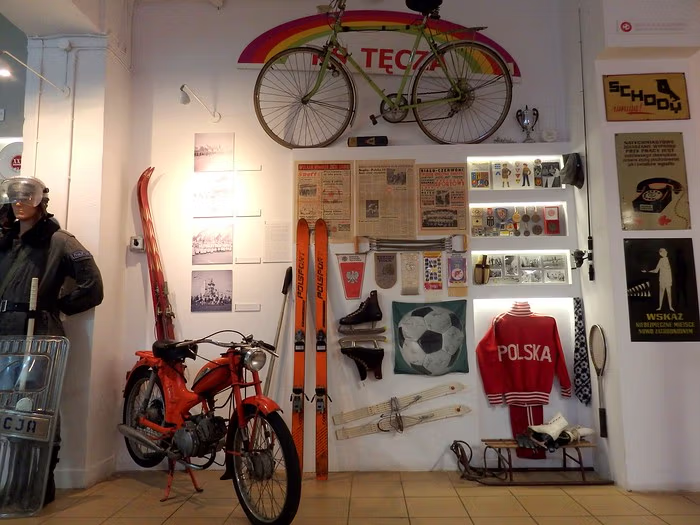
15) Czar PRL – Life under Communism Museum
Another cool museum in our Warsaw travel guide is a visit to the Life Under Communism Museum. It may be small, but the way it’s been set up will make you feel like you’ve travelled back through time.
Not only will you visit rooms styled the way the average home would have looked during Soviet period, but they also have posters, board games, music, and fashion from the same era.
Imagine stepping into a time capsule that whisks you back to the days of the Polish People’s Republic. Where life under communism was a daily reality. This museum offers a fascinating glimpse into the everyday life, culture, and struggles of Poles during the communist era.
The exhibits at Czar PRL are interactive and engaging. You’ll find yourself wandering through rooms filled with vintage furniture, old electronics, and period-specific decor.
One of the most epic aspects of Czar PRL is the authenticity of its re-creations. The museum has painstakingly sourced and restored items from the communist era. Everything from clothing and toys to kitchen appliances and automobiles.
Tips for Visitors
- Take Your Time: There’s a lot to see, so take your time to explore each exhibit thoroughly. Don’t rush through; instead, savor the details and immerse yourself in the experience.
- Engage with the Exhibits: Many displays are interactive, so don’t hesitate to touch, sit, and play with the items. This hands-on approach makes the visit more enjoyable and memorable.
- Ask Questions: If you’re on a guided tour, ask questions. The guides are knowledgeable and passionate about the history, and they can provide valuable insights and anecdotes.
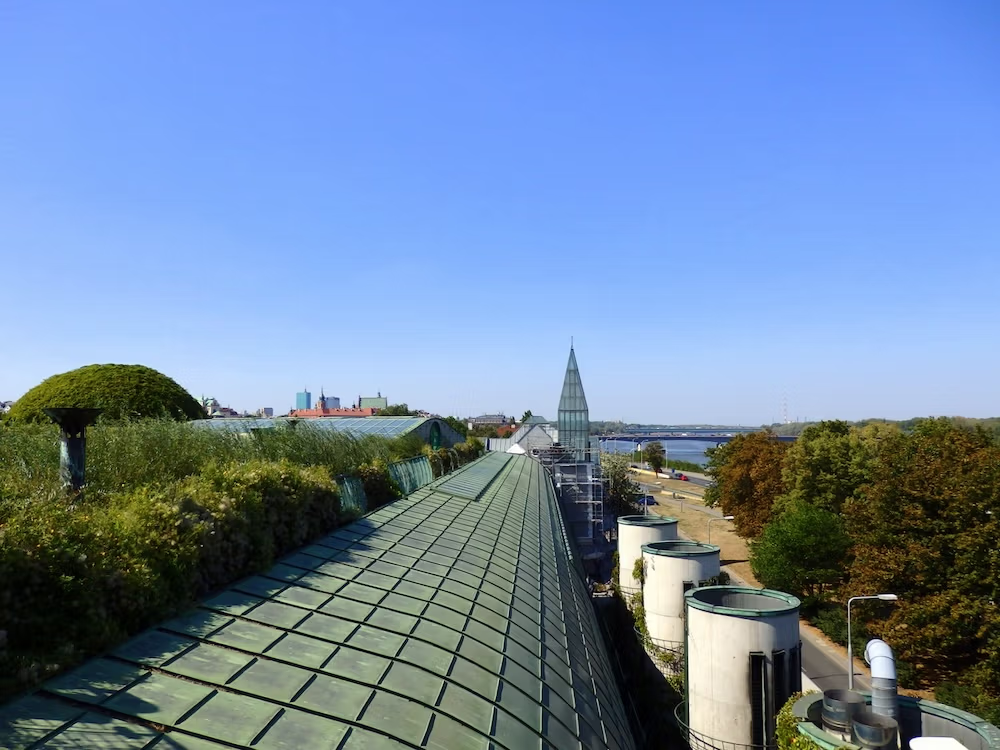
16) Warsaw University Library Garden
For a look at a very unique garden? You can swing by the rooftop gardens at the Warsaw’s University Library. It’s a beautiful place and we noticed more than one student napping there.
The Warsaw University Library is an architectural masterpiece. Designed by renowned architect Marek Budzyński, the garden spans over one hectare, seamlessly integrating with the library’s modern structure. Walking through this green haven, you’ll appreciate the innovative design that combines natural beauty with urban functionality.
The Library Garden offers a serene escape. The meticulously landscaped gardens feature a diverse array of plants and winding pathways. It’s the perfect place to take a leisurely stroll, read a book, or simply enjoy the tranquility. The garden’s multi-level design provides a variety of scenic spots to explore, each offering a different perspective on the city below.
One of the most epic aspects of the Warsaw University Library Garden is the stunning panoramic views it offers. From the highest points of the garden, you can gaze out over the Vistula River and the Warsaw skyline.
Tips for Visitors
- Arrive Early or Late: To avoid the crowds and enjoy a more peaceful experience, visit early in the morning or late in the afternoon.
- Explore All Levels: Make sure to explore both the upper and lower sections of the garden. Each area offers a different perspective and unique features.
- Take Your Time: The garden is a place to relax and unwind, so take your time to fully appreciate its beauty and tranquility.
17) St. Anne’s Church
(Polish: Kościół św. Anny)
While visiting the historic centre of Warsaw you’ll spot St. Anne’s Church where you can come during noon hour for a concert. Located at the entrance to the Royal Route, this magnificent church offers a blend of architectural splendor, rich history, and spiritual tranquility.
St. Anne’s Church, founded in 1454, is a cornerstone of Warsaw’s history. Over the centuries, it has survived wars, fires, and political upheaval.
The church showcases a blend of Gothic, Renaissance, Baroque, and Neoclassical styles. Its stunning facade, designed by the Italian architect Chrystian Piotr Aigner, is Neoclassical architecture. Inside, the Baroque altar, intricate frescoes, and soaring arches create an atmosphere of awe and reverence.
One of the most epic aspects of visiting St. Anne’s Church is the panoramic view from its bell tower. Climbing the 150 steps to the top rewards you with a breathtaking vista of Warsaw’s Old Town, the Vistula River, and the city skyline.
Tips for Visitors
- Respect the Space: Remember that St. Anne’s Church is an active place of worship. Be respectful of those attending services or praying.
- Explore the Details: Take your time to appreciate the intricate details of the church’s architecture and artwork. Each piece has its own story and significance.
- Enjoy the Concerts: Check the schedule for upcoming concerts. The combination of beautiful music and stunning surroundings is a highlight of any visit.
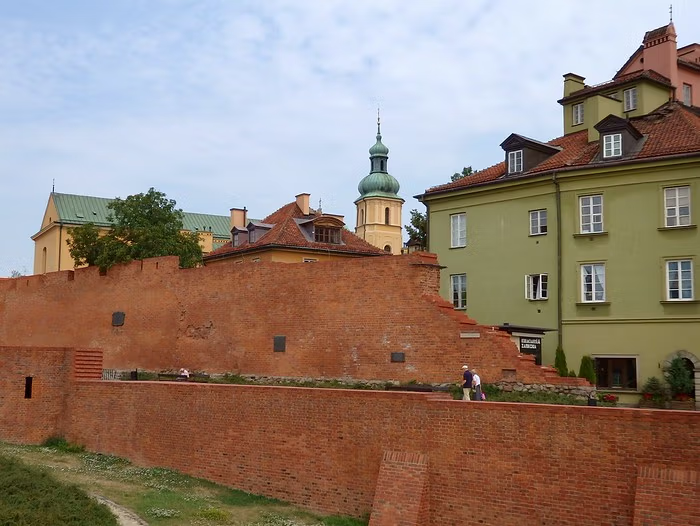
18) Warsaw Barbican Fortification
(Polish: barbakan warszawski)
The Barbican is a red-brick fortification that once encircled Warsaw. These days the city has expanded well beyond the fortification’s limits. But it still remains one of the city’s top attractions.
You’ll find lots of artists and buskers along the main gates. And you can also enjoy some scenic views of the city by walking along the length of the wall.
The Warsaw Barbican, built in the 16th century, is a crucial part of the city’s defensive network. It stands as a testament to Warsaw’s strategic importance and its turbulent past. The Barbican is a striking example of medieval military architecture.
Its imposing walls, towers, and gates were designed to withstand sieges and attacks. The red-brick structure, with its intricate design and strategic placement, offers a glimpse into the architectural ingenuity of the time. It’s not just a fortification; it’s a work of art.
One of the most epic aspects of the Warsaw Barbican is its survival through centuries of conflict and destruction. It was partially demolished in the 19th century, heavily damaged during World War II, and meticulously rebuilt in the 1950s.
Tips for Visitors
- Visit Early or Late: To avoid the crowds and enjoy a more peaceful experience, visit early in the morning or late in the afternoon.
- Explore the Surroundings: The area around the Barbican is filled with charming streets, cafes, and shops. Take some time to explore the Old Town and discover hidden gems.
- Check for Events: The Barbican often hosts historical reenactments, markets, and festivals. Check the local event calendar for any special happenings during your visit.
19) Presidential Palace
(Polish: Pałac Prezydencki)
Just a short walk from Castle Square you’ll find the Presidential Palace. Which is an elegant classicist building that has been rebuilt and remodeled several times. Once it served as private property for several aristocratic families.
Located on the historic Krakowskie Przedmieście street, this stunning neoclassical building is a must-visit for anyone exploring Warsaw. The Presidential Palace, also known as the Belweder, has been at the center of Polish history for centuries. Since its construction in the 17th century, it has witnessed pivotal events, from royal receptions and political upheavals to state ceremonies and national celebrations.
Its neoclassical facade, designed by Jakub Kubicki, is elegant and imposing. It features grand columns, intricate carvings, and a harmonious balance of proportions. Inside, the state rooms are equally impressive. They’re adorned with exquisite furnishings, artwork, and historical artifacts.
The Presidential Palace is not just a historical monument. It’s an active center of political and cultural life. It hosts numerous state functions, diplomatic meetings, and cultural events.
Tips for Visitors
- Check for Events: Look out for any special events or ceremonies taking place during your visit. These can add a unique and exciting element to your experience.
- Arrive Early: To make the most of your visit, arrive early to avoid the crowds and enjoy a more relaxed exploration of the palace and its grounds.
- Explore the Neighborhood: After your visit, take some time to explore the surrounding area. Krakowskie Przedmieście is lined with historic buildings, charming cafes, and other attractions worth discovering.

20) Polish Torpedo Dessert
(Polish: Rurki z Kremem)
If you’re in the mood for a bit of a sweet treat consider having Polish Torpedo dessert known locally as Rurki z Kremem.
Consisting of a buttery flaky pastry filled with cream. It is a bit like an ice cream cone that isn’t overly sweet.
Rurki z Kremem is a beloved classic in Polish confectionery. This dessert has been enjoyed by generations. It often evokes nostalgic memories of childhood for many Poles. Its enduring popularity speaks to its deliciousness and the comfort it brings.
What makes Rurki z Kremem so irresistible is its balance of textures and flavors. The pastry shell is light and crispy, providing a delightful contrast to the smooth, rich cream filling. It’s simply a delicious combination. It’s the kind of dessert that leaves you craving more with each bite.
Tips for Visitors
- Try Different Versions: Each bakery might have its own twist on Rurki z Kremem. Sample a few different places to find your favorite.
- Pair It with a Drink: Enjoying Rurki z Kremem with a coffee, hot chocolate, or tea can enhance the flavors and make the experience even more enjoyable.
- Take Some Home: If you love it, buy a few extra to take with you or as a gift for someone special. Most bakeries will package them nicely for you to carry.
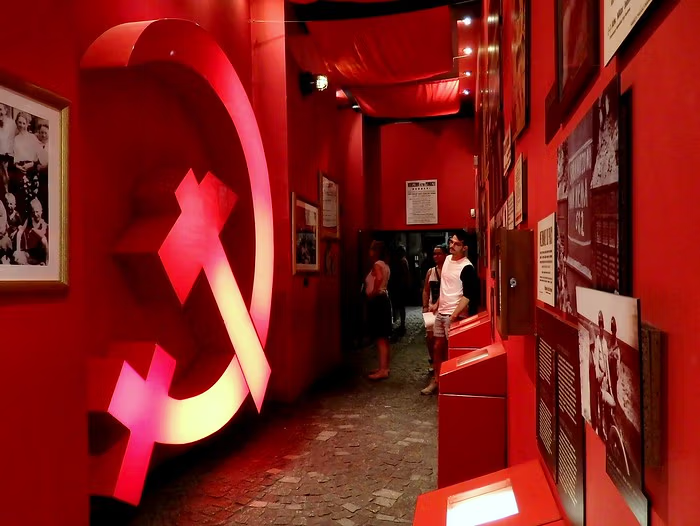
21) Warsaw Uprising Museum
(Polish: Muzeum Powstania Warszawskiego)
A quirky addition to our Warsaw Travel Guide is The Warsaw Uprising Museum. It is dedicated to the Warsaw Uprising of 1944 led by the Polish resistance army. The museum chronicles the 63 days of the uprising as Poles fought against Germans.
The Warsaw Uprising of 1944 was a pivotal moment in Polish history. For 63 days, the citizens of Warsaw rose against the Nazi occupation. The museum chronicles this monumental struggle, offering deep insights into the events, people, and emotions that defined the uprising.
The museum is renowned for its interactive and multimedia exhibits. From authentic artifacts and personal testimonies to immersive reconstructions and film footage, the displays are designed to engage all your senses.
The museum uses soundscapes, light effects, and interactive displays to create an environment that deeply resonates with visitors. Highlights include a replica of a Warsaw sewer used by insurgents, a recreated street of 1940s Warsaw, and a touching memorial wall inscribed with the names of fallen fighters.
Tips for Visitors
- Take Your Time: The museum is extensive, with a lot to see and absorb. Plan to spend at least a few hours to fully appreciate the exhibits.
- Use the Audio Guides: Available in multiple languages, the audio guides provide valuable context and deeper insights into the exhibits.
- Explore the Surroundings: The museum’s location in the Wola district offers additional historical sites and attractions worth exploring.
22) Copernicus Science Centre
(Polish: Centrum Nauki Kopernik)
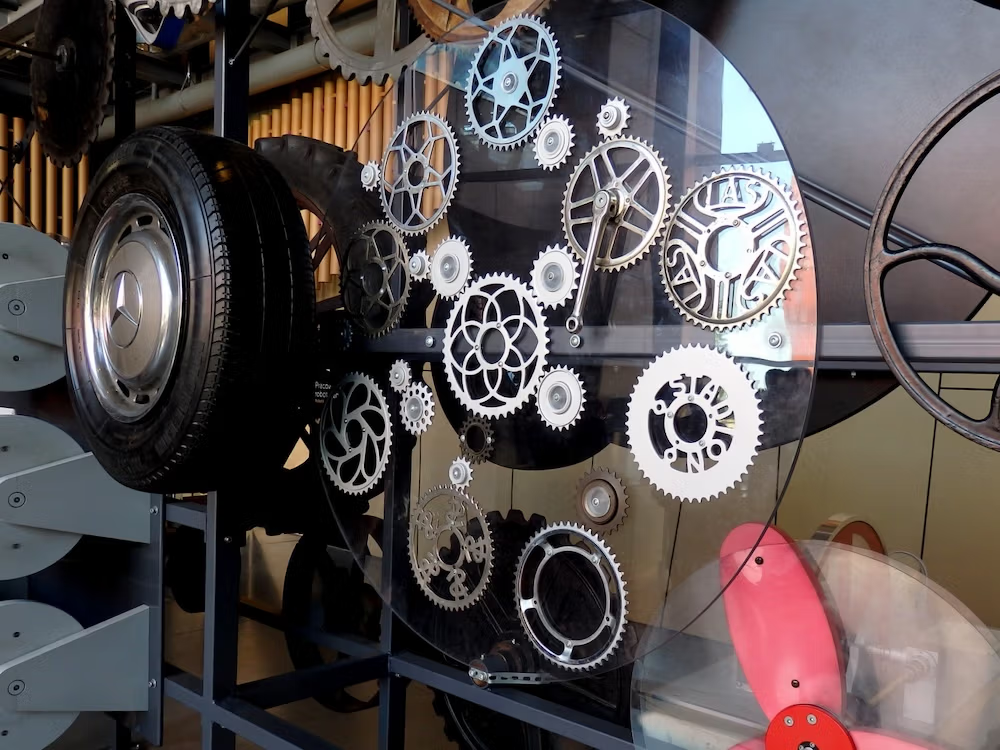
The Copernicus Science Centre is an interactive learning centre where you can discover science through experiments. While we were probably a little too old for the exhibits, we can see how this would be a fun place for children.
The Copernicus Science Centre redefines the museum experience with its interactive exhibits. Here, you don’t just look at displays – you touch, play, and experiment. This hands-on approach makes learning fun. From robotics and space exploration to physics and biology, the center covers a wide range of scientific fields, ensuring there’s something to spark everyone’s interest.
The center features over 450 exhibits spread across six thematic galleries. Highlights include the Robotic Theatre, where robots perform theatrical plays, and the High Voltage Theatre, which offers electrifying demonstrations of Tesla coils. Each exhibit is designed to inspire wonder and curiosity, making complex scientific concepts accessible and exciting.
The Planetarium, with its state-of-the-art projection system, offers breathtaking journeys through the cosmos. These immersive experiences make the center a standout attraction.
Tips for Visitors
- Arrive Early: To make the most of your visit and avoid the crowds, arrive early. This gives you more time to explore at a leisurely pace.
- Plan Your Route: With so much to see, it’s helpful to plan your route through the center. Check the map and prioritize the exhibits and activities you’re most interested in.
- Join a Workshop: Look out for workshops and demonstrations. These add an extra layer of engagement and learning to your visit.
23) Warsaw night views
How could we create a Warsaw travel guide with a focus on nightlife?
If you’re in town during the summer months and over the weekend, I would also suggest checking out the Old Town at night.
There is live music, people are out enjoying a cool evening stroll, and the restaurants are packed. It’s a really fun atmosphere.
Warsaw transforms into a magical wonderland after sunset. For photography enthusiasts, Warsaw’s night views offer endless opportunities. The reflections on the Vistula River, the lit-up skyline, and the beautifully illuminated historic buildings provide stunning backdrops.
Tips for Visitors
- Explore Different Areas: Don’t limit yourself to one spot. Explore various parts of the city to see how different areas come alive at night.
- Join a Night Tour: Consider joining a guided night tour. Many tours focus on the city’s illuminated landmarks and provide historical context and interesting stories.
- Relax and Enjoy: Take your time to soak in the atmosphere. Sit at a cafe, enjoy a hot drink, and watch the city lights twinkle around you.
24) National Stadium for Football Fans
(Polish: Stadion Narodowy)
For the football lovers, there’s the option of catching a match at the National Stadium. Or perhaps a concert if it’s not football season.
The National Stadium is more than just a sports venue. It’s a symbol of modern Poland. Opened in 2012 for the UEFA European Championship, this stadium is equipped with the latest technology and facilities. Its distinctive retractable roof and striking red-and-white facade make it an architectural marvel. Experiencing a match here means witnessing football in one of Europe’s premier stadiums.
The atmosphere at the National Stadium is nothing short of electric. The passion of Polish football fans is contagious. And the energy in the stadium during a match is exhilarating. From the chants and cheers to the dramatic moments on the pitch, every game is a spectacle. Being part of the crowd, feeling the collective heartbeat of thousands of fans, is an experience you won’t forget.
Watching a live football match at the National Stadium is an epic experience. The stadium has hosted numerous high-profile matches, including international fixtures and top-tier domestic games. The thrill of seeing world-class players in action, the tension of a close match, and the joy of celebrating goals with fellow fans create unforgettable memories.
Tips for Visitors
- Use Public Transport: The stadium is well-connected by public transport. Taking the metro or tram can save you the hassle of parking.
- Explore the Surroundings: The area around the stadium has parks and walking paths along the Vistula River, perfect for a pre- or post-game stroll.
- Check the Weather: If attending an event with the roof open, check the weather forecast and dress appropriately.
25) Paczki for Polish Dessert
(Polish: Pączk)
Just hours before departing to Romania we tried Paczki for the first time. It’s basically like a donut filled with jam inside covered in icing and sprinkled with almonds on top. Not a bad way to end a trip 😉
Paczki (pronounced “pownch-key”) have been a staple of Polish cuisine for centuries. Traditionally enjoyed on Fat Thursday (Tłusty Czwartek) before the start of Lent, these delightful doughnuts are now available year-round. They symbolize Polish culinary heritage and are a delicious way to connect with local traditions.
Paczki come in a variety of flavors and fillings, ensuring there’s something for everyone. From classic rose petal jam and rich custard to modern variations like chocolate and strawberry, each bite offers a unique taste experience. This variety makes Paczki a versatile treat that can be enjoyed by all.
One of the most epic aspects of Paczki is their perfect combination of texture and flavor. The dough is soft and airy, yet slightly chewy, providing a satisfying bite. The fillings are rich and flavorful, offering a burst of sweetness that complements the dough perfectly. Topped with a dusting of powdered sugar or a sweet glaze, Paczki are indulgent and irresistible.
Tips for Visitors
- Try Different Flavors: Don’t limit yourself to just one flavor. Sample a few different fillings to fully appreciate the variety and richness of Paczki.
- Ask Locals for Recommendations: Locals can often point you to hidden gems and favorite bakeries that might not be on every tourist’s radar.
- Enjoy with Coffee or Tea: Pairing Paczki with a hot beverage like coffee or tea can enhance the flavors and make the experience even more enjoyable.
Warsaw Photo Essay
Beyond the Top 25: Planning Your Time in Warsaw
Woah, Nelly! If you’ve made it this far, congrats! You’ve probably realized at this point Warsaw is one of those cities that grows on you the longer you stay. Once you’ve ticked off the big-ticket sights and eaten your body weight in pierogi, the real fun begins: figuring out how to stitch everything together into a trip that actually flows — with good food, chill neighbourhood wanders, and a bit of nightlife without totally wrecking yourself for the next morning.
Think about what kind of traveller you are before you start pencilling in activities:
- If you love history and architecture, make room for the Old Town, Royal Route, Warsaw Uprising Museum, POLIN Museum, and St. Anne’s bell tower.
- If you’re more food-obsessed, plan around milk bars, pierogi tastings, coffee shops, dessert runs, and maybe a cooking class.
- If you’re here for nightlife, block off at least one late night around Nowy Świat and Pawilony, plus time to recover the next morning.
- If you prefer green spaces and slow strolls, balance out the heavy history with Łazienki Park, the University Library Garden, Vistula riverbanks, and café time.
A good rule of thumb: for every “big” sight or museum you add, leave an unstructured hour for wandering, coffee, or sitting on a bench people-watching. Warsaw rewards that extra breathing room.
Where to Stay in Warsaw
Choosing the right area can completely change how Warsaw feels. Here are a few central neighbourhoods that work especially well for visitors:
| Area | Vibe | Best for | Major Pros | Things to Keep in Mind |
|---|---|---|---|---|
| Old Town | Historic, pretty, touristy | First-timers, short stays | Cobblestones, views, easy access to classic sights | Higher prices, busy in peak season/weekends |
| Śródmieście | Central, urban, convenient | Sightseeing + shopping combo | Great transport, lots of cafes and restaurants | Feels more “big city” than “old Europe” |
| Powiśle | Trendy, riverside, relaxed | Cafés, nightlife, Vistula walks | Cool bars, green spaces, easy access to riverfront | Slightly longer walk to Old Town (still doable) |
| Praga | Gritty-creative, up-and-coming | Street art, alternative vibe | Neon Muzeum, bars, galleries, character | Can feel rough around the edges after dark |
| Mokotów | Residential, leafy | Longer stays, quieter base | Parks, calmer evenings, local restaurants | Commute into center by tram/metro |
Once you’ve picked an area, check how close your hotel or apartment is to a tram, bus, or metro stop. Warsaw’s public transport makes it easy to move between neighbourhoods, so staying somewhere that’s well connected is more important than being beside one specific attraction.
When booking:
- Aim for free cancellation if visiting in shoulder season, when weather can be unpredictable.
- Look for rooms with good soundproofing if staying near the Old Town squares or nightlife streets.
- Check whether breakfast is included; Polish hotel breakfasts can be generous enough to count as two meals in one.
Getting Around the City
Warsaw is big enough that you’ll use public transport, but compact enough that you’ll still do plenty of walking.
Public Transport
The network of trams, buses, and metro lines covers pretty much everywhere you’ll want to go. Tickets are time-based (for example, 20-minute, 75-minute, or day passes) and work across all modes. You’ll usually:
- Buy from machines in metro stations and major stops
- Validate your ticket once, then keep it in case of inspection
- Use a day pass if you expect to ride more than three or four times
For most visitors, trams are a sweet spot: scenic, frequent, and less confusing than trying to remember bus routes.
Walking and Biking
Old Town, Castle Square, the Royal Route, and nearby streets are best on foot. Pavements are generally good, though cobblestones can be unforgiving on ankles, so comfortable shoes make a big difference.
The Vistula riverbanks and Powiśle are perfect for short bike rides, especially in summer. Rental bikes and scooters pop up all over the city when the weather’s good.
Getting To and From the Airport
Warsaw Chopin Airport connects easily with the center:
- Train: Quick, inexpensive, and usually the easiest option if you’re staying near a train station or metro.
- Bus: Good if your accommodation is on one of the main routes.
- Taxi or ride-hailing: Still reasonably priced by Western European standards, handy if arriving late or with lots of luggage.
If you’re landing late at night, it’s worth having your first night’s address written down to show the driver, including any apartment entry codes sent by your host.
What Things Actually Cost
Poland is cheaper than many Western European capitals, but Warsaw is still the priciest city in the country. A rough daily budget (excluding accommodation) might look like this:
| Style | Daily Spend on Food + Transport + Sights (approx.) |
|---|---|
| Shoestring | Eat at milk bars, street snacks, free sights |
| Moderate | Mix of cafés, sit-down meals, museums, nightlife |
| Splashing Out | Trendy restaurants, cocktails, paid tours |
To keep costs under control:
- Use milk bars at lunchtime and save fancier places for dinner.
- Walk or use day transport passes instead of lots of short rides.
- Focus on a few paid “anchor” experiences (like a river cruise, a guided tour, or one big museum) and balance them with free or low-cost activities.
Eating Your Way Around Warsaw
The main guide already dives into specific dishes and experiences, so extra planning can focus on when and where you eat to make everything flow smoothly.
Structuring Your Food Day
A simple pattern that works well:
- Breakfast: Hotel buffet or a bakery/café near your accommodation.
- Lunch: Milk bar or casual canteen near wherever you’re sightseeing.
- Afternoon: Coffee and dessert (torpedo dessert, paczki, or cake).
- Dinner: A more atmospheric restaurant or pierogi spot.
- Night: Craft beer or a cocktail if you’re still awake.
If you’re doing something heavy like the POLIN Museum or Warsaw Uprising Museum, plan a comfort-food break afterwards. A bowl of soup, a plate of pierogi, or a slice of cake can help you process emotionally intense visits.
Finding Local Spots
A few simple habits go a long way:
- Step one or two streets off the main square before committing to a restaurant.
- Glance at menus for daily specials and seasonal dishes.
- Notice where office workers or students are eating at lunch; those places tend to be affordable and filling.
Seasons and Best Time to Visit
Warsaw changes character dramatically with the seasons, so timing your visit makes a big difference.
Spring (April–May)
Trees start to bloom, park life wakes up, and outdoor cafés reappear. Layers are essential: a light jacket for mornings and evenings, something you can peel off when the sun comes out. Spring is ideal if you want fewer crowds than summer but still enjoy longish days.
Summer (June–August)
Long evenings, river beaches, rooftop bars, and outdoor events. This is prime time for Vistula cruises and late-night walks through the Old Town. Heat waves do happen, so light clothing and a refillable water bottle are helpful. Popular spots and pubs fill up quickly on Friday and Saturday nights.
Autumn (September–October)
Golden trees in Łazienki Park and quieter museums. Temperatures cool, but it’s still comfortable for walking. A warm sweater, scarf, and waterproof jacket are good staples, especially if showers roll in.
Winter (November–March)
Short days, icy pavements, and heavy coats—but also Christmas markets, steaming bowls of bigos, and cozy interiors. If you’re visiting then, pack insulated footwear, gloves, hat, and a truly warm jacket. This is when hearty Polish food makes the most sense.
Practical Tips and Common Pitfalls
Money and Payments
Card payments are widely accepted, but it’s still useful to have some złoty for small purchases, market stalls, or older kiosks. ATMs are common; just stick to machines attached to banks rather than flashy standalone ones that offer poor exchange rates.
Language
You’ll hear plenty of English in the center, but learning a few words of Polish (like “dzień dobry” for hello and “dziękuję” for thank you) goes a long way. Menus often have English translations; when they don’t, ordering by pointing at a neighbouring table’s soup or pierogi is surprisingly effective.
Safety
Central Warsaw feels safe by big-city standards, especially during the day. The usual precautions apply:
- Keep valuables zipped away in crowded places.
- Watch bags in busy trams or around major squares.
- Go easy on belongings during late-night pub crawls.
If staying in Praga, stick to well-lit streets at night and use common sense when moving between bars and your accommodation.
Weather Surprises
Weather can swing quickly, especially in shoulder seasons. A compact umbrella or light rain jacket in your daypack can save you from ducking into an expensive café purely to avoid a sudden downpour.
Example 3-Day Warsaw Itinerary
This sample plan uses some of the big-hitters and weaves them into a realistic route that allows for food breaks and downtime.
Day 1 – Old Town, Royal Route, and River Views
- Morning:
- Start in Castle Square and wander the Old Town lanes while they’re still quiet.
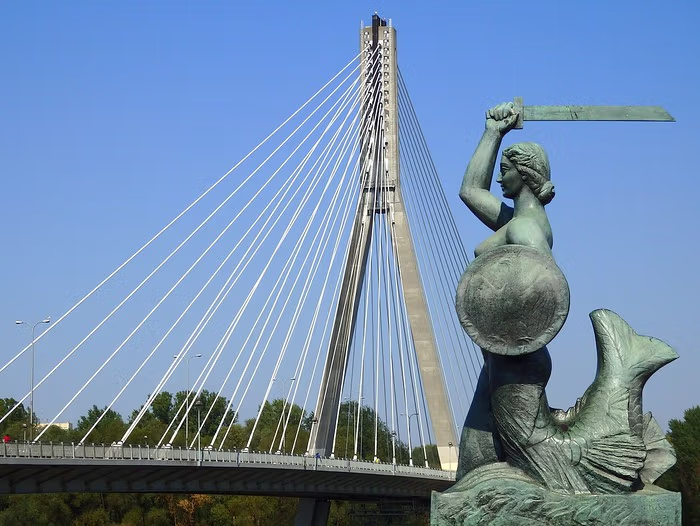
- Walk the Barbican walls and dip in and out of side streets for different angles of the mermaid statue and colourful facades.
- Pause for a late-morning coffee or an early dessert if something in a bakery window calls your name.
- Midday:
- Find a spot for a traditional Polish lunch near the Old Town: pierogi, bigos, or a hearty soup with bread.
- After lunch, walk down part of the Royal Route, noticing palaces, churches, and small squares along the way.
- Afternoon:
- Climb St. Anne’s bell tower for a bird’s-eye view of the Old Town and Vistula.
- Continue strolling along Krakowskie Przedmieście and Nowy Świat, window-shopping and people-watching.
- Evening:
- Head towards the Vistula riverbanks for a relaxed stroll or a simple boat ride if the weather is kind.
- Wrap up the day with dinner and a drink back near the Old Town or in Powiśle.
Day 2 – Museums, Parks, and Milk Bars
- Morning:
- Choose one major museum to start with: POLIN Museum for Jewish history or the Warsaw Uprising Museum for World War II resistance history.
- Give yourself time; both are intense, so there’s no need to rush.
- Lunch:
- Refuel at a milk bar nearby. Simple plates of pierogi, cutlets, mashed potatoes, and soups are perfect here.
- Take a short walk afterwards to decompress.
- Afternoon:
- Head to Łazienki Park for a change of mood: tree-lined paths, palaces, ponds, and (in season) outdoor Chopin concerts.
- Wander without a strict agenda; follow paths, watch squirrels, and pause by the water.
- Evening:
- Grab dinner in Śródmieście or Mokotów, depending on where you’re staying.
- If you still have energy, sample Warsaw’s craft beer scene or settle into a cosy café for dessert and a hot drink.
Day 3 – Praga, Neon, and Nightlife
- Morning:
- Cross the river into Praga.
- Visit the Neon Muzeum and wander the surrounding streets to look for murals, street art, and old courtyards.
- Lunch:
- Try a local café or bistro on the Praga side, or head back across the river for another milk bar experiment.
- Afternoon:
- Drop into the Warsaw University Library Garden for greenery and rooftop views.
- If you’re travelling with kids (or kids-at-heart), the Copernicus Science Centre adds a playful touch to the day.
- Evening:
- Join a pub crawl or build your own evening with a mix of bars around Nowy Świat, Pawilony, or Powiśle.
- Sample a few Polish snacks or late-night paczki before calling it a night.
Small Things That Make a Big Difference
- Carry a light scarf or extra layer even in summer; evenings on the river can cool down quickly.
- Keep a short list of dishes you want to try: pierogi, bigos, żurek soup, paczki, rurki z kremem. Let each day revolve around ticking off one or two.
- Swap at least one busy afternoon for a slow coffee on a terrace, watching trams rumble by. Warsaw isn’t just about checking sights off a list; it’s also about settling into the rhythm of the city for a while.
Essential Questions About Visiting Warsaw: Practical Answers, Local Tips & Trip-Planning Advice
How many days do I really need in Warsaw for a first trip?
Honestly, three full days is the sweet spot. With 3 days you can cover the Old Town, Royal Route, a couple of big museums, a park or two, and at least one night of proper Warsaw nightlife without feeling rushed. If you’re a museum lover or planning day trips, stretch it to 4–5 days so you can add places like Wilanów Palace or a slower food-focused day. On a very tight schedule, 2 days still works, but you’ll need to be picky and treat it like a highlight reel rather than a deep dive.
What’s the best time of year to visit Warsaw for good weather and a lively atmosphere?
It depends. For most travellers, late spring (May–June) and early autumn (September) hit the sweet spot: comfortable temperatures, outdoor café life, and fewer crowds than peak summer. July and August are great if you want long evenings, Vistula river beaches, and open-air concerts, but it can be hot and busier on weekends. Winter is cold and dark, but December in particular has its charm with Christmas markets, lights, and hearty food. If you’re not a fan of icy sidewalks, avoid January–February and aim for shoulder seasons instead.
Which neighbourhood is the best base in Warsaw for first-time visitors?
Short answer: Śródmieście or the edge of the Old Town. Śródmieście is super practical—you’re close to transport, restaurants, and most major sights, and it’s easy to hop on trams or the metro. Old Town is prettier and more atmospheric, especially at night, but also more touristy and sometimes noisier around the main squares. Powiśle is a nice compromise if you like cafés, river walks, and a slightly more local vibe while still being central. Praga is fun for a second or third trip when you already know the city and want that creative, grittier side.
Is Warsaw safe to visit, and are there any areas I should be cautious in at night?
Mostly, yes. Central Warsaw feels as safe as many big European capitals, especially around the Old Town, Śródmieście, and Powiśle where visitors spend most of their time. The usual big-city rules apply: keep an eye on your belongings in crowded trams, busy squares, and nightlife areas late at night. Parts of Praga can feel rough around the edges after dark, so stick to main streets and well-lit areas when bar-hopping there, and use taxis or ride-hailing if you’re heading home late. Overall, common sense and a zipped bag go a long way.
How do I get from Warsaw Chopin Airport to the city centre?
Easy. The simplest options are train, bus, or taxi. The SKM and Koleje Mazowieckie trains run from the airport to central stations like Warszawa Centralna and Warszawa Śródmieście, and it usually takes around 20–25 minutes. Buses connect the airport with various neighbourhoods if your accommodation is along one of those routes. Taxis and ride-hailing apps are still reasonably priced by Western European standards and are great if you arrive late, have lots of luggage, or are travelling with kids. Just make sure you’re using official taxis or a trusted app.
Do I need to use public transport a lot in Warsaw, or can I walk most places?
A bit of both. The Old Town, Castle Square, Royal Route, and nearby streets are very walkable and you’ll probably do most of your exploring on foot in that area. But Warsaw is spread out, so you’ll almost certainly use trams, buses, or the metro to reach places like Łazienki Park, the Warsaw Uprising Museum, POLIN, Praga, and the National Stadium. Time-based tickets and day passes make hopping around easy, and trams are a nice middle ground: frequent, scenic, and pretty easy to figure out.
Is Warsaw expensive compared to other European capitals?
Not really. Compared with London, Paris, or the Nordics, Warsaw feels noticeably cheaper, especially for food and public transport. You can eat well at milk bars, bakeries, and casual spots on a pretty tight budget, and even mid-range restaurants are good value for what you get. The city is still the priciest place in Poland, so don’t expect rock-bottom prices across the board, but overall it’s a good destination if you want a European city break that won’t evaporate your savings in a weekend.
Are Warsaw’s big museums like POLIN and the Warsaw Uprising Museum suitable for kids?
Carefully, yes. Both museums are excellent but emotionally heavy, so it depends on the age and temperament of your kids. Older children and teens who already know some World War II or Jewish history will get a lot out of the interactive exhibits, multimedia displays, and personal stories. Younger kids might find it overwhelming, so you may want to limit your time, pick just a few sections, or pair the visit with something lighter afterwards—like park time, a science centre visit, or a pierogi break—to decompress.
Is Warsaw a good city trip with children or a baby?
Absolutely. Warsaw actually works surprisingly well for family trips. You’ve got big parks like Łazienki and the University Library Garden for stroller-friendly walks, the Copernicus Science Centre for hands-on fun, and plenty of cafés and restaurants used to families showing up with little ones. Public transport is generally accessible, and locals are pretty relaxed about kids in public spaces. The main thing is to build in downtime—parks, playgrounds, naps—and not stack too many heavy museums back-to-back.
What should I pack for a trip to Warsaw in terms of clothes and shoes?
Layers. Weather can swing from “t-shirt on a terrace” to “where did this wind come from?” in a single day, especially in spring and autumn. Bring comfortable walking shoes that can handle cobblestones, a light waterproof jacket or compact umbrella, and a warmer layer for evenings. In winter, go all in: proper coat, hat, gloves, scarf, and insulated footwear. In summer, pack breathable clothing but still throw in a light sweater or scarf for cooler nights by the river or sudden rain.
How do milk bars work, and how do I order without speaking Polish?
Nope, they’re not actually about milk. Milk bars are simple, cafeteria-style eateries serving classic Polish home cooking at very friendly prices. The drill is usually: you read the menu (often on a board), place your order at the counter, pay, and wait for your dish to be called or handed over. If you don’t speak Polish, don’t stress—pointing at the menu, using a translation app, or asking for pierogi, soup, or kotlet schabowy will usually get you fed. Staff are used to tourists and generally patient as long as you’re polite.
Do I need to tip in Warsaw restaurants, bars, and taxis?
Generally, yes, but modestly. In sit-down restaurants, a tip of around 10% is standard if service was good, and you can round up a bit more if you’re really happy. In casual places and milk bars, tipping is more relaxed—rounding up the bill or leaving a few coins is fine. For taxis, rounding up to the next 5 or 10 złoty is common. Just be careful when paying by card; if you’ve already added a tip in cash, there’s no need to add one again on the machine.
Can I get by in Warsaw with just English, or do I need some Polish?
You’ll be fine with English in most central areas. Hotel staff, many restaurant servers, and younger locals usually speak at least basic English, especially around the main tourist districts. That said, learning a few Polish phrases—hello, please, thank you—goes a long way and tends to be appreciated. Menus in very local spots or older milk bars might only be in Polish, but between a few key words, Google Translate, and a bit of pointing, you’ll survive just fine.
Are there any common mistakes travellers make in Warsaw that I should avoid?
Plenty. A big one is treating Warsaw like a quick throwaway stop and only scheduling one rushed day, then realizing there was a lot more to see beyond the Old Town. Another mistake is stacking the heaviest museums back-to-back without downtime—it can be emotionally exhausting. People also underestimate distances and try to walk absolutely everywhere instead of using trams and the metro. And finally, many visitors only see the polished center and skip places like Praga, Powiśle’s riverfront, or the university gardens, which show off a very different side of the city.
Is it worth booking tours like the Nysa van tour, river cruises, or pub crawls, or should I just explore on my own?
A mix works best. Exploring on your own is great for wandering, cafés, and parks, but certain experiences really shine with a tour. The Nysa van and other themed tours add context and stories you’d never get from just looking at buildings. A Vistula river cruise gives you a different angle on the city and a built-in break from walking. Pub crawls are ideal if you want nightlife but don’t know where to start or are travelling solo and want built-in drinking buddies. You don’t need tours every day, but one or two well-chosen ones can seriously upgrade the trip.
Do I need to book popular sights and activities in Warsaw in advance?
Sometimes. Big museums like POLIN and the Warsaw Uprising Museum can get busy on weekends and holidays, so advance tickets are helpful if you’re on a tight schedule. River cruises, cooking classes, and guided tours (like the Nysa van or pub crawls) are worth booking ahead in peak season or if you only have one day that works. For most churches, parks, and general city wandering, you can just show up. A good rule: if an activity is the “must-do” centerpiece of your day, reserve it so you’re not left improvising when it sells out.
What did you think of our Warsaw travel guide? If you have any more suggestions of activities that travelers shouldn’t miss, feel free to share those in the comments below.
I love Warsaw. The people are great and the city has some real character. Used to love going there every couple weeks for a taste of the city.
Beautiful photographs. Poland is on the top of my list right now…For some reason, I just can’t wait to go there! I added a few of these to my list. May be in August I will go there and explore these hotposts. Thanks for sharing.
Those were some really Beautiful photographs. Poland is on the top of my list right now.😉
I never knew about the Torpedo Dessert! Next time I’m in Warsaw, I’m going to search one out and give it a try. I did see a lot of crazy tall spiral ice creams, with loads of chocolate sauce on them – delicious.
Great post! I really enjoy visiting Poland and it is one of my favourite european coutries. I think that Warsaw is a beautiful city and there are many interesting places to see and visit. Everywhere I go I usually try to find new restaurants and last time my friend took me to the New Orleans Restaurant. It was really amazing. The food was delicious and I have never eaten such an delicious steak. I will definitely go back next time
Beautiful photographs. Poland is on the top of my list right now…For some reason, I just can’t wait to go there! I added a few of these to my list 😉
Great post, all the things shared looks interesting, useful guide whenever one visits Warsaw. One of my favorite place to visit. Thanks for sharing 🙂
Nice post shared. Cool place & pics are also nice. Thanks for sharing.
I also have been in Warsaw and i love it, specially the view from the top of Palace of Culture and Science building. I tried pierogi once but next i want to make it by my own hands too. thanks for reminding my golden days in Warsaw.
I like this blog. thanks for the blog. it was very informative and the pictures are captured very beautifully.
Such a beautiful post, thanks for share
All the photos make me homesick for Poland, especially the food!
Thank you! The food is wonderful there as is the beer 🙂
Thanks for sharing your travel experience with us. I think the photos are amazing!
This place looks awesome, can’t wait to visit Warsaw someday. The pictures you took are also great. thanks for the share!
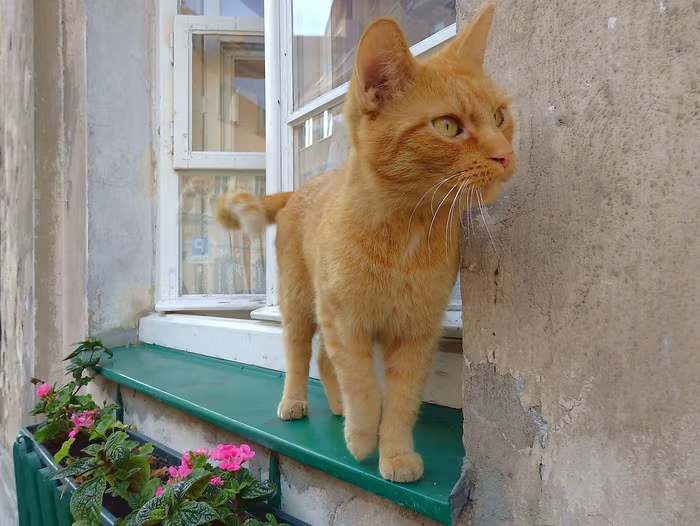
this is a very useful guide for those interested in visiting Warsaw. thanks for sharing. That little ginger cat was simply adorable!
Interesting article, Samuel. Bubblegum tour van! Must be a fun way to explore the city!
Stupendous post, I must say! The guide, photos and video depicting the 25 things that can be done on a visit to Warsaw, Poland is truly mesmerizing. The true beauty of the place has been captured beautifully in your lenses. Now, this place has been added to my bucket list and will visit soon with my family.
For a newly built city, Warsaw is an incredible place to visit with an amazing reconstructed old historic district. I loved visited most of the attractions you mentioned above, great list.
Nice article. It is a very informative blog for beginners who are going to plan a trip to Warsaw, capital of Poland. and photos in this article are also very beautiful. Thanks for sharing it.
All the 25 post are awesome. Great post to share and explore the city.
Really nice blog for travelers, I started to follow your blog from this month. Really very nice to sharing your travel experience with us, and your topic about “things to do” in several location is very nice to know that places and also easy to plan for our vacation plus things to do in that area.
I’ve never been to Warsaw, but whenever I see pictures of it, it reminds me a little bit of Copenhagen 🙂
Great list. We love Poland and are headed back in August for a family wedding. Although pieorgi is on our menu often back here since my mother in law is Polish and makes it so good!
Some of that food is rather different but tempting! I will have to add Warsaw onto my list. Thanks for the information!
We are in Eastern Europe for the next few months and had not really put Warsaw on the itinerary. I think we will have to change that. Great images, great post.
Great post Samuel! Loving the bubblegum tour van! What a fun way to explore the city!