
You’ve already made the harder decision — no rental car for this trip — and now you’re staring at a map of hotels with no idea which pin actually solves your problem. Book in the wrong spot and “no car” stops being a smart choice and starts being an unplanned hour on a bus standing between you and the thing you actually came to see.
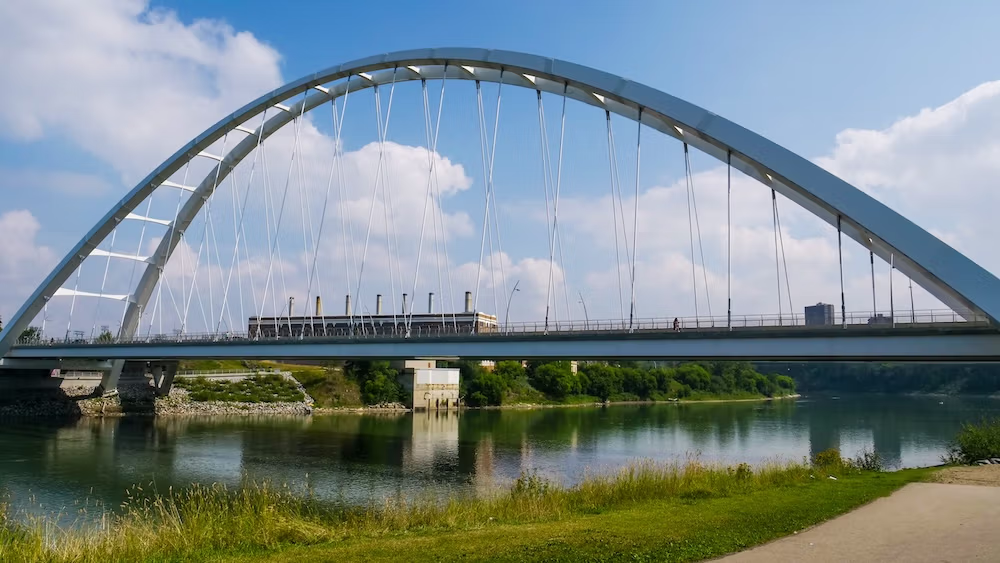
I have some useful bias here. I lived in Edmonton for years as a University of Alberta student, without a car, and when Audrey and I came back together after I’d been away for over a decade, we didn’t rent one for that trip either. Not because we’d decided to make a point of it — it just wasn’t necessary. We stayed at the Fairmont Hotel Macdonald, downtown, and from there we reached nearly everything on our list using the LRT, one bus, a historic streetcar, and a lot of walking. That’s the trip this article is built on, and it’s why I can tell you with some confidence where this actually works and where it gets more complicated than the listings suggest.
What Actually Determines Whether a Hotel Works Without a Car
Here’s what I’d tell you before you look at a single hotel listing: the neighborhood’s reputation matters far less than its walking distance to a station that actually goes somewhere. “Downtown” sounds like the safe, obvious answer, and often it is — but a downtown hotel eight blocks from the nearest LRT stop is a worse car-free choice than a slightly less central property that’s two minutes from one.
It’s also worth knowing upfront that downtown isn’t the only real option. Audrey came away from our day of sightseeing convinced the river valley itself — the trails cutting right through the middle of the city — mattered as much as anything we saw. My own history in this city points somewhere else entirely, toward Whyte Avenue, which I’ll get to. The point for now is just this: don’t assume the decision starts and ends with “stay downtown.” It doesn’t. What follows is where I’d actually look, and what each choice costs you.
Downtown and the River Valley: The Base We Actually Used
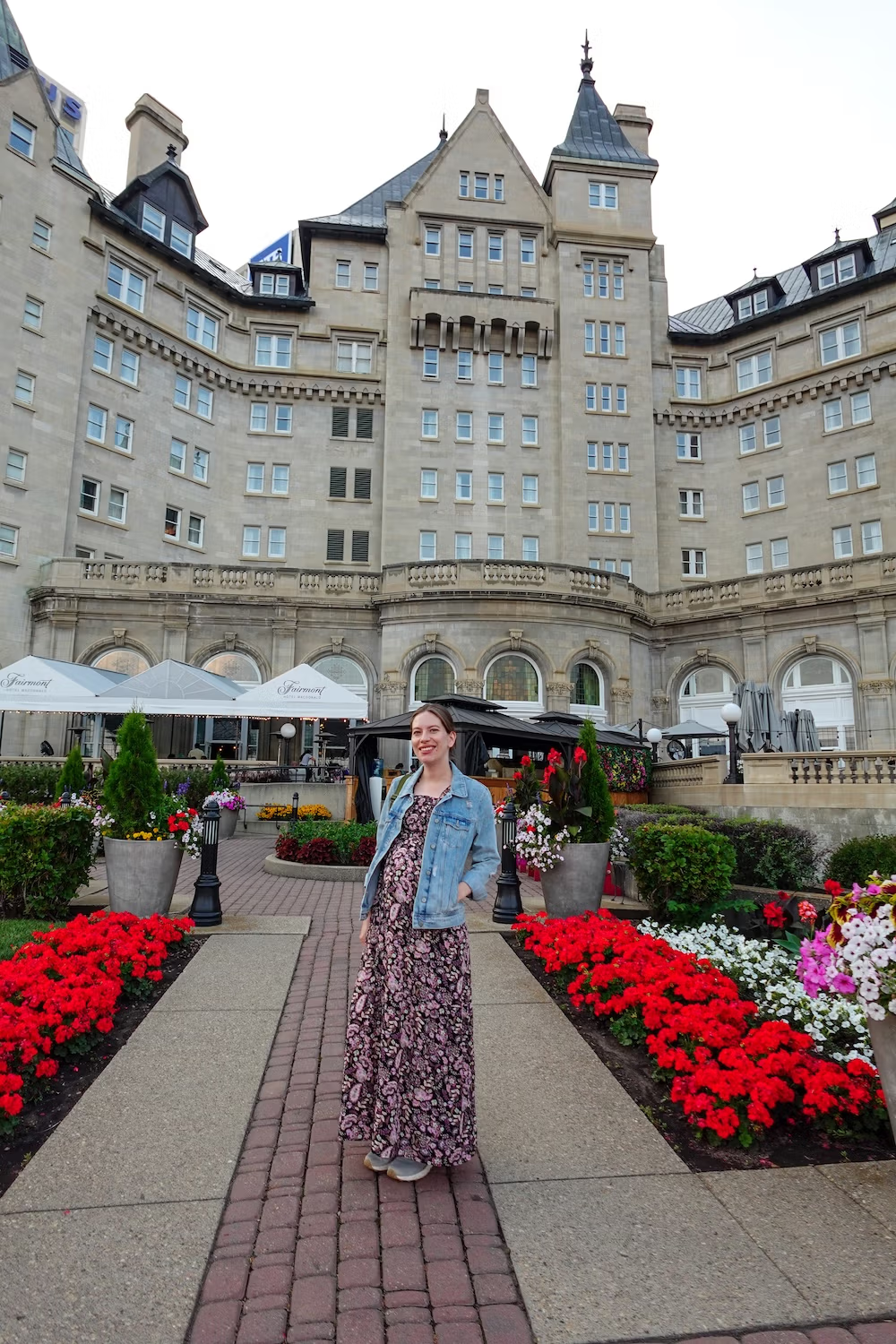
We booked the Fairmont Hotel Macdonald because it’s a beautiful, century-old château hotel on the edge of downtown’s escarpment, and because it felt like the right way to mark a trip that meant a lot to me — coming back to a city I hadn’t lived in for over a decade. What I didn’t fully appreciate until we were actually doing it is how well that location works without a car.
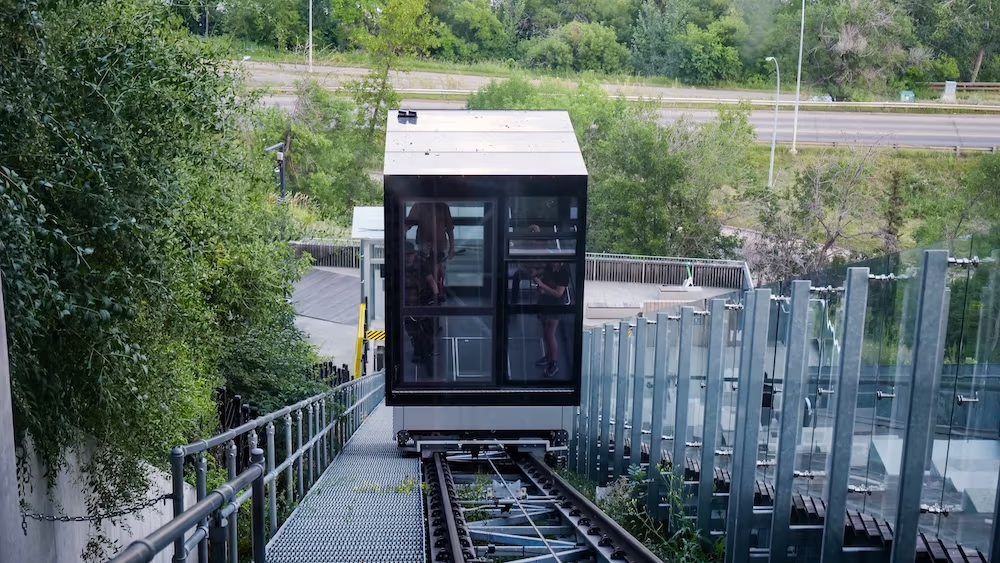
From the hotel, we could walk straight into the river valley trail network, and down to the water on a funicular that didn’t exist when I lived here — it saves you the climb back up the slope that used to be the price of that walk. The LRT covered most of the rest. We picked up a day of unlimited transit, rode north to the Royal Alberta Museum, crossed to the Muttart Conservatory’s glass pyramids, then came back downtown, where the ICE District and Rogers Place were a short walk from the train. The Neon Sign Museum and the Alberta Legislature grounds were similarly easy, on foot or by transit, without much planning. The one attraction that genuinely needed a bus for us was the Alberta Aviation Museum — though these days it sits an easy walk from the Metro Line’s northern terminus, a shorter trip than the one we took.
The Fairmont is a splurge, not a budget call, even with a resident discount and loyalty points working in our favor — and it’s one hotel, not a neighborhood’s worth of choice. This corridor has real range beyond it, built on the same logic: stay close to a station. The Sandman Signature Edmonton Downtown sits inside the ICE District, close enough to Rogers Place for a game night, and connects to Churchill Station — where all three LRT lines meet — through an underground walkway. On the budget end, the Days Inn by Wyndham Edmonton Downtown is a few minutes’ walk from Corona Station and closer still to Rogers Place. Between those two and the Fairmont, you’ve got real choice at every price point, anchored to the same thing: a short walk to a train.
If puzzling out transfer windows and station names isn’t how you want to spend your first afternoon in a new city, that’s a fair trade to make — Edmonton has guided Edmonton tours that include hotel pickup, which hand off the routing entirely and are worth a look if you’d rather not manage it yourself.
Whyte Avenue and Old Strathcona: The Other Car-Free Base
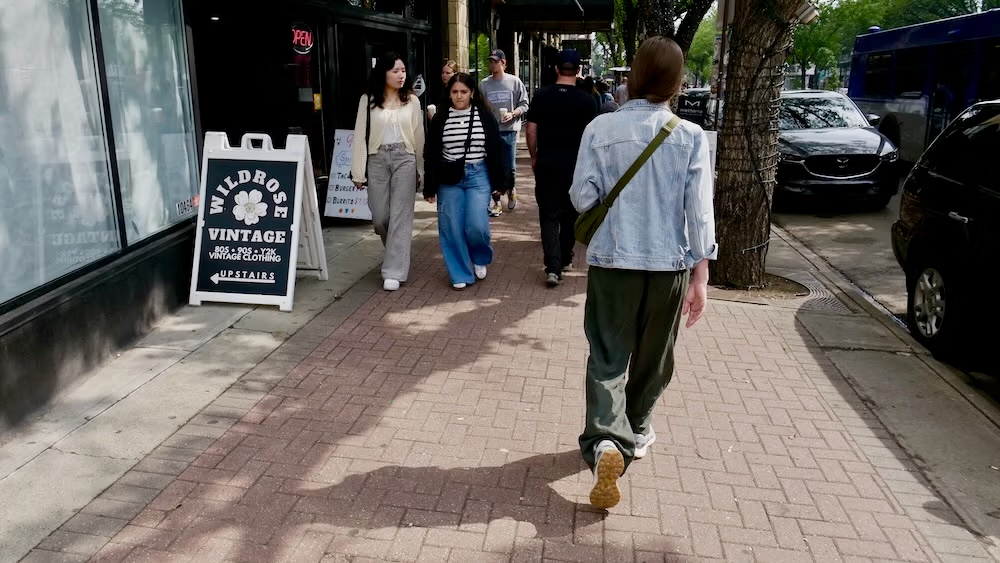
There’s a version of Edmonton I know that has nothing to do with the trip Audrey and I filmed. Years earlier, I lived here as a University of Alberta student, and Whyte Avenue was where I actually spent my time — I worked at a Safeway across the street from what’s now one of my favorite restaurants in the city, and I never needed a car to make that neighborhood work. That’s different evidence than a hotel review, but it points to something real: Whyte Avenue and Old Strathcona are a legitimate second base for a car-free trip, not just an afternoon detour from downtown.
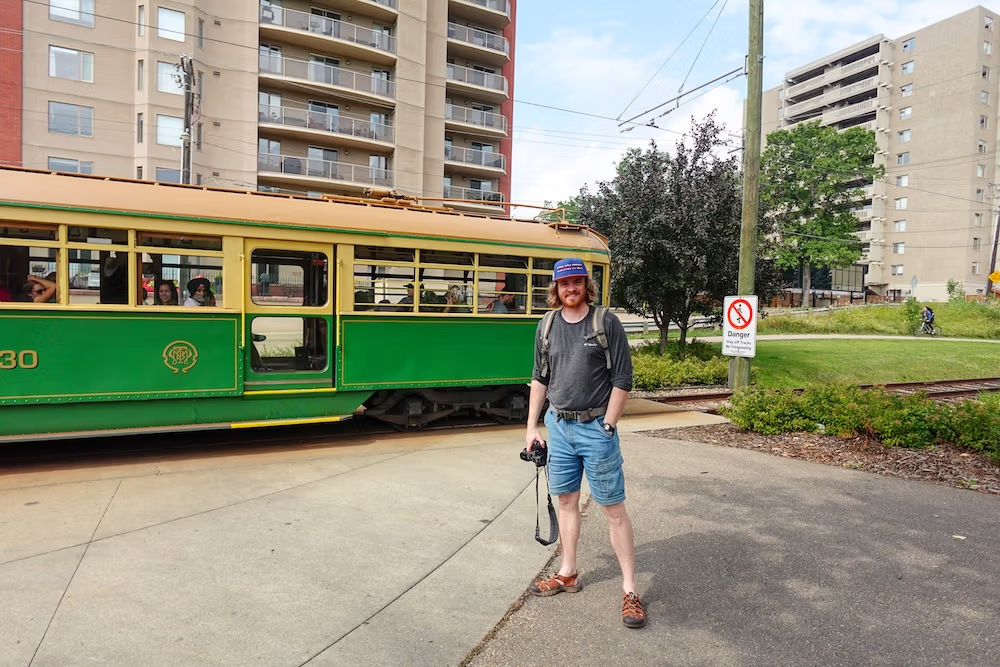
How you connect the two areas is where I want to be honest instead of tidy. Audrey and I crossed between them on the High Level Bridge Streetcar, and it’s a genuinely lovely way to do it — historic cars trundling across the highest streetcar river crossing in the world, connecting a terminus in Old Strathcona to one near the Legislature grounds downtown. The catch is that it only runs in season: mid-May through early September, Thursday to Monday, then cut back to Friday through Sunday into October before it closes for winter. Check the current schedule before you build a day around it. It’s no longer the cash-only ride it once was, either — a card or your phone works fine now.
Outside that season, the honest answer is that the LRT doesn’t connect the two neighborhoods as directly as the marketing on some hotel listings implies. Staying near University Station sounds like it should put you a short walk from Whyte Avenue’s shops and restaurants; it doesn’t, not really — it’s closer to a ten-or-fifteen-minute walk from campus to the strip itself, and even the LRT stop technically nearest Old Strathcona still needs a bus or a longer walk to reach the actual main drag. What does run along Whyte Avenue itself, year-round, is a city bus connecting to the University transit hub — less romantic than the streetcar, but there when the streetcar isn’t.
For where to stay, the neighborhood has real range. The Metterra Hotel on Whyte is a polished boutique property directly on the strip; the Varscona Hotel on Whyte sits in the same stretch, with one guest estimating the walk to downtown at about half an hour across the High Level Bridge. For something older and no-frills, the Commercial Hotel is a Whyte Avenue landmark in its own right. All three put you inside the neighborhood, not just near it.
The Limit: West Edmonton Mall
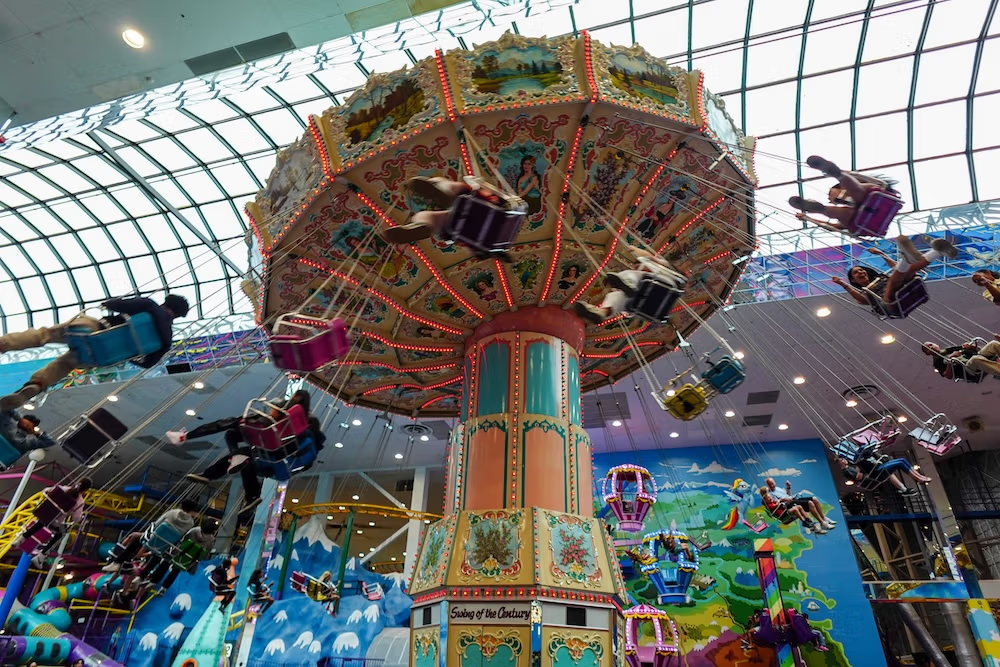
If West Edmonton Mall is a priority, it’s worth knowing where things actually stand rather than assuming the train will get you there. Right now, it won’t. An LRT extension will eventually reach the mall’s neighborhood, but current construction estimates put the major work wrapping around 2028, with testing still to follow after that — which is a polite way of saying: don’t plan this trip around it happening any sooner. What does exist is a direct bus from downtown, no transfer required, running roughly every fifteen minutes; depending on traffic, the ride takes somewhere between half an hour and nearly an hour. Not a hardship, but not the quick hop some visitors picture either.
Downtown vs. Whyte Avenue, Side by Side
Neither is the automatic right answer. Lean toward downtown’s museums and the river valley, and the first zone puts almost everything a short ride away. Lean toward Whyte Avenue, and it works just as well — you’ll just want to time a downtown day around the streetcar’s season, or budget a bus ride when it isn’t running.
| Downtown / River Valley | Whyte Avenue / Old Strathcona | |
|---|---|---|
| Nearest transit | LRT — all three lines meet at Churchill Station | Streetcar (seasonal) or city bus (year-round) |
| Typical walk to a stop | A few minutes from most central hotels | 10–15+ minutes from the nearest LRT station; shorter from a hotel directly on the strip |
| Best fit | First visit, museums, the river valley, downtown sights | A return visit, or anyone who cares more about neighborhood atmosphere than downtown attractions |
How You’ll Actually Pay for This
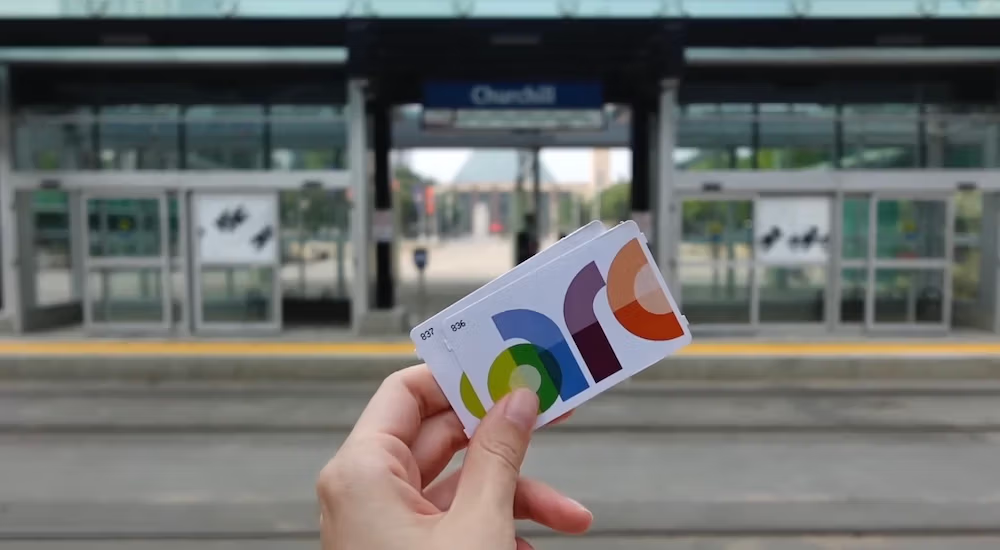
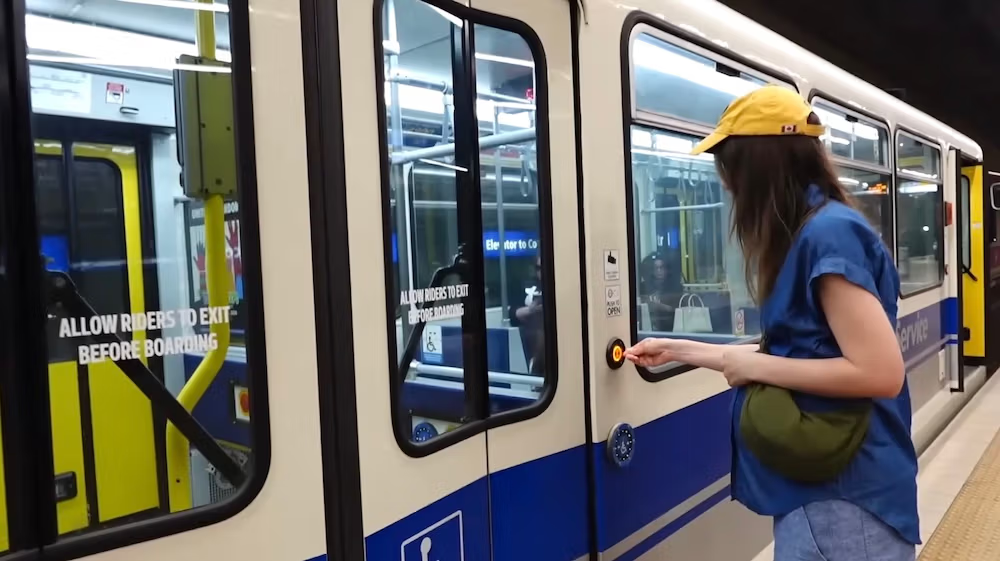
Paying for transit here has gotten easier since I last rode these trains as a resident. You don’t need to buy anything in advance: tap a contactless bank card or your phone at the platform or on the bus, and you’re charged the same flat fare either way. Cash still works on buses, not on the LRT itself. Take several rides in one day and the system automatically caps what you’re charged, so there’s no day pass to plan around — it just happens once you hit the ceiling. Check current fares before you go, since they do change.
One more honest note on price: the Fairmont’s resident discount and points redemptions won’t apply to most visitors, and any hotel’s promotional rates shift constantly. Treat what’s here as a starting point for your own search, not a guaranteed number.
So Which One Do You Book?
If I’m honest about what I’d do differently, it isn’t really about the Fairmont — it’s that I’d think harder about which version of Edmonton I wanted before booking anything. Downtown and the river valley gave us the museums, the arena district, and a walkable first morning that makes a new visit feel manageable. For a first-time visitor, it’s probably still the right call.
But Whyte Avenue isn’t a detour from the real Edmonton, not to me — it’s where I actually lived this city, long before I ever came back as a tourist with Audrey. If you’re returning for a second trip, or you already know a neighborhood’s texture matters more to you than ticking off Rogers Place and a museum, book there instead, and plan your downtown day around the streetcar’s season or a bus ride.
Either way, do the one thing that matters more than the neighborhood’s name: pull up the hotel’s address next to a transit map before you book, and make sure the walk it’s promising is a real one — not just a line in the listing.
Frequently Asked Questions
Can I actually visit Edmonton without renting a car?
Yes — the whole premise of this article comes from a trip Audrey and I did that way. We based ourselves downtown at the Fairmont Hotel Macdonald and reached nearly everything on our list using the LRT, one bus, a historic streetcar, and a lot of walking.
Does the LRT go to West Edmonton Mall?
Not yet. An extension is under construction, but current estimates put the major work wrapping around 2028, with testing still to follow. Right now, a direct bus from downtown gets you there instead, with no transfer required.
Is the High Level Bridge Streetcar running year-round?
No, it’s seasonal. It runs mid-May through early September, Thursday to Monday, then cuts back to Friday through Sunday into October before closing for winter. It’s worth checking the current schedule before planning a day around it.
Do I need to buy an Arc card or a transit pass before I arrive?
No. A contactless bank card or phone taps at the same flat fare as an Arc card, and the daily spending cap kicks in automatically, so there’s nothing to buy in advance.
Is it better to stay downtown or on Whyte Avenue without a car?
Neither is automatically better. Downtown puts the museums, the river valley, and the arena district within a short LRT ride or walk, which suits a first visit. Whyte Avenue works just as well, but you’ll want to time a downtown day around the streetcar’s season or plan on a bus ride when it isn’t running.
How do I get from downtown to Whyte Avenue without a car?
The seasonal High Level Bridge Streetcar is the most direct route. Outside its season, a year-round city bus connects to the University transit hub and runs along Whyte Avenue itself — the LRT stations nearest the neighborhood aren’t actually a short walk from the main strip.
Is the Fairmont Hotel Macdonald the only downtown hotel that works without a car?
No. It’s the one I personally stayed in, but the Sandman Signature Edmonton Downtown and the Days Inn by Wyndham Edmonton Downtown both sit within a short walk of an LRT station at lower price points.
Do I need a car or a bus to reach the Alberta Aviation Museum?
A bus got us there on our trip, but the museum now sits an easy walk from the Metro Line’s northern terminus, so it’s more directly reachable by LRT than it used to be.
This guide is also available in Spanish. [Leé la versión en castellano: Dónde alojarse en Edmonton sin alquilar auto]
This article contains affiliate links. If you book through one of these links, I may earn a commission at no extra cost to you.