
We booked St. Eugene the same way we book a lot of places on the road: quick scroll, nice-looking photos, and the optimistic belief that a baby will politely adapt to whatever we’ve planned.
But St. Eugene still delivered something rare: a genuinely relaxing overnight reset close to Cranbrook, with mountain views, a beautiful property to wander at sunset, and two solid meals that felt like a reward for surviving a full day of “family-friendly fun” (which is a phrase parents use to mean “logistics with occasional joy”).
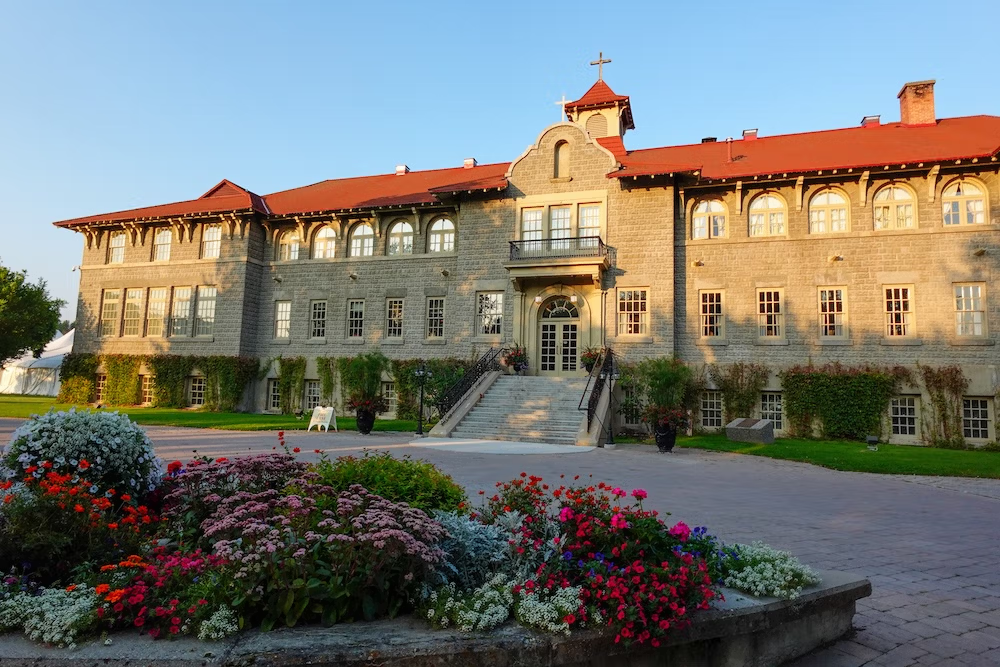
St. Eugene also carries a complicated history. We’re going to treat that with the seriousness it deserves. This is a resort stay that can be comfortable and memorable, while also existing on a site tied to the residential school system. Both truths are part of the story, and skipping the second one doesn’t make it go away.
If you’re planning a trip to Cranbrook (or doing the Kootenays road trip loop through Fernie / Kimberley / Fort Steele), here’s our honest, practical, family-focused review of what St. Eugene is like, what we actually did, what we didn’t do, and what we’d do differently next time.
➡️ Check St. Eugene rates & availability on Booking.com
The quick verdict
St. Eugene is a unique, scenic place to stay near Cranbrook with a baby—especially if you want a property that feels like a destination in itself (gardens, big skies, mountain views, that golden-hour wander). The big win is how easy it is: you’re close to town, you can eat on-site, and you can have a calm night without feeling like you’re trapped in a generic highway hotel.
The big caveat is that the Mission Building is a former residential school site. If you stay here, we think it’s important to approach it respectfully, make time for the interpretive centre, and avoid treating the “historic vibes” as a quirky backdrop.
Would we stay again? Yes—especially with more time and a plan that includes learning, not just resting.
St. Eugene at a glance
| Quick detail | What it means for a family stay |
|---|---|
| Location | A short drive from Cranbrook and very close to the airport—easy on arrival day and even easier on “we’re exhausted” departure day. |
| Buildings | Two main “stay styles”: the historic Mission Building (character) and the Lodge Building (more classic hotel convenience). |
| On-site options | Restaurants, health club/pool, casino, golf course, and an RV park/campground area (seasonal). |
| Vibe | Quiet, scenic, “deep breath” energy. It feels like you’ve left town, even though you haven’t gone far. |
| Our reality | One-night stay, arrived late in the afternoon after a big day trip, ate two meals, wandered at sunset, slept. |
Practical details (the stuff that actually saves your sanity)
This is the information we wish we’d had on one clean screen before booking—especially traveling as a family.
| Planning detail | What to know |
|---|---|
| Address | 7777 Mission Road, Cranbrook, BC. |
| Check-in / check-out | Check-in is typically 4:00 pm and check-out is 11:00 am. |
| Wi-Fi | Usually free for guests (confirm when you book). |
| Parking | On-site parking is typically included, which matters when you’re hauling baby gear. |
| Ktunaxa Interpretive Centre | Generally open weekdays during daytime hours (often Monday–Friday, 9:00 am–4:30 pm). Weekends may be closed. |
| Numa Dining | Breakfast is commonly daily in the morning (often 7:00–11:00 am). Dinner service may be limited to select days (for example, Thu–Sat evenings). Always verify current hours before your trip. |
Parent tip: if the interpretive centre is part of why you’re staying here (and it should be), treat it like a timed attraction. Book the room around it, not the other way around.
➡️ Explore St. Eugene rooms, dates and prices on Booking.com
Who this resort is best for
If you’re trying to decide whether St. Eugene fits your trip, this is the fastest way to sort it out.
| You should book St. Eugene if… | You might pick somewhere else if… |
|---|---|
| You want a stay that feels like a destination (views, grounds, sunset walks). | You only need the cheapest bed in the area and plan to be out all day. |
| You like the idea of on-site dining so you’re not hunting for food while your baby loses patience. | You want to walk to cafes, breweries, and shops (downtown Cranbrook is better for that). |
| You’re willing to be thoughtful about the site’s history and make time to learn. | You want “historic” without any emotional weight (this isn’t that). |
| You’re traveling with kids and want space to wander outside without a big drive. | You want a small boutique hotel vibe or a modern, minimalist design hotel. |
| You’re mixing Cranbrook with day trips (Fort Steele, Kimberley, maybe Fernie). | You’re here purely for nightlife or you want to stay right in the centre of town. |
🧭 Quick Booking: Your Cranbrook Travel Essentials ✈️
If you’re planning your trip to the East Kootenays, these are the four bookings that make everything smoother — your base, adventures, transport, and freedom.
🎒 Your Travel Toolkit
| 🔖 What to Book | 💡 Why It’s Worth It | 🔗 Quick Link |
|---|---|---|
| 🎟️ Tours & Experiences | Skip the logistics and explore Cranbrook, Kimberley & the Rockies with expert local guides | 👉 Browse Cranbrook & Kootenay Tours on Viator |
| 🏨 Hotels & Stays | Stay close to dining, lakes & heritage sites — perfect bases for day trips | 👉 Find Cranbrook Hotels on Booking.com |
| 🚗 Car Rentals | Freedom to explore Fernie, Kimberley & hidden mountain lakes at your own pace | 👉 Compare Car Rentals on DiscoverCars |
| 🚌 Bus Tickets | Reliable routes for regional travel through the Kootenays and beyond | 👉 Check Bus Routes on BusBud |
Our stay: how it actually went (with a baby)
We ended our Cranbrook trip with St. Eugene, and the timing mattered.
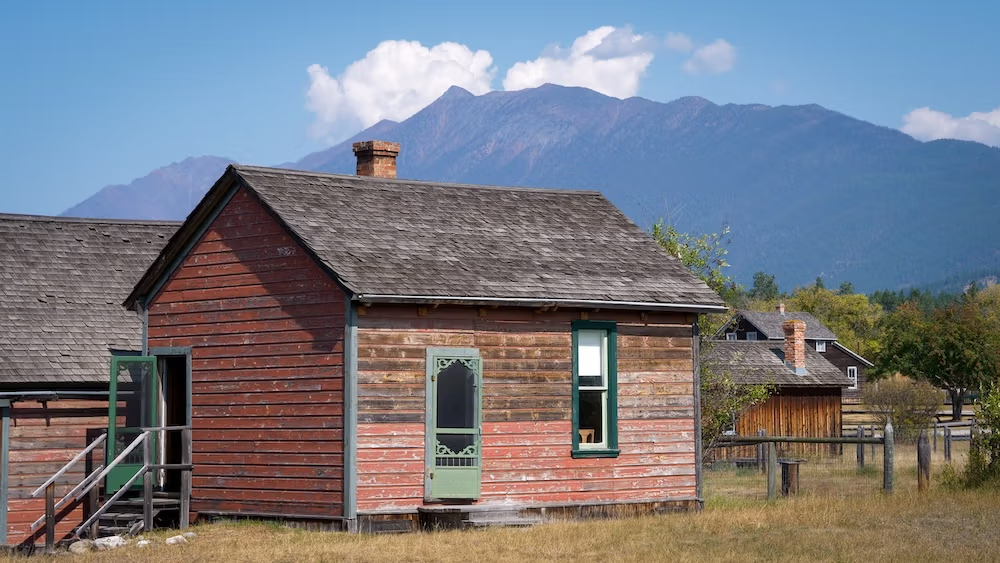
Our last day had already been full. We’d done Fort Steele earlier (an open-air heritage town where you push a stroller past old buildings and the kind of “painless dentistry” display that makes you grateful for modern medicine). Then we rolled into St. Eugene in the later afternoon feeling that special kind of travel tired: the adult version of “overtired toddler,” except you’re also holding snacks and trying not to drop the camera.
We booked St. Eugene because it looked nice. That’s the honest truth. It wasn’t a deeply researched, spiritually aligned lodging decision. It was more like: “This seems scenic. It has food. It’s close to Cranbrook. Great—book it.”
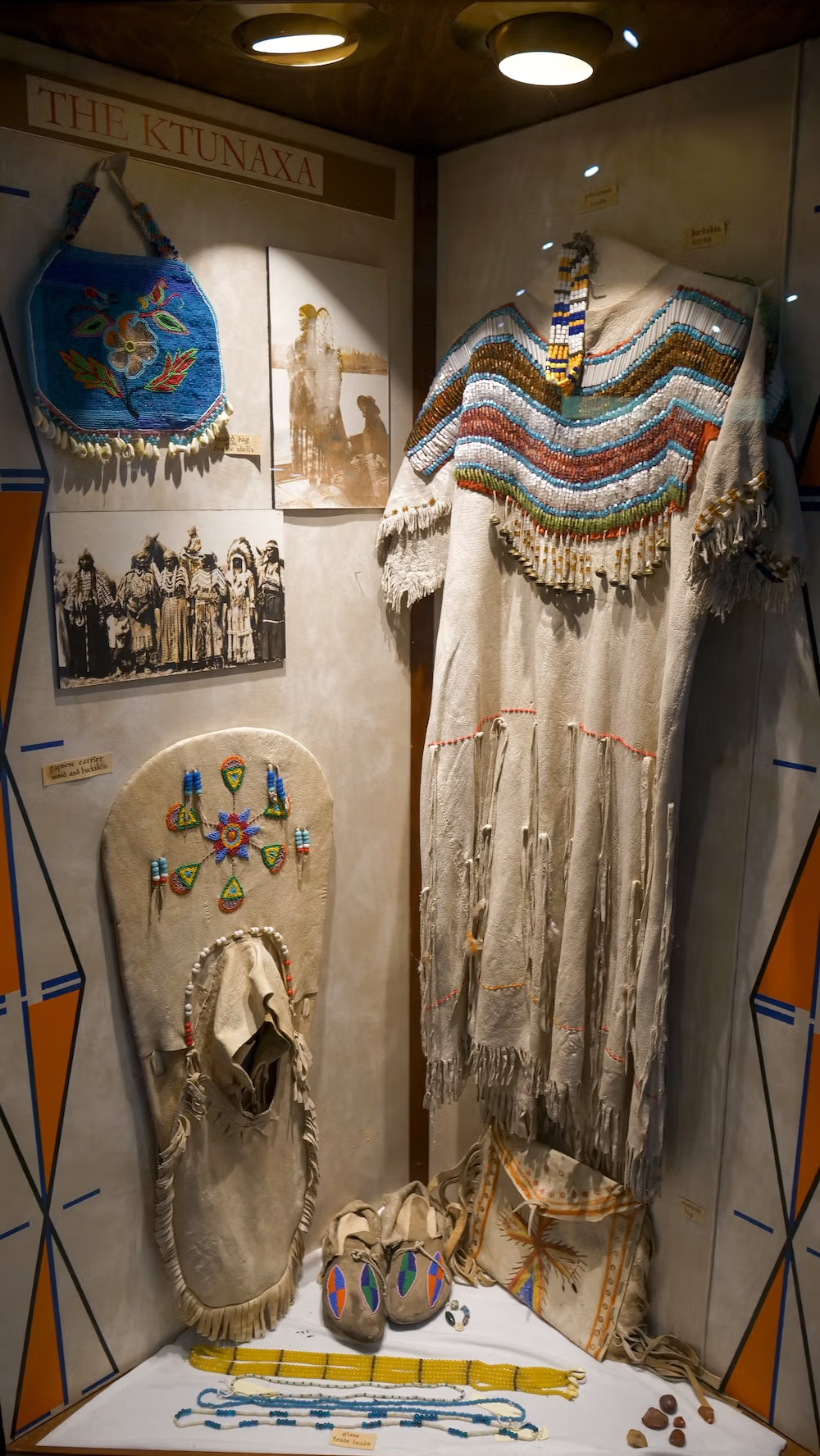
Then we learned more about the site’s history, and we realized it deserved more time and attention than we’d given it.
That was our biggest mistake: we didn’t build in enough time to visit the interpretive centre or take a guided tour. We were already tired, and we didn’t arrange it. In retrospect, if you’re going to stay here, that’s the part you should plan around—not just the pool and the dinner reservation.
So what did we do?
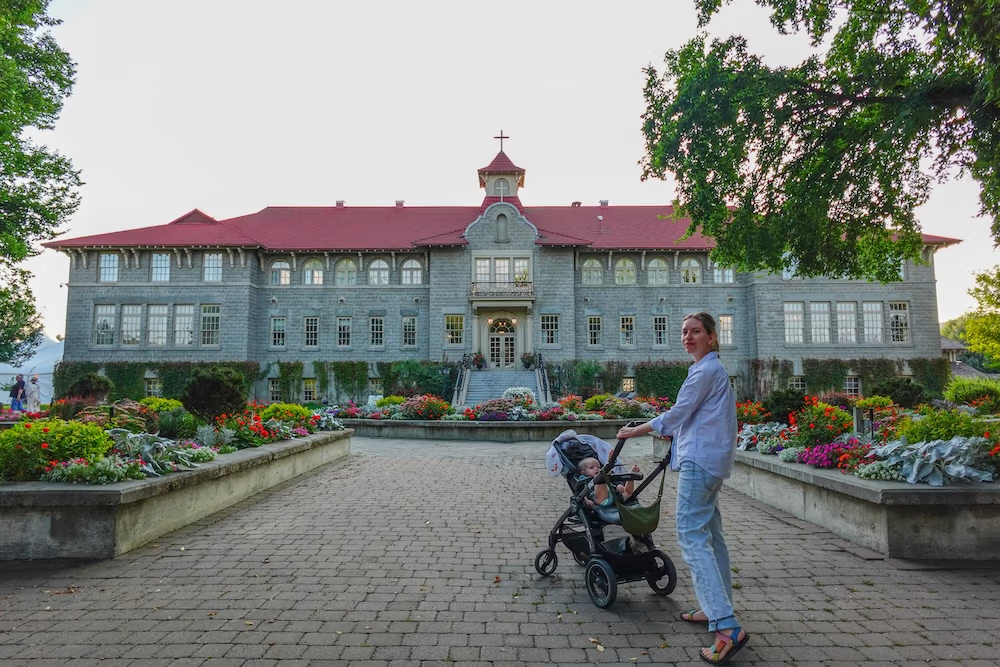
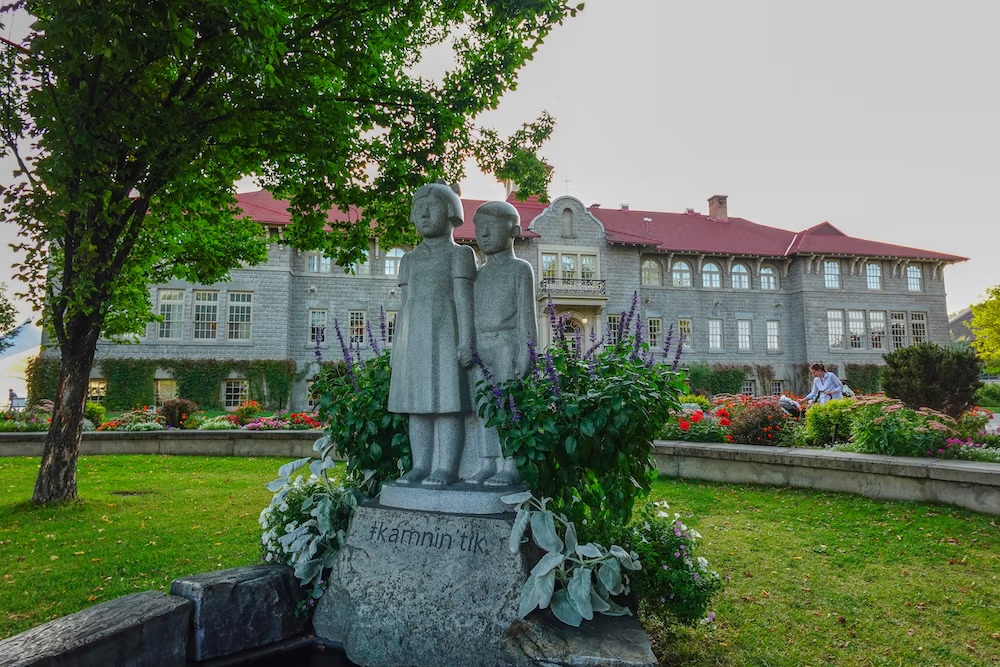
We took a rest, explored the grounds slowly, ate two meals, and leaned into the best part of traveling with a baby: golden hour. We wandered around the buildings and gardens at sunset, pushing Aurelia in the stroller, taking way too many photos, and enjoying the kind of calm you don’t get when you’re sprinting between attractions.
It was a short stay, but it felt like a reset button.
Mission Building vs Lodge Building
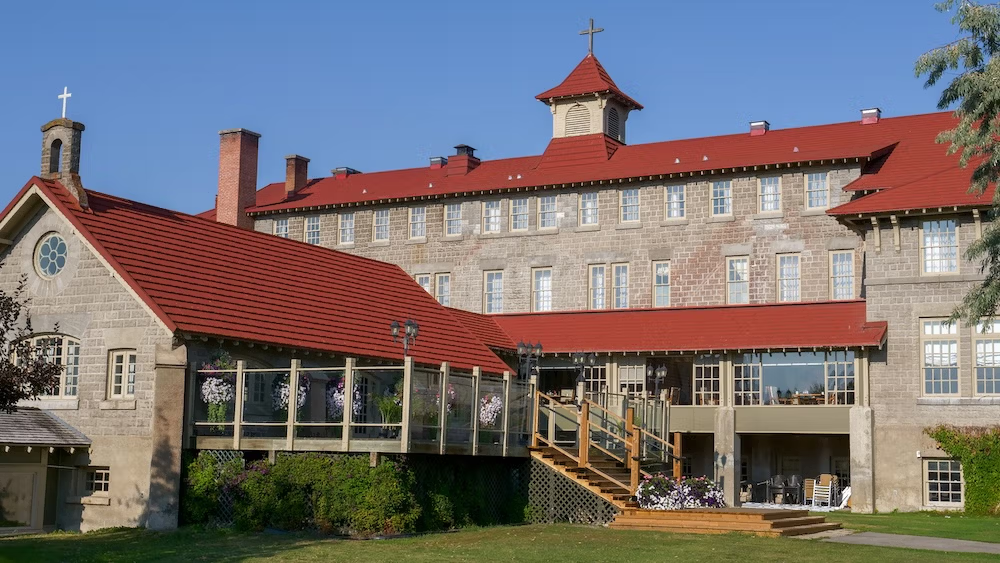
St. Eugene has two main “vibes” when it comes to rooms, and choosing the right one can make your stay dramatically better—especially with a baby.
Quick decision table
| Pick this if you want… | Best choice |
|---|---|
| Maximum character, historic architecture, and a “one-of-a-kind” feel | Mission Building rooms |
| Convenience, predictable layouts, and easier family logistics | Lodge Building rooms/suites |
| More space to spread out during baby bedtime | Suites (typically in the Lodge) |
| A more straightforward “hotel night” before flying or driving onward | Lodge Building |
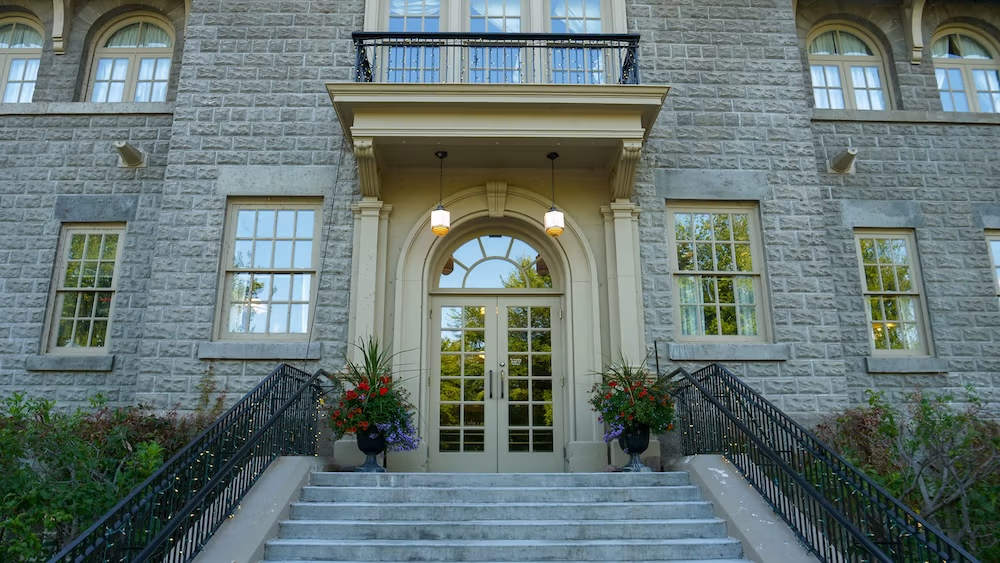
The Mission Building: beautiful, heavy, and distinctive
The Mission Building is the reason many people book St. Eugene. It’s striking: a big red-brick building that instantly feels different from the average mountain town hotel.
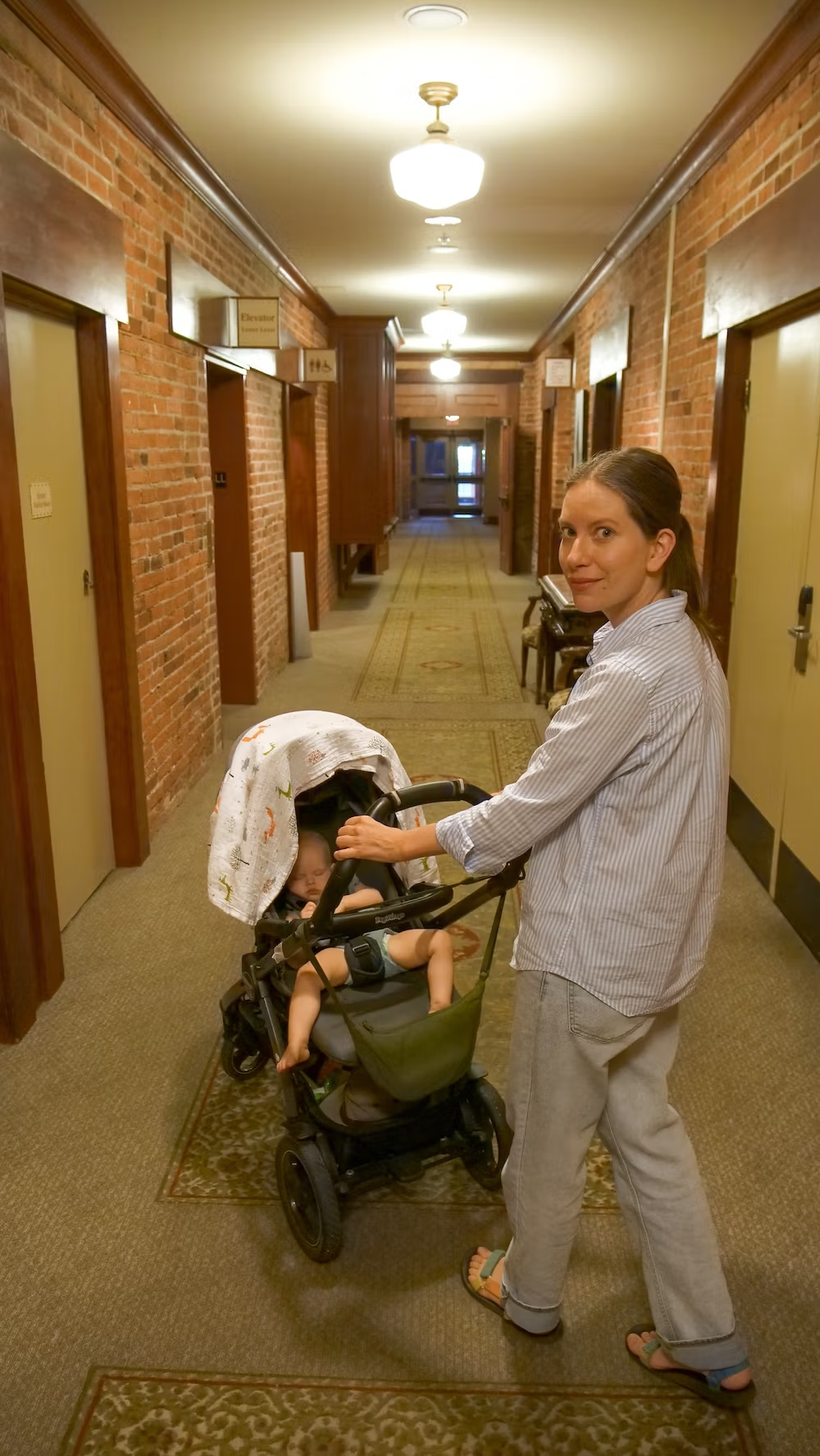
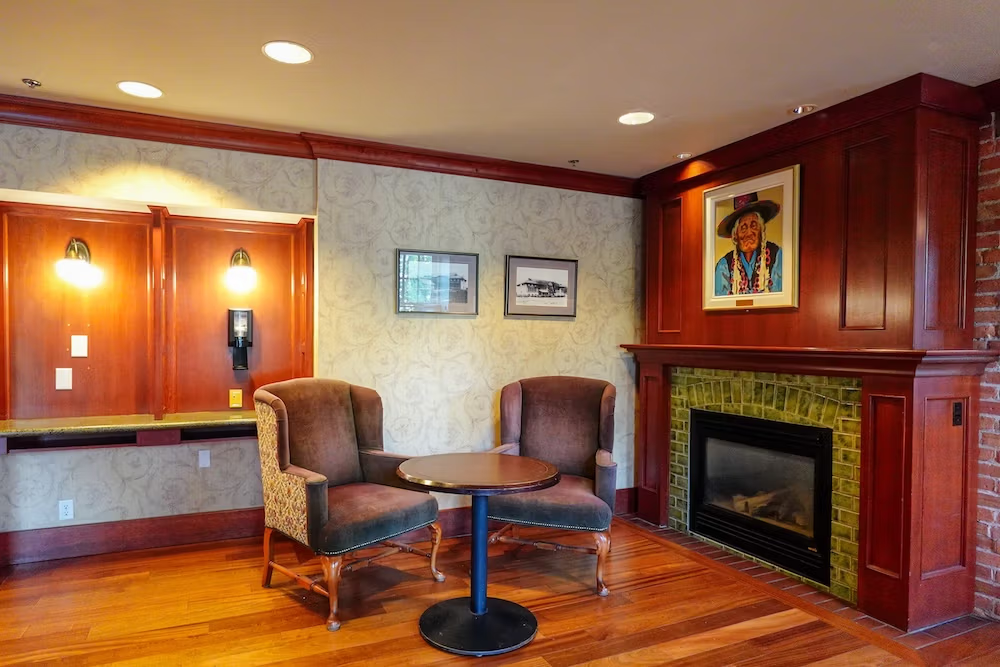
It’s also where the site’s history is physically present, and that matters. If you stay in the Mission Building, it doesn’t feel like a neutral “heritage” backdrop. It feels like a real place with real weight. For some travelers, that will be a reason to stay elsewhere. For others, it’s a reason to approach the stay with intention and respect.
From a pure comfort angle, Mission rooms can be incredible: thick walls, unique layouts, and the kind of atmosphere you can’t copy-paste into a new build.
From a baby angle, the one downside is unpredictability. “Historic and unique” can sometimes mean “the outlet is weirdly placed” or “the layout is charming but not stroller-friendly.” If you’re the type who likes certainty, the Lodge is easier.
The Lodge Building: easier, more practical, still scenic
The Lodge Building is more like a classic resort hotel. It’s the choice if you want your room to function like a calm, predictable base while you focus on everything else.
With a baby, predictable is underrated.
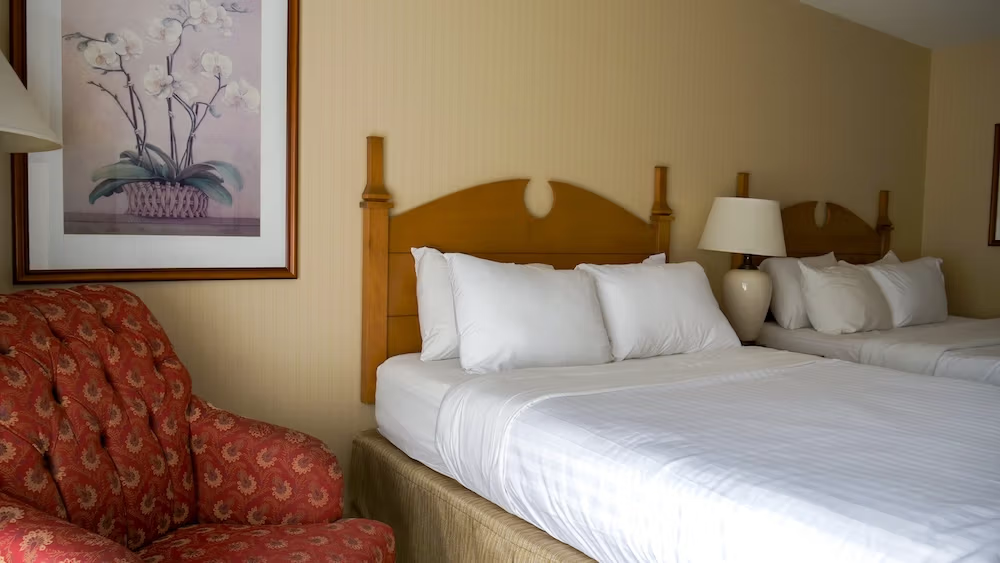
You’ll generally find more of the practical features families care about: multiple bed setups, the possibility of connecting rooms, and suites that give you a fighting chance at an adult conversation after bedtime.
Our family room priorities (a realistic checklist)
| Priority | Why it matters with a baby |
|---|---|
| Space for a stroller | If you can’t park it without blocking the entire room, you’ll feel it all night. |
| A mini-fridge (and ideally a microwave) | Milk, snacks, leftovers, and emergency baby food heating. |
| Quiet overnight | Babies can sleep through a lot… until they absolutely cannot. |
| Bathroom layout that isn’t a puzzle | Because you’ll be doing bedtime routines while half-asleep yourself. |
| Easy parking-to-room flow | Nothing tests your soul like carrying a sleeping baby and luggage across a maze. |
🏨 Where to Stay in Cranbrook (Our Top Hotel Picks)
⭐️ Quick Booking Box: Cranbrook Hotels (Compare Rates)
| Pick | Best for | Vibe | Booking link |
|---|---|---|---|
| 🏆🏨 Top Pick | First-timers who want an easy, reliable base | Comfortable “no-regrets” stay | Compare stays at Prestige Rocky Mountain Resort Cranbrook (Booking.com) |
| 💎🏰 Luxury Stay | “Make it a treat” nights (views + resort feel) | Historic resort energy | Check rates at St. Eugene Golf Resort & Casino (Booking.com) |
| 🏙️🛏️ Mid-Range | Downtown convenience + walkable vibes | Historic building, simple + central | See availability at The Baker Hotel (Booking.com) |
| 💰🛣️ Budget | Road-trippers + practical over fancy | Simple, wallet-friendly | Find deals at Days Inn by Wyndham Cranbrook (Booking.com) |
🔎🏨 Want to browse all options instead?
Food & drink: what we ate (and what we’d order again)
We ate twice on property, and honestly? That’s a big part of why St. Eugene worked for us as a family stay.
When you’re traveling with a baby, leaving the property to find dinner can feel like a heroic quest. Sometimes you’re up for it. Sometimes you want a place where you can eat, exhale, and get back to your room before the tiny human turns into a gremlin.
Meal #1: 19th Hole Bar & Grill (casual comfort)
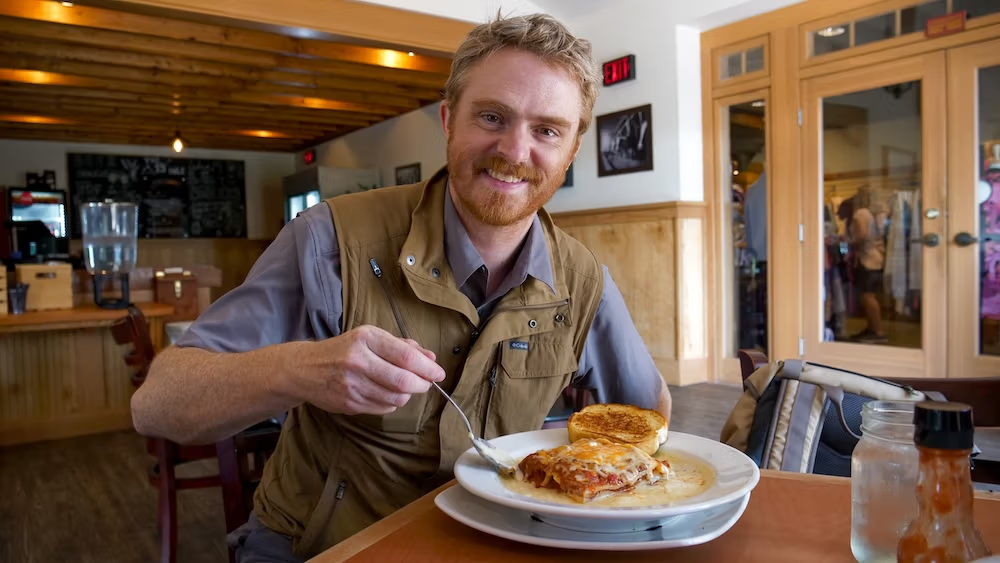
We ate at the 19th Hole Bar & Grill for a casual meal.
- We ordered lasagne, which is exactly what you want after a long day: rich, cheesy, filling, and unapologetically comfort-forward.
- Audrey ordered penne alfredo, a creamy, familiar option that’s not trying to surprise anyone. Sometimes “safe” is the whole point.
This meal felt like a warm blanket. Not a culinary pilgrimage—just the kind of hearty, satisfying food that makes you stop thinking about your feet hurting.
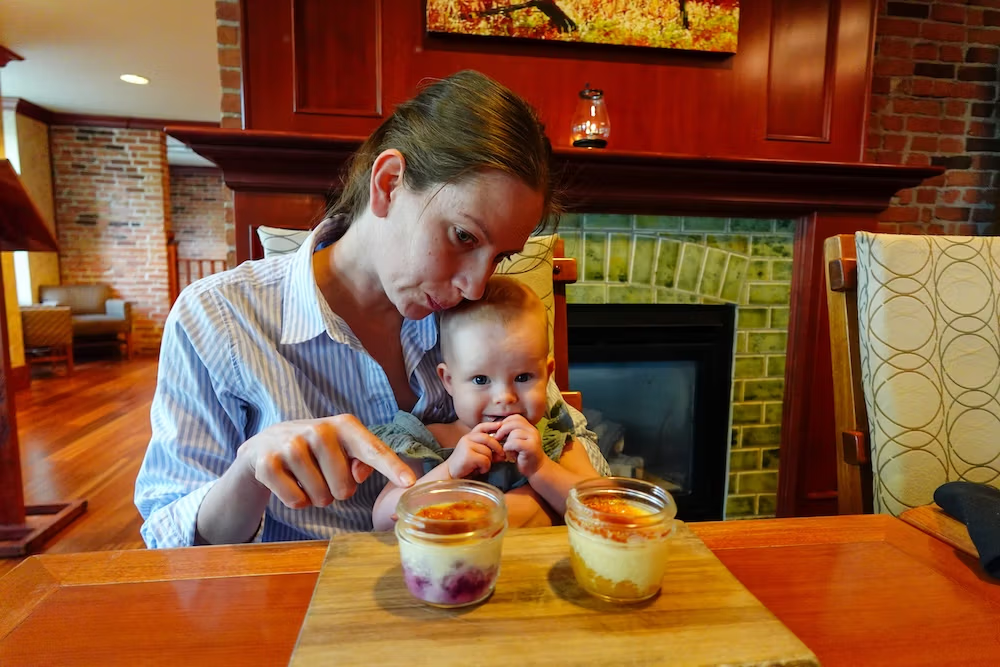
Meal #2: Numa Lounge & Dining (a more special dinner)
Later, we did a more formal dinner at Numa, located in the Mission Building.
We treated it as our “we made it” moment—the reward meal after the day’s driving, baby logistics, and general road trip chaos.
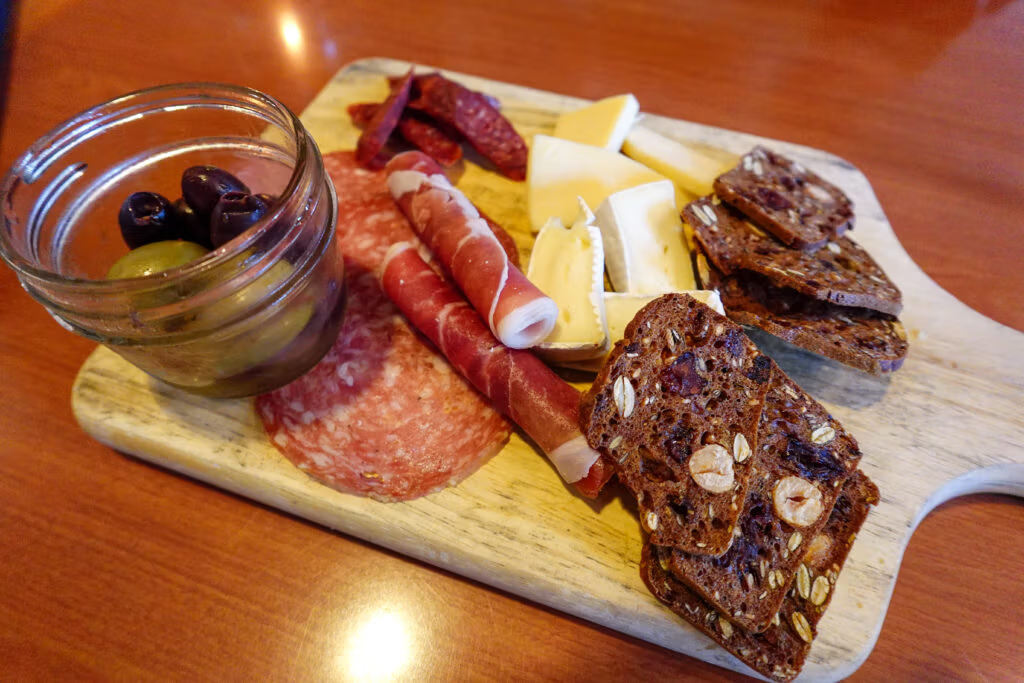
What we ordered:
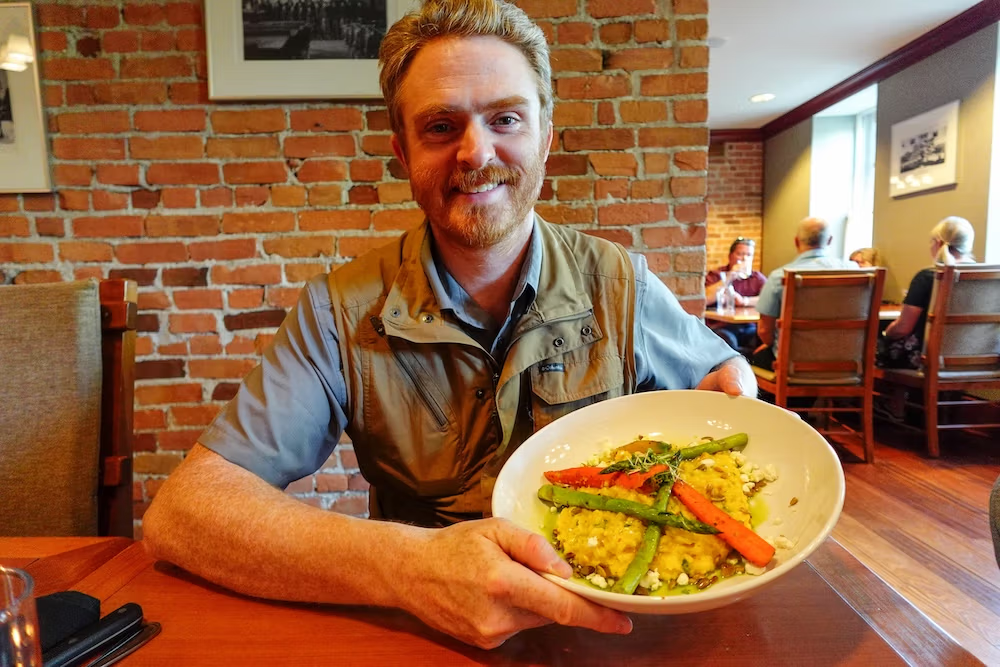
- A seasonal vegetable risotto built around roasted squash, topped with asparagus, root vegetables, and a light crumble of cheese.
- A charcuterie board with cured meats, cheeses, olives, and crackers—balanced, easy to share, and genuinely ideal when you’re dividing your attention between food and a baby.
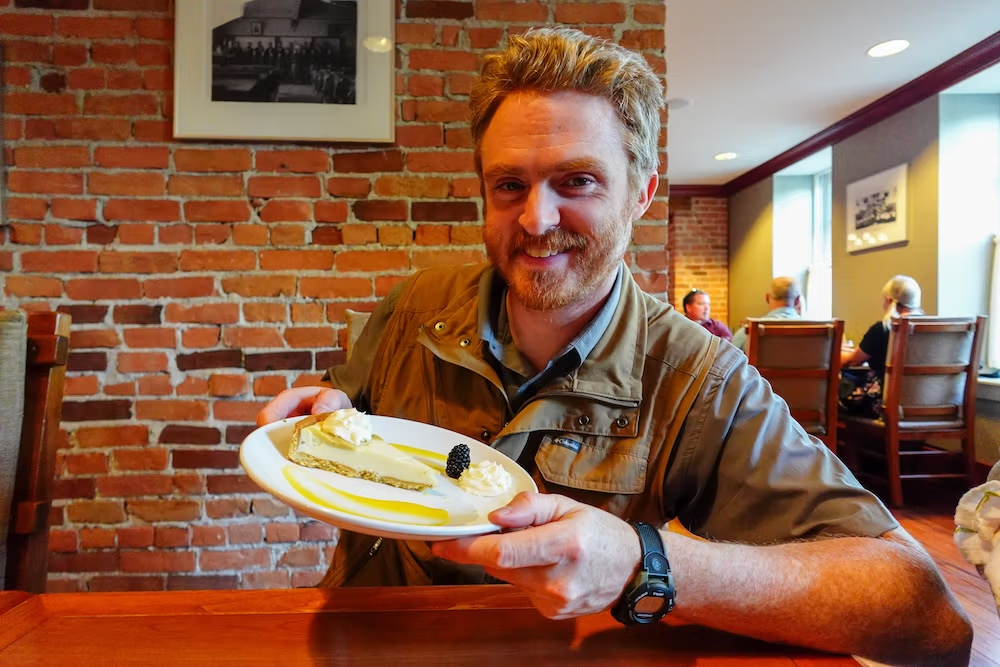
- For dessert, we shared two sweets: a crème brûlée duo with seasonal fruit layers, and a lemony citrus tart inspired cheesecake with graham crust and bright drizzle.
The dinner felt like St. Eugene at its best: relaxed but a little elevated, with a setting that encourages you to slow down.
Family dining reality check (aka the part no one puts on the brochure)
| The dream | The reality | Our tip |
|---|---|---|
| “A leisurely dinner with mountain views.” | “A baby deciding the chair is lava.” | Aim for earlier seating and bring one high-value distraction. |
| “We’ll order thoughtfully.” | “We’ll order fast because a meltdown is coming.” | Pick shareable items and one guaranteed comfort dish. |
| “Dessert will be romantic.” | “Dessert will be inhaled in shifts.” | Get the dessert anyway. Life is short. |
Amenities: pool, hot tubs, golf, casino (and what we skipped)
St. Eugene offers a lot on-site. In our case, we used it as a place to rest and eat rather than a “do everything” resort stay.
We didn’t go to the pool, we didn’t golf, and we didn’t hit the casino. That’s not a criticism—it’s just reality. With a baby and an exhausted travel day, sometimes the most luxurious activity is lying down.
But if you’re planning your own stay, here’s how we’d think about the options.
👉 Compare Hotels in Cranbrook on Booking.com
Amenity decision matrix
| Amenity | Best for | Worth it with a baby? | Notes |
|---|---|---|---|
| Heated outdoor pool + hot tubs | Recovery mode, shoulder-season soak, happy kids | Yes, if your baby tolerates transitions | Pack warm layers for the walk back to your room. |
| Golf course | Golfers (obviously) | Maybe | Works well if one parent plays while the other does a stroller walk. |
| Casino | Adults who want a short night out | Only with turn-taking | Best as a quick, controlled outing—not an all-night plan. |
| Grounds + sunset stroll | Everyone | Yes | This is the easiest, most rewarding “activity” with a baby. |
| Interpretive centre | Anyone who wants context and learning | Yes | Plan for it early, while everyone still has energy. |
The site’s history and how to visit respectfully
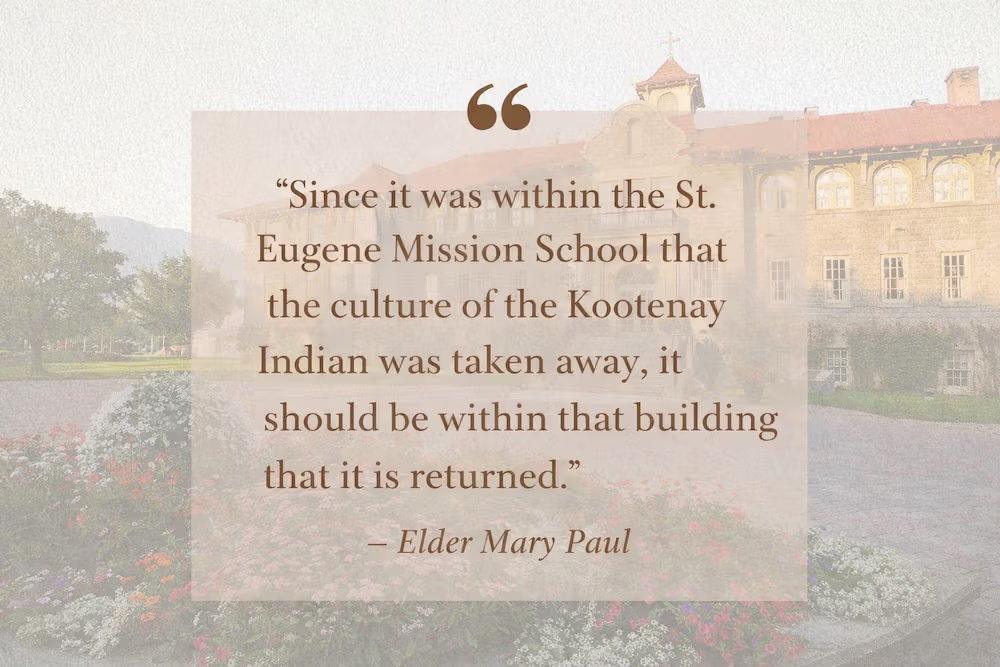
One quote we saw hanging in the hotel stopped us in our tracks. In the words of Elder Mary Paul: “Since it was within the St. Eugene Mission School that the culture of the Kootenay Indian was taken away, it should be within that building that it is returned.”
That perspective reframed the entire stay for us—not as “a resort with a historic building,” but as a place where comfort and context sit side by side.
St. Eugene is not just a resort with “historic charm.” The Mission Building is connected to Canada’s residential school system—a system that removed Indigenous children from their families and communities, causing deep and lasting harm that continues across generations.
The site itself has layers. A mission was founded in the region in 1873, and a residential school opened in 1890 near the church; later, the red-brick Kootenay Indian Residential School building was funded/constructed in 1910 and opened in 1912, operating until it closed in 1970.
After closure, the building’s story didn’t become “neat” or “finished.” The province leased the Mission in 1973 for a psychiatric facility project that was ultimately abandoned after significant renovation spending; the building sat empty for roughly two decades, a painful reminder for many in the community.
From there, the narrative shifts toward reclamation and rebuilding. St. Eugene’s own history page describes community discussions, a referendum, and a long restoration process; the golf course opened in 2000, the casino in 2002, and the resort fully opened in 2003.
Today, the resort positions itself as a place that does not hide the past but encourages education about it, and it highlights Ktunaxa-led ownership and stewardship as central to that mission.
A short timeline
| Year | What happened |
|---|---|
| 1873 | Mission founded in the region. |
| 1890 | A residential school opened near the St. Eugene Church. |
| 1910–1912 | Red-brick residential school building constructed (1910) and opened (1912). |
| 1970 | Residential school closed. |
| 1973 | BC leased the Mission building for a psychiatric facility project; later abandoned. |
| 1992–2003 | Reclamation and restoration path described by the resort; golf (2000), casino (2002), resort opening (2003). |
The most meaningful on-site step: the Ktunaxa Interpretive Centre (and tours)
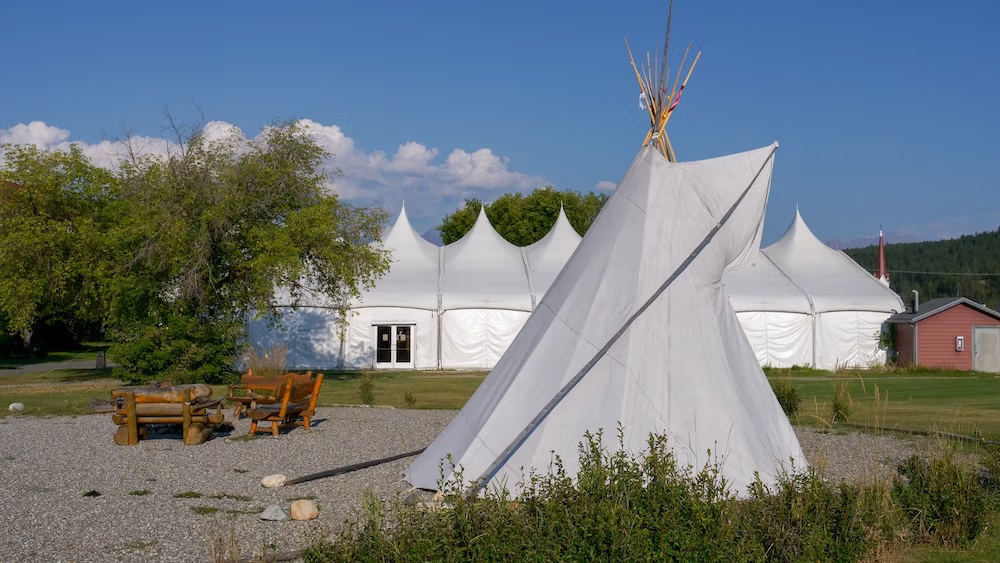
If you’re staying at St. Eugene, the interpretive centre is the clearest “start here” option—especially if you want context and learning built into the visit. The centre is located in the Mission building and is operated by the Ktunaxa Nation Council.
Hours: Monday to Friday, 9:00 am to 4:30 pm (closed weekends).
Tours (book ahead): The resort lists a full tour option (about 2 hours) that combines an interpretive centre tour, a guided Mission building tour, and a documentary screening (“Red Brick School”).
How to visit respectfully
| Do | Avoid |
|---|---|
| Set aside intentional time for the interpretive centre and/or a guided tour. | Treating the Mission building as a “cool backdrop” without engaging the history. |
| Keep voices low and move slowly in learning spaces. | Loud joking or high-energy filming in serious areas. |
| Follow posted guidance on photography and access. | Assuming every space is “content-friendly.” |
| Ask questions with humility and listen carefully. | Turning the experience into a debate, or centering your own opinion over lived experience. |
| Hold two truths at once: a comfortable stay can coexist with a difficult history. | Pretending the history doesn’t matter because you’re on vacation. |
Our candid takeaway (and what we’d change)
We want to be clear about our own experience: we did not plan our time well enough to engage with the interpretive centre properly. We arrived late, tired, and we defaulted to rest. That was a mistake on our part, and it’s the main thing we would change if we stayed again.
Next time, we’d build the stay around the interpretive centre first, and everything else second—because if you’re going to be here, learning deserves a real place on the itinerary.
Location: why St. Eugene works so well as a base near Cranbrook
One of St. Eugene’s biggest strengths is that it’s close enough to Cranbrook to be practical, but separated enough to feel like a retreat.
This makes it a great “hub” stay if you’re doing:
- A Cranbrook weekend with parks, food, and museums
- A family day trip to Fort Steele
- A Kimberley add-on
- An East Kootenays road trip where you want one calm night between bigger drives
➡️ Consider a stay at St. Eugene by checking out its many features on Booking.com
Easy day trips and add-ons
| Day trip / add-on | Why it pairs well with St. Eugene | Family notes |
|---|---|---|
| Cranbrook parks (Elizabeth Lake, Idlewild) | Low-effort nature with stroller-friendly paths | Great for “baby energy management.” |
| Cranbrook food stops | Easy meals in town if you want variety | Plan around nap windows. |
| Cranbrook History Centre | Short toddler-friendly tours + trains | Works even with limited attention spans. |
| Fort Steele | Big open-air museum feel, lots to see | Best for school-aged kids, still fine with a stroller. |
| Kimberley | Cute alpine town vibe | Easy half-day trip if you want a change of scenery. |
Family logistics: the things you’ll actually care about
Here’s the stuff that matters more than a marketing photo once you’re traveling with a baby.
The baby-friendly packing list (the “we learned this the hard way” edition)
| Item | Why it matters at a resort |
|---|---|
| White noise (app or portable machine) | Helps with hallway noise and unfamiliar rooms. |
| Baby monitor (if you’ll sit on a balcony) | Lets you have a tiny moment of adult peace. |
| Warm layers / towel hoodie | Outdoor areas can feel chilly after sunset. |
| Snacks you don’t have to refrigerate | Prevents emergency “please don’t scream” situations. |
| A small night light | Makes nighttime routines easier without blasting overhead lights. |
| Stroller rain cover / wind cover | Kootenays weather can pivot fast. |
The “nap math” that makes resort stays work
| Timing choice | What it changes |
|---|---|
| Check in earlier | You’ll have energy for the interpretive centre and a calm dinner. |
| Early dinner | You reduce the chance of “baby meltdown meets fine dining.” |
| Sunset stroll before bedtime | Baby gets fresh air, adults get the best photos. |
| Leave the big activities for morning | Everyone is more patient before the day’s chaos stacks up. |
Is it worth it? Value, trade-offs, and what you’re really paying for
Resort value is always personal. Some people want a cheap room and a clean bathroom. Others want a place that feels like part of the trip.
St. Eugene’s value comes from three things:
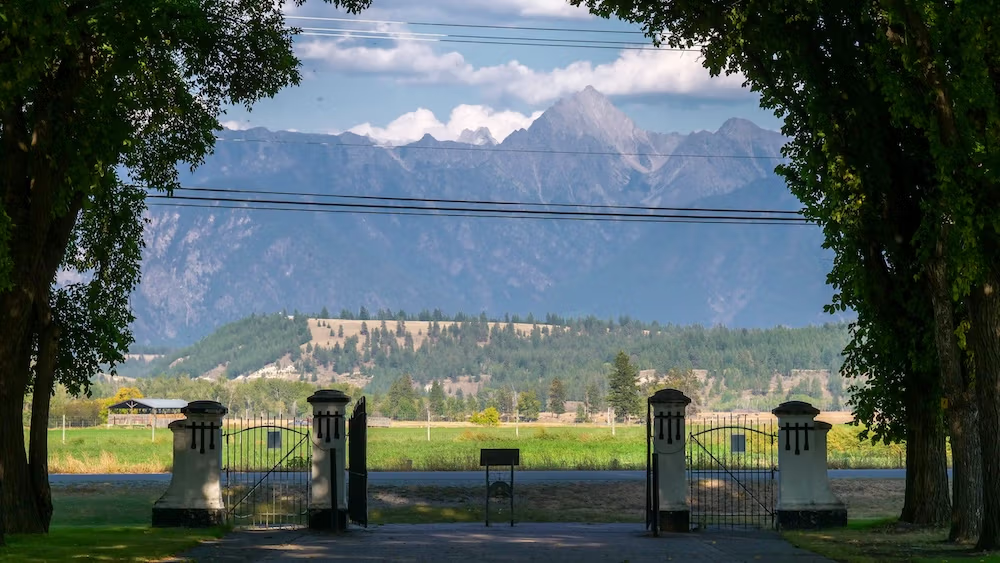
- The setting (you feel like you’re in the Kootenays, not just beside a highway).
- On-site convenience (food, amenities, and a property you can enjoy without driving anywhere).
- The uniqueness of the Mission Building experience (if you choose it), with the responsibility that comes with that.
The trade-offs:
- If you only need a bed in Cranbrook, you might find better deals in town.
- If you want walkable nightlife and downtown energy, this is not that.
- If you aren’t comfortable staying on a site connected to residential school history, it’s completely valid to choose a different property.
Our “worth it?” decision table
| If you care most about… | St. Eugene score (for us) | Why |
|---|---|---|
| Calm, scenic atmosphere | High | The grounds and views do a lot of work. |
| Easy family logistics | Medium-high | On-site food helps a ton; room choice matters. |
| Learning and cultural context | Potentially high | It’s there, but you need to plan time for it. |
| Budget | Medium-high | It’s a resort, so prices can reflect that. |
| Being in the middle of town | Low | You’re outside Cranbrook, by design. |
Better next time: our “do it right” plan
If we could redo our stay, here’s what we’d do—written for real families, not fantasy families.
A simple one-night plan that actually works
| Time | The plan |
|---|---|
| 2:30–3:30 pm | Arrive, check in, and do a slow room reset (snacks, diaper change, stroller ready). |
| 3:30–4:30 pm | Interpretive centre visit while everyone still has energy. |
| 4:30–5:15 pm | Wander the grounds (easy stroller loop, no pressure). |
| 5:15–6:30 pm | Early dinner (choose comfort food or shareable plates). |
| 6:30–7:15 pm | Sunset photos and a calm “last walk” before bedtime. |
| 7:30 pm | Baby bedtime routine. |
| 8:00–9:00 pm | Optional: one parent sneaks to the hot tub or casino while the other stays in. Switch tomorrow if needed. |
| Morning | Breakfast, one last stroll, and out. |
If you’re staying two nights, everything becomes easier. The first day becomes “arrival + learning,” and the second day becomes “amenities + day trip.”
Alternatives near Cranbrook
St. Eugene isn’t the only option, and choosing the right place depends on your trip style.
Where to stay matrix
| Stay style | Best for | What you’re trading off |
|---|---|---|
| St. Eugene Resort | Scenic resort base with on-site options | Not downtown; history requires respectful engagement |
| Downtown Cranbrook hotel | Walkability to restaurants and shops | Less “destination resort” feeling |
| Kimberley stay | Alpine town vibe, great for a change of scenery | More driving if Cranbrook is your focus |
| Cabin / vacation rental | Space, kitchen, nap control | More self-catering, less on-site convenience |
Final thoughts
We loved our Cranbrook trip, and St. Eugene was a memorable way to end it—especially for that calm sunset wander with Aurelia in the stroller after a long day.
As a resort, it’s scenic, convenient, and genuinely relaxing. As a place, it carries history that deserves seriousness and respect. If you stay here, plan enough time to learn, not just sleep.
And if you’re traveling with a baby: give yourself more margin than you think you need. The best part of the trip often happens in the quiet moments you didn’t schedule.
➡️ Book your St. Eugene room today on Booking.com
Frequently asked questions about staying at St. Eugene Resort near Cranbrook with kids and a baby
Is St. Eugene close enough to Cranbrook to use as a base?
Yes. It’s just outside Cranbrook, which makes it easy for quick trips into town for food, parks, or museums—without staying right in the middle of town.
What’s the best room choice if you’re traveling with a baby?
Suites (when available) are the easiest because you can keep lights low and still exist after bedtime. If not, the Lodge Building is usually the most predictable for family logistics.
Do you need to reserve dinner at Numa?
That would be best. Dinner service can be limited to specific days and times, so it’s smart to check current hours and reserve when reservations are offered—especially on weekends or holidays.
Is the resort stroller-friendly?
Mostly. The outdoor wandering and grounds are the easy win. Inside the historic areas, you may find tighter corners and more “old building quirks,” so a compact stroller helps.
Can you visit the Ktunaxa Interpretive Centre if you’re not staying overnight?
Yes. The interpretive centre is intended for visitors as well as guests, but hours can be weekday-focused, so plan for a daytime visit and confirm before you go.
Is it “weird” to stay at a former residential school site?
It can feel complex, and that’s normal. The best approach is to be respectful, learn from the interpretive centre, and avoid treating the site as just a “cool historic backdrop.”
Is it worth staying here if you won’t golf or use the casino?
Yes. We didn’t golf or gamble and still found it worth it for the setting, the calm vibe, and the convenience of eating on-site.
What’s the easiest “one-night” plan with a baby?
Arrive earlier than you think you need, visit the interpretive centre first, do an early dinner, then take a sunset stroller loop before bedtime. That sequence keeps stress low.
What should you pack that you might forget?
A night light, white noise, and extra snacks. Also: warm layers if you plan to be outside in the evening, even in summer shoulder-season weather.
Would we stay again?
Yes. But we’d do it differently: more time, less rushing, and a deliberate plan to engage with the interpretive centre instead of leaving it as a “next time” regret.
✨ Ready to start planning your Cranbrook route?
- 🏙️ Explore tours & experiences (Viator)
- 🛏️ Compare Cranbrook hotels (Booking.com)
- 🚗 Reserve a rental car (DiscoverCars)
- 🚌 Book bus tickets (BusBud)
Further Reading, Sources & Resources
If you want to double-check details, plan your visit, or read more context straight from primary sources, these links are the most useful places to start.
Official St. Eugene resort info (planning + logistics)
https://www.steugene.ca/discover/getting-here/
Good for location planning, directions, and figuring out how St. Eugene fits into a Cranbrook/Kootenays road trip.
https://www.steugene.ca/stay/rooms-suites/
Room types and descriptions straight from the resort—helpful when deciding Mission Building vs Lodge Building.
https://www.steugene.ca/dine/
The best source for current dining outlets and hours (which can change seasonally).
History and on-site learning
https://www.steugene.ca/discover/history-heritage/residential-school-history/
The resort’s own overview of the site’s residential school history and how it frames the space today.
https://www.steugene.ca/discover/indigenous-programs/ktunaxa-interpretive-centre/
Interpretive Centre details (including published hours and tour info)—this is the key “plan-around-it” page.
Casino details + age rules
https://www.steugene.ca/activities/casino-of-the-rockies/
The resort’s overview of the Casino of the Rockies, including general visitor info.
https://casinooftherockies.ca/casino-etiquette/
Useful for practical expectations (including ID/age policy language) before you show up.
https://www2.gov.bc.ca/gov/content/sports-culture/gambling-fundraising/gambling-in-bc
BC Government overview page that supports the province-wide legal framework around gambling (including age requirements).
Notes on accuracy
- Hours, restaurant schedules, and seasonal amenities can change quickly—always verify directly on the resort pages close to your travel dates.
- For sensitive historical context, we aimed to lean on primary sources and respectful framing, and we recommend visiting the Interpretive Centre for the most meaningful on-site understanding.