
Banff is remarkably good at making you want to spend money. You arrive in the Canadian Rockies, stare at a wall of mountains, and suddenly paying for a gondola, a guided lake tour, a glacier excursion and some elaborate adventure you hadn’t even heard of three weeks earlier starts to seem perfectly reasonable. You’re already here. You’ve already spent money getting here. Why not squeeze everything possible out of the trip?
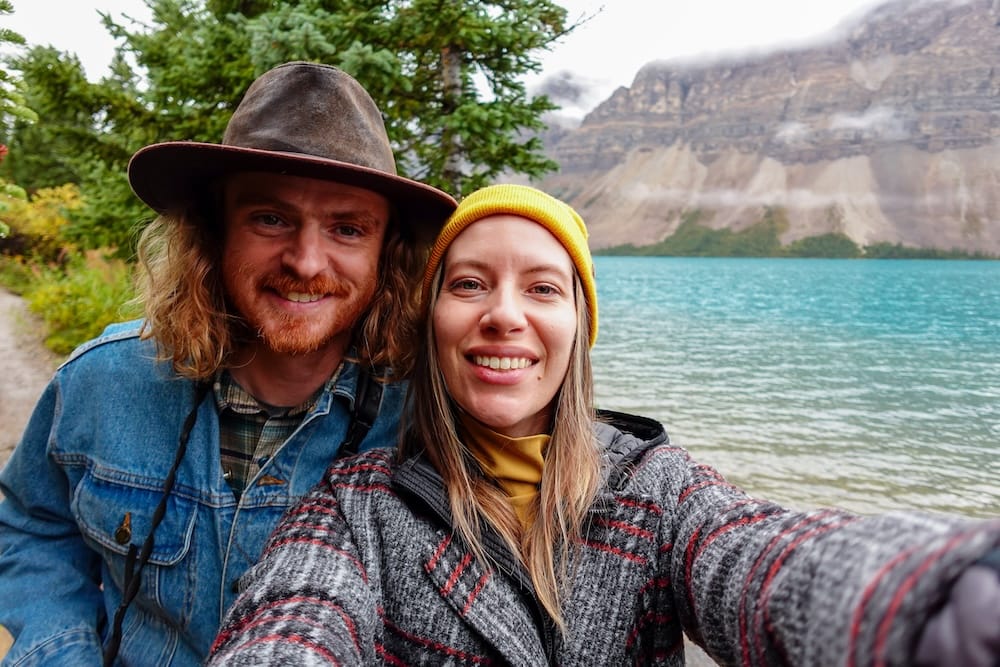
I understand the temptation because Audrey and I have experienced Banff from almost every angle on that spectrum. We’ve road-tripped through the Rockies with family and handled the driving ourselves, wandered Banff town on foot, followed the Bow River and walked out to Bow Falls without needing anybody to organize it for us. We’ve also ridden the Banff Gondola, taken paid excursions and upgraded a Columbia Icefield trip to include the Ice Explorer experience. More recently, we returned with Aurelia and her grandfather and spent a full day exploring Banff and Yoho with a private guide.
Those trips taught me something more useful than a list of attractions you can book. The real question isn’t whether something in Banff is bookable, because nearly everything seems bookable if you look hard enough. The better question is: what are you actually getting for the extra money?
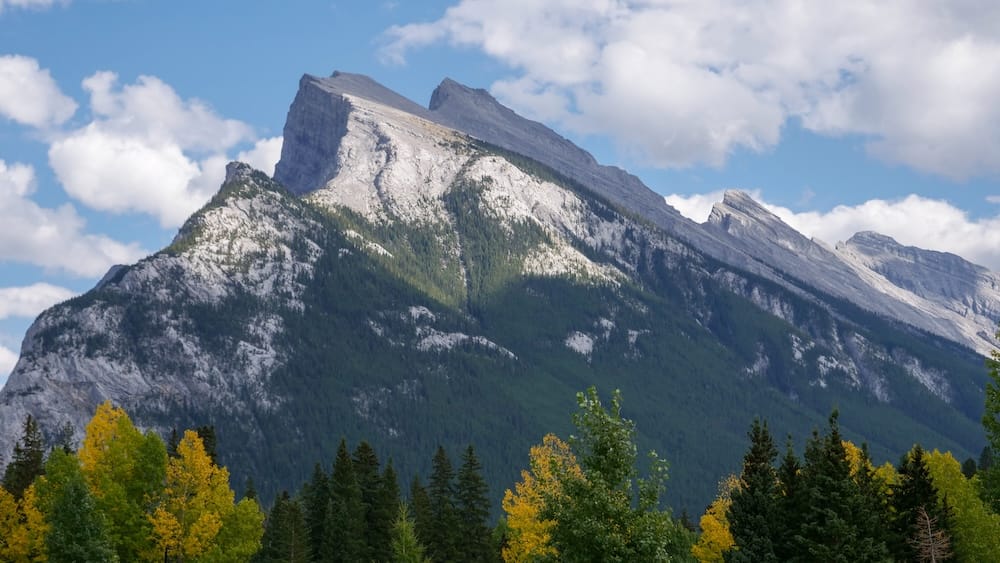
Sometimes you’re buying the experience itself. Sometimes you’re solving an access problem. Sometimes you’re paying somebody else to deal with a logistical headache, and sometimes you’re buying flexibility that becomes enormously valuable when you’re travelling with a toddler and a grandparent. Then there are those occasions when you’re basically paying someone to bring you to a beautiful place you could have reached perfectly well on your own.
Those are very different purchases, and I wouldn’t treat them equally.
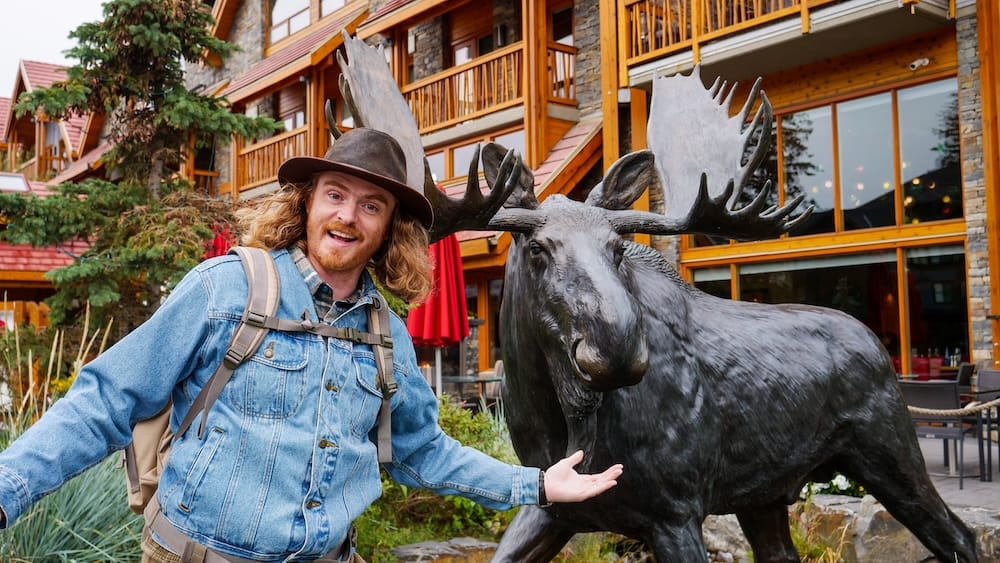
The question is not “Can I book this?”—it is “What am I paying for?”
I find it useful to divide Banff spending into several different categories rather than thinking in terms of tours versus no tours.
At one end is straightforward independent sightseeing. Banff town, the Bow River and Bow Falls are good examples. You can walk, look around, stop whenever you want and stay as long as you please. There is no compelling reason to insert a tour company between you and the landscape unless that sightseeing happens to be part of a broader excursion solving some other problem.
Then there are independently organized experiences that still cost money, which is where the language around “doing Banff yourself” can get confusing. You might pay for a Parks Canada shuttle to Lake Louise or Moraine Lake, buy a Roam transit pass or pay for parking and still be travelling completely independently. You are purchasing access or transportation, not a guided sightseeing package.
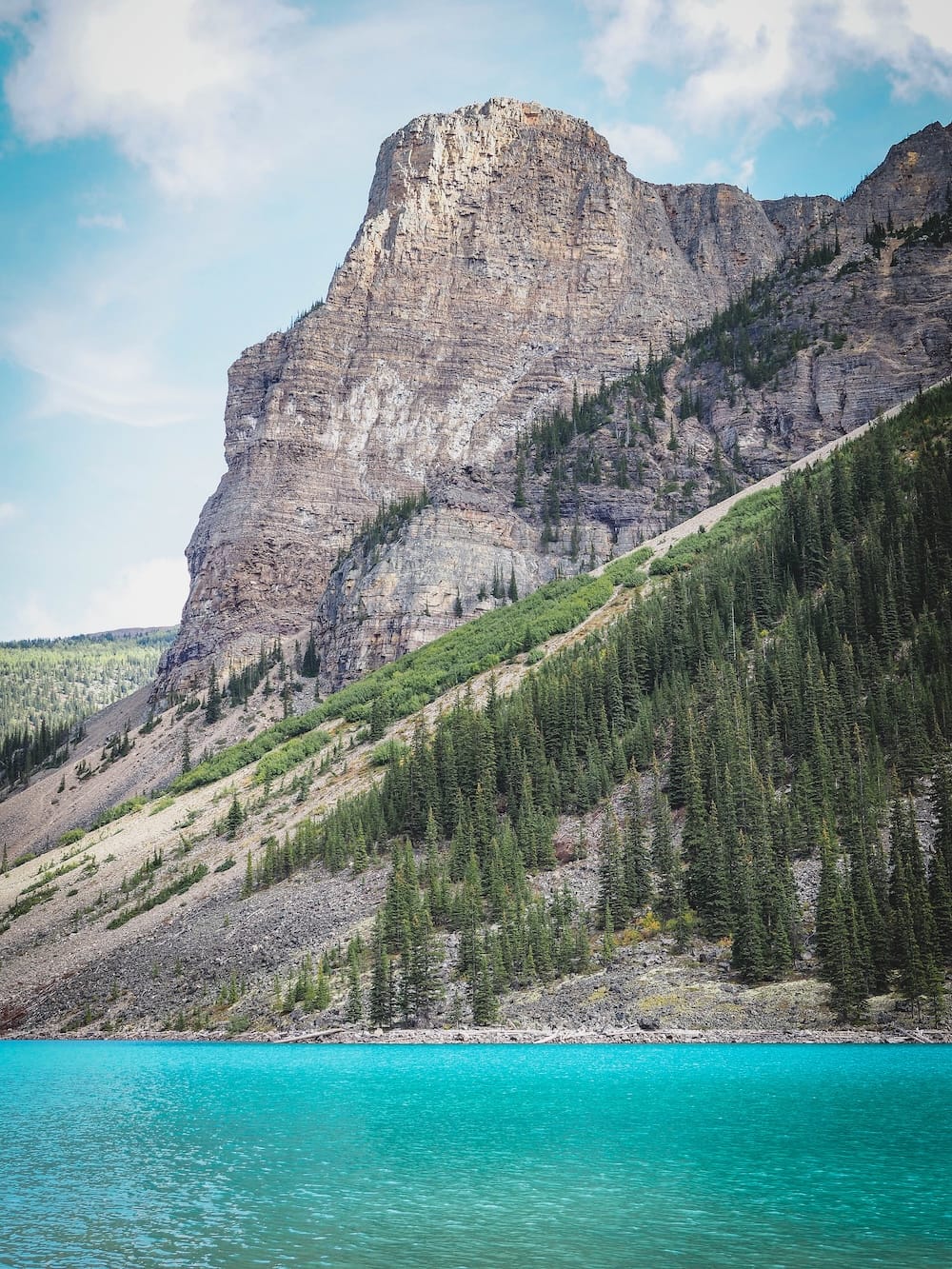
Another category is the ticketed attraction. The Banff Gondola is the obvious example: if you want the Gondola experience, you need a Gondola ticket. That doesn’t mean you need a guided tour wrapped around it.
There are also activities where an operator is fundamental to what you’re doing. If you want to travel onto the Athabasca Glacier aboard an Ice Explorer, you cannot reproduce that by turning up with hiking boots and a heroic level of optimism. In that case, you’re buying access to a controlled experience.
Finally, there is premium convenience. Private touring sits here for me. Lake Louise does not switch on an additional shade of turquoise because you arrived in a private vehicle, but you may be buying direct pickup, fewer transfers, somebody else doing the driving, local knowledge and far more control over the pace of your day.
That can be extremely valuable. It can also be completely unnecessary.
The best Banff spending strategy, in my mind, is to identify which purchases materially improve your particular trip rather than booking everything that happens to have a checkout page.
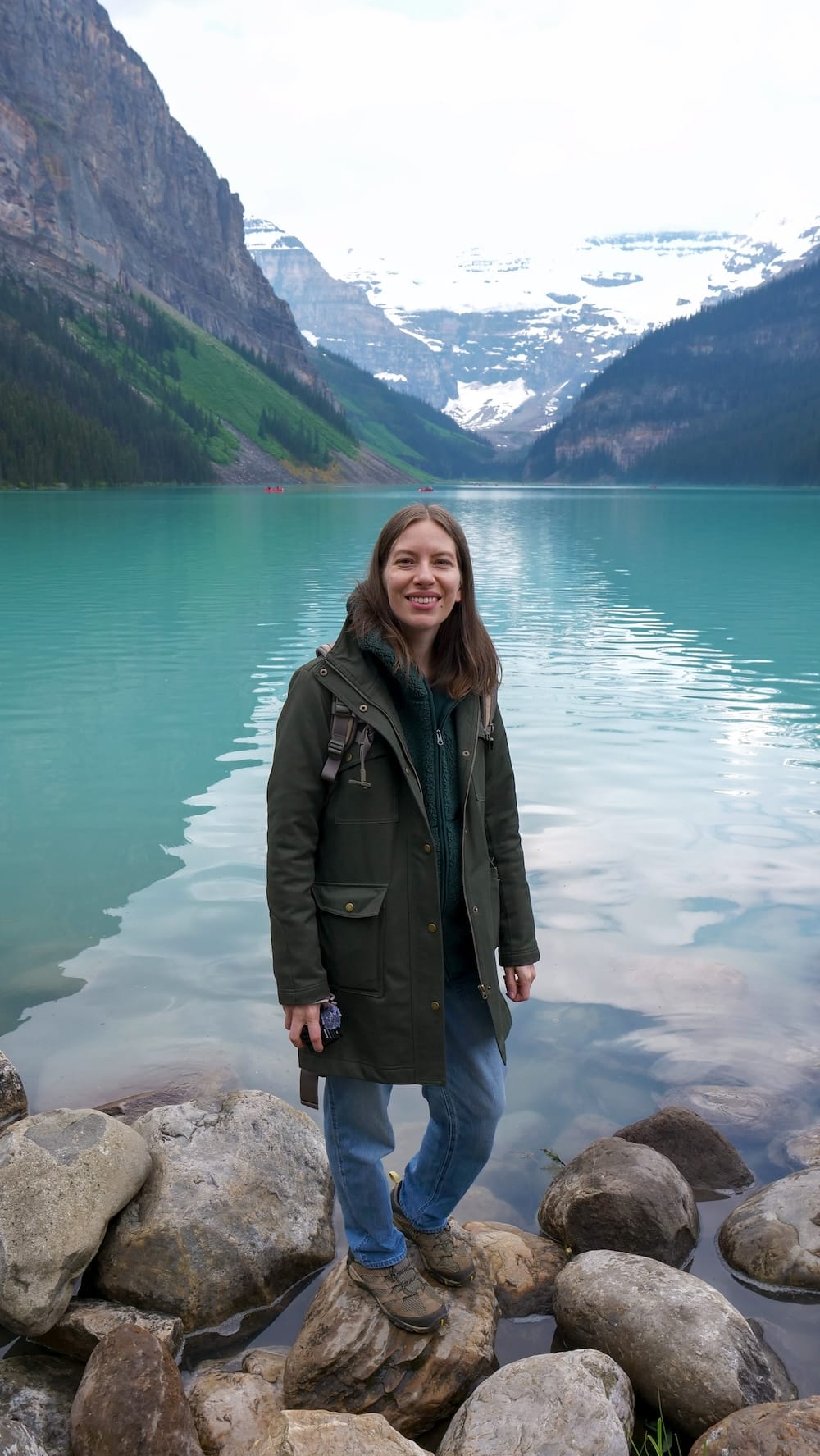
Lake Louise and Moraine Lake: you can pay for convenience without needing to buy a tour
Lake Louise and Moraine Lake are where this distinction becomes especially important.
We’ve visited both lakes more than once, and the experience has changed dramatically over the years. On an older family road trip, we drove ourselves through the Rockies and visited both Lake Louise and Moraine Lake with our own vehicle. That independence was fantastic because we were travelling widely across the region, moving between Banff, Canmore, the lakes and places much farther afield without having to structure every day around somebody else’s timetable.
I would not use that old trip as a blueprint for accessing the lakes today.
Moraine Lake: a commercial tour is one solution, not the only solution
The biggest change is Moraine Lake. Ordinary personal vehicles can no longer drive up Moraine Lake Road; the road is closed to them year-round, apart from limited exceptions.
This is where some Banff planning advice can become unnecessarily commercial. “You can’t drive yourself” gets translated into “you need a tour,” but those two statements are not remotely the same thing.
For the 2026 season, Parks Canada operates shuttles to Moraine Lake from June 1 through October 12, weather permitting. A regular lake-shuttle reservation starts at the Lake Louise Park & Ride at the ski resort rather than downtown Banff. The current adult fare is CA$12.75, plus a CA$3.50 online reservation fee per booking, and the reservation includes access to the Lake Connector between Lake Louise and Moraine Lake as well as the return to the Park & Ride.
That is independent travel as far as I’m concerned. You’ve paid for transportation because transportation is necessary, but you haven’t hired somebody to turn your lake visit into a guided tour.
If you’re staying in Banff without a car, Roam offers another approach. Its 2026 Reservable Super Pass costs CA$30 for an adult plus a CA$3 booking fee and combines a reserved Route 8X journey from Banff to Lake Louise with access to the Parks Canada Lake Connector for Moraine Lake. That can be considerably more convenient than first figuring out how to reach the Parks Canada Park & Ride.
There is still some choreography involved. You have fixed departures and transfers, and an ordinary Route 8X ride gets you to Lake Louise but does not automatically give you Moraine Lake access. The current Lake Connector operates every 30 minutes between 7 a.m. and 6 p.m., and waiting is part of the equation during busy periods. Parks Canada advises allowing at least 30 minutes for shuttle waits, with waits potentially reaching an hour when ridership is particularly heavy.
None of that strikes me as impossible. Plenty of travellers will look at the system, decide they would rather save the money and organize it themselves, and I’d probably make the same choice in many situations.
Now compare that with our recent private-tour experience.
We were picked up and somebody else handled the roads, parking, order of stops and movement between places. We were travelling with Aurelia and her grandfather, so we could stop when somebody was hungry, take care of Aurelia when she needed us and adjust the pace without worrying about holding up a group or missing a connection. Our guide also took us to Fairview Lookout above Lake Louise, somewhere we had completely missed on an earlier independent visit.
That doesn’t prove you’ll miss something important without a guide. It proves we did, and on that particular trip the value of paying extended well beyond transport to Moraine Lake. We were buying pace control, planning relief and useful local knowledge at the same time.
If that is the kind of friction you would rather pay to remove, one current GetYourGuide option offers shared or private transport with pickup from a range of locations around Banff, Canmore and Harvie Heights, plus time to explore Moraine Lake and an optional Lake Louise combination. You can check current Lake Louise and Moraine Lake tour availability and compare the convenience against organizing the public system yourself.
Lake Louise: driving is possible, but that doesn’t make it dependable
Lake Louise is different because you can still legally drive a personal vehicle to the lakeshore. On paper, that sounds like the obvious independent option; in practice, the parking situation makes it considerably less dependable.
During summer 2025, roughly 75% of vehicles attempting to reach Upper Lake Louise were turned around once the limited parking had filled. I wouldn’t build one of the most important mornings of my trip around those odds.
The lakeshore parking fee during the 2026 shuttle season is also CA$42 per vehicle per day, which makes the CA$12.75 Parks Canada shuttle look more attractive if your main objective is simply reaching the lake without turning parking into a competitive sport.
The broader choice is the same as at Moraine Lake. If you’re comfortable with Parks Canada or Roam and don’t mind organizing the journey, a commercial tour is not required. If you’re travelling with a mixed-age family, have very little time, hate transfers or simply don’t want one of your major Banff days to involve learning an entirely new transport system, paying for direct commercial transportation can make a great deal of sense.
What I wouldn’t do is treat the more expensive option as inherently better. You’re not paying extra for a prettier Lake Louise; you’re paying to make some of the logistics disappear.
That has value only if those logistics are actually a problem for you.
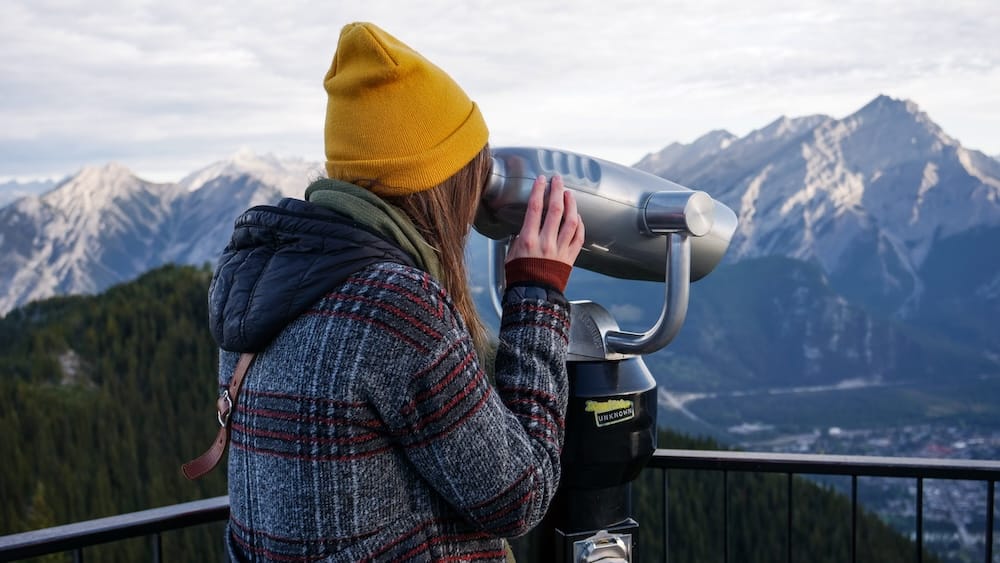
Banff Gondola: buy the experience, not an unnecessary extra layer around it
The Banff Gondola belongs in a completely different category. Audrey and I have personally done it, and if you want the Gondola experience, there isn’t some cunning DIY version where you build your own cable car out of rope and determination.
You need a ticket, but you do not need a guided Banff tour.
For a standard visit, you can buy admission and organize the rest yourself. Advance reservations are strongly recommended because preferred time slots can fill, although a reservation is not technically mandatory.
Transport is also easier than a first-time visitor might assume. From May 15 through October 12 in 2026, a same-day pre-purchased Banff Gondola ticket includes either the dedicated downtown shuttle or Roam Route 1 fare to Sulphur Mountain. Driving remains possible, but summer parking at Sulphur Mountain currently costs CA$17.50 per vehicle per day and can fill during busy periods.
If you’re already staying around Banff town, that makes the standalone version wonderfully simple: buy the ticket, use the included transportation, ride the Gondola, explore the summit and come back down. If that is exactly the experience you want, you can check current Banff Gondola ticket availability without wrapping it inside a larger sightseeing tour.
You’ll find larger sightseeing tours that include the Gondola as one part of a Banff itinerary, and those may make sense if you also want the other transportation, stops and guiding bundled into the day. I just wouldn’t buy an entire tour because I assumed that was somehow necessary to experience the Gondola itself.
This is why “what should I book?” needs a bit of unpacking. The Gondola is absolutely something you book if you want to do it; the guided tour around it is an entirely separate purchasing decision.
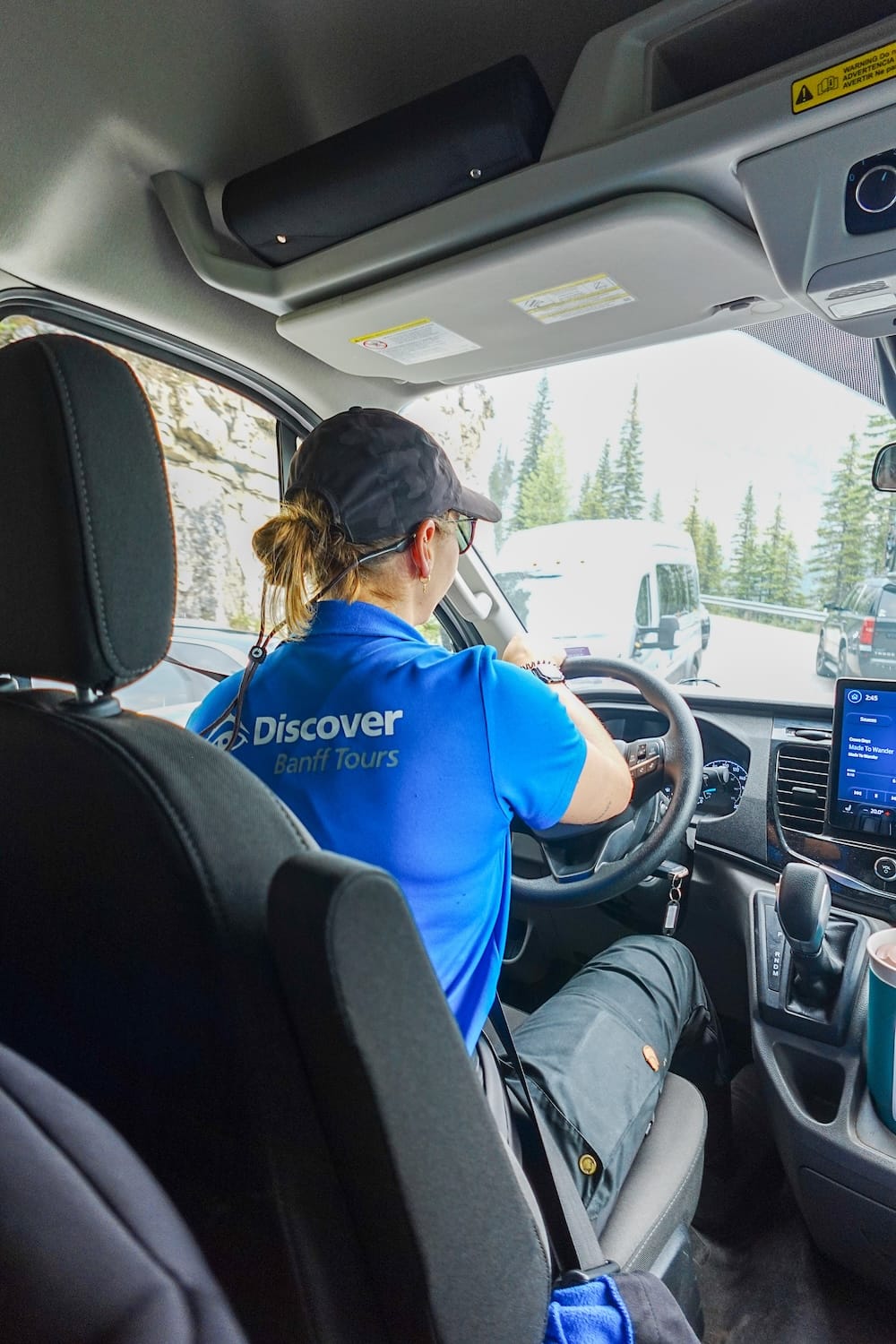
A private Banff tour can be worth paying for when flexibility is the product
Our recent private tour probably changed my thinking about paid Banff experiences more than anything else we’ve done, not because I suddenly decided private tours were superior, but because our circumstances had changed.
When Audrey and I were younger and travelling primarily as a couple, we could tolerate a fairly impressive amount of logistical nonsense. A late meal, another hour of driving or getting back later than expected wasn’t usually going to derail the day. Add Aurelia and her grandfather to the equation and you start measuring convenience very differently.
Our private day ran from roughly 9 a.m. until 7 p.m. and covered an enormous amount of ground, including Lake Louise, Fairview Lookout and Moraine Lake before continuing west into Yoho National Park. It was ambitious, and what made it work was that we weren’t trying to squeeze ourselves into somebody else’s rhythm.
Audrey summed up the main benefit afterward: we could move at our own pace without feeling rushed. We stopped for snacks, dealt with Aurelia when necessary and took breaks when the group needed them. Those details sound embarrassingly mundane beside turquoise lakes and waterfalls, but they were exactly what made the experience valuable.
A private tour obviously doesn’t eliminate fatigue. Ten hours is still ten hours, and I was carrying Aurelia during our hike to Fairview Lookout. A growing toddler has an impressive ability to turn a relatively modest outing into strength training.
What the private format did was let us manage that fatigue rather than fight a schedule.
There was informational value too. Fairview Lookout is my favourite small example because we’d already been to Lake Louise and somehow never knew that viewpoint existed. This time our guide took us up there and gave us a completely different perspective over the lake.
I wouldn’t inflate that into “you need a guide or you’ll miss Banff.” We’ve done far too much independent travel ourselves for me to believe that. But a good guide can add context, route knowledge and small decisions that improve the day in ways that aren’t obvious when you’re comparing only the price of transportation.
Now flip the circumstances. If Audrey and I were travelling alone, had plenty of time, knew exactly where we wanted to go and were happy navigating public transportation or driving ourselves, would I automatically pay the private premium?
No.
That’s where phrases like “private tours are better because they’re more personalized” become fairly useless. Better for whom? For our recent multigenerational trip, the flexibility solved something very real. For two independent travellers with a week in Banff and no particular aversion to buses, schedules or driving, that same premium might solve almost nothing.
If your own group has a genuine reason to value that extra control, you can compare current private Banff tour options rather than assuming that paying the premium is automatically the right move.
If you’re spending considerably more, there should be a real problem on the other side of that payment disappearing.
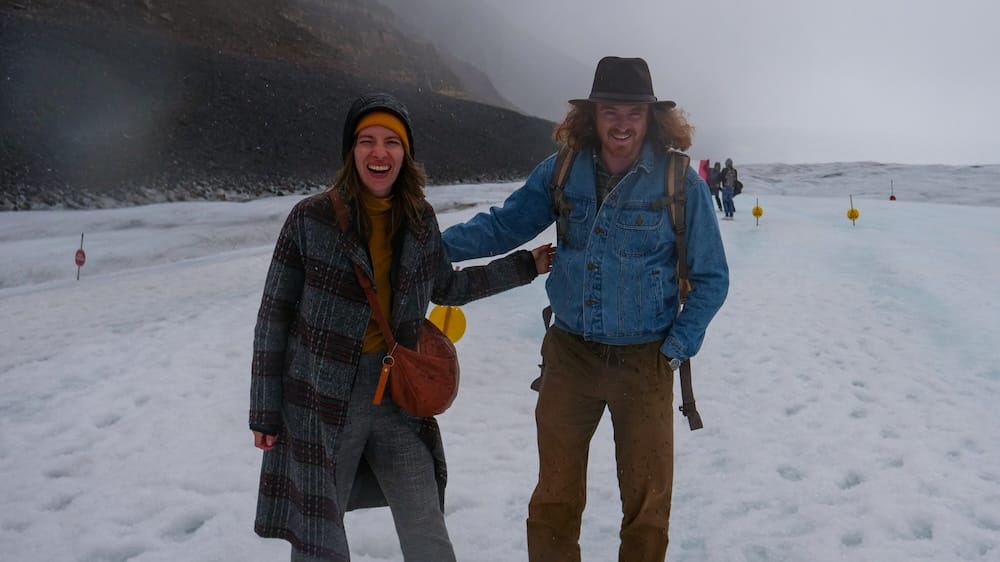
Columbia Icefield: you can reach the area independently, but the glacier experience is a product
The Columbia Icefield is another useful example because independent travel and a paid experience can coexist within the same outing.
This is not in Banff town, and I wouldn’t casually lump it into the same geographic bucket as Bow Falls or the Gondola. It’s a major Icefields Parkway excursion toward the Jasper side of the Rockies, but it is commonly visited from the Banff/Lake Louise direction.
You can drive independently to the Glacier Discovery Centre. From Lake Louise, the journey is around 125 kilometres and can take roughly two and a half hours, so you do not need to buy a Banff-origin guided day tour simply to reach the Columbia Icefield area.
For travellers starting in Calgary and building a wider Canadian Rockies road trip, having your own vehicle can make that independent version much more practical. If that is the trip you are planning, you can compare current rental cars in Calgary before deciding whether the freedom of self-driving is worth more to you than handing the whole day over to a tour.
There is also an established independent option at the glacier itself. The Toe of the Athabasca Glacier Trail is about 1.8 kilometres return, with around 60 metres of elevation change, and typically takes about an hour. That gives you a legitimate way to experience the glacier landscape without buying the main commercial attraction.
What it does not give you is permission to wander onto the glacier ice by yourself. Parks Canada warns about hollow and collapsing ice, hidden crevasses and the fact that people have died there. Seeing the glacier independently and trying to improvise your own glacier travel are two very different things.
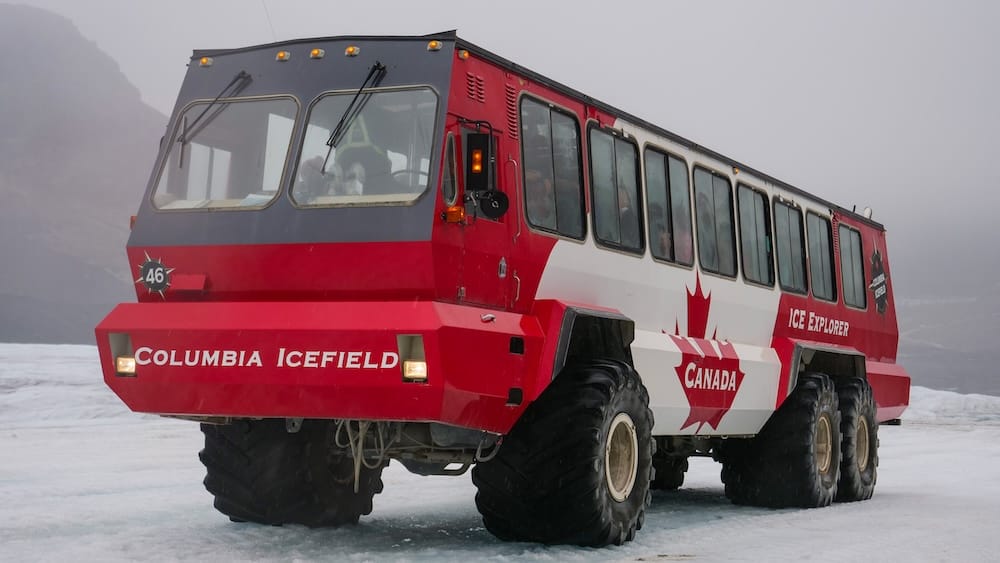
Audrey and I experienced the commercial side of this on our Columbia Icefield visit. At the Discovery Centre, we had the opportunity to upgrade and take the Ice Explorer onto the Athabasca Glacier. We chose to do it because actually setting foot on the glacier felt fundamentally different from seeing it at a distance, and once we were out there, it did feel special.
The current Columbia Icefield Adventure lasts roughly two and a half to three hours after you reach the Discovery Centre and combines the Ice Explorer, a controlled period on the Athabasca Glacier and the Columbia Icefield Skywalk. Self-drivers who want that specific experience without buying transportation from Banff can check current Ice Explorer and Glacier Skywalk ticket availability.
The value proposition here is unusually clean. If your goal is to road-trip the Icefields Parkway, stop near the glacier, walk the established trail and enjoy the landscape, you can organize that independently. If your goal is specifically to travel onto the glacier as part of a controlled experience, that is what you’re paying for.
There is also a genuinely different commercial decision for travellers who do not want the long self-drive at all. A current full-day GetYourGuide option departs from Banff, handles the round-trip transportation and includes the Ice Explorer and Glacier Skywalk as part of the day. If removing the drive itself is the value you want, you can see the current Banff-to-Columbia Icefield day tour rather than paying separately for a rental car and the glacier attraction.
In other words, the money can change two completely different things here: the first purchase gets you onto the glacier; the second can also remove an entire day of mountain driving.
One important caveat from our own trip is that the Columbia Icefield excursion was sponsored by Viator. We genuinely did it and genuinely enjoyed the upgrade, but I wasn’t standing at the counter conducting some heroic personal-budget calculation with all of my own money on the line. That matters when I talk about value, and it’s one reason I’d distinguish between saying the paid experience was meaningfully different and pretending I can tell every traveller it is automatically worth the price.
Where I would save the money and explore Banff independently
There is a commercial temptation with Banff content to spend most of the article talking about the experiences somebody can sell you, when some of the easiest hours we’ve enjoyed there required no tour at all.
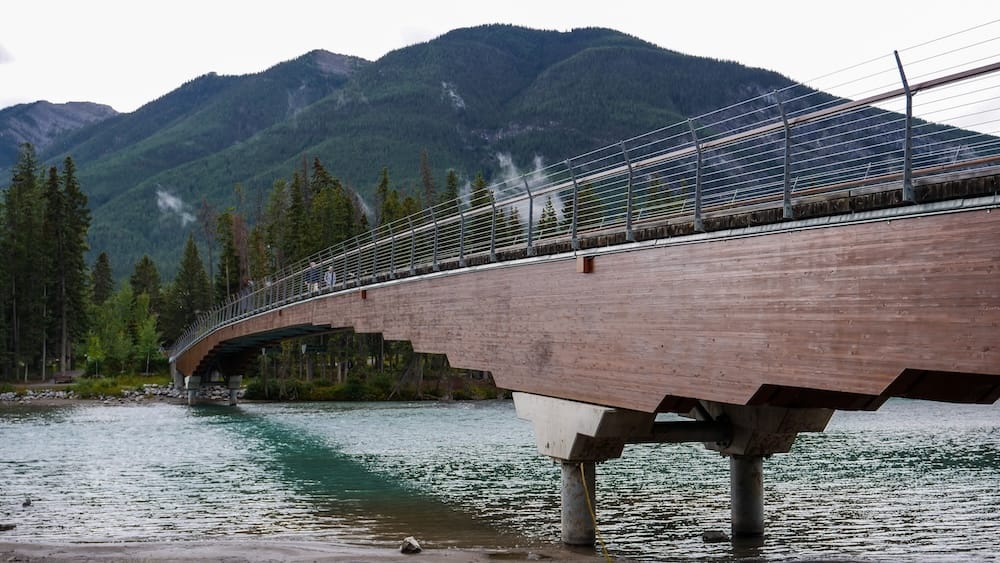
Banff town is the obvious example. You can wander around the centre, follow the Bow River and head toward Bow Falls without anybody needing to coordinate your movements. The Bow Falls Trail from Bow River Bridge is only about 1.2 kilometres and typically takes around 20 to 25 minutes, which is exactly the kind of outing where I struggle to see why the average traveller needs a commercial layer.
We’ve walked it ourselves. You can stop for photos, sit somewhere if you feel like it, get distracted, change direction or turn around when you’ve had enough. The scenery isn’t withholding itself until you’ve scanned a QR code.
The same logic applies to simply spending time around Banff town. One of the things I like about it is that you can park the big sightseeing machinery for a while and just exist somewhere beautiful.
If you’ve driven into town, the Banff Train Station currently has roughly 500 free parking spaces where you can leave the vehicle for up to nine hours, about an eight-to-ten-minute walk from downtown. That creates one of the simplest Banff strategies imaginable: park once and stop thinking about the car for a while.
From there, you can wander downtown, walk beside the river, head toward Bow Falls and let part of the day unfold without a reservation controlling it. I wouldn’t pay a guide merely to make that possible.
That doesn’t mean a walking tour could never be worthwhile. Someone who wants local history or interpretation may get plenty out of one, but in that case you’re paying for the interpretation rather than access to the pavement.
I’d apply that distinction everywhere. If the product adds expertise you genuinely want, convenience you need, equipment you don’t have or controlled access you cannot reasonably obtain yourself, paying has a clear purpose.
If it merely inserts another person between you and an easy walk because someone managed to put a “Book Now” button beside it, I’m keeping my wallet in my pocket.
The answer changes depending on who is travelling
One reason I dislike universal Banff booking advice is that exactly the same choice can look sensible for one traveller and ridiculous for another.
Take the lake shuttles. For a couple staying in Banff with plenty of time, getting onto Roam, making the lake connection and building the day around scheduled transport may be completely reasonable. Public transport is not some miserable second-rate way to experience Banff. Roam buses are wheelchair accessible, strollers are accepted subject to practical space constraints, and Parks Canada’s regular lake-shuttle system can provide accessible transportation when requested through the proper process.
That doesn’t mean every part of the day suddenly becomes frictionless. You still have transfers, waiting, walking, fixed departures, meals, bathrooms and weather to deal with. And children have never seen your spreadsheet and do not respect it.
That was the part that made the private-tour premium easier for me to understand once we were travelling with Aurelia and her grandfather. We weren’t purchasing better mountains; we were purchasing control over the shape of the day. If somebody was hungry, we could deal with it. If Aurelia needed changing, we stopped. If the group had had enough somewhere, we could move on.
That is extremely valuable when you need it and rather expensive when you don’t.
Time changes the calculation too. Someone with one full day in Banff may reasonably spend more to remove uncertainty and compress the logistical work. Someone staying for a week can afford to use the public system, spread major destinations across separate days and recover more easily if something goes sideways.
Your starting point matters as well. A traveller staying in central Banff faces a different transport problem from somebody outside town with a rental car, and a commercial pickup that saves one person several awkward transfers may save another person almost nothing. Party size, mobility, tolerance for planning and even temperament all affect the equation.
Some people will happily spend an hour figuring out the cheapest combination of buses and feel victorious afterward. Other people would probably pay good money simply to never read another shuttle timetable again.
Neither is travelling incorrectly.
What I would actually book—and what I would keep independent
If I were allocating money for another Banff trip now, this is how I would think about the major decisions.
| Experience | My approach | What the money actually buys |
|---|---|---|
| Lake Louise and Moraine Lake commercial tour | Compare guided lake options if it solves a problem | Direct transport, accommodation-area pickup on some products, less transfer planning, guide/context and easier pacing |
| Parks Canada or Roam lake access | Organize independently | Relatively inexpensive transport while keeping control of your own lake visit |
| Banff Gondola | Check Gondola tickets if you want the experience | The actual cable-car and summit experience; a separate guided Banff tour is not required |
| Private Banff tour | Compare private tour options if flexibility is valuable to your group | Pace control, pickup, fewer logistical decisions and somebody else handling the day |
| Columbia Icefield commercial glacier experience | Check Ice Explorer and Skywalk tickets if going onto the glacier is the goal | Controlled Ice Explorer/glacier access and the associated paid experience |
| Columbia Icefield road trip and established viewpoints/trails | Compare Calgary rental cars if the wider road-trip version suits you | Your own pace and the Icefields Parkway landscape without buying a Banff-origin tour |
| Banff town, Bow River and Bow Falls | Do independently | The core experience already works beautifully without commercial packaging |
The category I would pay closest attention to is book if it solves a problem.
That is how I see commercial Lake Louise and Moraine Lake tours. Public options exist and cost dramatically less, so if you are comfortable using them, I would. The more expensive option earns its place when direct pickup, fewer transfers or less logistical responsibility materially improves the day.
Private touring belongs in the same middle ground. Our recent experience was excellent because we were a multigenerational family with a toddler and an ambitious itinerary. That does not mean I would automatically pay the same premium on every future Banff trip.
The Gondola works differently because, if I want that experience, the ticket is the experience. I don’t regard buying admission as outsourcing the trip.
Then there are places such as Banff town and Bow Falls, where I’m perfectly happy to keep the day uncomplicated and the credit card buried.
Banff has enough genuinely worthwhile things to spend money on that you do not need to invent additional ones. I would pay where the purchase changes something substantial: it gets me onto a glacier, removes an awkward access problem, gives me expertise I actually want or gives my family enough flexibility to turn a potentially stressful day into a good one.
If all I’m buying is somebody else’s packaging around an experience I can comfortably have myself, I’d rather keep the money for the parts of Banff where paying genuinely earns its place.
Frequently Asked Questions
Do you need a tour to visit Moraine Lake?
No. Ordinary personal vehicles cannot drive up Moraine Lake Road, but a commercial tour is only one option. Parks Canada shuttles and qualifying Roam access also let you organize the visit independently.
Can you still drive to Lake Louise?
Yes. Personal vehicles can still reach the lakeshore, but parking is limited and unreliable in busy periods. In summer 2025, roughly 75% of vehicles attempting to reach Upper Lake Louise were turned around once parking filled.
Do you need a guided tour for the Banff Gondola?
No. If you want the Gondola experience, you need a ticket, but you can organize the visit independently. A separate guided Banff tour is optional.
When is a private Banff tour worth paying for?
For me, it makes the most sense when flexibility solves a real problem. On our multigenerational trip with Aurelia and her grandfather, being able to control stops, meals, breaks and pacing made the private format genuinely useful.
Can you visit the Columbia Icefield independently?
Yes. You can drive independently to the Glacier Discovery Centre and use the established Toe of the Athabasca Glacier Trail. What you should not do is improvise your own travel onto glacier ice; the controlled Ice Explorer experience is a separate paid product.
What can you do independently in Banff town?
Banff town, the Bow River and Bow Falls are all easy examples. We have explored these areas on foot ourselves, and the core experience does not require a commercial tour.
Should you book everything in Banff in advance?
No. I would spend where the purchase materially changes access, the experience or the logistics, and keep straightforward sightseeing independent. The important question is what the extra money actually buys you.
This article is also available in Spanish. [Leé la versión en castellano: Qué conviene reservar en Banff y qué podés hacer por tu cuenta]
This article contains affiliate links. If you book through one of these links, I may earn a commission at no extra cost to you.