
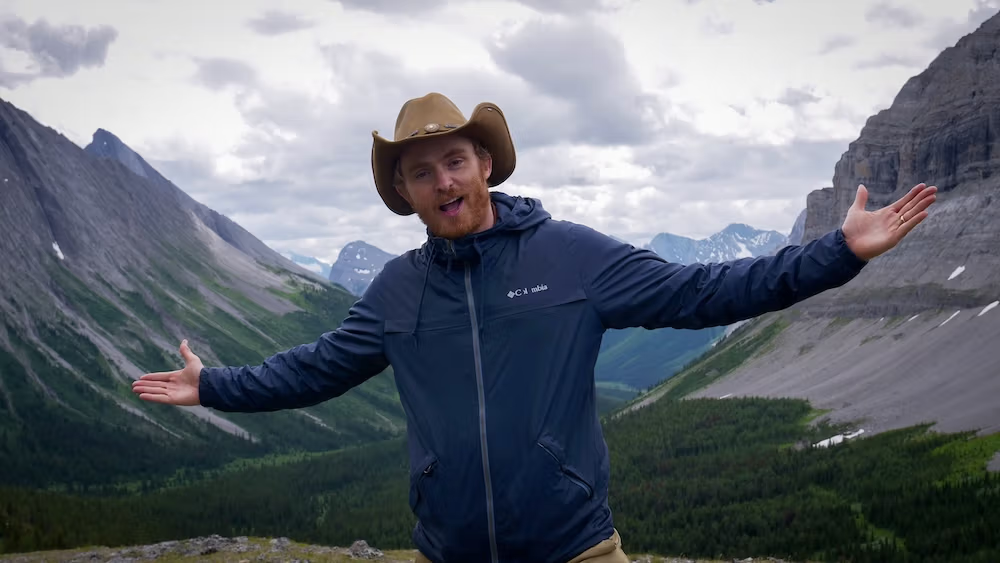
I made the same mistake almost everyone probably makes before a summer trip into the mountains: I assumed summer meant warm. It doesn’t, not once you’re on a horse for six days at elevation in the Banff backcountry, and by the time I figured that out, I was already short on layers with no easy way to fix it. That’s the mistake this whole packing list is built around, because it turns out I’m not the only one who’s made it. Banff Trail Riders‘ own packing guidance warns that you might experience all four seasons in one day out there and tells you to bring one more layer than seems necessary. I’d read something like that before my trip too. I just didn’t take it seriously enough.
Why You Can Pack More Than You’d Think
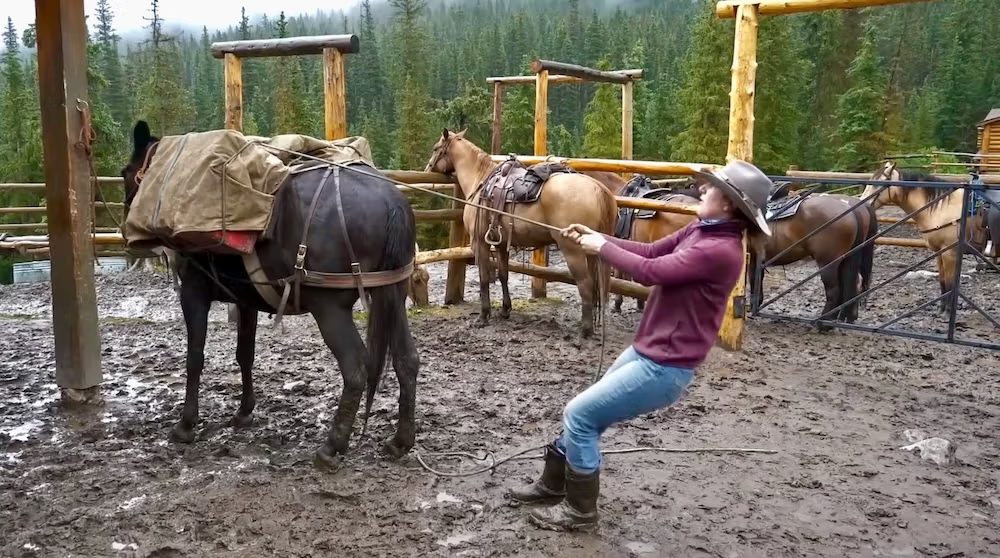
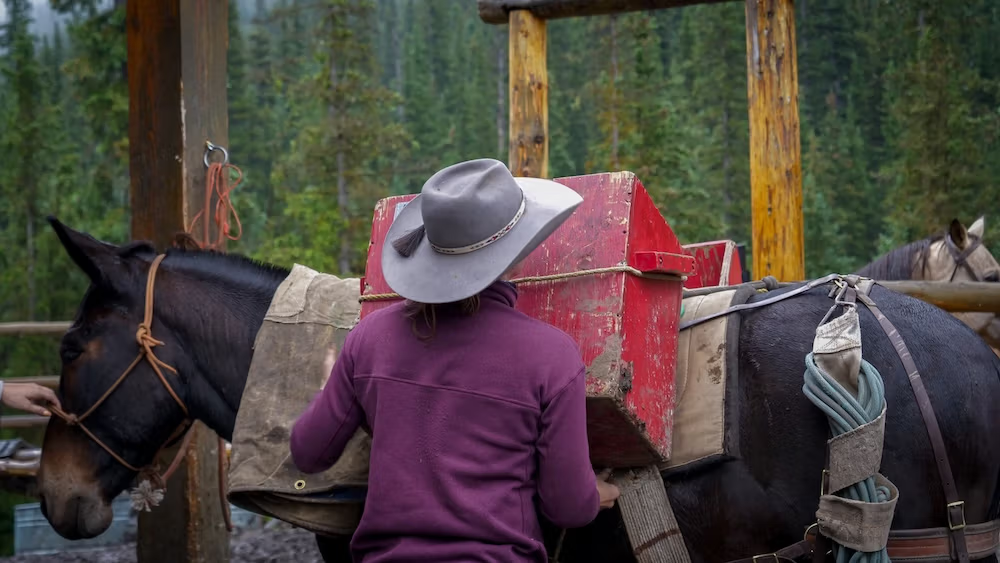
Before getting into what to actually bring, it’s worth explaining something that changes the whole calculation: you’re not carrying your own gear on this trip. Your main bag travels separately, packed onto a mule and moved between lodges by a small crew of staff who often ride a different route than the main group entirely. The hardest working team of the lot, if you ask me, out there covering ground on their own schedule so your duffel is waiting for you when you arrive, dry clothes and all.
This isn’t a backpacking trip where every extra pound matters. It’s closer to packing for a lodge stay, with a horse doing the heavy lifting instead of you. The current guideline is a soft-sided, waterproof bag weighing somewhere around 30 pounds — more room than you’d guess if you’re used to thinking about backcountry trips in terms of what fits on your own back. If you’re still nailing down the details before you pack, it’s worth checking the current listing for the 6-Day Halfway Lodge trip to confirm the exact weight allowance for your dates.
What’s Allowed On You vs. What Travels Separately
There’s one rule worth knowing before you start packing, because it’s not intuitive: backpacks and daypacks aren’t allowed on the ride itself. They’re hard on your back over hours in the saddle, and hard on the horse’s back too, since they don’t tie down properly. Instead, you get a free saddlebag at check-in, or you can bring your own fanny pack, for the handful of things you’ll actually want during the day — water, a camera, sunscreen, lip balm, bug spray. Everything else goes in the mule bag. It’s a small distinction, and showing up with a stuffed daypack you’re planning to wear all day is exactly the kind of thing that gets sorted out awkwardly at check-in rather than beforehand.
Layers: What I’d Bring Now
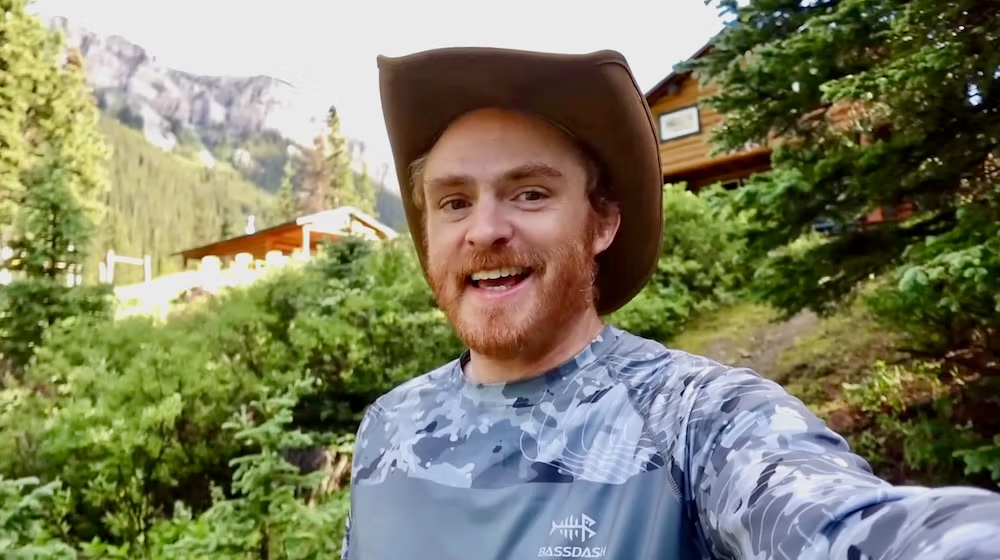
I packed enough variety that I wasn’t wearing the same shirt every single day. What I didn’t pack was enough actual warmth. A warm coat, a proper sweater or fleece, and a mix of lighter and heavier shirts should all make the list, along with a separate pair of pants for riding versus one for hanging around the lodge in the evening. None of that is exotic advice. It’s just advice I under-executed, on the theory that August in Banff would behave like August anywhere else. It doesn’t. The temperature swings from morning cold to afternoon heat to evening chill happen fast, and the trip doesn’t pause for you to adjust.
Footwear: One Pair Worked, Two Would Have Been Better
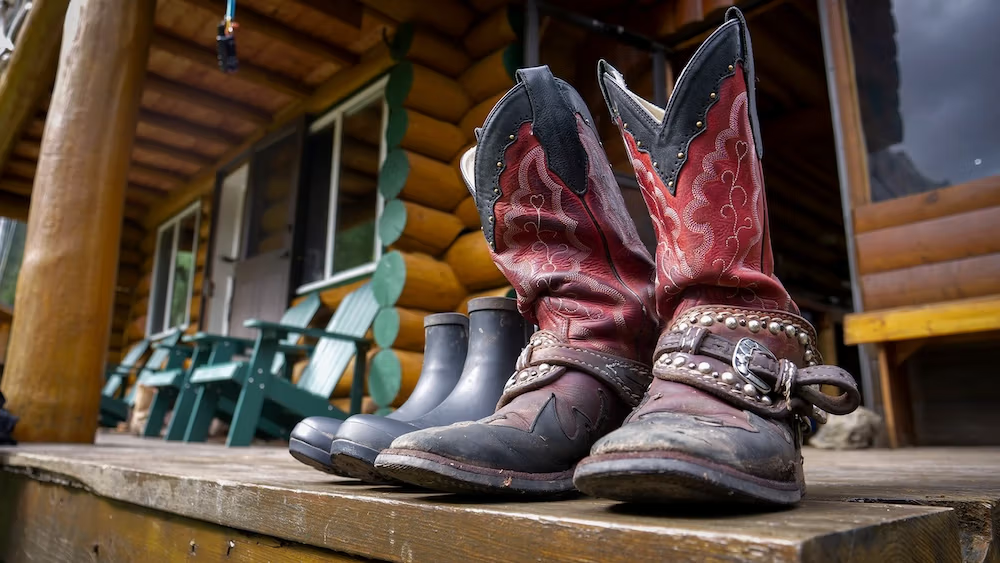
I brought exactly one pair of boots for the entire six days — wore them riding, wore them at the lodge, wore them everywhere. It worked, in that I finished the trip without incident, but I’d benefit from a second, lighter pair next time, something for the evenings that isn’t the same boot that’s been in a stirrup all day.
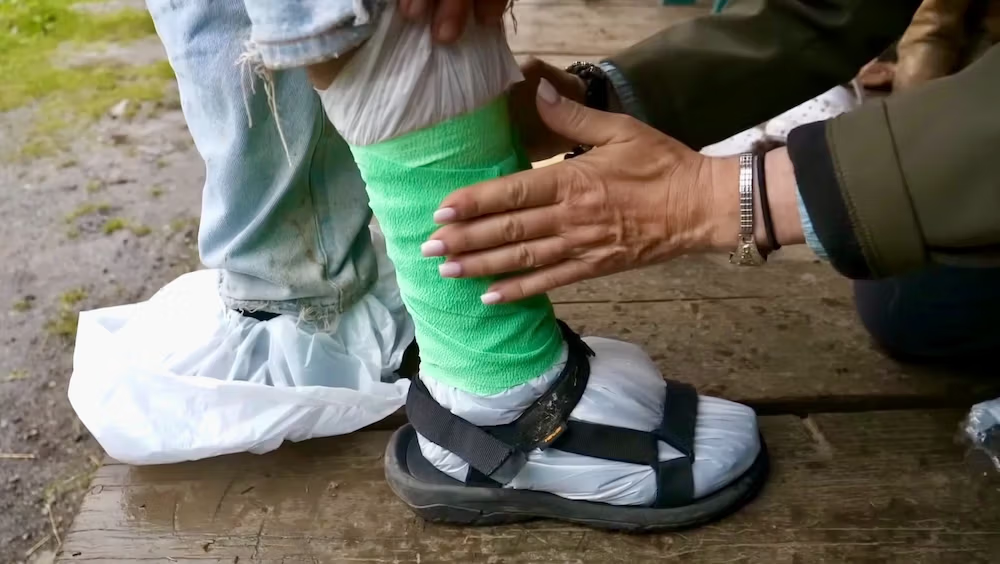
My roommate had it worse. He showed up without proper footwear for the wet conditions on our hike day, and I watched him improvise an entire rain boot out of a plastic bag and some wrap, strapped over a sandal, then hike through the rain like it was a completely normal choice. It worked for him too, somehow, which says more about his resilience than his packing list. I wouldn’t recommend it as a strategy so much as a reminder that footwear is the one category where “close enough” tends to get tested hardest.
Rain Gear: What to Bring, What They Provide
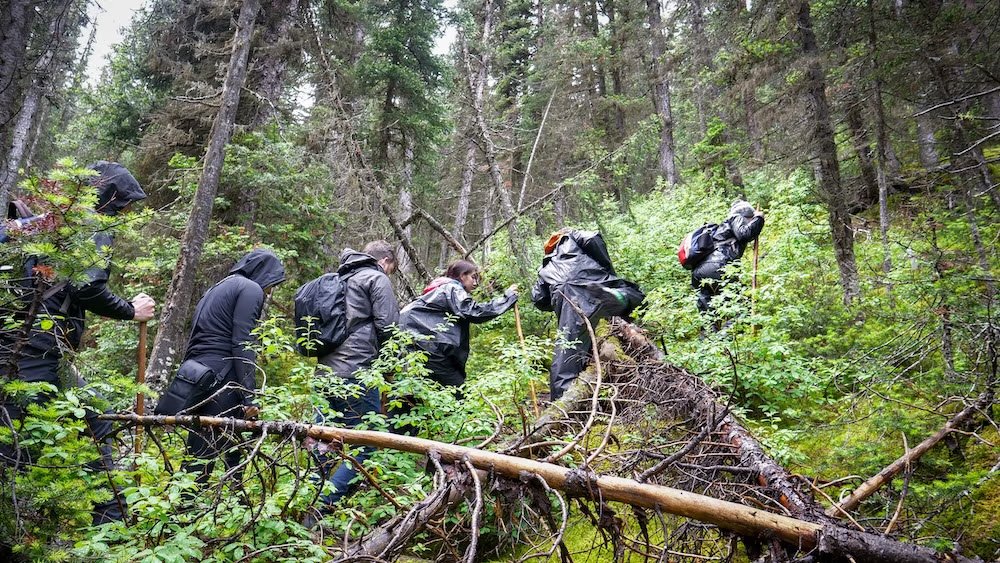
I packed a proper rain jacket with a hood, and it held up fine. What I didn’t expect was the backup: the outfitters hand out full-length saddle slickers at check-in, and we ended up putting them on during some of the heavier weather stretches, layered right over whatever we already had on. One thing worth knowing if you’re shopping specifically for this trip: skip the poncho. Current guidance is explicit about it, and it makes sense once you think about it — a poncho flaps around in the wind, and that’s exactly the kind of movement that can spook a horse. A real rain jacket and rain pants are the better call, with the slicker as a sturdy fallback if the weather really turns.
Keeping Devices Charged for Six Days Off-Grid
There’s no electricity at the backcountry lodges. The whole group’s charging strategy came down to whoever had thought to bring a power bank, and we became very good friends with those people, fast. Everyone had brought a decent stash of batteries and portable chargers, and it still felt like a shared, slightly precarious resource by day four or five. If you’re bringing a phone or camera you actually want working for six days, a power bank isn’t optional. It’s the only realistic plan.
The Packing List
Pulling all of that together, here’s what I’d bring:
- Warm coat, plus a fleece or heavy sweater as a second insulating layer
- A mix of lighter and heavier shirts — more than you think you need
- Two pairs of pants: one for riding, one for evenings at the lodge
- Riding boots, plus a second, lighter pair for the lodge if you have room
- A real rain jacket and rain pants — not a poncho
- A saddlebag or fanny pack for water, camera, sunscreen, lip balm, and bug spray
- A power bank and spare batteries for phone and camera
- Basic toiletries, kept minimal — showers run short and the lodges are off-grid
- Everything else packed into one soft-sided, waterproof bag, aiming for roughly 30 pounds or under
Get the layers right, and accept that a horse is doing the carrying instead of your own back, and packing for this trip stops being complicated. I just wish someone had made me actually believe the “four seasons in one day” warning before I packed my own bag. If you’re at the point of actually building this list for yourself, you can see current dates and availability for the 6-Day Halfway Lodge Backcountry Trip and go from there.
Frequently Asked Questions
What’s the biggest packing mistake to avoid on this trip?
Assuming summer weather will stay warm the whole time. I made that mistake myself, and the operator’s own guidance warns you might see all four seasons in a single day out there.
Do I need to carry my own gear on the trail?
No. Your main bag travels separately, packed onto a mule and moved between lodges by staff, so this trip is far more forgiving on luggage volume than a self-carried backcountry trip.
Can I bring a backpack on the ride?
No, backpacks and daypacks aren’t allowed on the horse itself. You get a free saddlebag or can bring a fanny pack for small items like water, a camera, sunscreen, or bug spray during the day.
Should I pack a rain poncho?
No, skip the poncho. It can flap in the wind and spook the horses. A proper rain jacket and rain pants work better, and full-length slickers are also handed out at check-in as backup.
How do you keep your phone and camera charged for six days?
There’s no electricity at the backcountry lodges, so a power bank is essential. Our whole group ended up depending on whoever had brought one along.
Do I need two pairs of footwear?
I got by with one pair of boots for the entire trip, but I’d bring a second, lighter pair for evenings at the lodge if I did it again.
This guide is also available in Spanish. [Leé la versión en castellano: Qué llevar para una cabalgata de 6 días por el interior de Banff]
This article contains affiliate links. If you book through one of these links, I may earn a commission at no extra cost to you.