
Before we arrived in Hokkaido, Hakodate was never somewhere we planned to skip. We had set aside time for it and knew there were things we wanted to see, but if I’m being fair to our pre-trip expectations, other destinations in Hokkaido felt like the bigger priorities. Hakodate was somewhere we would visit on the way north rather than one of the places driving the trip.
That changed quickly.
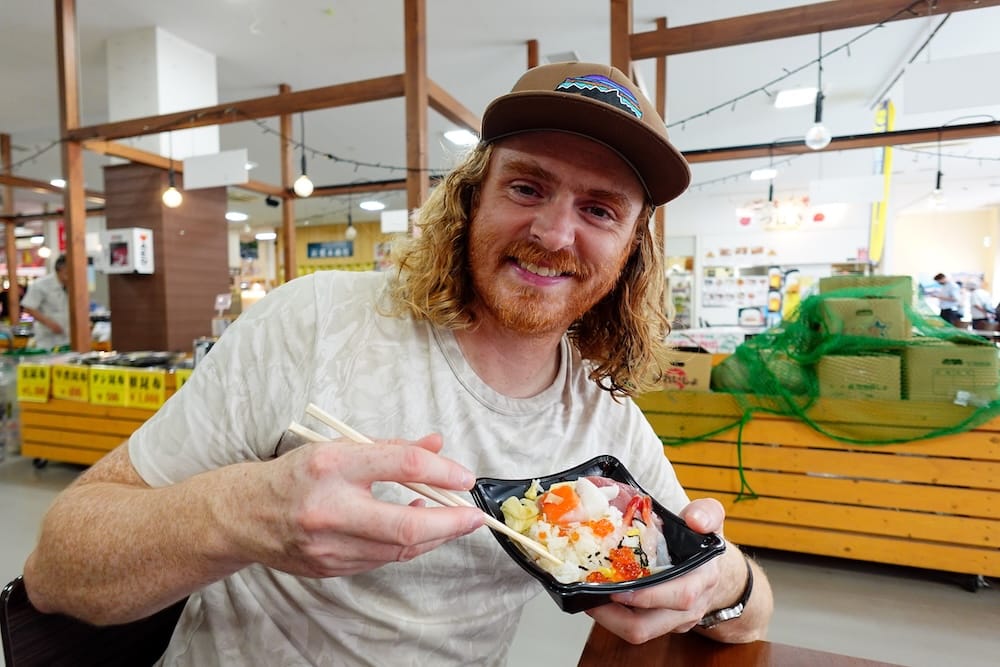
By the end of roughly three nights and three very full days, Audrey and I had gone from thinking of Hakodate as something of a stopover to seeing it as a destination in its own right. There was no single attraction responsible for the shift. It was the way everything accumulated: seafood near the station, old trams, the waterfront, a railway ferry we had never heard of, European-influenced churches and architecture in Motomachi, views that finally revealed how strangely the city is laid out, rainy-day museums, Goryokaku and meals that kept giving us excuses to stop whatever we were doing.
Hakodate also showed us a side of Japanese city travel that felt very different from Tokyo, Osaka and Kyoto. It had plenty of actual city attractions, but the pace felt slower and much more relaxed. At times it almost had the personality of a big town rather than a major urban destination, which turned out to be a huge part of its appeal for us.
So yes, I think Hakodate is worth visiting, especially if you like culture, food, walking and the kind of travel where wandering around can still produce something you had not planned. The main catch is that the city is much more spread out than that relaxed atmosphere initially suggests.
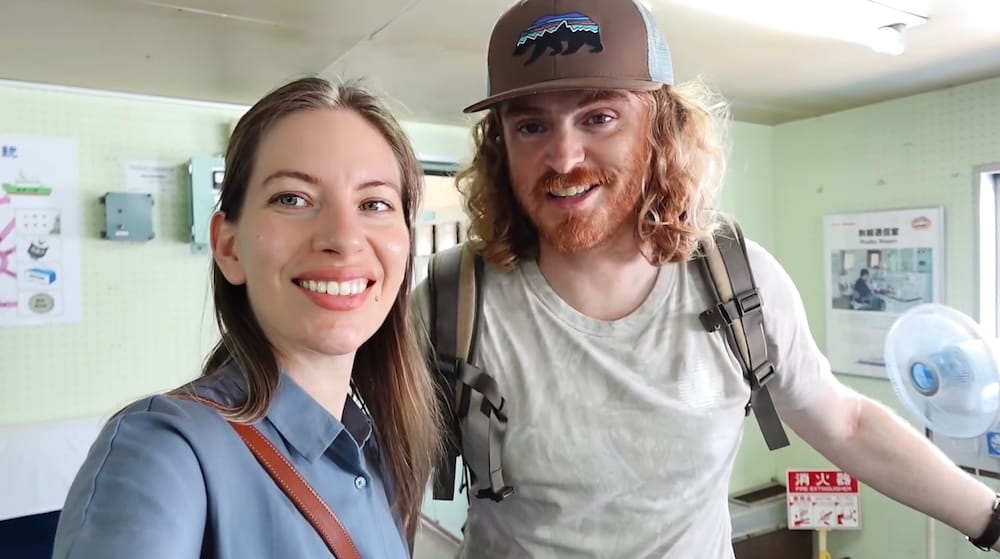
We had Hakodate completely wrong before arriving
When I say Audrey and I thought Hakodate was a stopover, I don’t mean we accidentally ended up there or had planned just enough time to change trains. We deliberately included the city in our Hokkaido trip and intended to explore it. It simply occupied a lower position in my head than some of the destinations farther north.
That distinction matters because the surprise was not discovering that Hakodate had a few attractions. We already knew there would be things to do. What caught me off guard was how many different sides of the city kept revealing themselves once we started moving around.
A morning could begin with seafood near the station and drift toward the harbour. Another part of the day might involve climbing Motomachi’s hills past churches and historic buildings. We could head up Mt. Hakodate, cross town to Goryokaku, duck into museums when the weather turned or stumble across something interesting that had never made it onto our itinerary in the first place.
The city never felt like one attraction surrounded by filler. That was the real correction to my expectations.
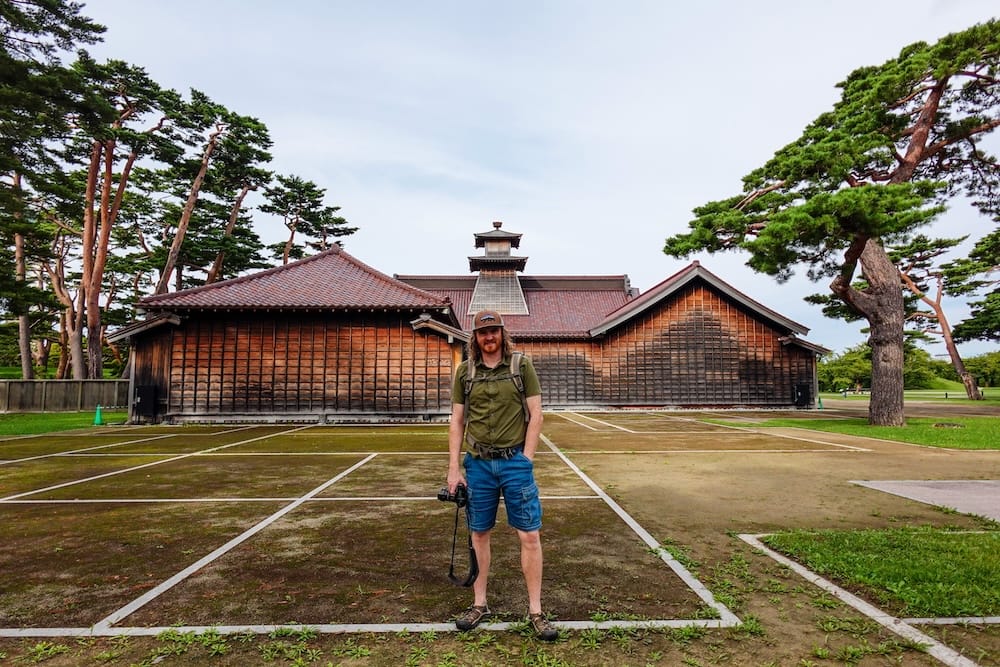
Hakodate gave us city attractions without the big-city intensity
The easiest way for me to explain why Hakodate clicked is to compare it with some of the Japanese cities we already knew. Tokyo, Osaka and Kyoto offer an absurd amount, but they can also make you feel as though you should always be moving somewhere else. There is another neighbourhood, another restaurant, another attraction, another train to catch.
Hakodate felt looser.
We still had museums, restaurants, historic areas, public transport, viewpoints and enough sightseeing to keep ourselves busy, but I never felt the same pressure to optimize every hour. We could simply walk around for a while and see what happened, which is exactly how we ended up finding some of the things we enjoyed most.
During the trip, I remember thinking that Hakodate felt like one of the more livable Japanese cities I had encountered. I enjoyed it as a visitor, but I could also imagine what it might be like to base yourself there in a way that does not always happen when I am moving through a huge city. There was water nearby, mountains around us, parks, local neighbourhoods and a pace that felt more manageable.
That does not mean Hakodate is tiny. In fact, the opposite became obvious once Audrey and I started exploring. The station and Morning Market form one part of the city, the waterfront another, Motomachi climbs toward Mt. Hakodate, and Goryokaku sits well away from all of them. The tram ties much of this together, but Hakodate is not one compact sightseeing bubble.
I actually think that helped its character. You move through different parts of a functioning city rather than bouncing between attractions packed into one dense tourist district.
If you like that idea but would rather have someone help connect the history and choose which parts of the city to concentrate on, there is a customizable private Hakodate tour with a licensed guide that lets you select several stops from places such as Motomachi, Goryokaku, the Morning Market, the Bay Area and Mt. Hakodate. We explored independently and did not take this tour, so I would treat it as an alternative for travellers who want more guided historical context rather than as a personal recommendation.
The geography made Hakodate far more interesting than I expected
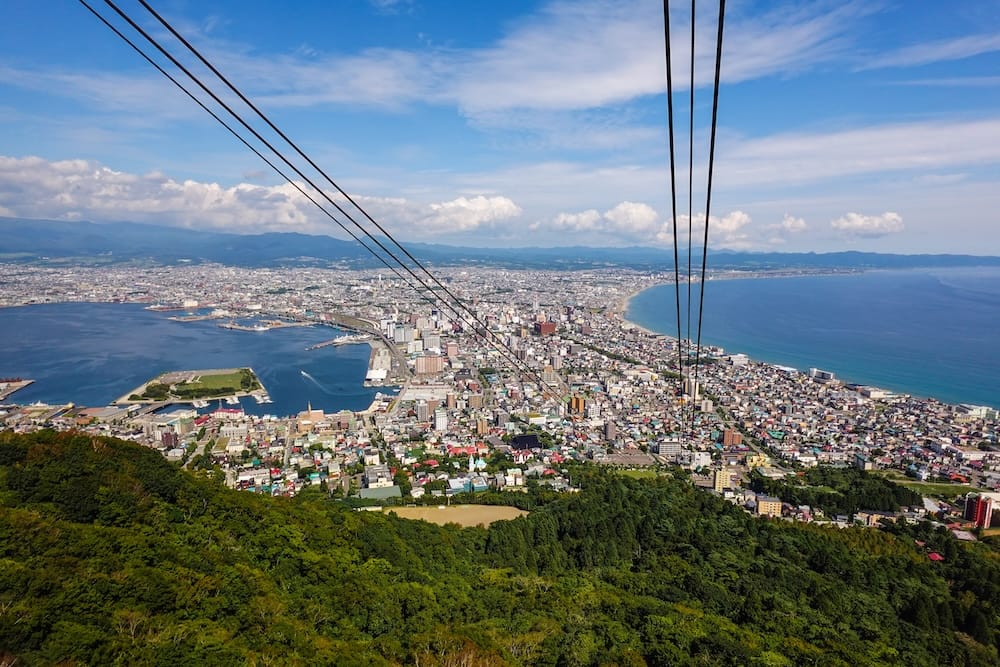
Mt. Hakodate was where the city finally made sense to me.
Until we went up, Audrey and I had mostly understood Hakodate at street level. We knew the harbour side, had ridden around on trams and walked through different neighbourhoods, but looking down from the mountain suddenly revealed how peculiar the whole place was. There was the harbour, another coast on the opposite side, mountains farther away and farmland beyond the denser city.
I had seriously underestimated its scale.
The geography explains some of that strange shape. Mt. Hakodate was once an island, and a sand bar eventually connected it to the peninsula, creating the tombolo where much of central Hakodate now sits. Once you understand that, the famous view from above stops looking like a randomly narrow city squeezed between water and starts making geographical sense.
We experienced Mt. Hakodate during the day, so I can only speak personally about that version of the visit. Even without the celebrated night panorama, it was one of the most useful viewpoints of the trip because it changed my understanding of where we had been walking and how the different pieces of Hakodate fitted together.
I like viewpoints more when they do that. A nice skyline is one thing; suddenly understanding the place beneath you is better.
Wandering around Hakodate kept paying off
Some destinations reward military-level itinerary planning. Hakodate was at its best for us when we left a bit of slack in the day.
The clearest example was Mashu-maru.
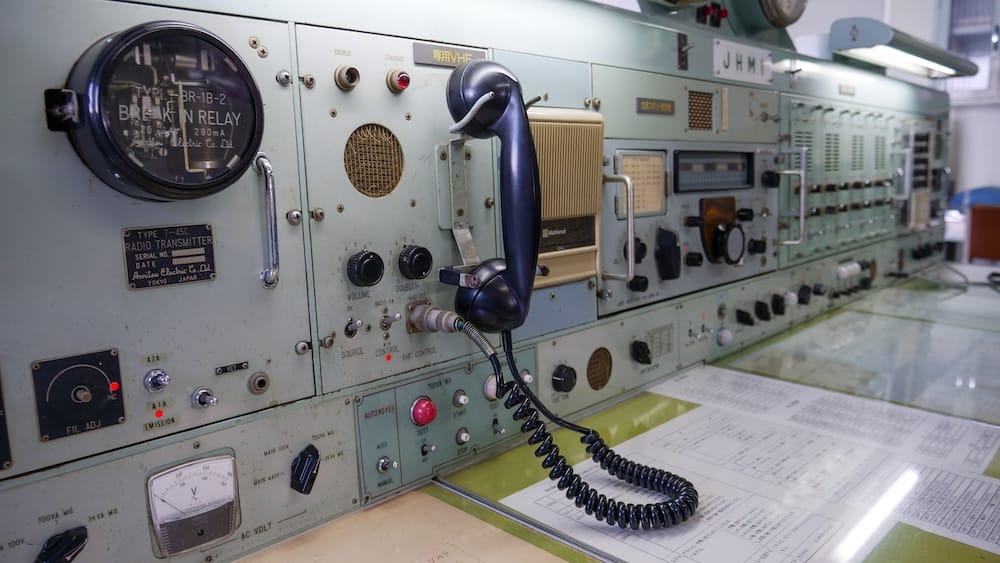
After visiting Hakodate Morning Market, Audrey and I were wandering around the port without much of a plan when we spotted an enormous ship docked near the waterfront. We had never heard of it and had certainly not built it into the itinerary, but a giant ship sitting there was enough to make us curious.
It turned out to be Seikan Ferry Memorial Ship “Mashu-maru,” a preserved former railway ferry. We paid admission, climbed aboard and ended up having one of our favourite museum experiences in Hakodate.
That is exactly the kind of travel moment I enjoy because there had been zero buildup. I had not spent weeks reading about how essential it was. Nobody had convinced me that I would regret missing it. We saw a ship, wondered what was inside and followed that thought far enough to buy a ticket.
The ship is still moored only a short walk from Hakodate Station, which makes that kind of spontaneous visit unusually easy. What matters to me in this article, though, is not the logistics of the museum itself. Mashu-maru became a symbol of what kept happening to us in Hakodate: we would go looking for one thing and find something else worth staying for.
Motomachi was another kind of surprise
Motomachi caught us off guard for completely different reasons.
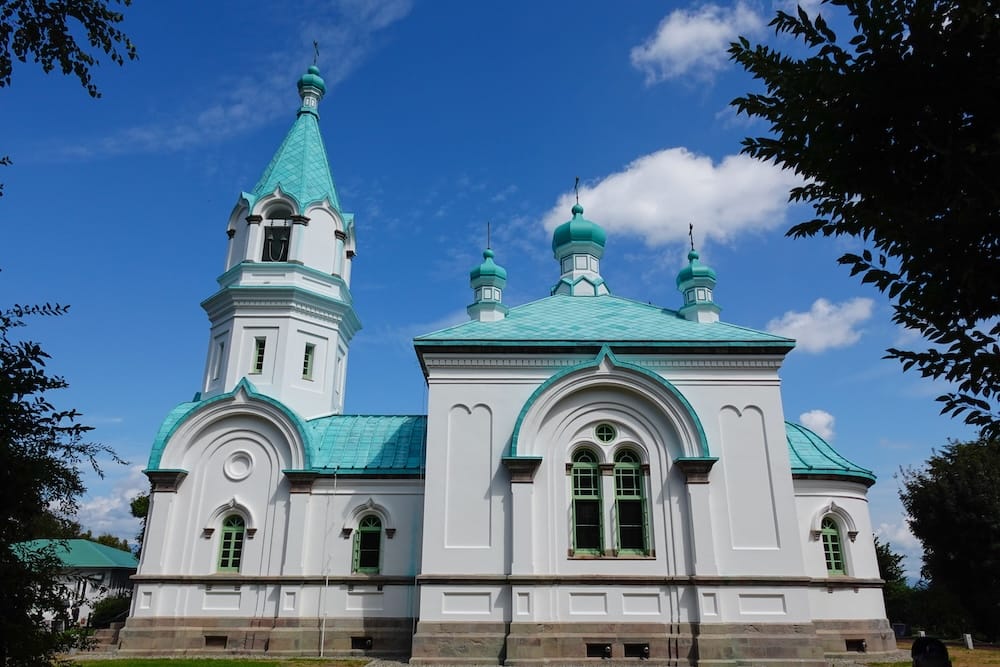
The neighbourhood sits on the slopes below Mt. Hakodate, and walking around it exposed us to churches, civic buildings and streets that did not match the visual idea of Japanese cities we had arrived with. We visited an Orthodox church, a Roman Catholic church and an Anglican church, then continued through an area where Western-influenced architecture kept appearing against distinctly Japanese surroundings.
There is a historical reason for that. Hakodate opened to foreign trade in the nineteenth century, and the area around Motomachi developed strong international influences as foreign residents, missionaries and institutions established themselves near the port.
Knowing the history helps explain what you are seeing, but the effect worked on us before Audrey and I had pieced all of that together. Motomachi simply looked different.
That contrast became another reason Hakodate stood apart from the Japanese cities we had experienced previously. It was unmistakably Japan, yet every few minutes the streets were throwing something visually unexpected at us.
We walked through Motomachi independently, but if the international-port history is the part that interests you most, a current option is this guided Motomachi, Red Brick Warehouses and scenic walking tour. It starts around Hakodate Station and continues through the waterfront, Hachimanzaka and Motomachi, including the church area and exterior of the Old Public Hall. We did not take this tour, but the route overlaps closely with the part of Hakodate that surprised us most architecturally.
Three days never started feeling repetitive
This is probably the strongest argument I can make for Hakodate being more than a stopover.
We spent roughly three nights there, and the days never started collapsing into one another. The waterfront and harbour had one personality. Motomachi felt completely different. Mt. Hakodate gave us the geographical overview, while Goryokaku shifted us to another part of the city and another type of history entirely.
Then the weather changed and we started going inside.
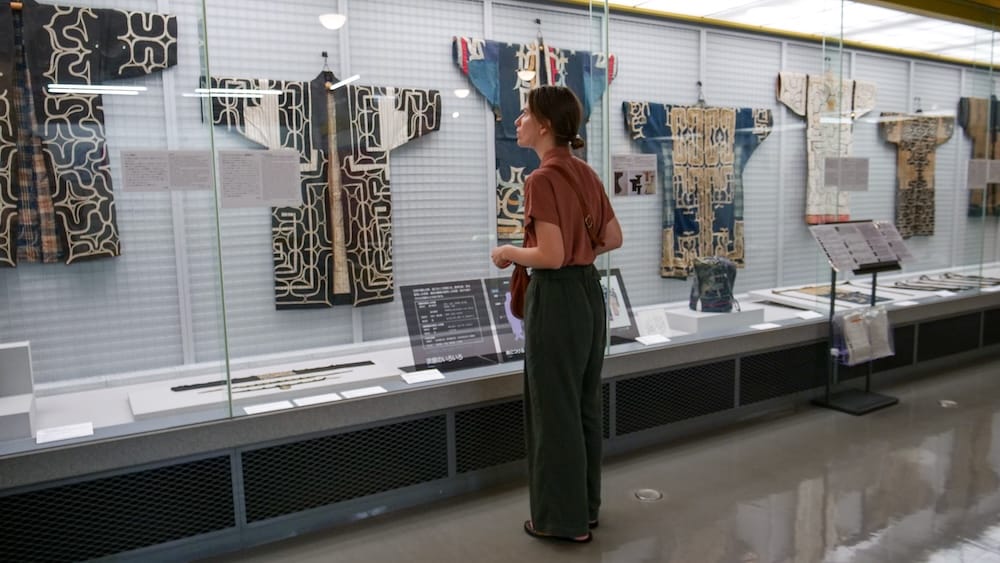
On a rainy day, we visited the Hakodate City Museum of Northern Peoples. I am not somebody who automatically hunts down museums in every destination, yet I found myself genuinely enjoying it. Later we visited the small museum devoted to Hakodate’s northern Pacific fishing history, where Audrey tried the fishing-boat simulator and was quite happy to discover that being tossed around artificially only lasted a few minutes.
That was another funny thing about Hakodate: even some of the attractions that sounded quite specialized turned out to be memorable.
A museum about northern cultures, a preserved railway ferry and a fishing simulator do not exactly sound like interchangeable versions of the same afternoon. Add the historic streets, the viewpoints, the market and Goryokaku, and the city kept changing the flavour of the day.
I could turn that into a giant attraction checklist, but I think that would miss the point. Hakodate did not win us over because we managed to collect a certain number of sights. It won us over because the experiences felt different enough from one another that three busy days still left us curious.
Food made Hakodate feel even more substantial
Food was woven through the trip rather than sitting off to one side as a separate activity.
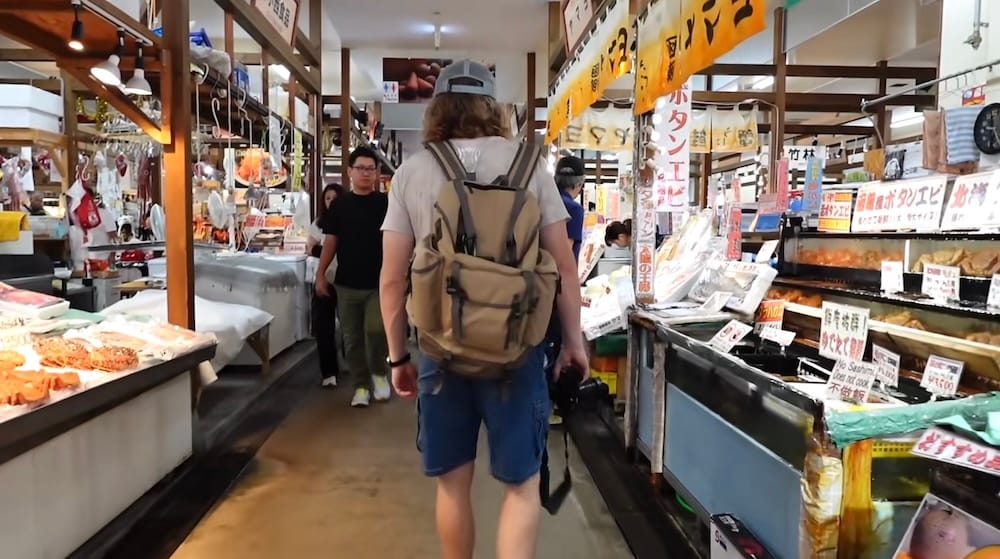
Hakodate Morning Market is right beside the station, so one of our first impressions of the city involved seafood. We had breakfast there, tried fresh squid and wandered through stalls where the connection between Hakodate and the sea was hard to miss.
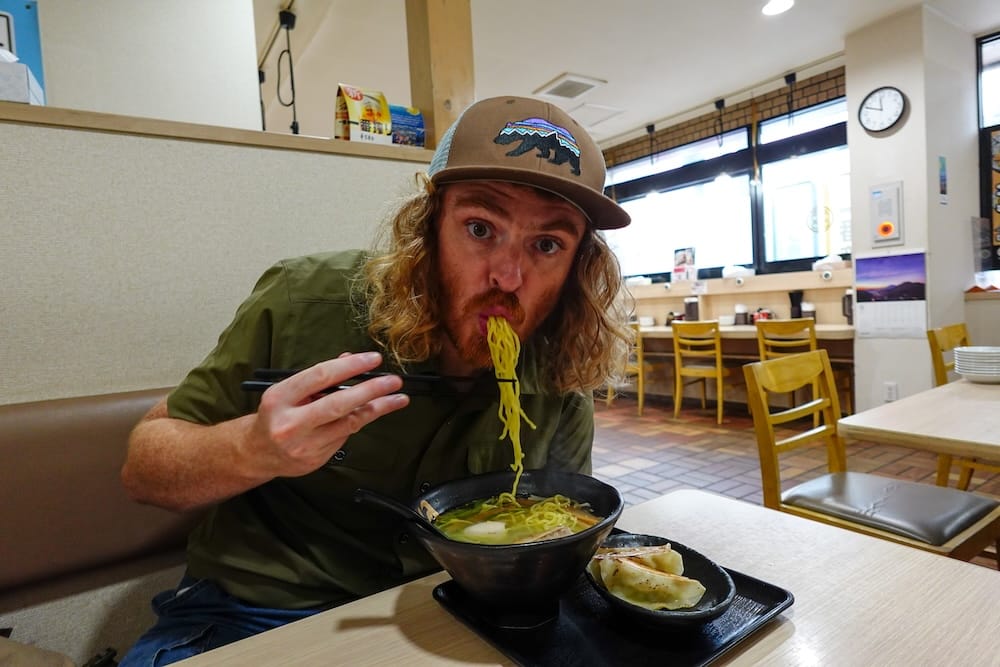
We also had shio ramen, managing to make the ordering process slightly more complicated than necessary with the restaurant ticket machine, which is about as on-brand for us as eating ramen in Japan gets.
Sushi became another highlight. We ate at Kaiten Zushi Hakodate Shunka on our first night when jet lag had reduced our enthusiasm for doing anything beyond feeding ourselves. We liked it enough that we deliberately went back later.
That repeat visit tells me more about the meal than any attempt to rank every sushi restaurant in Hakodate. We had already eaten there and knew exactly what we were returning for.
Lucky Pierrot gave us yet another minor expectation reversal. With the clown theme and wildly decorated interior, I went in wondering whether the novelty might be doing more work than the food. We ended up enjoying the burgers.
None of these meals is the single reason I would tell somebody to visit Hakodate. Together, though, they made food feel like part of exploring the city rather than a gap we needed to fill between attractions.
For a traveller who likes experiencing a destination through eating, that matters.
The downside is that Hakodate spreads out quickly
The city’s relaxed atmosphere can fool you into thinking everything must be close together. We discovered fairly quickly that it is not.
I described Hakodate during the trip as one of the more pedestrian-friendly Japanese cities we had experienced, but I also immediately qualified that by saying it was very spread out. I still think those two observations fit together.
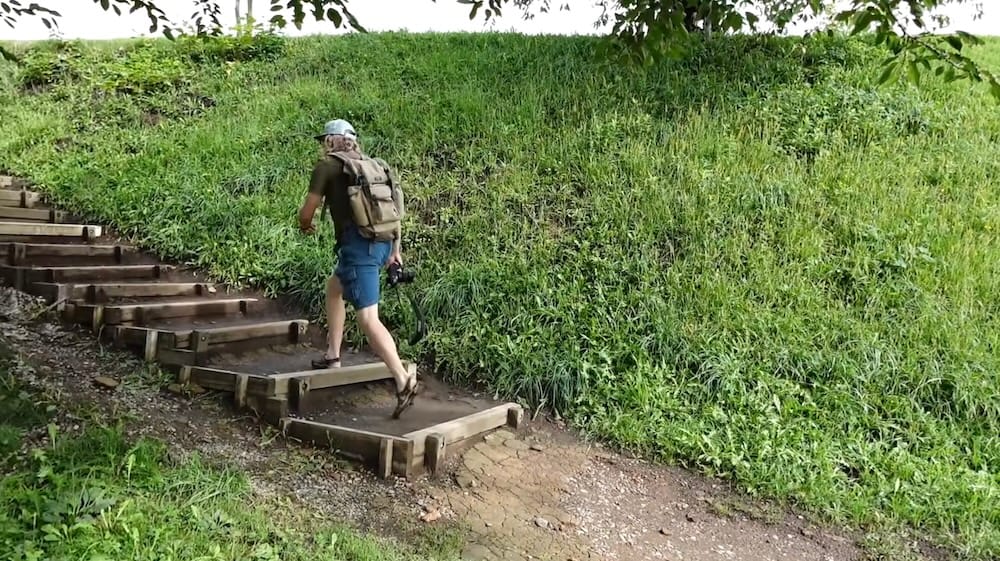
Walking around the waterfront makes sense. Walking through Motomachi is part of the experience. But once you begin connecting Hakodate Station, western Hakodate, Goryokaku and other areas, the distances start accumulating. Add Motomachi’s hills and suddenly those innocent-looking kilometres become more noticeable.
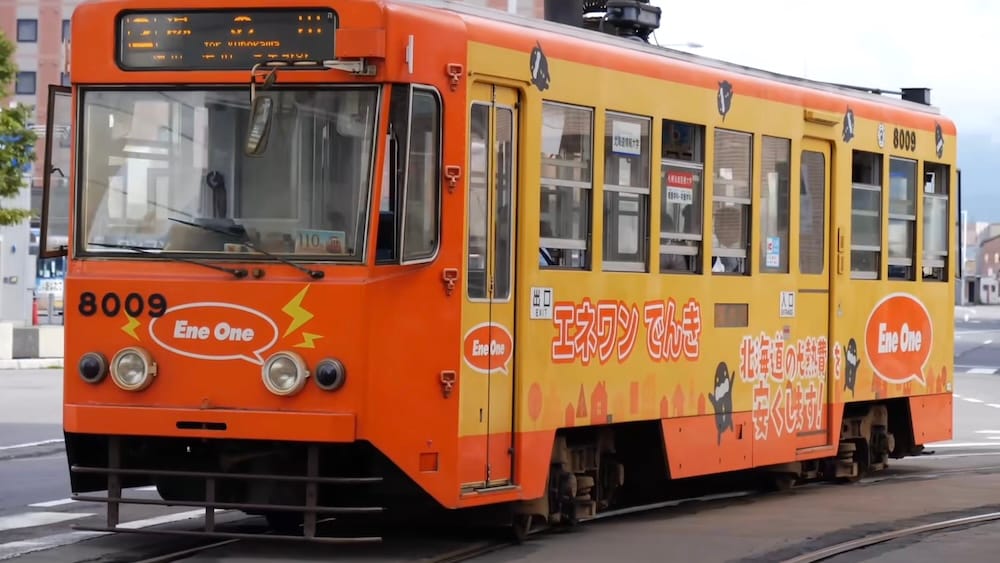
Our accommodation made this especially obvious because we were staying away from the main sightseeing areas. The tram solved a lot of that for us. We regularly used routes 2 and 5, letting the tram cover the less interesting distance so we could spend our energy wandering once we arrived.
That basic strategy still makes sense today because the tram connects the main visitor districts. I would not describe Hakodate as difficult to navigate, and I certainly would not let its spread-out layout put me off visiting. I would simply avoid imagining it as a place where you can step outside Hakodate Station and comfortably reach every major area on foot.
Walk when the walking is part of the fun. Take the tram when it is just transportation.
Where you stay also matters more than I initially appreciated. Because our own accommodation was away from the main sightseeing areas, I would pay close attention to which part of Hakodate best matches the rest of your plans rather than choosing a hotel solely on price. For station access, the Morning Market and easy waterfront connections, you can compare hotels near Hakodate Station. If Motomachi and western Hakodate are the bigger draw, you can compare accommodation around Motomachi and the Old Public Hall. Travellers planning to spend more time around the fort and that side of the city can instead see hotels near Goryokaku. I am not presenting the unnamed place we stayed as a recommendation; the useful lesson from our stay was simply that location changes how much tram time you build into each day.
Who I think Hakodate is actually worth visiting for
Hakodate does not need to be the right city for every Japan itinerary.
Its strongest fit, in my mind, is someone who enjoys discovering a city gradually rather than moving exclusively between famous headline attractions.
| If you value… | Hakodate gives you… | Main trade-off |
|---|---|---|
| Culture and history | Motomachi, Goryokaku, museums and maritime history | The major sights sit in different parts of the city |
| Food | Seafood, shio ramen, sushi and distinctive local restaurants | Eating can easily become a major part of the itinerary |
| Walking and exploration | Waterfront wandering, hilly historic streets and unexpected discoveries | Hills and distance make the tram useful |
| A slower Japanese city experience | Plenty to do without the intensity we associate with much larger cities | It may not suit someone chasing megacity energy |
I would particularly recommend Hakodate to travellers who have already experienced some of Japan’s larger cities and want to see another kind of urban rhythm. If you enjoy walking around, stopping for food, noticing architecture, changing plans because something catches your eye and still having enough structured attractions to fill several days, there is a lot here to work with.
I would be less insistent if your Japan trip is extremely short and your priorities are exclusively the country’s biggest marquee sights. Hakodate’s appeal is cumulative. I cannot point to one single attraction and claim that it alone justifies reorganizing an entire Japan itinerary.
The city itself is the argument.
Hakodate stopped feeling like somewhere on the way to somewhere else
We arrived in Hakodate knowing we would spend a few days there. I just did not expect those days to become such a memorable part of our Hokkaido trip.
The city won us over in increments. A ship we had never heard of became a favourite spontaneous stop. Motomachi looked different from the Japan we were accustomed to seeing. Mt. Hakodate made the geography click. Rain sent us into museums that I would probably have underestimated beforehand. The food kept providing another reason to slow down rather than rush through the day.
Even Hakodate’s biggest practical weakness—the distances between some of its main areas—became manageable once we stopped trying to do everything on foot and used the tram when it made sense.
That is why I no longer think of Hakodate as a city you visit mainly because it happens to sit on the way north. For travellers who like food, culture, walking, unexpected discoveries and a slower pace, it deserves time of its own.
Frequently Asked Questions
Is Hakodate worth visiting?
Yes. I think Hakodate is especially worth visiting if you enjoy food, culture, walking, unexpected discoveries and a slower style of Japanese city travel. The main drawback is that the city is more spread out than it first appears.
How long did we spend in Hakodate?
Audrey and I spent roughly three nights in Hakodate and had three very full sightseeing days. We still felt curious about the city when we left, but I would treat that as our experience rather than a universal ideal stay length.
Is Hakodate easy to explore on foot?
Walking worked very well for us within areas such as the waterfront and Motomachi, but Hakodate is spread out. We used the tram to connect different parts of the city and saved more of our walking for the places where it was actually enjoyable.
What surprised us most about Hakodate?
The surprise was the accumulation rather than one attraction: seafood, Motomachi, Mt. Hakodate, Goryokaku, museums and spontaneous finds such as Mashu-maru all gave the city a different character from what we expected.
Is Hakodate a good destination for food?
Food was a major part of why we enjoyed Hakodate. Our trip included seafood at Hakodate Morning Market, shio ramen, sushi and Lucky Pierrot, and eating felt woven into the sightseeing rather than separate from it.
Did we visit Mt. Hakodate at night?
No. Audrey and I experienced Mt. Hakodate during the day, so the article does not offer a personal verdict on the famous night view. The daytime visit was still valuable because it helped us understand the city’s unusual geography.
This article is also available in Spanish. [Leé la versión en castellano: ¿Vale la pena visitar Hakodate? Pensábamos que era solo una escala]
This article contains affiliate links. If you book through one of these links, I may earn a commission at no extra cost to you.