
Every mistake in this article comes from the same root cause: judging Hakodate before you’ve actually seen it. Audrey and I did it twice on our own trip, from two different vantage points, and each time the city turned out to be bigger and busier than we’d assumed. That single blind spot, more than any wrong turn or missed reservation, is what shapes a first visit here for better or worse. These are the mistakes it causes, roughly in the order they tend to bite.
Assuming You Know the City’s Size
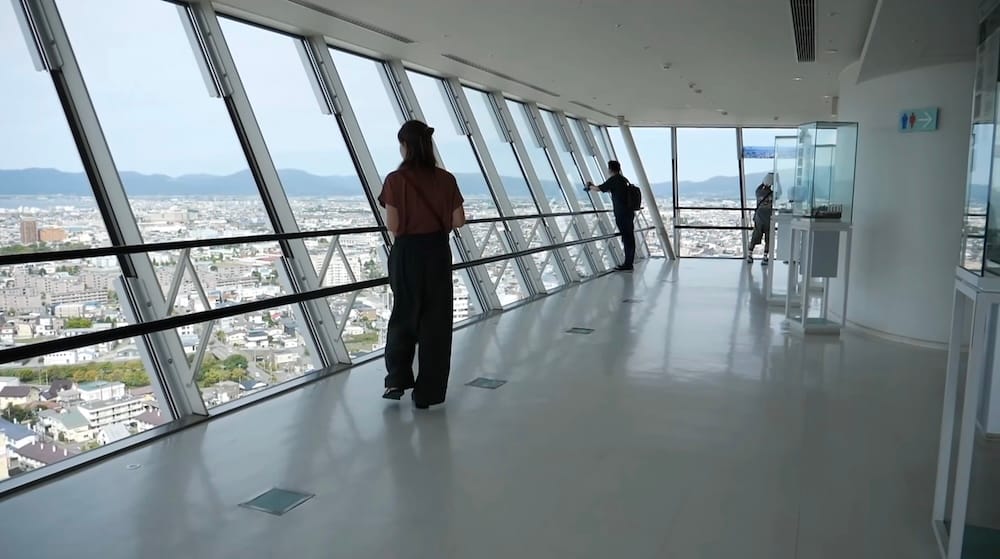
We thought we had Hakodate figured out from the harbour. Then we rode the Mt. Hakodate ropeway and realized we’d only been seeing the port side of a much bigger place. Days later, from Goryokaku Tower, the same lesson landed again from a completely different angle: the city kept going well past what we’d been walking through. Two separate viewpoints, two separate moments of the same surprise.
That kind of underestimation isn’t unique to us. Travellers new to Hokkaido as a whole tend to size up the region from a map and get it wrong, and Hakodate plays along with that instinct particularly well, because its historic core really does feel compact once you’re inside it. Audrey and I fell for the same trick at the morning market, which we’d pictured as a quick stop and instead found sprawling into a second section and a food court bigger than the one we’d planned around. Don’t build a day count or a day’s plan around what the map or the harbour shows you. Whatever you assume going in, leave room for the city to correct you, because it will.
Booking Before You’ve Felt the City’s Real Layout
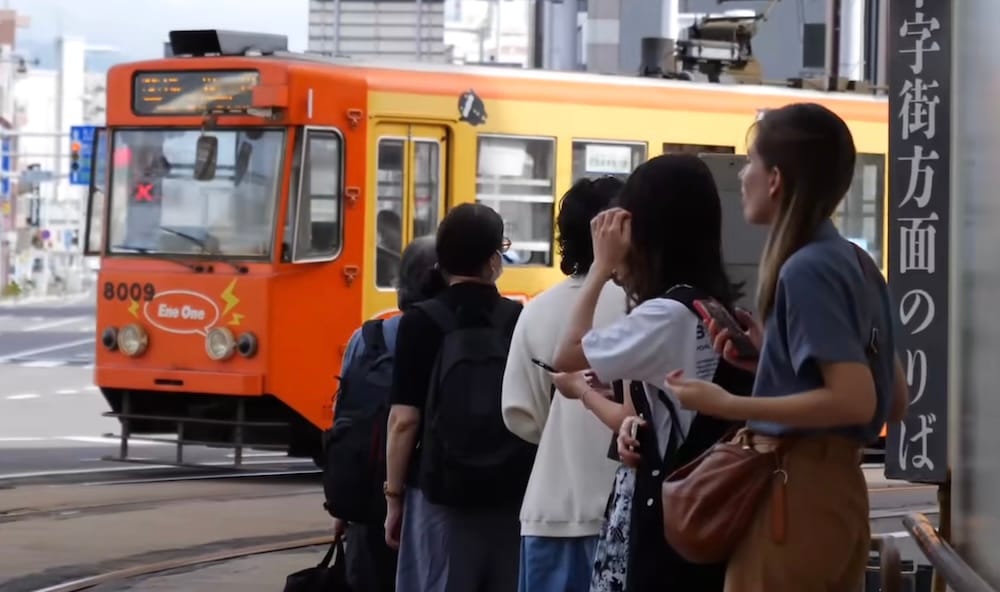
That same misjudged sense of scale does its most expensive damage at the booking stage, before you’ve set foot anywhere near the place. A hotel looks close to everything on a map or the price is simply right, so you book without checking much else. What actually matters is proximity to the tram network, since that’s what stitches Hakodate’s scattered pockets together into something manageable. A hotel a few minutes from a stop keeps every district within easy reach. One that isn’t turns every outing into a longer walk than you budgeted for, or a taxi you hadn’t planned to need.
Our own hotel sat away from the main centre, and it worked without a second thought because two tram lines ran right past it. That’s the detail I’d check before booking, ahead of the star rating or the nightly rate: how close is this place to a stop, and how many lines actually pass through it. If you’re still deciding, browse Hakodate hotels and check each one’s distance to the tram before you commit to a price alone.
No Fallback for the Night View
Audrey and I only rode the ropeway in daylight, so I can’t tell you what the night view looks like from experience. What I can tell you is that treating it as a guaranteed highlight is a mistake, because the operator can suspend service in winds of around 25 metres per second, and the ropeway also closes for scheduled maintenance every autumn, typically a stretch somewhere between late October and early November. Those aren’t rare exceptions built in to cover the operator; they’re routine conditions on a normal year, and the exact dates shift annually, so check them close to your travel window rather than trusting an old itinerary.
Reviewer accounts of the summit make the gamble concrete. Some visitors wait out fog for the better part of an hour and get rewarded with a clear sky right at the end. Others ride up and see nothing at all. What that adds up to is a trip’s centrepiece resting entirely on one evening’s weather, with first-timers making it worse by never checking the last ascent time and finding themselves shut out once it’s dark and the ropeway has stopped running for the night.
Build in a second evening or a flexible slot if your itinerary allows it, and check the current schedule, maintenance window included, before you build a plan that assumes the ropeway will simply be there when you want it.
Renting a Car for the City Centre
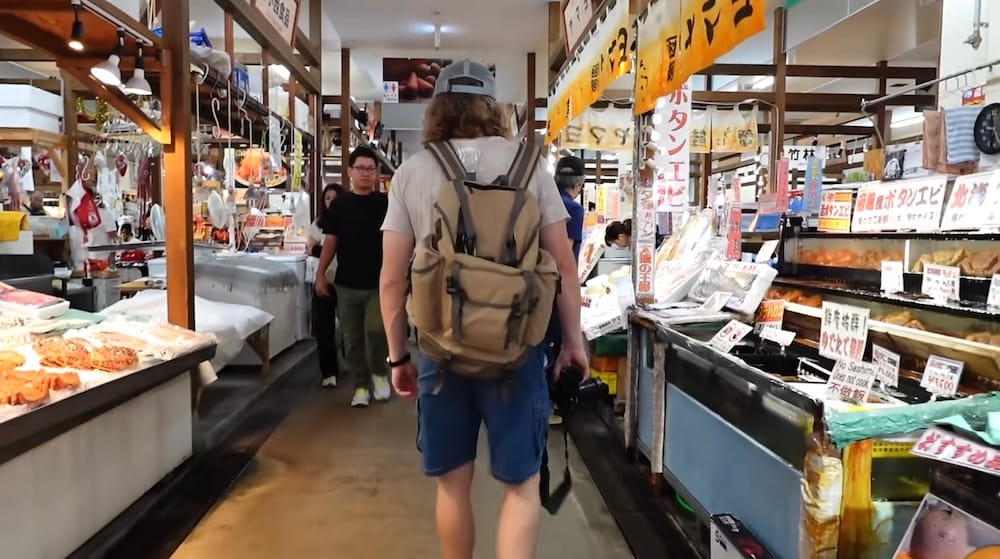
Audrey and I never rented a car in Hakodate, and we didn’t need one. The tram and a lot of walking covered the market, the waterfront, Motomachi and Goryokaku without any trouble, because those sights sit close enough together that a car adds a parking problem more than it solves one. Where a car earns its keep is once you’re heading somewhere the tram genuinely doesn’t reach, like the lakes and trails around Onuma or the Jomon archaeological sites farther out, both proper day trips rather than a few stops down the line. Book one for the city and you’ll spend the whole visit hunting for parking near places the tram would have taken you anyway. If a day like that is actually on your itinerary, compare rental cars in Hakodate for that one day rather than the whole trip.
Not Accounting for Jet Lag
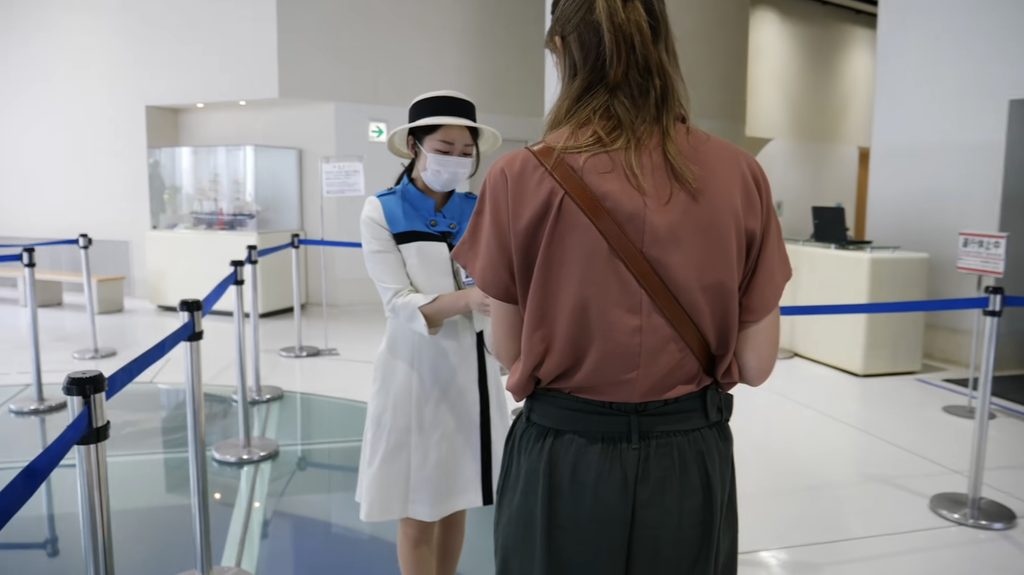
Our first night in Hakodate is mostly a blur. We’d just arrived in Japan, we were running on no sleep, and by the time we sat down to eat we were operating in what I can only describe as zombie mode. It wasn’t the night to expect much of ourselves, and scheduling anything ambitious into it would have set up a mistake before the trip had properly started. Leave your first evening light. You’ll be glad of the slack even if you land feeling fine, and you’ll be very glad of it if you don’t.
Letting the Weather Choose Your Days Instead of Choosing First
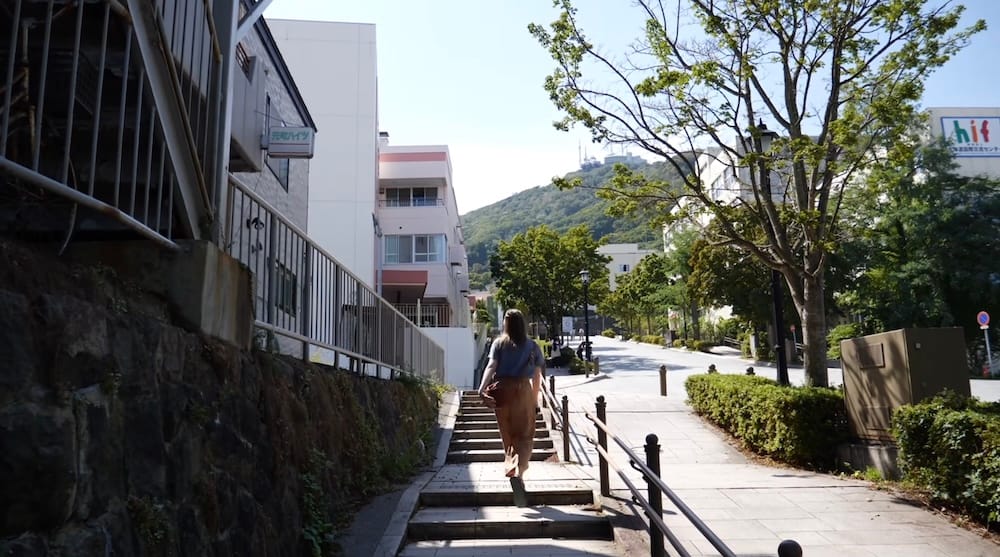
This is the mistake that ties everything else together, and it’s the one I’d fix first if I were doing the trip again. We had one day that was hot and humid, spent largely climbing Hachimanzaka and the streets around it, and one day that turned rainy, which we ended up spending in two museums instead. It worked out fine. The museums were better than I expected, and the hot day gave us the views we’d come for. But that split happened because the weather made the decision for us, not because we made it ourselves, and I only recognized the difference in hindsight.
Decide the split in advance instead, or at least each morning once you can see what the day actually looks like. Put the viewpoints and the heaviest walking on whichever day the forecast supports, and hold a museum or another indoor option in reserve for whichever day turns out wet, rather than discovering the plan after the fact the way we did. It’s a small shift, planning around the weather instead of just absorbing it, but it’s the difference between a trip that adapts on purpose and one that’s simply along for the ride.
Treating Goryokaku as a Quick Add-On
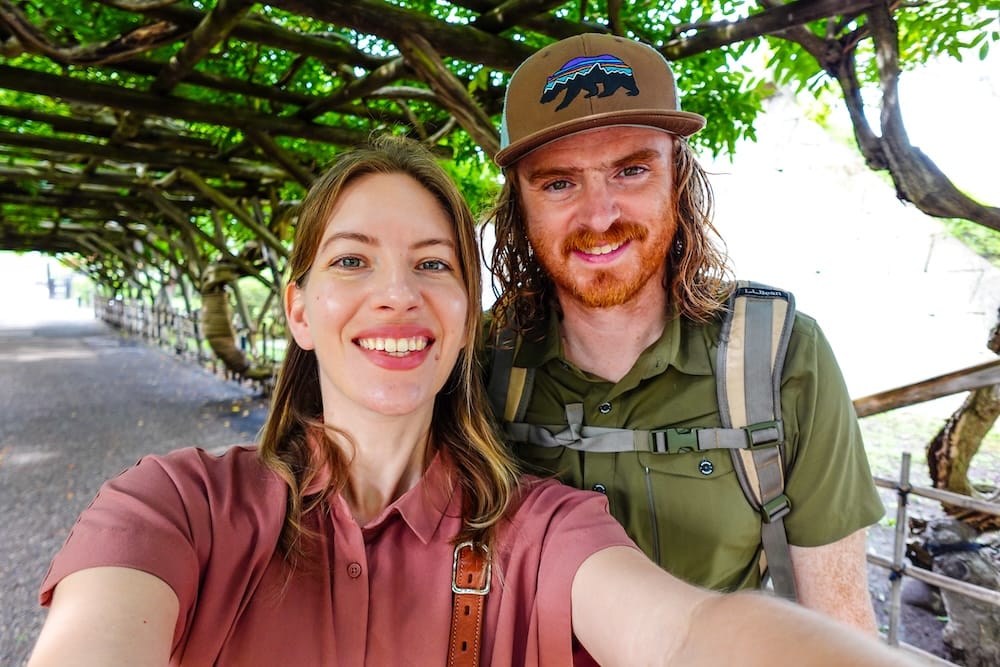
Goryokaku is easy to underrate on paper. It’s a star-shaped fort with a tower, and it’s tempting to picture it as a stop you can slot into an already full day. Audrey and I arrived before the tower opened and spent that time walking the park itself, and it turned out to deserve far more of our attention than a quick add-on gets. Give it its own block of time rather than squeezing it between two other things you also want to do justice to. If handing the sequencing to someone else appeals to you, there’s a guided walk through the fort and up the tower that treats it as the dedicated outing it actually is, rather than a stop bolted onto something else.
The Rule I’d Use
Six mistakes, one habit underneath all of them: deciding what Hakodate is before you’ve actually let it show you. Build slack around the one thing weather controls, choose your pacing before the day chooses it for you, and check a stop’s proximity before a room’s price tag. If proximity to the tram is the deciding factor for you, compare hotels near Hakodate Station first, since it keeps the trams, the market and the waterfront all within an easy walk. Let the city correct your assumptions rather than fighting to prove them right going in. That’s what we’d do differently, and it’s the one piece of advice here that would have genuinely changed our own trip.
Frequently Asked Questions
What’s the biggest planning mistake first-time visitors make in Hakodate?
Assuming you already know the city’s size. Audrey and I underestimated Hakodate twice, once from the Mt. Hakodate ropeway and again from Goryokaku Tower, and each time it turned out much bigger and busier than we’d pictured from the harbour. Don’t build a day count or an itinerary around what the map or the waterfront shows you before you’ve actually seen the place.
Should you build a backup plan for the Mt. Hakodate night view?
Yes. The ropeway can suspend service in winds of around 25 metres per second and closes for scheduled maintenance every autumn, so treating the night view as a guaranteed highlight is a mistake. I’d build in a second evening or a flexible slot, and check the current schedule, maintenance window included, before counting on it.
Do you need to rent a car in Hakodate?
Not for the city itself. The tram and a lot of walking covered the market, the waterfront, Motomachi and Goryokaku without any trouble on our trip, and a car mostly adds a parking problem in the centre. A car earns its keep once you’re heading somewhere the tram doesn’t reach, like Onuma or the Jomon archaeological sites.
What should you check before booking a hotel in Hakodate?
Its distance to a tram stop, ahead of the price or the star rating. Our own hotel sat away from the main centre and still worked well because two tram lines ran right past it. A hotel that isn’t near a stop turns every outing into a longer walk or an unplanned taxi.
Should you plan your Hakodate days around the weather?
I would, and it’s the mistake I’d fix first if I did the trip again. We had one hot day that suited the walking and viewpoints, and one rainy day that sent us to museums instead, but that split happened because the weather chose for us. Decide in advance, or each morning, which day gets the viewpoints and which gets an indoor fallback.
How much time should you give Goryokaku?
More than a quick add-on. It’s easy to picture as one stop in an already full day, but Audrey and I arrived before the tower opened and found the park itself worth real time on its own. Give it its own block rather than squeezing it between other plans.
This article is also available in Spanish. [Leé la versión en castellano: Los mayores errores al planificar un primer viaje a Hakodate]
This article contains affiliate links. If you book through one of these links, I may earn a commission at no extra cost to you.