
Before visiting Hakodate, I thought three days might be excessive. It was our first stop in Hokkaido, and in my mind it was a pleasant port city to explore before continuing north to Sapporo. We’d eat seafood, admire a few historic buildings, ride up Mt. Hakodate and move along. Simple enough.
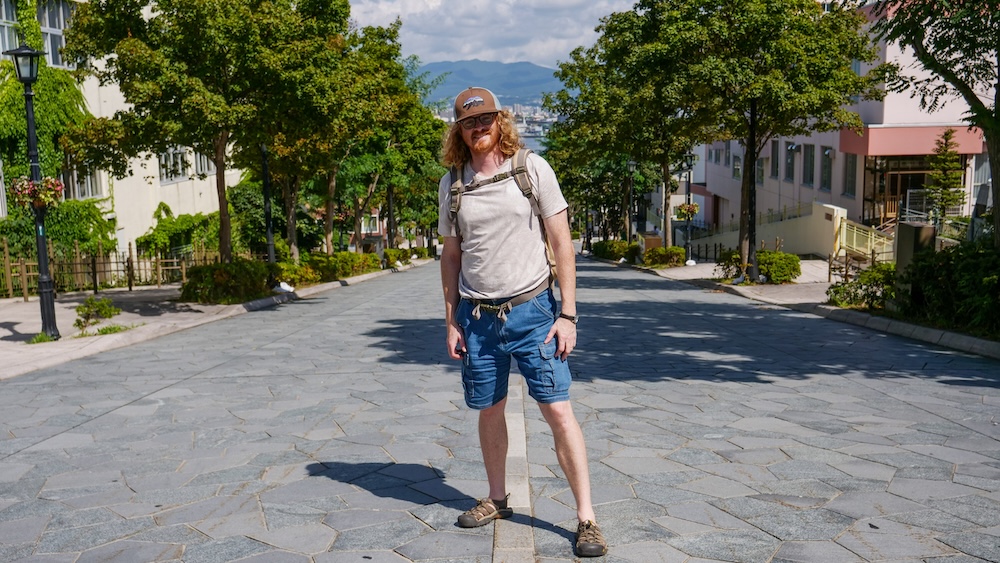
Instead, Audrey and I spent roughly three action-packed days there and left wishing we could stay longer. We climbed hills in the humidity, rode old-fashioned trams, discovered a railway ferry by accident and ate at one sushi restaurant twice. I also developed an unexpected enthusiasm for Hakodate’s museums, which is not something I would have confidently predicted before arriving.
That experience is why I take the fourth-day question seriously. If you’ve got four full days, do you remain in Hakodate and explore beyond the famous sights, or take the train to Onuma Quasi-National Park for lakes, wooded islands and views of Mt. Komagatake? Both have a case. The catch is that a day at Onuma replaces a day in the city; it isn’t a free bonus you can squeeze in between breakfast and dinner without consequences.
We didn’t visit Onuma ourselves. I’d build the first three days around the waterfront, Motomachi and Goryokaku, then decide how to spend Day 4 based on the trip you want.
How I’d divide four days in Hakodate
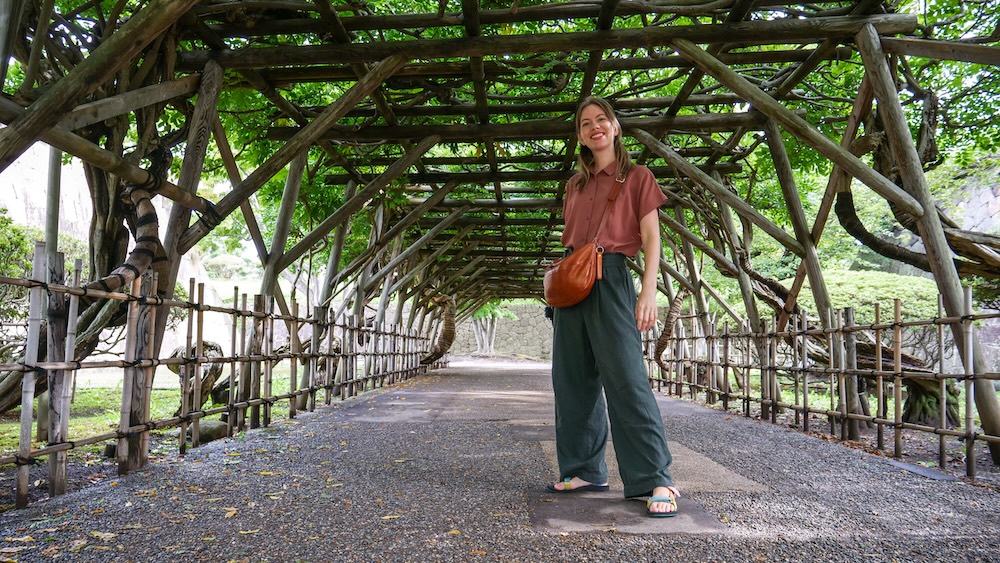
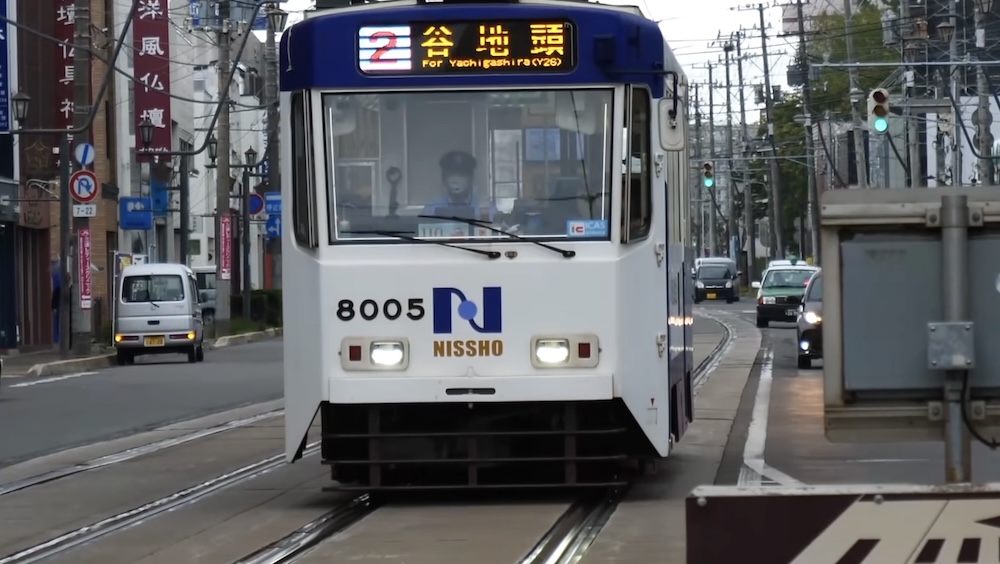
Hakodate is a good walking city until you discover that its sights are farther apart than you expected—and that Motomachi’s pretty streets have a rather unpleasant habit of going uphill. We stayed outside the centre and used tram lines 2 and 5 repeatedly. They saved our legs and spared us the brilliant idea of crossing town on foot whenever we fancied another attraction.
I’d arrange the days like this:
| Day | Where to concentrate | Main plan |
|---|---|---|
| 1 | Hakodate Station and waterfront | Morning Market, Mashu-maru, Kanemori warehouses |
| 2 | Motomachi and Mt. Hakodate | Hachimanzaka, churches, Old Public Hall, Ropeway |
| 3 | Goryokaku | Park, Tower, nearby food and an optional museum |
| 4A | Stay in Hakodate | Yachigashira, Hakodate Hachimangu, Cape Tachimachi, optional hot spring |
| 4B | Onuma Park, Nanae | Island walks, lake scenery, optional boating or cycling |
This is a proposed route, not our original chronology. Grouping neighbourhoods reduces needless tram journeys. I’d also leave a little flexibility around Mt. Hakodate: there’s not much point paying for a panoramic viewpoint if the mountain has disappeared into cloud.
For accommodation, I’d start by comparing hotels near Hakodate Station. Being near the railway station is especially useful if you choose Onuma, while the Morning Market, waterfront and tram connections are convenient for the first three days. You don’t need to choose a specific hotel yet, but the location is worth deciding before you book somewhere that looks wonderfully atmospheric and turns out to involve an awkward journey every morning.
Day 1: Eat seafood, explore a railway ferry and wander the waterfront
Hakodate Station, the Morning Market, harbour and Kanemori Red Brick Warehouses are close enough to make an uncomplicated first day.
Hakodate Morning Market: breakfast first
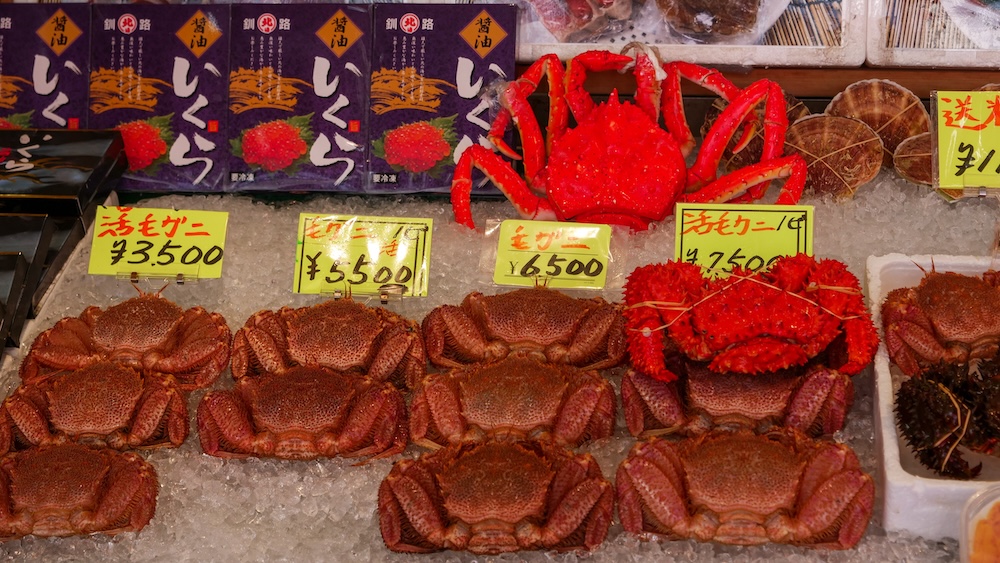
I’d head straight to Hakodate Morning Market for breakfast. It’s a short walk from the station and bigger than it appears. We walked through one seafood section, thought we’d more or less covered the place, then found another area with yet more restaurant counters. There were giant crabs, fresh fish and sashimi being prepared, accompanied by a powerful salty smell that I found wonderful. Not everybody wants to be greeted by that much fish aroma before coffee, admittedly.
We settled down to bowls of rice topped with fresh seafood and other dishes, including hot noodles. I also tried some fresh squid and was struck by how tender it was compared with the dried squid I’d eaten when I lived in South Korea. We weren’t entirely certain what we’d ordered in every instance, but breakfast turned out rather well.
I’d allow 60–90 minutes to eat and browse, longer if seafood is one of your main reasons for coming. General opening patterns start around 5 a.m. from May through December and 6 a.m. from January through April, but individual stalls and restaurants set their own hours.
We explored independently, although a guide could be useful if you’d rather understand the different seafood and get help ordering instead of taking our approach of pointing at things and hoping for the best. There’s a 90-minute guided Hakodate Morning Market tour with seafood tasting options. It includes English-language guidance and tasting expenses up to a specified amount, with additional purchases charged separately. Check the available departure times and exact inclusions before booking; the market is perfectly manageable without a tour if you prefer to explore on your own.
Mashu-maru: the attraction we almost walked past
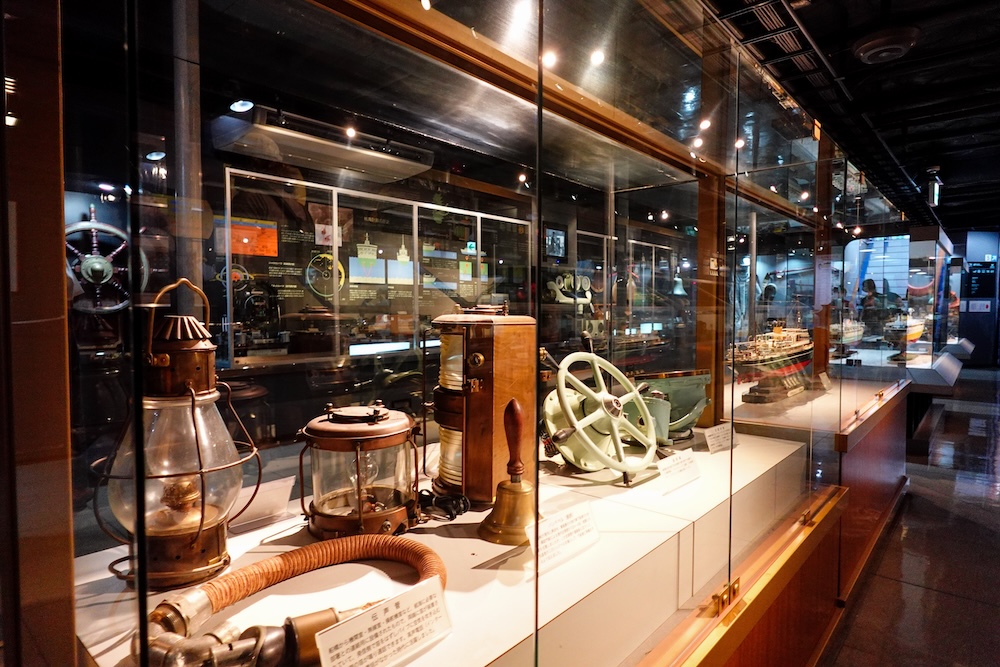
A short walk by the harbour brings you to Mashu-maru, a preserved railway ferry that once connected Hokkaido with Honshu across the Tsugaru Strait. We had no intention of visiting a ferry museum that day. We were wandering near the port, spotted a massive ship and went to see what it was. Next thing I knew, we’d paid admission and were having a grand old time examining historic equipment and poking around the vessel.
That’s what made Mashu-maru memorable: it felt like exploring an actual working machine with a history, rather than merely reading about one behind glass. We enjoyed the interactive displays and harbour views, and the whole experience evoked the era before the Seikan Tunnel replaced the ferry connection.
Adult admission is currently listed at ¥500. Opening hours are generally 8:30 a.m.–6 p.m. from April through October and 9 a.m.–5 p.m. from November through March; last entry is one hour before closing, and repair closures can occur. Give it 60–90 minutes at minimum if the history interests you. I wouldn’t reduce it to a photo of a ship taken from the dock.
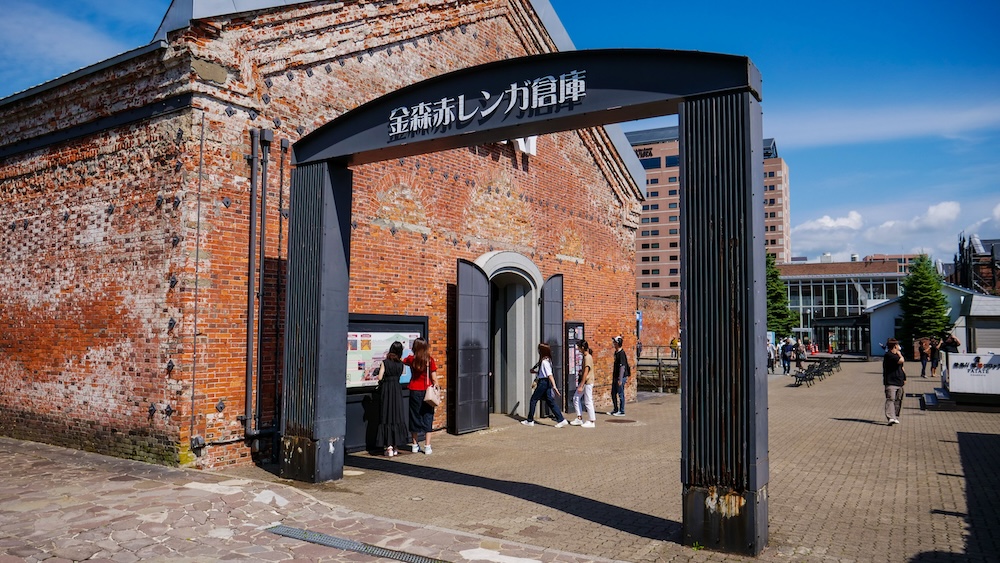
Kanemori Red Brick Warehouses and an unhurried evening
Continue along the waterfront to the Kanemori Red Brick Warehouses. These former port buildings now hold shops, food outlets and souvenirs, although the historic brick architecture was the part I appreciated most. Audrey and I explored the interiors and looked around the stores; how long you’d want here really depends on your appetite for shopping.
Entry is free and general opening hours are around 9:30 a.m.–7 p.m., with individual businesses varying. An hour is plenty for a casual look, but there’s no reason to rush if you’re enjoying the harbour.
Hakodate’s shio ramen is a good possibility for dinner. We tried it at Yondaime Ramen, where we managed to order two versions of salt ramen from the ticket machine despite intending to try butter-corn ramen as well. I can’t claim expertise in that second variety on the strength of a bowl we never received. What I can say is that the shio ramen we ate was satisfying, and the ordering mishap gave us something to laugh about afterward.
Day 2: Motomachi’s hills, historic interiors and Mt. Hakodate
I’d explore the western hillside district together, rather than treating the Ropeway as an isolated attraction. Motomachi’s churches, steep streets and port views deserve more than a quick photograph.
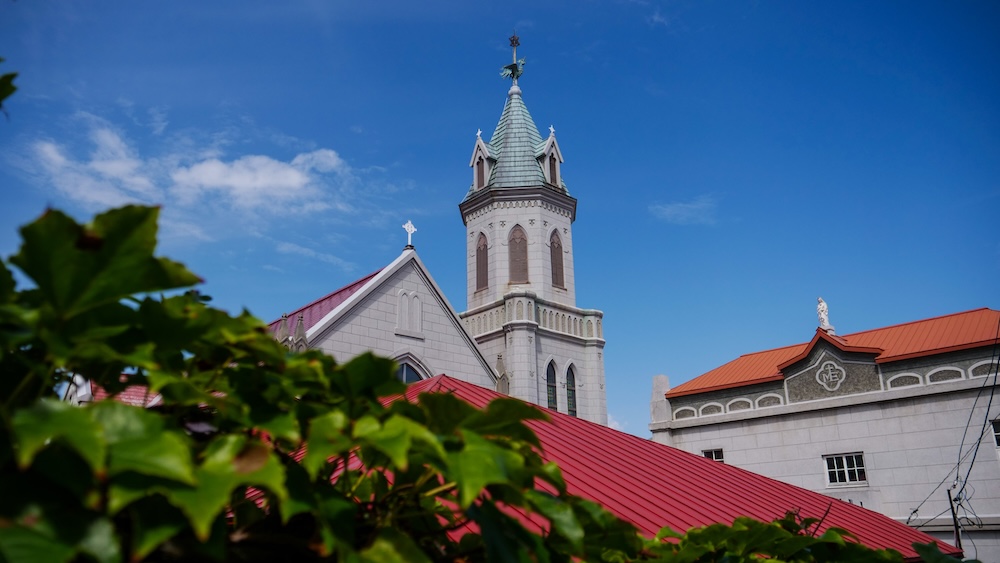
Hachimanzaka and the historic church district
Start around Hachimanzaka, the famous slope looking down toward the harbour. It’s scenic, but don’t underestimate the climb. We encountered hot, sticky weather and found that all our recent time around the Canadian Rockies hadn’t somehow made us immune to a Japanese summer.
Once uphill, I’d wander through Motomachi rather than insist on a rigid church checklist. We explored the area around Hakodate Orthodox Church, Motomachi Roman Catholic Church and Hakodate St. John’s Church. Their different styles reflect Hakodate’s history as an international port, and the surrounding streets are worth enjoying in their own right. Some interiors have restricted visiting times or religious services, so consider entering any that are open rather than assuming access to all three.
Hachimanzaka remains a functioning road, not a pedestrian photography studio. Stay out of traffic and respect nearby private property.
If you’re interested in the stories behind the port’s foreign influences, rather than just the architecture, a guide could add something useful here. One option is a three-hour guided walking tour through Motomachi and the Red Brick Warehouses. It covers Hachimanzaka, the historic church district and other architectural landmarks. The route overlaps with parts of both Days 1 and 2, so I’d treat it as a substitute for some independent walking rather than adding three more hours to an already full schedule.
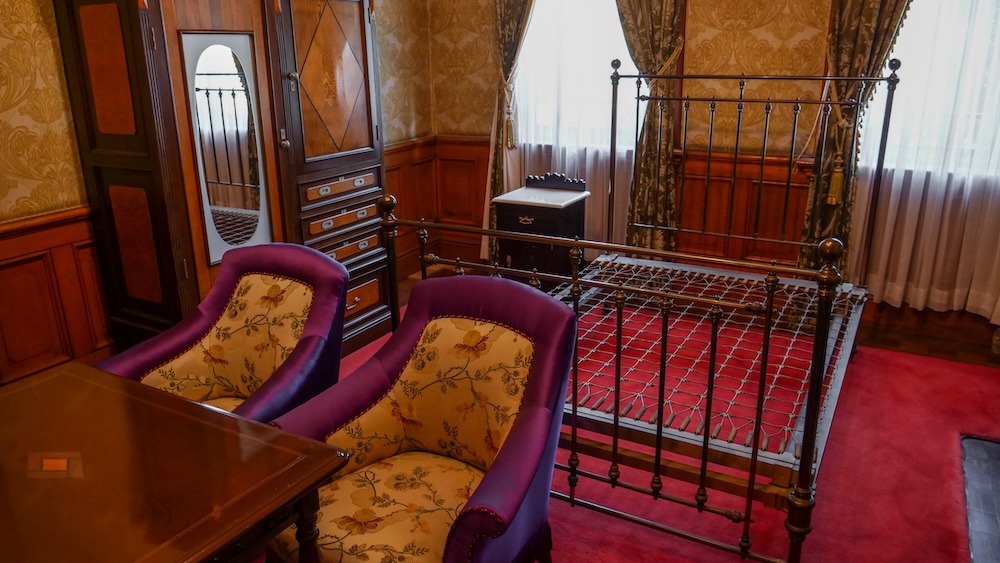
Give the Old Public Hall the time it deserves
The Old Public Hall of Hakodate Ward is the historic interior I’d protect on this day. Its blue façade and yellow-gold details stand out, but we were particularly impressed once we got inside. We removed our shoes, put on the provided slippers and wandered through rooms that made the admission feel worthwhile rather than obligatory.
Completed in 1910, the building has grand rooms, period furnishings and a balcony overlooking Hakodate. It’s recognized as an Important Cultural Property of Japan. Audrey and I enjoyed being able to explore a substantial part of the interior, because some photogenic historic buildings look better from the pavement than they do after you’ve bought the ticket.
Adult admission is currently ¥300, with seasonal closing times and final entry generally 30 minutes before closing. I’d budget 45–75 minutes and check access if you’re visiting late in the day. Motomachi Park is nearby and makes a natural place to pause, admire another harbour view and recover from the uphill walking.
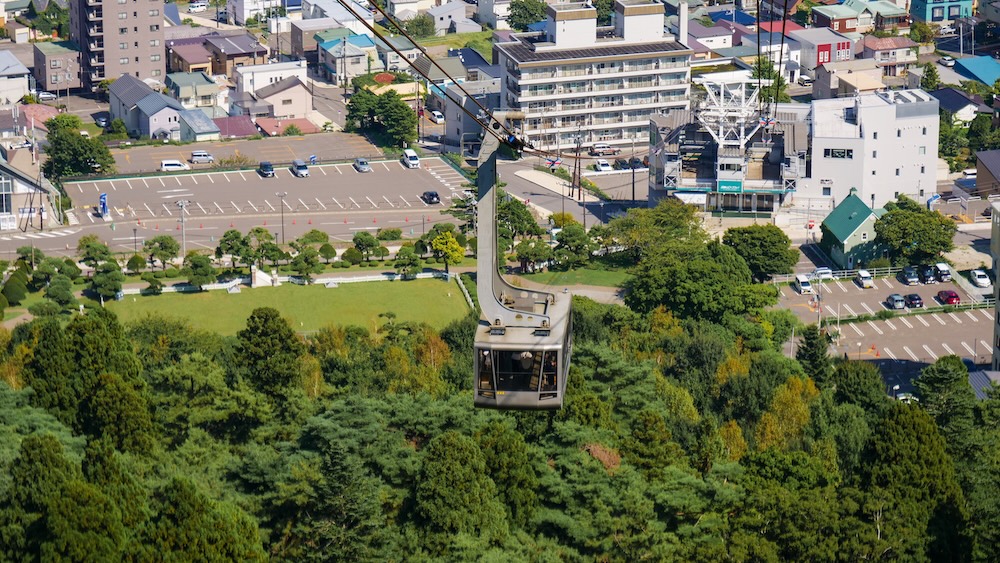
Mt. Hakodate: leave room for the weather
I’d finish with the Ropeway if visibility is good, but I wouldn’t sacrifice a clear view just to keep the itinerary in perfect order. Audrey and I rode up in daylight, and the panorama genuinely changed my understanding of Hakodate. We’d seen the port and historic streets from ground level; from the summit we could appreciate the city extending between two coasts, with more neighbourhoods, mountains and countryside beyond.
We didn’t see the celebrated night view, so I’m not going to pretend I can compare the two. The daytime visit was excellent on its own merits. The Ropeway takes roughly three minutes each way, with current adult fares listed at ¥1,800 return or ¥1,200 one-way. Allow one to two hours for the complete outing, more if you want to visit around sunset when other people have exactly the same idea.
For travellers who prefer to combine historical context with a guided Ropeway visit, there’s also a historic port walking tour with Mt. Hakodate Ropeway options. The listing offers different daytime and evening versions, with routes and durations that vary. I’d check the selected option’s Ropeway arrangements and inclusions carefully, particularly during maintenance or bad weather. We enjoyed the summit independently, and I wouldn’t pay for a guide solely to get a view that’s already accessible on your own.
The operator has announced maintenance from October 20 through November 8, 2026, and weather can also stop the service. Road access follows separate rules, so check the current Mt. Hakodate access information before you go. If the top is hidden by cloud, swap this outing to another suitable day. You’ve got four days; use the flexibility you’ve paid for with your time.
Day 3: Goryokaku Park, the Tower and a proper meal
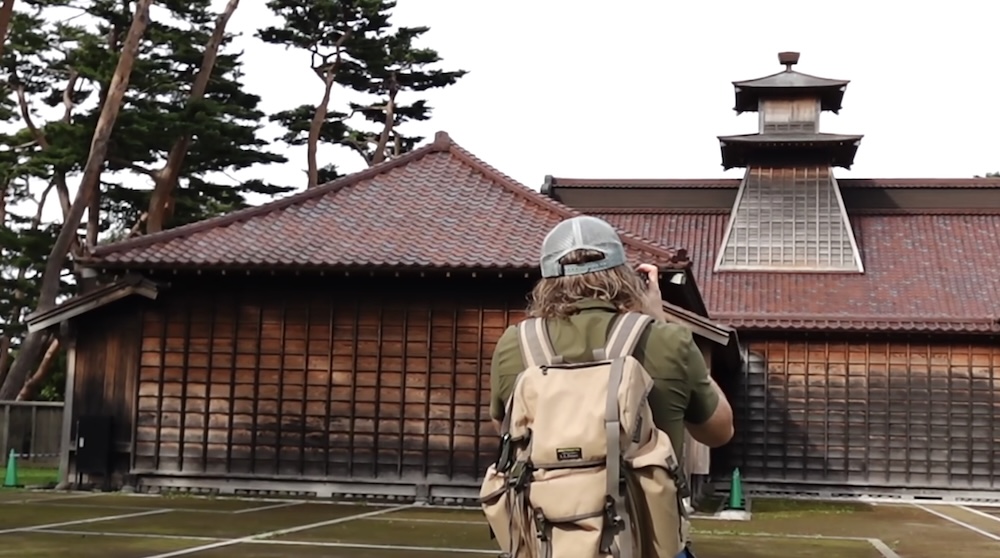
Goryokaku is far enough from the waterfront to deserve its own outing. We got a particularly good look at ordinary life there because we arrived before the Tower opened.
Walk the fortifications before looking down on them
We started with Goryokaku Park, wandering past moats, bridges, earthworks and the reconstructed Hakodate Magistrate’s Office. The star-shaped fort is historically interesting, but I also liked seeing people walking, exercising and riding bicycles through the grounds. It felt like a place residents used, not just a monument visitors were expected to admire.
The park is free and generally opens at 5 a.m., closing around 7 p.m. from April through October and 6 p.m. from November through March. The useful distinction is that the grounds open before the Tower. Give yourself 45–90 minutes to enjoy them. The Magistrate’s Office has a separate paid interior, which we didn’t explore in detail, so I’d only add it if that history particularly interests you.
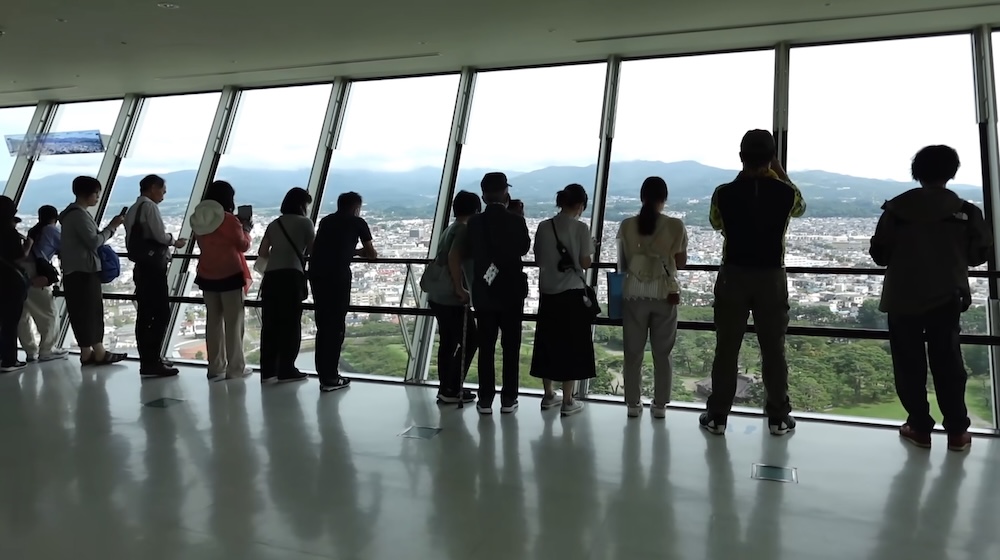
Once we’d spent time at ground level, Goryokaku Tower made much more sense. From above, the star shape becomes clear, and the broader views across Hakodate are quite different from what we saw on Mt. Hakodate. We were blessed with bright, clear conditions, and I was glad we’d visited both viewpoints rather than assuming one would be redundant.
Current Tower admission is ¥1,200 for adults, with the direct operator listing 9 a.m.–6 p.m. hours and final ticket sales at 5:50 p.m. Allow 45–75 minutes. Exterior repairs and painting are scheduled through November 15, 2026, with the Tower remaining open during the work.
Choose your food stop without trying to eat everything
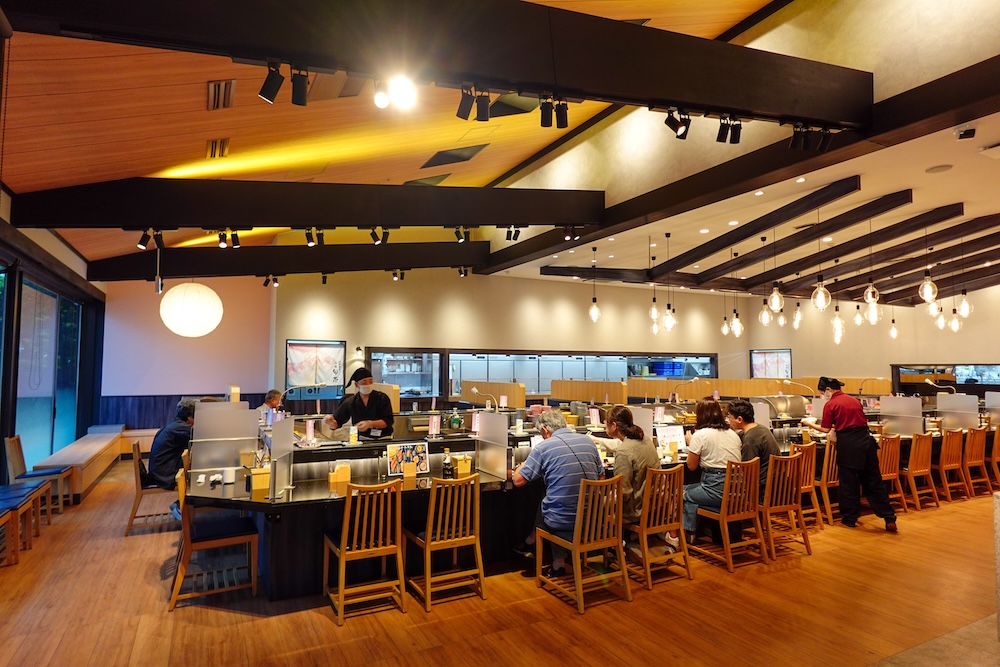
We were particularly fond of Shunka Sushi, a conveyor-belt sushi restaurant near the Tower. We ate there on our first night in Hakodate, when jet lag had reduced us to a pair of barely functioning humans, and returned later because we’d enjoyed it so much. Salmon, tuna and other dishes kept appearing at our table; we also appreciated the English picture menu when sorting out how to order.
If burgers sound more appealing, Lucky Pierrot offers a rather different Hakodate experience. The clown branding and eccentric interior decorations didn’t exactly inspire confidence in me, but our Chinese Chicken and tonkatsu burgers were good enough to overcome my doubts. For dessert, we tried gelato at Milkissimo inside Goryokaku Tower. Audrey and I both favoured the berry flavour, though we disagreed about where pumpkin and purple sweet potato belonged in the rankings.
For an optional museum, the nearby Hokuyo Museum examines northern fishing and maritime culture. We visited on a rainy day and tried a fishing-boat simulator; Audrey was distinctly relieved when the rocking stopped after about three minutes. It’s optional, especially after a full morning at the park and Tower. I’d rather finish Day 3 well fed than exhausted from one last museum sprint.
Day 4, Option A: Stay in Hakodate and explore Yachigashira
Here’s where the fourth day becomes a real choice. If you stay in Hakodate, I’d explore the Yachigashira area, using the tram to reach a historic shrine, a coastal lookout and perhaps a public hot spring afterward. It gives the day a fresh direction without hauling you back through every attraction you’ve already seen.
We didn’t visit these particular places on our trip, but their locations make for a sensible independent outing.
Hakodate Hachimangu and Cape Tachimachi
Take the tram toward Yachigashira and visit Hakodate Hachimangu Shrine, in a wooded setting near the foot of Mt. Hakodate. From Hakodate Station, the tram journey is approximately 12 minutes, followed by a walk of about eight minutes. Entry is free.
Cape Tachimachi is another reason to come to this part of Hakodate. The viewpoint faces the Tsugaru Strait and, in good visibility, you may be able to see toward the Shimokita Peninsula across the water in Aomori Prefecture. It’s approximately 15 minutes on foot from the Yachigashira tram terminus, so don’t mistake the short tram journey for door-to-door access. You still have walking to do, and the exposed coastal setting won’t feel equally pleasant in every kind of weather. Winter road restrictions also affect access.
This would give you a different coastal perspective while remaining inside the city. It’s not an imitation of Onuma’s lake scenery; the two landscapes are quite distinct, and that difference is worth keeping in mind when choosing between them.
A bath, a long lunch or absolutely no further obligations
Yachigashira Onsen is a public bathhouse close to the tram terminus, roughly five minutes away on foot. Its published hours are 6 a.m.–10 p.m., with entry until 9 p.m. and a regular closure on the second Tuesday. We haven’t tried it; check admission, facilities and etiquette before visiting.
I’d leave the afternoon deliberately open. If you’re interested in hot springs, the bathhouse could be a pleasant conclusion. Otherwise you can eat somewhere that catches your eye, return to the waterfront or visit a museum you missed because of the weather. You don’t need another sightseeing marathon to get value from four full days in Hakodate.
This option particularly suits travellers who enjoyed the history, streets and food of the first three days. It’s also easier to change when rain arrives or somebody in the group has had enough uphill walking.
Day 4, Option B: Take the train to Onuma Park
If you want your final day to feel distinctly different, Onuma Quasi-National Park is the stronger candidate. Located in Nanae, outside Hakodate city, it combines lakes, small wooded islands connected by bridges and views of Mt. Komagatake. We didn’t get there ourselves, but the setting and relatively straightforward rail connection make it a credible day trip rather than a heroic expedition.
But a short train ride still takes planning.
Get to JR Onuma-Koen Station—and check the return first
For the principal lake-and-island walking area, aim for JR Onuma-Koen Station. The main visitor area is about five minutes away on foot. Suitable limited-express trains can make the journey from Hakodate in around 30 minutes; some local services take around 40 minutes, and other connections may involve transfers or longer waits.
Two details matter. First, not every Hokuto limited-express train stops at Onuma-Koen. Second, the limited express requires a reserved-seat supplement in addition to the basic fare, unlike an ordinary local train. Given the modest journey length, I’d compare cost and timing instead of assuming faster is automatically better.
Look up both directions using JR Hokkaido’s current train information before leaving your hotel. An early outbound service is useful only if there’s a workable return when you’ve finished exploring.
If you’re considering paying someone else to organize the regional transport, a customizable Hakodate private vehicle tour with a licensed guide lists Onuma Quasi-National Park among its selectable destinations. This is a six-hour multi-stop sightseeing experience, not a dedicated Onuma walking tour or a replacement for the independent train itinerary above. It could suit a group wanting private transport and other regional stops, but confirm the actual route, pickup location, time available at Onuma and total inclusions with the operator before booking. For a straightforward visit to the main walking area, I’d stick with the train.
Choose a lake walk that fits your energy
You don’t need to circle an entire lake to enjoy Onuma. The central visitor area has shorter walking courses linking islands and woodland, with several routes that can fit into a relaxed day. Published approximate times include:
| Onuma walking route | Approximate walking time |
|---|---|
| Oshima-no-Michi | 15 minutes |
| Mori-no-Komichi | 20 minutes |
| Yuhiko-no-Konuma-Michi | 25 minutes |
| Shimameguri-no-Michi | 50 minutes |
These are route estimates, not promises about your pace or how long you’ll spend photographing the scenery. I’d lean toward Shimameguri for a more substantial first look at the islands and bridges, although a shorter course makes sense if you’d prefer a gentle outing. Terrain and conditions still matter, and I wouldn’t make blanket claims about accessibility without checking your chosen path.
The approximately 14-kilometre lakeside cycling circuit is a separate proposition from these short walks. You can enjoy the lake scenery without an all-day hike, or explore farther by bicycle. The wider cycling route may include roads shared with traffic, so it’s worth assessing your comfort with that before renting a bike.
Leave space for boating, lunch and the train home
A sightseeing boat ride is another possible addition, with standard lake outings of approximately 30 minutes when operating. I’d choose either a longer walk and a relaxed meal, or a shorter walk paired with boating or cycling.
Allow roughly three to five hours at Onuma for a walk, food and one optional activity. Short visits may take less, cycling days more. Seasonal operators and weather will determine what actually runs. I’d choose a return train in advance and work backward from there, leaving enough margin that lunch doesn’t become a race to the station.
Winter requires a separate decision. Onuma’s ordinary nature-walking paths are not cleared of snow, and the trails aren’t lit at night. Seasonal winter recreation may be available, but that doesn’t mean you can simply follow a summer walking plan or venture onto frozen water on your own. Check authorized activities and their conditions for your exact dates. If the island walks are your main motivation, snow cover could materially change whether Onuma is the right fourth-day choice.
So which fourth day would I actually choose?
I think the fairest comparison is about what the extra day adds rather than how many attractions you can claim to have visited.
| If your priority is… | I’d lean toward… |
|---|---|
| Historic neighbourhoods, food and more time to linger | Hakodate |
| Lake scenery, wooded islands and outdoor activities | Onuma Park |
| Easy changes when rain or fatigue interferes | Hakodate |
| A distinctly different southern Hokkaido landscape | Onuma Park |
| Avoiding another regional transport schedule | Hakodate |
| Cycling or a lake boat ride when operating | Onuma Park |
A short Onuma island walk might be easier on your legs than trudging around Hakodate’s hills, while a full cycling circuit could make the nature day considerably more demanding. Hakodate has museums and restaurants to duck into when the weather deteriorates; Onuma is more dependent on whether you can enjoy being outside. Neither is intrinsically the cheap or expensive choice, either: compare tram or rail costs and whichever admissions or activities you actually want.
If someone had already fallen for Hakodate’s food, architecture and everyday feel, I’d happily recommend staying. I certainly came away wanting more time there. If that same traveller had spent three days surrounded by buildings and wanted lakes and mountain scenery next, I’d point them toward Onuma—provided the rail connections and season made sense.
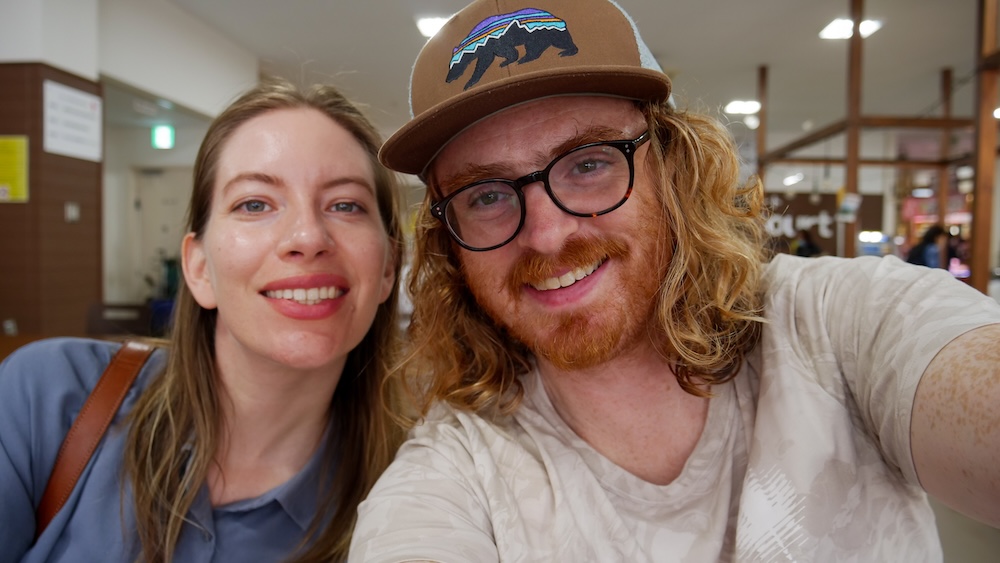
Where to stay and how to move between the four days
For either version, I’d keep one hotel base in Hakodate rather than move accommodation for a single Onuma excursion. Near Hakodate Station is a practical location because you’re close to the waterfront and Morning Market, and the train departure point is convenient if you choose the park. A base around Motomachi or the bay may offer more historic atmosphere, but think about hills and station access before deciding.
We stayed farther from the centre and were grateful to have tram lines 2 and 5 nearby. I haven’t personally compared the current hotel options around the station or the waterfront, so I’d make the decision based on location, room requirements and your travel dates rather than pretend there’s one property everybody should choose. You can compare Hakodate hotels across the station, waterfront and other city areas and see whether the difference in accommodation price is worth the additional transport.
Current adult tram fares range from ¥250 to ¥300 depending on distance. An ¥800 one-day pass and a separate ¥1,130 pass valid for 24 hours from activation are available; a calendar-day product and a 24-hour product aren’t interchangeable. Compare them with your actual journeys rather than buying a pass automatically. Major Japanese IC cards, including Suica and PASMO, are accepted.
A rental car isn’t necessary for the main city sights or Onuma’s station-area walks. Driving becomes a different proposition if you’re planning a much wider southern Hokkaido trip, but that isn’t the holiday this itinerary is designed around.
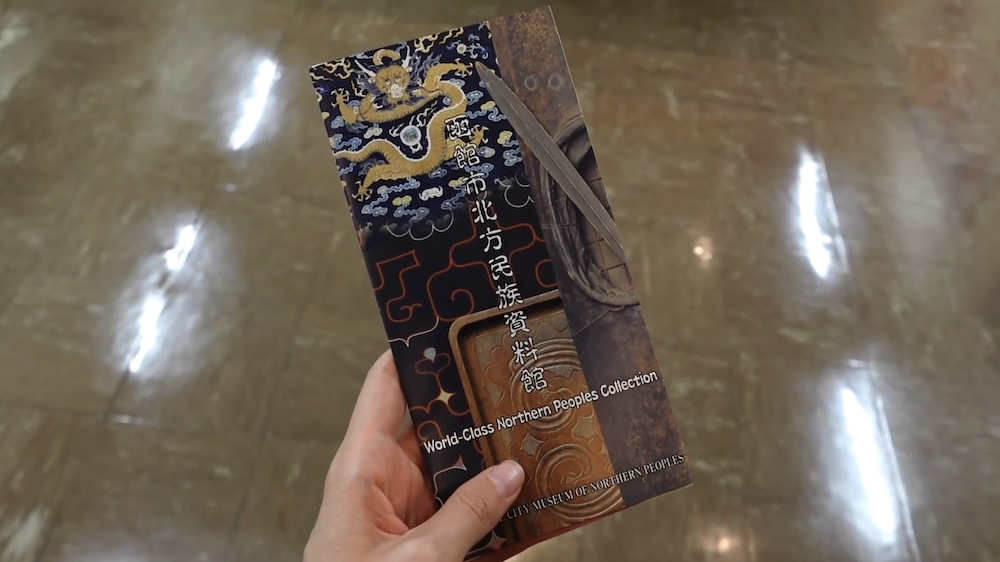
What I’d change if the weather—or our legs—stopped cooperating
Hakodate gave us humidity, rain and glorious clear skies on different outings, which is a good reminder not to build a holiday as though the forecast owes you anything. We found museums excellent rainy-day options, while the clear conditions made both major viewpoints worthwhile. I’d protect the Ropeway for a day with visibility and shift less weather-sensitive sightseeing when necessary.
For the fourth day, check Onuma’s conditions before committing. Ordinary rain doesn’t automatically make the park impossible, but poor visibility or unsuitable conditions for the activity you hoped to do can make a city day more appealing. In winter, snow-covered paths and seasonal operator availability require an entirely different level of planning. Yachigashira can also be shortened if the coastal walk isn’t inviting; you could choose the shrine and a meal rather than insist on the cape.
And if three days of walking have left you thoroughly worn out, don’t dismiss a slower fourth day as wasted time. I remember how spread out Hakodate felt after a few long sightseeing sessions.
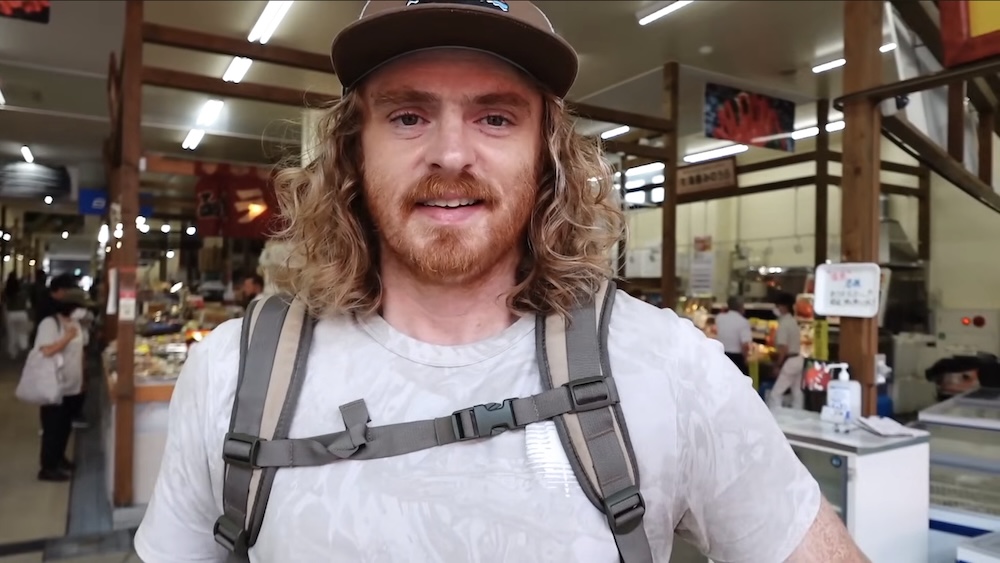
My verdict: four days in Hakodate or three days plus Onuma?
If I returned with four full days and the weather was ideal, I’d be genuinely tempted by Onuma. The lake-and-island landscape would give us something we didn’t experience on our original trip, and it’s reachable without surrendering an entire day to the journey. For someone who wants that natural contrast, three days in Hakodate followed by Onuma is the version I’d choose.
But if I were visiting primarily for Hakodate itself—its historic streets, food, harbour and the small places we kept stumbling across—I would be quite content to spend all four days in the city. We managed to fill three days and still leave feeling we’d barely finished getting acquainted. A shrine, a coastal walk, a bath or simply another long meal would hardly be a consolation prize.
I thought Hakodate might struggle to fill three days; instead, the question became what we’d do if we had more. Let your fourth day answer that question for your trip, whether it takes you farther into the city or out to the lakes of Nanae.
Frequently Asked Questions
Is four days too long to spend in Hakodate?
Not necessarily. Audrey and I spent about three busy days exploring the waterfront, Motomachi and Goryokaku and still wanted more time. A fourth day lets you explore another city neighbourhood or visit Onuma Park without rushing the main sights.
Should I stay in Hakodate or visit Onuma Park on Day 4?
I’d stay in Hakodate for more historic streets, food and flexibility, especially in unsettled weather. Choose Onuma if lakes, wooded islands and outdoor activities appeal more. We didn’t visit Onuma ourselves, so that’s a planning recommendation rather than a firsthand comparison.
Can I visit Onuma Park from Hakodate without a car?
Yes. Travel to JR Onuma-Koen Station, roughly five minutes on foot from the main park area. Some limited-express trains take around 30 minutes from Hakodate, while local services can take longer. Check both directions because not every Hokuto service stops there.
How long should I allow for Onuma Park?
I’d allow roughly three to five hours at the park for a walk, lunch and perhaps boating or cycling, depending on the season. The shorter island walking routes have published estimates of about 15–50 minutes, so you don’t need to cycle the wider 14-kilometre circuit.
Is Onuma Park a good choice in winter?
It needs different planning. The ordinary lakeside walking paths aren’t cleared of snow, and trails aren’t lit at night. Seasonal activities may operate, but check the specific conditions and authorized options before setting out.
Where should I stay for a four-day Hakodate itinerary?
I’d generally keep one hotel base in Hakodate. The station area is practical for the Morning Market, waterfront and an Onuma train excursion, while Motomachi or the bay may appeal if you value historic surroundings. Consider tram access and hills before booking.
This guide is also available in Spanish. [Leé la versión en castellano: Hakodate en 4 días: ¿quedarse en la ciudad o visitar Onuma?]
This article contains affiliate links. If you book through one of these links, I may earn a commission at no extra cost to you.