
When Audrey and I arrived in Hakodate, I wasn’t entirely convinced we needed three days there. It was our first stop in Hokkaido before continuing north to Sapporo, and I imagined we’d eat plenty of seafood, admire some historic buildings, ride the cable car up Mt. Hakodate and be ready to move on. Three days seemed generous.
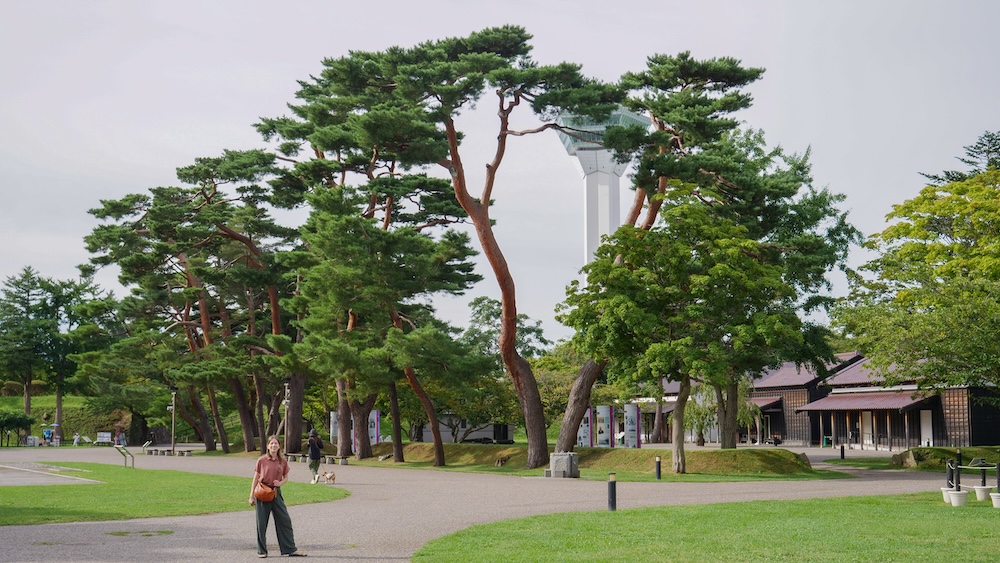
We’d spent roughly three action-packed days exploring Hakodate, and the city kept finding ways to surprise us. The old-fashioned trams were charming and genuinely useful, the food was excellent, and we discovered a preserved railway ferry simply because we’d wandered down to the harbour without much of a plan. I even developed an unexpected enthusiasm for the museums. Anyone familiar with my usual travel priorities might find that last revelation particularly alarming.
That’s what makes five days an interesting proposition. Instead of filling the extra time with more city attractions, you can experience three different sides of Southern Hokkaido: Hakodate’s historic port and neighbourhoods, the lakes and wooded islands of Onuma Quasi-National Park, and the hot springs of Yunokawa Onsen.
We didn’t personally visit Onuma or experience Yunokawa’s hot springs during our trip. Those are the two additions I’d consider when planning a longer return, based on their location, transport connections and the experiences they offer. Our time exploring Hakodate itself is what convinced me that the city deserves a more generous itinerary in the first place.
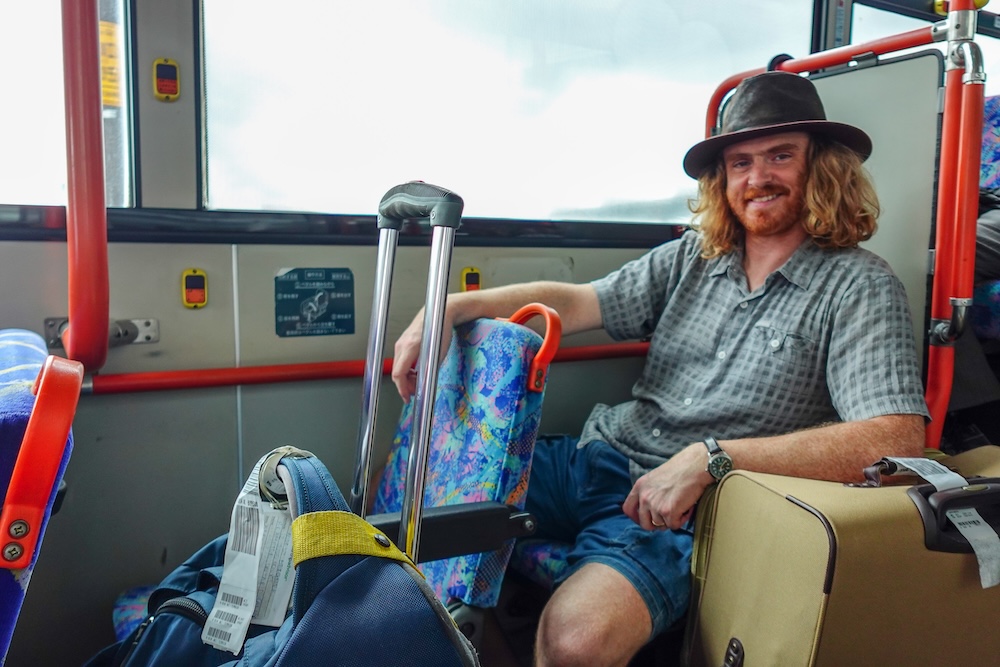
How I’d divide five days in Hakodate
I’d devote the first three days to Hakodate’s main sightseeing districts, spend Day 4 exploring Onuma Park and leave Day 5 for Yunokawa Onsen. That provides a natural progression from urban sightseeing to countryside and finally a more relaxed experience.
| Day | Main area | What I’d plan |
|---|---|---|
| 1 | Hakodate Station and waterfront | Morning Market, Mashu-maru, Kanemori Red Brick Warehouses |
| 2 | Motomachi and Mt. Hakodate | Hachimanzaka, historic churches, Old Public Hall, Ropeway |
| 3 | Goryokaku | Park, Tower, sushi or burgers, optional museum |
| 4 | Onuma Quasi-National Park | Island walking trails, lake scenery, optional boating or cycling |
| 5 | Yunokawa Onsen | Footbath, botanical garden, hot-spring bathing and optional ryokan stay |
For most travellers, I’d start by comparing hotels in Hakodate, with particular attention to properties near the railway station. That location is convenient for the Morning Market, waterfront attractions and the train to Onuma, and it’s a sensible base for exploring the city without a car. I’d weigh tram access and room requirements more heavily than whether a hotel looks particularly atmospheric in photographs.
There’s also a distinction between five sightseeing days and five nights. If you have four nights and must depart during Day 5, you won’t have the same freedom as someone who can enjoy five full days and leave the following morning. That becomes particularly important when considering an overnight stay in Yunokawa.
Day 1: Seafood, a railway ferry and Hakodate’s historic waterfront
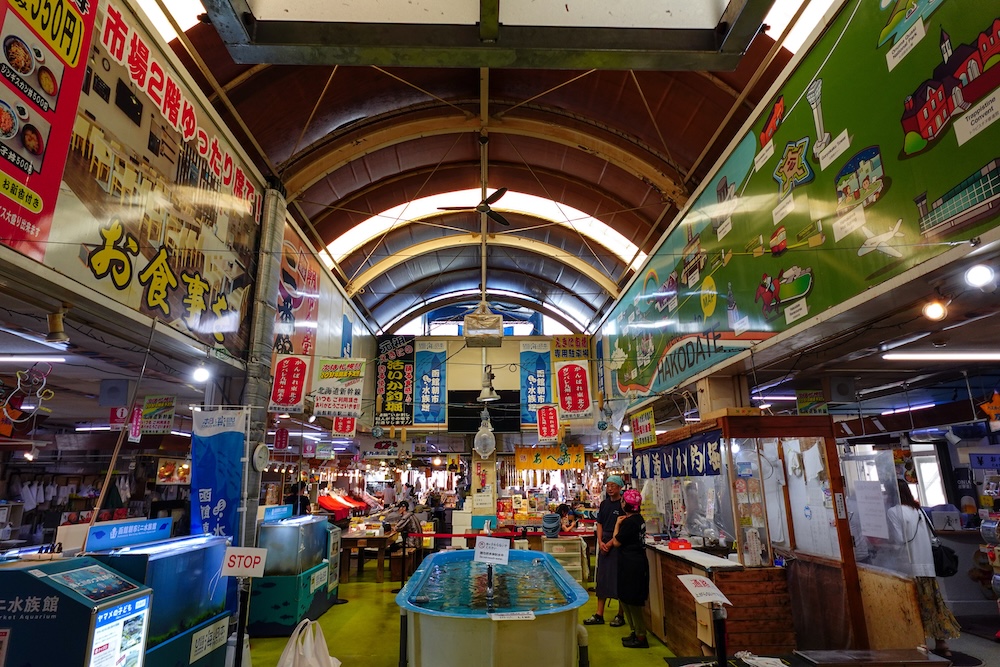
Breakfast at Hakodate Morning Market
The Morning Market is much larger than it initially appears. Audrey and I walked through one section filled with seafood counters, thought we’d covered most of it, and then discovered another area with more restaurants and stalls. There were crabs on ice, sashimi being prepared and all sorts of ingredients that made me wish we’d arrived with a second stomach.
We settled down for breakfast and ordered rice bowls topped with fresh seafood, along with other dishes including hot noodles. I also tried fresh squid and was surprised by how tender it was compared with the dried squid I’d eaten while living in South Korea. We didn’t always know exactly what we’d ordered, but that was part of the adventure, and the food turned out rather well.
The market is only about a minute’s walk from Hakodate Station, so there’s little reason to make breakfast complicated. I’d allow 60–90 minutes for eating and browsing, longer if you’re a serious seafood enthusiast.
I’d happily explore independently again. We managed with our slightly questionable technique of pointing at things and hoping for the best. If you’d rather understand what you’re ordering, a guided Morning Market walk with seafood tasting options offers English-language help. Check the departure time and what’s included in the tasting allowance rather than assuming every purchase is covered.
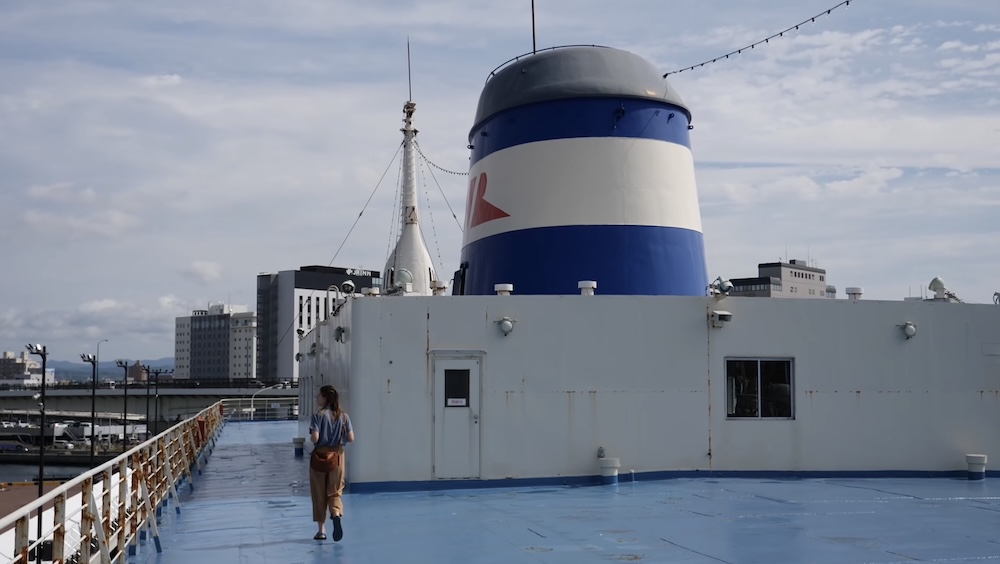
Mashu-maru: the attraction we hadn’t planned to visit
We discovered this enormous ship while wandering around without any particular intention of visiting a museum. Curiosity got the better of us, we bought tickets and soon found ourselves poking around old equipment and maritime displays. The Mashu-maru once operated on the railway-ferry connection between Hokkaido and Honshu, carrying passengers and railway traffic across the Tsugaru Strait before the Seikan Tunnel changed how the two islands were connected.
What I enjoyed most was being aboard the actual vessel. The old machinery, exhibits and harbour views made it easier to appreciate the scale of the operation than simply reading about it elsewhere. We hadn’t expected much from our spontaneous visit and ended up having a grand old time.
Adult admission is currently listed at ¥500. Opening hours are generally 8:30 a.m.–6 p.m. from April through October and 9 a.m.–5 p.m. from November through March, with last admission an hour before closing. Temporary repair closures can occur, so check if this attraction is particularly important to you.
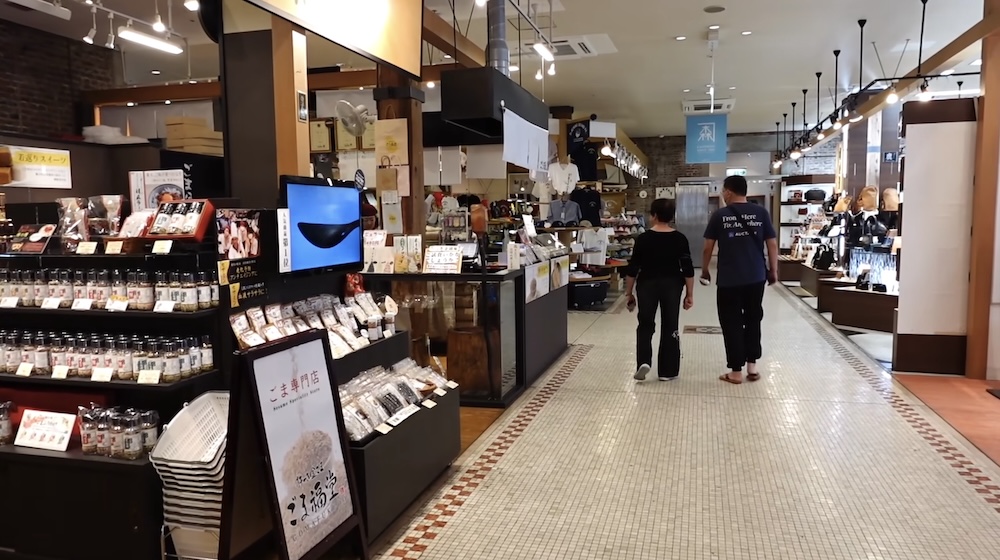
Kanemori Red Brick Warehouses and an easy evening
Audrey and I explored the interiors and browsed the stores, although the historic brick architecture was the main attraction for me. It’s the kind of place where you can appreciate the buildings without feeling compelled to buy anything. Entry to the complex is free, and general opening hours are approximately 9:30 a.m.–7 p.m., with individual businesses maintaining their own schedules.
We’d hoped to try butter-corn ramen alongside the local salt-based specialty, but somehow ended up with two versions of shio ramen. I still can’t offer an informed opinion on the butter-corn variety because we never received it. At least the ramen we did eat was satisfying, and the mistake gave us something to laugh about afterward.
Day 2: Motomachi’s historic streets and Mt. Hakodate
Hachimanzaka and the historic churches
Hachimanzaka is one of Hakodate’s best-known streets, descending toward the harbour with a particularly attractive view along its length. It’s also a functioning road, so please don’t treat the middle of it as a photography studio.
Audrey and I explored Hachimanzaka and the surrounding Motomachi neighbourhood during some particularly humid weather. We’d spent plenty of time walking around the Canadian Rockies before arriving in Japan, but apparently that wasn’t enough preparation for climbing Japanese hills when the air feels like a warm, damp towel.
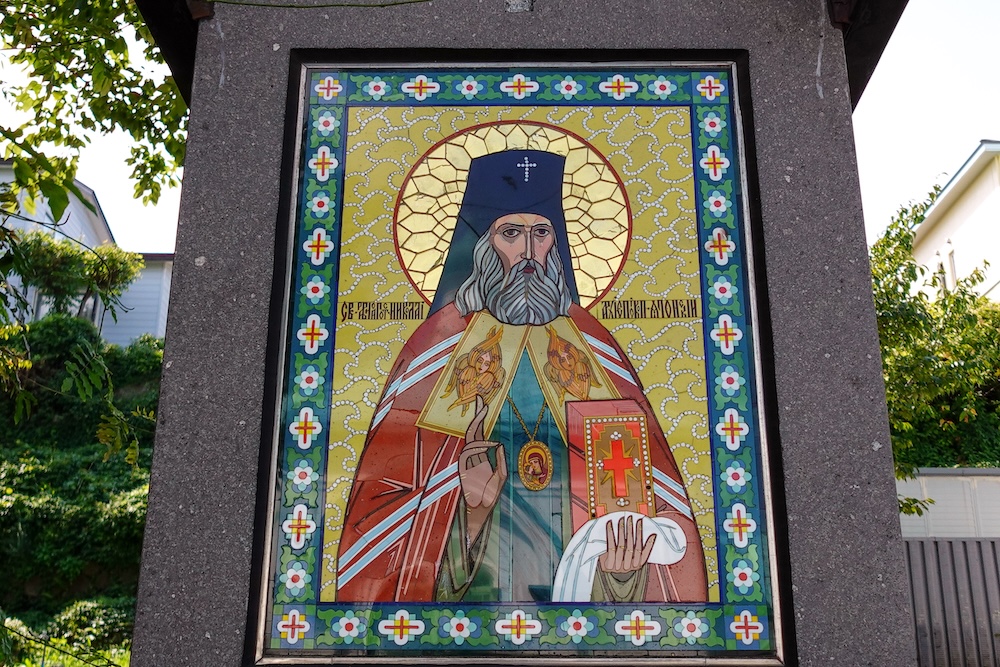
Once you’ve gained some elevation, the neighbourhood rewards wandering. We visited the area around Hakodate Orthodox Church, Motomachi Roman Catholic Church and Hakodate St. John’s Church, whose different architectural styles reflect the city’s history as an international port.
I wouldn’t insist on entering every church. Some have limited visiting hours or religious services, and the streets themselves are part of what makes Motomachi enjoyable.
If you’d prefer somebody to explain the port history, a guided Motomachi and Red Brick Warehouses walk covers Hachimanzaka and the church district. It overlaps with Day 1, so I’d use it instead of some independent sightseeing, not add three hours of walking on top. The Old Public Hall’s interior requires a separate visit.
The Old Public Hall and Motomachi Park
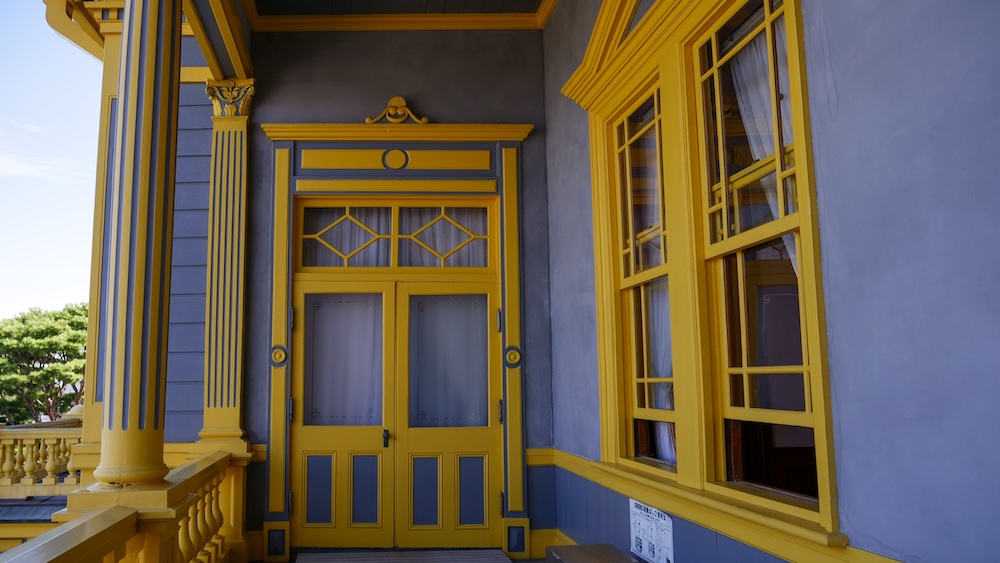
The Old Public Hall of Hakodate Ward is one historic building I’d prioritize entering.
Its blue façade with yellow-gold detailing is impressive enough from outside, but we particularly enjoyed exploring the interior. After removing our shoes and putting on the provided slippers, we wandered through rooms furnished with period pieces, including beds, chairs and other features that made the building feel more substantial than a quick architectural photo opportunity. Completed in 1910, the Old Public Hall is recognized as an Important Cultural Property of Japan. There’s also a balcony overlooking Hakodate.
Adult admission is currently ¥300, with seasonal opening hours and final admission generally 30 minutes before closing. I’d allow around 45–75 minutes, depending on how much you enjoy historic interiors.
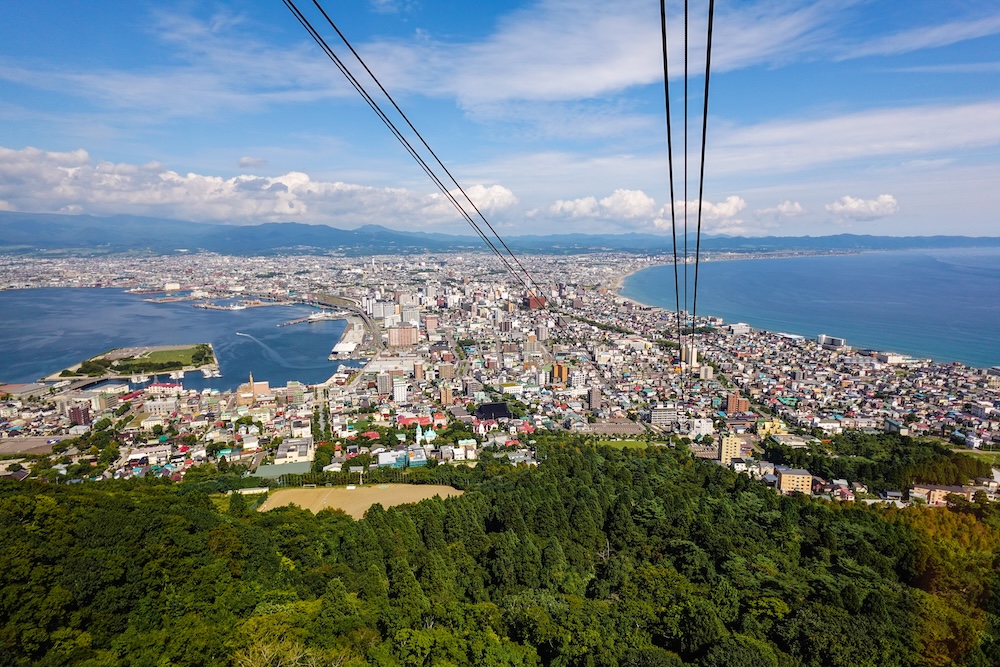
Save Mt. Hakodate for decent visibility
Audrey and I rode up during daylight and were genuinely surprised by the panorama. From street level, we’d experienced Hakodate as a collection of neighbourhoods and attractions, but the summit revealed how extensively the city stretched between two coastlines, with mountains and countryside beyond.
The Ropeway journey takes approximately three minutes each way, with current adult fares of ¥1,800 return or ¥1,200 one-way. Allow one to two hours for the complete experience, potentially longer around sunset when more visitors are likely to arrive.
There’s also a historic port and Mt. Hakodate Ropeway guided tour, with daytime and evening options. I’d choose it instead of duplicating the same Motomachi walks independently, and confirm the selected Ropeway admission and availability before booking.
The Ropeway operator has announced a maintenance closure from October 20 through November 8, 2026, and weather can also interrupt service. Vehicle access has separate restrictions and seasonal closures, so check the current Mt. Hakodate access information before committing to the outing.
Day 3: Goryokaku Park, the Tower and Hakodate’s food scene
Explore Goryokaku Park before going up the Tower
Audrey and I arrived at Goryokaku before the Tower opened, which gave us a chance to explore the historic grounds while they were relatively peaceful.
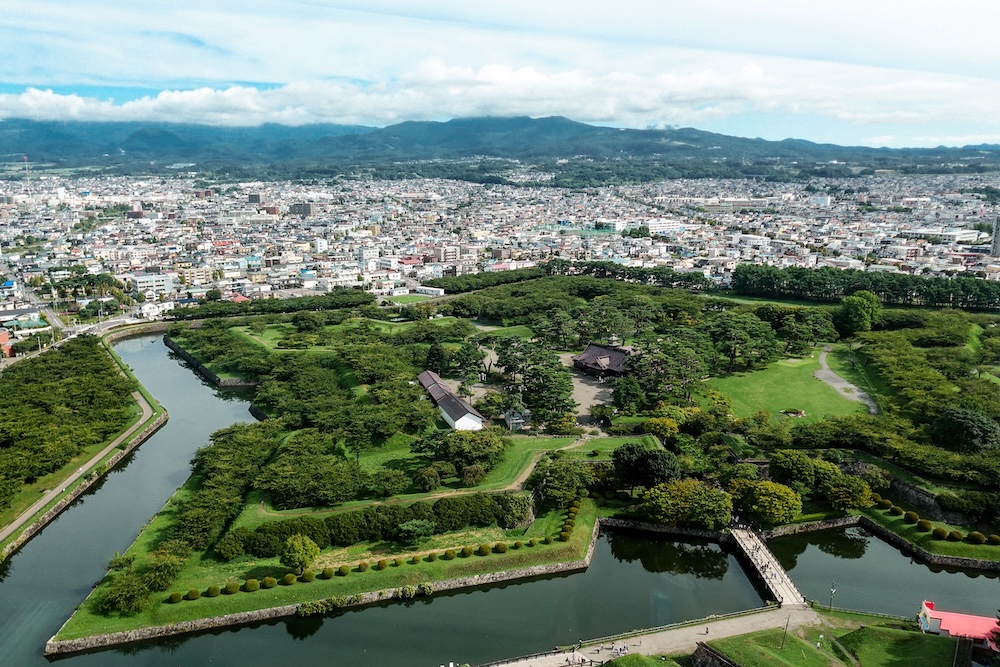
We crossed bridges, walked beside the moats and admired the reconstructed Hakodate Magistrate’s Office from outside. The famous star-shaped fortifications were historically interesting, but I also enjoyed watching people jogging, walking and cycling around the grounds. It felt like a place residents genuinely used.
The park is free and generally opens at 5 a.m., closing around 7 p.m. from April through October and 6 p.m. from November through March. The important distinction is that the grounds open before the Tower, so there’s no need to wait for the observation deck before enjoying the area.
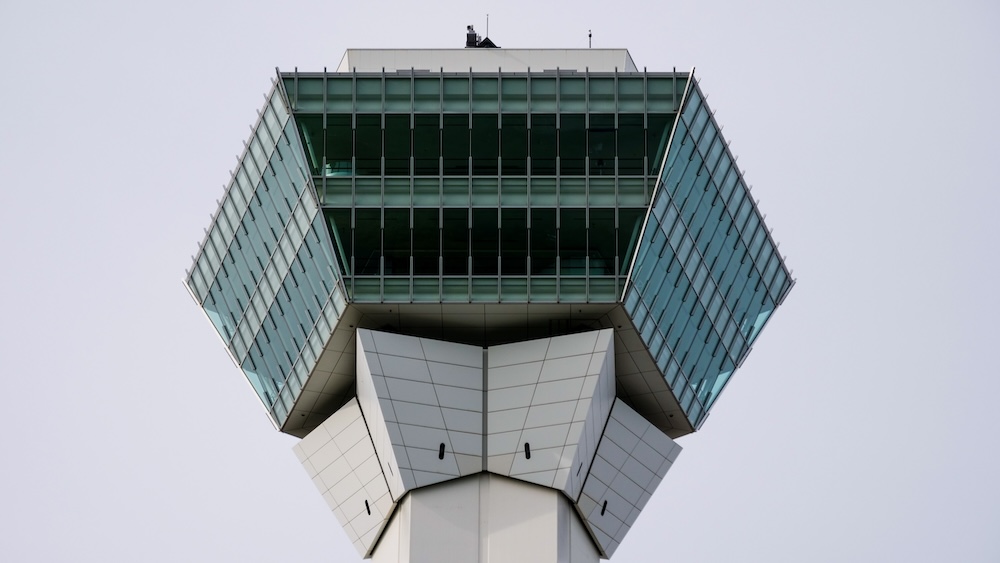
At ground level, the moats and fortifications are impressive, but the complete star shape becomes much easier to understand from the observation deck. The surrounding city views are also quite different from those on Mt. Hakodate, which is why I was glad we’d visited both viewpoints. Current adult admission is ¥1,200, with opening hours from 9 a.m. to 6 p.m. and final ticket sales at 5:50 p.m. Allow another 45–75 minutes.
I’d keep both the park and the Tower. If the fort’s history interests you, a guided Goryokaku Star Fort and Tower history tour offers a longer, interpreted visit covering the park, Magistrate’s Office and Tower. Treat it as an alternative to my independent plan; check the selected meeting point and admission inclusions.
Sushi, hamburgers and a little room for dessert
If I had to choose one restaurant from our Hakodate trip that I’d particularly enjoy revisiting, Shunka Sushi would be high on the list.
We ate there on our first night, when jet lag had reduced Audrey and me to a couple of barely functioning travellers. The English picture menu was extremely welcome, and we enjoyed the salmon, tuna and other dishes so much that we returned for another meal later during our stay.
For a completely different meal, there’s Lucky Pierrot, Hakodate’s wonderfully eccentric hamburger chain. The clown branding and unusual decorations initially made me question what we’d gotten ourselves into, but our Chinese Chicken and tonkatsu burgers turned out to be very good.
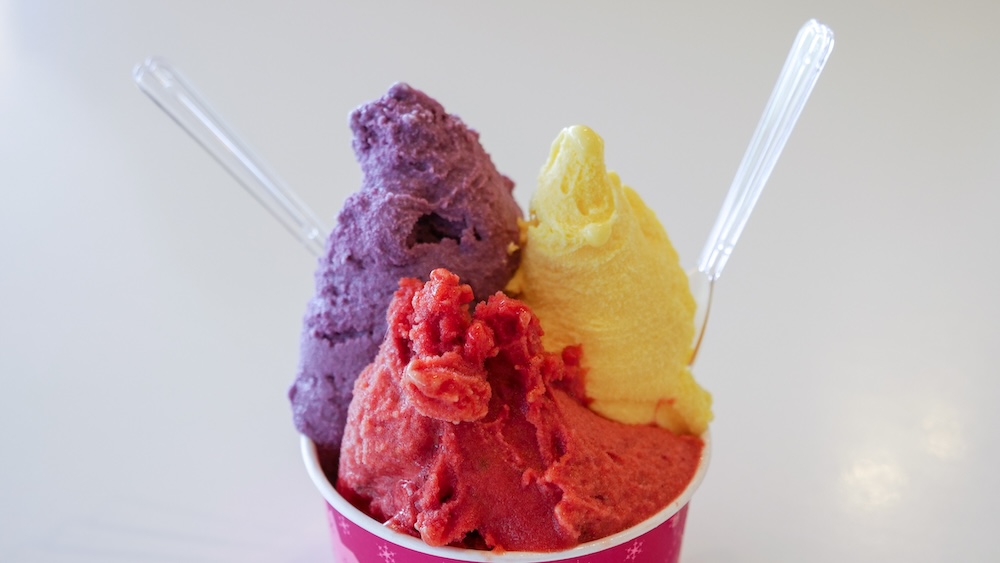
And if you still have room, we enjoyed gelato at Milkissimo inside Goryokaku Tower. Audrey and I agreed that the berry flavour was our favourite, although we had rather different opinions about the merits of pumpkin and purple sweet potato.
An optional museum rather than another sightseeing marathon
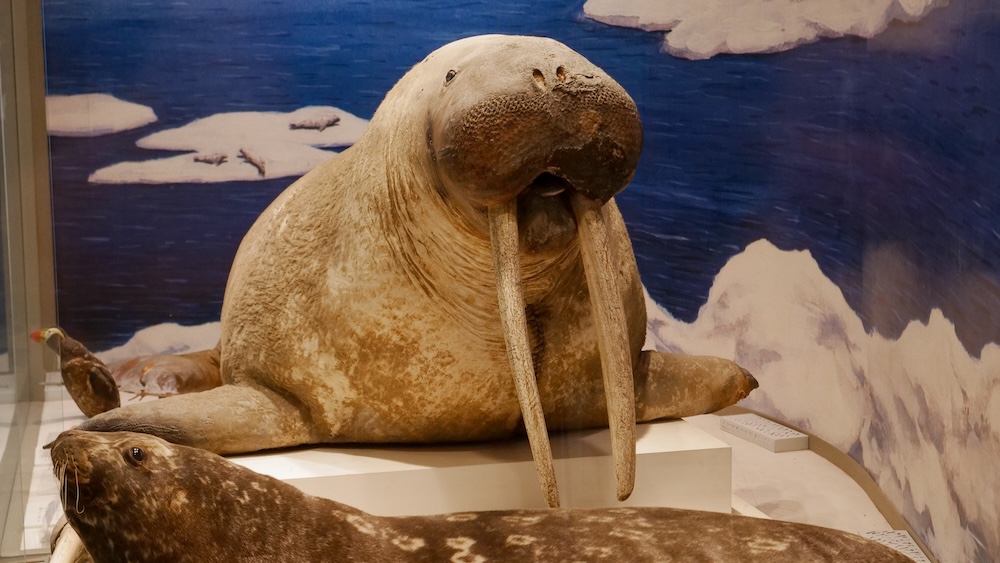
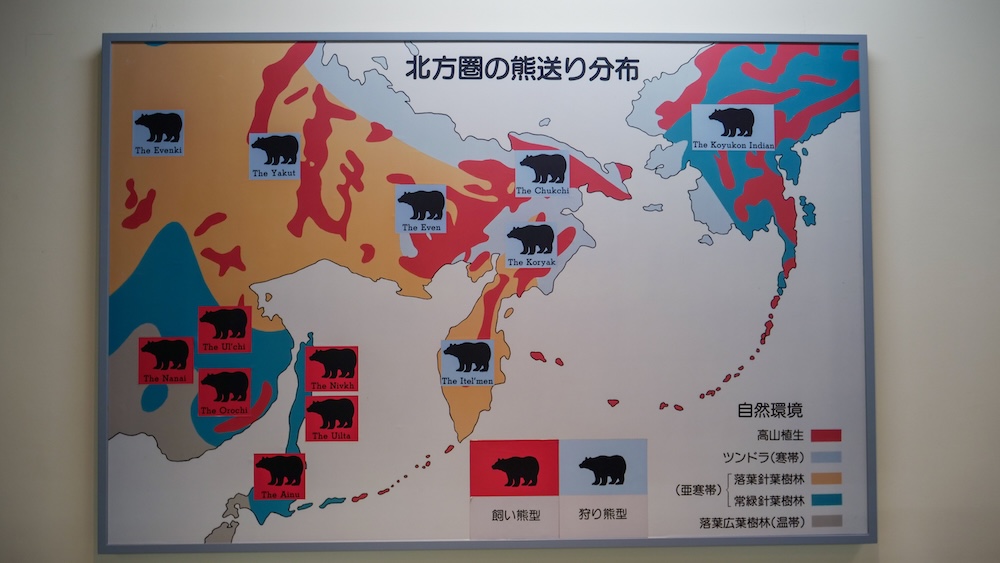
Hakodate’s museums surprised me more than almost any other part of the visit. We enjoyed the Museum of Northern Peoples, and we also visited the Hokuyo museum dedicated to northern fishing and maritime culture. The latter had a fishing-boat simulator that recreated the motion of being at sea. Audrey was distinctly relieved when the rocking stopped after approximately three minutes, which may be the strongest possible argument for enjoying maritime history while remaining on dry land.
I’d keep a museum as an option if the weather is poor or you’re particularly interested in the exhibits. Otherwise, give yourself permission to finish the afternoon early.
Day 4: Onuma Park, wooded islands and lakeside scenery
Onuma Quasi-National Park is in Nanae, outside Hakodate city, and offers lakes, small wooded islands connected by bridges and views toward Mt. Komagatake. The main sightseeing area is accessible by train, which makes it a practical independent excursion without needing to rent a car.
Take the train to JR Onuma-Koen Station
Your destination for the main walking area is JR Onuma-Koen Station, approximately five minutes on foot from the park entrance.
From Hakodate Station, suitable limited-express trains can make the journey in around 30 minutes, while local services may take approximately 50 minutes. The actual duration depends on the train, and some connections involve longer waits or different stopping patterns. There’s an important detail here: not every Hokuto limited-express train stops at Onuma-Koen. Don’t assume that any express heading toward Sapporo will get you to the correct station.
The limited express also requires a reserved-seat ticket in addition to the basic fare, unlike an ordinary local train. Given the relatively short journey, I’d compare the total price and departure time before assuming the faster service is worth paying extra for.
More importantly, check the return before you leave Hakodate. It’s no good catching a wonderfully convenient morning train if the return options leave you waiting far longer than anticipated after you’ve finished walking. I’d choose a workable return service, then build the park activities around that departure.
You can check the latest connections using JR Hokkaido’s train information.
A customizable private Hakodate sightseeing tour lists Onuma among possible destinations, although it’s not a dedicated full-day walking tour. It could help a group needing private transport, but confirm the exact route and time at Onuma before booking. For the main station-side paths, I’d take the train.
Which Onuma walking trail should you choose?
The main visitor area has four established nature-walking routes, including short woodland paths and longer circuits that cross bridges between islands.
| Walking route | Approximate time | Best suited to |
|---|---|---|
| Oshima-no-Michi | 15 minutes | A short introduction to the park |
| Mori-no-Komichi | 20 minutes | A brief walk through woodland |
| Yuhi-no-Konuma-Michi | 25 minutes | A quieter lakeside outing |
| Shimameguri-no-Michi | 50 minutes | A more substantial island-and-bridge circuit |
These are published walking estimates, so allow extra time if you’re taking photographs, resting or travelling with somebody who moves more slowly. For my own first visit, I’d lean toward Shimameguri-no-Michi, which links seven islands by bridges. It seems like a satisfying way to appreciate Onuma’s unusual landscape without attempting a much longer trek.
If you’d prefer a gentler outing, the shorter circuits leave plenty of time for sitting beside the lake or adding another activity. Oshima-no-Michi is identified in local visitor information as usable by wheelchairs and strollers, although actual surface conditions still matter. I wouldn’t extend that accessibility claim to the other routes without checking their individual conditions.
Boat ride or bicycle ride?
If you’re visiting during the appropriate operating season, Onuma has sightseeing boats that take passengers around the lake. A seasonal sightseeing boat offers a roughly 30-minute cruise. The operator’s August 2026 update lists ¥1,460 per adult and ¥730 per elementary-school child. Check current cruise schedules, since availability depends on the season and conditions.
Cycling is the more active alternative. There’s a lakeside circuit of approximately 14 kilometres, with estimated riding times generally around 70–90 minutes depending on pace and conditions. It extends well beyond the short island-walking routes, and parts of the wider circuit can involve roads shared with traffic.
How much time should you allow at Onuma?
I’d plan on three to five hours inside Onuma Park, excluding the train journey. A walking route, lunch and one other activity can comfortably occupy that time without trying to do everything.
The principal visitor area has an information centre near JR Onuma-Koen Station, along with restaurants, shops and seasonal recreation services. Still, I’d check what is operating for your particular travel dates instead of assuming every restaurant or rental provider is available year-round.
Winter is a separate consideration. Onuma’s ordinary nature-walking paths aren’t cleared of snow, and they don’t have nighttime lighting. Seasonal winter recreation may be available, but that doesn’t mean you can follow the normal summer walking routes or venture onto frozen lakes independently.
Day 5: Yunokawa Onsen and a slower finish to the trip
By Day 5, I’d be ready to give the legs a rest. After three days exploring Hakodate and another around Onuma, spending an afternoon relaxing in a hot spring sounds much more appealing to me than trying to complete one final sightseeing checklist.
Yunokawa Onsen is an established hot-spring district in eastern Hakodate, approximately 30 minutes from Hakodate Station by tram and relatively close to Hakodate Airport.
We didn’t visit the hot springs during our trip, so I can’t tell you which bath I preferred or describe how wonderful a particular hotel felt after checking in. The attraction here is the opportunity to experience a different style of Japanese travel, and there are several practical ways to do it.
Begin with the Yunokawa footbath
The Yumeguri Butai footbath, roughly a minute’s walk from Yunokawa-onsen tram stop, is free and lists hours around 9 a.m.–9 p.m., subject to maintenance. Bring a towel; it’s a pleasant introduction, but not a substitute for a full onsen bath.
The Tropical Botanical Garden and its seasonal monkeys
Another attraction in Yunokawa is the Hakodate Tropical Botanical Garden, particularly known for the Japanese macaques that use hot-spring bathing facilities during winter. The monkey hot-spring bathing is seasonal, and the garden’s October 2026 information indicates that the activity has ended for the current season and is scheduled to resume in December.
The botanical garden publishes operating hours of approximately 9:30 a.m.–6 p.m. from April through October and 9:30 a.m.–4:30 p.m. from November through March, although you should verify the current arrangements before visiting.
Enjoy a public onsen without booking a hotel
Several Yunokawa hotels offer day-use hot-spring bathing, so you can enjoy the district without moving luggage or booking a second hotel.
The available options vary in price, operating hours and facilities. Current listings include Hotel Amamiyakan, Hotel Tetra Yunokawa Onsen, Emi Hakodateya, Hotel Banso and Imagine Hotel & Resort Hakodate. For example, adult day-use admission is currently listed at approximately ¥550 at Hotel Tetra Yunokawa Onsen and ¥800 at Hotel Amamiyakan. Other properties charge more, sometimes with different weekday and weekend rates or separate towel arrangements.
Compare the current Yunokawa day-use facilities and access conditions before choosing one; admission, towels, operating hours and reservation requirements vary. One restriction worth noting is that Hanabishi Hotel’s day-use bathing was listed as suspended in September 2026. That’s precisely why I’d check the individual facility rather than relying on a general list of hotels with hot springs.
When I’d consider staying overnight in Yunokawa
If the accommodation itself is part of your reason for visiting, an overnight ryokan or onsen hotel becomes more appealing. You’d have time to bathe, settle in and perhaps enjoy a meal package rather than travelling across the city for a single dip.
Ryokan Ichinomatsu represents a more traditional Japanese inn format. It’s approximately seven minutes on foot from Yunokawa-onsen tram stop, with published check-in at 3 p.m. and checkout at 10 a.m. I’d investigate its available meal arrangements if a traditional ryokan evening were my main reason for moving hotels.
Yunokawa Prince Hotel Nagisatei is a larger seaside onsen hotel, offering private open-air baths in selected room categories. That’s quite a different accommodation decision from booking an ordinary room and using a communal bath, so I’d check the precise room type before comparing prices.
Hakodate Yunokawa Onsen Umi to Akari Hewitt Resort provides a modern resort-style alternative with communal bathing and restaurant facilities. It may suit someone who wants the hotel facilities without necessarily seeking a traditional ryokan atmosphere.
These are researched accommodation options, not places Audrey and I stayed. I’d check the exact room category, bathing arrangements and meal plan before booking; a private bath or dinner isn’t included with every rate. It’s also worth comparing Yunokawa Onsen hotels across budgets and styles instead of assuming one example will suit your dates.
One timing catch: if you spend five full sightseeing days and sleep in Yunokawa after Day 5, you’ll usually depart on Day 6. Don’t confuse five days with five nights. On a strict five-day, four-night trip, either visit Yunokawa without staying over or rearrange the last two days to make Night 4 your onsen stay. I wouldn’t sacrifice most of a relaxing afternoon to luggage transfers just to fit a ryokan into the schedule.
One hotel or two? Where to stay for five days in Hakodate
For this itinerary, the accommodation decision comes down to how much value you place on a traditional onsen night versus staying near the station. The comparison is straightforward:
| Consideration | One central hotel | Central hotel plus Yunokawa overnight |
|---|---|---|
| Waterfront sightseeing | Convenient | Convenient during first portion |
| Onuma excursion | Easy station access | Best completed before moving hotels |
| Hot-spring experience | Day-use visit or hotel bathing facilities | Dedicated onsen accommodation |
| Luggage | No hotel change | Packing and transfer required |
| Early train departure | Generally easier | Requires returning toward the station |
| Airport departure | Longer transfer | Potentially more convenient |
| Meals | Flexible restaurant choices | Some ryokan packages include meals |
| Scheduling | Easier to rearrange days | More dependent on check-in and booking terms |
Option 1: Keep one hotel near Hakodate Station
Keeping one hotel near Hakodate Station avoids repacking and makes the Onuma train and onward railway travel easier. It’s particularly sensible with luggage or children, or when you want to shuffle days around the weather. You can compare central Hakodate hotels and still visit Yunokawa for a day-use bath.
Option 2: Split the stay and finish in Yunokawa
A final Yunokawa overnight makes more sense when you’re deliberately paying for the onsen hotel’s atmosphere, facilities or meal arrangements. It may also suit an onward flight from nearby Hakodate Airport; before an early train from Hakodate Station, I would usually keep my original base.
Option 3: Stay centrally at a hotel with bathing facilities
A third option is a central hotel with bathing facilities. JR Inn Hakodate, directly connected to the station, offers a guest-only large bath. That combines station convenience with somewhere to relax at night, although a hotel public bath isn’t necessarily a natural mineral onsen or a substitute for Yunokawa’s ryokan atmosphere.
Just remember that a hotel public bath isn’t necessarily a natural mineral hot spring, nor does it automatically replicate the atmosphere of a traditional Yunokawa ryokan.
Getting around Hakodate, Yunokawa and Onuma without a car
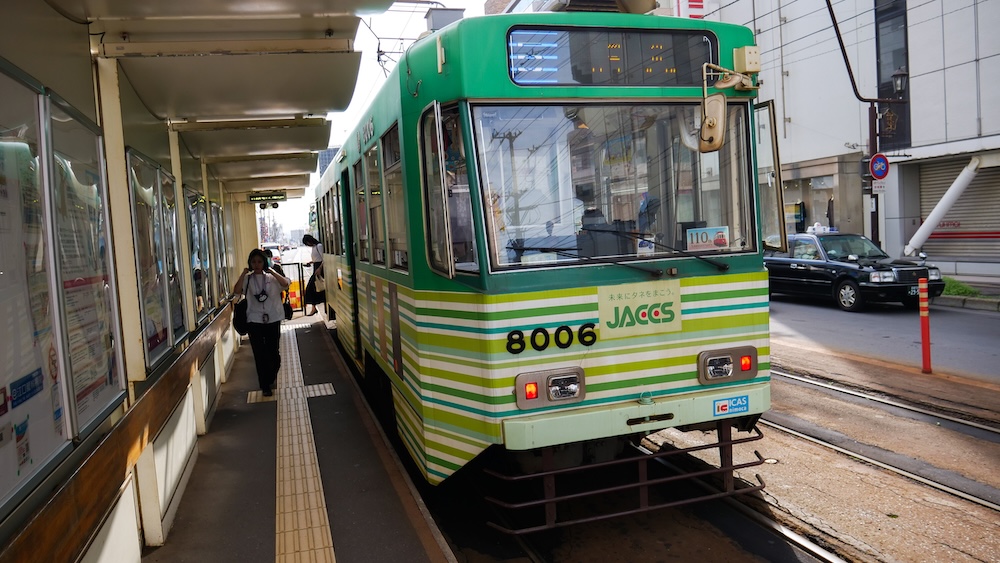
You don’t need a rental car for the city, the principal Onuma walking trails or Yunokawa. Audrey and I made good use of Hakodate’s trams, which mattered once we realized how spread out the attractions were.
I’d keep the public transport plan simple: trams for city sightseeing and Yunokawa, JR trains for Onuma, and a hotel location that reduces unnecessary crossings of town.
Tram fares and passes
The current adult tram fare is generally ¥250–¥300, while a one-day pass costs ¥800. There is also a separate ¥1,130 ticket valid for 24 hours from activation; unlike a one-day pass, that isn’t simply limited to the calendar day. Three ¥300 rides make the ¥800 pass worthwhile, but three ¥250 rides don’t. Buy for the journeys you’re actually making.
Supported Japanese IC cards, including Suica and PASMO, can also be used. Tap when boarding and again when getting off. For Yunokawa, allow approximately 30 minutes by tram from Hakodate Station, plus any walking required to reach your particular bathhouse or accommodation.
If you move to Yunokawa, check where your luggage will go between morning checkout and afternoon check-in. Properties may offer storage, but confirm directly; station-area lockers and luggage services have their own operating hours and limits. I wouldn’t combine the hotel move with the Onuma excursion. Keep that as a separate day while you’re based near the railway station, then transfer to Yunokawa when you can actually enjoy the property.
I’d avoid combining a hotel transfer with the Onuma excursion unless you had a particularly good reason. A relaxed morning, a straightforward move to Yunokawa and an afternoon enjoying the hot springs sound much more appealing.
What I’d change for bad weather or a slower trip
Five days give you some weather flexibility, provided your reservations don’t fix everything in place. We experienced humid climbs, rain that made museums appealing and wonderfully clear views during our own Hakodate visit.
I’d move Mt. Hakodate to a clear day rather than pay for a view of clouds. Use a poor-visibility afternoon for a museum, food or an indoor historic attraction instead.
Onuma is more weather-sensitive. Walking, boating and cycling work best when conditions suit them, and snow changes what routes are practical. Its normal walking paths aren’t cleared in winter, so check for separately operated winter activities rather than assuming the summer plan applies.
Yunokawa offers more flexibility if your main purpose is an indoor bath, but a specific ryokan reservation can make it harder to swap days. I’d keep the onsen overnight optional until you know your departure arrangements and priorities.
My verdict: Who should spend five days in Hakodate?
We arrived in Hakodate expecting three days to be plenty and left wanting longer. That enthusiasm came from the food, waterfront, neighbourhoods, trams and museums we actually experienced. I’d choose five days for a trip combining Hakodate’s city sights, a proper Onuma nature excursion and meaningful time in Yunokawa Onsen. If you only want the major city landmarks, a shorter itinerary will do the job.
For accommodation, I’d usually keep one hotel near Hakodate Station, unless a Yunokawa ryokan overnight is a genuine priority. I’d consider the split stay before an airport departure, but not automatically before an early train.
If Audrey and I return, I’d enjoy revisiting our old Hakodate favourites before finally exploring Onuma and Yunokawa. And after two good meals at Shunka Sushi, it wouldn’t take much convincing to go back for a third.
Frequently Asked Questions
Is five days too long for Hakodate?
Not if you want to explore beyond the main city attractions. Audrey and I spent roughly three days in Hakodate and left wishing we had longer. I’d use the extra time for a full day at Onuma Park and a slower visit to Yunokawa Onsen. If you’re only interested in the waterfront, Motomachi, Goryokaku and Mt. Hakodate, a shorter visit may be enough.
Can you follow this five-day Hakodate itinerary without renting a car?
Yes. Hakodate’s trams connect the main city sightseeing districts and Yunokawa Onsen, while JR trains serve Onuma Park. We relied on public transport during our own Hakodate visit. I’d choose accommodation near Hakodate Station to make the Onuma excursion and onward railway travel easier.
How do you get from Hakodate to Onuma Park?
Take a JR train from Hakodate Station to JR Onuma-Koen Station, about five minutes on foot from the main park area. Suitable limited expresses take around 30 minutes, while local trains may take approximately 50 minutes. Not every Hokuto limited express stops at Onuma-Koen, so check both your outbound and return trains carefully.
How much time should you spend at Onuma Park?
I’d allow three to five hours inside the park, excluding train travel. The established walking routes range from approximately 15 to 50 minutes, and you can add lunch, a seasonal boat ride or cycling. In winter, the ordinary walking paths aren’t cleared of snow, so the normal itinerary may need changing.
Can you visit Yunokawa Onsen without staying overnight?
Absolutely. Several Yunokawa hotels offer day-use hot-spring bathing, and there’s also a free public footbath near Yunokawa-onsen tram stop. Check individual bathing hours, towel arrangements and reservation requirements before arriving. We didn’t visit Yunokawa ourselves, but I’d consider a day-use bath the simplest option if you’re keeping one central Hakodate hotel.
Is it better to stay near Hakodate Station or in Yunokawa Onsen?
For this itinerary, I’d usually stay near Hakodate Station because it’s convenient for the waterfront, trams and Onuma train excursion. A final night in Yunokawa makes more sense if you specifically want a ryokan or onsen-hotel experience, particularly before flying from nearby Hakodate Airport. For an early onward train, I’d generally keep the central hotel.
What should you do if the weather is bad in Hakodate?
I’d move Mt. Hakodate to a clearer day rather than spend money on a cloud-covered viewpoint. Hakodate’s museums and historic interiors make useful alternatives. Onuma is more weather-sensitive because walking, boating and cycling depend on conditions, while Yunokawa can be a more comfortable choice when your main plan is indoor bathing.
This guide is also available in Spanish. [Leé la versión en castellano: Itinerario de 5 días en Hakodate: paseos por la ciudad, Yunokawa Onsen y Parque Onuma]
This article contains affiliate links. If you book through one of these links, I may earn a commission at no extra cost to you.