
By the time Audrey and I finished exploring Sapporo, I’d reached a conclusion I wasn’t expecting: it might be the most livable big Japanese city I’d visited. Tokyo, Kyoto and Osaka have their own advantages, but Sapporo won me over with excellent public transportation, pleasant streets and a surprising amount of greenery. Audrey noticed the tree-lined avenues too, particularly how spacious the city felt compared with Tokyo.
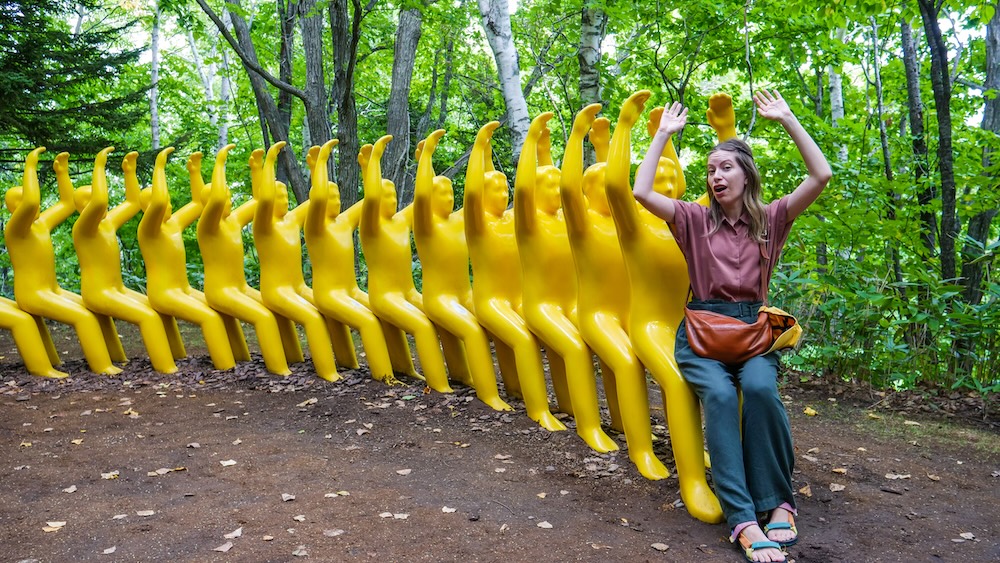
We explored four quite different green spaces: Maruyama Park, Nakajima Park, Odori Park and Sapporo Art Park. One delivered a proper forest atmosphere, another had some of the most beautiful Japanese landscaping we encountered, and a third was exactly where we needed to be when September decided to turn unexpectedly hot. My favourite was Maruyama, but I wouldn’t send everyone there. The right choice depends on whether you want trees, gardens, art, a convenient stroll or a more serious hike.
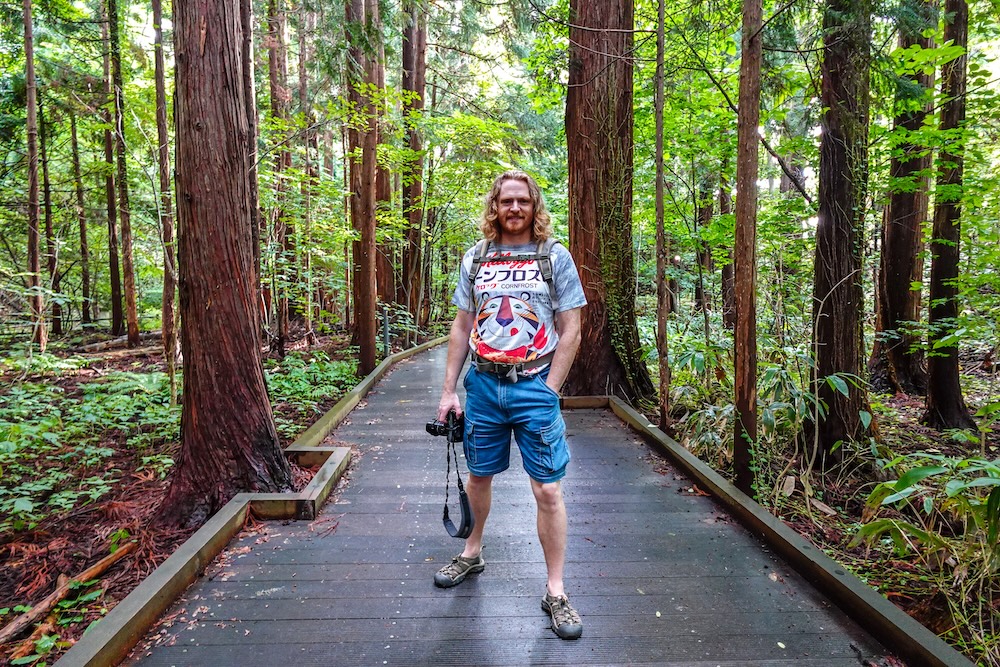
Which Sapporo Park Should You Visit?
Sapporo’s greenery ranges from downtown lawns to protected woodland. The city even has a Circular Greenbelt Concept that incorporates urban parks and surrounding natural landscapes, although I certainly wasn’t thinking about urban planning while admiring the trees. Here’s how I’d compare the four places we actually visited.
| Park | Best for | Getting there | Time to allow | Cost and walking |
|---|---|---|---|---|
| Maruyama | Woodland and hiking | Tozai subway; short walk | 1–2+ hours; longer for summit | Free park; easy paths or steep forest trails |
| Nakajima | Ponds and Japanese gardens | Namboku subway to Nakajima-koen | 45–90 minutes | Free park; seasonal enclosed garden |
| Odori | Downtown green break | Odori Station or walk | 15–45 minutes | Free; urban paths |
| Sapporo Art Park | Outdoor sculpture and trees | Namboku subway to Makomanai, then bus | About 2 hours, plus travel | Free wider grounds; ticketed, hilly Sculpture Garden |
Those are suggested allowances, not timings from a stopwatch. Maruyama can be a relaxed park-and-shrine visit or a much longer hike, while Art Park requires considerably more travel than Odori. I’ll also cover Moerenuma and Asahiyama Memorial Park as additional options; we haven’t visited those two ourselves.
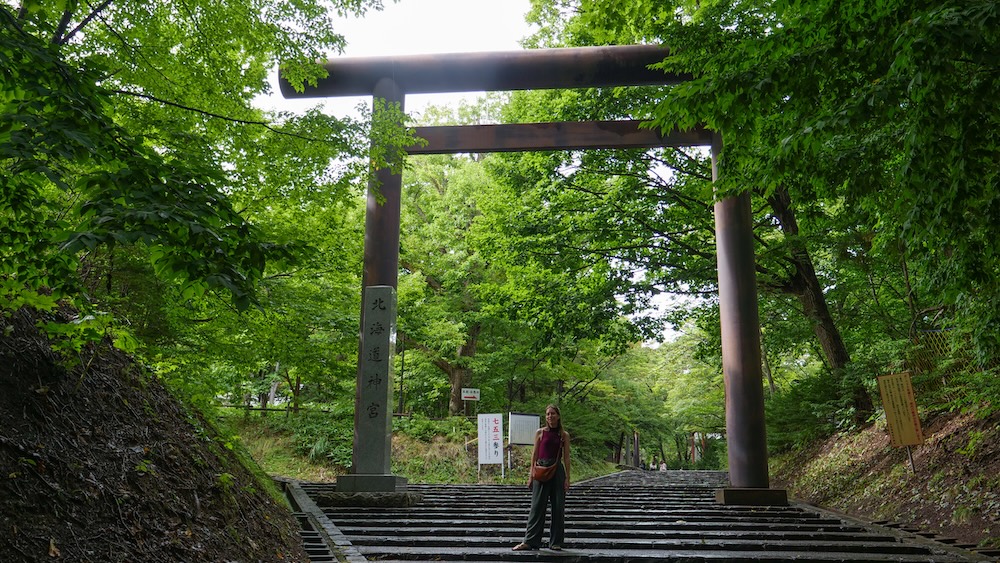
Maruyama Park: My Favourite Nature Escape in Sapporo
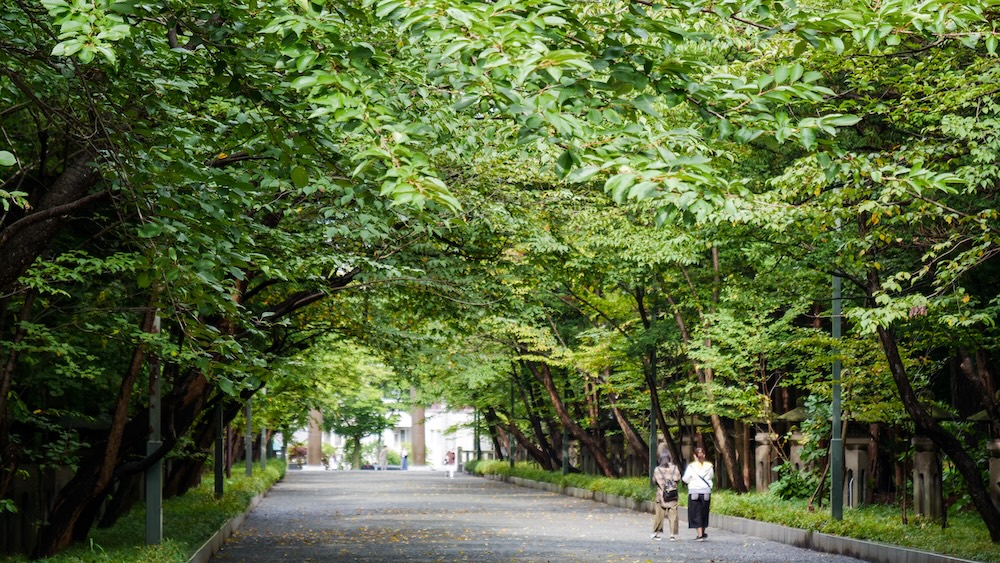
Maruyama was where Sapporo stopped feeling like a big city. Audrey and I went to see Hokkaido Jingu and explore the surrounding woodland, and after some rain the whole place looked almost ridiculously lush. Huge trees towered over the paths, vegetation crowded around us, and we encountered relatively few other people. The trees around the shrine were especially impressive.
What struck me was the scale of the forest so close to the city. We’d enjoyed Sapporo’s gardens and tree-lined streets, but this felt different: it was an actual woodland environment rather than a carefully arranged patch of greenery. Better still, we’d barely scratched the surface of what could be explored. I came away wanting another afternoon here, preferably with far more time for hiking.
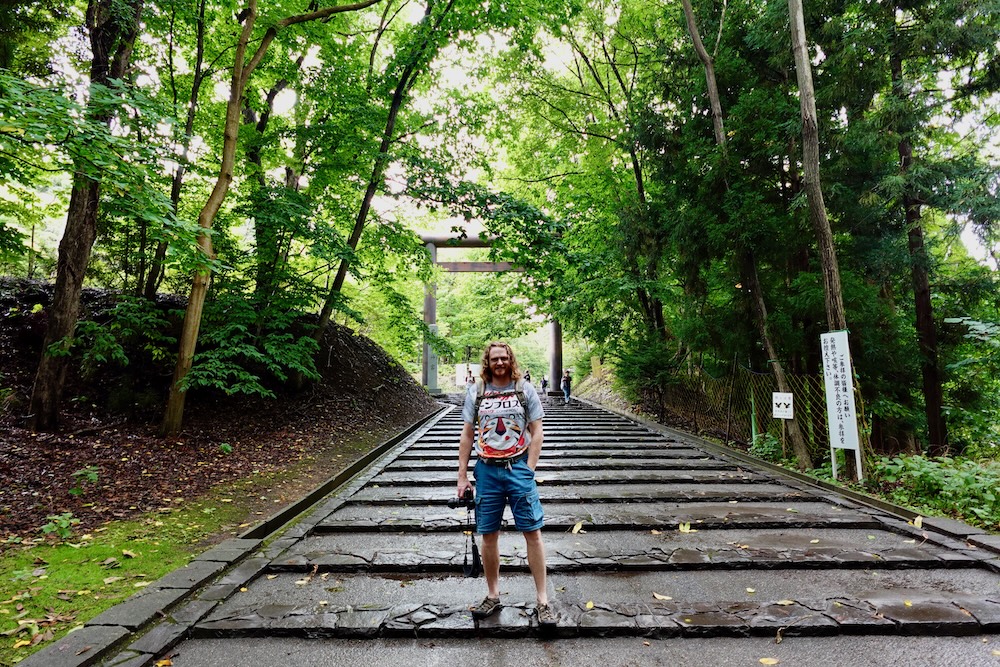
Park Walk or Mount Maruyama Hike?
These are two different commitments. Maruyama Park is roughly a five-minute walk from Maruyama-Koen Station on the Tozai line, and you can enjoy the mature trees, ordinary paths and Hokkaido Jingu without climbing a mountain. That would be my recommendation if you want a fairly relaxed outing.
Mount Maruyama, meanwhile, reaches approximately 225 metres above sea level. The Maruyama-Hachijuhakkasho Trail climbs through forest past numerous Kannon statues. Walking estimates for the ascent vary from around 30 minutes to an hour depending on route, pace and conditions; allow time for the descent as well. We didn’t complete the summit hike, so I’m not going to pretend I know its every bend. It’s firmly on my return list.
If you’d prefer guidance, there are two quite different bookable options. A short guided Hokkaido Shrine visit with local sweets focuses on the shrine and its customs, not a summit hike. A separate full-day Mount Maruyama hike and Okurayama outing includes a guided forest climb and Olympic-site sightseeing. The latter is a substantially bigger, more physical day than visiting the park independently.
We also encountered bear-warning signs, which got our attention even as Canadians accustomed to the idea of bear country. Brown bears occur in Sapporo’s wider forested areas, and activity can lead to warnings or temporary closures. Before hiking, check Sapporo City’s current Central Ward bear sightings and relevant park or trail notices. Snow and ice turn a pleasant green-season walk into a different proposition altogether.
For genuine nature immersion, Maruyama is still my first choice. Just don’t confuse reaching the public park with being ready for the summit trail.
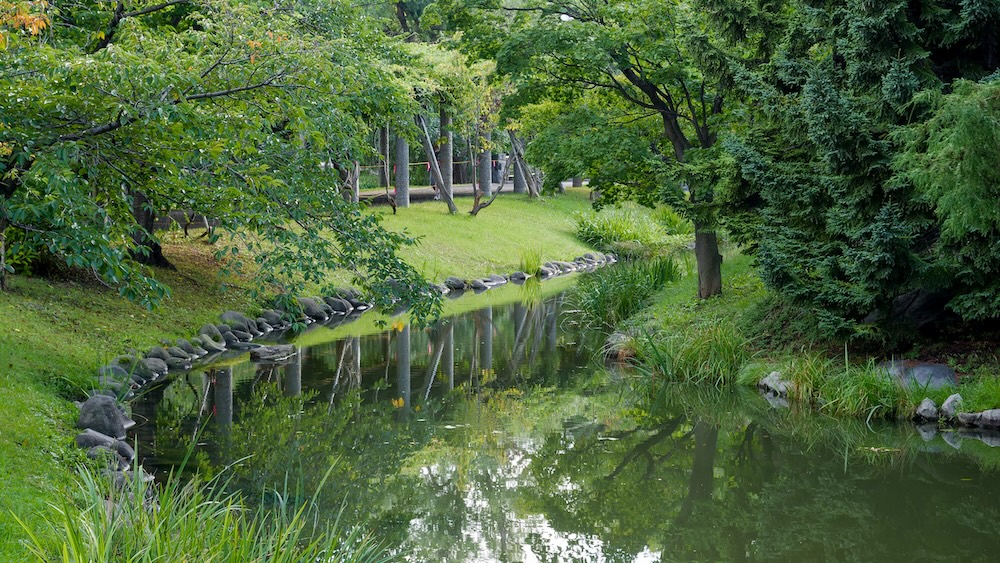
Nakajima Park: Best for Japanese Gardens and Relaxed Walks
We stayed near Nakajima Park, with our hotel overlooking the greenery, so we could wander over without turning it into a separate excursion. Across roughly 24 hectares, you’ll find tree-lined paths, Shobu Pond and cultural buildings including the blue-and-white Hoheikan. Unlike Maruyama, it isn’t asking you to choose between a park walk and a forest climb. The pleasure is in taking your time.
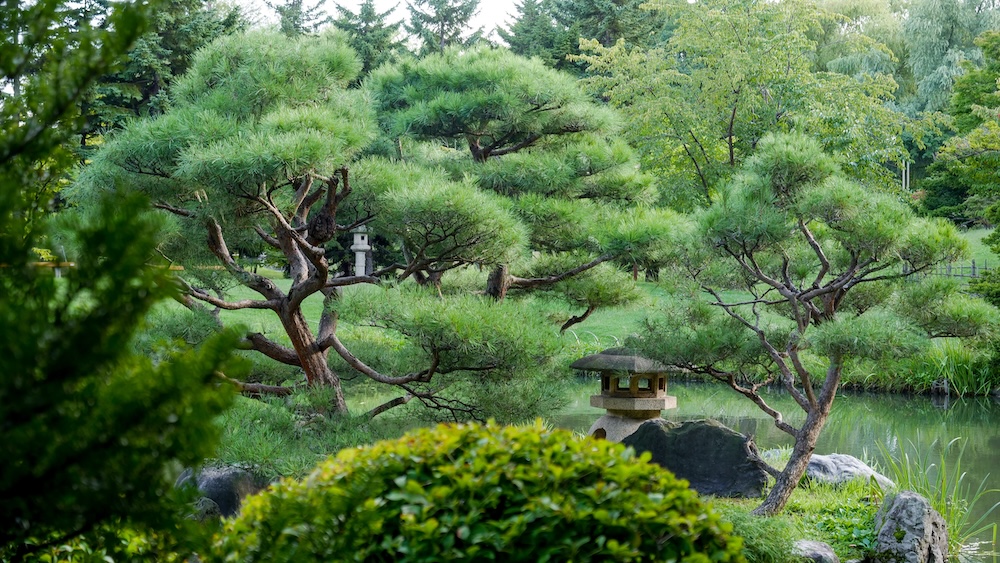
The Japanese Garden was my highlight. At first the large wooden entrance gate gave surprisingly little away. We followed the path, and then the landscaping opened up: sculpted pines, ornamental rocks, stone lanterns, water and a small arched bridge. Audrey was particularly impressed by how immaculate and harmonious everything looked. I’m not usually someone who spends much time contemplating pine-tree pruning, but here I was, doing exactly that.
We crossed stepping stones over shallow water, spotted squirrels among the shrubs and enjoyed how quiet it was during our visit. If gardens appeal to you more than climbing through forest, I’d put Nakajima ahead of Maruyama without hesitation. Nakajima-koen Station on the Namboku line also makes it easy to reach from central Sapporo.
One catch: the enclosed Japanese Garden usually opens from late April to early November, rather than year-round. The wider public park remains accessible in winter, so check the current Nakajima Park announcements if that’s the feature you’re coming to see.
Staying nearby worked nicely for us because we could enjoy the park without sacrificing access to the rest of the city. If you’d like a similar base, you can compare hotels around Nakajima Park. I wouldn’t claim to have tested the individual properties in that listing, but the area itself was convenient for our visit.
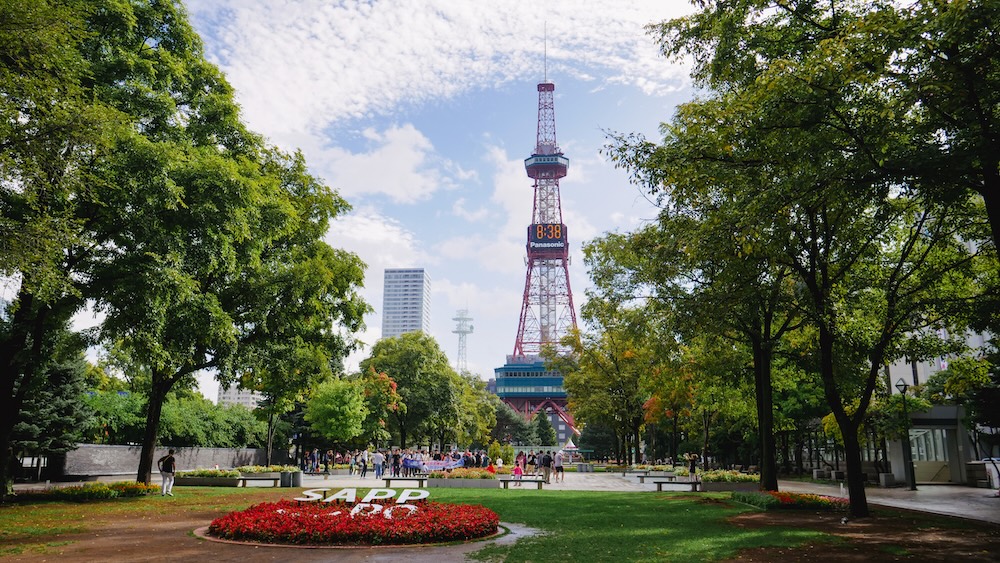
Odori Park: The Best Green Break Downtown
Odori is the park I’d fit into almost any first visit to Sapporo, largely because you don’t have to go out of your way to enjoy it. The long, narrow green corridor stretches about 1.5 kilometres across twelve downtown blocks, with lawns, fountains, trees and flowerbeds. Its shape goes back to a firebreak established in 1871, but today it’s a place to stroll, take a break or connect central attractions.
Audrey and I were grateful for that last purpose. Despite visiting in September, we encountered temperatures around 30°C, and after a morning of walking Audrey was struggling with the heat and humidity. Soft-serve ice cream and water became the order of the day. She described the break as bringing her back to life, and I wasn’t about to argue.
Our visit also coincided with Sapporo Autumn Fest, when food stalls brought a completely different energy to the park. Odori hosts seasonal events, so don’t assume it will always feel quiet. You can walk all twelve blocks or simply enjoy the section near Sapporo TV Tower. For a quick downtown stroll, it’s hard to beat; for towering trees and woodland solitude, I’d still head to Maruyama.
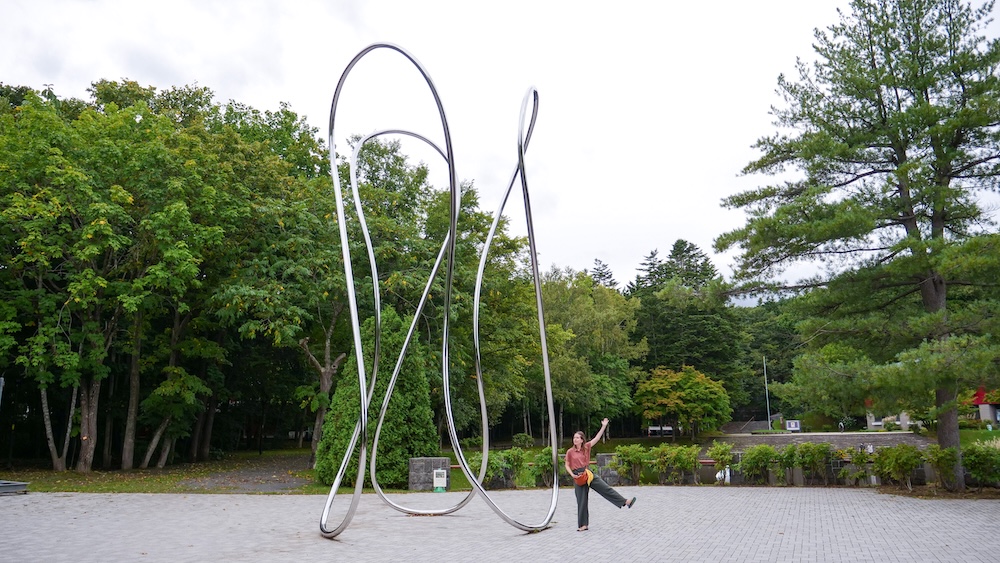
Sapporo Art Park: Outdoor Sculpture in the Woods
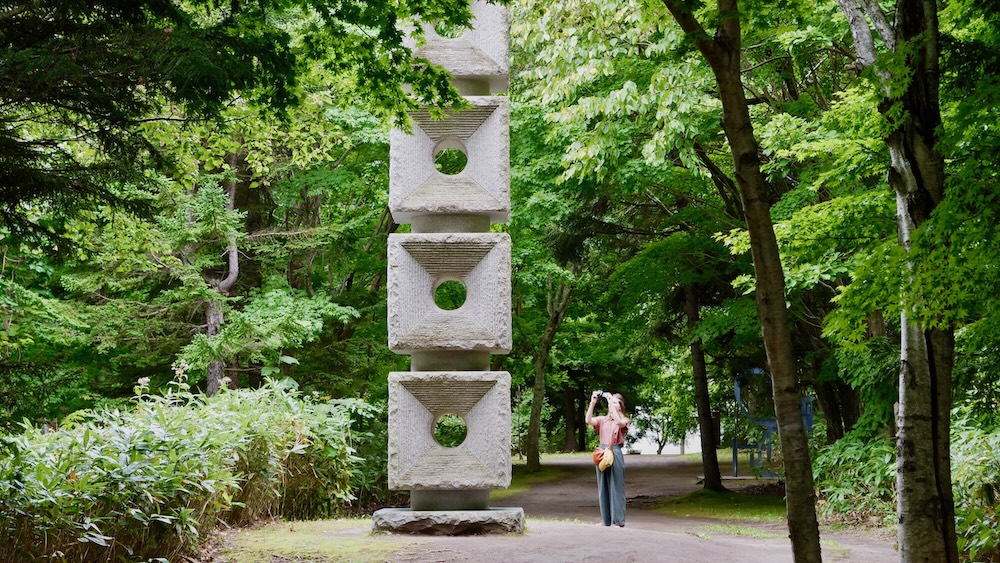
Sapporo Art Park required considerably more effort to reach. Audrey and I visited during a southern-Sapporo outing that also took us to Makomanai Takino Cemetery, with its Moai statues, Hill of the Buddha and Stonehenge replica. We focused on the outdoor Sculpture Garden rather than trying to see every facility.
I hadn’t expected to enjoy the natural surroundings quite so much. Wooded paths wound uphill through mossy greenery, small streams and stepping stones, with sculptures appearing between stretches of forest. Sometimes the most enjoyable part was simply hearing the running water. The art gave us something to discover as we walked without making the trees feel like background decoration.
The wider complex covers approximately 40 hectares, and its Sculpture Garden contains 74 works by 64 artists. General access to Art Park is free, but the Sculpture Garden is separately ticketed: the operator lists adult admission at ¥800 and specifies cash payment. The regular outdoor season runs from April 29 to November 3; other facilities follow their own schedules. Check current Sapporo Art Park admission and opening information before setting off.
Without a car, take the Namboku subway to Makomanai, then a Chuo Bus toward Art Park. The operator estimates about 17 minutes by subway from Sapporo Station and another 15 minutes on the bus, excluding waits and transfers. For the Sculpture Garden, Geijutsu no mori Center is more convenient than Geijutsu no mori iriguchi if your bus serves it; otherwise there’s an additional walk. I’d budget roughly two hours for the outdoor sculptures, plus travel.
This isn’t where I’d send somebody who just wants a few trees. But for a proper walk among sculpture and woodland, it’s a distinctive outing, particularly if you’re already exploring southern Sapporo.
Two More Sapporo Green Spaces Worth Considering
We didn’t visit these next two parks, so I can’t give you firsthand impressions. Their different settings still make them worth weighing against the four we explored.
Moerenuma Park: Landscape Design on a Bigger Scale
Artist Isamu Noguchi conceived Moerenuma Park as an entire landscape functioning as one sculpture. Its approximately 190 hectares in northeastern Sapporo contain vast open areas, geometric landforms, Mount Moere and the Glass Pyramid. That’s a different idea from Sapporo Art Park, where individual artworks sit among wooded paths. Moerenuma looks especially relevant if you like landscape architecture, spacious surroundings or cycling.
General admission is free and the grounds operate year-round, although entrances and recreational facilities have seasonal limitations; the East Entrance is the year-round approach. Public transport normally involves the Toho subway toward Kanjodori-higashi followed by a bus. Given the distance and scale, I’d plan a dedicated outing rather than squeeze it between downtown stops.
Asahiyama Memorial Park: Greenery With a City View
Asahiyama Memorial Park is the option I’d investigate if panoramic views matter most. Its observation area sits about 137.5 metres above sea level, overlooking Sapporo and the Ishikari Plain, with possible views toward the Sea of Japan in clear weather. It also has wooded surroundings and walking space.
A bus from Maruyama-koen Station takes approximately 15 minutes, followed by a short walk, but that doesn’t include getting to the station or waiting for the bus. Parking and facility hours differ, and nearby bear habitat means wildlife-related access notices matter here too. I’d check those details before making a special trip for the viewpoint.
How to Choose by Time, Season and Walking Effort
If you’ve got half an hour between central attractions, Odori makes obvious sense. With an hour or two for ponds and landscaped paths, choose Nakajima. I’d save Maruyama for a more substantial outing, especially if Hokkaido Jingu and forest walking appeal to you. Sapporo Art Park, Moerenuma and Asahiyama involve enough additional travel that I’d pick them for their specific appeal—sculpture, landscape design or a viewpoint—not simply to tick off another park.
The seasons can also change your decision. Cherry blossoms at Maruyama usually appear around late April to early May, while Nakajima and Maruyama have autumn foliage later in the year. Odori’s events alter its atmosphere, and the Japanese Garden at Nakajima and Sculpture Garden at Art Park close for part of the colder season. Moerenuma’s parkland remains available in winter, though its individual activities vary. If you’re considering snowy mountain trails, check local conditions and consider qualified guidance rather than treating a winter ascent like an ordinary park stroll.
Accessibility needs the same route-by-route thinking. A park can have accessible facilities and relatively level paths while its forest trails, hills or sculpture grounds involve steps and uneven surfaces. Don’t assume every part of these large spaces will suit a stroller or limited mobility.
Which Sapporo Green Space Would I Return To?
Maruyama, without much hesitation. I loved the towering trees, the quiet woodland and the remarkable feeling of leaving a major city behind without actually leaving it. More than anything, I want to return because there’s still so much of the forest we didn’t explore.
I’d also revisit Nakajima’s Japanese Garden in a heartbeat. I can still picture the moment the landscaping opened up beyond the entrance, and Audrey’s delight at how beautifully everything fitted together. Odori would naturally feature in another downtown day, while Art Park would be worth revisiting if we were heading south again.
You don’t need to collect every park in Sapporo to appreciate the city’s greenery. Pick the experience you actually want and give it the time it deserves. If I had one free afternoon for nature, though, you’d find me back among Maruyama’s trees—with much more time on my hands.
Frequently Asked Questions
What is the best park to visit in Sapporo?
Maruyama Park is my personal favourite because of its towering trees, woodland atmosphere and opportunities for additional hiking. If you prefer carefully landscaped gardens and relaxed walking, Nakajima Park may be a better choice. Odori Park is the most convenient option for a short downtown break.
Can you visit Sapporo’s best parks without a car?
Yes. Maruyama Park is a short walk from Maruyama-Koen Station on the Tozai subway line, while Nakajima Park is beside Nakajima-koen Station on the Namboku line. Odori Park is centrally located and easy to explore on foot. Sapporo Art Park and Moerenuma Park require additional bus connections.
Is Maruyama Park suitable for an easy walk, or do you need to hike?
You can enjoy Maruyama Park’s ordinary walking paths, mature trees and Hokkaido Jingu Shrine without climbing Mount Maruyama. The mountain’s forest trails are a separate, more demanding activity. We enjoyed the woodland surroundings but didn’t complete the summit hike ourselves.
How much time should I allow for Sapporo’s parks?
I’d allow approximately 15–45 minutes for a casual stop at Odori Park, 45–90 minutes for Nakajima Park and at least 1–2 hours for Maruyama Park. Hiking Mount Maruyama requires additional time. For Sapporo Art Park’s outdoor Sculpture Garden, plan around two hours on-site plus transportation.
Are Sapporo’s parks worth visiting in winter?
Several public parks remain accessible in winter, including the wider Nakajima Park, Odori Park and Moerenuma Park. However, Nakajima’s enclosed Japanese Garden and Sapporo Art Park’s regular outdoor Sculpture Garden have seasonal closures. Snow and ice also make Mount Maruyama’s hiking trails a different undertaking from an ordinary park walk.
Is Sapporo Art Park free to visit?
General access to the wider Sapporo Art Park grounds is free, but its outdoor Sculpture Garden charges admission. The operator-listed adult price was ¥800 when this article was researched, with cash payment specified for that attraction. Check current admission details and seasonal opening dates before visiting.
This guide is also available in Spanish. [Leé la versión en castellano: Mejores parques y escapadas a la naturaleza en Sapporo: ¿cuáles valen la pena?]
This article contains affiliate links. If you book through one of these links, I may earn a commission at no extra cost to you.