
I don’t often leave a place after twenty minutes thinking, we really should have given that more time. Audrey and I had other places to film, but I didn’t want to move on from Maruyama. We’d found ourselves among enormous trees on a wooden walkway, surrounded by greenery, while still very much in Sapporo.
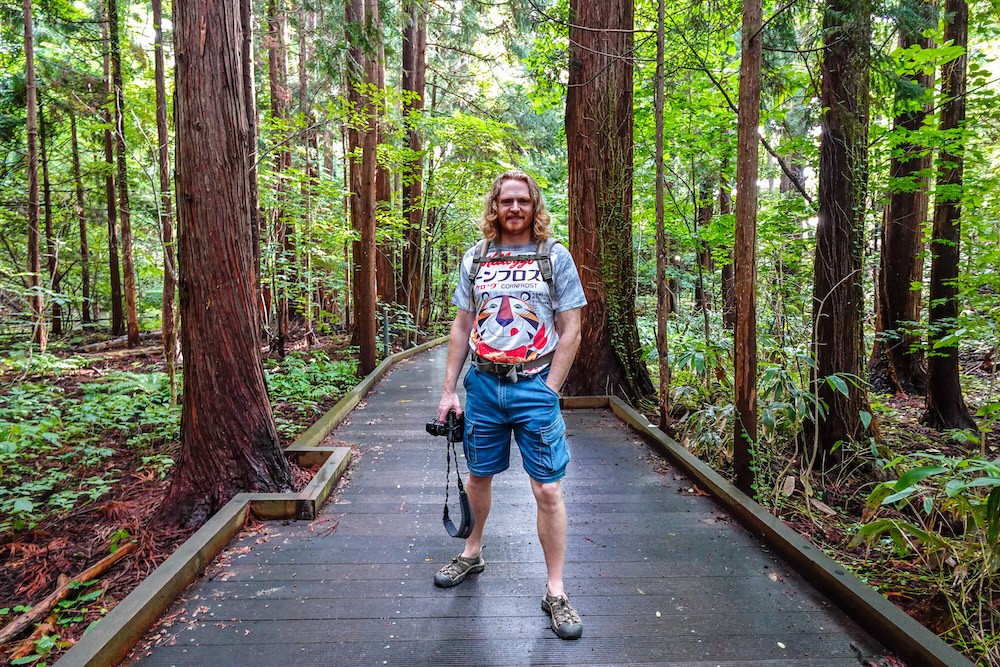
I knew the city had parks. I hadn’t quite expected this. We weren’t out in the countryside, and we hadn’t climbed a mountain to find it. We were taking a short walk, occasionally stopping to look up at trees that made us seem ridiculously small. If you like being in the woods but aren’t interested in hiking to a summit, there’s a worthwhile outing here. Just be clear about which part of Maruyama you’re heading for.
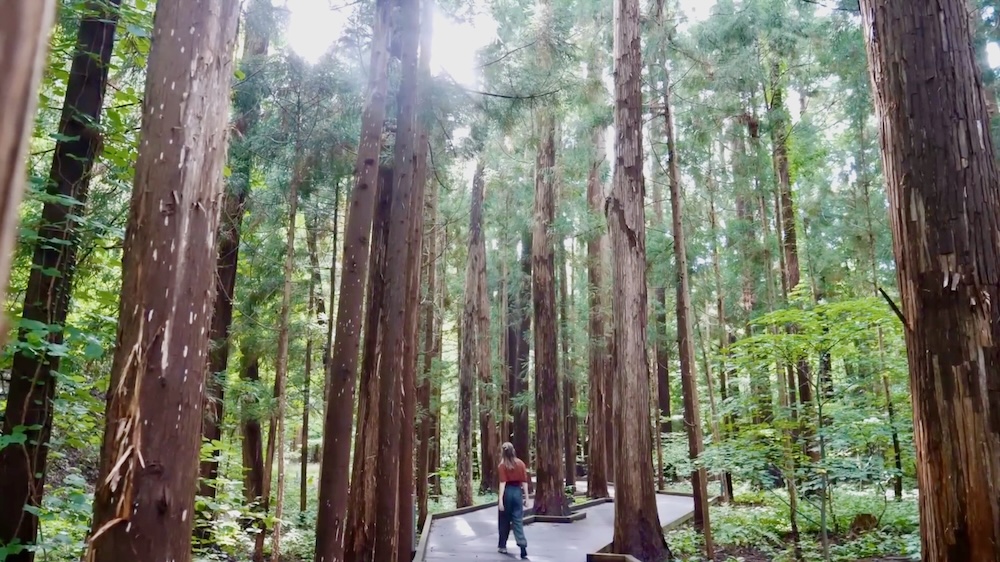
The Giant Trees Were Worth the Trip Alone
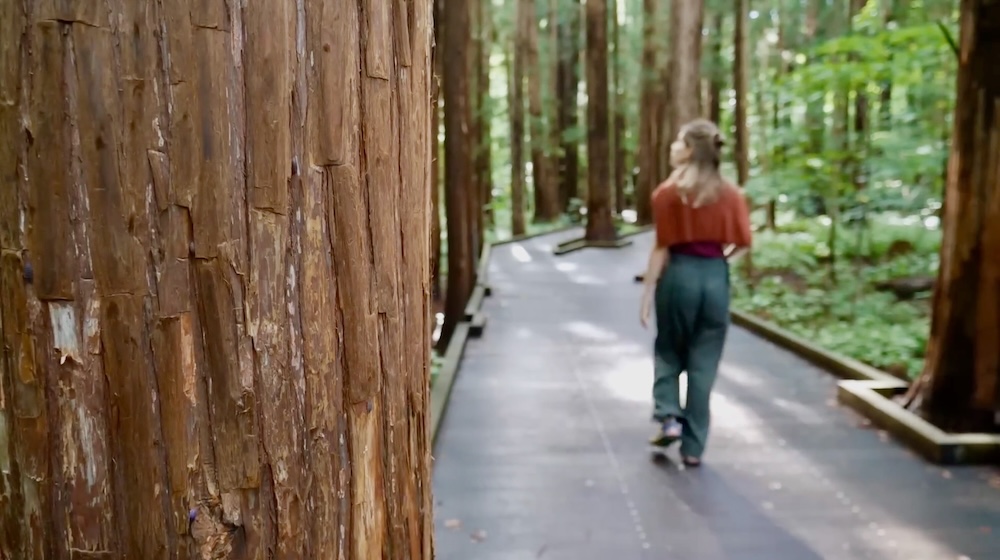
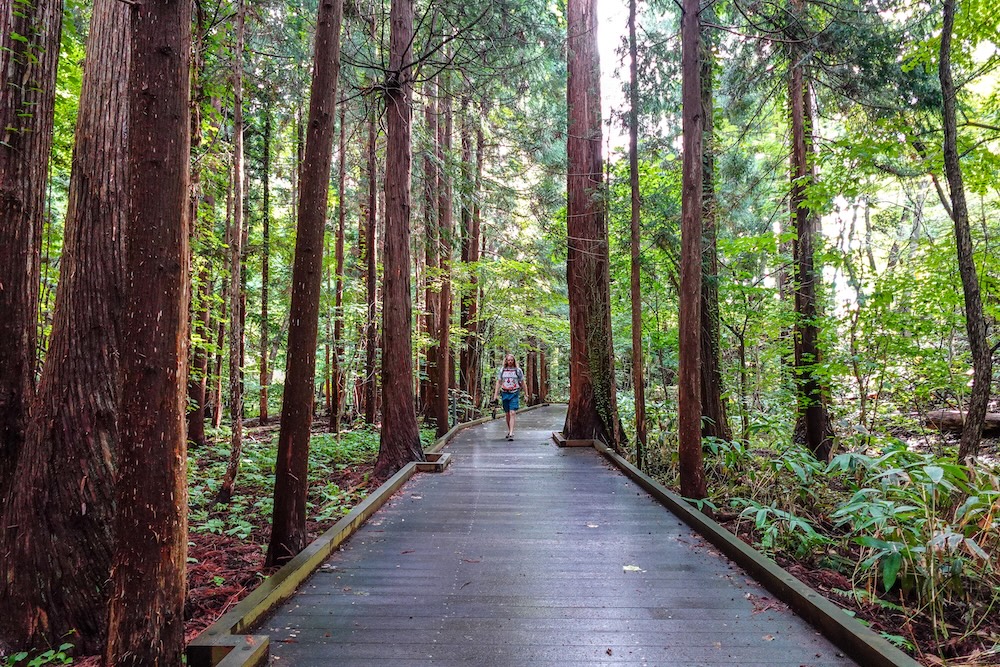
We’d spent plenty of time exploring Sapporo’s streets, so the change in surroundings was immediate. Our wooden path curved between thick trunks and dense undergrowth. The boards were damp after rain, and the place looked wonderfully green. We photographed each other beside the trees, partly because standing next to one was about the only way to show how big the things actually were.
The funny part was remembering that we were in one of Japan’s major cities. You could come here on the subway, walk into the trees and feel far removed from the shops and traffic you’d left behind. For me, that’s one of Sapporo’s great strengths: you don’t need to arrange some elaborate excursion to get a proper dose of nature. It was quiet in the sections we explored, although I wouldn’t expect solitude every time.
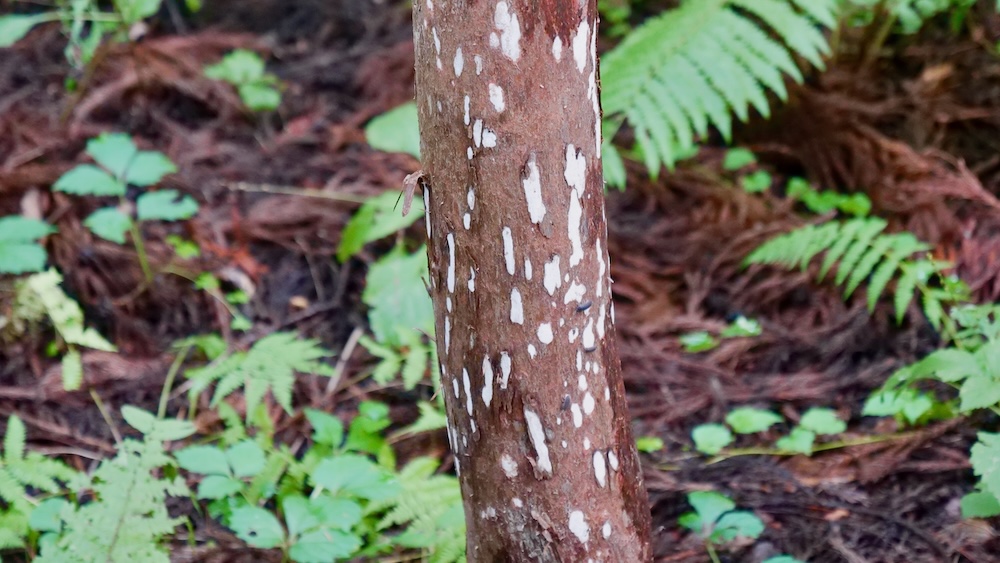
There’s a detail here that makes the setting more interesting than the name alone suggests. Maruyama Primeval Forest is the protected woodland on the mountain, designated a national natural monument in 1921. Beside it, the park has its own impressive trees. The Japanese cedars, or sugi, lining the wooden walkway toward Maruyama Zoo were planted in 1890 as part of a former nursery. They’ve had plenty of time to grow into giants.
That distinction matters because the huge trees beside a park boardwalk aren’t automatically untouched ancient forest. The cedar-lined route is a close match for the walkway we followed, although I couldn’t retrace our exact turnaround point now. We stayed on the boards throughout; we didn’t venture onto the mountain trails. And I came away delighted with what we’d seen.
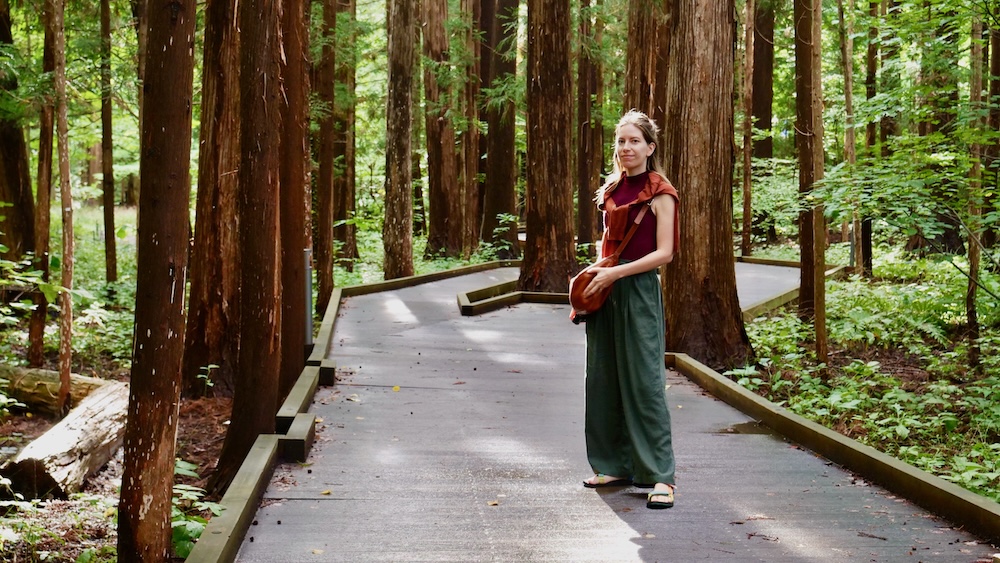
A Forest Walk Without Climbing Mount Maruyama
You can absolutely enjoy this part of Sapporo without hiking to the summit. Our visit was the proof of that, albeit a rather rushed one. We spent roughly 15–20 minutes wandering along the boardwalk, taking in the trees and shooting photographs before our filming schedule pulled us onward. If we’d had a free afternoon, I would happily have spent a lot longer there.
For a similar experience, head through Maruyama Park toward Maruyama Zoo and look for the wooded greenway and its timber walkway. The mountain hiking paths branch away separately, so pay attention when the signs point uphill. You can simply explore the wooded approach and turn around when you’ve had enough. The official Maruyama Park map is useful for sorting out which path goes where.
I’d keep one practical caveat in mind: wooden boards don’t automatically mean a completely flat, barrier-free walk. The surface was wet when we visited, and conditions can change with rain, snow and ice. The park has some accessible facilities, but that doesn’t certify the forest boardwalk as wheelchair-accessible. If that’s important for your visit, check the park’s accessibility information before setting out.
Don’t use our fifteen or twenty minutes as a suggested time limit. I’d leave room to wander and look up without thinking about the next stop.
What If You Want to Hike to the Summit?
Mount Maruyama rises to roughly 225 metres above sea level. It’s not an enormous mountain, but heading up it is a different activity from following the boardwalk. One established approach, the Hachijuhakkasho trail, starts near the Daishido hall and passes a series of Kannon statues on the way up. From the summit there are views over Sapporo. We didn’t go up, so I can’t give you a personal verdict on the climb or the panorama.
Published estimates for the ascent vary from about 30–40 minutes to around an hour, depending on the route and pace. Add time to descend, plus whatever stops you make along the way. The city’s 2.7-kilometre figure covers the natural-trail system, not our boardwalk stroll or a single one-way ascent.
| Your priority | Better choice | What changes |
|---|---|---|
| Giant trees, a short walk and a break from the city | The wooden greenway toward the zoo | Flexible turnaround, no summit commitment |
| A proper uphill walk and a viewpoint over Sapporo | A designated Mount Maruyama summit trail | Natural trail footing, climbing and time for the descent |
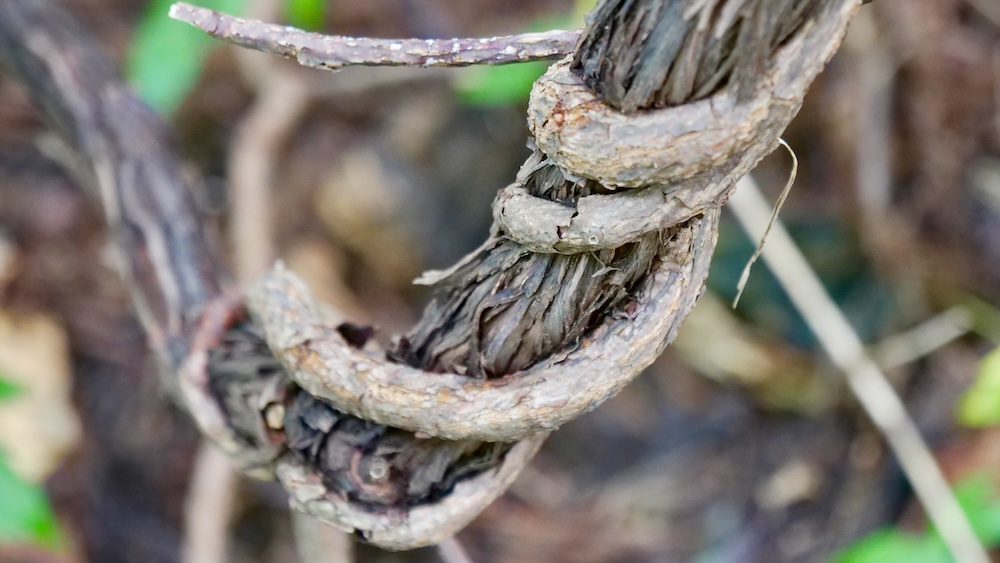
If you’re heading uphill, wear shoes with grip and budget for the whole return trip. Snowy conditions change the equation enough that local guidance recommends hiking with a guide in winter. I wouldn’t transfer the easygoing expectations of our boardwalk walk to the mountain trails just because they’re in the same neighbourhood.
If you’d rather hike with a local guide, there’s a guided morning hike in Sapporo offering Mount Maruyama among several possible mountains, selected for the group’s abilities. It’s a summit outing, not a guided version of our boardwalk stroll, and we didn’t book it.
Or, for a completely different commitment, a full-day Mount Maruyama hike and Okurayama ski-jump tour combines the climb with the Sapporo Olympic Museum and Okurayama viewpoint. That’s a roughly ten-hour itinerary, not something I’d suggest if you just want to admire the trees.
About Those Bear-Warning Signs
We encountered signs warning about bears. That didn’t shock either of us. Audrey and I are Canadians, and we’ve seen plenty of bears back home. Of course, familiarity shouldn’t be confused with being careless. We respect bears, give them distance and don’t imagine that a hike in the woods comes with some Disney-style guarantee that the wildlife will behave itself.
Hokkaido is brown-bear country, including wooded areas close to Sapporo. The signs are worth taking seriously even if you’re planning only a short visit. Before heading out, check the Chuo Ward bear-sighting notices and any park restrictions. Sapporo City’s bear-safety guidance advises making your presence known on woodland trails, keeping food waste with you, and turning back if you see evidence of recent bear activity.
If you encounter a bear, don’t run. Stay calm, avoid provoking it and retreat slowly when it’s safe to do so. Never approach cubs. The city’s guidance is worth reading in full rather than relying on a few lines in a travel article.
This isn’t just a warning for people tackling the summit. The wooden walkway itself was temporarily closed in November 2025 after suspected bear tracks were found near the zoo; access was restored later that month. It doesn’t mean the walkway is closed today, but it does mean you should check the latest notices. And within the designated primeval forest, stick to the official trails—going off-route without authorization can breach the rules protecting the natural monument.
Getting There—and Making More Time Than We Did
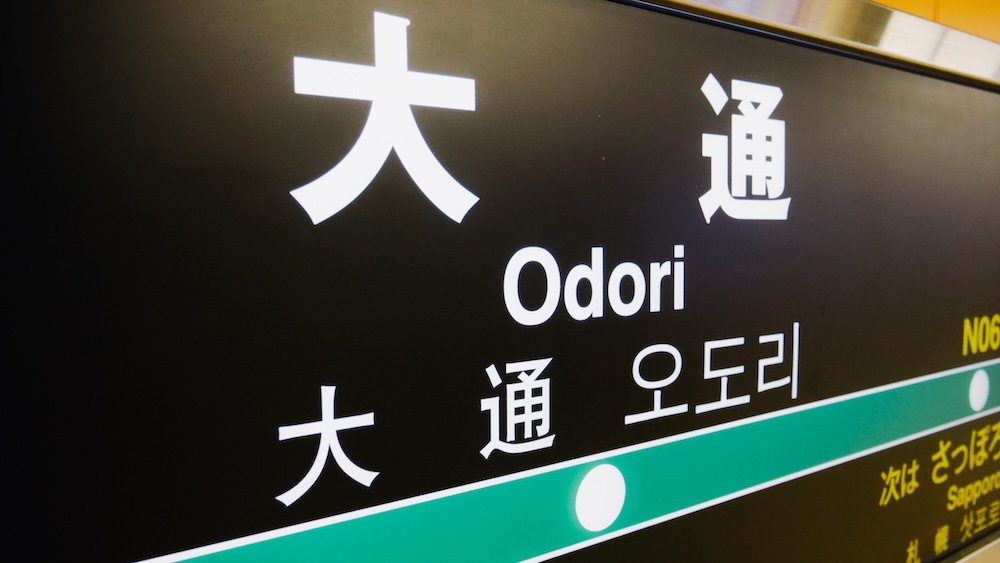
Take Sapporo’s Tozai subway line to Maruyama-koen Station. From Exit 3, it’s approximately five minutes on foot to Maruyama Park, then farther to the forest-side boardwalk in the direction of the zoo. Municipal walking directions describe the cedar stand at roughly five minutes along that greenway. That isn’t five minutes from the subway, so allow time to reach the actual trees. If you’re unsure where the paths split, use the park map rather than following any uphill sign and hoping for the best.
If you’re still choosing a Sapporo base, I’d favour Odori rather than moving hotels just to be near this short walk. The Tozai Line goes directly to Maruyama-koen; you can compare hotels around Odori for your dates.
The park and mountain trails don’t charge admission; the zoo is a separate attraction. Before visiting, check the park’s current notices for closures or changes to access. Wet boards, winter conditions and wildlife alerts can all make a difference.
You can combine this walk with Maruyama Park and Hokkaido Jingu, as we did on our broader western Sapporo outing. Just don’t make the forest the part of the day that gets whatever time is left over. I loved standing beside those enormous trees, and the best compliment I can pay the place is that twenty minutes felt nowhere near enough. Next time, I’d clear the schedule a little and let the forest have its turn.
Frequently Asked Questions
Can you visit Maruyama’s giant trees without hiking to the summit?
Absolutely. Audrey and I stayed on the wooden walkway through the forested area near Maruyama Park and found it worthwhile without attempting the mountain. For a similar experience, follow the wooded greenway toward Maruyama Zoo rather than the designated uphill hiking trails.
How long does the Maruyama forest walk take?
We spent approximately 15–20 minutes exploring the wooden boardwalk, but that was because we had other places to film. It wasn’t a timed route or a complete circuit. I’d allow longer to appreciate the trees, plus additional time to walk from Maruyama-koen Station.
Are the giant trees part of Maruyama Primeval Forest?
The protected primeval forest covers woodland on Mount Maruyama, but the adjoining park also has impressive trees. The Japanese cedars along the wooden walkway toward Maruyama Zoo were planted in 1890 as part of a former nursery. The planted grove and protected mountain forest shouldn’t be confused.
How difficult is the Mount Maruyama summit hike?
It’s a different undertaking from the wooden boardwalk. The summit reaches approximately 225 metres above sea level, and published uphill estimates range from about 30–40 minutes to an hour, depending on the route and pace. Allow time for the descent and wear footwear with good grip. We didn’t attempt the summit ourselves.
Are there bears around Maruyama Forest?
Hokkaido is brown-bear country, and we encountered bear-warning signs during our visit. Check Sapporo City’s current sighting notices and park restrictions before entering wooded areas. Stay alert, keep your distance from wildlife and follow official instructions. Temporary closures can affect even the wooden walkway.
How do you get to the Maruyama forest boardwalk from central Sapporo?
Take the Tozai subway line to Maruyama-koen Station. From Exit 3, it’s approximately five minutes on foot to Maruyama Park, with additional walking to reach the forest-side boardwalk toward Maruyama Zoo. Use the official park map to distinguish the wooded greenway from the mountain hiking trails.
Is the Maruyama forest boardwalk wheelchair-accessible?
Don’t assume that the wooden surface makes the entire route barrier-free. The park has some accessible facilities, but that doesn’t establish the accessibility of the boardwalk itself. Wet weather, snow and ice may also affect conditions. Check the park’s accessibility information before planning a visit with mobility requirements.
This guide is also available in Spanish. [Leé la versión en castellano: Paseo por el bosque primario de Maruyama en Sapporo: árboles gigantes, avisos de osos y rutas de senderismo]
This article contains affiliate links. If you book through one of these links, I may earn a commission at no extra cost to you.