
Sapporo kept surprising me with how much room it had to breathe. We’d spent plenty of time among the shops, restaurants and busy streets, but when Audrey and I headed west to Maruyama Park, we wanted something different: trees, walking paths and a few hours away from shopfronts and traffic. Hokkaido Jingu Shrine was on our list, and I’d also read about the primeval forest on the slopes of Mt. Maruyama. It sounded like a good change of pace.
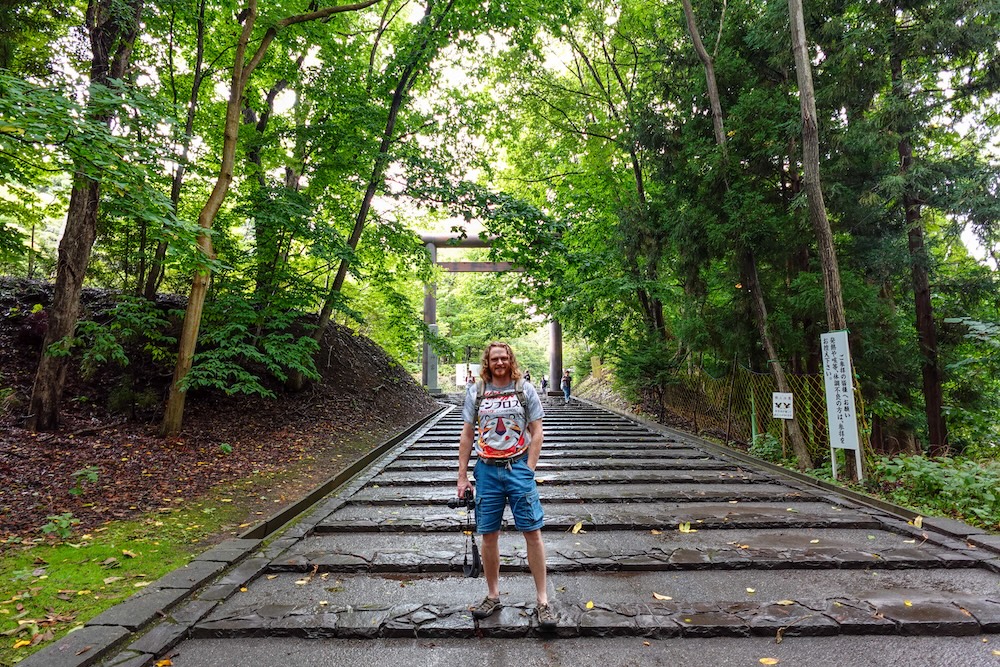
It had rained before our visit, and the greenery was looking particularly lush. The September humidity, however, was still hanging around. The shade felt wonderful, the park was remarkably quiet while we were there, and the trees around the shrine and forest were far more impressive than I’d expected. We explored the park, visited Hokkaido Jingu, ventured into part of the wooded area and made time for Japanese sweets. I’d happily recommend the whole outing.
It helps to understand what you’re visiting: Maruyama Park, the shrine and the protected forest sit close together, but a gentle park walk and a hike up Mt. Maruyama are not the same commitment. You can get a satisfying taste of all three without turning the afternoon into a mountain expedition.
Why Make the Trip to Maruyama Park?
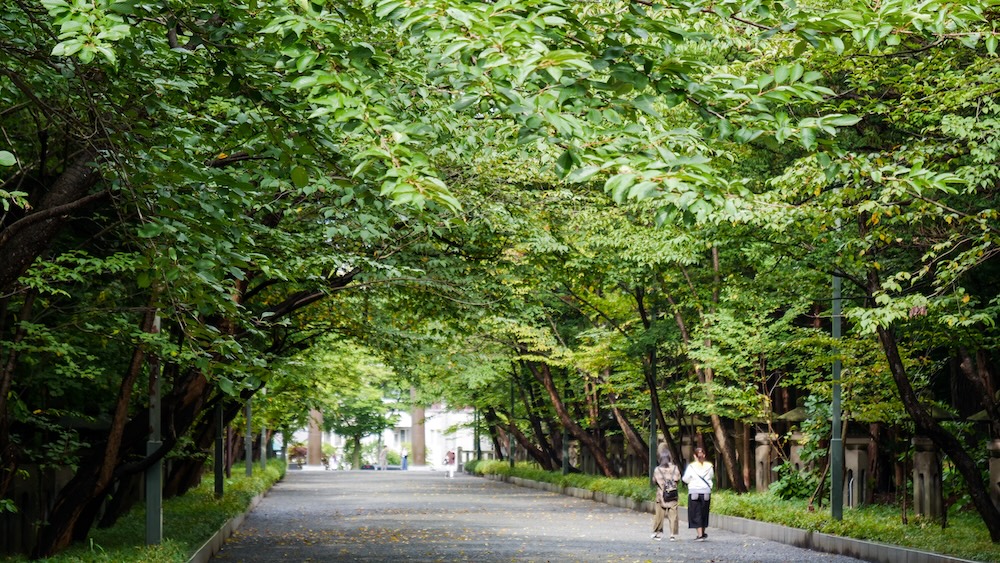
Maruyama Park is roughly three kilometres west of central Sapporo, at the foot of Mt. Maruyama. The wider park covers about 70 hectares, with walking paths and established green spaces near Hokkaido Jingu, while the mountain’s protected woodland rises beyond them. It isn’t a remote wilderness escape, nor does it feel like an ornamental square squeezed between office towers.
We’d been exploring the urban side of Sapporo, and I was developing a real appreciation for how livable the city felt. You could go from major shopping districts to a place where the biggest thing competing for your attention was a tree. In Maruyama’s case, some of those trees are enormous. The rain made everything look greener still, and we hardly saw anyone on the paths.
That quietness isn’t guaranteed: Maruyama is popular during cherry-blossom season and important shrine occasions, so don’t expect empty paths every time you show up. Still, the reason to go doesn’t depend on having the place to yourself. You get the park, a significant Shinto shrine and access to wooded scenery in one fairly straightforward outing, without paying admission just to walk around the park or enter the shrine grounds.
Getting to Maruyama Park From Central Sapporo
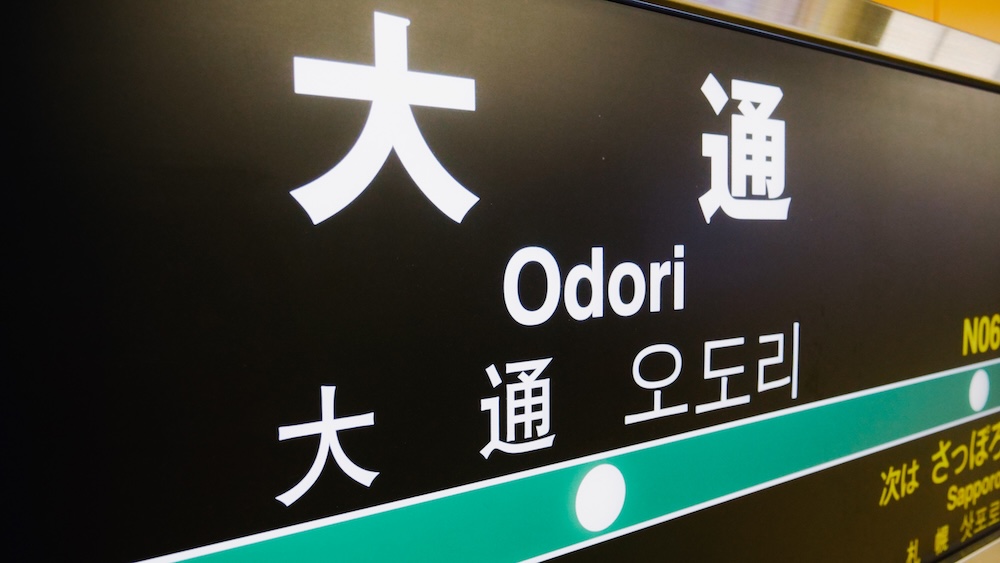
The subway is the easiest option for most visitors. From Odori Station, take the Tozai Line westbound toward Miyanosawa and get off at Maruyama-koen. It’s three stops and about five minutes on the train; the published single adult fare for that journey is ¥210. We used the subway throughout Sapporo and often started from Odori, although I can’t remember exactly which station we departed from on this particular afternoon.
At Maruyama-koen Station, Exit 3 is the official approach for the park, about a five-minute walk away. Hokkaido Jingu is farther in, roughly 15 minutes on foot from the station. Those two estimates are worth keeping separate. It’s easy to see a five-minute subway ride and imagine that the shrine will be right outside the ticket gates, when in reality the approach takes longer than the ride itself.
Coming from Sapporo Station, you can take the Namboku subway line to Odori and change there to the westbound Tozai Line. No car is necessary for the outing, and the park doesn’t have a dedicated parking lot of its own. The real consideration is how far you want to walk after arriving, particularly in wet or snowy weather.
14:34 – Hokkaido Jingu Shrine
15:21 – Primeval Forest
Walking Through Maruyama Park, Hokkaido Jingu and the Forest
Give the Park a Little Time of Its Own
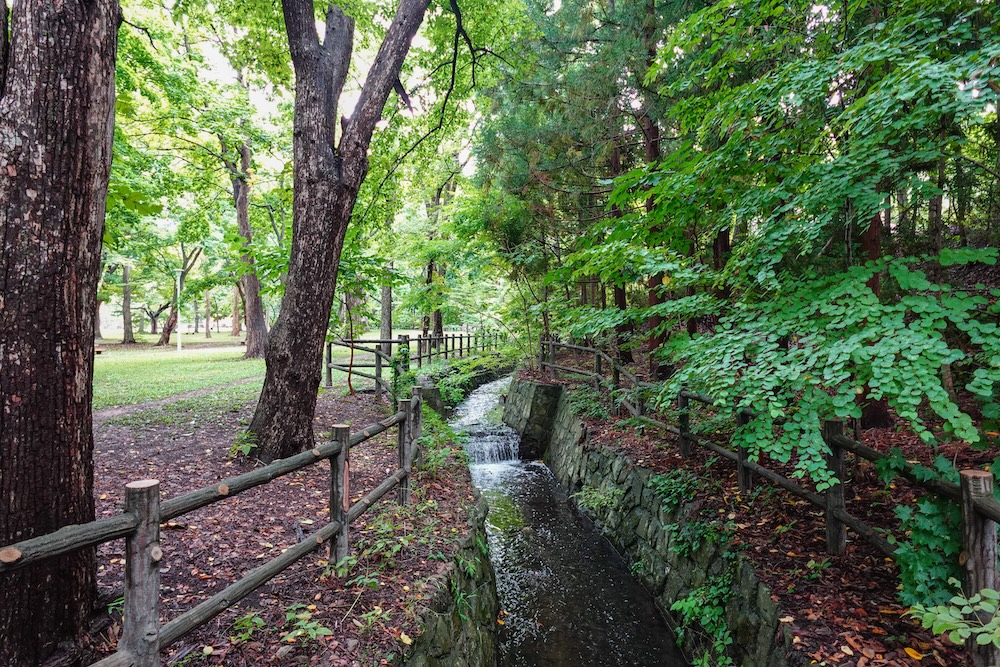
When we first entered Maruyama Park, there was no urgency to rush toward the shrine. We’d come for a bit of green, after all, and the paths were delivering. Rain had left the vegetation looking almost absurdly vivid; the air was sticky, but under the trees we had some relief from the heat. Walking was the activity, rather than the necessary bit between attractions.
The park isn’t one neatly marked loop that every visitor should complete. Paths connect open areas, facilities, the shrine and the mountain approaches. If you’re trying to combine all three, the official Maruyama Park map is worth consulting rather than following the first path that looks vaguely forest-like. Some paths are unpaved or uneven, and the terrain becomes more demanding as you move toward the mountain.
There is a Park Center, accessible toilets and limited wheelchair-loan provision, but that doesn’t mean all the paths—particularly those leading into wooded hiking terrain—are barrier-free. The park-and-shrine outing and mountain hiking warrant separate accessibility checks.
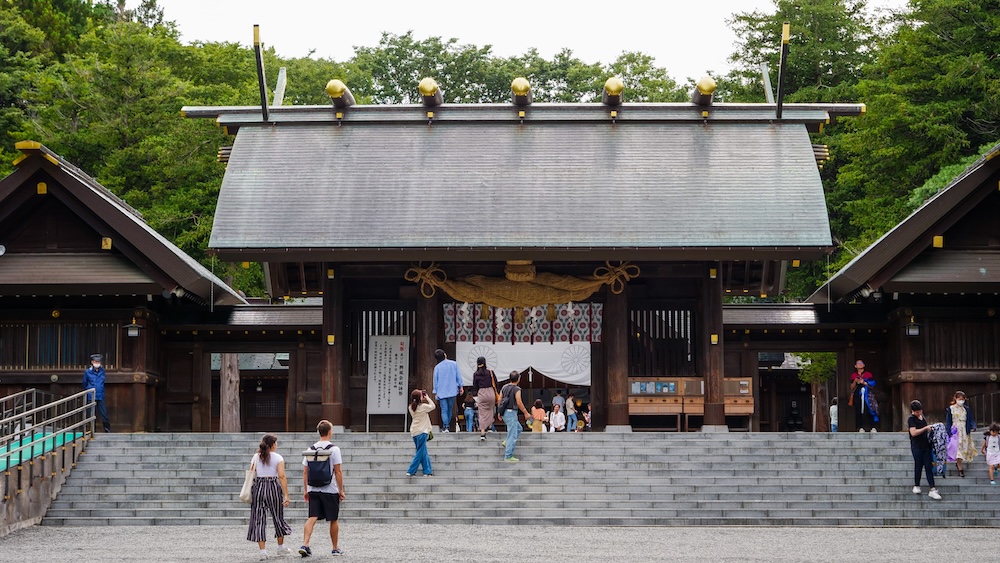
Hokkaido Jingu Is Much More Than a Quick Photo Stop
We made Hokkaido Jingu our next proper stop. The shrine sits among large trees, and what really stuck with me wasn’t a single architectural detail but the atmosphere of the grounds. Some of the trees were massive, and with so much greenery around us it felt like the cultural visit belonged naturally to the same outing rather than requiring a separate journey.
Hokkaido Jingu, also commonly called Hokkaido Shrine in English, traces its origins to 1869, when three deities associated with Hokkaido’s development were enshrined. Emperor Meiji was added later, in 1964. That history matters, though an ordinary visit doesn’t require an improvised lecture on Shinto. Look around respectfully; people come here to worship, not just sightsee.
Entry to the grounds is free, though access isn’t unrestricted around the clock. The gates normally open at 6 AM during April–October, closing at 5 PM, with shorter hours for much of the colder season and different arrangements around New Year. The counters for charms and goshuin generally begin serving at 9 AM, so arriving early for a quiet walk isn’t the same as arriving when every service is available. Check the Hokkaido Jingu website if timing matters. We spent roughly 20–30 minutes here, but anyone especially interested in shrine customs or architecture could easily linger longer.
If you’d prefer an introduction to those customs from an English-speaking guide, there’s a one-hour Hokkaido Jingu tour with local sweets that meets at the Maruyama Park Center. It concentrates on shrine history, purification customs, a fortune-drawing experience and a sweet at Jingu Chaya, rather than an extended forest walk. It’s a useful option if you want cultural explanation; visiting the grounds independently remains free and straightforward.
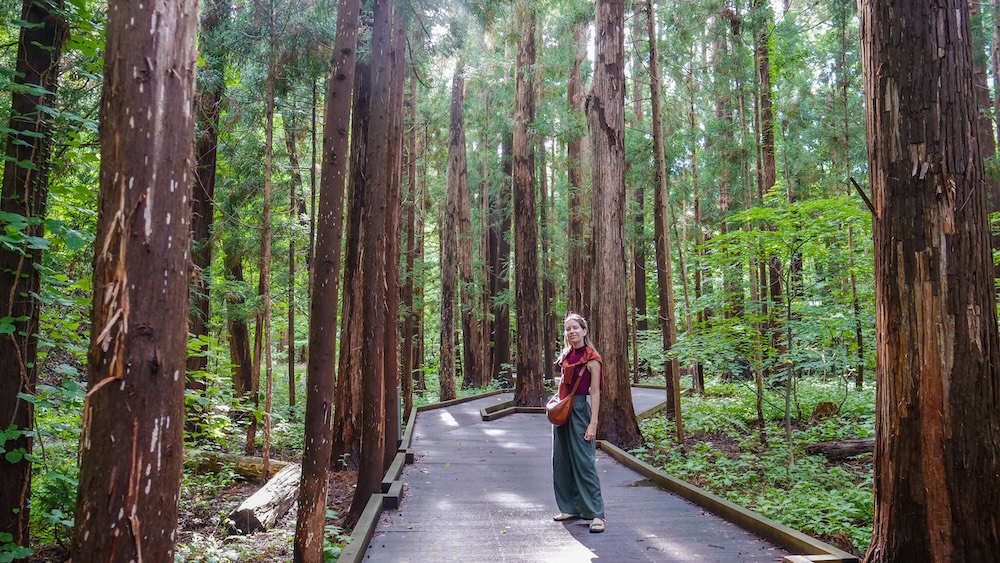
The Forest Is the Surprise—Just Choose Your Paths Carefully
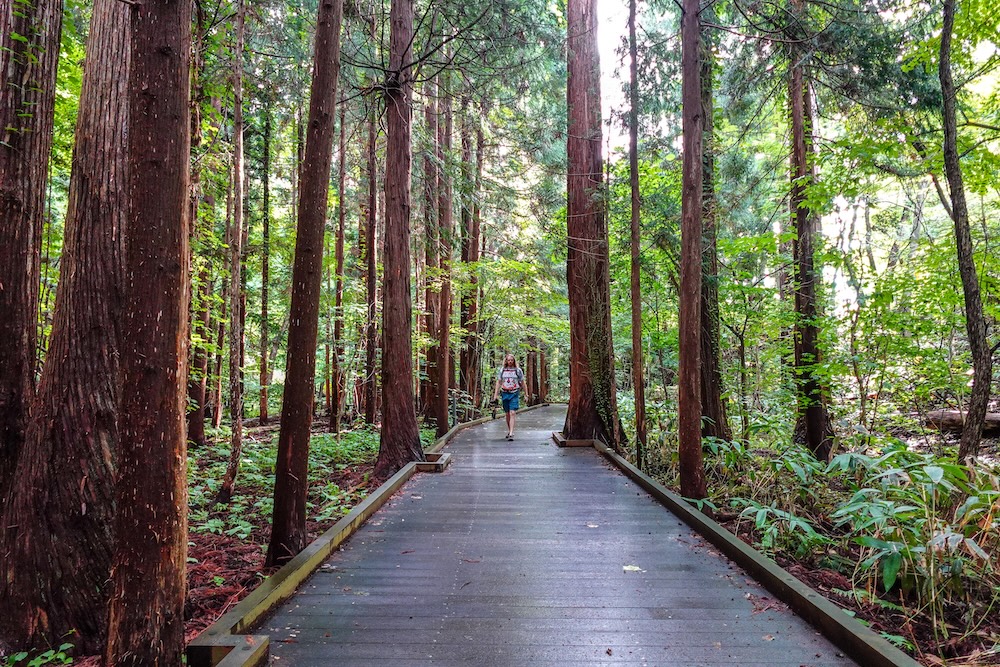
After the shrine we headed toward the wooded slopes, and this was where Maruyama really caught me off guard. I’d expected pleasant greenery; I hadn’t expected that much variety in the trees, or some of them to be so huge. Finding that sort of setting inside Sapporo made me appreciate the city even more. We walked through a decent portion of the area but by no means explored everything, and I don’t remember the name of the exact path we followed.
We also encountered bear-warning signs. As Canadians, Audrey and I are familiar with the idea of sharing outdoor spaces with bears, though that’s rather different from routinely running into them. There was a bit of discussion about the signs and whether a sighting might have been some time earlier, but we couldn’t confidently read all the Japanese information. We didn’t see a bear, and our reading of that old sign says nothing about today’s conditions.
This is where the distinction between forest walking and hiking becomes important. Maruyama’s primeval forest is a protected natural monument. You cannot simply wander off into it wherever you please: stay on authorized park paths and designated hiking trails. The park map shows the Hachijuhakkasho trail entrance near Daishido as well as another approach near the zoo, while Mt. Maruyama’s summit sits about 225 metres above sea level. A summit outing involves climbing and uneven terrain, with published time estimates varying by route and pace. That’s a different undertaking from our short woodland walk.
If the giant trees are what brought you here, there’s no obligation to reach the top of the mountain. Enjoy the permitted paths that suit your time and comfort level, and turn back when you’ve had enough. For anyone planning to enter the hiking trails, check the latest Sapporo City bear-sighting information and park notices first. The area has experienced wildlife-related closures in the past, so follow any current restrictions regardless of what an old sign said.
How Long to Allow for the Whole Outing
Looking back, I’d put our time at about 20–30 minutes each for the park, shrine and wooded walking, plus another 20–30 minutes for refreshments. That’s roughly 80–120 minutes for the activities themselves, about an hour and a half to two hours or more as I remember it. I wasn’t timing us, and I don’t recall every connection between stops.
For someone planning the day now, two to three hours from Maruyama-koen Station is a more comfortable allowance for a relaxed park-and-shrine visit, some permitted woodland walking and a break. Allow extra for the subway journey from your accommodation, and considerably more if you’re considering a designated mountain hike.
| Time available | Sensible way to spend it |
|---|---|
| 60–90 minutes | Enjoy part of the park and give Hokkaido Jingu a proper look, without trying to fit in a forest hike. |
| 2–3 hours | Combine the park, shrine, a modest amount of authorized woodland walking and perhaps tea and sweets. |
| Longer outing | Consider the designated Mt. Maruyama trails as an additional activity, after checking conditions and return time. |
The timings are flexible, especially for the forest portion, where your walking pace and the paths available that day will make a difference.
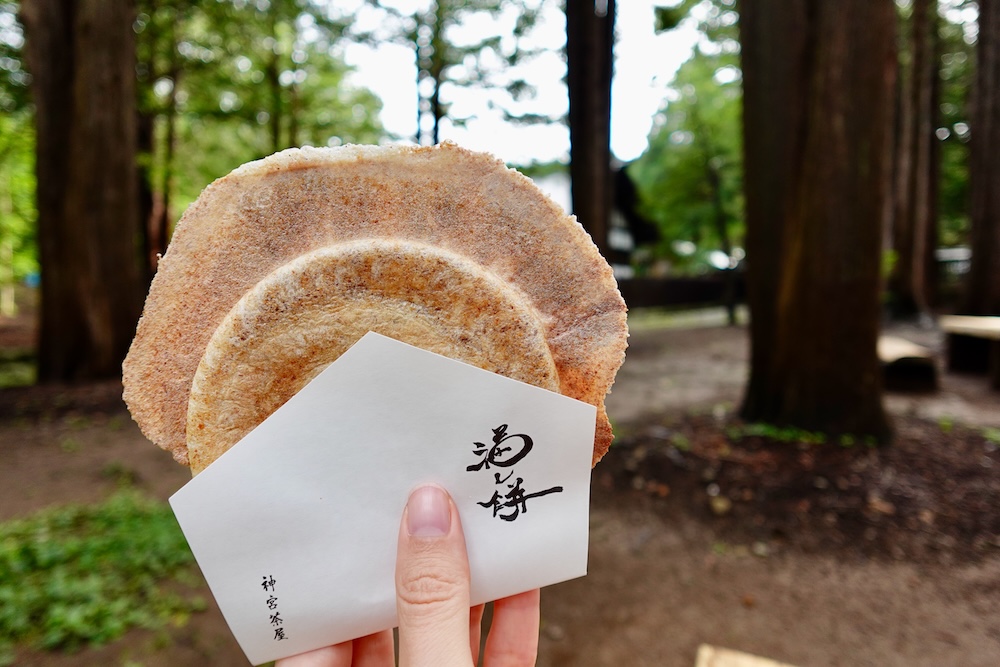
A Tea-and-Sweets Break at Hokkaido Jingu
Another pleasure was stopping at Jingu Chaya, the shrine’s tea room. We’d come across it and, naturally, had to investigate. We ordered iced green tea and a selection of small Japanese sweets, which felt particularly welcome after walking in the humidity. Sitting among the trees with a cold drink made the afternoon even better.
We sampled several treats, and we liked how the sweetness was gentler than the sort of enormous, sugar-heavy dessert that leaves you regretting your ambitions halfway through. I can’t recall whether we stopped before or after the forest walk, but I’d make time for it again.
Jingu Chaya is separate from the nearby Rokkatei shop, so don’t assume they serve the same products. The tea room generally opens at 9 AM, with shorter hours during the winter period and changes possible around shrine events. You can check the current Jingu Chaya details before going, especially if refreshments are an important part of your plan rather than a happy bonus.
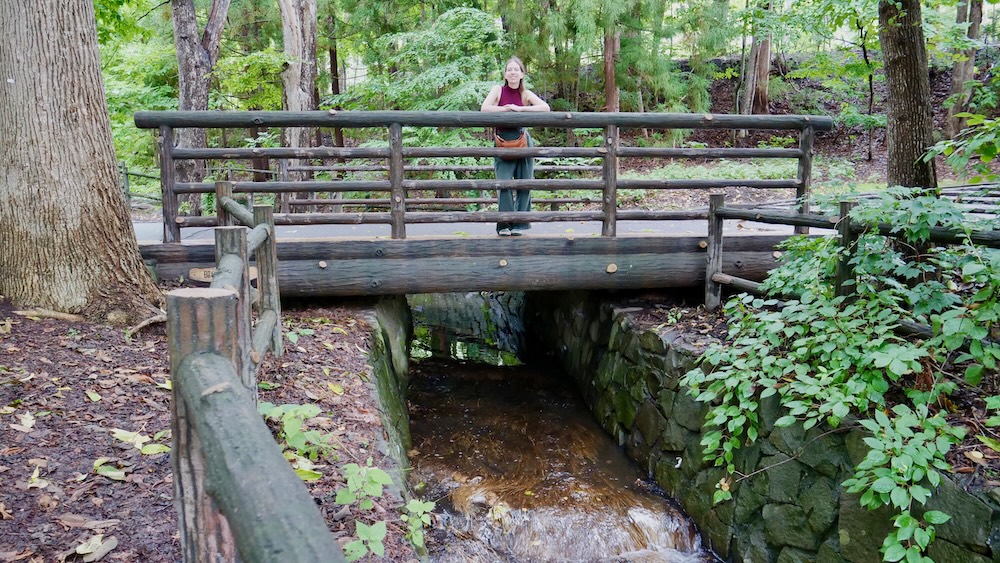
What Changes With the Seasons and Trail Conditions
We visited in September, too early for peak autumn colours. What we got instead was heat, humidity and magnificently green foliage after rain. The shade felt good, but I wouldn’t extrapolate from our sweaty afternoon and claim that’s what every September day in Sapporo looks like. Even in warmer weather, wet ground and unpaved paths call for a little attention underfoot.
Cherry blossoms generally appear around late April or early May, depending on the year, while autumn foliage tends to build in mid-to-late October. Those are popular reasons to come to Maruyama, though they’re different from the quiet visit we happened to have. Despite some older blossom-season advice, open flames are prohibited in the park in principle. Don’t plan a barbecue.
Winter brings a more fundamental change. The park’s winter hazard guidance warns about slippery slopes, snow falling from trees and snow-removal equipment; it doesn’t promise that every path or trail is cleared. If your plans include the forest or mountain, check conditions rather than treating a snowy park stroll as interchangeable with summer walking. Check wildlife notices and temporary restrictions year-round.
Is Maruyama Park Worth Visiting?
Absolutely. I’d take the subway out from central Sapporo again for the trees, the shrine and the chance to spend a couple of hours somewhere that feels so different from the shopping streets. It wasn’t a complicated excursion, and the tea-and-sweets stop was a lovely bonus. More than anything, I remember being surprised that the wooded surroundings were so impressive this close to the city.
If all you want is a ten-minute green break between downtown attractions, you don’t necessarily need to make the journey west. But if you’re keen to see another side of Sapporo, Maruyama deserves the time. Start with the park and Hokkaido Jingu, see how the day and your legs are treating you, and add some woodland walking if conditions allow. You don’t need a summit photo to come away feeling you’ve had a proper escape.

Frequently Asked Questions
How do I get to Maruyama Park from central Sapporo?
From Odori Station, take the Tozai subway line toward Miyanosawa and get off at Maruyama-koen, three stops away. The train takes about five minutes. Exit 3 is around a five-minute walk from the park, while Hokkaido Jingu is roughly 15 minutes from the station.
How much time should I allow for Maruyama Park and Hokkaido Jingu?
I would allow two to three hours from Maruyama-koen Station for the park, shrine, a modest walk on permitted wooded paths and an optional tea break. Our own outing took roughly an hour and a half to two hours or a little more, based on my recollection. Allow additional time for a mountain hike.
Is Maruyama Park free to visit?
Yes. You can walk through Maruyama Park and enter the general grounds of Hokkaido Jingu without paying admission. Refreshments, purchases and separately operated attractions may cost extra.
Do I need to hike Mt. Maruyama to see the forest?
No. We enjoyed the wooded surroundings without completing the summit hike. You can follow authorized park paths and choose how much walking suits you, but stay out of protected forest areas beyond designated trails. A summit hike involves more climbing, uneven terrain and time.
Are there bears around Maruyama Park?
Bear-warning signs were present when we visited, although we did not see a bear. That experience does not establish current conditions. Before entering forest hiking trails, check Sapporo City’s latest bear-sighting information and obey any park notices or closures.
Can I have tea or Japanese sweets near Hokkaido Jingu?
Yes, when it is operating, Jingu Chaya in the shrine complex is an option for tea and Japanese sweets. Audrey and I enjoyed a refreshment stop during our visit. The tea room usually opens at 9 AM, with shorter winter hours and possible schedule changes, so check before you go.
This guide is also available in Spanish. [Leé la versión en castellano: Guía del Parque Maruyama en Sapporo: santuario Hokkaido Jingu, paseos por el bosque y cómo visitarlo]
This article contains affiliate links. If you book through one of these links, I may earn a commission at no extra cost to you.