
When Audrey and I visited Sapporo, we didn’t stay beside the main railway station or in the busiest part of downtown. We found a modern hotel overlooking Nakajima Park at a great price, and the combination of greenery and nearby subway connections sounded like our kind of base. It turned out to be one of the better accommodation decisions we made on that Hokkaido trip.
What I remember most isn’t the room. It’s waking up to a neighbourhood where people were cutting through the park on their way to work, jogging, cycling or taking an early walk. There was a completely different rhythm from the bustle around Sapporo Station and Odori. We could enjoy those ordinary mornings, then hop on the subway and spend the day sightseeing or stuffing ourselves with ramen. A decent arrangement, I’d say.
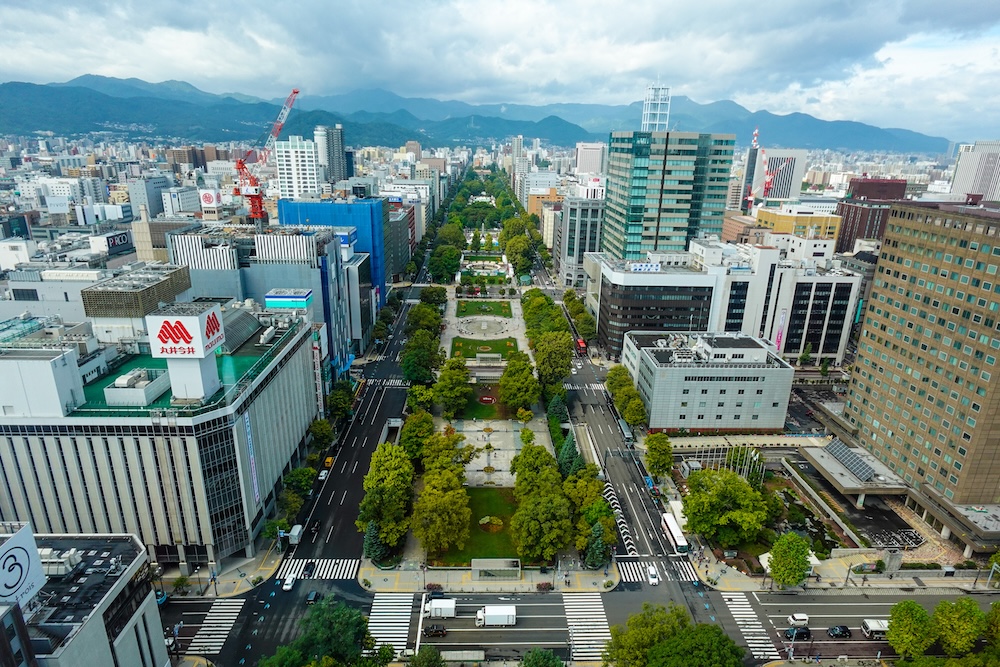
We explored Odori Park and the central shopping streets, ate butter-corn miso ramen in Susukino, wandered through the greenery around Maruyama Park and Hokkaido Shrine, and used the railway station to arrive from Noboribetsu and depart for Otaru. By the end, I was thinking Sapporo might be the most liveable big Japanese city I’d visited. Its parks and transport system had won me over.
That experience gave me one particularly useful piece of hotel advice: if you’re near a subway station that serves the places you want to visit, you’re as good as gold. You don’t automatically need the most central address. But the best area still depends on whether your trip revolves around railway departures, sightseeing, restaurants, nightlife or having somewhere greener to come home to. Here’s how I’d compare Sapporo’s five main accommodation choices and the specific hotels I’d investigate in each. Our personal overnight experience is in the Nakajima Park area; the named hotels are researched options rather than places we’ve personally reviewed.
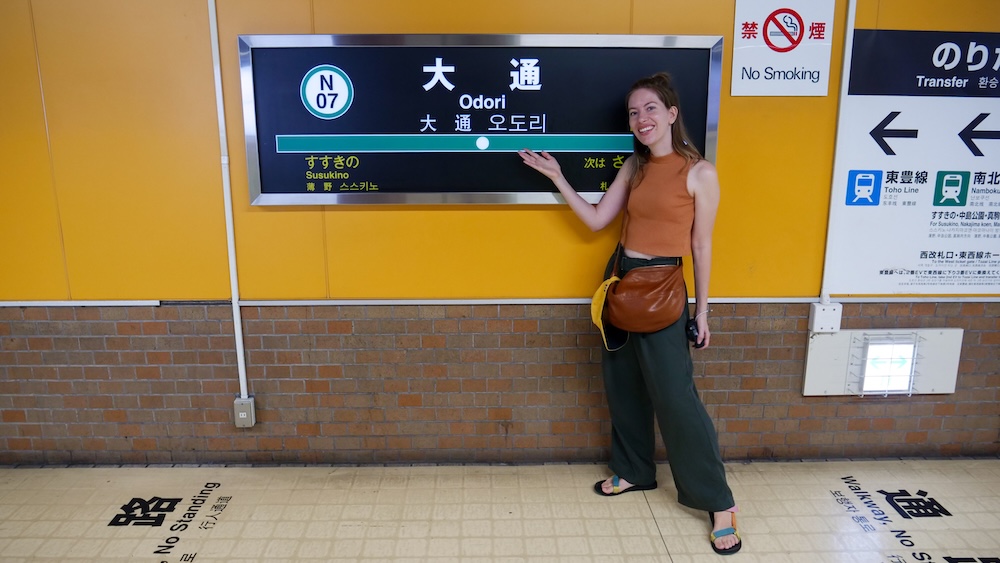
Where Should You Stay in Sapporo? My Recommendations at a Glance
For a typical first visit focused on sightseeing, Odori would be my starting point. It sits between Sapporo Station and Susukino, and all three subway lines meet there. If regional train journeys dominate your plans, the station area starts making more sense. For late dinners and nightlife, Susukino is appealing; if you want parks and a slower morning, Nakajima Park or Maruyama may suit you better.
| Area | Best for | Main trade-off |
|---|---|---|
| Sapporo Station | JR trains, airport travel, early departures and day trips | Less emphasis on park or nightlife atmosphere |
| Odori Park | First-timers, sightseeing, shopping and flexible transport | Exact location along the long park matters |
| Susukino | Restaurants, entertainment and nightlife | You can visit for dinner without sleeping here |
| Nakajima Park | Greenery, local mornings and subway access | Extra journey to regional JR departures |
| Maruyama | Residential atmosphere, parks and apartment stays | Fewer hotels and more connections for some trips |
I’d narrow your search to one or two neighbourhoods before comparing actual prices. The cheapest-looking district won’t necessarily produce the best booking once room size, breakfast, cancellation rules and dates enter the picture. You can compare Sapporo hotels and current rates on Booking.com, but choose the location for your itinerary rather than chasing an attractive nightly price into the wrong part of town.
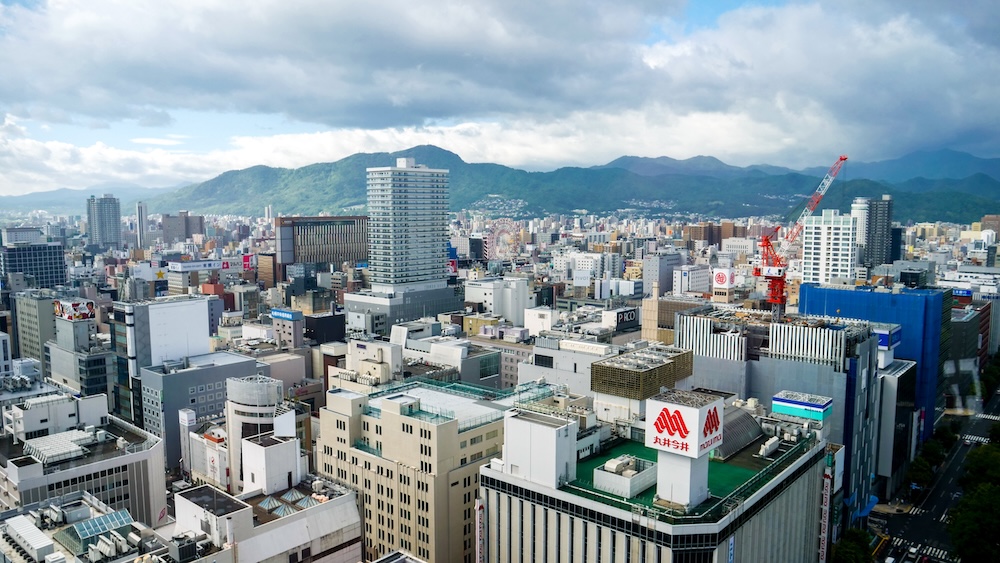
Understanding Sapporo’s Layout Before Choosing a Hotel
The main central accommodation areas line up neatly on the Namboku subway line: Sapporo Station, Odori, Susukino and Nakajima-koen, in that order. Maruyama is west of the centre on the Tozai Line, which connects directly with Odori. It helps to picture that arrangement before reserving a room, because a hotel that looks a little removed from downtown may be just a short subway ride away.
Odori is where the Namboku, Tozai and Toho lines meet, making it a particularly useful hub for city sightseeing. JR Sapporo Station, on the other hand, is where you’ll catch mainline trains to destinations such as Otaru and New Chitose Airport. A nearby subway stop is fantastic for moving around Sapporo, but it isn’t the same as being beside the JR platforms with a suitcase and an early departure.
There are also sheltered pedestrian connections between the main central districts. The Sapporo Ekimae-dori Underground Walkway links the railway station area with Odori, while Pole Town runs towards Susukino. That’s useful in unpleasant weather, although not every hotel has an underground entrance. You may still need to walk outdoors, negotiate stairs or locate a different station exit. We learned how pleasant having plenty of transport and indoor options could be during a surprisingly hot September visit, when Audrey was understandably keen to find air conditioning rather than another stretch of pavement.
For each hotel, I’d check the actual walk to the station entrance, which line serves it and whether you’ll need a transfer for your usual outings. Five minutes on a train is not five minutes from your hotel door to the attraction. This matters particularly for Maruyama and for properties spread along Nakajima Park, where two hotels carrying the same neighbourhood label may sit beside different stations.
1. Sapporo Station: Best for Trains, Airport Connections and Hokkaido Day Trips
I’d put JR Sapporo Station near the top of the list for a short stopover or a Hokkaido itinerary with several railway excursions. We arrived from Noboribetsu and later departed for Otaru by train, so we know its usefulness as a transport hub, even though we didn’t explore the surrounding hotel district in any great depth. There’s undeniable convenience in leaving your room and walking straight to the JR platforms rather than adding a subway journey every time you leave the city.
The airport connection is a major reason to stay here. JR trains between New Chitose Airport and Sapporo take roughly 33–43 minutes depending on the service; the ordinary adult non-reserved fare was ¥1,230 when checked. Otaru is also a straightforward rail excursion, with an ordinary adult non-reserved fare of ¥800. We spent a night there rather than returning on the same day, but anyone using Sapporo as a regional base will appreciate having the railway station nearby.
If you’re arriving at New Chitose Airport and heading straight to a hotel elsewhere in the city, don’t assume the JR train will take you all the way there. You’ll still need to navigate the station and decide between a subway transfer, a taxi or a walk. That’s not a reason to avoid Odori or Nakajima Park, but it does change what a supposedly convenient airport hotel location actually means. Likewise, a hotel advertising itself as a short walk from Sapporo Station may be near a particular exit rather than whichever platform you’re departing from. With a bag over one shoulder and a train to catch, those little distinctions suddenly stop being little.
The downside is simple: if you’re mainly visiting the TV Tower, Odori Park, Tanukikoji and Susukino’s restaurants, being right beside JR trains may not improve your day much. I’d prioritize Sapporo Station when those regional connections really matter, not merely because it’s a familiar name on the map.
Best Hotels Near Sapporo Station
JR Tower Hotel Nikko Sapporo — Premium Stay With Direct Station Access
This is the hotel I’d investigate if railway access and premium facilities mattered more than finding the lowest price. JR Tower Hotel Nikko Sapporo connects directly to JR Sapporo Station, with guestrooms on floors 23–34 and elevated city views. Its 22nd-floor spa uses natural hot-spring water, although guests must be at least 18 to use the facility, and access or charges should be checked against the actual booking.
I can see the appeal at either end of a longer Hokkaido journey, especially if you’re arriving with luggage and don’t fancy another transfer. Compare the room category and the complete price before paying for extras you won’t use; check rooms at JR Tower Hotel Nikko Sapporo if direct station access is the priority.
JR-EAST HOTEL METS PREMIER SAPPORO — Practical Rooms Near the Platforms
JR-EAST HOTEL METS PREMIER SAPPORO is approximately two minutes from the East ticket gate via JR Sapporo Station’s North Exit. Its guestrooms feature bathrooms with separate washing areas, a useful bit of Japanese hotel design when you’re tired from a full day on your feet. Room sizes range from compact singles of around 17 m² to twins around 21 m² and larger options.
I’d choose this sort of property for the straightforward station location and bathroom setup rather than a list of resort-style facilities. Be realistic about luggage space, though; a couple of large suitcases can make a compact Japanese room feel positively miniature. Compare HOTEL METS PREMIER SAPPORO room sizes and rates before deciding whether the smaller category is worth the savings.
Mitsui Garden Hotel Sapporo West — Bathing and Laundry Near JR
Mitsui Garden Hotel Sapporo West is roughly four minutes from the station’s West ticket gate and adds a guest-only communal bath, lounge and coin laundry. Don’t mistake its public bath for a confirmed natural onsen; those are different things. Still, a soak after sightseeing is appealing, and convenient laundry facilities become more valuable the longer you’re travelling around Japan.
For a multi-night stay that needs both a practical rail location and some extra everyday facilities, compare Mitsui Garden Hotel Sapporo West’s room options against the other station hotels. The right choice here comes down to whether you value direct platform access, a room with more space or amenities you’ll actually use.
2. Odori Park: Best for First-Time Sightseeing and a Balanced Central Base
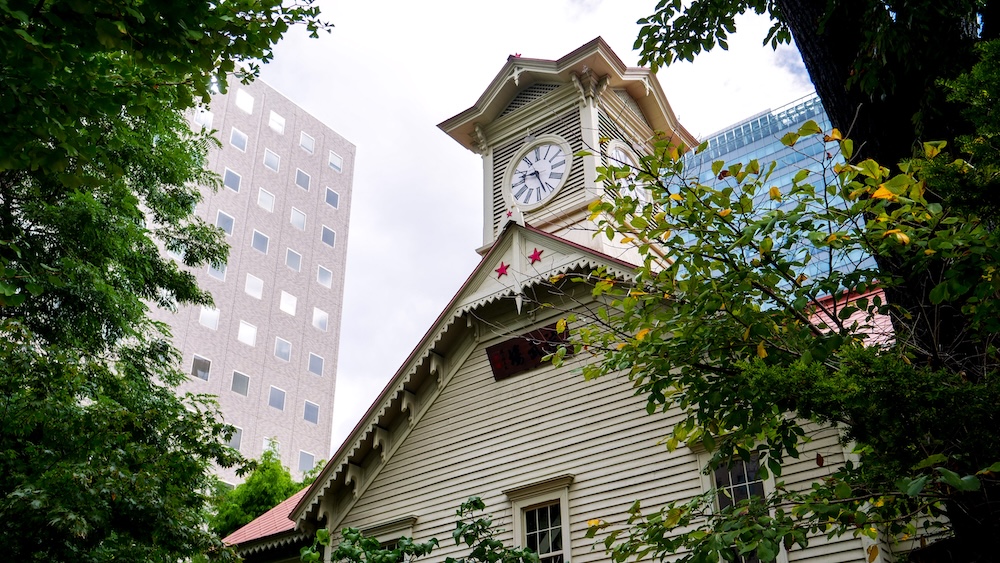
Odori is the first neighbourhood I’d recommend exploring when choosing a hotel for a general first visit. Audrey and I spent much more time here than in Susukino, and several of our central Sapporo experiences were within a fairly manageable area: the TV Tower, Clock Tower, Odori Park and the nearby Tanukikoji shopping arcade.
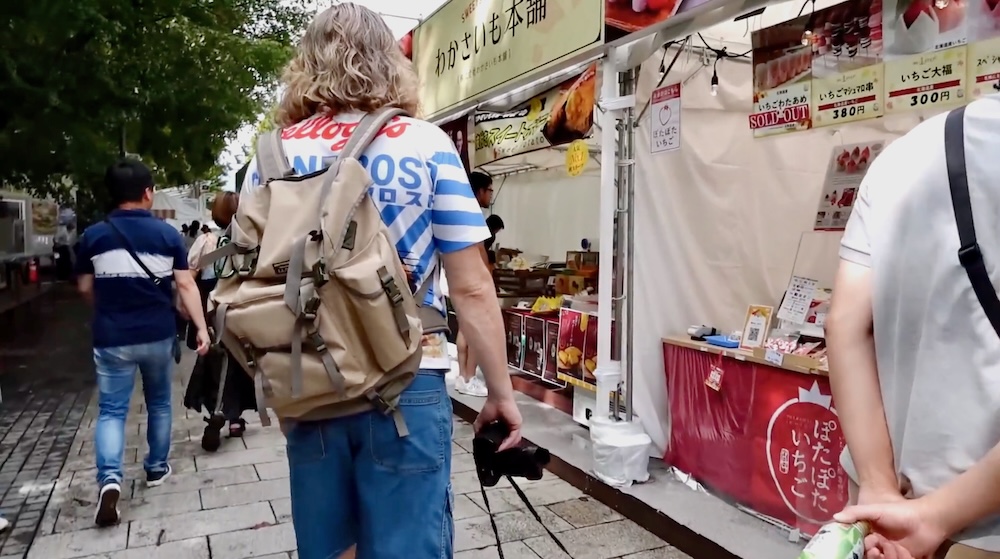
We also stumbled into Sapporo Autumn Fest, which temporarily derailed any sensible sightseeing schedule. Suddenly there were food stalls everywhere and an enormous number of things we wanted to try. Given the choice between marching efficiently to the next landmark and investigating lunch, I’m sure you can guess which direction we went.
The less glamorous memory is the heat. It was September, yet the temperature reached around 30°C and Audrey was struggling. We stopped for ice cream in the park, drank plenty of fluids and eventually made a beeline for Tanukikoji’s air-conditioned shops. That afternoon reminded me why a central hotel can be useful: when you’re worn out or the weather turns unpleasant, you have plenty of ways to change plans without crossing half the city.
One detail I’d keep in mind for a longer sightseeing stay is how often you’ll return to the hotel during the day. If you’re the sort of traveller who leaves after breakfast and doesn’t come back until late evening, a slightly less central property may be entirely fine. If you’re travelling with children, want to rest between outings or expect to change clothes before dinner, having a convenient room near the main sightseeing area gains value. We certainly appreciated being able to take breaks during that hot September spell, even though we weren’t staying in Odori itself. It’s the sort of practical advantage you notice more when plans stop running perfectly.
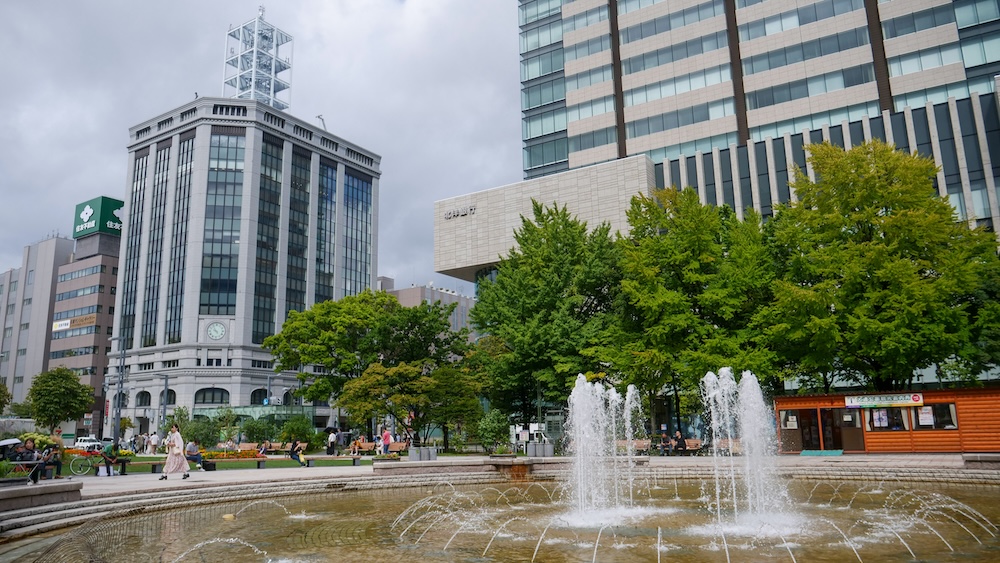
Odori Station’s three subway lines make it an especially flexible base, but don’t overlook the park’s length. Odori Park runs for around 1.5 kilometres, so staying near its western blocks isn’t the same as being beside the TV Tower at its eastern end. Check the actual subway entrance and the sights you’ll visit most, rather than booking the first property advertised as ‘near Odori’.
Best Hotels Near Odori Park
There are plenty of central choices, and comparing hotels around Odori Park can help you judge the price difference between staying close to the subway interchange and choosing a particular stretch of park. These options illustrate three quite different priorities.
Sapporo Grand Hotel — A Useful Station-to-Odori Compromise
Sapporo Grand Hotel sits in that useful middle ground between railway access and central sightseeing. Its own directions put it around five minutes from Odori Station and ten minutes from JR Sapporo Station, with a dedicated entrance from the Sapporo Ekimae-dori Underground Walkway.
There is a wonderfully specific navigation trap here: Exit 8 from the underground walkway is not the same as Sapporo Station’s Exit 8. That’s the kind of discovery I’d prefer to make while sitting at home rather than wandering around with bags. If you want the flexibility of both Odori and JR connections, check Sapporo Grand Hotel’s available rooms; its actual position is a bigger selling point than which neighbourhood label you give it.
Tokyu Stay Sapporo Odori — Better for Laundry and Longer Visits
Tokyu Stay Sapporo Odori becomes more interesting the longer you plan to stay. Guestrooms feature washer-dryers and microwaves, and selected categories add kitchenettes. The rooms also vary significantly in size, from standard doubles around 17 m² to considerably larger twin and connecting configurations, with a Stay Premier room around 49 m².
In-room laundry isn’t exactly an exciting travel fantasy, but after enough days hauling clothes around Japan it starts to feel like a luxury. Just don’t assume every room has a kitchen because the hotel advertises residential-style facilities. If you want the combination of a central location and practical longer-stay features, compare the room categories at Tokyu Stay Sapporo Odori and confirm precisely which facilities are included.
The Royal Park Canvas Sapporo Odori Park — Eastern Odori and Park Views
The Royal Park Canvas Sapporo Odori Park is a different proposition, close to Sapporo TV Tower at the eastern end of the park and about a minute from Odori Station’s Exit 23. It’s roughly fifteen minutes on foot from JR Sapporo Station, making it less of a railway hotel and more of a central sightseeing choice.
Some room categories offer views towards the park, but not every room has that outlook. If looking out over Odori is why you’re paying extra, check the room designation instead of trusting the nicest photograph on the property’s page. Review the available rooms at The Royal Park Canvas with that distinction in mind.
Another property worth considering is Hotel Resol Trinity Sapporo, whose upper-floor communal bath overlooks Odori Park. That’s not the same as having a park-view bedroom, but it might be the more enjoyable feature for somebody who likes a soak after sightseeing. You can compare Hotel Resol Trinity Sapporo’s rates and rooms if bathing facilities matter more than the view from your bed.
When Odori Is the Better Choice
I’d favour Odori when the trip is mostly about central sights, shopping and exploring several neighbourhoods without choosing a new transport route every morning. Festival dates can make the location even more attractive: we happened upon Autumn Fest here, while the Snow Festival also uses Odori and Susukino for major displays. I wouldn’t promise a particular festival price premium, but I’d compare accommodation early for popular event periods and pay close attention to cancellations. Even during a festival, the exact location along the park matters.

3. Susukino: Best for Restaurants and Nightlife
I’d look seriously at Susukino if food and evening entertainment were among the main reasons for visiting Sapporo. Audrey and I came here for Ramen Alley, where we chose a tiny restaurant because the pictures outside looked irresistible. We then managed to press an impressive number of buttons on the ticket machine and ended up ordering extra butter, eggs and other toppings. We probably didn’t need any of them, but I’m not going to pretend we regretted it.
The resulting miso ramen with corn and butter was outstanding, and the rich broth remains one of my favourite food memories from the trip. That was the Susukino we actually experienced: restaurants and a very satisfying meal. We didn’t go bar-hopping or experience the nightlife firsthand, so I wouldn’t claim to know how its late-night entertainment feels from personal experience.
There’s also a difference between choosing Susukino because you enjoy restaurants and choosing it because you’ll be out late. We were firmly in the first category: we wanted the ramen, not a nightlife itinerary. If you’re the same, a hotel near the Odori–Susukino boundary can provide a useful middle ground. You can walk to dinner without necessarily putting all your accommodation priorities into the entertainment district. And since Hosui-Susukino and Susukino are different subway stations, the hotel that’s closest to one isn’t automatically the easiest for your planned journeys on the other line.
What the district does offer is a concentration of restaurants, izakaya, bars, karaoke and other evening activities. If you’re planning to spend several nights out, sleeping nearby may save you repeated journeys back to another part of town. But we spent far more time in Odori, and Susukino felt like a natural continuation of that central area rather than somewhere you needed a completely separate sightseeing day to reach.
For a couple of dinners, I wouldn’t automatically move the hotel search to Susukino. For a food- and nightlife-focused getaway, however, the convenience becomes more compelling. Compare accommodation in Susukino against the adjoining Odori area, paying attention to the exact street and subway station rather than the district label alone.

Best Hotels in Susukino
SAPPORO STREAM HOTEL — Upscale and Directly Connected to Susukino Station
SAPPORO STREAM HOTEL occupies upper floors of the COCONO SUSUKINO complex, with direct access to Susukino Station. It’s a strong candidate for somebody who wants an upscale room right among the district’s restaurants, shopping and entertainment, without adding a subway journey after dinner.
The hotel has premium accommodation categories and spa or sauna facilities, but the precise access entitlement depends on the room or booking conditions. I wouldn’t upgrade solely for those facilities without checking what’s included. Check SAPPORO STREAM HOTEL’s room options if its station connection and central entertainment location suit your plans.
Sotetsu Fresa Inn Sapporo-Susukino — Straightforward Subway Access
Sotetsu Fresa Inn Sapporo-Susukino gives you useful access to two different stations: approximately one minute from Hosui-Susukino on the Toho Line and four minutes from Susukino on the Namboku Line. Those connections serve different journeys, so it’s worth checking which you’ll use most often. The Namboku Line, for example, runs directly towards Odori and the Sapporo Station area.
This is the practical alternative I’d consider when the room and location matter more than having extensive leisure facilities. Compare Sotetsu Fresa Inn Sapporo-Susukino’s rates with other properties on the same streets, using your actual travel dates and occupancy.
karaksa hotel Sapporo — Families and the Odori–Susukino Boundary
karaksa hotel Sapporo sits near Tanukikoji Shopping Arcade, about five minutes from Susukino Station and six minutes from Odori Station. That makes it interesting for travellers who want both central sightseeing and easy restaurant access without committing to the heart of the entertainment district.
Its connecting-room configurations are especially worth checking for families or groups: selected arrangements accommodate up to six guests and provide two bathrooms. Having six people in one booking is one thing; getting everyone showered and out the door in the morning is quite another. Bedding varies, including bunk beds and other arrangements, so I’d inspect the actual sleeping layout. Compare the family and connecting rooms at karaksa hotel Sapporo rather than choosing solely by maximum occupancy.

4. Nakajima Park: Best for Green Space and a More Local City-Centre Stay
Now for the area I can speak about most personally. Nakajima Park was where Audrey and I actually stayed, and it worked beautifully for us. We found a modern hotel at an excellent price, liked that the property overlooked the park, and knew we’d be close enough to the subway to get around independently. Unfortunately, I don’t have the hotel’s name firmly established now, so I’m not going to attach that personal experience to one of the properties below.
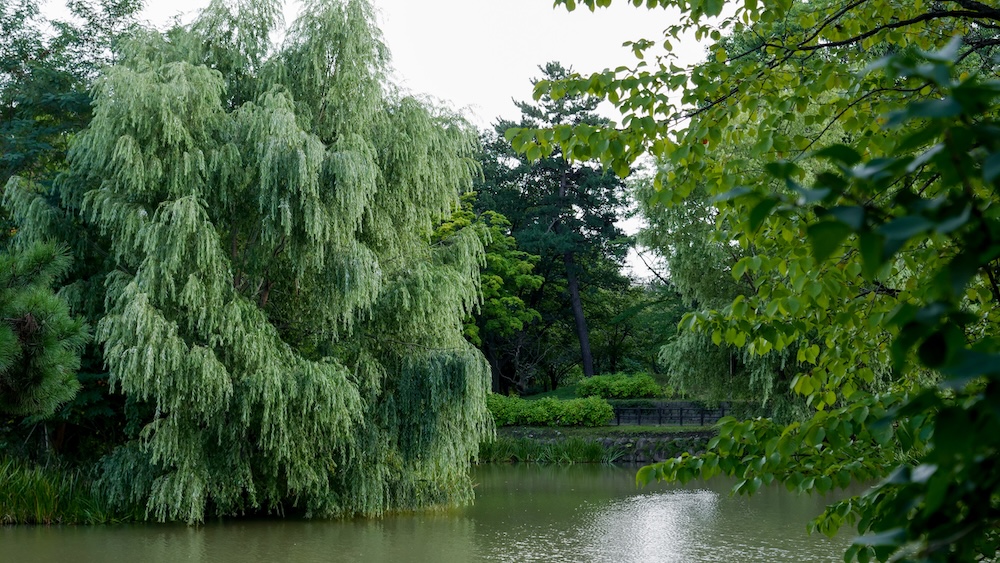
My favourite memories are of the neighbourhood before the sightseeing day had properly started. People were commuting across the park or taking morning walks, while others were running or cycling. It felt totally local, and the pace was noticeably different from the bustle we encountered around Sapporo Station and Odori. I like experiencing those ordinary routines when we travel; they’re often the details that make a neighbourhood memorable long after the famous attractions start blurring together.
Nakajima-koen Station is on the Namboku Line, south of Susukino, so we could head north into the centre without much fuss. We also explored Nakajima Park itself, visiting Hoheikan and its Japanese Garden. Hoheikan’s history and architecture were interesting, although we found the interior a little bare and our visit was brief. The Japanese Garden was a more enjoyable stop for us, especially once the sun finally came out.
I’m not promising that every hotel here has a peaceful room or that the area always offers better prices than downtown. What I can say is that we enjoyed having greenery on our doorstep and found it easy to balance a more local-feeling base with full sightseeing days. I’d happily stay near Nakajima Park again, and for travellers with similar preferences, it deserves more consideration than simply being called a cheaper alternative to Odori.
Best Hotels Near Nakajima Park
Look closely at which part of the park a property serves. Nakajima-koen Station is nearer the northern end, while Horohirabashi Station is farther south on the same line. That difference matters if you plan to walk to Susukino often or arrive with luggage. It’s also worth separating being next to the park from booking a room that faces the park. You can compare Nakajima Park accommodation by location and price before deciding which of the following offers the right facilities.
Premier Hotel Nakajima Park Sapporo — Selected Park Views and Larger Rooms
Premier Hotel Nakajima Park Sapporo is roughly three to four minutes from Nakajima-koen Station, depending on the approach. Its room categories include both park-facing and city-facing options; for example, the Premier Double is approximately 33.4 m² with a park view. If that outlook is a major reason for choosing the property, confirm it in the exact room name rather than assuming every bedroom faces the greenery.
The hotel’s own directions recommend a street-side approach from Exit 1 in winter or at night rather than the shorter park route. That’s useful practical advice when arriving with bags, and a reminder that the closest route on a map isn’t always the best one. Compare Premier Hotel Nakajima Park Sapporo’s park-view and city-view rooms to see whether the preferred outlook is available for your dates.
Vessel Inn Sapporo Nakajima Park — Subway Convenience and Breakfast
Vessel Inn Sapporo Nakajima Park is approximately one minute from Nakajima-koen Station and puts considerable emphasis on its Hokkaido breakfast offerings, including seafood. This makes it an appealing alternative when your priorities are quick subway access and eating well before heading out rather than paying for a particular window view.
The hotel’s child-sharing policy is also worth examining: qualifying children aged 18 or under may share existing beds with parents or grandparents without an additional room charge, but that doesn’t mean an extra bed or free breakfast is included. Enter the correct ages and check the terms. If this combination suits you, compare Vessel Inn’s breakfast-inclusive and room-only rates before deciding whether the meal package pays off over several mornings.
HOTEL MYSTAYS Sapporo Nakajima Park — A Base Farther South
HOTEL MYSTAYS Sapporo Nakajima Park sits farther south, around three minutes from Horohirabashi Station. It provides another way to stay near the greenery, although the position isn’t identical to the hotels beside Nakajima-koen Station, particularly if you’ll be walking towards Susukino regularly.
There’s a separate HOTEL MYSTAYS Sapporo Nakajima Park Annex, too, so check the exact address before booking. I’d treat this as a location choice first, then compare room features and rates. See available rooms at HOTEL MYSTAYS Sapporo Nakajima Park if the southern side of the park works with your itinerary.
A Closure to Know About
You may still see Sapporo Park Hotel recommended in older guides to this neighbourhood. The operator has announced that it will close on February 28, 2027, ahead of redevelopment, so don’t treat it as an evergreen booking choice for dates beyond that closure. It’s precisely the sort of change that makes checking the actual property’s status more important than trusting an old accommodation list.
5. Maruyama: Best for Parks, Residential Atmosphere and a Slower Stay
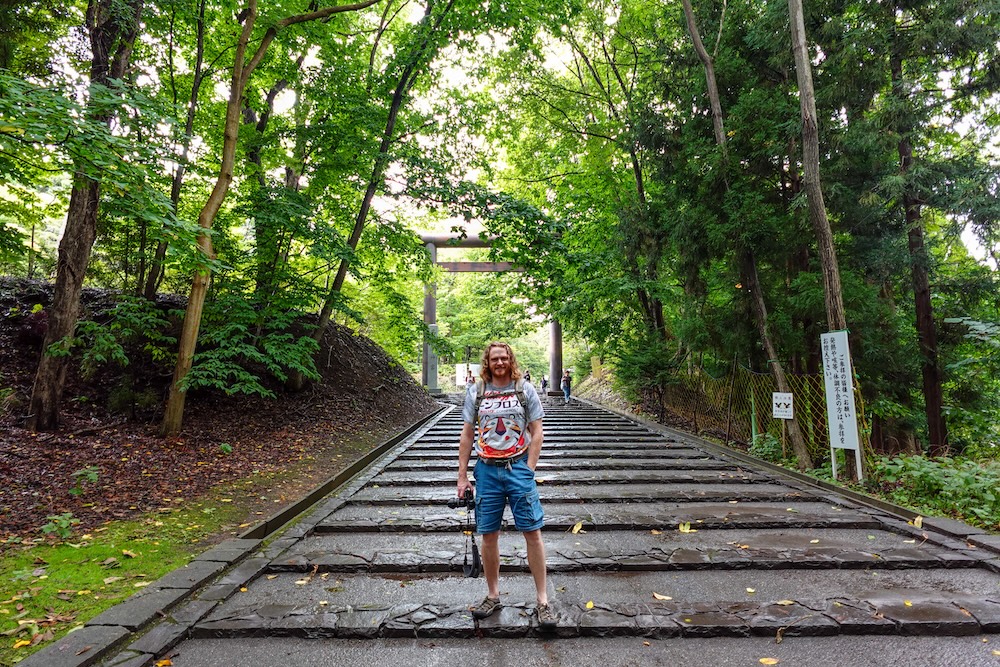
Maruyama is the neighbourhood I’d be most curious to try on a return visit. Audrey and I loved exploring Maruyama Park, Hokkaido Jingu and the nearby forest, where enormous cedar trees and quiet paths provided a very different experience from central Sapporo. I remember being impressed that we could find such substantial greenery inside a major city, and the relatively small number of people around during our walk made it feel like we’d discovered our own little escape.
We also stopped at a tea room around the shrine complex for drinks and Japanese sweets. It wasn’t some grand itinerary achievement, but that combination of a forest walk, shrine grounds and an unplanned snack is exactly the sort of afternoon I enjoy. I’d gladly spend more time in the neighbourhood, although I should stress that we visited Maruyama rather than staying overnight. Its appeal as a base is a judgment based on the area we explored, not personal experience of sleeping there.
For a stay based around Maruyama, I’d also think about what you’re hoping to do immediately outside the hotel. Our favourite experiences were around the park, shrine and forest, but that doesn’t mean every apartment advertised as Maruyama accommodation sits a pleasant stroll from those places. Even Hokkaido Jingu involves a walk from Maruyama-koen Station, and distances that feel modest on a sunny afternoon may be less appealing with luggage or winter conditions. A map view of the actual property and the nearest subway entrance will tell you more than a reassuringly broad neighbourhood label.
Maruyama-koen Station is on the Tozai Line, about five minutes by subway from Odori. That’s reassuringly close, but it doesn’t include walking from an apartment to the platform, changing lines or continuing on to JR Sapporo Station. For a relaxed or longer stay, the additional journeys wouldn’t trouble me much; for two tightly scheduled sightseeing days or repeated early JR departures, I’d favour somewhere more central.

Best Hotels and Apartments in Maruyama
Maruyama has a smaller selection of conventional hotels than the central districts, but some interesting private-room, guesthouse and apartment-style options. I wouldn’t pad the shortlist with properties that barely belong in the neighbourhood just to reach an arbitrary number of recommendations. Two credible alternatives make more sense here.
LESTEL MARU — Flexible Private and Group Accommodation
LESTEL MARU is approximately five minutes on foot from Maruyama-koen Station and offers several quite different booking formats, including dormitory beds, private rooms and larger group accommodation. Selected options can sleep sizeable groups and may provide kitchen facilities, making the property particularly worth comparing when travelling with friends or extended family.
Those different formats are also the main reason to read the room description carefully. A dormitory booking doesn’t offer the privacy or facilities of a private apartment, while payment and cancellation requirements can vary by plan. Compare LESTEL MARU’s private rooms and group options using the exact number of guests, and check the bathrooms, beds and kitchen setup before paying.
The Apartment Hotels YAMA — A Residential-Style Stay With Kitchen and Laundry
The Apartment Hotels YAMA is roughly two minutes from Maruyama-koen Station and offers just two apartments, each around 40 m² and accommodating up to four guests. Both have kitchens and washer-dryers, but the sleeping arrangements are different: Room 201 has four futons, while Room 202 has a double bed and a bunk bed. I’d consider those layouts carefully, particularly for a group of adults or a family with children.
The important drawback is that YAMA doesn’t provide luggage storage before check-in or after checkout. If you’re arriving early with suitcases or leaving late, you’ll need another plan. With only two apartments, availability may be limited as well, but the extra space and laundry facilities could make it attractive for a longer stay. Check The Apartment Hotels YAMA’s two apartment layouts and availability before building travel plans around one of them.
Don’t Confuse Maruyama With Central Odori
Here’s a small but important address trap. YAMA is on Odori-nishi 24-chome, which does not put it next to the central stretch of Odori Park near the TV Tower. In Sapporo, a street name or a broad booking-platform locality can sound much more central than the actual property. I’d use Maruyama-koen Station as the starting point for checking accommodation in this neighbourhood, then compare real journey times to the places you’ll visit. Maruyama is most appealing when you actually want its green and residential atmosphere, not when you expect it to function like a hotel at Odori Station.
What to Check Before Booking Your Sapporo Hotel
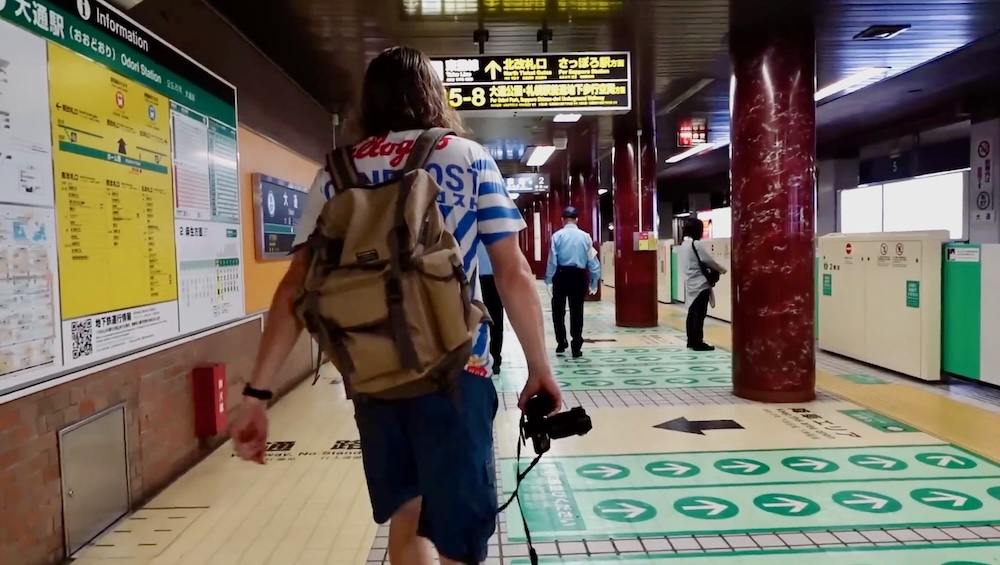
I’d also resist trying to optimize everything at once. A room with the best view, lowest rate, biggest floor area, closest station and most generous cancellation terms probably won’t materialize on demand. Work out your two non-negotiables first. For us, being near green space and useful public transport was more important than staying beside Sapporo’s biggest landmarks. Your equivalent might be a direct JR walk and early breakfast, or a connecting family room where everybody can sleep comfortably. Once those priorities are clear, the hotel shortlist gets a lot easier to manage.
Once you’ve chosen an area, I’d spend a little more time on the room and booking conditions instead of immediately reserving the first well-positioned hotel. These are the details most likely to turn an apparently good deal into something inconvenient.
Station Access and Luggage
Check the complete journey from the hotel entrance to the station you’ll actually use. A property beside Nakajima-koen isn’t identical to one nearer Horohirabashi; a Maruyama apartment may offer a short ride to Odori but require another connection for JR departures. Look at station exits, street approaches and whether a hotel can store luggage when you arrive before check-in or leave after checkout. YAMA’s no-storage policy is a useful reminder that apartment-style accommodation doesn’t necessarily provide conventional hotel services.
Views, Kitchens, Beds and Baths
A hotel with park-view photographs may sell plenty of rooms facing elsewhere. Tokyu Stay has kitchenettes in selected categories rather than all of them, while some spa facilities have separate access conditions. Families should compare actual bedding and floor area instead of relying on a maximum occupancy figure. A four-person apartment with futons is quite different from one with a double bed and bunks, and a connecting-room booking with two bathrooms may beat a single crowded room even if its headline price is higher.
Breakfast, Laundry and the Full Price
We loved going out to eat in Sapporo, including a memorable seafood breakfast at the outer market, but I can also appreciate the efficiency of a good hotel breakfast before an early sightseeing day. Compare breakfast-inclusive rates with room-only prices instead of assuming one is better value. For longer stays, an in-room washer-dryer or convenient coin laundry may be more useful than an extra hotel lounge you’ll never visit.
Sapporo also has an accommodation tax that applies alongside Hokkaido’s prefectural tax. The combined charge depends on the taxable accommodation price per person, per night, rather than simply the headline room total.
| Accommodation charge per person per night | Combined accommodation tax |
|---|---|
| Under ¥20,000 | ¥300 |
| ¥20,000 to under ¥50,000 | ¥400 |
| ¥50,000 or more | ¥1,000 |
Check whether that tax is included in the booking total or charged separately. The same goes for breakfasts, extra beds, spa access and cancellation conditions. Popular events such as Autumn Fest and the Snow Festival can also affect which locations are most convenient and how much accommodation costs, so compare your actual dates instead of relying on a supposedly normal nightly rate. Once you’ve narrowed the neighbourhood and room type, compare complete Sapporo booking prices for your dates before making the final choice.
Where Would We Stay in Sapporo Next Time?
I’d gladly return to Nakajima Park. We had a great hotel location, enjoyed the greenery and found the subway convenient for the places we wanted to visit. Those early mornings watching people commute and exercise through the park weren’t major sightseeing moments, but they’ve stayed with me longer than plenty of more famous attractions.
That said, Audrey and I usually like trying a different neighbourhood on a return visit, and Maruyama would be an interesting possibility for a longer stay. We enjoyed its forest, shrine grounds and slower atmosphere, although choosing to sleep there would be a new experience rather than a repeat of something we’ve already tested.
For most first-time visitors, I’d still start with Odori because of its central sightseeing position and three subway lines. Pick Sapporo Station if your itinerary involves frequent JR departures; consider Susukino if dining and nightlife are central to the trip. And if you share our preference for green spaces, Nakajima Park is the area I can personally vouch for as a comfortable base.
The main lesson from our stay is that you don’t need to sleep in the middle of everything to enjoy Sapporo. I’d rather choose a neighbourhood I actually want to wake up in, near a station that works for my plans, than pay extra for a central location that doesn’t give me any real advantage. Choose the area first, then the hotel and the exact room. That’s the booking decision that matters.
Frequently Asked Questions
What is the best area to stay in Sapporo for first-time visitors?
For a sightseeing-focused first visit, I would start with Odori. The area puts central attractions, shopping and restaurants within easy reach, and Odori Station connects all three subway lines. If your trip involves frequent JR departures, Sapporo Station may be the better base.
Should I stay near Sapporo Station or Odori Park?
Choose Sapporo Station if airport trains, early JR departures or regional trips are a big part of your itinerary. I would lean towards Odori for several days of city sightseeing because of its central attractions and flexible subway connections. The right choice depends on the journeys you will repeat.
Is Nakajima Park a good place to stay in Sapporo?
It worked extremely well for us. We liked the greenery, the local morning atmosphere and the access to the Namboku subway line. It is worth considering if you prefer a park-oriented base and do not mind an additional journey to JR Sapporo Station.
Is Susukino better than Odori for food and nightlife?
Susukino is the more obvious choice when restaurants and late-evening entertainment dominate your plans. We enjoyed ramen in Susukino but did not explore the nightlife. If you mainly want daytime sightseeing with an occasional dinner in the area, I would also compare hotels around Odori.
Is Maruyama too far from central Sapporo?
Maruyama-koen Station is about five minutes from Odori by subway, although that does not include walking or onward transfers. We loved visiting the parks, shrine and forest, but have not stayed there overnight. I would consider Maruyama for a slower or longer visit rather than a packed two-day itinerary.
What should I check before booking a Sapporo hotel?
Check the useful subway or JR station, the actual walk from the hotel, room size and bedding, and whether advertised park views, kitchens or spa access apply to your chosen room. Compare the complete price with accommodation taxes, breakfast and cancellation conditions included.
This guide is also available in Spanish. [Leé la versión en castellano: Dónde alojarse en Sapporo: mejores zonas y hoteles para una primera visita, gastronomía, vida nocturna y excursiones]
This article contains affiliate links. If you book through one of these links, I may earn a commission at no extra cost to you.