
Being nomadic and travelling nearly 365 days of the year is, in most ways, a dream job. I get to eat alarming quantities of food in places I once struggled to locate on a map. Not bad. But one thing I genuinely miss about being back home in Canada is following sports through an entire season instead of discovering three months later that my team collapsed in spectacular fashion. So when I had the opportunity to attend the World Nomad Games in Kyrgyzstan, the dormant sports junkie inside me did not need much convincing.
Sports have followed me into my travels more often than expected. I have written needlessly detailed comparisons of Japanese and Korean baseball and NPB versus Major League Baseball, because apparently I am incapable of enjoying a ballgame without turning it into a small research project. Even that did not prepare me for riders fighting over a goat carcass, wrestlers trying to remove each other from horseback, eagles chasing lures across a mountain pasture and an entire temporary city of yurts appearing beneath the Tian Shan.
Audrey and I attended the second World Nomad Games in September 2016 and spent several days bouncing between the opening and closing ceremonies, the hippodrome, indoor wrestling venues and the enormous folk festival at Kyrchyn Jailoo. We photographed the life out of it, filmed a full video and kept returning to the pasture for archery, birds of prey, music, food and cultural performances. Every time we thought we had a handle on the event, another horse, eagle, wrestler or maniac with a jackhammer entered the frame.
This guide keeps our 2016 experience at its centre, but it does not stop there. I have rebuilt it with the full history of the Games, all 43 sports announced for 2026, a proper explanation of Kyrchyn and current planning information for the return to Kyrgyzstan. When I say we saw, ate, filmed or nearly got trampled by something, that is firsthand. Later editions, rules and 2026 logistics are researched. No fake memoir. No pretending I personally mastered sixteen wrestling styles while Audrey was ordering lunch.
What Are the World Nomad Games?
When we attended in 2016, the World Nomad Games were centred on Cholpon-Ata, Kyrgyzstan—not Bishkek—and were an attempt to preserve and promote nomadic culture and traditions from Central Asia and beyond. It was only the second edition, yet the Games had already grown into an event drawing participants from dozens of countries.
Today, the World Nomad Games are an international sporting, cultural and scientific gathering built around traditional games and knowledge associated with nomadic and pastoral societies. The easy shorthand is “the Olympics of nomadic sports,” and that is useful for about ten seconds. After that, the comparison starts to break down.
The Games are not merely a tournament stocked with sports that make modern pentathlon look painfully conventional. The organisers now describe three connected pillars:
- Ethnosport: horse games, racing, wrestling, archery, hunting traditions, strength competitions and intellectual games.
- Ethnoculture: yurts, regional camps, music, dance, crafts, clothing, oral traditions, food and hospitality. The official 2026 cultural programme calls its central concept the “Universe of Nomads.”
- Science and traditional knowledge: conferences and discussions about heritage, ecology, history, identity and the transmission of traditional knowledge through the scientific programme.
That broader structure matters. Kok boru is the photograph that kicks down the door, but the Games only make sense once you see the horses, pastoral life, food, craft, memory and landscape sitting beside it. Otherwise, the whole event risks being reduced to “that wild sport with the goat,” which is memorable but not remotely the complete story.

Our Experience at the 2016 World Nomad Games
The 2016 World Nomad Games were centred on Cholpon-Ata and the surrounding Issyk-Kul region. This was only the second time the event had been held. Official accounts now list more than 1,200 participants from 62 countries and either 23 or 26 sports disciplines, depending on how competitive and demonstration events are counted.
None of the sports were familiar to me before arriving. There were no athletes I had followed for years, no rivalries I understood and no league tables I could nod at while quietly bluffing. We started from zero. That was half the fun.

Opening Night at the Hippodrome
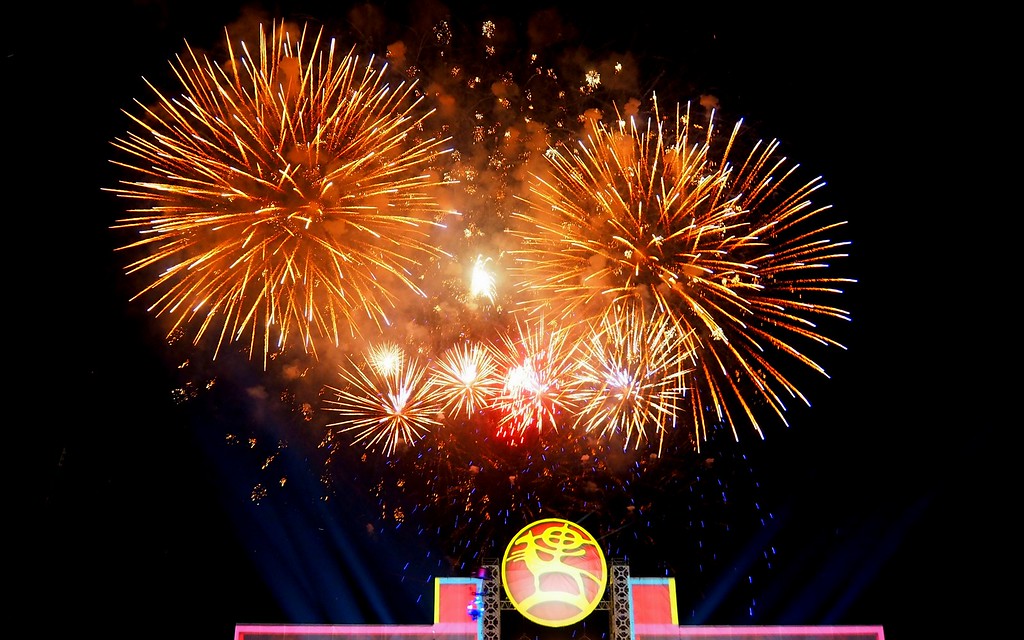
The Games began with a massive stadium celebration of music, dancing, flags, costumes and fireworks. Steven Seagal also appeared, because apparently the evening had decided it was not quite unpredictable enough. The ceremony was polished, patriotic and enormous. It also gave us only a faint clue about the messier, stranger and far more intimate days ahead.
The hippodrome supplied the spectacle. Kyrchyn supplied the soul.
The Following Morning: Into Kyrchyn Jailoo
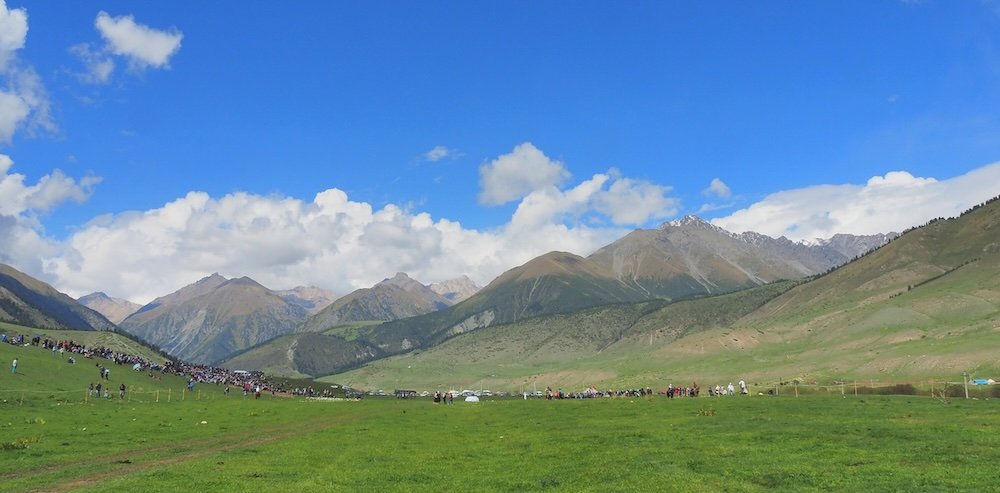
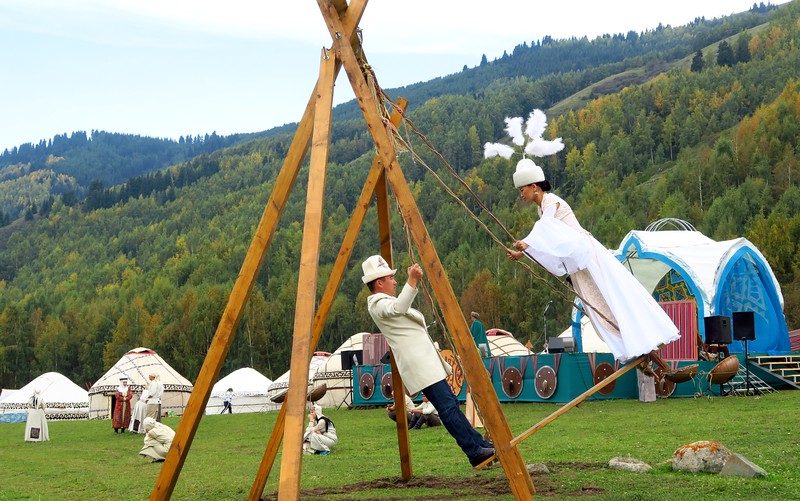
Jailoo means a summer pasture: the high mountain grasslands where herding families traditionally moved with their animals during the warmer months. At Kyrchyn, a wide valley surrounded by mountains and forest had been transformed into an enormous folk village.
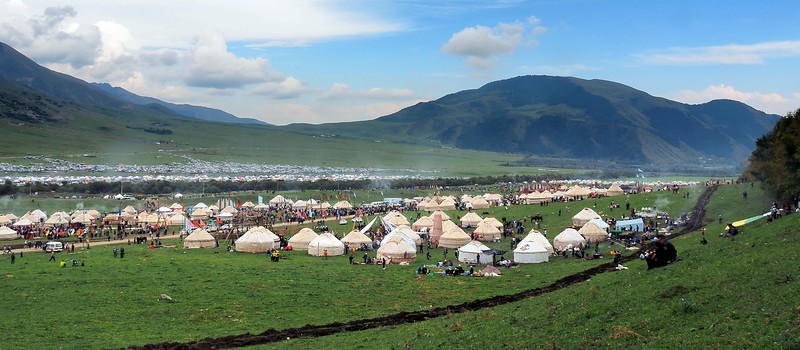
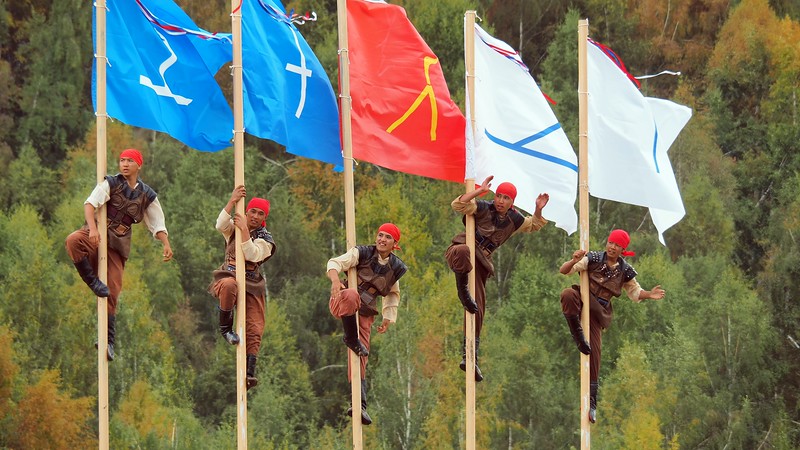
The camps represented different regions of Kyrgyzstan. We wandered past yurts, tapestries, musical instruments, traditional hats, games, food preparation, dancing and crafts. People waved us inside. Others tried to feed us. Then more people tried to feed us. Food was not decorative background material here; it was hospitality with a plate in its hand and no interest in hearing that you had already eaten.
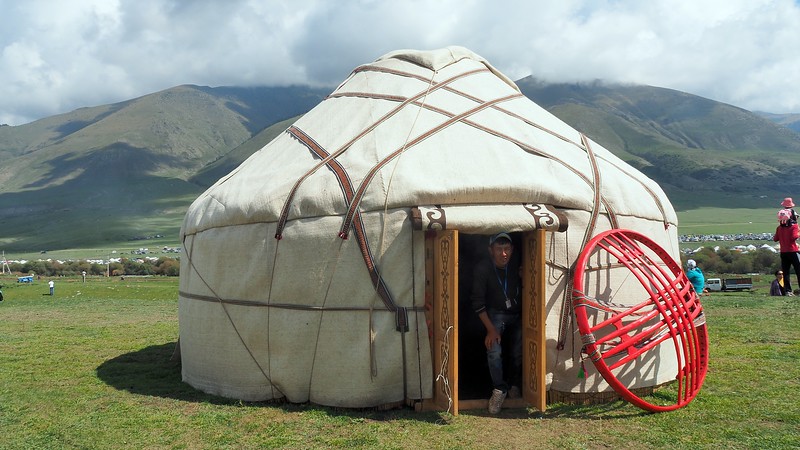
Audrey spent two full days at Kyrchyn and still felt as though she had barely scratched the surface. Same here. Yurt-building contests, costume displays, regional food competitions, storytelling, archery, eagle events, games, concerts and performances were scattered across a valley large enough to punish lazy planning. This was not a place for one quick lap, three photographs and a smug declaration that you had “done” nomadic culture.
Food, Hospitality and Plov on the Pasture
We saw food bubbling, frying and being hauled around throughout the regional camps, then ate plov with lamb inside one of the tents. Plov is rice cooked with meat, carrots, onions and enough richness to repair a person after hours of walking around a windy mountain pasture. It is not subtle. It is also not supposed to be.
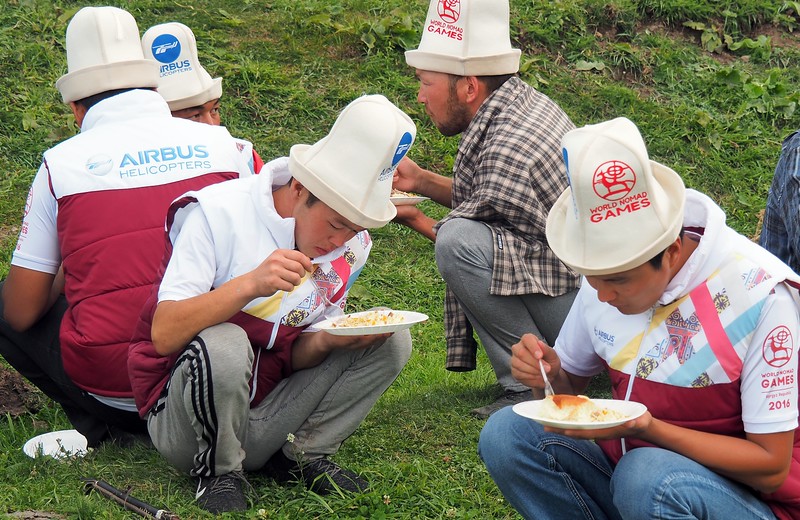
The Games helped me understand how badly nomadic culture can be flattened by travel marketing. It is not just photogenic yurts and felt carpets waiting for a wide-angle lens. Animals, food, work, sport and ceremony were tangled together. Kok boru made that impossible to ignore: the carcass was not disposable sporting equipment. We were told it would be eaten afterward, and we saw teams sharing it following competition. Grim to some viewers? Certainly. Wasteful? No.
The Strangest Performance We Saw
At one point we watched a performer somersault onto broken glass, lie on top of it, place a kettlebell on his stomach and then somehow escalate the situation until a jackhammer became involved. It was one of those travel moments where your brain stops trying to classify what it is seeing.
Was it a sport? A feat of endurance? A cultural performance? A terrible sequence of life decisions?
Possibly all four.
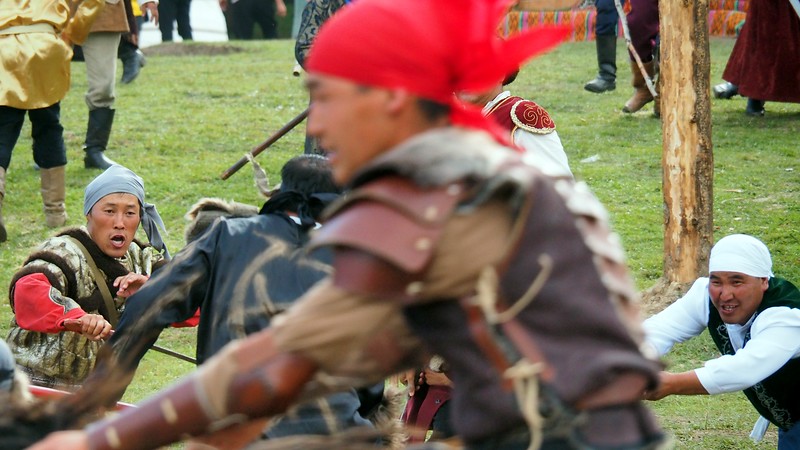
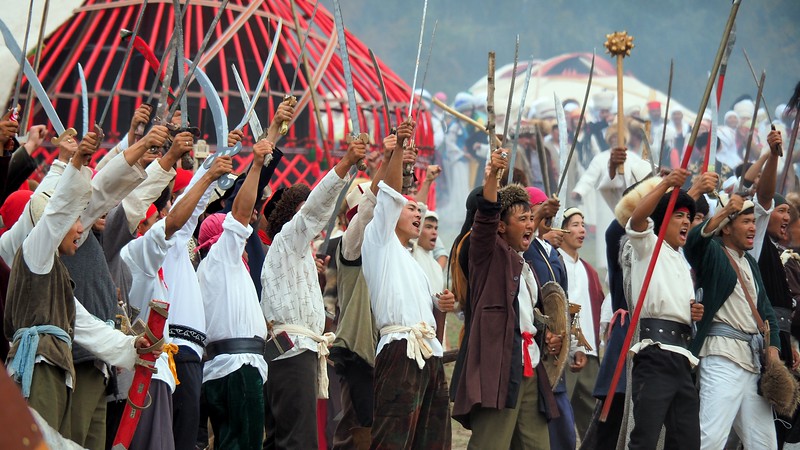
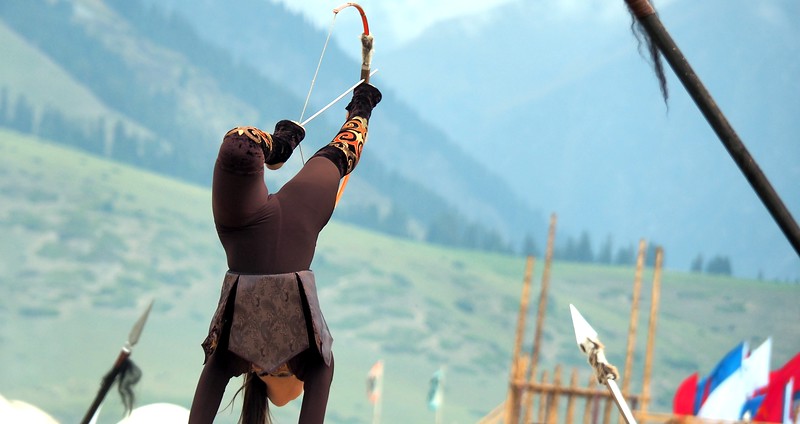
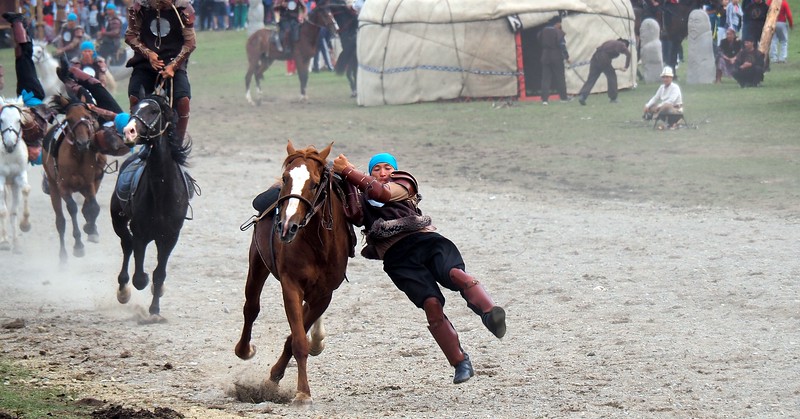
World Nomad Games Video
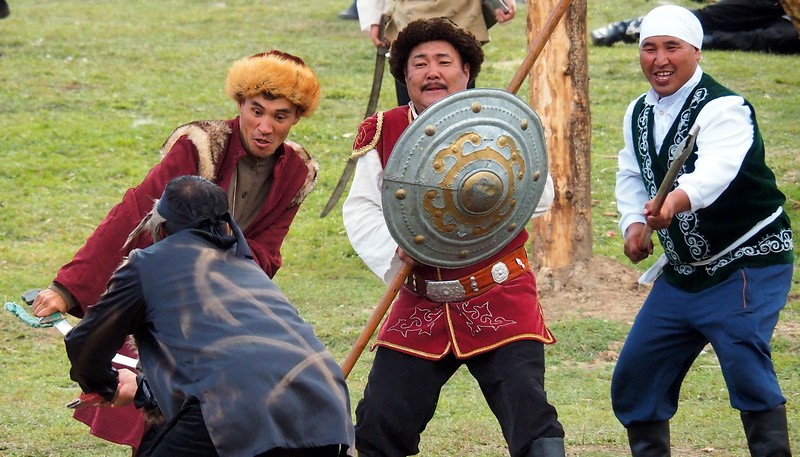
The video follows us from the opening ceremony through Kyrchyn, kok boru, archery, birds of prey, wrestling and the closing concert. In other words, it contains fewer tables and considerably more dust. Audrey also published her own detailed World Nomad Games guide on That Backpacker, which gives the event a complementary firsthand perspective rather than pretending we noticed exactly the same things.
My Favourite Sports at the World Nomad Games
The 2016 programme was commonly described as having 23 sports, although the official archive now counts 26 when broader disciplines are included. Either way, it was more than my brain could properly catalogue in a few days. These were the sports that grabbed me hardest. Before arriving, I could not have explained a single one without hand gestures and a dangerous amount of confidence.
Kok Boru
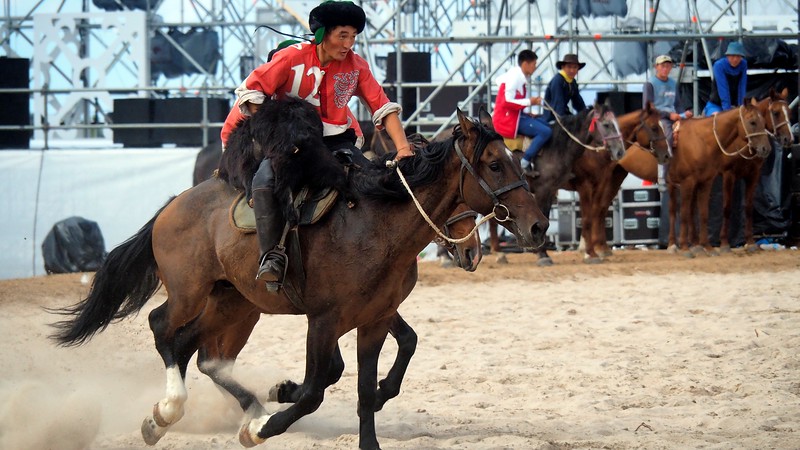
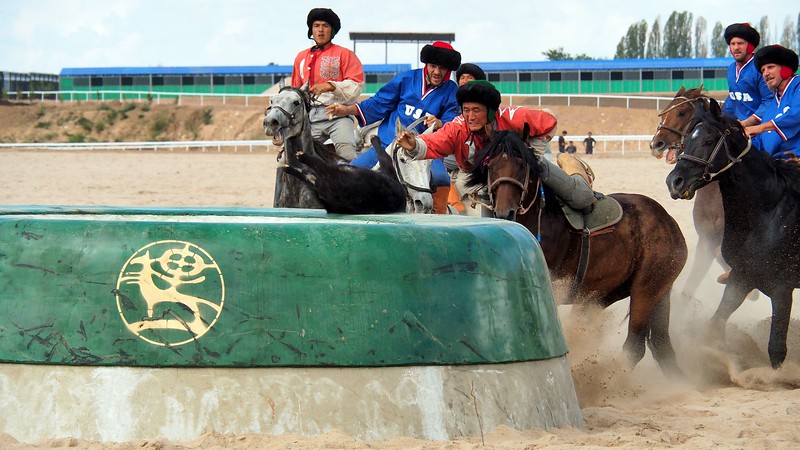
This sport was my personal favorite and it was definitely the most popular event at the World Nomad Games. Basically, two teams on horseback play something that sort of resembles polo, except instead of using a ball, they’re carrying and tossing a goat carcass with the intention of scoring a goal against their opponent. I was fortunate enough to have the opportunity to get right on the field during the game. I got a little overzealous at one point getting too close to the action and I had to retreat suddenly as horse-mounted players galloped in my direction. My favorite match was between Kyrgyzstan and Kazakhstan with the Kyrgyz team coming out on top.

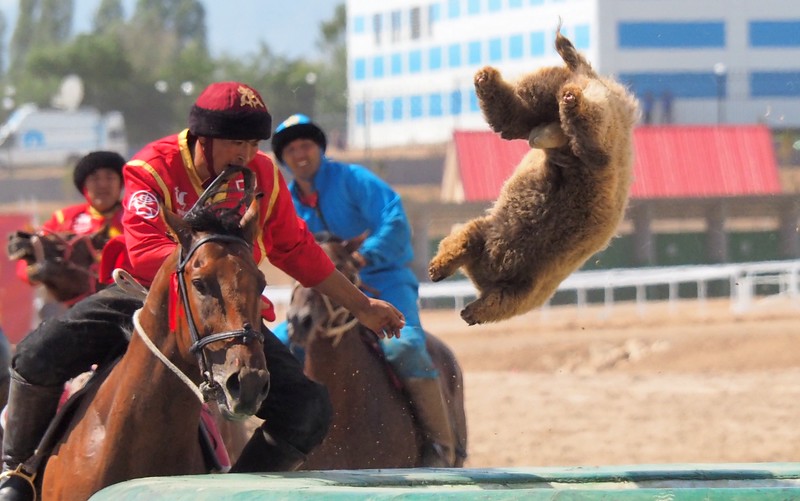

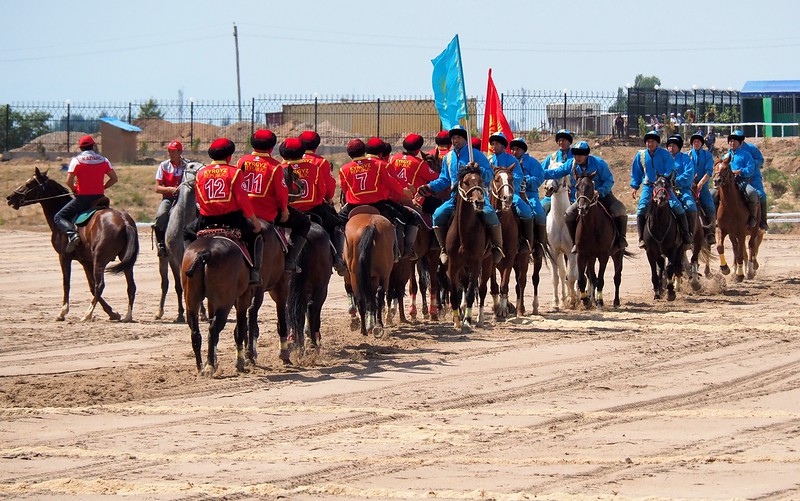
Kok boru is usually the sport that becomes the face of the Games, but it is often explained badly. It belongs to a wider family of Central Asian mounted carcass games that includes kokpar and buzkashi. They are related traditions, not interchangeable labels.
Under the published 2026 kok boru rules, each team has 12 riders and 12 horses, with four riders from each side on the field at once. The match is divided into three 20-minute periods. Riders fight for possession, carry the carcass and attempt to place it into the opposing team’s circular taikazan goal.
Kokpar appears separately on the 2026 programme. Its current rules use a 30–33-kilogram dummy carcass and two 20-minute halves. Buzkashi, meanwhile, is a wider name associated especially with Afghanistan and can use different formats and scoring systems. Calling everything “buzkashi” may be convenient for outsiders, but it erases distinctions that matter to the people playing.
Mas-Wrestling
Two wrestlers face each other with the soles of their feet on opposite sides of a wooden board. In their hands they’re holding a stick, and it’s basically a tug-o-war to either get the stick or pull their opponent over to their side of the board. These typically massive men were physically exhausted by the end of a match even if the game only lasted a few brief seconds.
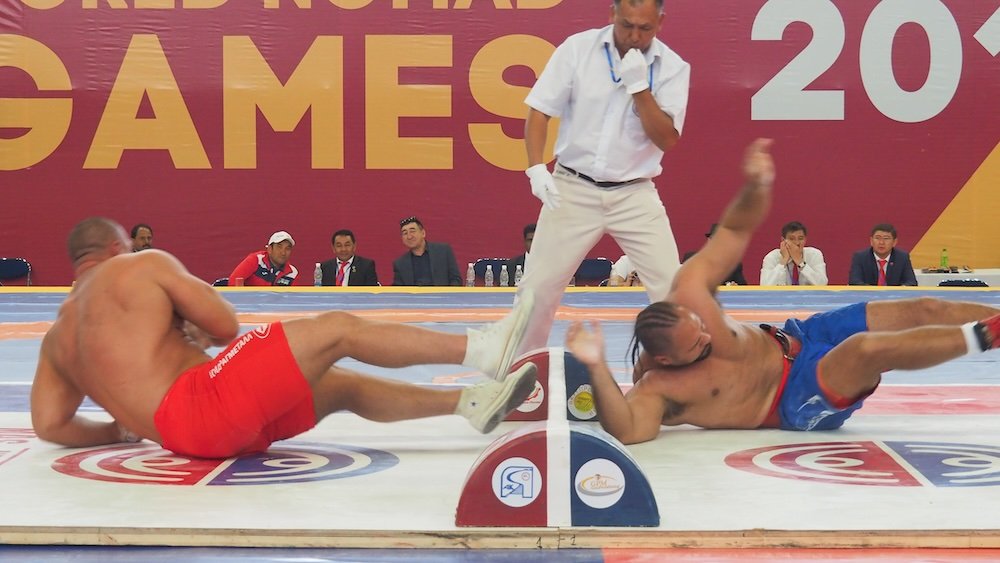
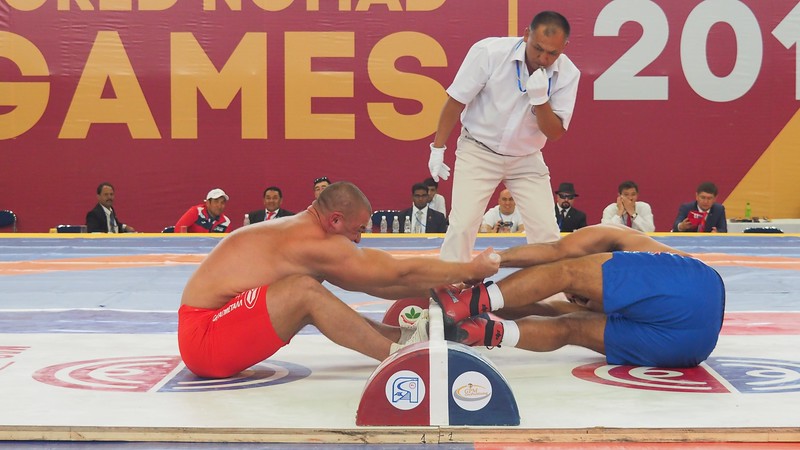
The 2026 programme lists the discipline as Tayak Tartysh or Mas-Wrestling. Its genius is that nobody needs a 40-page rulebook to understand the crisis unfolding in front of them. Two people grab the same stick. One of them is about to discover that his grip, lower back and general faith in himself were badly overestimated.
Salbuurun and the Hunting Events
This was my favorite hunting/prey event involving eagles. The competition was to see how fast eagles can fly while chasing after a fox skin over a stretch of 200 meters. It wasn’t only the human athletes that impressed me during these games!
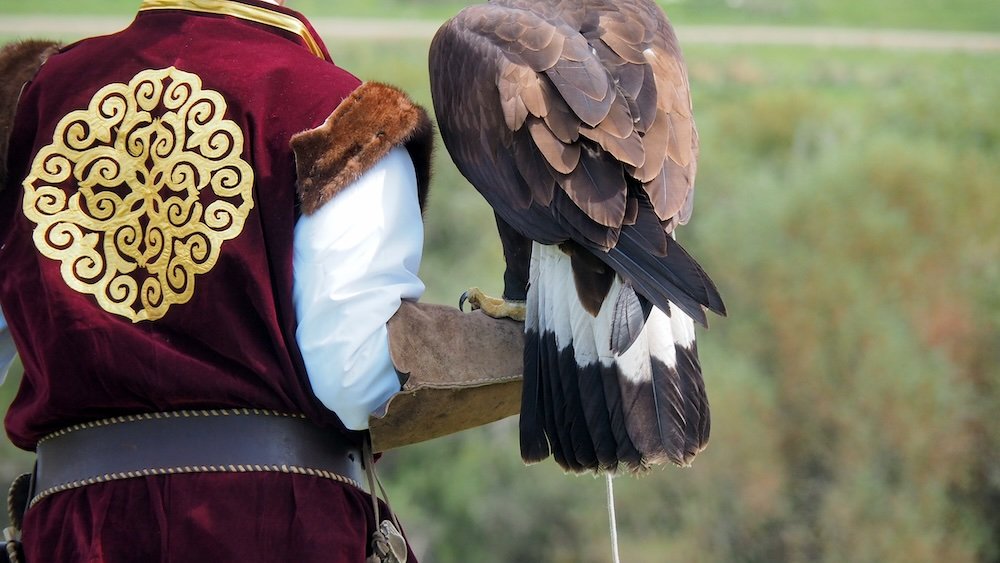
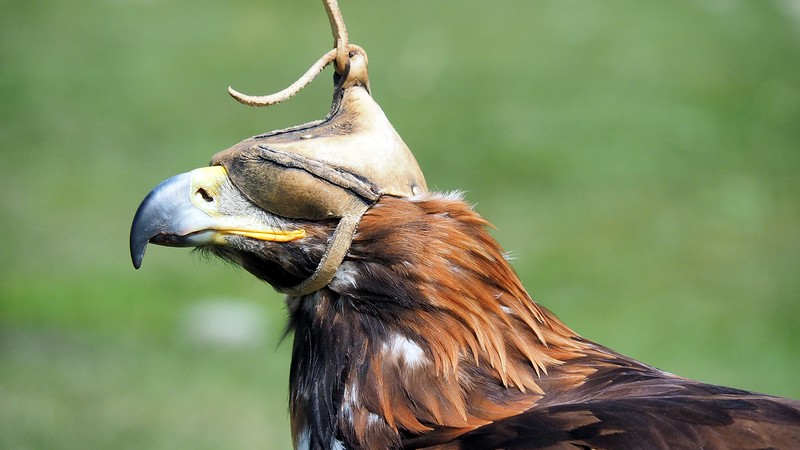
Salbuurun is better understood as an umbrella tradition rather than a single event. It brings together skills involving birds of prey, Kyrgyz Taigan dogs, archery and hunting knowledge. The announced 2026 programme breaks this world into four judged disciplines:
- Burkut Saluu: competitions involving trained golden eagles.
- Dalba: falcons attack a moving feather lure controlled by the handler.
- Kush Saluu: a recall competition involving a goshawk flying to its handler from a long distance.
- Taigan Zharysh: Kyrgyz Taigan sighthounds race after a fur lure.
Traditional Archery
We returned to Kyrchyn specifically for the eagle and archery programme. Even stationary target shooting looked cinematic against those mountains. The downside was that the scenery kept barging into the photograph like a particularly confident background actor.

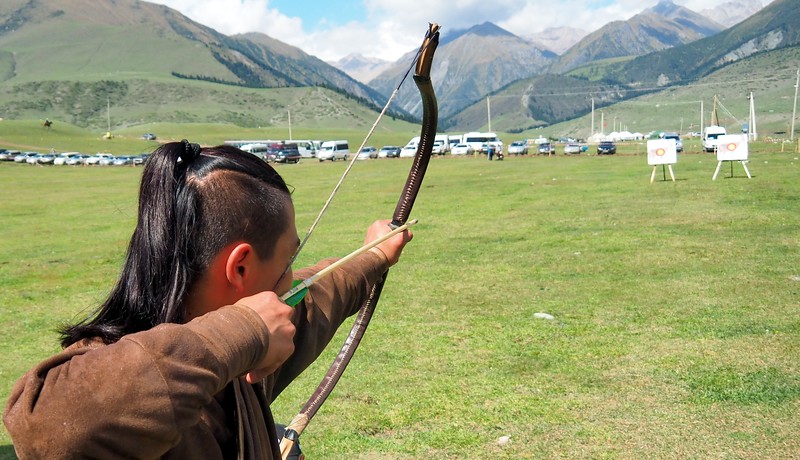
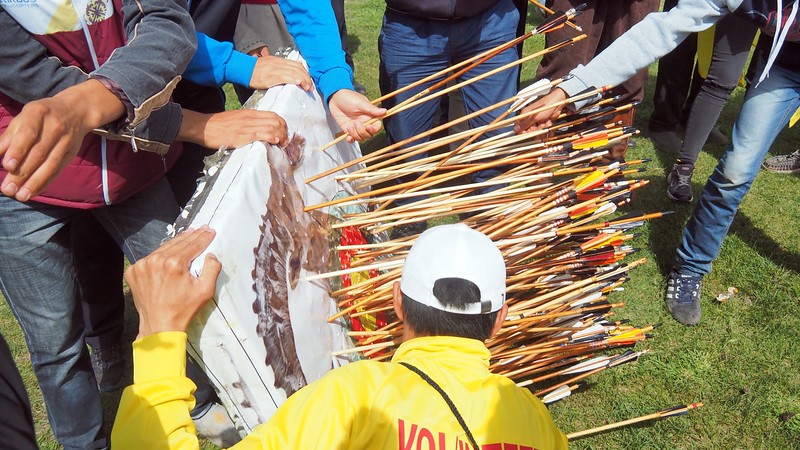
The 2026 programme distinguishes traditional foot archery from horseback archery and separates the disciplines by ruleset. The announced categories include Kyrgyz and Turkish target archery plus Kyrgyz and Hungarian-style mounted archery. That is more precise than saying the Games simply contain “archery,” because the equipment, courses, targets and firing methods can differ significantly.
Wrestling in More Forms Than I Knew Existed
The sporting complex hosted wrestling in more variations than I knew humanity had negotiated. Before attending, I would have struggled to explain why the programme needed so many styles. Watching them helped: some competitors clung to belts, others grabbed jackets, some banned groundwork, some allowed leg attacks and some ended the instant a knee, hand or other forbidden body part betrayed its owner.
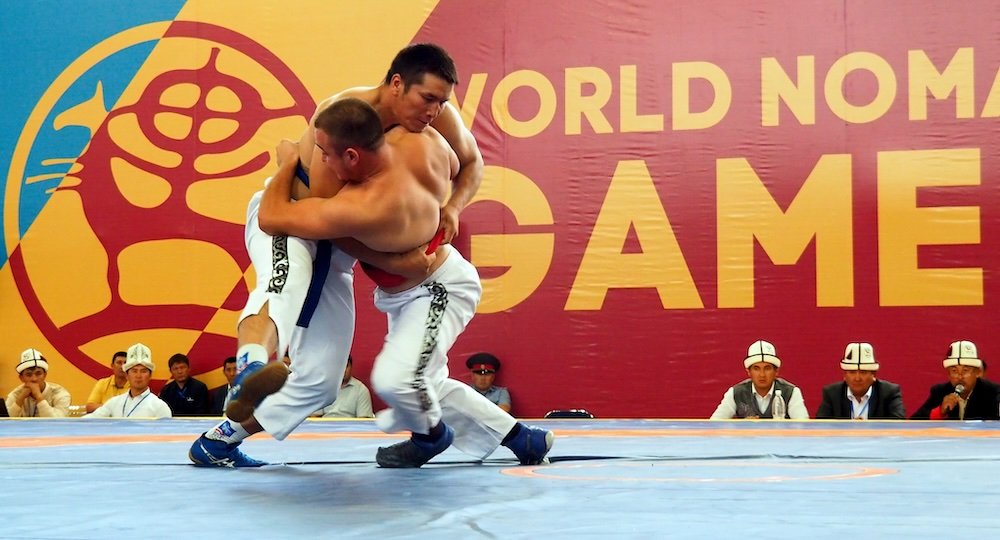

The 2026 programme expands this into 16 wrestling disciplines, including Great Nomad Wrestling. Champions from other styles can advance into one unified absolute-weight showdown. Calling it the final boss of the wrestling programme sounds ridiculous. It also feels entirely accurate.
Complete History of the World Nomad Games
The idea emerged from Kyrgyzstan and developed into an international project following regional discussions in the early 2010s. The first three editions were held in Cholpon-Ata before the Games moved to Turkey and Kazakhstan. Kyrgyzstan receives the event again in 2026. The organiser maintains a useful but occasionally inconsistent official history of every edition.
| Edition | Host and Dates | Officially Reported Scale | Why It Mattered |
|---|---|---|---|
| 2014 | Cholpon-Ata, Kyrgyzstan September 9–14 | 583 athletes from 19 countries; 10 competitive disciplines plus demonstrations | The experimental first edition established the basic combination of sport, culture and Kyrchyn. |
| 2016 | Cholpon-Ata, Kyrgyzstan September 3–8 | More than 1,200 participants from 62 countries; official sources count either 23 or 26 disciplines | The edition we attended. It expanded the event dramatically and brought far greater international attention. |
| 2018 | Cholpon-Ata, Kyrgyzstan September 2–8 | More than 2,000 delegates from 82 countries; 37 disciplines | The largest Kyrgyz edition to that point and the moment the project prepared to move abroad. |
| 2022 | İznik, Turkey September 29–October 2 | More than 3,000 athletes from 102 countries; the dedicated official page says about 40 disciplines | The first World Nomad Games outside Kyrgyzstan. |
| 2024 | Astana, Kazakhstan September 8–13 | 2,800 delegates from 89 countries; 21 disciplines and more than 100 cultural events | The second international host. Women’s categories were introduced in parts of the programme. |
| 2026 | Bishkek and Issyk-Kul, Kyrgyzstan August 31–September 6 | 43 announced disciplines; participation from more than 90 countries is being organised | A return to the founding country with the opening in Bishkek and major competition and cultural venues around Issyk-Kul. |
Why the Historical Numbers Do Not Always Match
The official archive occasionally gives different totals for the same edition. This does not necessarily mean somebody lost the spreadsheet, although I would not rule it out. More often, one page counts athletes, another counts complete delegations and a third quietly folds demonstration sports into the total. The numbers can all be defensible while still being maddening.
For 2016, for example, the event was widely described at the time as featuring 23 sports, while the current official history lists 26 disciplines. Rather than quietly choosing whichever number looks better, this guide keeps the discrepancy visible.
What United Nations Recognition Actually Means
The United Nations does not operate or sanction the World Nomad Games in the way the International Olympic Committee governs the Olympics. The relationship is more specific. A 2017 UN General Assembly resolution welcomed the second Games, and a 2018 resolution supported holding the World Nomad Games regularly as a contribution to intercultural dialogue. Later resolutions have named the Games among sporting events that can promote education, development, peace and solidarity.
That is meaningful international recognition. It is not the same as the UN running the event, blessing every rulebook or dispatching a blue-helmeted referee to settle a disputed kok boru goal.
All 43 Sports Announced for the 2026 World Nomad Games
The official 2026 sports index currently lists 43 disciplines across nine broad families. I could have given every sport an identical “description, objective, significance” box and slowly drained the life out of the article. I did not. The tables below give you the complete reference, while the sports we actually watched receive the space, photographs and opinions they deserve.
National Games
| Sport | What It Is | Firsthand Status |
|---|---|---|
| Breaking the Vertebral Bone | A Buryat strength-and-precision contest in which a competitor attempts to break a dried cattle vertebra with a one-handed strike. | Research only |
| Ordo | A Kyrgyz strategic team game played with knucklebones. The circle represents a headquarters or palace, and players try to break through its defence and dislodge the khan. | Present at the 2016 Games; not a major focus of our coverage |
Horse Racing
| Sport | What Distinguishes It | Firsthand Status |
|---|---|---|
| Byshty Zhorgo | A 6-kilometre race for young pacing horses. | We watched horse racing generally |
| Zhorgo Salysh | An 11-kilometre pacing race for horses aged three and older. | We watched horse racing generally |
| Kunan Chabysh | A 12-kilometre race for two-year-old horses. | We watched horse racing generally |
| Alaman Chabysh | A 25-kilometre open-age distance race under the current published rules. | We watched horse racing generally |
| Distant Horse Marathon | A 300-kilometre team endurance event staged over three days with veterinary controls. | Research only |
| Flat Racing | Professional speed racing over a level course. | We watched horse racing generally |
The pacing races deserve explanation. In a zhorgo event, maintaining the required lateral gait is part of the discipline. The fastest horse is not necessarily the best performer if it repeatedly breaks gait.
Horse Competitions
| Sport | What It Is | Firsthand Status |
|---|---|---|
| Kok Boru | Kyrgyz mounted team sport using a carcass and circular taikazan goals. | Watched, photographed and filmed extensively |
| Kokpar | A related Kazakh mounted team sport listed separately under its own 2026 rules. | Research only as a distinct 2026 discipline |
| Tyiyn Enmei / Tenge Ilu | Riders pick up coins or small objects from the ground while travelling at speed. | Research only |
| Er Enish | Mounted wrestling in which one rider attempts to pull or throw the other from the horse. | Part of the wider event programme; researched explanation |
National Wrestling Styles
| Style | Origin or Distinctive Feature | Simple Spectator Key |
|---|---|---|
| Alysh | Kyrgyz belt wrestling with a continuous belt grip; classic and freestyle variants differ on leg techniques. | Watch the belt grip and the amplitude of the throw. |
| Ashyrtmaly Aba Gureshi | Turkish wrestling performed in heavy aba jackets. | The jacket grip shapes almost every attack. |
| Goresh | Turkmen belt wrestling. | Standing throws and belt control. |
| Gushtini Milli Kamarbandi | Tajik national belt wrestling. | Look for continuous control around the waist or belt. |
| Gyulesh | Azerbaijani traditional wrestling with ceremonial roots. | Standing grips, throws and national presentation. |
| Kazakh Kuresi | Kazakh standing jacket wrestling. | The match remains upright; decisive throws matter most. |
| Khapsagai | Sakha or Yakut standing wrestling known for fast attacks. | A third point of contact with the ground can decide the action. |
| Koresh | Tatar and Bashkir belt wrestling traditions. | Continuous belt grip and standing throws. |
| Kyrgyz Kurosh | Kyrgyz standing wrestling using belt grips. | Control the belt and throw cleanly. |
| Kurash | Uzbek jacket wrestling; below-belt grips and groundwork are prohibited. | Fast upright attacks with clear jacket control. |
| Mongol Bokh | Mongolian wrestling with ritual presentation and no fixed weight classes in its traditional form. | Touching the ground above the knee can mean defeat. |
| Pahlavani | Persian heroic wrestling connected to the wider zurkhaneh physical tradition. | Strength, ritual and wrestling technique meet. |
| Sambo | The Soviet-developed sport-wrestling system. | Throws, pins and legal submissions under sport rules. |
| Ssireum | Korean belt wrestling held in a sand ring using a satba belt. | Both wrestlers begin already connected by the belt. |
| Sumo | Japanese ring wrestling. | Force the opponent out or make any body part other than the soles touch. |
| Great Nomad Wrestling | A unified absolute-weight finale open to champions from the other wrestling disciplines. | The cross-style championship at the top of the programme. |
Traditional Strength Sports
| Sport | What It Tests | Firsthand Status |
|---|---|---|
| Strongman | Heavy-object strength, endurance and spectacle. | Research only for 2026 |
| Tug of War | Team strength, footing and coordination. | Research only |
| Armwrestling | Upper-body strength, hand control and leverage. | Research only |
| Tayak Tartysh / Mas-Wrestling | Grip, back and leg strength while pulling a shared stick across a bracing board. | Watched and photographed |
Traditional Intellectual Games
| Game | What It Is | Firsthand Status |
|---|---|---|
| Oware | A West African mancala-family strategy game based on sowing and capturing seeds or counters. | Research only |
| Mangala | A Turkish mancala-family game involving calculated movement and capture. | Part of the wider Games programme; researched explanation |
| Toguz Korgool | A Central Asian nine-pit strategy game related to Toguz Kumalak. | Part of the wider Games programme; researched explanation |
Traditional Archery and Horseback Archery
| Discipline | Format | Firsthand Status |
|---|---|---|
| Turkish Puta Target Archery | Traditional foot archery under the Turkish target ruleset. | We watched traditional archery generally |
| Kyrgyz Teke Buta Target Archery | Traditional foot archery under the Kyrgyz ruleset. | We watched traditional archery generally |
| Kyrgyz-Style Horseback Archery | Mounted archery under the Kyrgyz course and target rules. | Research only as a distinct ruleset |
| Hungarian / Magyar Horseback Archery | Mounted archery under the Hungarian ruleset. | Research only as a distinct ruleset |
Traditional Hunting with Birds and Dogs
| Discipline | What Happens | Firsthand Status |
|---|---|---|
| Kush Saluu | A goshawk flies to its handler from a long distance. | We watched birds-of-prey events generally |
| Taigan Zharysh | Kyrgyz Taigan dogs race after a lure. | We encountered the dogs and hunting programme |
| Dalba | A falcon repeatedly attacks a moving feather lure. | We watched birds-of-prey events generally |
| Burkut Saluu | Golden eagles perform judged exercises involving recall and pursuit. | Watched and photographed eagle events |
Why Kyrchyn Is More Than a Festival Backdrop
The yurt camps are ridiculously photogenic. That is also the easiest way to misunderstand them. A jailoo is a working summer pasture tied to seasonal livestock movement, not an outdoor hotel lobby designed for Instagram. Soviet collectivisation and forced settlement transformed pastoral life across Kyrgyzstan during the twentieth century, replacing many mobile and kinship-based systems with collective farms and permanent villages.
The Games do not reverse that history, and not every yurt at Kyrchyn should be mistaken for untouched daily life. The ethno-town is a staged national and international event. Yet it creates a highly visible space where regional dress, music, craft, food, horsemanship and oral traditions can be performed, taught and debated rather than quietly disappearing from public view.
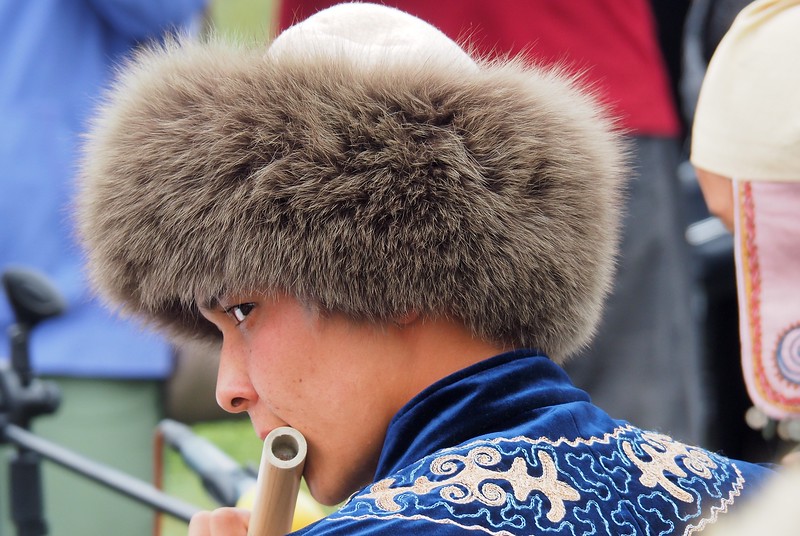

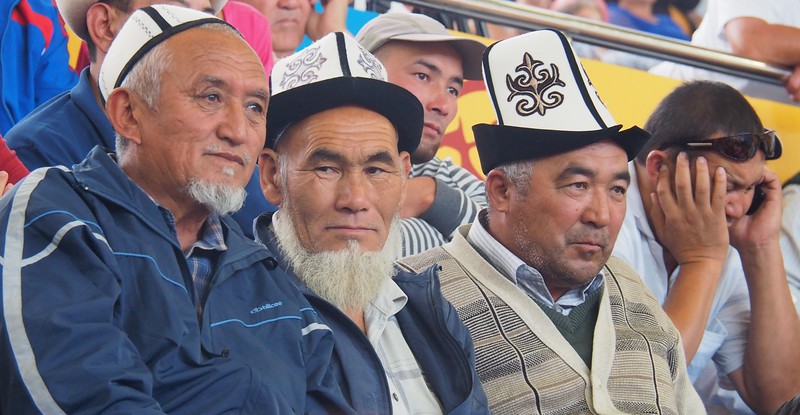
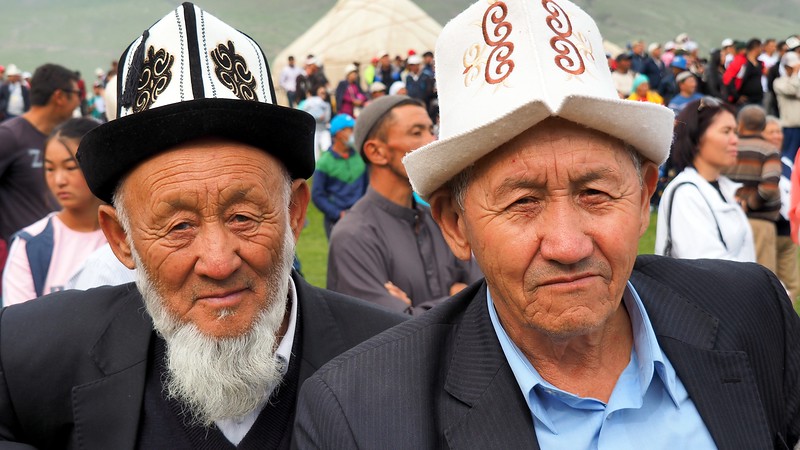
Regional Camps and Hospitality
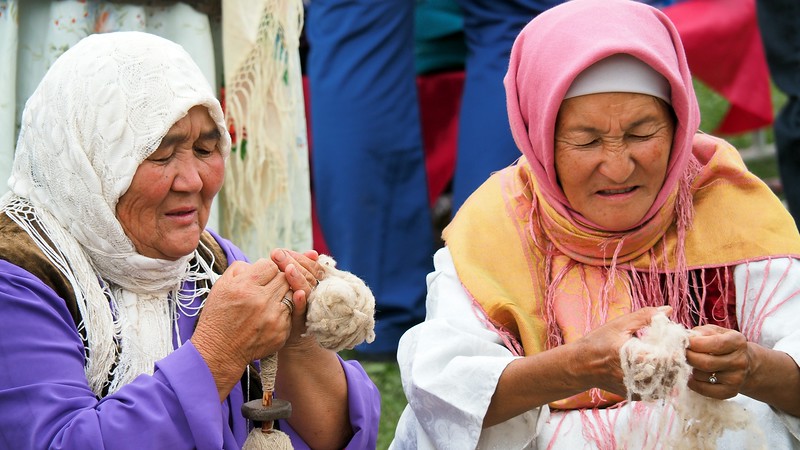
Kyrchyn was divided into camps representing different regions of Kyrgyzstan, each with its own yurts, food, decoration, performance and craft. Wandering without military-grade itinerary discipline was the right approach. The moments I remember were rarely on a timetable: somebody waving us into a yurt, a musician suddenly beginning to play, food emerging from a cauldron or a quiet picnic happening several hundred metres from the loudest stage.


Photography at the Games
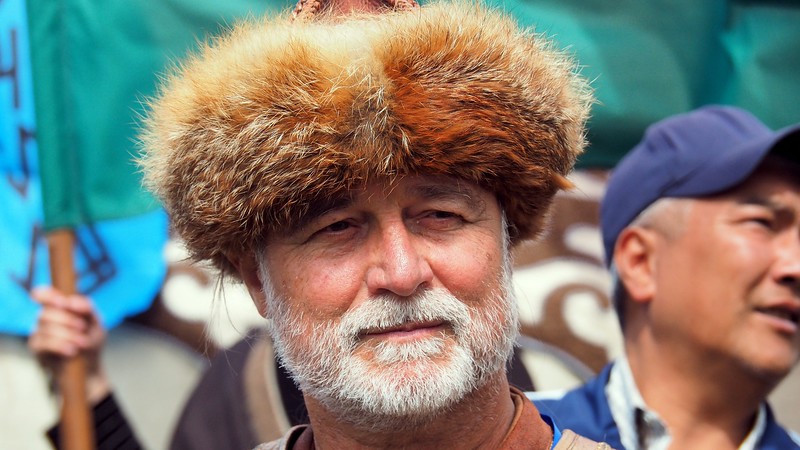
The World Nomad Games are photography gluttony. In one day you can move from distant equestrian action to portraits, textiles, steaming food, musicians, yurts and mountain landscapes. Finding a subject is not the problem. The problem is choosing one while three better photographs happen behind your back.
- For kok boru and racing: a telephoto lens helps, but do not become so fixated on filling the frame that you lose awareness of where the horses are moving. I learned this rather abruptly.
- For Kyrchyn: carry a wider lens for yurts, camps and landscapes, plus something suitable for portraits and performances.
- For people: ask before making close portraits, especially inside yurts or around craftspeople and families.
- For weather: bring protection against dust, sudden rain and fast temperature changes.
- For batteries: carry spares or a power bank. Long days, video and cold conditions can drain equipment quickly.

World Nomad Games 2026: What Is Confirmed
Information in this section was checked on July 18, 2026. The sixth World Nomad Games are scheduled for August 31 to September 6, 2026 in Kyrgyzstan. The opening ceremony is announced for Bishkek, while the main sports and cultural programme moves east toward Cholpon-Ata and Kyrchyn. This split matters. Bishkek and Issyk-Kul are not two neighbourhoods separated by a polite metro ride.
The organisers have announced 43 sports disciplines and are coordinating delegations through national federations, authorised bodies and representation agreements. The project also includes cultural and scientific programmes rather than sport alone.
| 2026 Venue | Announced Role | Planning Implication |
|---|---|---|
| Bishkek Arena / Azattyk Arena | Opening ceremony; the official venue page also lists the closing ceremony here | Travellers attending the opening should plan at least one Bishkek night rather than trying to commute from Issyk-Kul. |
| Cholpon-Ata Hippodrome | Kok boru, kokpar, er enish, racing and endurance events | Best base for readers prioritising equestrian competition. |
| Cholpon-Ata Sports Complex | National wrestling styles and Great Nomad Wrestling | Useful indoor or fixed-venue anchor when mountain weather turns unpleasant. |
| Rukh Ordo Cultural Centre | International ethnofestival, scientific conference, strength sports and intellectual games | Provides a culture-and-competition day without travelling all the way to Kyrchyn. |
| Kyrchyn Ethno-Town | Cultural programme, demonstration games, Ordo, strength events, archery and hunting disciplines | Allow a full day, preferably more than one, and prepare for mountain weather and basic facilities. |
Important: The Detailed Programme Is Still Moving
The broad dates and host regions are confirmed, but the official pages are not perfectly synchronised. At the time of this draft:
- The official venue page places both opening and closing ceremonies in Bishkek.
- Other preliminary programme material has placed the closing ceremony at the Cholpon-Ata Hippodrome.
- The events calendar lists competitions on dates that the high-level overview describes mainly as transfer, accreditation or seminar days.
- Some sports appear in the 43-discipline index and events calendar but are missing from the simplified venue summary.
That does not mean the Games are collapsing into the lake. It means a very large event is still sanding down the details. Check the official events calendar, the venue page and the boards posted on site. In 2016 we watched events move forward, move back and occasionally behave as though the printed schedule had personally offended them.
2026 Ticket Status
The official ticket page originally said sales would begin in early June 2026 and described planned categories, packages and locations. As of July 18, the public information was still not complete enough for me to publish a confident price table without making things up. I would rather leave a blank than invent a VIP package with a heroic-sounding name.
Do not buy unofficial “World Nomad Games tickets” from a random reseller merely because its checkout button is functioning enthusiastically. Confirm the final system through the organiser.
World Nomad Games Booking Hub
The cleanest way to book this trip is in layers. First secure Bishkek for the opening. Then lock down Cholpon-Ata for the competition days. Only after that should you start seducing yourself with Song-Kol yurts, horse treks and heroic cross-country itineraries. Otherwise you may end up with an unforgettable yurt and nowhere sensible to sleep during the actual Games.
| Decision | Best Booking Link | Why It Helps |
|---|---|---|
| Bishkek hotel | Compare Bishkek hotels on Booking.com | Useful for the opening ceremony, airport arrival, city tours and organising the rest of the trip. |
| Cholpon-Ata hotel | Compare Cholpon-Ata hotels and guesthouses | The practical base for hippodrome events, wrestling and transport toward Kyrchyn. |
| Issyk-Kul backup base | Search the wider Issyk-Kul region | Useful when central Cholpon-Ata inventory becomes expensive or vanishes. |
| World Nomad Games package | Check the dedicated World Nomad Games trip | A structured option for travellers who would rather bundle logistics than negotiate every transfer independently. |
| Bishkek activities | Browse Bishkek tours and day trips | Useful before the opening, after the Games or while waiting for a road transfer. |
| Song-Kol extension | Compare a Song-Kol horse ride and yurt stay | A natural continuation for travellers who want pasture, horses and yurt life beyond the festival version. |
Where to Base Yourself for the 2026 Games
The easiest way to sabotage this trip is to treat Bishkek and Cholpon-Ata as neighbouring districts. They are separated by a substantial road journey, and trying to sleep in the capital while attending daily events at Issyk-Kul is the sort of plan that looks clever until the alarm rings at 4:30 in the morning.
| Base | Best For | Advantages | Trade-Offs |
|---|---|---|---|
| Bishkek | Opening ceremony, international arrivals and city time | Largest hotel selection, airport access and restaurants | Too far away for sensible daily commuting to Issyk-Kul competition venues |
| Cholpon-Ata / Baktuu-Dolonotu | Kok boru, racing and wrestling | Closest practical base for the hippodrome and sports complex | Accommodation demand rises sharply during the Games |
| North-shore villages near Cholpon-Ata | Travellers balancing price and proximity | Potentially quieter and less expensive | You will depend more heavily on taxis, shuttles or a driver |
| Closer to Kyrchyn | Culture, archery, hunting events and repeated ethno-town visits | Shorter mountain transfers | Less convenient for the hippodrome and evening services in town |
A sensible split is one or two nights in Bishkek around the opening, followed by a move to Cholpon-Ata or the nearby north shore for the core competition days. Our Bishkek travel guide can help with the capital, while the main event base should be selected only after the final venue schedule is clear.
Where to Stay in Bishkek
For most travellers, central Bishkek is the least annoying choice. You can walk to restaurants and city sights, tour operators know where to collect you and you are not stranded beside the airport wondering why your “convenient” hotel has turned every meal into a taxi ride.
- Plaza Hotel Bishkek is a central option close to the White House and Ala-Too Square. I have not stayed there, so treat this as a location-based shortlist rather than a personal endorsement.
- Golden Hotel Bishkek is another well-reviewed city option with airport-transfer services listed. Again, compare the current location, cancellation terms and recent reviews rather than blindly obeying a travel blogger.
- For the widest inventory, use the full Bishkek hotel search and filter for free cancellation until the final ceremony and transport details settle.
Where to Stay in Cholpon-Ata
Cholpon-Ata is where I would spend the core Games days if equestrian sport and wrestling are your priorities. The town is small enough that location matters, but event week will punish anybody who waits for a romantic last-minute bargain.
- Silence Hotel is a beachfront option in the wider Cholpon-Ata area and may suit travellers who want lake access between event days.
- Mini-Pansionat Maksat offers family-oriented beachfront accommodation and is worth comparing for groups or parents.
- Helena Guest House is a simpler guesthouse option for travellers who care more about a clean base and local scale than resort trimmings.
- If those are full, do not panic-scroll individual properties for three hours. Use the broader Cholpon-Ata accommodation search and then widen into Issyk-Kul.
Hotel inventory, ratings and event access can change. None of these properties hosted us in 2016; they are current booking options selected for geography and practical fit, not disguised personal recommendations.
Getting Between Bishkek, Cholpon-Ata and Kyrchyn
Most international visitors arrive through Manas International Airport near Bishkek. From there, Cholpon-Ata requires a proper overland transfer around the western end of Issyk-Kul. Depending on traffic, roadworks, stops and the mood of the road, this can swallow a large chunk of the day. Do not schedule a marquee match two hours after landing unless chaos is one of your hobbies.
- Marshrutka or bus: usually the least expensive approach, but luggage space and fixed departure points can create friction during a major event.
- Shared taxi: faster and more flexible, provided the destination and fare are agreed clearly.
- Private driver: most useful for small groups, photographers carrying equipment or travellers with limited time.
- Rental car: provides freedom but also leaves you responsible for traffic, parking, road conditions and navigation during an unusually busy week.
Kyrchyn is a separate mountain transfer from Cholpon-Ata. In 2016, event shuttles were the easiest option without a vehicle. For 2026, confirm the first and last official departures daily. Do not assume the last bus will wait because you are composing one final masterpiece beside a yurt.
How Many Days Do You Need?
Three full event days are enough to understand why the Games are special. They are nowhere near enough to see everything. Stop trying. Pick your priorities, accept that several excellent events will happen simultaneously and resist turning Kyrchyn into an achievement badge.
| Time Available | Realistic Focus | What You Will Miss |
|---|---|---|
| 2 days | One equestrian day plus one Kyrchyn day | Most wrestling, intellectual games, repeat visits and schedule flexibility |
| 3–4 days | Kok boru, wrestling, Kyrchyn, opening or closing event | Many smaller disciplines and relaxed exploration |
| 5–6 days | A balanced Games experience with repeat visits and room for changes | Very little, although simultaneous events still force choices |
| 7+ days | The full event plus Bishkek or wider Issyk-Kul travel | Your remaining annual leave |
Field-Tested Packing List
The most useful practical advice from our 2016 visit came from things that became irritating on the ground rather than from a generic travel packing template.
- Closed shoes with grip: paths at Kyrchyn became muddy as weather changed.
- Sun protection: hat, sunglasses and sunscreen for exposed stands and pasture.
- Fleece plus rain shell: warm lake weather and cold mountain weather can occur on the same day.
- Water and snacks: food is available, but distances and queues can interfere with your elegant dining schedule.
- Cash in small denominations: particularly useful for food stands, taxis and smaller vendors.
- Toilet paper and hand sanitiser: the facilities at Kyrchyn were basic. That is the diplomatic version.
- Offline maps and schedule screenshots: venue information can change and mobile data should not be your only plan.
- Power bank and spare batteries: especially for photographers and anyone filming long events.
- Dust protection: a buff or scarf is useful around horses and dry fields.
Turn the World Nomad Games into a Kyrgyzstan Trip
The Games are a magnificent excuse to enter Kyrgyzstan. They are a terrible excuse to flee the moment the closing music ends. The country gets even better once the grandstands disappear, the roads become slower and your trousers begin collecting horse hair.
Give Bishkek More Than an Airport Night
Bishkek is where many travellers land, withdraw cash, buy a SIM card and immediately begin plotting their escape to the mountains. I understand the impulse. Still, the city deserves at least a proper day for Soviet-era architecture, parks, markets, cafés and the context that makes the rest of the country easier to understand.
- Use our Bishkek travel guide to organise the city independently.
- For a guided introduction, compare the Bishkek historical city walk.
- For a mountain escape without committing to a multi-day trek, the Ala-Archa half-day tour includes transport from Bishkek.
- If you want history, red-rock hiking and a first look at Issyk-Kul in one very long day, compare the Burana Tower, Konorchek Canyon and Issyk-Kul day trip.
Stay Longer Around Issyk-Kul
Issyk-Kul should not be reduced to the blue thing outside your minibus window. After the Games, move more slowly along the lake, visit gorges, swim if the weather cooperates and give yourself a day when no horse-related event begins before breakfast.
- Browse Issyk-Kul tours and activities for lake, canyon, hot-spring and multi-day options.
- Compare Cholpon-Ata tours if you want to keep the same hotel while adding Kyrchyn Valley, petroglyphs or wider lake excursions.
- For accommodation beyond event week, compare the complete Issyk-Kul hotel inventory.
Go East to Karakol
Karakol is where the trip can pivot from festival to mountain town: Dungan food, wooden architecture, hot springs, gorges and serious trekking access. See our Karakol travel guide before you book anything ambitious enough to require knees.
Trade the Festival Yurts for a Real Song-Kol Stay
Song-Kol is not a cheeky afternoon detour from Cholpon-Ata. It is a high-altitude destination that deserves its own transfer, weather plan and at least one night. This is where travellers can move beyond the staged festival setting and spend time around working summer pasture, horses and yurt camps.
- For a shorter organised extension, compare the two-day Song-Kol yurt stay with meals.
- For more riding, the Song-Kol horse ride, yurt stay and Burana Tower trip packages several awkward logistics together.
- For a larger circuit, compare the five-day Son-Kol, Issyk-Kul and Altyn Arashan tour.
- Independent travellers can also compare Son-Kul Lake Yurt Camp Mirbek or a gateway stay such as EcoNest with horse-riding tours from Kyzart. These are booking options, not places we personally tested.
Do not book every extension. Kyrgyzstan punishes itineraries built by somebody zooming out on Google Maps and declaring the country “not that big.” Pick the one landscape or experience that matters most, then leave enough time to reach it without turning the road into your main attraction.
The Future of the World Nomad Games
The Games are becoming more institutional, which is both necessary and slightly dangerous. An International Secretariat now coordinates participation, accreditation and agreements with national organisations and sport federations. Formal rulebooks are appearing. Delegations move through recognised channels. This helps prevent a global event from being organised with the administrative rigour of a village picnic.
At the same time, every host reshapes the programme. The number and selection of disciplines have changed dramatically between editions. Turkey and Kazakhstan brought different facilities and emphases, while the 2026 return to Kyrgyzstan restores Kyrchyn and Issyk-Kul to the centre of the event.
That creates an important tension:
- Standardisation makes judging, international competition and athlete safety more consistent.
- Host-country curation allows the Games to remain a changing showcase rather than freezing nomadic cultures into one official list.
The future depends on balancing both. Too little structure and the Games become impossible to follow, judge or reproduce. Too much, and living traditions get scrubbed, standardised and repackaged into interchangeable stadium products with nicer signage and less soul.
Women, Youth and a Broader Programme
The official 2024 history notes that women’s categories were introduced at participants’ initiative, while current 2026 rules for sports such as Alysh include women’s divisions. A 2026 partnership with UNICEF also focuses on children, cultural identity, inclusion and a Children’s Yurt connected to the Caravan of Unity project.
Those developments suggest the Games are trying to become more than a celebration of male strength and mounted combat. Whether that broader participation becomes permanent across more disciplines will be one of the most important things to watch after 2026.
Where Will the Games Go After 2026?
As of July 18, 2026, I have not found an official announcement naming the host after Kyrgyzstan. The UN General Assembly supports regular continuation and the international network is expanding, but that is where the facts stop. A definitive guide should know when to say “not announced yet” instead of selecting a country by vibes.
What the World Nomad Games Photographs Show
Rather than dumping the photographs into one endless gallery and forcing your thumb into an endurance event of its own, I have spread this photo essay through the guide beside the sports, people and places they document. The quieter spaces matter as much as the headline action.
One of the things I remember most clearly is the contrast. A violent-looking horseback match could be followed by tea, music, a family picnic or someone quietly working on a craft. The mountains remained in the background through all of it, behaving as though the entire event had been organised mainly to improve their photographs.
World Nomad Games Final Thoughts
The World Nomad Games were one of the most unusual sporting and cultural events I have ever attended. Kok boru hooked the sports fan in me, but Kyrchyn made the event feel larger than competition. It was the mixture that stayed with me: horses, wrestling, eagles, food, music, mud, mountains, regional pride, generous hospitality and the occasional man introducing a jackhammer to a bed of broken glass.
I went in unable to identify a single athlete or explain a single sport. A few days later I was on the edge of the field cheering for Kyrgyzstan and backing away from several rapidly approaching horses. That is a respectable amount of personal growth for one festival.
WNM Games Frequently Asked Questions
When are the 2026 World Nomad Games in Kyrgyzstan?
The sixth World Nomad Games are scheduled for August 31 to September 6, 2026. The opening is planned for Bishkek, with the main sporting and cultural programme centred around Cholpon-Ata, Issyk-Kul and Kyrchyn.
How many sports are included in the 2026 World Nomad Games?
The announced programme contains 43 disciplines. They include horse racing, mounted team sports, 16 wrestling styles, strength events, intellectual games, traditional archery, horseback archery and hunting competitions involving birds of prey and Taigan dogs.
Is kok boru the same sport as kokpar or buzkashi?
No. They belong to the same wider family of Central Asian mounted games, but their names, rules, fields and scoring systems differ. The 2026 World Nomad Games list kok boru and kokpar as separate disciplines.
Where should I stay while attending the World Nomad Games?
Bishkek is the practical base for international arrival and the opening ceremony, while Cholpon-Ata or the nearby north shore of Issyk-Kul is better for the main competition days. Staying in Bishkek and commuting daily to Issyk-Kul would consume too much time.
How many days should I allow for the World Nomad Games?
Two days can cover one equestrian day and one Kyrchyn day, but three or four days create a much better introduction. Five or six days allow a balanced programme with repeat visits, schedule changes and time for smaller sports.
What should I pack for a full day at Kyrchyn?
Bring closed shoes with grip, sun protection, water, a fleece, a rain shell, cash, toilet paper and hand sanitiser. Offline maps, schedule screenshots, spare batteries and a power bank are also useful during long days in changing mountain weather.
Can I combine the Games with a wider Kyrgyzstan trip?
Yes. Bishkek, Issyk-Kul, Karakol and Song-Kol all fit naturally before or after the Games. Karakol works well for food and mountain access, while Song-Kol is better treated as a separate horse-trekking and yurt-stay extension rather than a quick day trip.
Now it is over to you! Had you previously heard of the World Nomad Games? What do you now think of the event?
Any particular sport you’re more interested in viewing as a spectator? What did you think of the various events?
Let me know in the comments section below:
This trip was made possible with the support of Discover Kyrgyzstan and USAID. As always, all opinions expressed here are my own.
This article contains affiliate links to Booking.com and GetYourGuide. If you book through one of them, I may earn a commission at no extra cost to you. I have only placed them where they solve an actual trip-planning problem rather than sprinkling booking buttons over every passing noun.
This is the first time I’ve heard of World Nomad Games, such a great experience! Thank you for the photo essay!
Hello. How do you get tickets to the WNG?
Hi Hayley,
Last time I checked the website still wasn’t live – they are aiming to have that up and running at some point in May. I have been informed that the sporting events and the festival in Kyrchyn will be free to the public, meaning you’d only need tickets for the opening and closing ceremonies. It might be worth confirming that for sure later this summer.
Cheers,
Sam
Amazing! What a fantastic experience. Thank you for sharing this and your stunning photos. Looking forward to reading more.
Quite an amazing place to be. The people seem friendly, the sports entertaining and the scenes just beautiful. The culture seems to be upheld and deeply instilled in the people.
Would be a nice travel and get to interact with the people
Wow! I had seen the pretty pictures of Kyrgyzstan but didn’t know about the unique games that can be played. Bow and arrow upside down! Amazing! Loved their traditional attires!
This is epic. I will definitely try to attend next year. When I lived in Ireland and Nepal I was exposed to a few new sports, and I never looked back. I started to consistently play hurling and cricket. I think the more important matter that you bring to our attention in this article is the importance of preserving ancient cultural traditions through reenactments – it is a key part of promotion that can help these traditions live on, be recognized and be respected.
Great photos and vid – though I’m still jealous that you managed to catch the acrobat archers and I didn’t. Looking forward to more!
Hi, I’m really happy to read your post about my country. Thank you!!! Great post!) I hope you’ll enjoy in next World Nomad Games 2018. ☺
Amazing place and so stunning photos you shared of that place.
Thank you very much! We sure had a great time attending the games 🙂
Great post and so stunning photos you shared of that place.
Thank you very much! We had such good weather during the games and there was a lot for photographer to enjoy.
WOWOWOWOWWOWO!
Okay, I want to go to there.
This is amazing!
Thanks! It sure is an incredible event. I highly recommend attending 🙂
Wow what an amazing post. What an amazing place and event.Spectacular. Thank you Louise
Thank you Louise! It sure was an event we’ll never forget.