
Welcome to Berlin. Look, the first time you step off the U-Bahn at Alexanderplatz, the sudden rush of cold wind and the distinct smell of ozone from the tracks hits you right in the chest. This city is unapologetically raw. I’ve spent years navigating this sprawling grid, and if there’s one piece of hard signal intelligence you need immediately, it’s this: download the BVG public transit app before you even leave the airport. It’ll save you hours of friction at confusing ticketing kiosks. A single AB zone ticket will currently run you around €4.00, so grabbing a 48-hour WelcomeCard instead is usually just a smarter mathematical play if you plan on covering serious ground. You’re reading this because you’re keen to discover Berlin’s top things to do. Maybe you’re a history buff eager to run your hands along the cold concrete remnants of the Berlin Wall. Or you’re a foodie ready to track down the sharp bite of a proper street-side currywurst. Perhaps you’re looking for a travel guide that cuts the fluff and gives you the actual logistical realities on the ground. We know you value clarity, practical routing, and a sense of authenticity. That’s exactly what we’re delivering here.
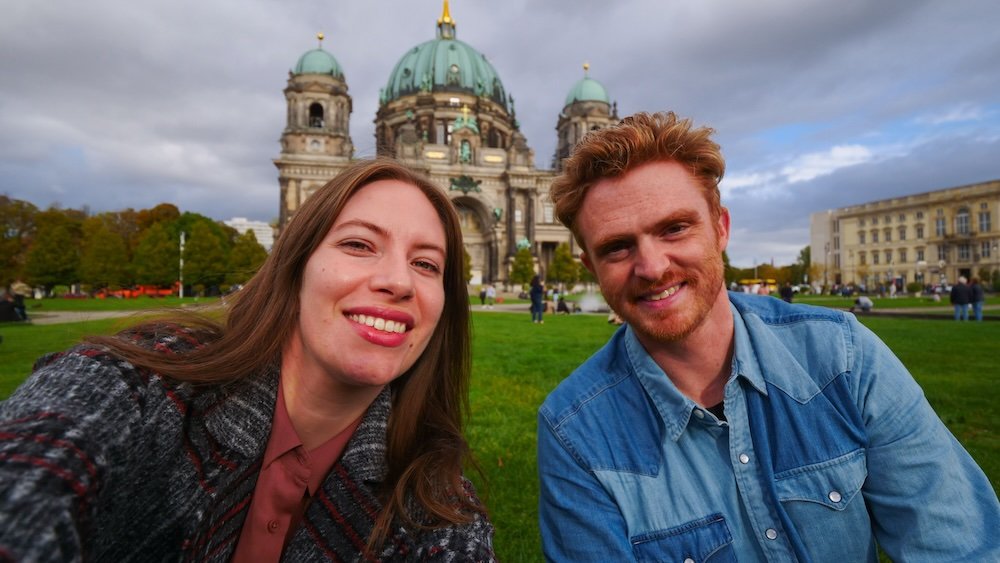
Why Berlin?
Honestly, figuring out the logistics of a city this massive is a genuine headache. Berlin doesn’t have one single, walkable center; it’s a decentralized network of fiercely distinct neighborhoods. Where do you even begin when the options range from ancient artifacts to massive, multi-story street art murals? Maybe you’re concerned about navigating the confusing Ringbahn transit lines, or unsure if you’ll find enough vegetarian dining spots in a country internationally famous for heavy pork dishes. You might also fear hidden tourist traps near the major monuments that burn a hole in your wallet for sub-par, reheated schnitzel. We get it. We’ve made those exact mistakes so you don’t have to. You only have so much time, and we found that having a solid, heavily researched game plan is the absolute only way to tackle this beast of a city without burning out by day two.
This guide is engineered for anyone hungry for an in-depth Berlin route. We’ve spent weeks testing these itineraries on the ground, dealing with the friction so you have a smoother ride. Maybe you’re a history lover drawn to WWII and Cold War sites. Perhaps you’re a digital nomad looking to exploit the reliable Wi-Fi and heavy caffeine in hipster Kreuzberg cafés. Families, backpackers, and couples alike can pull serious, actionable value from our curated list of things to do. We’re here to give you the unvarnished reality of what actually works and what just looks good in a brochure.
Berlin is a city of sharp, unapologetic contrasts—raw concrete and refined museums, heavy history and forward-thinking tech hubs. Dive in as we break down the top 10 things to do in Berlin, followed by hard data on food costs, tour routing, neighborhood profiles, and transport mechanics. Let’s get to work.
Top 10 Things To Do in Berlin, Germany For Visitors
Berlin doesn’t hide its scars; it builds right over them. It’s a place where things to do range from navigating massive museum complexes to sitting on a cracked curb eating cheap street food while listening to impromptu street techno. Below is our vetted list of ten essential experiences, ranked by actual on-the-ground value rather than hype.
1. Museum Island
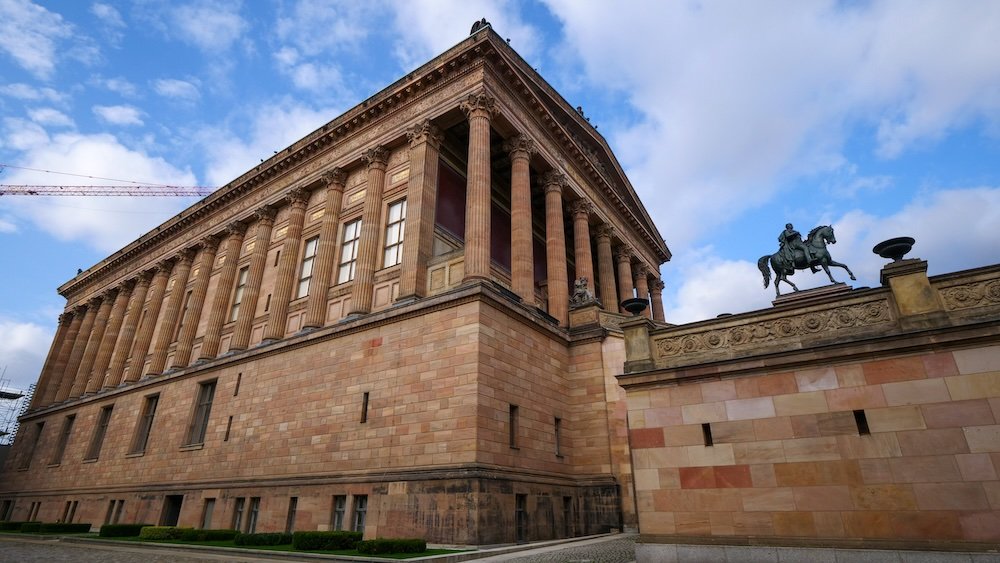
Museum Island, or Museumsinsel, packs five massive institutions onto a single wedge of land in the River Spree. Walking across the heavy stone bridge to get there, the damp chill coming off the river is unmistakable—especially in the early morning before the massive fleet of tour buses arrives and clogs the walkways. You’ll absolutely want to hit the Neues Museum to see the staggering, perfectly preserved bust of Nefertiti. However, here is a critical ground-truth update: local sources confirm the main Pergamon Museum is currently closed entirely for a massive, multi-year renovation. Do not show up expecting to walk through the famous ancient Greek architecture of the Pergamon Altar, because you’re just going to be staring at green construction fencing and cranes. Save your time and double down on the other open museums instead. Moving from one grand structure to the next requires comfortable boots and deliberate pacing; severe museum fatigue is a real threat here. Dedicate at least half a day and focus on two museums max if you actually want to absorb the information. It’s a heavy lift for history buffs and casual cultural explorers alike.
- Highlight Exhibits: The bust of Nefertiti in the Neues Museum is the undisputed heavyweight champion here.
- Ticket Tip: A Museum Island day pass is mathematically the best choice if you step foot in more than one building.
- Nearby Relaxation: Lustgarten Park in front of the Old Museum provides solid grass for resting your thoroughly exhausted legs.
Tip: Arrive 15 minutes before doors open to beat the queue, especially in July when the crowds sweating on the pavement become suffocating.
2. Berlin Cathedral
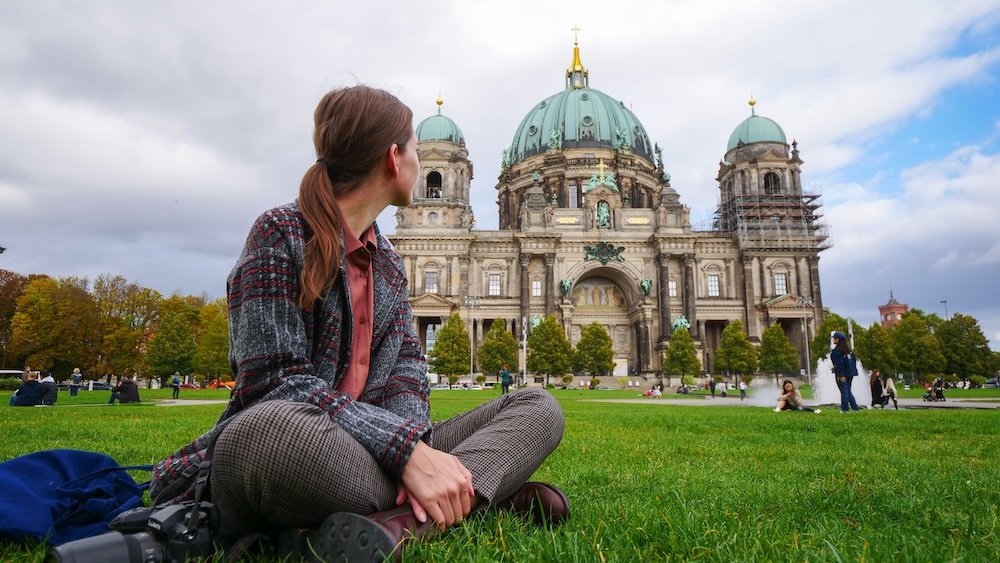
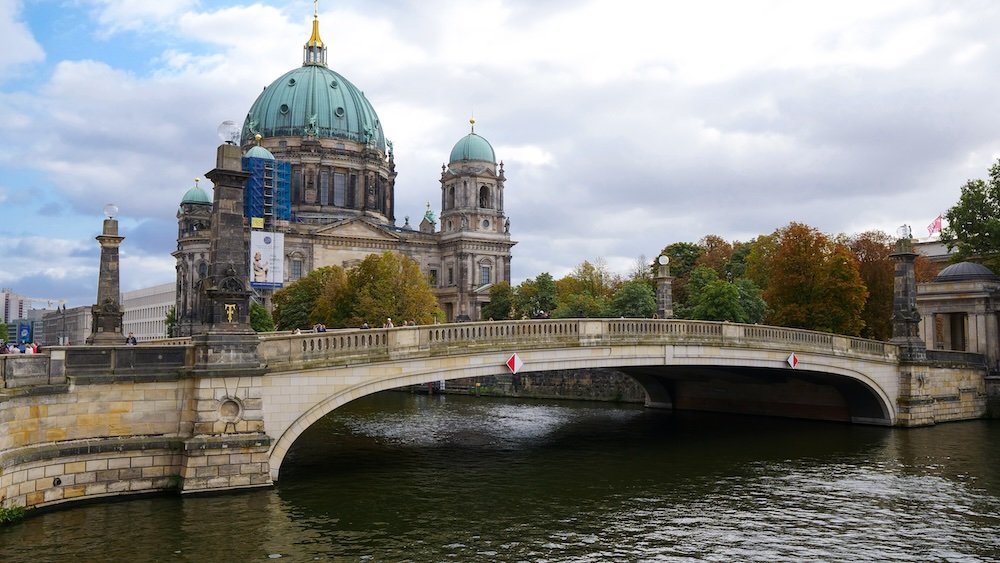
Berlin Cathedral (Berliner Dom) dominates the skyline on Museum Island. Step inside, and you’re immediately hit by the scent of old dust, burning wax, and cold stone—a stark, silent contrast to the modern traffic roaring outside. The interior is heavy with mosaics, gilded trim, and massive stained glass. The real draw, however, is the dome walkway. Local sources note entry currently costs around €15, and I have to give you a blunt warning: the climb is completely inaccessible if you have bad knees or mobility issues. It requires climbing 270 steep, slightly dizzying metal and stone steps with zero elevator access. Once you hit the top, the wind violently whips around you, but the sweeping views of central Berlin, including the Fernsehturm (TV Tower), are entirely worth the burn in your quads. You can also head down into the crypt, a dimly lit, silent space housing the massive royal tombs of the Hohenzollern dynasty.
- Photography: The exterior requires a wide-angle lens if you want the whole building from the Lustgarten square.
- Dress Code: They don’t mess around here; take your hat off and cover your shoulders out of respect.
- Opening Times: Access to the dome is blocked during Sunday services, so check the church schedule before you walk over.
Tip: Pace yourself on the dome stairs. There is very little room to pull over and let people pass if you run out of breath halfway up.
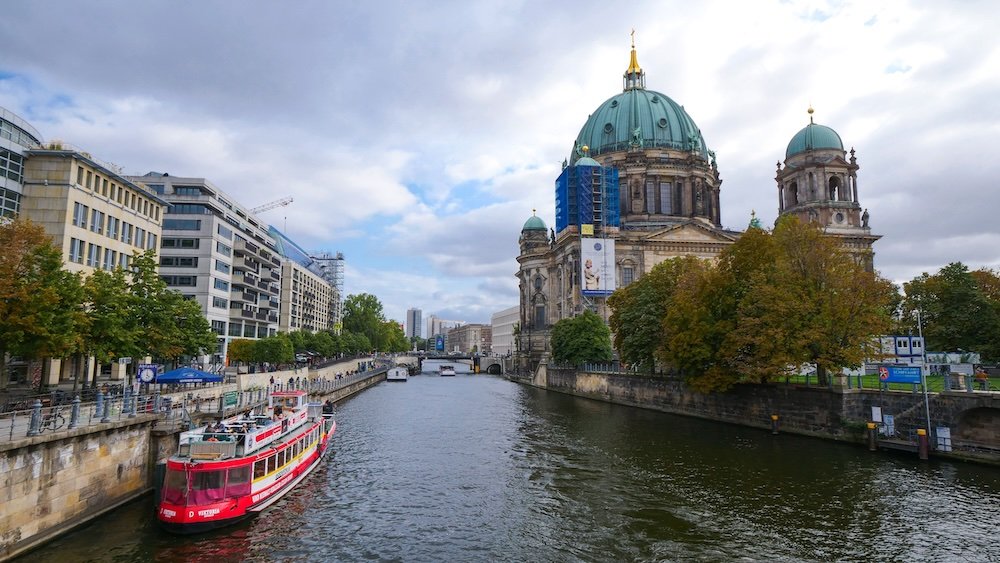
3. Cruise on the Spree River
Drifting along the Spree River is undeniably the most efficient way to rest your feet while still actively absorbing the city layout. Sitting on the open-air top deck, you can feel the low, steady hum of the diesel engine vibrating right through the metal bench as you duck slightly under the city’s old brick bridges. You’ll pass the massive glass dome of the Reichstag, Museum Island, and the Berliner Dom without dodging a single stressed commuter on the sidewalks. The standard one-hour loop provides an audio guide that spits out hard facts about the architecture and city planning. It’s the perfect, low-effort reset button between hectic museum visits. We’d recommend booking the sunset slot; the warm light hitting the modern glass buildings is excellent for photography. A highly contrarian take here: skip the heavily advertised “historical” dinner cruises entirely. The food is usually overpriced, banquet-hall quality, and you spend half the time looking at your plate instead of the city. Stick to the basic sightseeing loop and save your cash for a proper Kreuzberg meal later.
- Boarding Points: Friedrichstraße and Hackescher Markt are the most central, easily accessible docks.
- Variety: Stick to the standard one-hour open-air tours. The three-hour loops get notoriously tedious.
- Season: The wind on the water is sharp in winter; sit inside the glass cabin if the temperature drops below 10°C.
Tip: Bring a windbreaker even in mid-summer, as the temperature drops significantly once the boat gets moving on the open water.
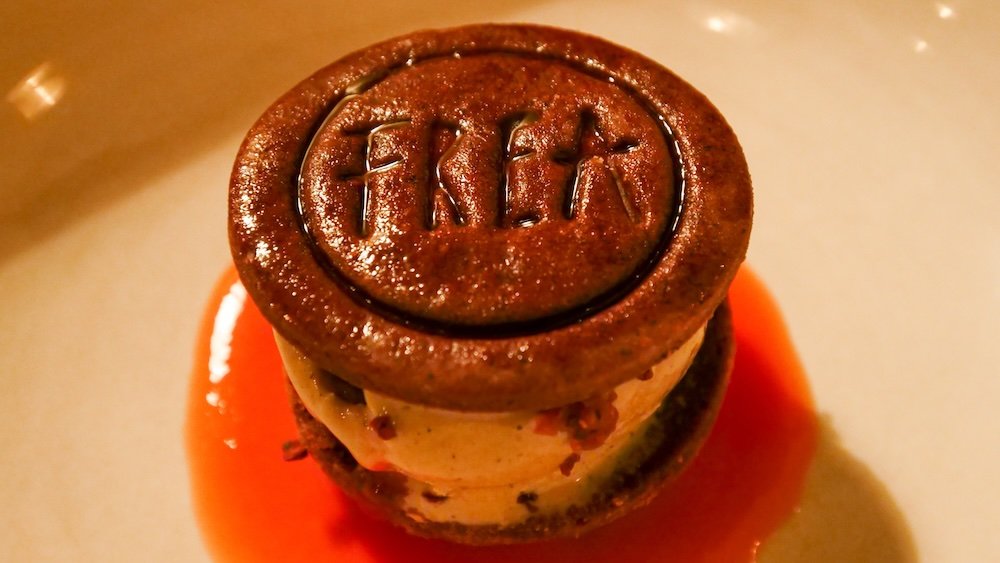
4. Dinner at Frea (Vegan and Waste-Free Restaurant)
Frea isn’t just a trendy gimmick; it’s a fiercely well-run kitchen that happens to be completely vegan and zero-waste. Walking into the dining room, you’re immediately hit with the earthy, pleasantly sour aroma of their house-fermented sourdough and roasting root vegetables. The ambient noise is loud—lots of clinking glassware and fast-moving, highly efficient staff. They manage to run a high-end, complex menu without generating a single bag of trash. Even if you love a massive German steak, the dense, layered flavors here will keep your full attention. They bake their bread in-house and churn their own rich butter alternatives. The interior is minimal, utilizing raw wood and exposed concrete, fitting perfectly into the local aesthetic. However, don’t even try to park a rental car around here; the street parking in Mitte is an absolute nightmare of confusing permits and aggressive ticketing. Take the tram.
- Highlights: The handmade pasta and the in-house brewed kombucha are mandatory orders.
- Reservations: Do not walk up expecting a table. You need to book at least a week out, or you’re eating elsewhere.
- Atmosphere: Fast-paced but casual. You won’t feel rushed, but the staff operates with military precision.
Tip: Check out their in-house composting machine (affectionately named Gersi)—it sits right in the restaurant and breaks down all their kitchen scraps within 24 hours.
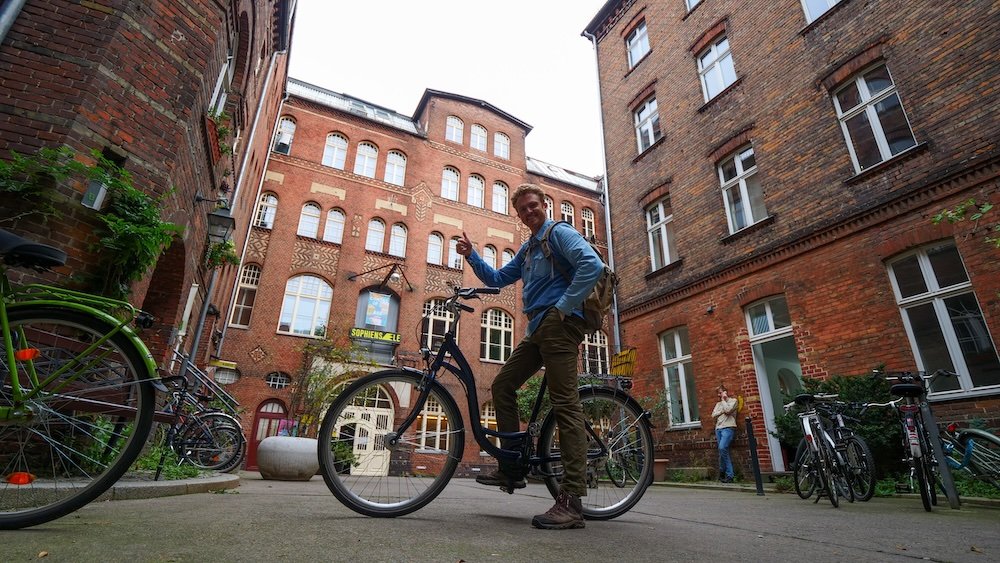
5. Berlin by Bike
Berlin is massive, fiercely flat, and aggressively pro-cyclist. Riding through Kreuzberg, the constant, bone-rattling shake of your tires shifting from smooth modern asphalt to jarring historic cobblestone keeps you hyper-aware of your surroundings. The bike lanes are wide and clearly marked with red paint, but local riders move fast, so you need to hold your line. Renting a bike lets you bypass the claustrophobic U-Bahn stairs and cover serious ground. We found that guided bike tours also exist and are arguably the best possible way to get a rapid crash course on the city’s complex layout. You’ll pedal past the concrete remnants of the Wall, massive flak towers, and sprawling urban parks. The biggest friction point? Tram tracks. Cross them at a hard 90-degree angle. If your tire slips into the steel rail groove, you will go over the handlebars and ruin your trip.
- Rental Options: App-based rentals like Nextbike or Tier are scattered on almost every single street corner.
- Safety Gear: The locals rarely wear helmets, but the car traffic is heavy and unforgiving. Protect your head.
- Best Times: Avoid 8 AM and 5 PM when aggressive commuter traffic turns the bike lanes into a chaotic highway.
Tip: Stay strictly in the red-painted bike lanes and do not drift onto the pedestrian sidewalks—Berliners will absolutely yell at you for it, and they aren’t shy about it.
6. Mauerpark
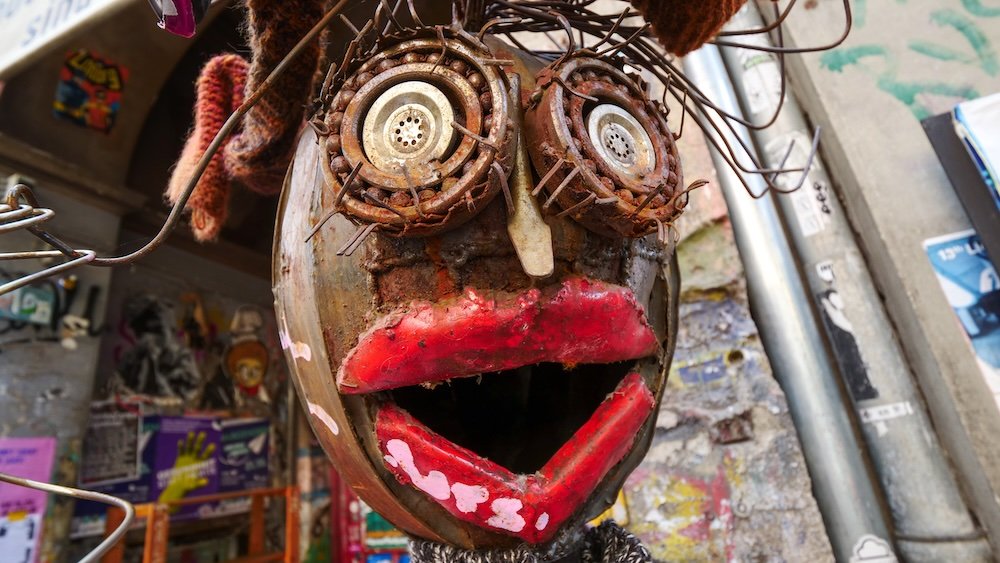
Mauerpark on a Sunday is loud, crowded, and culturally essential. Standing near the famous stone amphitheater, you can physically feel the booming bass from the portable sound systems vibrating right through the soles of your shoes. This chaotic strip of grass sits directly in the former “death strip” of the Berlin Wall. Today, it hosts a massive flea market where vendors hawk everything from authentic GDR memorabilia to rusted, used bicycles. The air smells heavily like a mix of roasting sausages, old dusty clothes, and cheap draft beer. The main event is the Bearpit Karaoke—thousands of people pack onto the concrete steps to watch strangers belt out pop songs. It’s a brilliant masterclass in public confidence. But here is the ground-truth warning: the dense, distracted crowds watching the musicians are prime, highly lucrative territory for organized pickpocket teams. Keep your hands on your valuables.
- Sunday Karaoke: Starts around 3 PM. Get there early if you actually want a place to sit on the concrete.
- Flea Market Finds: Bring small bills and be prepared to dig through actual piles of junk to find the good stuff.
- Street Art: The legal graffiti wall here is constantly being painted over; watch out for wet spray paint ruining your jacket.
Tip: Do not use the park’s public toilets unless it is an absolute emergency. They are notoriously horrific by 4 PM on a Sunday.
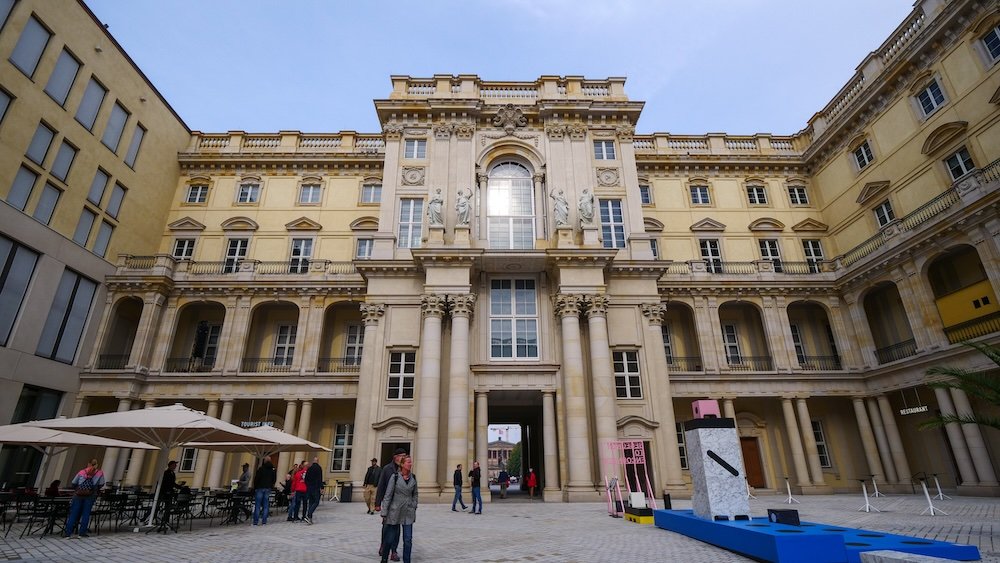
7. Humboldt Forum
The Humboldt Forum is a massive, highly debated cultural complex housed inside the reconstructed Berlin Palace. Walking through the heavy front doors, the slick, echoey silence of the polished stone floors hits you, offering a sharp, engineered contrast to the busy traffic roaring on Unter den Linden outside. The building itself is controversial—three sides replicate the ornate baroque palace, while one side is stark, unforgiving modern concrete. Inside, it holds vast collections from the Ethnological Museum and the Museum of Asian Art. It’s incredibly dense with information, focusing heavily on complicated colonial history and global trade routes. Expect a lot of intense reading and interactive digital maps. If you try to do the whole thing in one afternoon, you will experience severe museum fatigue. Pick one floor, commit to it, and leave when your brain is full.
- Highlights: The reconstructed ocean-going outrigger boats from Oceania are massive and visually impressive.
- Entry: The permanent exhibitions are completely free, which is a rare and excellent budget win in Berlin.
- Architecture: Look closely at the exterior facade to see exactly where the crisp new stonework meets the weathered, original surviving fragments.
Tip: Head up to the roof terrace. It costs a few extra euros, but the elevated view straight down the boulevard toward the Brandenburg Gate is totally unobstructed and worth the pocket change.
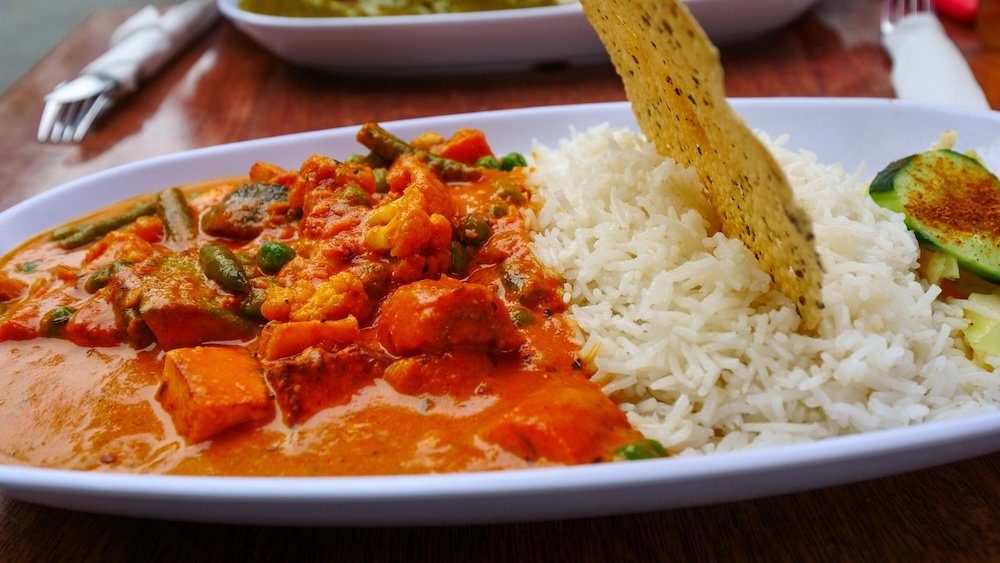
8. Indian Street Food
Everyone talks endlessly about doner kebabs, but Indian street food holds serious, undeniable ground in Berlin’s massive culinary footprint. Eating a hot masala dosa at a local street food market, you get that sharp, pungent hit of tamarind and the slow, creeping burn of green chili catching in the back of your throat. Small pop-ups and dedicated joints like Chutnify have completely mastered the high-volume, high-flavor model. It’s loud, it’s messy, and it requires eating with your hands while balancing on a wobbly stool. Ditching the formal sit-down restaurants for these fast-paced stalls is the smartest way to eat incredibly well without burning through your daily budget. If you hit Markthalle Neun on Street Food Thursday, be prepared for severe elbow-to-elbow crowding. It gets shoulder-to-shoulder packed, but enduring the absolute chaos for these stalls is entirely worth the hassle.
- Popular Dishes: Stick to the chaats (samosa chaat or bhel puri) for maximum texture and crunch.
- Vegan-Friendly: The vast majority of these street snacks contain zero animal products by default, making ordering effortless.
- Price Range: Expect to drop roughly €6 to €10 for a solid portion that acts as a full lunch.
Tip: Grab extra napkins before you sit down. The chutneys are dangerously thin and will absolutely end up on your jacket if you aren’t careful.
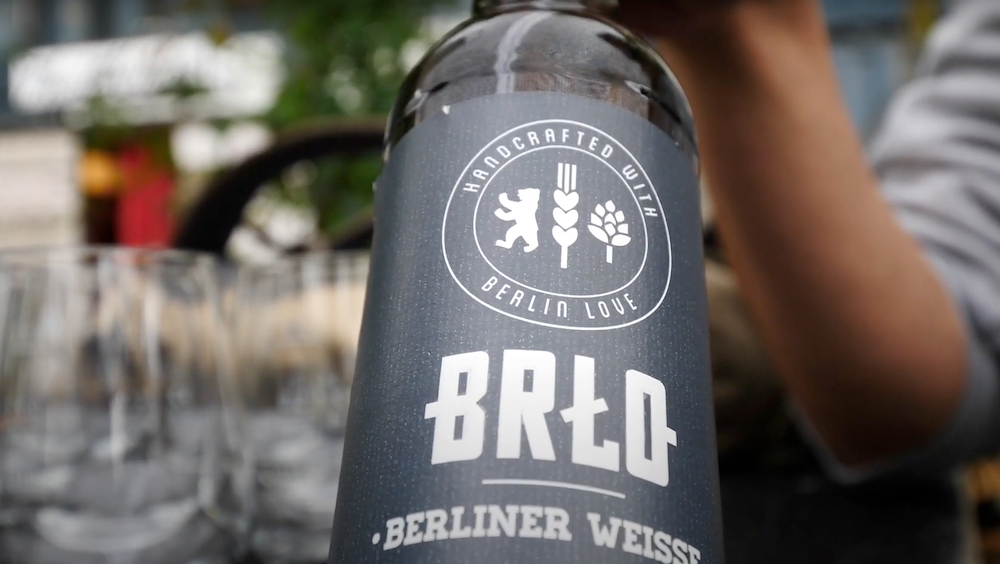
9. Beer Tasting at BRLO Brewery
BRLO Brewery is brilliantly built out of stacked shipping containers right next to the elevated U-Bahn tracks at Gleisdreieck. Walking into the beer garden, the unmistakable yeasty, sweet scent of boiling wort hangs heavy in the air. The gravel crunches loudly underfoot as you navigate the crowded wooden picnic tables. BRLO deliberately skips the traditional German purity laws and brews aggressive pale ales, sharp sour Berliner Weisses, and heavy, dark stouts. Ordering a tasting flight is the strategic move here; they line up five small glasses on a wooden paddle, letting you calibrate your palate before committing to a full liter. The proximity to the train tracks gives it a great industrial grit. However, the outdoor seating is fiercely contested. Arrive before 5 PM on a sunny day or you will absolutely be standing on the gravel holding your pint all evening.
- Outdoor Seating: Excellent atmosphere, but finding a clean table requires predatory hovering behind groups getting ready to leave.
- Food Pairings: Their kitchen focuses on heavy, smoked vegetables that easily rival their meat dishes for pure flavor density.
- Souvenirs: They sell well-designed cans at the merch desk to pack in your checked luggage for the flight home.
Tip: Dress warm if you sit outside. Even in the middle of summer, the wind channels right through the railway overpasses and drops the temperature fast.
10. Berlin Food Tour (Kreuzberg)
A structured food tour in Kreuzberg is the absolute fastest way to download the neighborhood’s complex history straight to your brain. Walking these streets, you’re constantly bombarded by rapid sensory shifts—the sticky, sweet residue of honey from a fresh piece of Turkish baklava on your fingers, immediately followed by the dense, salty smoke drifting out of a charcoal kebab grill next door. A local guide handles the navigation, marching you from old-school bakeries to third-wave coffee roasters. You’ll cover serious ground on foot while digesting stories about the area’s punk-rock squatting history and the ongoing, tense rent battles. It’s a high-calorie, high-information investment of your afternoon.
- Tour Styles: Look strictly for independent operators who cap their group size at 10 people for better access to tiny shops.
- Pacing: Wear your most broken-in boots; you’re going to rack up serious mileage on these sidewalks for 3 to 4 hours.
- Cultural Insights: The food is honestly just the tasty delivery mechanism for the historical data the guide provides.
Tip: Pace your eating like a marathon. The portion sizes on these tours are notoriously large. If you crush the entire massive kebab at stop number one, you will fail to finish the tour.
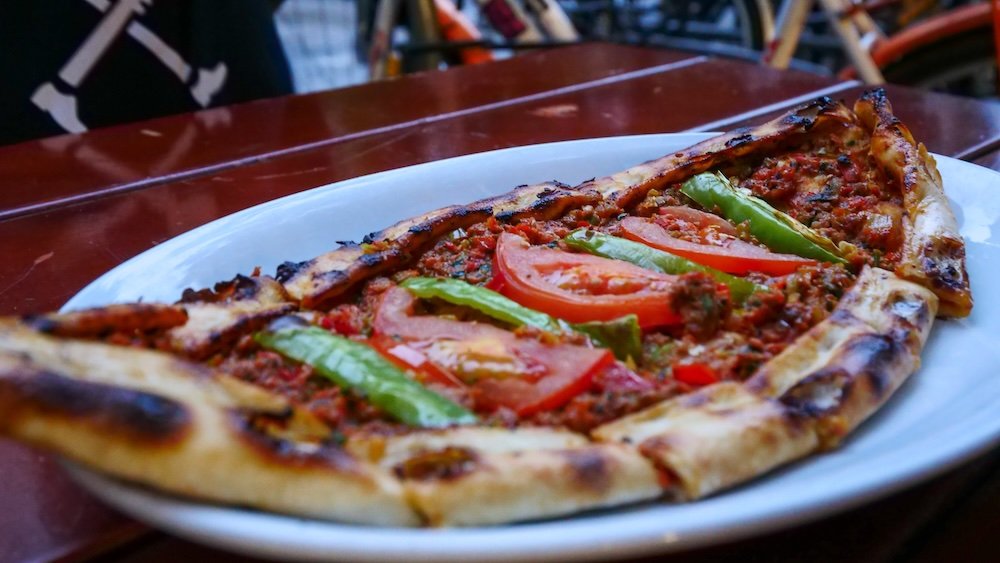
What To Eat and Drink in Berlin, Germany
Berlin’s food scene doesn’t care about rules or tradition. You’ll find heavy, traditional German meats right next to experimental, highly conceptual vegan pop-ups. This travel guide section offers a snapshot of the things to do to keep your caloric intake optimized while out grinding on the streets. We’ve mapped out the baseline staples you absolutely need to consume before you leave.
Classic German Fare
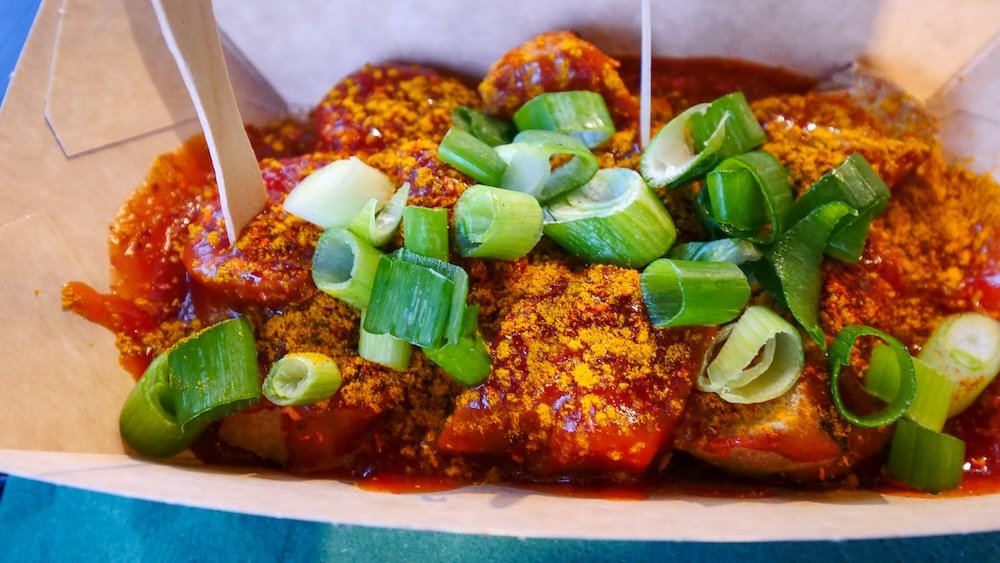
- Currywurst: The audible snap of the casing when you bite into a hot currywurst is instantly recognizable. It’s a chopped pork sausage drowned in heavily spiced ketchup and aggressively dusted with yellow curry powder. Eat it standing at a high-top metal table like the locals do.
- Schnitzel: A massive, thinly pounded pork or veal cutlet fried in a ridiculous amount of butter. The breading should be crispy and blistered. If you leave the restaurant without feeling heavily sedated, they simply didn’t use enough butter.
- Pretzels and Bread Rolls: The dark, dense crust of a fresh Brötchen is a morning non-negotiable. Grab one from a corner bakery (Bäckerei) and eat it while walking to the train.
Tip: Look for the neon Imbiss signs. The best, cheapest currywurst rarely comes from a place with actual chairs.
Global Influences
- Turkish Cuisine: The smell of shaved meat hitting the hot griddle at a döner stand is the unofficial scent of Berlin at 2 AM. Head to Neukölln for cheap, massive portions of lahmacun and proper, stacked spit-roasted meats.
- Asian Fusion: The heavy steam rising off a bowl of spicy ramen in Mitte offers a quick, cheap reset on a cold afternoon. The Vietnamese spots here, a legacy of guest workers in East Germany, are incredibly authentic and inexpensive.
- Middle Eastern Street Food: The crunch of a perfectly fried falafel ball wrapped in flatbread with aggressive garlic sauce is a cheap, high-protein fuel source that never fails.
Tip: Mustafas Gemüse Kebap on Mehringdamm is a global legend, but the hour-long line standing on the cold sidewalk requires serious patience and a strong podcast.
Vegan and Vegetarian Delights
- Plant-Based Innovation: Berlin doesn’t treat vegan food as an afterthought; it’s a dominant, thriving force. You’ll find entire supermarkets dedicated solely to plant-based items.
- Vöner (Vegan Döner): A heavy block of seitan roasted on a spit, shaved off, and loaded with spicy chili sauce. It hits the exact same greasy, highly satisfying notes as the meat version.
- Veggie Markets: At the Saturday Kollwitzplatz market, the air smells intensely like fresh dill, damp soil, and expensive artisan cheese alternatives.
Tip: Hit Street Food Thursday at Markthalle Neun. It gets shoulder-to-shoulder packed, but the vegan stalls rolling out their test menus are top-tier.
Sweet Treats
- German Cakes: Sitting in a heavy wooden chair eating a dense, massive slice of Black Forest cake is mandatory. The tart cherry and dark chocolate combination is heavy but absolutely perfect with a bitter black coffee.
- Berliners (Doughnuts): A soft, sugar-coated dough bomb injected with thick plum or strawberry jam. When you bite into it, the fine sugar gets absolutely everywhere. Do not wear a black jacket while eating this.
- Ice Cream: Artisan gelato is surprisingly dominant here. The texture is thick and dense, with flavors ranging from standard vanilla to aggressive black sesame.
Tip: Do not skip “Kaffee und Kuchen”—the 3 PM sugar and caffeine hit is a beloved German tradition that effectively gets you through the afternoon travel slump.
Beer and Beverages
- Craft Beer Scene: The bitter, piney taste of a locally brewed IPA cuts right through the heavy pork dishes. The craft scene here is rapidly expanding out of the shadows of the massive Bavarian breweries.
- Berliner Weisse: A sharply sour, low-alcohol wheat beer. They pump it full of neon green woodruff or red raspberry syrup. It looks ridiculous in the glass but tastes incredibly refreshing on a hot day.
- Club Mate: The harsh, earthy fizz of this highly caffeinated yerba mate soda takes getting used to, but it is the absolute sole fuel source for Berlin’s clubbers and exhausted tech workers.
Tip: Return your glass bottles to the Späti (corner store). The “Pfand” deposit system gives you a few cents back and keeps the streets remarkably clean.
Tours For Visitors To Berlin, Germany
You can wander blindly using your phone, but handing the navigation over to a professional local guide for a few hours pays massive dividends. Berlin’s complex, sprawling layout and layered history demand actual context. You’ll find things to do that match your interests without wasting precious time staring at Google Maps. Here is the breakdown for any proper travel guide itinerary.
Historical Walking Tours
Historical walking tours are the fastest way to force yourself to get your bearings. Standing over the unmarked, muddy parking lot that covers Hitler’s bunker, the stark, unsettling banality of the location hits you hard. Guides march you through the core sights—the Brandenburg Gate, the Holocaust Memorial, and the towering old Luftwaffe headquarters. You’re going to rack up serious mileage on these cobblestones, so trust me, your arches will be screaming by hour three. It’s dense, rapid-fire information delivery. We always recommend booking one of these on your very first morning to establish a baseline understanding of the geography. Honestly, my most contrarian advice for Berlin is to skip Checkpoint Charlie entirely during these walks. It is a fabricated, aggressively commercialized tourist trap surrounded by fast-food joints and fake guards charging for photos. Spend that time at the Topography of Terror instead.
- Top Companies: The tip-based tours like SANDEMANs are reliable for a broad overview, but hiring private guides offers much deeper historical nuance.
- Key Sites: The Memorial to the Murdered Jews of Europe requires absolute silence and respect—do not treat it like a playground.
- Price Range: Hand the guide a €15–€20 note at the end of a free tour if they earned it; they hustle hard for that cash.
Tip: Wear thick-soled boots. Three hours of standing on uneven paving stones will absolutely wreck thin sneakers.
Bike Tours
If you want to push beyond the Mitte bubble, a bike tour is mandatory. Gripping the handlebars, the wind cuts the summer heat as you draft behind your guide down the wide, tree-lined avenues of the Tiergarten. You cover three times the distance of a walking tour without the blister risk. Guides route you through the sprawling Tempelhofer Feld—a massive abandoned airport where the sheer scale of the empty runway tarmac is mind-bending when you pedal straight down the center of it. It’s an active, high-visibility way to see the city infrastructure at work.
- Popular Routes: The Cold War routes trace the former path of the Wall, which is marked by a subtle double row of cobblestones cutting through modern streets.
- Group Size: Keep it under 12 people. Large groups create massive logistical chaos at intersections.
- Duration: A standard 3.5-hour ride usually includes a 20-minute pit stop for coffee or a quick beer.
Tip: Check your brakes before leaving the shop. You will need to stop abruptly when tourists inevitably step backwards into the bike lanes to take a photo.
Street Art Tours
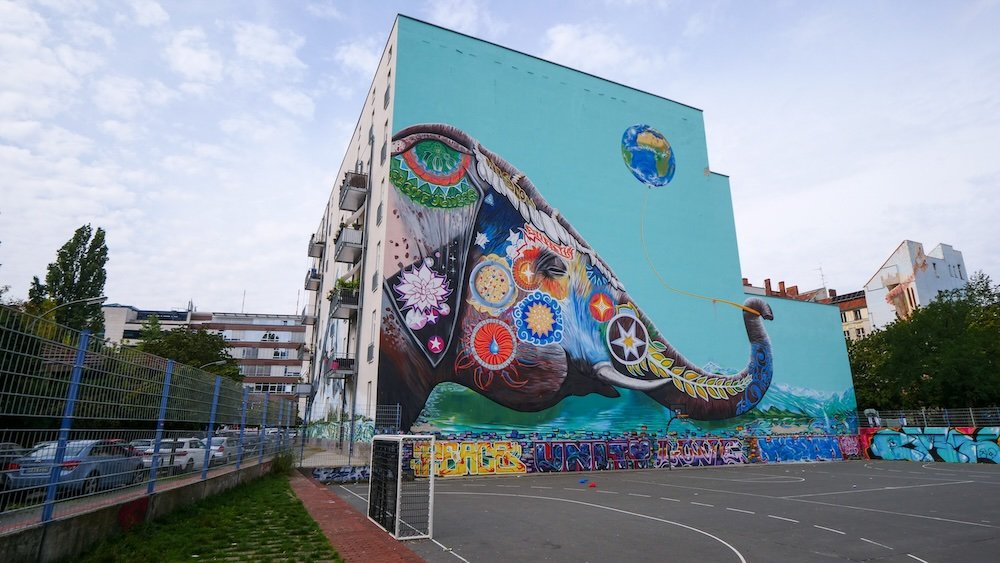
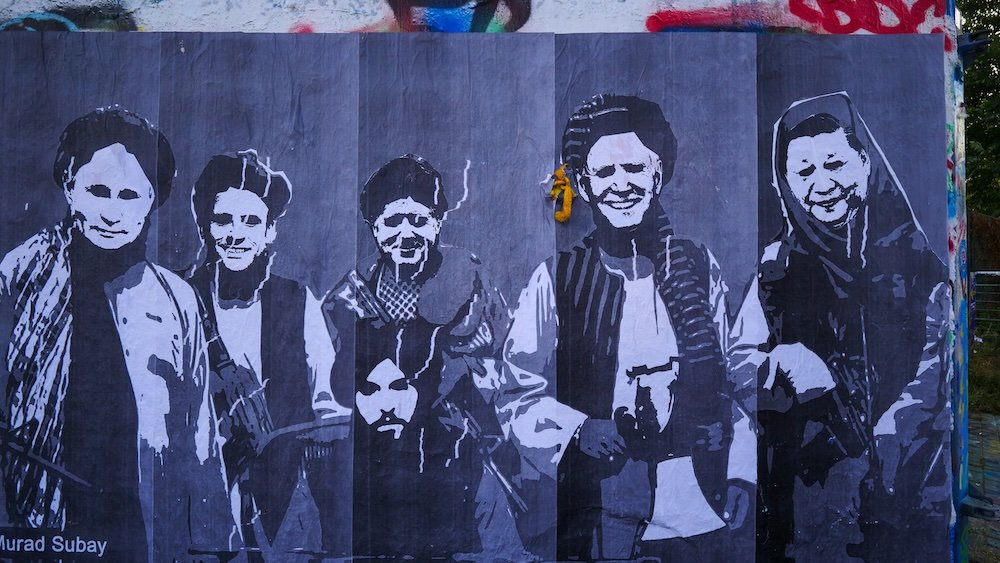
Berlin’s walls are heavily layered with paint. On a dedicated street art tour, walking through the gritty RAW-Gelände compound, you can literally smell the sharp chemical tang of fresh aerosol paint from pieces thrown up the night before. This isn’t about looking at pretty murals for your Instagram; it’s about decoding tags, understanding the complex gang rivalries, and seeing exactly how artists use paste-ups and massive stencils to bypass property laws. Guides often carry blackbooks and show you how pieces have evolved over months. It gets you into the industrial back-alleys you’d probably avoid walking down on your own.
- Art Highlights: The massive, multi-story murals in Kreuzberg require craning your neck from across the street just to take them in.
- Why It’s Unique: The route changes daily because the art is constantly being painted over or destroyed.
- Add-On: Workshop tours hand you a scalpel and a spray can to cut your own stencil on a legal wall.
Tip: Look up. The most complex, highly illegal pieces are often painted on the sides of buildings using fire escapes and rappelling ropes in the middle of the night.
Food and Drink Tours
A guided food tour forces you out of your safe comfort zone and straight into the tiny, unpretentious shops you’d otherwise walk right past. Sitting on an overturned plastic milk crate in the back of a Neukölln bakery, feeling the heat radiate off the stone ovens while tearing into a fresh flatbread… that’s the real Berlin. You hand over the navigation and let the guide handle the ordering in rapid-fire German. You’ll hit four or five spots, eating small, heavy portions at each. It’s highly social, and the guides dispense rapid-fire intel on where the locals actually buy their groceries instead of the overpriced supermarkets.
- Duration: Block out 4 hours and expect to walk a few kilometers between stops.
- Group Atmosphere: You will be eating communally, so be ready to talk to complete strangers.
- Specializations: The craft beer crawls are incredibly heavy; pace your intake or the morning after will be exceptionally rough.
Tip: Pace your eating. If you crush the entire massive kebab at stop number one because you’re starving, you will fail to finish the tour.
Alternative Tours and Workshops
If you’re completely burnt out on monuments, alternative tours shift the focus to the underground. Trekking through an abandoned listening station at Teufelsberg, the crunch of broken glass under your boots and the wind howling through the empty, graffiti-covered radar domes feels genuinely post-apocalyptic. These tours access the strange, decaying edges of the city. You can also book heavy industrial workshops or deep dives into the techno scene’s origins. They require more physical effort but deliver a completely unfiltered, raw look at the city’s fringe cultures.
- Examples: Exploring the vast, dark network of underground bunkers with Berliner Unterwelten.
- Advantages: Zero crowds. You are getting off the main tourist grid entirely.
- Considerations: Dress in heavy layers. The underground bunkers hold a damp chill of about 10°C year-round, regardless of the weather outside.
Tip: Book the Berliner Unterwelten tours well in advance. They strictly cap group sizes for safety and sell out incredibly fast.
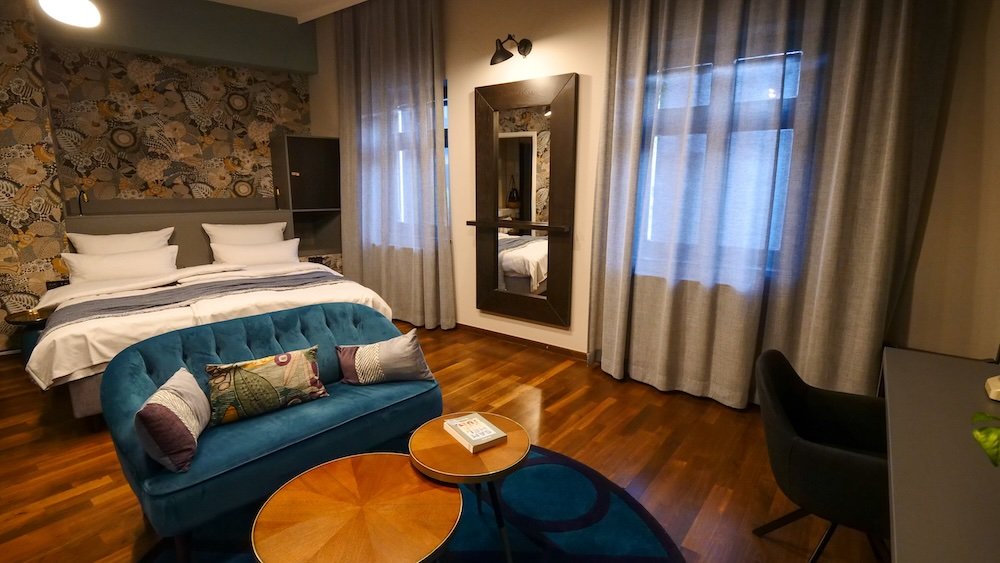
Berlin Accommodations Guide: Hotels, Guesthouses and Hostels
Where you drop your bags dictates exactly how you experience the city. Berlin’s grid is simply too big to commute an hour every morning. The city offers a wide range of things to do and equally rigid accommodations, from stark industrial lofts to heavy, traditional hotels. This travel guide section breaks down the logistics of where to sleep so you don’t waste your mornings on a train.
Luxury and Boutique Hotels
Dropping cash on a luxury hotel in Berlin gets you massive square footage and serious, necessary soundproofing. Walking into a place like the Hotel Adlon, the thick, heavy carpets silence your footsteps completely, immediately shutting out the chaos of the Brandenburg Gate outside. Boutique spots in Mitte run heavily on design—expect exposed concrete ceilings, low lighting, and rain showers with aggressive water pressure. If you need reliable concierge routing and rooftop terraces to decompress with a cocktail, this is where you deploy your funds. The real friction with these boutique places is that the Wi-Fi in legacy Altbau buildings can sometimes struggle to penetrate the massively thick pre-war concrete walls, so ask for a room near a router if you have to take Zoom calls.
- Pros: Impeccable location efficiency and high-end beds that actually repair your back after a long day of walking.
- Cons: The price tags are steep, especially when fashion week or film festivals hit the city.
- Ideal For: Travelers who want zero friction and maximum comfort.
Tip: Watch the calendar. Rates spike dramatically during events and conferences, so book these months out.
Mid-Range and Business Hotels
The mid-range chains like Motel One are the undisputed workhorses of Berlin. Swiping your keycard, the rooms are compact, visually identical, and violently efficient. You get crisp sheets, a firm mattress, and a desk—that’s it. They position these hotels right next to major S-Bahn hubs, making them a highly strategic base camp. You aren’t paying for charm; you’re paying for aggressive proximity to your daily things to do. For the pragmatic traveler who spends 12 hours a day outside the room, this is the optimal math.
- Pros: Fast Wi-Fi, instant check-in kiosks, and zero surprises.
- Cons: Sterile environments. You could be in Frankfurt or Munich and not know the difference.
- Ideal For: Fast-moving travelers who just need a clean shower and a dark room.
Tip: Request a room facing the inner courtyard. Rooms facing the main streets catch heavy siren and tram noise all night long, and earplugs won’t cut it.
Guesthouses and Pensions
A Pension is the old-school German way to stay. You’re usually handed an actual heavy metal key instead of a plastic swipe card. Walking down the creaky wooden floorboards of a Charlottenburg Altbau, you get a real sense of residential scale. The ceilings are massively high, and the breakfast room smells heavily of strong filter coffee and freshly sliced cold cuts. You sacrifice 24-hour reception and gym facilities for a direct line to a local host who will happily map out the local bus routes for you over breakfast.
- Pros: Real keys, massive ceilings, and thick, quiet walls.
- Cons: Many do not have elevators. Hauling 20 kilos of luggage up four flights of winding stairs is brutal.
- Ideal For: Slower travelers who want to feel deeply embedded in a residential block.
Tip: Email the host your exact arrival time. They don’t sit at a desk all day, and you don’t want to be locked out on the cold sidewalk waiting for them.
Hostels
Berlin’s hostels are massive, multi-floor operations. Walking into the lobby of a spot in Friedrichshain, you’re hit by a wall of noise—backpackers dragging bags, clinking beer bottles, and heavy music playing at reception. The massive scale keeps costs extremely low. The metal bunk beds will squeak, and the air in an 8-bed dorm gets stale fast, but the logistical value is undeniable. They run their own bars, rent bikes out the front door, and provide heavy metal lockers for your gear. It’s a high-friction but high-energy environment.
- Pros: Unbeatable price points and immediate access to travel partners.
- Cons: Sleep is a total roll of the dice depending on who is assigned to your room.
- Ideal For: Solo operators and anyone aggressively prioritizing budget over privacy.
Tip: Bring a heavy-duty padlock. Do not trust your laptop to a cheap wire lock in a communal room.
Neighborhood Considerations
- Mitte: The tactical center. Heavy concrete, museums, and high prices. Stay here to strictly minimize transit time.
- Kreuzberg: Gritty, loud, and covered in paint. Best for late-night street food and bar hopping.
- Prenzlauer Berg: Clean, wealthy, and heavily stroller-friendly. Excellent coffee, but very quiet nights.
- Friedrichshain: Industrial and aggressive. If you are here specifically for the techno clubs, this is your zone.
- Charlottenburg: Polished, old-money West Berlin. Wide sidewalks, heavy architecture, and high-end retail.
Tip: Pin your chosen hotel on Google Maps and check the walking distance to the nearest U-Bahn. If it’s more than a 10-minute walk, pick another hotel. You don’t want to walk that far in the freezing rain.
Day Trips From Berlin, Germany
Once you’ve completely exhausted the urban grid, pulling the ripcord and taking a regional train out of the city is a smart play. The surrounding state of Brandenburg offers a solid shift in scenery. You’ll find things to do that showcase Germany’s diverse landscapes and historic towns without requiring a flight. This travel guide section breaks down five day-trip deployments to get you out of the concrete.
1. Potsdam
Riding the S-Bahn out to Potsdam, the dense city blocks suddenly give way to thick forests and lakes. Stepping off the train, the air is noticeably cleaner. Potsdam is a massive, sprawling complex of Prussian wealth. Walking up the wide, terraced steps of Sanssouci Palace, the glare off the bright yellow facade is intense. The sheer scale of the gardens requires serious legwork to navigate. It’s pristine, heavily manicured, and a massive architectural flex by Frederick the Great. The cobblestones in the Dutch Quarter are rough on the ankles, but the area is packed with solid cafes for a recharge.
- Travel Time: About 40 minutes on the S7 line from Hauptbahnhof.
- Entry Fees: The park grounds are free to walk; the palace interiors require a strict timed ticket.
- Highlights: The New Palace is arguably much more impressive and less crowded than Sanssouci itself.
Tip: Rent a bike right at the Potsdam train station. The palace grounds are simply too massive to cover efficiently on foot.
2. Sachsenhausen Concentration Camp Memorial
Stepping onto the bleak, windswept gravel of the roll-call square at Sachsenhausen, the biting chill cuts right through your jacket, offering a harsh, physical reminder of the brutal realities faced here. It’s located in Oranienburg, just a train ride north of the city limits. This is not a light excursion. Walking past the guard towers and into the preserved barracks, the silence is heavy and oppressive. Entry to the memorial site itself is currently completely free, though you should absolutely drop the €3 for the official audio guide. You genuinely need the context to understand the sheer scale of the historical horror here. You’ll read dense, well-documented panels detailing the forced labor and systematic executions. It’s typically a half-day trip that requires a strong mental constitution. You owe it to history to witness it, but don’t plan a festive dinner immediately afterward. A critical logistical detail: the site is massively exposed to the elements. The wind sweeping across the camp is brutal in the winter, and there is almost zero shade to hide under in the summer. Dress specifically for the forecast, because there is nowhere to hide once you are out on the grounds.
- Travel Time: 45 minutes on the S1 line, plus a 20-minute walk from the station.
- Admission: Entry is free, but the audio guide is basically mandatory.
- Visitor Tips: Do not take smiling selfies here. It happens constantly, and it is infuriatingly disrespectful.
Tip: Check the train schedule for the return trip carefully. Trains back to Berlin from Oranienburg can be sparse on weekends.
3. Spreewald
Paddling a heavy rented kayak through the narrow canals of Spreewald, the thick, damp smell of cedar, moss, and river water hangs heavy in the air. The water slapping against the wooden hull is incredibly peaceful after the noise of Berlin. This biosphere reserve is a massive network of waterways cutting through deep forests. If you don’t want to paddle, you pay a local to push you in a flat-bottomed punt boat. The region is famously obsessed with pickles; biting into a cold, garlic-heavy Spreewald gherkin from a dockside vendor is a mandatory rite of passage.
- Travel Time: One hour by regional train to Lübbenau.
- Activities: Boat tours range from one to three hours. Bring cash for the boatmen.
- Cultural Insight: Keep an ear out; the locals speak Sorbian, a distinct Slavic language.
Tip: Bring heavy-duty bug spray. The stagnant water in the dense forests breeds massive mosquitos in July.
4. Dresden
Stepping out of the train station in Dresden, you’re hit by the sheer density of darkened, fire-scarred sandstone. Walking up to the Frauenkirche, the contrast between the black, original charred stones and the pale new blocks used in its reconstruction tells the entire story of the city’s WWII firebombing. It’s an architectural heavy-hitter. You cross the wide, fast-moving Elbe River via the Augustus Bridge, and the wind whips at you until you drop down into the narrow streets of the Neustadt. The galleries in the Zwinger Palace are overwhelming; you can’t see it all, so pick one wing and focus.
- Travel Time: Just under two hours by the fast ICE train.
- Key Attractions: The Green Vault requires securing a timed ticket weeks in advance.
- Seasonal Events: If you go in December, the Striezelmarkt smells violently of mulled wine and roasting nuts.
Tip: Book ICE train tickets early. Walk-up prices for the fast train are notoriously expensive (sometimes upwards of €80 one-way if booked same-day). Book your tickets weeks in advance on the DB app to lock in the saver fares.
5. Tropical Islands Resort
Walking through the airlock doors of the massive former airship hangar at Tropical Islands, the thick, 26°C chlorinated humidity instantly fogs up your glasses. It’s an absurd piece of engineering—a massive enclosed dome rising out of the flat German countryside. Your bare feet hit artificial sand beaches next to a giant steel wall. The noise echoes loudly off the metal roof. It’s pure, manufactured escapism. If the grim Berlin winter is breaking your spirit, deploying here for a day to sweat in a sauna and float in a massive heated pool is a highly tactical mood reset.
- Travel Time: One hour by regional train to Brand, then a free shuttle bus directly to the dome.
- Amenities: The sauna complex is massive and strictly nude—do not wear a swimsuit in there.
- Planning: Weekend lines to get in can take an hour. Go on a Tuesday.
Tip: Lock your valuables. The sheer size of the place makes it literally impossible to watch your bag from the water.
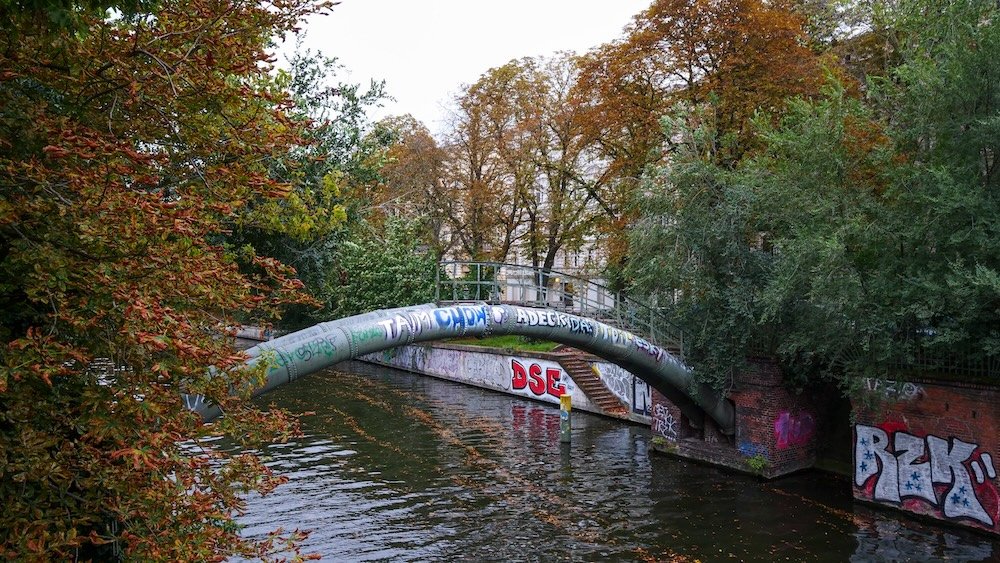
Berlin Transportation Guide
Berlin’s grid is intimidating, but the BVG transport network is brutally efficient once you crack the code. You have a massive array of things to do, and attempting to walk everywhere will end your trip with brutal shin splints. This travel guide section breaks down the mechanical realities of moving from point A to point B so you aren’t stranded.
U-Bahn and S-Bahn
The yellow U-Bahn trains are the city’s main arteries. Standing on the platform, the loud, rushing wind hitting you seconds before the train pulls in is a constant. The heavy sliding doors chunk shut with a definitive mechanical slam. The S-Bahn runs above ground; riding the Ringbahn, the vibration of the tracks hums up through the plastic seats while you watch the grim, graffiti-covered backs of apartment buildings slide by. Both networks operate on a strict honor system. There are no turnstiles. You simply walk onto the train. A single AB zone ticket currently runs about €4.00. However, plainclothes inspectors deploy frequently; the fine for riding without a validated ticket is a non-negotiable €60, issued on the spot by guards who truly do not care about your “confused tourist” excuse.
- Peak Hours: Trying to board the U8 at 8 AM with a massive suitcase is a tactical error. Wait until 9:30.
- Night Service: U-Bahn lines run 24 hours on the weekends. The 4 AM trains are loud, packed, and very rowdy.
- Validation: If you buy a paper ticket, you must shove it into the little red or yellow box on the platform to stamp the time.
Tip: Stand right, walk left on escalators. Blocking the left side during rush hour will get you aggressively shoved.
Buses and Trams
Trams dominate the eastern half of the city. The high-pitched electric whine and the slight sway of the tram car as it rounds a corner is a very specific East Berlin sensation. Buses fill the gaps. Climbing up the narrow, steep stairs to the front row of the top deck on the 100 or 200 double-decker bus gives you a sweeping, elevated view of the Tiergarten canopy. It’s heavily utilized by locals, so expect sudden braking and tight corners.
- Visibility: Digital boards at tram stops are highly accurate; if it says 2 minutes, it means exactly 2 minutes.
- Payment: You can technically buy tickets from the driver, but using the BVG app is infinitely faster and less annoying for everyone behind you.
- Etiquette: Move completely to the back of the bus. Do not clog the center aisles.
Tip: Hit the red STOP button early. Bus drivers will blow right past a stop if nobody signals and nobody is waiting on the curb.
Cycling in Berlin
Gripping the handlebars of a heavy rental bike, your tires thumping over the raised tram tracks, you realize cycling here is transport, not leisure. The wind hits you hard on the wide avenues. The bike lanes are painted dark red. Keep your head on a swivel—car doors fly open without warning, and delivery drivers frequently block the path. If you maintain speed and signal your turns clearly with your arm, it is the most liberating way to navigate the grid.
- Bike Lanes: The red paint means bikes only. Do not walk in them.
- Parking: Lock the frame to a solid metal pole. A wheel lock is utterly useless against a determined thief.
- Weather: The cobblestones become slick like ice when the rain hits. Brake early.
Tip: Cross tram tracks at a hard 90-degree angle. I cannot stress this enough: if your tire slips into the rail groove, you will go over the handlebars.
Taxis and Ride-Sharing
Sinking into the leather seat of a heavy, cream-colored Mercedes taxi offers a sudden quiet from the street noise. The diesel engine purrs quietly as the driver navigates traffic. Taxis are heavily regulated and metered. Uber exists here, but it mostly contracts out to local private hire drivers. Ride-sharing apps like Free Now are much more efficient. Taxis are a luxury extraction tool—use them when it’s 3 AM, there is freezing rain, and the S-Bahn is down for maintenance.
- Payment: Tap your card, but always ask “Karte?” before the meter starts just to be sure.
- Airport Surcharges: The meter from BER to Mitte will quickly hit €50-€60. Take the train instead.
- Availability: Hailing on the street is tough outside of major ranks. Use an app.
Tip: Check the Kurzstrecke (short trip) rule. If you flag a taxi on the street for a ride under 2km, ask for a “Kurzstrecke” for a flat, much cheaper rate.
Driving and Car Rentals
Gripping the steering wheel while navigating the multi-lane chaos of the Ernst-Reuter-Platz roundabout will spike your heart rate. Driving in central Berlin is a massive liability. Parking is brutally expensive, and hunting for a legal spot on a narrow Kreuzberg street is an exercise in pure frustration. Rent a car only if your coordinates require pushing deep into rural Germany.
- Parking: Deciphering the German parking signs requires a dictionary. Use underground garages.
- Traffic Zones: Your rental must have a green Umweltplakette sticker on the windshield to enter the city center.
- Car Sharing: Share Now and MILES apps let you unlock a car on the street, drive 10 minutes, and leave it.
Tip: Watch for the “Rechts vor Links” rule. At unmarked intersections, the car on the right has absolute right of way, and they will pull out assuming you are going to stop.
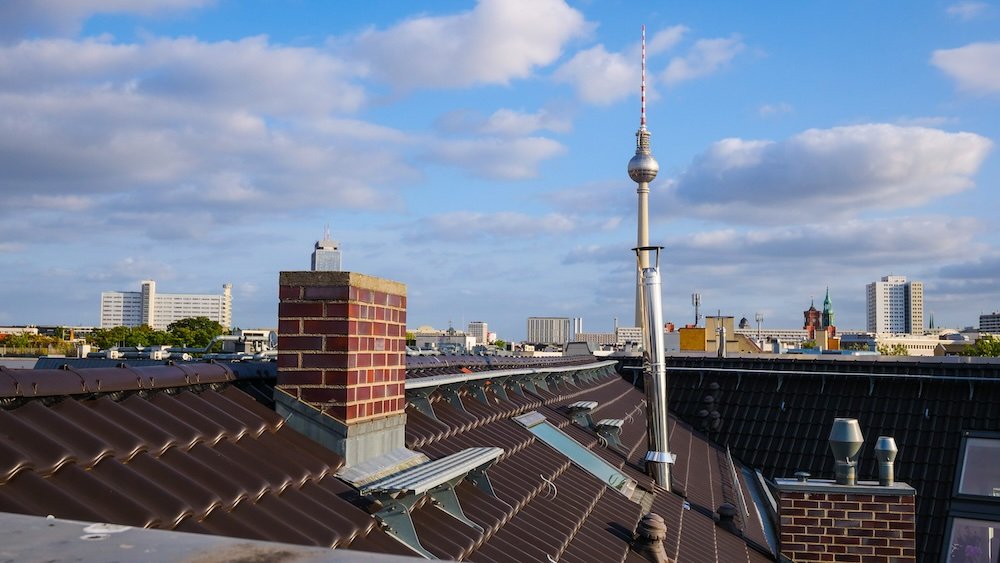
The Berlin Decision Matrix: Realities & Friction
| Activity / Route | Current Cost / Time | The Reality Check | Pro-Tip |
|---|---|---|---|
| BVG U-Bahn Transit | Typically €4.00 for a single AB ticket | Essential. Do not rent a car in central Berlin. The train grid is vastly superior and completely comprehensive. | Ticket inspectors use plain clothes. Do not board without stamping your paper ticket, or you will eat a massive €60 fine immediately. |
| Berlin Cathedral Dome | Around €15.00 entry | Worth it for the view. But skip it entirely if you have bad knees or mobility concerns. | There is absolutely no elevator access. You have to climb 270 steep, breathless steps to hit the observation deck. |
| Checkpoint Charlie | Free (Street level) | Skip it. It is widely considered by locals to be the biggest tourist trap in the city. | Instead of taking photos with fake border guards, walk over to the Topography of Terror for actual, sobering history. |
| Frea (Zero-Waste Dining) | Premium dining prices | Highly recommended. It proves vegan food can punch well above its weight in a heavy meat city. | Do not attempt a walk-in. You need to book your table at least a week out, and street parking in Mitte is a nightmare. |
| Sachsenhausen Memorial | Free entry (Audio guide ~€3) | A mandatory, heavy experience. It requires a full half-day commitment and a strong mental constitution. | The gravel grounds are totally exposed to the elements. The winter wind here is punishing; dress in heavy layers. |
| Pergamon Museum | N/A (Closed) | Skip it entirely. The main building is shut down for a massive, multi-year renovation. | Do not show up expecting to see the Pergamon Altar; you will only find construction fencing. Focus on the Neues Museum. |
Essential Berlin Travel Questions Answered: First-Time Tips, Local Advice & Practical Planning FAQs
How many days do you really need in Berlin for a first visit?
Honestly, do not try to do this in two days. You will spend half your time sitting on trains. 3 full days is the absolute bare minimum to hit the heavy infrastructure—Museum Island, the Wall memorials, and a solid neighborhood walk. If you want to actually process what you’re seeing, and maybe sit outside a cafe without staring at your watch, lock in 4 to 5 days. It’s a massive grid; give it time.
What’s the best time of year to visit Berlin for good weather and fewer crowds?
September. The brutal heat of August has broken, the locals are back in the city, and the leaves along the canals are turning. May is a close second. If you deploy in January, the sky is concrete-gray, the wind cuts right to the bone, and the sun sets at 4 PM. Winter is strictly for heavy museum routing and hiding in warm bars.
Which Berlin neighborhood is best to stay in for a first-time trip?
Mitte. It’s central, heavily connected, and puts you within striking distance of the major targets. Yes, it lacks the raw grit of the outer rings, but when you’re exhausted at 10 PM, a 5-minute walk to your hotel beats a 40-minute S-Bahn ride. If you want louder nights and don’t mind grime, set up base in Kreuzberg or Friedrichshain.
Is the Berlin WelcomeCard or other transport pass actually worth the money?
Run the math. If you take the U-Bahn four times a day and hit two paid museums, the pass pays for itself immediately. Plus, it eliminates the extreme friction of standing at a broken ticket machine in the freezing rain. Buy the AB zone pass for the city center, or ABC if you are flying into BER or hitting Potsdam. Wikipedia has the full network specs.
How do I get from Berlin Brandenburg Airport (BER) into the city center?
Ignore the taxis. Walk straight to the basement of BER and get on the FEX (Airport Express) or the regional RE8/RB23 trains. They rip right into Hauptbahnhof in about 30 minutes. You need an ABC zone ticket. The S-Bahn (S9) takes longer but is useful if your hotel is directly on that line. Do not board without stamping your paper ticket.
Is Berlin safe for tourists, and what scams or issues should I watch out for?
It’s a major European capital, so violent crime in tourist sectors is rare, but situational awareness is required. The U-Bahn platforms late at night can feel sketchy, and pickpockets run highly organized teams around Alexanderplatz and inside crowded trains. Keep your phone in your front pocket. If someone aggressively shoves a clipboard in your face asking for a signature, keep walking—their partner is already reaching for your bag.
Do I need to book tickets in advance for Museum Island, Berlin Cathedral, and popular tours?
Yes. Showing up to the Reichstag dome without a pre-booked slot in July is a rookie mistake. You will either be turned away or stand on the hot pavement for two hours. Secure your timeslots a week out for the heavy hitters. You can wing the smaller galleries.
Is Berlin a good destination for families with kids or multi-generational trips?
Surprisingly, yes. The sidewalks are wide, the parks are massive, and the transport system accommodates strollers well enough. Just avoid routing your family through the nightlife districts (like Warschauer Straße) late on a Friday. Stick to Prenzlauer Berg, where every second person is pushing a pram and the cafes have actual playgrounds attached.
How expensive is Berlin compared with other European capitals, and what daily budget should I plan?
It’s cheaper than London, Paris, or Amsterdam, but the golden era of dirt-cheap Berlin is over. If you run lean (hostel, street food, walking), you can survive on €60 a day. A solid mid-range day (hotel, sit-down dinners, transit, tickets) requires about €150. A pint of beer is still vastly cheaper than water at a restaurant.
How easy is it to find vegetarian and vegan food in Berlin?
It requires zero effort. Berlin is arguably the vegan capital of Europe. You don’t have to hunt for it; almost every kebab shop, burger joint, and high-end restaurant defaults to having heavy plant-based options. You will not go hungry.
Can I experience Berlin’s nightlife without going full techno-club all-nighter?
Absolutely. You don’t need to stand in line at Berghain for three hours in the freezing cold to understand the city. Hit the beer gardens in the summer, or post up in a smoky, dark dive bar (Kneipe) in Neukölln. The city operates 24/7, so you can grab a heavy cocktail at 1 AM and be in bed by 2, without committing to the hardcore 48-hour club marathon.
How accessible is Berlin for travelers with limited mobility?
It’s a mixed bag. The newer infrastructure is flawless, but broken elevators at U-Bahn stations are a constant source of local rage. The cobblestone streets in historic sectors will heavily vibrate a wheelchair. Use the BVG app to specifically filter for “step-free” routes before deploying.
Do I still need cash in Berlin, or can I just tap my card or phone everywhere?
Cash is still king in the outer rings, though the pandemic forced many places to finally accept cards. Always carry a €50 note. Many bakeries, Spätis (corner stores), and small bars will literally point to a “Cash Only” sign when you pull out your phone. Don’t argue; just pay.
What should I pack for a typical 3–5 day trip to Berlin in different seasons?
Berlin style is heavily functional. Black jeans, a solid jacket, and heavy-duty, waterproof boots. Do not pack thin-soled shoes; the concrete will destroy your feet. Bring layers. The wind sweeping down the wide socialist boulevards in winter is brutal, and in summer, the U-Bahn carriages lack AC and turn into absolute ovens.
Berlin Travel Guide: Conclusion
Berlin is a heavy piece of machinery. It demands energy to navigate, but it pays out massive dividends if you approach it strategically. Standing on a bridge over the Spree at night, watching the yellow trains cut across the dark water, you get a real sense of a city that constantly reengineers itself. It doesn’t rely on past glory; it forces you to deal with the immediate present. You don’t just look at Berlin; you have to physically push through it.
We’ve laid out the hard routes—from absorbing the massive scale of the Humboldt Forum to tearing into a street-side kebab in Kreuzberg. We’ve mapped the transport, the food costs, and the day trips. This travel guide is your blueprint. Use it to establish your perimeter, but don’t let it handcuff you. If you hear a heavy bass line coming from an unmarked basement door, take the detour.
Final Thoughts
Expect friction. Trains will get delayed, it will randomly rain, and a grumpy waiter might throw a menu at you. Let it slide. That’s just the local operating system. Keep cash in your pocket, stay out of the bike lanes, and understand that Sunday means the entire retail sector shuts down completely. Use that day to hit the parks or the flea markets.
Get off the central grid. Walk until the English menus disappear. Sit on a curb with a cold beer from a Späti and just watch the traffic move. Berlin isn’t about perfectly curated experiences; it’s about the clash of architecture, the constant hum of construction, and the sheer volume of history piled onto every street corner.
In our experience, you don’t conquer Berlin on a single trip. You just learn how to ride the momentum. Run the routes we laid out, pace your energy, and let the city dictate the rest. Get your boots on the ground and get to work.
This guide is also available in Spanish. [Lea la versión en castellano: Guía de viaje de Berlín: Las 10 mejores cosas que hacer en Berlín, Alemania]