
El Chaltén is the kind of place that makes you feel athletic just by stepping off the bus. The mountains loom. The air smells like cold water and sun-warmed dust. And everybody you meet looks like they were born wearing a softshell jacket.
And yet Audrey and I showed up… in full foodie mode.
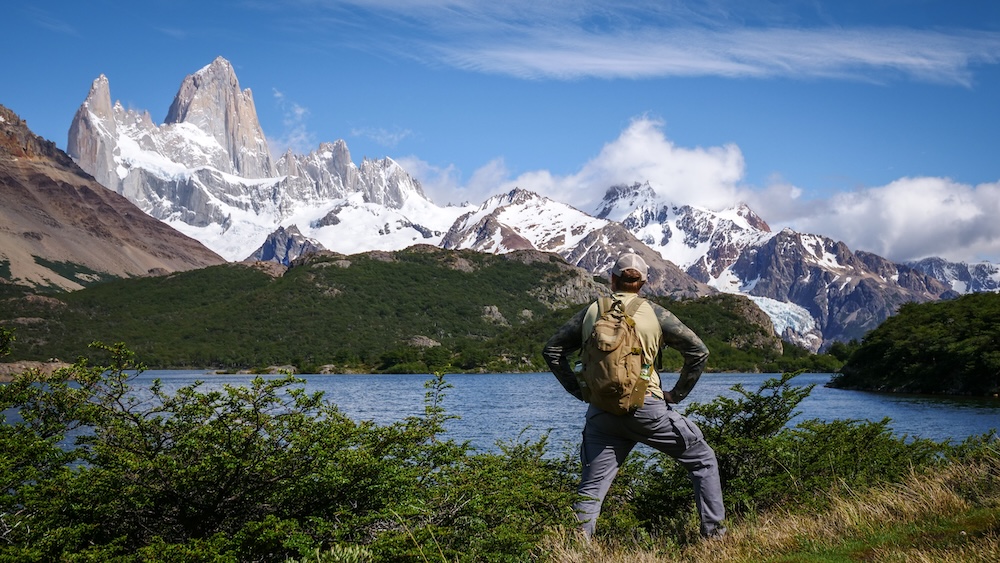
Our jeans were staging a quiet protest. We were “rotunding,” as we lovingly called it, and we were absolutely not the best versions of ourselves. But we had six nights in Patagonia’s trekking capital, an irresponsible amount of daylight, and Mount Fitz Roy calling our name. So we did what any sensible travel couple would do: we ate pizza, bought groceries, panicked about Wi-Fi, then immediately marched up a steep little hill for a sunset viewpoint like we were training for an expedition.
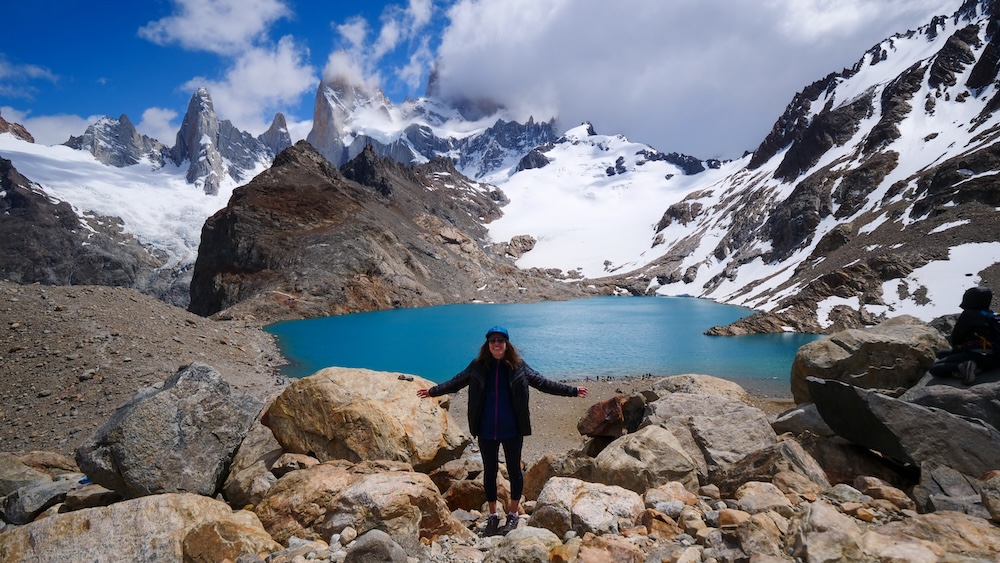
That’s El Chaltén in a nutshell. It’s equal parts jaw-dropping landscape and practical logistics. It’s a town designed around hikes, weather windows, and the sacred post-trek meal. And if you’re building a trip around El Chaltén, you don’t need to be an elite hiker—but you do need a plan, a sense of humor, and a healthy respect for the wind.
This is the travel guide to our El Chaltén series: hopefully a lethal combo of personal experience, quirky storytelling, and the practical details that make the difference between “best trip ever” and “why are we eating granola bars whilst getting blasted by wind?”

Planning snapshot
El Chaltén sits at the northern end of Los Glaciares National Park and functions like a hiking basecamp with espresso machines. Your daily rhythm is simple: wake up, check the sky, eat something that won’t betray you on a climb, hike until your legs file a formal complaint, then refuel with carbs and existential gratitude.
🧾 Quick Booking: Your El Chaltén Travel Essentials 🥾✨
🎒 Your Travel Toolkit (Book These 4 Things)
| ✅ What to book | 💡 Why it’s worth it | 🔗 Quick link |
|---|---|---|
| 🥾 Tours & experiences | Easy way to lock in a glacier day, a Lago del Desierto adventure, or a guided option when weather turns moody | Browse El Chaltén tours on Viator |
| 🏨 Hotels & stays | El Chaltén sells out fast in peak season — booking early = better locations + fewer “only the priciest rooms left” moments | Find El Chaltén hotels on Booking.com |
| 🚗 Car rentals (optional) | Best for freedom days: Ruta 40 viewpoints, flexible timing, photo stops, and a smoother Lago del Desierto run | Compare car rentals in El Calafate (gateway to El Chaltén) on DiscoverCars |
| 🚌 Bus tickets | The classic El Calafate ↔ El Chaltén route is simple — but popular departure times fill up | Book El Calafate → El Chaltén buses on Busbud |
👉 One-click backup (reverse direction): Book El Chaltén → El Calafate buses on Busbud
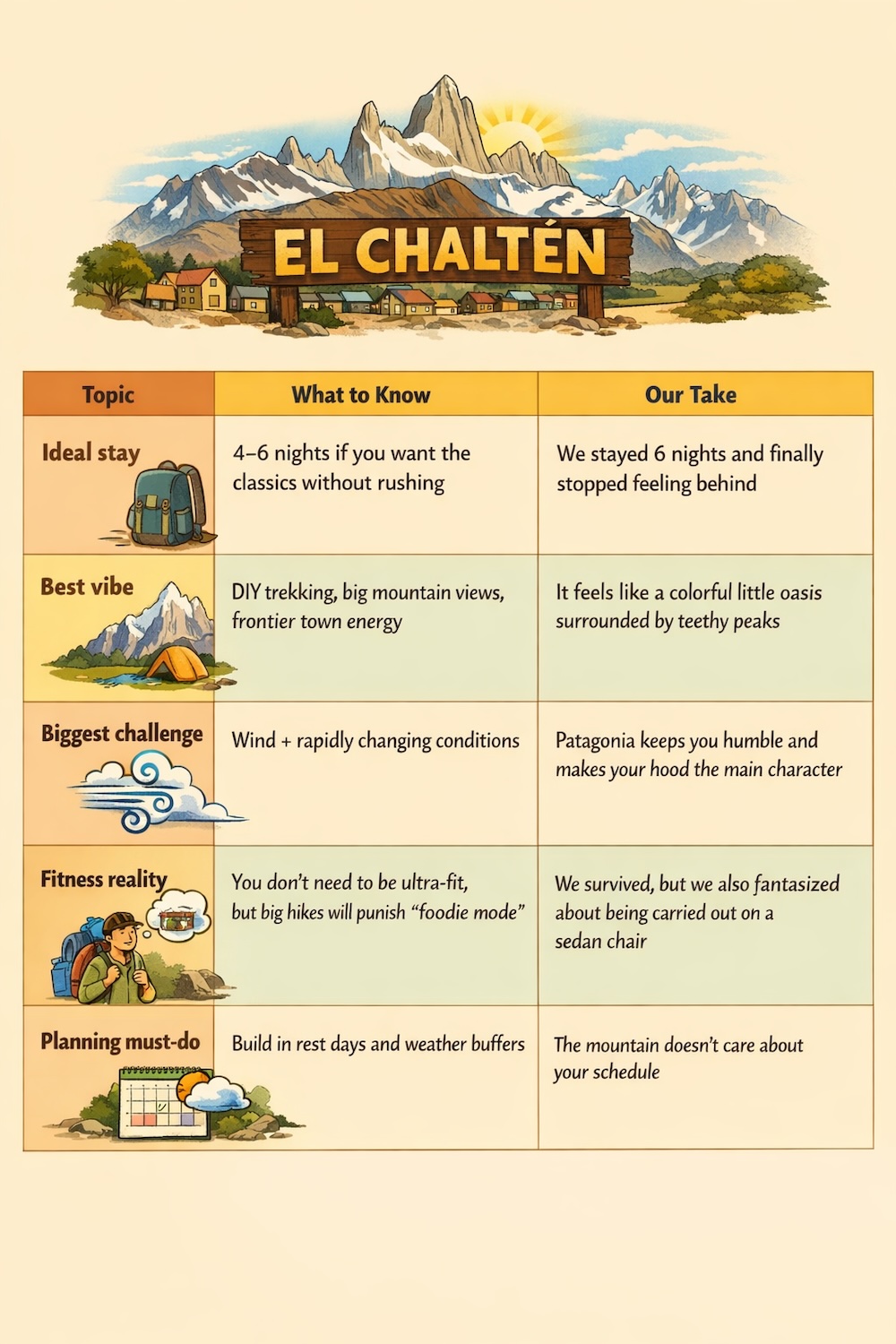
El Chaltén in one table
| Topic | What to know | Our take |
|---|---|---|
| Ideal stay | 4–6 nights if you want the classics without rushing | We stayed 6 nights and finally stopped feeling behind |
| Best vibe | DIY trekking, big mountain views, frontier town energy | It feels like a colorful little oasis surrounded by teethy peaks |
| Biggest challenge | Wind + rapidly changing conditions | Patagonia keeps you humble and makes your hood the main character |
| Fitness reality | You don’t need to be ultra-fit, but big hikes will punish “foodie mode” | We survived, but we also fantasized about being carried out on a sedan chair |
| Planning must-do | Build in rest days and weather buffers | The mountain doesn’t care about your schedule |
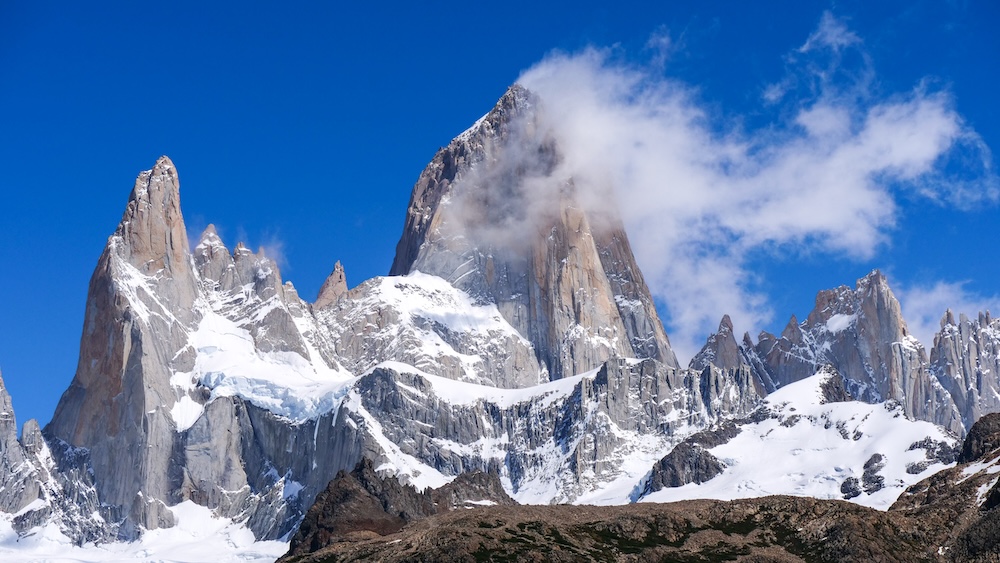
What first-timers get wrong (so you don’t)
- Packing a single “nice day” plan. El Chaltén is a “Plan A / Plan B / Plan C” destination.
- Underestimating how much daylight tempts you into doing too much. A late sunset does not mean your legs have extended daylight hours too.
- Treating the big hikes like casual strolls. They’re doable, but they’re real.
- Skipping snacks. We once fueled a massive day on “one granola bar and candy,” which is not a nutrition strategy so much as a cry for help.
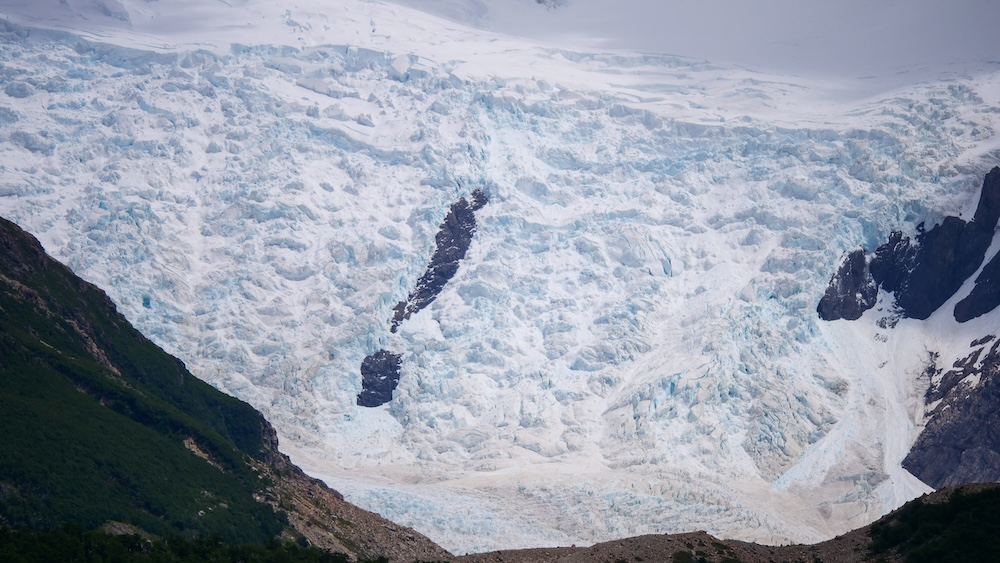
Decision matrix: pick your El Chaltén vibe
| Your vibe today | Do this | Time | Legs required | Wind tolerance | Why it works |
|---|---|---|---|---|---|
| “We need a big iconic win.” | Fitz Roy / Laguna de los Tres day | Full day | High | Medium–High | The signature “wow” that makes you forgive everything |
| “Scenic but kinder.” | Laguna Torre | Full day | Medium | Medium | Huge views without the same final-wall brutality |
| “Short hike, big payoff.” | Mirador de los Cóndores (sunset) | 1–2 hrs | Low–Medium | Medium | Steep but short; instant “we’re in Patagonia!” moment |
| “Easy nature, minimal suffering.” | Chorrillo del Salto | 1–2 hrs | Low | Low–Medium | Waterfall reward with a mellow effort-to-payoff ratio |
| “Recovery day. Please.” | River walk + cafés + admin | 2–5 hrs | Very low | Low | Keeps you moving without wrecking tomorrow |
| “Weather hates us.” | Museums/chapel + coffee crawl + planning | 2–4 hrs | Very low | None | Your Plan B that still feels like a real day |
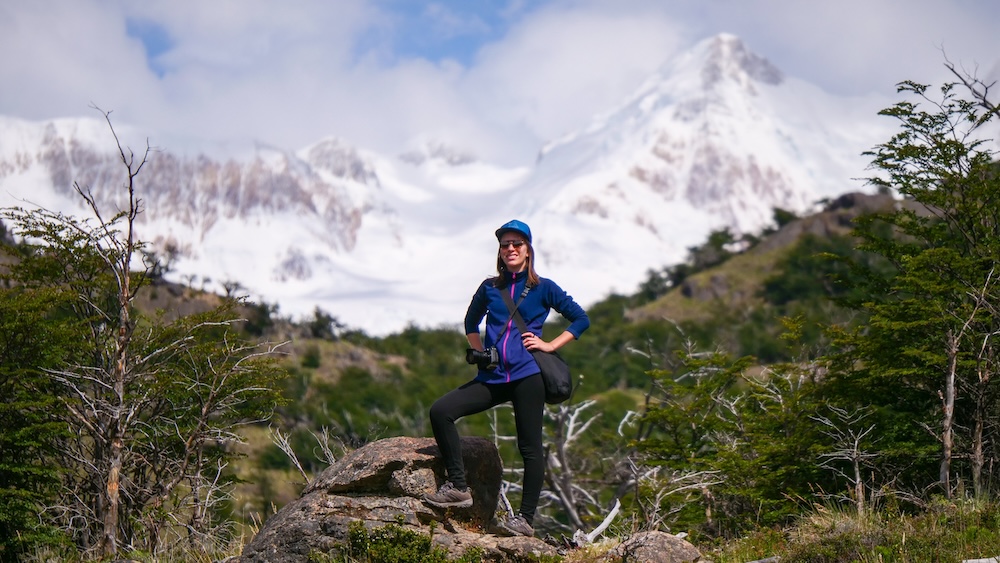
Best things to do in El Chaltén: the hikes
El Chaltén is not a “do one hike and leave” destination. It’s a place where you stack days, learn the rhythm of the trails, and slowly become the kind of person who says things like “Let’s just check the wind at the portal” with a straight face.
To make this guide useful, we’re grouping hikes by effort level and payoff:
- Iconic full-day hikes: the reason most people come.
- Medium adventures: big scenery without maximum suffering.
- Easy walks + viewpoints: short, sweet, and wildly satisfying.
Iconic full-day hike #1: Mount Fitz Roy + Laguna de los Tres (aka “the one that humbled us”)
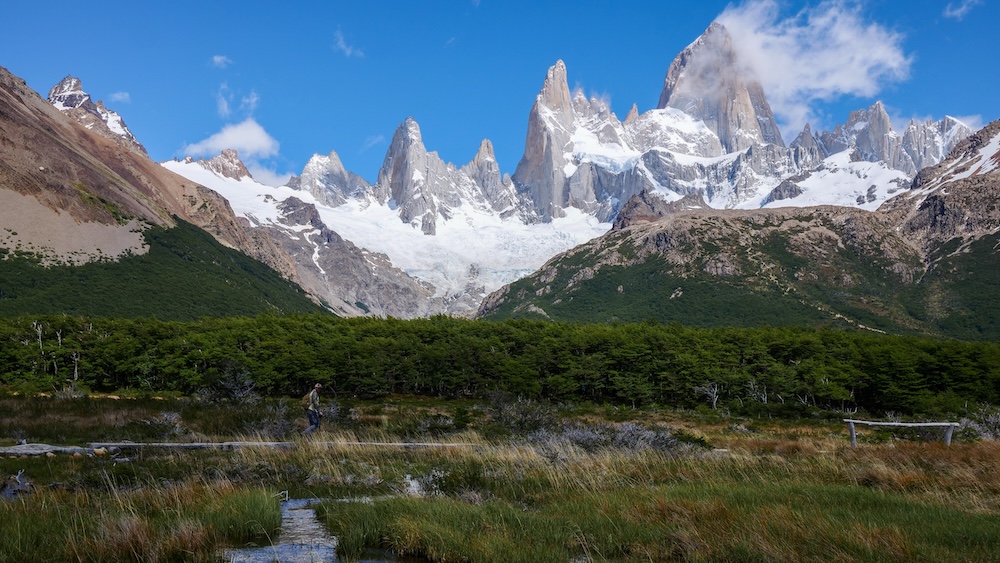
If El Chaltén is the hiking capital, Laguna de los Tres is the national anthem. This is the hike that fills your camera roll, drains your legs, and makes you feel like you accomplished something slightly unreasonable.
I started the day feeling brave. Too brave. The kind of brave that comes from long daylight and optimistic snack math.
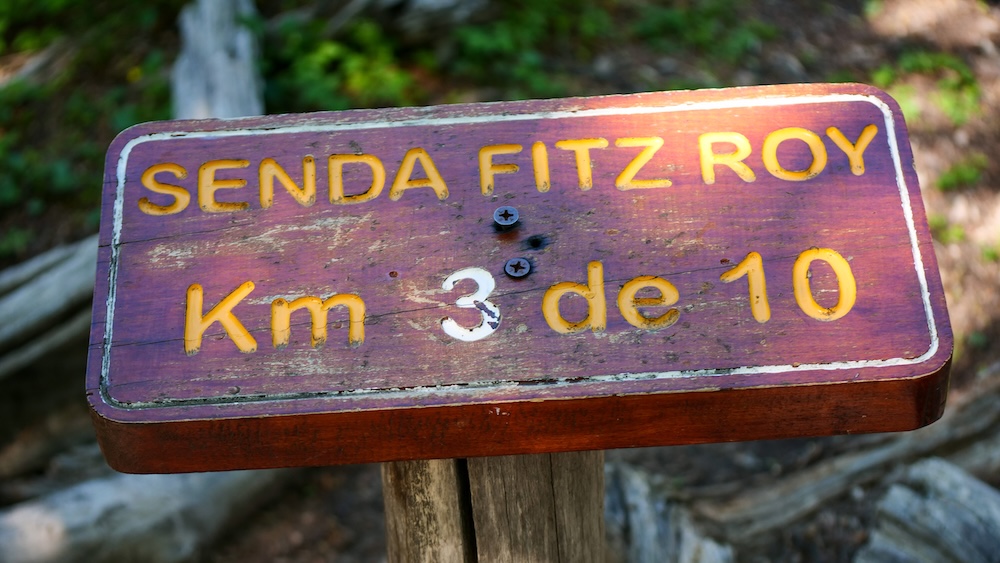
One of the things we loved about trekking in El Chaltén is the kilometer markers. They’re small, but psychologically huge. They tell you exactly where you are in the story. At kilometer 3 you feel heroic. At kilometer 8 you start bargaining with your life choices. At kilometer 9 you realize you’ve entered the “last kilometer” stage of the journey—except that last kilometer is basically a steep, rocky negotiation with gravity.
What the hike feels like (from our very non-elite perspective)
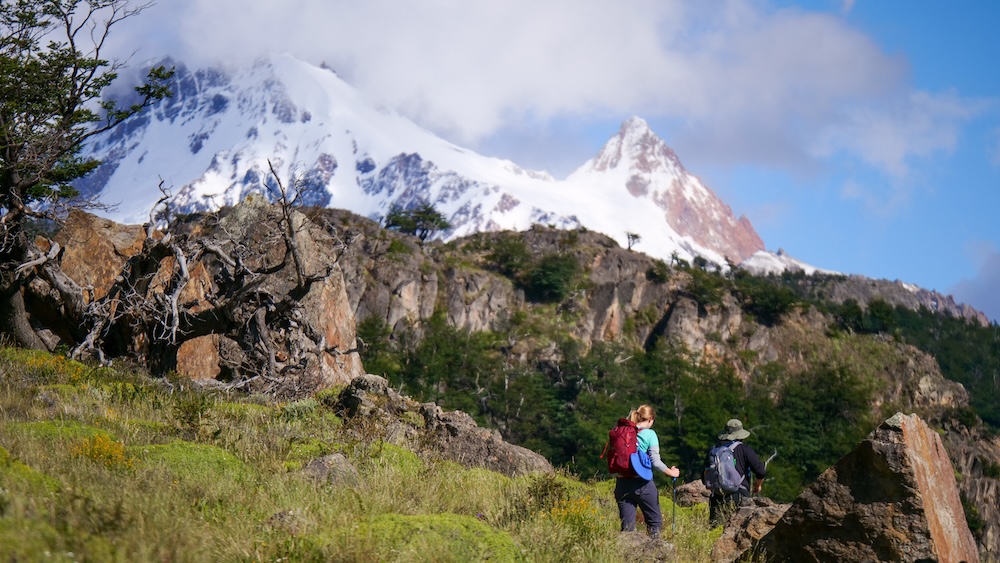
The early kilometers are steady and scenic. You get viewpoints, forests, and that growing sense of “Oh wow, the mountains are actually revealing themselves.” If you only hike as far as Laguna Capri, you already get a ridiculous Fitz Roy view and you get to keep your soul intact.
At Laguna Capri we hit the campground facilities, sat down for a snack break, and had a very real couple-conference about whether to push onward. The near-10 p.m. summer light made us feel invincible… which is a dangerous emotion to have in Patagonia.
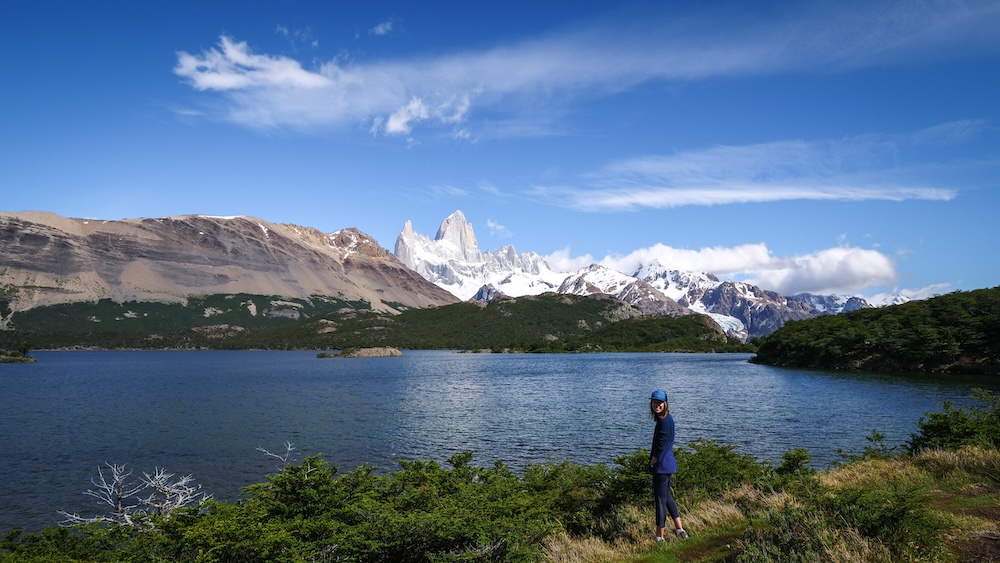
Then comes the final push to Laguna de los Tres. The word “steep” begins to feel inadequate. The trail turns into loose rock, gravel, and a kind of upward crawling that makes you intensely aware of your knees.
Audrey and I were exhausted at this points. There were moments where we could have used trekking poles, and there were moments where encouragement from hikers coming down was the only thing keeping us going.
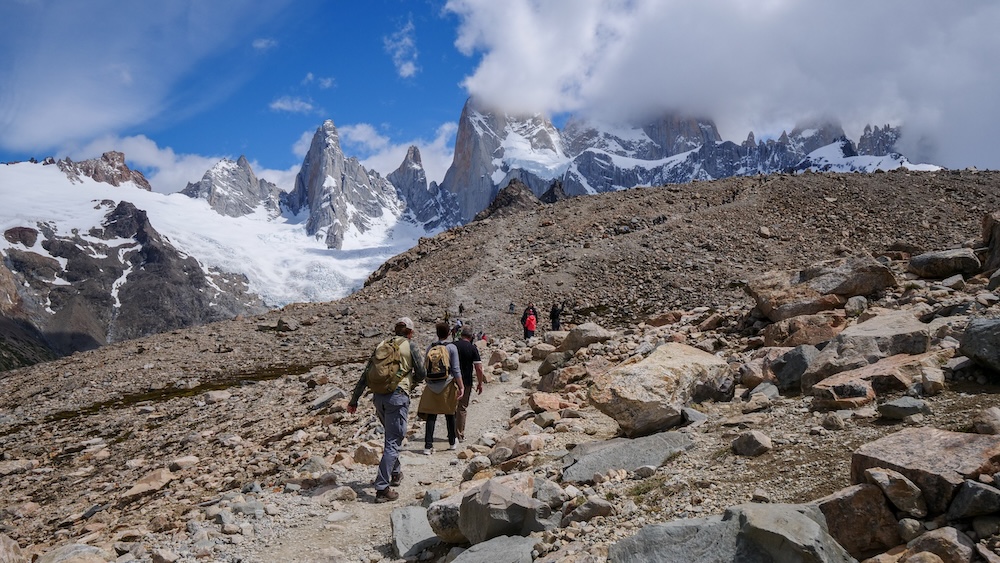
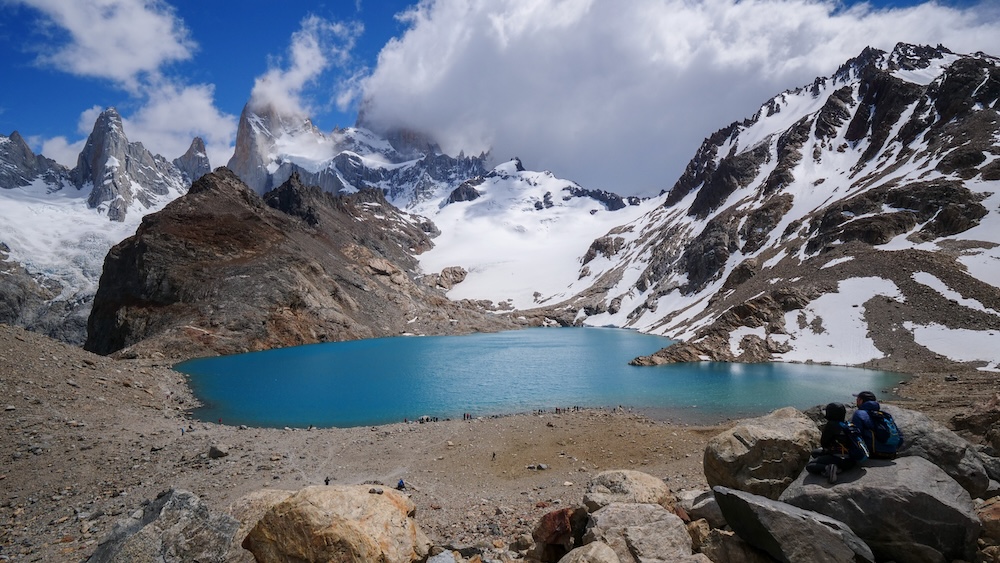
And then you crest the top and the lagoon is there, waiting just for you. The wind can be beyond belief, but the view is so astonishing you forgive the wind for being the wind.
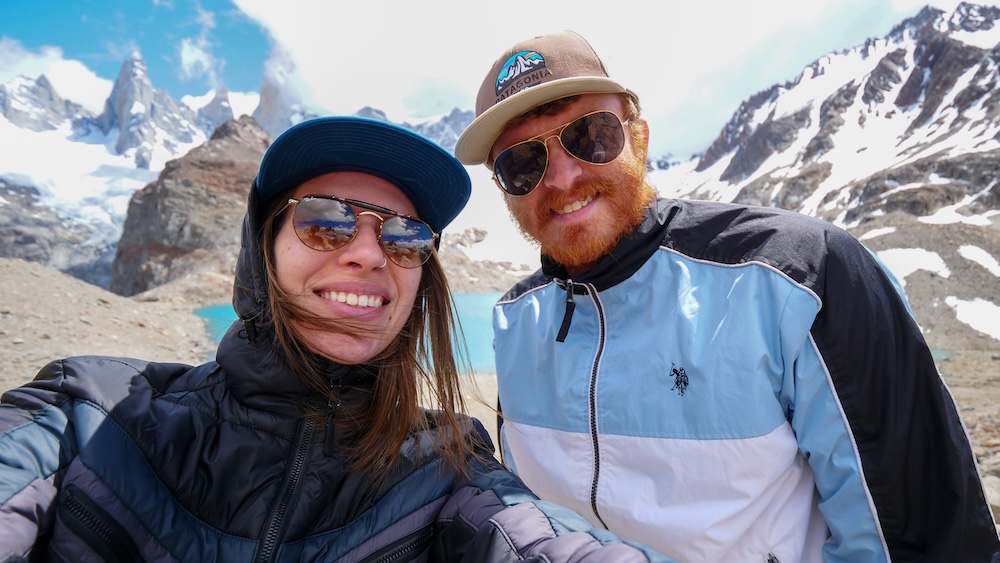
I ended up ducking behind rocks to escape the worst of the wind, inhaling our remaining snacks like it was a survival exercise. We also did the classic “wind in our faces” selfie—because if Patagonia is going to humble you, it should at least be documented.
Our biggest takeaway
This hike is absolutely worth it… but it is not a casual stroll. The first stretch can be “intermediate” for reasonably fit people. The last section is where it really tests you. If you’re not a regular hiker—if you arrived like us, in full foodie mode—you will feel the tightness the next day.
The “don’t do what we did” food note
We were ravenous. Our “fuel plan” at one point was basically “one granola bar and candy,” which is not a plan. Bring real snacks and enough water. Your future self will thank you. We brought a lunchbox but ate it too early. We definitely could have loaded up with more (and better) supplies.
The walk back (and the sedan chair fantasy)
On the way back, we were spent. The kind of spent where you put the cameras down and walk in silence. There were points where we weren’t taking breaks out of convenience, but because our legs were genuinely refusing to function.
At one point I remember fantasizing: what would it be like to be carried out on a sedan chair right now? What if we called the emergency number and requested an airlift? (To be clear: a joke. A dramatic, theatrical, “my quads have left the chatroom” joke.)
Our feet were aching. Throbbing. But we made it back to town, and that’s when El Chaltén revealed its second superpower: food.
Post-hike reward: Senderos (our “hidden gem” dinner)
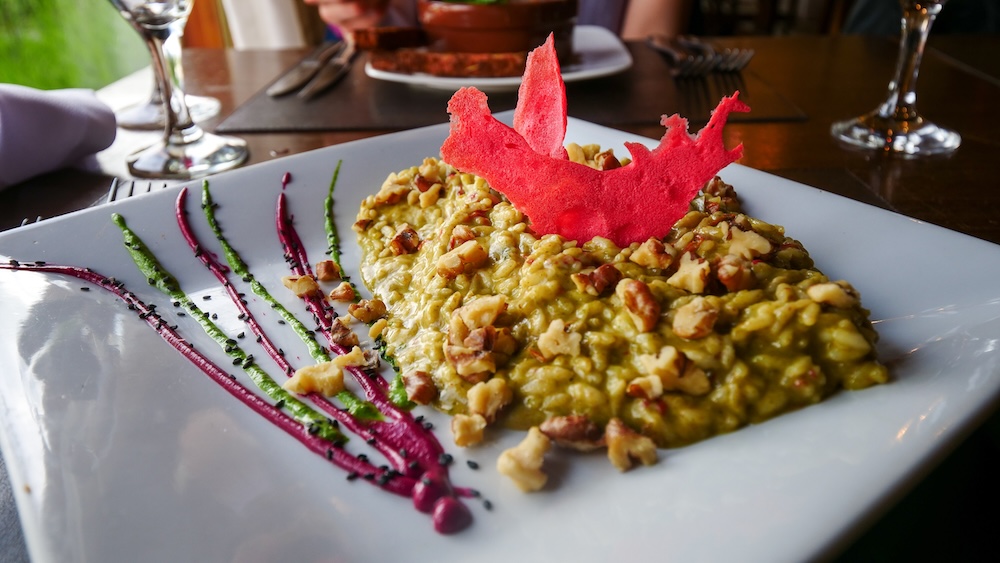
We found this small restaurant called Senderos near the bus terminal, tucked inside a high-end guesthouse. It felt boutique and intimate—like six or seven tables—so when we walked in they seemed mildly surprised, as if we had crawled out of the mountains and into their dining room purely on instinct.
I had a blue cheese risotto with walnuts and sun-dried tomatoes. Audrey went for a hearty lentejas. We split a full bottle of Syrah (taking a very rare break from Malbec). Then we made the extremely responsible decision to order two desserts.
We waddled back and were in bed by around 8:00 or 8:30 p.m. We slept something like 10–12 hours. Patagonia doesn’t just give you big hikes—it gives you big sleep.
Practical tips for Laguna de los Tres
- Start early. Not because you need the daylight, but because you want a calmer trail and more buffer for breaks.
- Consider trekking poles for the final steep section.
- Bring layers. The top can feel dramatically different from town.
- Decide your turnaround point before you’re exhausted.
- If you’re not feeling it, do Laguna Capri as your “smart compromise” and still go home with a Fitz Roy win.
👉 Check out El Chaltén hotels, resorts and lodges on Booking.com
Iconic full-day hike #2: Laguna Torre (big scenery, kinder vibes)
Laguna Torre is the hike we recommend when someone says, “We want a full day out, we want to see something spectacular, but we also don’t want to be destroyed tomorrow.”
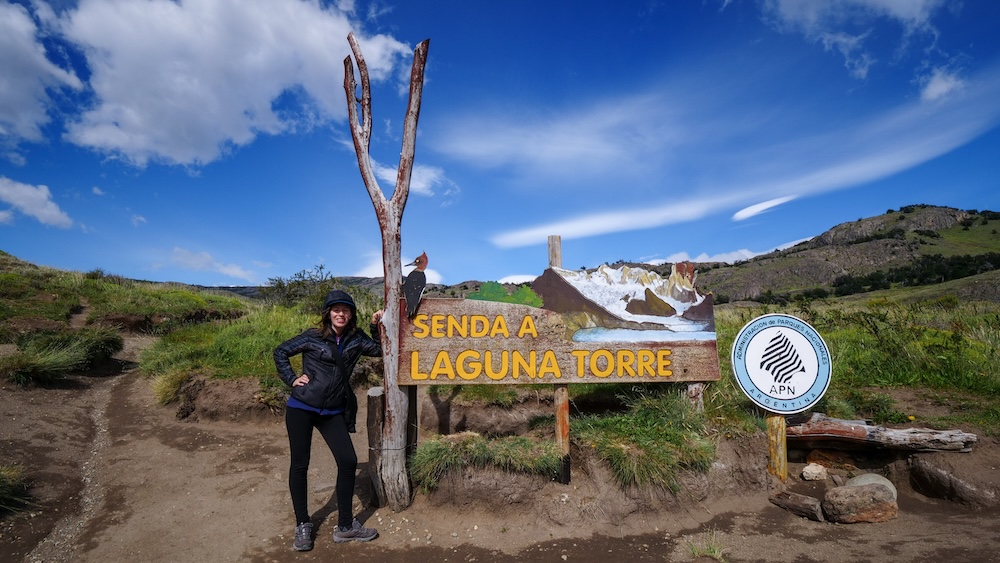
It’s still a long day. It’s still Patagonia. But for us, it felt more manageable than Laguna de los Tres—less “final boss,” more “steady quest with a gorgeous payoff.”
I went into Laguna Torre with legs that were still recovering from a 20+ km Fitz Roy day—but we woke up to perfect weather and told ourselves this was the “easier” 18 km choice. (Reader: it was still 18 km.)
What we loved about this hike
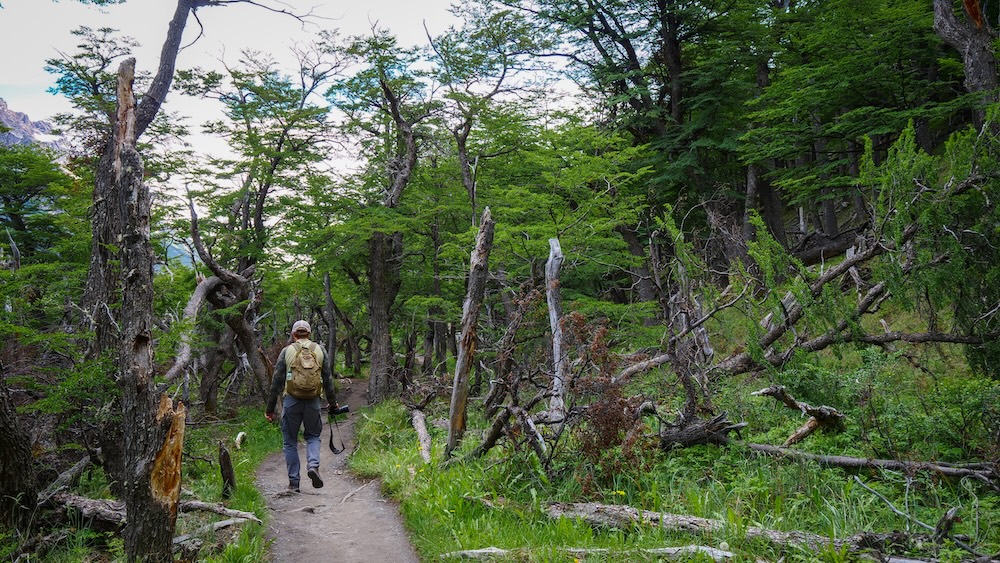
- The scenery changes along the way: forest, valley views, and that feeling of moving deeper into the mountain world.
- The payoff is stunning, especially if the weather cooperates.
- It felt like a hike we could actually enjoy while still walking at a human pace.
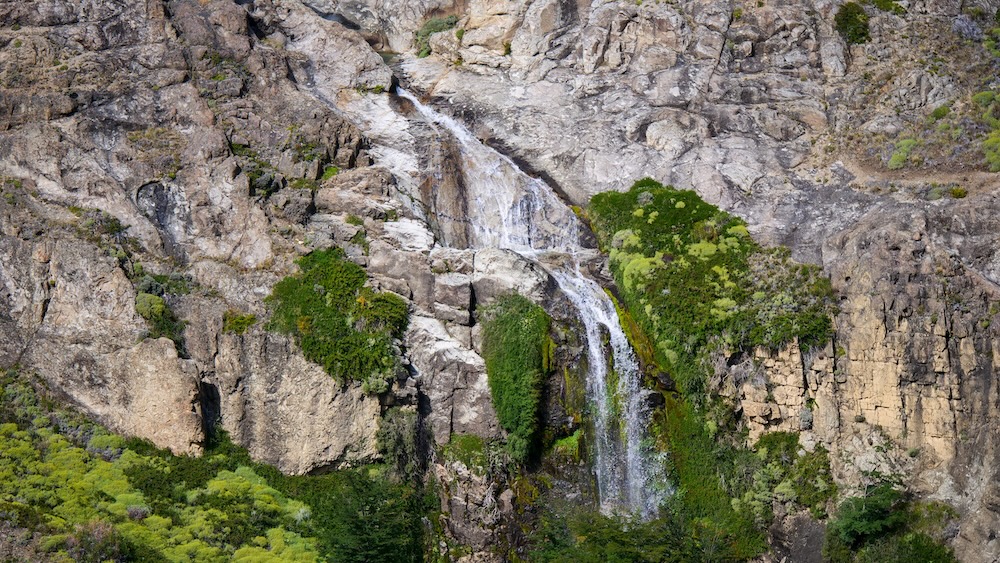
Early on we caught Cascada Margarita thundering down in sections, and once we got into the forest the wind finally stopped trying to fight us personally. That sheltered feeling made the whole day calmer—more “scenic quest,” less “hood-flapping endurance sport.”
A note on weather windows
Patagonia loves mood swings. One day can be warm and calm, the next can feel colder, rainier, and significantly windier. For this reason, Laguna Torre is the perfect example of why you don’t schedule every day like it’s a guarantee. If the weather looks spicy, you can swap this hike with a rest day or a shorter viewpoint day without losing the plot.
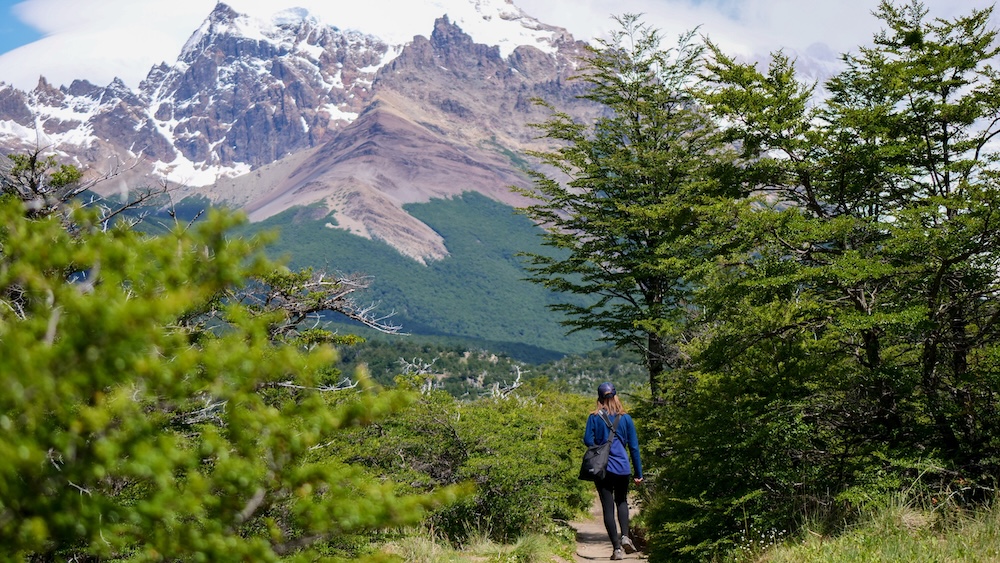
When we reached Laguna Torre, Cerro Torre was hiding in dense cloud and the water looked cold and murky—with a few little icebergs drifting near shore like tiny reminders that you’re in a serious landscape. We wandered over to the De Agostini campsite, and briefly romanticized the campers cooking ramen. Could you please share with us?
Practical tips for Laguna Torre
- Pack more snacks than you think you need.
- Bring a wind layer that you actually trust.
- Don’t treat “it looks fine right now” as a weather forecast.
- If you’re feeling sore, keep your pace slow and steady and treat it like a scenic long walk rather than a race.
Medium adventures: big rewards without maximum suffering
Not every day needs to be a heroic suffer-fest. El Chaltén is best when you mix big hikes with medium days, so your body can keep up with your ambition.
Medium-hike decision table
| Hike | Best for | Time | Effort | Payoff | Notes |
|---|---|---|---|---|---|
| Laguna Capri | Fitz Roy views without doing “the last kilometer” | Half day | Medium | High | Your smart alternative or add-on |
| Chorrillo del Salto | Easy-to-moderate waterfall win | 1–2 hrs | Low | Medium–High | Great in mixed weather |
| Mirador de las Águilas add-on | Extending the viewpoint day | 2–3 hrs | Low–Medium | Medium | Combine with Los Cóndores for a loop vibe |
| “Choose-your-own loop” town circuits | Gentle movement and photos | 1–2 hrs | Low | Medium | Ideal for arrival days and rest days |
Laguna Capri: the “we still got Fitz Roy” option
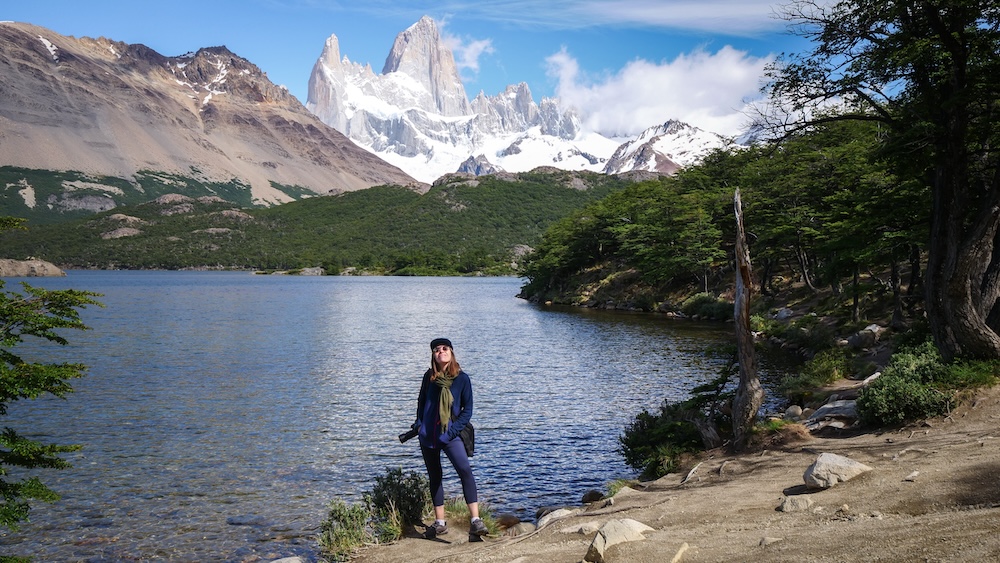
If you want a meaningful mountain day without committing to Laguna de los Tres, Laguna Capri is your friend. You’ll still get those iconic Fitz Roy views and that “Patagonia delivered” feeling, but you’ll finish with enough energy to enjoy the rest of your day like a functioning person.
This is also a perfect “Plan B” if you start the big hike and realize early that you’re not feeling it. Turning around is not failure; it’s strategy.
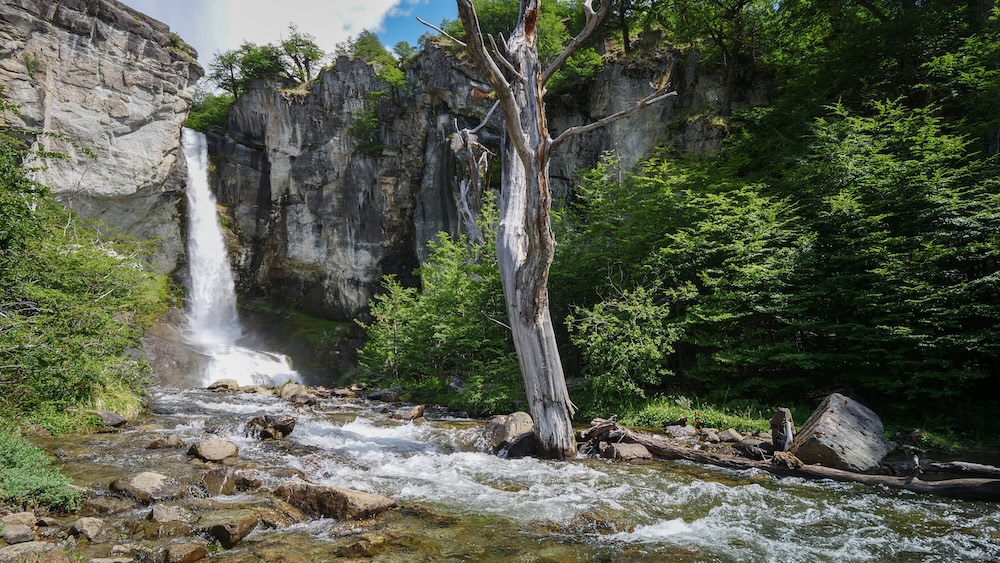
Chorrillo del Salto: the waterfall that loves your rest day
Chorrillo del Salto is the kind of hike you do when you want something outside, something scenic, and something that doesn’t turn your legs into noodles. It’s also a fantastic arrival-day or recovery-day activity because it feels like a proper outing without demanding a full-day commitment.
On our final days, after all the big hiking, we did Chorrillo del Salto and then pushed ourselves onward to Mirador de las Águilas (Mirador de los Cóndores redo)—because apparently we only learn moderation slowly.
Easy walks and viewpoints: tiny effort, ridiculous scenery
This is where El Chaltén becomes addictive. You don’t always have to commit to a full-day epic to feel like you’re in the middle of something spectacular. Sometimes you just need a short, steep climb, a panoramic lookout, and the late Patagonian light doing its thing.
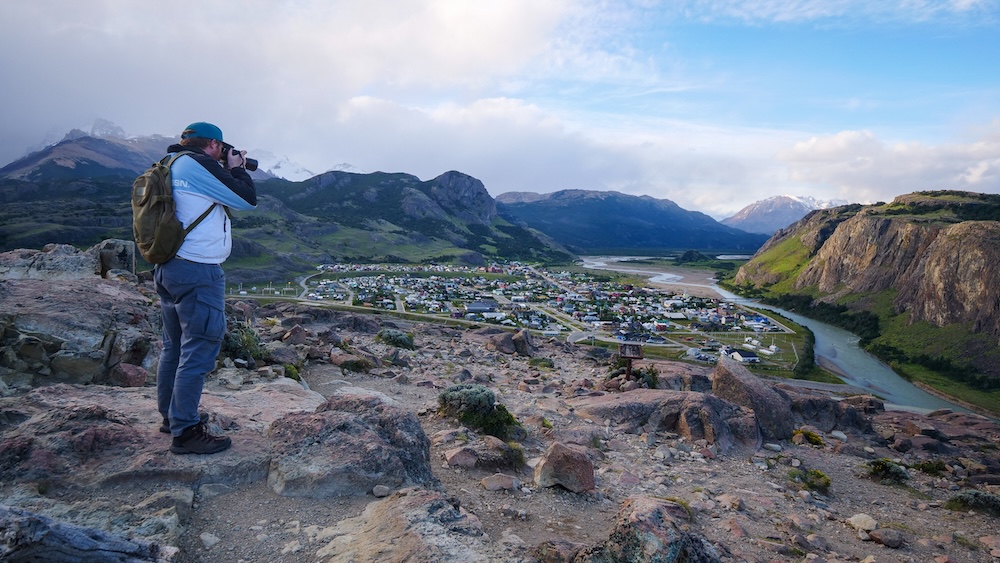
Our favorite “short but iconic” viewpoint: Mirador de los Cóndores
On our first evening we went straight for Mirador de los Cóndores. It’s short. It’s steep. And it gives you that instant, cinematic “we’re really here” moment.
We did it as a sunset hike because daylight was stretching late and we wanted to squeeze in one quick win on arrival. From the lookout, El Chaltén looked like a splash of color in a dramatic valley—more frontier town than polished resort. The higher we climbed, the more mountain ranges revealed themselves. It was the perfect first impression.
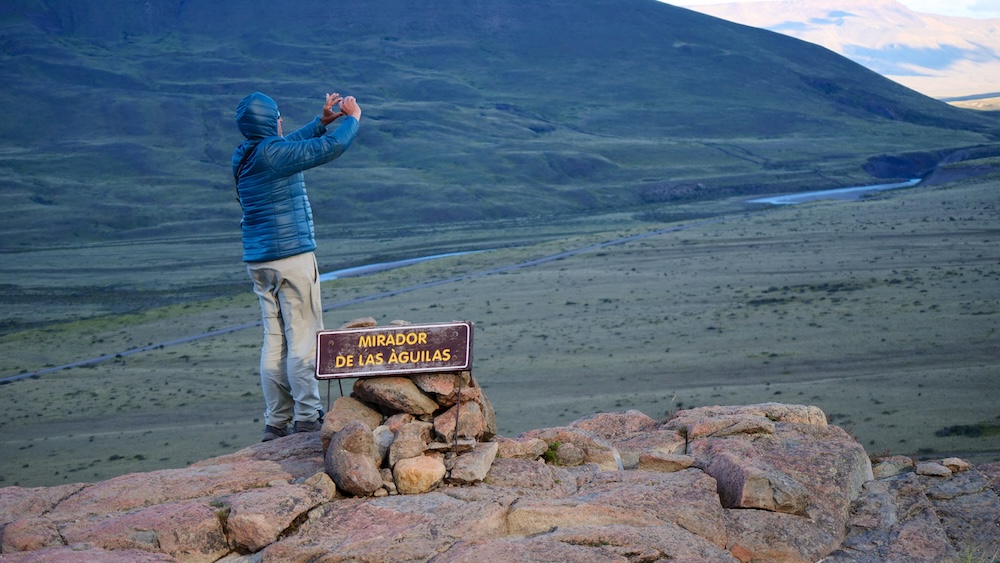
Add-on: Mirador de las Águilas
If you’ve got extra energy (or you simply enjoy collecting viewpoints like Pokémon), extend the walk to Mirador de las Águilas. The vibe shifts from “town panorama” to broader views outward toward the landscape beyond.
Easy-hike menu (quick reference)
| Walk / viewpoint | Typical time | Distance | Effort | Best moment |
|---|---|---|---|---|
| Mirador de los Cóndores | 30–60 min | ~1 km up | Steep-short | Sunset / golden hour |
| Mirador de las Águilas | 1.5–3 hrs | ~2 km+ (add-on) | Easy–moderate | Clear days, softer wind |
| Mirador Río de las Vueltas | 15–30 min | Short | Easy | When you want scenery without sweat |
| Town circuits + La Lagunita | 45–90 min | Short | Easy | Rest day walks and photo hunts |
Mirador de los Cóndores is ~1 km / ~30 minutes, and the Mirador de las Águilas spur branches shortly before Los Cóndores.
Why these matter (especially for your itinerary)
- They’re perfect for arrival day when you’re excited but not fully organized yet.
- They’re perfect for rest days when you need movement but not training.
- They’re perfect for “weather isn’t ideal but we want to do something.”
Multi-Day Trekking in El Chaltén (For Big-Hike Addicts)
Most visitors stick to day hikes — and honestly, that’s plenty. But if you’re experienced in backcountry trekking, El Chaltén also lets you link iconic trails into multi-day adventures through remote valleys, glaciers, and wild campsites.
Here are the two classic routes:
| Route | Nights | Camps | Highlights | Difficulty |
|---|---|---|---|---|
| Fitz Roy ↔ Laguna Torre Traverse | 2 | Poincenot → De Agostini | Connects both legendary hikes in one trip | Hard |
| Huemul Circuit | 3–4 | Backcountry camps | Glacier crossings, raw wilderness, solitude | Expert |
Multi-day treks here are remote, exposed, and weather-dependent. Attempt them only if you already have solid mountain and navigation experience.
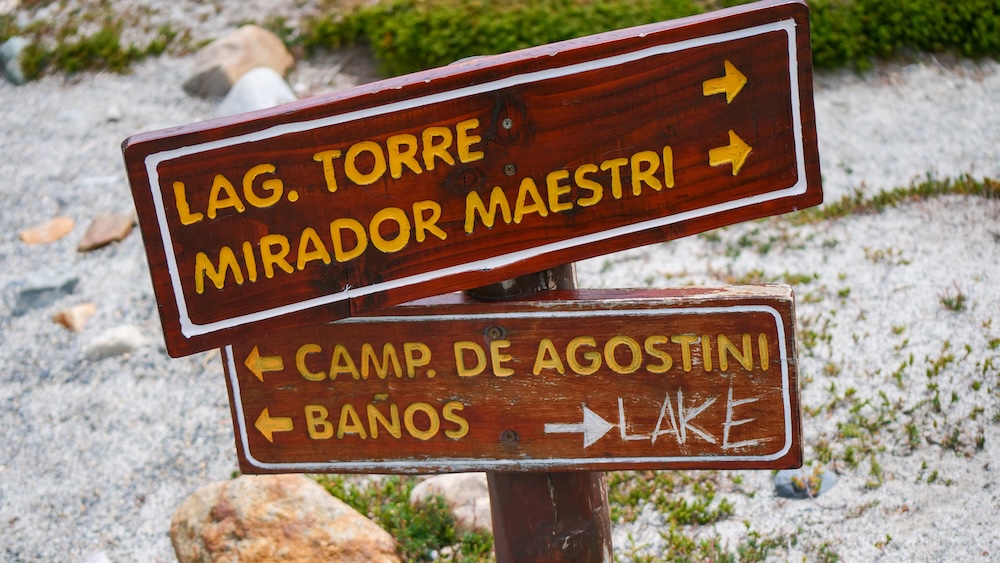
How the Main Trails Connect
One of the coolest things about El Chaltén is that major hikes don’t just start and end in town — many can be linked together if you’re trekking overnight.
| Start | Finish | Linkable? | Nights | Notes |
|---|---|---|---|---|
| Laguna de los Tres | Laguna Torre | Yes | 2 | Via Campamento Poincenot → De Agostini |
| Laguna Torre | Pliegue Tumbado | No | — | Separate trailheads |
| Laguna Capri | Fitz Roy Base | Day hike | 0 | Common acclimation route |
If you’re sticking to day hikes, you’ll start and finish in town every night. If you’re trekking, this table shows how the puzzle pieces fit.
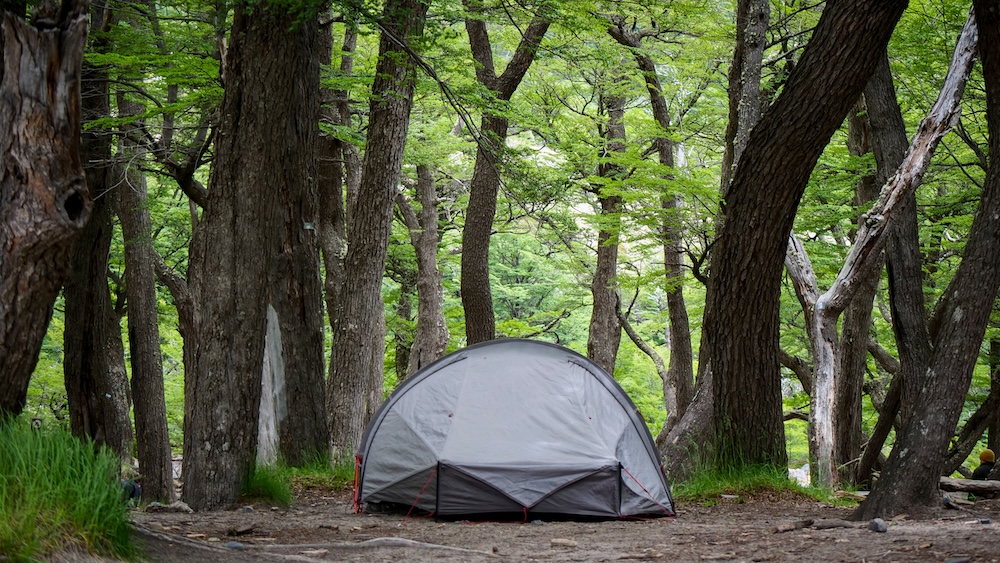
Campsite Reservations & Park Rules
Campsite reservations are managed through the Argentine National Parks (APN) booking system. In peak summer season, you’ll want to reserve camps ahead of time — especially for Poincenot and De Agostini.
A quick rules snapshot:
| Item | Needed? | Where |
|---|---|---|
| Park entry ticket | Yes | APN online |
| Camping reservation | Yes (summer) | APN booking |
| Trail permits | No | — |
Leave-no-trace principles are strictly enforced. Pack it in, pack it out.
Can You Rent Hiking Gear in El Chaltén?
Short answer: a little — but not everything.
| Item | Available? | Notes |
|---|---|---|
| Trekking poles | Yes | Easy to find in town |
| Waterproof jackets | Limited | Small selection only |
| Hiking boots | Very limited | Don’t rely on this |
| Full camping kits | No | Bring your own tent + stove |
If you’re planning any overnight trek, arrive fully equipped.
Multi-Day Trek Reality Check
Patagonian weather changes fast. Winds can hit without warning. Trail conditions shift daily. River crossings may become impassable.
Multi-day trekking here is incredible — but it’s not casual hiking. Experience, preparation, and flexibility are essential.
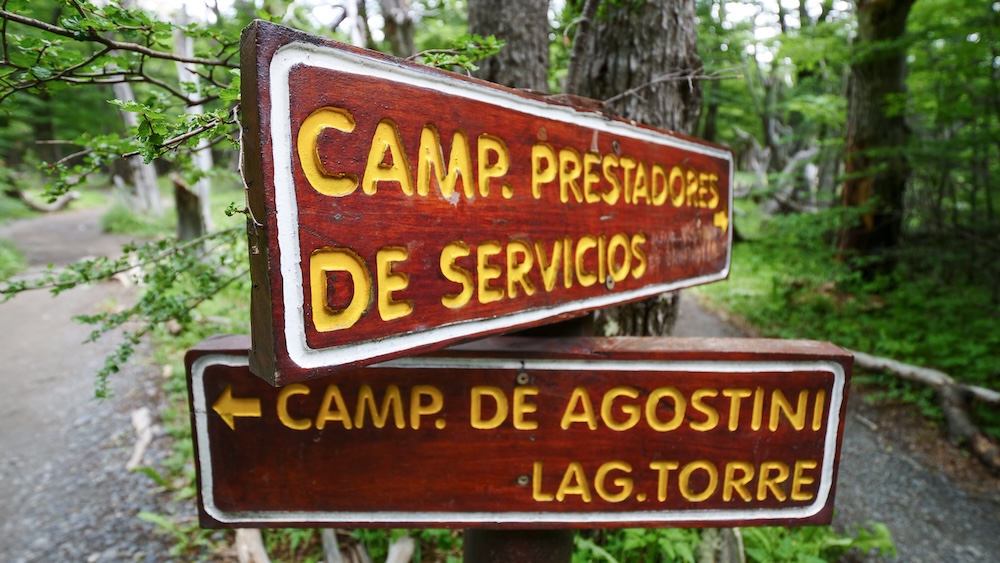
Quick Planning Snapshot (Permits & Logistics)
| Question | Answer |
|---|---|
| Can I hike without a guide? | Yes for all main trails |
| Do I need advance park tickets? | Recommended in summer |
| Are trails marked? | Very well |
| Is there phone signal? | Limited once hiking |
| Can I rent camping gear? | No |
Best Things to Do in El Chaltén Beyond Hiking
Yes, El Chaltén is a hiking town. But the best trips aren’t 100% trail, 0% town. The town itself is part of the experience—the frontier feel, the colorful buildings, the gear shops, the nervous energy in the mornings, and the post-hike limping parade in the evenings.
If you build even a half-day of “town time” into your plan, El Chaltén stops being just a trailhead and starts feeling like a place.
Wander the town like it’s part of the itinerary
El Chaltén is small enough that wandering can become an actual activity—especially if you treat it like a scavenger hunt instead of “killing time.”
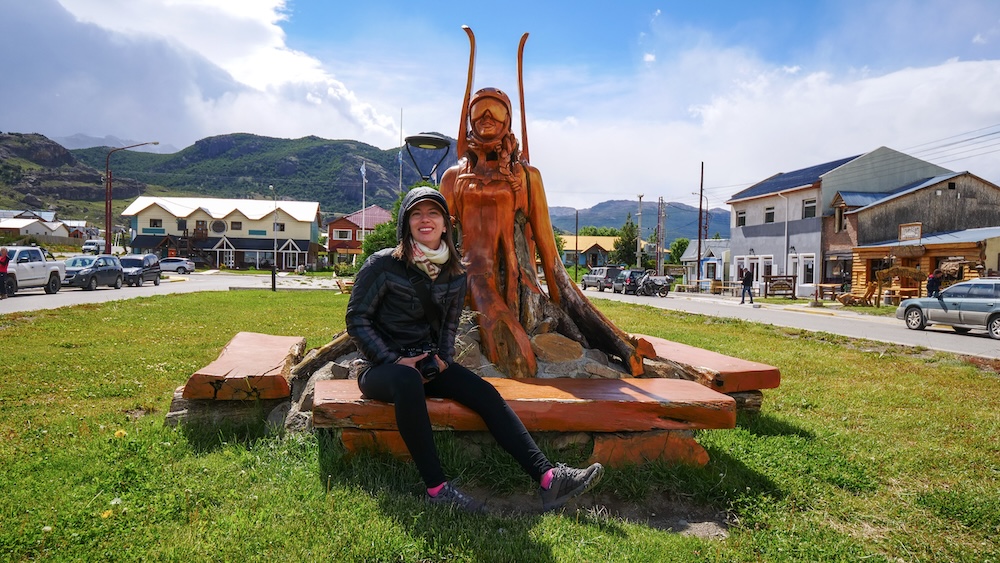
Fun little “micro-quests” that make town wandering feel purposeful:
- Pick a daily ritual: choose one bakery, one café, or one ice cream spot and commit to it like it’s your training base.
- Do a gear-shop loop: walk into shops even if you don’t “need” anything—Patagonia has a way of changing your mind fast.
- Find your favorite view-from-town corner: a quick lookout, a river bend, a street where Fitz Roy peeks out between rooftops.
- Spot the morning mood: pre-hike jitters, last-minute blister tape purchases, stove fuel panic, trail mix restocking.
- Watch the evening vibe: muddy boots, sunburnt faces, and people telling the same story five times because it still feels unreal.
Tiny-town bonus: it’s hard to “waste time” here—everything you do makes tomorrow’s hike easier (food, gear, intel, recovery).
Stop at the visitor / tourist information centers early
If you want to level up your trip instantly, go early in your stay (ideally your first afternoon). This is where you get real-time info that no blog post can promise on any given day.
Ask about:
- Trail conditions (mud, ice, wind exposure)
- Closures / reroutes / river crossings
- Sunset timing + best quick viewpoints from town
- Wind direction (it matters more than you think)
- What’s realistically doable with your daylight + fitness + weather window
Grab:
- Updated maps and trail notes (whatever they have available)
- Safety guidance (especially wind + rapid weather shifts)
- Any posted notices about current conditions
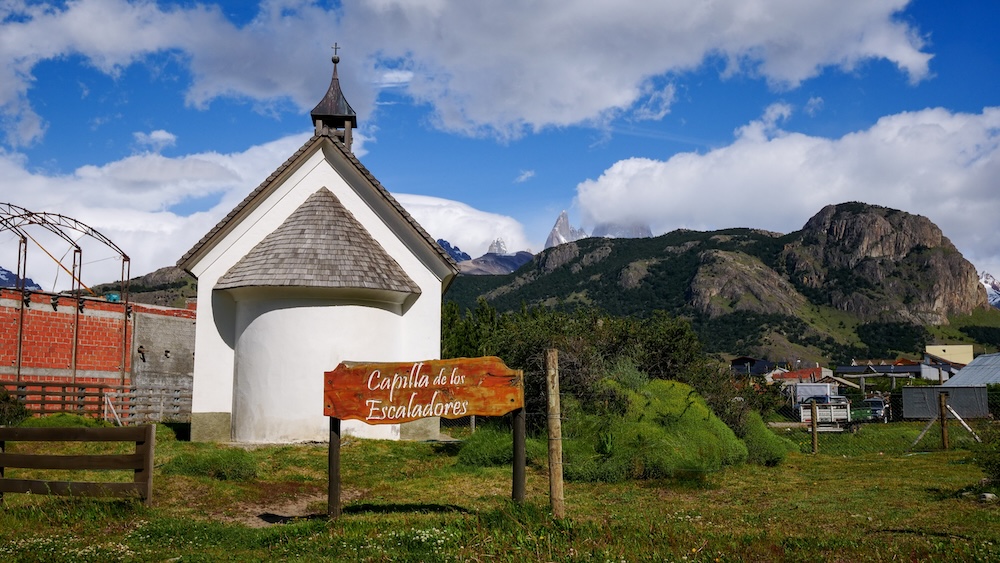
Capilla de los Escaladores: small place, big meaning
The Capilla de los Escaladores isn’t just a pretty building — it’s one of El Chaltén’s most emotionally resonant cultural landmarks, and a rare urban space in town that connects visitors to the history of climbing and human risk in Patagonia.
What it is:
Built as a memorial chapel dedicated to the Austrian–Italian climber Toni Egger, who died in 1959 after an avalanche during a descent from the legendary Cerro Torre, the chapel is a symbol of remembrance for all climbers who have lost their lives in the surrounding mountains.
How it came to be:
The chapel was completed in February 1997 on land originally designated for the town cemetery, oriented toward Mount Fitz Roy and Cerro Torre — the peaks that define the region’s climbing lore.
In the 1990s, Austrian climber Edward Müller — a friend of Egger’s — visited the region to learn more about where his friend had died.
He offered to donate a replica of the Saint Michael chapel from Veneto, Italy, as a tribute to Egger and all mountaineers who never returned.
All the materials — from the campanile and wrought iron to the wooden shingles and interior fittings — were shipped from Europe and assembled in El Chaltén, with local supervision.
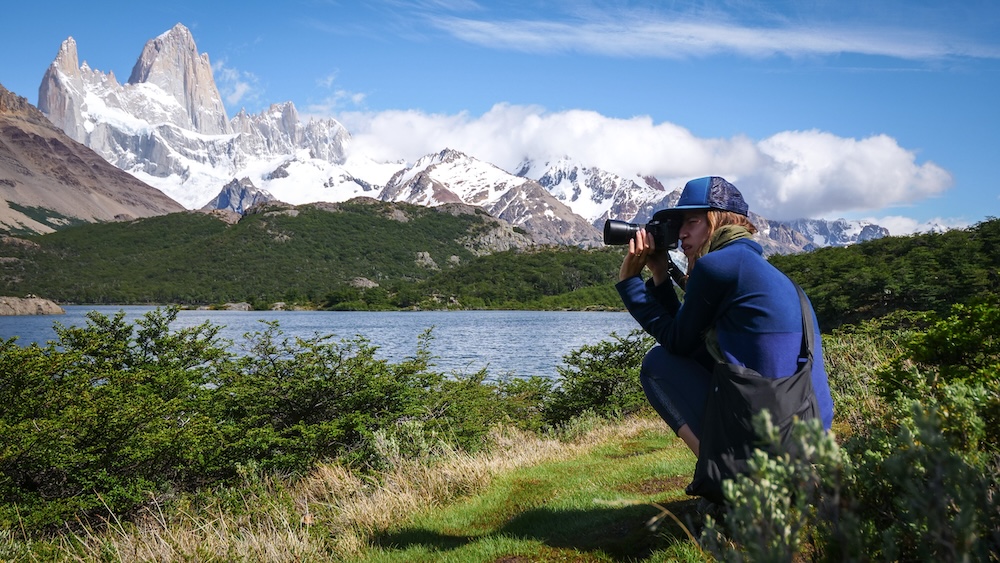
Photography, sunsets, and “you don’t need a summit”
You don’t need to do a major hike every day to come home with epic photos. Some of our favorite visual moments came from simple things:
- Late light hitting the ridgelines
- The town glowing in golden hour
- Clouds shifting so fast it felt like someone was changing a stage backdrop
- Quick viewpoints that gave a huge sense of scale
If you’re traveling with a camera (or just a phone you treat like a camera), give yourself permission to do small walks and spend time just looking.
👉 Browse El Chaltén tours (plus nearby Patagonia options) on Viator
Food and drink in El Chaltén: recovery carbs, cozy cafés, and “we earned this” dinners
If you ask us, El Chaltén has two main hobbies: hiking and eating afterward. And if you arrive in “foodie mode” like we did, you’ll feel extremely at home.
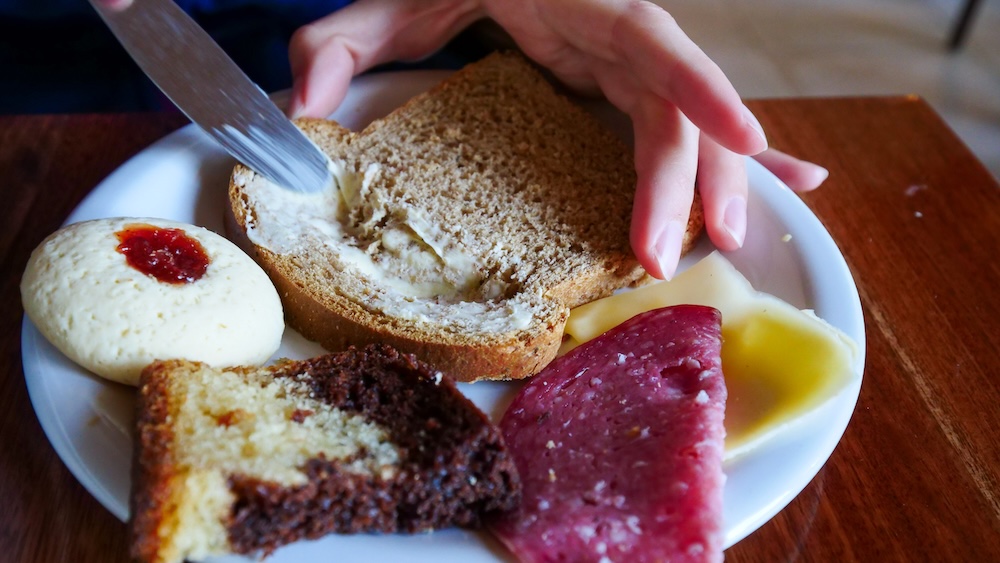
Our El Chaltén food philosophy
- Eat a real breakfast, especially on big hike days.
- Don’t pretend one granola bar is a meal.
- Plan at least one “proper dinner” after your hardest day. It turns pain into poetry.
- On windy days, lean into café culture. Patagonia basically invented the concept of “deserved hot drinks.”
Arrival-night energy: pizza, groceries, and restraint (sort of)
On our first night we had pizza and then tried to act responsible because we were hiking the next day. We even skipped beer because we were doing “a little hike” (which is hilarious because our definition of “little” in El Chaltén quickly became unhinged).
We also learned an early El Chaltén lesson: grocery selection can be limited and expensive. I joked about paying “a dollar per apple,” but it’s also a real heads-up—don’t assume you’ll find everything you want at the store, and don’t assume prices will feel like the rest of Argentina.

Post-hike dinner #1: Senderos (our boutique hidden gem)
After Laguna de los Tres, we needed a meal that felt like a warm hug and a victory lap. Senderos delivered.
It’s near the bus terminal, inside a high-end guesthouse, and it’s small enough that you feel like you’ve discovered a secret. We ate like people who had been living on trail snacks: blue cheese risotto with walnuts and sun-dried tomatoes, a hearty lentil dish (lentejas), a full bottle of red, and two desserts because obviously we were making excellent decisions.
That meal turned a brutally hard hike into one of our favorite travel days of the year.

Post-hike dinner #2: burgers + happy hour at La Zorra (and ice cream, because balance)
On another day we went the casual route: burgers, fries, and happy hour at a spot with great energy at La Zorra, followed by artisanal ice cream. El Chaltén has a way of making simple meals feel celebratory because you’re always slightly hungry and slightly proud.

Café days: the wind-proof cure
There will be days when the wind is so strong you feel like you could lean forward and just hover. On those days, cafés become your best friend. A “café day” can include:
- A slow breakfast or brunch
- A second hot drink because you’re “warming up” (again)
- Cake because you’re “carb loading” (for tomorrow)
- A little trip planning while watching the weather do weird things outside
More Great places to eat & drink in El Chaltén
Here are some our favs from our trip — whether you’re after a casual pint, cozy café vibes, plant-based fuel, or celebratory post-trek dinners:
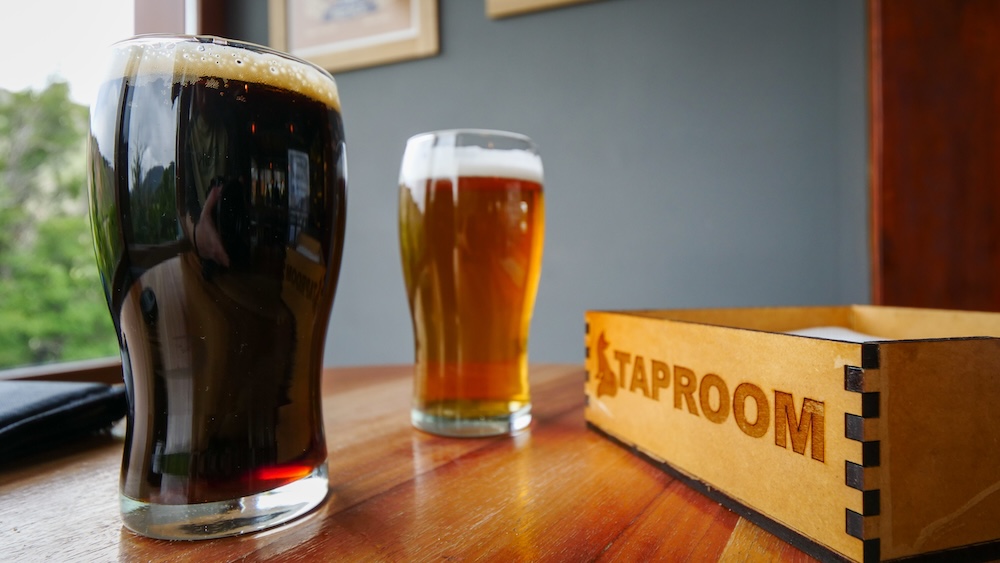
🍺 Beer & casual meals
- La Cervecería Chaltén – Classic brewpub with its own beers and hearty pub fare; perfect for post-hike locro, empanadas, stews, and a refreshing pint in a relaxed, social atmosphere.
- La Zorra Taproom Chaltén – Popular taproom with craft beer flights, hamburgers and comfort food, and a lively vibe for happy hour or a chill evening. Locals and travelers alike rave about the beer selection and casual setting.

🧇 Sweet treats & relaxed cafés
- La Waflería – Beloved waffle café where you can indulge in sweet or savory waffles with toppings — ideal for a relaxed brunch, afternoon snack, or dessert after a long day.
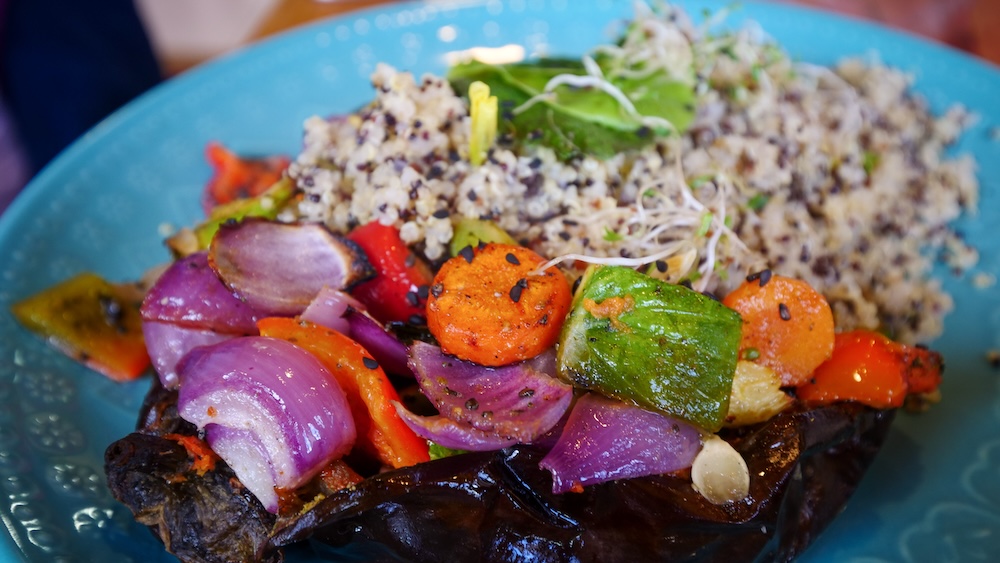
🥗 Healthy & plant-friendly options
- Cúrcuma – A cozy vegan and gluten-free restaurant beloved by travelers seeking fresh, nourishing meals with generous portions and creative plant-forward dishes — a perfect “reset” meal after a few heavy days of trekking.

🍕 Comfort food & classic eats
- Patagonicus – Casual spot known for pizza and comfort dishes, ideal for sharing after a long day out on the trails.
Other food & drink spots
- La Tapera – Well-regarded for grilled meats and Patagonia specialties.
- Fuegia bistró – Cozy, elevated bistro with hearty, satisfying mains.
- Maffia Trattoria – House-made pasta and Italian classics in a friendly setting.
- Ahonikenk – Rustic local favorite for hearty Argentine staples with generous portions.
- Patagonia Rebelde – Another solid choice for lamb and classic Patagonia fare.
- La Senyera – Traditional Argentine cuisine with a warm, local atmosphere.
- B&B Burger Joint – Casual burgers and bar food if you need a simple, quick meal.
The lunchbox system (again, because it’s that useful)
If your accommodation offers lunchboxes, it’s one of the easiest ways to simplify full-day hikes. Ours did. It was about $10 when we visited. Order the night before, grab it in the morning, and you’ve instantly reduced decision fatigue. Yes, it can feel pricey, but it often pays for itself in convenience and sanity.
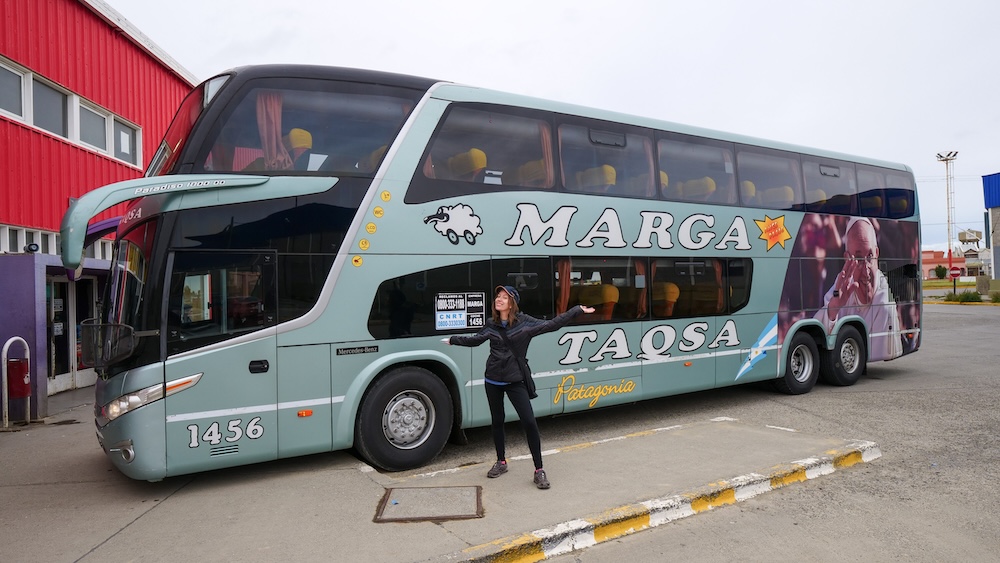
Getting to El Chaltén and getting around
Most trips to El Chaltén run through El Calafate, the larger hub with an airport, more services, and that slightly more polished “tourist infrastructure” feel. The overland stretch from El Calafate to El Chaltén is about 215 km and ~3 hours.
For us, that “~3 hours” included the classic pre-departure routine: one more hot drink, one more snack at Olivia’s, and printing our bus tickets because we didn’t want our entire travel fate resting on unpredictable Patagonia internet.
🚌 Book Buses to Make the Whole Trip Easier
If you’re doing the classic “fly into El Calafate → bus to El Chaltén” plan, booking your seat ahead of time keeps things smooth.
The main routes (quick-glance table)
We rode up with Chaltén Travel, and it was simple and comfortable—but this is Patagonia/Argentina, so schedules and prices can shift. Treat any price you see online (including this sentence) as “check again right before you go” information.
| Starting point | Typical route | Rough time | Best for | Notes |
|---|---|---|---|---|
| El Calafate | Bus or car to El Chaltén | ~3 hours | Most travelers | The classic approach; easy and straightforward |
| El Calafate airport | Transfer into town, then onward | Half day | Anyone flying in | Plan buffers if you’re connecting same day |
| On the road (Ruta 40 vibes) | Self-drive across Patagonia | Varies wildly | Road trippers | Magical, but distance and wind add up fast |
As of the current season, the standard one-way bus ticket between El Calafate ⇄ El Chaltén costs AR$ 50,000 per person. There’s also a separate municipal bus terminal fee of AR$ 2,000 per person, paid at El Chaltén’s terminal (Window 7, open from 7:00 a.m.).
Quick budget math (per person)
- One-way fare: AR$ 50,000
- Round-trip fares: ~AR$ 100,000
- El Chaltén terminal fee: AR$ 2,000 (separate from the bus ticket)
Schedule basics (what to expect)
- Runs year-round
- At least two daily departures (generally morning + afternoon)
- More departures in peak season (roughly October–April), so summer travelers usually have plenty of flexibility
Typical departure windows
- From El Calafate: departures often start around 8:00 a.m. and continue through the afternoon/evening
- From El Chaltén: return options can range from very early pre-dawn services to midday and evening departures—handy if you’re syncing with flights
Handy detail for flight connections
- Buses pick up and drop off directly at El Calafate Airport, so you can often land and head straight to El Chaltén without detouring into town.
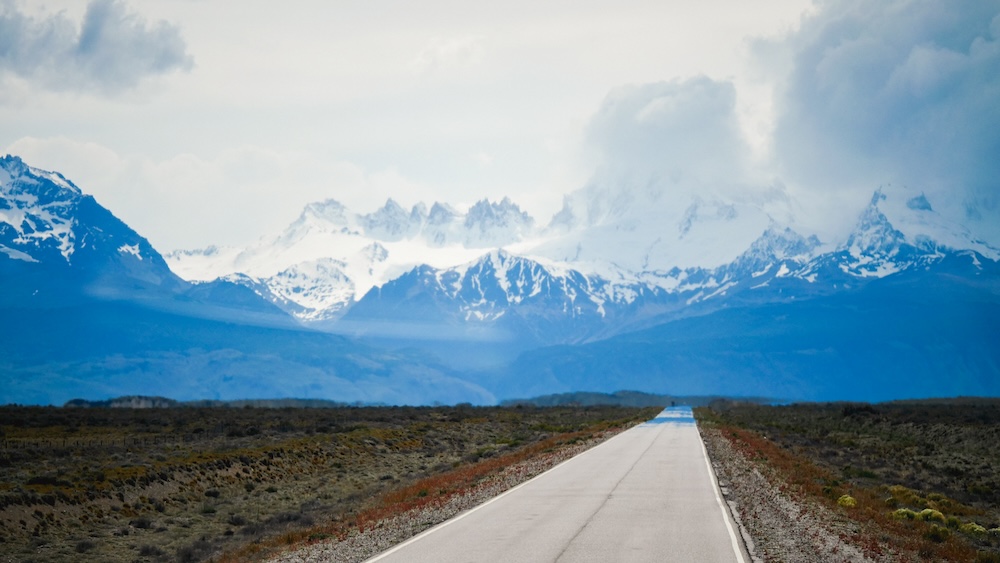
Bus vs. car: a simple choice
Choose the bus if you want the easiest logistics and you’re not desperate for side-road freedom. You can nap, stare out the window, and arrive with “legs” still in the bank.
The bus ride itself was part of the experience: big empty Ruta 40 energy, endless sky, and that iconic La Leona stop where you stretch your legs and feel like you’re pausing at a Patagonian outpost halfway between worlds.
Choose a car if you want flexibility for viewpoints, slower pacing, and the ability to bail on weather windows more dynamically. A car also turns “rest day” into “tiny adventure day” without committing to a full hike.
🚗 Rent a Car for Maximum Freedom in Patagonia (Day Trips Made Easy)
A rental makes sense if you’re building a Patagonia road trip, want full control of photo stops, or you’re timing weather windows.
👉 Compare El Calafate car rentals on DiscoverCars (best gateway for El Chaltén)
Getting around once you’re there
El Chaltén is walkable. The town is super compact. Many trailheads begin right at the edge of town. That’s part of the magic: you can finish breakfast, wander two blocks, and suddenly you’re hiking toward glaciers and granite.
I loved that El Chaltén felt more like a frontier hiking base than a polished resort—colorful buildings, dusty streets, packs everywhere, and that constant buzz of people quietly plotting their next weather window.
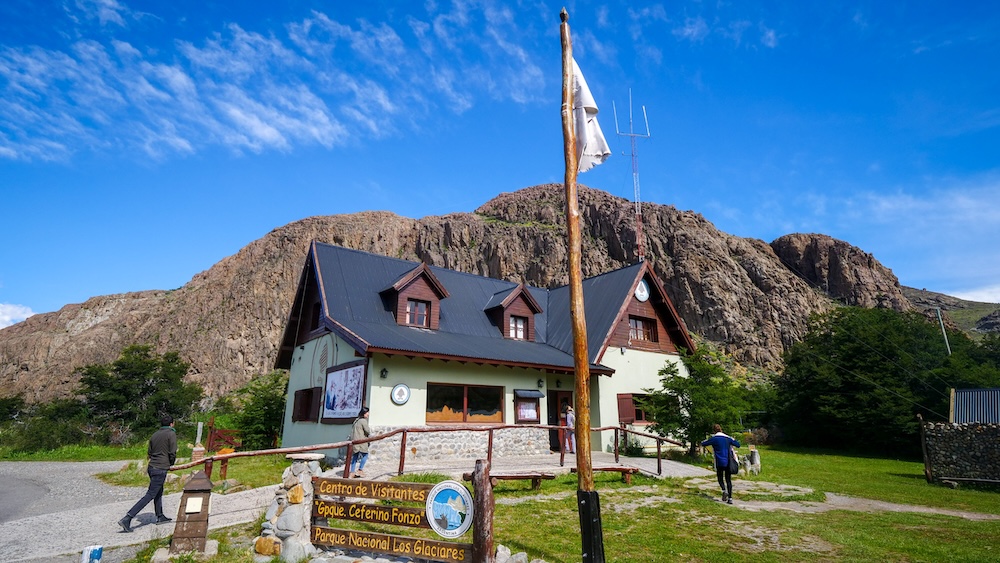
National park logistics: tickets, portals, and the “don’t mess this up” rules
El Chaltén sits inside the broader Los Glaciares National Park system, a UNESCO World Heritage Site and one of Argentina’s most spectacular protected areas. The trails around El Chaltén — including all the classic hikes (Fitz Roy, Cerro Torre, Laguna de los Tres, Laguna Torre, Pliegue Tumbado, etc.) — are inside the park, and as of October 2024 / 2025, there’s now a mandatory park access fee for the North Zone / Portada El Chaltén.
Official fee structure (2025–2026 season) — North Zone / Portada El Chaltén
| Visitor Type | Daily Fee (one day) | Notes |
|---|---|---|
| General (foreign visitors) | ARS 45,000 | Most international travellers fall into this category. |
| Argentine nationals (domestic tourists) | ARS 15,000 | You must show ID/ARG passport. |
| Residents of Santa Cruz Province | ARS 5,000 | Local residents pay the lowest rate. |
| Students (with valid ID) | ARS 7,000 | National parks reduced student category. |
| Exempt (no payment required) | Free | Includes: children 0–5, people with disabilities, pensioners, veterans of the Malvinas war, local residents of El Chaltén/El Calafate, and park staff. |
👉 These fees apply per park entry day (not per trail). That means once you’ve bought a valid entry for a day, you can hike multiple official park trails that same day without extra cost.
Quick example: If you pay ARS 45,000 for one day, you could do Laguna de los Tres in the morning and Laguna Torre in the afternoon (time, weather, and stamina permitting) without paying extra.Multi-day passes & savings (Flexipass options)
If you plan to stay and explore multiple days, multi-day passes can be more economical:
- 3-day Flexipass: Typically ARS 90,000 for general visitors (saving money compared to buying three single days).
- 7-day Flexipass: Around ARS 157,500 for general visitors.
- Annual National Parks Pass: A single pass that covers all Argentina’s national parks for 12 months; cost varies but can make sense if you’re itinerary includes Iguazú, Tierra del Fuego, etc.
Tip: If you’re hiking multiple long routes on consecutive days (e.g., Fitz Roy one day, Torre the next + side trails), the Flexipass almost always works out cheaper.How park access is controlled
Tips to avoid the “windy portal panic”
- Buy ahead of time: If you’re in El Chaltén the night before a big hike, buy your ticket online (Administración de Parques Nacionales website) and screenshot it.
- Screenshot everything: Signal is patchy; having screenshots + booking IDs removes stress.
- Match names & IDs: If paying online as an Argentine national, make sure ID matches.
- Understand what it covers: One ticket = one day of park access for all trails. You don’t need separate tickets for each trail.
Summary: What you actually pay
- International visitor (daily): ~AR 45,000
- Argentine national: ~AR 15,000
- Santa Cruz resident: ~AR 5,000
- Students: ~AR 7,000
- Exempt categories: Free
Multi-day passes can significantly reduce per-day cost.
What you’ll see at the trailheads
El Chaltén’s classic hikes fan out from several portal areas. In practice, you’ll encounter signs, maps, and a “this is where your day begins” energy at the main access points.
A few park etiquette basics (the Patagonia version)
- No drones. This is not negotiable, and also: the wind would probably eat your drone anyway.
- Respect wildlife and the trails. Stay on path, pack out trash, don’t turn fragile places into shortcuts.
- If a friendly town dog wants to follow you, discourage it from joining your hike. It’s not just about safety—it helps protect local wildlife too.
Reality check: connectivity
El Chaltén can have shaky mobile data and inconsistent Wi-Fi. We experienced payment processing issues at our hotel because the Wi-Fi kept dropping. There is also a public Wi-Fi option in the central plaza, but don’t build your entire trip plan around perfect connectivity.
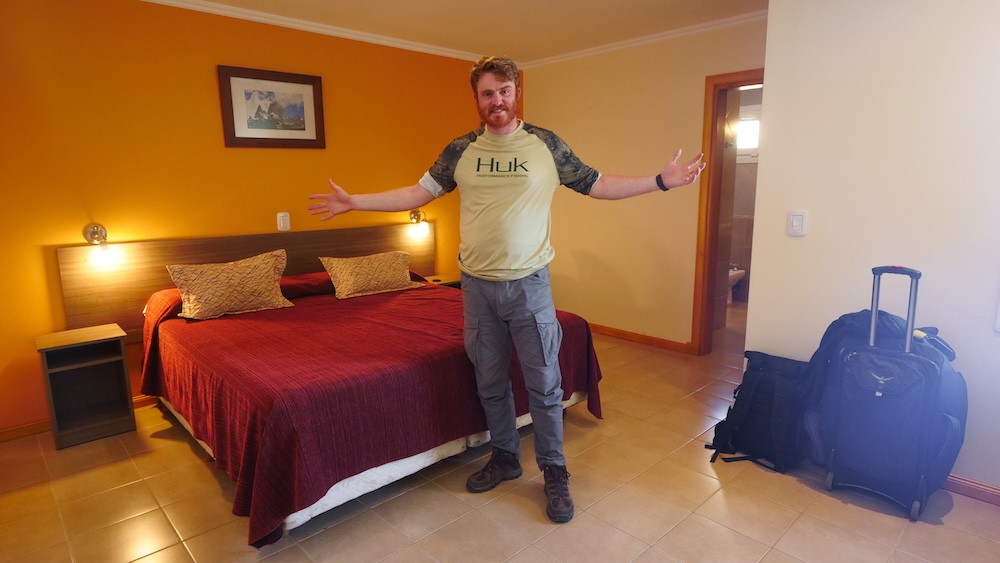
Where to stay in El Chaltén
Your lodging choice affects everything: how early you can get on trail, how quiet your nights are, and how quickly you can collapse into bed after a 20-kilometer day.
We stayed near the bus terminal, which turned out to be a quietly brilliant move. It was easy on arrival, easy on departure, and it put us close to some useful services—plus it meant we accidentally discovered one of our favorite meals in town right when we were at our most ravenous.
We based ourselves at Vertical Lodge and it genuinely fit our “trekking basecamp” needs: a spacious room, a proper desk for camera/admin life, and a big bathroom situation that felt hilariously luxurious after a day of being sandblasted by wind.
Base selection matrix: pick your stay style
| Stay style | Best for | Pros | Cons | Our advice |
|---|---|---|---|---|
| Near the bus terminal | Easy logistics, quick arrival/departure | Convenient, often quieter at night | Slightly less “main street” energy | Great if you’re doing a lot of early starts |
| Along the main strip | First-timers who want everything outside the door | Restaurants/cafés steps away | Can be noisier, more foot traffic | Ideal if you love strolling and snacking |
| Edge of town | Quiet sleepers, star-gazers, “I came for nature” people | Peaceful, often big views | Longer walk to dinner in wind/rain | Worth it if you value silence over convenience |
| Hostel / budget base | Social travelers, solo hikers | Trail intel, community vibe | Noise, shared spaces | Great if you want hiking buddies |
| Cabin/apartment | Families, longer stays, kitchen people | Space, self-catering | Can book out fast | Perfect for food prep and recovery days |
🏨 Where to Stay in El Chaltén (Our Top Hotel Picks)
⭐ Quick Booking Box: El Chaltén Hotels (Compare Rates)
| Pick | Best for | Vibe | Booking link |
|---|---|---|---|
| 🏆 Top Pick | First-timers who want an easy, reliable base | Comfortable “no-regrets” stay | Compare top stays in El Chaltén on Booking.com |
| 💎 Boutique / Treat-Yourself | Couples, hikers celebrating a big trek, views + comfort seekers | Cozy-luxe Patagonia energy | Browse boutique stays in El Chaltén on Booking.com |
| 🏘️ Mid-range (great value) | Most travelers who want comfort without splurging | Warm, practical, walkable | Find mid-range El Chaltén hotels on Booking.com |
| 💰 Budget | Road-trippers + hikers who only need a clean base | Simple, wallet-friendly | See budget stays in El Chaltén on Booking.com |
🔎 Want to browse all options instead?
👉 Compare all El Chaltén stays on Booking.com
Our lodging rhythm (what worked for us)
- Early breakfast (we had breakfast available around 6:30 a.m.), then hit the trail while the town was still sleepy.
- Evenings were for laundry-by-hand, charging batteries, reorganizing gear, and pretending we were the kind of people who do this all the time.
- We went to bed while it was still bright outside because Patagonia’s daylight tries to trick you into living a double life.
That 6:30 a.m. breakfast became our superpower. Being fed and moving early made El Chaltén feel calmer—less crowded trails, more breathing room, and way more “we are competent hikers” energy (even when we absolutely weren’t).
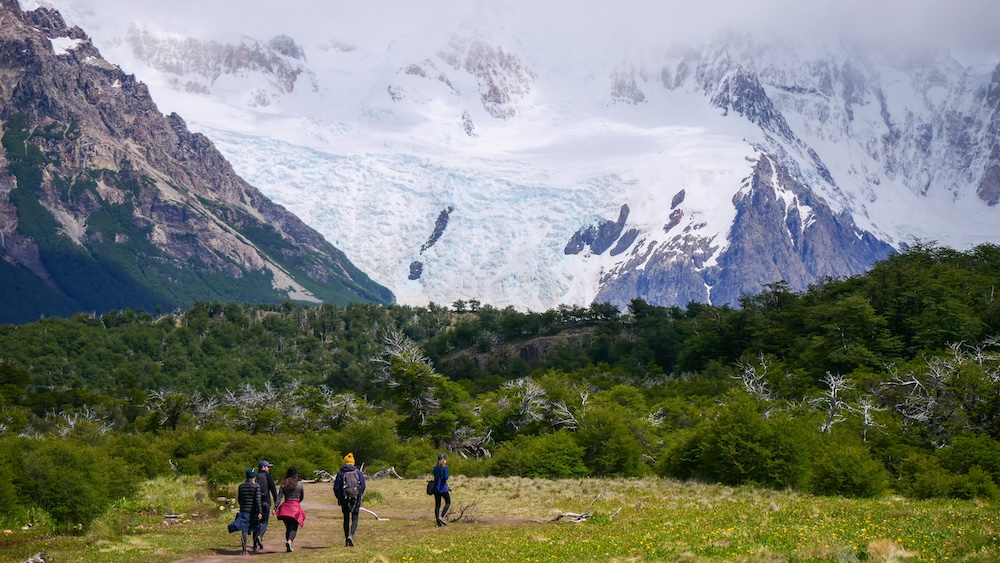
Essential logistics: money, Wi-Fi, groceries, and the lunchbox hack
El Chaltén is not complicated, but it is particular. It’s a hiking town at the end of the road, and that means you plan for a little friction. If you do it right, the “friction” becomes part of the charm. If you do it wrong, you’ll be standing in a shop whispering, “Why is an apple doing this to my budget?”
Money + payments
- Expect card payments to sometimes fail due to connectivity. Don’t assume a second attempt will magically work.
- Carry some cash as backup for small purchases, tips, and the occasional “technology is on strike” moment.
- If you’re relying on online ticket purchases, have at least one reliable payment method ready (and ideally a second backup card).
Wi-Fi and data (the honest version)
We had stretches of “basically no internet.” Mobile data didn’t reliably work for us, and the Wi-Fi would drop, sometimes at the worst possible moment—like when we were trying to process a hotel payment. We’re not complaining; this is simply Patagonia being Patagonia. Build your trip so that your happiness does not depend on a stable connection.
Groceries: limited variety, Patagonia pricing
Grocery selection can be limited, and prices can be higher than you expect for Argentina. Our mental benchmark (yes we’ve now mentioned this multiples times) became “a dollar per apple,” which is both funny and a bit spooky at the same time.
The lunchbox hack (highly recommended)
Many hotels and guesthouses offer a packed lunch (often called a lunchbox) that you order the night before and pick up in the morning. We paid around the equivalent of $10 USD per lunchbox. Pricey for Argentina, but convenient—especially if your accommodation doesn’t have a shared kitchen or mini-fridge.
One of our lunchboxes was basically the Patagonia hiker starter kit: rice + veggie salad, peanut bars, apples, muffins, a few candies, and bottled water—exactly the kind of practical fuel that prevents your “granola bar fantasy” from becoming a real problem.
The “tomorrow-proofing” checklist (do this in 10 minutes)
- Charge phones, camera batteries, power banks.
- Repack your day bag: water, layers, snacks, sunscreen, lip balm.
- Check your weather window and set a realistic start time.
- Confirm your lunchbox (or shop snacks) so you’re not panic-buying in the morning.
- Decide your “bail point” in advance for big hikes: where you’ll turn around if time/energy/weather aren’t cooperating.
🥾 Plan B Adventures: Tours & Easy Day Trips from El Chaltén
Even hardcore hikers end up with a “Plan B” day in Patagonia. When the wind is feral, legs are toast, or you just want someone else to handle the logistics, these Viator options are easy wins.
👉 Browse El Chaltén tours (plus nearby options) on Viator
| Option | Best for | Book it |
|---|---|---|
| 🚌 El Chaltén “Complete Experience” day tour (from El Calafate) | A low-effort way to “see El Chaltén” without committing to a big hike | El Chaltén Complete Experience Full-Day Tour from El Calafate (Viator) |
| 🧊 Perito Moreno Glacier full-day + optional boat safari | Classic Patagonia bucket-list day that doesn’t require hardcore hiking | Perito Moreno Glacier Full-Day Tour with Optional Boat Safari (Viator) |
| 🚤 “Todo Glaciares” navigation (Upsala + Spegazzini) | Big-glacier scenery with max comfort (aka: let the boat do the work) | Glaciares Gourmet Navigation: Upsala & Spegazzini Navigation (Viator) |
| 🗿 El Calafate city tour + Walichu Caves | A cultural/history reset day (great when the weather is moody) | El Calafate City Tour + Walichu Caves (Viator) |
| 🚙 Nativo Experience: Lakes & Caverns (4×4 style) | Off-road adventure + viewpoints when you want something different than trails | Nativo Experience: Lakes & Caverns (Viator) |
| 🇨🇱 Torres del Paine full-day trip (from El Calafate) | Maximum “Patagonia wow” in one day (long day, huge payoff) | Torres del Paine Full-Day Tour from El Calafate (Viator) |
Day trips from El Chaltén less than 2 hours away
Not every “day trip” needs to be a full-body endurance event. One of the best parts about El Chaltén is that you can get a completely different Patagonia vibe—lakes, valleys, river viewpoints, quiet ranch roads—without spending half the day in transit.
Here are genuinely close options (think short drives/transfers), so you can stay flexible with weather and energy levels.
Quick-glance table: the best short day trips (under ~2 hours one-way)
| Day trip | How far from El Chaltén | Why it’s worth it | Best for | How it usually works |
|---|---|---|---|---|
| Lago del Desierto | ~37 km from town | Big lake scenery + boat options + a totally different “edge-of-the-world” feel | Rest days, “we want Patagonia without grinding” days | Go by transfer/bus/taxi or drive; spend half or full day; boat add-ons available |
| Río Eléctrico / El Pilar area | ~15–20 km-ish range | Fast access to the Fitz Roy valley vibes + river scenery + trailhead energy (even if you don’t go far) | Photography, low-commitment days, weather-window scouting | Short transfer/drive to the area; do a small walk, viewpoint, or simply soak it in |
| Piedra del Fraile access | ~16 km to the bridge/approach | Quieter, more “local” feel—valley scenery, river, and a sense of getting away from town | People who want something calmer than the main classics | Typically drive/transfer to the access point; choose your own adventure from “short look” to longer walk |
| Ruta 40 viewpoints + La Leona-style “road trip energy” (micro day trip) | Within ~1–2 hours depending how far you go | Patagonia emptiness, sky, wind, wide-open nothingness (in a good way) | Anyone who loves landscapes and hates crowds | Best with a car or taxi/driver; stop where the light looks ridiculous |
✅ See top-rated El Chaltén tours on Viator
Rest day in El Chaltén: the secret ingredient to a great hiking trip
A rest day in El Chaltén is not a failure day. It’s a strategy day.
This is Patagonia. The hikes are big. The weather is dramatic. And your body is not a vending machine where you insert motivation and receive unlimited energy.
We had two different kinds of rest days:
- The “we are wrecked” rest day after Laguna de los Tres.
We didn’t leave the room. We were stiff. We slept 10–12 hours. We woke up, realized our legs were still negotiating, and went back to sleep like it was our job. - The “the wind has declared martial law” rest day.
We had a day where the winds were so insane that standing upright felt like a group project. That became a café day—warm drinks, slow wandering, and a lot of “okay, Plan B it is.”
One rest day was basically “gear Tetris”: reorganizing bags, hand-washing whatever had become morally questionable, charging everything, and doing one tiny walk just to keep the body from turning into a creaky wooden ship. Then we rewarded ourselves with something warm and sweet, because recovery is a real sport.
Rest day decision matrix (choose your recovery style)
| Your situation | Rest day plan | What to do | What to avoid |
|---|---|---|---|
| Legs are stiff, feet are angry | Active recovery day | Easy walk + stretching + early dinner | A “quick” big hike that becomes a full day |
| Wind is brutal | Wind-proof day | Viewpoint if safe + cafés + town wandering | Exposed ridgelines and ego-based decisions |
| Rainy or cold | Cozy day | Museums/chapel + bakery crawl + planning | Sitting in wet clothes pretending it’s fine |
| You’re behind on logistics | Admin day | Tickets, cash, laundry, groceries, lunchboxes | Leaving everything for 6:30 a.m. chaos |
| You’re mentally fried | Reset day | Do one simple thing, then rest guilt-free | Doom-scrolling weather apps for five hours |
A perfect “we’re wrecked but happy” rest day (sample schedule)
- Sleep in. Actually sleep in. Patagonia will still be there at noon.
- Big breakfast, preferably something warm.
- Gentle walk: 20–60 minutes, max. River path, town stroll, viewpoint if you feel good.
- Coffee stop. You’ve earned it.
- Afternoon: gear reset (laundry, charging, repacking), then a nap that makes you feel like you’ve time-traveled.
- Early dinner. Early bed. Let your body bank recovery for tomorrow.
A perfect “windy day” rest day (sample schedule)
- Slow morning café breakfast while you watch the wind slap the flags around like it’s auditioning for a role.
- Short viewpoint only if it feels safe and reasonable.
- Tourist info stop for updated conditions and advice.
- Bakery crawl. Hot drinks. Maybe soup. You are now a professional comfort-seeker.
- Make tomorrow’s plan: pick the hike that matches the weather window, not your pride.
The rest-day admin checklist (the stuff that makes tomorrow smooth)
- Laundry: socks, base layers, whatever smells like “I climbed a gravel wall.”
- Charge everything: phone, camera, headlamp, power bank.
- Refill snacks and water plan.
- Confirm lunchbox orders if you’re using them.
- Repack your day bag so you’re not rummaging at dawn.
- Decide your start time and your bail point.
The best “rest day” activities in El Chaltén
Rest days are at their best when they still include one small Patagonia moment, even if you’re moving slowly.
Short walks and viewpoints
- Mirador de los Cóndores: short, steep, iconic.
- Mirador de las Águilas: an optional extension if you’re feeling good.
- Mirador Río de las Vueltas: quick scenery with minimal effort.
- Town circuits and La Lagunita-style wandering: gentle, photogenic, low stakes.
Town culture
- Visitor centers and maps: get conditions, closures, and smart planning tips.
- Capilla de los Escaladores: a meaningful stop that connects you to El Chaltén’s mountain culture.
- Gear browsing: even if you don’t buy anything, it’s part of the hiking-town atmosphere.
Food as recovery
Rest day is when you eat like a responsible adult:
- Protein and something hearty
- Fruit and snacks for tomorrow
- A hot drink that makes you feel human again
The mental game: why rest days are actually part of “doing El Chaltén right”
El Chaltén can tempt you into thinking every day has to be a major hike because the scenery is right there and the daylight stretches late. But the real pros build in buffers.
A rest day does three powerful things:
- It protects your next big hike from becoming a suffer-fest.
- It gives you flexibility when Patagonia’s weather does its thing.
- It turns the trip into a rhythm instead of a grind.
We came to El Chaltén as foodies pretending to be trekkers. By the end, we were still foodies—just with stronger legs and a deeper respect for planning.
👉 Check El Calafate ↔ El Chaltén bus schedules + prices on Busbud
Sample itineraries (3–7 days) to build your El Chaltén game plan
El Chaltén rewards slow travel. If you only have a couple of days, you can still get a massive experience—but the sweet spot is giving yourself enough time for weather buffers, rest days, and at least one “we’re just wandering” day.
Itinerary builder matrix
| Days in El Chaltén | Best for | Core hikes | Rest-day buffer | Vibe |
|---|---|---|---|---|
| 3 days | Fast classic hit | 1 iconic + 1 medium | Minimal | Efficient, intense |
| 4 days | Balanced first trip | 2 full days + 1 short | 1 buffer | Best all-around starter |
| 5 days | The “do it right” plan | 2 iconic + 2 medium | 1 buffer | Comfortable, flexible |
| 6–7 days | Deep immersion | Add day trips + extra viewpoints | 1–2 buffers | Patagonia rhythm unlocked |
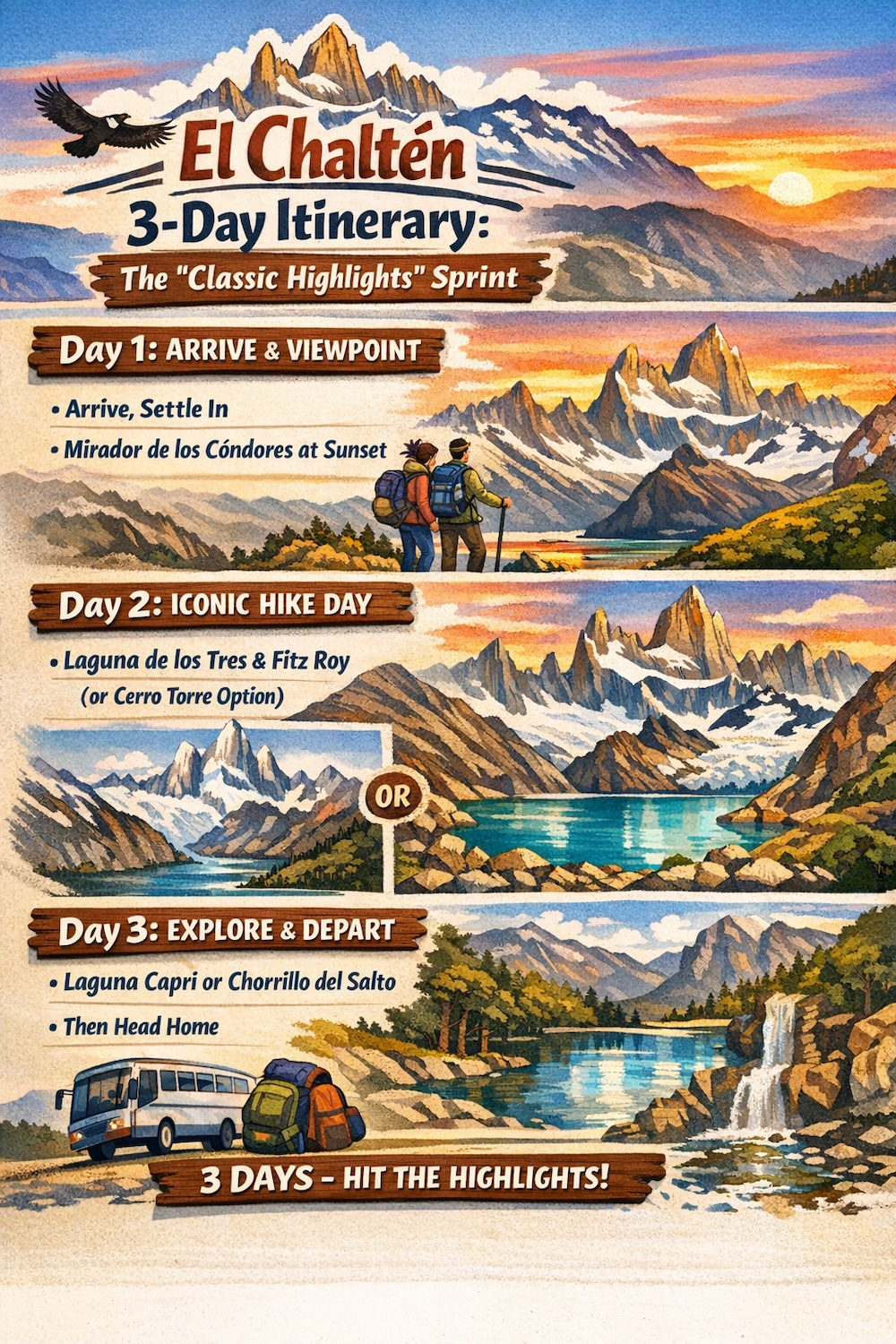
3-day itinerary: the “classic highlights” sprint
Day 1: Arrive, settle in, short viewpoint (Mirador de los Cóndores at sunset if you have daylight).
Day 2: Iconic hike day (Fitz Roy / Laguna de los Tres, or Torre if you want kinder vibes).
Day 3: Medium day (Laguna Capri or Chorrillo del Salto) + depart.
This itinerary works, but it’s tight. If the weather fails you, you’ll feel it.
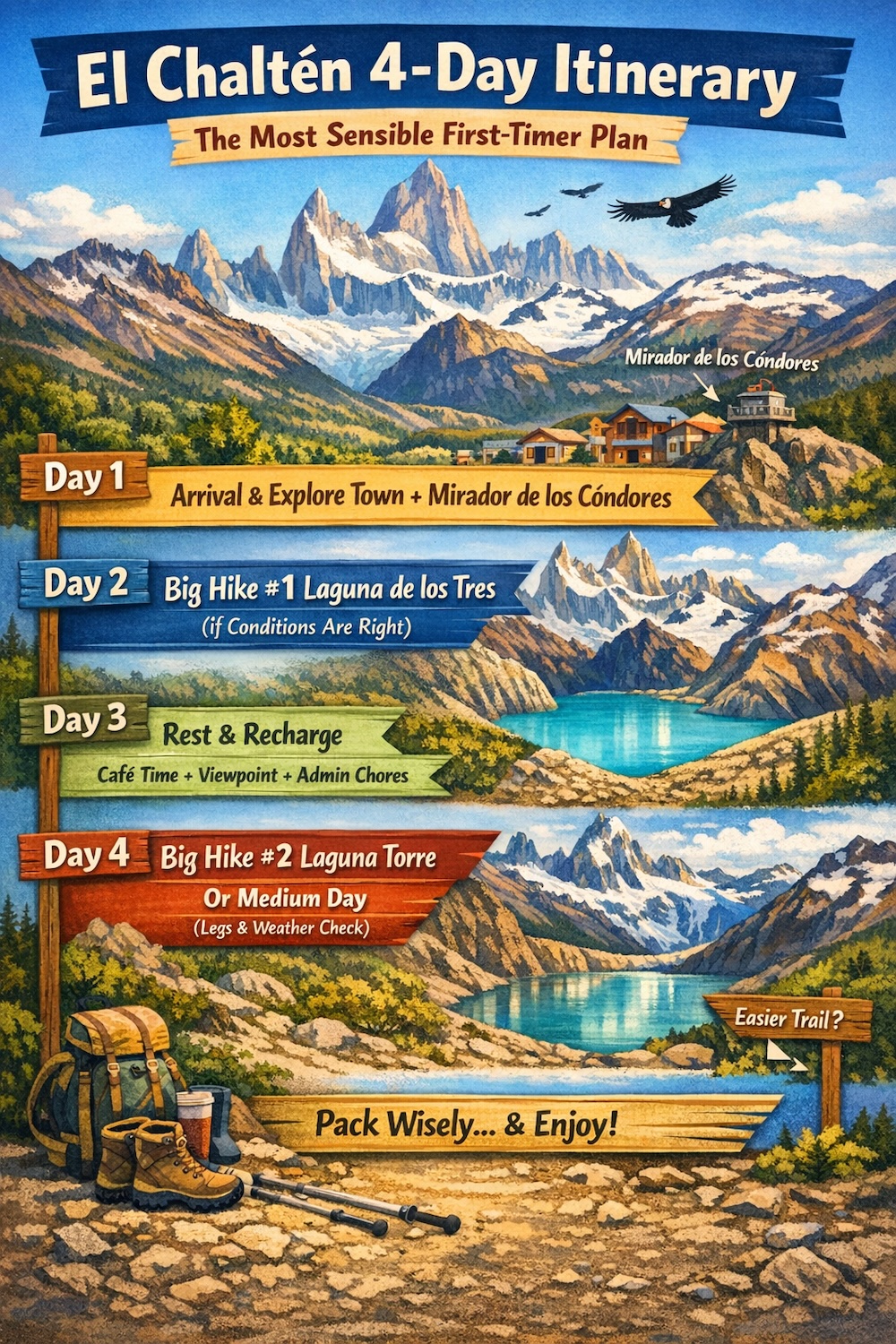
4-day itinerary: the most sensible first-timer plan
Day 1: Arrival + town wander + Mirador de los Cóndores.
Day 2: Big hike #1 (Laguna de los Tres if conditions look good).
Day 3: Rest day or easy day (café day + viewpoint + admin).
Day 4: Big hike #2 (Laguna Torre) or medium day depending on legs/weather.
This is the plan that acknowledges reality: the big hike might wreck you, and Patagonia might have opinions.
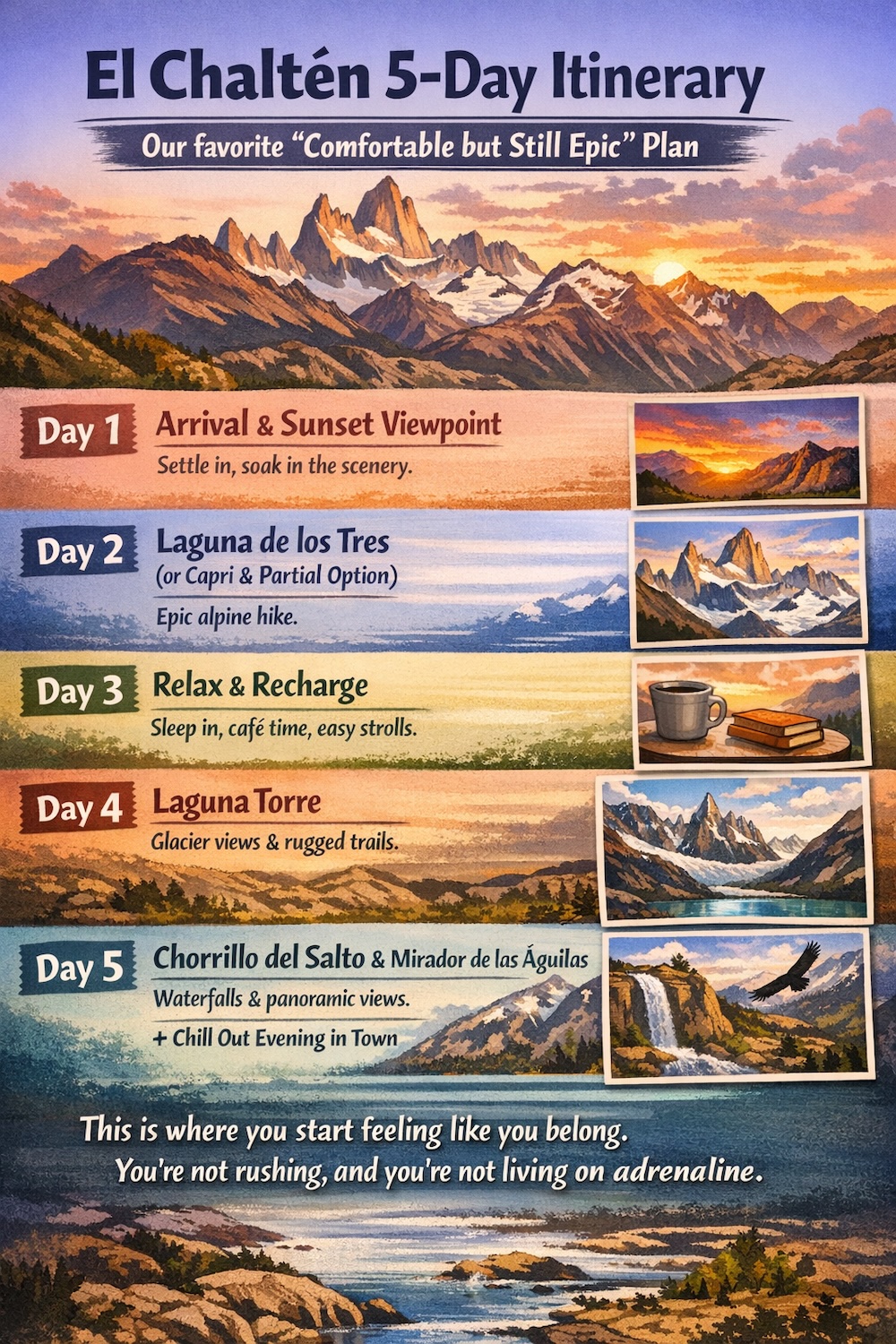
5-day itinerary: our favorite “comfortable but still epic” plan
Day 1: Arrival + sunset viewpoint.
Day 2: Laguna de los Tres (or Capri + partial if you prefer).
Day 3: Rest day (sleep, easy walk, food, admin).
Day 4: Laguna Torre.
Day 5: Chorrillo del Salto + Mirador de las Águilas, plus an unhurried town evening.
This is where you start feeling like you belong. You’re not rushing, and you’re not living on adrenaline.
6–7 day itinerary: the full El Chaltén experience
Add one or two of the following:
- A second rest day if you’re stacking hard hikes.
- Extra viewpoint days to chase good light and clear skies.
- A day trip option (like Lago del Desierto) if you want variety.
- A “weather window” day where you choose the big hike based on the best forecast, not the calendar.
When you give El Chaltén a full week, you stop trying to control it and start flowing with it. That’s when Patagonia feels the most magical.
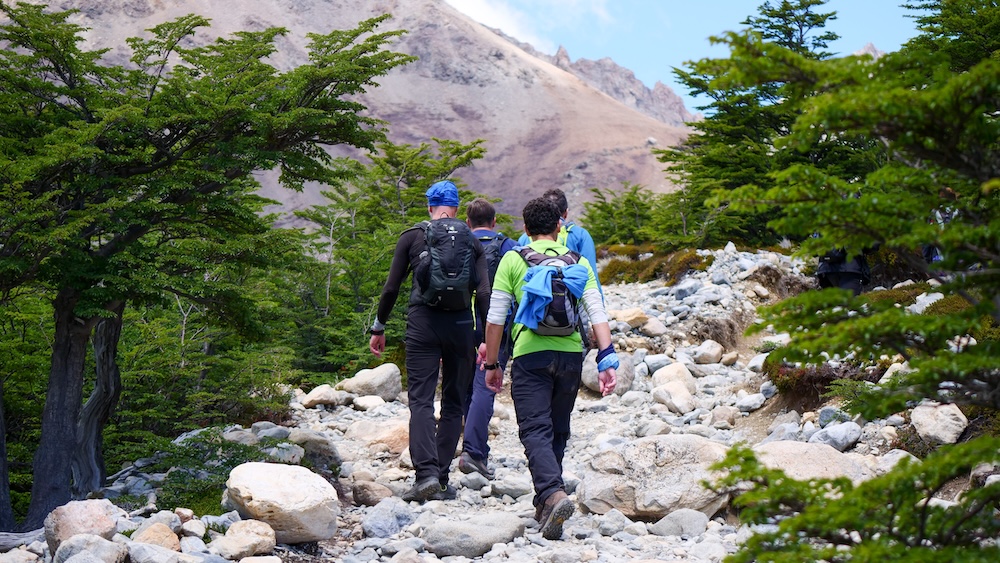
Weather, wind, crowds, and safety (Patagonia’s greatest hits)
El Chaltén is famous for dramatic weather, and that drama is part of the experience. One day can feel calm and warm, the next can feel colder, windier, and downright moody. Build your trip assuming you’ll need to swap days around.
How we handled the wind
- Start earlier when possible. Wind often builds later in the day.
- Have a “short hike” option ready for any day you wake up to chaos.
- Save the exposed viewpoints for calmer windows.
- Accept that a café day is still a valid Patagonia day.
Crowd hacks (without turning into a hiking snob)
- The iconic hikes are popular for a reason. Go early for a calmer trail.
- If the main hike feels too busy, choose an alternate: viewpoints, waterfall walks, or a medium day.
- Make friends with golden hour. Even short walks feel epic when the light hits.
Trail etiquette and safety basics
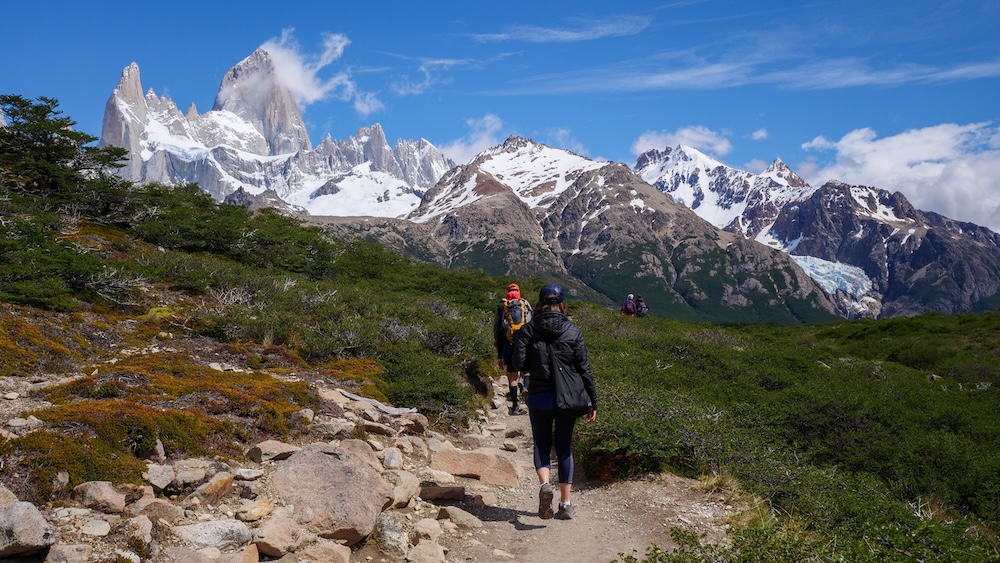
- Dress in layers and bring a real windproof shell. Patagonia loves to test your zippers.
- Keep snacks, water, and a small “just in case” layer in your bag even on shorter days.
- Stay on trail. The landscape is beautiful and also fragile.
- If you’re unsure about conditions, stop by the tourist information office early in your stay (it’s located at the bus terminal and has long daily hours).
Budget game plan (so Patagonia doesn’t eat your wallet)
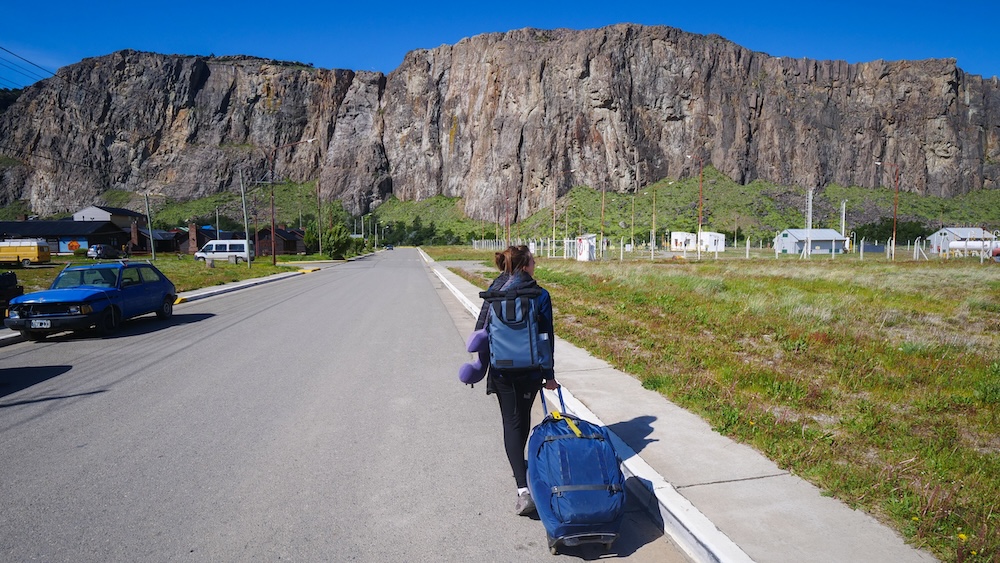
El Chaltén can be done on a range of budgets, but it helps to know where the costs concentrate.
The big cost buckets
- Accommodation: varies widely; book earlier in peak season.
- Food: groceries can be limited and pricey, and restaurant meals add up fast after big hiking days.
- Transport: bus or car rental from El Calafate is often the main “getting there” expense.
- Park access: Los Glaciares / Portada El Chaltén has an entrance fee schedule that can be significant for international visitors.
Our “spend smarter” tips
- Use lunchboxes on big hike days to avoid expensive last-minute food runs.
- Mix restaurant meals with simple grocery dinners.
- Build in rest days so you’re not “forced” into paid tours due to fatigue.
- If you’re relying on the North Zone portals, remember that ticketing is handled online/QR and payment is by card (not cash).
The biggest money-saving move is also the simplest: plan your hikes well so you don’t lose days to bad timing, bad food prep, or weather surprises.
✨ Ready to lock in your El Chaltén plan?
- 🥾 Browse El Chaltén tours on Viator
- 🏨 Find El Chaltén hotels on Booking.com
- 🚗 Compare El Calafate car rentals on DiscoverCars
- 🚌 Book El Calafate → El Chaltén buses on Busbud
Detailed traveler FAQ for planning an unforgettable El Chaltén trip (without getting wrecked by the wind)
How many days do we actually need in El Chaltén?
Honestly: 4–6 nights is the sweet spot. Three days works, but you’re one bad weather day away from missing something iconic. With 5–6 days you can hike, rest, and still have flexibility.
Is El Chaltén only for hardcore hikers?
Nope. Look at us. You can do easy viewpoints, short waterfall walks, and medium hikes with huge scenery. The town is built for DIY trekking at many levels—it’s about choosing the right hike for your day.
What’s the single best hike for first-timers?
If conditions are good and you’re up for a challenge: Laguna de los Tres. If you want a slightly kinder classic: Laguna Torre. If you want the “smart compromise”: Laguna Capri.
Do we need a rest day?
Yes. Even if you feel strong, rest days are part of the Patagonia rhythm. They protect your next hike and give you buffer when the weather does its chaos thing.
How bad is the wind, really?
Bad enough that it becomes a character in your trip story. Some days are calm. Some days are “why is my hood speaking to me?” Plan for flexibility and bring a real windproof layer.
Are the trails well marked?
Generally, yes. You’ll find signage, trailheads, and (on many routes) kilometer markers that help with pacing and decisions. Still, don’t treat this like a city park—conditions change fast.
Do we need trekking poles?
Not mandatory, but they’re very helpful for steep, loose sections and for tired legs on the way down. We didn’t bring them and we certainly regretted that. If you’re doing Laguna de los Tres, we’d seriously consider them.
Can we rely on Wi-Fi and mobile data?
Don’t count on it. You might get decent moments, but you might also have outages and payment glitches. Download maps, save key info offline, and keep a backup plan.
Do we need to book accommodation in advance?
In peak season, yes. El Chaltén is small and fills up. If you want a specific stay style (apartment, cabin, certain location), booking ahead makes the trip smoother.
Are lunchboxes worth it?
Usually, yes—especially on full-day hikes. Ordering the night before saves you morning stress and avoids scrambling for trail food when stores are limited.
Is El Chaltén doable on a budget?
Yes, but be strategic. Mix grocery meals with restaurant splurges, use lunchboxes selectively, and plan your hikes well so you don’t “waste” days or end up paying for last-minute alternatives.
What’s the most underrated thing to do?
The short viewpoints. For example, Mirador de los Cóndores (especially at sunset) gives you a huge emotional payoff for a small effort, and it’s a perfect arrival-day or rest-day win.
What’s the best time of year to visit El Chaltén?
For most people, the sweet spot is the warmer hiking season (roughly late spring through early fall in Patagonia). You’ll get longer daylight, more services running, and more reliable trail access. Shoulder season can be quieter but moodier—more “bring extra layers and backup plans.”
What time should we start the big hikes?
Earlier than you think. Not because you’ll “run out of daylight” in summer, but because early starts usually mean calmer conditions, fewer crowds, and more buffer for snack breaks, photo stops, and the inevitable “we need to sit down for a second” moment.
Do we need a guide for the classic hikes?
Most people don’t for the standard trails (Laguna de los Tres, Laguna Torre, etc.) because they’re popular and generally well marked. A guide can still be worth it if you want deeper interpretation, extra safety margin in tricky conditions, or you’re aiming for more technical objectives.
What should we pack for a day hike in El Chaltén?
Think layers and wind protection first, then snacks. A simple winning combo is: a real windproof shell, a warm mid-layer, hat/gloves even in summer, sunglasses, sunscreen, lip balm, enough water, and more food than your optimistic brain says you’ll need. Patagonia has a way of turning “quick hike” into “longer story.”
Is tap water safe to drink in El Chaltén?
Generally, yes—most travelers treat town tap water as safe. That said, if you have a sensitive stomach or you’re coming off a long journey, it’s totally reasonable to ease in, use bottled water for a day, or ask your accommodation what they recommend.
Are there ATMs in El Chaltén?
Sometimes, and sometimes they’re a little… Patagonian about it. Availability and reliability can change, and machines can run out of cash. The smart play is bringing some cash from El Calafate and not leaving your entire payment strategy up to one lonely ATM at the end of the road.
What’s the best way to handle crowds on the popular trails?
Two moves: start early and hike mid-week if you can. If you still hit crowds, don’t let it ruin your day—build in a viewpoint sunset walk or an easier Plan B trail so you’re not stuck thinking the only “valid” El Chaltén experience is the busiest one.
Can we do El Chaltén without a car?
Absolutely. That’s what Audrey and I did. El Chaltén is one of the best no-car hiking destinations because the town is walkable and many trailheads start right from town. A car is a bonus for flexibility and side trips, but it’s not required for a top-tier first visit.
Plan your El Chaltén trip (quick recap)
El Chaltén is at its best when you treat it like a rhythm, not a checklist: one big hike, one medium day, one easy viewpoint, one rest/reset day, repeat. Start early, respect the wind, eat like a professional carb enthusiast, and build buffers so Patagonia’s weather can’t ruin your joy. Show up as a “foodie,” leave as a “faux trekker,” and accept that the real summit is making it back to town in time for dinner.
We also learned the hard way that the “quiet” parts of the trip are what make the big days possible: screenshot your tickets and maps in advance, don’t assume Wi-Fi will behave when you need to pay for something, and treat lunchboxes/snacks like actual strategy—not an afterthought. And if Patagonia hands you a day of chaos wind or moody skies, don’t fight it. Do the café crawl, wander town, reset your gear like you’re playing hiking-basecamp Tetris. Then pounce on the next good weather window with fresh legs and a slightly smug sense of preparedness.
Finally, don’t sleep on the journey moments: that Ruta 40 emptiness, the La Leona stretch-your-legs stop, the first time El Chaltén appears like a colorful little outpost under teethy peaks. Those “in between” scenes are the glue of the whole experience—because El Chaltén isn’t just the hikes. It’s the full Patagonia storyline.
Project 23 Argentina: This guide is also available in Spanish. [Lea la versión en castellano: Guía de viaje a El Chaltén: Qué hacer en la capital del trekking de la Patagonia, Argentina]
Further Reading, Sources & Resources
For anything that can change fast (park fees, ticketing, trail notices, weather, bus schedules), these are the most reliable places to double-check right before you travel.
Official park fees + online ticketing (Los Glaciares / Portada El Chaltén)
- https://www.argentina.gob.ar/interior/ambiente/parquesnacionales/losglaciares/tarifas
Park-specific fees + the official pathway to buy entry tickets. - https://ventaweb.apn.gob.ar/
Official Administración de Parques Nacionales (APN) online ticket sales portal.
North Zone trail maps + “read this before you hike” guidance
- https://www.argentina.gob.ar/interior/ambiente/parquesnacionales/losglaciares/actividades
“Plan your visit” hub with North Zone resources, maps, and visitor info. - https://www.argentina.gob.ar/parquesnacionales/patagonia-austral/recomendaciones-para-visitar-el-parque-nacional-los-glaciares
Official recommendations (rules, safety reminders, and how to visit responsibly). - https://www.argentina.gob.ar/parquesnacionales/recomendaciones-para-tu-visita/senderismo
Official hiking safety basics (good for your “don’t get wrecked” section). - https://www.argentina.gob.ar/sites/default/files/2019/06/folleto_senderos_zona_norte_pnlg_espanol.pdf
PDF trail brochure for Los Glaciares North Zone (super useful for planning routes/portals).
El Chaltén local tourism info + downloadable maps
- https://www.elchalten.gob.ar/direccion-de-servicios-turisticos/
Municipality tourism services + practical local visitor info. - https://elchalten.tur.ar/descargas/
Official local downloads page (maps and visitor PDFs).
Transport planning (bus schedules + options)
- https://elchalten.com/v4/es/transporte-buses-en-el-chalten.php
A consolidated bus schedule page (useful for planning — still confirm with operators close to departure).
Weather + alerts (because Patagonia will do what it wants)
- https://ws2.smn.gob.ar/pronostico
Argentina’s official weather forecast portal (great for wind + alerts planning).
Notes on accuracy
Fees, portal/ticket procedures, trail access rules, and bus timetables can change (sometimes mid-season) in Patagonia and Argentina. Check the official APN pages and SMN forecast again within a few days of your arrival, and treat any third-party schedule page as “planning help,” not gospel.
Fantastic guide to El Chaltén! I really appreciate the detailed hiking recommendations, practical travel tips, and beautiful photography. It’s easy to see why this destination is considered Argentina’s hiking capital. This guide is incredibly helpful for anyone planning an adventure in Patagonia. Thanks for sharing such valuable insights!
Excellent guide! I really enjoyed how you covered both the practical travel tips and the incredible hiking opportunities in El Chaltén. Your descriptions of the trails and scenery make it easy to understand why it’s considered Argentina’s hiking capital. The photos are stunning, and the advice for planning a visit is genuinely helpful. Thanks for sharing such an inspiring and informative travel resource!