
El Chaltén is the kind of place where you land with big Patagonia dreams… and then the wind looks you in the eyes and says, “Oh. Yeah.”
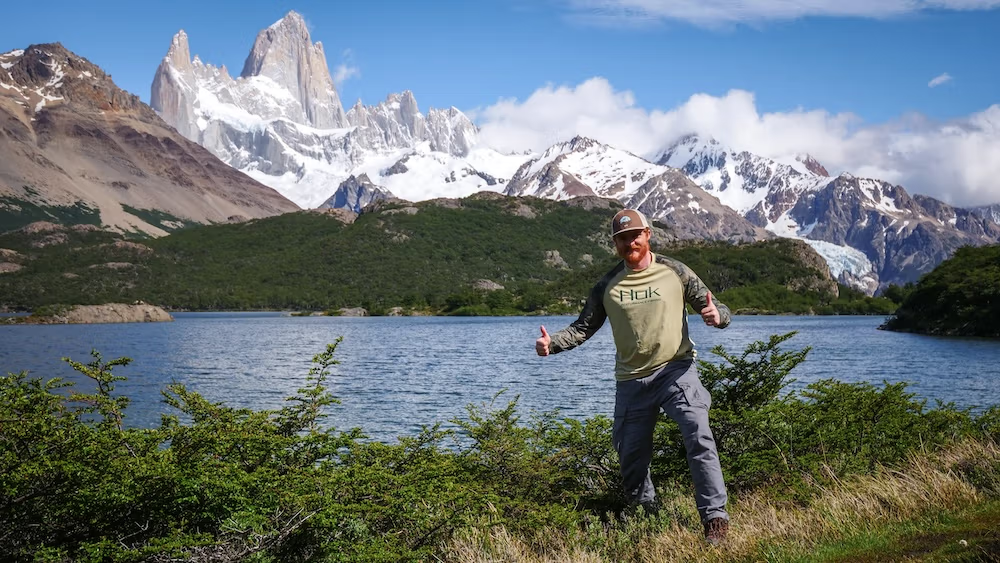
We learned this the fun way: we showed up as foodies cosplaying as trekkers, armed with enthusiasm, snacks, and the athletic profile of two people who have recently been very committed to sit-down dining experiences. El Chaltén still delivered—massively—but it also taught us the single most useful lesson for planning a Patagonia week:
Your best itinerary is the one with “buffer days” baked in as a feature, not a bug.
This guide is a true week-long plan built around the classic “trophy” hikes (Laguna de los Tres and Laguna Torre), with smart flex days so you can chase good visibility, dodge brutal gusts, and still have time to eat your body weight in post-hike carbs (a sacred local tradition we enjoyed partaking in) .
Audrey and I did this week (precisely 6 days for us) in December, which is basically Patagonia on “bonus mode”: sunrise around 5:00 a.m., sunset around 10:00–10:30 p.m., and enough light to squeeze in a sunset mirador even after a travel day.
The big idea: build a week that survives wind, soreness, and reality
Most first-timers plan El Chaltén like this:
- Schedule the two big hikes on Days 2 and 3
- Assume the weather will behave
- Become a ghost on Day 4
My version is different: we treat the week like a deck of cards, not a fixed calendar. Trophy hikes go on the best forecast days. Buffer days are not “wasted days”—they’re your secret weapon.
Here’s the mindset that makes a 7-day itinerary work:
- Trophy days are earned, not booked. Wait for the clearest, calmest day.
- Recovery is part of the plan. Laguna de los Tres, in particular, can wreck perfectly normal humans.
- Wind is the boss. Some hikes tolerate wind. Some become a personal documentary called Why Are We Like This?
- Short hikes can be legendary. A sunset viewpoint can be a top-3 moment of your whole trip.
🧾 Quick Booking: Your El Chaltén Travel Essentials 🥾✨
🎒 Your Travel Toolkit (Book These 4 Things)
| ✅ What to book | 💡 Why it’s worth it | 🔗 Quick link |
|---|---|---|
| 🥾 Tours & experiences | Easy way to lock in a glacier day, a Lago del Desierto adventure, or a guided option when weather turns moody | Browse El Chaltén tours on Viator |
| 🏨 Hotels & stays | El Chaltén sells out fast in peak season — booking early = better locations + fewer “only the priciest rooms left” moments | Find El Chaltén hotels on Booking.com |
| 🚗 Car rentals (optional) | Best for freedom days: Ruta 40 viewpoints, flexible timing, photo stops, and a smoother Lago del Desierto run | Compare car rentals in El Calafate (gateway to El Chaltén) on DiscoverCars |
| 🚌 Bus tickets | The classic El Calafate ↔ El Chaltén route is simple — but popular departure times fill up | Book El Calafate → El Chaltén buses on Busbud |
👉 One-click backup (reverse direction): Book El Chaltén → El Calafate buses on Busbud
The “swap rule” that saved our week
If you only remember one thing, remember this:
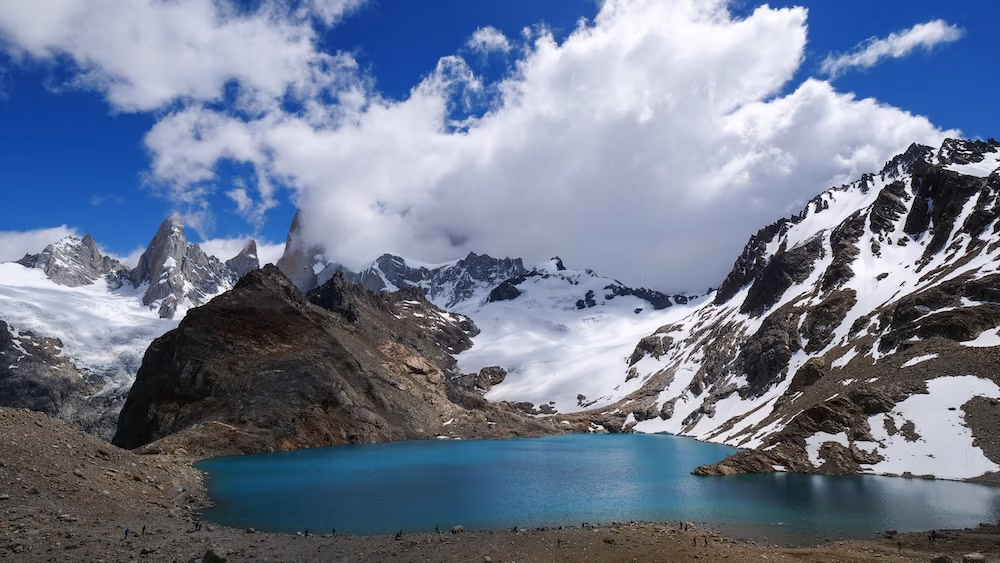
Do not lock Laguna de los Tres to a specific date. Lock it to the best visibility day.
Same for Pliegue Tumbado (if you do it): it’s a stunning hike… but also a wind magnet.
Week at a glance: the 7-day structure (with buffers baked in)
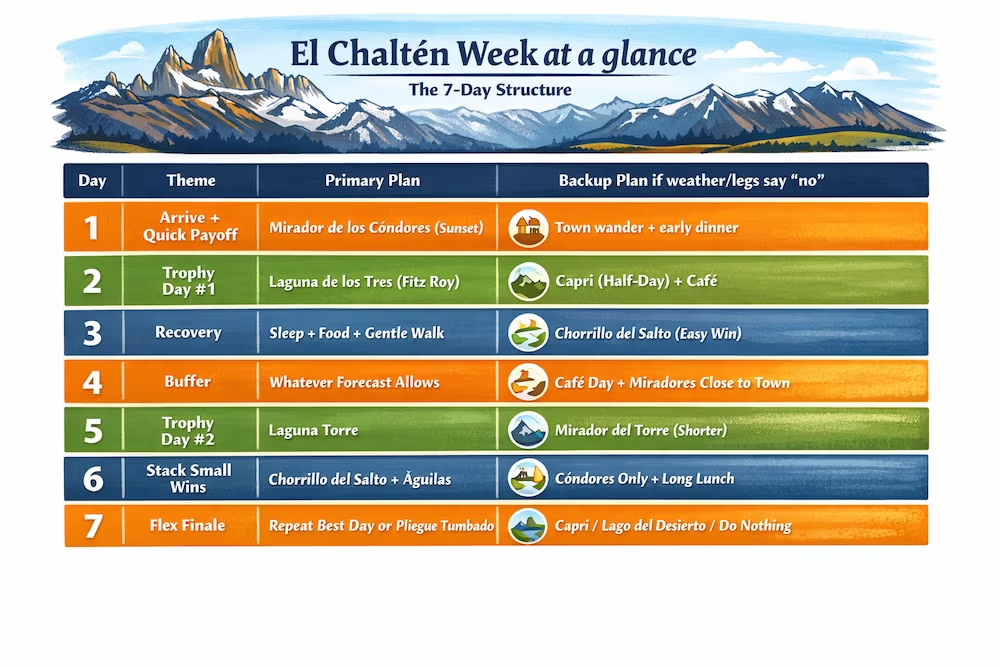
Here’s the whole strategy in one glance. The key is that Days 3, 4, and 7 are flexible enough to absorb weather and leg reality.
| Day | Theme | Primary plan | Backup plan if weather/legs say “no” |
|---|---|---|---|
| 1 | Arrive + quick payoff | Mirador de los Cóndores (sunset) | Town wander + early dinner |
| 2 | Trophy Day #1 | Laguna de los Tres (Fitz Roy) | Capri (half-day) + café |
| 3 | Recovery | Sleep + food + gentle walk | Chorrillo del Salto (easy win) |
| 4 | Buffer | Whatever forecast allows | Café day + miradores close to town |
| 5 | Trophy Day #2 | Laguna Torre | Mirador del Torre (shorter) |
| 6 | Stack small wins | Chorrillo del Salto + Águilas | Cóndores only + long lunch |
| 7 | Flex finale | Repeat best day or Pliegue Tumbado | Capri / Lago del Desierto / do nothing |
Quick trip snapshot: is this 7-day itinerary for you?
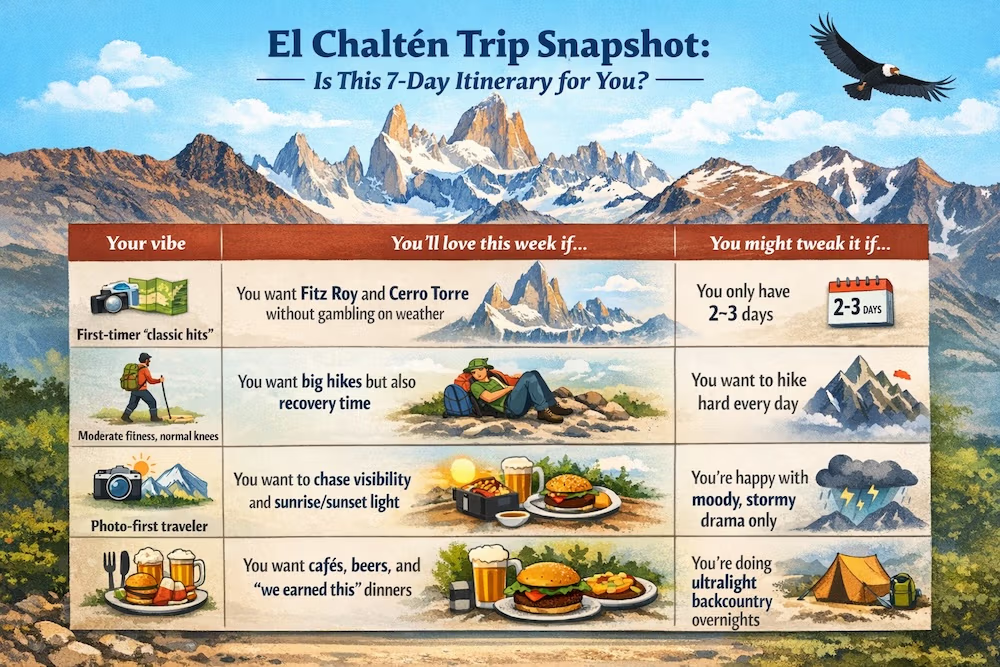
El Chaltén can work for elite trail runners and snack-powered mortals. This itinerary is built for the second category (with love, because that’s us).
| Your vibe | You’ll love this week if… | You might tweak it if… |
|---|---|---|
| First-timer “classic hits” | You want Fitz Roy and Cerro Torre without gambling on weather | You only have 2–3 days |
| Moderate fitness, normal knees | You want big hikes but also recovery time | You want to hike hard every day |
| Photo-first traveler | You want to chase visibility and sunrise/sunset light | You’re happy with moody, stormy drama only |
| Food + hikes balance | You want cafés, beers, and “we earned this” dinners | You’re doing ultralight backcountry overnights |
How hard is a week in El Chaltén?
Hard enough to feel proud. Not so hard you need to crawl back onto the bus.
Think of it like this:
- Laguna de los Tres = final exam
- Laguna Torre = long but more comfortable
- Pliegue Tumbado = optional extra credit (only if the wind gods approve)
- Miradores + waterfalls = sanity, joy, and functioning legs
Logistics that actually matter in El Chaltén
This is where Patagonia trips are won or lost. The trails are straightforward. The logistics are the part that sneak-attack you.
Getting to El Chaltén
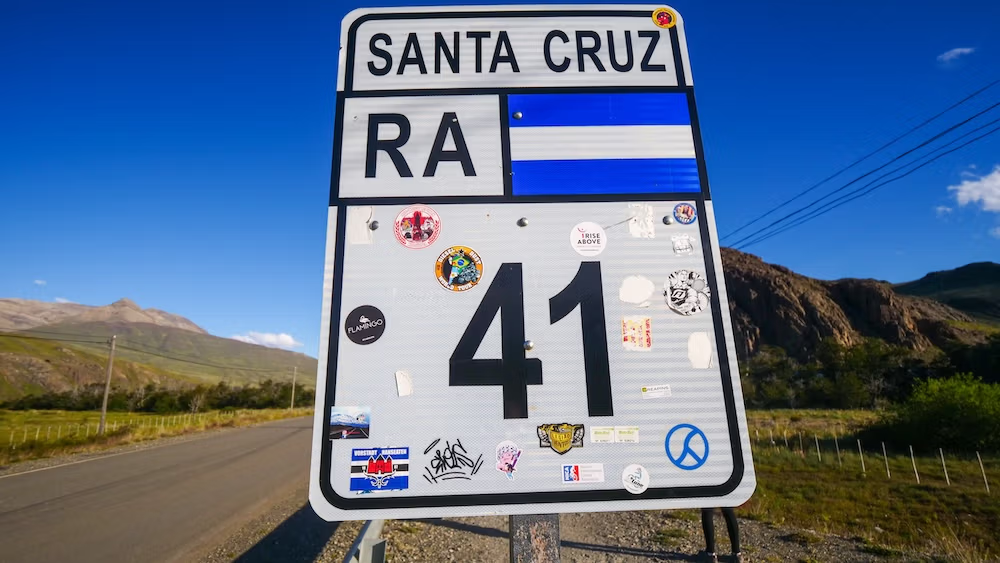
Most people arrive via El Calafate, then take a bus up the valley to El Chaltén. The ride is scenic enough that you’ll stare out the window like you’re on a sightseeing tour. Expect a few hours on the road.
For Audrey and I it was about a 3-hour bus ride from El Calafate — the kind where you keep saying “wow” out loud like a German Shepherd seeing snow for the first time.
👉 Compare El Calafate car rentals on DiscoverCars (best gateway for El Chaltén)
Our tip: treat arrival day as “light hiking only.” You’ll be stiff, you’ll be snacky, and you’ll want time to settle in.
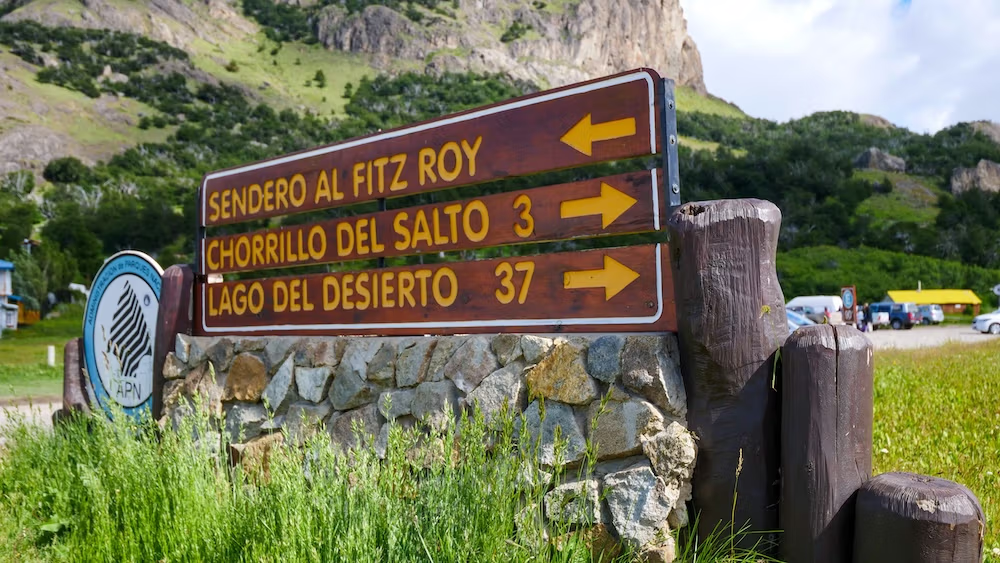
One thing we didn’t fully appreciate until we got there: El Chaltén is basically your gateway into Los Glaciares National Park, and there are real rules + maps that make DIY hiking feel straightforward (and a lot less intimidating) once you’ve seen them.
Where to stay for a week (choose fast, choose well)
For a 7-day itinerary, prioritize:
- Walking access to trailheads and restaurants
- Breakfast timing (early starts are everything)
- A space where you can dry gear without turning the room into a swamp exhibit
🏨 Where to Stay in El Chaltén (Our Top Hotel Picks)
⭐ Quick Booking Box: El Chaltén Hotels (Compare Rates)
| Pick | Best for | Vibe | Booking link |
|---|---|---|---|
| 🏆 Top Pick | First-timers who want an easy, reliable base | Comfortable “no-regrets” stay | Compare top stays in El Chaltén on Booking.com |
| 💎 Boutique / Treat-Yourself | Couples, hikers celebrating a big trek, views + comfort seekers | Cozy-luxe Patagonia energy | Browse boutique stays in El Chaltén on Booking.com |
| 🏘️ Mid-range (great value) | Most travelers who want comfort without splurging | Warm, practical, walkable | Find mid-range El Chaltén hotels on Booking.com |
| 💰 Budget | Road-trippers + hikers who only need a clean base | Simple, wallet-friendly | See budget stays in El Chaltén on Booking.com |
🔎 Want to browse all options instead?
👉 Compare all El Chaltén stays on Booking.com
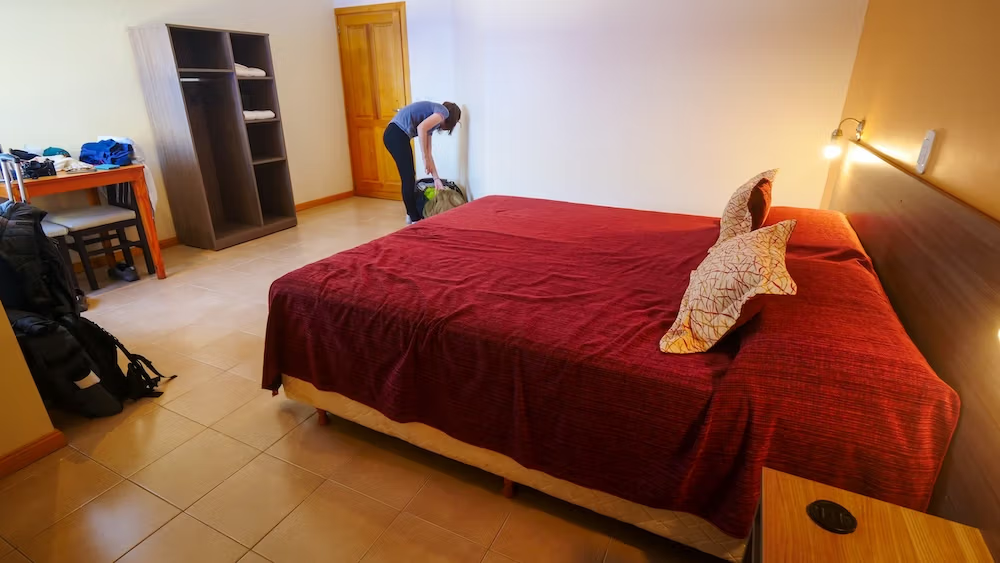
We stayed at Vertical Lodge and loved the practicality: big room, proper desk space (editing energy), and breakfast that actually starts early enough to support big-hike mornings.
Our place was also down the street from the bus terminal, which sounds boring until you arrive tired and realize you don’t want to drag your bags across town like you’re filming a low-budget survival show. We paid about $54 USD per night with breakfast, and the room felt pleasantly spacious — a small luxury when you’re drying gear and charging every device you own.
Here’s a quick lodging decision matrix:
| If you care most about… | Best style of stay | Why it fits a week |
|---|---|---|
| Early starts + convenience | Lodge/hostel with breakfast (What we did at Vertical Lodge) | You can fuel up without hunting food at dawn |
| Quiet recovery days | Private room / apartment | Better sleep, better drying space, less chaos |
| Budget | Dorm bed / simple hostería | More money for food and transfers |
| Flexibility | Kitchen access | You can self-cater when restaurants feel like a mission |
Money + card payments
Bring a backup plan. I had moments where the internet was spotty and payment processing felt like an improv theatre show called Are We Paying Today? Have cash, have a second card, and don’t leave your financial fate to one shaky Wi-Fi connection.
Audrey and I had the full experience: standing at reception, trying to run the card multiple times while the Wi-Fi kept face-planting, until it finally processed like the universe decided we had suffered enough.
Groceries: the small-town Patagonia reality
El Chaltén is not a place where you casually “pop into a giant supermarket.” It’s more like:
- general store vibes
- limited selection
- some items surprisingly pricey
If you want specific snacks (trail mix, electrolyte powders, your exact brand of protein bar), buy them in El Calafate.
The best way to describe El Chaltén groceries is… general store energy. We found apples and bananas (victory), but at one point it was roughly a dollar per apple, which really motivates you to become attached more to your trail snacks.
Internet: plan like a person from 1997
We had mobile data issues and Wi-Fi dropouts. If you’re working remotely, buffer time matters. If you’re just trying to upload stories and feel alive, the central plaza can be a fallback for free Wi-Fi.
To be specific: our mobile data basically didn’t work (no signal), and the Wi-Fi would drop often enough that we stopped trusting. The one reliable backup was the free Wi-Fi in the central plaza — Patagonia’s version of an internet oasis.
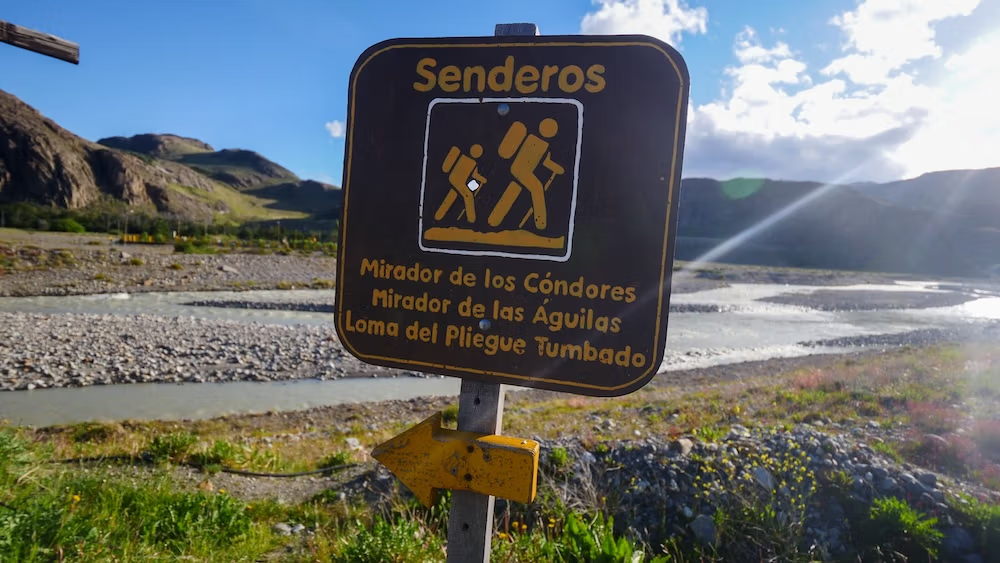
Los Glaciares National Park fees for El Chaltén trails (Zona Norte / “Portada El Chaltén”)
Los Glaciares / El Chaltén access has had changes in recent seasons, including entrance fees and multi-day passes.
Official APN tariffs:
- Day pass: ARS 45,000 (general) / 15,000 (Argentine residents) / 5,000 (Santa Cruz residents) / 7,000 (students)
- Flexipass 3 days: ARS 90,000 (general) / 30,000 (Argentine residents) / 10,000 (Santa Cruz residents)
- Flexipass 7 days: ARS 157,500 (general) / 52,500 (Argentine residents) / 17,500 (Santa Cruz residents)
- Annual pass (all parks): ARS 225,000
- Also useful: there’s a 50% discount on the 2nd day (valid within 72 hours of first entry)
How you actually pay in El Chaltén (important!)
For Zona Norte (El Chaltén) the tickets are online-only (or by scanning a QR code at the entrances). Card only (credit/debit) — no cash.
Main El Chaltén access portals mentioned by APN: Los Cóndores, Cerro Torre, Base Fitz Roy, Río Eléctrico.
Because prices and purchase rules can shift, treat this as your safe takeaway:
- Assume you may need to pay to access popular trails.
- If you’re there for a full week, look for multi-day options.
- Confirm current prices and purchase details close to your travel dates (visitor center / official channels).

Food planning for hikers who are secretly just hungry people
Your week goes smoother when you pre-plan meals like a responsible adult (or at least a responsible adult-adjacent creature).
| Moment | Strategy | Why it works |
|---|---|---|
| Arrival day | Big grocery top-up + easy dinner | You don’t want to “shop tired” later |
| Trophy mornings | Breakfast early + packed lunch | You start strong and avoid panic-buying |
| Recovery day | Comfort food + hydration | Tomorrow-you will thank you |
| Wind day | Café + soup + pastries | Morale is a resource |
How to choose each day’s hike (the decision system)
This is the heart of a buffer-friendly week: you pick the day’s hike like a strategist, not like a calendar conformist.
The “weather + legs” decision matrix
Use this each morning (or the night before) to decide what you do.
| Conditions | Visibility | Gusts | Legs | Best move |
|---|---|---|---|---|
| Picture Perfect Patagonia unicorn day | High | Low–moderate | Any | Laguna de los Tres (or your #1 trophy) |
| Decent, moody, still scenic | Medium | Moderate | OK | Laguna Torre |
| Windy but not apocalyptic | Medium–low | High | Mixed | Capri / Mirador del Torre / Chorrillo del Salto |
| Weather chaos | Low | High | Doesn’t matter | Café day, viewpoints close to town, resupply, nap like a champion |
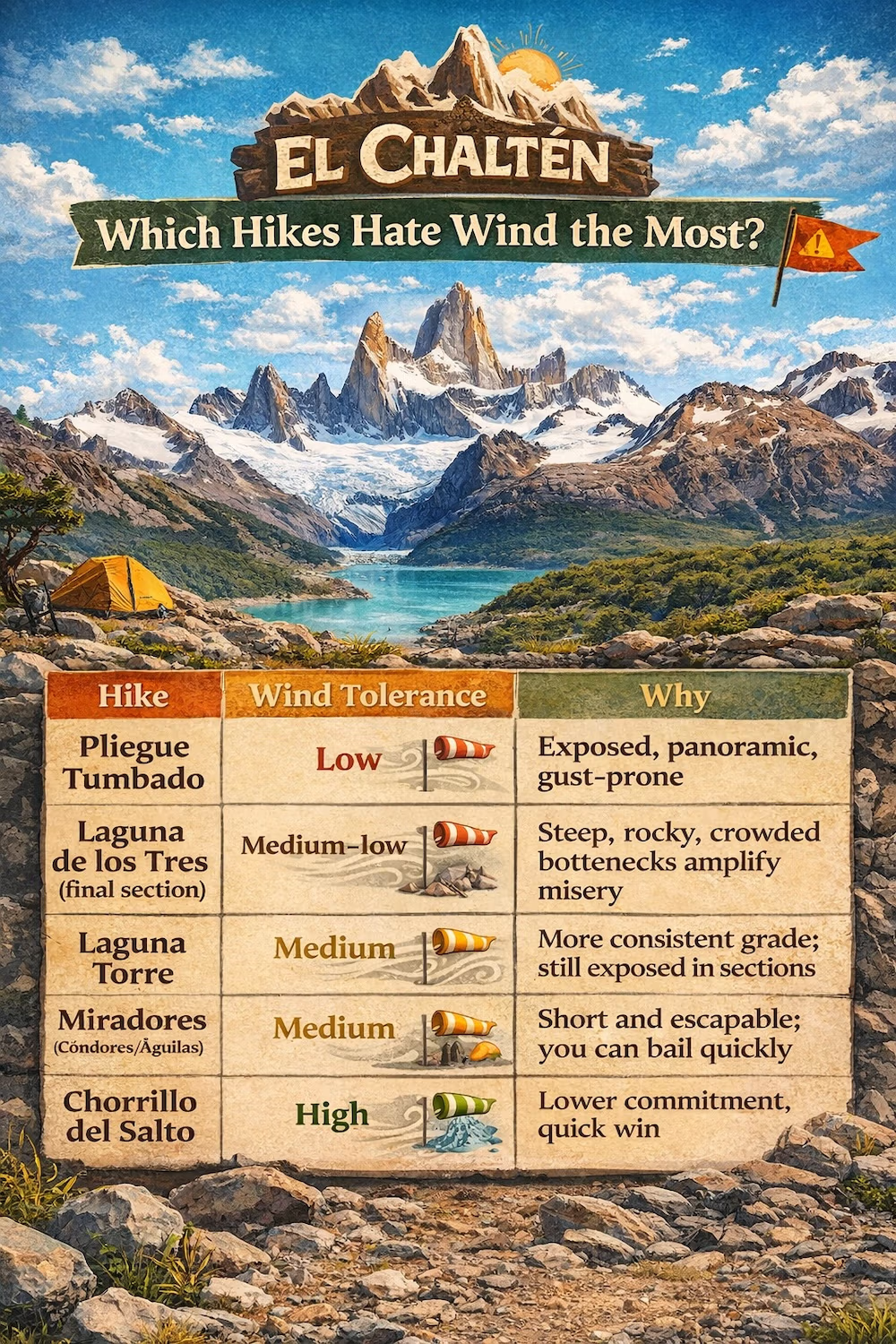
Which hikes hate wind the most?
| Hike | Wind tolerance | Why |
|---|---|---|
| Pliegue Tumbado | Low | Exposed, panoramic, gust-prone |
| Laguna de los Tres (final section) | Medium–low | Steep, rocky, crowded bottlenecks amplify misery |
| Laguna Torre | Medium | More consistent grade; still exposed in sections |
| Miradores (Cóndores/Águilas) | Medium | Short and escapable: you can bail quickly |
| Chorrillo del Salto | High | Lower commitment, quick win |
The turnaround matrix (aka “how to be brave without being dumb”)
A week itinerary only works if you’re willing to pivot. Here’s a best-practices system to consider.
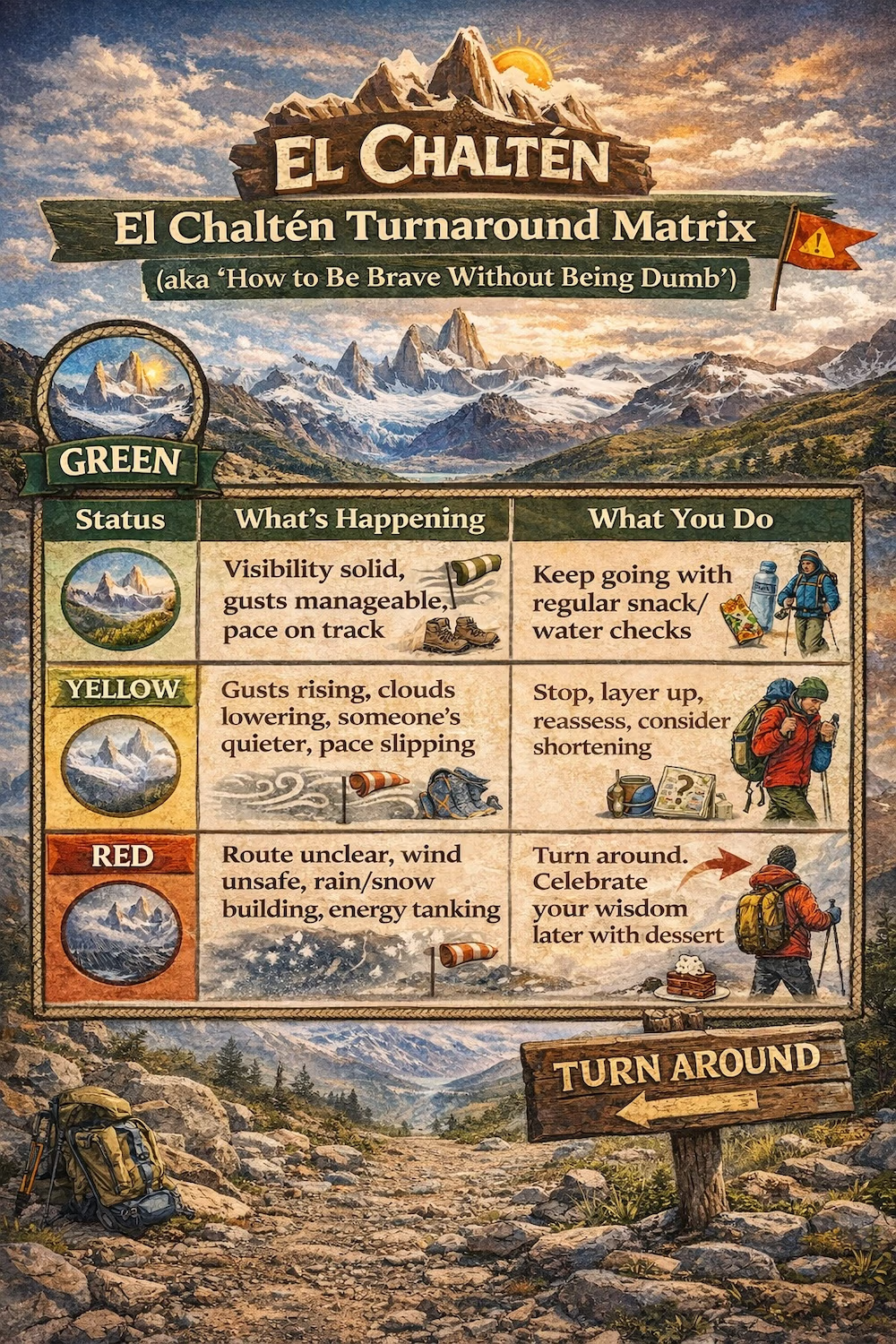
| Status | What’s happening | What you do |
|---|---|---|
| Green | Visibility solid, gusts manageable, pace on track | Keep going with regular snack/water checks |
| Yellow | Gusts rising, clouds lowering, someone’s quieter, pace slipping | Stop, layer up, reassess, consider shortening |
| Red | Route unclear, wind unsafe, rain/snow building, energy tanking | Turn around. Celebrate your wisdom later with dessert |
Our 7-day El Chaltén itinerary (the week plan)
This is a “doable” itinerary: two trophy days, one optional big day, and multiple buffer/recovery days. If you’re fitter than us, you can stack more. If you’re like Audrey and I, you’ll be grateful for the breathing room.
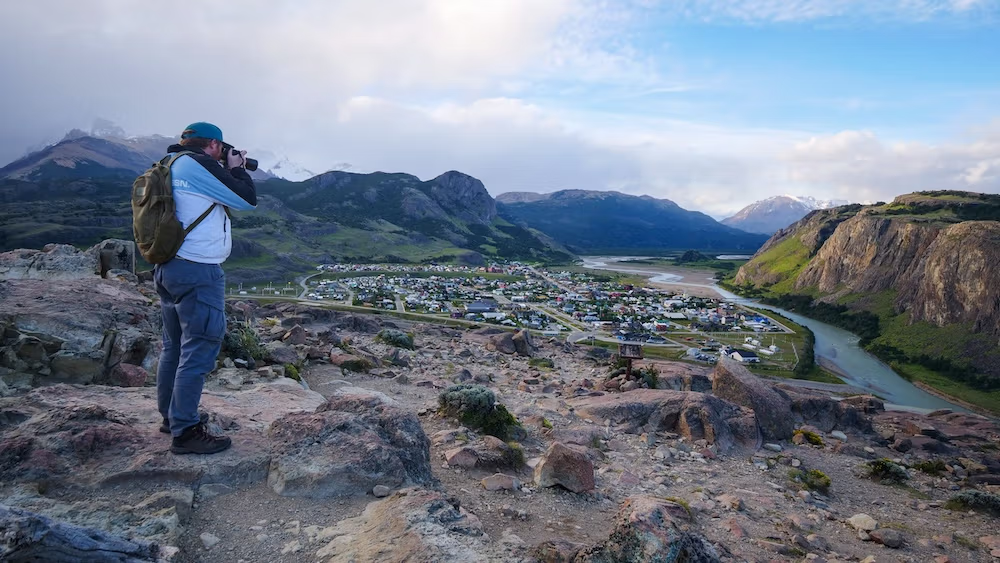
Day 1: Arrive + sunset “welcome hike” (Mirador de los Cóndores)
Goal: get a big payoff without committing your whole body.
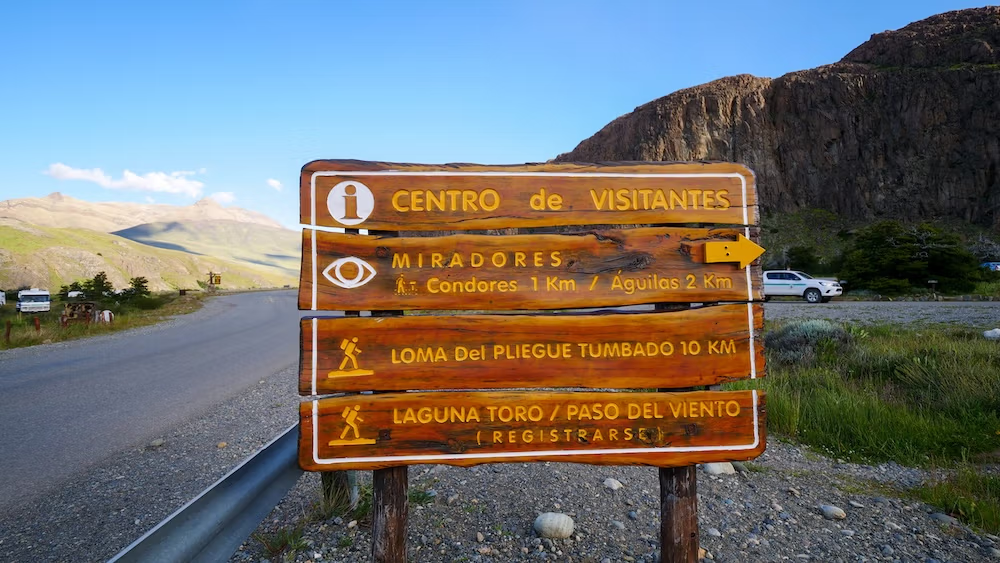
After the bus ride, Audrey and I checked in, dropped our bags, and immediately did the most El Chaltén thing possible: we climbed uphill to earn a panoramic view of the town and the surrounding peaks. Mirador de los Cóndores is short, steep, and satisfying—perfect for arrival day when your legs are stiff but your soul is hungry for Patagonia.
What hit us up there wasn’t just the mountains — it was the town itself: a splash of color tucked into a dramatic valley, with a real frontier feel compared to a place like El Calafate.
Before the hike we did what we do best: ate. Our first meal in town was pizza at Patagonicus — and yes, it’s also the kind of place that tempts you with craft beer, but we were doing a hike so we heroically said “not today” and pretended we have discipline.
If you’ve got energy (or stubbornness), add Mirador de las Águilas as a longer extension. If not, take the win. You have a week. No heroics needed on Day 1.
Micro-plan for Day 1
- Check in, unpack, fill water
- Quick snack (yes, again)
- Hike 45–90 minutes depending on your extension
- Sunset photos, then back down before you’re “hiking by vibes”
Upgrade / downgrade options
| If you feel… | Do this |
|---|---|
| Energized | Cóndores + Águilas loop |
| Normal | Cóndores only, slow pace, lots of photos |
| Wrecked | Town stroll + early dinner + sleep like a rock |
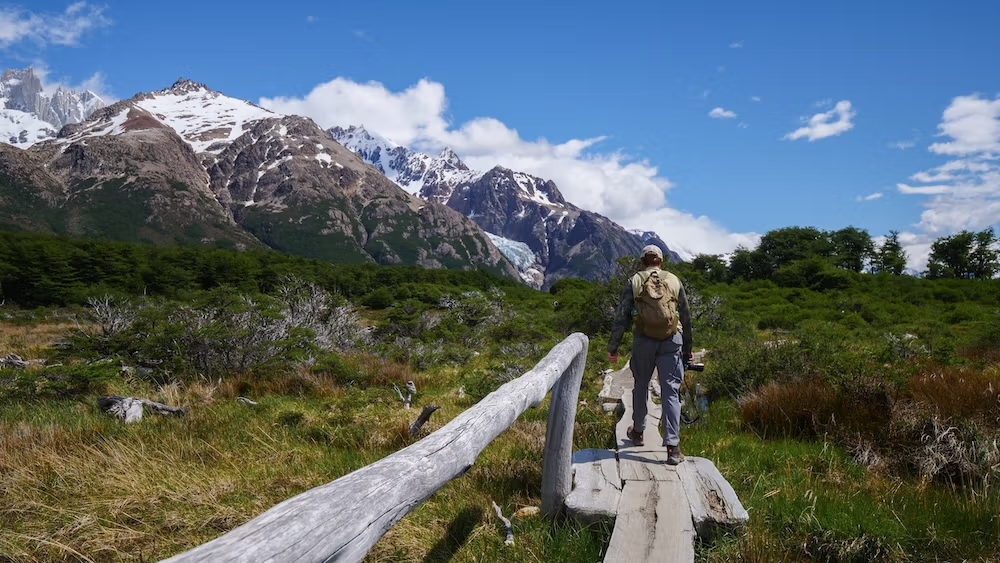
Day 2: Trophy Day #1 (Laguna de los Tres / Fitz Roy)
Goal: hit the iconic Fitz Roy payoff on your best visibility day.
I got lucky: we had a clear day early in the trip. Audrey and I also had a chaotic start (we forgot our trail map).
To be clear, we didn’t forget it in a dramatic way. We forgot it in the most humiliating way: on the nightstand. So we started the morning with a little “confident wandering” until the signage politely informed us we were not, in fact, hiking by instinct — we were just improvising.
Once we were on the right track, the day unfolded in classic El Chaltén fashion: beautiful scenery… and a slow dawning realization that the mountain has a sense of humor.
Laguna de los Tres is not technically complicated, but it is long, and the final push is steep and rocky enough to make you fantasize about being carried down in a sedan chair.
For Audrey and I the psychological line in the sand was hitting KM 8 of 10, realizing the steep part was about to begin, and then meeting KM 9 — the rocky, gravelly bottleneck where you suddenly need to be alert even though your legs are likely wobbly at this point. Hikers coming down kept encouraging us, and we kept thinking, “We could really use trekking poles right now.”
When we hit the viewpoint, it was hands-down the most impressive scene of the trip—Fitz Roy in full glory, people looking tiny against the landscape, and the satisfying emotional whiplash of “I am suffering” to “I am blessed.”
It was also windy beyond belief, and we were absolutely ravenous — the kind of hungry where a single granola bar and some candy feels like a tragic joke, but you eat it anyway because you’re too tired to negotiate with reality.
Route breakdown (what it feels like)
One thing we loved: the trail markers are genuinely useful — they help you sanity-check your pace and decide if you’ve got time for side viewpoints. Also, yes, we saw three condors, and they were so majestic.
| Segment | What you’ll notice | How we’d pace it |
|---|---|---|
| Early forest + warm-up | “This is pleasant, I am a hiker now” | Slow and steady, don’t burn matches |
| Mid-trail rewards | First big views + people stopping constantly | Embrace photo breaks; snack early |
| Long middle grind | It keeps going… politely | Cruise control + hydration |
| Final steep section | Rock + steep + legs negotiating a treaty | Tiny steps, poles if you have them, patience |
Our practical tips from the day
- Start early. Even in summer light, you want margin.
- Bring more snacks than you think you need.
- If you own trekking poles, this is the day they earn their keep.
- Don’t underestimate the final section: pace it like a slow grind, not a sprint.
- Accept that the return is long. Save mental energy for the walk back.
Lunch strategy (our very real approach)
We ordered lunch boxes from our lodge (Vertical Lodge) the night before. Was it the cheapest thing? No. Was it convenient to grab-and-go before dawn? Absolutely. You can also build your own lunches from groceries, but remember the limited selection in town.

Day 3: Recovery day (the “we did this to ourselves” day)
Goal: recover like it’s your job.
The day after Laguna de los Tres, we were stiff enough to qualify as museum exhibits. This is where a 7-day itinerary shines: instead of panic-hiking through pain, we leaned into the recovery day properly.
We’re not exaggerating: the next day we basically didn’t leave the room. We crashed early (around 8:00–8:30 p.m.) and slept a glorious 10–12 hours like two people whose bodies had been forcibly rebooted.
Recovery day ideas that don’t feel like “wasting time”:
- Sleep in without guilt
- Eat a giant breakfast like you’re training for a sport called “existing”
- Do a short town walk for circulation
- Café-hop and let Patagonia weather do whatever it wants outside
If you’re feeling surprisingly good, you can add a short hike (Chorrillo del Salto is ideal). But don’t force it. The point is to make Days 4–7 better.
Recovery-day upgrades (yes, even rest can be optimized)
| Energy level | Best activity | Why it works |
|---|---|---|
| Low | Long brunch + nap | Your body repairs itself |
| Medium | Chorrillo del Salto | Easy movement helps soreness |
| High | Laguna Capri (to the lake) | Big views, half-day effort |

Day 4: Wind day (aka Patagonia’s group project)
Goal: accept reality and pivot with dignity.
We tried to get out there, and then the wind basically tackled our plans and stole our lunch money. Audrey and I literally could barely stand-up and were shouting at each other being less than a meter away. This is the day your itinerary either breaks you… or proves you’re a genius for planning buffers.
We did what any emotionally mature adults would do:
- found a cozy café
- stared out the window at the chaos
- reassured ourselves that this is “still cultural travel”
- probably ate something sweet
If the weather is borderline (not awful, just annoying), this is a great day for short viewpoints near town. If it’s truly unhinged, make this your “admin day”: laundry, resupply, booking, editing, battery charging, and drying gear.
Buffer-day wins
| If the weather is… | Your best plan |
|---|---|
| Annoying but safe | Mirador del Torre (shorter commitment) |
| Blustery | Chorrillo del Salto (easy win) |
| Unhinged | Café day + resupply + gear dry-out |
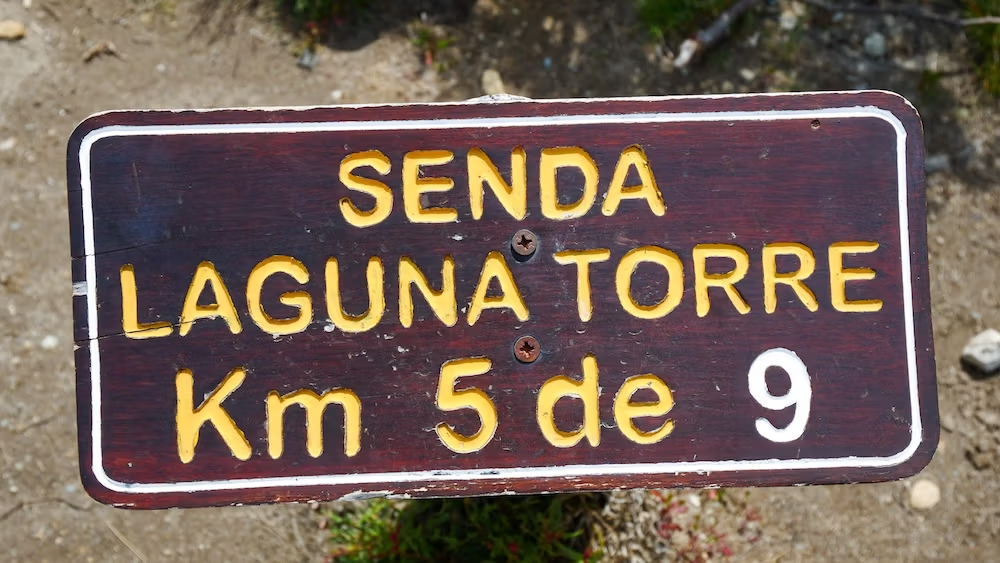
Day 5: Trophy Day #2 (Laguna Torre)
Goal: a long hike with steady pacing and classic Cerro Torre vibes.
Laguna Torre was our “comfortable big hike.” It’s still a full-day outing, but it felt more consistent underfoot than the Fitz Roy day. The route has a rhythm: you climb early, then settle into a long scenic valley walk that keeps feeding you views.
If you love a hike that feels mentally manageable, Laguna Torre delivers because it comes with built-in milestones: Margarita Waterfall (KM 0.7), Torre Lookout (KM 2.5), the trail junction toward Madre e Hija (KM 5), De Agostini campground (KM 8), and then Laguna Torre (KM 9). Also: most of the elevation gain is early, and it really flattens out around KM 3.5–4, which makes the middle miles feel weirdly cruisy.
I also noticed a vibe shift: fewer people compared to the Fitz Roy side, which made the day feel calmer. The weather wasn’t perfect—more moody than postcard-blue—but the scenery still hit hard.
The “km marker” style plan (simple and motivating)
One reason this hike feels approachable is that you can mentally break it into milestones.
| Approx marker | What happens | What to do |
|---|---|---|
| 0–1 km | Settle in | Slow pace, warm up properly |
| Early section | Initial climb | Find a rhythm, don’t chase fast hikers |
| Mid-trail | Long valley cruising | Snack and hydrate before you feel tired |
| Near the end | The payoff zone | Take your time, enjoy the drama |
Trail pacing tip: treat the first section as your warm-up climb, then find your cruise control. If you keep a steady pace, you’ll arrive at the lagoon feeling proud instead of destroyed.
Wildlife note: we were told not to encourage town dogs to follow hikers—there’s real conservation context behind that advice. In other words: cute dog, yes; adopt-a-trail-dog adventure, no.
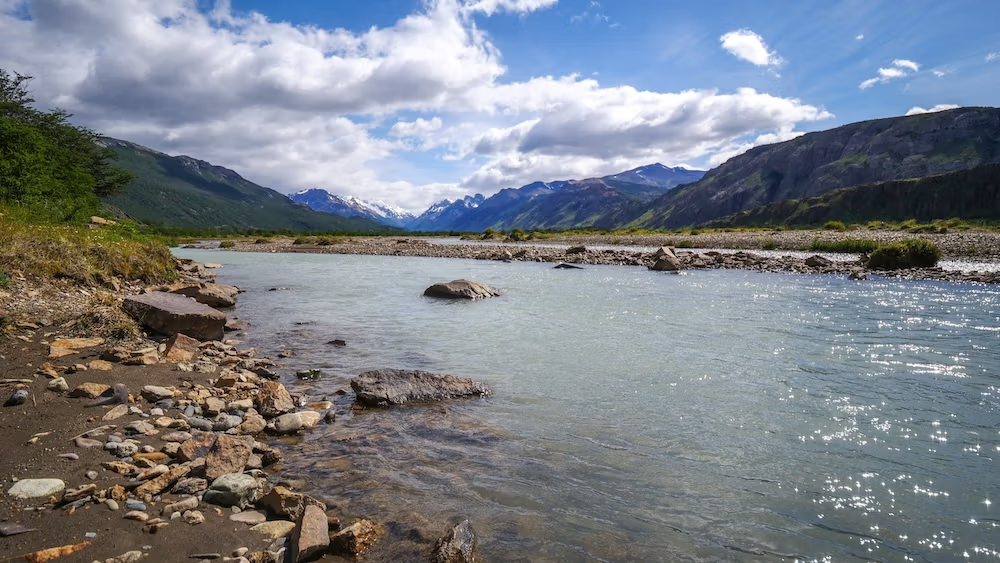
Day 6: Easy hike + bonus viewpoint (Chorrillo del Salto + Mirador de las Águilas)
Goal: stack small wins and enjoy your last full day energy.
This is one of our favorite itinerary days because it feels like you’re doing “a lot” without crushing your legs. Chorrillo del Salto is the kind of hike that gives you a waterfall payoff without demanding a blood oath.
Then, if the weather is cooperative and your body isn’t filing a formal complaint, you can add Mirador de las Águilas for a second scenic punch.
This is also the day where we fully leaned into the post-hike reward economy: burgers, fries, beer, and the strange, mysterious magic of “artisanal ice cream” that appears when you’re too tired to ask questions.
Day 6 decision mini-table
| If you want… | Do this |
|---|---|
| Low effort, high payoff | Chorrillo del Salto only |
| Two scenic wins | Chorrillo + Águilas |
| Sunset moment | Cóndores for golden hour |
Day 7: Flex day (pick your own ending)
Goal: use the final day to “cash in” on the best remaining weather window.
This is the day most people forget to plan for—and it’s the day that makes the whole week feel effortless.
Option A: Repeat the best hike on the best day
If you didn’t get clear skies on Fitz Roy or Torre, this is your second chance. A week itinerary isn’t about ticking a box once; it’s about getting the day you actually wanted.
Option B: Pliegue Tumbado (only if conditions are calm)
If the forecast looks reasonable, this is the panoramic “big third hike” that rewards you with sweeping views over the valley and peaks. If it looks windy, do not be brave. Be smart.
Option C: Lago del Desierto day trip (a different kind of Patagonia day)
If you want to rest your legs but still do something that feels “big,” a Lago del Desierto day can be perfect. It’s outside the main El Chaltén trail routine and gives you a change of scenery when the town feels busy or the wind is being dramatic. Plan transfers in advance if you don’t have a car, and treat it as a full-day outing.
Option D: Laguna Capri (trophy-lite)
If you want Fitz Roy vibes without the full suffering package, Capri is the perfect half-day. It’s also the ultimate “we did the classics, now we’re vibing” finale.
Option E: Do absolutely nothing (the secret luxury)
A week in El Chaltén can be intense. Sometimes the best ending is waffles, coffee, and a slow walk through town while you quietly brag to yourself: “We did the big ones.”
🥾 Plan B Adventures: Tours & Easy Day Trips from El Chaltén
Even hardcore hikers end up with a “Plan B” day in Patagonia. When the wind is feral, legs are toast, or you just want someone else to handle the logistics, these Viator options are easy wins.
👉 Browse El Chaltén tours (plus nearby options) on Viator
| Option | Best for | Book it |
|---|---|---|
| 🚌 El Chaltén “Complete Experience” day tour (from El Calafate) | A low-effort way to “see El Chaltén” without committing to a big hike | El Chaltén Complete Experience Full-Day Tour from El Calafate (Viator) |
| 🧊 Perito Moreno Glacier full-day + optional boat safari | Classic Patagonia bucket-list day that doesn’t require hardcore hiking | Perito Moreno Glacier Full-Day Tour with Optional Boat Safari (Viator) |
| 🚤 “Todo Glaciares” navigation (Upsala + Spegazzini) | Big-glacier scenery with max comfort (aka: let the boat do the work) | Glaciares Gourmet Navigation: Upsala & Spegazzini Navigation (Viator) |
| 🗿 El Calafate city tour + Walichu Caves | A cultural/history reset day (great when the weather is moody) | El Calafate City Tour + Walichu Caves (Viator) |
| 🚙 Nativo Experience: Lakes & Caverns (4×4 style) | Off-road adventure + viewpoints when you want something different than trails | Nativo Experience: Lakes & Caverns (Viator) |
| 🇨🇱 Torres del Paine full-day trip (from El Calafate) | Maximum “Patagonia wow” in one day (long day, huge payoff) | Torres del Paine Full-Day Tour from El Calafate (Viator) |
Start times that actually work (so you’re not hiking in regret)
El Chaltén summer daylight is ridiculous (in the best way). But daylight doesn’t cancel fatigue. Start times still matter for crowds, weather, and sanity.
When Audrey and I were there in December, it honestly felt unfair (in the best way): sunrise around 5 a.m. and sunset around 10–10:30 p.m. — which means you can hike early for crowds, but still have daylight left for a late mirador or a slow post-hike dinner that turns into dessert #2.
| Hike/day | Suggested start | Why |
|---|---|---|
| Mirador Cóndores/Águilas | 2–3 hours before sunset | Golden light, quick payoff |
| Laguna de los Tres | Early morning | Beat crowds, build buffer time |
| Recovery day | Whenever your soul wakes up | Your legs are in charge today |
| Laguna Torre | Morning | Full-day pace without stress |
| Chorrillo del Salto | Late morning / afternoon | Easy win, flexible timing |
| Pliegue Tumbado | Early morning | Wind often ramps later |
Crowd strategy (simple, effective, not heroic)
- Start earlier than your feelings want to
- Take breaks where the scenery is good, not where everyone stops
- If you’re photographing, wait 3–5 minutes after the main clump moves on and the viewpoint “resets”
- On busy days, treat the trail like a moving parade: stay patient and keep your own pace
Packing and gear (the Patagonia “don’t be naive” list)
You don’t need mountaineering gear for these classic day hikes. You do need respect for wind and fast-changing conditions.
The essentials checklist
- Windproof layer (non-negotiable)
- Warm mid-layer (fleece/down)
- Rain shell (Patagonia laughs at your forecast app)
- Sun protection (yes, even when it’s cold)
- Water + snacks (always more than you think)
- Small first-aid kit + blister care
- Headlamp (for early starts or late finishes)
- Trekking poles (especially useful on steep/rocky sections)
Packing matrix: what changes with conditions?
| Conditions | Add/upgrade | Why |
|---|---|---|
| Clear + calm | Extra water | Sun + long hours |
| Windy | Better wind layer + gloves | Exposure drains you |
| Cold + moody | Warmer mid-layer | Stops get chilly fast |
| Wet | Waterproof everything | Comfort = safety |
Footwear reality
If you have solid trail runners and you’re confident on rocks, you’ll probably be fine. If you want more stability, ankle support, or you hate wet feet, hiking boots can be worth it. For us, the “right” footwear was the pair that made the long return walks feel less like a punishment.
Food and recovery: the unofficial third pillar of El Chaltén
You can absolutely “optimize” El Chaltén for maximum hiking. We optimized it for a week where hiking and eating form a balanced ecosystem.
The post-hike reward system (our shameless strategy)
- Big hike day = big dinner
- Wind day = café + dessert (morale matters)
- Recovery day = comfort food and early sleep
- Final day = whatever makes you happiest
I had an unforgettable meal at Senderos (tiny, boutique, and the kind of place you plan your evening around), and we had a classic “happy hour victory lap” after Laguna Torre with burgers, fries, and beer. Your exact restaurants will vary, but the concept is universal: feed the machine.
Senderos felt like a secret: tucked off the main street near the bus terminal, inside a boutique guesthouse, with only 6–7 tables. I went for a blue cheese risotto with nuts and sun-dried tomatoes, Audrey had lentejas, and we split a full bottle of Syrah (a rare break from Malbec). We then made the extremely wise decision to add two desserts, including an apple pancake — and waddled home proudly afterwards.
Quick “where to eat” planning table
| Moment | What you want | What to look for |
|---|---|---|
| Pre-hike breakfast | Fast calories + coffee | Early opening or hotel breakfast |
| Trail lunch | Portable, durable | Sandwiches, nuts, fruit, sweets |
| Post-hike dinner | Salt + protein + joy | Burgers, pasta, stews, local beer |
| Wind day | Cozy + warm + sweet | Cafés, waffles, hot chocolate |
Mistakes to avoid (so your week stays fun)
Trying to “do everything” every day
El Chaltén makes you feel like you should hike constantly. Don’t. Big hikes are better when you’re not stacking fatigue like a weird hobby.
Treating the forecast like a contract
Forecasts are a suggestion. Plan to swap days.
Starting late on trophy hikes
Late starts multiply crowds and reduce your buffer. Early starts are the difference between “amazing day” and “stressful day.”
Under-snacking
If you think you brought enough snacks, you are adorable. Bring more.
We learned this personally. At one point it was barely morning and I’d already eaten most of my lunch because I was “being piggy” — and then at the Fitz Roy viewpoint we were still ravenous, surviving on the moral support of a granola bar and some candy.
Ignoring wind exposure
Wind is exhausting. It makes you colder. It makes walking harder. It turns “fun adventure” into “character-building event.”
Skipping the visitor center reality check
Conditions change. Trail advisories happen. If you’re unsure, ask locally. Five minutes of info can save you from a miserable day.
Plan your trip: the week-long checklist
- Book 7 days (or as close as you can)
- Keep two trophy days flexible
- Build in one true recovery day
- Have two “easy win” hikes ready at all times
- Buy/pack snacks in El Calafate if you’re picky
- Carry wind layers every single day
- Choose the day’s hike based on conditions, not pride
- Keep one flex day uncommitted until the very end
✨ Ready to lock in your El Chaltén plan?
- 🥾 Browse El Chaltén tours on Viator
- 🏨 Find El Chaltén hotels on Booking.com
- 🚗 Compare El Calafate car rentals on DiscoverCars
- 🚌 Book El Calafate → El Chaltén buses on Busbud
El Chaltén Week-Long Itinerary FAQ: Big Hikes, Buffer Days, Gear, Food, and Weather-Proof Planning
Is 7 days in El Chaltén too much?
Nope. It’s the sweet spot if you want the classic hikes without gambling on weather and soreness. A week gives you flexibility to swap trophy days and still enjoy the town.
What are the two must-do hikes for first-timers?
Laguna de los Tres (Fitz Roy) and Laguna Torre are the signature “classic hits.” Everything else can flex around them.
Which hike is harder: Laguna de los Tres or Laguna Torre?
Honestly? Laguna de los Tres usually feels harder because the final steep section turns into a grind when you’re already tired. Laguna Torre is long but steadier.
How many “buffer days” should we plan for?
At least one or two. One can become a true rest day, and another can absorb wind or low-visibility weather without wrecking your whole plan.
What if we only have 5 days?
Do the arrival-day mirador, keep two days flexible for Fitz Roy + Torre, and use the remaining days for Capri and Chorrillo del Salto as your buffers.
Do we need trekking poles?
Yes. Especially if your knees have opinions or you want extra stability on steep, rocky sections. They’re not mandatory, but they’re an upgrade.
What time should we start Laguna de los Tres?
Early. You want a head start for crowds, weather shifts, and your own pace. The earlier you begin, the more relaxed the day feels.
What’s the best easy hike for a recovery day?
Chorrillo del Salto. It’s a low-effort waterfall win that still feels like you did something meaningful with your day.
Is Pliegue Tumbado worth it?
Yes—on a calm day. If it’s windy, skip it. It’s exposed and the wind can turn it from epic to miserable fast.
Should we bring food from El Calafate?
Yep. El Chaltén groceries can be limited and pricier, so if you want specific snacks or budget-friendly supplies, stock up before you arrive.
How is the Wi-Fi and mobile data in El Chaltén?
Unreliable enough that you should plan like you’re going off-grid. If you need internet for work, build in buffer time and don’t assume it’ll be perfect.
Are there cafés and restaurants open year-round?
Mostly yes, but hours and closures can be seasonal. In shoulder season, assume fewer options and earlier closing times.
What’s the best way to handle crowds on the popular trails?
Start early and hike at your own pace. Crowds compress on steep sections, so early starts reduce bottlenecks and stress.
Can we do El Chaltén without a car?
Yes. And it’s ideal for that. That’s one of the best parts. Most trailheads start in town, and you can use buses/transfers for a few add-on day trips if you want.
What’s the one thing we should never skip packing?
A windproof layer. Patagonia wind is not a personality trait—it’s a physical force, and you’ll feel it.
Is it worth adding Lago del Desierto to a week?
Yes. It’s a great “legs rest, eyes feast” day when you have a full week and want variety beyond the main trailheads.
What’s the most underrated part of a week in El Chaltén?
The buffer days. They’re where you actually enjoy the place instead of sprinting from hike to hike like a stressed-out to-do list.
Project 23 Argentina: This guide is also available in Spanish. [Lea la versión en castellano: 7 Días en El Chaltén: Itinerario de una Semana (Trekkings Largos + Días de Margen)]
Further Reading, Sources & Resources
If you want to double-check the “stuff that can change” (fees, how to pay, trail access) and anchor your planning in reliable trip logistics, these are the best references to keep bookmarked for your El Chaltén week.
Park entrance fees, passes, and how to pay (official)
- https://www.argentina.gob.ar/parquesnacionales/tarifas
Official national park access fees list (includes effective dates and category pricing). - https://www.argentina.gob.ar/interior/ambiente/parquesnacionales/losglaciares/tarifas
Los Glaciares-specific page that clearly outlines Zona Norte (El Chaltén) access rules and payment method. - https://ventaweb.apn.gob.ar/
APN’s official online ticket portal (useful when the El Chaltén entrances are online/QR-based).
Trail guides and hike details (planning-friendly, practical)
- https://elchalten.com/v4/en/laguna-de-los-tres-trek-el-chalten.php
Clear route overview for Laguna de los Tres with practical trail context. - https://elchalten.com/v4/en/busses-to-el-chalten.php
One of the most helpful, traveler-focused references for bus times between El Calafate and El Chaltén.
Local maps (great for a week plan + distances)
- https://elchalten.tur.ar/wp-content/uploads/2025/01/mapa-chalten-24-25_pdf.pdf
Official-style town/trail map PDF with distances and key routes — perfect for itinerary planning.
Notes on accuracy
- Fees and access rules change (sometimes mid-season), so always verify close to your dates—especially entrance pricing, pass types, and whether payment is online-only.
- Bus schedules can shift by season and operator; treat posted timetables as strong guidance, then confirm with your chosen company right before travel.