
El Chaltén is the kind of place where you can eat gelato in the sun at noon and consider writing your will behind a boulder at 3pm because the wind is trying to relocate you to Chile.
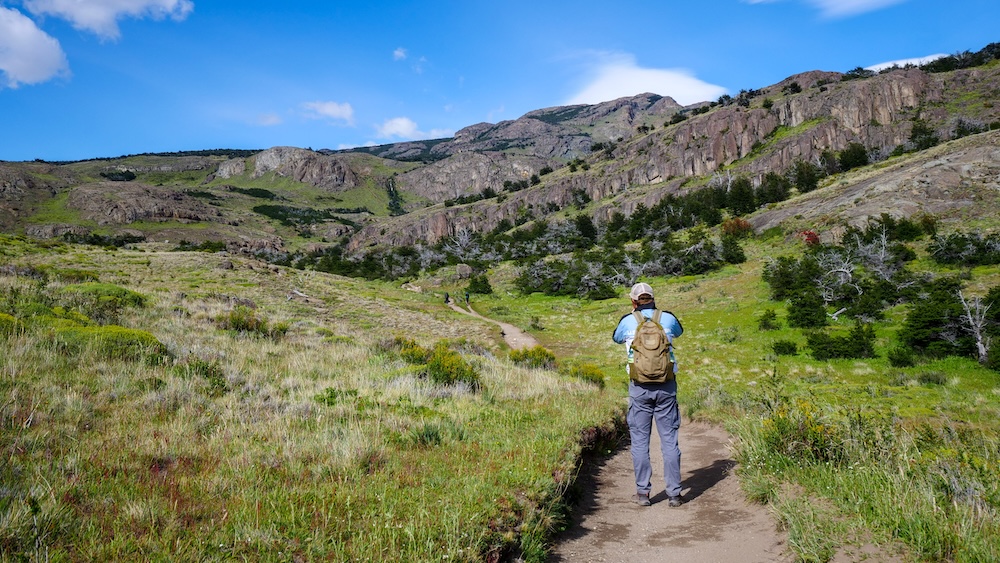
Audrey and I rolled in from El Calafate in December and immediately learned the first rule of El Chaltén: this town doesn’t do “gentle introductions.” One minute you’re staring out the bus window at cinematic Patagonia, and the next you’re on a gravel street thinking, “So…this is the trekking capital of Argentina. Guess we hike now.”
The problem isn’t that forecasts are “wrong.” The problem is that averages (and even daily highs) don’t capture what hikers actually experience: exposure, gusts, cloud ceilings, wet rock, icy patches, and that sneaky Patagonia sun that burns you while you’re shivering.
On our trip, the weather didn’t care about the averages. It cared about timing—when the gusts arrived, whether the cloud ceiling lifted for thirty glorious minutes, and how fast our fingers went numb the second we stopped moving. That’s why we started treating forecasts like a hiker: less “high/low,” more “what will this feel like on an exposed ridge?”
🌦 El Chaltén Average Monthly Weather Matrix
| Month | Avg High | Avg Low | Mean Temp | Daylight (approx.) | Seasonal Feel |
|---|---|---|---|---|---|
| January | 69°F (20.5°C) | 45°F (7°C) | 57°F (14°C) | Very long | Warmest part of summer, but still cool on trails |
| February | 68°F (20°C) | 44°F (6.5°C) | 56°F (13.5°C) | Very long | Peak summer with lots of daylight |
| March | 64°F (18°C) | 41°F (5°C) | 53°F (12°C) | Long | Cooler, golden light, autumn vibes |
| April | 57°F (14°C) | 36°F (2°C) | 47°F (8°C) | Shortening | Noticeably crisp, autumn/wet feel |
| May | 49°F (9.5°C) | 32°F (0°C) | 40°F (4.5°C) | Short | Early winter onset, chilly & muddy |
| June | 42°F (5.5°C) | 28°F (–2°C) | 35°F (2°C) | Very short | Winter, snow possible, very cold |
| July | 42°F (5.5°C) | 28°F (–2°C) | 35°F (2°C) | Very short | Coldest heart of winter |
| August | 47°F (8°C) | 30°F (–1°C) | 38°F (3°C) | Slightly longer | Still cold, icy trails |
| September | 54°F (12°C) | 33°F (0.5°C) | 43°F (6°C) | Growing | Spring chaos, mixed conditions |
| October | 60°F (15.5°C) | 36°F (2°C) | 48°F (9°C) | Longer | Spring warming, still gusty |
| November | 64°F (18°C) | 40°F (4.5°C) | 52°F (11°C) | Long | Early summer warmth returns |
| December | 67°F (19.5°C) | 44°F (7°C) | 55°F (13°C) | Very long | Summer hiking window opens |
I spent six nights in El Chaltén in December, and our itinerary didn’t revolve around “days.” It revolved around windows: one brilliant day for Fitz Roy, one moody day for Torre, one day where the wind politely suggested we stay inside and become café critics, and multiple short hikes that saved the trip when our legs or the sky simply weren’t in the mood.
We also realized fast that El Chaltén rewards the annoyingly prepared. Breakfast starts early and we’d stack our trophy days around the best-looking window—then protect them with recovery time so we didn’t show up to Fitz Roy with nothing left in the tank.
This guide is the month-by-month reality check we wish we had—how each month tends to feel on the trails, how to plan around it, and how to pack so Patagonia is your friend not your foe.
🧾 Quick Booking: Your El Chaltén Travel Essentials 🥾✨
🎒 Your Travel Toolkit (Book These 4 Things)
| ✅ What to book | 💡 Why it’s worth it | 🔗 Quick link |
|---|---|---|
| 🥾 Tours & experiences | Easy way to lock in a glacier day, a Lago del Desierto adventure, or a guided option when weather turns moody | Browse El Chaltén tours on Viator |
| 🏨 Hotels & stays | El Chaltén sells out fast in peak season — booking early = better locations + fewer “only the priciest rooms left” moments | Find El Chaltén hotels on Booking.com |
| 🚗 Car rentals (optional) | Best for freedom days: Ruta 40 viewpoints, flexible timing, photo stops, and a smoother Lago del Desierto run | Compare car rentals in El Calafate (gateway to El Chaltén) on DiscoverCars |
| 🚌 Bus tickets | The classic El Calafate ↔ El Chaltén route is simple — but popular departure times fill up | Book El Calafate → El Chaltén buses on Busbud |
👉 One-click backup (reverse direction): Book El Chaltén → El Calafate buses on Busbud
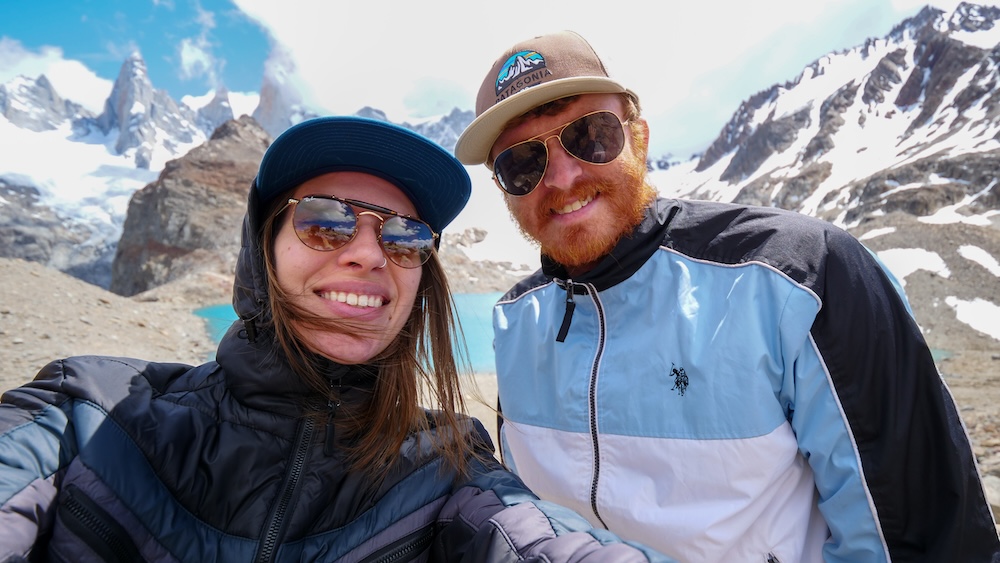
The three trail truths that matter more than averages
Wind is the main character
In Patagonia, wind isn’t “weather.” It’s a permanent personality trait. It changes how cold you feel, how hard the trail feels, how safe exposed viewpoints are, and how much fun you’re having while chasing your hat downhill.
Audrey and I had one day where the wind wasn’t just “strong”—it was insane. We stepped outside, got instantly humbled, and did the only logical Patagonia thing: retreated indoors and became café dwellers with hiking shoes on, like a pair of defeated-but-cozy explorers.
Trail translation:
- A mild temperature can still feel harsh when gusts hit exposed ridges.
- Wind makes breaks shorter, snacks more chaotic, and decision-making more urgent.
- The same hike can feel easy in sheltered forest and brutal the moment you pop above treeline.
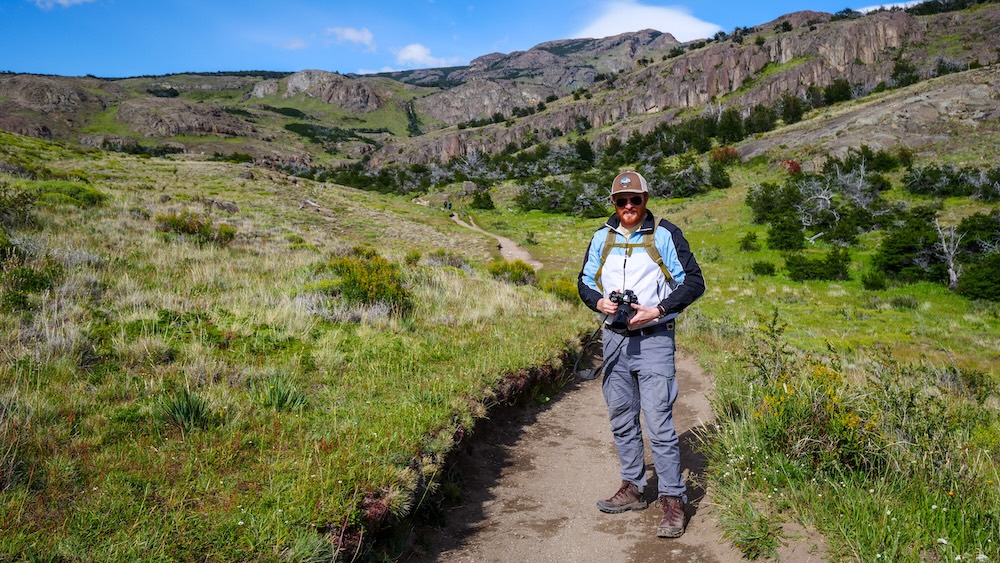
Visibility decides whether your “iconic” hike is iconic
El Chaltén’s big-name hikes are famous for what you see at the end. If cloud clings to the peaks, you can still have a great day—but the payoff changes, and so should your expectations (and sometimes your route choice).
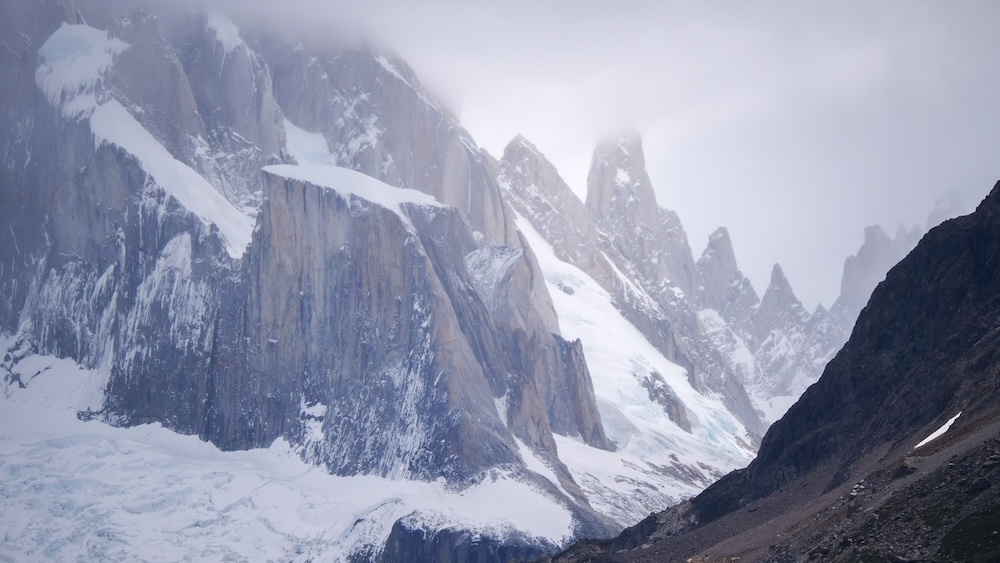
Our Laguna Torre day is the perfect example: the hiking itself was fantastic, but cloud cover muted the “poster shot” and turned the lagoon into a dramatic, milky Patagonia mood board. Still a great day—just a different kind of great than Fitz Roy-on-a-clear-window great.
Trail translation:
- Clear day = trophy objectives (Laguna de los Tres, Pliegue Tumbado, exposed miradores).
- Cloudy day = still worth hiking, but favor routes with “journey scenery” (Laguna Torre, forest walks, waterfalls).
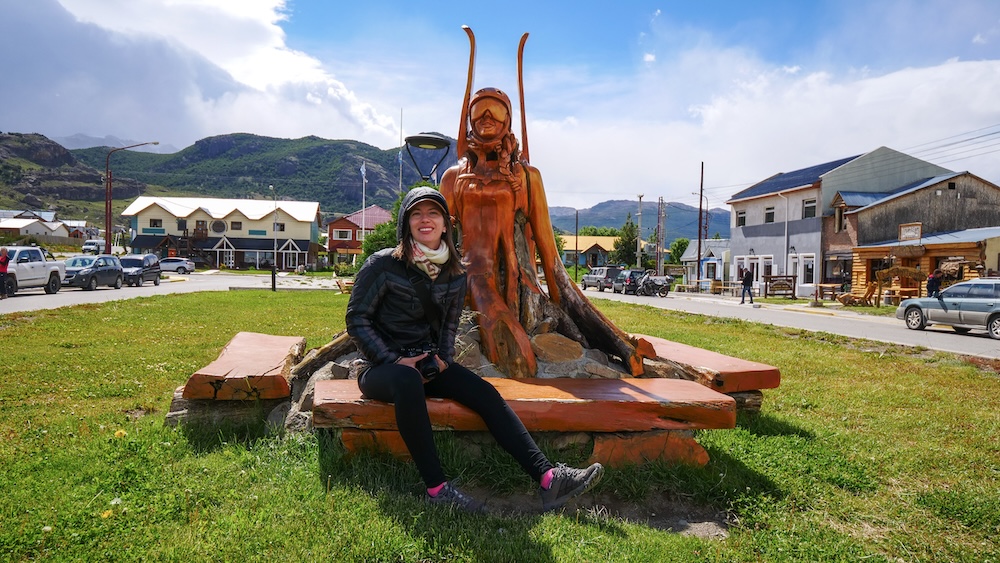
Town weather is not trail weather
You can leave town in a t-shirt and return wearing every layer you own plus a new personality. Trails climb, twist through shelter and exposure, and push toward colder, wetter microclimates closer to the ice.
I learned this in the most Patagonian way possible: starting out feeling fine, then hitting exposed sections where the wind suddenly turned “pleasant hike” into “why do my ears hurt?” territory. After that, we stopped dressing for town and started dressing for the most disrespectful version of the trail.
Trail translation:
- Forecasts are a starting point; your packing and plan need margins.
- Treat “feels like” and gusts as seriously as temperature.
- Don’t assume the trail will feel the same in the forest, in open valley, and at the viewpoint.
Forecasting like a hiker (not a tourist)
The four numbers to watch
- Wind speed (sustained): how tiring the day will feel.
- Gusts: how sketchy exposed ridges and viewpoints might be.
- Precipitation timing: a drizzle at lunch is different from a soaked, windy ascent.
- Cloud cover / ceiling: whether peaks will show, and whether navigation gets annoying.
Bonus real-world complication: internet can be spotty in El Chaltén. I got into the habit of checking forecasts when we had signal, screenshotting what mattered, and then hiking with a plan instead of assuming we’d have data mid-trail to rescue our decision-making.
Tip: If you only look at the high and low temperature, Patagonia wins. Every time.
A simple decision rule that keeps you safe (and sane)
If a hike has big exposure (ridgelines, high viewpoints, steep scree) treat gusts as a hard limiter. If gusts are high and the route has steep drop-offs, choose a sheltered trail, shorten the objective, or save it for a better window.
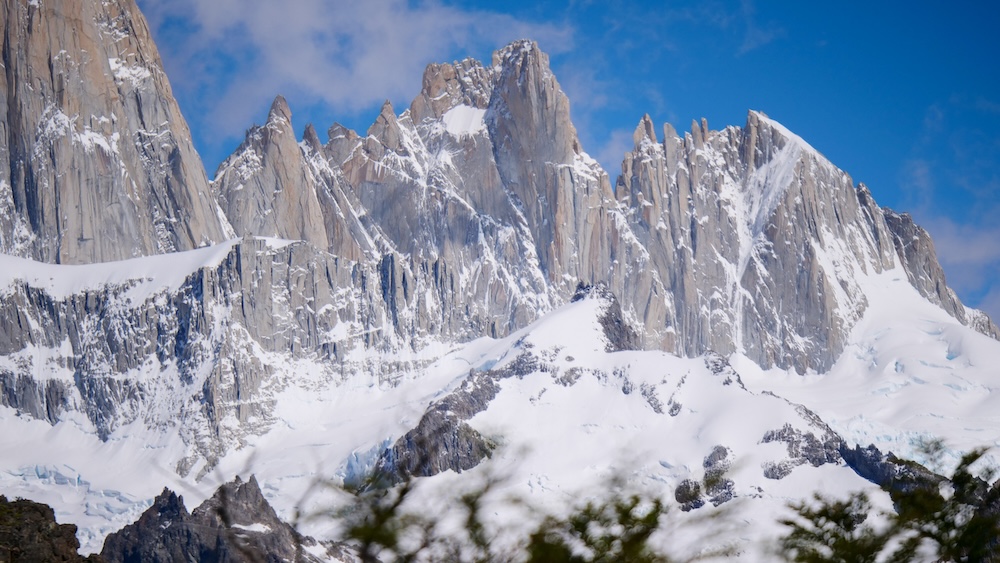
On the Fitz Roy hike (Laguna de los Tres), that logic really kicks in near the end—once the steeper, more exposed effort begins, you feel every gust like it’s negotiating with your balance. It’s the kind of section where “manageable gusts” feels like a gift and “spicy gusts” feels like a warning label.
El Chaltén turnaround matrix (how to be brave without being dumb)
| Status | What’s happening | What we do |
|---|---|---|
| Green | Visibility solid, gusts manageable, pace on track | Keep going. Snack, hydrate, check in. |
| Yellow | Gusts rising, clouds lowering, someone’s quieter, pace slipping | Stop. Layer up. Reassess. Set a turnaround point. |
| Red | Route unclear, wind unsafe, rain/snow building, energy tanking | Turn around. Celebrate your wisdom later with dessert. |
The Patagonia pacing trick
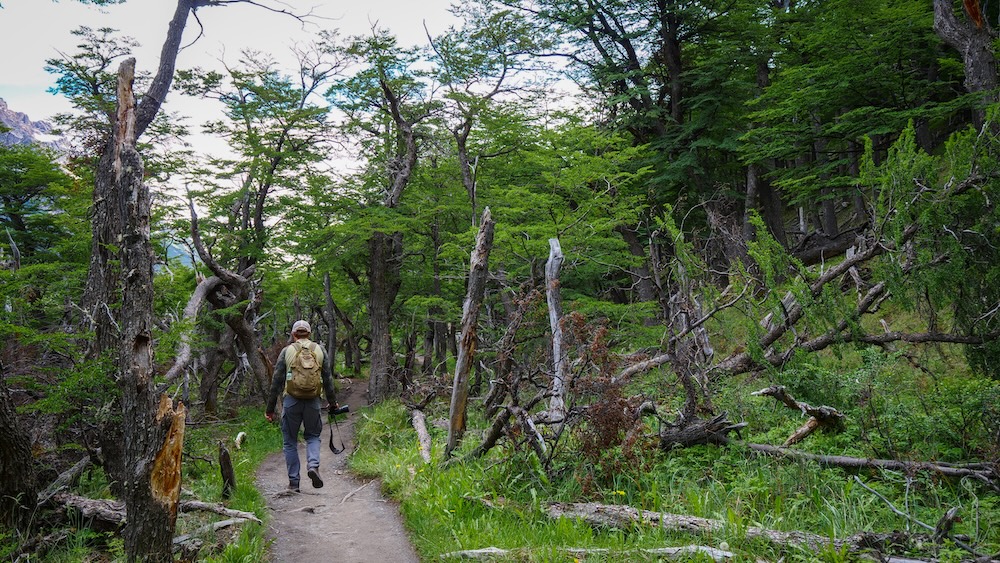
Long hikes here are mentally easier if you treat them like chapters.
Audrey and I also loved having decision checkpoints baked into the day. Reaching a place like Laguna Capri feels like a natural moment to ask: are we thriving, surviving, or quietly bargaining with our knees? In El Chaltén, knowing when to continue is heroic—but knowing when to stop is professional.
- “To the first viewpoint.”
- “To the forest section.”
- “To the next kilometre marker.”
- “To lunch.”
- “To the final push.”
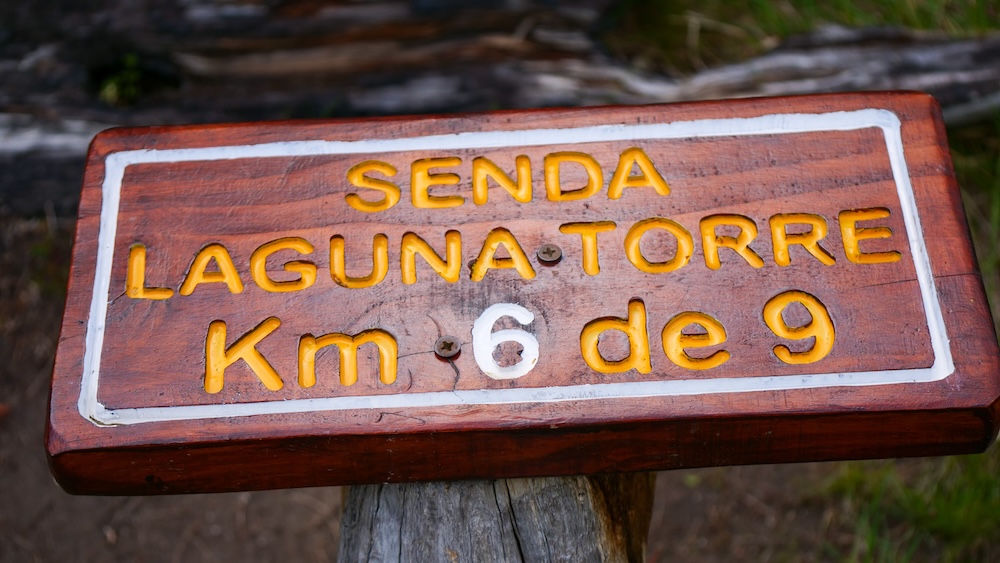
On our Fitz Roy day, the kilometre markers were basically a therapist: one more sign, one more step, one more snack, and suddenly you’re at the part where your legs are wobbly but you keep moving on.
Don’t let weak internet ruin your weather plan
El Chaltén is improving every year, but you should still expect spotty mobile data and patchy Wi-Fi depending on where you stay. That matters because Patagonia weather rewards fast pivots.
We had moments where the town basically went “offline” at the exact time we wanted to be efficient—classic. It’s not a disaster, but it’s a reminder that Patagonia rewards the people who download maps, screenshot forecasts, and don’t rely on a magical signal appearing right when the wind starts making suggestions.
Practical fixes:
- Screenshot tomorrow’s forecast before you leave your room.
- Download offline maps (and keep your phone warm so the battery doesn’t abandon you).
- Write your Plan A and Plan B in a notes app so you’re not making decisions in a windy panic.
- Ask locally what’s realistic that day—weather is local knowledge here.
Daylight and start-time cheat sheet
At this latitude, daylight swings hard through the year. Exact sunrise/sunset varies by date, but the pattern is consistent: summer gives you a huge hiking window; winter gives you a tight one.
In December, the long-day effect is wild—in the best way. Audrey and I used it for a sunset hike on arrival day to Mirador de los Condores, because when it stays bright late, your “quick evening stroll” can accidentally become a proper viewpoint mission.
| Month group | Daylight feel | Start-time strategy | What changes on trail |
|---|---|---|---|
| Dec–Jan | Very long days | Early for crowds; flexible for timing | You can wait out a morning cloud bank |
| Feb–Mar | Long but shrinking | Start early for big hikes | Late starts become riskier for long routes |
| Apr | Noticeably shorter | Start early, keep margin | Cold evenings arrive fast |
| May–Aug | Short days | Midday hikes, conservative goals | Ice + darkness compress options |
| Sep–Oct | Growing quickly | Earlier each week | Shoulder-season surprises linger |
| Nov | Long again | Early for views and crowds | Big objectives return to menu |
Tip: Pack a headlamp year-round. Not because you plan to hike in the dark—because Patagonia loves “surprises.”
A quick reality snapshot: pick your month, pick your vibe
We’re a December data point, and our week basically confirmed the whole table: big summer daylight, real wind drama, and the constant need for a Plan B that still feels like a win.
| Month | The vibe | Best for | Biggest risk |
|---|---|---|---|
| Jan | Peak summer energy | Long days, big hikes | Wind + crowds |
| Feb | Summer, slightly calmer | Strong odds for views | Wind still rules |
| Mar | Shoulder-season charm | Cooler hikes, fewer people | Shorter days, more swings |
| Apr | Autumn mood | Photography, crisp air | Cold + wet + early darkness |
| May | Early winter | Quiet town, serious hiking | Ice/mud/snow + closures |
| Jun | Deep winter | Snow scenes, solitude | Short daylight, complex trails |
| Jul | Winter classic | Crisp days if lucky | Ice risk + limited margin |
| Aug | Late winter | Slightly more light | Still icy, still cold |
| Sep | Spring chaos | Quiet trails, changeable skies | Surprise winter at elevation |
| Oct | Windy spring | Longer days returning | Gusts + variable temps |
| Nov | Early summer | Great light, improving odds | Wind + rapid shifts |
| Dec | Longest days | Flexibility + big objectives | Wind + crowded classics |
Month-by-month: what it feels like on the trails
January
January is peak “Patagonia summer,” which is like saying “peak polite shark.” It’s the warmest month on paper, but the trails still feel cool, especially early and late. Daylight is generous, which gives you the best kind of luxury: time.
What it feels like:
- Comfortable hiking temps when moving.
- Sudden cold the moment you stop in wind.
- Sun that feels stronger than expected, even on cool days.
How to win January:
- Start early for trophy hikes to beat crowds and catch calmer morning conditions.
- Carry windproof layers even if town feels mild.
- Use shaded breaks when the sun is intense, then layer up the second you hit exposed viewpoints.
Plan A / Plan B:
- Plan A: Laguna de los Tres on the clearest day.
- Plan B: Laguna Torre (more “scenic along the way”), Mirador de los Cóndores, Chorrillo del Salto.
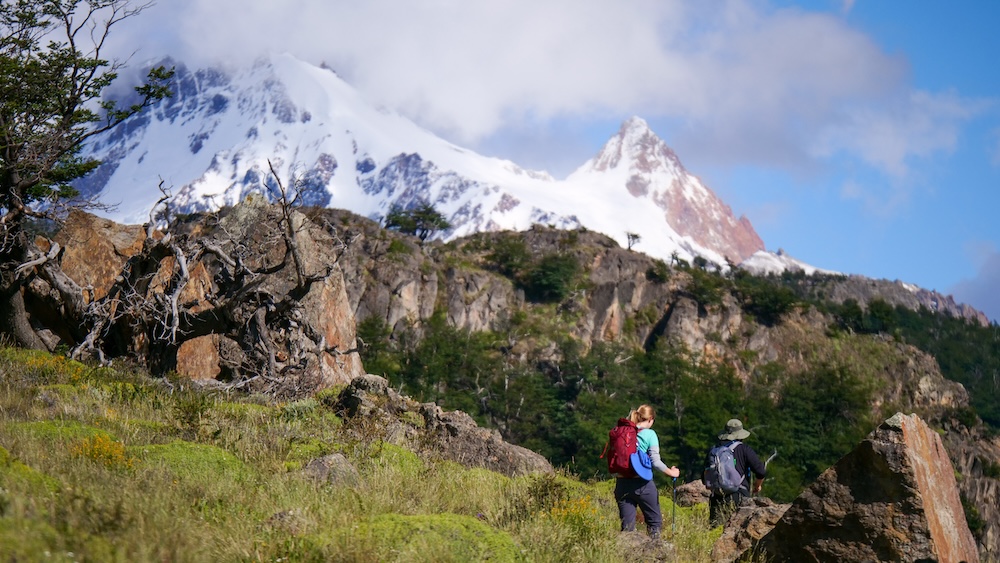
February
February is still summer, but the edges start to soften. It can feel a touch less frantic than January, and you’ll sometimes get those magical days where the wind takes a nap and everyone in town behaves like it’s a public holiday.
What it feels like:
- Similar to January, with slightly cooler evenings.
- Great hiking days mixed with “why is the wind angry” moments.
- Visibility can be superb, but never guaranteed.
How to win February:
- Keep your itinerary flexible so you can pounce on the clearest forecast window.
- Pack for sun and cold at the same time: sunglasses and a beanie are not enemies.
- If you’re doing a big hike, bring a “summit snack plan” that works in wind (stuff you can eat one-handed without it escaping).
Plan A / Plan B:
- Plan A: Fitz Roy, or a longer objective if conditions allow.
- Plan B: Short hikes around town or waterfalls when gusts spike.
March
March is when El Chaltén starts flirting with autumn. The town vibe gets calmer, the light turns golden, and the mornings remind you that you’re very far south.
What it feels like:
- Cooler starts, more “layering weather.”
- Shorter days begin to matter for long hikes.
- Wind is still a factor, but the crowds often ease.
How to win March:
- Aim for earlier starts—more for daylight than for crowds.
- Bring warmer gloves than you did in February; the top of viewpoints can feel sharp.
- Build in a buffer day for weather. March can deliver dream days and sudden fronts.
Plan A / Plan B:
- Plan A: Laguna de los Tres or Torre depending on the clearest day.
- Plan B: Mirador de las Águilas (short, high payoff), town walks, cafés, waterfalls.
April
April is moody Patagonia: crisp air, fewer people, and a higher chance that a “light shower” becomes a full costume change into your rain gear. The scenery can be gorgeous, but the margin for error shrinks because the evenings come early.
What it feels like:
- Noticeably colder when the sun disappears.
- Wet, slippery sections more common.
- A stronger “mountain weather differs from town” effect.
How to win April:
- Choose objectives with multiple turnaround points.
- Carry a proper shell and keep gloves accessible, not buried under snacks.
- Favor routes where the hike itself is the payoff, not only the final viewpoint.
Plan A / Plan B:
- Plan A: Laguna Torre (steady scenery even in mixed conditions).
- Plan B: Chorrillo del Salto, forest walks, shorter miradores if wind allows.
May
May is where the story changes. If summer is “windy but doable,” May begins the season of ice patches, muddy sections, and routes that demand more than good vibes.
What it feels like:
- Cold mornings, colder shade, and colder “I stopped moving” moments.
- Trail surfaces become the challenge: slick mud, hard-packed snow, thin ice.
- Daylight is limited enough that timing matters.
How to win May:
- Bring traction and trekking poles (and know how to use them).
- Keep plans conservative and check what’s open or recommended.
- Focus on lower, safer objectives unless you have winter skills.
Plan A / Plan B:
- Plan A: Shorter, well-traveled routes in stable conditions.
- Plan B: Town days, viewpoints near town, and “hike-adjacent” experiences.
June
June is deep winter mode. The town is quiet, the days are short, and trails can be complex. This is not “bring a warmer jacket” season; it’s “bring the right tools and judgment” season.
What it feels like:
- Very cold when wind hits.
- Snow and ice dominating trail feel.
- A tight hiking window because daylight is at its minimum.
How to win June:
- Start late enough for light, early enough to finish with margin.
- Choose routes where navigation is obvious and hazards are limited.
- If you’re not experienced in winter hiking, keep it very local or consider guided options.
Plan A / Plan B:
- Plan A: Short, safe walks and viewpoints if conditions allow.
- Plan B: Cafés, museums, and embracing the cozy side of Patagonia.
July
July is winter’s centerpiece: crisp, cold, and potentially stunning if you catch a clear day. But “clear” doesn’t mean “easy.” Ice remains the major storyline, especially on shaded sections.
What it feels like:
- Bright, cold air that feels clean and sharp.
- Slippery surfaces that demand constant attention.
- Wind that can turn a simple viewpoint into an endurance event.
How to win July:
- Traction and poles are non-negotiable.
- Pack warm layers like you actually mean it: gloves that work, not decorative ones.
- Plan short, high-value outings rather than one heroic suffer-fest.
Plan A / Plan B:
- Plan A: Winter-friendly short hikes with clear terrain.
- Plan B: Scenic viewpoints near town when trails aren’t safe.
August
August is late winter: still cold, still icy, but with a hint of the days lengthening. It’s the month where you start imagining spring… and Patagonia laughs and throws another gust at your face.
What it feels like:
- Similar to July, with slightly more daylight.
- Mixed snow/ice conditions depending on recent weather.
- Big swings between sun and shade temperatures.
How to win August:
- Same winter rules: traction, poles, conservative objectives.
- Time hikes for the warmest part of the day.
- Watch for melt-freeze cycles that create thin, slick ice.
Plan A / Plan B:
- Plan A: Local viewpoints and safe trails in stable conditions.
- Plan B: Food, warmth, and “we’ll come back in summer” fantasies.
September
September is spring… in the way that a toddler is “helping.” You might get mild days, you might get surprise snow, and the trails can be a mess of thawing mud and lingering ice.
What it feels like:
- Changeable weather that can flip quickly.
- Slushy, muddy sections and uneven footing.
- Increasing daylight, but still limited compared to summer.
How to win September:
- Keep traction handy; don’t assume “spring” means “no ice.”
- Choose routes with good drainage and fewer steep shaded slopes.
- Build flexibility into your schedule—September rewards the adaptable.
Plan A / Plan B:
- Plan A: Short hikes on the best forecast day.
- Plan B: Cafés, town wandering, and low-risk walks when conditions are ugly.
October
October is when the hiking season wakes up and the wind stretches like it’s been training for this moment. Daylight improves fast, the town comes alive, and the trails start calling again.
What it feels like:
- More hiking-friendly temps, but gustier exposure.
- Rapid changes: sun, cloud, drizzle, repeat.
- A return of long, satisfying days outside—if you dress right.
How to win October:
- Windproof layers are your best friend.
- Be strategic about exposed viewpoints: go early, and don’t cling to the summit if gusts spike.
- Keep a sheltered Plan B hike that still feels rewarding.
Plan A / Plan B:
- Plan A: Big objectives if the forecast window is calm.
- Plan B: Laguna Torre, waterfalls, and shorter miradores.
November
November is early summer energy with spring’s unpredictability still lingering. Light is excellent, crowds build, and you start getting more “iconic view” days—just not on demand.
What it feels like:
- Pleasant hiking temps while moving.
- Wind still common, especially at viewpoints.
- Some of the best photography light of the year.
How to win November:
- Save the big hike for the clearest day.
- Pack sun protection and wind protection together.
- Start early to beat crowds and catch calmer conditions.
Plan A / Plan B:
- Plan A: Laguna de los Tres or a longer objective on the best day.
- Plan B: Miradores, Chorrillo del Salto, town days if gusts rage.
December
December is the month we lived in El Chaltén, and it’s the best demonstration of why this guide exists. On paper, December is “summer.” On the trails, it was: one perfect day, one moody day, one day where the wind made us question our life choices, and a lot of strategic flexibility.
Also: the practical side of December hiking is underrated. Because everyone’s out on the trails, small things matter more—getting organized the night before, charging everything, having snacks that survive wind, and treating your accommodation like basecamp instead of just “a place to sleep.”
What it felt like for us:
- Long daylight that made late-day hikes possible (we did Mirador de los Cóndores at sunset on arrival day).
- A dream window for Fitz Roy—clear skies at first, then wind at the top so intense we ate lunch hiding behind rocks like guilty rodents.
- A recovery day that was a full-body “no thank you” after Laguna de los Tres.
- A wind day so brutal we went outside, got humbled, and retreated to cafés like it was our job.
- A Torre day with decent hiking weather but cloud cover that muted the peaks and turned the lagoon into a dramatic, milky mood board.
How to win December:
- Build buffer days and accept pivots as the smart play, not the consolation prize.
- Put the trophy hike on the clearest forecast day and protect it with rest.
- Keep short hikes in your pocket so you can still “win the day” when conditions are chaotic.
Trail exposure matrix: which hikes punish which weather
Not all routes suffer equally. Some hikes are “worth it even in moody weather.” Others are basically a contract that only pays out if visibility is excellent and gusts behave.
This was exactly our mentality in December. We mentally protected Fitz Roy for the clearest day, then leaned into hikes that stay rewarding even when the peaks are playing hide-and-seek. That shift—payoff hike vs. journey hike—made our whole week feel smarter.
| Trail / objective | Exposure level | Needs clear peaks? | Wind tolerance | Best on… | Skip or shorten when… |
|---|---|---|---|---|---|
| Laguna de los Tres (Fitz Roy) | High (final ascent) | Yes (for the famous payoff) | Low–medium | Clear mornings, moderate gusts | High gusts, low cloud ceiling, slippery final section |
| Laguna Torre | Medium | Nice-to-have | Medium | Mixed days, partial cloud, light precip | Stormy wind + heavy rain/snow |
| Mirador de los Cóndores / Águilas | High (short but exposed) | Nice-to-have | Low | Quick clear windows, sunset light | Gusts that make standing annoying |
| Chorrillo del Salto | Low | No | High | Windy days, drizzle days | Rarely “bad,” unless trails are icy |
| Pliegue Tumbado | High (big day, exposed) | Yes | Low | Stable forecast window | Windy chaos, fast-moving systems |
| Town walks + viewpoints | Low | No | High | Any day | Never (this is your morale insurance) |
The “break layer” system (Patagonia’s secret boss fight)
If you only pack for hiking while moving uphill, you’ll suffer the moment you stop. Patagonia’s trick is that your rest breaks happen in the windiest, most exposed, most scenic places…
We had a classic Patagonia moment where the view was incredible… and the wind was so rude we had to take cover. It’s funny until you’re the one shivering behind a rock trying to eat a snack before it achieves flight.
Simple clothing system:
- Moving layer: what you hike in without overheating.
- Wind layer: shell on fast the moment gusts hit.
- Break layer: warm layer you throw on the second you stop (even in summer).
- Hands/head: gloves and beanie that live in an easy-access pocket.
Snack rule: if your snack requires two hands and patience, the wind will take it. Choose chaos-resistant snacks.
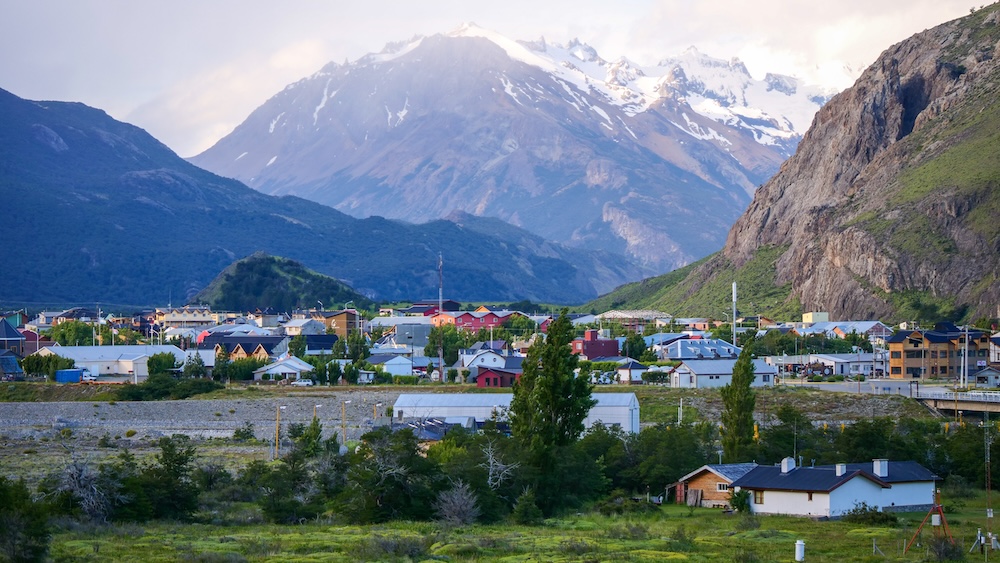
What to do on a wind day (without feeling like you “lost”)
We had a day where the wind essentially said: “No trails for you.” It happens. It’s not failure; it’s Patagonia being Patagonia.
Wind-day menu:
- Sleep in and treat it like recovery (your future knees will send you flowers)
- Long breakfast and a slow stroll around town
- Information center stop to reset your maps and options
- Café hop and write notes (or edit photos and pretend you’re “working”)
- Short sheltered walk if conditions allow (waterfalls and forest edges are clutch)
Tip: The best trips aren’t the ones with perfect weather. They’re the ones with perfect pivots.
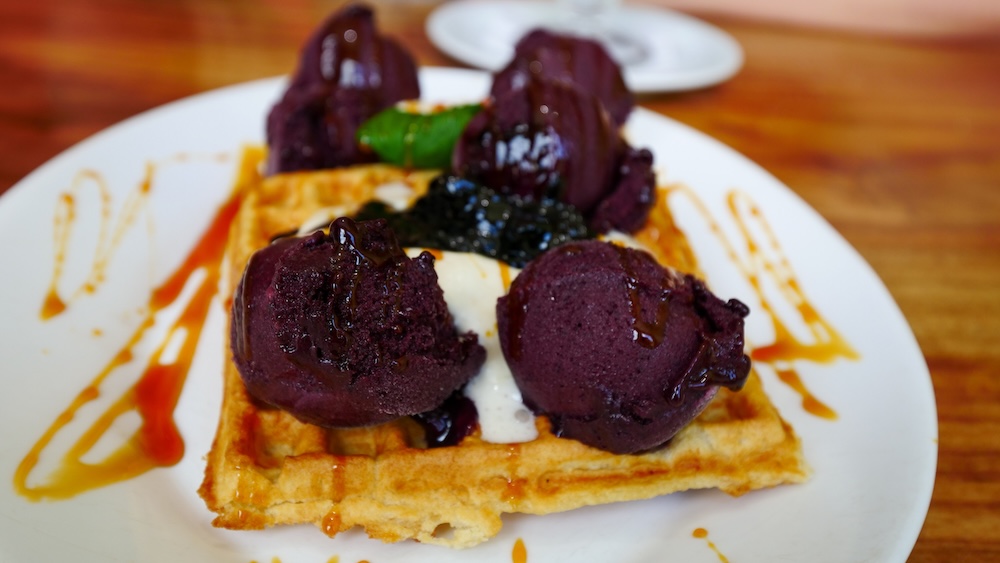
The food-and-recovery truth (because legs are part of weather)
Weather planning isn’t just “what’s the forecast.” It’s also “what’s our body doing?”
After Laguna de los Tres, we slept like we were paying rent in the mattress. The next day was not a “light walk” day. It was a “move our skeletons carefully” day. If you stack big hikes without rest, you’ll end up choosing cafés not because of wind, but because your knees are beyond toast.
We genuinely did the post-hike zombie shuffle—stiff, hungry, and emotionally attached to carbohydrates. El Chaltén is perfect for that phase of life: you hike hard, recover harder, and suddenly your trip plan includes “eat something legendary” as a legitimate strategy for tomorrow’s morale.
Practical rhythm that works:
- Big hike day → recovery day → medium hike day → flexible day
- If the wind is brutal, treat it as your recovery day and don’t feel guilty
- Eat like you’re training for tomorrow, not just rewarding today
Packing by month: the “don’t be miserable” essentials
If I could redo our week, I’d keep the same mindset: windproof shell always, gloves and beanie always, and a break layer that’s easy to grab fast. The comfort difference between “prepared” and “Patagonia taught me a lesson” is… significant.
| Item | Summer (Dec–Feb) | Shoulder (Mar–Apr, Oct–Nov) | Winter-ish (May–Sep) |
|---|---|---|---|
| Windproof shell | Must | Must | Must |
| Warm mid-layer (fleece/puffy) | Yes | Absolutely | Absolutely + warmer |
| Gloves + beanie | Yes (real ones) | Yes | Yes (serious ones) |
| Sun protection | High priority | Still needed | Still needed on clear days |
| Waterproof layers | Handy | Essential | Essential |
| Traction (microspikes/crampons) | Optional | Sometimes | Often essential |
| Trekking poles | Nice to have | Strongly recommended | Strongly recommended |
| Dry bag / pack cover | Helpful | Helpful | Helpful |
| Thermos / warm drink | Optional | Nice | Very nice |
The “weather insurance” playbook (how to actually plan a trip)
Three-day trip (high efficiency, low margin)
- Day 1: Arrive + Mirador de los Cóndores / Águilas (sunset if possible)
- Day 2: Best forecast window = big hike (Tres or Torre)
- Day 3: Plan B hike (waterfall, miradores, or the other big one if conditions are perfect)
Six-day trip (the sweet spot we did)
This is basically how our week behaved: arrival plus a sunset viewpoint, one big Fitz Roy window, a recovery day we absolutely needed, a wind day that turned us into indoor people, then Torre when conditions were workable, and finally shorter wins to round it out. The point isn’t copying our exact schedule—it’s copying the logic.
- Day 1: Arrival + short hike
- Day 2: Trophy objective on best day
- Day 3: Recovery + town day
- Day 4: Flex day (weather pivot)
- Day 5: Second big hike
- Day 6: Easy hike + bonus viewpoint
One-week trip (luxury: you can outsmart Patagonia)
- Two trophy days protected by buffers
- One full rest day
- Multiple short hikes as “win anyway” options
- A wild card day for whatever the sky gifts you
Plan your trip: the quick recap
- Treat wind and gusts as your primary planning metric.
- Save trophy hikes for the clearest forecast window.
- Build at least one buffer day for every two big hikes.
- Pack for sun, wind, and cold on the same day.
- Have a Plan B hike that still feels like a victory.
- Download what you need before you leave Wi-Fi.
✨ Ready to lock in your El Chaltén plan?
- 🥾 Browse El Chaltén tours on Viator
- 🏨 Find El Chaltén hotels on Booking.com
- 🚗 Compare El Calafate car rentals on DiscoverCars
- 🚌 Book El Calafate → El Chaltén buses on Busbud
El Chaltén Weather by Month FAQ: Trail Reality, Packing, and Planning Smarter
What’s the best month for clear Fitz Roy views?
January and February usually offer your best odds, with long daylight and peak summer conditions. But “best odds” is the key phrase—plan your trophy hike for the clearest forecast window, not for a specific weekday.
Is December a good time to hike in El Chaltén?
Yes. December has huge daylight and strong hiking energy, but it can also deliver brutal wind days. Our trip had everything: a perfect Fitz Roy window, a moody Torre day, and a day where the wind turned us into café people.
How windy is El Chaltén in summer, really?
Wind is common enough that you should treat it as the default, especially at viewpoints and exposed sections. If you pack like it might be calm, Patagonia will teach you humility with interest.
What month is the least crowded?
Late autumn and winter are quieter, but the tradeoff is harder trail conditions and shorter daylight. March and April can be a nice balance: fewer people, still plenty of hiking potential.
Can it snow in El Chaltén in summer?
It can, especially closer to colder microclimates and at elevation. Even if it doesn’t snow, conditions can feel wintry up high when wind and cloud roll in.
What’s the rain situation—constant or occasional?
It’s more “frequent possibilities” than “monsoon season.” You may get short showers, drizzle, or mixed conditions. The bigger issue is rain combined with wind, which makes you cold fast.
How do we choose between Laguna de los Tres and Laguna Torre based on weather?
If visibility is excellent and gusts are manageable, choose Tres for the iconic payoff. If peaks are clouded or wind is high, Torre often feels more rewarding because the scenery builds along the way.
What’s the most important clothing item?
A windproof shell. Not because it’s glamorous, but because it turns an exposed viewpoint from misery into something you can actually enjoy.
Do we need trekking poles?
They’re helpful year-round and especially valuable in shoulder seasons and winter conditions. Poles reduce fatigue on long descents and add stability when trails are wet, muddy, or icy.
Do we need microspikes or crampons?
In summer, usually not. In shoulder seasons, sometimes. In winter months, traction can be essential depending on conditions. If trails are icy, traction can be the difference between “fun day” and “falling a lot.”
What time should we start hikes in summer?
Earlier than you think—mainly to beat crowds and to catch calmer conditions. Long daylight gives flexibility, but starting early buys you options if weather shifts later.
How do we plan around bad weather days without feeling like you wasted the trip?
Bad weather days are part of the El Chaltén experience. Use them as recovery days, café days, short-walk days, and forecast-monitoring days. Download or screenshot what you need the night before so a weak signal doesn’t decide your day for you.
Project 23 Argentina: This guide is also available in Spanish. [Lea la versión en castellano: Clima en El Chaltén por Mes: Cómo se Siente en los Senderos (No Solo Promedios)]
Further Reading, Sources & Resources
If you want to double-check the month-by-month patterns (wind, visibility, precipitation timing, and daylight), these are some key core resources worth checking out.
Official park info + trail guidance (most important)
- https://www.argentina.gob.ar/interior/ambiente/parquesnacionales/patagonia-austral/parque-nacional-los-glaciares/panoramica
- https://www.argentina.gob.ar/sites/default/files/2019/06/folleto_senderos_zona_norte_pnlg_espanol_2024.pdf
Weather/climate baselines (useful, but don’t confuse with trail reality)
- https://www.meteoblue.com/en/weather/historyclimate/climatemodelled/el-chalt%C3%A9n_argentina_6690180
- https://www.timeanddate.com/weather/@6690180/climate
Forecast tools that actually help hikers (wind + gusts + timing)
Daylight planning (start-time realism)
Notes on accuracy
- El Chaltén weather is intensely shaped by wind, elevation, and exposure, so “averages” help with vibe and packing, but your trail experience depends on gusts + cloud ceiling + timing.
- For day-of safety decisions, prioritize official park guidance and local updates, then use wind-focused forecast tools to plan smart margins.