
El Chaltén is like being handed two desserts and still asking if you can squeeze in a third.
You land in town, see the mountains towering over the rooftops, and your brain immediately goes: “We can do Fitz Roy, Torre, a sunset viewpoint, a waterfall… and if we’re feeling spicy, a panoramic ridge.”
That’s the El Chaltén delusion talking.
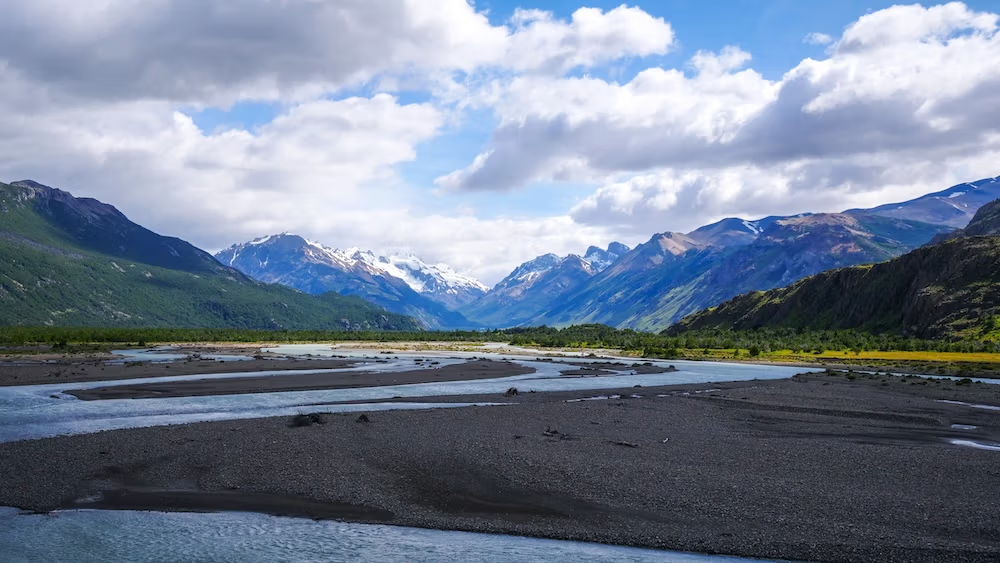
Because yes—this place is a hiking playground where world-class trails start right from town. But it’s also a place where:
- the wind can turn your face into a windsock,
- your legs can go from “spry” to “wooden chair” overnight,
- and the “short” last section of a famous hike can feel like the final boss of a video game you didn’t train for.
Audrey and I learned this the delightful (and mildly painful) way on our own trip: we did the two classics—Laguna de los Tres (Fitz Roy) and Laguna Torre (Cerro Torre)—and we still needed buffer time for recovery, weather, and the very important activity also known as “eating a heroic amount of food.”
Also, we arrived in El Chaltén at the exact moment our bodies decided to stage an intervention. We’d been “enjoying Patagonia” a little too enthusiastically — the kind of eating spree where jeans stop fitting and you start describing yourself with words like “bulbous” and “rotunding.” So yes, we came for trekking… but we also came to move our skeletons.
This guide is the itinerary we wish we had.
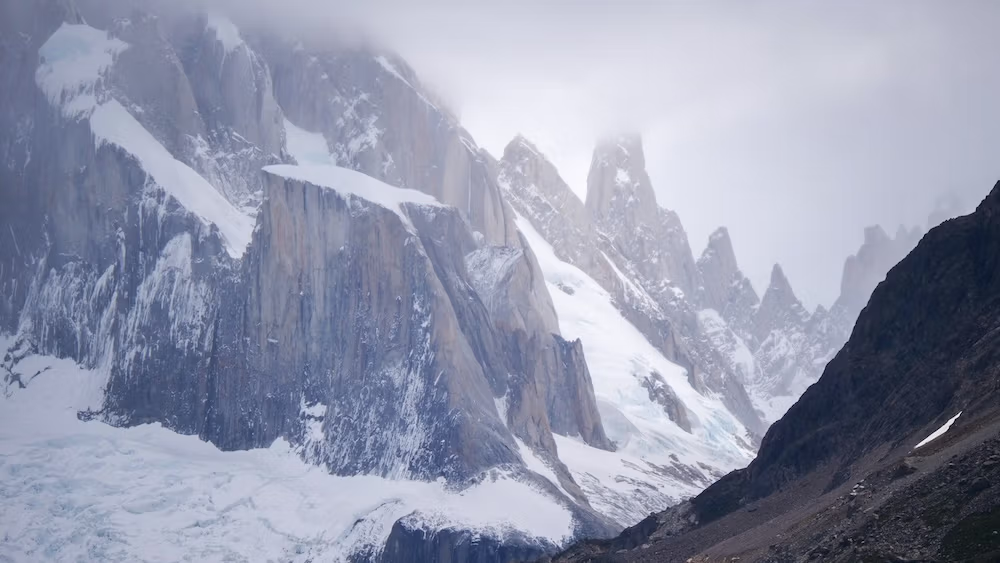
Our first impression: El Chaltén feels like a colorful little frontier outpost — except the “background scenery” is a full-on wall of mountains that looks surreal until you remember you’re standing inside it.
It’s built for those who want to do the big hikes, see the iconic views, and still enjoy El Chaltén as a town—cafés, pizza, sunsets, and a few strategically scheduled “resting legs” moments.
El Chaltén in one sentence
Two trophy hikes, one flexible wild card, two “short win” days, and at least one buffer day—because Patagonia doesn’t care about your personalized itinerary.
🧾 Quick Booking: Your El Chaltén Travel Essentials 🥾✨
🎒 Your Travel Toolkit (Book These 4 Things)
| ✅ What to book | 💡 Why it’s worth it | 🔗 Quick link |
|---|---|---|
| 🥾 Tours & experiences | Easy way to lock in a glacier day, a Lago del Desierto adventure, or a guided option when weather turns moody | Browse El Chaltén tours on Viator |
| 🏨 Hotels & stays | El Chaltén sells out fast in peak season — booking early = better locations + fewer “only the priciest rooms left” moments | Find El Chaltén hotels on Booking.com |
| 🚗 Car rentals (optional) | Best for freedom days: Ruta 40 viewpoints, flexible timing, photo stops, and a smoother Lago del Desierto run | Compare car rentals in El Calafate (gateway to El Chaltén) on DiscoverCars |
| 🚌 Bus tickets | The classic El Calafate ↔ El Chaltén route is simple — but popular departure times fill up | Book El Calafate → El Chaltén buses on Busbud |
👉 One-click backup (reverse direction): Book El Chaltén → El Calafate buses on Busbud
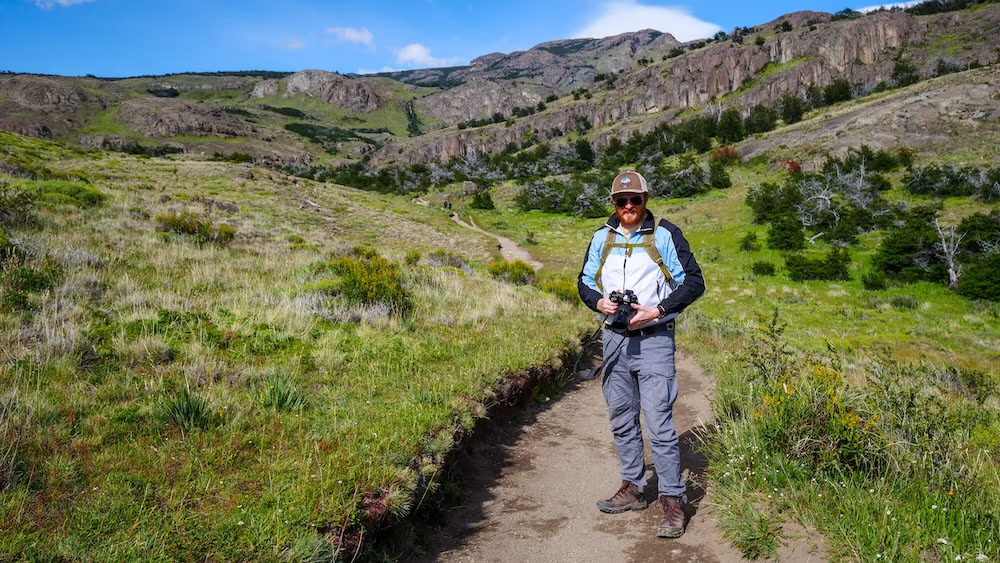
How to use this itinerary
This post gives you three versions (4, 5, or 6 days). They all follow the same logic:
- Arrive and do a short hike first
You’ll feel productive, you’ll get a view, and you won’t wreck yourself. - Save the clearest day for Fitz Roy (Laguna de los Tres)
This is the hike that benefits most from clear skies. - Build in recovery
Not “maybe we’ll rest if we’re weak.” Actual recovery. - Use Laguna Torre as your flexible marquee day
It’s still a full day, but it’s often more forgiving than Fitz Roy. - Add your extras based on energy + forecast
Waterfall day, viewpoint day, a panoramic ridge, or a Lago del Desierto outing.
If you only remember one thing:
El Chaltén rewards flexibility more than stubbornness.
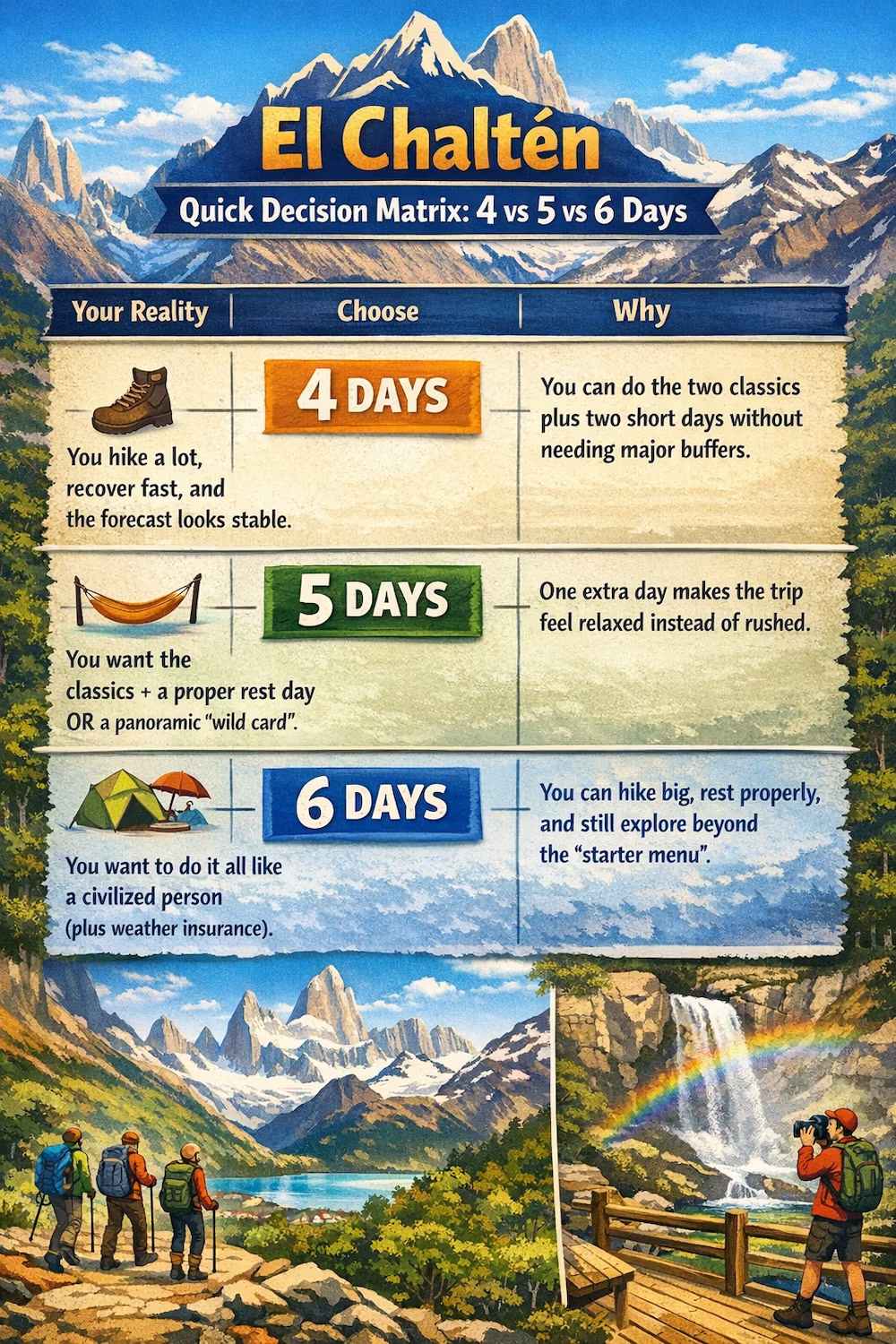
Quick decision matrix: 4 vs 5 vs 6 days
| Your reality | Choose | Why |
|---|---|---|
| You hike a lot, recover fast, and the forecast looks stable | 4 days | You can do the two classics plus two short days without needing major buffers |
| You want the classics + a proper rest day OR a panoramic “wild card” | 5 days | One extra day makes the trip feel relaxed instead of rushed |
| You want to do it all like a civilized person (plus weather insurance) | 6 days | You can hike big, rest properly, and still explore beyond the “starter menu” |
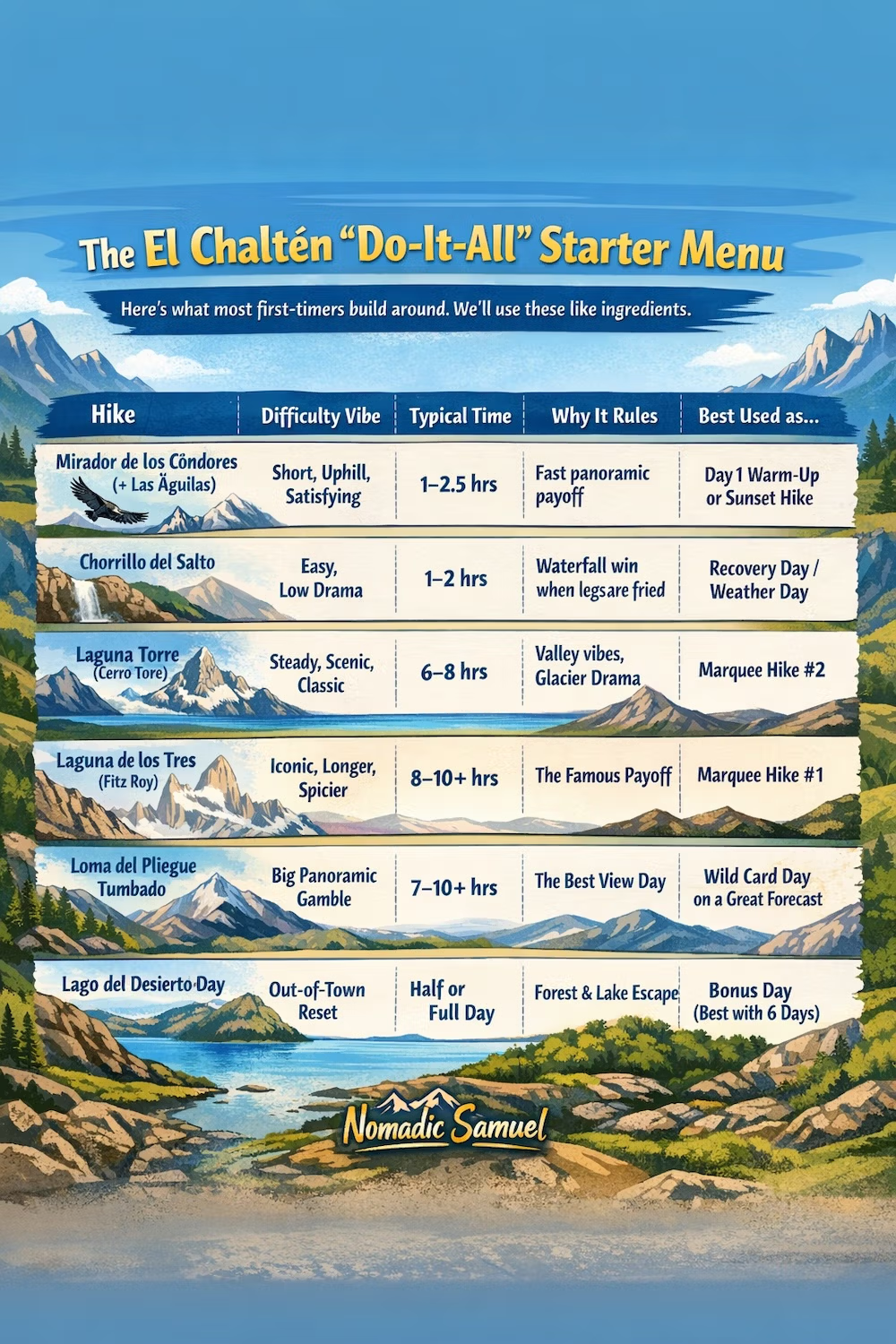
The El Chaltén “do-it-all” starter menu
Here’s what most first-timers build around. We’ll use these like ingredients.
| Hike | Difficulty vibe | Typical time | Why it rules | Best used as… |
|---|---|---|---|---|
| Mirador de los Cóndores (+ Las Águilas) | Short, uphill, satisfying | 1–2.5 hrs | Fast panoramic payoff; perfect for arrival day | Day 1 warm-up or sunset hike |
| Chorrillo del Salto | Easy, low drama | 1–2 hrs | Waterfall win when legs are fried | Recovery day / weather day |
| Laguna Torre (Cerro Torre) | Steady, scenic, classic | 6–8 hrs | Valley vibes, glacier drama, less “final boss” | Marquee hike #2 |
| Laguna de los Tres (Fitz Roy) | Iconic, longer, spicier | 8–10+ hrs | The famous payoff; the photo you came for | Marquee hike #1 |
| Loma del Pliegue Tumbado | Big panoramic gamble | 7–10+ hrs | The best view day if skies behave | Wild card day on a great forecast |
| Lago del Desierto day | Out-of-town reset | Half or full day | Forest + lake + different scenery | Bonus day (best with 6 days) |
The secret sauce: order the days for weather, not ego
El Chaltén isn’t hard because the trails are complicated. It’s hard because conditions change fast, and the wrong order turns a great trip into a string of compromises.
Use this order rule:
| Forecast vibe | Put first | Put later |
|---|---|---|
| Clear, stable, low wind | Laguna de los Tres (Fitz Roy) | Lago del Desierto / cafés |
| Cloudy but calm | Laguna Torre (still excellent moody) | Pliegue Tumbado |
| Windy (especially gusty) | Waterfall + town day | Exposed ridges (Pliegue Tumbado) |
| Mixed bag / uncertain | Short hikes and buffer days | Commit only when you see the morning sky |
Tickets, access, and the “don’t get surprised” stuff
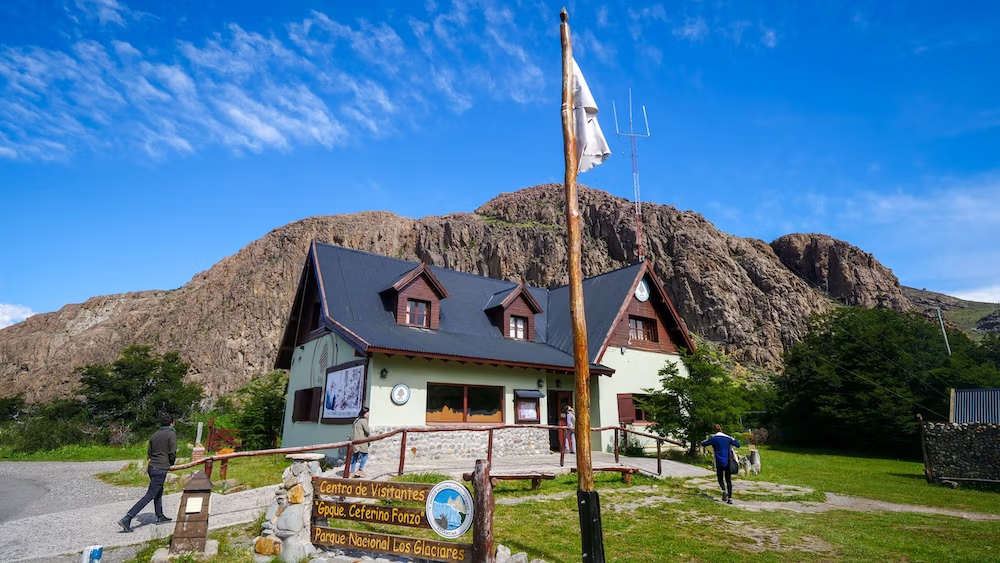
El Chaltén is easy in the sense that you can walk to trailheads. It’s less easy in the sense that there are now formal access points and ticketing rules, and Argentina loves to update systems when you least expect it.
Here’s how to avoid a bad start:
- Plan to buy whatever park access/tickets you need online (and keep a card handy).
- Screenshot confirmations if you’re worried about signal.
- Check current trail status the night before and again in the morning—Patagonia likes plot twists.
If you’re camping, treat it like a reservation-based experience rather than a “show up and vibe” situation. Book ahead when possible, especially in high season.
Getting to El Chaltén and why Day 1 should be short
Most folks arrive via El Calafate. For us it was about a 3-hour bus ride, and honestly it felt like a sightseeing tour: turquoise water, rugged landscapes, and nonstop “wow” out the window. The problem is… your legs arrive ready to hike, but your brain arrives shaped like a bus seat.
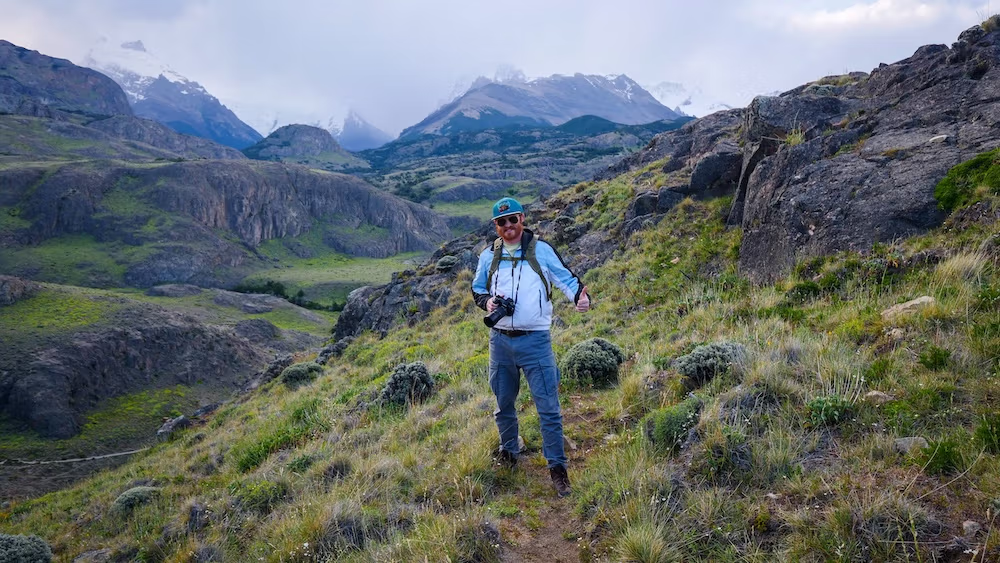
On our trip, Audrey and I arrived, checked into our lodge, did a quick town setup, and then went straight for a short hike to Mirador de los Cóndores at sunset. It was the perfect move: we got the big “hello mountains” moment without spending our first evening face-down on the bed.
December daylight is a beautiful liar out here. Sunset energy makes you think you have infinite time… and then you look at the clock and it’s basically 10pm and you’re still pretending you’re responsible + will “definitely” get up early tomorrow.
👉 Compare El Calafate car rentals on DiscoverCars (best gateway for El Chaltén)
Arrival day game plan (the sane version)
Our actual Day 1 sequence was hilariously simple: pizza first, groceries second, hike third. We were basically “buzzer beating” the daylight — not the only ones doing it either — because the Mirador de los Cóndores hike is short, but that last uphill still makes you earn the view.
| Time | What we do | Why it works |
|---|---|---|
| Afternoon | Check in, snacks, water, quick grocery run | Sets you up for early starts |
| Early evening | Mirador de los Cóndores (optional Las Águilas) | Fast payoff, great light, zero commitment |
| Night | Early dinner + sleep | Tomorrow is a real hike day |
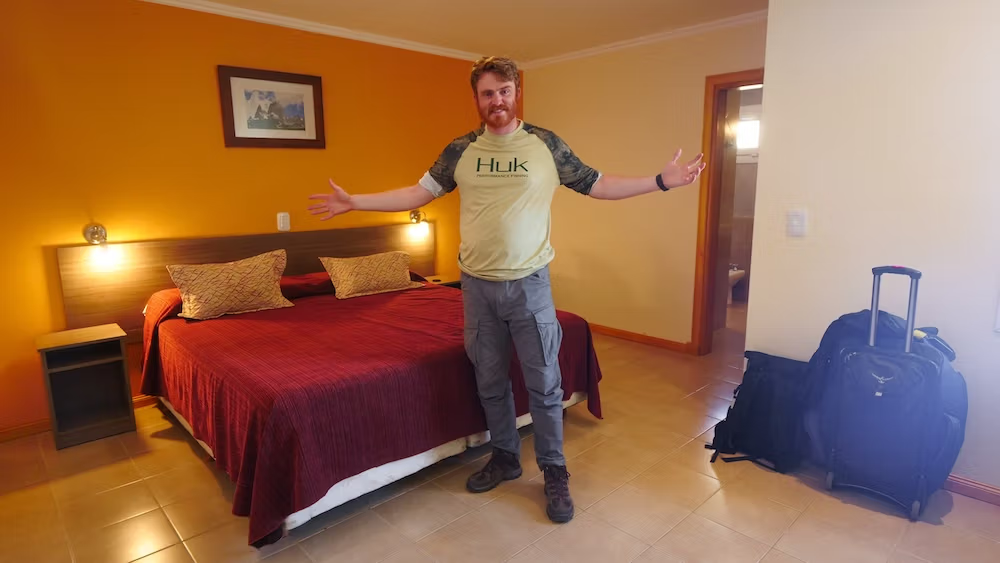
🏨 Where to Stay in El Chaltén (Our Top Hotel Picks)
⭐ Quick Booking Box: El Chaltén Hotels (Compare Rates)
| Pick | Best for | Vibe | Booking link |
|---|---|---|---|
| 🏆 Top Pick | First-timers who want an easy, reliable base | Comfortable “no-regrets” stay | Compare top stays in El Chaltén on Booking.com |
| 💎 Boutique / Treat-Yourself | Couples, hikers celebrating a big trek, views + comfort seekers | Cozy-luxe Patagonia energy | Browse boutique stays in El Chaltén on Booking.com |
| 🏘️ Mid-range (great value) | Most travelers who want comfort without splurging | Warm, practical, walkable | Find mid-range El Chaltén hotels on Booking.com |
| 💰 Budget | Road-trippers + hikers who only need a clean base | Simple, wallet-friendly | See budget stays in El Chaltén on Booking.com |
🔎 Want to browse all options instead?
👉 Compare all El Chaltén stays on Booking.com
El Chaltén is small, walkable, and very “trail town.” The main question isn’t where you’ll be—it’s what kind of trip you want.
| Stay style | Best for | What to look for |
|---|---|---|
| Hostel / lodge (We stayed at Vertical Lodge) | Social hikers, budget travelers | Early breakfast, gear-friendly rooms, drying space |
| Hotel | Comfort + quiet | Heat, good showers, blackout curtains, reliable Wi-Fi (try) |
| Apartment | Longer stays, cooking | Kitchen, laundry access, good location in town |
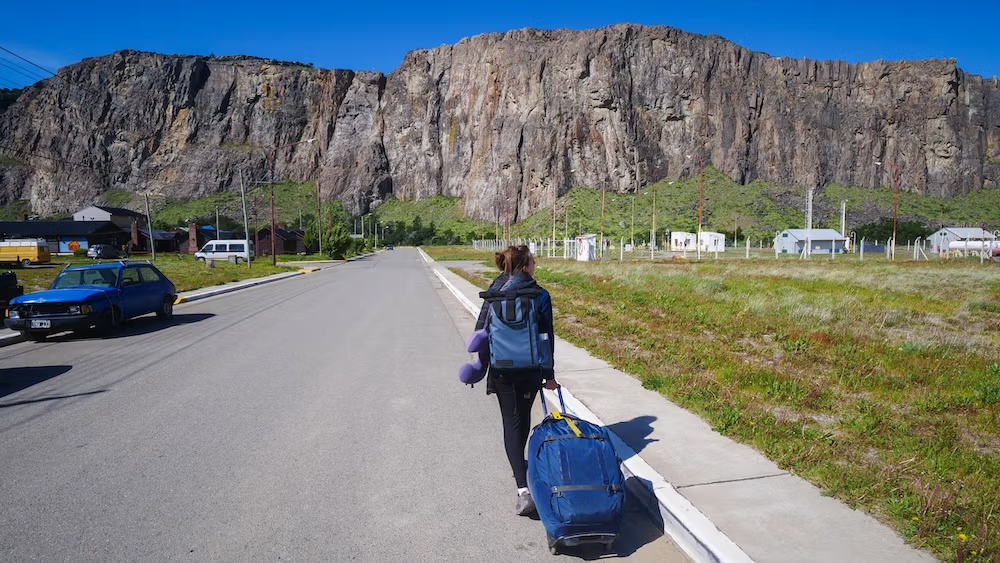
We stayed at Vertical Lodge close to the bus terminal, and the convenience was fantastic: less dragging bags, easier early mornings, and you’re never far from food. Moreover, our place served breakfast around 6:30am, which is basically the official El Chaltén hiking time zone. Plus, they had $10 lunchboxes on offer (we took full advantage of those).
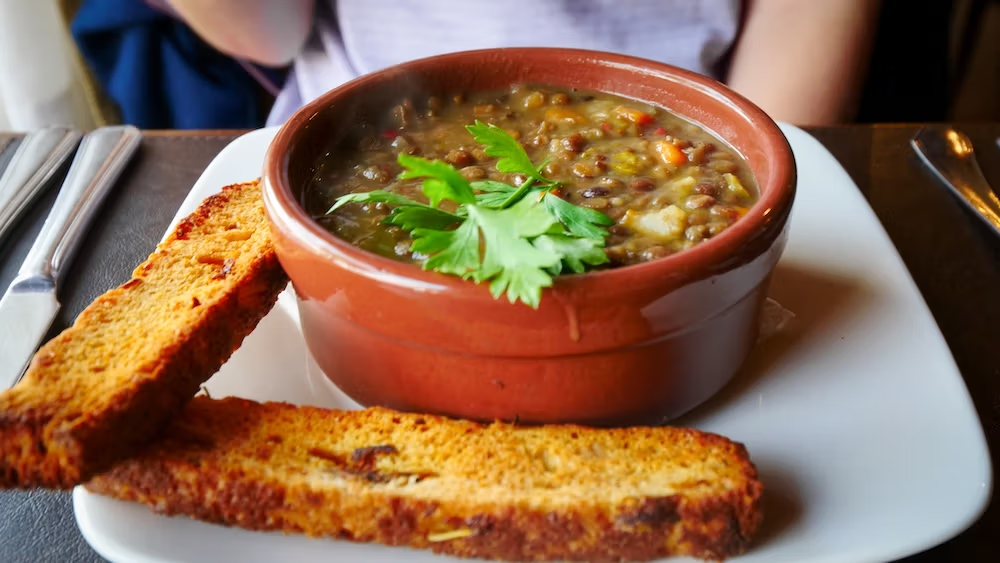
Food and fuel: the unofficial third hike
El Chaltén is a place where you can hike 20+ kilometers and then still eat like a small bear preparing for winter.
Our most useful food strategy was painfully simple:
- Eat a real breakfast
- Pack snacks like you’re feeding a teenager
- Plan a post-hike “reward meal”
- Don’t pretend your body runs on vibes
Our “hike day fuel” checklist
One ridiculously convenient El Chaltén hack: a lot of hotels/guesthouses offer a hiker lunchbox. You order the night before, grab it in the morning, and boom — you’re not stress-shopping at 7am like a confused raccoon. Audrey and I paid about $10 USD per lunchbox, which felt pricey… but on a big hike day, convenience is a valid currency.
- Water (and more than you think)
- Fruit (apples & bananas are nice)
- Salty snacks (chips, nuts, crackers)
- Something sugary for morale (chocolate always a winner)
- Sandwich or lunchbox
- Optional: electrolytes if you sweat like an anxious fountain
Our favorite “reward” concept
Pick one meal each day that feels like an event. We had a post-hike dinner that included risotto, wine, dessert, and the kind of waddling walk back to our room that says, “We did it, and now we’re drifting off into a food coma.”
Packing for El Chaltén: the non-negotiables
Patagonia is not impressed by your optimism. Pack like the weather is trying to prank you.
The “don’t be heroic” packing list
- Wind layer (the real MVP)
- Warm mid-layer
- Rain shell (even if it looks perfect at breakfast)
- Sun protection (hat + sunscreen; the sun can be sneaky)
- Hiking shoes with decent grip
- Trekking poles (especially if you value knees)
- Headlamp (for early starts, late finishes, or “we misjudged everything”)
- Blister kit
- A small packable seat pad if you like comfort at viewpoints
Clothes rule that saved our sanity
Dress for the hike you’ll have at the top, not the weather you’re experiencing while ordering coffee in town.
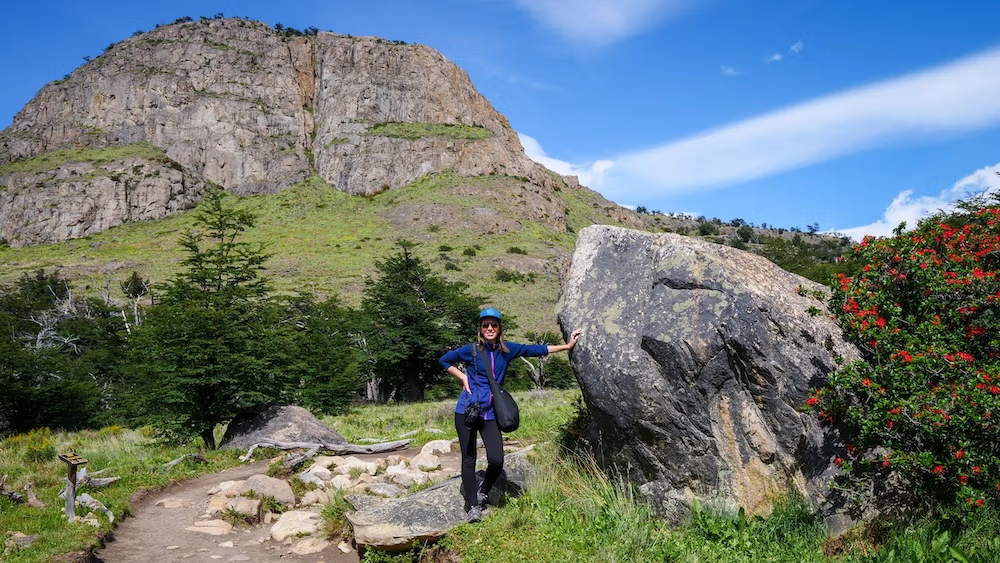
The biggest mistake people make in El Chaltén
They schedule back-to-back-to-back big days because it sounds tough and looks good on paper.
After our big Fitz Roy day, we had a great dinner… and then we were basically in bed by 8:30pm. We slept 10–12 hours and still woke up feeling like our legs were jell-o.
Here’s the reality:
| If you do… | What usually happens | The fix |
|---|---|---|
| Fitz Roy + Torre with no buffer | Day 3 becomes a zombie movie | Put a rest/short day between |
| Ignore wind | Your progress becomes slow, miserable, and weirdly loud | Choose valleys/forests or a café |
| Late starts on popular trails | You meet the whole internet in hiking boots | Start early, especially for Fitz Roy |
| Lock the plan no matter what | You “complete” hikes but miss the best moments | Build swaps into your schedule |
The Itineraries
Pick the version that matches your time and your leg-confidence.
4 Days in El Chaltén: the classic do-it-all (tight but doable)
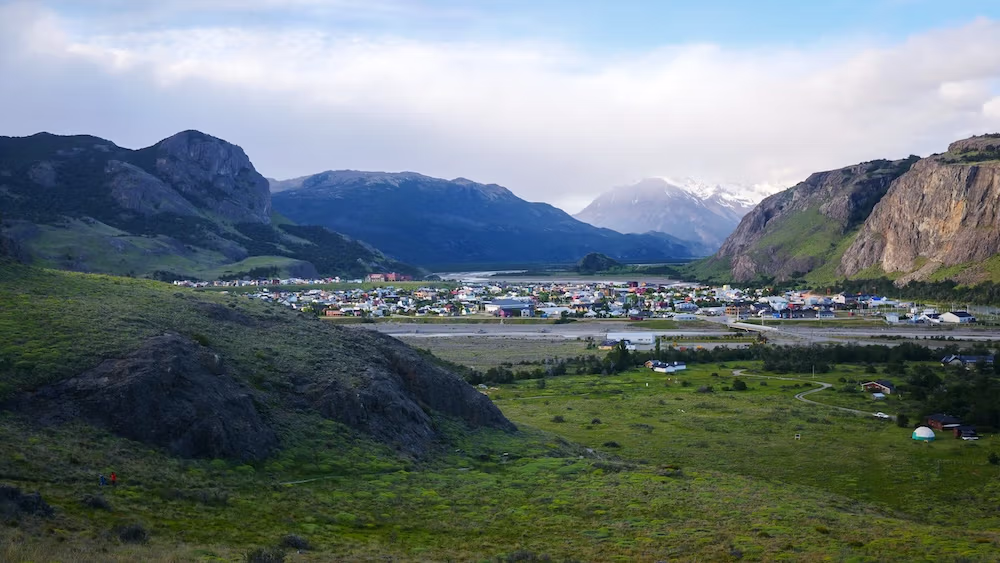
Day 1: Arrival + Mirador de los Cóndores (sunset if possible)
This is your “we’re here” day. You’re travel-stiff, your brain is still half on the bus, and your legs don’t yet know what’s coming.
I loved doing Mirador de los Cóndores right away because it gives you a panoramic view of town and the surrounding peaks with minimal time commitment. It’s uphill, but it’s short enough that you can still go out for dinner afterwards.
Optional upgrade: keep going to Mirador de las Águilas for a longer, quieter viewpoint loop.
Day 1 game plan
| Priority | Do this | Skip this |
|---|---|---|
| Must-do | Short hike + groceries + early sleep | A late-night “we’ll just have one drink” lie |
| Nice-to-have | Sunset timing + photos | Overplanning tomorrow at 11:30pm |
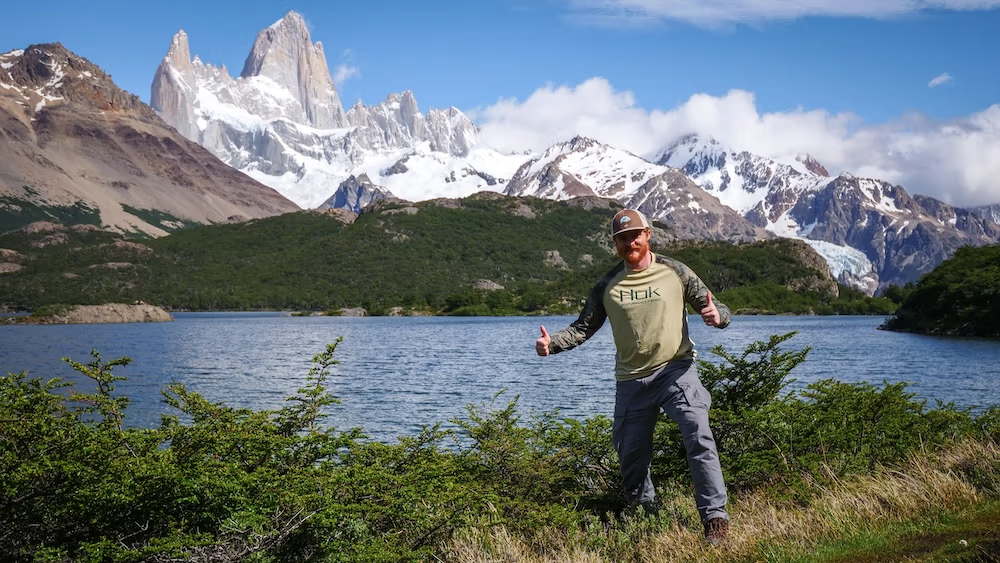
Day 2: Laguna de los Tres (Fitz Roy trophy day)
This is the one. The famous one. The “I came to Patagonia and my camera now has a mind of its own” one.
Our day had everything: excitement, snacks, a beautiful checkpoint at Laguna Capri… and then the famous steep final section where the trail feels like it turns into a staircase made of loose rocks and personal doubt.
Full transparency: Audrey and I were not out there as elite “well-oiled” mountain machines. We were doing great… and also occasionally fantasizing about being carried out on a sedan chair at the same time. By the final stretch we were ravenous, our feet were throbbing, and the only thing keeping us moving was snacks, scenery, and stubbornness.
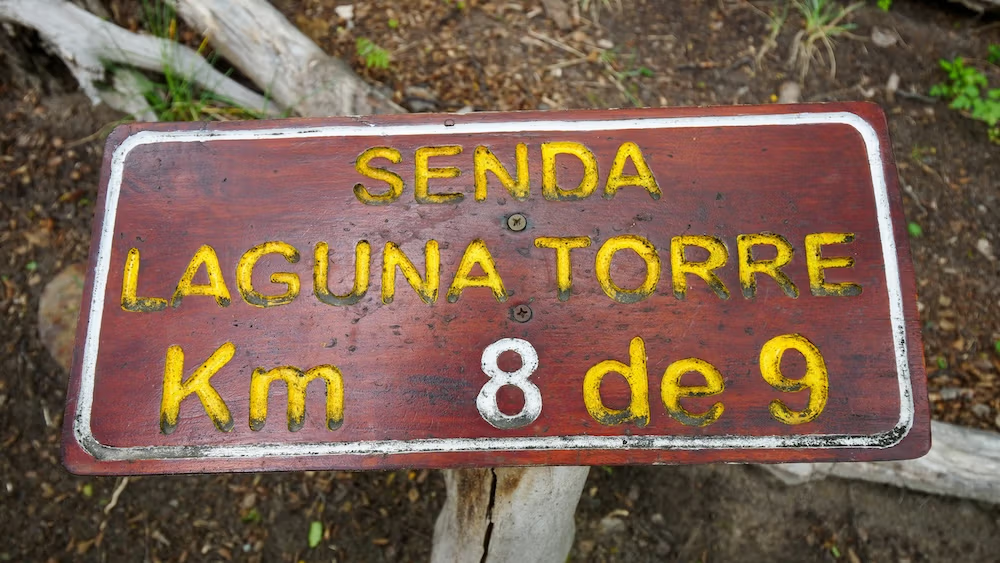
A small tip that helped us mentally: use the kilometer markers as your pacing anchors. When you know where you are, it’s easier to decide whether to detour, push on, or protect your energy.
I loved this more than expected. It turns a massive hike into bite-sized decisions: “Are we moving well?” “Do we have juice for a side trail?” “If we turn around now, what does the rest of the day look like?” It’s essentially a Patagonian progress bar.
The Laguna Capri decision point
Laguna Capri is already a reward. If you’re feeling great, the weather is good, and you started early—keep going. If you’re struggling, you can call it a win (head back) and still have an amazing day.
Day 2 game plan
| Segment | What it feels like | Your move |
|---|---|---|
| Early trail | Fresh legs + smug confidence | Keep a steady pace and don’t sprint |
| Laguna Capri | “This is incredible, we’re done!” | Decide honestly: continue or return |
| Final climb | “Why is this gravel vertical?” | Slow down, poles help, snack breaks |
| Payoff | Wind + awe + emotional silence | Layer up, eat, take photos, enjoy |
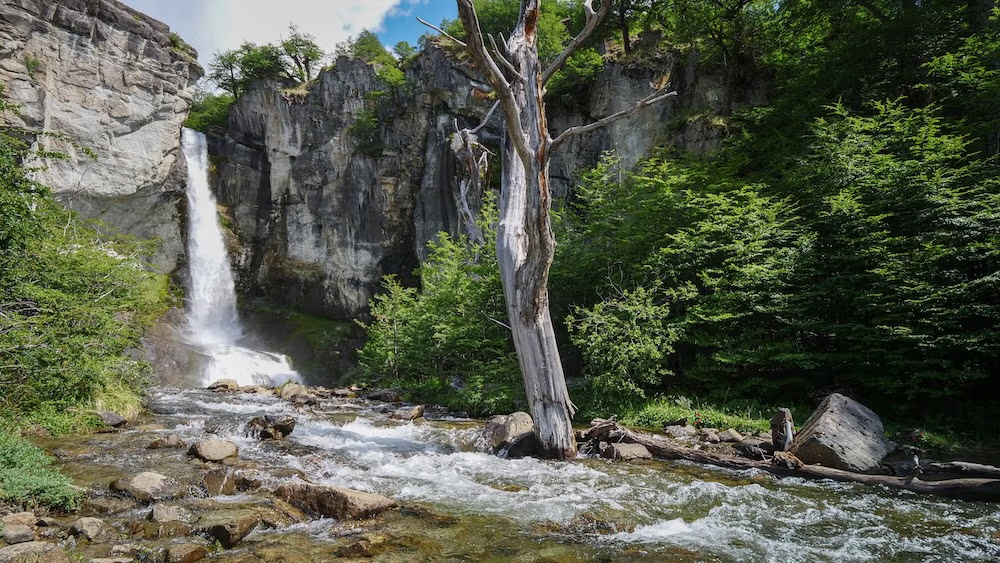
Day 3: Rest legs day (Chorrillo del Salto + food)
After our Fitz Roy day, we slept a ridiculous amount and woke up with legs that felt like they were in a straightjacket.
Chorrillo del Salto is the perfect recovery hike because it’s easy, quick, and still delivers a proper Patagonia waterfall moment. You get an easy win.
Day 3 game plan
- Late breakfast
- Short hike to the waterfall
- Long lunch / café hang
- Grocery restock
- Early night (because you’re still recovering even if you pretend you aren’t)
Recovery day decision table
| If you wake up and feel… | Do this | Avoid this |
|---|---|---|
| Surprisingly fine | Waterfall + viewpoint upgrade | A second “trophy hike” impulsively |
| Stiff and sore | Waterfall only + cafés | Long mileage “just to stay loose” |
| Dead inside | Café + nap + gentle walk | Anything involving “elevation gain” |
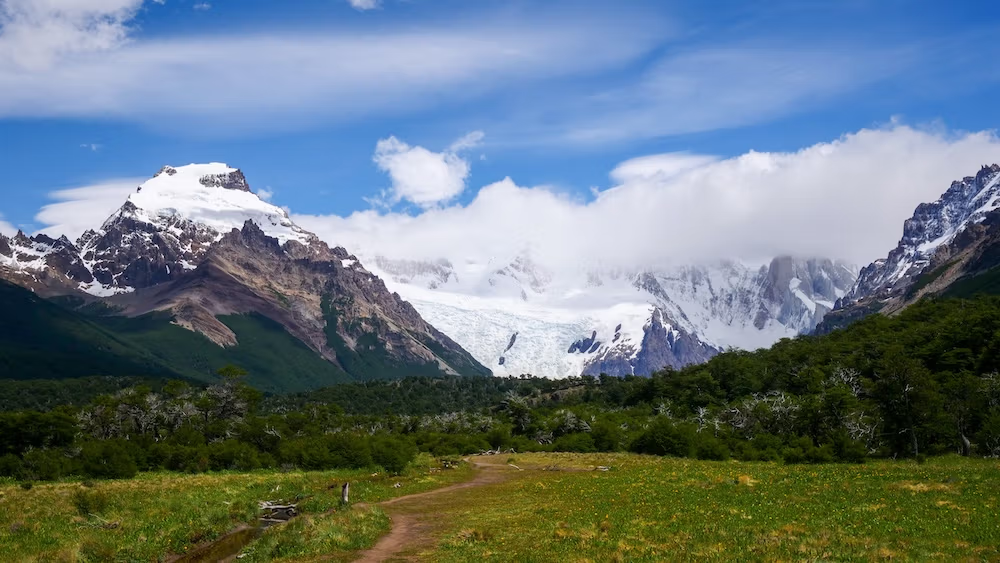
Day 4: Laguna Torre (Cerro Torre classic)
Laguna Torre is the other marquee hike. And it’s a brilliant contrast to Fitz Roy. The trail feels steadier, with forest sections that can shelter you a bit, and the scenery unfolds in a long, scenic valley.
On paper (and in our bodies), it really did feel more forgiving: the elevation gain is modest compared to Fitz Roy, and the day has more of a steady, scenic rhythm instead of that one dramatic “prove yourself” final climb.
We also loved the vibe shift: Fitz Roy feels like the headline act with a crowd; Torre can feel a bit calmer and more atmospheric, especially on moody-weather days.
Important local etiquette note: don’t encourage town dogs to follow you onto the trail. It can create problems for wildlife.
We heard this from park staff/rangers on the trail. So yes, it’s tempting when a friendly dog shows up — but this is one of those we outta leave man’s best friend in the yard moments.
Day 4 game plan
| What you want | How to do Torre | When to turn it into a shorter day |
|---|---|---|
| Full classic day | Go to the lagoon and enjoy the views | If wind increases hard or visibility drops |
| Scenic half-day | Stop at the mirador viewpoint | If your legs are still angry from Fitz Roy |
| Low-stress win | Out-and-back to the early viewpoints | If weather is chaotic |
5 Days in El Chaltén: the sweet spot (classic + one flex day)
With five days, the trip stops feeling like a mission and starts feeling like a vacation. You still do the two classics, but you also get one day to either (a) go panoramic, (b) go glacier-nerdy, or (c) go full “rest legs, but make it Patagonia.”
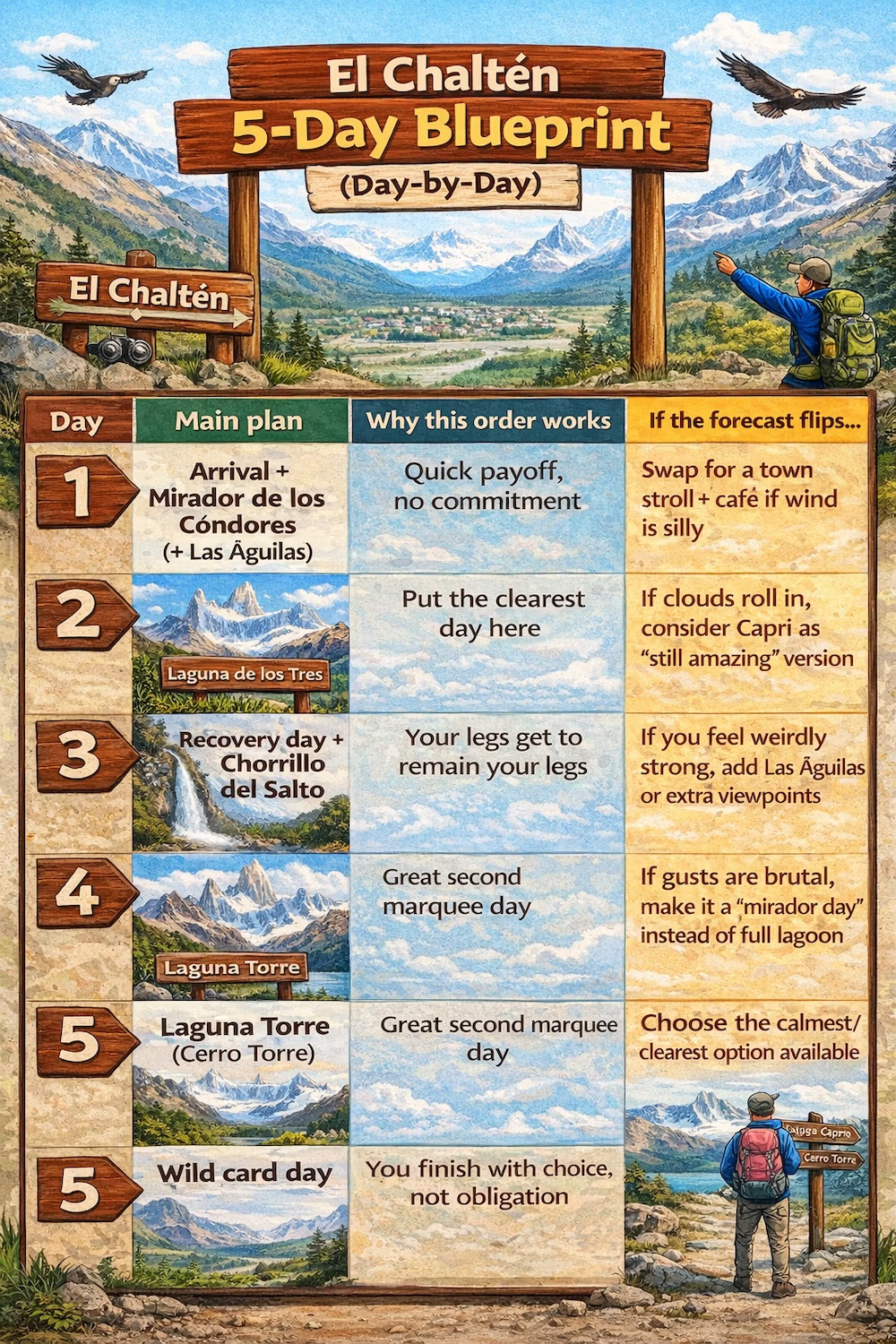
The 5-day blueprint (day-by-day)
| Day | Main plan | Why this order works | If the forecast flips… |
|---|---|---|---|
| 1 | Arrival + Mirador de los Cóndores (+ Las Águilas) | Quick payoff, no commitment | Swap for a town stroll + café if wind is silly |
| 2 | Laguna de los Tres (Fitz Roy) | Put the clearest day here | If clouds roll in, consider Capri as the “still amazing” version |
| 3 | Recovery day + Chorrillo del Salto | Your legs get to remain your legs | If you feel weirdly strong, add Las Águilas or extra viewpoints |
| 4 | Laguna Torre (Cerro Torre) | Great second marquee day | If gusts are brutal, make it a “mirador day” instead of full lagoon |
| 5 | Wild card day | You finish with choice, not obligation | Choose the calmest/clearest option available |
Day 5: choose your adventure (the wild card)
This is where the “do-it-all” itinerary becomes personal. Pick the day that matches your body and the sky.
| Option | Best for | What it feels like | The honest warning |
|---|---|---|---|
| Loma del Pliegue Tumbado | Clear skies + panoramic obsession | Big climb, huge views, bragging rights | Wind can turn it into a grindy regret |
| Mirador Piedras Blancas (glacier overlook add-on) | Glacier curiosity without full chaos | Scenic out-and-back with a purpose | Less “wow” if visibility is poor |
| Laguna Capri (standalone) | Fitz Roy vibes with fewer tears | A very satisfying medium day | You will still take 400 photos |
| Town day deluxe | Wind, rain, or tired legs | Bakeries, pizza, naps, repeat | Your ego will complain; ignore it |
If you’re unsure, pick the option that lets you finish the trip feeling good. Nobody has ever returned from Patagonia saying, “I wish I had been more exhausted.”
6 Days in El Chaltén: do-it-all version
Six days is where El Chaltén becomes almost unfairly enjoyable. You get to hike big, recover properly, and still explore beyond the classic trails—without feeling like you’re overwhelmed.
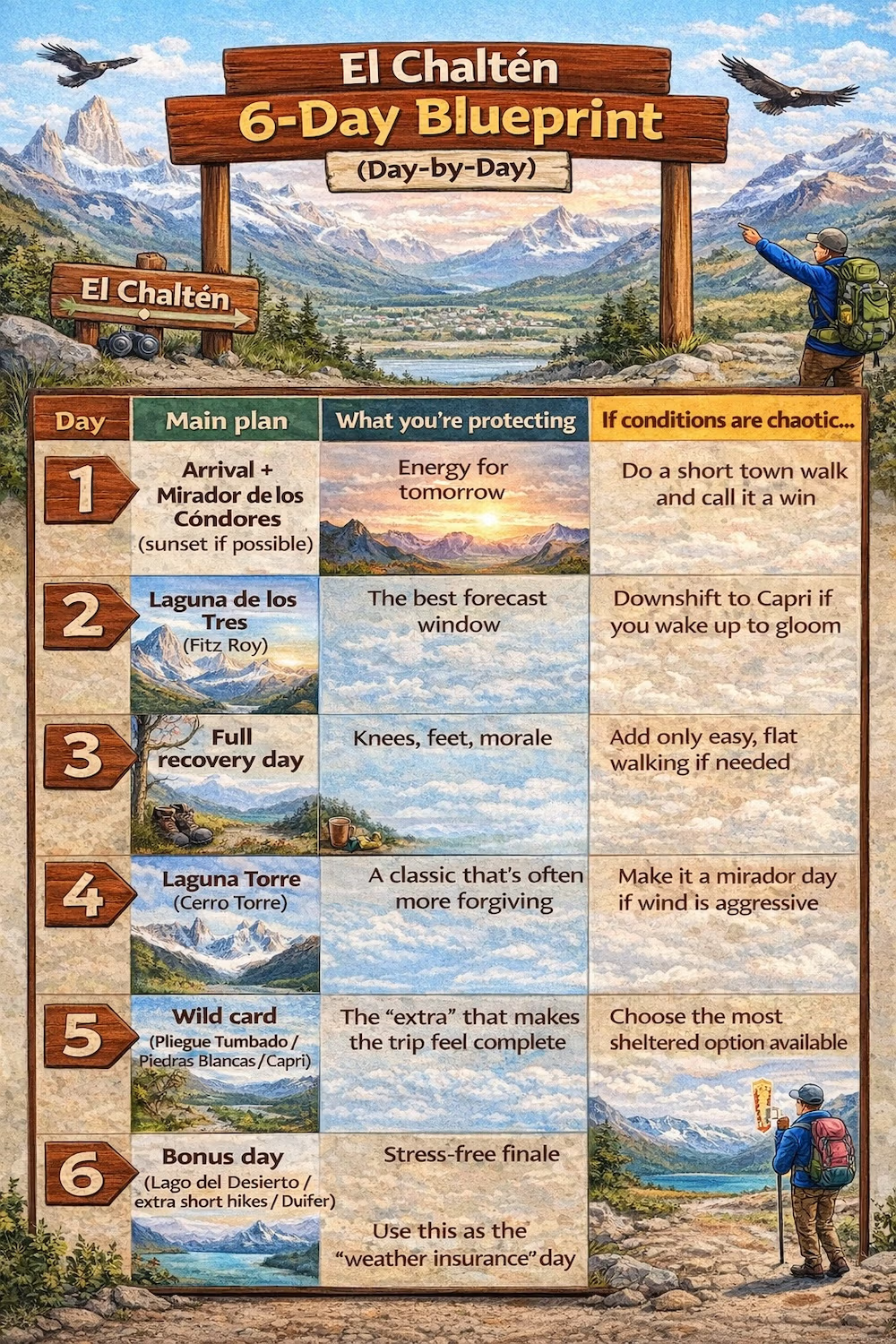
The 6-day blueprint (day-by-day)
| Day | Main plan | What you’re protecting | If conditions are chaotic… |
|---|---|---|---|
| 1 | Arrival + Mirador de los Cóndores (sunset if possible) | Energy for tomorrow | Do a short town walk and call it a win |
| 2 | Laguna de los Tres (Fitz Roy) | The best forecast window | Downshift to Capri if you wake up to gloom |
| 3 | Full recovery day | Knees, feet, morale | Add only easy, flat walking if needed |
| 4 | Laguna Torre (Cerro Torre) | A classic that’s often more forgiving | Make it a mirador day if wind is aggressive |
| 5 | Wild card (Pliegue Tumbado / Piedras Blancas / Capri) | The “extra” that makes the trip feel complete | Choose the most sheltered option available |
| 6 | Bonus day (Lago del Desierto / extra short hikes / buffer) | Stress-free finale | Use this as the “weather insurance” day |
Bonus day: Lago del Desierto (the best reset that still feels epic)
If you have a sixth day, consider using it to leave town for a change of scenery. Lago del Desierto gives you forest, water, and a different Patagonia mood—great if you’ve already had your fill of “wind + valley + granite drama.”
You can keep it simple (transfer + viewpoints) or add short hikes depending on how your legs feel. It’s the perfect closer because it feels like a new chapter rather than “another loop out of town.”
🥾 Plan B Adventures: Tours & Easy Day Trips from El Chaltén
Even hardcore hikers end up with a “Plan B” day in Patagonia. When the wind is feral, legs are toast, or you just want someone else to handle the logistics, these Viator options are easy wins.
👉 Browse El Chaltén tours (plus nearby options) on Viator
| Option | Best for | Book it |
|---|---|---|
| 🚌 El Chaltén “Complete Experience” day tour (from El Calafate) | A low-effort way to “see El Chaltén” without committing to a big hike | El Chaltén Complete Experience Full-Day Tour from El Calafate (Viator) |
| 🧊 Perito Moreno Glacier full-day + optional boat safari | Classic Patagonia bucket-list day that doesn’t require hardcore hiking | Perito Moreno Glacier Full-Day Tour with Optional Boat Safari (Viator) |
| 🚤 “Todo Glaciares” navigation (Upsala + Spegazzini) | Big-glacier scenery with max comfort (aka: let the boat do the work) | Glaciares Gourmet Navigation: Upsala & Spegazzini Navigation (Viator) |
| 🗿 El Calafate city tour + Walichu Caves | A cultural/history reset day (great when the weather is moody) | El Calafate City Tour + Walichu Caves (Viator) |
| 🚙 Nativo Experience: Lakes & Caverns (4×4 style) | Off-road adventure + viewpoints when you want something different than trails | Nativo Experience: Lakes & Caverns (Viator) |
| 🇨🇱 Torres del Paine full-day trip (from El Calafate) | Maximum “Patagonia wow” in one day (long day, huge payoff) | Torres del Paine Full-Day Tour from El Calafate (Viator) |
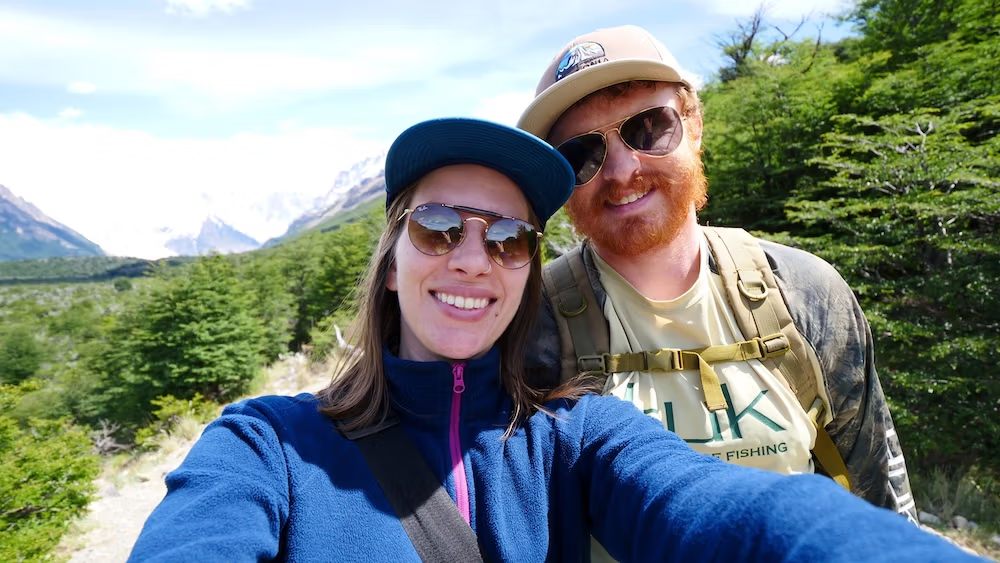
Our real trip pacing (the messy “foodie” version)
Here’s how it actually played out for us, which is why this guide is built around 4–6 days instead of fantasy-hiking.
Day 1: We arrived, dropped our bags, did the town setup, and went straight to Mirador de los Cóndores. It was the perfect “hello, El Chaltén” moment—big views, golden light, and just enough uphill to feel like we earned dinner.
Day 2: Audrey and I went for Laguna de los Tres. We made a minor trailhead mistake early on (classic “we forgot the map and walked a slightly inefficient route” energy), but once we were on track, the day became a steady build-up: kilometer markers, snacks, that gorgeous Laguna Capri checkpoint… and then the steep final section that feels like the trail suddenly wants you to prove your worth. At the top, the wind was doing its dramatic Patagonia performance, so we crouched behind rocks and gobbled up snacks.
Day 3: Recovery. Real recovery. We slept forever, moved like rusty robots, and learned that “foodies pretending to be trekkers” is a charming identity until your calves file a formal complaint.
Day 4: Wind day. The kind of wind that makes you walk at a diagonal and question whether your personality is strong enough for nature. We did what every wise Patagonian visitor eventually does: we found a café and let the weather have its moment.
Day 5: Laguna Torre. This one felt more comfortable for us—still a full day, still stunning, but more evenly paced. And it’s a great reminder that you don’t need perfect blue skies for an epic day; Torre can look incredible in moody conditions.
Day 6: Easy wins. This is where Chorrillo del Salto + Aguilas and the shorter viewpoints shine. You still get “Patagonia moments,” but you’re not trying to set a personal record for soreness.
That’s the entire philosophy of this itinerary: big days deserve space around them. Give your legs room to recover, give the forecast room to change, and your trip becomes fun instead of just impressive.
Suggested mini-itineraries inside the itinerary (for different traveler types)
If you want maximum iconic views
- Fitz Roy on clearest day
- Torre on your second-best day
- Cóndores at sunset
- Pliegue Tumbado only if forecast is friendly
If you want a calmer trip (but still classic)
- Fitz Roy OR Capri (choose one)
- Torre
- Two short days (waterfall + viewpoints)
- One full rest day
If you’re traveling with someone who isn’t a hardcore hiker
- Make Capri the “big” Fitz Roy day
- Torre as the other big day
- Add Lago del Desierto as a scenic outing
- Keep a buffer day for weather and recovery
Plan your trip recap
If you’re building a 4–6 day El Chaltén trip, the winning formula is:
- Day 1: short hike + logistics
- One day: Fitz Roy trophy hike (best forecast)
- One day: Torre classic hike (flexible)
- One day: waterfall + cafés (recovery)
- One day: wild card (panorama / glacier overlook / Lago del Desierto)
- One buffer day: because wind and legs are both opinionated
Do that, and you’ll leave El Chaltén feeling like you actually experienced it—rather than just surviving it.
✨ Ready to lock in your El Chaltén plan?
- 🥾 Browse El Chaltén tours on Viator
- 🏨 Find El Chaltén hotels on Booking.com
- 🚗 Compare El Calafate car rentals on DiscoverCars
- 🚌 Book El Calafate → El Chaltén buses on Busbud
Frequently Asked Questions About Planning a 4–6 Day El Chaltén Itinerary (Hikes, Weather, Tickets, Food, and Recovery Days)
How many days do we really need in El Chaltén?
That’s a bit tricky! Let’s break it down. Five is the sweet spot for most people. Four works if you hike efficiently and get lucky with weather. Six is best if you want a relaxed pace with true buffers.
Is Laguna de los Tres harder than Laguna Torre?
Yes. Laguna de los Tres tends to feel tougher because of the steep final section and the total effort. Torre is still a full day, but it’s often more evenly paced.
Can we do Fitz Roy and Torre on back-to-back days?
You can. And you may also become a stiff, sleepy creature who communicates only through grunts on day three. A rest/short day between them is the smart play.
What time should we start the big hikes?
Earlier is better—especially for Fitz Roy in peak season. You don’t need a 4:00am start, but starting in the morning gives you breathing room.
What’s the best “easy day” hike?
Easy. Chorrillo del Salto is the classic low-drama win—quick, low elevation, and still very Patagonia.
Is Pliegue Tumbado worth it?
Absolutely… sometimes. On a clear, calm day it’s incredible. On a windy day it can be an unpleasant grind. Treat it as the perfect “wild card” for day five or six.
Do we need trekking poles?
Helpful. Not mandatory, but they’re a knee-saving upgrade—especially for the steep final section on Fitz Roy and the descent.
What should we do if the wind is intense?
Nope (to powering through). Choose sheltered trails, short hikes, or a town day. Patagonia wind isn’t just annoying; it can affect comfort and safety.
Are the trails well marked?
Mostly, yes—on the classic routes. El Chaltén is famous for accessible, well-established trails. Still, don’t treat that as permission to ignore weather and timing.
Can we camp to get sunrise at Fitz Roy?
Yes… but plan it. Camping policies and reservations can change, so treat sunrise camping as a book-ahead option rather than spontaneous.
What’s the best food strategy for hike days?
Yes. Breakfast + snacks + a planned reward meal. Your legs will thank you, and your mood will remain legally recognizable.
Should we bring cash?
Bring some, but don’t rely on cash alone. Ticketing and services may prefer cards, and Argentina’s systems can change quickly.
Is El Chaltén good for non-hikers?
Yep. If you plan smart, there are short viewpoint hikes, waterfall walks, and plenty of cafés. The town itself is small but charming.
What’s the most common planning mistake?
Honestly? Treating a 4-day trip like a 2-day sprint. The best El Chaltén itinerary includes recovery and weather flexibility.
What’s the best way to avoid crowds?
Start earlier on the most popular trails, go midweek if you can, and use sunset or late-day timing for viewpoints.
Project 23 Argentina: This guide is also available in Spanish. [Lea la versión en castellano: 4 a 6 Días en El Chaltén: El Itinerario para Hacer de Todo (Mejores Caminatas + Descanso + Aflojar las Piernas)]
Further Reading, Sources & Resources
These are the official / reference resources worth checking right before you travel (rules, fees, trail status, and transport schedules can change). Think of these as your “final confirmation” links before locking in hike days and logistics.
Official park + trail information (maps, distances, trail notes)
Use this as your trail-planning backbone (and mentally add time for breaks, photos, weather, and snack detours).
Tickets (entry rules + purchase info)
Check close to your trip so you’re not surprised by process changes.
- https://www.argentina.gob.ar/parquesnacionales/losglaciares/tickets
Fees / Tariffs (prices can change)
Best quick reference for current pricing (verify shortly before traveling).
Camping information (what’s allowed + how it works)
Helpful FAQ-style page if you’re camping or just want to understand the rules.
Transport reference (bus info + practical logistics)
Handy for transfers (especially via El Calafate) and general bus planning.
Notes on accuracy
- Distances/times in the official brochure are typically listed one-way; most hikers experience longer total times once you add breaks, photos, weather, and trail conditions.
- Ticketing rules and prices can change quickly; always verify on the official ticketing/tariffs pages close to your trip.