
If Patagonia is a movie, El Calafate is the opening credits (glaciers! ice! dramatic music!), and El Chaltén is the “final boss” montage (Fitz Roy! Cerro Torre! quads quietly questioning your life choices).
Between the two? About three hours of steppe, big sky, guanacos with main-character energy, and a bus ticket that stands between you and that first “oh wow” mountain moment.

On our travel day, Audrey and I had to check out of our El Calafate Airbnb early (new guests incoming), so we did the classy thing: stored our bags, wandered into town, and set up camp at Olivia’s Bagel Shop like it was a co-working space for hikers. Fast Wi-Fi, salmon bagels, coffees that turned into tea, and yes… cake — we were “killing time” and absolutely dominating it.

We’ve done this run ourselves—bags, snacks, optimism, and that first-day “we’re totally not going to overpack” lie. This guide is a practical, opinionated, occasionally goofy playbook for getting from El Calafate to El Chaltén by bus (and a few other options), with schedules, costs, stops, and the small details that keep your day from turning into “Patagonia: The Waiting.”
Quick facts to plan your trip
| Detail | What to expect |
|---|---|
| Distance & route | About 125 mi / 200 km via National Route 40 + Provincial Route 41. |
| Typical travel time | About 3 hours (estimate). |
| Road conditions | Listed as paved and generally in very good condition. |
| Bus frequency | Year-round; at least two daily frequencies; more departures Oct–Apr. |
| One-way bus fare (reference) | AR$ 50,000 per person (check current pricing when booking). |
| El Calafate terminal fee | AR$ 3,000; pay at boletería #9; 7:00–20:00 daily. |
| El Chaltén terminal fee | AR$ 2,000 per person; Window 7 from 7:00 a.m. |
| Airport note | Timetable includes airport “pass-by” times; airport pickup toward Chaltén + airport drop-off toward Calafate. |
Quick Booking: Your El Chaltén Travel Essentials 🥾✨
🎒 Your Travel Toolkit (Book These 4 Things)
| ✅ What to book | 💡 Why it’s worth it | 🔗 Quick link |
|---|---|---|
| 🥾 Tours & experiences | Easy way to lock in a glacier day, a Lago del Desierto adventure, or a guided option when weather turns moody | Browse El Chaltén tours on Viator |
| 🏨 Hotels & stays | El Chaltén sells out fast in peak season — booking early = better locations + fewer “only the priciest rooms left” moments | Find El Chaltén hotels on Booking.com |
| 🚗 Car rentals (optional) | Best for freedom days: Ruta 40 viewpoints, flexible timing, photo stops, and a smoother Lago del Desierto run | Compare car rentals in El Calafate (gateway to El Chaltén) on DiscoverCars |
| 🚌 Bus tickets | The classic El Calafate ↔ El Chaltén route is simple — but popular departure times fill up | Book El Calafate → El Chaltén buses on Busbud |
👉 One-click backup (reverse direction): Book El Chaltén → El Calafate buses on Busbud
Argentina prices and services can shift fast, so use the timetable as a planning framework, then confirm your exact departure when you book.
For a real-world reference point: we rode with Chaltén Travel and the trip was right around three hours — smooth, simple, and exactly the kind of logistics win you want before six days of trekking decisions.
Bus vs transfer vs rental car: pick your vibe
Yes, you can rent a car. Yes, you can book a private transfer. And yes, you can take the bus like the rest of the hiking world and still arrive feeling like a functioning adult.
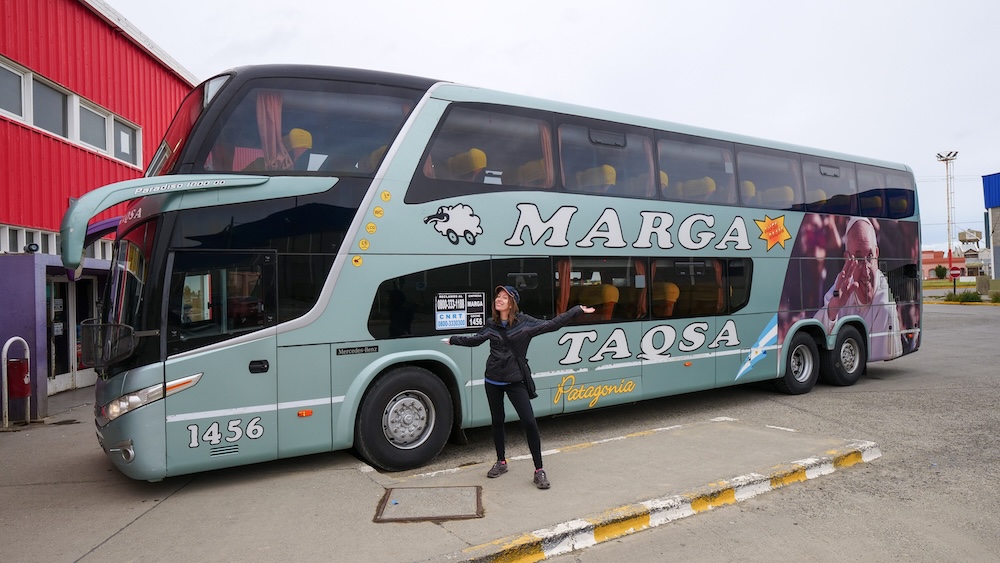
🚗 Rent a Car for Maximum Freedom in Patagonia (Day Trips Made Easy)
A rental makes sense if you’re building a Patagonia road trip, want full control of photo stops, or you’re timing weather windows.
👉 Compare El Calafate car rentals on DiscoverCars (best gateway for El Chaltén)
The “Pick your transport” decision matrix
| Option | Best for | Pros | Cons | Our take |
|---|---|---|---|---|
| Public bus | Most travelers | Simple, reliable, multiple daily departures in season | Less flexible; popular departures can sell out | The default move |
| Shared transfer | Families, groups, airport connections | Less terminal fuss; can be door-to-door | Costs more | Worth it if your timing is tight |
| Private transfer | Groups (3–6) | Fast + flexible + photo stops | Pricey | Great when splitting the cost |
| Rental car | Road-trippers | Total freedom | Winter driving risk; parking; fuel/insurance | Best if continuing beyond Chaltén |
| Hitchhiking | Budget + flexibility | Cheapest | Unpredictable | Fun if you’ve got time |
The rest of this guide focuses on the bus, because that’s how most people do it (including us).
Our logic was simple: we wanted to arrive with our brains still intact, not immediately start a new side-quest called “Patagonia Car Responsibilities.” Bus meant we could stare out the window, snack like professionals, and save our problem-solving energy for wind, weather, and trails that laugh at your current fitness levels.
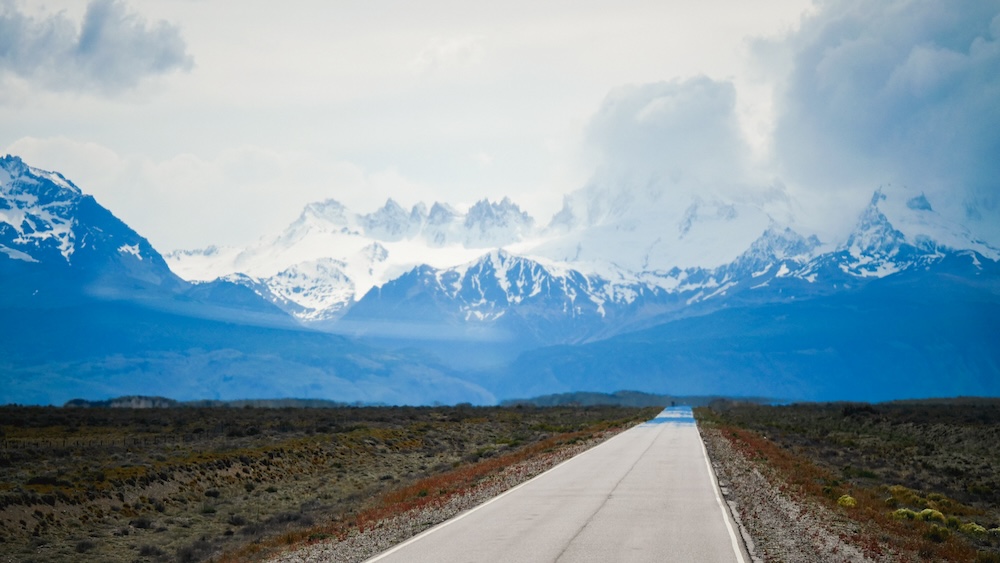
🚌 Book Buses to Make the Whole Trip Easier
If you’re doing the classic “fly into El Calafate → bus to El Chaltén” plan, booking your seat ahead of time keeps things smooth.
The bus schedule (and how to read it without losing your mind)
The El Chaltén tourism site publishes a timetable and labels when it was last updated—hugely helpful in a world full of outdated screenshots and inevitable Argentine inflationary regimes.
It also notes the route runs all year, with at least two daily frequencies, and more departures during tourist season (roughly October through April).
Also, very practical thing we didn’t anticipate: we ended up needing to figure out how to print tickets on travel day, which is a hilarious task to leave to the last minute when half the town is also trying to do travel-day admin. If your operator sends anything by email/QR, screenshot it like your signal is about to vanish into the steppe (because sometimes it does).
Daily departure schedule (December)
Color key (operator chips):
- 🟦 Caltur
- 🟩 Chaltén Travel
- 🟪 TAQSA (when it shows (*), I’ve kept it exactly)
✈️ “Passes FTE airport” = the time the bus passes Armando Tola International Airport (FTE)
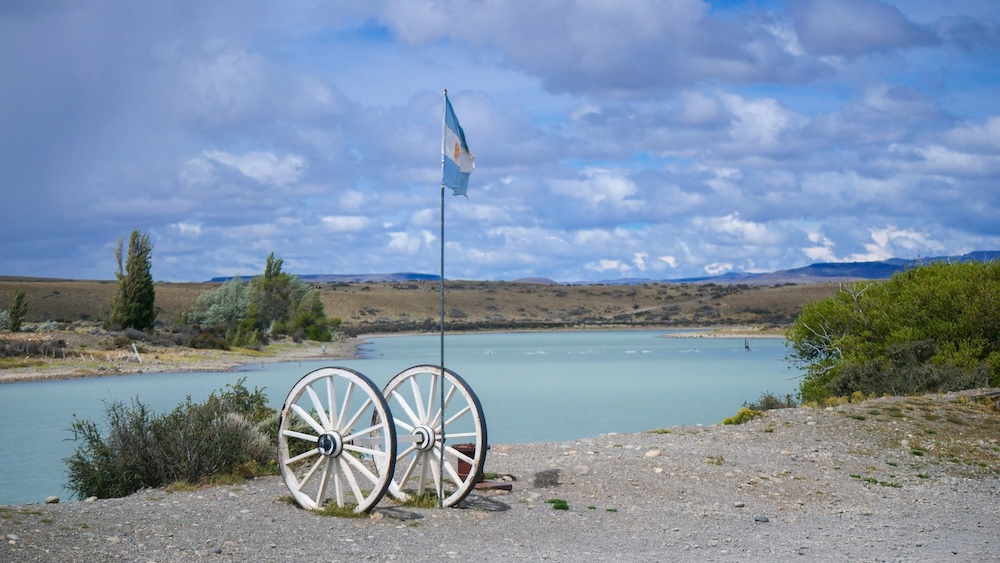
El Calafate → El Chaltén (departures)
| 🕒 Departs El Calafate | Operators | ✈️ Passes FTE |
|---|---|---|
| 08:00 | 🟦 Caltur · 🟩 Chaltén Travel · 🟪 TAQSA (*) | 08:20 |
| 09:00 | 🟪 TAQSA (*) | 09:20 |
| 10:00 | 🟪 TAQSA (*) | 10:20 |
| 12:00 | 🟩 Chaltén Travel | 12:20 |
| 12:30 | 🟪 TAQSA (*) | 12:50 |
| 14:00 | 🟦 Caltur | 14:20 |
| 14:30 | 🟩 Chaltén Travel | 14:50 |
| 16:30 | 🟪 TAQSA (*) | 16:50 |
| 18:00 | 🟦 Caltur · 🟩 Chaltén Travel · 🟪 TAQSA (*) | 18:20 |
| 20:00 | 🟩 Chaltén Travel | 19:20 |
Quick “who runs what” grid (fast scanning)
| Departs | 🟦 Caltur | 🟩 Chaltén Travel | 🟪 TAQSA | ✈️ Passes FTE |
|---|---|---|---|---|
| 08:00 | ✅ | ✅ | ✅ (*) | 08:20 |
| 09:00 | — | — | ✅ (*) | 09:20 |
| 10:00 | — | — | ✅ (*) | 10:20 |
| 12:00 | — | ✅ | — | 12:20 |
| 12:30 | — | — | ✅ (*) | 12:50 |
| 14:00 | ✅ | — | — | 14:20 |
| 14:30 | — | ✅ | — | 14:50 |
| 16:30 | — | — | ✅ (*) | 16:50 |
| 18:00 | ✅ | ✅ | ✅ (*) | 18:20 |
| 20:00 | — | ✅ | — | 19:20 |
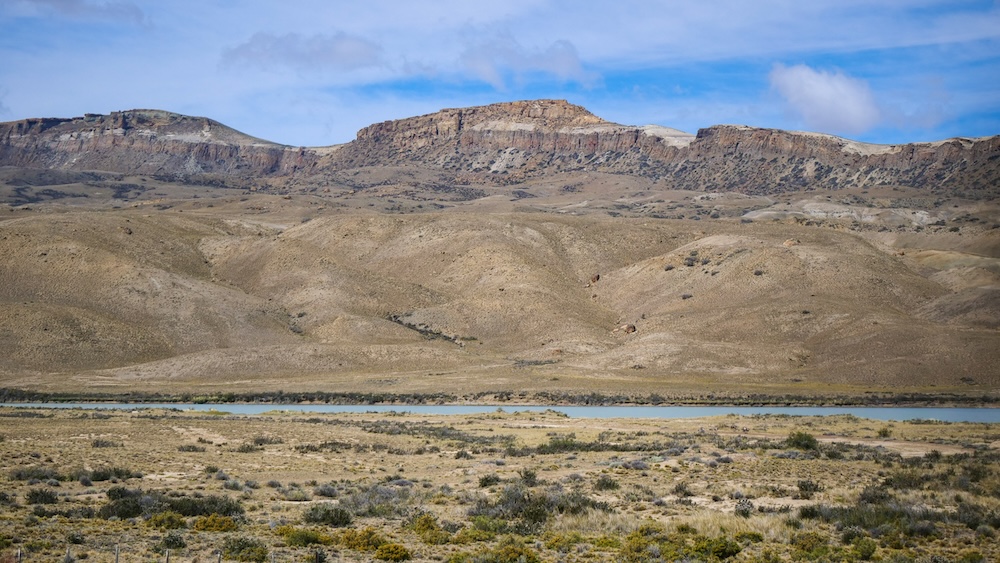
El Chaltén → El Calafate (departures)
| 🕒 Departs El Chaltén | Operators | ✈️ Passes FTE |
|---|---|---|
| 03:00 | 🟪 TAQSA (*) | 05:40 |
| 08:00 | 🟦 Caltur · 🟩 Chaltén Travel · 🟪 TAQSA (*) | 10:40 |
| 11:30 | 🟩 Chaltén Travel | 14:10 |
| 12:30 | 🟪 TAQSA (*) | 15:10 |
| 13:30 | 🟦 Caltur | 16:10 |
| 14:00 | 🟪 TAQSA | 16:40 |
| 14:30 | 🟩 Chaltén Travel | 17:10 |
| 18:00 | 🟦 Caltur · 🟩 Chaltén Travel | 20:40 |
| 19:20 | 🟪 TAQSA (*) | 22:00 |
| 19:30 | 🟩 Chaltén Travel | 22:10 |
Quick “who runs what” grid (fast scanning)
| Departs | 🟦 Caltur | 🟩 Chaltén Travel | 🟪 TAQSA | ✈️ Passes FTE |
|---|---|---|---|---|
| 03:00 | — | — | ✅ (*) | 05:40 |
| 08:00 | ✅ | ✅ | ✅ (*) | 10:40 |
| 11:30 | — | ✅ | — | 14:10 |
| 12:30 | — | — | ✅ (*) | 15:10 |
| 13:30 | ✅ | — | — | 16:10 |
| 14:00 | — | — | ✅ | 16:40 |
| 14:30 | — | ✅ | — | 17:10 |
| 18:00 | ✅ | ✅ | — | 20:40 |
| 19:20 | — | — | ✅ (*) | 22:00 |
| 19:30 | — | ✅ | — | 22:10 |
source: https://elchalten.com/v4/en/busses-to-el-chalten.php
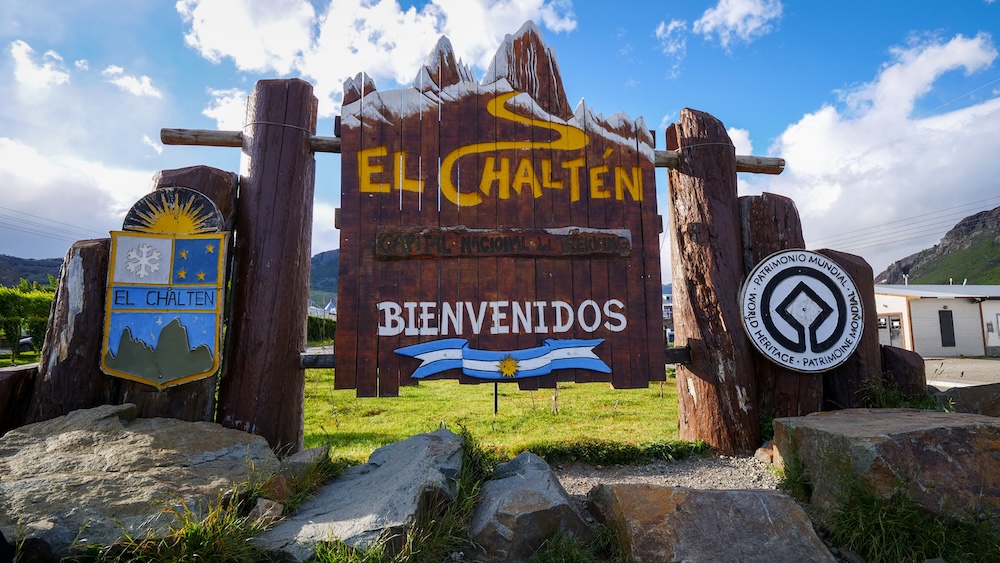
Reference departures: El Calafate → El Chaltén
The published list includes departures such as 08:00, 09:00, 10:00, 12:00, 12:30, 14:00, 14:30, 16:30, 18:00, and 20:00 (varies by company and availability).
Reference departures: El Chaltén → El Calafate
The published list includes departures such as 08:00, 11:30, 12:30, 13:30, 14:00, 14:30, 18:00, 19:20, and 19:30 (varies by company and availability).
The airport times (the part everyone messes up)
On the timetable, there’s a note that one of the times represents when the bus passes the “Armando Tola” International Airport, and it states buses pick up passengers at the airport on the way from El Calafate to El Chaltén, and drop off passengers at the airport when heading from El Chaltén to El Calafate.
What that means for real-world planning:
- If you want airport → El Chaltén, confirm that your ticket includes airport pickup, and confirm the meeting point (some services meet in arrivals; others have a specific curb/stand).
- If you want El Chaltén → airport, confirm the airport drop-off and give yourself a generous buffer for wind/weather delays.
If your travel day is a tight domino chain of connections, a shared transfer can be worth the extra cost.
We didn’t use the airport pickup ourselves, but we did see just how easy it is for people to misread “passes the airport” as “waits for you with a sign.”
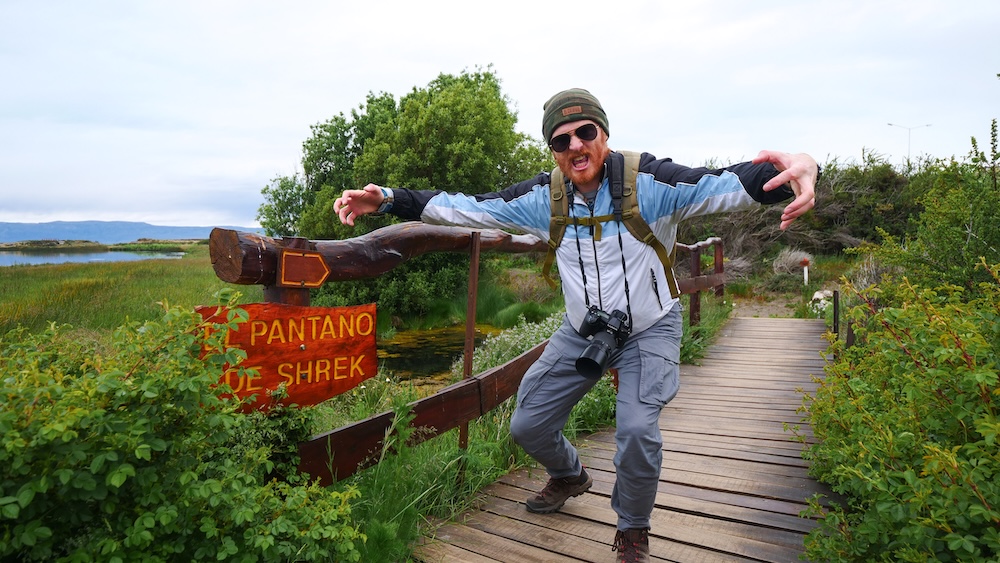
What time should you leave El Calafate?
Your departure time isn’t just about convenience—it decides what kind of day you get in El Chaltén.
Choose your departure time: decision matrix
| Your goal | Best departure vibe | Why it works | What you sacrifice |
|---|---|---|---|
| Hike a short trail on arrival day | Morning | You arrive with daylight to spare | Earlier wake-up |
| Check-in + groceries + calm start | Midday | No rush, still daylight | Smaller hike window |
| Arrive, eat, sleep (big hike tomorrow) | Late afternoon/evening | Minimal decisions, maximum chill | Likely no hiking that day |
| Day trip from Calafate | Earliest possible | Maximizes trail time | You become a morning person (temporarily) |
Our bias: if you’re staying overnight, morning or midday is the sweet spot. You arrive, settle, do something small, and your legs are still relatively innocent.
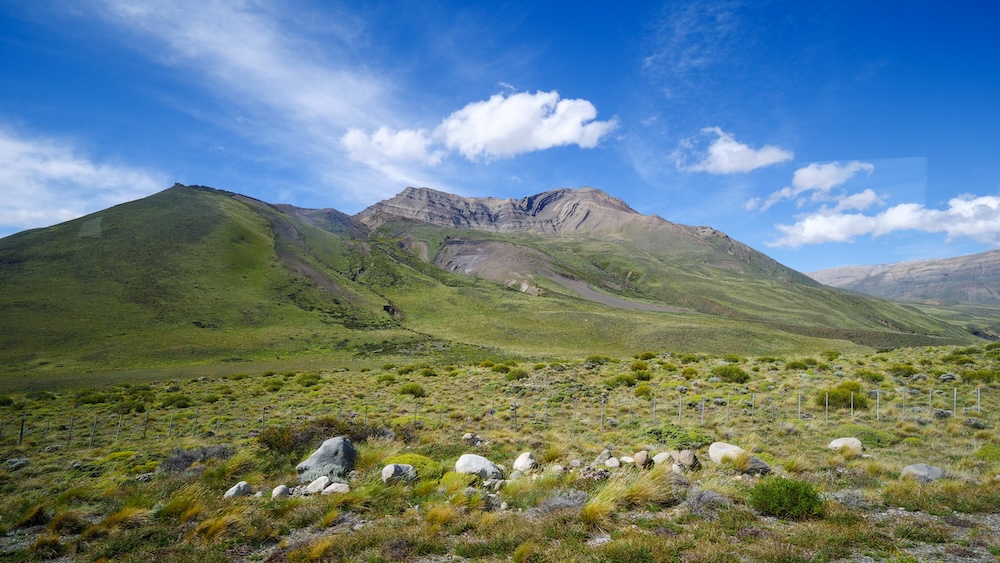
Bus companies on this route
The El Chaltén tourism page lists operators such as Cal-Tur, Chaltén Travel, and TAQSA, along with contact info and where to find them.
It also notes that some companies offer connections to other destinations along Route 40 (for example, northward to places like Perito Moreno, Los Antiguos, and Bariloche, or toward Chile to the south).
We went with Chaltén Travel, and honestly the biggest compliment we can give is that it felt boring — in the best way. No drama, no weird surprises, just a clean three-hour bridge between glacier-town energy and trekking-town chaos. And it felt like a sightseeing tour – it was that spectacular outside of the window.
Finding the right ticket window in El Calafate (so you’re not wandering like a lost guanaco)
The El Calafate tourism site lists company “box” numbers in the terminal, including (examples):
- Caltur: Terminal de Ómnibus, Box 5
- Chaltén Travel: Terminal de Ómnibus, Box 1
- TAQSA – MARGA: Terminal de Ómnibus, Box 8
(There are more companies listed too—this just covers the ones you’re most likely to use for El Chaltén logistics.)
How to buy tickets (and what to screenshot)
Where to buy
- Official company booking links or third-party sites (great for locking in a seat early).
- Ticket windows at the El Calafate terminal (fine for same-day if seats exist).
- Agencies/hotels (helpful if you want someone else to handle it).
Our move was: stash bags, grab a table at Olivia’s Bagel Shop, and basically wait out the clock in comfort. It was packed with other travelers doing the same thing — using the fast internet, triple-checking bookings, and pretending we weren’t all slightly anxious about bus timing.
When to buy
- Peak season (Oct–Apr): book the several days (or weeks) before if you want specific departures.
- Shoulder season: more flexibility, but still book ahead if you’re on a tight schedule.
- Winter: fewer services; confirm schedules close to travel.
Our “Patagonia-proof ticket” checklist
Take screenshots of:
- ticket/QR
- departure time + pickup point (terminal vs airport)
- your company’s WhatsApp number (if available)
- your baggage rules (if provided)
- any terminal fee instructions
This is not glamorous. This is not “content creator aesthetic.” This is how you avoid unnecessary chaos when your data decides to disappear into the steppe.
The two extra fees people forget (and then complain about)
El Calafate terminal use fee
The El Calafate tourism site lists a bus terminal use fee of AR$ 3,000, paid at boletería #9, every day from 7:00 to 20:00.
El Chaltén terminal fee
The El Chaltén tourism schedule lists a municipal tax of AR$ 2,000 per person, paid at Window 7 starting at 7:00 a.m.
Budget both. Pay both. It’s just the way it is.
Step-by-step: El Calafate town to El Chaltén town (bus edition)
This is the “just tell me what to do” version.
The day before
- Book the ticket.
- Screenshot everything.
- Decide your morning breakfast strategy (pro tip: eat like you’re hiking tomorrow, because you are).
- Pack your “bus bag” (water, snack, layers, charger).
- If you’re doing a day trip, plan your hike in advance so you’re not standing in El Chaltén at 11:20 a.m. asking your phone to choose your destiny.
We’ll be honest: we arrived in Patagonia in full foodie mode and not our “best hiking selves,” so travel day was the moment we collectively decided it was time to move our skeletons. Audrey’s jeans were basically like, “Absolutely not,” so leggings became the official uniform of ambition.
The morning of travel
- Get to the terminal 30–45 minutes early.
- Pay terminal fee if needed at boletería #9.
- Find your company box (Caltur 5, Chaltén Travel 1, TAQSA/MARGA 8).
- Board, stash luggage, sit down, and immediately act like you’re the kind of person who always has their life together.
During the ride
- Expect roughly 3 hours of travel time.
- Enjoy the landscape.
- If you see guanacos, say hello respectfully (they are the true owners of the land).
- Use the stop midway to stretch and grab a snack/drink.
What the bus ride is actually like (comfort, scenery, and the famous stop)
The route runs across wide-open steppe and then gradually shifts into mountain drama. It’s the kind of ride where you keep thinking, “This would be a great place to film a moody indie movie,” and then you remember you’re on a bus and your snacks are about to become crumbs.
On our ride, it genuinely felt like a built-in sightseeing tour — turquoise water flashes, rugged landscapes, big-sky steppe, and the kind of views that make you forget you’re sitting upright with a backpack zipper digging into your ribs. It’s a visual feast, and your anticipation ramps up minute by minute.
Roads and travel time
The route along National Route 40 and Provincial Route 41 is paved and in good condition – it’s about 3 hours travel time.
That said: Patagonia has wind, snow, and occasional “closed road” energy. Build buffer and stay flexible.
Bathrooms and Wi-Fi
It depends on the operator and the bus type. Some companies describe onboard services and even mention satellite internet on certain services.
But even with Wi-Fi, assume your connection may be patchy. Download your maps and entertainment beforehand.
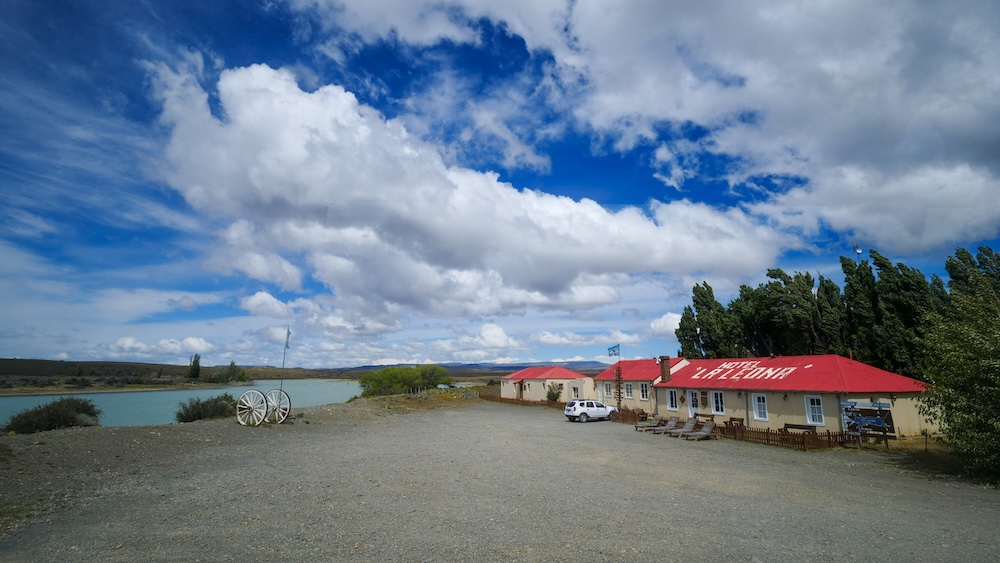
The iconic stop: Parador La Leona
The historic Parador and Hotel de Campo La Leona is a landmark on National Route 40, about 110 km from El Calafate, right by the La Leona River near Lake Viedma, exactly halfway between El Calafate and El Chaltén.
It’s a classic break spot: bathrooms, coffee, snacks, and a quick mental reset before the final stretch.
At La Leona, you can stretch and do the important things — including the bathroom situation, which on our stop was free with a purchase (or a small fee) depending on what you do.
Our personal rule: if the bus stops, use the bathroom even if you “don’t really need to.” Patagonia is not the place to gamble with that kinda stuff.
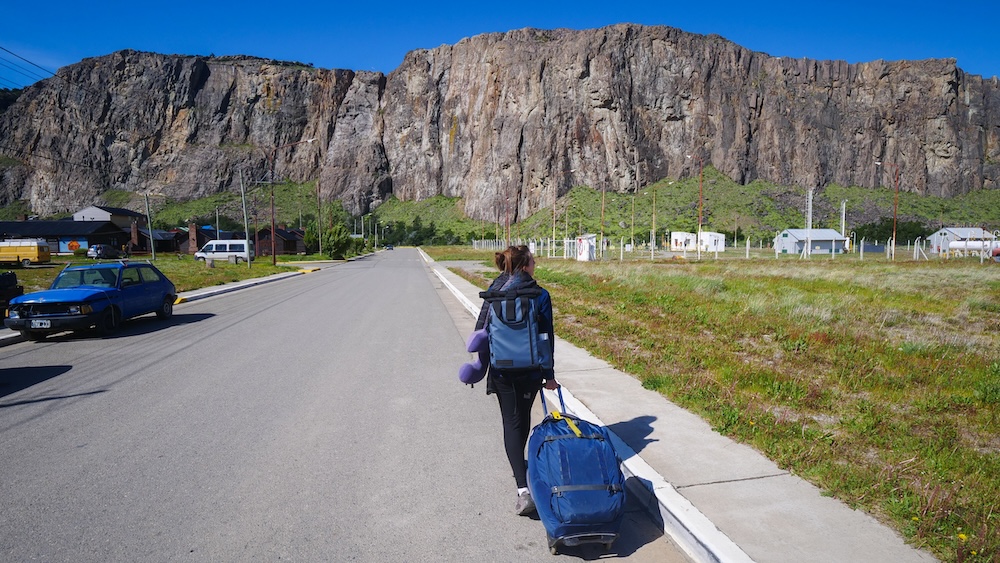
Arriving in El Chaltén: your first 60 minutes matter
El Chaltén is small, walkable, and optimized for hikers. You can land, drop your bag, buy snacks, and be on a trail shockingly fast.
We felt that instantly because our place (Vertical Lodge) was a short walk from the bus terminal, which is the dream when you’re carrying bags and trying to look like you’re not. El Chaltén really does function like a little launchpad — you arrive, drop your stuff, and five minutes later you’re already thinking about viewpoints.
When we arrived, we loved how easy it was: short walk, quick settle-in, and then the town itself felt like a launchpad for adventure.
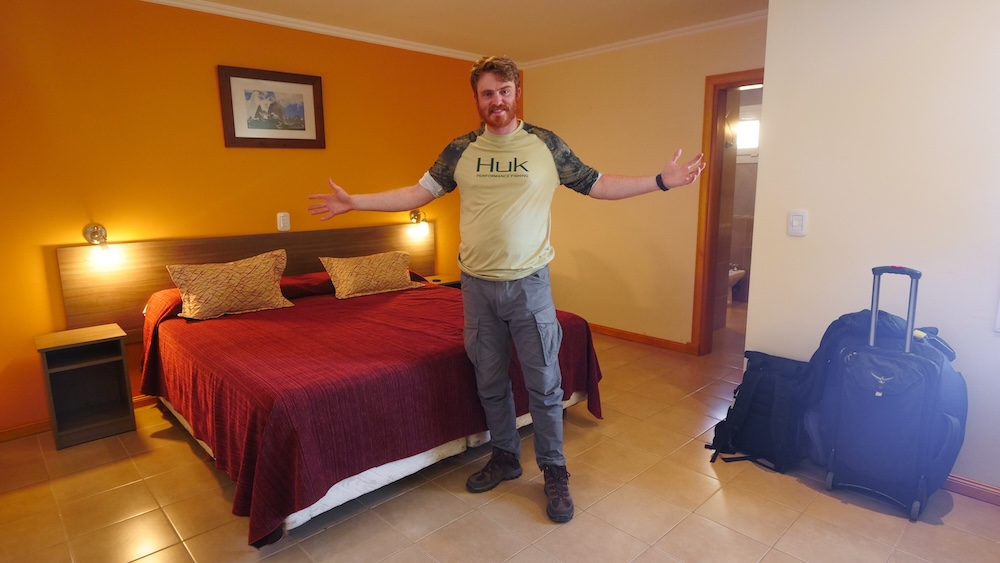
Also: our room completely exceeded expectations — the kind of “photos don’t do it justice” situation that makes you irrationally happy before a week of hiking. Having space to spread out gear, charge batteries, and wake up to mountain vibes is a small comfort that makes a big difference.
The first-hour routine (our personal favorite)
- Drop bags / check in (or store luggage if it’s too early).
- Buy snacks for the trail (your hiking hunger is going to arrive before you do).
- Sort any park entry tickets if needed (especially if you’re doing the main trails).
- Decide on a short “arrival day” hike or viewpoint.
A smooth first hour sets the tone for the whole trip.
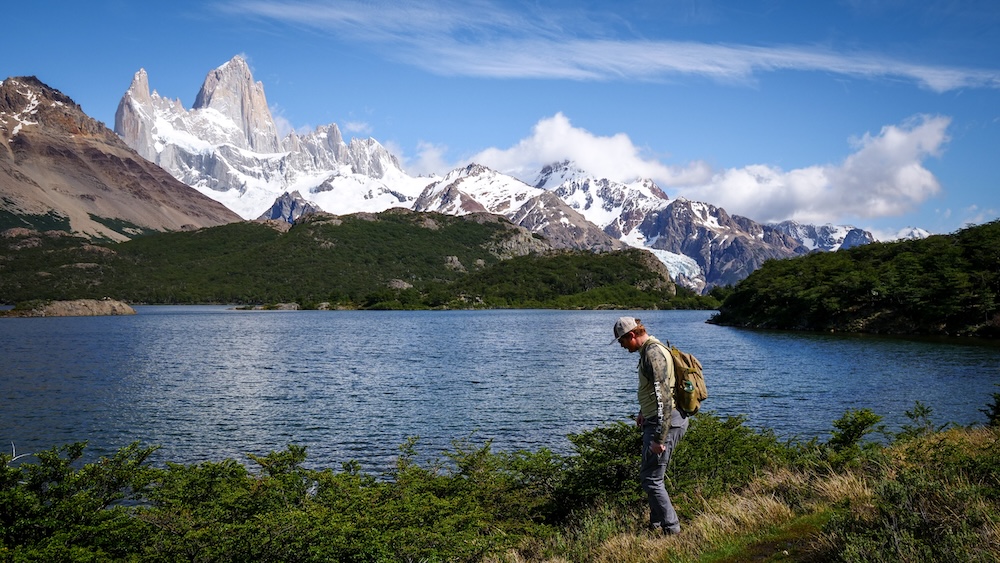
Can you do El Chaltén as a day trip from El Calafate?
Yes. Also: it’s a long day. Also yes: we understand the urge, because El Chaltén has a gravitational pull.
The trick is choosing a plan that matches the time you actually have—and resisting the temptation to “win” El Chaltén in a single afternoon. It’s a town. Not a video game.
Day trip viability matrix
| Your situation | Day trip verdict | Why |
|---|---|---|
| You can take the earliest bus out + evening bus back | Yes | You get 4–5 hours in town/trails |
| You want Base Fitz Roy or full Torre without rushing | Not ideal | Those deserve time and weather flexibility |
| You’re okay with a “taste” (views + short hike) | Yes | Perfect use-case |
| You need a stress-free day | Nope | Too many moving parts |
A realistic day-trip itinerary
This uses published schedule patterns as an example—confirm your exact times when you book.
- Early bus out (example: 08:00).
- Arrive late morning (estimate).
- Short hike / viewpoints
- Late afternoon meal
- Evening bus back (example: 18:00).
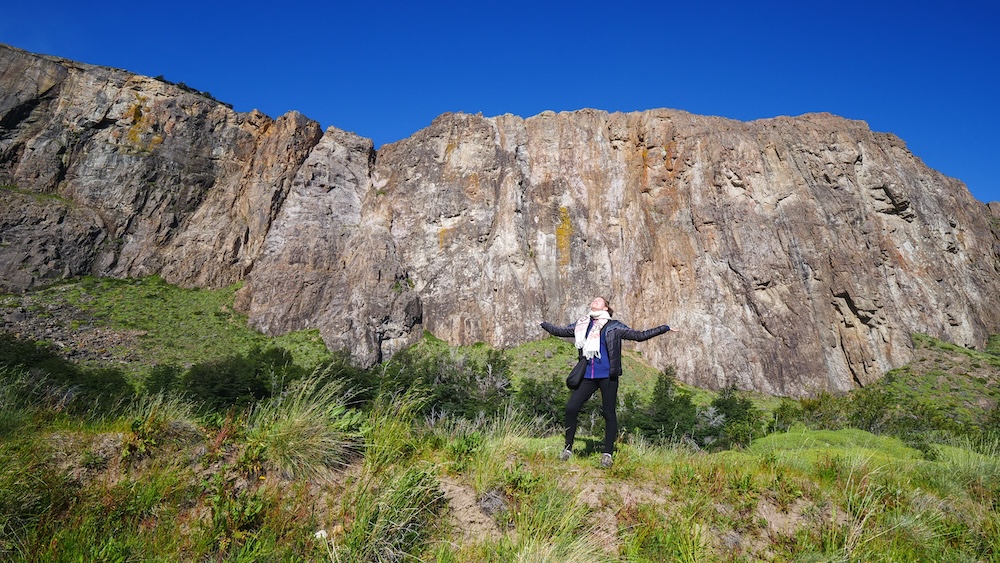
“One-day in El Chaltén” micro-itineraries (choose one)
| Your vibe | Plan | Time outside |
|---|---|---|
| Views fast | Mirador de los Cóndores + town stroll | 2–4 hrs |
| Waterfall + chill | Chorrillo del Salto + cafés | 2–4 hrs |
| Panorama sampler | Cóndores + Águilas combo | 3–5 hrs |
| Weather is rude | River walk + bakeries + “we’ll be back” promise | 1–3 hrs |
If you’ve only got one day, you’re not trying to do everything. You’re trying to do something well.
Los Glaciares National Park entry fees: what to know
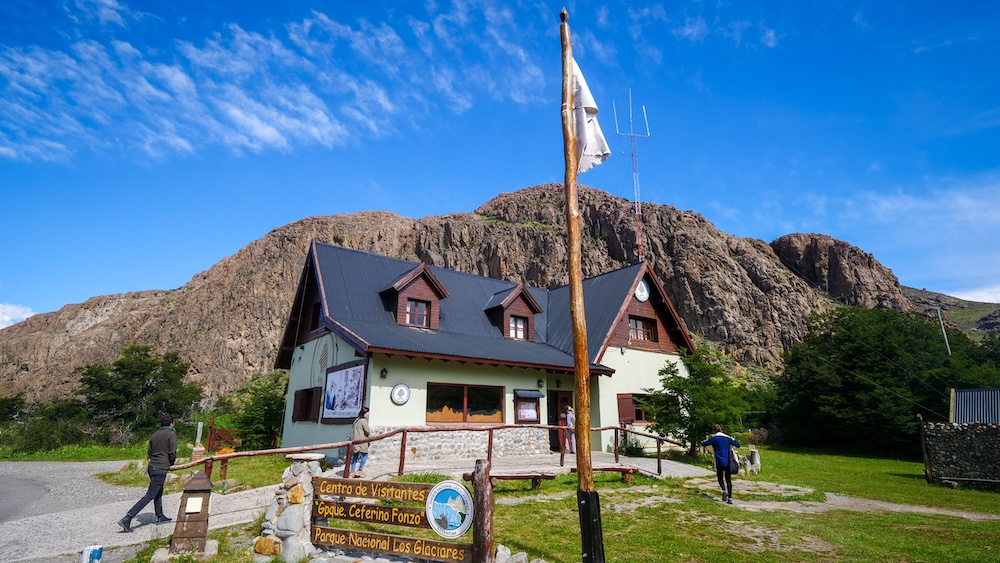
Many classic El Chaltén hikes sit within Los Glaciares National Park. The official park tariffs page states that for Zona Norte portals (including Los Cóndores, Cerro Torre, Base Fitz Roy, and Río Eléctrico), tickets are obtained only online with credit/debit card payment (no cash), including via QR at the portal.
It also notes tariff values are valid from January 6, 2025 and may change.
Practical takeaway: buy tickets before you arrive or while you’ve got solid connectivity—especially for a day trip.
Transfers and private rides: when they’re worth it
The bus is the classic choice, but there are a few situations where a transfer (shared or private) could be the calmer move:
- You’re landing at the airport and don’t want to gamble on timing.
- You’re traveling as a group (so the per-person cost drops).
- You’re traveling with a lot of luggage (big backpacks, baby gear, camera gear, “why did we bring two jackets each?”).
- You need hotel pickup because you’re arriving late, it’s blowing sideways, and you’re done with “adventure” for the day.
Shared transfers (El Calafate ↔ El Chaltén)
Prices vary by season and pickup type, but here are two current published examples to anchor expectations:
- 75,600 ARS per person (one-way) on a shared shuttle (Oct–Apr), with set pickup windows and hotel/terminal pickup options.
- 85,000 ARS per person (one-way) on a shared shuttle.
How to book (what actually matters):
- Confirm pickup point (hotel vs terminal) + luggage policy (big packs, baby gear, tripod bags).
- If airport-based, give your flight number so they can adjust for delays (or tell you the cutoff).
Private transfers / remises (vehicle price examples)
If you want the whole car/van (especially for a group), here are example posted rates:
- 220,000 to 240,000 ARS per vehicle (up to 4 passengers) El Calafate ↔ El Chaltén
(Use these as ballpark anchors and confirm the final quote for your date/time.)
Bus vs transfer: the “stress vs money” matrix
| If your priority is… | Bus | Transfer |
|---|---|---|
| Lowest cost | ✅ | ❌ |
| Least hassle (pickup/drop-off) | ❌ | ✅ |
| Flexible timing | ❌ | ✅ |
| Low risk for flight connections | ⚠️ | ✅ |
| Simple logistics when you’re tired | ⚠️ | ✅ |
If you’re on a normal itinerary with an overnight in El Chaltén, the bus is usually perfect. If you’re trying to thread a needle (airport arrival, same-day hiking, tight return), a transfer buys peace.
Rental car: the freedom option (and the fine print)
Driving from El Calafate to El Chaltén is straightforward in good conditions, and the road is described as paved and in good shape.
So why doesn’t everyone rent a car?
When renting a car makes sense
- You’re continuing beyond El Chaltén (e.g., Lago del Desierto area, Route 40 road trip, onward plans).
- You want maximum photo-stop freedom (and you know you’ll actually use it).
- You’re traveling as a group and cost-sharing.
When the bus is smarter
- You’re staying in El Chaltén and mostly hiking from town.
- You don’t want to think about winter driving, wind, insurance, fuel, or where you parked your car after a long hike.
- You prefer arriving, dropping bags, and living your best hiking life immediately.
Rental car: where to rent + what it costs + when it’s smart
Where to rent
Easiest: pick up at El Calafate Airport (FTE) so you’re not schlepping bags into town first.
- Avis (FTE airport): counter in the terminal; typical listed hours 08:00–20:00.
- Hertz (El Calafate/FTE area): local branch listing is available for pickup options.
How much (realistic expectation)
Daily prices swing hard by season and availability, but one aggregator currently shows an average around 124,188 ARS/day in El Calafate.
(High season + last-minute bookings can be noticeably higher.)
Driving “game plan” checklist
| Step | What to do | Why |
|---|---|---|
| Before pickup | Ask about insurance coverage and gravel/windshield policy | Patagonia roads + wind + rocks = reality |
| Fuel plan | Fill up in El Calafate | It’s easier to start full |
| Daylight | Prefer daytime driving | Wind + visibility are friendlier |
| Parking | Know your lodging parking situation | El Chaltén is small, parking can be limited |
| Weather | Treat forecasts like suggestions | Build buffer either way |
The car option is great. It’s just not required to have an amazing El Chaltén trip.

Real-life scenario playbooks
This is where we turn “general advice” into “what you actually do.”
Scenario A: You’re landing at El Calafate airport and going straight to El Chaltén
The timetable notes that buses can pick up at the airport toward El Chaltén (and shows “airport pass-by” times).
But you still want a buffer-friendly approach.
| Step | What you do | Rule of thumb |
|---|---|---|
| Landing | Get off the plane and assume you’ll be slower than you think | Patagonia time is real |
| Baggage | If you checked a bag, add extra time | Carousels have feelings |
| Pickup | Confirm the exact airport pickup point with your operator | “Passes the airport” ≠ “meets you in arrivals” |
| Buffer | Leave generous breathing room before departure | Wind delays happen |
If your flight arrives close to a bus departure, don’t force it. That’s how you end up inventing new swear words in the arrivals hall.
Scenario B: You’re returning from El Chaltén and need to catch a flight
The timetable notes airport drop-off toward El Calafate.
Your job is to protect your flight connection.
| Step | What you do | Why |
|---|---|---|
| Pick an earlier bus | Choose a departure with plenty of margin | Road delays, weather, life |
| Confirm airport drop-off | Make sure your service actually stops there | Don’t assume |
| Keep essentials on you | Passport, wallet, chargers | Never pack these in checked luggage |
If you’re choosing between “cutting it close” and “arriving early and eating an empanada,” choose the empanada.
Scenario C: You’re doing the legendary one-day day trip from El Calafate
This is the move for people who are short on time and long on stubbornness (we respect it).
Your non-negotiables:
- earliest bus out, evening bus back (confirm exact times)
- a short hike plan chosen in advance
- snacks + layers + offline maps
- acceptance that you are not hiking Base Fitz Roy today (unless you’re secretly a mountain goat)
Money, connectivity, and food: the unsexy stuff that saves your day
Cash and payments
Argentina can be wonderfully modern… until the card machine says “no” and stares into your soul. Having a bit of cash helps with small fees and random purchases.
We lived this: our hotel payment wouldn’t process at first because the Wi-Fi was doing its little disappearing act. After a few attempts it finally worked, but it was a good reminder that having some cash (and patience) is a Patagonia superpower.
Connectivity
Do not count on perfect signal between towns. Download:
- offline maps
- your booking confirmation
- your park ticket (if applicable)
- your accommodation address
In El Chaltén, we found the vibe was basically: come for hiking, not for high-speed uploads. Mobile data was shaky, Wi-Fi went down constantly, and the best bet was the central plaza (free, but it can take a few tries to connect). Not a complaint — just a heads-up so you can plan like a happy person.
Food strategy (because hunger makes everyone worse)
| Moment | What to eat | Why |
|---|---|---|
| Before departure | Something real (not just coffee) | You’ll arrive happier |
| On the bus | A snack you actually like | Prevent “hangry panic” |
| La Leona stop | Coffee + quick bite | It’s a classic break |
| Arrival in El Chaltén | Groceries + backup snacks | Trail hunger comes fast |
One surprise for us: groceries were pricey and the selection was limited — we had the classic “a dollar per apple, yikes” moment. We grabbed pizza as our first meal (the perfect welcome-to-town carb hug), then stocked up as best we could because trail hunger arrives faster than your bus does.
It sounds basic. It’s also the difference between “What a magical day!” and “Why are we fighting in Patagonia?”
Arrival day in El Chaltén: a simple plan that feels like a win
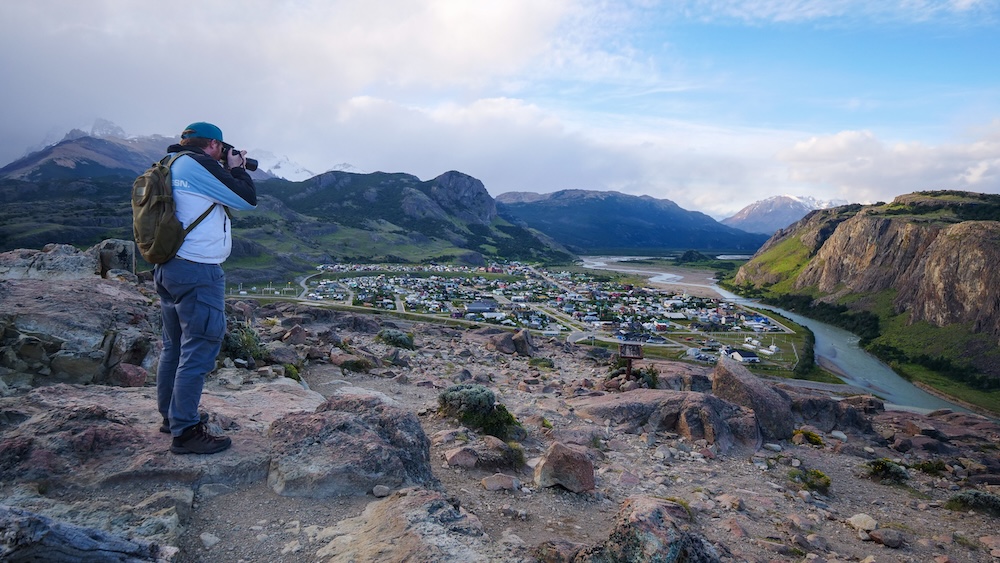
If you’re staying overnight, your arrival day is not the day to prove anything. It’s the day to get oriented, feel the vibe, and maybe grab a viewpoint.
The “arrival day win” blueprint
| Time | Plan | Goal |
|---|---|---|
| First hour | Check-in, snacks, short walk | Drop stress |
| Mid-afternoon | A short viewpoint hike | Get your first “wow” |
| Evening | Early dinner + organize gear | Protect tomorrow’s hike |
We love an arrival-day viewpoint because it delivers instant payoff without wrecking your legs. It’s the perfect warm-up before the big hikes.
We did exactly that — we “buzzer-beat” the daylight and hustled up to Mirador de los Cóndores, which is short but steep and took us about 45 minutes from town. We weren’t alone either — other hikers were speed-walking the same idea, trying not to get too distracted taking photos because Patagonia loves to tempt you into losing time.
What if the bus is sold out? (Plan B without panic)
This happens most often in peak hiking season and around holidays. Your options, from “most realistic” to “most chaotic”:
Plan B options matrix
| Plan B | When it works | Pros | Cons |
|---|---|---|---|
| Book a different departure time | If you’re flexible | Still the bus; same route | You might lose hiking time |
| Switch operators | If another company has seats | Often easy if you check quickly | Can be a different terminal procedure |
| Shared transfer | If availability exists | Door-to-door potential | Costs more |
| Private transfer | If you’re a group | Fast and flexible | Pricey |
| Rental car | If cars are available | Total freedom | Winter/wind responsibilities |
| Hitchhike | If you have time | Cheapest | Unpredictable |
If you’re committed to a day trip, sold-out buses are a strong argument for booking ahead.
Where to sit on the bus for views
This is not scientific. This is purely “bus superstition,” which is a respected Patagonia tradition.
- Sit by the window if you want to turn the steppe into meditation.
- If you’re prone to motion sickness, sit toward the front and look out at the horizon.
- Keep your camera accessible—Patagonia’s best moments don’t wait for you to unzip a backpack.
Common pitfalls (and how to avoid them)
- Forgetting terminal fees (Calafate + Chaltén).
- Planning a day trip and choosing a hike that’s too big.
- Not carrying a wind layer.
- Not having offline maps.
- Booking a return bus too tight for your hike and spending the last 45 minutes speed-walking like you’re late for a job interview.
Patagonia is more fun when you plan like a calm person.
Cost breakdown (planning template)
| Cost item | What to budget | Notes |
|---|---|---|
| Bus fare (one way) | AR$ 50,000 (reference) | Check current pricing. |
| El Calafate terminal fee | AR$ 3,000 | Pay at boletería #9. |
| El Chaltén terminal fee | AR$ 2,000 | Window 7 from 7:00 a.m. |
| Food/snacks | Depends | La Leona is a common stop. |
| Park entry (if needed) | Varies | Zona Norte tickets online only. |
Our personal take on this route (the “we did it” part)
When we took the bus from El Calafate to El Chaltén, it felt refreshingly easy: show up, pay the little fees, settle into a seat, and watch Patagonia unfold.
Pulling into town we were basically yelling (internally… mostly): “Insane to the membrane — we’re actually here.” Trekking capital of Argentina, big mountains on the horizon, and that very specific first-night excitement where you’re tired from travel but also convinced you could hike Fitz Roy immediately if someone dared you.
There’s a specific joy to arriving in El Chaltén with the whole day ahead—dropping bags, grabbing snacks, and realizing you can be on a viewpoint trail faster than your brain can process the fact that those mountains are real. It’s one of the best “arrival day” feelings we’ve ever had in travel.
And honestly? The bus ride is part of the charm. It’s the transition from glacier-town energy to hiking-town energy—a slow gear shift that makes the first trail in El Chaltén feel even better.
✨ Ready to lock in your El Chaltén plan?
- 🥾 Browse El Chaltén tours on Viator
- 🏨 Find El Chaltén hotels on Booking.com
- 🚗 Compare El Calafate car rentals on DiscoverCars
- 🚌 Book El Calafate → El Chaltén buses on Busbud
Frequently asked questions
Do buses run year-round?
Yes. The route is described as operating all year with at least two daily frequencies, with more services in tourist season.
How long does the trip take?
About 3 hours (estimate), terminal to terminal with a break in between.
Is the road paved?
Yes. The route as paved and in good condition.
Can I buy tickets the same day?
Sometimes, but it’s riskier in peak season.
Where do I pay the El Calafate terminal fee?
At boletería #9 (as listed).
What is the El Chaltén terminal fee and where do I pay it?
AR$ 2,000 per person at Window 7 starting at 7:00 a.m.
Does the bus stop at La Leona?
Often, yes—La Leona is a classic halfway stop on Route 40.
Is there luggage storage at the terminal in El Calafate?
Yes—luggage storage is listed (“Bunker – Guarda equipaje”).
Can I go from El Calafate airport straight to El Chaltén?
Sometimes. Timetables include airport pass-by times and note airport pickup toward Chaltén and airport drop-off toward Calafate; confirm your specific service when booking.
Is El Chaltén walkable from the bus terminal?
Generally, yes—most places in town are a short walk away.
Is a day trip worth it?
Yes, if you treat it like a sampler (viewpoints, short hikes, food) rather than trying to complete a full-day epic hike.
Do I need Los Glaciares National Park tickets online?
For Zona Norte portals, the official tariffs page says tickets are obtained only online with card payment (no cash).
What’s the best time of year for this route?
October to April is the core hiking season with more bus frequencies, but shoulder seasons can be great if you’re flexible.
Final tip?
Screenshot your tickets, bring layers, and remember: the bus is not the obstacle—it’s the opening chapter.
Project 23 Argentina: This guide is also available in Spanish. [Lea la versión en castellano: Cómo llegar a El Chaltén desde El Calafate: Micro, paradas, horarios, pasajes y consejos]
Further Reading, Sources & Resources
Here are a few references for planning the El Calafate ↔ El Chaltén journey — from official timetables to booking and park info.
🚌 Bus & Transport Info
- El Chaltén Tourism Bus Timetable (Official) — Complete daily schedules, operator details, and airport pass-by notes.
https://elchalten.com/v4/en/busses-to-el-chalten.php - El Calafate Bus Terminal (Tourism Site) — Terminal fees, location map, and company booth numbers.
https://elcalafate.tur.ar/terminal-de-omnibus/ - Central de Pasajes (Argentina Bus Tickets) — Search and book seats on Caltur, TAQSA, and Chaltén Travel routes.
https://www.centraldepasajes.com.ar/cdp/pasajes-micro/el-calafate/el-chalten - Plataforma10 (Bus Aggregator) — Compare prices and departure times across Argentine bus companies.
https://www.plataforma10.com.ar - Busbud (Global Booking Site) — Offers English-language ticket booking for El Calafate → El Chaltén with reviews.
https://www.busbud.com
🚕 Transfers & Rentals
- Viator Shuttle Listing: El Calafate ↔ El Chaltén — Example shared transfer with current pricing and pickup details.
https://www.viator.com/tours/El-Calafate/El-Chalten-Shuttle-Bus-from-El-Calafate-Airport/d935-151533P1 - Avis Argentina (El Calafate Airport Rentals) — Airport pickup and vehicle availability for Route 40 drives.
https://www.avis.com.ar/
🏞 National Park & Fees
- Los Glaciares National Park Official Tariffs — Updated entry fees and online payment links for Zona Norte trails.
https://www.argentina.gob.ar/interior/ambiente/parquesnacionales/losglaciares/tarifas
Notes on accuracy
- Always reconfirm departure times and terminal fees shortly before travel — Argentine schedules and prices can shift seasonally.
- Booking directly through official or well-reviewed platforms helps avoid misinformation during high-season demand.