
Let’s get one thing straight right out of the gate: Gold River isn’t a manicured resort town where you’ll find a valet waiting to park your rental, or a string of trendy boutiques selling overpriced rain shells. It takes deliberate, focused driving to get here, and that’s exactly why we keep coming back. A massive piece of advice before you even start the engine: the local gas station is the only fuel stop in town. We found that currently, prices run about 10 to 15 cents higher per liter than back on the main highway, and the pumps often shut down surprisingly early in the evening. We always highly recommend topping off your tank completely in Campbell River before hitting Highway 28.
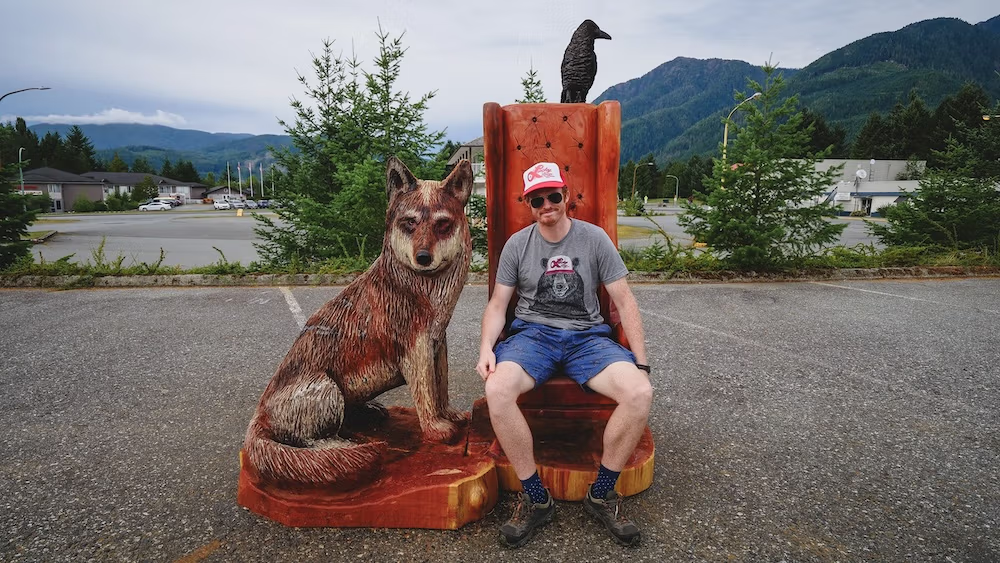
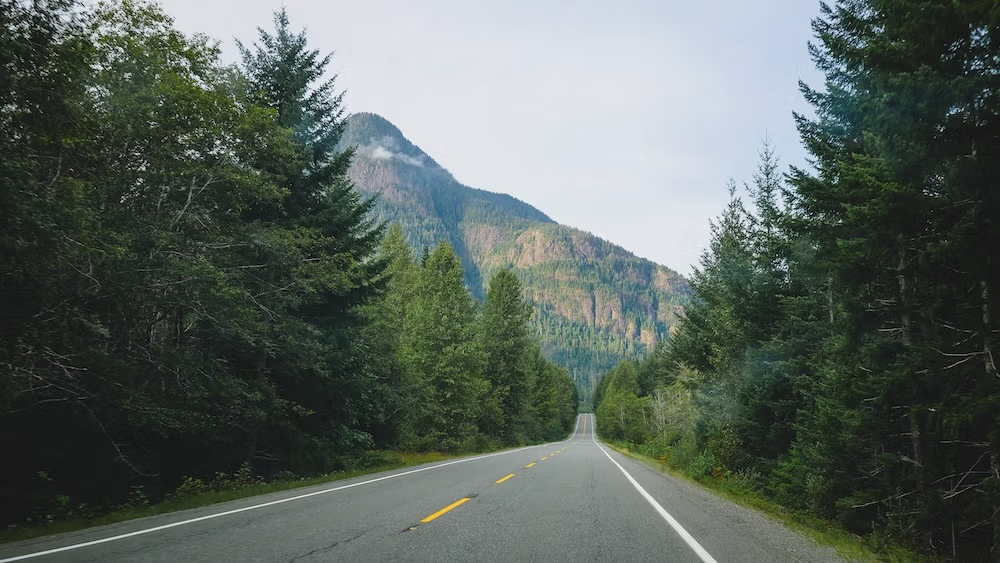
The drive in from Campbell River spans roughly 90 kilometers and takes about an hour and a half over twisting pavement. Don’t expect a casual Sunday cruise; you’ll be dodging active logging trucks on blind corners, so keep your eyes glued to the asphalt. There’s a crucial decision angle here: driving the highway is free and gives you absolute mobility, but if you get stuck behind a fully loaded timber truck, passing lanes are practically non-existent—patience is your only option. Also, know that your cell service will completely flatline right around the boundaries of Strathcona Provincial Park, so download your offline maps before leaving city limits.
When you finally roll into the village, you’ll find a highly functional, hard-working community built entirely around the outdoors. You don’t come here to lounge in a hotel lobby; you come here to put boots on the dirt. The streets are quiet, but they lead directly into some of the best backcountry on the island. Every storefront feels like a practical stop to gear up or grab a coffee before vanishing into the woods, and the locals are incredibly helpful if you need real-time road conditions for the logging routes.
Nootka Sound: Deep Water and High Stakes
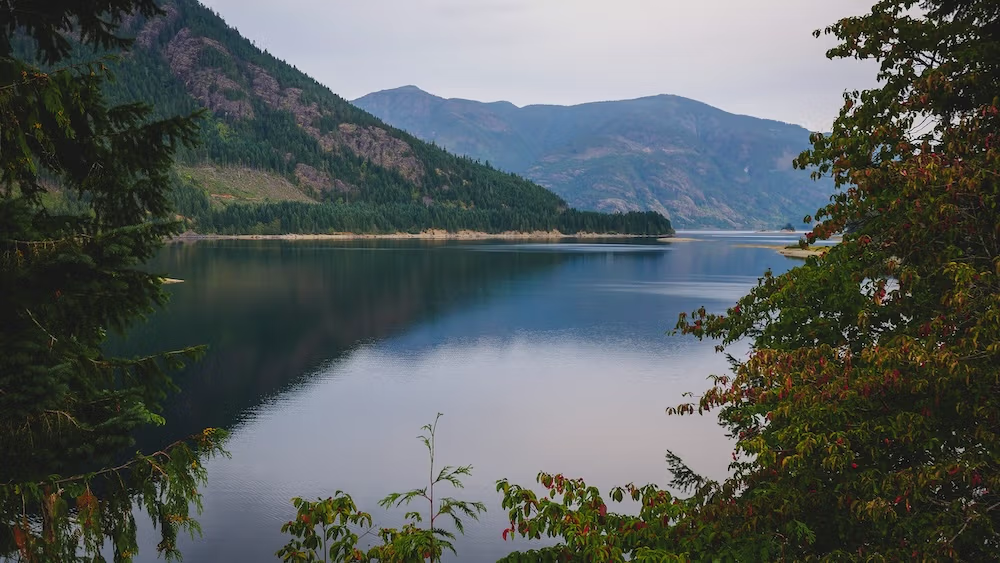
The real pull here is Nootka Sound. Kayaking these deep fjords is a standout experience, putting you right down on the waterline with seals and marine life. We found that the calm waters in the morning are deceptive; the wind can kick up aggressively in the afternoon, making the paddle back a serious upper-body workout. If you’re into fishing, this area is legendary for Chinook salmon. However, the Department of Fisheries and Oceans (DFO) frequently updates retention limits, so local sources suggest checking the current regulations online the morning you launch rather than relying on last year’s rules. It’s wild, raw, and completely unapologetic.
If you prefer staying dry, the trails range from easy riverside walks to grueling alpine climbs that will thoroughly test your knees. You get serious vertical drops and heavy timber, but you have to work for it. Whether you’re doing a quick loop near town or pushing deep into Strathcona Provincial Park, you’ll definitely earn your dinner. Bring gaiters and waterproof footwear, because “dry” is a relative term out here.
Cultural Richness: The Mowachaht/Muchalaht First Nations
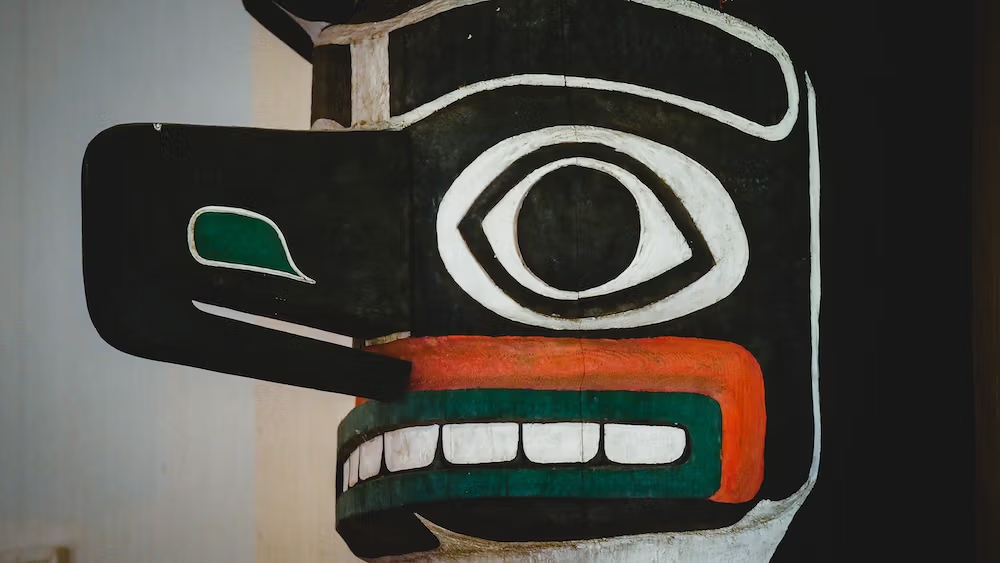
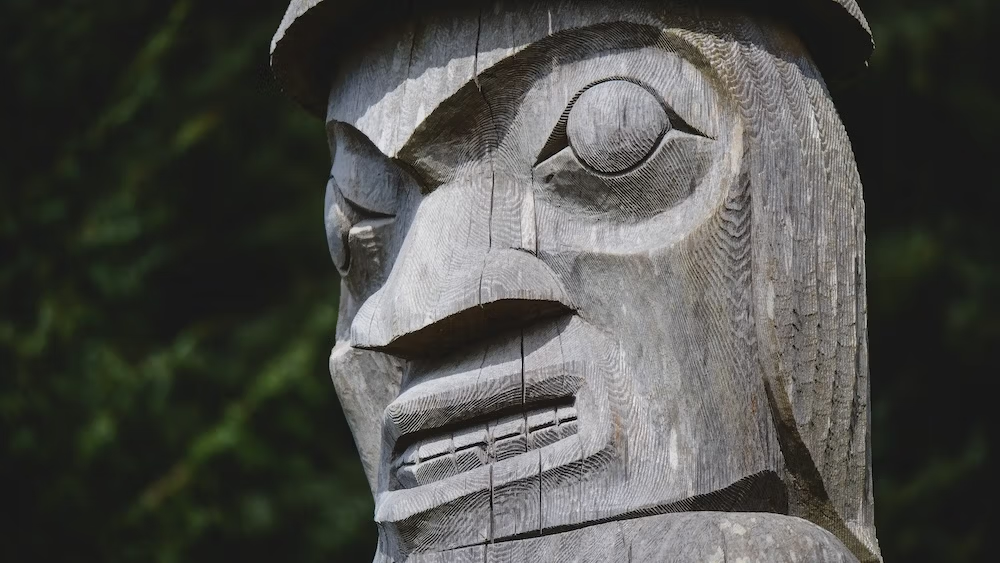
The history of the Mowachaht/Muchalaht First Nations grounds this whole region. Engaging with their heritage—whether through a guided tour or just admiring the cultural carvings and totem poles right in town—gives you a necessary understanding of the land you’re standing on. It completely changes how you view the surrounding landscape when you realize these traditions and trading routes have been part of the sound for millennia. It’s a reminder that this rugged coast has been navigated long before logging roads were cut.
Evenings in Gold River are notoriously quiet, which is exactly the appeal. Dining is limited to a handful of local spots, but the food hits the spot after a long day in the rain. You won’t find white tablecloths or fusion menus; expect hearty portions, cold local beer, and a chance to swap trail conditions with people coming straight off the water or the logging roads.
Lodging here is highly functional and honest. You are looking for a solid basecamp to dry your boots and sleep well. Whether you choose a roadside motel, a cozy B&B, or a wilderness lodge, you’ll find that the hospitality is infused with a personal touch. The locals know exactly how to host travelers who come back tired, wet, and muddy.
Gold River is a mandatory stop for anyone who wants to see the real West Coast. It forces you to pack smart, drive carefully, and respect the weather. For those seeking an escape into actual, uncurated wilderness, Gold River delivers a hard-earned and highly rewarding experience.
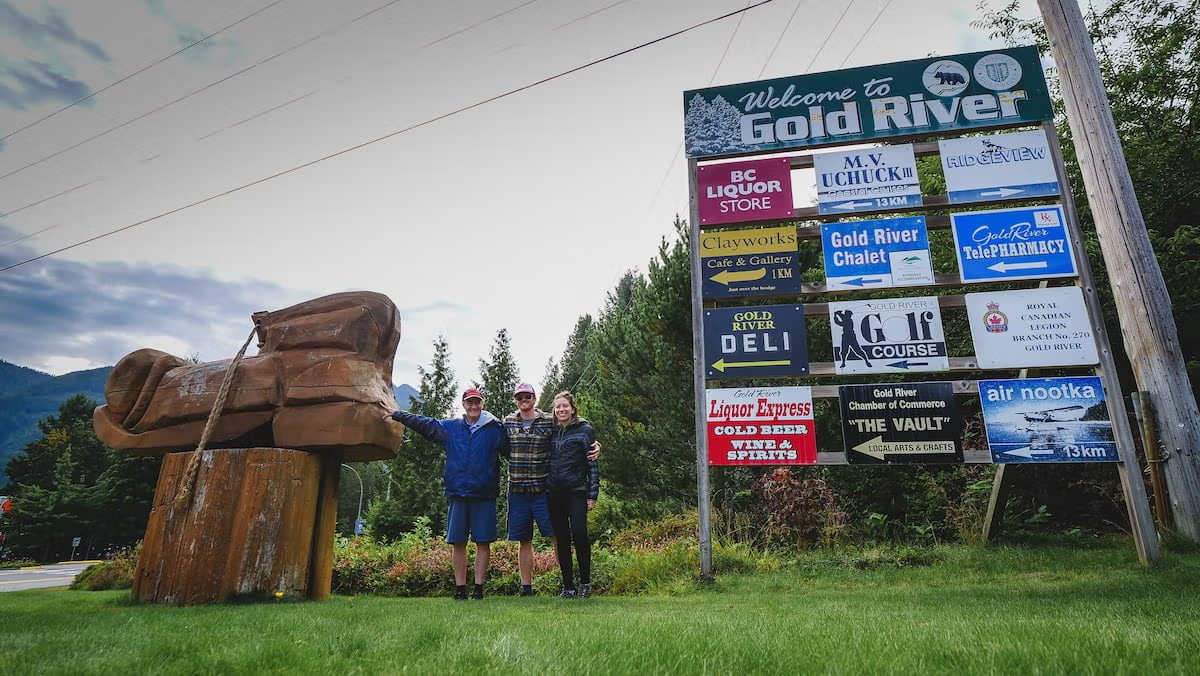
Gold River Travel Guide: A Brief History Of Gold River, BC
Gold River has seen its fair share of booms, busts, and reinventions. It’s a town entirely defined by its remote geography and its undeniable resilience. If you look closely, you can see the layers of history stacked on top of each other, from the ancient First Nations presence to the stark remnants of the mid-century logging boom.
It is best known among history buffs as the jumping-off point for Yuquot, also known as “Friendly Cove,” which is a site with massive historical weight for the entire coast. Honestly, if you visit the area and skip Yuquot, you’re missing the whole context of the region.
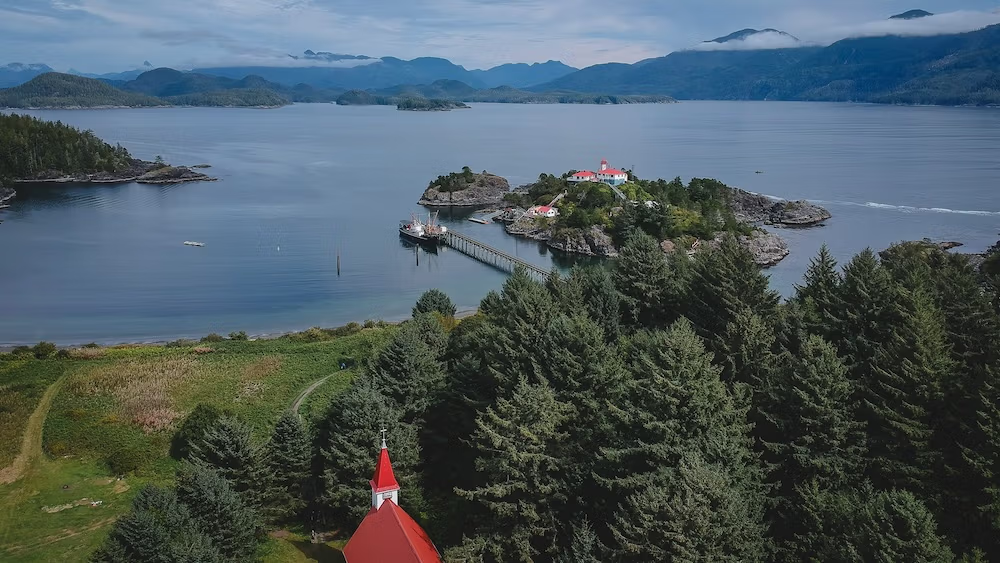
Yuquot is where Captain James Cook dropped anchor back in March of 1778, making first contact with the Mowachaht people and their chief, Maquinna. Cook and his crew stayed in the cove for a few weeks on their third Pacific voyage to refit their ships. The interactions, negotiations, and trade that happened on this specific stretch of beach completely changed the trajectory of the Pacific Northwest.
The interactions at Yuquot established a major maritime fur trade route, turning this remote inlet into an international focal point for a brief but intense period in the late 18th century.
Fast forward to the mid-20th century, and the modern village of Gold River was quite literally built from the ground up to support a massive pulp and paper mill. The mill brought highly-paid jobs, money, and a massive wave of new residents. The town was officially incorporated in the 1960s and thrived for decades as an industrial hub completely surrounded by raw wilderness.
But resource towns are tough, and the cycles are unforgiving. When the pulp and paper mill permanently shut its doors in 1998, Gold River had to pivot hard just to survive. The community dug in. Today, they rely on a mix of aquaculture, forestry, and an increasingly popular ecotourism industry. The people who stuck around are fiercely committed to making it work.
Today, you visit Gold River for the raw access it provides. It’s a basecamp for rugged outdoor travel. You can fish the inlets, hike the alpine, and camp in deep forest. It’s a town that has successfully leaned on its incredible backyard to chart a new path forward.
Gold River Top Attractions and Best Places to Visit in British Columbia
Gold River, BC sits on the edge of Vancouver Island in British Columbia, Canada. It’s a highly functional outpost for outdoor enthusiasts who want big scenery without fighting for trail space.
One of the best quick trips is the Upana Caves. This is an unguided, raw network of limestone caves sitting about 17 kilometers out of town. A massive mistake travelers make here is driving out with standard, worn-out street tires—this sits on the Head Bay Forest Service Road, which is an active gravel logging route notorious for chewing up cheap rubber. You don’t need to be an expert caver, but you do need good boots and a strong headlamp. A smartphone flashlight will absolutely not cut it down there.
If you prefer to stay above ground, Muchalat Lake Provincial Park is a prime spot. The park is home to Muchalat Lake, which is popular for swimming, boating, and fishing. We found that currently, the recreation site offers free camping, but because of that, it fills up aggressively by Friday afternoon in the summer, so claim your spot early in the week if possible.
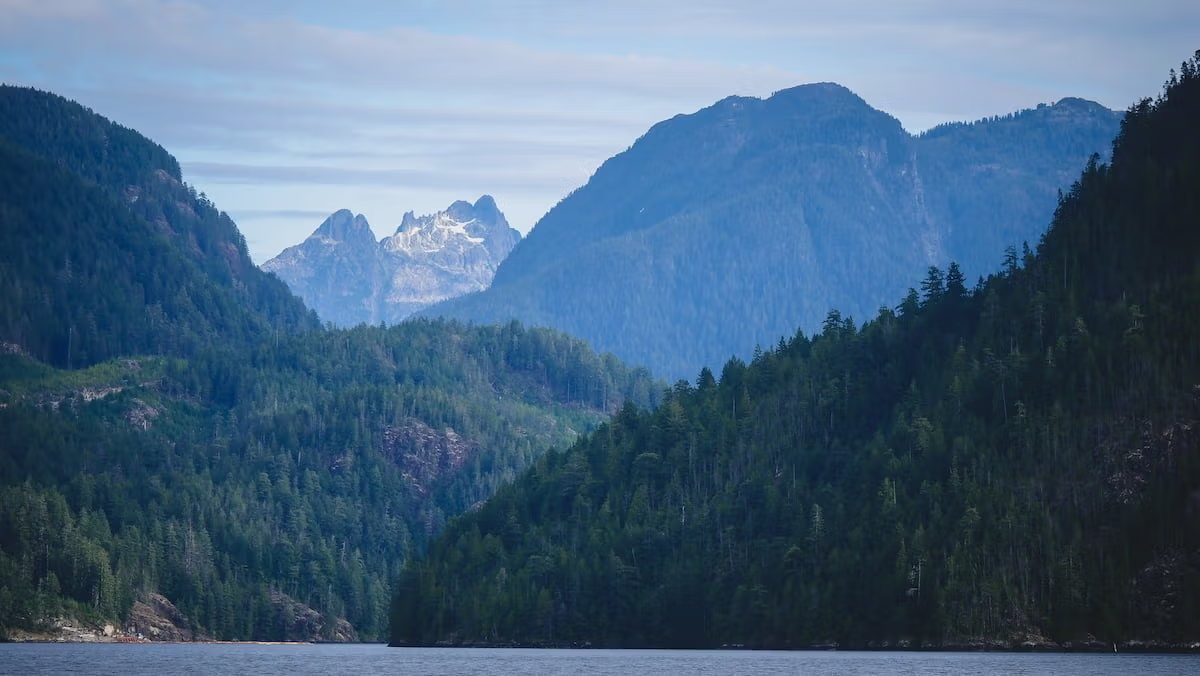
For bigger water, hit Buttle Lake inside Strathcona Provincial Park. Framed by steep peaks, it is a massive freshwater lake ideal for kayaking and canoeing. The wind here acts like a wind tunnel and can kick up aggressively, so paddle smart. Buttle Lake is also a popular spot for camping, with several well-maintained campgrounds located right along its shores.
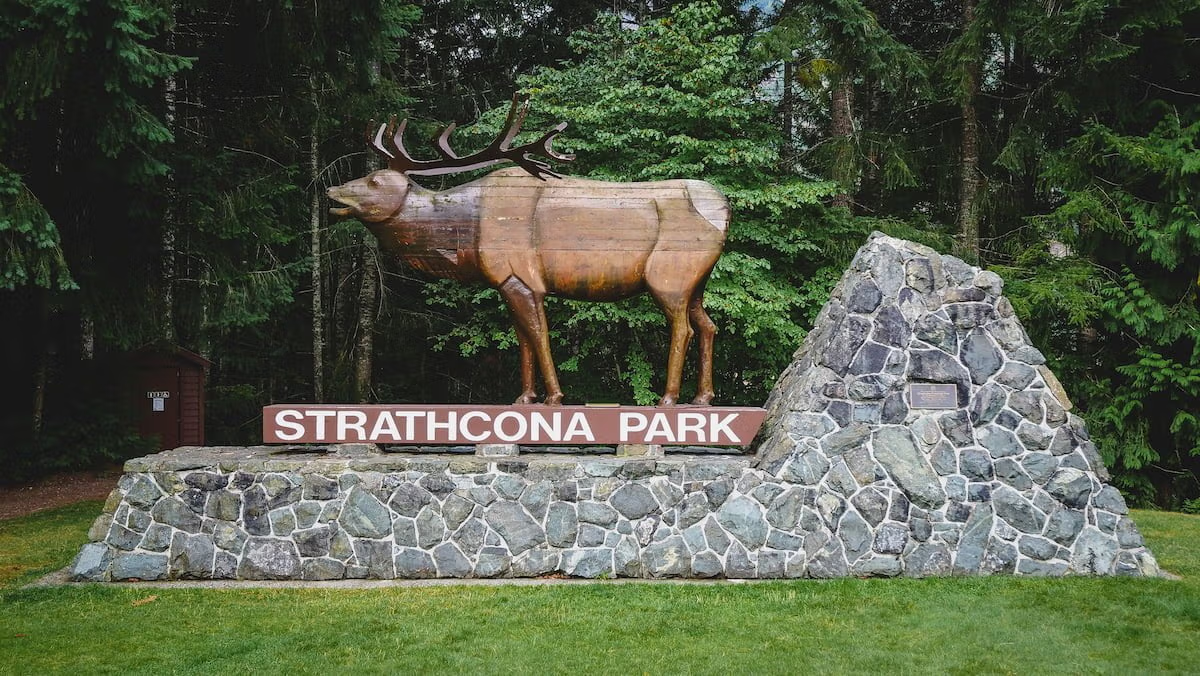
Speaking of Strathcona Provincial Park, this place is an absolute beast. Covering over 250,000 hectares (617,763 acres), it is the oldest provincial park in BC. If you want a serious challenge, gear up for the 16 km (10 mi) trek to Della Falls. It’s a rugged, multi-day push through dense terrain, but standing at the base of Canada’s highest waterfall is a massive payoff. If you are tackling Della, understand that the trail conditions change rapidly with rainfall, so check in with local guides before heading out.
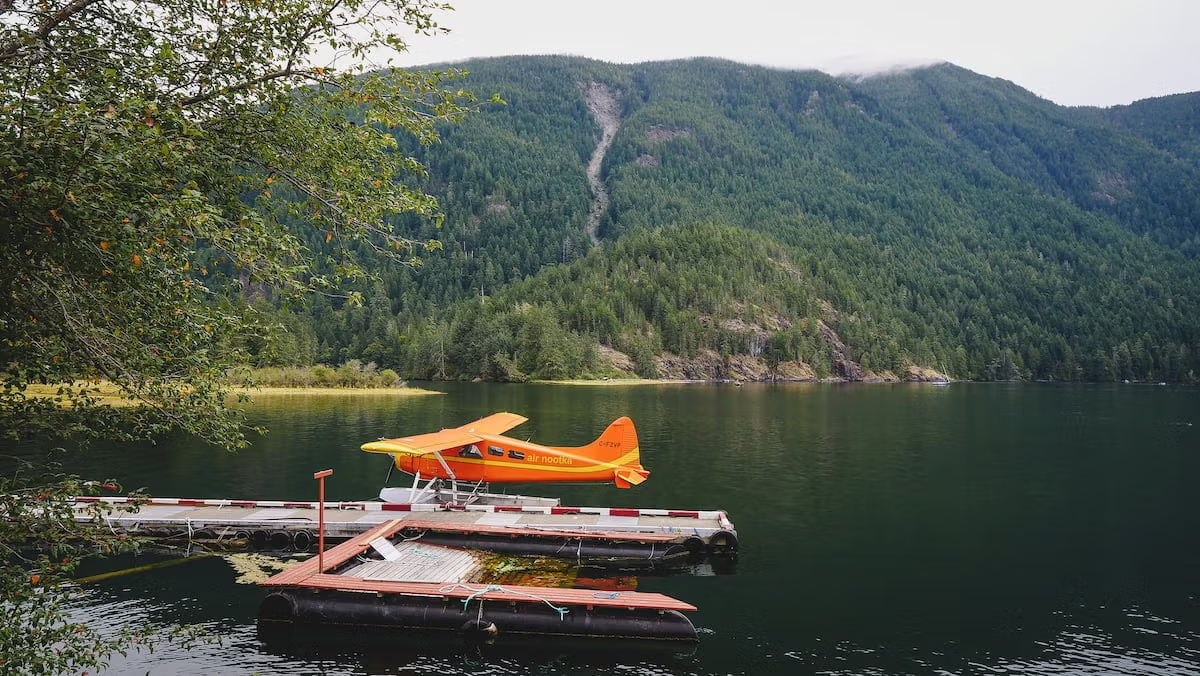
To really grasp the scale of the coastline, look into Gold River Air Nootka. This local floatplane outfit runs transport and scenic flights out over the sounds and into some of the most isolated corners of Vancouver Island. Chartering a flight forces a tough decision: taking the local floatplane saves you hours of travel time compared to taking a boat, but it usually starts north of $180 CAD per seat, making it a pricey aerial shortcut compared to the slow-burn scenic marine route.
If you packed your clubs, the Gold River Golf Course is a surprisingly great 9-hole track right in the village that forces you to hit straight. Current green fees are incredibly reasonable, usually sitting under $30 CAD for a 9-hole round.
It’s a par 35 situated in a picturesque setting, making it the perfect spot for golfers to deal with the distraction of massive mountains and thick timber on every side. It’s a very relaxed, local place to spend a few hours—you won’t need a collared shirt here.
Bottom line: Gold River requires you to show up ready to participate. It’s a fantastic slice of British Columbia’s west coast that rewards travelers who don’t mind getting their boots dirty.
Top 10 Things to Do In Gold River, Vancouver Island, BC, Canada
- Kayaking in Nootka Sound: Get out on the water. Paddling these deep fjords gets you right down to the waterline with seals, sea lions, and the occasional whale. The sheer scale of the landscape from a kayak is humbling, but always check the tidal charts and wind forecasts before you push off.
- Hiking Trails of Strathcona Provincial Park: Hit the Elk River Trail or Bedwell Lake Trail. You get heavy elevation, alpine lakes, and some of the best mountain views on the island. Be prepared for steep, root-heavy sections that require solid ankle support.
- Salmon Fishing Adventure: Charter a boat out of the inlet. The fishing here is world-class. Whether you’re an old hand or just want to reel in your first Pacific salmon, a good local guide takes the guesswork out of finding the bite.
- Cultural Exploration with Mowachaht/Muchalaht First Nations: Take the time to understand the deep history here. Visit cultural sites, participate in guided tours, and witness the traditions that offer crucial context about the people who have stewarded this land for millennia.
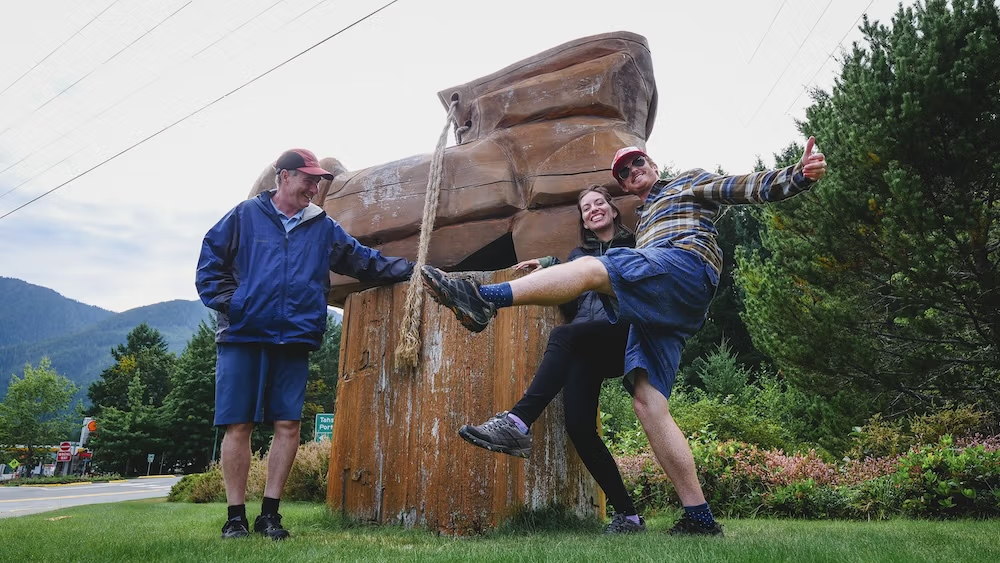
- Gold River Village Exploration: Grab a coffee and walk the town. Check out the local carvings, grab a bite at the pub, and talk to the people who actually live here. It’s a great, slow-paced afternoon when your legs need a break from hiking.
- Upana Caves Adventure: Put on a helmet, grab a strong flashlight, and get underground. Exploring this network of limestone formations is a brilliant, self-guided detour off the main logging road. Prepare to get dirty.
- Golfing Amidst Natural Splendor: Play 9 holes at the local club. Set against a backdrop of mountains and forests, this course challenges golfers of all skill levels. The tranquil environment makes it easy to lose a few golf balls in the timber.
- Camping in the Wilderness: Pitch a tent at Muchalat Lake or along the river. The campgrounds are solid, but you are in heavy bear country, so keep a clean site, pack out all your trash, and lock your food up tight.
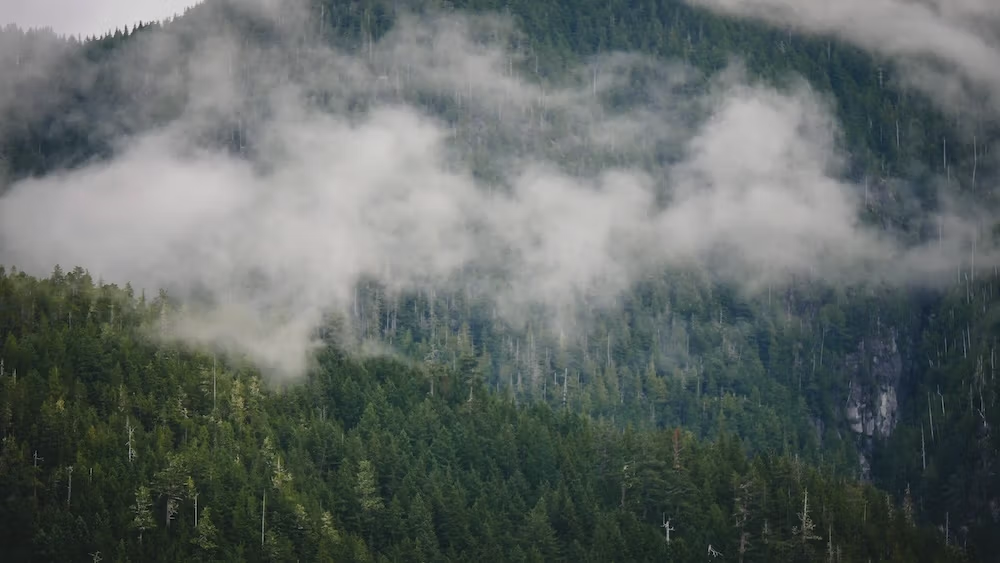
- Photography Tours in the Wilderness: Bring your good glass. The morning mist, the heavy timber, and the abundant wildlife mean you’ll be shooting constantly. A dry bag for your camera gear is absolutely mandatory in this climate.
- Relaxing in the Serenity of Gold River: Honestly, just sitting by the river with a cold drink after a long day of hiking is a perfectly valid itinerary. It’s quiet out here; embrace the slower pace.
If you hit even half of this list, you’ll leave Gold River with a proper understanding of what makes this side of the island so special.
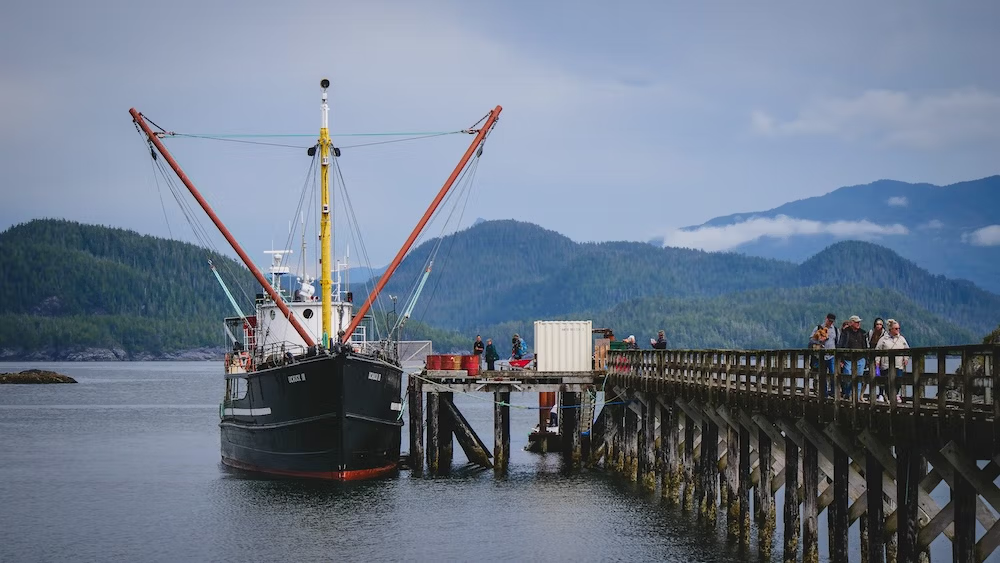
The Uchuck III: True Gold River Icon
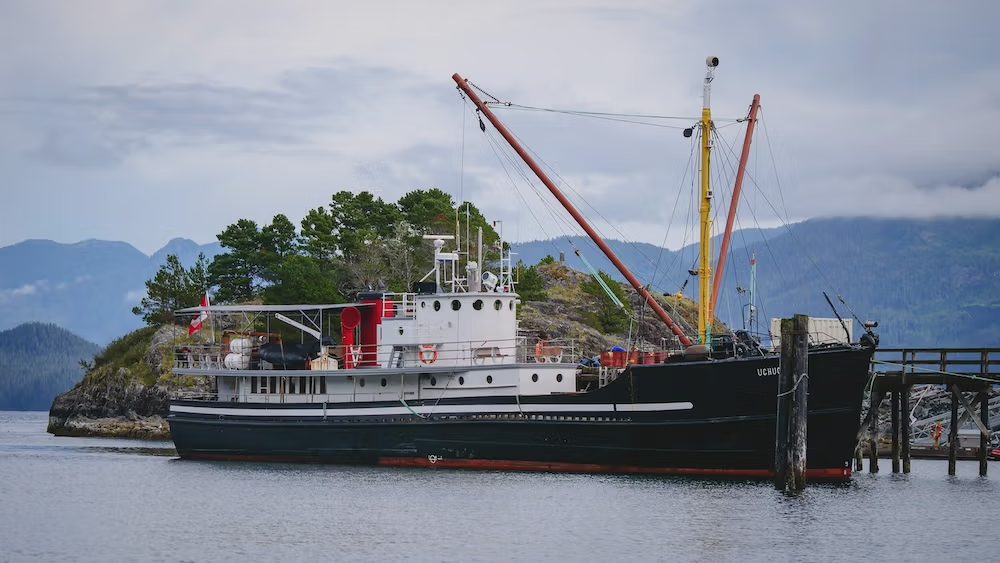
The Uchuck III is basically an institution out here. This converted minesweeper has been running passengers and freight through the inlets of British Columbia for over 75 years. It’s not a luxury cruise; it’s an authentic coastal freighter experience that gives you unmatched access to the working coastline. We found that currently, adult fares hover around $140 CAD for the full-day round trip down to Friendly Cove. It’s a 2.5 to 3-hour journey each way depending on freight stops. Skip this if you get impatient with slow travel; you are at the mercy of the freight manifest, not a tourist timeline.
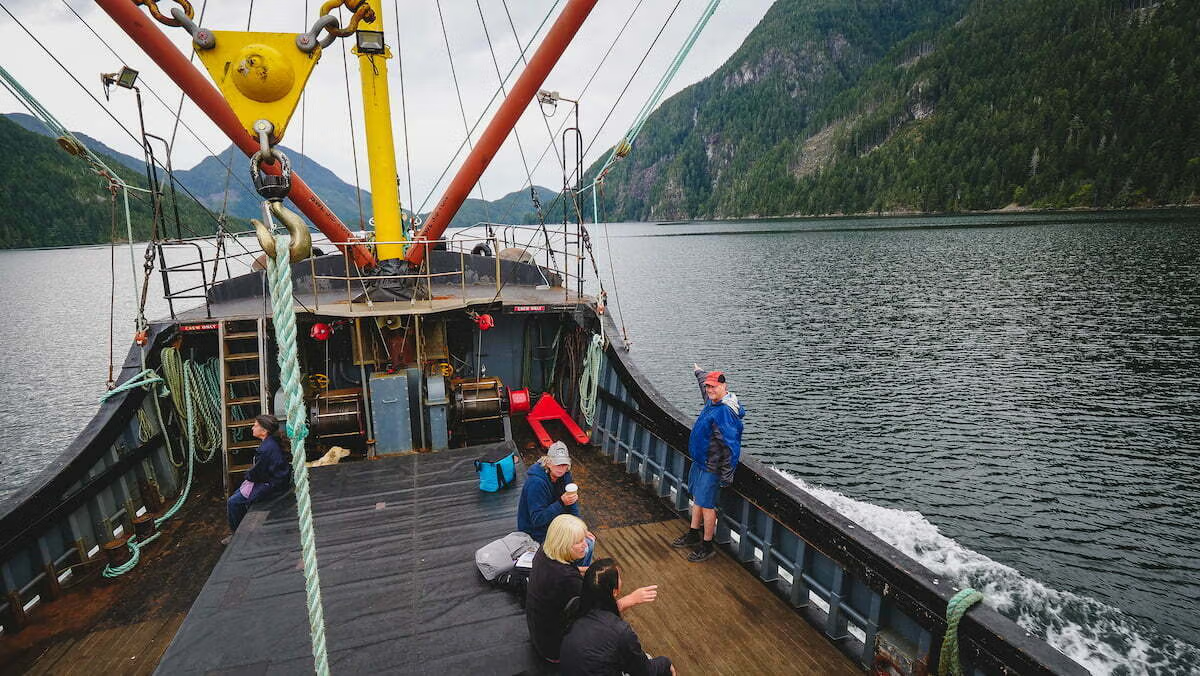
Riding the Uchuck is the smartest way to see the sheer scale of the natural geography. The day trips push out through the fjord, passing logging camps, remote cabins, and deep forest. Dress warmly, stand out on the deck, and watch for black bears flipping rocks on the shoreline or whales coming up for air.
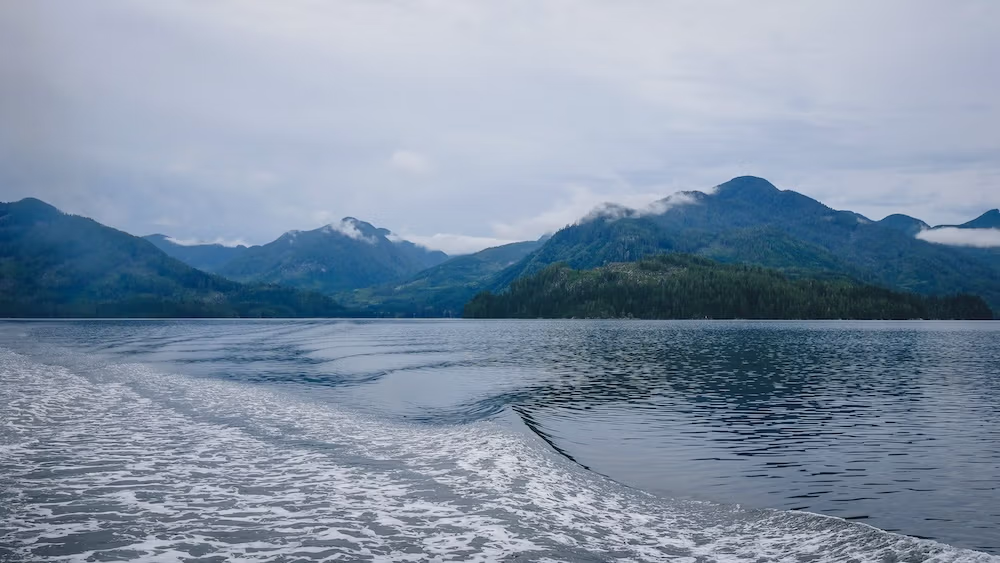
If you’re heading out to Nootka Island or a remote fishing lodge, the Uchuck is likely how you’re getting there. The crew runs a tight ship, actively offloading supplies via crane while you watch. It’s a brilliant way to spend a day if you want to understand how remote communities function.
Because it serves as a vital transportation link, you’re riding alongside locals, loggers, and hikers. It feels much more like participating in the rhythm of the coast rather than just taking a sterile tourist boat. The official source of truth for scheduling is Get West Adventure Cruises, and local sources highly suggest booking weeks in advance during the peak summer months to avoid getting stuck on the dock.
We highly recommend making time for a sailing. Grab a coffee from the galley, secure a spot by the railing, and enjoy one of the most honest maritime experiences left on the West Coast. Be sure to pack layers; the wind off the Pacific is cold even in August.
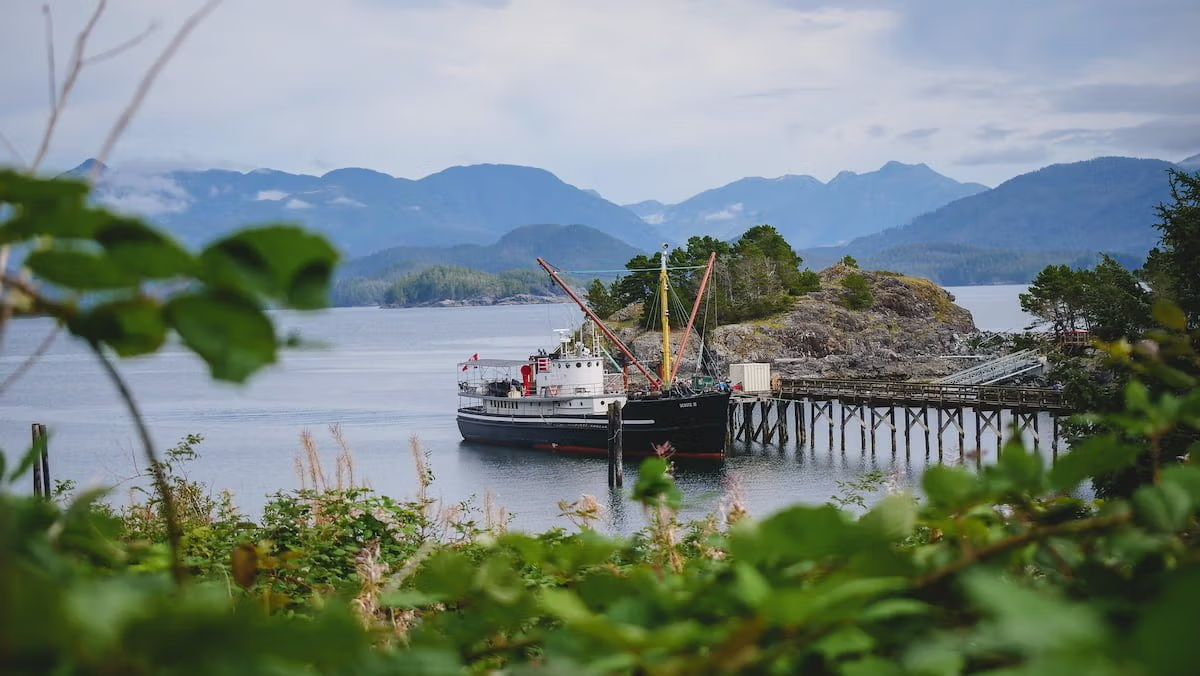
Village Of Gold River: Gateway To Friendly Cove
Gold River is the required staging ground for reaching Friendly Cove (Yuquot) on the west coast of Vancouver Island. You can’t drive there. You either catch the Uchuck, charter a fast boat, or fly in via floatplane.
This is where Captain James Cook dropped anchor in 1778. It’s a heavy, important site. As you approach from the water, the historic lighthouse and the iconic white church stand out sharply against the Pacific backdrop. It is an incredibly striking location that demands respect.
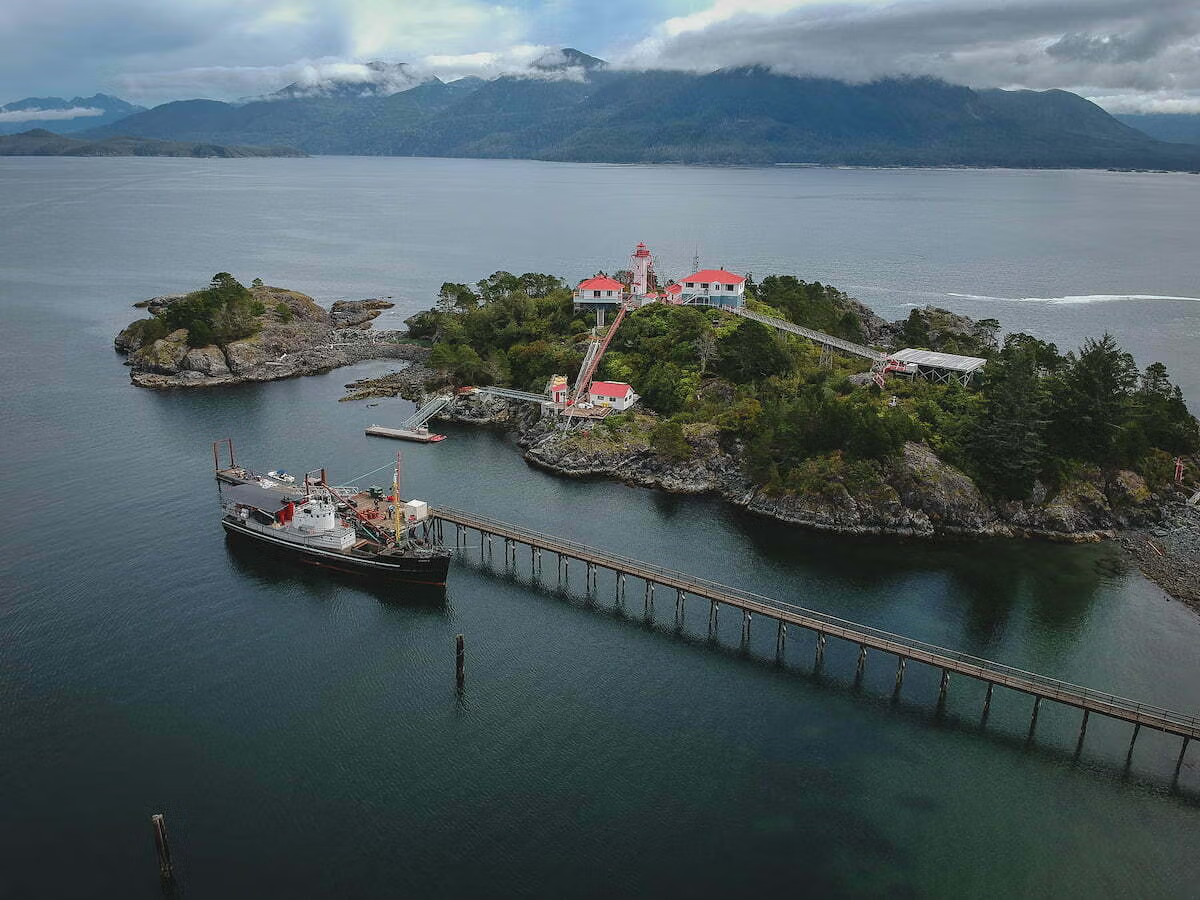
Once you step off the dock, you can walk the pebble beaches, view the totem poles, and explore the church which now serves as a cultural center. We found that currently, there is a **$20 CAD** landing fee when you step off at Friendly Cove, paid directly to the Mowachaht/Muchalaht First Nation to help maintain the site and support the community. Make sure you bring physical cash for this.
It’s also the southern terminus of the rugged Nootka Trail. If you aren’t doing the multi-day hike, you can still walk a short section of the coastline to get a feel for the heavy surf and dense brush that hikers navigate for days.
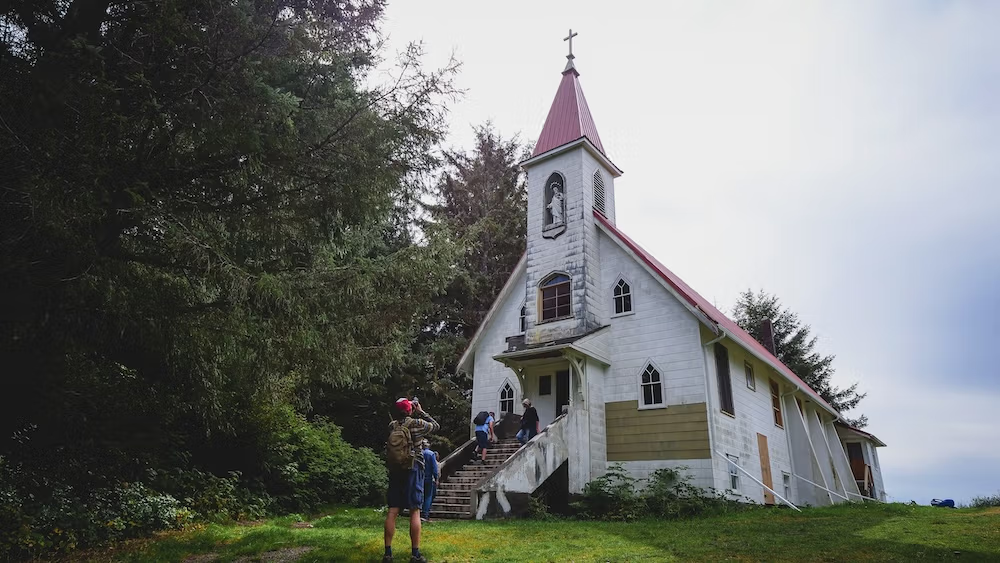
Sleep in Gold River, pack a day bag, and catch the morning boat out. It requires a full day, but it is entirely worth the logistical effort. The community offers comfortable accommodations to rest up before your early departure.
Whether you’re a history buff or an outdoor enthusiast, it’s a mandatory day trip if you want to understand the true history of the coast.
What To Eat and Drink in Gold River, Vancouver Island
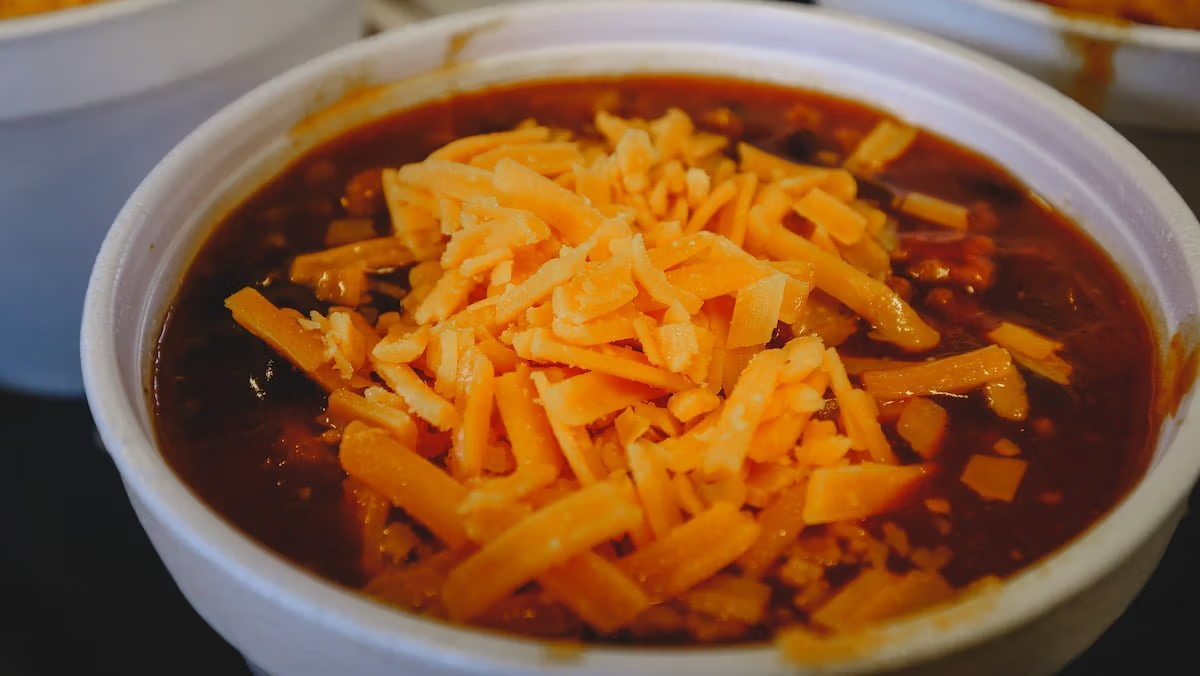
Dining here is strictly casual. You won’t find white tablecloths or tasting menus, but you will find solid, hearty food that hits the spot after a long, damp hike.
Seafood is the obvious choice. When it’s in season, order the local catch. It doesn’t get much fresher than fish pulled out of the inlet that morning.
The Ridge Roadhouse is the local staple. It’s right in the center of town, offering great pub grub, cold beer, and a lively atmosphere full of locals and travelers swapping trail notes. Muddy boots are generally welcome.
It’s a reliable, comfortable spot. If you want a burger and a pint at the end of the day, this is where you go. Just don’t expect it to stay open until midnight.
If you need caffeine before an early start, hit Uptown Cappuccino. It’s a great little cafe for your morning coffee and baked goods before you hit the logging roads for the day.
The 19th Hole Bar and Grill out at the golf course is another solid option. You get good pub-style food with a fantastic view of the greens and the mountains in the background.
For a post-hike drink, grab a stool at one of the pubs and enjoy a cold local beer. The vibe is always relaxed, and you’re bound to hear some good fishing stories.
Down at the water, Sea&Field Bistro is a brilliant setup inside the local marina. It’s a great spot to grab a leisurely lunch while watching the boats move in and out of the sound.
Keep your expectations practical, eat local when you can, and you’ll eat well here.
Tours For Visitors To Gold River, BC
Booking a guide or a tour takes a lot of the logistical headache out of exploring this area. Here is what you should look into when visiting British Columbia’s west coast:
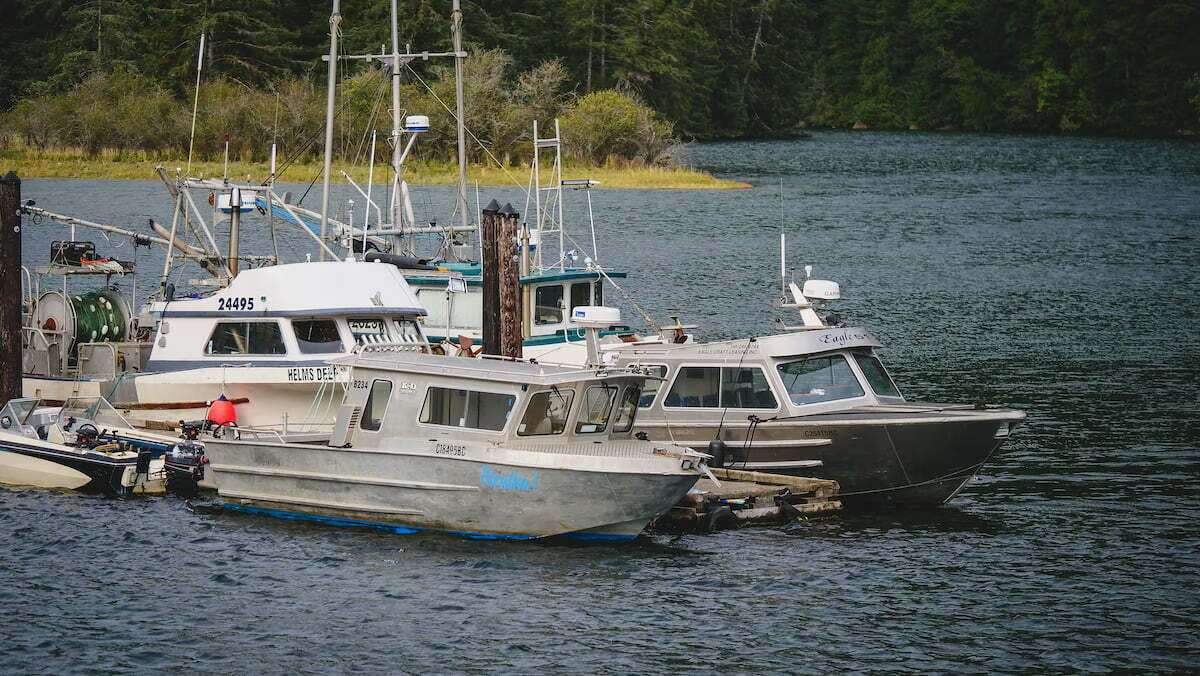
- Boat tours to Friendly Cove: Riding the Uchuck III out to Yuquot is the definitive Gold River day trip. It allows you to explore the stunning surroundings without worrying about navigation.
- Fishing charters: Don’t guess where the fish are. Hire a local captain to get you out on the sound for salmon, halibut, and lingcod. They have the gear and the local knowledge.
- Wildlife tours: Get out on the water specifically to watch the shorelines. Seeing a black bear forage at low tide from the deck of a boat is an incredible experience.
- Hiking tours: If you aren’t comfortable navigating active logging roads and unmarked trailheads, hire a local hiking guide to get you into the backcountry safely.
- Kayaking tours: The tidal currents and weather can shift fast. A guided kayak tour ensures you see the best coves while staying safe on the water.
- Seaplane tours: It’s a splurge, but flying out over the fjords in a floatplane gives you a perspective you simply cannot get from the ground. It’s a once-in-a-lifetime view.
If you have limited time, outsourcing the navigation to a professional is the smartest money you can spend. It lets you focus on the scenery rather than the map.
Gold River Accommodations Guide: Hotels, Guesthouses and Hostels
Lodging here is practical. You are looking for a solid basecamp to dry your boots and sleep well. Here’s a guide to some of the top accommodations available in Gold River:
- The Ridge Roadhouse: This classic roadside motel offers comfortable and affordable accommodations attached right to the pub in town. With clean rooms and easy access to local food, it’s a great option for early starts. We did find that the rooms directly facing the pub side can be a bit loud on weekends, so ask for a quieter room in the back if you are a light sleeper.
- Gold River Chalet: A very comfortable setup with great views of the timber. It feels a bit cozier than a standard motel, and you can grab breakfast before heading out to the logging roads.
- The Lodge at Gold River: Situated right on the river, this is a fantastic spot if you want a bit more comfort or if you are rolling with a fishing group. It’s a great place to sit on the deck and watch the water move.
- Strathcona Park Lodge: Technically back up Highway 28 toward Campbell River, this is a brilliant off-grid basecamp. They offer rustic cabins and a massive array of guided outdoor courses right on Buttle Lake.
Day Trips From Gold River, Vancouver Island, British Columbia
If you’re using Gold River as your hub, you have some heavy-hitting day trips within striking distance. Here are the best ways to burn a tank of gas:
- Strathcona Provincial Park: Drive back up Highway 28. It’s an immense wilderness area dominated by Buttle Lake. Do a day hike, or if you brought your heavy pack, tackle the multi-day slog into Della Falls.
- Nootka Island: Jump on a boat tour or water taxi. It’s remote, heavy with history, and offers some of the best isolated beach walking on the coast where you can easily spot bald eagles and sea otters.
- Hot Springs Cove: This requires a longer boat charter or floatplane ride, but sitting in natural geothermal pools right on the edge of the Pacific Ocean is an elite West Coast experience.
- Campbell River: Drive an hour east back to the city. It’s perfect for restocking supplies, grabbing a larger meal, or jumping on a high-speed zodiac for a whale-watching run.
- Tahsis: Want to get even more remote? Drive another hour and a half down the Head Bay Forest Service Road. It is roughly 64 kilometers of very rough, active logging road, so ensure your spare tire is inflated. It’s a tiny, spectacular fishing village at the end of its own inlet. Do the short, rewarding hike up to Cascada Falls while you’re there.
Using this village as your staging ground means you can push deep into the island during the day and guarantee a hot shower and a decent bed at night. It’s the smart way to travel this side of British Columbia.
Village Of Gold River Transportation Guide
Logistics matter out here. You have a few options for transportation, but driving yourself is the most practical.
- Car Rental: This is the only right answer for most travelers. Rent an SUV or a reliable car in Campbell River or Port Alberni and drive Highway 28. Having your own wheels is mandatory for hitting the trailheads.
- Shuttle Service: Very limited. The Uchuck operates some connections, but trying to do this region without a vehicle will severely limit what you can see.
- Air Nootka: For a unique travel experience, fly in. The views over the mountains and Nootka Sound are incredible, and it drops you right in town. Just remember you won’t have a car once you land.
- Taxi: There is a very minimal local taxi service. It’s fine for getting from the pub back to your room, but don’t rely on it for backcountry transport to places like Upana Caves.
Make sure your tank is full before you leave Campbell River, and keep an eye out for logging trucks on the road.
Where To Visit After Your Trip To Gold River?
Once you pack up the car, Vancouver Island has a lot more road to cover. Here is where we suggest pointing the compass next:
- Tofino: It’s busy, but the massive surf beaches and storm-watching culture make it a mandatory stop. Take a surf lesson or go whale watching.
- Victoria: Head down to the capital of British Columbia for great pubs, architecture, and the excellent Royal BC Museum.
- Port Alberni: A rugged, working town right in the middle of the island. Great access to Barkley Sound and fishing opportunities.
- Campbell River: Known as the “Salmon Capital of the World,” it’s worth a dedicated stop for the fishing and the coastal city vibe.
- Pacific Rim National Park Reserve: Huge swaths of old-growth cedar and long, dramatic beaches. It’s spectacular and perfect for a hike.
- Strathcona Provincial Park: If you only did a day trip, come back and spend a few days camping in the backcountry lakes.
- Comox Valley: A great blend of mountain biking, winter skiing at Mount Washington, and solid local breweries to explore.
- Nanaimo: It’s a major ferry hub, but take the time to walk the historic Bastion and the lively waterfront before you sail out.
- Gulf Islands: Slow the pace way down. Catch a smaller ferry over to Salt Spring or Galiano for farm stands and quiet roads.
- Port Renfrew: Way down on the southwest coast, this town gives you incredible access to Botanical Beach and the Juan de Fuca trail.
The Gold River Decision Matrix
| Activity / Route | Current Cost / Time | The Reality Check | Pro-Tip |
|---|---|---|---|
| Uchuck III to Friendly Cove | Roughly $140 CAD / Full Day | Best for history buffs and coast watchers. Skip if you’re prone to heavy seasickness or short on time. | Verify and book via Get West Adventure Cruises weeks in advance. It frequently sells out in summer. Bring cash for the $20 landing fee. |
| Upana Caves | Free / 1–2 Hours | Worth it for a raw, unguided adventure. Skip if you’re claustrophobic or wearing running shoes. | The road out will chew up street tires. Bring a real headlamp; cell phone lights won’t work down there. |
| Air Nootka Floatplane | ~$180+ CAD / 20+ mins | Unbeatable aerial views of the fjords. Skip if you’re strictly on a tight road-trip budget. | Remember that flying means you won’t have your rental car to explore the logging roads once you land. |
| Driving Highway 28 | A tank of gas / 1.5 Hours | Essential for true freedom to hit trailheads on your own schedule. | Fill up completely in Campbell River. The local gas station card reader is notoriously finicky. |
Gold River, BC Travel Questions Answered: Practical Tips, Local Advice & Local-Style Planning FAQs
How many days do you really need in Gold River, BC?
Honestly, 2–3 nights is the sweet spot for most travellers. That gives you time for a full day out on the Uchuck III or another boat trip, another day for hiking Strathcona Provincial Park or the Upana Caves area, and some slower village time in between. If you are into multi day treks or serious fishing, stretching it to 4–5 nights feels fantastic and still will not feel too long in a place this wild.
When is the best time of year to visit Gold River for hiking and boat trips?
Summer. June through early September is when you will usually get the driest weather, longer daylight and the most tour options running regularly, including sailings out into Nootka Sound and Friendly Cove. Spring and autumn can be wonderfully atmospheric with mist, waterfalls in full force and quieter trails, but you need to be ready for classic West Coast rain and the possibility of some tours running less often. Typical July daytime highs sit in the low 20s Celsius with cool nights, while winters are mild but very wet, which is great for waterfalls but less ideal for long days outside.
What is the easiest way to get to Gold River from Vancouver or Victoria?
Easiest is to drive. From Vancouver you take a ferry to Nanaimo, then follow Highway 19 north to Campbell River and turn west on Highway 28, which runs all the way to Gold River at the head of Muchalat Inlet; from Nanaimo the drive is roughly 3.5 hours, and from Victoria it is closer to 4.5–5 hours depending on traffic and ferry timing. That last stretch along Highway 28 is paved but winding and very remote, so plan fuel, food and daylight rather than treating it like a casual city drive.
Do I need my own car in Gold River, or can I rely on tours and shuttles?
Yes. You can technically reach Gold River using a mix of rideshares, seaplanes and tour pickups, but in real life having your own vehicle makes things far easier. There is no regular public bus service into the village, distances between sights like Upana Caves, lakes and Strathcona Provincial Park are big, and logging road trailheads see very little casual traffic, so a rental car or campervan is what unlocks the caves, lakes, trailheads and viewpoints that make this area special.
Is Gold River a good base for exploring Nootka Sound, Friendly Cove and Nootka Island?
Absolutely. Gold River sits at the inland end of Muchalat Inlet, one of the arms of Nootka Sound, and it has long been a jumping off point for trips out to Friendly Cove, Nootka Island and tiny coastal communities. Heritage vessels like the Uchuck III, plus seaplane operators such as Air Nootka and local charter boats, run people and supplies between the village, the islands and remote lodges, so you can sleep in a comfy bed in Gold River and spend your days way out in the inlets, on beaches or on the water.
Is Gold River a good destination for families and kids?
Absolutely. It is a small, laid back village where kids can run around safely, and most of the classic activities here are very family friendly: short hikes to viewpoints, lake days, gentle paddles, boat trips, easy cave exploring and beachcombing near the inlets. The main thing with children is pacing and weather: build in snack breaks on Highway 28, pack proper rain gear and warm layers for everyone, and choose one or two hero adventures like a day on the Uchuck or an easy hike and lake swim rather than trying to tick every single thing off in one visit.
What kind of budget should I plan for a Gold River trip?
It depends. Gold River itself is generally more affordable than big name Vancouver Island destinations such as Tofino or Victoria, especially for accommodation and meals, but your costs jump once you start adding boat trips, scenic flights and guided charters. Think of your base costs as simple but comfortable motels, chalets or lodges, plus groceries or pub style meals, and then decide how many big ticket experiences you want to layer on top such as a full day cruise, seaplane transfer, multi day trek or guided fishing charter.
What is the weather like in Gold River and what should I pack?
Wet. Gold River sits in classic coastal British Columbia rainforest, and it is one of the wetter places in Canada with over 2,800 millimetres of annual precipitation, so you should always assume you will hit rain at some point. Summers are comfortably mild with average daytime highs in the low 20s Celsius, while winters are cool, dark and extremely rainy rather than brutally cold, but you still want a proper waterproof shell, quick drying layers, a warm mid layer, sturdy waterproof footwear and a hat and gloves in the shoulder seasons. Pack a dry bag for camera gear and a change of socks in your daypack and you will be much happier when the clouds open up mid hike.
How safe is Gold River, both in town and out on the trails?
Generally, it feels very safe. In the village you are in a tiny community where people tend to know each other, violent crime is rare and most visitors feel comfortable walking around during the day and evening, though it is still smart to lock your vehicle and not leave valuables visible. Out on the trails and water the bigger safety issues are natural ones like bears, cougars, slippery roots, fast moving rivers, cold ocean water and quickly changing weather, so carry bear spray where recommended, make noise on forest trails, keep food secured, respect closures and tide times and always let someone know where you are going before you disappear down a logging road.
Can I visit the Upana Caves and Strathcona Provincial Park without a guide?
Yes. Upana Caves and many of the day hikes in Strathcona Provincial Park are designed for independent travellers who are comfortable with basic navigation and backroads. The Upana Caves area lies about 17 kilometres from Gold River along a forest road and has a signed parking area, short trails, staircases and boardwalks to several cave entrances, while Strathcona offers clearly marked trailheads, campground pullouts and day hikes along the Buttle Lake corridor and elsewhere that most reasonably prepared hikers can handle on their own. You still want to bring at least one good headlamp for the caves, sturdy footwear, warm layers and check current conditions or closures before heading out.
Do I need to book the Uchuck III and other tours in advance?
Ideally, yes. The Uchuck III, seaplane flights, wildlife tours, fishing charters and even some accommodation all operate with limited seats and specific sailing or departure days, especially in summer and during prime salmon seasons. If you know you want a particular Uchuck sailing to Friendly Cove, a specific day for a fishing trip or a scenic seaplane hop, it is smart to reserve ahead in July and August and treat same day or walk up spots as a lucky bonus rather than something to count on.
Where should I stay in Gold River, and do places book out in summer?
Gold River is small, so you are looking at a handful of options rather than dozens of hotels: simple motels in the village, chalet style B and Bs, lodges around the lakes and highway and some wilderness focused properties in the broader area. In July and August, on long weekends and around popular fishing periods, those beds can go quickly because visiting workers, fishers, paddlers and tour guests are all competing for the same handful of rooms, so I would absolutely book ahead for peak season; outside of that you have more flexibility but it is still worth reserving if you have your heart set on a particular place.
Is Gold River worth visiting if I am already planning to see Tofino or Campbell River?
Yes. Tofino gives you big surf beaches and Campbell River gives you a lively coastal city and easy access to whale watching, but Gold River feels much more remote and fjord like, with deep forest, caves, big mountain backdrops and direct access into Nootka Sound and Yuquot. If you can spare even two extra nights at the end of Highway 28, it turns a standard Vancouver Island loop into more of an old school expedition, with fewer crowds and a much stronger sense that you have reached the very end of the road.
This guide is also available in Spanish. [Lea la versión en castellano: Guía de viaje de Gold River: qué hacer en Gold River, Columbia Británica]