
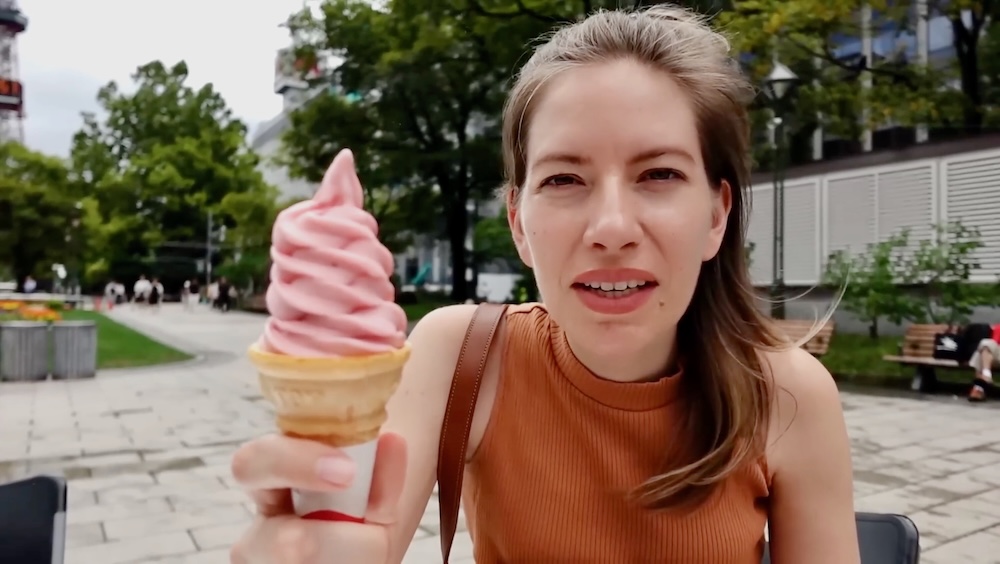
On our first day in Sapporo in late September 2023, Audrey and I were sitting on a bench in Odori Park with soft-serve melting faster than we could eat it. Audrey had just declared that it was 30 degrees, that she was struggling, and that the ice cream break was the only thing standing between her and passing out. This was Hokkaido, the part of Japan with a reputation for cool, crisp autumn air. Four days later, as we were wrapping up, the weather finally flipped and it felt like fall had arrived.
That whiplash is exactly what makes September a tricky month to plan for. If you’re thinking about a September trip to Sapporo, the useful question isn’t just what the weather is like on average. It’s which version of September you’re likely to get, and whether you’d be better off waiting a few weeks. Here’s what our late-September stay actually felt like, how it compares with a normal September and with the last few, how we got through the hot days, what September offers that October doesn’t, and my verdict. For the impatient: it’s an okay time to visit, but if you prefer cooler weather, as we do, I’d push into mid or late October.
What Late September in Sapporo Was Actually Like for Us
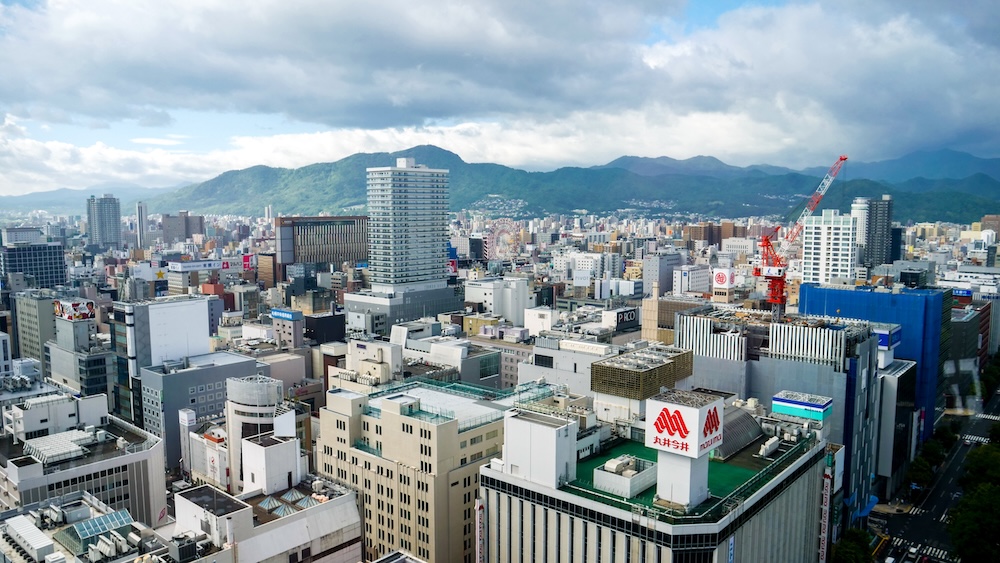
We had four days in Sapporo, after stops in Tokyo, Hakodate and Noboribetsu, and the first stretch of them was hot and humid enough to change how we moved around the city. At the top of the TV Tower my hands were clammy and I was properly sweaty, which is not the cool northern look I’d been going for. Down in Odori Park we were chugging water and Pocari Sweat between bites of soft-serve. Audrey said it was bringing her back to life, then added, with more hope than conviction, that it had to cool down at some point. It must.
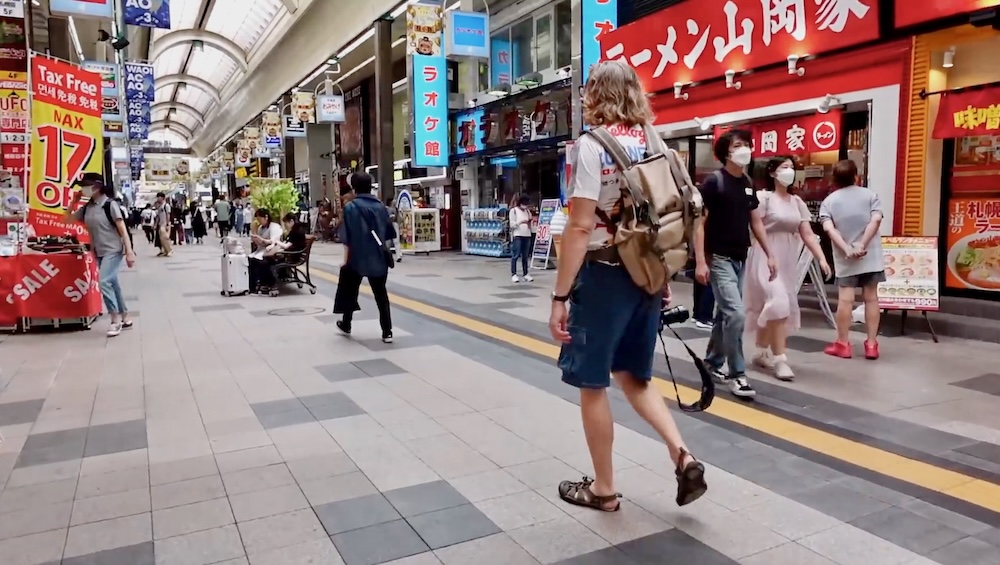
It didn’t cool down that afternoon. We ducked into the covered Tanukikoji arcade largely for the air conditioning, and we both agreed that was its best feature. The Sapporo Beer Museum later scored extra points for being indoors and air-conditioned; on a hot, humid day, a cold tasting flight in a cool room is about as good as it gets. Thinking back on the whole stay, the heat shaped our days more than I realised at the time. We kept steering toward air-conditioned buildings and the underground walkways, hunted for shade whenever we were outside, and often went back to the hotel for a mid-afternoon siesta. It was energy-zapping in a way I didn’t associate with Hokkaido.
It wasn’t four straight days of blazing sun, though. There was a greyer patch with some rain. Maruyama Park after a shower looked even greener than usual and was almost empty, which made for one of the calmest hours we had. At Nakajima Park, which our hotel overlooked, we finally caught it on a sunny visit and it felt like a different place. By the time we walked the forest trails at the Sapporo Art Park, the day was noticeably cooler, and before we left Sapporo it felt like the calendar had flipped: we’d had the last stretch of summer, and now cooler fall weather was moving in. Neither of us was sorry to see it.
So my honest summary of late September is this: mostly hot and humid, a few grey and rainy spells, and a cooler turn right at the end. It wasn’t a particularly wet visit overall, and when it did rain we simply shifted to indoor sights and, I’ll admit, to eating.

What September Weather in Sapporo Usually Looks Like (and Why Recent Ones Have Run Hot)
What we experienced was not a typical September, and it’s worth being clear about that.
On average, September in Sapporo really is mild. Normal daytime highs are around 23°C and overnight lows around 15°C. The month cools as it goes: early September can still push into the mid-20s, while late September usually brings more days that stay under 20°C, plus the odd chilly morning below 10°C. That’s the September most guides describe, and as a long-term average it’s accurate.
The averages just don’t capture how warm recent Septembers have been. September 2023, the month we visited, averaged 21.5°C in Sapporo, almost 3°C above normal. That made it the second-warmest September in the city’s records, which go back to 1876; only 2012 was hotter. So when we were sweating our way through Odori Park, we weren’t being dramatic. We’d landed in one of the hottest Septembers Sapporo has ever recorded.
It wasn’t an isolated freak, either. September 2024 ran above normal across Hokkaido, and September 2025 gave Sapporo another of its warmest Septembers on record, averaging more than 2°C above normal. Three warm Septembers in a row isn’t a guarantee of the next one, but it does mean summer can hang around much longer than the city’s cool reputation suggests.
The other thing the averages hint at but rarely spell out is rain. September is Sapporo’s wettest month of the year on average, with roughly 140 mm of precipitation. In practice that tends to mean unsettled spells rather than a solid week of downpours. Hokkaido is less exposed to direct typhoon hits than Honshu, but weakened storm systems tracking north and stalled autumn rain fronts can still deliver a run of grey, damp days. Our trip followed that pattern closely. Mid-September 2023 was cloudy and wet across Hokkaido, while late September turned mostly clear and drier, yet still far warmer than normal. That’s why my memory insists it wasn’t very wet, even though Maruyama Park was definitely dripping when we got there.
How to Handle a Hot or Wet September Day in Sapporo
Sapporo turns out to be a very forgiving city when the weather misbehaves, and almost everything that got us through the heat works just as well when it rains.
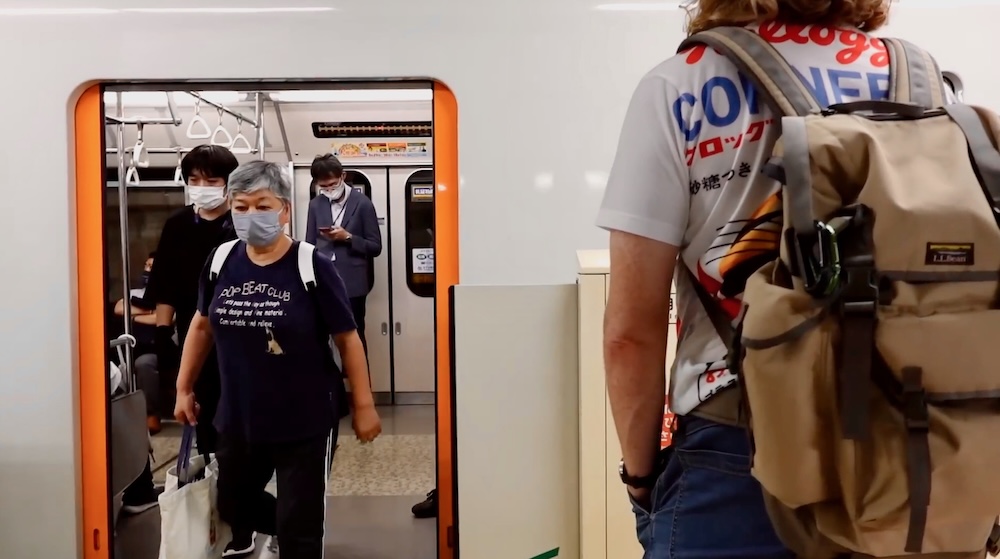
The biggest asset is underground. There’s a continuous underground route of about 1.9 km running from Sapporo Station through Odori to Susukino. The busiest section, between Sapporo Station and Odori, is a roughly 520-metre walkway that takes about ten minutes. On a sticky afternoon, dropping below street level to cross the city centre is a relief, and on a wet day it’s the obvious way to stay dry. We used it a lot, and I’d lean on it even more next time.
That’s also the best argument for where to sleep in September. If your hotel sits near Sapporo Station, Odori or Susukino, you can be underground within a few minutes of leaving the lobby whenever the weather turns, hot or wet. If that flexibility appeals, you can compare hotels in central Sapporo along that corridor.
Above ground, it helps to know where your air-conditioned refuges are before you need them. For us those were the Tanukikoji arcade and the Beer Museum, both easy to slip into mid-wander. Parks are fine too if you stick to the shady paths and don’t try to power through the hottest part of the day.
The single most useful habit we picked up was the midday reset. On the hottest days, heading back to the hotel in the mid-afternoon meant we had energy left for the evening instead of slowly melting through the sightseeing. That only works if the hotel isn’t a long trek from where you’re spending the day. Ours overlooked Nakajima Park, and if a greener base appeals to you as well, you can look at current hotels around Nakajima Park. If you’re visiting in early September, or the forecast looks warm, plan outdoor sights for mornings and late afternoons and keep the middle of the day loose. On rainy days, flip it: put museums, arcades and food first and save the parks for clearer weather. In September there’s a decent chance you’ll need both plans in the same week.
What September Gives You: Autumn Fest, Green Parks and Lighter Crowds
Heat and rain aside, September has real advantages in Sapporo.
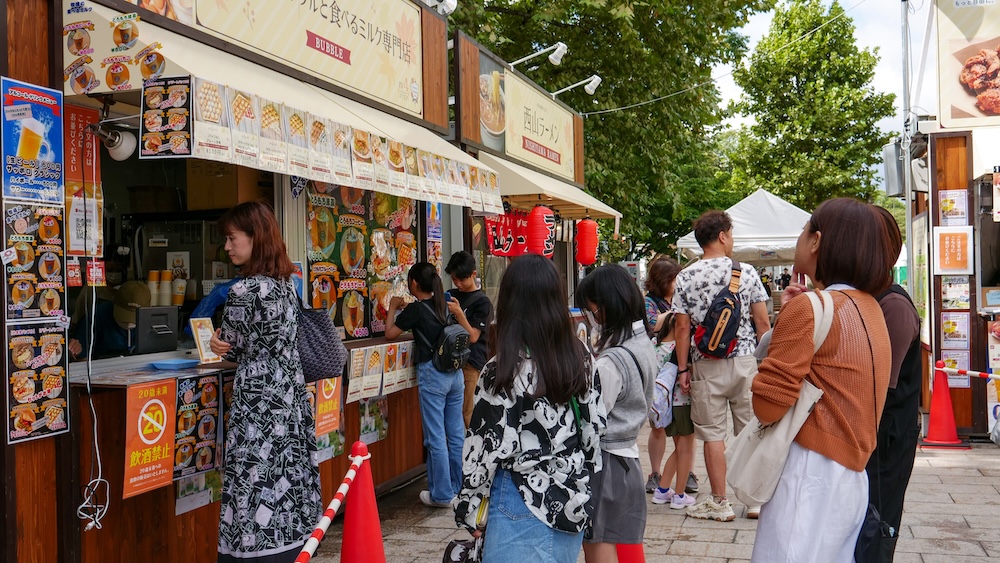
The biggest is Sapporo Autumn Fest, the city’s harvest-season food festival in Odori Park. It runs for a little over three weeks: in 2023 it was September 8 to 30, and in 2026 it ran September 11 to October 3. If you’re in town for much of September, there’s a good chance you’ll overlap with it. We stumbled into it without planning to and ate one of the best lunches of our trip. I see it as a brilliant bonus if your dates line up rather than something to rearrange a trip around; the food and the practical details are in my Sapporo Autumn Fest guide. If your dates do overlap, staying close enough to wander back for a second round is the easy upgrade, and you can check hotels within walking distance of Odori Park for your festival dates.
September also catches the city at its greenest. The parks are still lush, and after rain they look freshly painted. What you won’t get is autumn colour. At Maruyama Park we were too early for the changing leaves, so if foliage is a priority, September isn’t your month.
Finally, Sapporo simply felt calmer than the big cities further south. Compared with what we’ve experienced in Tokyo, Osaka and Kyoto, it felt noticeably less touristy, and more than once we had a corner of a park nearly to ourselves. That’s one trip’s impression rather than a statistic, but it’s a large part of why September in Sapporo still worked for us on the hot days.
Is September a Good Time to Visit Sapporo?
It’s an okay time to visit. September gives you Autumn Fest, green parks and a relaxed city. It also gives you the most unpredictable weather of the shoulder season and, judging by recent years, a real chance that summer heat outstays its welcome.
If you prefer cooler weather, and Audrey and I definitely do, I’d push the trip into mid or late October if you can. The catch is the trade-off most September guides skip:
| Early September | Late September | Mid to late October | |
|---|---|---|---|
| Weather | The warmest part of the month; mid-20s highs are possible and warm years can be humid | Usually cooling, but recent Septembers have run warm (ours was hot) | Much cooler: average highs around 16°C and lows around 8°C |
| Autumn Fest | Usually running | Usually running | Usually over |
| Autumn colour | Not yet | Not yet (we were too early) | City foliage season, typically mid-October to early November |
There’s one more wrinkle on the foliage. In warm years the leaves turn later. In 2023, Sapporo’s maples changed colour on November 10, the latest date on record and nearly two weeks behind normal, so even mid-October doesn’t guarantee peak colour in a hot year. The colour starts out in the mountains around Jozankei before it reaches the city’s parks, and if you’d rather not sort out the transport yourself, you can browse current day tours from Sapporo and see what’s running for your dates.
Here’s how I’d decide. If Autumn Fest matters to you, if warm afternoons don’t bother you, or if September is simply when you can travel, go: use the underground, keep the middle of the day flexible, and treat the festival as the bonus it is. If what you want is cool, crisp days and red and gold trees, wait for mid to late October and accept that you’ll miss the festival. If you’re genuinely torn between the two, it’s worth comparing Sapporo hotel rates for both September and October dates before you commit, since the deciding factor might come down to what each option costs you. Either way, pack for a hot, humid afternoon and a cool, damp evening, plus something for rain. In Sapporo at the turn of the season, you can easily get all three.
Frequently Asked Questions
What is the weather usually like in Sapporo in September?
Long-term averages make September look mild, with normal daytime highs around 23°C, overnight lows near 15°C, and roughly 140 mm of rain across the month. However, the last several Septembers have run significantly warmer than normal, meaning late-summer heat and humidity can easily linger into late September before cooler fall air finally arrives.
Can you see autumn foliage in Sapporo during September?
No, September is too early for changing leaves in the city. During our late-September visit, places like Maruyama Park and Nakajima Park were still lush and green, as city foliage typically appears between mid-October and early November—and can turn even later following an unusually warm September.
When does Sapporo Autumn Fest take place?
Odori Park hosts this harvest food festival for a little over three weeks every September, sometimes stretching into the very start of October. For example, it ran from September 8 to 30 in 2023 and from September 11 to October 3 in 2026, making it a great bonus if your travel dates naturally overlap.
How do you handle a hot or rainy September day in Sapporo?
Dropping into the 1.9-kilometre underground walkway connecting Sapporo Station, Odori, and Susukino is the easiest way to cross the city centre while avoiding sticky heat or rain. Above ground, we leaned on air-conditioned stops like the covered Tanukikoji arcade and the Sapporo Beer Museum, took mid-afternoon hotel breaks, and saved park walks for cooler or drier spells.
Should I visit Sapporo in September or wait until October?
Choosing between the two comes down to whether you care more about food festivals or crisp autumn weather. September gives you Sapporo Autumn Fest and green parks, whereas waiting until mid or late October trades the festival for much cooler days—averaging 16°C highs and 8°C lows—and a better shot at seeing red and gold leaves.
What should I pack for a September trip to Sapporo?
Pack versatile layers that can cover a warm, humid afternoon in the mid-20s alongside a cool, damp evening that dips toward 10°C to 15°C. Because September is statistically Sapporo’s wettest month of the year, bringing rain gear and comfortable shoes for ducking in and out of underground walkways is also essential.
This guide is also available in Spanish. [Leé la versión en castellano: Sapporo en septiembre: clima, Autumn Fest y si conviene viajar]
This article contains affiliate links. If you book through one of these links, I may earn a commission at no extra cost to you.
September is an underrated month for Sapporo. You get the autumn colours starting without the summer crowds, and the food is arguably better than in winter because the seafood season is shifting.