
Luxury travel in Patagonia can get expensive before you have even decided what the expensive part is supposed to accomplish.
A room with a lake view becomes a suite. A normal transfer becomes a private vehicle. Somebody adds a wine cellar, a fireplace and a man waiting to hand you a towel, and suddenly your credit card is toasty warm.
Finding costly places to stay is easy. Working out where the extra money genuinely changes the trip is much harder.
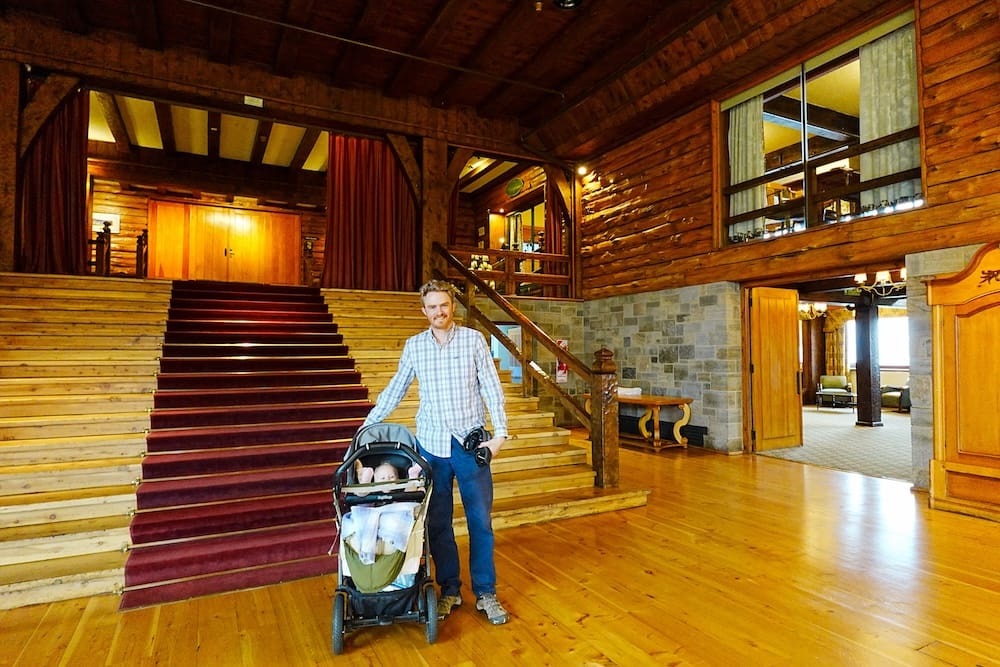
Audrey and I have experienced several versions of premium travel in Argentine Patagonia. We stayed at Llao Llao with Aurelia and treated the hotel as part of the holiday. We spent time at remote estancias where the isolation, shared meals, guiding and access mattered more than any conventional luxury checklist. During a hosted stay at Estancia Tecka, we tried fly fishing for the first time with the transport, equipment and patient instruction already organized.
The best of those splurges solved a real Patagonia problem. They removed a difficult transfer, put us inside a landscape we could not easily visit from town, turned a technical activity into something two beginners could actually do, or gave us enough to enjoy on the property that staying there became an experience in itself.
The weaker reason to spend is simply that something looks polished.
Before booking any luxury hotel, remote lodge or private tour in Patagonia, I would ask one blunt question:
What will paying more actually change?
Luxury in Patagonia Should Solve a Problem
Two expensive Patagonia stays can have almost nothing in common.
An upscale town hotel may offer a beautiful room, breakfast, a spa and the freedom to walk out for dinner. A remote lodge may include your meals, guides, equipment and transport around a property that takes hours to reach. One protects your independence. The other intentionally replaces it with a more controlled experience.
Comparing their nightly prices without examining the inclusions is nearly useless.
Private tours create the same confusion. Sometimes the extra money buys a meaningful advantage: control over the departure time, a pace that works for a family, specialist instruction, more photography time or access by boat to places a road tour never reaches.
Sometimes it buys the same public road and the same viewpoints with fewer passengers in the vehicle.
There is nothing wrong with paying for space and privacy. Audrey and I now travel with Aurelia, and I fully understand the appeal of not sharing every snack dispute, missing mitten and pre-breakfast family negotiation with twelve strangers.
It still helps to know what you are buying.
My test is whether removing the premium would alter the day in a substantial way. Would reaching the place become difficult? Would you lose the guide, equipment, meals or activity that made the booking worthwhile? Would you give up useful control over timing? Is the hotel itself one of the reasons you are going?
When the cheaper version would leave the trip almost unchanged, I start losing enthusiasm for the upgrade.
If you are already pricing the accommodation side of the trip, you can compare current Patagonia hotels and lodges on Booking.com, but use the test below before treating a higher star count as proof of better value.
Iconic Hotels Are Worth It When the Hotel Is Part of the Trip
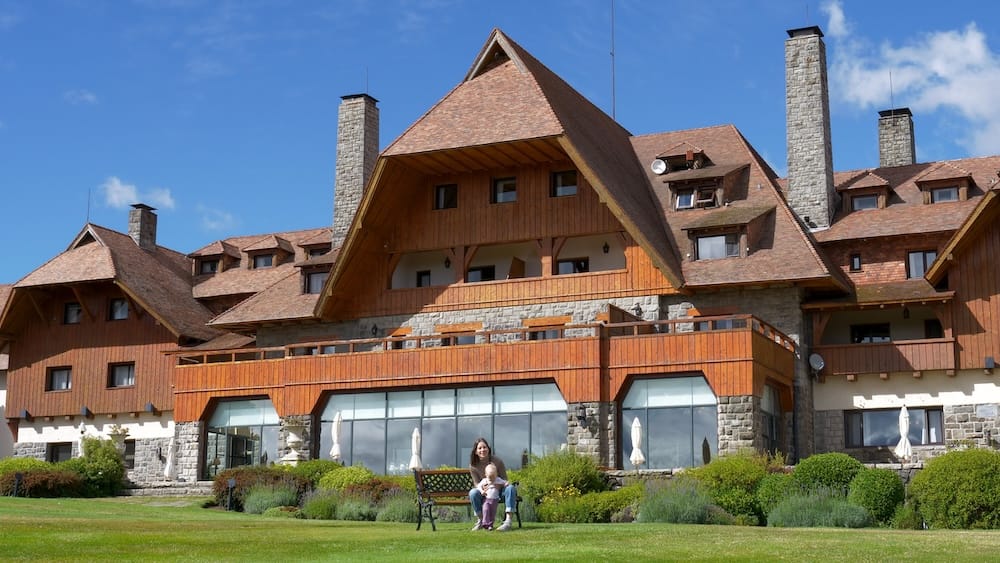
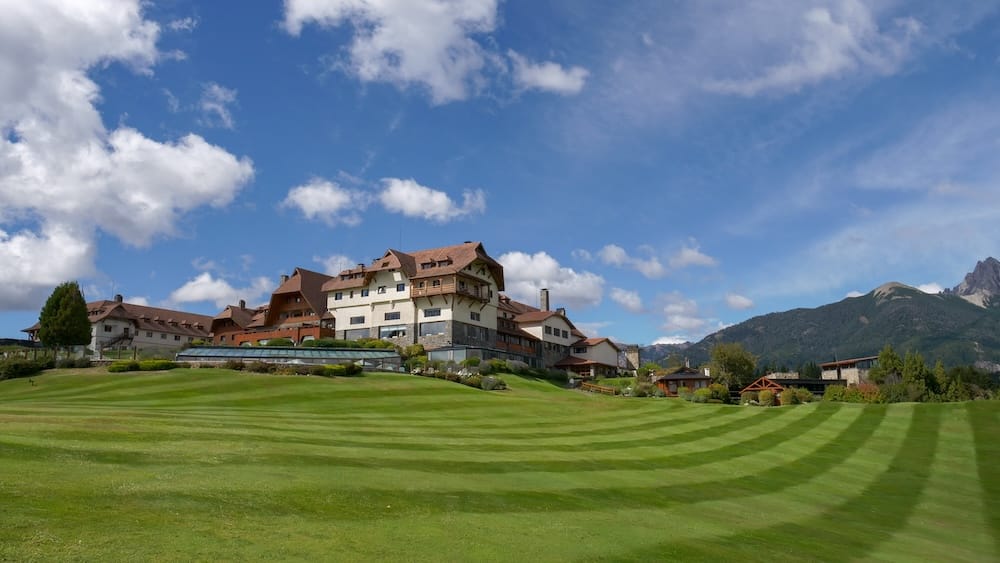
Llao Llao is the strongest example from our own travels of an iconic hotel that can justify becoming an itinerary stop.
It sits outside central Bariloche between lakes, forests and mountains, with the historic Bustillo Wing and the newer Moreno Wing forming a much larger resort than the word “hotel” initially suggests. There are restaurants, lounges, pools, a spa, family spaces, golf, a marina, a beach and organized activities.
Audrey and I stayed in the Bustillo Wing with Aurelia. Our room was only one small part of the experience.
We wandered through the common areas, explored the grounds, ate on the property and spent time in the heated pool, where we could move between the indoor and outdoor sections while keeping the surrounding landscape in view. Aurelia had spaces where she could play, and we had enough to do that staying at the hotel did not feel like sacrificing time in Bariloche.
The place was also big enough for us to get lost.
There was a map. We needed it. No expedition team was dispatched, but the possibility felt real.
Stay Overnight Only When You Will Use the Property
The easiest way to waste money at an iconic resort is to arrive late, sleep, eat breakfast and disappear on a full-day excursion.
You may have enjoyed an exceptionally comfortable bed, but you have also paid for pools, gardens, lounges, restaurants and activities you barely saw.
Llao Llao worked for us because staying there was one of the things we had gone to Bariloche to do. We slowed down and used the property. We did not treat it as a very elaborate bus shelter between tours.
That would be my first test with any iconic hotel. Look at the actual itinerary surrounding the booking.
When every day begins early and ends late, a well-located hotel in town may serve you better. The most impressive pool in Patagonia has limited value when your only interaction with it is a wistful glance while rushing outside with a daypack.
The current activity programme at Llao Llao also involves practical conditions. Some experiences require reservations, and availability can depend on capacity, schedules and weather. Paying the resort rate does not give you magical access to every activity whenever the mood strikes.
Room upgrades deserve similar discipline. Extra space, a stronger view or a particular wing can matter if you plan to spend time in the room. They matter less when your main reason for staying is the wider property.
The overnight premium makes sense when the hotel becomes part of the day—not merely where the day finishes.
Travellers ready to price that version of the trip can check current availability at Llao Llao on Booking.com. I would still protect enough free time to use what I was paying for.
A Meal or Afternoon Tea May Be Enough
We have also experienced Llao Llao without staying overnight.
On an earlier visit, Audrey and I booked afternoon tea as non-guests. We arrived early, wandered through the public areas available to us, spent time looking out from the terrace and then settled in for a buffet of savoury food, desserts and hot drinks.
We called it our little slice of luxury, and that description still feels accurate. We experienced some of the architecture, atmosphere and service without paying for a room.
We also ate a heroic quantity of food.
By the end, we were no longer leaving in the conventional sense. It was more of a controlled waddle away from the table.
The hotel still lists its traditional tea, but I would confirm current non-guest access directly before making plans. It also currently says guided hotel visits are not operating, so travellers should not assume they can simply arrive and tour the property like a museum.
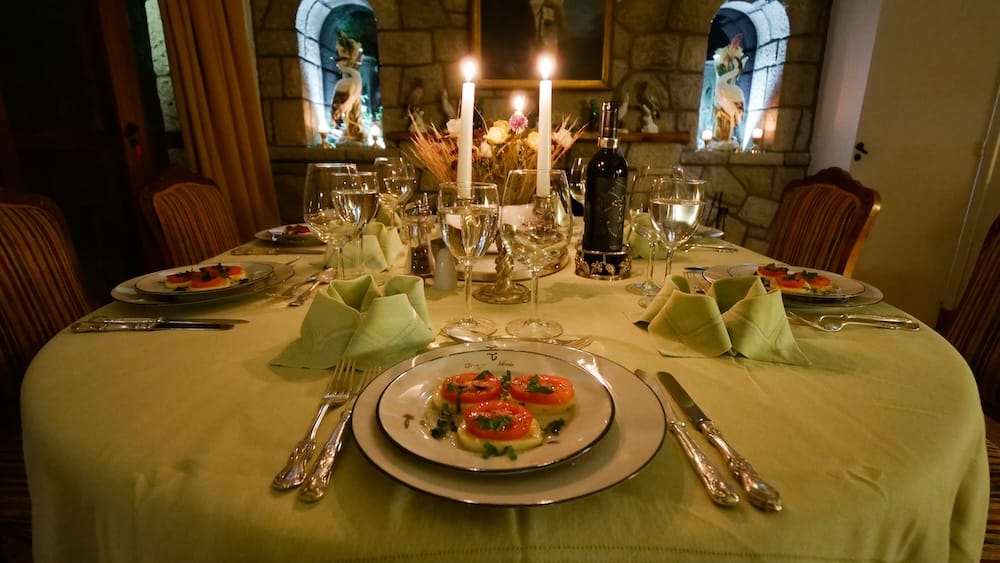
Dining can create a similar middle ground. After a Nahuel Huapi boat trip, Audrey and I returned to Llao Llao for fondue and selected a bottle of wine from the cellar. Securing a table without an advance reservation involved some uncertainty, and I would not depend on that approach now.
The meal was the most expensive one of that trip.
It was also one of the most memorable. The setting, the cellar, the wine and the fondue turned dinner into an occasion rather than an inflated restaurant bill.
That is the key difference. A premium meal earns its place when the full experience sticks with you. If I paid the same amount to eat quickly before rushing back to another hotel, I would remember the price more clearly than the evening.
Travellers curious about an iconic hotel do not always need to stay there. A meal, tea or another reservable experience may deliver the architecture, atmosphere or view they actually want.
Just verify the current rules first. Nobody needs to arrive dressed for afternoon tea only to spend the afternoon admiring the entrance from outside.
Iconic Does Not Always Mean Enormous
Llao Llao represents the full resort model. Other lake properties in Argentine Patagonia offer a smaller version of luxury.
Las Balsas near Villa La Angostura, for example, is a more intimate lake hotel focused on its setting, dining and spa atmosphere. I have not stayed there, so I would not pretend to offer a personal verdict. It is useful as a contrast because it asks for a different kind of commitment. Travellers drawn to that smaller lake-hotel model can compare current rooms at Las Balsas on Booking.com.
Some travellers want a sprawling resort that can occupy several days. Others want a smaller property where the room, meal and view carry the experience.
The mistake is paying for the first while planning to use it like the second.
Remote Lodges Earn Their Premium Through Integration
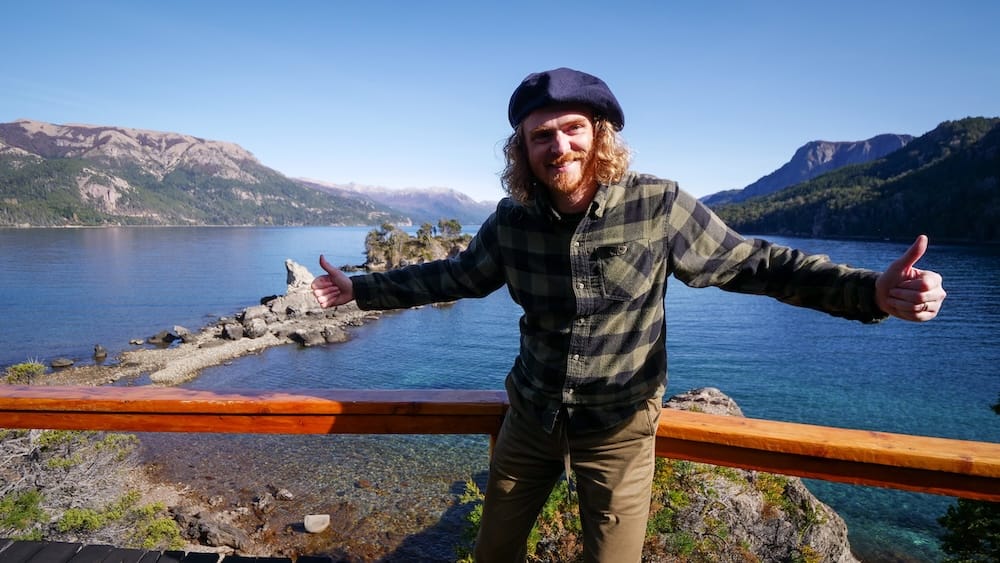
Remote lodges and estancias need to justify themselves differently.
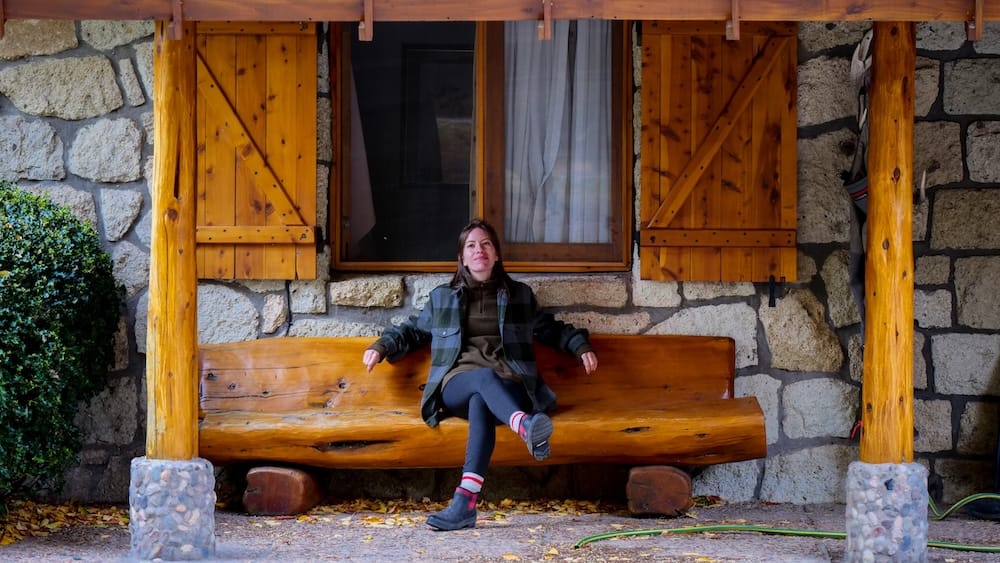
Their main advantage is rarely a grand bathroom or a more sophisticated arrangement of decorative cushions. It is the way they combine access, meals, landscape, guiding and accommodation into one controlled stay.
That matters in Patagonia because distance creates genuine friction. The final approach may involve an unpaved road, a boat, a lodge vehicle or a transfer that has to be arranged in advance. Once you arrive, there may be no nearby restaurant, supermarket or simple backup option.
A strong remote property does not merely leave you isolated. It makes the isolation workable.
The Transfer Is Part of the Product
Our arrival at Estancia Tecka showed why transport can be one of the most valuable parts of a premium stay.
A lodge driver collected us for the final approach and handled the long dirt-road section into the property. Reaching the gate did not mean we were close. It meant Patagonia had acknowledged our existence and would now consider allowing us through.
The property was vast, and the drive continued.
Without the organized transfer, the stay would have been much more complicated. The vehicle was not a decorative luxury. It solved access.
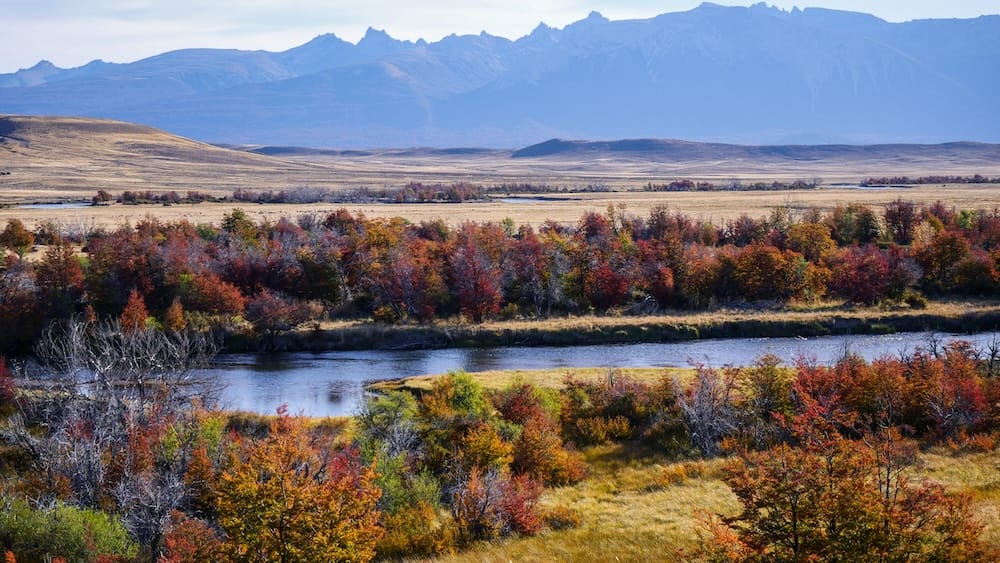
Estancia Arroyo Verde created a similar sense of separation. We travelled along a private road into a quiet part of the northern Patagonian lake country. Once there, the absence of surrounding development was central to the appeal.
I loved the tranquillity. There were very few people, dogs and cats added to the home-like atmosphere, and meals became part of a shared daily rhythm rather than a transaction before the next excursion.
We were not checking into a hotel and then leaving each morning to find the real experience.
The property was the experience.
That same isolation would frustrate some travellers. When you want a different restaurant each night, spontaneous outings or complete control over the schedule, a remote lodge can feel restrictive. The road, meal times and activity programme begin shaping the trip for you.
That trade-off only works when the property gives enough in return.
Current packages at Arroyo Verde combine meals, drinks, professional fishing guides and loaner equipment, but the journey to and from the lodge is separate. Fishing licences, laundry and gratuities also sit outside the core inclusions.
It is a good reminder that “remote lodge” and “all-inclusive” are not the same thing. A property may organize almost everything once you arrive while leaving you to solve the most awkward transfer yourself.
The Meals, Guides and Activities Have to Carry the Stay
A remote lodge earns its premium when its different parts reinforce one another.
Our three-day visit to Estancia Tecka was hosted, so I would not use it to make a sweeping claim about the retail price. What I can judge is what the structure of the stay changed.
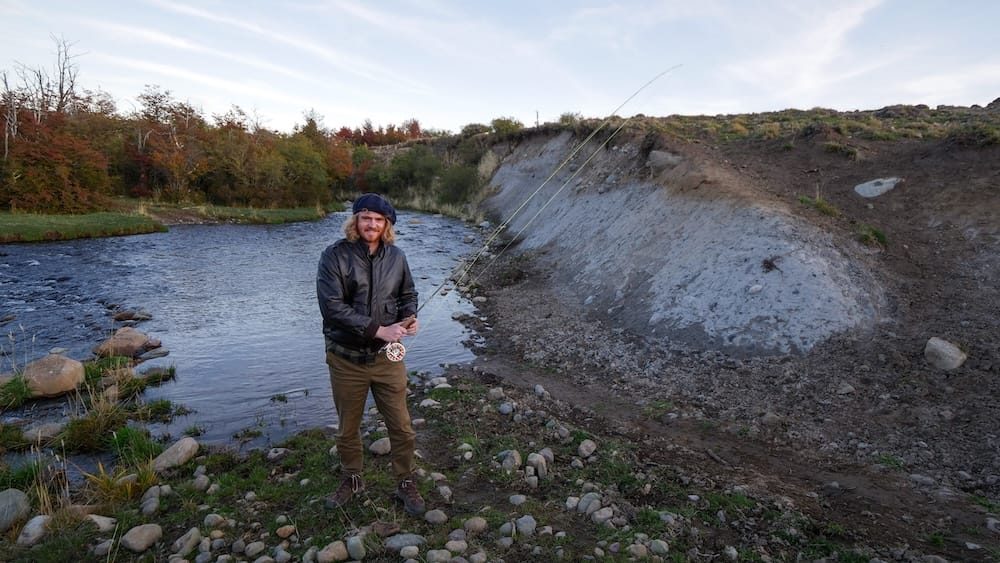
Audrey and I had never tried fly fishing. We needed rods, safety instruction, transport between fishing areas and somebody patient enough to explain the technique without eventually deciding the river would be better off if we left.
Juan was an excellent guide.
Audrey caught the first fish, a historical fact she may no longer remember but one I have retained for accuracy and personal suffering. I caught one later and avoided spending the rest of our marriage hearing that only one of us was a natural angler.
The guide mattered far more than the prestige of having personal attention. Had we been handed expensive equipment and left beside the water to discover our own technique, we would probably still be untangling the line.
Tecka’s current fishing packages are built around a much longer commitment than our hosted visit: a week at the lodge with six fishing days and two anglers assigned to each guide. Meals, licences, transfers from Esquel, ranch transport, drinks and laundry are included, while fishing gear and gratuities remain separate.
That package cannot be compared sensibly with seven nights in a normal hotel. It is organizing a large portion of the trip.
Other remote properties perform different jobs. Estancia Cristina, which we have not stayed at, uses a sailing journey across Lago Argentino as part of reaching its isolated setting near the Upsala Glacier area. Travellers considering that kind of remote stay can check current availability at Estancia Cristina on Booking.com, but the sailing and package details still need to match their dates. EOLO outside El Calafate recommends enough nights for guests to use the property and its activities rather than treating it as a distant place to sleep. El Pedral combines full-board accommodation and organized wildlife experiences at a coastal estancia reached over a gravel approach.
A fishing lodge, a glacier-access estancia and a coastal wildlife property are not interchangeable versions of “luxury Patagonia.” Their settings and activities solve different problems.
What they share is a demand for commitment.
You surrender restaurant choice, easy movement and some control over the day. In return, you gain access, meals, guiding and a landscape that would be difficult to experience in the same way from town.
That bargain works when those inclusions are the reason you booked. It fails when you mainly wanted a comfortable bed while exploring somewhere else.
Luxury Can Soften a Weather Day, Not Prevent One
Our first day at Arroyo Verde was supposed to be an active one.
Then the wind arrived and cancelled the programme.
Instead of riding or heading out, we remained at the lodge. We ate, rested, spent time indoors and waited for Patagonia to reconsider its behaviour.
The day was comfortable. It was also not what we had planned.
That distinction matters. A remote lodge can make a weather disruption much easier to absorb. It can provide warm common spaces, good meals, company and somewhere pleasant to wait.
It cannot force a horse ride, boat trip, hike or fishing session to operate safely.
You can pay for weather resilience. Weather obedience remains unavailable at every price point.
This becomes more important when one activity is the whole reason for visiting. A stay of several nights gives the programme room to move. A tightly scheduled one-night booking may offer no second chance.
Before committing to a remote property, I would look beyond the headline activity. What happens when conditions close it down? Is the room somewhere you would willingly spend an afternoon? Are meals included? Is there another activity that can move into the gap? Can the schedule shift to the following day?
The property does not need to replace a cancelled excursion with an equally dramatic adventure.
It does need enough substance to stop the entire stay from collapsing.
Private and Specialist Experiences Should Buy Control, Expertise or Time
A traveller does not need to change hotels to make one expensive part of the trip easier.
A private driver, specialist guide or premium excursion can concentrate the splurge into a single day. That may be more useful than moving to a remote lodge, especially when the rest of the itinerary already works well from a town base.
The word “private,” however, is doing far too much work in luxury travel.
A private tour may mean your own guide, vehicle or boat. It does not necessarily mean exclusive access, a different route or a better experience. You may still travel along the same public road, enter the same park and stand on the same walkway as everyone else.
The glacier does not become more impressive because nobody else is sitting behind you.
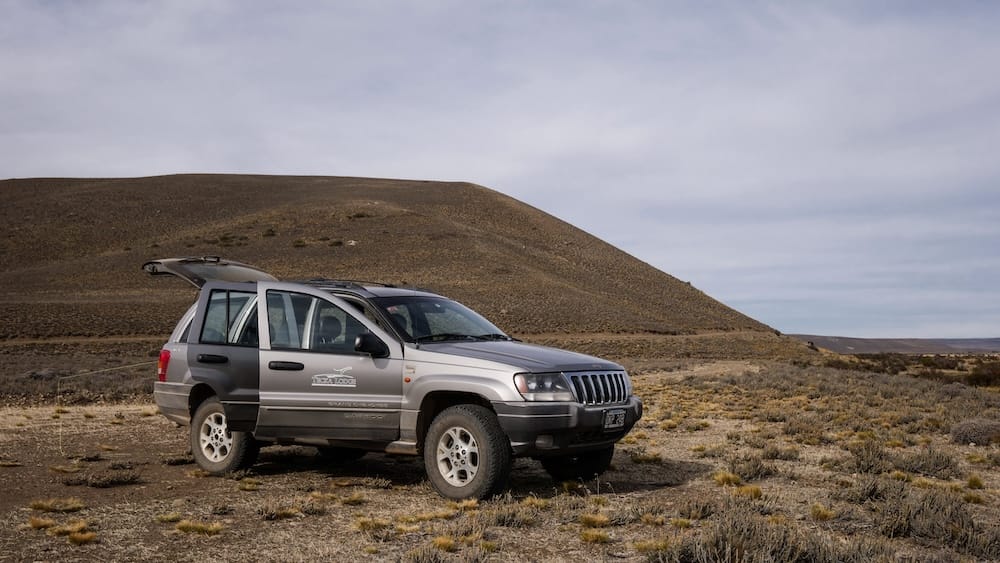
Private, Specialist and Small-Group Are Different Purchases
A true private tour is reserved for one booking party. A small-group trip combines several bookings but limits the numbers. Specialist guiding describes the knowledge being provided, regardless of group size.
Those distinctions matter.
Our Tecka fishing experience felt highly personal, but the value came from Juan’s specialist knowledge. He knew where to take us, how to teach beginners and how to adapt when our technique failed to resemble anything previously observed in the sport.
The organized excursion we took from Esquel to Piedra Parada solved a different problem. It included transport, food, guiding and interpretation on a long remote day. It was not private, but it made a difficult outing easy to execute.
Our upgraded Nahuel Huapi boat package added a quieter upper-deck area and several rounds of food and drinks. We thought the extra historical cost was worthwhile. The boat still contained other people.
These purchases may all feel premium, but they deliver separate benefits:
- expertise helps you do something technical;
- organized group travel solves transport and logistics;
- an upgraded package adds comfort;
- private travel gives your party control over the guide, vehicle or boat.
Knowing which benefit you need prevents you from paying for the wrong label.
Expertise Often Matters More Than Exclusivity
I would rather pay for a guide who knows exactly what I need than for privacy attached to a generic experience.
A sightseeing driver may know the road perfectly well. That is different from somebody who can teach a technical activity, understand local conditions, identify wildlife or adjust an outing around a particular physical or family need.
Current private tours around Bariloche illustrate the range.
A private Circuito Chico tour can provide hotel pickup, flexible pacing, multilingual guiding and more control over the stops. This can be genuinely useful for families, photographers or travellers working with limited time. It does not unlock a secret version of the public road.
A private sailing trip on Nahuel Huapi creates a stronger difference because the boat changes the route itself. Some products combine the sailing with food and stops that cannot be reproduced from the road.
One purchase improves control over an existing sightseeing circuit. The other changes how you access the landscape.
That is the comparison I care about—not which brochure uses the word “exclusive” more enthusiastically.
Travellers deciding whether that control is genuinely useful can compare current private tours in Bariloche on GetYourGuide.
Families and Time-Sensitive Travellers May Gain More From Control
Private transport can be particularly helpful when a day needs to bend around the people taking it.
Families may value an unscheduled bathroom stop, a slower lunch or the ability to leave when a child has reached the point where another viewpoint feels like a personal attack. Photographers may prefer fewer stops with more time at each one. Travellers with only a day or two in a destination may want to avoid a long pickup route.
At Perito Moreno Glacier, a private excursion can add hotel pickup, a dedicated vehicle, bilingual guidance and control over the pace of the walkways.
It is not required for access.
The glacier can also be reached by rental car, regular transport, remise or a shared excursion from El Calafate. A private booking may make the day smoother, but it does not open a gate that remains closed to everyone else.
If private pickup and pacing are the priority, you can compare private Perito Moreno tours on GetYourGuide. If you would rather control the day yourself, compare car rentals in El Calafate on Booking.com.
Park admission, meals and optional boat trips may also sit outside the private-tour price. “Private” describes the party using the service. It does not mean every component of the day has been bundled together.
I would consider paying extra when private travel solves a real constraint:
- a young child’s schedule;
- limited time;
- specialist instruction;
- language support;
- photography priorities;
- mobility requirements that have been directly confirmed with the operator;
- or access that genuinely changes with a private boat or vehicle.
I would hesitate when the only obvious benefit is the absence of strangers.
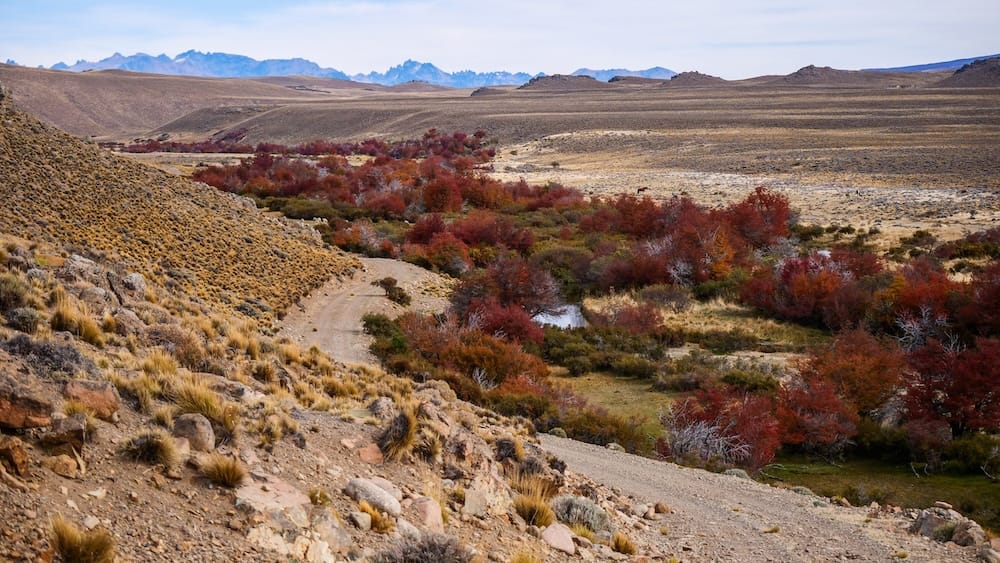
Where Paying More Stops Changing the Trip
Luxury reaches diminishing returns at a different point for every traveller. A spa I ignore may be the main attraction for somebody else. A fixed meal plan that makes me restless may be exactly what another person wants after a complicated travel day.
Still, four warning signs are worth watching.
You Will Barely Use the Hotel
An iconic resort becomes difficult to justify when every usable hour is already committed elsewhere.
Leaving before breakfast and returning after dinner means you are not buying a resort experience. You are buying a particularly expensive place to keep your luggage.
That may be intentional. A room, view or service may matter enough on its own. Just do not pretend you will somehow absorb the pool, restaurants and grounds through the walls while sleeping.
The Structure Removes Flexibility You Wanted
Remote lodges organize the day because independent alternatives are limited. That is one of their strengths.
It is also the main compromise.
Fixed meals, arranged transfers, minimum stays and an included programme can feel restrictive when you want to explore restaurants, move quickly between destinations or change plans at the last minute.
The structure is not a flaw. It is a poor fit for travellers who value independence more than integration.
You Are Paying Twice for the Same Solution
A transfer has less value when you already have a suitable vehicle. Loaner equipment matters less when you travel with your own. Full-board meals are wasted when you keep leaving the property to eat elsewhere.
Do not count inclusions. Count the inclusions you will use.
A shorter list solving three real problems can provide more value than a grand package containing ten things you never needed.
Privacy Changes the Passenger List and Nothing Else
A private vehicle may be worth the money for comfort alone. I am not opposed to comfort. I have spent enough time folded into buses to understand its appeal.
But when the departure time, pace, route, access and guide expertise remain unchanged, the premium is buying space rather than substance.
Space can be valuable. Just price it honestly in your own mind.
When removing the private label would leave the day almost identical, you have probably reached the limit of what the upgrade can deliver.
Where the Splurge Changes the Trip
| Type of splurge | What it changes best | What you gain | What you surrender | Best fit | Warning sign |
|---|---|---|---|---|---|
| Iconic hotel overnight | Makes the property part of the itinerary | Facilities, atmosphere, service, dining and setting | Money and itinerary time | Travellers planning to slow down at the hotel | You spend nearly every waking hour elsewhere |
| Meal, tea or limited hotel experience | Delivers a concentrated taste of the property | Architecture, atmosphere, food and service | Full guest access and the overnight rhythm | Travellers interested in the hotel but not needing the stay | Current non-guest access is limited or unavailable |
| Remote lodge or estancia | Combines access, meals, guiding and landscape | Fewer moving parts and a more immersive stay | Flexibility, restaurant choice and often several nights | Travellers who want the property to be the destination | You mainly need a bed near independent attractions |
| Private or specialist experience | Adds control, knowledge, equipment or different access | Flexible pacing, instruction, privacy or tailored logistics | Higher daily cost and sometimes social interaction | Families, photographers, beginners and time-limited travellers | The group gets smaller but the day stays the same |
There is no universal winner.
An iconic hotel can be the right splurge for somebody who wants to stop moving and enjoy the property. A remote lodge may transform the trip for somebody who wants fishing, wildlife or isolation without coordinating every transfer and meal. A specialist guide may be the smartest use of money for a beginner. A private vehicle may rescue a difficult family day.
The best choice is attached to the hardest or most important part of your own itinerary.
For a wider look at current inventory, you can browse private tours across Argentine Patagonia on GetYourGuide, then apply the same test: what changes besides the passenger list?
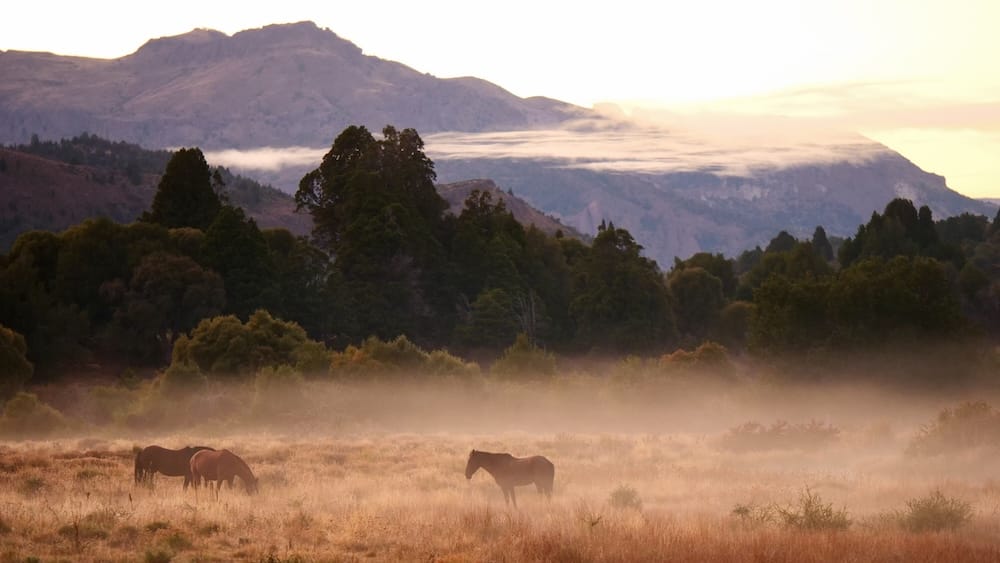
Spend on Patagonia’s Hard Parts, Not Every Night
I would not build a Patagonia trip by choosing the most expensive option in every destination.
That produces a luxurious booking history. It does not guarantee a better journey.
Some towns work best when you stay centrally, walk to dinner and organize the day yourself. A simpler apartment or hotel may give you more freedom than a remote property with a long transfer and fixed programme.
I would concentrate the budget instead.
Book the iconic hotel when you intend to use it as an attraction. Choose the remote lodge when the isolation, meals and activities are the point. Hire the private driver or specialist guide when control, access or expertise will change the day.
Let the rest of the trip remain ordinary.
Across our travels in Patagonia, Audrey and I have mixed memorable premium experiences with apartments, standard hotels, buses, independent meals and outings organized on the fly. The luxury moments stood out because they were specific. They solved something, taught us something or placed us somewhere we could not have experienced in quite the same way on our own.
The best splurge is not always the fanciest one.
It is the one you would genuinely miss if you removed it from the trip.
Frequently Asked Questions
Is luxury travel in Patagonia worth the extra cost?
It is when the premium solves a real problem: difficult access, integrated meals and activities, specialist expertise or useful control over time. I would hesitate when the cheaper option would leave the trip almost unchanged.
When is an overnight stay at Llao Llao worth it?
The stay makes most sense when the hotel itself is part of the itinerary. We used the grounds, heated pool, common areas, restaurants and family spaces; arriving late and leaving early would waste much of what the resort offers.
Can you experience Llao Llao without staying overnight?
Audrey and I previously booked afternoon tea as non-guests and also returned for dinner, but current access should be confirmed directly. The hotel still lists traditional tea while guided hotel visits are not operating.
What makes a remote Patagonia lodge worth the premium?
A remote lodge earns its price when access, meals, guiding, equipment and landscape work together. The trade-off is less flexibility, fixed meal or transfer structures and often a longer minimum commitment.
Are private tours necessary at Perito Moreno Glacier?
No. The glacier can also be reached by rental car, regular transport, remise or shared excursion. A private tour may still be worthwhile for hotel pickup, family pacing, photography time or dedicated guidance.
Can a luxury lodge prevent weather disruptions in Patagonia?
No lodge can control the wind. At Arroyo Verde, our planned outdoor programme was cancelled, but the warm common spaces, meals and comfortable setting stopped the entire stay from falling apart.
Project 23 Argentina: This guide is also available in Spanish. [Leé la versión en castellano: Viajes de lujo en la Patagonia: hoteles emblemáticos, lodges remotos y experiencias privadas]
This article contains affiliate links. If you book through one of these links, I may earn a commission at no extra cost to you.